Search Result
Results for "
F3 cells
" in MedChemExpress (MCE) Product Catalog:
5
Biochemical Assay Reagents
| Cat. No. |
Product Name |
Target |
Research Areas |
Chemical Structure |
-
- HY-104010
-
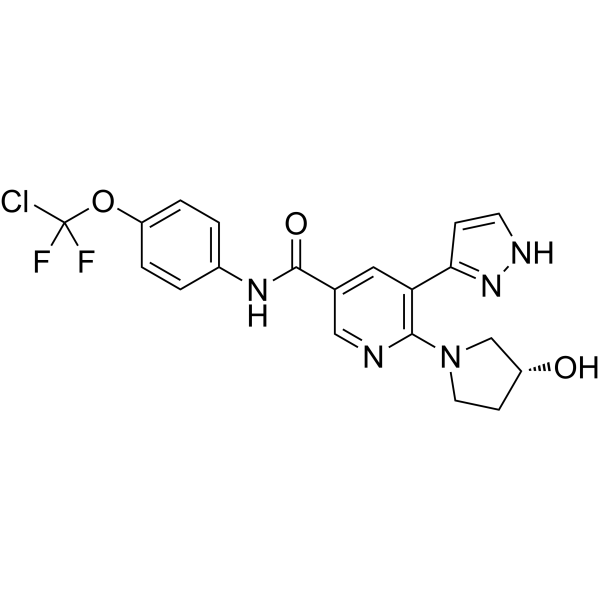
Asciminib
Maximum Cited Publications
15 Publications Verification
ABL001
|
Bcr-Abl
|
Cancer
|
|
Asciminib (ABL001) is a potent and selective allosteric BCR-ABL1 inhibitor, which inhibits Ba/F3 cells grown with an IC50 of 0.25 nM .
|
-
-
- HY-18960
-
|
|
JAK
|
Cancer
|
|
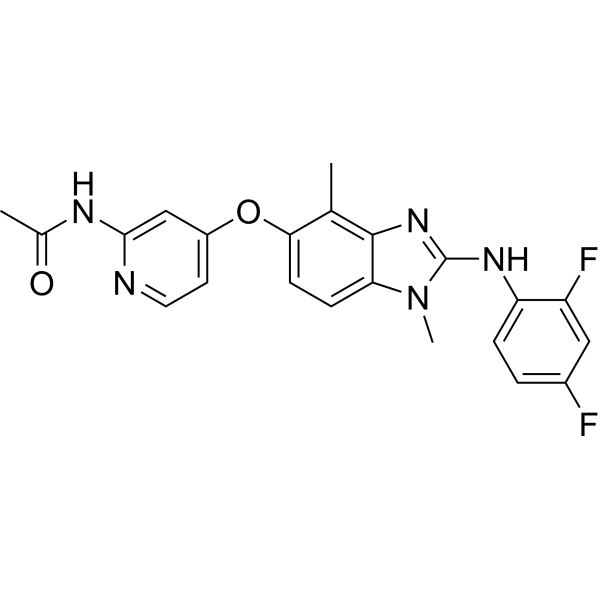
CHZ868 is a type II JAK2 inhibitor with an IC50 of 0.17 μM in EPOR JAK2 WT Ba/F3 cell.
|
-
-
- HY-13491
-
|
|
Trk Receptor
|
Cancer
|
|
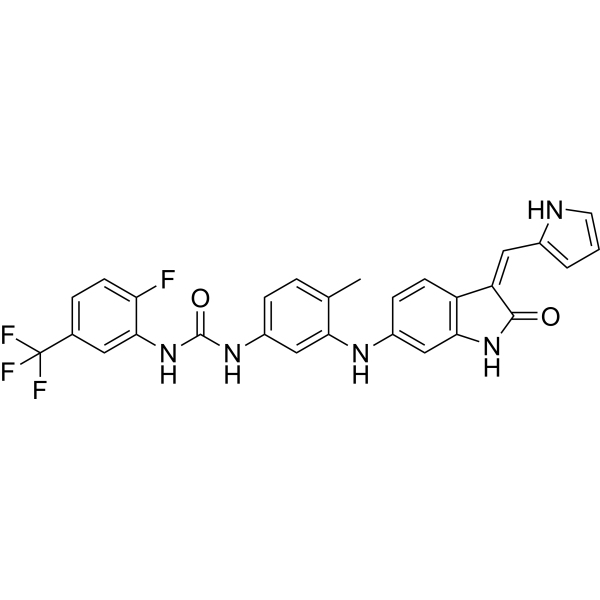
GNF-5837 is a potent, selective, and orally bioavailable pan-tropomyosin receptor kinase (TRK) inhibitor which display antiproliferative effects in cellular Ba/F3 assays ( IC50 values of 7 nM, 9 nM and 11 nM for cells containing the fusion proteins Tel-TrkC, Tel-TrkB and Tel-TrkA, respectively) .
|
-
-
- HY-104010A
-
|
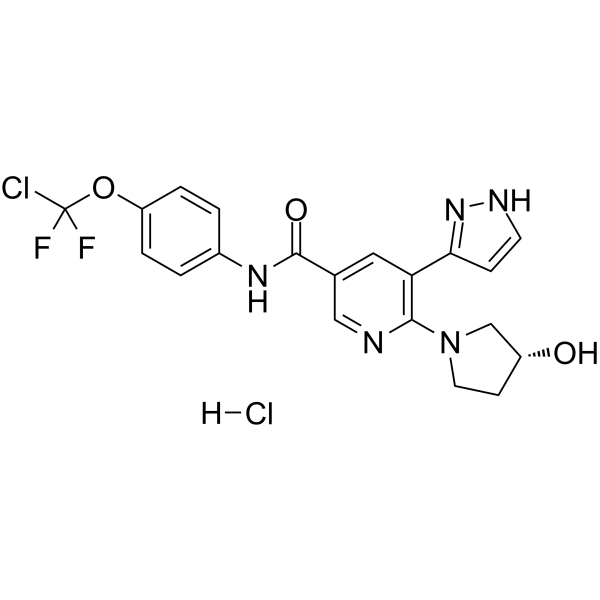
ABL001 hydrochloride
|
Bcr-Abl
|
Cancer
|
|
Asciminib (ABL001) hydrochloride is a potent and selective allosteric BCR-ABL1 inhibitor, which inhibits Ba/F3 cells grown with an IC50 of 0.25 nM .
|
-
-
- HY-130709
-
|
|
PROTACs
CDK
|
Cancer
|
|
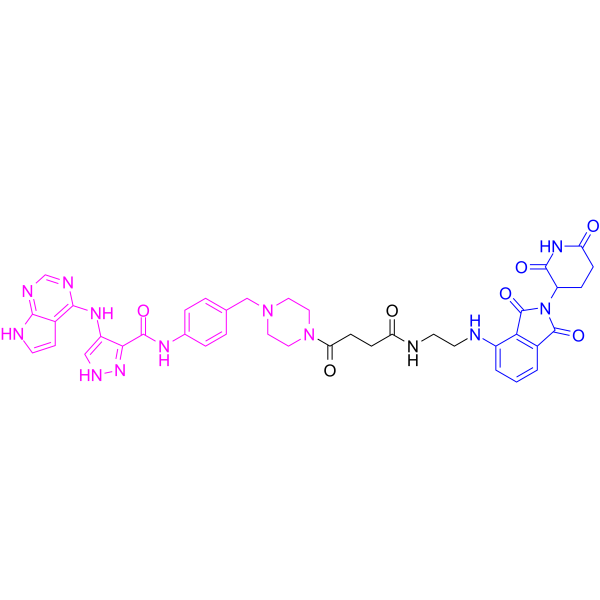
PROTAC CDK2/9 Degrader-1 (Compound F3) is a potent dual degrader for CDK2 (DC50=62 nM) and CDK9 (DC50=33 nM). PROTAC CDK2/9 Degrader-1 suppresses prostate cancer PC-3 cell proliferation (IC50=0.12 µM) by effectively blocking the cell cycle in S and G2/M phases. PROTAC CDK2/9 Degrader-1 is a PROTAC by tethering CDK inhibitor with Cereblon ligand .
|
-
-
- HY-131906
-
|
|
JAK
FLT3
Apoptosis
|
Cancer
|
|
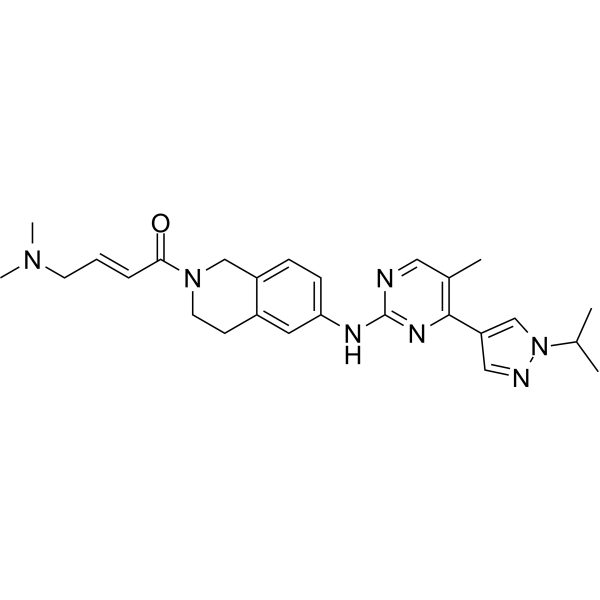
JAK2-IN-7 is a selective JAK2 inhibitor with IC50s of 3, 11.7, and 41 nM for JAK2, SET-2, and Ba/F3 V617F cells, respectively. JAK2-IN-7 possesses >14-fold selectivity over JAK1, JAK3, FLT3. JAK2-IN-7 stimulates cell cycle arrest in the G0/G1 phase and induces tumor cellapoptosis. Antitumor activities .
|
-
-
- HY-P990212
-
|
|
Interleukin Related
STAT
|
Infection
Inflammation/Immunology
|
|
Anti-Mouse IL-6 Antibody (MP5-20F3) is an anti-mouse IL-6 IgG1 monoclonal antibody. Anti-Mouse IL-6 Antibody (MP5-20F3) reshapes the tumor microenvironment by blocking IL-6. Anti-Mouse IL-6 Antibody (MP5-20F3) can inhibit the STAT3 pathway and enhance T cell infiltration. Anti-Mouse IL-6 Antibody (MP5-20F3) can be used for researches on inflammation and infection conditions such as malignant pleural effusion (MPE) .
|
-
-
- HY-N0600
-
|
|
Interleukin Related
IFNAR
NF-κB
|
Inflammation/Immunology
|
|
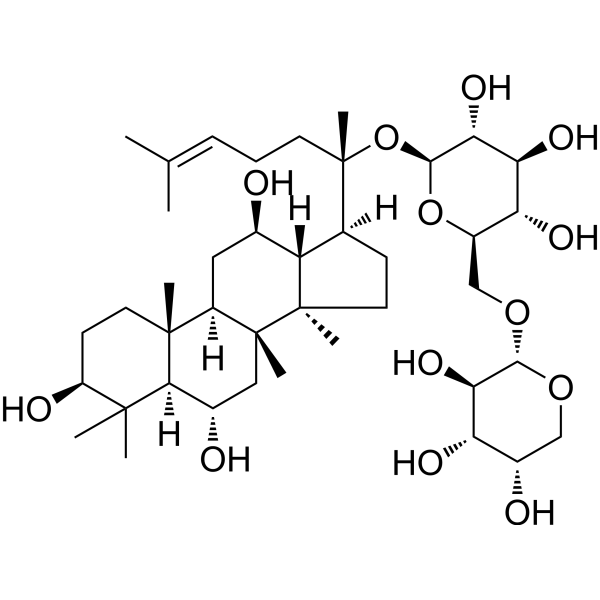
Ginsenoside F3 is a saponin extracted from the leaves of Panax ginseng with immunoenhancing and antitumor immunostimulatory activities. Ginsenoside F3 upregulates RIPOR2 with a Kd value of 3.77 μM. Ginsenoside F3 enhances NF‑κB activation, upregulates T‑bet and downregulates GATA‑3, increases the production of IL‑2 and IFN‑γ, decreases the production of IL‑4 and IL‑10, reverses CD8⁺ T‑cell exhaustion, restores cytokine secretion, and enhances antitumor immunity in a mouse non‑small cell lung cancer model. Ginsenoside F3 can be used for the research of non-small cell lung cancer .
|
-
-
- HY-157229
-
STX-721
1 Publications Verification
|
EGFR
ERK
|
Cancer
|
|
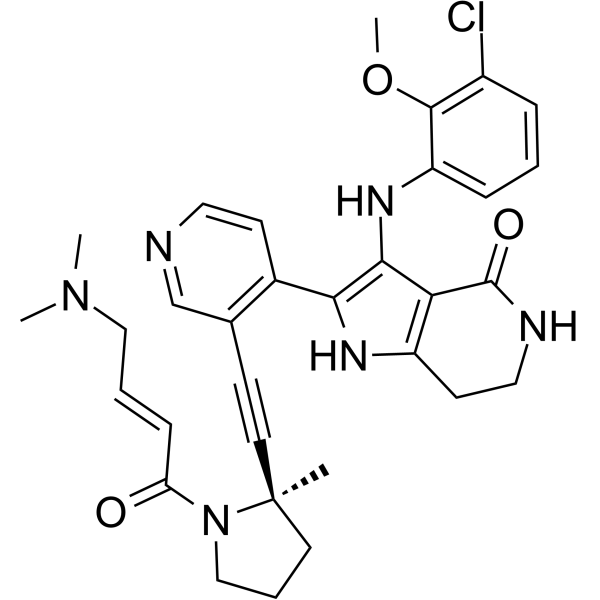
STX-721 is an orally active, irreversible, covalent EGFR exon 20 insertion (ex20ins) inhibitor that selectively targets ex20ins-mutant dynamic protein states. STX-721 potently inhibits the kinase activity of EGFR ex20ins mutants (NPG, ASV, SVD). STX-721 inhibits phosphorylation of EGFR (pEGFR Y1068) and downstream ERK (pERK Thr202/Tyr204), and suppresses proliferation of ex20ins-mutant Ba/F3 cells and human NSCLC cell lines (NCI-H2073 ASV KI, CUTO-14 ASV). STX-721 induces tumor regression in EGFR ex20ins-mutant PDX/CDX models. STX-721 can be used for the study of non-small cell lung cancer (NSCLC) harboring EGFR or HER2 ex20ins mutations .
|
-
-
- HY-125845
-
|
VH032-NH2; VHL ligand 1
|
Ligands for E3 Ligase
|
Cancer
|
|
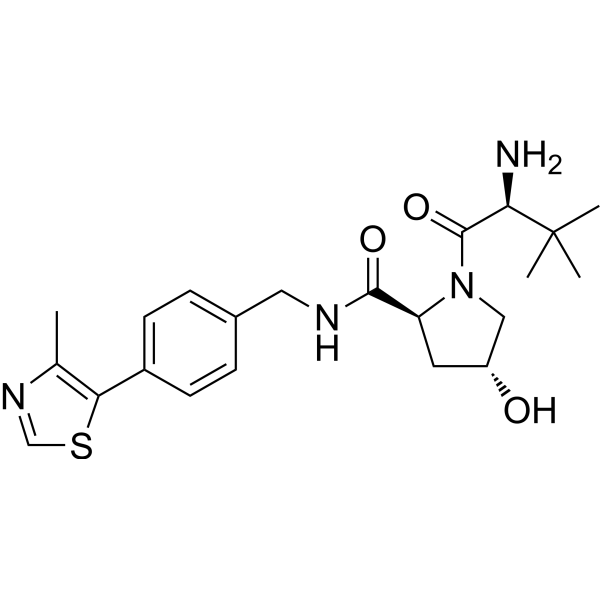
(S,R,S)-AHPC (VH032-NH2) is the VH032-based VHL ligand used in the recruitment of the von Hippel-Lindau (VHL) protein. (S,R,S)-AHPC can be connected to the ligand for protein (e.g., BCR-ABL1) by a linker to form PROTACs (e.g., GMB-475). GMB-475 induces the degradation of BCR-ABL1 with an IC50 of 1.11 μM in Ba/F3 cells .
|
-
-
- HY-125834
-
|
|
PROTACs
Bcr-Abl
Apoptosis
STAT
JAK
|
Cancer
|
|
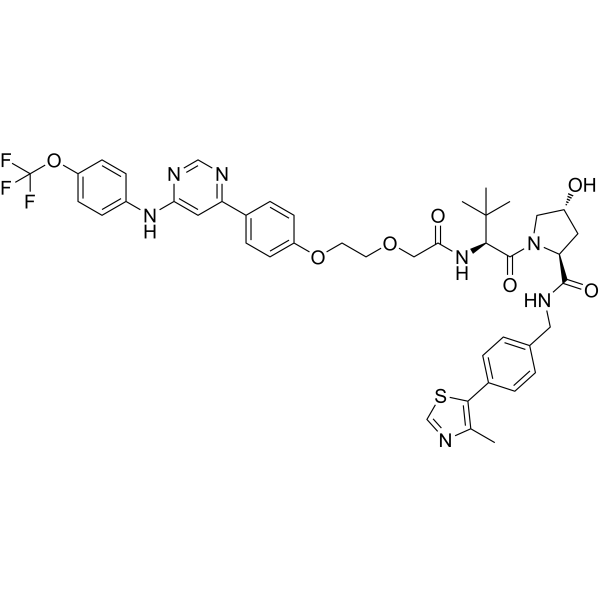
GMB-475 is a potent BCR-ABL1 PROTAC based on Von Hippel-Lindau (VHL). GMB-475 targets the nutmeg pocket of ABL1 in an ectopic manner and degrades BCR-ABL1 protein through the ubiquitin proteasome pathway. GMB-475 inhibits the proliferation of human K562 cells and mouse Ba/F3 cells, and is used for the study of chronic myeloid leukemia. (Blue: VHL ligand (HY-125845); Black: Linker; Pink: BCR-ABL1 ligand (HY-11007)) .
|
-
-
- HY-134877
-
|
|
EGFR
ERK
Akt
|
Cancer
|
|
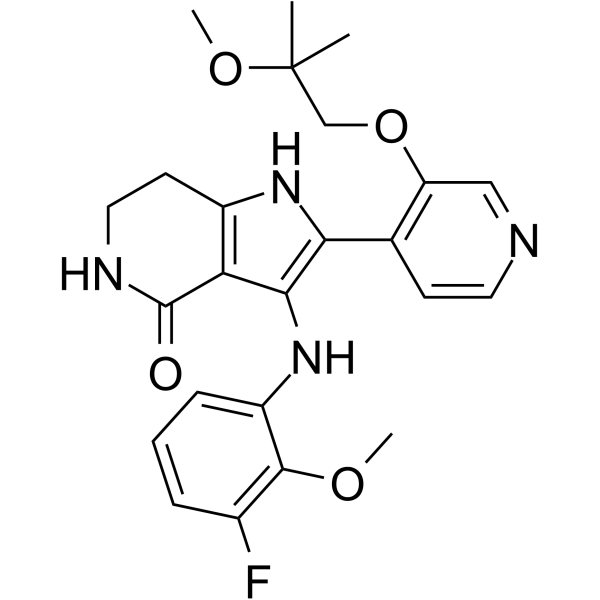
BAY 2476568 is a potent and mutant-selective inhibitor targeting EGFR exon20 insertion variants. BAY 2476568 potently inhibits the kinase activity of EGFR exon20 insertion mutants (insASV, insSVD, insNPG) with IC50 values of 0.09 nM, 0.21 nM, and 0.11 nM, respectively. BAY 2476568 inhibits EGFR (Y1068) phosphorylation and reduces the phosphorylation of ERK1/2 and Akt (S473) in Ba/F3 cells expressing EGFR exon20 insertion mutants (insASV, insSVD). BAY 2476568 can be used for the study of non-small cell lung cancer (NSCLC) driven by EGFR exon20 insertion mutations .
|
-
-
- HY-P990145
-
|
|
VISTA
|
Inflammation/Immunology
Cancer
|
|
Anti-Mouse VISTA Antibody (13F3) is an anti-mouse VISTA IgG monoclonal antibody. Anti-Mouse VISTA Antibody (13F3) can reverse the immunosuppressive effect of VISTA by blocking its binding to ligands such as VSIG3. Anti-Mouse VISTA Antibody (13F3) exacerbates pulmonary fibrosis (PF) by promoting Th17 cell differentiation. Anti-Mouse VISTA Antibody (13F3) can be used for research on cancer such as breast cancer and PF .
|
-
-
- HY-139997
-
|
|
PROTACs
EGFR
|
Cancer
|
|
DDC-01-163 is an allosteric PROTAC degrader targeting EGFR. DDC-01-163 is dependent on the ubiquitin–proteasome system. DDC-01-163 can selectively inhibit the proliferation of L858R/T790M (L/T) mutant Ba/F3 cells. DDC-01-163 is effective against Osimertinib (HY-15772)-resistant cells with L/T/C797S and L/T/L718Q EGFR mutations. DDC-01-163 exhibits enhanced anti-proliferative activity against L858R/T790M EGFR-Ba/F3 cells when combined with the ATP-site EGFR inhibitor Osimertinib. DDC-01-163 can be used for the study of non-small cell lung cancer .
|
-

-
- HY-12083
-
|
|
Bcr-Abl
|
Cancer
|
|
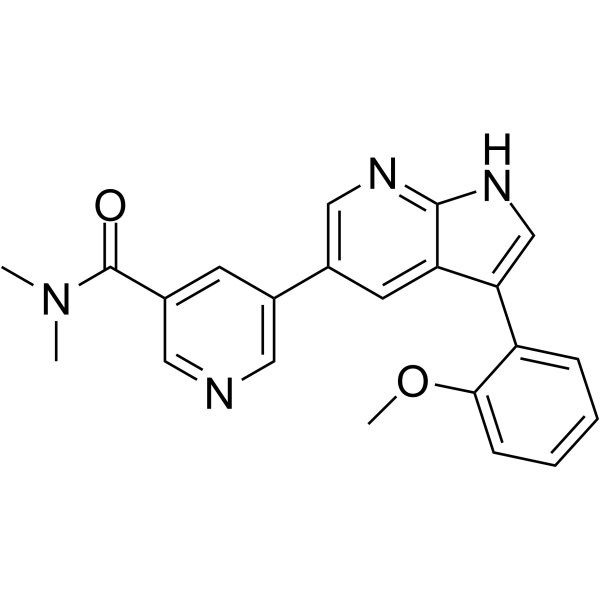
PPY-A is a potent T315I mutant and wild-type Abl kinases inhibitor with IC50s of 9 and 20 nM, respectively. PPY-A inhibits Ba?F3 cells transformed with wild-type Abl and Abl T315I mutantl with IC50s of 390 and 180 nM, respectively. PPY-A can be used for the research of chronic myeloid leukemia (CML) .
|
-
-
- HY-W1048555A
-
|
|
Biochemical Assay Reagents
|
Others
|
|
Mal-PEG2000-SCM is a heterobifunctional PEG crosslinker bearing maleimide and succinimidyl carboxymethyl ester functional groups. MMal-PEG2000-SCM conjugates the F3 peptide to nanoparticles: the SCM group reacts with amino groups on the nanoparticle surface to form amide groups, while the MAL group reacts with thiol groups of the F3 peptide to form carbon-sulfur bonds. Mal-PEG-SCM enables unidirectional addition of linkers, ensuring that appropriate functional groups are available for RGD incorporation. Mal-PEG2000-SCM can be used in the development of nanoparticles targeting specific tumor cells .
|
-

-
- HY-159147
-
|
|
PROTACs
ROS Kinase
Apoptosis
|
Cancer
|
|
SIAIS039 is an orally active c-ros oncogene 1 (ROS1)-specific PROTAC with DC50s of 154.46 nM, 126.47 nM, 143.69 nM for HCC78 cells, Ba/F3 expressing the CD74-ROS1 fusion and Ba/F3 expressing the SDC4-ROS1 fusion, respectively. SIAIS039 suppresses cell proliferation, induces cell cycle arrest and apoptosis, and inhibits clonogenicity against ROS1-positive cells. SIAIS039 demonstrates anti-tumour effects against ROS1-driven tumor growth vivo. SIAIS039 is composed of the ALK inhibitor Brigatinib (HY-12857), a linker EM-12 (HY-138793), and a VHL ligand E3 ubiquitin ligase 1-Butyne (Red: Brigatinib; Blue: VHL ligand; Black: linker) .
|
-

-
- HY-164397
-
|
|
Anaplastic lymphoma kinase (ALK)
Apoptosis
|
Cancer
|
|
XMU-MP-5 is a selective inhibitor for ALK. XMU-MP-5 inhibits ALK-mutated Ba/F3 cell with IC50s of 4-50 nM, and induces apoptosis in EML4-ALK Ba/F3. XMU-MP-5 exhibits antitumor efficacy in mice .
|
-

-
- HY-104010R
-
|
ABL001 (Standard)
|
Reference Standards
Bcr-Abl
|
Cancer
|
|
Asciminib (Standard) is the analytical standard of Asciminib. This product is intended for research and analytical applications. Asciminib (ABL001) is a potent and selective allosteric BCR-ABL1 inhibitor, which inhibits Ba/F3 cells grown with an IC50 of 0.25 nM .
|
-

-
- HY-126619
-
|
|
Bacterial
Apoptosis
|
Infection
|
|
Aspochalasin D is a co-metabolite originally isolated from A. microcysticus with aspochalasins A, B, and C, that is initially thought to be inactive. It has antibacterial activity against Gram-positive and Gram-negative bacteria at a concentration of 1 mg/ml.2 Aspochalasin D is more cytotoxic, via apoptosis, to Ba/F3-V12 cells in an IL-3-free medium than in an IL-3-containing medium (IC50s=0.49 and 1.9 μg/mL, respectively).
|
-

-
- HY-W081348
-
-

-
- HY-P10997
-
|
|
DNA/RNA Synthesis
|
Cancer
|
|
F3 peptide is a fragment of the human high mobility group protein 2 (HMGB2), and can specifically bind to nucleolin expressed on the membrane of cancer cells, neovasculature, and endothelium. F3 peptide can be used as an effective ligand to improve their druggability of macromolecular drugs or nanoparticles, and so on .
|
-

-
- HY-18952A
-
|
|
FLT3
Apoptosis
|
Cancer
|
|
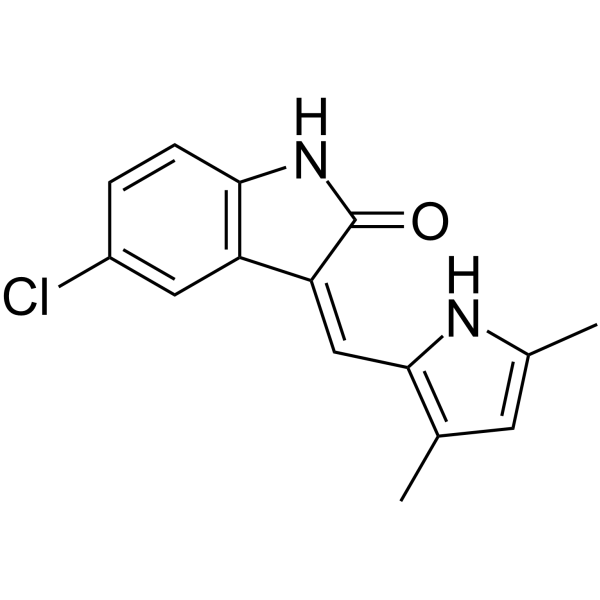
(Z)-SU5614 is a potent FLT3 inhibitor and selectively induces growth arrest, apoptosis, and cell cycle arrest in Ba/F3 and AML cell lines expressing a constitutively activated FLT3 .
|
-
-
- HY-133551
-
|
|
RET
|
Neurological Disease
Cancer
|
|
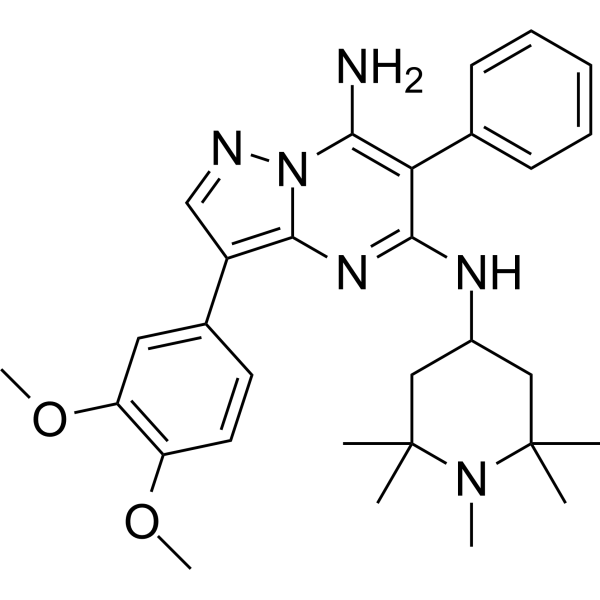
WF-47-JS03 is a potent, selective and brain-penetrantRET kinase inhibitor with IC50s of 1.7 nM and 5.3 nM for KIF5B-RET transfected Ba/F3 cells and CCDC6-RET transfected LC-2/ad lung cancer cells, respectively. WF-47-JS03 demonstrates >500-fold selectivity against kinase insert domain receptor (KDR) .
|
-
-
- HY-110402
-
|
VH032-NH2 TFA; VHL ligand 1 TFA
|
Ligands for E3 Ligase
|
Cancer
|
|
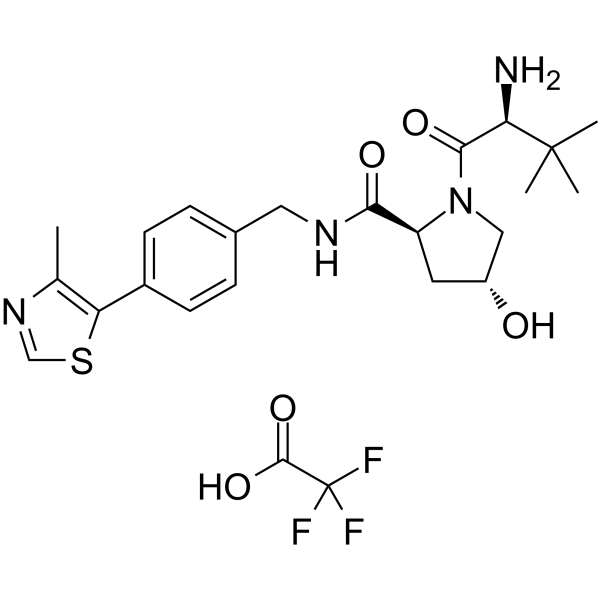
(S,R,S)-AHPC (VH032-NH2) TFA is the VH032-based VHL ligand used in the recruitment of the von Hippel-Lindau (VHL) protein. (S,R,S)-AHPC TFA can be connected to the ligand for protein (e.g., BCR-ABL1) by a linker to form PROTACs (e.g., GMB-475). GMB-475 induces the degradation of BCR-ABL1 with an IC50 of 1.11 μM in Ba/F3 cells .
|
-
-
- HY-172478
-
|
|
Liposome
|
Cancer
|
|
DSPE-PEG1000-F3 is a PEG compound which composed of DSPE and a nucleolin targeting peptide (F3). F3 peptide can specifically bind to cell surface nucleolin and undergo an effective cell surface to nucleus transport. DSPE-PEG1000-F3 can be used for drug delivery .
|
-

-
- HY-176259
-
|
|
RIBOTAC
Apoptosis
Galectin
|
Cancer
|
|
F3-PEG8-RiboTAC is a RiboTAC that can specifically degrade the mRNA of the oncogene LGALS1. F3-PEG8-RiboTAC can induce tumor cell apoptosis and inhibit invasion. F3-PEG8-RiboTAC has anti-tumor activity and can be used in the research of tumors such as leukemia and triple-negative breast cancer. (RNase L ligand (HY-177030); RNA binder (HY-177031); Linker (HY-W019798)) .
|
-

-
- HY-110026
-
|
|
FLT3
|
Cancer
|
|
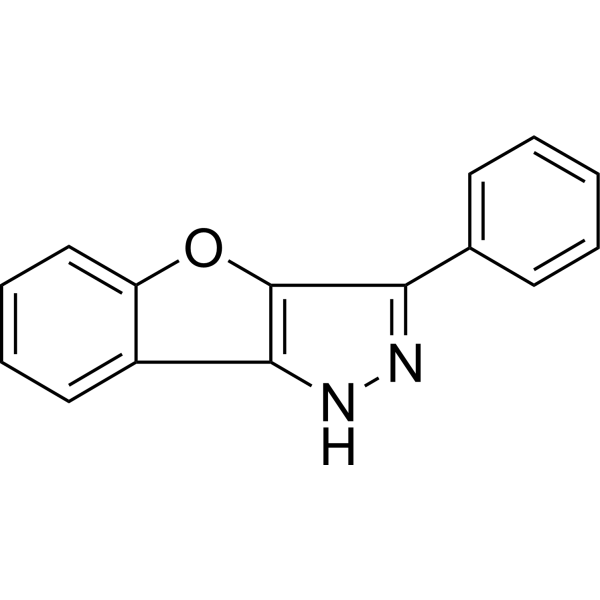
GTP-14564 is a tyrosine kinase inhibitor targeting to internal tandem duplication (ITD) and FLT3. GTP-14564 inhibits FLT3 ligand-dependent growth in Ba/F3 leukemia cells .
|
-
-
- HY-174415
-
|
|
PROTACs
EGFR
Akt
ERK
|
Cancer
|
|
ZSH-2117 is a covalent and selective EGFR PROTAC degrader with a DC50 of 45 nM in Ba/F3-EGFR L858R/T790M/C797S cells. ZSH-2117 significantly inhibits cell proliferation and reduces the downstream EGFR signaling proteins level of AKT and ERK. ZSH-2117 effectively inhibits tumor growth in Ba/F3-EGFR L858R/T790M/C797S xenograft mice model . Pink: EGFR ligand (HY-175162); Blue: NEDD4 ligase ligand (HY-175159); Black: linker
|
-

-
- HY-131244
-
|
|
Anaplastic lymphoma kinase (ALK)
|
Cancer
|
|
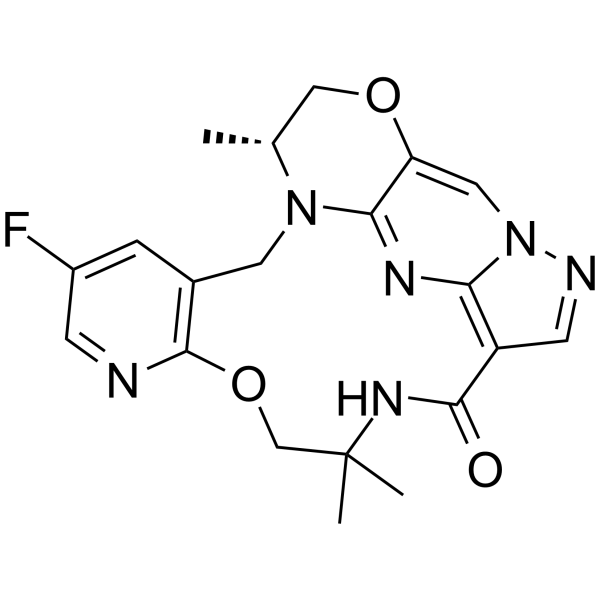
ALK-IN-9 (compound 40) is a potent ALK inhibitor. ALK-IN-9 inhibits cell proliferation with IC50s of <0.2 nM, <0.2 nM, 0.2 nM for Ba/F3-EML4-ALK, KM 12 (TPM3-TRKA), KG-l cell (OP2-FGFR1), respectively .
|
-
-
- HY-174974
-
|
|
FGFR
|
Cancer
|
|
ISM7594 is an orally active FGFR2/3 inhibitor. ISM7594 shows broad-spectrum antiproliferative potency in
FGFR2- or FGFR3-altered cancer cell panels, including FGFR2/3 amplification, fusion, and mutation (BaF3-TEL-FGFR2-V564F (IC50 = 0.067 nM), BaF3-TEL-FGFR2-V564I (IC50 = 2 nM)) types. ISM7594 inhibits tumor growth in a dose-dependent manner. ISM7594 can be used for the study of advanced solid tumors with FGFR2/3 aberrations .
|
-

-
- HY-151048
-
|
|
EGFR
|
Cancer
|
|
JBJ-07-149 is an inhibitor for EGFRL858R/T790M with an IC50 of 1.1 nM. JBJ-07-149 inhibits the proliferation of cell Ba/F3 with IC50 of 4.9 μM and 0.148 μM, without and with presence of Cetuximab (HY-P9905). JBJ-07-149 can be used as ligand for target protein in synthesis of DDC-01-163 (HY-139997) .
|
-

-
- HY-158313
-
|
|
EGFR
PROTACs
|
Cancer
|
|
PROTAC EGFR degrader 13 (compound 106) is an EGFR PROTAC degrader with a DC50 of <0.1 μM. PROTAC EGFR degrader 13 has proliferation inhibitory activity on cell Ba/F3-TEL-EGFR-T790M-L858R-C797S with an IC50 of 15.6 nM. PROTAC EGFR degrader 13 can be used for the study of EGFR-related diseases such as cancer (Pink: Target protein ligand; Blue: E3 ligand (HY-14658); Black: linker (HY-W262798); E3 ligand + linker: HY-W998306) .
|
-

-
- HY-178057
-
|
|
EGFR
Akt
Anaplastic lymphoma kinase (ALK)
Apoptosis
|
Cancer
|
|
EGFR-IN-176 is an orally active and ATP-competitive EGFR mutant inhibitor (particularly C797S-mediated EGFR triple mutant). EGFR-IN-176 effectively inhibits subsequent AKT signaling and induces apoptosis in Ba/F3 and PC-9 cells expressing EGFR 19del/T790M/C797S and EGFR L858R/T790M/C797S. EGFR-IN-176 selectively inhibits EGFR signaling in cell lines harboring EGFR triple mutation and shows no inhibitory effect against A431 cells that express wild-type EGFR. EGFR-IN-176 can effectively inhibit the enzymatic activity of ALK (IC50 < 0.5 nM). EGFR-IN-176 can be used for the study of non-small cell lung cancer (NSCLC) .
|
-

-
- HY-175864
-
|
|
EGFR
Apoptosis
p38 MAPK
ERK
Akt
STAT
|
Inflammation/Immunology
Cancer
|
|
EGFR-IN-173 is an orally active, pan-mutant EGFR tyrosine kinase inhibitor that targets EGFR 19del, L858R/T790M and C797S triple-mutations, potently inhibiting EGFR 19del/T790M/C797S with an IC50 of 1.19 nM while showing over 100-fold selectivity for mutant over wild-type EGFR (IC50 = 19.362 μM against WT). EGFR-IN-173 significantly inhibits cell migration, induces apoptosis in non-small cell lung cancer (NSCLC) cells. EGFR-IN-173 inhibits EGFR phosphorylation and suppresses the downstream pathways (MAPK/ERK, AKT, STAT3). EGFR-IN-173 exhibits antitumor efficacy in NSCLC and Ba/F3 xenograft models. EGFR-IN-173 can be used for NSCLC research .
|
-

-
- HY-172479
-
|
|
Liposome
|
Cancer
|
|
DSPE-PEG2000-F3 is a PEG compound which composed of DSPE and a nucleolin targeting peptide (F3). F3 peptide can specifically bind to cell surface nucleolin and undergo an effective cell surface to nucleus transport. DSPE-PEG2000-F3 can be used for drug delivery .
|
-

-
- HY-172479A
-
|
|
Liposome
|
Cancer
|
|
DSPE-PEG3400-F3 is a PEG compound which composed of DSPE and a nucleolin targeting peptide (F3). F3 peptide can specifically bind to cell surface nucleolin and undergo an effective cell surface to nucleus transport. DSPE-PEG3400-F3 can be used for drug delivery .
|
-

-
- HY-174981
-
|
|
PROTACs
FGFR
ATP Synthase
|
Cancer
|
|
LC-MF-4 is a selective FGFR3 PROTAC degrader with a DC50 of 30.89 nM in KMS-11 cells. LC-MF-4 inhibits the metabolic function of FGFR3-TACC3 fusion positive cancers with reduction of ATP synthesis and inhibition of mitochondrial biogenesis genes. LC-MF-4 has potent antitumor activity in the Ba/F3-FGFR3-TACC3 xenograft mice model. LC-MF-4 can be used for FGFR3-altered cancers like bladder cancer and urothelial carcinoma (UC) research . Pink: FGFR3 ligand (HY-175414); Blue: VHL ligase ligand (HY-125905); Black: linker (HY-Y1224)
|
-

-
- HY-175610
-
|
|
PROTACs
FLT3
JAK
Epigenetic Reader Domain
|
Cancer
|
|
PROTAC FLT3/JAK2/BRD4 Degrader-1 is a PROTAC degrader that target FLT3, JAK2, and BRD4 with DC50 values of 5.23, 0.678, and 1.17 nM, respectively. PROTAC FLT3/JAK2/BRD4 Degrader-1 exhibits potent antiproliferative activity against MV4;11 cells (IC50 = 0.79 nM) and FLT3 mutant-transformed Ba/F3 cells. PROTAC FLT3/JAK2/BRD4 Degrader-1 induces apoptosis in MV4;11 cells. PROTAC FLT3/JAK2/BRD4 Degrader-1 demonstrates significant anti-tumor efficacy in the MV4;11 xenograft model established in NOD SCID mice. PROTAC FLT3/JAK2/BRD4 Degrader-1 can be used for the study of acute myeloid leukemia (AML). (Pink: FLT3/JAK2/BRD4 ligand (HY-175611), Blue: CRBN Ligand (HY-W087383), Black: Linker, E3 ligase ligand-linker conjugate (HY-W897939)) .
|
-

-
- HY-126920
-
|
|
FLT3
Apoptosis
|
Cancer
|
|
AFG206 is a first-generation ATP competitive “type II” FLT3 inhibitor. AFG206 potently inhibits cell proliferation (IC50 around 0.1 µM) via induction of Apoptosis in FLT3-ITD-Ba/F3 cells and D835Y-Ba/F3 cells. AFG206 is promising for research of acute myeloid leukemia .
|
-

-
- HY-170928
-
|
|
EGFR
Anaplastic lymphoma kinase (ALK)
Cytochrome P450
|
Cancer
|
|
DA-0157 is the orally active inhibitor for EGFR and ALK that overcomes drug-resistant mutations of EGFR C797S and ALK in NSCLC) cells. DA-0157 inhibits the proliferation of Ba/F3-EGFR Del19/T790M/C797S (IC50 = 6.9 nM), Ba/F3-EGFR WT (IC50 = 0.83 μM), Ba/F3-EML4-ALK-L1196M (IC50 = 5.5 nM), and Ba/F3-EML4-ALK (IC50 = 7.4 nM). DA-0157 inhibits CYP2D6 with IC50 of 5.26 μM. DA-0157 exhibits antitumor efficacy in mouse models .
|
-

-
- HY-175302
-
|
|
Trk Receptor
Apoptosis
|
Cancer
|
|
TRK-IN-32 is a potent TRK inhibitor. TRK-IN-32 potently inhibits TRK WT, TRK G595R and TRK G667C with IC50 values of 0.08 nM, 2.14 nM and 0.68 nM, respectively. TRK-IN-32 also demonstrates antiproliferative activity against a panel of Ba/F3 cell lines transformed with wild type, xDFG, solvent-front as well as gatekeeper mutant TRK fusion proteins. TRK-IN-32 induces apoptosis of Ba/F3-TRKA WT and Ba/F3-TRKA G667C cells.TRK-IN-32 can be used for the study of various cancers (such as thyroid cancer, secretory breast carcinoma) .
|
-

-
- HY-162881
-
|
|
EGFR
|
Cancer
|
DS06652923 is an orally active EGFR triple mutation inhibitor. DS06652923 has a growth inhibition effect on Ba/F3 EGFR del19/T90M/C797S cells, with a GI50 value of 9.4 nM. DS06652923 can lead to tumor regression in Ba/F3 xenograft models .
|
-

-
- HY-174330A
-
|
|
Trk Receptor
|
Cancer
|
|
TRK-IN-31 hydrochloride is an orally active TRK inhibitor with an IC50 of 1.8 nM. TRK-IN-31 hydrochloride has superior antiproliferative activity in the Ba/F3-MPRIP-TRKA G667C cells, and potently inhibits TRK kinase activity with high selectivity. TRK-IN-31 hydrochloride significantly inhibits tumor growth in Ba/F3-MPRIP-TRKA G667C subcutaneous tumor mice model .
|
-

-
- HY-174330
-
|
|
Trk Receptor
|
Cancer
|
|
TRK-IN-31 is an orally active TRK inhibitor with an IC50 of 1.8 nM. TRK-IN-31 has superior antiproliferative activity in the Ba/F3-MPRIP-TRKA G667C cells, and potently inhibits TRK kinase activity with high selectivity. TRK-IN-31 significantly inhibits tumor growth in Ba/F3-MPRIP-TRKA G667C subcutaneous tumor mice model .
|
-

-
- HY-149965
-
|
|
Trk Receptor
Apoptosis
|
Cancer
|
|
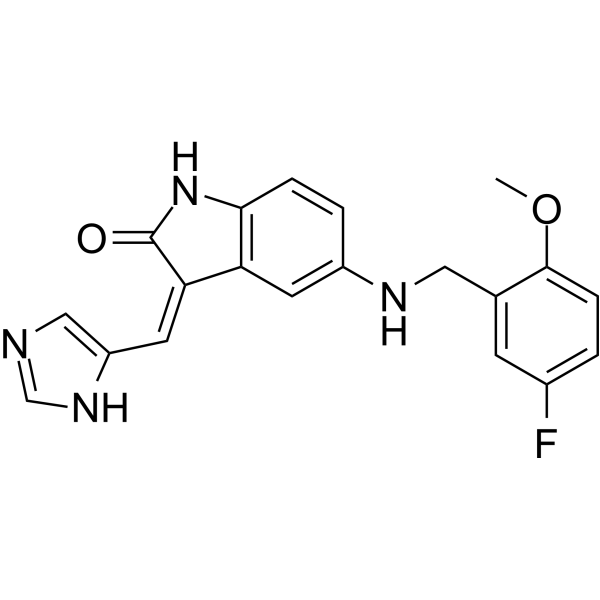
TRK-IN-23 (compound 24b) is a potent and orally active TRK inhibitor with IC50 values of 0.5 nM, 9 nM, 14 nM, 4.4 nM, and 4.8 nM against TRKA, TRKC, TRKA G595R, TRKA F589L, and TRKA G667C, respectively. TRK-IN-23 indues apoptosis of Ba/F3-TRKAG595Rand Ba/F3-TRKAG667C cells .
|
-
-
- HY-P991378
-
|
|
Transmembrane Glycoprotein
|
Cancer
|
|
MORAb-066 is a human monoclonal antibody (mAb) targeting CD142/F3/TF. MORAb-066 can be used in Breast cancer, Colorectal cancer, Non-small cell lung cancer and Pancreatic cancer research .
|
-

-
- HY-163004
-
|
|
Trk Receptor
|
Cancer
|
|
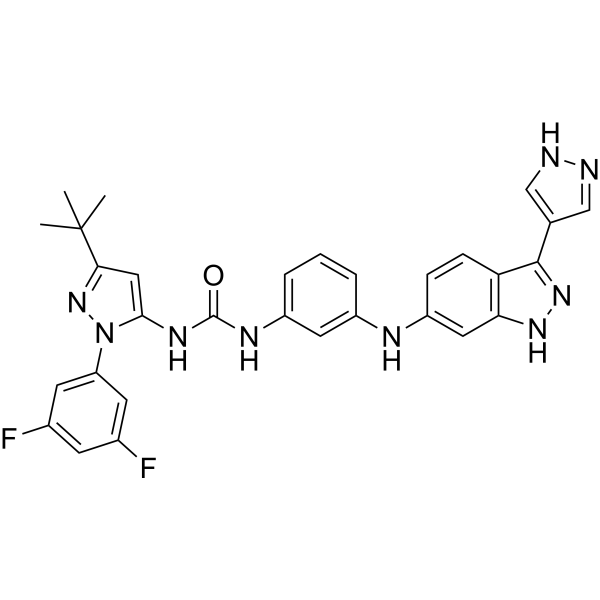
Type II TRK inhibitor 2 (compound 40l) is a selective type II TRK inhibitor with plasma stability and moderate hepatic microsomal stability. Type II TRK inhibitor 2 significantly inhibits Km-12, Ba/F3-TRKA G595R and Ba/F3-TRKA G667C cell proliferation (IC50: 4.1 nM, 41.5 nM, 1.4 nM). Type II TRK inhibitor 2 can be used to study NTRK fusion cancers .
|
-
-
- HY-144451
-
|
|
Trk Receptor
|
Cancer
|
|
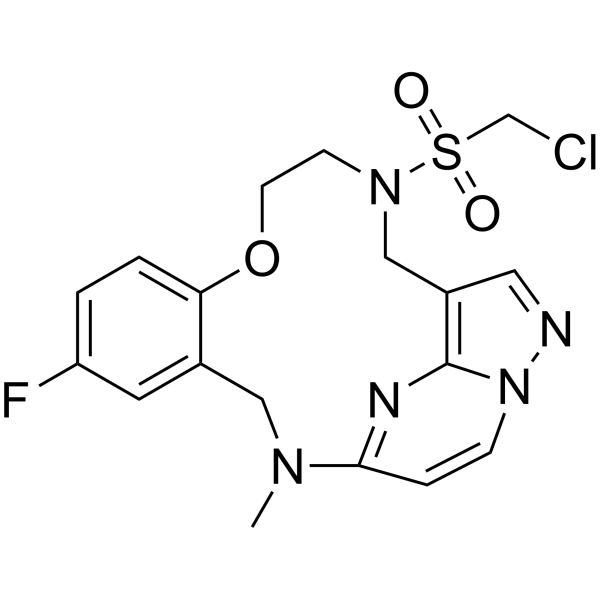
TRK-IN-12 (Compound 9e) is a potent inhibitor of TRK (TRK G595R IC50 = 13.1 nM). TRK-IN-12 is a macrocyclic derivative compound. TRK-IN-12 shows significant antiproliferative activity in the Ba/F3-LMNA-NTRK1 cell line (IC50 = 0.080 μM). TRK-IN-12 has shown a better inhibitory effect (IC50 = 0.646 μM) than control agent LOXO-101 in Ba/F3-LMNA-NTRK1-G595R cell line .
|
-
-
- HY-142922
-
|
|
Bcr-Abl
|
Cancer
|
|
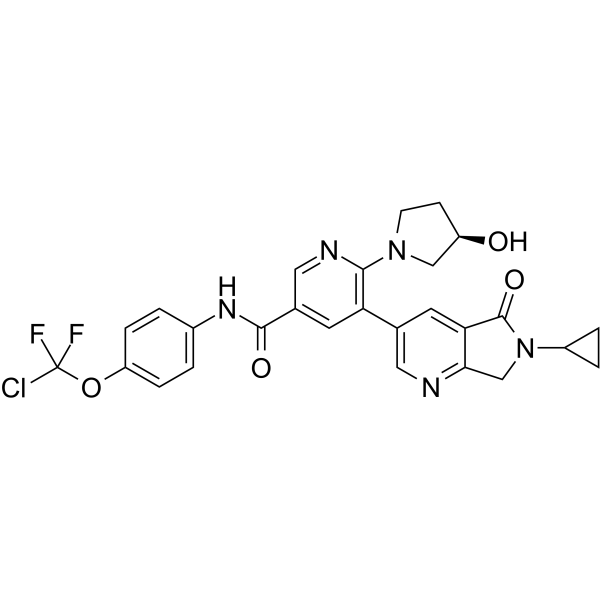
BCR-ABL-IN-4 is a BCR-ABL inhibitor with anticancer effects. BCR-ABL-IN-4 inhibits the cancer cell growth with IC50 values of 0.67 nM and 16 nM for K562 cells and BCR-ABL T315I transfected Ba/F3 cells, respectively (WO2021143927A1; compound 11) .
|
-
- HY-170927
-
|
|
JAK
STAT
Apoptosis
|
Cancer
|
|
JAK-IN-40 (Compound 46) is the inhibitor for JAK that inhibits JAK1, JAK2 and JAK3 with IC50s of 0.022, 0.759 and 1.601 μM, respectively. JAK-IN-40 inhibits the phosphorylation of STAT3. JAK-IN-40 inhibits the proliferation of cancer cell Ba/F3 and JAK1-TEL Ba/F3 with GI50 of 0.614 μM and 0.193 μM. JAK-IN-40 arrests cell cycle of H1975 and H2087 at G2/M phase, induces apoptosis. JAK-IN-40 exhibits a synergistic antitumor effect with Osimertinib (HY-15772) .
|
-

- HY-107662
-
|
|
Apoptosis
|
Infection
Cancer
|
|
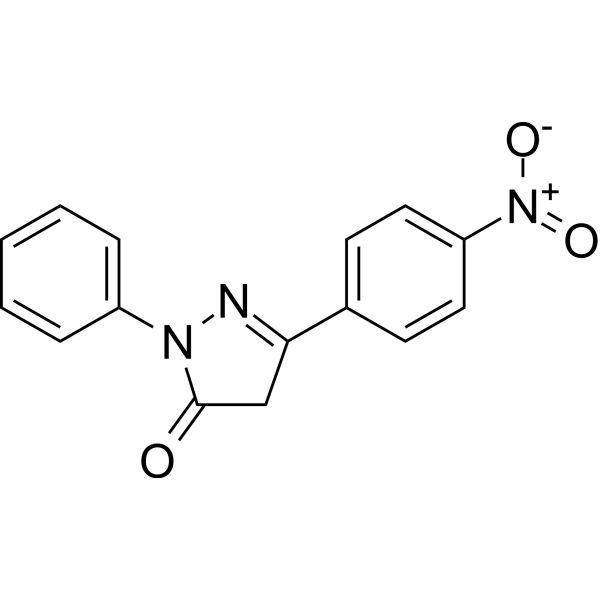
TCS PrP Inhibitor 13, an antiprion agent, is a cellular prion protein (PrP C) inhibitor. TCS PrP Inhibitor 13, as a protease-resistant form of prion protein (PrP-res) accumulation inhibitor, shows an IC50 value of 3 nM in both ScN2a and F3 cell lines. TCS PrP Inhibitor 13 induces Schwannoma cells apoptosis .
|
-
- HY-157432
-
|
|
EGFR
Apoptosis
|
Cancer
|
|
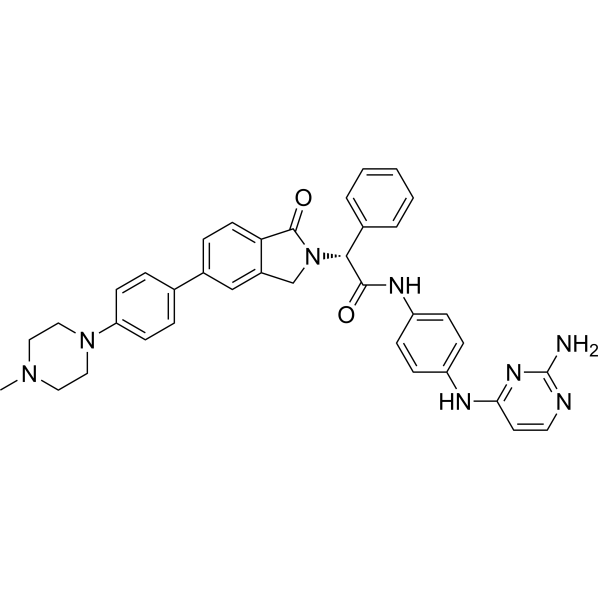
EGFR-IN-97 (compound 6q) is a EGFR inhibitor. EGFR-IN-97 shows inhibitory activity against Ba/F3-EGFR L858R/T790M/C797S and Ba/F3-EGFR Del19/T790M/C797S cells, with IC50 values of 0.42 μM and 0.41 μM, respectively. EGFR-IN-97 can promote apoptosis of NCI-H1975-EGFR L858R/T790M/C797S cells at the concentration of 0.8 μM .
|
-
- HY-112378
-
|
|
FLT3
|
Cancer
|
|
D-65476 is an inhibitor of type Ⅲ receptor tyrosine kinase (Flt3). In the absence of IL-3, D-65476 inhibits the proliferation of TEL-Flt3 transfected BA/F3 cells (IC50= 0.2 μM), which can be used in the study of Flt3-driven leukemia .
|
-

- HY-170820
-
|
|
Molecular Glues
Bcl-2 Family
CDK
EGFR
HSP
Androgen Receptor
c-Myc
|
Cancer
|
|
XYD049 is a CRBN-based molecular glue degrader targeting GSPT1, with a DC50 of 19 nM. XYD049 mediates the formation of a ternary complex between CRBN and GSPT1, thereby triggering CRBN- and proteasome-dependent degradation of GSPT1. By degrading GSPT1, XYD049 downregulates castration-resistant prostate cancer (CRPC)-related oncogenes, including BCL2, CDK2, E2F3, EGFR, HSP90B1, TMPRSS2, AR, AR-V7, PSA and c-Myc. XYD049 inhibits cancer cell growth and suppresses tumor growth in mice. XYD049 can be used for research on castration-resistant prostate cancer. XYD049 consists of a linker (black part) NH2-C5-NH-Boc (HY-W004710), a CRBN-based E3 ligase ligand (blue part) Thalidomide 4-fluoride (HY-41547), and a target protein ligand (red part) GSPT1 ligand-1 (HY-170821), among which the E3 ligase ligand plus linker forms the conjugate E3 Ligase Ligand-linker Conjugate 158 (HY-170822) .
|
-

- HY-155302
-
|
|
FLT3
|
Cancer
|
|
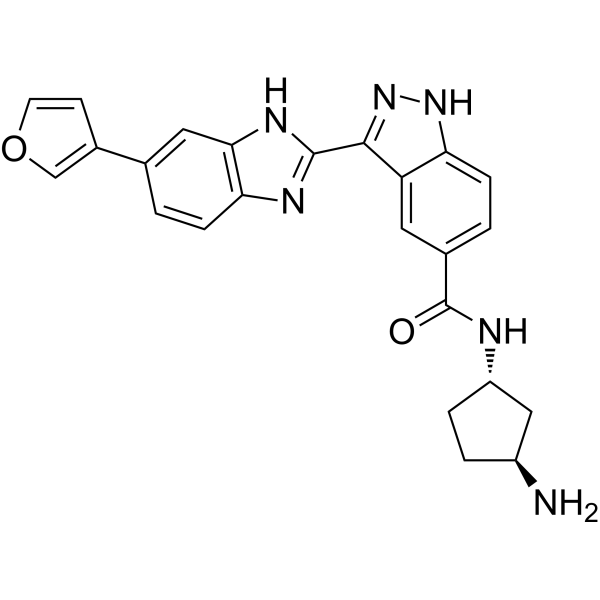
FLT3-IN-22 (compound 22f) is a potent FLT3 inhibitor with IC50 values of 0.941 nM and 0.199 nM for FLT3 and FLT3/D835Y, respectively. FLT3-IN-22 exhibits strong antiproliferative activity against MV4-11 cells and the mutant FLT kinase expressed Ba/F3 cell lines, including FLT-D835Y and FLT3-F691L .
|
-
- HY-101763B
-
|
VH032-NH2 dihydrochloride; VHL ligand 1 dihydrochloride
|
Ligands for E3 Ligase
|
Cancer
|
|
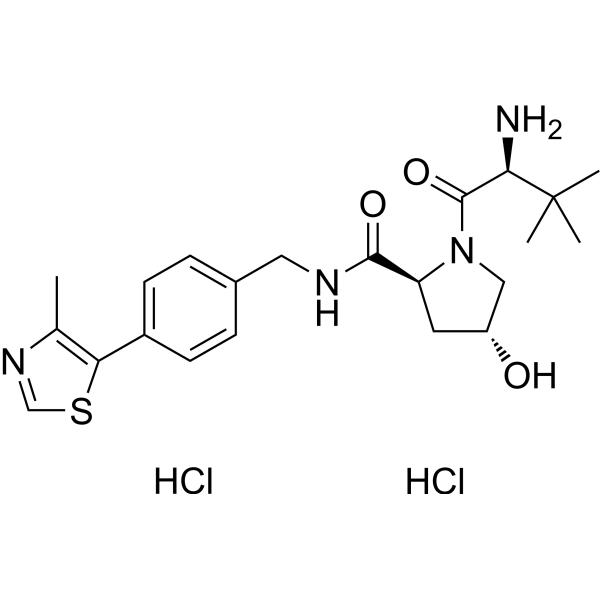
(S,R,S)-AHPC (VH032-NH2) dihydrochloride is the VH032-based VHL ligand used in the recruitment of the von Hippel-Lindau (VHL) protein. (S,R,S)-AHPC dihydrochloride can be connected to the ligand for protein (e.g., BCR-ABL1) by a linker to form PROTACs (e.g., GMB-475). GMB-475 induces the degradation of BCR-ABL1 with an IC50 of 1.11 μM in Ba/F3 cells .
|
-
- HY-161269
-
|
|
EGFR
|
Cancer
|
|
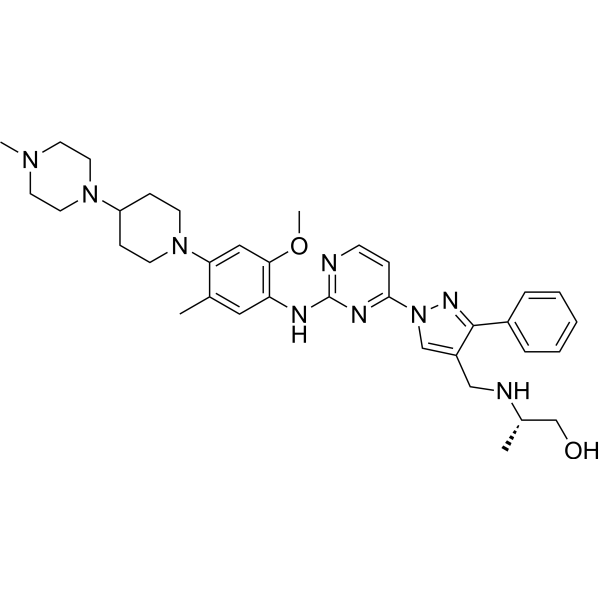
EGFR-IN-101 (I-10) is a 2-phenylamino pyrimidine derivative. EGFR-IN-101 is a EGFR inhibitor. The IC50 values for EGFR L858R/T790M/C797S and Ba/F3-EGFR L858R/T790M/C797S are 33.26 and 106.4 nM, respectively. EGFR-IN-101 can be used IN the study of non-small cell lung cancer (NSCLC) .
|
-
- HY-146807
-
|
|
Trk Receptor
|
Cancer
|
|
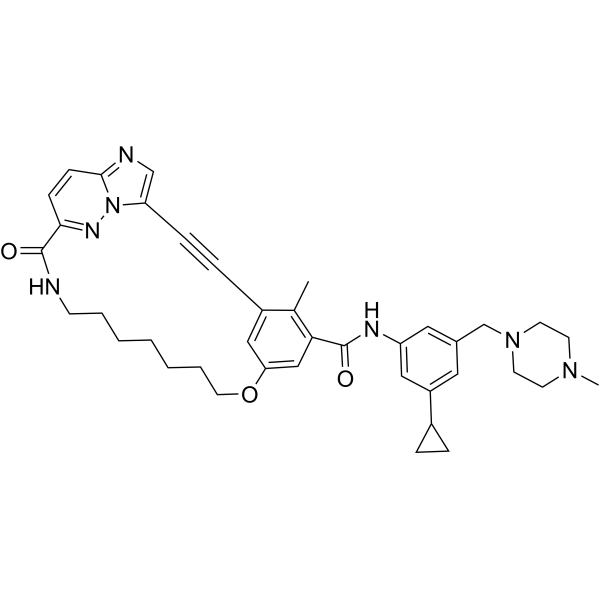
Type II TRK inhibitor 1 is a potent TRK inhibitor, which inhibits various TRK fusion protein variants and wild type. Type II TRK inhibitor 1 exhibits antiproliferative activity against Ba/F3 cells harboring CD74-TRKA G667C and ETV6-TRKC G696C fusion proteins with IC50s of 6 nM and 1.7 nM, respectively . Type II TRK inhibitor 1 is a click chemistry reagent, it contains an Alkyne group and can undergo copper-catalyzed azide-alkyne cycloaddition (CuAAc) with molecules containing Azide groups.
|
-
- HY-156086
-
|
|
Trk Receptor
|
Cancer
|
|
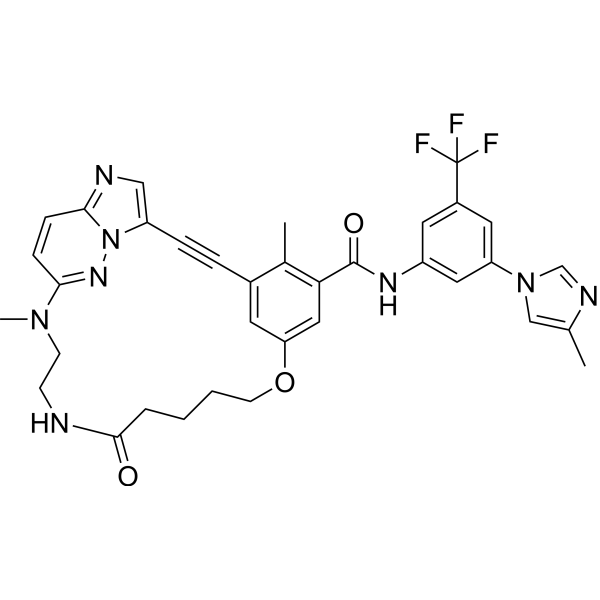
TRK-IN-24 (compound 10g) is a Trk Receptor inhibitor that inhibits TRKA, TRKC, TRKA G595R, TRKA G667C and TRKA F589L IC50s are 5.21, 4.51, 6.77, 1.42 and 6.13 nM respectively. TRK-IN-24 has antitumor efficacy in BaF3-CD74-NTRK1 G595R and BaF3-CD74-NTRK1 G667C xenograft models. TRK-IN-24 inhibits the proliferation of Ba/F3 cells transfected with single mutants such as SF, GK, and xDFG, with an IC50 of 1.43-47.56 nM .
|
-
- HY-174437B
-
|
|
FLT3
Apoptosis
STAT
p38 MAPK
Akt
|
Cancer
|
|
FLT3-IN-32 hydrochloride is a potent and orally active FLT3 inhibitor with an IC50s of 0.29 nM, 0.77 nM and 2.07 nM against FLT3-ITD, FLT3-D835Y and FLT-N676K. FLT3-IN-32 hydrochloride reduces the phosphorylation of FLT3 and its downstream signaling molecules (STAT5, MAPK, AKT) to induce FLT3-mutated Ba/F3 cells apoptosis. FLT3-IN-32 hydrochloride shows significant anti-tumor efficacy in n the MV4-11 xenograft model. FLT3-IN-32 hydrochloride can be used for the study of acute myeloid leukemia (AML) .
|
-

- HY-172480
-
|
|
Liposome
|
Cancer
|
|
DSPE-PEG5000-F3 is a PEG compound which composed of DSPE and a nucleolin targeting peptide (F3). F3 peptide can specifically bind to cell surface nucleolin and undergo an effective cell surface to nucleus transport. DSPE-PEG5000-F3 can be used for drug delivery .
|
-

- HY-104010AR
-
|
ABL001 hydrochloride (Standard)
|
Reference Standards
Bcr-Abl
|
Cancer
|
|
Asciminib hydrochloride (Standard) is the analytical standard of Asciminib hydrochloride (HY-104010A). This product is intended for research and analytical applications. Asciminib (ABL001) hydrochloride is a potent and selective allosteric BCR-ABL1 inhibitor, which inhibits Ba/F3 cells grown with an IC50 of 0.25 nM .
|
-

- HY-121888
-
|
|
PPAR
|
Metabolic Disease
|
|
20-HEPE is a metabolite of eicosapentaenoic acid formed by ω-oxidation of EPA by cytochrome P450 (CYP) ω-oxidases, including human CYP4F3B. At 10 μM, it activates peroxisome proliferator-activated receptor α (PPARα) in COS-7 cells expressing a luciferase reporter gene. 20-HEPE also activates mouse transient receptor potential vanilloid receptor 1 (mTRPV1) in vitro but lacks analgesic activity in rats.
|
-

- HY-107662R
-
|
|
Reference Standards
Apoptosis
|
Infection
Cancer
|
|
TCS PrP Inhibitor 13 (Standard) is the analytical standard of TCS PrP Inhibitor 13 (HY-107662). This product is intended for research and analytical applications. TCS PrP Inhibitor 13, an antiprion agent, is a cellular prion protein (PrPC) inhibitor. TCS PrP Inhibitor 13, as a protease-resistant form of prion protein (PrP-res) accumulation inhibitor, shows an IC50 value of 3 nM in both ScN2a and F3 cell lines. TCS PrP Inhibitor 13 induces Schwannoma cells apoptosis .
|
-

- HY-171884
-
|
|
EGFR
|
Cancer
|
|
BI-8128 is a potent EGFR inhibitor, with IC50 values of 12, 6.7, 22, 10, and 3 nM against wild-type, T790M, C797S, T790M/C797S, and L858R/T790M/C797S mutant EGFR, respectively. BI-8128 significantly inhibits the proliferation of Ba/F3 and PC-9 drug-resistant mutant cells. BI-8128 is applicable for the research of non-small cell lung cancer .
|
-

- HY-180967
-
|
|
Bcr-Abl
PROTACs
Apoptosis
|
Cancer
|
|
PROTAC BCR-ABL Degrader-2 is a selective Bcr-Abl T315 PROTAC degrader with a DC50 of 108.7 nM in Ba/F3 Bcr-Abl T315I cells. PROTAC BCR-ABL Degrader-2 exhibits the most potent degradation efficacy with DR of 69.89% and 94.23% at 100 and 300 nM, respectively. PROTAC BCR-ABL Degrader-2 demonstrates high plasma exposure, and induces significant tumor regression and induces tumor cell apoptosis with a good safety profile in vivo. PROTAC BCR-ABL Degrader-2 can be used for chronic myeloid leukemia (CML) research .
|
-

- HY-180172
-
|
|
Trk Receptor
Apoptosis
|
Cancer
|
|
TRK-IN-33 is a TRK inhibitor. TRK-IN-33 exhibits excellent TRKA G667C degradation (DC50 = 24.69 nM; Dmax > 90%), while sparing the wild-type protein in virto. TRK-IN-33 shows antiproliferative activities against Ba/F3-LMNA-NTRK1 G667C cells with an IC50 value of 2.48 nM. TRK-IN-33 effectively inhibits tumor growth and enhances apoptosis in tumor tissues with no apparent toxicity in vivio. TRK-IN-33 can be used for NTRK fusion−positive cancers research .
|
-

- HY-P992374
-
|
DMB5F3; chDMB5F3
|
Mucin
|
Cancer
|
|
huDMB5F3 (DMB5F3; chDMB5F3) is a human monoclonal antibody against human CD227/MUC1, with a Ka value of 5.89 pM for its human target. huDMB5F3 enters MUC1-positive cancer cells via a temperature-dependent internalization process. huDMB5F3 induces cytotoxicity in MUC1-positive cancer cells. huDMB5F3 can be used in the research of various cancers including breast cancer, pancreatic cancer and gastric cancer .
|
-

| Cat. No. |
Product Name |
Type |
-
- HY-W1048555A
-
|
|
Biochemical Assay Reagents
|
|
Mal-PEG2000-SCM is a heterobifunctional PEG crosslinker bearing maleimide and succinimidyl carboxymethyl ester functional groups. MMal-PEG2000-SCM conjugates the F3 peptide to nanoparticles: the SCM group reacts with amino groups on the nanoparticle surface to form amide groups, while the MAL group reacts with thiol groups of the F3 peptide to form carbon-sulfur bonds. Mal-PEG-SCM enables unidirectional addition of linkers, ensuring that appropriate functional groups are available for RGD incorporation. Mal-PEG2000-SCM can be used in the development of nanoparticles targeting specific tumor cells .
|
-
- HY-172478
-
|
|
Biochemical Assay Reagents
|
|
DSPE-PEG1000-F3 is a PEG compound which composed of DSPE and a nucleolin targeting peptide (F3). F3 peptide can specifically bind to cell surface nucleolin and undergo an effective cell surface to nucleus transport. DSPE-PEG1000-F3 can be used for drug delivery .
|
-
- HY-172479
-
|
|
Biochemical Assay Reagents
|
|
DSPE-PEG2000-F3 is a PEG compound which composed of DSPE and a nucleolin targeting peptide (F3). F3 peptide can specifically bind to cell surface nucleolin and undergo an effective cell surface to nucleus transport. DSPE-PEG2000-F3 can be used for drug delivery .
|
-
- HY-172479A
-
|
|
Biochemical Assay Reagents
|
|
DSPE-PEG3400-F3 is a PEG compound which composed of DSPE and a nucleolin targeting peptide (F3). F3 peptide can specifically bind to cell surface nucleolin and undergo an effective cell surface to nucleus transport. DSPE-PEG3400-F3 can be used for drug delivery .
|
-
- HY-172480
-
|
|
Biochemical Assay Reagents
|
|
DSPE-PEG5000-F3 is a PEG compound which composed of DSPE and a nucleolin targeting peptide (F3). F3 peptide can specifically bind to cell surface nucleolin and undergo an effective cell surface to nucleus transport. DSPE-PEG5000-F3 can be used for drug delivery .
|
| Cat. No. |
Product Name |
Target |
Research Area |
-
- HY-P10997
-
|
|
DNA/RNA Synthesis
|
Cancer
|
|
F3 peptide is a fragment of the human high mobility group protein 2 (HMGB2), and can specifically bind to nucleolin expressed on the membrane of cancer cells, neovasculature, and endothelium. F3 peptide can be used as an effective ligand to improve their druggability of macromolecular drugs or nanoparticles, and so on .
|
| Cat. No. |
Product Name |
Target |
Research Area |
Image |
-
- HY-P990212
-
|
|
Interleukin Related
STAT
|
Infection
Inflammation/Immunology
|
|
Anti-Mouse IL-6 Antibody (MP5-20F3) is an anti-mouse IL-6 IgG1 monoclonal antibody. Anti-Mouse IL-6 Antibody (MP5-20F3) reshapes the tumor microenvironment by blocking IL-6. Anti-Mouse IL-6 Antibody (MP5-20F3) can inhibit the STAT3 pathway and enhance T cell infiltration. Anti-Mouse IL-6 Antibody (MP5-20F3) can be used for researches on inflammation and infection conditions such as malignant pleural effusion (MPE) .
|
-

(5)
-
- HY-P990145
-
|
|
VISTA
|
Inflammation/Immunology
Cancer
|
|
Anti-Mouse VISTA Antibody (13F3) is an anti-mouse VISTA IgG monoclonal antibody. Anti-Mouse VISTA Antibody (13F3) can reverse the immunosuppressive effect of VISTA by blocking its binding to ligands such as VSIG3. Anti-Mouse VISTA Antibody (13F3) exacerbates pulmonary fibrosis (PF) by promoting Th17 cell differentiation. Anti-Mouse VISTA Antibody (13F3) can be used for research on cancer such as breast cancer and PF .
|
-
(5)
-
- HY-P990320
-
|
TNX-832
|
Inhibitory Antibodies
|
Inflammation/Immunology
|
|
ALT-836 (TNX-832) is a humanized antibody expressed in CHO cells, targeting F3/Factor III/Tissue Factor/CD142. ALT-836 (TNX-832) has a huIgG4SP type heavy chain and a huκ type light chain, with a predicted molecular weight (MW) of 144.34 kDa. The isotype control for ALT-836 (TNX-832) can be referenced as Human IgG4 kappa, Isotype Control (HY-P99003).
|
-

(5)
-
- HY-P991378
-
|
|
Transmembrane Glycoprotein
|
Cancer
|
|
MORAb-066 is a human monoclonal antibody (mAb) targeting CD142/F3/TF. MORAb-066 can be used in Breast cancer, Colorectal cancer, Non-small cell lung cancer and Pancreatic cancer research .
|
-
(5)
-
- HY-P992374
-
|
DMB5F3; chDMB5F3
|
Mucin
|
Cancer
|
|
huDMB5F3 (DMB5F3; chDMB5F3) is a human monoclonal antibody against human CD227/MUC1, with a Ka value of 5.89 pM for its human target. huDMB5F3 enters MUC1-positive cancer cells via a temperature-dependent internalization process. huDMB5F3 induces cytotoxicity in MUC1-positive cancer cells. huDMB5F3 can be used in the research of various cancers including breast cancer, pancreatic cancer and gastric cancer .
|
-
(5)
| Cat. No. |
Product Name |
Category |
Target |
Chemical Structure |
| Cat. No. |
Product Name |
|
Classification |
-
- HY-159147
-
|
|
|
Azide
|
|
SIAIS039 is an orally active c-ros oncogene 1 (ROS1)-specific PROTAC with DC50s of 154.46 nM, 126.47 nM, 143.69 nM for HCC78 cells, Ba/F3 expressing the CD74-ROS1 fusion and Ba/F3 expressing the SDC4-ROS1 fusion, respectively. SIAIS039 suppresses cell proliferation, induces cell cycle arrest and apoptosis, and inhibits clonogenicity against ROS1-positive cells. SIAIS039 demonstrates anti-tumour effects against ROS1-driven tumor growth vivo. SIAIS039 is composed of the ALK inhibitor Brigatinib (HY-12857), a linker EM-12 (HY-138793), and a VHL ligand E3 ubiquitin ligase 1-Butyne (Red: Brigatinib; Blue: VHL ligand; Black: linker) .
|
| Cat. No. |
Product Name |
|
Classification |
-
- HY-172478
-
|
|
|
Pegylated Lipids
|
|
DSPE-PEG1000-F3 is a PEG compound which composed of DSPE and a nucleolin targeting peptide (F3). F3 peptide can specifically bind to cell surface nucleolin and undergo an effective cell surface to nucleus transport. DSPE-PEG1000-F3 can be used for drug delivery .
|
-
- HY-172479
-
|
|
|
Pegylated Lipids
|
|
DSPE-PEG2000-F3 is a PEG compound which composed of DSPE and a nucleolin targeting peptide (F3). F3 peptide can specifically bind to cell surface nucleolin and undergo an effective cell surface to nucleus transport. DSPE-PEG2000-F3 can be used for drug delivery .
|
-
- HY-172479A
-
|
|
|
Pegylated Lipids
|
|
DSPE-PEG3400-F3 is a PEG compound which composed of DSPE and a nucleolin targeting peptide (F3). F3 peptide can specifically bind to cell surface nucleolin and undergo an effective cell surface to nucleus transport. DSPE-PEG3400-F3 can be used for drug delivery .
|
-
- HY-172480
-
|
|
|
Pegylated Lipids
|
|
DSPE-PEG5000-F3 is a PEG compound which composed of DSPE and a nucleolin targeting peptide (F3). F3 peptide can specifically bind to cell surface nucleolin and undergo an effective cell surface to nucleus transport. DSPE-PEG5000-F3 can be used for drug delivery .
|
Your information is safe with us. * Required Fields.
Inquiry Information
- Product Name:
- Cat. No.:
- Quantity:
- MCE Japan Authorized Agent:








