1. Search Result
Search Result
Results for "

Lipid M

" in MedChemExpress (MCE) Product Catalog:

47

Inhibitors & Agonists

1

Screening Libraries

12

Biochemical Assay Reagents

11

Natural
Products

1

Isotope-Labeled Compounds

1

Click Chemistry

14

Oligonucleotides

Cat. No. Product Name Target Research Areas Chemical Structure
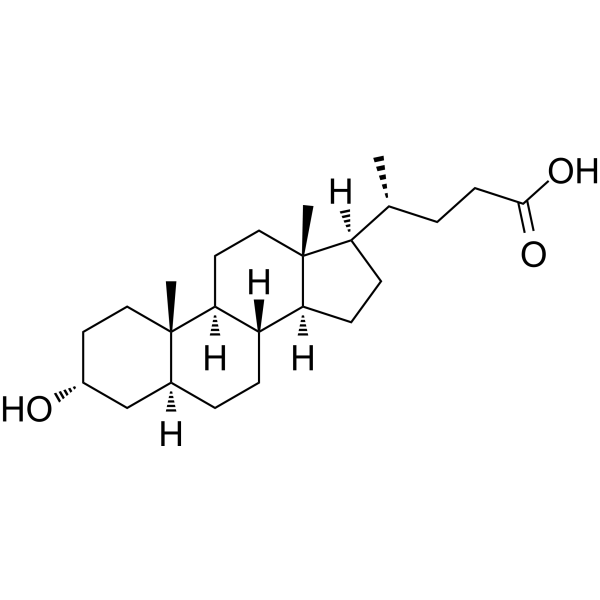
  • HY-143712
    Allolithocholic acid
    1 Publications Verification

    Drug Metabolite G protein-coupled Bile Acid Receptor 1 ROR Metabolic Disease Inflammation/Immunology Cancer
    Allolithocholic acid is an orally active metabolite of Lithocholic acid (HY-B0172). Allolithocholic acid is a dual GPBAR1 agonist (EC50 = 2.7 μM) and RORγt inverse agonist (IC50 = 3.4 μM). Allolithocholic acid modulates immune and metabolic pathways, regulates immune cell polarization, prevents M1 macrophage and Th17 CD4 cell polarization. Allolithocholic acid improves insulin sensitivity, reduces liver lipid accumulation, reverses liver immunological, inflammatory and metabolic signaling dysregulation, restores bile acid homeostasis, adipose tissue histopathology/function, and intestinal microbiota composition, modulates intestinal immunity. Allolithocholic acid can be used for the researches of cancer, inflammayion, immunology and metabolic disease .
    Allolithocholic acid
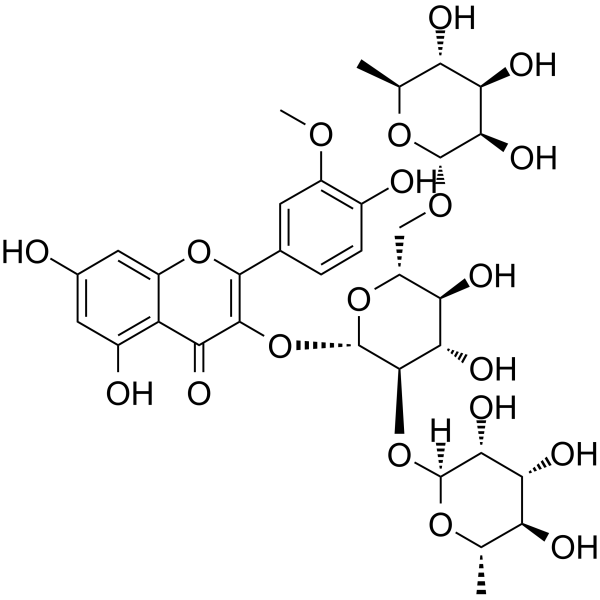
  • HY-N0712
    Typhaneoside
    3 Publications Verification

    Autophagy mTOR Akt FXR Cardiovascular Disease Neurological Disease Metabolic Disease Cancer
    Typhaneoside is an orally bioavailable signal modulator and cellular regulator. Typhaneoside regulates the PI3K/Akt/mTOR autophagy transduction pathway. Typhaneoside promotes the activation of AMP-activated protein kinase and Caspase-3, induces apoptosis, ferroptosis, autophagy, ROS accumulation, and cell cycle arrest at the G2/M phase, and reduces cancer cell viability. Typhaneoside activates the farnesoid X receptor signaling pathway, improves glucose and lipid metabolism, alleviates inflammatory responses, oxidative stress and hepatic lipid accumulation, and exerts hepatoprotective effects. Typhaneoside is applicable to research related to post-myocardial infarction heart failure, acute myeloid leukemia, non-alcoholic fatty liver disease, and neurological disorders .
    Typhaneoside
  • HY-W591424

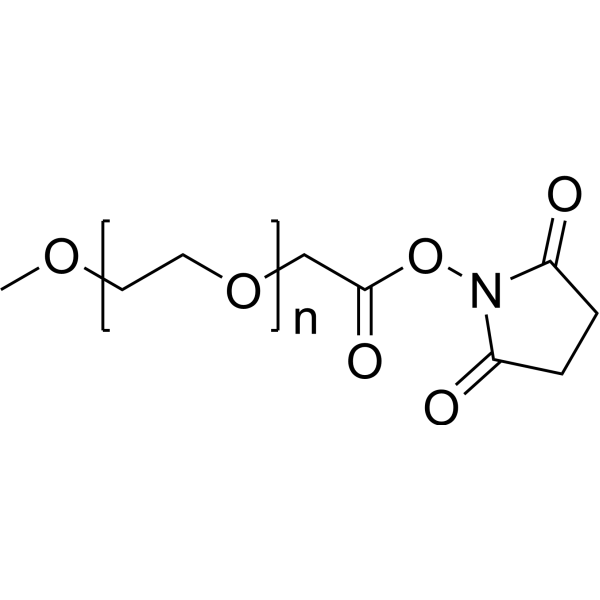
    mPEG2000-SC; mPEG2000-Succinimidyl ester

    Biochemical Assay Reagents MMP Cancer
    m-PEG2000-NHS ester (mPEG2000-SC) is a reagent with both cell adhesion inhibition and peptide conjugation functions. The NHS ester group of m-PEG2000-NHS ester forms stable amide bonds with primary amine-containing molecules (e.g., the N-terminus of MMP-2-cleavable octapeptide) to generate mPEG-peptide intermediates for liposome surface modification. When m-PEG2000-NHS ester is immobilized on a cystamine-modified gold surface, it can construct an in vitro model for cell adhesion kinetic studies, and higher PEG density and thicker layers correlate with lower cell adhesion rates. m-PEG2000-NHS ester can synthesize MMP-2-responsive PEGylated lipid conjugates to achieve MMP-triggered dePEGylation in the tumor microenvironment. m-PEG2000-NHS ester can be used in studies related to colon cancer and other conditions .
    m-PEG2000-NHS ester
  • HY-N0430

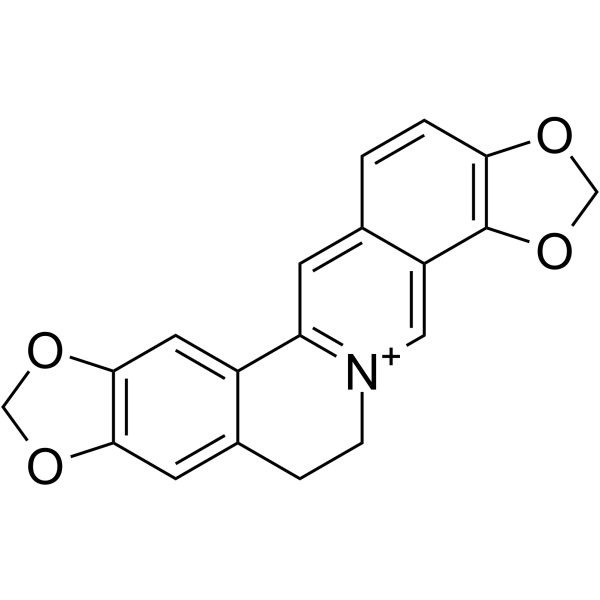
    Coptisin

    Indoleamine 2,3-Dioxygenase (IDO) NF-κB p38 MAPK PI3K Akt Apoptosis Reactive Oxygen Species (ROS) Mitochondrial Metabolism DNA/RNA Synthesis ROCK LDLR Cardiovascular Disease Neurological Disease Metabolic Disease Inflammation/Immunology Cancer
    Coptisine is an orally active and brain-penetrant alkaloid found in Coptis chinensis. Coptisine is a reversible, uncompetitive IDO inhibitor with a Ki of 5.8 μM and an IC50 of 6.3 μM. Coptisine suppresses neuroinflammation, reduces Aβ plaque burden and shows neuroprotective activity. Coptisine shows anti-inflammation activity by blocking NF-κB, MAPK, and PI3K/Akt activation. Coptisine inhibits cancer cells proliferation, induces DNA damage, G2/M phase cell cycle arrest, apoptosis, ROS production and mitochondrial dysfunction. Coptisine inhibits Rho/ROCK pathway activation, reduces arrhythmia, limits cardiac injury marker release, reduces infarct size, and preserves cardiac function in rat myocardial ischemia/reperfusion models. Coptisine downregulates HMGCR and upregulates LDLR and CYP7A1 to modulate cholesterol metabolism, reduces abnormal serum lipid levels, and promotes fecal bile acid excretion. Coptisine can be used for the research of cancer, hypercholesterolemia, Alzheimer’s disease, inflammatory disorders and cardiovascular disease .
    Coptisine
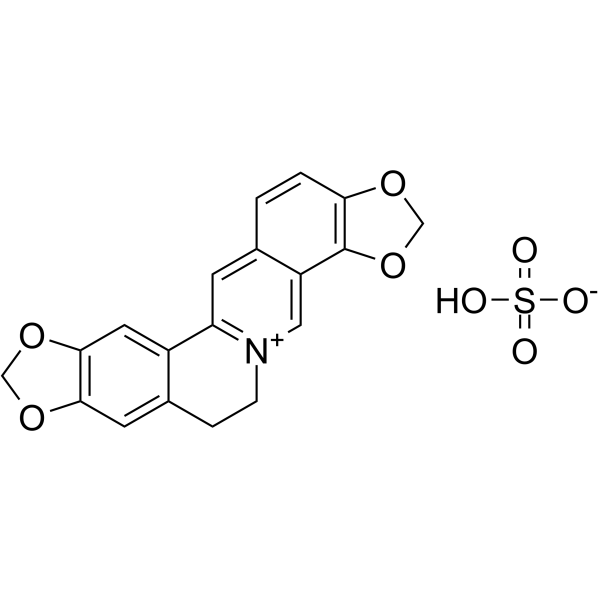
  • HY-N0430A
    Coptisine Sulfate
    5 Publications Verification

    Indoleamine 2,3-Dioxygenase (IDO) NF-κB p38 MAPK PI3K Akt Apoptosis Reactive Oxygen Species (ROS) Mitochondrial Metabolism DNA/RNA Synthesis ROCK LDLR Cardiovascular Disease Neurological Disease Metabolic Disease Inflammation/Immunology Cancer
    Coptisine Sulfate is an orally active and brain-penetrant alkaloid found in Coptis chinensis. Coptisine Sulfate is a reversible, uncompetitive IDO inhibitor with a Ki of 5.8 μM and an IC50 of 6.3 μM. Coptisine Sulfate suppresses neuroinflammation, reduces Aβ plaque burden and shows neuroprotective activity. Coptisine Sulfate shows anti-inflammation activity by blocking NF-κB, MAPK, and PI3K/Akt activation. Coptisine Sulfate inhibits cancer cells proliferation, induces DNA damage, G2/M phase cell cycle arrest, apoptosis, ROS production and mitochondrial dysfunction. Coptisine Sulfate inhibits Rho/ROCK pathway activation, reduces arrhythmia, limits cardiac injury marker release, reduces infarct size, and preserves cardiac function in rat myocardial ischemia/reperfusion models. Coptisine Sulfate downregulates HMGCR and upregulates LDLR and CYP7A1 to modulate cholesterol metabolism, reduces abnormal serum lipid levels, and promotes fecal bile acid excretion. Coptisine Sulfate be used for the research of cancer, hypercholesterolemia, Alzheimer’s disease, inflammatory disorders and cardiovascular disease .
    Coptisine Sulfate
  • HY-154974

    Liposome Cancer
    LNP Lipid-8 (11-A-M) is an ionizable single-tail multi-head lipid that can be used as a lipid nanoparticle (LNP) to deliver siRNA to T cells without targeting ligands. LNP Lipid-8 is more selective for T cells than other cell types such as hepatocytes. LNP Lipid-8 selectively delivers siRNA/sgRNA to T cells (especially CD8+ T cells) through endogenous lipid transport pathways, and can enter cells and release RNA through endocytosis to achieve gene silencing. LNP Lipid-8 loaded with GFP siRNA (siGFP) significantly led to GFP gene silencing in mouse models. LNP Lipid-8 showed good efficacy and safety in both cells and animals, without obvious liver targeting and toxicity. LNP Lipid-8 can be used for RNA delivery research in the fields of tumor immunotherapy and T cell-mediated autoimmune diseases .
    LNP Lipid-8
  • HY-146682

    Aldehyde Dehydrogenase (ALDH) Apoptosis Cancer
    KS100 is a potent ALDH inhibitor with IC50s of 230, 1542, 193 nM for ALDH1A1, ALDH2, and ALDH3A1, respectively. KS100 shows antiproliferative and anticancer effects with low low toxic. KS100 significantly increases ROS activity, lipid peroxidation and toxic aldehyde accumulation. KS10600 induces apoptosis and cell cycle arrest at the G2/M phase .
    KS100
  • HY-D1056F

    Biotin-LPS, from Escherichia coli (O111:B4)

    Biochemical Assay Reagents Inflammation/Immunology
    Biotin-Lipopolysaccharide, from E.coli O111:B4 (Biotin-LPS, from Escherichia coli (O111:B4)) is a biotin-conjugated Lipopolysaccharide (LPS) (HY-D1056A1) that can be coupled with streptavidin protein. Biotin-Lipopolysaccharide, from E.coli O111:B4 can be used to identify Lipopolysaccharide ligands. Lipopolysaccharides, from E. coli O111:B4 (LPS, from Escherichia coli (O111:B4)) are endotoxins and TLR4 activators extracted from Escherichia coli (E. coli O111:B4) and are classified as S (smooth) type LPS. Lipopolysaccharides, from E. coli O111:B4 possess the typical three-part structure: O-antigen, R3-type core oligosaccharide, and lipid A. Lipopolysaccharides, from E. coli O111:B4 activate TLR-4 in immune cells and can cause significant gastric diseases. Lipopolysaccharides, from E. coli O111:B4 can also induce M1-type polarization in mouse macrophages .
    It is recommended to prepare a solution with concentration ≥2 mg/mL. Vortex thoroughly for more than 10 minutes. Due to the adsorption characteristics of LPS, silanized container or low adsorption centrifuge tubes should be used for aliquoting and storage, and mix thoroughly before use.
    Biotin-Lipopolysaccharide, from E.coli O111:B4
  • HY-154804

    Liposome Others
    DLin-M-C4-DMA (Compound MC4) is a cationic lipid. DLin-M-C4-DMA can be used for delivery of nucleic acids .
    DLin-M-C4-DMA
  • HY-W441015A

    Liposome Others
    DSPE-m-PEG3400-NHS is a pegylated phospholipid derivatives which can be used to prepare liposome or lipid nanoparticles for targeted drug delivery system, such as DNA or mRNA vaccine .
    DSPE-m-PEG3400-NHS
  • HY-146683

    Aldehyde Dehydrogenase (ALDH) Apoptosis Cancer
    KS106 is a potent ALDH inhibitor with IC50s of 334, 2137, 360 nM for ALDH1A1, ALDH2, and ALDH3A1, respectively. KS106 shows antiproliferative and anticancer effects with low low toxic.KS106 significantly increases ROS activity, lipid peroxidation and toxic aldehyde accumulation. KS106 induces apoptosis and cell cycle arrest at the G2/M phase .
    KS106
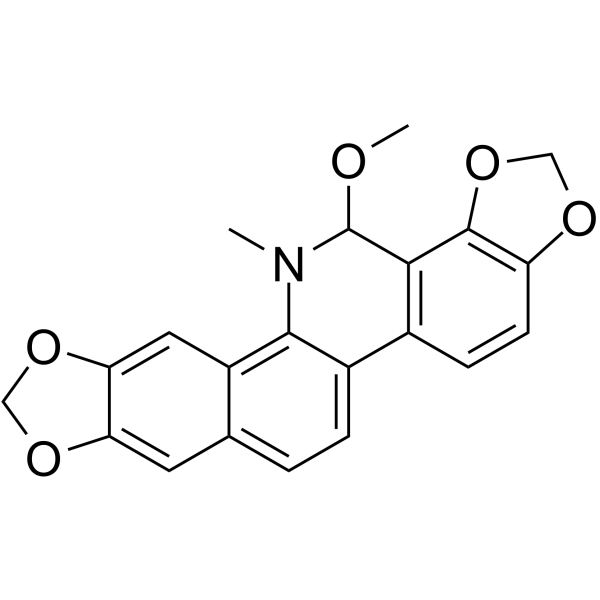
  • HY-N3000

    JNK IRE1 Akt mTOR YAP Reactive Oxygen Species (ROS) Autophagy Apoptosis Ferroptosis Fungal Infection Inflammation/Immunology Cancer
    6-Methoxydihydrosanguinarine is an alkaloid with activity across multiple cancer cell types. 6-Methoxydihydrosanguinarine activates IRE1/JNK signaling, blocks Akt/mTOR and PI3K/AKT/mTOR pathways, reduces expression of Cdc25C, CyclinB1, Cdc2, YAP/TAZ, Survivin, GPX4, and EGFR, upregulates IRE1 and DR5, and activates JNK and caspases. 6-Methoxydihydrosanguinarine induces apoptosis, G2/M phase arrest, DNA damage, ROS generation, lipid peroxidation, ferroptosis, autophagy, and suppresses cancer cell growth. 6-Methoxydihydrosanguinarine disruptes the biofilm formation of Candida albicans (C. albicans). 6-Methoxydihydrosanguinarine can be used for the research of non-small cell lung cancer, hepatocellular carcinoma, melanoma, colon carcinoma, ovarian cancer and breast cancer .
    6-Methoxydihydrosanguinarine
  • HY-W440821

    Biochemical Assay Reagents Liposome Others
    m-PEG-DMG (MW 2000) is a PEG lipid for the preparation of liposomes and can be used in drug delivery studies .
    m-PEG-DMG (MW 2000)
  • HY-164190

    DNA/RNA Synthesis Others
    m7(3'Ma-Biotin)Gppp(2'OMe)ApG ammonium is a Biotin-labled cap analogue that can be used for mRNA synthesis. The efficiency of mRNA delivery can be determined by the detection of Biotin by flow cytometry, which can be used to track mRNA in cells and in living animals and to screen delivery lipid ratios.
    m7(3'Ma-Biotin)Gppp(2'OMe)ApG ammonium solution (25mM)
  • HY-172609

    Phosphatase Apoptosis MDM-2/p53 Caspase Metabolic Disease Cancer
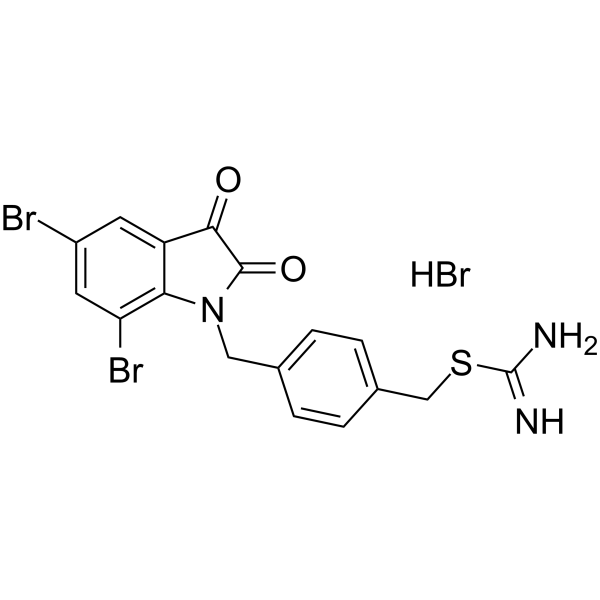
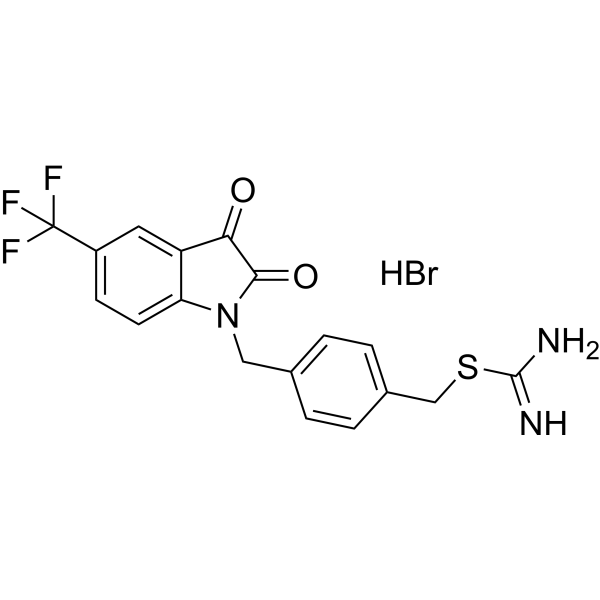
    SL-176 is a PPM1D (Wip1) inhibitor. SL-176 inhibits lipid droplet formation, downregulates the mRNA and protein expression of PPARγ and C/EBPα, and blocks adipocyte differentiation. SL-176 induces G2/M cell cycle arrest, apoptosis and inhibits cell proliferation in breast cancer cells overexpressing PPM1D, and activates components of the p53 pathway. SL-176 suppresses tumor growth in a zebrafish model of neuroblastoma. SL-176 is applicable to research related to obesity, breast cancer and neuroblastoma .
    SL-176
  • HY-166983

    Biochemical Assay Reagents Others
    m-PEG5000-DMG is a PEG lipid that can improve the delivery efficiency and tissue specificity of poorly soluble drugs. m-PEG5000-DMG can be used in drug delivery research .
    mPEG-DMG (MW 5000)
  • HY-150177

    Drug Intermediate Metabolic Disease
    Mannose 6 phosphate is an essential precursor for mannosyl glycoconjugates, including lipid-linked oligosaccharides (LLO; glucose3mannose9GlcNAc2-P-P-dolichol) used for protein N-glycosylation. Mannose 6 phosphate causes specific LLO cleavage. Mannose 6 phosphate causes specific degradation of G3M9Gn2-P-P-Dol. Complexes containing Mannose 6 phosphate can remodel the dermal collagen network, improve skin biomechanical properties, and reverse visible signs of aging. Mannose 6 phosphate can be used in research related to skin aging .
    Mannose 6 phosphate
  • HY-W127391

    (Rac)-1,2-Didodecanoylglycerol

    Biochemical Assay Reagents Others
    1,2-Dilaurin is a diacylglycerol containing lauric acid at the sn-1 and sn-2 positions. It has been used as an internal standard for the quantification of diglycerides in rat desheathed sciatic nerves. [1] Monomolecular films containing 1,2-dilauroyl-rac-glycerol have been used as substrates to measure surface pressure and the effect of pancreatic procolipase and colipase on porcine pancreatic lipase activity. [2] References: [1]. Zhu, X. and Eichberg, J. 1,2-Diacylglycerol content and its arachidonyl-containing molecular species are reduced in the sciatic nerve of streptozotocin-induced diabetic rats. J. Neurochemistry. 55(3), 1087-1090 (1990).[2]. Wieloch, T., Borgstr m, B., Piéroni, G. et al. Porcine trypsinogen and its trypsin-activated form: lipid binding and lipase activation on monomolecular membranes. FEBS Express. 128(2), 217-220 (1981).
    1,2-Dilaurin
  • HY-173599

    PNPLA3 Cancer
    NUV-244 is a PNPLA3 I148M degrader. NUV-244 reduces PNPLA3 I148M levels on lipid droplets via BFAR-mediated ubiquitin-proteasome degradation .
    NUV-244
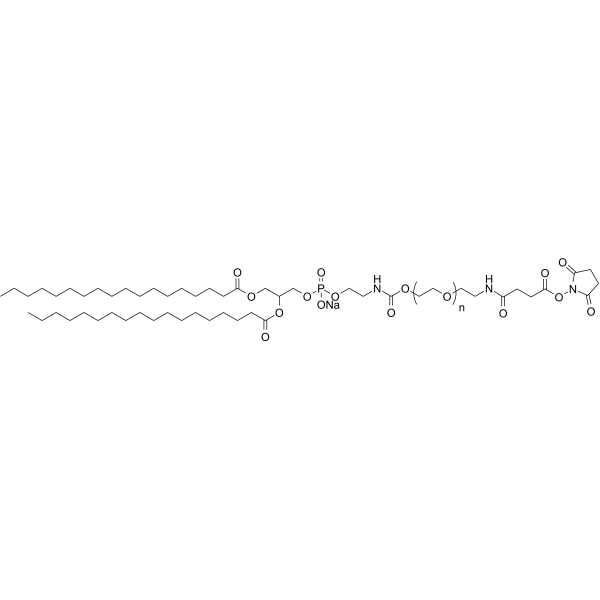
  • HY-W440925

    Biochemical Assay Reagents Others
    m-PEG5000-DSPE sodium is a PEG lipid that can improve the delivery efficiency and tissue specificity of poorly soluble drugs. m-PEG5000-DSPE sodium can be used in drug delivery research .
    m-PEG5000-DSPE sodium
  • HY-139284

    C24:1 Deoxy dihydroceramide; C24:1 DeoxyDHceramide; Cer(m18:0/24:1)

    Endogenous Metabolite Metabolic Disease
    C24:1 Dihydro 1-deoxyceramide (m18:0/24:1) (C24:1 Deoxy dihydroceramide) is a lipid molecule, which is composed of a long-chain fatty acid (24:1) and a 1-deoxysphingoid backbone. Deoxyceramide accumulates under the conditions of obesity and type 2 diabetes (T2D). Deoxyceramide is unable to be further metabolized to more complex sphingolipid, and is toxic when accumulates in the body. Deoxyceramide increases in differentiated adipocytes in vitro .
    C24:1 Dihydro 1-deoxyceramide (m18:0/24:1)
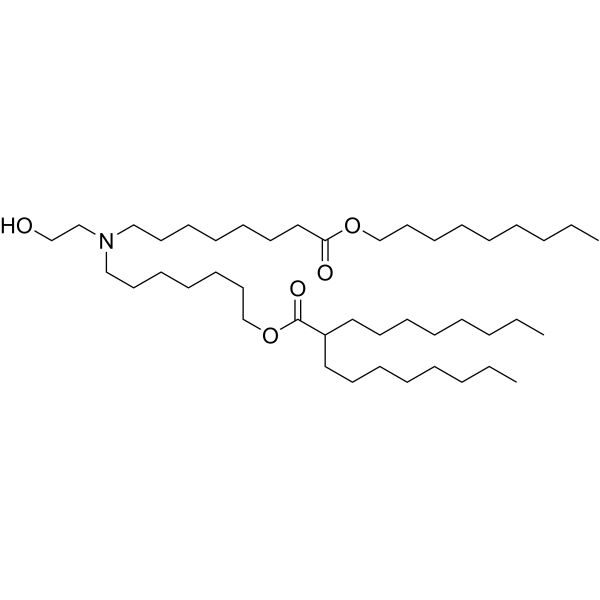
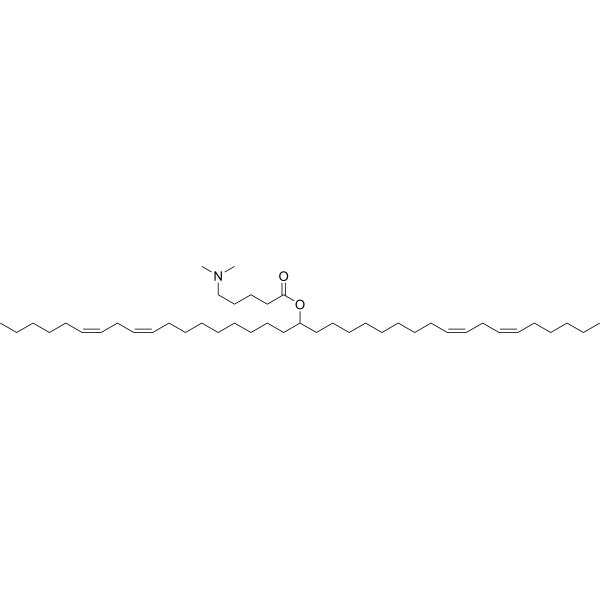
  • HY-132289

    Liposome Inflammation/Immunology
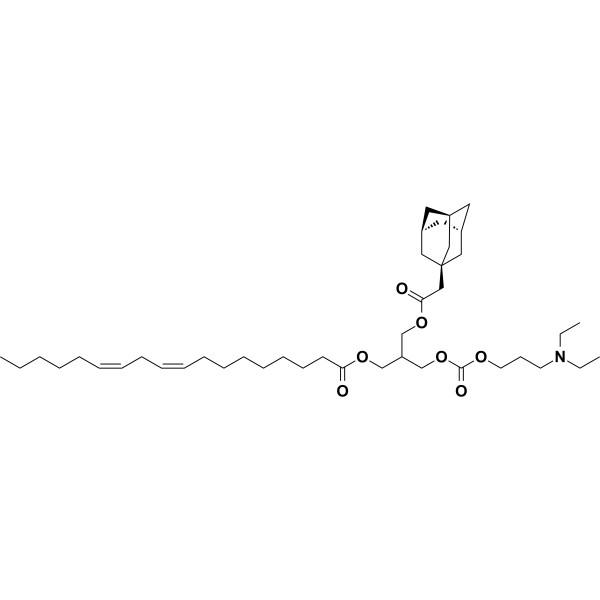
    Lipid M (pKa: 6.75) can be used to deliver mRNA vaccine and yield a robust immune response with improved tolerability .
    Lipid M
  • HY-178794

    PGE synthase Inflammation/Immunology
    AGU661 is a Microsomal prostaglandin E2 synthase 1 (mPGES-1) inhibitor with an IC50 of 0.22  nM. AGU661 lowers PGE2 formation in human pro-inflammatory M1 macrophages and activated monocytes without affecting other lipid mediator pathways. AGU661 has unfavorable physicochemical properties with poor metabolic stability and strong plasma protein binding tendencies. AGU661 into PLGA-based NPs significantly enhances its bioactivity. AGU661 can be used for inflammatory disorders research .
    AGU661
  • HY-155852

    Ferroptosis Apoptosis ACSL Family Glutathione Peroxidase Reactive Oxygen Species (ROS) Inflammation/Immunology Cancer
    Lepadin H is a ferroptosis inducer and apoptosis inducer with in vitro cytotoxicity and in vivo antitumor efficacy against cancer cells. Lepadin H reduces GPX4 and SLC7A11 levels, increases p53 and ACSL4 expression, drives lipid hydroperoxide production, elevates reactive oxygen species (ROS) levels, reduces cellular glutathione (GSH) levels, induces lipid peroxidation and G2/M phase cell cycle arrest, and suppresses clonogenic growth and migration of cancer cells.Lepadin H can be used for the research of melanoma .
    Lepadin H
  • HY-164189

    DNA/RNA Synthesis Others
    m7(3'Ma-Cy3)Gppp(2'OMe)ApG ammonium is a Cy3-labled cap analogue that can be used for mRNA synthesis. The efficiency of mRNA delivery can be determined by the detection of Cy3 by flow cytometry, which can be used to track mRNA in cells and in living animals and to screen delivery lipid ratios.
    m7(3'Ma-Cy3)Gppp(2'OMe)ApG ammonium
  • HY-178448

    EGFR JAK Ferroptosis Apoptosis Reactive Oxygen Species (ROS) Cannabinoid Receptor Glutathione Peroxidase Caspase Inflammation/Immunology Cancer
    EGFR-IN-178 is an orally active EGFR mutant inhibitor, exhibits highly selective inhibitory activity against mutants of the EGFR enzyme, including Del19 (IC50 = 3.4 nM), L858R/T790 M (IC50 = 2.9 nM), and Del19/T790 M (IC50 = 2.5 nM). EGFR-IN-178 has good activity against JAK2 (IC50 = 55.6 nM) and JAK3 (IC50 = 46.1 nM) kinases. EGFR-IN-178 can increase cellular lipid oxide MDA, meanwhile decrease GSH content, causing ferroptosis in cancer cells. EGFR-IN-178 promotes apoptosis by increasing cleaved caspase-3 expression. EGFR-IN-178 can inhibit the phosphorylation of EGFR protein and decrease the active form p-JAK2 for JAK2, induce an increase in intracellular ROS. EGFR-IN-178 can be used for the study of non-small cell lung cancer (NSCLC) .
    EGFR-IN-178
  • HY-143712S1

    3α-hydoxy-5α-Cholaoic Acid-d4, allo-LCA-d4

    Isotope-Labeled Compounds Drug Metabolite G protein-coupled Bile Acid Receptor 1 ROR Metabolic Disease Inflammation/Immunology Cancer
    Allolithocholic Acid-d4 (3α-hydoxy-5α-Cholaoic Acid-d4, allo-LCA-d4) is deuterium labeled Allolithocholic acid (HY-143712). Allolithocholic acid is an orally active metabolite of Lithocholic acid (HY-B0172). Allolithocholic acid is a dual GPBAR1 agonist (EC50 = 2.7 μM) and RORγt inverse agonist (IC50 = 3.4 μM). Allolithocholic acid modulates immune and metabolic pathways, regulates immune cell polarization, prevents M1 macrophage and Th17 CD4 cell polarization. Allolithocholic acid improves insulin sensitivity, reduces liver lipid accumulation, reverses liver immunological, inflammatory and metabolic signaling dysregulation, restores bile acid homeostasis, adipose tissue histopathology/function, and intestinal microbiota composition, modulates intestinal immunity. Allolithocholic acid can be used for the researches of cancer, inflammayion, immunology and metabolic disease .
    Allolithocholic Acid-d4
  • HY-166980

    Biochemical Assay Reagents Others
    m-PEG-DPPE (MW 2000) is a PEG lipid that can improve the delivery efficiency and tissue specificity of poorly soluble drugs. m-PEG-DPPE (MW 2000) can be used in drug delivery research .
    mPEG-DPPE (MW 2000)
  • HY-W440924

    Biochemical Assay Reagents Others
    m-PEG3000-DSPE sodium is a PEG lipid that can improve the delivery efficiency and tissue specificity of poorly soluble drugs. m-PEG3000-DSPE sodium can be used in drug delivery research .
    m-PEG3000-DSPE sodium
  • HY-W440922

    Biochemical Assay Reagents Others
    m-PEG1000-DSPE sodium is a PEG lipid that can improve the delivery efficiency and tissue specificity of poorly soluble drugs. m-PEG1000-DSPE sodium can be used in drug delivery research .
    m-PEG1000-DSPE sodium
  • HY-W440922A

    Biochemical Assay Reagents Others
    m-PEG-C1-DSPE sodium (MW 1000) is a structural analog of m-PEG-DSPE sodium (MW 1000) (HY-W440922). m-PEG-C1-DSPE sodium (MW 1000) is a PEG lipid that can improve the delivery efficiency and tissue specificity of poorly soluble drugs. m-PEG-C1-DSPE sodium (MW 1000) can be used in drug delivery research .
    m-PEG-C1-DSPE sodium (MW 1000)
  • HY-173540

    C22:1(13Z) 1-Deoxyceramide

    Ceramidase Neurological Disease
    C22:1 1-Deoxyceramide (m18:1/22:1) (C22:1(13Z) 1-Deoxyceramide) is a deoxyceramide lipid that lacks the 1-hydroxyl group and is a ceramide variant. C22:1 1-Deoxyceramide (m18:1/22:1) has potential neurotoxicity and is involved in mitochondrial stress and cell death signaling. It can be used to study abnormal sphingolipid metabolism and neurodegenerative diseases .
    C22:1 1-Deoxyceramide (m18:1/22:1)
  • HY-164191

    DNA/RNA Synthesis Others
    m7(3'Ma-Peg5-FAM)Gppp(2'OMe)ApG ammonium is a FAM-labled cap analogue that can be used for mRNA synthesis. The efficiency of mRNA delivery can be determined by the detection of FAM by flow cytometry, which can be used to track mRNA in cells and in living animals and to screen delivery lipid ratios.
    m7(3'Ma-Peg5-FAM)Gppp(2'OMe)ApG ammonium
  • HY-164188

    DNA/RNA Synthesis Others
    m7(3'Ma-Cy5)Gppp(2'OMe)ApG ammonium is a Cy5-labled cap analogue that can be used for mRNA synthesis. The efficiency of mRNA delivery can be determined by the detection of Cy5 by flow cytometry, which can be used to track mRNA in cells and in living animals and to screen delivery lipid ratios.
    m7(3'Ma-Cy5)Gppp(2'OMe)ApG triammonium
  • HY-164187

    DNA/RNA Synthesis Others
    m7(3'Ma-Cy7)Gppp(2'OMe)ApG ammonium is a Cy7-labled cap analogue that can be used for mRNA synthesis. The efficiency of mRNA delivery can be determined by the detection of Cy7 by flow cytometry, which can be used to track mRNA in cells and in living animals and to screen delivery lipid ratios.
    m7(3'Ma-Cy7)Gppp(2'OMe)ApG ammonium
  • HY-139282

    C16:0 1-Deoxyceramide; C16:0 Ceramide (m18:1/16:0); Cer(m18:1/16:0)

    Endogenous Metabolite Metabolic Disease
    C16 1-Deoxyceramide (m18:1/16:0) (C16:0 1-Deoxyceramide) is a lipid molecule, which is composed of a long-chain fatty acid (16:0) and a 1-deoxysphingoid backbone. Deoxyceramide accumulates under the conditions of obesity and type 2 diabetes (T2D). Deoxyceramide is unable to be further metabolized to more complex sphingolipid, and is toxic when accumulates in the body. Deoxyceramide increases in differentiated adipocytes in vitro .
    C16 1-Deoxyceramide (m18:1/16:0)
  • HY-168639

    Mitochondrial Metabolism AMPK Metabolic Disease
    AP39 prodrug 1 (Compound M1) is a mitochondria-targeted H2S prodrug. AP39 prodrug 1 induces ROS-dependent mild mitochondrial uncoupling, activating mitochondria-associated AMPK to suppress Palmitic acid (PA) (HY-N0830)-induced lipid deposition in hepatocytes .
    AMPK activator 15
  • HY-139283

    C24:1(15Z) 1-Deoxyceramide; C24:1 Ceramide (m18:1/24:1(15Z)); Cer(m18:1/24:1(15Z))

    Endogenous Metabolite Metabolic Disease
    C24:1 1-Deoxyceramide (m18:1/24:1(15Z)) (C24:1(15Z) 1-Deoxyceramide) is a lipid molecule, which is composed of a long-chain fatty acid (24:1) and a 1-deoxysphingoid backbone. Deoxyceramide accumulates under the conditions of obesity and type 2 diabetes (T2D). Deoxyceramide is unable to be further metabolized to more complex sphingolipid, and is toxic when accumulates in the body. Deoxyceramide increases in differentiated adipocytes in vitro .
    C24:1 1-Deoxyceramide (m18:1/24:1(15Z))
  • HY-179016

    Ferroptosis Apoptosis Mitochondrial Metabolism Calcium Channel Cancer
    Ferroptosis/apoptosis inducer-3 (Compound 34) is a Ferroptosis and Apoptosis inducer. Ferroptosis/apoptosis inducer-3 induces both Ferroptosis and Apoptosis by causing G2/M phase cell cycle arrest, disrupting mitochondrial membrane potentials, promoting lipid peroxidation, and increasing the levels of Ca 2+ and Fe 2+ through the activation of calcium/calmodulin signaling. Ferraplasm/apoptosis inducer-3 shows anticancer effects against cervical cancer, adenocarcinoma, breast cancer, colon cancer, and colorectal carcinoma .
    Ferroptosis/apoptosis inducer-3
  • HY-W440807

    Liposome Others
    Oleoyl-Gly-Lys-(m-PEG11)-NH2 is a PEG-lipid molecule featuring an oleoyl amide linked to a Gly-Lys dipeptide and a methoxy PEG11 chain on the C-terminus of the lysine. The lysine primary amine may be used in a wide variety of reactions with carboxylic acids, NHS esters, and carbonyl groups. The PEG linker provides aqueous solubility.
    Oleoyl-Gly-Lys-(m-PEG11)-NH2
  • HY-143712R

    Reference Standards Drug Metabolite G protein-coupled Bile Acid Receptor 1 ROR Metabolic Disease Inflammation/Immunology Cancer
    Allolithocholic acid (Standard) is the analytical standard of Allolithocholic acid (HY-143712). This product is intended for research and analytical applications. Allolithocholic acid is an orally active metabolite of Lithocholic acid (HY-B0172). Allolithocholic acid is a dual GPBAR1 agonist (EC50 = 2.7 μM) and RORγt inverse agonist (IC50 = 3.4 μM). Allolithocholic acid modulates immune and metabolic pathways, regulates immune cell polarization, prevents M1 macrophage and Th17 CD4 cell polarization. Allolithocholic acid improves insulin sensitivity, reduces liver lipid accumulation, reverses liver immunological, inflammatory and metabolic signaling dysregulation, restores bile acid homeostasis, adipose tissue histopathology/function, and intestinal microbiota composition, modulates intestinal immunity. Allolithocholic acid can be used for the researches of cancer, inflammayion, immunology and metabolic disease .
    Allolithocholic acid (Standard)
  • HY-181982

    Ferroptosis DNA Alkylator/Crosslinker DNA/RNA Synthesis Apoptosis Reactive Oxygen Species (ROS) Neurological Disease Cancer
    HJ03 is a blood-brain barrier-permeable, orally active DNA damage and ferroptosis inducer. HJ03 triggers ferroptosis by increasing intracellular ROS, Fe 2+ accumulation and lipid peroxidation. HJ03 induces DNA adducts and interstrand crosslinks, blocks DNA replication and transcription, arrests cells at the G2/M phase and induces apoptosis. HJ03 can be used in the research of glioblastoma multiforme and colorectal cancer .
    HJ03
  • HY-N19627

    3′-M-ECG

    Drug Derivative Inflammation/Immunology
    3'-O-Methyl-(-)-epicatechin gallate (3′-M-ECG) is a methylated Catechin (HY-N0898) derivative and is an antioxidant agent. 3'-O-Methyl-(-)-epicatechin gallate reduces oxygen consumption and prevents decreases in linoleic and α-linolenic acids to protect canola oil from lipid oxidation when heated .
    3'-O-Methyl-(-)-epicatechin gallate
  • HY-176472

    Biochemical Assay Reagents Others
    N,N'-Di-3-butyn-1-ylurea (Compound m7N) is a linker. N,N'-Di-3-butyn-1-ylurea is a click chemistry reagent containing an azide group. Click chemistry has great potential for use in binding between nucleic acids, lipids, proteins, and other molecules, and has been used in many research fields because of its beneficial characteristics, including high yield, high specificity, and simplicity .
    N,N'-Di-3-butyn-1-ylurea
  • HY-N11846

    Apoptosis Caspase Inflammation/Immunology Cancer
    4′-O-Methylglabridin is an apoptosis inducer with antioxidant, cell cycle-disrupting and anticancer cytotoxic activities. 4′-O-Methylglabridin inhibits various cancer cell lines including liver cancer, breast cancer and colorectal cancer cell lines. By reducing the expression levels of phosphorylated Rb (Ser807/811) and p21 proteins, 4′-O-Methylglabridin promotes cell accumulation at the subG1 and G2/M phases, and triggers caspase-dependent apoptosis via cytochrome C release and caspase-9 activation. 4′-O-Methylglabridin also exerts antioxidant effects by inhibiting lipid peroxide levels and reducing β-carotene consumption, thereby blocking LDL oxidation. 4′-O-Methylglabridin can be used in the research of various cancers and atherosclerotic diseases .
    4′-O-Methylglabridin
  • HY-N3000A

    JNK IRE1 Akt mTOR YAP Reactive Oxygen Species (ROS) Autophagy Apoptosis Ferroptosis Fungal Caspase DNA/RNA Synthesis Infection Inflammation/Immunology Cancer
    6-Methoxydihydrosanguinarine hydrochloride is an alkaloid with activity across multiple cancer cell types. 6-Methoxydihydrosanguinarine hydrochloride activates IRE1/JNK signaling, blocks Akt/mTOR and PI3K/AKT/mTOR pathways, reduces expression of Cdc25C, CyclinB1, Cdc2, YAP/TAZ, Survivin, GPX4, and EGFR, upregulates IRE1 and DR5, and activates JNK and caspases. 6-Methoxydihydrosanguinarine hydrochloride induces apoptosis, G2/M phase arrest, DNA damage, ROS generation, lipid peroxidation, ferroptosis, autophagy, and suppresses cancer cell growth. 6-Methoxydihydrosanguinarine hydrochloride disruptes the biofilm formation of Candida albicans (C. albicans). 6-Methoxydihydrosanguinarine hydrochloride can be used for the research of non-small cell lung cancer, hepatocellular carcinoma, melanoma, colon carcinoma, ovarian cancer and breast cancer .
    6-Methoxydihydrosanguinarine hydrochloride
  • HY-153149

    Adenosine Receptor Apoptosis PGC-1α Metabolic Disease Inflammation/Immunology
    LJ-2698 is an orally active adenosine A3 receptor antagonist. LJ-2698 induces increased levels of anti-inflammatory cytokines in macrophages and significantly elevates the number of anti-inflammatory M2 macrophages in the lung. LJ-2698 prevents alveolar cavity enlargement, restores pulmonary function, inhibits matrix metalloproteinase activity and pulmonary cell apoptosis in the lung tissues of mice. LJ-2698 prevents renal injury, inhibits renal lipid accumulation, and increases PGC1α levels in renal tissues of mice with diabetic nephropathy. LJ-2698 is applicable to the research of emphysema and diabetic nephropathy .
    LJ-2698

Inquiry Online

Your information is safe with us. * Required Fields.

Salutation


Country or Region *

Applicant Name *


Organization Name *

Department *


Email Address *


Product Name *

Cat. No.


Requested quantity *

Phone Number *


Remarks

Inquiry Online

Inquiry Information

Product Name:
Cat. No.:
Quantity:
MCE Japan Authorized Agent:

