
Search Result
Results for "
Low-density lipoprotein cholesterol
" in MedChemExpress (MCE) Product Catalog:
9
Isotope-Labeled Compounds
| Cat. No. |
Product Name |
Target |
Research Areas |
Chemical Structure |
-
- HY-17504
-
|
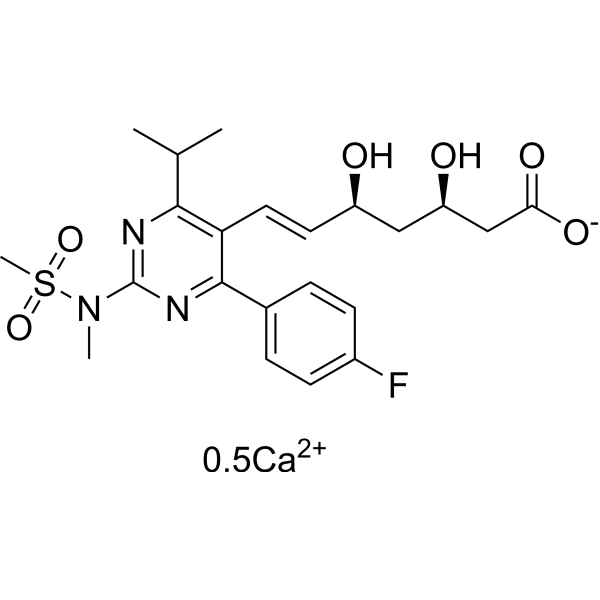
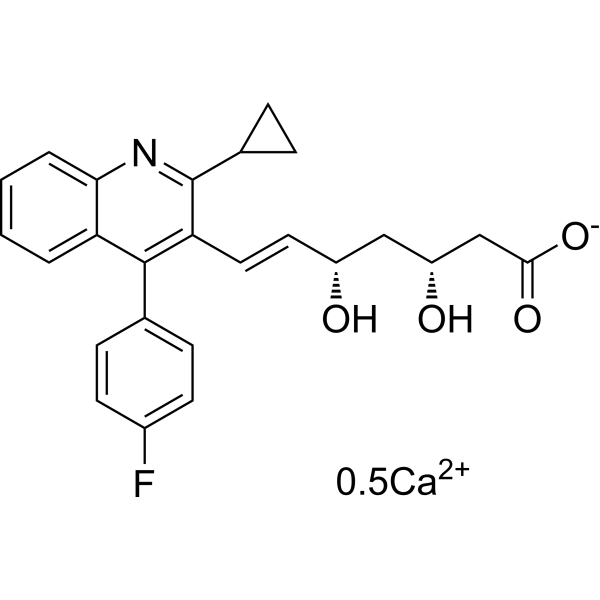
Rosuvastatin hemicalcium; ZD 4522 Calcium
|
HMG-CoA Reductase (HMGCR)
Autophagy
Potassium Channel
Bacterial
|
Cardiovascular Disease
Metabolic Disease
Cancer
|
|
Rosuvastatin Calcium is a competitive HMG-CoA reductase (HMGCR) inhibitor, with an IC50 of 11 nM. Rosuvastatin Calcium potently blocks hERG current with an IC50 of 195 nM . Rosuvastatin Calcium reduces the expression of the mature hERG and the interaction of heat shock protein 70 (Hsp70) with the hERG protein. Rosuvastatin Calcium effectively lowers low-density lipoprotein (LDL) cholesterol, triglycerides, and C-reactive protein levels .
|
-
-
- HY-17504A
-
|
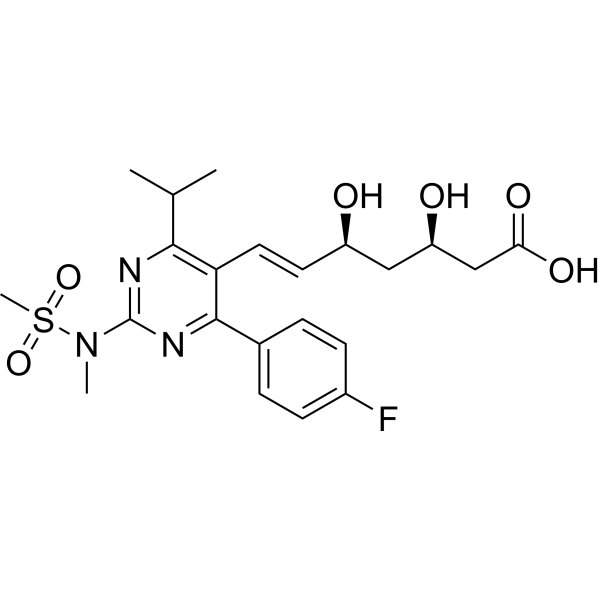
ZD 4522
|
HMG-CoA Reductase (HMGCR)
Autophagy
Potassium Channel
Bacterial
|
Cardiovascular Disease
Metabolic Disease
Cancer
|
|
Rosuvastatin (ZD 4522) is a competitive HMG-CoA reductase inhibitor with an IC50 of 11 nM. Rosuvastatin potently blocks hERG current with an IC50 of 195 nM, delayed cardiac repolarization, and thereby prolonged action potential durations (APDs) and corrected QT interval (QTc) intervals. Rosuvastatin reduces the expression of the mature hERG and the interaction of heat shock protein 70 (Hsp70) with the hERG protein. Rosuvastatin effectively lowers low-density lipoprotein (LDL) cholesterol, triglycerides, and C-reactive protein levels .
|
-
-
- HY-112490
-
|
|
HMG-CoA Reductase (HMGCR)
|
Cardiovascular Disease
Others
|
|
Atorvastatin calcium salt trihydrate is a drug belonging to the statin class of drugs used to lower blood cholesterol levels. Atorvastatin calcium salt trihydrate has unique chemical properties that make it an effective tool in controlling high levels of low-density lipoprotein (LDL) cholesterol and triglycerides in the body, reducing the risk of heart attack and stroke. Atorvastatin calcium salt trihydrate works by inhibiting HMG-CoA reductase, the enzyme responsible for producing cholesterol in the liver.
|
-
-
- HY-B0144A
-
|
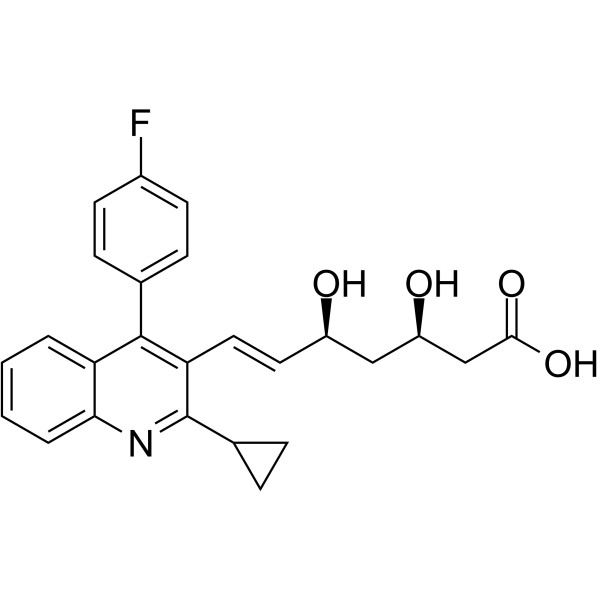
NK-104
|
HMG-CoA Reductase (HMGCR)
Autophagy
Mitophagy
Apoptosis
|
Cardiovascular Disease
Neurological Disease
Metabolic Disease
Cancer
|
|
Pitavastatin (NK-104) is a potent hydroxymethylglutaryl-CoA (HMG-CoA) reductase inhibitor. Pitavastatin inhibits cholesterol synthesis from acetic acid with an IC50 of 5.8 nM in HepG2 cells. Pitavastatin is an efficient hepatocyte low-density lipoprotein-cholesterol (LDL-C) receptor inducer. Pitavastatin also possesses anti-atherosclerotic, anti-asthmatic, anti-osteoarthritis, antineoplastic, neuroprotective, hepatoprotective and reno-protective effects .
|
-
-
- HY-B0388
-
-
-
- HY-B0144
-
|
NK-104 hemicalcium; Pitavastatin hemicalcium
|
HMG-CoA Reductase (HMGCR)
Autophagy
Mitophagy
Apoptosis
|
Cardiovascular Disease
Neurological Disease
Metabolic Disease
Cancer
|
|
Pitavastatin Calcium (NK-104 hemicalcium) is a potent hydroxymethylglutaryl-CoA (HMG-CoA) reductase inhibitor. Pitavastatin Calcium (NK-104 hemicalcium) inhibits cholesterol synthesis from acetic acid with an IC50 of 5.8 nM in HepG2 cells. Pitavastatin Calcium is an efficient hepatocyte low-density lipoprotein-cholesterol (LDL-C) receptor inducer. Pitavastatin Calcium also possesses anti-atherosclerotic, anti-asthmatic, anti-osteoarthritis, antineoplastic, neuroprotective, hepatoprotective and reno-protective effects .
|
-
-
- HY-17504B
-
|
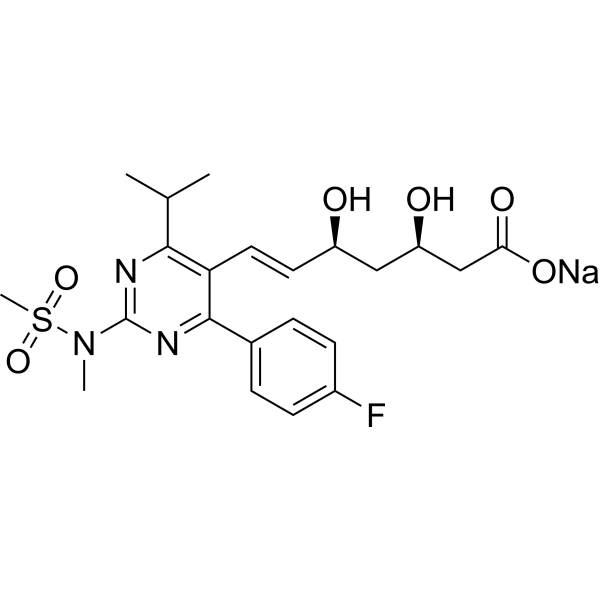
ZD 4522 Sodium; X-Plended Sodium; Crestor Sodium
|
HMG-CoA Reductase (HMGCR)
Potassium Channel
Autophagy
Bacterial
|
Cardiovascular Disease
Metabolic Disease
Cancer
|
|
Rosuvastatin Sodium is a competitive HMG-CoA reductase (HMGCR) inhibitor, with an IC50 of 11 nM. Rosuvastatin Sodium potently blocks hERG current with an IC50 of 195 nM . Rosuvastatin Sodium reduces the expression of the mature hERG and the interaction of heat shock protein 70 (Hsp70) with the hERG protein. Rosuvastatin Sodium effectively lowers low-density lipoprotein (LDL) cholesterol, triglycerides, and C-reactive protein levels .
|
-
-
- HY-16274
-
|
TAK-475
|
Farnesyl Transferase
|
Metabolic Disease
|
|
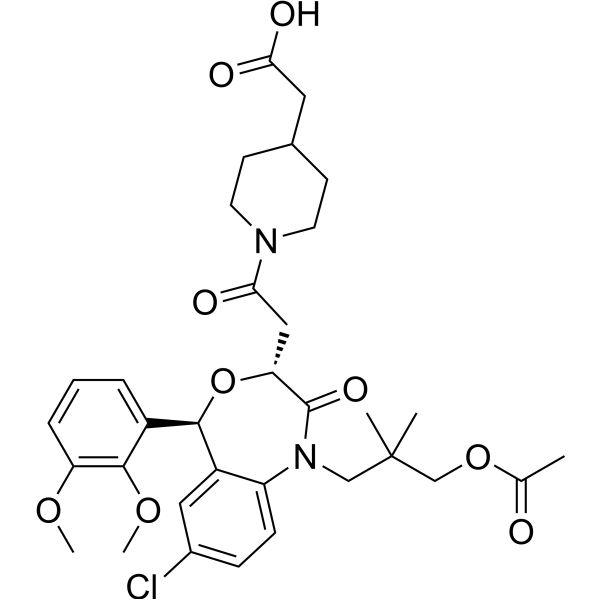
Lapaquistat acetate (TAK-475) is a squalene synthase inhibitor, blocking the conversion of farnesyl diphosphate (FPP) to squalene in the cholesterol biosynthesis pathway . Lapaquistat acetate is effective at lowering low-density lipoprotein cholesterol, but it might cause liver damage. Lapaquistat acetate is used for hypercholesterolemia and mevalonate kinase deficiency (MKD) research .
|
-
-
- HY-109523
-
|
|
HMG-CoA Reductase (HMGCR)
Ferroptosis
|
Cardiovascular Disease
Cancer
|
|
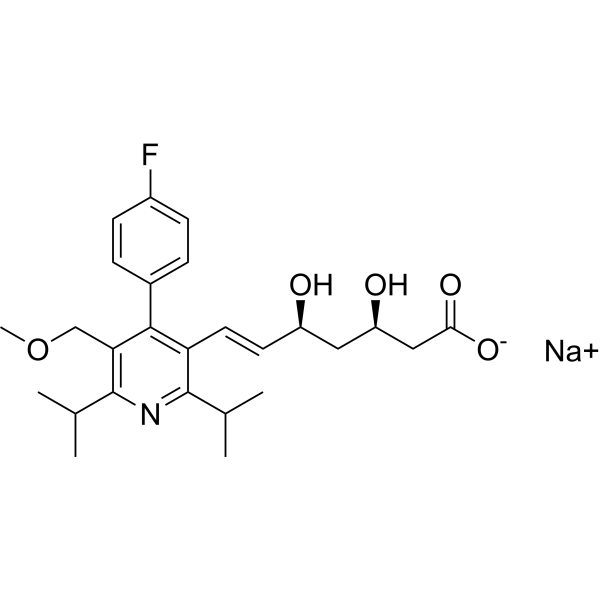
Cerivastatin sodium is a synthetic lipid-lowering agent and a highly potent, well-tolerated and orally active HMG-CoA reductase inhibitor, with a Ki of 1.3 nM/L. Cerivastatin sodium reduces low-density lipoprotein cholesterol levels. Cerivastatin sodium also inhibits proliferation and invasiveness of MDA-MB-231 cells, mainly by RhoA inhibition, and has anti-cancer effect .
|
-
-
- HY-145001
-
|
|
LDLR
CETP
|
Metabolic Disease
|
|
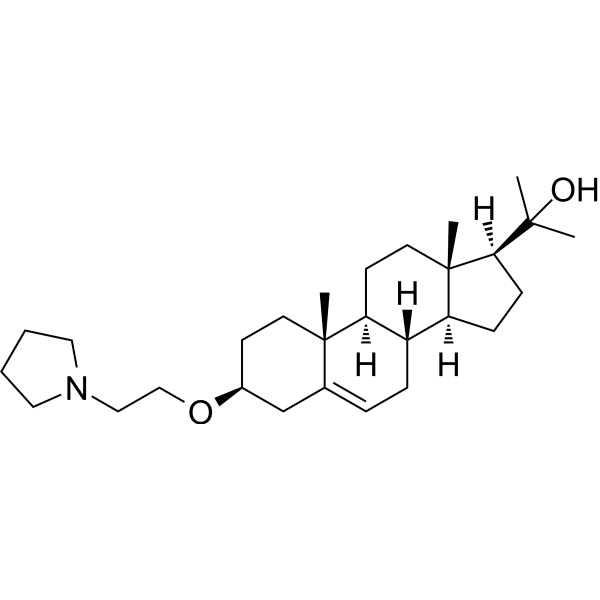
20-HC-Me-Pyrrolidine (compound AI-3d) is a potent Aster protein inhibitor with IC50s of 0.11 μM, 0.06 μM, and 0.71 μM for Aster-A, Aster-B, and Aster-C, respectively. 20-HC-Me-Pyrrolidine blocks the ability of Asters to bind and transfer cholesterol. 20-HC-Me-Pyrrolidine also inhibits the movement of low-density lipoprotein (LDL) cholesterol to the endoplasmic reticulum (ER) .
|
-
-
- HY-106539
-
|
|
FXR
G protein-coupled Bile Acid Receptor 1
GLP Receptor
|
Metabolic Disease
Cancer
|
|
Colesevelam hydrochloride is an orally active bile acid sequestrant, lipid-lowering agent, and glycemic control agent. Colesevelam hydrochloride binds bile acids in the gastrointestinal tract to form nonabsorbable complexes, interrupts enterohepatic recirculation and increases fecal bile acid elimination. Colesevelam hydrochloride modulates FXR, TGR5, and Cyp7a1 activity and triggers cAMP signaling and GLP-1 release. Colesevelam hydrochloride alters hepatic lipid and glucose metabolism, suppresses hepatic glycogenolysis, reduces hepatic triglyceride and cholesterol levels, and increases LDL-C (low-density lipoprotein cholesterol) clearance. Colesevelam hydrochloride can be used for the research of type 2 diabetes mellitus, hypercholesterolemia, and alcohol-related liver disease .
|
-
-
- HY-W015600
-
|
Orthocetamol
|
Ferroptosis
Glutathione Peroxidase
Reactive Oxygen Species (ROS)
LDLR
|
Cardiovascular Disease
Inflammation/Immunology
|
|
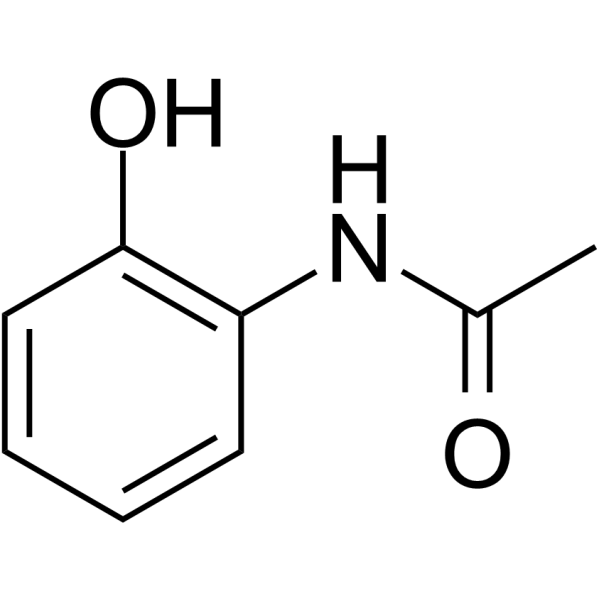
2-Acetamidophenol (Orthocetamol) is a regulator that targets ferroptosis and glutathione metabolic pathways, is the ortho-regioisomer of Paracetamol (HY-66005). 2-Acetamidophenol has anti-atherosclerotic activity, and inhibiting total cholesterol (TC) and triglyceride (TG) in a zebrafish hyperlipidemia model with IC50s for 30 μM and 40 μM, respectively. 2-Acetamidophenol upregulates the expression of glutathione synthesis-related genes (such as GCLC, GCLM, GSS) and iron ion transport genes (such as FPN1, FTH), reduces the accumulation of intracellular reactive oxygen species (ROS) and ferrous ions (Fe 2+), and enhances the activity of glutathione peroxidase GPX4, thereby inhibiting macrophage phagocytosis of oxidized low-density lipoprotein (ox-LDL) and foam cell formation .
|
-
-
- HY-10473
-
|
KB2115
|
Thyroid Hormone Receptor
|
Metabolic Disease
Endocrinology
|
|
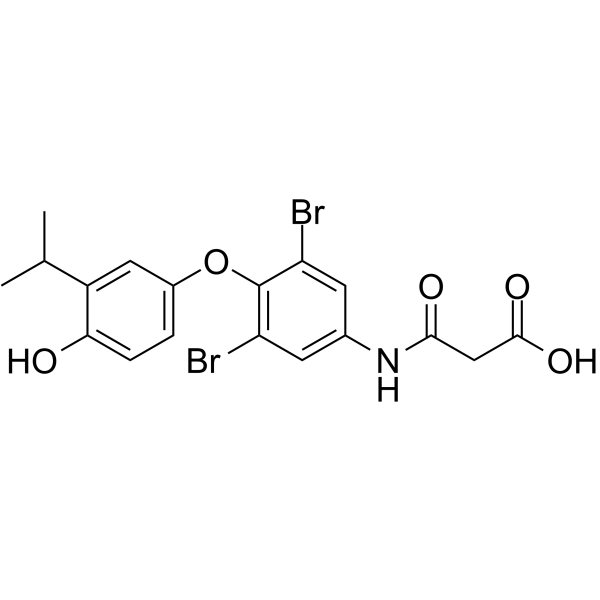
Eprotirome (KB2115) is a liver-selective thyroid hormone receptor (TR) agonist. KB2115 has modestly higher affinity for TRβ than for TRα. Eprotirome reduces low-density lipoprotein (LDL) cholesterol concentrations. Eprotirome can be used for dyslipidemias and obesity research .
|
-
-
- HY-P99822
-
|
SHR-1209
|
PCSK9
|
Metabolic Disease
|
|
Recaticimab (SHR-1209) is a humanized IgG1 mAb that selectively targets PCSK9. Recaticimab reduces low-density lipoprotein cholesterol (LDL-C), non-high-density lipoprotein cholesterol (non-HDL-C), apolipoprotein B (ApoB), triglyceride (TG), and lipoprotein(a) levels. Recaticimab can be used for hyperlipidemia research .
|
-
-
- HY-109567
-
|
PD-72953
|
LDLR
|
Metabolic Disease
Inflammation/Immunology
|
|
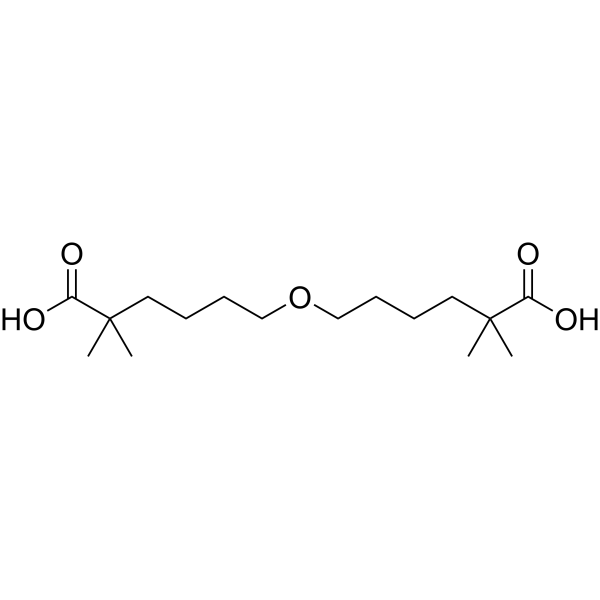
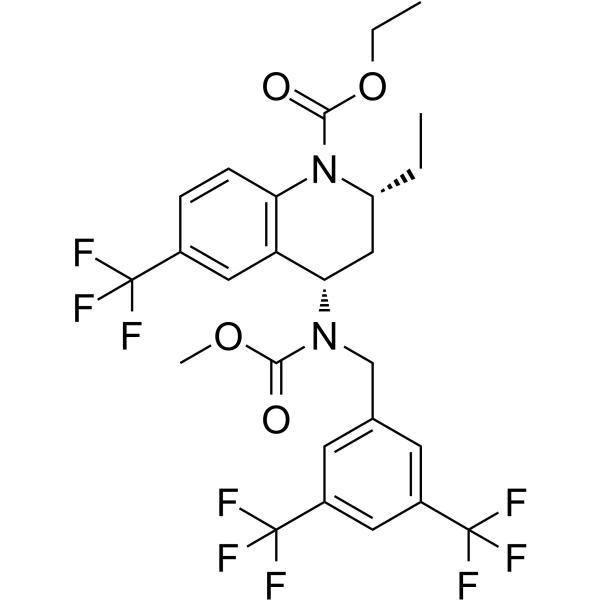
Gemcabene (PD-72953), a first-in-class lipid-lowering agent, lowers low-density lipoprotein cholesterol (LDL-C), decreases triglycerides, and raises high-density lipoprotein cholesterol (HDL-C) and lowers pro-inflammatory acute-phase protein, C-reactive protein (CRP), exerting anti-inflammatory activity .
|
-
-
- HY-162562
-
|
|
PCSK9
|
Metabolic Disease
Inflammation/Immunology
|
|
E28362 is an orally active lipid-lowering agent and a selective PCSK9 antagonist. E28362 blocks the interaction between PCSK9 and LDLR, and induces PCSK9 degradation via the ubiquitin-proteasome pathway. E28362 significantly increases the levels of cell surface and total LDLR proteins, enhances low-density lipoprotein uptake, thereby effectively reducing plasma lipids, hepatic cholesterol and triglyceride levels. E28362 shows no obvious cytotoxicity at high concentrations, and significantly attenuates atherosclerotic lesions in animal models. E28362 is an important molecule in research of hyperlipidemia and atherosclerosis .
|
-
-
- HY-12089
-
|
CP-529414
|
CETP
|
Endocrinology
|
|
Torcetrapib (CP-529414) is a selective, potent cholesteryl ester transfer protein (CETP) inhibitor. A typical inhibition curve for whole human plasma, having a CETP concentration of 37 nM .
|
-
-
- HY-14744
-
|
(S)-Amlodipine; Levoamlodipine
|
Calcium Channel
MMP
|
Cardiovascular Disease
Neurological Disease
|
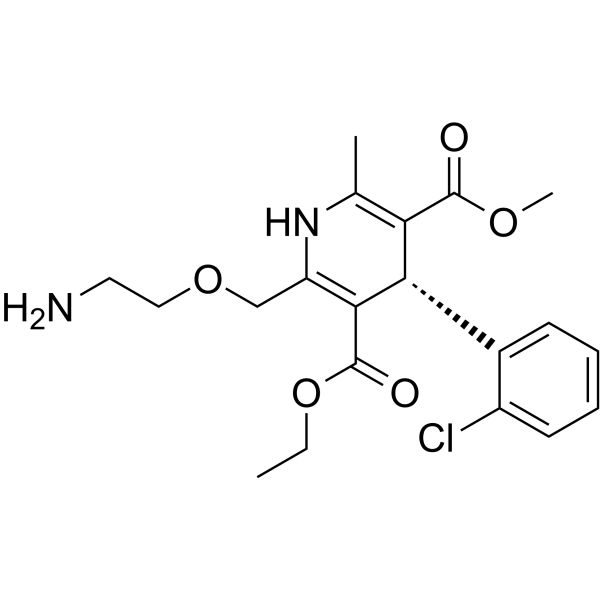
Levamlodipine ((S)-Amlodipine; Levoamlodipin) is an orally active L-type calcium channel blocker and MMP-9 modulator with high permeability and retention properties. Levamlodipine significantly enhances plaque stability and improves lipid profiles by reducing blood pressure, decreasing systolic blood pressure variability, and inhibiting MMP-9 expression in atherosclerotic plaques. Levamlodipine not only alleviates cardiac and aortic hypertrophy and prevents renal atrophy, but also produces synergistic effects in blood pressure reduction and organ protection when combined with bisoprolol (HY-129029). Levamlodipine exerts no significant inhibitory effect on abdominal aortic intimal hyperplasia. When excessively accumulated in the epidermis, Levamlodipine may induce changes in keratin structure, impair the skin barrier and trigger inflammation; long-term use further exacerbates skin irritation caused by local administration. Levamlodipine can be used in research related to hypertension and atherosclerosis .
|
-
-
- HY-117912
-
|
|
Endogenous Metabolite
|
Cardiovascular Disease
|
|
TRC210258 is a TGR5 agonist with activity to improve diabetes-associated hyperglycemia and dyslipidemia. TRC210258 promotes energy expenditure by enhancing the release of glucagon-like peptide-1. TRC210258 is able to improve glucose metabolic control in high-fat diet-induced obese mice. TRC210258 also showed improvement in lipid parameters in high-fat-fed hamsters, including reductions in plasma triglyceride and low-density lipoprotein cholesterol levels. TRC210258 improved emerging lipid-related cardiovascular risk parameters including remnant cholesterol and triglyceride clearance .
|
-
-
- HY-N2339
-
|
Cholesteryl docosanoate; cholesterol behenate
|
Endogenous Metabolite
|
Metabolic Disease
|
|
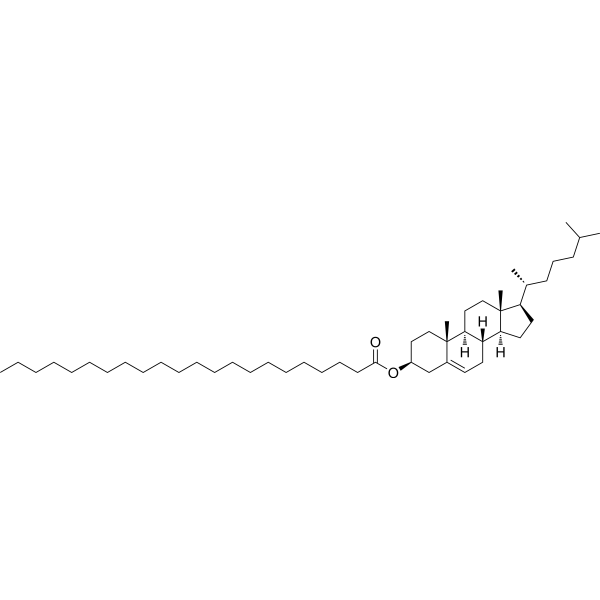
Cholesteryl behenate is a cholesterol ester associated with the neutral core of low density lipoprotein Receptor-LDL complexes are taken up by lysosomes and hydrolyzed to release cholesterol from the esters.
|
-
-
- HY-163436
-
|
|
FXR
Cytochrome P450
RAR/RXR
PPAR
ROR
|
Metabolic Disease
|
|
F44-A13 is an orally active and highly selective farnesoid X receptor (FXR) antagonist with an IC50 value of 1.1 μM. F44-A13 can optimize cholesterol metabolism and reduce its activity by inducing CYP7A1 expression. F44-A13 reduces levels of cholesterol, triglycerides, and low-density lipoprotein cholesterol (LDL-C) in mouse models. F44-A13 can be used in the study of metabolic diseases associated with lipid disorders .
|
-
-
- HY-17504R
-
|
Rosuvastatin hemicalcium (Standard); ZD 4522 Calcium (Standard)
|
Reference Standards
HMG-CoA Reductase (HMGCR)
Autophagy
Potassium Channel
Bacterial
|
Cardiovascular Disease
Metabolic Disease
Cancer
|
|
Rosuvastatin (Calcium) (Standard) is the analytical standard of Rosuvastatin (Calcium). This product is intended for research and analytical applications. Rosuvastatin Calcium is a competitive HMG-CoA reductase (HMGCR) inhibitor, with an IC50 of 11 nM. Rosuvastatin Calcium potently blocks hERG current with an IC50 of 195 nM . Rosuvastatin Calcium reduces the expression of the mature hERG and the interaction of heat shock protein 70 (Hsp70) with the hERG protein. Rosuvastatin Calcium effectively lowers low-density lipoprotein (LDL) cholesterol, triglycerides, and C-reactive protein levels .
|
-
-
- HY-129458
-
|
|
HMG-CoA Reductase (HMGCR)
Ferroptosis
|
Cardiovascular Disease
Cancer
|
|
Cerivastatin is a synthetic lipid-lowering agent and a highly potent, well-tolerated and orally active HMG-CoA reductase inhibitor, with a Ki of 1.3 nM/L. Cerivastatin reduces low-density lipoprotein cholesterol levels. Cerivastatin also inhibits proliferation and invasiveness of MDA-MB-231 cells, mainly by RhoA inhibition, and has anti-cancer effect .
|
-
-
- HY-19513
-
-
-
- HY-177291
-
|
|
Microsomal Triglyceride Transfer Protein (MTP)
Smo
Hedgehog
LDLR
|
Cardiovascular Disease
Cancer
|
|
LAB687 is a microsomal triglyceride transfer protein (MTP) inhibitor with an IC50 of 0.9 nM for apolipoprotein B (apoB) secretion in HepG2 cells. LAB687 also acts as a Smoothened (Smo) antagonist, with IC50 values of 2.48 μM and 3.42 μM against mouse and human Smo receptors, respectively. LAB687 reduces triglyceride and low-density lipoprotein cholesterol (LDL-C) levels, and inhibits the Hedgehog signaling pathway. LAB687 can be used in studies related to Hedgehog-dependent cancers .
|
-
-
- HY-W015600R
-
|
Orthocetamol (Standard)
|
Reference Standards
Ferroptosis
Glutathione Peroxidase
Reactive Oxygen Species (ROS)
LDLR
|
Cardiovascular Disease
Inflammation/Immunology
|
|
2-Acetamidophenol (Standard) is the analytical standard of 2-Acetamidophenol. This product is intended for research and analytical applications. 2-Acetamidophenol (Orthocetamol) is a regulator that targets ferroptosis and glutathione metabolic pathways, is the ortho-regioisomer of Paracetamol (HY-66005). 2-Acetamidophenol has anti-atherosclerotic activity, and inhibiting total cholesterol (TC) and triglyceride (TG) in a zebrafish hyperlipidemia model with IC50s for 30 μM and 40 μM, respectively. 2-Acetamidophenol upregulates the expression of glutathione synthesis-related genes (such as GCLC, GCLM, GSS) and iron ion transport genes (such as FPN1, FTH), reduces the accumulation of intracellular reactive oxygen species (ROS) and ferrous ions (Fe 2+), and enhances the activity of glutathione peroxidase GPX4, thereby inhibiting macrophage phagocytosis of oxidized low-density lipoprotein (ox-LDL) and foam cell formation .
|
-
-
- HY-172661
-
|
|
Thyroid Hormone Receptor
Interleukin Related
LDLR
|
Infection
Metabolic Disease
|
|
KYLO-0603 is an orally active, selective THR-β agonist (EC50 : 31.07 nM). KYLO-0603 has significant activity in lowering serum cholesterol and low-density lipoprotein cholesterol. KYLO-0603 upregulates the expression of THR-regulated genes (including iodothyronine deiodinase 1 (Dio1), malic enzyme 1 (Me1), and thyroid hormone response (Thrsp) gene) and inhibits the expression of inflammatory and fibrotic genes (low-density lipoprotein receptor (LDL-R) gene) by activating THR-β receptors. KYLO-0603 can be used to treat metabolic dysfunction-associated steatohepatitis (MASH) and liver fibrosis research .
|
-
-
- HY-B0144AS1
-
|
NK-104-d5 sodium
|
Apoptosis
HMG-CoA Reductase (HMGCR)
Mitophagy
Autophagy
|
Metabolic Disease
Cancer
|
|
Pitavastatin-d5 (sodium) is the deuterium labeled Pitavastatin sodium. Pitavastatin (NK-104) is a potent hydroxymethylglutaryl-CoA (HMG-CoA) reductase inhibitor. Pitavastatin inhibits cholesterol synthesis from acetic acid with an IC50 of 5.8 nM in HepG2 cells. Pitavastatin is an efficient hepatocyte low-density lipoprotein-cholesterol (LDL-C) receptor inducer. Anti-cancer activity.
|
-
-
- HY-B0144B
-
|
NK-104 sodium
|
HMG-CoA Reductase (HMGCR)
Autophagy
Mitophagy
Apoptosis
|
Cardiovascular Disease
Neurological Disease
Metabolic Disease
Cancer
|
|
Pitavastatin (NK-104) sodium is a potent hydroxymethylglutaryl-CoA (HMG-CoA) reductase inhibitor. Pitavastatin sodium inhibits cholesterol synthesis from acetic acid with an IC50 of 5.8 nM in HepG2 cells. Pitavastatin sodium is an efficient hepatocyte low-density lipoprotein-cholesterol (LDL-C) receptor inducer. Pitavastatin sodium also possesses anti-atherosclerotic, anti-asthmatic, anti-osteoarthritis, antineoplastic, neuroprotective, hepatoprotective and reno-protective effects .
|
-
-
- HY-17504AS1
-
|
ZD 4522-d6
|
Isotope-Labeled Compounds
Autophagy
Bacterial
HMG-CoA Reductase (HMGCR)
Potassium Channel
|
Cardiovascular Disease
Metabolic Disease
Cancer
|
|
Rosuvastatin-d6 (ZD 4522-d6) is deuterium labeled Rosuvastatin. Rosuvastatin (ZD 4522) is a competitive HMG-CoA reductase inhibitor with an IC50 of 11 nM. Rosuvastatin potently blocks hERG current with an IC50 of 195 nM, delayed cardiac repolarization, and thereby prolonged action potential durations (APDs) and corrected QT interval (QTc) intervals. Rosuvastatin reduces the expression of the mature hERG and the interaction of heat shock protein 70 (Hsp70) with the hERG protein. Rosuvastatin effectively lowers low-density lipoprotein (LDL) cholesterol, triglycerides, and C-reactive protein levels .
|
-
-
- HY-148626
-
|
|
PCSK9
|
Metabolic Disease
|
|
CVI-LM001 is an inhibitor PCSK 9. CVI-LM001 inhibits the interaction of PCSK9 with low-density lipoprotein receptor (LDLR), regulates the level of low-density lipoprotein cholesterol (LDL-C) in the blood, and exhibits lipid-lowering efficacy .
|
-
-
- HY-W015600S
-
|
Orthocetamol-d3
|
Isotope-Labeled Compounds
Ferroptosis
Glutathione Peroxidase
Reactive Oxygen Species (ROS)
LDLR
|
Cardiovascular Disease
Inflammation/Immunology
|
|
2-Acetamidophenol-d3 (Orthocetamol-d3) is the deuterium labeled 2-Acetamidophenol (HY-W015600). 2-Acetamidophenol (Orthocetamol) is a regulator that targets ferroptosis and glutathione metabolic pathways, is the ortho-regioisomer of Paracetamol (HY-66005). 2-Acetamidophenol has anti-atherosclerotic activity, and inhibiting total cholesterol (TC) and triglyceride (TG) in a zebrafish hyperlipidemia model with IC50s for 30 μM and 40 μM, respectively. 2-Acetamidophenol upregulates the expression of glutathione synthesis-related genes (such as GCLC, GCLM, GSS) and iron ion transport genes (such as FPN1, FTH), reduces the accumulation of intracellular reactive oxygen species (ROS) and ferrous ions (Fe2+), and enhances the activity of glutathione peroxidase GPX4, thereby inhibiting macrophage phagocytosis of oxidized low-density lipoprotein (ox-LDL) and foam cell formation .
|
-
-
- HY-113288
-
|
|
LDLR
|
Metabolic Disease
|
|
Campestanol is a phytosterol that can be found in plant food. Campestanol lowers serum cholesterol and low-density lipoprotein. Campestanol can be used for the research of metabolic disorders .
|
-
-
- HY-146084
-
|
|
PCSK9
|
Metabolic Disease
|
|
PCSK9 modulator-3 (Compound 13) is a potent modulator of PCSK9 with an EC50 value of 2.46 nM. PCSK9 is a recently validated target for lowering low-density lipoprotein cholesterol (LDL-C). PCSK9 modulator-3 has the potential for the research of hyperlipidemia .
|
-
-
- HY-129982
-
|
|
Apical Sodium-Dependent Bile Acid Transporter
|
Metabolic Disease
|
|
SC-435 is an orally effective apical sodium codependent bile acid transporter (ASBT) inhibitor. SC-435 effectively removes neurotoxic bile acids and ammonia from the blood by inhibiting intestinal ASBT, thereby alleviating liver and brain damage caused by liver failure. SC-435 can alter hepatic cholesterol metabolism and lower plasma low-density lipoprotein-cholesterol concentrations .
|
-
-
- HY-17504BS1
-
|
|
HMG-CoA Reductase (HMGCR)
Autophagy
|
Cardiovascular Disease
Metabolic Disease
|
|
Rosuvastatin-d6 sodium is deuterium labeled Rosuvastatin sodium (HY-17504B). Rosuvastatin Sodium is a competitive HMG-CoA reductase (HMGCR) inhibitor, with an IC50 of 11 nM. Rosuvastatin Sodium potently blocks hERG current with an IC50 of 195 nM. Rosuvastatin Sodium reduces the expression of the mature hERG and the interaction of heat shock protein 70 (Hsp70) with the hERG protein. Rosuvastatin Sodium effectively lowers low-density lipoprotein (LDL) cholesterol, triglycerides, and C-reactive protein levels.
|
-
-
- HY-B0144AR
-
|
NK-104 (Standard)
|
HMG-CoA Reductase (HMGCR)
Autophagy
Mitophagy
Apoptosis
Reference Standards
|
Cardiovascular Disease
Neurological Disease
Metabolic Disease
Cancer
|
|
Pitavastatin (Standard) is the analytical standard of Pitavastatin. This product is intended for research and analytical applications. Pitavastatin (NK-104) is a potent hydroxymethylglutaryl-CoA (HMG-CoA) reductase inhibitor. Pitavastatin inhibits cholesterol synthesis from acetic acid with an IC50 of 5.8 nM in HepG2 cells. Pitavastatin is an efficient hepatocyte low-density lipoprotein-cholesterol (LDL-C) receptor inducer. Pitavastatin also possesses anti-atherosclerotic, anti-asthmatic, anti-osteoarthritis, antineoplastic, neuroprotective, hepatoprotective and reno-protective effects .
|
-
-
- HY-176817
-
|
|
GPR109A
|
Cardiovascular Disease
Metabolic Disease
|
|
GPR109 receptor agonist-3 is an orally active GPR109 receptor agonist, with an IC50 of 310 nM.
GPR109 receptor agonist-3 retains the antioxidation and cytoprotection of Lipoic acid (HY-18733). GPR109 receptor agonist-3 reduces total cholesterol (TC), triglyceride (TG), low-density lipoprotein cholesterol (LDL-C) and increases high-density lipoprotein cholesterol (HDL-C) in high-fat diet-fed rats. GPR109 receptor agonist-3 can be used for the study of atherosclerosis .
|
-
-
- HY-19513A
-
|
|
Thyroid Hormone Receptor
|
Metabolic Disease
Endocrinology
|
|
MB-07344 sodium is a potent thyroid hormone receptor (TR)-β agonist with a Ki of 2.17 nM. MB-07344 sodium has additive cholesterol lowering activity in combination with Atorvastatin (HY-B0589) in rabbits, dogs and monkeys .
|
-
-
- HY-17504BR
-
|
ZD 4522 Sodium (Standard); X-Plended Sodium (Standard); Crestor Sodium (Standard)
|
HMG-CoA Reductase (HMGCR)
Potassium Channel
Autophagy
Bacterial
Reference Standards
|
Cardiovascular Disease
Metabolic Disease
Cancer
|
|
Rosuvastatin (Sodium) (Standard) is the analytical standard of Rosuvastatin (Sodium). This product is intended for research and analytical applications. Rosuvastatin Sodium is a competitive HMG-CoA reductase (HMGCR) inhibitor, with an IC50 of 11 nM. Rosuvastatin Sodium potently blocks hERG current with an IC50 of 195 nM . Rosuvastatin Sodium reduces the expression of the mature hERG and the interaction of heat shock protein 70 (Hsp70) with the hERG protein. Rosuvastatin Sodium effectively lowers low-density lipoprotein (LDL) cholesterol, triglycerides, and C-reactive protein levels .
|
-
-
- HY-17504BS2
-
|
ZD 4522-13C,d3 sodium; X-Plended-13C,d3 sodium; Crestor-13C,d3 sodium
|
Autophagy
Bacterial
HMG-CoA Reductase (HMGCR)
Potassium Channel
Isotope-Labeled Compounds
|
Cardiovascular Disease
Metabolic Disease
|
|
Rosuvastatin- 13C,d3 sodium is 13C and deuterated labeled Rosuvastatin sodium (HY-17504B). Rosuvastatin Sodium is a competitive HMG-CoA reductase (HMGCR) inhibitor, with an IC50 of 11 nM. Rosuvastatin Sodium potently blocks hERG current with an IC50 of 195 nM . Rosuvastatin Sodium reduces the expression of the mature hERG and the interaction of heat shock protein 70 (Hsp70) with the hERG protein. Rosuvastatin Sodium effectively lowers low-density lipoprotein (LDL) cholesterol, triglycerides, and C-reactive protein levels .
|
-
-
- HY-17504AS
-
-
-
- HY-106256
-
|
|
Estrogen Receptor/ERR
|
Metabolic Disease
Endocrinology
|
|
HMR-3339 is a new selective estrogen receptor modulator. HMR-3339 reduces total cholesterol, low-density lipoprotein cholesterol, and homocysteine. HMR-3339 corrects bone alterations induced by ovariectomy .
|
-
-
- HY-108744
-
|
|
HMG-CoA Reductase (HMGCR)
|
Cardiovascular Disease
|
|
Pitavastatin magnesium is an orally active HMG-CoA Reductase inhibitor. Pitavastatin magnesium lowers total cholesterol and low-density lipoprotein cholesterol in a hyperlipidemic rat model. Pitavastatin magnesium can be used in research on cardiovascular and cerebrovascular diseases such as hyperlipidemia .
|
-
-
- HY-19251
-
|
|
Acyltransferase
|
Cardiovascular Disease
Metabolic Disease
|
|
CL-283796 is a potent and orally active acyl-CoA:cholesterol acyltransferase (ACAT) inhibitor. CL-283796 reduces low-density lipoprotein (LDL) cholesterol without affecting cholesterol absorption in African green monkeys. CL-283796 can be used for hypercholesterolemia research .
|
-
-
- HY-115914
-
|
|
LDLR
|
Others
|
|
Lipid-lowering agent-1 is a potent lipid-lowering agent. Lipid-lowering agent-1 has significant pharmacological effects on the inhibition of low-density lipoprotein cholesterol (LDLC) and promotion of high-density lipoprotein cholesterol (HDLC) production. Lipid-lowering agent-1 shows potent hypolipidemic effect in high-fat diet rats .
|
-
-
- HY-128334
-
|
|
PCSK9
|
Metabolic Disease
|
|
PCSK9 modulator-2 (Compound 1) is a potent modulator of PCSK9 with an EC50 value of 202 nM. PCSK9 is a recently validated target for lowering low-density lipoprotein cholesterol (LDL-C). PCSK9 modulator-2 has the potential for the research of hyperlipidemia .
|
-
-
- HY-127055
-
|
|
Apolipoprotein
|
Metabolic Disease
Endocrinology
|
|
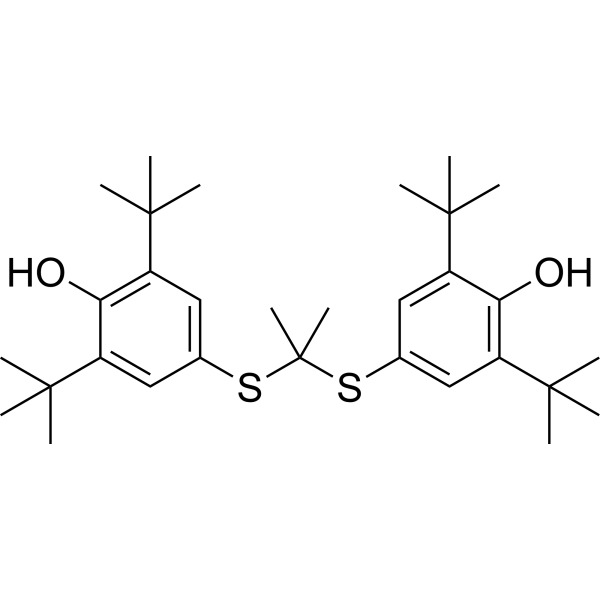
Tiadenol is an absorbable hypolipidemic agent. Tiadenol can effectively reduce triglycerides and decrease the level of apolipoprotein E in very low-density lipoproteins in hyperlipoproteinemia. Tiadenol causes hepatomegaly in rats and affects their hepatic lipid levels, cholesterol synthesis and absorption at high doses. Tiadenol can be used in the research of endocrine and metabolic diseases such as hyperlipidemia .
|
-
-
- HY-153451
-
|
|
PCSK9
|
Metabolic Disease
|
|
PCSK9-IN-15 (compound 5) is a potent inhibitor of proprotein convertase subtilisin/kexin 9 (PCSK9, KD <200 nM). PCSK9 is involved in cholesterol metabolism and regulates levels of low-density lipoprotein cholesterol (LDL-C) in the blood. PCSK9- in -15 can be used to study cholesterol-lowering and dyslipidemia .
|
-
-
- HY-175676
-
|
|
Thyroid Hormone Receptor
|
Metabolic Disease
Inflammation/Immunology
|
|
THR-β agonist 10 is an orally active and selective THR-β agonist, with an EC50 of 11 nM. THR-β agonist 10 significantly reduces ALT (Alanine Aminotransferase), TC (Total Cholesterol), and LDL-C (Low-Density Lipoprotein Cholesterol) levels, and improves steatosis, ballooning, inflammation and fibrosis in the metabolic dysfunction-associated steatohepatitis (MASH) mouse model. THR-β agonist 10 can be used for the study of MASH .
|
-
- HY-B0144S
-
|
NK-104-d4 hemicalcium; Pitavastatin-d4 hemicalcium
|
Isotope-Labeled Compounds
HMG-CoA Reductase (HMGCR)
Autophagy
Mitophagy
Apoptosis
|
Metabolic Disease
Cancer
|
|
Pitavastatin-d4 (hemicalcium) is deuterium labeled Pitavastatin (Calcium). Pitavastatin Calcium (NK-104 hemicalcium) is a potent hydroxymethylglutaryl-CoA (HMG-CoA) reductase inhibitor. Pitavastatin Calcium (NK-104 hemicalcium) inhibits cholesterol synthesis from acetic acid with an IC50 of 5.8 nM in HepG2 cells. Pitavastatin Calcium is an efficient hepatocyte low-density lipoprotein-cholesterol (LDL-C) receptor inducer. Anti-cancer activity[1][2][3].
|
-
- HY-117219
-
|
|
Cytochrome P450
HMG-CoA Reductase (HMGCR)
Endogenous Metabolite
|
Metabolic Disease
|
|
SKF 104976 is a 3,2-carboxylic acid derivative with potent 14-alpha-demethylase (14 alpha DM) inhibitory activity. SKF 104976 inhibited 14 alpha DM activity by 50% at 2 nM in Hep G2 cell extracts. SKF 104976 inhibited the incorporation of [14C]acetate into cholesterol in intact cells at similar concentrations, accompanied by accumulation of lanosterol, and resulted in a 40-70% decrease in 3-hydroxy-3-methylglutaryl-CoA reductase (HMGR) activity. SKF 104976 did not affect the uptake and degradation of low-density lipoprotein in Hep G2 cells, indicating that HMGR and low-density lipoprotein receptor activities are not coordinately regulated under these conditions. The inhibitory effect of SKF 104976 on HMGR activity remained unchanged even when the flux of carbon units in the sterol synthesis pathway was reduced by 80%. SKF 104976 did not inhibit HMGR activity under conditions where sterol synthesis was almost completely blocked by lovastatin .
|
-
- HY-17504D
-
|
|
HMG-CoA Reductase (HMGCR)
Potassium Channel
Autophagy
|
Cardiovascular Disease
Metabolic Disease
|
|
(3S,5R)-Rosuvastatin is the (3S,5R)-enantiomer of Rosuvastatin. Rosuvastatin is a competitive HMG-CoA reductase inhibitor with an IC50 of 11 nM . Rosuvastatin potently blocks human ether-a-go-go related gene (hERG) current with an IC50 of 195 nM . Rosuvastatin reduces the expression of the mature hERG and the interaction of heat shock protein 70 (Hsp70) with the hERG protein. Rosuvastatin is very effective in lowering low-density lipoprotein (LDL) cholesterol, triglycerides, and C-reactive protein levels .
|
-
- HY-17504C
-
|
|
HMG-CoA Reductase (HMGCR)
Potassium Channel
Autophagy
|
Cardiovascular Disease
Metabolic Disease
|
|
(3R,5R)-Rosuvastatin is the (3R,5R)-enantiomer of Rosuvastatin. Rosuvastatin is a competitive HMG-CoA reductase inhibitor with an IC50 of 11 nM . Rosuvastatin potently blocks human ether-a-go-go related gene (hERG) current with an IC50 of 195 nM . Rosuvastatin reduces the expression of the mature hERG and the interaction of heat shock protein 70 (Hsp70) with the hERG protein. Rosuvastatin is very effective in lowering low-density lipoprotein (LDL) cholesterol, triglycerides, and C-reactive protein levels .
|
-
- HY-B0144AS3
-
|
NK-104-d4-1 sodium
|
Isotope-Labeled Compounds
HMG-CoA Reductase (HMGCR)
Autophagy
Mitophagy
Apoptosis
|
Cardiovascular Disease
Neurological Disease
Metabolic Disease
|
|
Pitavastatin-d4-1 (NK-104-d4-1) sodium is the deuterium labeled Pitavastatin sodium (HY-B0144B). Pitavastatin (NK-104) is a potent hydroxymethylglutaryl-CoA (HMG-CoA) reductase inhibitor. Pitavastatin inhibits cholesterol synthesis from acetic acid with an IC50 of 5.8 nM in HepG2 cells. Pitavastatin is an efficient hepatocyte low-density lipoprotein-cholesterol (LDL-C) receptor inducer. Pitavastatin also possesses anti-atherosclerotic, anti-asthmatic, anti-osteoarthritis, antineoplastic, neuroprotective, hepatoprotective and reno-protective effects .
|
-
- HY-B0144R
-
|
NK-104 hemicalcium (Standard); Pitavastatin hemicalcium (Standard)
|
Reference Standards
HMG-CoA Reductase (HMGCR)
Autophagy
Mitophagy
Apoptosis
|
Cardiovascular Disease
Neurological Disease
Metabolic Disease
Cancer
|
|
Pitavastatin (Calcium) (Standard) is the analytical standard of Pitavastatin (Calcium). This product is intended for research and analytical applications. Pitavastatin Calcium (NK-104 hemicalcium) is a potent hydroxymethylglutaryl-CoA (HMG-CoA) reductase inhibitor. Pitavastatin Calcium (NK-104 hemicalcium) inhibits cholesterol synthesis from acetic acid with an IC50 of 5.8 nM in HepG2 cells. Pitavastatin Calcium is an efficient hepatocyte low-density lipoprotein-cholesterol (LDL-C) receptor inducer. Pitavastatin Calcium also possesses anti-atherosclerotic, anti-asthmatic, anti-osteoarthritis, antineoplastic, neuroprotective, hepatoprotective and reno-protective effects .
|
-
- HY-109523S
-
|
|
Ferroptosis
HMG-CoA Reductase (HMGCR)
Isotope-Labeled Compounds
|
Cardiovascular Disease
Cancer
|
|
Cerivastatin-d3 sodium is deuterated labeled Cerivastatin sodium (HY-109523). Cerivastatin sodium is a synthetic lipid-lowering agent and a highly potent, well-tolerated and orally active HMG-CoA reductase inhibitor, with a Ki of 1.3 nM/L. Cerivastatin sodium reduces low-density lipoprotein cholesterol levels. Cerivastatin sodium also inhibits proliferation and invasiveness of MDA-MB-231 cells, mainly by RhoA inhibition, and has anti-cancer effect .
|
-
- HY-106278A
-
|
|
PPAR
|
Metabolic Disease
|
|
GW 590735 sodium is a potent and selective PPARα agonist with activity in regulating lipid metabolism. GW 590735 significantly increased high-density lipoprotein (HDL) cholesterol, decreased low-density lipoprotein (LDL) and very low-density lipoprotein (VLDL) cholesterol, and significantly reduced triglycerides. The maximum increases in HDL cholesterol for GW 590735 were 37%, 53% and 84%, respectively, compared with bezafibrate, torcetrapib and GW 590735 .
|
-
- HY-161940
-
|
|
PCSK9
|
Cardiovascular Disease
|
|
PCSK9-IN-30 (Compound 3f) is a PCSK9 inhibitor. PCSK9-IN-30 interacts with a cryptic binding groove of PCSK9, inhibiting the binding of PCSK9 to the low-density lipoprotein receptor (LDLR) (IC50 = 537 nM), restoring the uptake of low-density lipoprotein (LDL) by liver cells, and ultimately reducing plasma cholesterol levels. PCSK9-IN-30 exhibits good bioavailability in mice and can be used for research in the field of cardiovascular diseases .
|
-
- HY-N13235
-
|
|
Bacterial
Antibiotic
|
Cardiovascular Disease
|
|
Garlic Extract is a garlic extract, and its components include: Allicin. Garlic Extract is beneficial to cardiovascular disease and has the potential to reduce the risk of cardiovascular disease. Garlic Extract can effectively reduce total cholesterol, low-density lipoprotein levels and improve high-density lipoprotein levels. .
|
-
- HY-161942
-
|
|
PCSK9
|
Metabolic Disease
|
|
PCSK9-IN-31 (Compound WX002) is an orally active PCSK9 inhibitor. PCSK9-IN-31 can lower low-density lipoprotein cholesterol (LDL-C) and total cholesterol (TC) in high cholesterol fed model rats .
|
-
- HY-109567A
-
|
PD-72953 calcium
|
LDLR
|
Metabolic Disease
Inflammation/Immunology
|
|
Gemcabene calcium (PD-72953 calcium), a first-in-class lipid-lowering agent, lowers low-density lipoprotein cholesterol (LDL-C), decreases triglycerides, and raises high-density lipoprotein cholesterol (HDL-C) and lowers pro-inflammatory acute-phase protein, C-reactive protein (CRP), exerting anti-inflammatory activity .
|
-
- HY-146085
-
|
|
PCSK9
|
Metabolic Disease
|
|
PCSK9 modulator-4 (Compound 21) is a potent modulator of PCSK9 with an EC50 value of 0.15 nM. PCSK9 is a recently validated target for lowering low-density lipoprotein cholesterol (LDL-C). PCSK9 modulator-4 has the potential for the research of hyperlipidemia .
|
-
- HY-146398
-
|
|
AMPK
|
Metabolic Disease
|
|
AMPK activator 6 (Compound GC) reduces lipid content and activates the AMPK pathway in HepG2 and 3T3-L1 cells. AMPK activator 6 significantly suppresses the increase in triglyceride (TG) , total cholesterol (TC), low-density lipoprotein-C (LDL-C), and other biochemical indices in blood serum. AMPK activator 6 can be used for the research of non-alcoholic fatty liver disease (NAFLD) and metabolic syndrome .
|
-
- HY-120984
-
|
|
Endogenous Metabolite
|
Metabolic Disease
|
|
AcylCoA:cholesterol acyltransferase (ACAT) is an intracellular cholesteryl ester synthase tied closely to the absorption of dietary cholesterol.1 Oleic acid-2,6-diisopropylanilide is an inhibitor of acylCoA:cholesterol acyltransferase with an IC50 of 7 nM.2 When co-administered to rabbits or rats fed a high fat, high cholesterol diet, oleic acid-2,6-diisopropylanilide decreased low density lipoproteins and elevated high density lipoprotein levels when administered at 0.05%.
|
-
- HY-119265
-
|
|
Acyltransferase
|
Metabolic Disease
|
|
LDL-IN-4 (Compound 2) inhibits human acyl-CoA:cholesterol acyltransferase-1 and -2 activities. LDL-IN-4 inhibits copper-mediated low density lipoprotein (LDL) oxidation, with an IC50 of 3 μM. LDL-IN-4 has anti-atherosclerotic biological activity .
|
-
- HY-109567R
-
|
PD-72953 (Standard)
|
Others
Reference Standards
|
Metabolic Disease
Inflammation/Immunology
|
|
Gemcabene (Standard) is the analytical standard of Gemcabene. This product is intended for research and analytical applications. Gemcabene (PD-72953), a first-in-class lipid-lowering agent, lowers low-density lipoprotein cholesterol (LDL-C), decreases triglycerides, and raises high-density lipoprotein cholesterol (HDL-C) and lowers pro-inflammatory acute-phase protein, C-reactive protein (CRP), exerting anti-inflammatory activity .
|
-
- HY-P2752A
-
|
|
Endogenous Metabolite
|
Metabolic Disease
|
|
Lipoprotein lipase, Bovine (EC 3.1.1.34) belongs to the lipase gene family and is a water-soluble enzyme that hydrolyzes triglycerides in lipoproteins (such as those in chylomicrons and very low-density lipoproteins (VLDL)) into two free fatty acid molecules and one monoacylglycerol molecule. Lipoprotein also participates in promoting cellular uptake of chylomicron remnants, cholesterol-rich lipoproteins, and free fatty acids. Lipoprotein requires ApoC-II as a cofactor. Lipoprotein attaches to the luminal surface of capillary endothelial cells via glycosylphosphatidylinositol high-density lipoprotein-binding protein 1 (GPIHBP1) and heparan sulfate proteoglycan.
|
-
- HY-P2752B
-
|
|
Endogenous Metabolite
|
Metabolic Disease
|
|
Lipoprotein Lipase, Burkholderia sp. (EC 3.1.1.34) belongs to the lipase gene family and is a water-soluble enzyme that hydrolyzes triglycerides in lipoproteins (such as those in chylomicrons and very low-density lipoproteins (VLDL)) into two free fatty acid molecules and one monoacylglycerol molecule. Lipoprotein also participates in promoting cellular uptake of chylomicron remnants, cholesterol-rich lipoproteins, and free fatty acids. Lipoprotein requires ApoC-II as a cofactor. Lipoprotein attaches to the luminal surface of capillary endothelial cells via glycosylphosphatidylinositol high-density lipoprotein-binding protein 1 (GPIHBP1) and heparan sulfate proteoglycan.
|
-
- HY-W1126955
-
|
MK-0616 (decanoate)
|
PCSK9
|
Metabolic Disease
Inflammation/Immunology
|
|
Enlicitide (MK-0616) decanoate is an orally active macrocyclic peptide PCSK9 inhibitor. Enlicitide decanoate binds to PCSK9, blocks its interaction with low-density lipoprotein receptor (LDLR), and enhances hepatic clearance of LDL-C. Enlicitide decanoate reduces atherogenic lipoproteins, including non-HDL cholesterol, apolipoprotein B, and lipoprotein (a). Enlicitide decanoate is applicable to research related to hypercholesterolemia, heterozygous familial hypercholesterolemia, and atherosclerotic cardiovascular disease .
|
-
- HY-10473R
-
|
KB2115 (Standard)
|
Reference Standards
Thyroid Hormone Receptor
|
Metabolic Disease
Endocrinology
|
|
Eprotirome (Standard) is the analytical standard of Eprotirome (HY-10473). This product is intended for research and analytical applications. Eprotirome (KB2115) is a liver-selective thyroid hormone receptor (TR) agonist. KB2115 has modestly higher affinity for TRβ than for TRα. Eprotirome reduces low-density lipoprotein (LDL) cholesterol concentrations. Eprotirome can be used for dyslipidemias and obesity research .
|
-
- HY-181876
-
|
|
FXR
|
Metabolic Disease
|
|
F44-S101 is an orally active, potent, and selective gut-restricted FXR antagonist with an IC50 of 0.48 μM and lipid-lowering activity. F44-S101 selectively antagonizes intestinal FXR, feedback-activates hepatic FXR, promotes cholesterol metabolism and reduces lipid accumulation. F44-S101 decreases total cholesterol, triglyceride and low-density lipoprotein cholesterol levels. F44-S101 can be used in studies related to hyperlipidemia .
|
-
- HY-179517
-
|
|
ASK1
JNK
p38 MAPK
|
Metabolic Disease
Inflammation/Immunology
|
|
ASK1-IN-12 is an ASK1 inhibitor with an IC50 of 6.3 nM. ASK1-IN-12 inhibits TNF-α-induced activation of the ASK1-p38/JNK pathway. ASK1-IN-12 can reduce free fatty acid-induced cholesterol increase, lipid droplet accumulation and improves hepatocellular steatosis. ASK1-IN-12 can be used for the research of non-alcoholic steatohepatitis (NASH) .
|
-
- HY-18778B
-
|
TA-8995 potassium; DEZ-001 potassium; AMG-899 potassium
|
Apolipoprotein
CETP
LPL Receptor
LDLR
|
Metabolic Disease
|
|
Obicetrapib (TA-8995; DEZ-001) potassium is an orally active cholesteryl ester transfer protein (CETP) inhibitor. Obicetrapib potassium potently reduces atherogenic lipoproteins (such as LDL-C, ApoB, Lp (a)) and increases HDL-C. Obicetrapib potassium can be used for the research of dyslipidemia and atherosclerotic cardiovascular disease (ASCVD) .
|
-
| Cat. No. |
Product Name |
Target |
Research Area |
-
- HY-W1126955
-
|
MK-0616 (decanoate)
|
PCSK9
|
Metabolic Disease
Inflammation/Immunology
|
|
Enlicitide (MK-0616) decanoate is an orally active macrocyclic peptide PCSK9 inhibitor. Enlicitide decanoate binds to PCSK9, blocks its interaction with low-density lipoprotein receptor (LDLR), and enhances hepatic clearance of LDL-C. Enlicitide decanoate reduces atherogenic lipoproteins, including non-HDL cholesterol, apolipoprotein B, and lipoprotein (a). Enlicitide decanoate is applicable to research related to hypercholesterolemia, heterozygous familial hypercholesterolemia, and atherosclerotic cardiovascular disease .
|
| Cat. No. |
Product Name |
Target |
Research Area |
Image |
-
- HY-P99822
-
|
SHR-1209
|
PCSK9
|
Metabolic Disease
|
|
Recaticimab (SHR-1209) is a humanized IgG1 mAb that selectively targets PCSK9. Recaticimab reduces low-density lipoprotein cholesterol (LDL-C), non-high-density lipoprotein cholesterol (non-HDL-C), apolipoprotein B (ApoB), triglyceride (TG), and lipoprotein(a) levels. Recaticimab can be used for hyperlipidemia research .
|
-
(5)
| Cat. No. |
Product Name |
Category |
Target |
Chemical Structure |
| Cat. No. |
Product Name |
Chemical Structure |
-
- HY-B0144AS1
-
|
|
|
Pitavastatin-d5 (sodium) is the deuterium labeled Pitavastatin sodium. Pitavastatin (NK-104) is a potent hydroxymethylglutaryl-CoA (HMG-CoA) reductase inhibitor. Pitavastatin inhibits cholesterol synthesis from acetic acid with an IC50 of 5.8 nM in HepG2 cells. Pitavastatin is an efficient hepatocyte low-density lipoprotein-cholesterol (LDL-C) receptor inducer. Anti-cancer activity.
|
-
-
- HY-17504AS1
-
|
|
|
Rosuvastatin-d6 (ZD 4522-d6) is deuterium labeled Rosuvastatin. Rosuvastatin (ZD 4522) is a competitive HMG-CoA reductase inhibitor with an IC50 of 11 nM. Rosuvastatin potently blocks hERG current with an IC50 of 195 nM, delayed cardiac repolarization, and thereby prolonged action potential durations (APDs) and corrected QT interval (QTc) intervals. Rosuvastatin reduces the expression of the mature hERG and the interaction of heat shock protein 70 (Hsp70) with the hERG protein. Rosuvastatin effectively lowers low-density lipoprotein (LDL) cholesterol, triglycerides, and C-reactive protein levels .
|
-
-
- HY-W015600S
-
|
|
|
2-Acetamidophenol-d3 (Orthocetamol-d3) is the deuterium labeled 2-Acetamidophenol (HY-W015600). 2-Acetamidophenol (Orthocetamol) is a regulator that targets ferroptosis and glutathione metabolic pathways, is the ortho-regioisomer of Paracetamol (HY-66005). 2-Acetamidophenol has anti-atherosclerotic activity, and inhibiting total cholesterol (TC) and triglyceride (TG) in a zebrafish hyperlipidemia model with IC50s for 30 μM and 40 μM, respectively. 2-Acetamidophenol upregulates the expression of glutathione synthesis-related genes (such as GCLC, GCLM, GSS) and iron ion transport genes (such as FPN1, FTH), reduces the accumulation of intracellular reactive oxygen species (ROS) and ferrous ions (Fe2+), and enhances the activity of glutathione peroxidase GPX4, thereby inhibiting macrophage phagocytosis of oxidized low-density lipoprotein (ox-LDL) and foam cell formation .
|
-
-
- HY-17504BS1
-
|
|
|
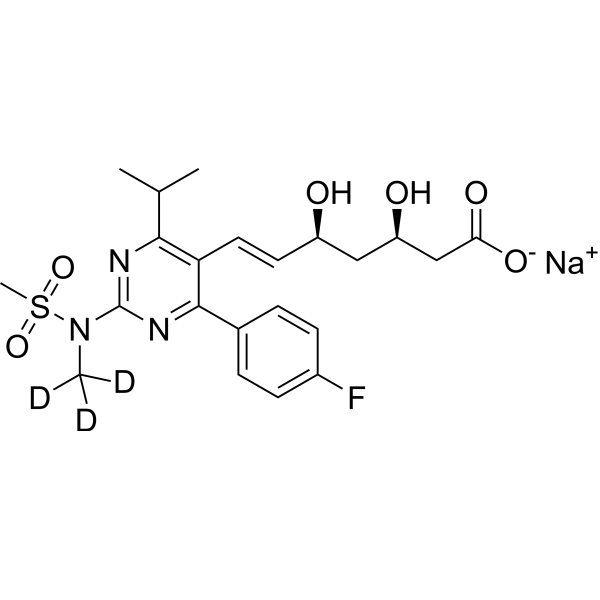
Rosuvastatin-d6 sodium is deuterium labeled Rosuvastatin sodium (HY-17504B). Rosuvastatin Sodium is a competitive HMG-CoA reductase (HMGCR) inhibitor, with an IC50 of 11 nM. Rosuvastatin Sodium potently blocks hERG current with an IC50 of 195 nM. Rosuvastatin Sodium reduces the expression of the mature hERG and the interaction of heat shock protein 70 (Hsp70) with the hERG protein. Rosuvastatin Sodium effectively lowers low-density lipoprotein (LDL) cholesterol, triglycerides, and C-reactive protein levels.
|
-
-
- HY-17504BS2
-
|
|
|
Rosuvastatin- 13C,d3 sodium is 13C and deuterated labeled Rosuvastatin sodium (HY-17504B). Rosuvastatin Sodium is a competitive HMG-CoA reductase (HMGCR) inhibitor, with an IC50 of 11 nM. Rosuvastatin Sodium potently blocks hERG current with an IC50 of 195 nM . Rosuvastatin Sodium reduces the expression of the mature hERG and the interaction of heat shock protein 70 (Hsp70) with the hERG protein. Rosuvastatin Sodium effectively lowers low-density lipoprotein (LDL) cholesterol, triglycerides, and C-reactive protein levels .
|
-
-
- HY-17504AS
-
|
|
|
Rosuvastatin-d3 (ZD 4522-d3) is a deuterium labeled Rosuvastatin. Rosuvastatin (ZD 4522) is a competitive HMG-CoA reductase inhibitor with an IC50 of 11 nM . Rosuvastatin potently blocks human ether-a-go-go related gene (hERG) current with an IC50 of 195 nM, delayed cardiac repolarization, and thereby prolonged action potential durations (APDs) and corrected QT interval (QTc) intervals .
|
-
-
- HY-B0144S
-
|
|
|
Pitavastatin-d4 (hemicalcium) is deuterium labeled Pitavastatin (Calcium). Pitavastatin Calcium (NK-104 hemicalcium) is a potent hydroxymethylglutaryl-CoA (HMG-CoA) reductase inhibitor. Pitavastatin Calcium (NK-104 hemicalcium) inhibits cholesterol synthesis from acetic acid with an IC50 of 5.8 nM in HepG2 cells. Pitavastatin Calcium is an efficient hepatocyte low-density lipoprotein-cholesterol (LDL-C) receptor inducer. Anti-cancer activity[1][2][3].
|
-
-
- HY-B0144AS3
-
|
|
|
Pitavastatin-d4-1 (NK-104-d4-1) sodium is the deuterium labeled Pitavastatin sodium (HY-B0144B). Pitavastatin (NK-104) is a potent hydroxymethylglutaryl-CoA (HMG-CoA) reductase inhibitor. Pitavastatin inhibits cholesterol synthesis from acetic acid with an IC50 of 5.8 nM in HepG2 cells. Pitavastatin is an efficient hepatocyte low-density lipoprotein-cholesterol (LDL-C) receptor inducer. Pitavastatin also possesses anti-atherosclerotic, anti-asthmatic, anti-osteoarthritis, antineoplastic, neuroprotective, hepatoprotective and reno-protective effects .
|
-
-
- HY-109523S
-
|
|
|
Cerivastatin-d3 sodium is deuterated labeled Cerivastatin sodium (HY-109523). Cerivastatin sodium is a synthetic lipid-lowering agent and a highly potent, well-tolerated and orally active HMG-CoA reductase inhibitor, with a Ki of 1.3 nM/L. Cerivastatin sodium reduces low-density lipoprotein cholesterol levels. Cerivastatin sodium also inhibits proliferation and invasiveness of MDA-MB-231 cells, mainly by RhoA inhibition, and has anti-cancer effect .
|
-
| Cat. No. |
Product Name |
|
Classification |
-
- HY-N2339
-
|
Cholesteryl docosanoate; cholesterol behenate
|
|
Cholesterol
|
|
Cholesteryl behenate is a cholesterol ester associated with the neutral core of low density lipoprotein Receptor-LDL complexes are taken up by lysosomes and hydrolyzed to release cholesterol from the esters.
|
Your information is safe with us. * Required Fields.
Inquiry Information
- Product Name:
- Cat. No.:
- Quantity:
- MCE Japan Authorized Agent:

