



Pitavastatin Calcium
Based on 16 publication(s) in Google Scholar
Pitavastatin Calcium (NK-104 hemicalcium) is a potent hydroxymethylglutaryl-CoA (HMG-CoA) reductase inhibitor. Pitavastatin Calcium (NK-104 hemicalcium) inhibits cholesterol synthesis from acetic acid with an IC50 of 5.8 nM in HepG2 cells. Pitavastatin Calcium is an efficient hepatocyte low-density lipoprotein-cholesterol (LDL-C) receptor inducer. Pitavastatin Calcium also possesses anti-atherosclerotic, anti-asthmatic, anti-osteoarthritis, antineoplastic, neuroprotective, hepatoprotective and reno-protective effects.
연구목적의 판매만을 진행합니다. 환자를 대상으로 한 판매는 하지 않습니다.
- Purity : 99.89%
- CAS No.: 147526-32-7
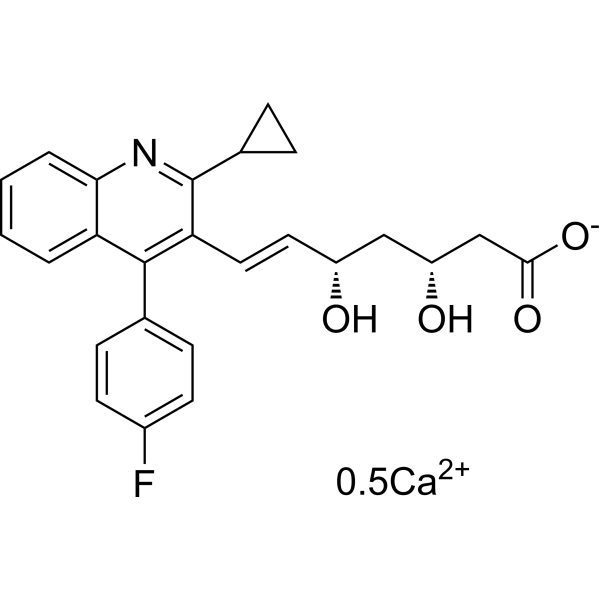
- 화학식: C25H23Ca0.5FNO4
- 분자량:440.49
-
보관:
4°C, sealed storage, away from moisture and light
* In solvent : -80°C, 6 months; -20°C, 1 month (sealed storage, away from moisture and light)

To place orders, for customer services and technical support, please contact: MedChemExpress USA
Tel: 609-228-6898 E-mail: [email protected] [email protected]


-
 Biological Activity
-
Chemical Information
-
용액&용해도
- 순도&문서
- References
-
 Help & FAQs


-
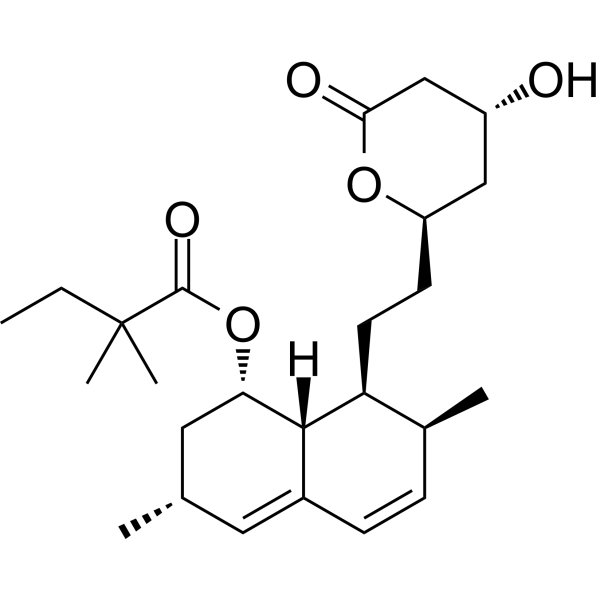
HY-17502
SimvastatinHMGCR Inhibitor -
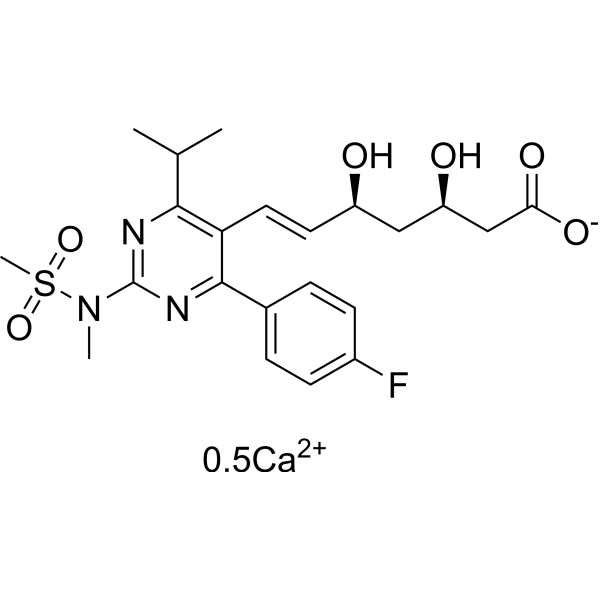
HY-17504
Rosuvastatin CalciumHMGCR Inhibitor -
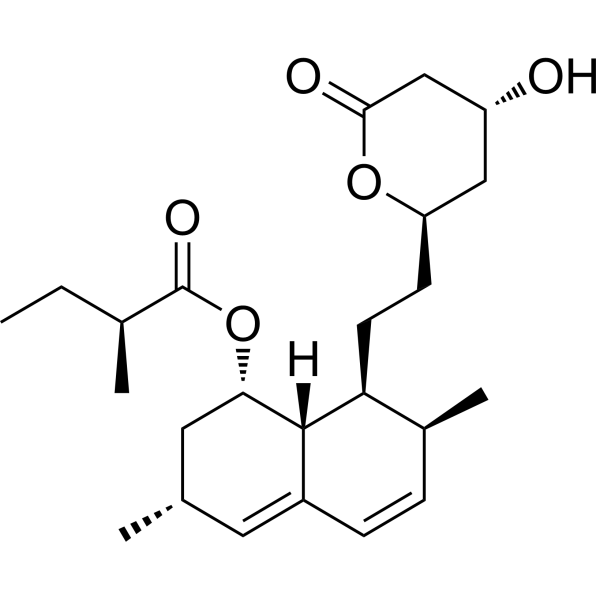
HY-N0504
LovastatinHMG-CoA Inhibitor -
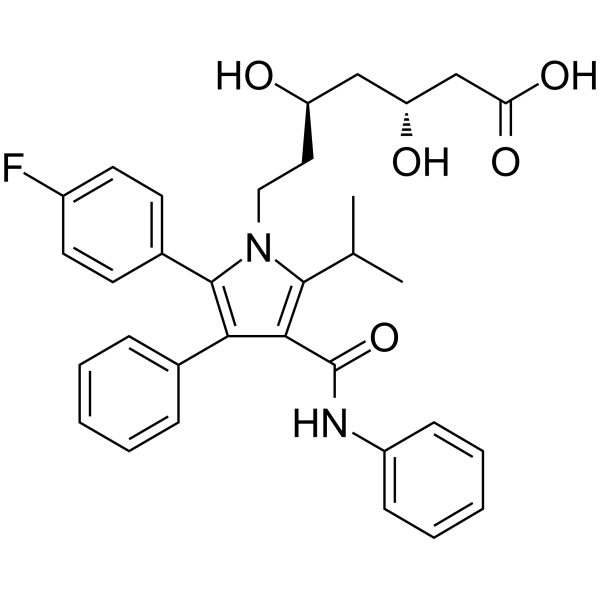
HY-B0589
AtorvastatinHMG-CoA Reductase Inhibitor -
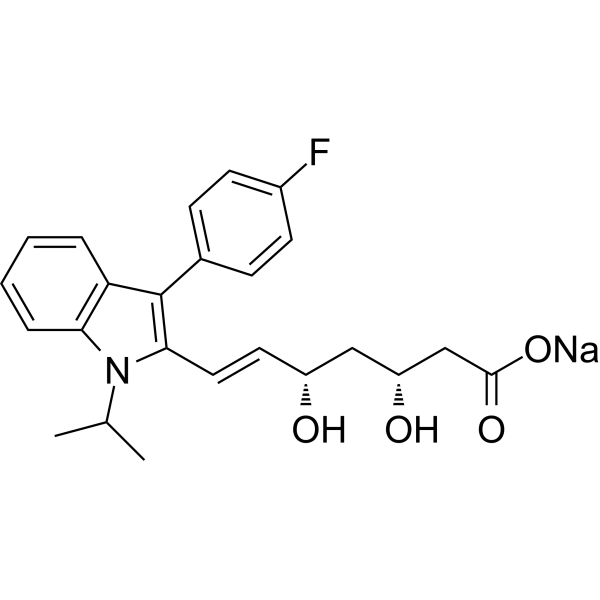
HY-14664A
Fluvastatin sodiumHMG-CoA Reductase Inhibitor -
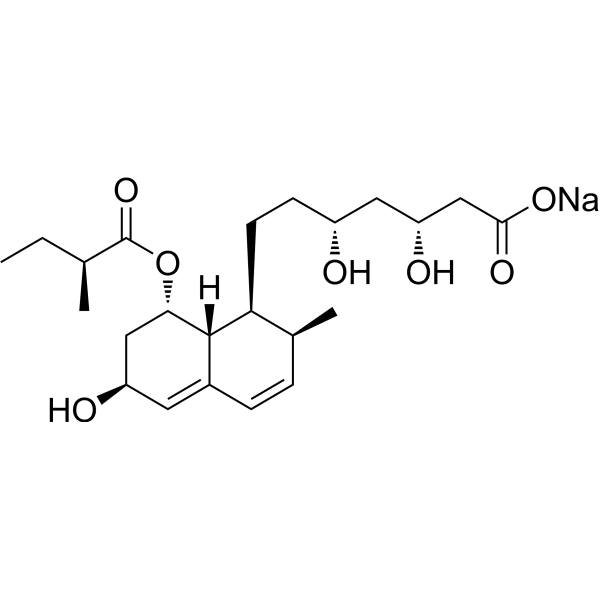
HY-B0165A
Pravastatin sodiumHMG-CoA Reductase (HMGCR) Inhibitor -
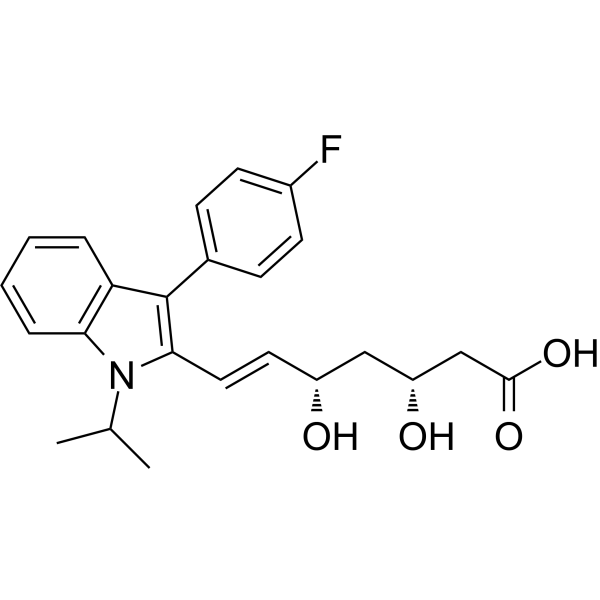
HY-14664
FluvastatinHMG-CoA Reductase Inhibitor -
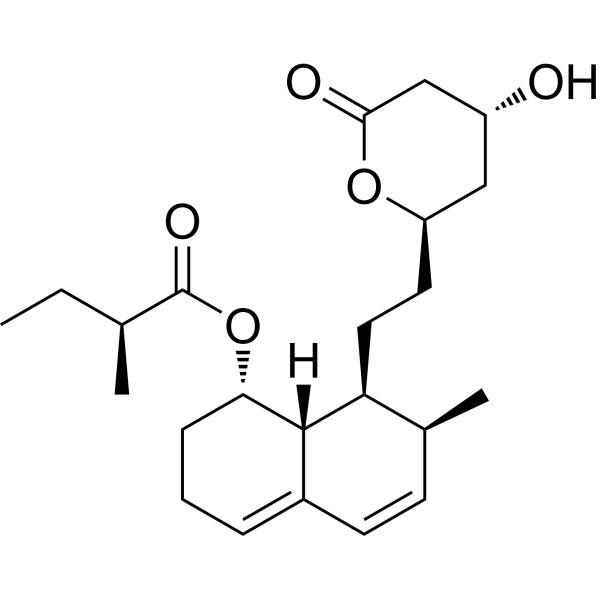
HY-17408
MevastatinHMG-CoA Reductase Inhibitor -
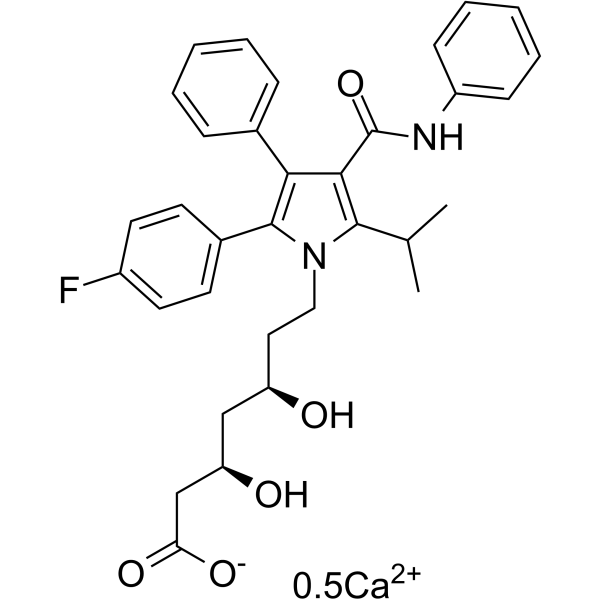
HY-17379
Atorvastatin hemicalcium saltHMGCR Inhibitor -

HY-112490
Atorvastatin calcium hydrateBiochemical Assay Reagent -
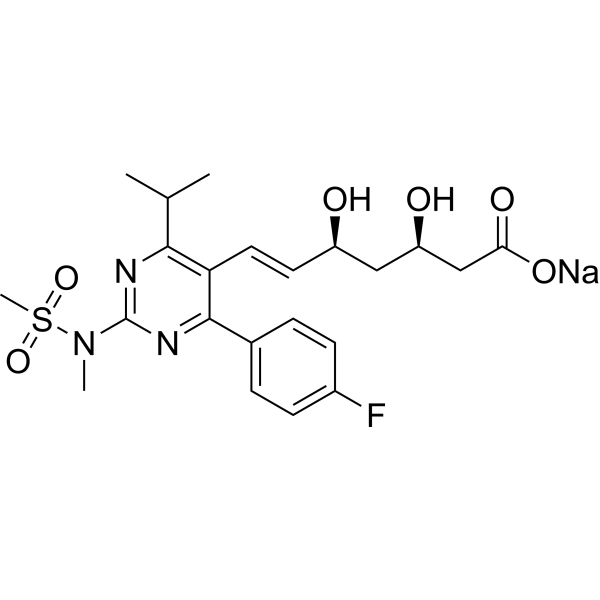
HY-17504B
Rosuvastatin SodiumHMGCR Inhibitor -
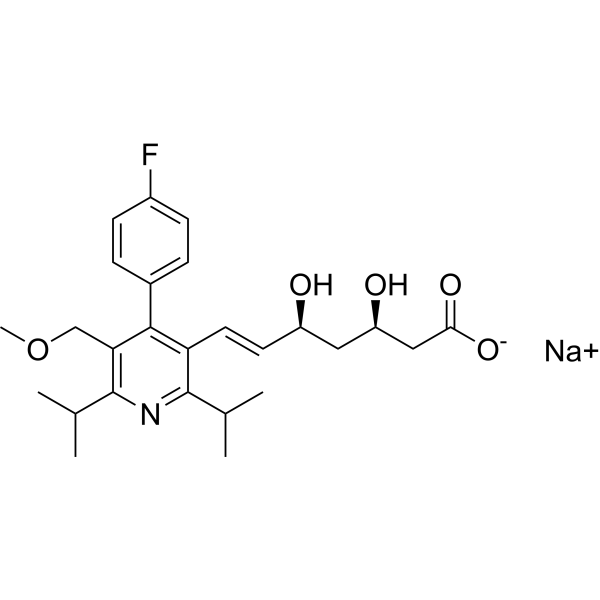
HY-109523
Cerivastatin sodiumHMG-CoA Reductase Inhibitor
Publications Citing Use of MedChemExpress (MCE) Pitavastatin Calcium
More- J Hepatol. 2021 Aug;75(2):363-376. [Abstract]
- Cancer Res. 2026 Jul 15;86(14):3436-3458. [Abstract]
- Nat Commun. 2026 Oct 1.
- Acta Pharm Sin B. 2020 May;10(5):850-860. [Abstract]
- Antioxidants (Basel). 2024 May 29;13(6):667. [Abstract]
- Sci Data. 2024 Sep 19;11(1):1024. [Abstract]
- Biochem Pharmacol. 2019 Nov:169:113612. [Abstract]
- Bioorg Chem. 2024 Jun:147:107369. [Abstract]
- Acta Biochim Biophys Sin (Shanghai). 2024 Apr 25;56(4):621-633. [Abstract]
- FASEB J. 2026 May 15;40(9):e71873. [Abstract]
- Proteomics. 2023 Aug;23(16):e2300041. [Abstract]
- Braz J Med Biol Res. 2025 Aug 22:58:e14540. [Abstract]
- Biomed Pharmacother. 2026 Sep:202:119803.
- bioRxiv. 2026 Jun 30:2026.06.29.733236.
- bioRxiv. 2024 June 11.
- Research Square Preprint. 2024 Apr 9.
 Customer Validation & Images

-
Microbiological Assay
-
Microbiological Assay
-
Microbiological Assay
-
In Vivo Efficacy Study
-
In Vivo Efficacy Study


Biological Activity
제품 설명
IC50 & Target
HMG-CoA Reductase[1]
In Vitro
Pitavastatin Calcium inhibits the growth of a panel of ovarian cancer cells, including those considered most likely to represent HGSOC, grown as a monolayers (IC50 = 0.4-5 μM) or as spheroids (IC50=0.6-4 μM)[3].
Pitavastatin Calcium (1 μM; 48 hours ) induces apoptosis, evidenced by the increased activity of executioner caspases-3,7 as well as caspase-8 and caspase-9 in Ovcar-8 cells and Ovcar-3 cells[3].
Pitavastatin (1 μM, 48 hours) causes PARP cleavage in Ovcar-8 cells[3].
MedChemExpress (MCE) has not independently confirmed the accuracy of these methods. They are for reference only.
-
Cell Line:Ovcar-8 cells
-
Concentration:1 μM
-
Incubation Time:48 hours
-
Result:Induced PARP cleavage.
In Vivo
MedChemExpress (MCE) has not independently confirmed the accuracy of these methods. They are for reference only.
-
Animal Model:4 week old female NCR Nu/Nu female mice (bearing Ovcar-4 tumours)[3]
-
Dosage:59 mg/kg
-
Administration:p.o.; twice daily for 28 days
-
Result:Caused significant tumour regression.
Clinical Trial
| NCT Number | Sponsor | Condition | Start Date |
Phase

|
|---|---|---|---|---|
| NCT01329991 | Plexxikon| | 2011-05 | PHASE1 |


Chemical Information
-
CAS No. 147526-32-7
-
Appearance Solid
-
분자량 440.49
-
화학식 C25H23Ca0.5FNO4
-
Color White to off-white
-
SMILES
O=C([O-])C[C@H](O)C[C@H](O)/C=C/C1=C(C2=CC=C(F)C=C2)C3=CC=CC=C3N=C1C4CC4.[0.5Ca2+]
-
Synonyms
NK-104 hemicalcium; Pitavastatin hemicalcium
-
선적
Room temperature in continental US; may vary elsewhere.
-
보관
4°C, sealed storage, away from moisture and light
* In solvent : -80°C, 6 months; -20°C, 1 month (sealed storage, away from moisture and light)


Publications (16)
-
Journal Impact Factor
-
Most Recent
-
J Hepatol
FOSL1 promotes cholangiocarcinoma via transcriptional effectors that could be therapeutically targeted. [Abstract]2021 Aug;75(2):363-376. PMID: 33887357 -
Cancer Res
TRAPPC4 Promotes GPX4 Stability to Drive Ferroptosis Resistance and Tumor Progression in Head and Neck Squamous Cell Carcinoma. [Abstract]2026 Jul 15;86(14):3436-3458. PMID: 41974002 -
-
Acta Pharm Sin B
Characterization of organic anion transporting polypeptide 1b2 knockout rats generated by CRISPR/Cas9: a novel model for drug transport and hyperbilirubinemia disease. [Abstract]2020 May;10(5):850-860. PMID: 32528832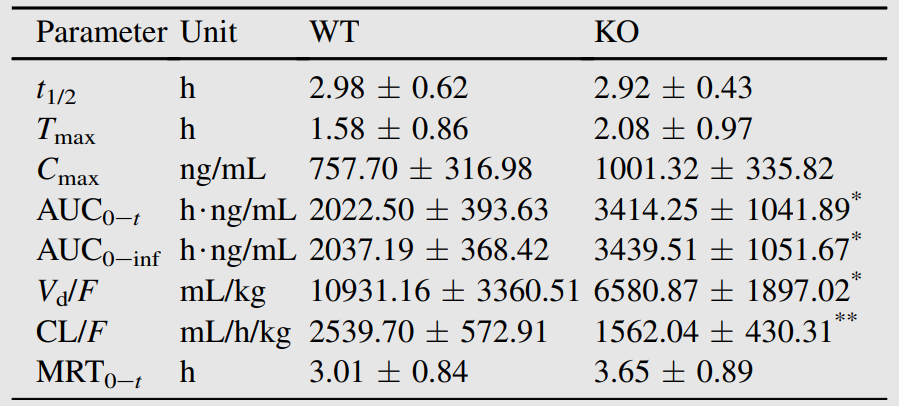
Pitavastatin Calcium purchased from MedChemExpress. Usage Cited in: Acta Pharm Sin B. 2020 May;10(5):850-860. [Abstract]
Pharmacokinetic parameters of Pitavastatin (5 mg/kg; single dose) after oral administration.
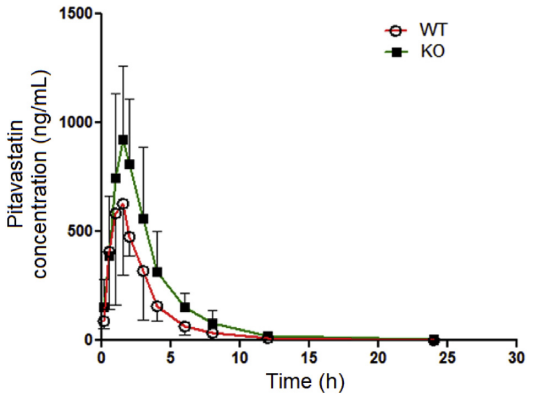
Pitavastatin Calcium purchased from MedChemExpress. Usage Cited in: Acta Pharm Sin B. 2020 May;10(5):850-860. [Abstract]
Pharmacokinetics of Pitavastatin (5 mg/kg; p.o.; single dose) in WT and KO rats. The concentrations of Pitavastatin were determined by LC–MS/MS.
-
Antioxidants (Basel)
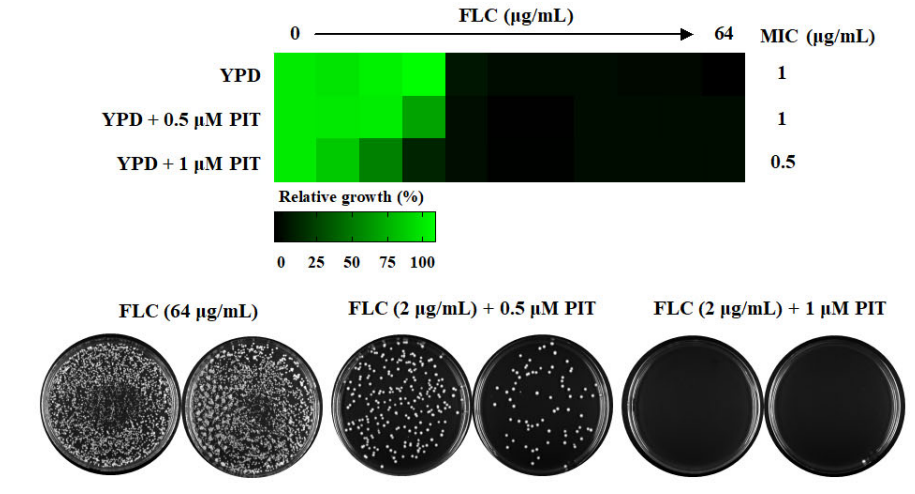
Pitavastatin Calcium Confers Fungicidal Properties to Fluconazole by Inhibiting Ubiquinone Biosynthesis and Generating Reactive Oxygen Species. [Abstract]2024 May 29;13(6):667. PMID: 38929106
Pitavastatin Calcium purchased from MedChemExpress. Usage Cited in: Antioxidants (Basel). 2024 May 29;13(6):667. [Abstract]
Pitavastatin Calcium (0.5-1 μM) makes FLC fungicidal.
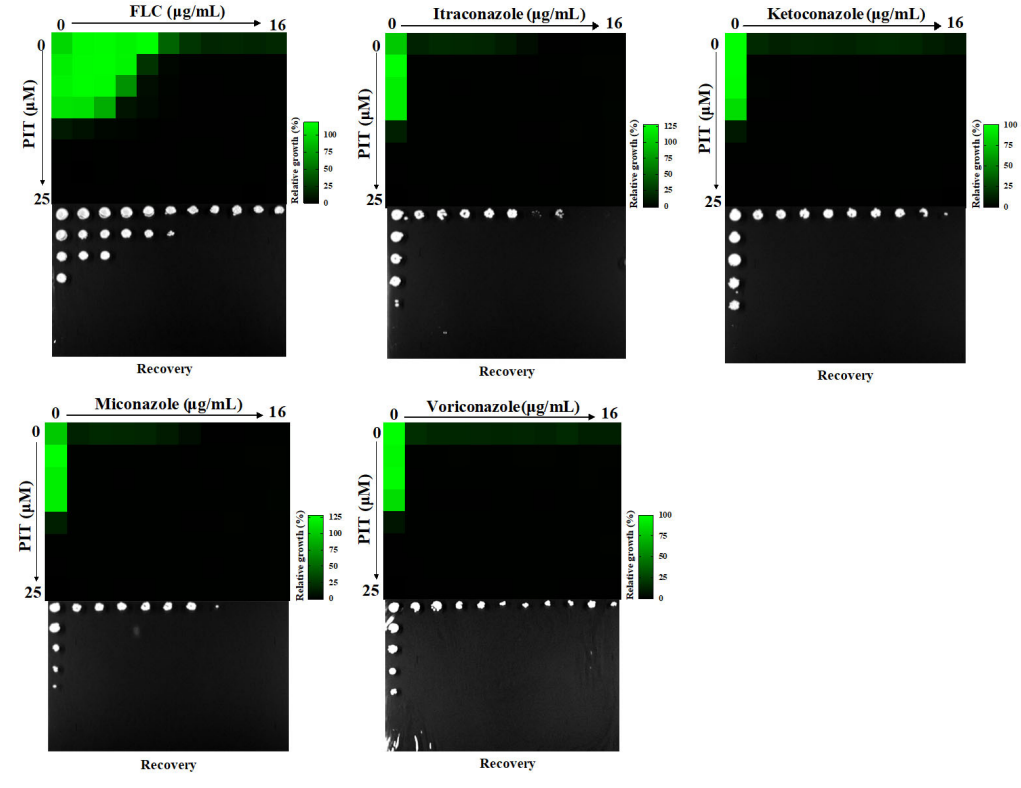
Pitavastatin Calcium purchased from MedChemExpress. Usage Cited in: Antioxidants (Basel). 2024 May 29;13(6):667. [Abstract]
PIT (0-25 μM) confers fungicidal properties to voriconazole, ketoconazole, itraconazole, and miconazole.
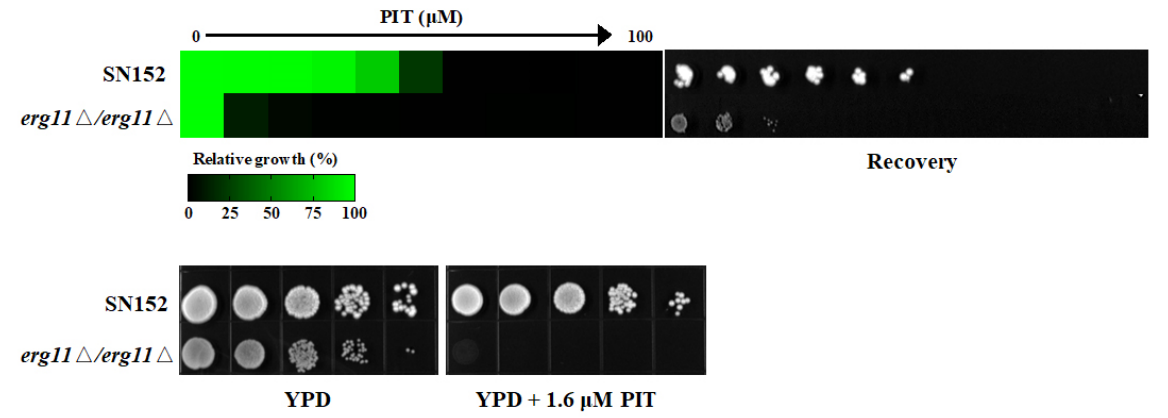
Pitavastatin Calcium purchased from MedChemExpress. Usage Cited in: Antioxidants (Basel). 2024 May 29;13(6):667. [Abstract]
MIC assays and spotting assays show that erg11△/erg11△ was significantly sensitive to PIT (0-100 μM) compared to the wild-type strain.
-
Sci Data
High-throughput drug screening identifies novel therapeutics for Low Grade Serous Ovarian Carcinoma. [Abstract]2024 Sep 19;11(1):1024. PMID: 39300112 -
Biochem Pharmacol
Organic anion transport polypeptide 1b2 selectively affects the pharmacokinetic interaction between paclitaxel and sorafenib in rats. [Abstract]2019 Nov:169:113612. PMID: 31437461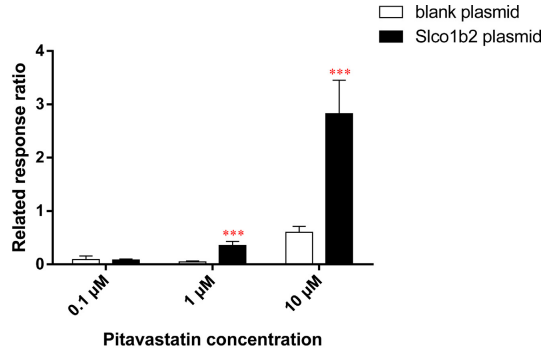
Pitavastatin Calcium purchased from MedChemExpress. Usage Cited in: Biochem Pharmacol. 2019 Nov:169:113612. [Abstract]
Uptake ability of Pitavastatin (a human OATP1B1/1B3 substrate,0.1-10 μM; 1 h) by the control and rSlco1b2 overexpression cells. The rate was expressed as the relative intracellular substrate concentration (substrate/internal standard MS/MS response ratio).
-
Bioorg Chem
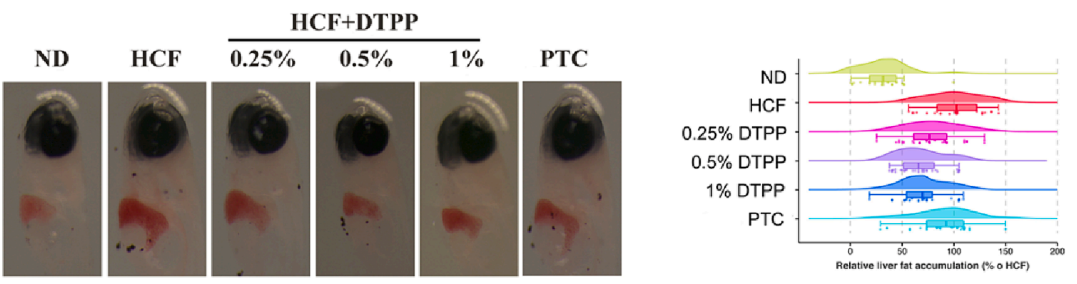
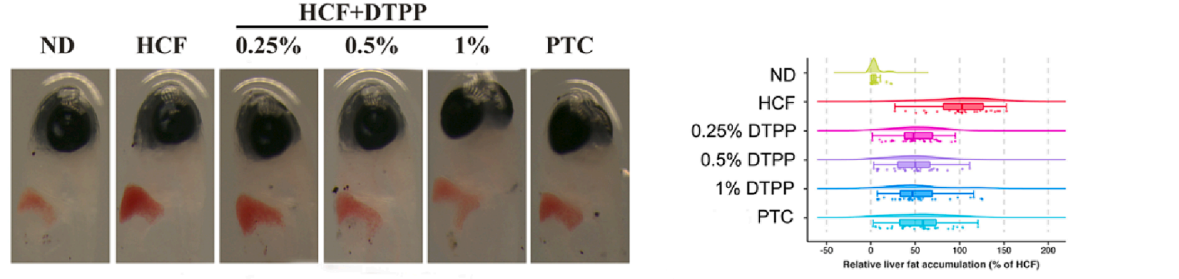
Dried tangerine peel polysaccharide (DTPP) alleviates hepatic steatosis by suppressing TLR4/MD-2-mediated inflammation and endoplasmic reticulum stress. [Abstract]2024 Jun:147:107369. PMID: 38640721
Pitavastatin Calcium purchased from MedChemExpress. Usage Cited in: Bioorg Chem. 2024 Jun:147:107369. [Abstract]
Oil red O staining and quantification of zebrafish liver after treatment with DTPP and Pitavastatin Calcium. Day1 of DTPP treatment.
Pitavastatin Calcium purchased from MedChemExpress. Usage Cited in: Bioorg Chem. 2024 Jun:147:107369. [Abstract]
Oil red O staining and quantification of zebrafish liver after treatment with DTPP and Pitavastatin Calcium. Day3 of DTPP treatment.
-
Acta Biochim Biophys Sin (Shanghai)
Lian-Mei-Yin formula alleviates diet-induced hepatic steatosis by suppressing Yap1/FOXM1 pathway-dependent lipid synthesis. [Abstract]2024 Apr 25;56(4):621-633. PMID: 38516704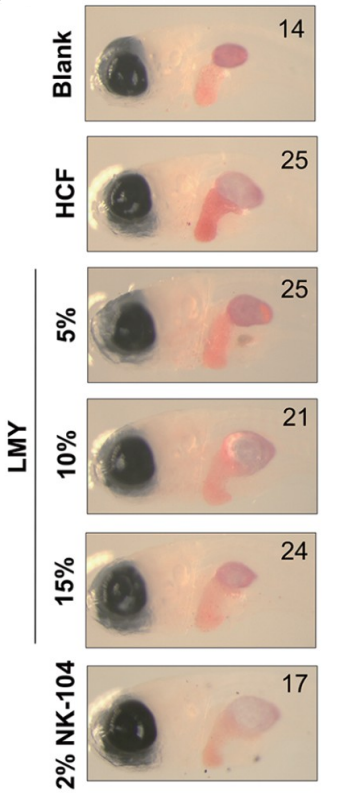
Pitavastatin Calcium purchased from MedChemExpress. Usage Cited in: Acta Biochim Biophys Sin (Shanghai). 2024 Apr 25;56(4):621-633. [Abstract]
Typical oil red O staining images showing the alleviation of lipid accumulation by LMY and Pitavastatin (NK-104) (2% (w/w); dietary administration) in larval zebrafish. The number of zebrafish larvae involved in each experimental group is indicated in the top left corner of each image.
-
FASEB J
Simvastatin Restores Cisplatin Sensitivity by Suppressing the Caveolin-1-Mediated PI3K/AKT Signaling Pathway in Cisplatin-Resistant Cervical Cancer Cells. [Abstract]2026 May 15;40(9):e71873. PMID: 42087353 -
Proteomics
A proteomic signature and potential pharmacological opportunities in the adaptive resistance to MEK and PI3K kinase inhibition in pancreatic cancer cells. [Abstract]2023 Aug;23(16):e2300041. PMID: 37140101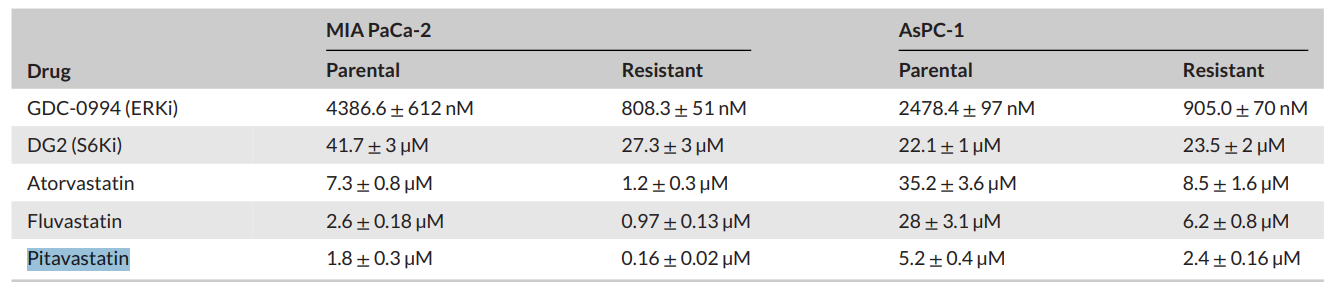
Pitavastatin Calcium purchased from MedChemExpress. Usage Cited in: Proteomics. 2023 Aug;23(16):e2300041. [Abstract]
IC50 values of ERK, S6K inhibitors and statins in parental and resistant cells. (The treatment duration for compounds such as Pitavastatin was 72 h.)
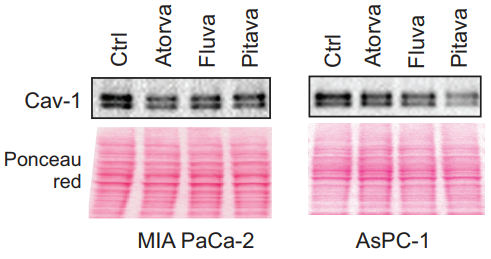
Pitavastatin Calcium purchased from MedChemExpress. Usage Cited in: Proteomics. 2023 Aug;23(16):e2300041. [Abstract]
Western blot against cav-1 after treatment of resistant cells with statins at IC50s for 48 h. Stained MIA PaCa-2 cells were treated with 1 µM GDC-0994, 30 µM DG2, 1.56 µM atorvastatin, 1.56 µM fluvastatin or 0.195 µM Pitavastatin.
-
Braz J Med Biol Res
Pitavastatin reduces intestinal fibrosis in chronic colitis and inhibits colon fibroblast activation by enhancing MMP-9 expression via the IGF-1/IGF-1R pathway. [Abstract]2025 Aug 22:58:e14540. PMID: 40862456 -
-
-
-


용액&용해도
In Vitro:
DMSO : ≥ 50 mg/mL (113.51 mM; Hygroscopic DMSO has a significant impact on the solubility of product, please use newly opened DMSO)
* "≥" means soluble, but saturation unknown.
Please refer to the solubility information to select the appropriate solvent. Once prepared, please aliquot and store the solution to prevent product inactivation from repeated freeze-thaw cycles.
Storage method and period of stock solution: -80°C, 6 months; -20°C, 1 month (sealed storage, away from moisture and light). When stored at -80°C, please use it within 6 months. When stored at -20°C, please use it within 1 month.
Please refer to the solubility information to select the appropriate solvent. Once prepared, please aliquot and store the solution to prevent product inactivation from repeated freeze-thaw cycles.
Storage method and period of stock solution: -80°C, 6 months; -20°C, 1 month (sealed storage, away from moisture and light). When stored at -80°C, please use it within 6 months. When stored at -20°C, please use it within 1 month.
Concentration (start) × Volume (start) = Concentration (final) × Volume (final)
In Vivo:
Select the appropriate dissolution method based on your experimental animal and administration route.
- For the following dissolution methods, please ensure to first prepare a clear stock solution using an In Vitro approach and then sequentially add co-solvents:
- To ensure reliable experimental results, the clarified stock solution can be appropriately stored based on storage conditions. As for the working solution for In Vivo experiments, it is recommended to prepare freshly and use it on the same day.
- The percentages shown for the solvents indicate their volumetric ratio in the final prepared solution. If precipitation or phase separation occurs during preparation, heat and/or sonication can be used to aid dissolution.
Add each solvent one by one: 10% DMSO 40% PEG300 5% Tween-80 45% Saline
Solubility: ≥ 2.5 mg/mL (5.68 mM); Clear solution
This protocol yields a clear solution of ≥ 2.5 mg/mL (saturation unknown).
Taking 1 mL working solution as an example, add 100 μL DMSO stock solution (25.0 mg/mL) to 400 μL PEG300, and mix evenly; then add 50 μL Tween-80 and mix evenly; then add 450 μL Saline to adjust the volume to 1 mL.
Preparation of Saline: Dissolve 0.9 g sodium chloride in ddH₂O and dilute to 100 mL to obtain a clear Saline solution.
Add each solvent one by one: 10% DMSO 90% (20% SBE-β-CD in Saline)
Solubility: ≥ 2.5 mg/mL (5.68 mM); Clear solution
This protocol yields a clear solution of ≥ 2.5 mg/mL (saturation unknown).
Taking 1 mL working solution as an example, add 100 μL DMSO stock solution (25.0 mg/mL) to 900 μL 20% SBE-β-CD in Saline, and mix evenly.
Preparation of 20% SBE-β-CD in Saline (4°C, storage for one week): 2 g SBE-β-CD powder is dissolved in 10 mL Saline, completely dissolve until clear.
In Vivo Dissolution Calculator
Please enter the basic information of animal experiments:
-
-
-
-
Recommended: Prepare an additional quantity of animals to account for potential losses during experiments.
Please enter your animal formula composition:
-
%DMSO +
Recommended: Keep the proportion of DMSO in working solution below 2% if your animal is weak.
-
%+
-
+%Tween-80 + +
-
%Saline +
The co-solvents required include: DMSO, . All of co-solvents are available by MedChemExpress (MCE). , Tween 80. All of co-solvents are available by MedChemExpress (MCE).
Working solution concentration: 0.22 mg/mL
Method for preparing stock solution: mg drug dissolved in μL DMSO. Stock solution concentration: mg/mL. * In solvent : -80°C, 6 months; -20°C, 1 month (sealed storage, away from moisture and light)
1. Take μL DMSO stock solution;
2. Add μL .
μL , mix evenly;
3. Then add μL Tween 80, mix evenly;
4. Then add μL
Please ensure that the stock solution in the first step is dissolved to a clear state, and add co-solvents in sequence. You can use ultrasonic heating (ultrasonic cleaner, recommended frequency 20-40 kHz), vortexing, etc. to assist dissolution.


순도&문서
-
Data Sheet (282 KB)
-
SDS (393 KB)
- English - EN (393 KB)
- Français - FR (393 KB)
- Deutsch - DE (393 KB)
- Norwegian - NO (393 KB)
- Español - ES (393 KB)
- Swedish - SV (393 KB)
- Italian - IT (393 KB)
- Korean - KR (393 KB)
- Portuguese - PT (393 KB)
-
Handling Instructions (2659 KB)
References
[1]. Mukhtar RY, et al. Pitavastatin. Int J Clin Pract. 2005 Feb;59(2):239-52. [Content Brief]
[2]. Kajinami K, et al. Pitavastatin: efficacy and safety profiles of a novel synthetic HMG-CoA reductase inhibitor. Cardiovasc Drug Rev. 2003 Fall;21(3):199-215. [Content Brief]
[3]. Tajiri K, et al. Pitavastatin regulates helper T-cell differentiation and ameliorates autoimmune myocarditis in mice. Cardiovasc Drugs Ther. 2013 Oct;27(5):413-24. [Content Brief]
[4]. Hamano T, et al. Pitavastatin decreases tau levels via the inactivation of Rho/ROCK. Neurobiol Aging. 2012 Oct;33(10):2306-20. [Content Brief]
[5]. de Wolf E, et al.Dietary geranylgeraniol can limit the activity of pitavastatin as a potential treatment for drug-resistant ovarian cancer.Sci Rep. 2017 Jul 14;7(1):5410. [Content Brief]
[6]. Demir B, et al. The Effects of Pitavastatin on Nuclear Factor-Kappa B and ICAM-1 in Human Saphenous Vein Graft Endothelial Culture. Cardiovasc Ther. 2019 May 2;2019:2549432. [Content Brief]
[7]. Hayashi T, et al. A new HMG-CoA reductase inhibitor, pitavastatin remarkably retards the progression of high cholesterol induced atherosclerosis in rabbits. Atherosclerosis. 2004 Oct;176(2):255-63. [Content Brief]
[8]. Sahebkar A, et al. A comprehensive review on the lipid and pleiotropic effects of pitavastatin. Prog Lipid Res. 2021 Nov;84:101127. [Content Brief]


Complete Stock Solution Preparation Table
Please refer to the solubility information to select the appropriate solvent. Once prepared, please aliquot and store the solution to prevent product inactivation from repeated freeze-thaw cycles.
Storage method and period of stock solution: -80°C, 6 months; -20°C, 1 month (sealed storage, away from moisture and light). When stored at -80°C, please use it within 6 months. When stored at -20°C, please use it within 1 month.
| Optional Solvent | Concentration Solvent Mass | 1 mg | 5 mg | 10 mg | 25 mg |
|---|---|---|---|---|---|
| DMSO | 1 mM | 2.2702 mL | 11.3510 mL | 22.7020 mL | 56.7550 mL |
| 5 mM | 0.4540 mL | 2.2702 mL | 4.5404 mL | 11.3510 mL | |
| 10 mM | 0.2270 mL | 1.1351 mL | 2.2702 mL | 5.6755 mL | |
| 15 mM | 0.1513 mL | 0.7567 mL | 1.5135 mL | 3.7837 mL | |
| 20 mM | 0.1135 mL | 0.5675 mL | 1.1351 mL | 2.8377 mL | |
| 25 mM | 0.0908 mL | 0.4540 mL | 0.9081 mL | 2.2702 mL | |
| 30 mM | 0.0757 mL | 0.3784 mL | 0.7567 mL | 1.8918 mL | |
| 40 mM | 0.0568 mL | 0.2838 mL | 0.5675 mL | 1.4189 mL | |
| 50 mM | 0.0454 mL | 0.2270 mL | 0.4540 mL | 1.1351 mL | |
| 60 mM | 0.0378 mL | 0.1892 mL | 0.3784 mL | 0.9459 mL | |
| 80 mM | 0.0284 mL | 0.1419 mL | 0.2838 mL | 0.7094 mL | |
| 100 mM | 0.0227 mL | 0.1135 mL | 0.2270 mL | 0.5675 mL |


Pitavastatin Calcium Related Classifications
HY-B0144 Related Classifications
 Powered by Bioz