





Search Result
Results for "
Lys-Lys-Lys
" in MedChemExpress (MCE) Product Catalog:
1
Isotope-Labeled Compounds
| Cat. No. |
Product Name |
Target |
Research Areas |
Chemical Structure |
-
- HY-P1180A
-
-
-
- HY-P0119
-
-
-
- HY-W009004
-
|
Lys-Lys-Lys; H-Lys-Lys-Lys-OH
|
Biochemical Assay Reagents
|
Others
|
|
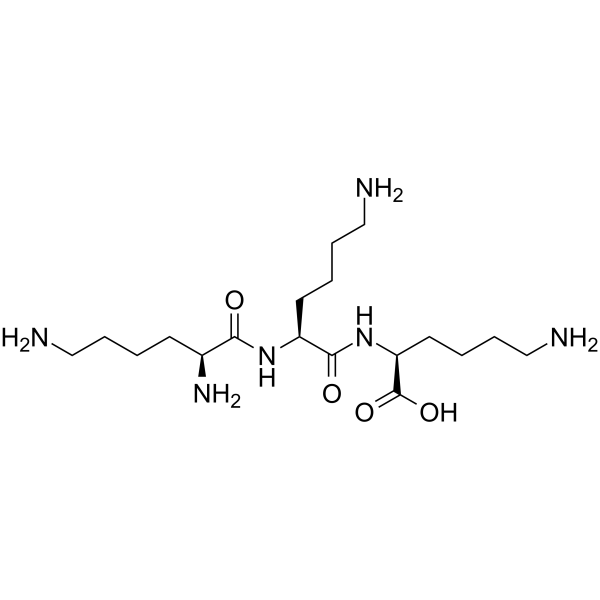
Trilysine is a tripeptide and also a substrate for specific peptidases. Trilysine serves as a hydrolytic substrate for the tripeptide-specific aminopeptidase TP and the oligopeptidase OP .
|
-
-
- HY-P10932A
-
|
|
Fluorescent Dye
|
Neurological Disease
|
|
pGk13a TFA is an azide (azide group can be combined with fluorophore)-containing amphiphilic membrane labeling probe. pGk13a TFA enables high-resolution imaging of cell membranes in the ultrastructural membrane expansion microscopy (umExM) technique, facilitating the observation of membrane-associated structures and proteins. pGk13a TFA can be used for neuronal structural studies .
|
-
-
- HY-P2221
-
|
ZP1848
|
GCGR
|
Inflammation/Immunology
|
|
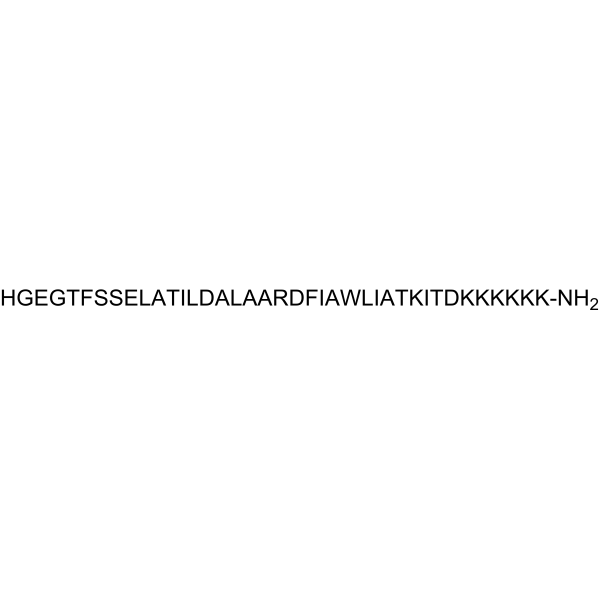
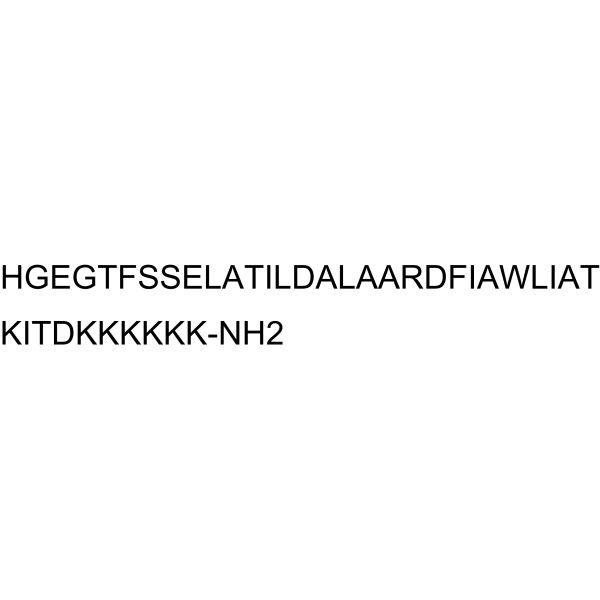
Glepaglutide (ZP1848), a long-acting GLP-2 analogue, is a potent GLP-2R agonist. Glepaglutide reduces faecal output and increases intestinal absorption. Glepaglutide alleviates small intestinal inflammation. Glepaglutide can be used in the research of inflammatory bowel disease (IBD) and Crohn’s disease .
|
-
-
- HY-P1876B
-
|
|
DNA/RNA Synthesis
|
Cancer
|
|
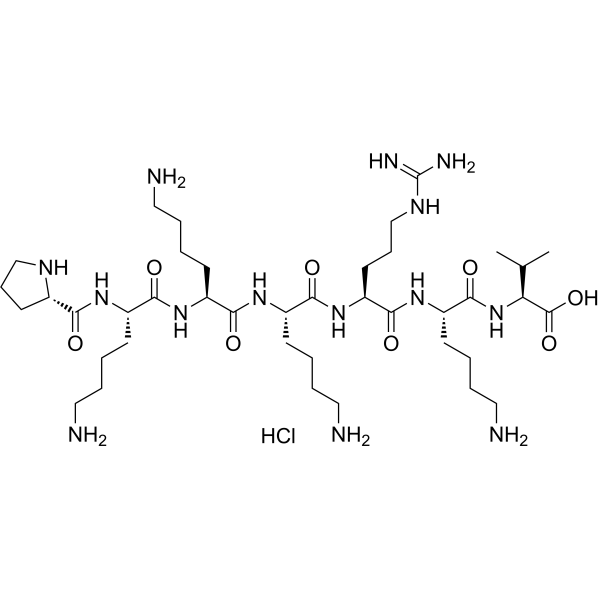
NLS (PKKKRKV) hydrochloride is the hydrochloride form of NLS (PKKKRKV) (HY-P1876). NLS (PKKKRKV) is a nuclear localization signal (NLS) derived from the simian virus 40 large tumor antigen (SV40 large T antigen), that mediates binding of the karyophilic protein to importin α. NLS (PKKKRKV) can function as a method to enhance nuclear entry in the field of gene transfer research .
|
-
-
- HY-P4076
-
|
|
HIV
DNA Alkylator/Crosslinker
|
Infection
|
|
MPG peptides, Pβ is an amphipathic cell-penetrating peptide. MPG peptides, Pβ consists of three components: the hydrophobic fusion sequence (GALFLGFLGAAGSTMGA) of HIV glycoprotein 41, a spacer domain (WSQP), and the nuclear localization signal (KKKRKV) of the large T antigen of Simian virus 40. MPG peptides, Pβ can form stable non-covalent complexes with nucleic acids (including DNA) through electrostatic interactions and improve their intracellular delivery. MPG peptides, Pβ can be used in studies of HIV-1-related immune responses .
|
-
-
- HY-P1080
-
|
|
Calcium Channel
|
Cardiovascular Disease
Neurological Disease
|
|
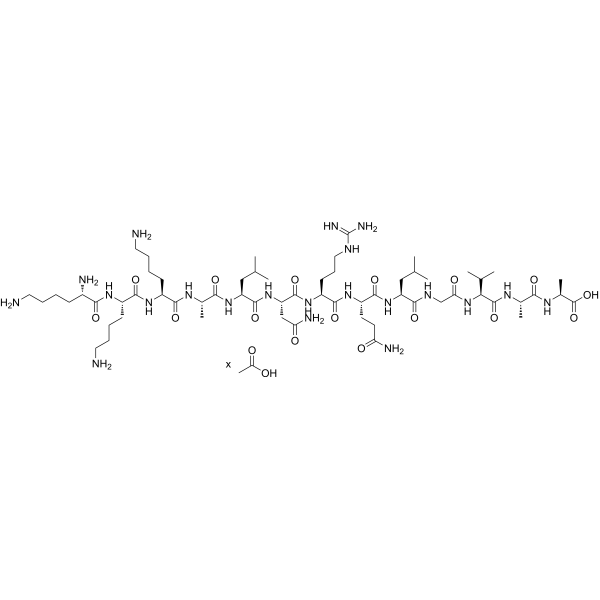
ω-Agatoxin IVA is a potent, selective P/Q type Ca 2+ (Cav2.1) channel blocker with IC50 values of 2 nM and 90 nM. ω-Agatoxin IVA inhibits glutamate exocytosis and calcium influx elicited by high potassium. ω-Agatoxin IVA inhibits Capsaicin (HY-10448)-induced CGRP release and vasodilation. ω-Agatoxin IVA can be used for the research of neurological and cardiovascular disease .
|
-
-
- HY-P2221B
-
|
ZP1848 acetate
|
GCGR
|
Inflammation/Immunology
|
|
Glepaglutide (ZP1848) acetate, a long-acting GLP-2 analogue, is a potent GLP-2R agonist. Glepaglutide acetate reduces faecal output and increases intestinal absorption. Glepaglutide acetate alleviates small intestinal inflammation. Glepaglutide acetate can be used in the research of inflammatory bowel disease (IBD) and Crohn’s disease .
|
-
-
- HY-P1181
-
|
|
Toll-like Receptor (TLR)
NO Synthase
IKK
Akt
PKC
NF-κB
p38 MAPK
Interleukin Related
|
Cardiovascular Disease
Infection
Inflammation/Immunology
Cancer
|
|
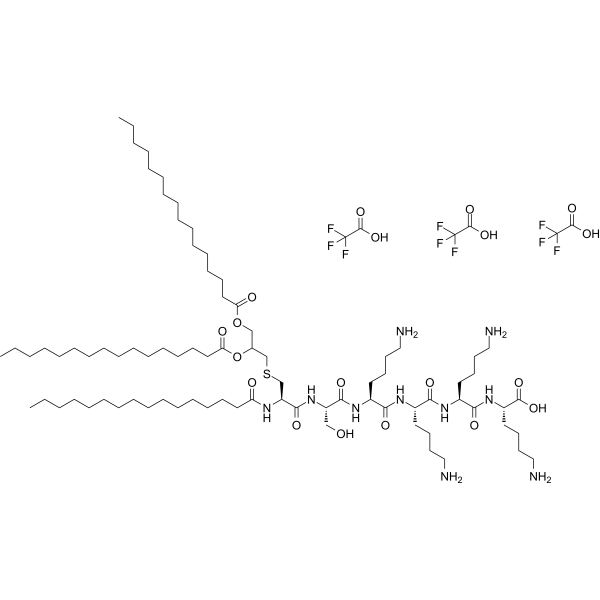
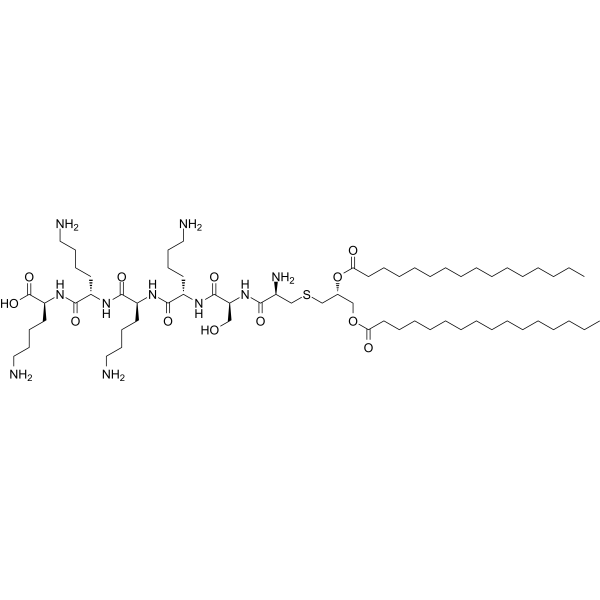
Pam2CSK4 is a TLR2 agonist. Pam2CSK4 induces the expression of iNOS and NO in macrophage cell lines via TBK1 and MyD88 molecules. Pam2CSK4 activates the NF-κB and Bruton's tyrosine kinase signaling pathways in platelets, and promotes platelet-endothelial cell interactions. TLR2 activation triggered by Pam2CSK4 expands myeloid-derived suppressor cells (MDSCs) and suppresses anti-tumor immune responses in the tumor microenvironment. Pam2CSK4 acts as a Th2-polarizing adjuvant in mouse vaccine models against Leishmania major and Brugia malayi. Pam2CSK4 can be used in the research of various diseases, including thromboinflammatory diseases, sepsis, atherosclerosis, heart failure, influenza, lymphoma, melanoma, cutaneous leishmaniasis and lymphatic filariasis .
|
-
-
- HY-P1848
-
|
|
Interleukin Related
|
Cancer
|
|
Pep-1 (uncapped) is a specific ligand of IL-13Ra2. Pep-1 (uncapped) exerts cell penetrating activity through receptor-mediated endocytosis, can cross the blood-tumor barrier (BTB) and target glioma cells. Pep-1 (uncapped) can enhance the uptake of nanoparticles by tumor cells and enhance the cell penetration ability of nanoparticles, and can be used to develop targeted drug delivery systems for glioma .
|
-
-
- HY-P1080A
-
|
|
Calcium Channel
|
Neurological Disease
|
|
ω-Agatoxin IVA TFA is a potent, selective P/Q type Ca 2+ (Cav2.1) channel blocker with IC50 values of 2 nM and 90 nM. ω-Agatoxin IVA TFA inhibits glutamate exocytosis and calcium influx elicited by high potassium. ω-Agatoxin IVA TFA inhibits Capsaicin (HY-10448)-induced CGRP release and vasodilation. ω-Agatoxin IVA TFA can be used for the research of neurological and cardiovascular disease .
|
-
-
- HY-P2692B
-
|
|
PKG
|
Cancer
|
|
DT-2 is a potent and selective inhibitor of the cGMP-dependent protein kinase (PKG). DT-2 inhibits PKG catalyzed phosphorylation (Ki: 12.5 nM) .
|
-
-
- HY-P1785
-
|
Abltide
|
Bcr-Abl
|
Cancer
|
|
Abl Cytosolic Substrate is a substrate for Abelson tyrosine kinase (Abl ). Abl Protein Tyrosine Kinase (AbI) is a truncated form of the v-AbI Protein Tyrosine Kinase, a partner in the Gag-Abl fusion protein of the Abelson murine leukemia virus .
|
-
-
- HY-P5438
-
|
|
Btk
c-Kit
FAK
FLT3
Insulin Receptor
|
Others
|
|
Srctide is a biological active peptide. (This is a peptide substrate for many protein kinases, such as Blk, BTK, cKit, EPHA1, EPHB2, EPHB3, ERBB4, FAK, Flt3, IGF-1R, ITK, Lck, MET, MUSK, Ret, Src, TIE2, TrkB, VEGF-R1 (Flt-1) and VEGF-R2 (KDR).)
|
-
-
- HY-P1221A
-
|
|
Sodium Channel
|
Neurological Disease
|
|
ProTx II TFA is a selective blocker of Nav1.7 sodium channels with an IC50 of 0.3 nM, and is at least 100-fold selective for Nav1.7 over other sodium channel subtypes. ProTx-II inhibits sodium channels by decreasing channel conductance and shifting activation to more positive potentials and blocks action potential propagation in nociceptors .
|
-
-
- HY-P10932
-
|
|
Fluorescent Dye
|
Neurological Disease
|
|
pGk13a is an amphipathic membrane-labeling probe containing an azide group, which can bind to fluorophores. pGk13a enables high-resolution imaging of cell membranes in the ultrastructure expansion microscopy (umExM) technique, facilitating the observation of membrane-associated structures and proteins. pGk13a is applicable to neuronal structure research .
|
-
-
- HY-P3498
-
|
ZP1846
|
GCGR
|
Others
|
|
Elsiglutide (ZP1846) is a GLP-2 analogue, an orally active and selective GLP-2 receptor agonist, increases cell proliferation and reduces apoptosis in the intestine. Elsiglutide improves Lapatinib (HY-50898)-induced diarrhoea in rat model .
|
-
-
- HY-P0142A
-
|
|
PKG
|
Cardiovascular Disease
|
|
DT-3 acetate is a membrane-permeable protein kinase G Iα (PKG Iα) inhibitory peptide and shows pharmacological blockade of the cGMP-PKG signalling .
|
-
-
- HY-P10471A
-
|
MARCKS-ED TFA
|
MARCKS
PKC
|
Others
|
|
MPSD TFA (MARCKS-ED TFA) is the TFA salt form of MPSD (HY-P10471). MPSD TFA is a 25-amino acid peptide based on the effector domain sequence of the intracellular membrane protein myristoylated alanine-rich C-kinase substrate (MARCKS). MPSD TFA can sense membrane curvature and recognize phosphatidylserine. MPSD TFA can be utilized as biological probe to study membrane shape and lipid composition .
|
-
-
- HY-P10044
-
|
|
RET
|
Others
|
|
IGF1Rtide can be used as a RET kinase substrate for RET kinase assays .
|
-
-
- HY-P10280
-
|
|
ATM/ATR
|
Cancer
|
|
ATR kinase substrate peptide (ASELPASQPQPFSAKKK) is a peptide substrate for ATR protein kinase and can be used to detect ATR kinase activity .
|
-
-
- HY-P4119
-
|
|
Biochemical Assay Reagents
|
Others
|
|
Pep-1-Cysteamine is an amphipathic chimeric cell-penetrating peptide. Pep-1-Cysteamine can penetrate biological membranes in an energy-independent manner without forming transmembrane pores, and efficiently deliver active proteins into cells, with its translocation dominated by electrostatic interactions and membrane perturbation .
|
-
-
- HY-P4118
-
|
Penetrating analog
|
Amino Acid Derivatives
Peptide-Drug Conjugates (PDCs)
|
Others
|
|
EB1 peptide (Penetrating analog) is an endosomolytic agent and siRNA delivery agent. EB1 peptide forms an amphipathic alpha helix upon protonation in early-late endosomes, drives endosomal membrane permeabilization, and enables endocytosed siRNA escape into the cytosol. EB1 peptide facilitates biologically active siRNA cellular uptake and targeted gene silencing. EB1 peptide forms complexes with siRNA. EB1 peptide can be used for drug delivery research .
|
-
-
- HY-P4127A
-
-
-
- HY-105305
-
|
ABT-719; AP-214
|
Melanocortin Receptor
|
Inflammation/Immunology
|
|
Modimelanotide (ABT-719) is an α-melanocyte-stimulating hormone analog. Modimelanotide has high specific binding ability to melanocortin receptors (MCR1, 3, 4, 5). Modimelanotide possesses anti-inflammatory and organ-protective effects. Modimelanotide can be used in the research of diseases such as acute kidney injury .
|
-
-
- HY-P10471E
-
|
MARCKS-ED control peptide TFA
|
MARCKS
|
Others
|
|
MPSD control peptide (MARCKS-ED control peptide) TFA is the control peptide of MPSD (HY-P10471). MPSD (MARCKS-ED) is a 25-amino acid peptide based on the effector domain sequence of the intracellular membrane protein myristoylated alanine-rich C-kinase substrate (MARCKS) .
|
-
-
- HY-P10072A
-
|
Hsp25 kinase inhibitor acetate; Mk2 pseudosubstrate acetate
|
JNK
HSP
MAPKAPK2 (MK2)
p38 MAPK
ERK
|
Others
|
|
MK2-IN-5 (Hsp25 kinase inhibitor) acetate is a Mk2 pseudosubstrate (Ki= 8 μM). MK2-IN-5 acetate targets the protein interaction domain in the MAPK pathway. MK2-IN-5 acetate inhibits HSP25 and HSP27 phosphorylation .
|
-
-
- HY-P1221
-
|
|
Sodium Channel
|
Neurological Disease
|
|
ProTx II is a selective blocker of Nav1.7 sodium channels with an IC50 of 0.3 nM, and is at least 100-fold selective for Nav1.7 over other sodium channel subtypes. ProTx-II inhibits sodium channels by decreasing channel conductance and shifting activation to more positive potentials and blocks action potential propagation in nociceptors .
|
-
-
- HY-P3055A
-
|
DTX-I TFA
|
Potassium Channel
|
Cancer
|
|
Dendrotoxin-I (DTX-I) TFA is a potent K + channel blocker with IC50s of 0.13-50 nM for voltage-gated potassium channel subunits KV1.1, KV1.2 and KV1.6. Dendrotoxin-I TFA, a neurotoxin, has the potential for cancer research .
|
-
-
- HY-P3483
-
|
|
PACAP Receptor
Caspase
Apoptosis
PKA
Interleukin Related
TNF Receptor
|
Cardiovascular Disease
Neurological Disease
|
|
Maxadilan is a specific irreversible PAC1 receptor agonist and a potent vasodilator peptide present in the salivary glands of sand flies. Maxadilan exhibits anti-apoptotic activity in hADSCs. Maxadilan inhibits pro-inflammatory cytokines (TNF-α) and enhances anti-inflammatory mediators (IL-10). Maxadilan can activate leukocytes and inhibit vascular permeability through PAC1 receptors. Maxadilan promotes neural differentiation of human adipose-derived stem cells. Maxadilan can be used to study endotoxin shock, atherosclerosis, and neurodegenerative diseases [1] [2] [3] [4] [5].
|
-
-
- HY-P2707
-
|
α-DTX
|
Sodium Channel
Potassium Channel
|
Neurological Disease
|
|
α-Dendrotoxin (α-DTX) is a voltage-gated K + channel blocker and an acid-sensing ion channel (ASIC) inhibitor. α-Dendrotoxin blocks Kv1.1, Kv1.2, Kv1.6 and D-type (ID) voltage-gated K + channels, and reversibly inhibits slowly inactivating potassium currents. α-Dendrotoxin induces epilepsy-related behaviors in mice. α-Dendrotoxin can be used in studies related to tonic-clonic seizures .
|
-
-
- HY-W009004B
-
|
Lys-Lys-Lys TFA; H-Lys-Lys-Lys-OH TFA
|
Aminopeptidase
|
Others
|
|
Trilysine TFA is a tripeptide and also a substrate for specific peptidases. Trilysine TFA serves as a hydrolytic substrate for the tripeptide-specific aminopeptidase TP and the oligopeptidase OP .
|
-
-
- HY-P3255
-
-
-
- HY-P0142
-
|
|
PKG
|
Cardiovascular Disease
|
|
DT-3 is a membrane-permeable protein kinase G Iα (PKG Iα) inhibitory peptide and shows pharmacological blockade of the cGMP-PKG signalling .
|
-
-
- HY-P4133
-
|
|
ERK
MEK
|
Cancer
|
|
MEK1 Derived Peptide Inhibitor 1 is a peptide inhibitor. MEK1 Derived Peptide Inhibitor 1 can inhibit the in vitro activation of ERK2 by MEK1 with an IC50 value of 30 μM. MEK1 Derived Peptide Inhibitor 1 can be used for the research of cell-permeable .
|
-
-
- HY-P11045
-
|
|
Sodium Channel
|
Neurological Disease
|
|
JNJ63955918 is a potent, highly selective, blocked-state Nav1.7 blocking peptide with an IC50 of 8.0 nM. JNJ63955918 can be used in pain research .
|
-
-
- HY-P11216
-
|
|
PCSK9
|
Cancer
|
|
Pep2-8 analogue 18 is a high affinity PCSK9 (KD = 6 nM) inhibitory peptide. Pep2-8 analogue 18 restores LDL uptake in HepG2 cells (EC50 = 175 nM). Pep2-8 analogue 18 has good cellular safety. Pep2-8 analogue 18 can be used for research on cardiovascular conditions .
|
-
-
- HY-P10471D
-
|
MARCKS-ED control peptide
|
MARCKS
PKC
|
Others
|
|
MPSD control peptide (MARCKS-ED control peptide) is a control peptide for MPSD peptide (HY-P10471). MPSD (MARCKS-ED) is a 25-amino acid peptide based on the effector domain sequence of the intracellular membrane protein myristoylated alanine-rich C-kinase substrate (MARCKS). MPSD can sense membrane curvature and recognize phosphatidylserine. MPSD can be utilized as biological probe to study membrane shape and lipid composition .
|
-
-
- HY-P10471
-
|
MARCKS-ED
|
MARCKS
PKC
|
Others
|
|
MPSD (MARCKS-ED) is a 25-amino acid peptide based on the effector domain sequence of the intracellular membrane protein myristoylated alanine-rich C-kinase substrate (MARCKS). MPSD can sense membrane curvature and recognize phosphatidylserine. MPSD can be utilized as biological probe to study membrane shape and lipid composition .
|
-
-
- HY-P5600
-
|
|
Bacterial
|
Infection
|
|
The K4 peptide is an antimicrobial peptide with strong activity against Gram-positive and Gram-negative bacteria, including human pathogenic bacteria, such as Staphylococcus aureus and Marine Vibrio bacteria .
|
-
-
- HY-P5434
-
|
JAK3 Peptide substrate
|
JAK
|
Others
|
|
Jak3tide (JAK3 Peptide substrate) is a biological active peptide. (This peptide is a substrate for Jak3. It may be used used in kinase assays. Jak3tide contains the phosphorylation site at Tyr7.)
|
-
-
- HY-P10072
-
|
Hsp25 kinase inhibitor; Mk2 pseudosubstrate
|
ERK
JNK
p38 MAPK
HSP
MAPKAPK2 (MK2)
|
Others
|
|
MK2-IN-5 is a Mk2 pseudosubstrate (Ki= 8 μM). MK2-IN-5 targets the protein interaction domain in the MAPK pathway. MK2-IN-5 inhibits HSP25 and HSP27 phosphorylation .
|
-
-
- HY-P5977
-
|
Ste-MPKKKPTPIQLNP-NH₂; ERK Activation Inhibitor Peptide
|
ERK
|
Cancer
|
|
STE-MEK1(13) (Ste-MPKKKPTPIQLNP-NH ) is a cell permeable ERK1/2 inhibitor (IC50: 13-30 μM). STE-MEK1(13) inhibits ERK1/2 phosphorylation .
|
-
-
- HY-P5565
-
|
|
Bacterial
|
Infection
Cancer
|
|
RP-1 is an antimicrobial peptide, and is active against S. aureus, S. typhimurium, E. coli, and C. albicans .
|
-
-
- HY-P10569
-
|
|
EGFR
|
Cancer
|
|
Biotin HER-2 substrate peptide is a substrate of Her4 and Her2/neu tyrosine kinase with a Km value of 60 μm for Her2/neu kinase domain .
|
-
-
- HY-P10403
-
|
|
IGF-1R
|
Inflammation/Immunology
Cancer
|
|
IGFBP-3 peptide is a 18-amino acid insulin-like growth factor binding protein-3. IGFBP-3 peptide binds Humanin (HY-P1928) and Hyaluronan (HY-B0633A), blocks the interaction of CD44 and hyaluronan .
|
-
-
- HY-P5961
-
-
-
- HY-P10428
-
|
|
HPV
|
Infection
|
|
E6AP-mimicking peptide (compound 13) is a high-affinity, selective, irreversible and potent peptide-based covalent HPV16 E6 inhibitor targeting the 16E6 oncoprotein using a cysteine-reactive acrylamide warhead. E6AP-mimicking peptide has a Ki of 17 nM. E6AP-mimicking peptide targets all residues appearing in the binding pocket of E6 to disrupt the binding interface of 16E6 and E6AP. E6AP-mimicking peptide selectively binds and crosslinks to MBP-16E6 in PBS or a protein mixture .
|
-
-
- HY-P3055
-
|
DTX-I
|
Potassium Channel
|
Neurological Disease
Cancer
|
|
Dendrotoxin-I (DTX-I) is a potent K + channels blocker with IC50s of 0.13-50 nM for voltage-gated potassium channel subunits KV1.1, KV1.2 and KV1.6, respectively. Dendrotoxin-I, a neurotoxin, has the potential for cancer research .
|
-
- HY-P0135
-
|
|
Bacterial
|
Infection
|
|
Penta lysine is an antibacterial agent, that inhibits E. coli, A. baumannii, P. aeruginos, S. aureus, and B. subtilis, with MIC of 1.1-18 μM .
|
-
- HY-P0119S
-
-
- HY-P10471B
-
|
|
MARCKS
PKC
|
Others
|
|
Ala-MPSD is a control peptide for MPSD (HY-P10471). In Ala-MPSD, the four serine residues of MPSD are substituted by alanines .
|
-
- HY-126721
-
-
- HY-P10527
-
|
|
Src
|
Others
|
|
CSK substrate is a specific substrate for C-terminal Src kinase (CSK), which binds CSK and downregulates the Src family members. CSK substrate preferentially phosphorylates certain amino acid residues that are distinct from the conserved Src C-terminal sequence .
|
-
- HY-P10013
-
-
- HY-P10301
-
|
|
CXCR
|
Cancer
|
|
CXCL9(74-103) is a derivative peptide of CXCL9 that has a high affinity for glycosaminoglycans (GAGs) and can bind to GAGs. CXCL9(74-103) possesses anti-angiogenic properties, capable of reducing EGF, VEGF165, and FGF-2-mediated angiogenesis processes in vitro, without exhibiting cytotoxicity .
|
-
- HY-P10869
-
dCNP
1 Publications Verification
|
Natriuretic Peptide Receptor (NPR)
|
Inflammation/Immunology
Cancer
|
|
dCNP binds to NPR-B/C receptor, activates cGMP signaling pathway, and regulates vascular function. dCNP exhibits anti-hypoxia property through downregulation of hypoxia-related genes expressions like HIF1α and HIF2α. dCNP inhibits the induction of tumor stroma and exhibits anti-fibrosis activity. dCNP upregulates CTLs, NK cells, and conventional type 1 dendritic cells in tumors, and activates immune responses .
|
-
- HY-P3657A
-
|
|
Fluorescent Dye
|
Cancer
|
|
Biotin-KKKRKV acetate is the biotinylated KKKRKV acetate. KKKRKV is a nuclear localization signal (NLS) peptide derived from simian virus 40 .
|
-
- HY-P5428
-
|
|
CDK
|
Others
|
|
Cdc2 kinase substrate is a biological active peptide. (The native peptide HATPPKKKRK is a substrate for cyclin-dependent protein kinase 1 (CDC2; CDK1).)
|
-
- HY-P10834
-
|
|
HIV
|
Infection
|
|
NYAD-13 exhibits antiviral activity against HIV-1 IIIB, but it also possesses significant cytotoxicity.
|
-
- HY-P3553
-
-
- HY-P11198
-
|
|
Apoptosis
VEGFR
ERK
Akt
Caspase
Bcl-2 Family
|
Cancer
|
|
AC-P19M is an anticancer peptide. AC-P19M induces apoptosis by disrupting the cell membrane of cancer cells. AC-P19M reverses epithelial-mesenchymal transition (EMT). AC-P19M shows anti-angiogenic activity through the inhibition of VEGF-VEGFR2/ERK/Akt signaling. AC-P19M can be used for lung cancer research .
|
-
- HY-P5709
-
|
|
Bacterial
|
Infection
Inflammation/Immunology
|
|
HG4 is a fast-acting antimicrobial peptide. HG4 shows anti-biofilm and anti-inflammatory activities. HG4 is active against Gram-positive pathogens, especially against MRSA strains (MIC: 32-64 μg/mL). HG4 can bind to bacterial lipids and reduces ATP concentration in S. aureus MRSA USA300 cells .
|
-
- HY-P10874
-
|
|
Bacterial
|
Infection
|
|
SMR efflux inhibitor targets the small multidrug resistance (SMR) efflux pump, blocks the interaction of TM4-TM4, and exhibits board-spectrum antibacterial activity .
|
-
- HY-P10574
-
|
|
Checkpoint Kinase (Chk)
|
Cancer
|
|
Phosphorylated CHKtide is a synthetic peptide substrate derived from CDC25C, which is phosphorylated by CHK1/CHK2 in one of the DNA repair pathways. Phosphorylated CHKtide is used in the assays of cell cycle checkpoint kinases 1 and 2 (CHK1/CHK2) and salt-inducible kinases (SIKs) .
|
-
- HY-P0184
-
|
|
NO Synthase
|
Neurological Disease
|
|
Camstatin, a functionally active 25-residue fragment of PEP-19's IQ motif, binds calmodulin and inhibits neuronal nitric oxide (NO) synthase .
|
-
- HY-P11021
-
|
|
Fungal
Antibiotic
|
Infection
|
|
ToAP2 is a potent antimicrobial peptide. ToAP2 affects C. albicans membrane permeability and produces changes in fungal cell morphology .
|
-
- HY-P0184A
-
|
|
NO Synthase
|
Neurological Disease
|
|
Camstatin TFA, a functionally active 25-residue fragment of PEP-19's IQ motif, binds calmodulin and inhibits neuronal nitric oxide (NO) synthase .
|
-
- HY-P11021A
-
|
|
Fungal
Antibiotic
|
Infection
|
|
ToAP2 TFA is a potent antimicrobial peptide. ToAP2 TFA affects C. albicans membrane permeability and produces changes in fungal cell morphology .
|
-
- HY-P5553
-
|
|
Bacterial
|
Infection
|
|
cPcAMP1/26 is an antimicrobial peptide. cPcAMP1/26 effectively kills A.hydrophila and S. aureus. cPcAMP1/26 induces depolarization of the bacterial plasma membrane, and increases intracellular ROS levels .
|
-
- HY-P10074
-
|
|
ERK
|
Inflammation/Immunology
|
|
TAT-MEK1 is an inhibitor ofERK2, consisting of TAT and MEK1 (N-terminal), TAT (YGRKKRRQRRR) derived from human immunodeficiency (HIV-1) transcriptional trans activator (TAT), is a cell-penetrating peptide. TAT-MEK1 IC50 in vitro for ERK2 is 29 μM .
|
-
- HY-P5333
-
|
UB311 immunogen I
|
Amyloid-β
|
Others
|
|
Aβ1-14-εK-KKK-MvF5 Th (UB311 immunogen I) is a biological active peptide. (one of UB-311's Aβ1–14–targeting peptides (B-cell epitope))
|
-
- HY-P5333A
-
|
UB311 immunogen I acetate
|
Amyloid-β
|
Neurological Disease
|
|
Aβ1-14-εK-KKK-MvF5 Th acetate is the acetate salt form of Aβ1-14-εK-KKK-MvF5 Th (HY-P5333). Aβ1-14-εK-KKK-MvF5 Th acetate is part of UB-311 vaccine, that targets the amyloid-beta (Aβ) protein, and ameliorates the Alzheimer’s disease .
|
-
- HY-P5177
-
-
- HY-P10255
-
|
|
Potassium Channel
|
Cancer
|
|
K90-114TAT is an inhibitor for EAG2-Kvβ2 interaction, and exhibits antitumor efficacy against glioblastomas .
|
-
- HY-P5835
-
|
|
Potassium Channel
|
Neurological Disease
|
|
δ-Dendrotoxin is a K + channel blocker that can be obtained from the venom of the black mamba snake. δ-Dendrotoxin can be used in the study of neurological diseases .
|
-
- HY-105305A
-
|
ABT-719 acetate; AP-214 acetate
|
Melanocortin Receptor
|
Endocrinology
|
|
Modimelanotide (ABT-719) acetate is an α-melanocyte-stimulating hormone analog. Modimelanotide acetate has high specific binding ability to melanocortin receptors (MCR1, 3, 4, 5). Modimelanotide acetate possesses anti-inflammatory and organ-protective effects. Modimelanotide acetate can be used in the research of diseases such as acute kidney injury .
|
-
- HY-P11750
-
-
- HY-P11798
-
|
|
P-selectin
|
Cardiovascular Disease
Inflammation/Immunology
Cancer
|
|
P‑Selectin binding peptide is a short peptide that specifically targets P‑selectin. P‑Selectin binding peptide binds with high affinity to P‑selectin, which is highly expressed on activated platelets, inflamed endothelium, and in the tumor microenvironment. P‑Selectin binding peptide is used for precise targeted delivery and intervention in inflammation, thrombosis, and tumors .
|
-
- HY-P11594
-
|
|
Neurotensin Receptor
|
Cancer
|
|
JMV 7490 is a highly potent and highly hydrophilic neurotensin receptor NTS1 probe that can be successfully labeled with 68Ga and 111In. JMV 7490 acts as an efflux inhibitor to reduce its efflux in NTS1-positive cancer cells; it also serves as an internalization inducer and is efficiently and continuously internalized by NTS1-positive cancer cells. 111In-radiolabeled JMV 7490 shows persistent uptake in NTS1-positive xenografts in nude mice, but no significant uptake in NTS1-negative xenografts. JMV 7490 can be used for in vivo tracer applications of NTS1-positive tumors and supports related research on colorectal cancer .
|
-
- HY-P4136
-
|
|
ERK
|
Cancer
|
|
Myristoyl-MEK1 Derived Peptide Inhibitor 1 is the myristoylated form of the MEK1 Derived Peptide Inhibitor 1 (HY-P4133). Myristoyl-MEK1 Derived Peptide Inhibitor 1 inhibits ERK activation with an IC50 of 10 μM .
|
-
- HY-P4076A
-
-
- HY-P11373
-
-
| Cat. No. |
Product Name |
Target |
Research Area |
-
- HY-P1180A
-
-
- HY-P0119
-
-
- HY-W009004
-
|
Lys-Lys-Lys; H-Lys-Lys-Lys-OH
|
Biochemical Assay Reagents
|
Others
|
|
Trilysine is a tripeptide and also a substrate for specific peptidases. Trilysine serves as a hydrolytic substrate for the tripeptide-specific aminopeptidase TP and the oligopeptidase OP .
|
-
- HY-P10932A
-
|
|
Fluorescent Dye
|
Neurological Disease
|
|
pGk13a TFA is an azide (azide group can be combined with fluorophore)-containing amphiphilic membrane labeling probe. pGk13a TFA enables high-resolution imaging of cell membranes in the ultrastructural membrane expansion microscopy (umExM) technique, facilitating the observation of membrane-associated structures and proteins. pGk13a TFA can be used for neuronal structural studies .
|
-
- HY-P3827
-
|
|
Peptides
|
Inflammation/Immunology
|
|
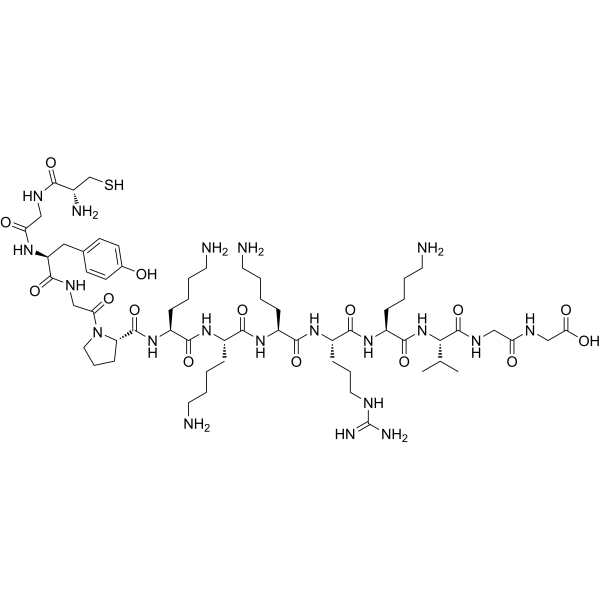
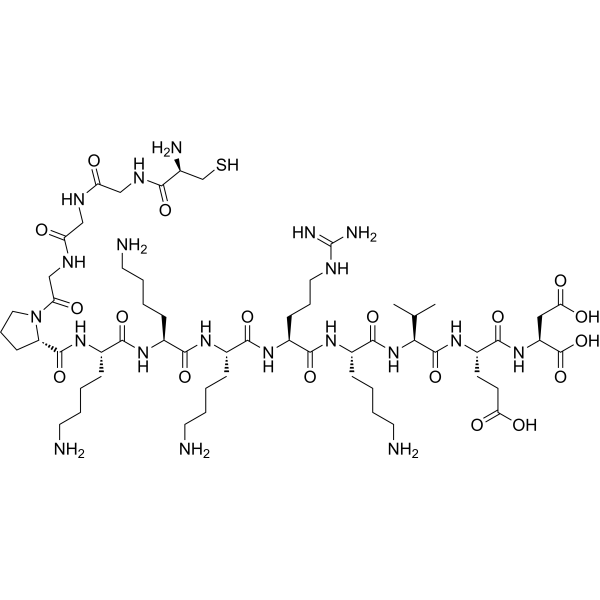
Cys-Gly-Tyr-Gly-Pro-Lys-Lys-Lys-Arg-Lys-Val-Gly-Gly is a13-mer synthetic peptide containing seven amino acids homologous to SV40 T antigen. Cys-Gly-Tyr-Gly-Pro-Lys-Lys-Lys-Arg-Lys-Val-Gly-Gly is capable of inducing nuclear transport .
|
-
- HY-P2221
-
|
ZP1848
|
GCGR
|
Inflammation/Immunology
|
|
Glepaglutide (ZP1848), a long-acting GLP-2 analogue, is a potent GLP-2R agonist. Glepaglutide reduces faecal output and increases intestinal absorption. Glepaglutide alleviates small intestinal inflammation. Glepaglutide can be used in the research of inflammatory bowel disease (IBD) and Crohn’s disease .
|
-
- HY-P1876B
-
|
|
DNA/RNA Synthesis
|
Cancer
|
|
NLS (PKKKRKV) hydrochloride is the hydrochloride form of NLS (PKKKRKV) (HY-P1876). NLS (PKKKRKV) is a nuclear localization signal (NLS) derived from the simian virus 40 large tumor antigen (SV40 large T antigen), that mediates binding of the karyophilic protein to importin α. NLS (PKKKRKV) can function as a method to enhance nuclear entry in the field of gene transfer research .
|
-
- HY-P4076
-
|
|
HIV
DNA Alkylator/Crosslinker
|
Infection
|
|
MPG peptides, Pβ is an amphipathic cell-penetrating peptide. MPG peptides, Pβ consists of three components: the hydrophobic fusion sequence (GALFLGFLGAAGSTMGA) of HIV glycoprotein 41, a spacer domain (WSQP), and the nuclear localization signal (KKKRKV) of the large T antigen of Simian virus 40. MPG peptides, Pβ can form stable non-covalent complexes with nucleic acids (including DNA) through electrostatic interactions and improve their intracellular delivery. MPG peptides, Pβ can be used in studies of HIV-1-related immune responses .
|
-
- HY-P1080
-
|
|
Calcium Channel
|
Cardiovascular Disease
Neurological Disease
|
|
ω-Agatoxin IVA is a potent, selective P/Q type Ca 2+ (Cav2.1) channel blocker with IC50 values of 2 nM and 90 nM. ω-Agatoxin IVA inhibits glutamate exocytosis and calcium influx elicited by high potassium. ω-Agatoxin IVA inhibits Capsaicin (HY-10448)-induced CGRP release and vasodilation. ω-Agatoxin IVA can be used for the research of neurological and cardiovascular disease .
|
-
- HY-P2221B
-
|
ZP1848 acetate
|
GCGR
|
Inflammation/Immunology
|
|
Glepaglutide (ZP1848) acetate, a long-acting GLP-2 analogue, is a potent GLP-2R agonist. Glepaglutide acetate reduces faecal output and increases intestinal absorption. Glepaglutide acetate alleviates small intestinal inflammation. Glepaglutide acetate can be used in the research of inflammatory bowel disease (IBD) and Crohn’s disease .
|
-
- HY-P1181
-
|
|
Toll-like Receptor (TLR)
NO Synthase
IKK
Akt
PKC
NF-κB
p38 MAPK
Interleukin Related
|
Cardiovascular Disease
Infection
Inflammation/Immunology
Cancer
|
|
Pam2CSK4 is a TLR2 agonist. Pam2CSK4 induces the expression of iNOS and NO in macrophage cell lines via TBK1 and MyD88 molecules. Pam2CSK4 activates the NF-κB and Bruton's tyrosine kinase signaling pathways in platelets, and promotes platelet-endothelial cell interactions. TLR2 activation triggered by Pam2CSK4 expands myeloid-derived suppressor cells (MDSCs) and suppresses anti-tumor immune responses in the tumor microenvironment. Pam2CSK4 acts as a Th2-polarizing adjuvant in mouse vaccine models against Leishmania major and Brugia malayi. Pam2CSK4 can be used in the research of various diseases, including thromboinflammatory diseases, sepsis, atherosclerosis, heart failure, influenza, lymphoma, melanoma, cutaneous leishmaniasis and lymphatic filariasis .
|
-
- HY-P1848
-
|
|
Interleukin Related
|
Cancer
|
|
Pep-1 (uncapped) is a specific ligand of IL-13Ra2. Pep-1 (uncapped) exerts cell penetrating activity through receptor-mediated endocytosis, can cross the blood-tumor barrier (BTB) and target glioma cells. Pep-1 (uncapped) can enhance the uptake of nanoparticles by tumor cells and enhance the cell penetration ability of nanoparticles, and can be used to develop targeted drug delivery systems for glioma .
|
-
- HY-P1080A
-
|
|
Calcium Channel
|
Neurological Disease
|
|
ω-Agatoxin IVA TFA is a potent, selective P/Q type Ca 2+ (Cav2.1) channel blocker with IC50 values of 2 nM and 90 nM. ω-Agatoxin IVA TFA inhibits glutamate exocytosis and calcium influx elicited by high potassium. ω-Agatoxin IVA TFA inhibits Capsaicin (HY-10448)-induced CGRP release and vasodilation. ω-Agatoxin IVA TFA can be used for the research of neurological and cardiovascular disease .
|
-
- HY-P2692B
-
|
|
PKG
|
Cancer
|
|
DT-2 is a potent and selective inhibitor of the cGMP-dependent protein kinase (PKG). DT-2 inhibits PKG catalyzed phosphorylation (Ki: 12.5 nM) .
|
-
- HY-P1785
-
|
Abltide
|
Bcr-Abl
|
Cancer
|
|
Abl Cytosolic Substrate is a substrate for Abelson tyrosine kinase (Abl ). Abl Protein Tyrosine Kinase (AbI) is a truncated form of the v-AbI Protein Tyrosine Kinase, a partner in the Gag-Abl fusion protein of the Abelson murine leukemia virus .
|
-
- HY-P0310
-
|
|
Peptides
|
Infection
|
|
SV40 large T antigen NLS is from Large T antigen residue 47 to 55, enables protein import into cell nucleus.
|
-
- HY-P5438
-
|
|
Btk
c-Kit
FAK
FLT3
Insulin Receptor
|
Others
|
|
Srctide is a biological active peptide. (This is a peptide substrate for many protein kinases, such as Blk, BTK, cKit, EPHA1, EPHB2, EPHB3, ERBB4, FAK, Flt3, IGF-1R, ITK, Lck, MET, MUSK, Ret, Src, TIE2, TrkB, VEGF-R1 (Flt-1) and VEGF-R2 (KDR).)
|
-
- HY-P1221A
-
|
|
Sodium Channel
|
Neurological Disease
|
|
ProTx II TFA is a selective blocker of Nav1.7 sodium channels with an IC50 of 0.3 nM, and is at least 100-fold selective for Nav1.7 over other sodium channel subtypes. ProTx-II inhibits sodium channels by decreasing channel conductance and shifting activation to more positive potentials and blocks action potential propagation in nociceptors .
|
-
- HY-P10932
-
|
|
Fluorescent Dye
|
Neurological Disease
|
|
pGk13a is an amphipathic membrane-labeling probe containing an azide group, which can bind to fluorophores. pGk13a enables high-resolution imaging of cell membranes in the ultrastructure expansion microscopy (umExM) technique, facilitating the observation of membrane-associated structures and proteins. pGk13a is applicable to neuronal structure research .
|
-
- HY-P3498
-
|
ZP1846
|
GCGR
|
Others
|
|
Elsiglutide (ZP1846) is a GLP-2 analogue, an orally active and selective GLP-2 receptor agonist, increases cell proliferation and reduces apoptosis in the intestine. Elsiglutide improves Lapatinib (HY-50898)-induced diarrhoea in rat model .
|
-
- HY-P0142A
-
|
|
PKG
|
Cardiovascular Disease
|
|
DT-3 acetate is a membrane-permeable protein kinase G Iα (PKG Iα) inhibitory peptide and shows pharmacological blockade of the cGMP-PKG signalling .
|
-
- HY-P10471A
-
|
MARCKS-ED TFA
|
MARCKS
PKC
|
Others
|
|
MPSD TFA (MARCKS-ED TFA) is the TFA salt form of MPSD (HY-P10471). MPSD TFA is a 25-amino acid peptide based on the effector domain sequence of the intracellular membrane protein myristoylated alanine-rich C-kinase substrate (MARCKS). MPSD TFA can sense membrane curvature and recognize phosphatidylserine. MPSD TFA can be utilized as biological probe to study membrane shape and lipid composition .
|
-
- HY-P1877A
-
|
|
Peptides
|
Cancer
|
|
SV40 T-Ag-derived NLS peptide TFA is a nuclear localization signal DNA tagged to this peptide efficiently translocates into the cell nucleus .
|
-
- HY-P10044
-
|
|
RET
|
Others
|
|
IGF1Rtide can be used as a RET kinase substrate for RET kinase assays .
|
-
- HY-P5375
-
|
|
Peptides
|
Others
|
|
O-Linked GlcNAc transferase substrate is a biological active peptide. (A peptide substrate of O-linked GlcNAc transferase (OGT), a eukaryotic glycosyltransferase that uses UDP-GlcNAc as a glycosyl donor.)
|
-
- HY-P10280
-
|
|
ATM/ATR
|
Cancer
|
|
ATR kinase substrate peptide (ASELPASQPQPFSAKKK) is a peptide substrate for ATR protein kinase and can be used to detect ATR kinase activity .
|
-
- HY-P4119
-
|
|
Biochemical Assay Reagents
|
Others
|
|
Pep-1-Cysteamine is an amphipathic chimeric cell-penetrating peptide. Pep-1-Cysteamine can penetrate biological membranes in an energy-independent manner without forming transmembrane pores, and efficiently deliver active proteins into cells, with its translocation dominated by electrostatic interactions and membrane perturbation .
|
-
- HY-P4118
-
|
Penetrating analog
|
Amino Acid Derivatives
Peptide-Drug Conjugates (PDCs)
|
Others
|
|
EB1 peptide (Penetrating analog) is an endosomolytic agent and siRNA delivery agent. EB1 peptide forms an amphipathic alpha helix upon protonation in early-late endosomes, drives endosomal membrane permeabilization, and enables endocytosed siRNA escape into the cytosol. EB1 peptide facilitates biologically active siRNA cellular uptake and targeted gene silencing. EB1 peptide forms complexes with siRNA. EB1 peptide can be used for drug delivery research .
|
-
- HY-P4127A
-
-
- HY-105305
-
|
ABT-719; AP-214
|
Melanocortin Receptor
|
Inflammation/Immunology
|
|
Modimelanotide (ABT-719) is an α-melanocyte-stimulating hormone analog. Modimelanotide has high specific binding ability to melanocortin receptors (MCR1, 3, 4, 5). Modimelanotide possesses anti-inflammatory and organ-protective effects. Modimelanotide can be used in the research of diseases such as acute kidney injury .
|
-
- HY-P10471E
-
|
MARCKS-ED control peptide TFA
|
MARCKS
|
Others
|
|
MPSD control peptide (MARCKS-ED control peptide) TFA is the control peptide of MPSD (HY-P10471). MPSD (MARCKS-ED) is a 25-amino acid peptide based on the effector domain sequence of the intracellular membrane protein myristoylated alanine-rich C-kinase substrate (MARCKS) .
|
-
- HY-P1877
-
|
|
Peptides
|
Cancer
|
|
SV40 T-Ag-derived NLS peptide is a nuclear localization signal DNA tagged to this peptide efficiently translocates into the cell nucleus .
|
-
- HY-P10072A
-
|
Hsp25 kinase inhibitor acetate; Mk2 pseudosubstrate acetate
|
JNK
HSP
MAPKAPK2 (MK2)
p38 MAPK
ERK
|
Others
|
|
MK2-IN-5 (Hsp25 kinase inhibitor) acetate is a Mk2 pseudosubstrate (Ki= 8 μM). MK2-IN-5 acetate targets the protein interaction domain in the MAPK pathway. MK2-IN-5 acetate inhibits HSP25 and HSP27 phosphorylation .
|
-
- HY-P1221
-
|
|
Sodium Channel
|
Neurological Disease
|
|
ProTx II is a selective blocker of Nav1.7 sodium channels with an IC50 of 0.3 nM, and is at least 100-fold selective for Nav1.7 over other sodium channel subtypes. ProTx-II inhibits sodium channels by decreasing channel conductance and shifting activation to more positive potentials and blocks action potential propagation in nociceptors .
|
-
- HY-P4127
-
|
|
Peptides
|
Neurological Disease
|
|
M65 is a deleted peptide of maxadilan (61 a.a.) with deletion of the residues between positions 24 and 42 and is a specific antagonist of PACAP type 1 receptor that inhibits ANP secretion and can be used for relevant researches .
|
-
- HY-P3055A
-
|
DTX-I TFA
|
Potassium Channel
|
Cancer
|
|
Dendrotoxin-I (DTX-I) TFA is a potent K + channel blocker with IC50s of 0.13-50 nM for voltage-gated potassium channel subunits KV1.1, KV1.2 and KV1.6. Dendrotoxin-I TFA, a neurotoxin, has the potential for cancer research .
|
-
- HY-P3483
-
|
|
PACAP Receptor
Caspase
Apoptosis
PKA
Interleukin Related
TNF Receptor
|
Cardiovascular Disease
Neurological Disease
|
|
Maxadilan is a specific irreversible PAC1 receptor agonist and a potent vasodilator peptide present in the salivary glands of sand flies. Maxadilan exhibits anti-apoptotic activity in hADSCs. Maxadilan inhibits pro-inflammatory cytokines (TNF-α) and enhances anti-inflammatory mediators (IL-10). Maxadilan can activate leukocytes and inhibit vascular permeability through PAC1 receptors. Maxadilan promotes neural differentiation of human adipose-derived stem cells. Maxadilan can be used to study endotoxin shock, atherosclerosis, and neurodegenerative diseases [1] [2] [3] [4] [5].
|
-
- HY-P2707
-
|
α-DTX
|
Sodium Channel
Potassium Channel
|
Neurological Disease
|
|
α-Dendrotoxin (α-DTX) is a voltage-gated K + channel blocker and an acid-sensing ion channel (ASIC) inhibitor. α-Dendrotoxin blocks Kv1.1, Kv1.2, Kv1.6 and D-type (ID) voltage-gated K + channels, and reversibly inhibits slowly inactivating potassium currents. α-Dendrotoxin induces epilepsy-related behaviors in mice. α-Dendrotoxin can be used in studies related to tonic-clonic seizures .
|
-
- HY-W009004B
-
|
Lys-Lys-Lys TFA; H-Lys-Lys-Lys-OH TFA
|
Aminopeptidase
|
Others
|
|
Trilysine TFA is a tripeptide and also a substrate for specific peptidases. Trilysine TFA serves as a hydrolytic substrate for the tripeptide-specific aminopeptidase TP and the oligopeptidase OP .
|
-
- HY-P3255
-
-
- HY-P0142
-
|
|
PKG
|
Cardiovascular Disease
|
|
DT-3 is a membrane-permeable protein kinase G Iα (PKG Iα) inhibitory peptide and shows pharmacological blockade of the cGMP-PKG signalling .
|
-
- HY-P10471C
-
|
|
Peptides
|
Others
|
|
Ala-MPSD TFA is a control peptide for MPSD (HY-P10471). In Ala-MPSD TFA, the four serine residues of MPSD are substituted by alanines .
|
-
- HY-P4133
-
|
|
ERK
MEK
|
Cancer
|
|
MEK1 Derived Peptide Inhibitor 1 is a peptide inhibitor. MEK1 Derived Peptide Inhibitor 1 can inhibit the in vitro activation of ERK2 by MEK1 with an IC50 value of 30 μM. MEK1 Derived Peptide Inhibitor 1 can be used for the research of cell-permeable .
|
-
- HY-P4119A
-
|
|
Peptides
|
Others
|
|
Pep-1-Cysteamine TFA is a chimeric cell-penetrating peptide (CPP) with a primary amphipathicity. Pep-1-Cysteamine TFA has the ability to translocate across biological membranes and introduce active proteins inside cells .
|
-
- HY-P4080
-
|
|
Peptides
|
Others
|
|
MPG peptides, Pα is an amphipathic carrier peptide that can be used for drug delivery .
|
-
- HY-P11045
-
|
|
Sodium Channel
|
Neurological Disease
|
|
JNJ63955918 is a potent, highly selective, blocked-state Nav1.7 blocking peptide with an IC50 of 8.0 nM. JNJ63955918 can be used in pain research .
|
-
- HY-P11216
-
|
|
PCSK9
|
Cancer
|
|
Pep2-8 analogue 18 is a high affinity PCSK9 (KD = 6 nM) inhibitory peptide. Pep2-8 analogue 18 restores LDL uptake in HepG2 cells (EC50 = 175 nM). Pep2-8 analogue 18 has good cellular safety. Pep2-8 analogue 18 can be used for research on cardiovascular conditions .
|
-
- HY-P2692A
-
|
|
Peptides
|
Cancer
|
|
DT-2 is a potent and selective inhibitor of the cGMP-dependent protein kinase (PKG). DT-2 inhibits PKG catalyzed phosphorylation (Ki: 12.5 nM) .
|
-
- HY-P10471D
-
|
MARCKS-ED control peptide
|
MARCKS
PKC
|
Others
|
|
MPSD control peptide (MARCKS-ED control peptide) is a control peptide for MPSD peptide (HY-P10471). MPSD (MARCKS-ED) is a 25-amino acid peptide based on the effector domain sequence of the intracellular membrane protein myristoylated alanine-rich C-kinase substrate (MARCKS). MPSD can sense membrane curvature and recognize phosphatidylserine. MPSD can be utilized as biological probe to study membrane shape and lipid composition .
|
-
- HY-P10471
-
|
MARCKS-ED
|
MARCKS
PKC
|
Others
|
|
MPSD (MARCKS-ED) is a 25-amino acid peptide based on the effector domain sequence of the intracellular membrane protein myristoylated alanine-rich C-kinase substrate (MARCKS). MPSD can sense membrane curvature and recognize phosphatidylserine. MPSD can be utilized as biological probe to study membrane shape and lipid composition .
|
- HY-P5600
-
|
|
Bacterial
|
Infection
|
|
The K4 peptide is an antimicrobial peptide with strong activity against Gram-positive and Gram-negative bacteria, including human pathogenic bacteria, such as Staphylococcus aureus and Marine Vibrio bacteria .
|
- HY-P5434
-
|
JAK3 Peptide substrate
|
JAK
|
Others
|
|
Jak3tide (JAK3 Peptide substrate) is a biological active peptide. (This peptide is a substrate for Jak3. It may be used used in kinase assays. Jak3tide contains the phosphorylation site at Tyr7.)
|
- HY-P10072
-
|
Hsp25 kinase inhibitor; Mk2 pseudosubstrate
|
ERK
JNK
p38 MAPK
HSP
MAPKAPK2 (MK2)
|
Others
|
|
MK2-IN-5 is a Mk2 pseudosubstrate (Ki= 8 μM). MK2-IN-5 targets the protein interaction domain in the MAPK pathway. MK2-IN-5 inhibits HSP25 and HSP27 phosphorylation .
|
- HY-P5977
-
|
Ste-MPKKKPTPIQLNP-NH₂; ERK Activation Inhibitor Peptide
|
ERK
|
Cancer
|
|
STE-MEK1(13) (Ste-MPKKKPTPIQLNP-NH ) is a cell permeable ERK1/2 inhibitor (IC50: 13-30 μM). STE-MEK1(13) inhibits ERK1/2 phosphorylation .
|
- HY-P5565
-
|
|
Bacterial
|
Infection
Cancer
|
|
RP-1 is an antimicrobial peptide, and is active against S. aureus, S. typhimurium, E. coli, and C. albicans .
|
- HY-P10569
-
|
|
EGFR
|
Cancer
|
|
Biotin HER-2 substrate peptide is a substrate of Her4 and Her2/neu tyrosine kinase with a Km value of 60 μm for Her2/neu kinase domain .
|
- HY-P10403
-
|
|
IGF-1R
|
Inflammation/Immunology
Cancer
|
|
IGFBP-3 peptide is a 18-amino acid insulin-like growth factor binding protein-3. IGFBP-3 peptide binds Humanin (HY-P1928) and Hyaluronan (HY-B0633A), blocks the interaction of CD44 and hyaluronan .
|
- HY-P5961
-
- HY-P10428
-
|
|
HPV
|
Infection
|
|
E6AP-mimicking peptide (compound 13) is a high-affinity, selective, irreversible and potent peptide-based covalent HPV16 E6 inhibitor targeting the 16E6 oncoprotein using a cysteine-reactive acrylamide warhead. E6AP-mimicking peptide has a Ki of 17 nM. E6AP-mimicking peptide targets all residues appearing in the binding pocket of E6 to disrupt the binding interface of 16E6 and E6AP. E6AP-mimicking peptide selectively binds and crosslinks to MBP-16E6 in PBS or a protein mixture .
|
- HY-P0135
-
|
|
Bacterial
|
Infection
|
|
Penta lysine is an antibacterial agent, that inhibits E. coli, A. baumannii, P. aeruginos, S. aureus, and B. subtilis, with MIC of 1.1-18 μM .
|
- HY-P0119S
-
- HY-P1834
-
|
|
Peptides
|
Inflammation/Immunology
|
|
MARCKS Peptide(151-175), Phosphorylated is a phosphorylated peptide corresponding to the basic effector domain of myristoylated alanine-rich protein kinase C substrate protein (MARCKS). Phosphorylation of MARCKS Peptide (151-175) reverses its inhibition of phospholipase C (PLC)-catalyzed hydrolysis of phosphatidylinositol 4,5-bisphosphate (PIP2) .
|
- HY-P10471B
-
|
|
MARCKS
PKC
|
Others
|
|
Ala-MPSD is a control peptide for MPSD (HY-P10471). In Ala-MPSD, the four serine residues of MPSD are substituted by alanines .
|
- HY-126721
-
- HY-P10527
-
|
|
Src
|
Others
|
|
CSK substrate is a specific substrate for C-terminal Src kinase (CSK), which binds CSK and downregulates the Src family members. CSK substrate preferentially phosphorylates certain amino acid residues that are distinct from the conserved Src C-terminal sequence .
|
- HY-P5527F
-
|
|
Peptides
|
Others
|
|
FAM-CSKtide is a biological active peptide. (This is a FAM labeled peptide substrate (Abs/Em = 494/521 nm) for C-terminal Src kinase (Csk) and many other kinases such as Axl, cKit, ERBB4, Fes, Flt3, IGF-1 R, MET, MUSK, PYK2, Ret, TIE2, TrkA, VEGF-R1 and VEGF-R2.)
|
- HY-P10013
-
- HY-P10301
-
|
|
CXCR
|
Cancer
|
|
CXCL9(74-103) is a derivative peptide of CXCL9 that has a high affinity for glycosaminoglycans (GAGs) and can bind to GAGs. CXCL9(74-103) possesses anti-angiogenic properties, capable of reducing EGF, VEGF165, and FGF-2-mediated angiogenesis processes in vitro, without exhibiting cytotoxicity .
|
- HY-P10869
-
dCNP
1 Publications Verification
|
Natriuretic Peptide Receptor (NPR)
|
Inflammation/Immunology
Cancer
|
|
dCNP binds to NPR-B/C receptor, activates cGMP signaling pathway, and regulates vascular function. dCNP exhibits anti-hypoxia property through downregulation of hypoxia-related genes expressions like HIF1α and HIF2α. dCNP inhibits the induction of tumor stroma and exhibits anti-fibrosis activity. dCNP upregulates CTLs, NK cells, and conventional type 1 dendritic cells in tumors, and activates immune responses .
|
- HY-P3657A
-
|
|
Fluorescent Dye
|
Cancer
|
|
Biotin-KKKRKV acetate is the biotinylated KKKRKV acetate. KKKRKV is a nuclear localization signal (NLS) peptide derived from simian virus 40 .
|
- HY-P5428
-
|
|
CDK
|
Others
|
|
Cdc2 kinase substrate is a biological active peptide. (The native peptide HATPPKKKRK is a substrate for cyclin-dependent protein kinase 1 (CDC2; CDK1).)
|
- HY-P6443
-
|
|
Peptides
|
Others
|
|
NTPA TFA is a polycarboxylic acid ligand that participates in the coordination reaction with metal ions to form complexes .
|
- HY-P10834
-
|
|
HIV
|
Infection
|
|
NYAD-13 exhibits antiviral activity against HIV-1 IIIB, but it also possesses significant cytotoxicity.
|
- HY-P3553
-
- HY-P11198
-
|
|
Apoptosis
VEGFR
ERK
Akt
Caspase
Bcl-2 Family
|
Cancer
|
|
AC-P19M is an anticancer peptide. AC-P19M induces apoptosis by disrupting the cell membrane of cancer cells. AC-P19M reverses epithelial-mesenchymal transition (EMT). AC-P19M shows anti-angiogenic activity through the inhibition of VEGF-VEGFR2/ERK/Akt signaling. AC-P19M can be used for lung cancer research .
|
- HY-P5709
-
|
|
Bacterial
|
Infection
Inflammation/Immunology
|
|
HG4 is a fast-acting antimicrobial peptide. HG4 shows anti-biofilm and anti-inflammatory activities. HG4 is active against Gram-positive pathogens, especially against MRSA strains (MIC: 32-64 μg/mL). HG4 can bind to bacterial lipids and reduces ATP concentration in S. aureus MRSA USA300 cells .
|
- HY-P10874
-
|
|
Bacterial
|
Infection
|
|
SMR efflux inhibitor targets the small multidrug resistance (SMR) efflux pump, blocks the interaction of TM4-TM4, and exhibits board-spectrum antibacterial activity .
|
- HY-P10574
-
|
|
Checkpoint Kinase (Chk)
|
Cancer
|
|
Phosphorylated CHKtide is a synthetic peptide substrate derived from CDC25C, which is phosphorylated by CHK1/CHK2 in one of the DNA repair pathways. Phosphorylated CHKtide is used in the assays of cell cycle checkpoint kinases 1 and 2 (CHK1/CHK2) and salt-inducible kinases (SIKs) .
|
- HY-P0184
-
|
|
NO Synthase
|
Neurological Disease
|
|
Camstatin, a functionally active 25-residue fragment of PEP-19's IQ motif, binds calmodulin and inhibits neuronal nitric oxide (NO) synthase .
|
- HY-P11021
-
|
|
Fungal
Antibiotic
|
Infection
|
|
ToAP2 is a potent antimicrobial peptide. ToAP2 affects C. albicans membrane permeability and produces changes in fungal cell morphology .
|
- HY-P0184A
-
|
|
NO Synthase
|
Neurological Disease
|
|
Camstatin TFA, a functionally active 25-residue fragment of PEP-19's IQ motif, binds calmodulin and inhibits neuronal nitric oxide (NO) synthase .
|
- HY-P11021A
-
|
|
Fungal
Antibiotic
|
Infection
|
|
ToAP2 TFA is a potent antimicrobial peptide. ToAP2 TFA affects C. albicans membrane permeability and produces changes in fungal cell morphology .
|
- HY-P5553
-
|
|
Bacterial
|
Infection
|
|
cPcAMP1/26 is an antimicrobial peptide. cPcAMP1/26 effectively kills A.hydrophila and S. aureus. cPcAMP1/26 induces depolarization of the bacterial plasma membrane, and increases intracellular ROS levels .
|
- HY-P10074
-
|
|
ERK
|
Inflammation/Immunology
|
|
TAT-MEK1 is an inhibitor ofERK2, consisting of TAT and MEK1 (N-terminal), TAT (YGRKKRRQRRR) derived from human immunodeficiency (HIV-1) transcriptional trans activator (TAT), is a cell-penetrating peptide. TAT-MEK1 IC50 in vitro for ERK2 is 29 μM .
|
- HY-P5332
-
|
UB311 immunogen II
|
Peptides
|
Others
|
|
Aβ1-14-εK-HBsAg3 Th (UB311 immunogen II) is a biological active peptide. (one of UB-311's Aβ1–14–targeting peptides (B-cell epitope))
|
- HY-P5333
-
|
UB311 immunogen I
|
Amyloid-β
|
Others
|
|
Aβ1-14-εK-KKK-MvF5 Th (UB311 immunogen I) is a biological active peptide. (one of UB-311's Aβ1–14–targeting peptides (B-cell epitope))
|
- HY-P5333A
-
|
UB311 immunogen I acetate
|
Amyloid-β
|
Neurological Disease
|
|
Aβ1-14-εK-KKK-MvF5 Th acetate is the acetate salt form of Aβ1-14-εK-KKK-MvF5 Th (HY-P5333). Aβ1-14-εK-KKK-MvF5 Th acetate is part of UB-311 vaccine, that targets the amyloid-beta (Aβ) protein, and ameliorates the Alzheimer’s disease .
|
- HY-P5177
-
- HY-P10255
-
|
|
Potassium Channel
|
Cancer
|
|
K90-114TAT is an inhibitor for EAG2-Kvβ2 interaction, and exhibits antitumor efficacy against glioblastomas .
|
- HY-105305A
-
|
ABT-719 acetate; AP-214 acetate
|
Melanocortin Receptor
|
Endocrinology
|
|
Modimelanotide (ABT-719) acetate is an α-melanocyte-stimulating hormone analog. Modimelanotide acetate has high specific binding ability to melanocortin receptors (MCR1, 3, 4, 5). Modimelanotide acetate possesses anti-inflammatory and organ-protective effects. Modimelanotide acetate can be used in the research of diseases such as acute kidney injury .
|
- HY-P2513
-
|
|
Peptides
|
Others
|
|
Src Optimal Peptide Substrate is a highly specific Src substrate. Src Optimal Peptide Substrate can used to measure the Src activity .
|
- HY-P11750
-
- HY-P11798
-
|
|
P-selectin
|
Cardiovascular Disease
Inflammation/Immunology
Cancer
|
|
P‑Selectin binding peptide is a short peptide that specifically targets P‑selectin. P‑Selectin binding peptide binds with high affinity to P‑selectin, which is highly expressed on activated platelets, inflamed endothelium, and in the tumor microenvironment. P‑Selectin binding peptide is used for precise targeted delivery and intervention in inflammation, thrombosis, and tumors .
|
- HY-P1876D
-
|
|
Peptides
|
Others
|
|
Cys-NLS is a cysteine-containing nuclear localization signal peptide derived from the simian virus 40 large T antigen, which enhances nuclear import .
|
- HY-P11594
-
|
|
Neurotensin Receptor
|
Cancer
|
|
JMV 7490 is a highly potent and highly hydrophilic neurotensin receptor NTS1 probe that can be successfully labeled with 68Ga and 111In. JMV 7490 acts as an efflux inhibitor to reduce its efflux in NTS1-positive cancer cells; it also serves as an internalization inducer and is efficiently and continuously internalized by NTS1-positive cancer cells. 111In-radiolabeled JMV 7490 shows persistent uptake in NTS1-positive xenografts in nude mice, but no significant uptake in NTS1-negative xenografts. JMV 7490 can be used for in vivo tracer applications of NTS1-positive tumors and supports related research on colorectal cancer .
|
- HY-P11662
-
|
|
Peptides
|
Cancer
|
|
NLS peptide is a nuclear localization signal peptide, a short amino acid sequence that can be recognized by nuclear transport machinery (such as the Importin protein complex). NLS peptide can directionally transport the molecules or nanoparticles linked to it into the nucleus, and the N-terminal Cys terminus can be used for subsequent coupling. NLS peptide can be used to construct nucleus-specific imaging probes and nucleus-targeted nanoparticles
|
- HY-P4136
-
|
|
ERK
|
Cancer
|
|
Myristoyl-MEK1 Derived Peptide Inhibitor 1 is the myristoylated form of the MEK1 Derived Peptide Inhibitor 1 (HY-P4133). Myristoyl-MEK1 Derived Peptide Inhibitor 1 inhibits ERK activation with an IC50 of 10 μM .
|
- HY-P5438F
-
|
|
Peptides
|
Others
|
|
FAM-Srctide is a biological active peptide. (FAM labeled Srctide)
|
- HY-P4076A
-
- HY-P11373
-
- HY-P3055
-
|
DTX-I
|
Potassium Channel
|
Neurological Disease
Cancer
|
|
Dendrotoxin-I (DTX-I) is a potent K + channels blocker with IC50s of 0.13-50 nM for voltage-gated potassium channel subunits KV1.1, KV1.2 and KV1.6, respectively. Dendrotoxin-I, a neurotoxin, has the potential for cancer research .
|
- HY-P5835
-
|
|
Potassium Channel
|
Neurological Disease
|
|
δ-Dendrotoxin is a K + channel blocker that can be obtained from the venom of the black mamba snake. δ-Dendrotoxin can be used in the study of neurological diseases .
|
| Cat. No. |
Product Name |
Category |
Target |
Chemical Structure |
| Cat. No. |
Product Name |
Chemical Structure |
-
- HY-P0119S
-
|
|
|
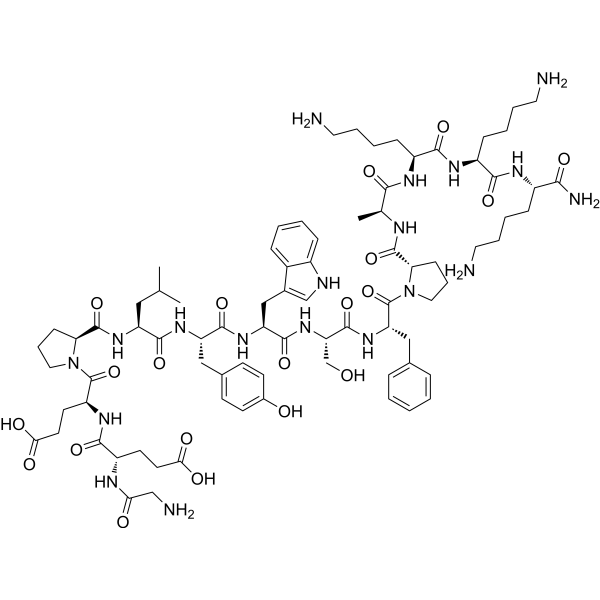
Lixisenatide (Leu- 13C6, 15N) TFA is the 13C- and 15N-labeled Lixisenatide (HY-P0119). Lixisenatide is a glucagon-like peptide-1 (GLP-1) receptor agonist. Lixisenatide inhibits the inflammatory response through down regulation of pro-inflammatory cytokines, and suppresses of the Akt-MEK1/2 signaling pathway. Lixisenatide can inhibit oxidative stress, mitochondrial dysfunction and apoptosis. Lixisenatide can be used for the researches of inflammation, metabolic disease, neurological disease and cardiovascular disease, such as rheumatoid arthritis, diabetes, Alzheimer's disease and atherosclerosis .
|
-
| Cat. No. |
Product Name |
|
Classification |
-
- HY-P10932
-
|
|
|
Azide
|
|
pGk13a is an amphipathic membrane-labeling probe containing an azide group, which can bind to fluorophores. pGk13a enables high-resolution imaging of cell membranes in the ultrastructure expansion microscopy (umExM) technique, facilitating the observation of membrane-associated structures and proteins. pGk13a is applicable to neuronal structure research .
|
Your information is safe with us. * Required Fields.
Inquiry Information
- Product Name:
- Cat. No.:
- Quantity:
- MCE Japan Authorized Agent:

