Search Result
Results for "
Non-alcoholic+steatohepatitis
" in MedChemExpress (MCE) Product Catalog:
4
Isotope-Labeled Compounds
| Cat. No. |
Product Name |
Target |
Research Areas |
Chemical Structure |
-
- HY-P99930
-
|
AKR-001; AMG-876
|
FGFR
|
Metabolic Disease
|
|
Efruxifermin is an Fc-FGF21 fusion protein (human IgG1 Fc domain linked to a modified human FGF21). Efruxifermin has prolonged half-life and enhanced receptor affinity compared with native human FGF21. Efruxifermin can be used for the research of non-alcoholic steatohepatitis .
|
-

-
- HY-116374
-
|
Lithocholylglycine
|
Endogenous Metabolite
|
Inflammation/Immunology
|
|
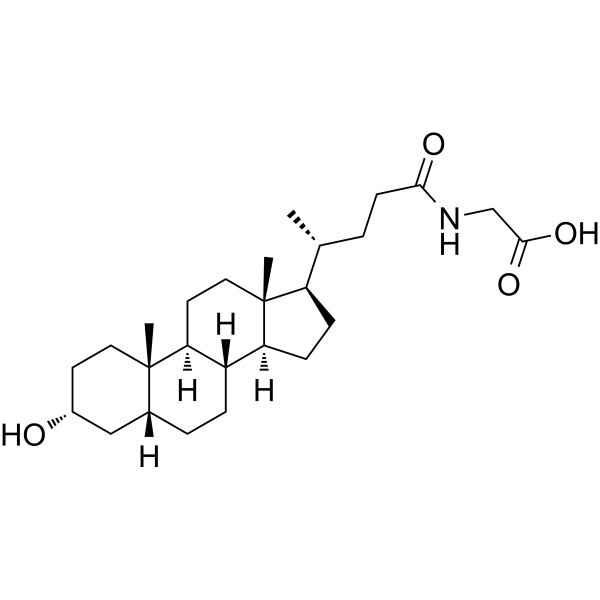
Glycolithocholic acid (Lithocholylglycine), an endogenous metabolite, is a glycine-conjugated secondary bile acid. Glycolithocholic acid can be used to diagnose ulcerative colitis (UC), non-alcoholic steatohepatitis (NASH) and primary sclerosing cholangitis (PSC) .
|
-
-
- HY-145632
-
|
ALT-801
|
GLP Receptor
GCGR
|
Metabolic Disease
|
|
Pemvidutide (ALT-801) is a GLP-1R/GCGR dual agonist, shows striking reductions in body weight, liver fat and serum lipids. Pemvidutide can be used in non-alcoholic steatohepatitis (NASH) and obesity research .
|
-

-
- HY-147246
-
|
HTD1801; BUDCA
|
Biochemical Assay Reagents
|
Metabolic Disease
|
|
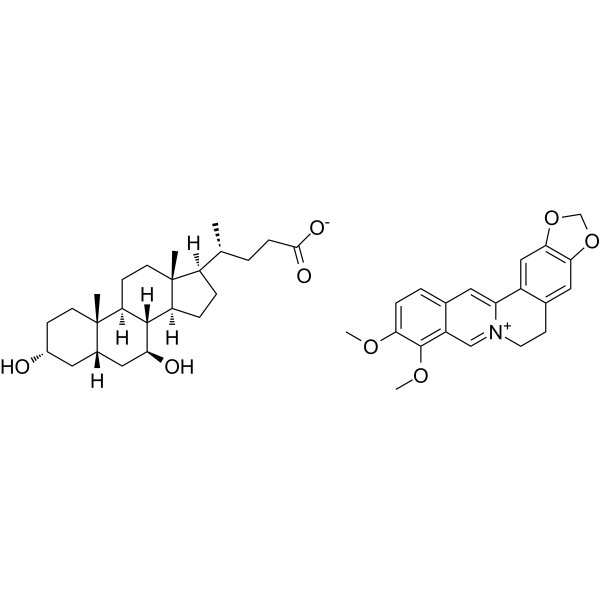
Berberine ursodeoxycholate (HTD1801), an ionic salt of Berberine and Ursodeoxycholic acid, is an orally active and potent hypolipidemic agent. Berberine ursodeoxycholate shows significantly great reduction in liver fat content. Berberine ursodeoxycholate has a broad spectrum of metabolic activity. Berberine ursodeoxycholate can be used for the research of hyperlipidemia, non-alcoholic steatohepatitis (NASH) and diabetes .
|
-
-
- HY-P991049
-
|
ATM-001
|
TNF Receptor
|
Metabolic Disease
Inflammation/Immunology
|
|
Atrosimab is an Fv-Fc1K fusion protein with an EC50 value of 0.37 nM against humans. Atrosimab inhibits TNF-induced TNFR1 activation, release of IL-6 and IL-8, and cell death, and alleviates neuroinflammation. Atrosimab is applicable to research related to inflammatory diseases, neurodegenerative diseases, acute and chronic inflammation, experimental arthritis, non-alcoholic steatohepatitis, and experimental autoimmune encephalomyelitis .
|
-

-
- HY-W011121
-
|
2-OG
|
GPR119
NF-κB
TGF-beta/Smad
GLP Receptor
|
Metabolic Disease
|
|
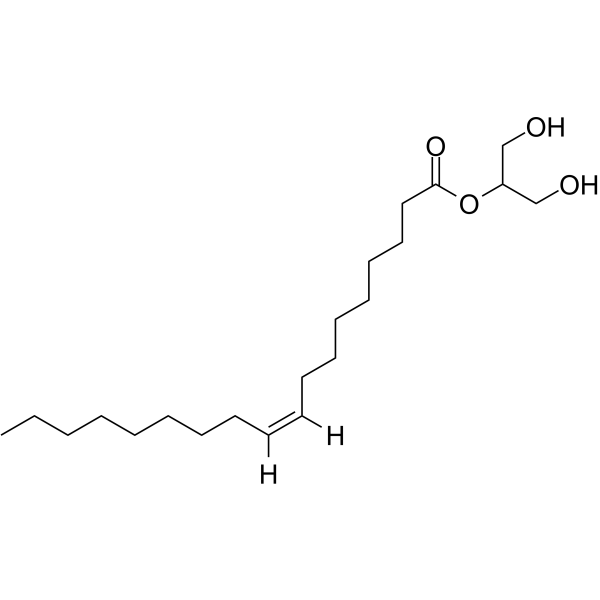
2-Oleoylglycerol (2-OG) is a lipid found in the diet. It is a GPR119 agonist, with an EC50 value of 2.5 μM in activating hGPR119 in transiently transfected COS-7 cells. 2-Oleoylglycerol enhances the inflammatory response of macrophages and promotes fibrosis by activating the GPR119/TAK1/NF-κB/TGF-β1 signaling pathway. It also stimulates glucagon-like peptide 1 (GLP-1) secretion in vivo. 2-Oleoylglycerol is expected to be used in the research of non-alcoholic steatohepatitis (NASH) .
|
-
-
- HY-115319
-
|
|
Ferroptosis
|
Inflammation/Immunology
|
|
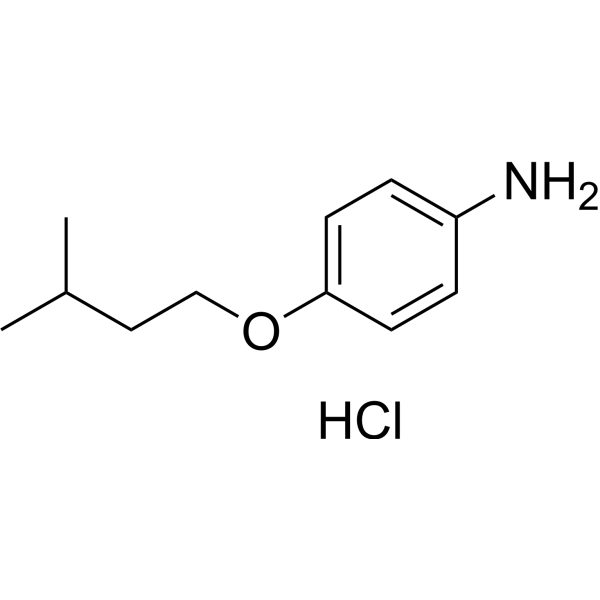
CP-24879 (hydrochloride) is a potent, selective and combined delta5D/delta6D inhibitor. CP-24879 (hydrochloride) can significantly reduce intracellular lipid accumulation and inflammatory injury in hepatocytes. CP-24879 (hydrochloride) exhibits superior antisteatotic and anti-inflammatory actions in fat-1 and ω-3-treated hepatocytes, and can be used for non-alcoholic steatohepatitis research .
|
-
-
- HY-B1245
-
|
Salicylsalicylic acid; Disalicylic acid
|
Reactive Oxygen Species (ROS)
|
Inflammation/Immunology
Cancer
|
|
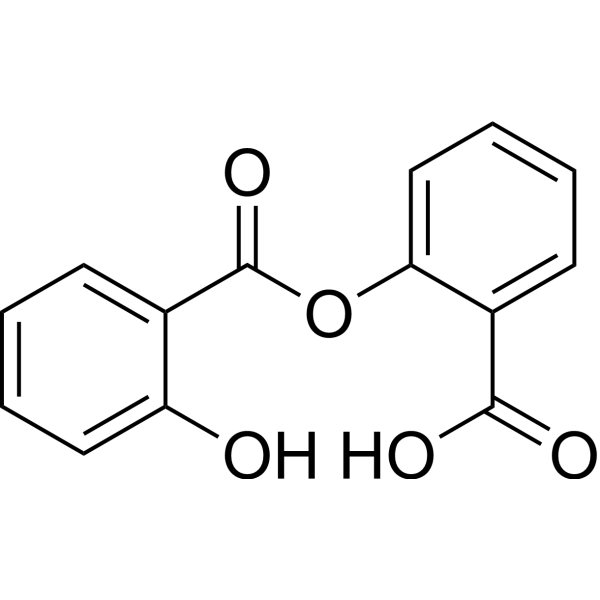
Salsalate is a potent antirheumatic drug with oral activity that reduces irritation during gastric absorption and avoids direct inhibition of cyclooxygenase. Salsalate not only has significant anti-inflammatory effects, but also reduces blood sugar levels, improves insulin resistance, and reduces the expression of cytokines. Salsalate can protect mice from metabolic disorders caused by high-fat diet and effectively improve the symptoms of type 2 diabetes, atherosclerosis and non-alcoholic steatohepatitis [2 ] .
|
-
-
- HY-100008
-
Peretinoin
Maximum Cited Publications
7 Publications Verification
NIK333
|
RAR/RXR
SphK
Autophagy
HCV
|
Infection
Cancer
|
|
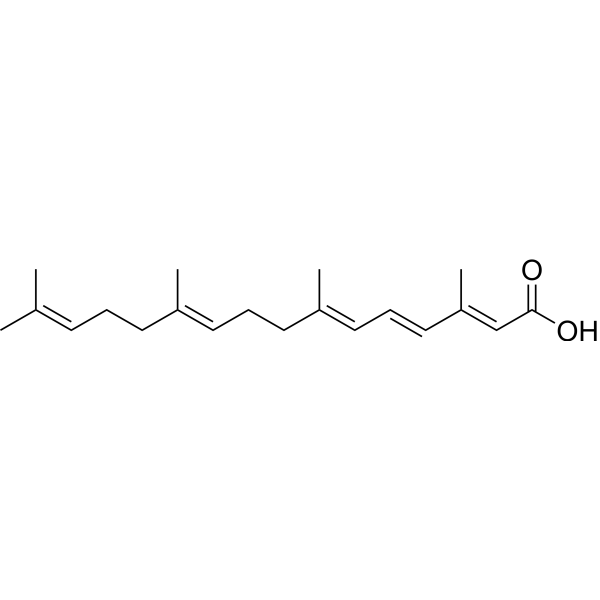
Peretinoin is an oral acyclic retinoid with a vitamin A-like structure that targets retinoid nuclear receptors such as retinoid X receptor (RXR) and retinoic acid receptor (RAR). Peretinoin reduces the mRNA level of sphingosine kinase 1 (SPHK1) in vitro by downregulating a transcription factor, Sp1 . Peretinoin prevents the progression of non-alcoholic steatohepatitis (NASH) and the development of hepatocellular carcinoma (HCC) through activating the autophagy pathway by increased Atg16L1 expression . Peretinoin inhibits HCV RNA amplification and virus release by altering lipid metabolism with a EC50 of 9 μM .
|
-
-
- HY-P99143
-
|
|
Neurokinin Receptor
NF-κB
STAT
|
Inflammation/Immunology
|
|
Anti-Mouse NK1.1 Antibody (PK136) is an anti-mouse NK1.1 IgG2a monoclonal antibody. Anti-Mouse NK1.1 Antibody (PK136) can deplete natural killer (NK) cells. Anti-Mouse NK1.1 Antibody (PK136) inhibits the JAK-STAT and NF-κB signaling pathways. Anti-Mouse NK1.1 Antibody (PK136) can be used for research on inflammation conditions such as non-alcoholic steatohepatitis (NASH) .
|
-
-
- HY-101190
-
-
-
- HY-143613
-
|
|
Thyroid Hormone Receptor
|
Metabolic Disease
|
|
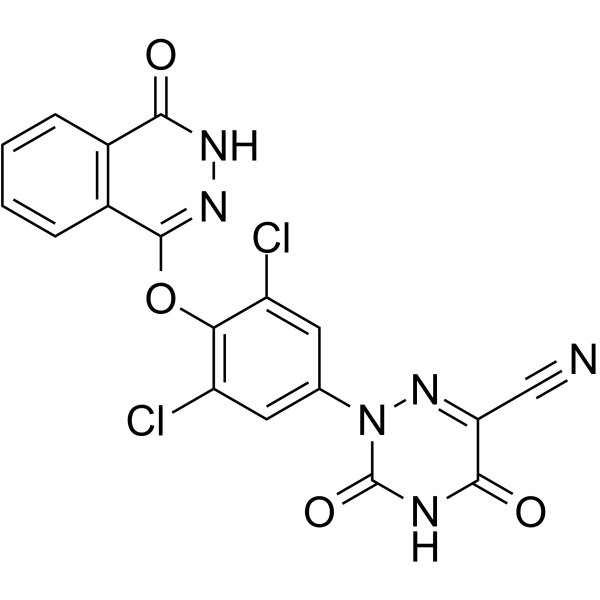
THR-β agonist 2 is a potent agonist of THR-β. THR-β agonist 2 has the potential for the research of metabolic diseases such as obesity, hyperlipidemia, hypercholesterolemia, diabetes and other conditions such as steatosis and non-alcoholic steatohepatitis (NASH), atherosclerosis and other related conditions and diseases (extracted from patent WO2021121210A1, compound 3) .
|
-
-
- HY-P10302A
-
|
|
GLP Receptor
|
Metabolic Disease
Inflammation/Immunology
|
|
GLP-1R/GIPR agonist-1 sodium is a dual GLP-1/GIP receptor agonist, with an EC50 of 0.57 nM for GLP-1R and an EC50 of 0.75 nM for GIPR. GLP-1R/GIPR agonist-1 sodium reduces food intake, inhibits weight gain, repairs islet damage, improves glucose tolerance, regulates serum lipid and liver enzyme levels, ameliorates hepatic vacuolization, reduces hepatic fat accumulation, delays the progression of hepatic fibrosis, and exhibits long-lasting hypoglycemic activity. GLP-1R/GIPR agonist-1 sodium can be used in research related to type 2 diabetes, obesity, and non-alcoholic steatohepatitis .
|
-

-
- HY-N1775
-
|
3,4-DHAP
|
Tyrosinase
Reactive Oxygen Species (ROS)
Keap1-Nrf2
PARP
Autophagy
Apoptosis
|
Cardiovascular Disease
Neurological Disease
Metabolic Disease
Inflammation/Immunology
Cancer
|
|
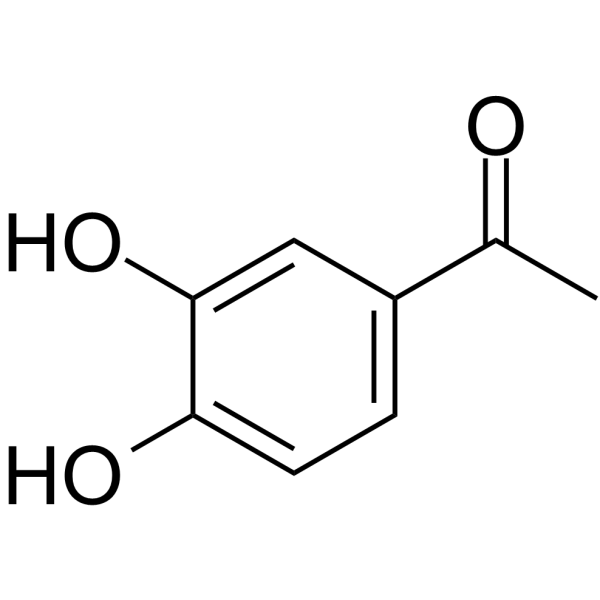
3',4'-Dihydroxyacetophenone (3,4-DHAP) is a phenolic compound with oral bioavailability, possessing potent antioxidant, anti-inflammatory, anticancer and cardiovascular protective activities. 3',4'-Dihydroxyacetophenone inhibits mushroom Tyrosinase activity with an IC50 of 10 μM, thereby suppressing melanogenesis . 3',4'-Dihydroxyacetophenone inhibits platelet aggregation in platelet-rich plasma. 3',4'-Dihydroxyacetophenone reduces ROS levels in human umbilical vein endothelial cells treated with high glucose, upregulates the expression of Nrf2, HO-1 and PARP-1 in cells, and promotes the nuclear translocation of Nrf2 . 3',4'-Dihydroxyacetophenone induces autophagy and apoptosis. 3',4'-Dihydroxyacetophenone inhibits seed germination/growth in most plants. 3',4'-Dihydroxyacetophenone can be used in the research of cancer, neurodegenerative diseases, non-alcoholic steatohepatitis, diabetes, obesity, skin pigmentation disorders, and cardiovascular and cerebrovascular diseases .
|
-
-
- HY-147296
-
|
MET409
|
FXR
|
Inflammation/Immunology
Cancer
|
|
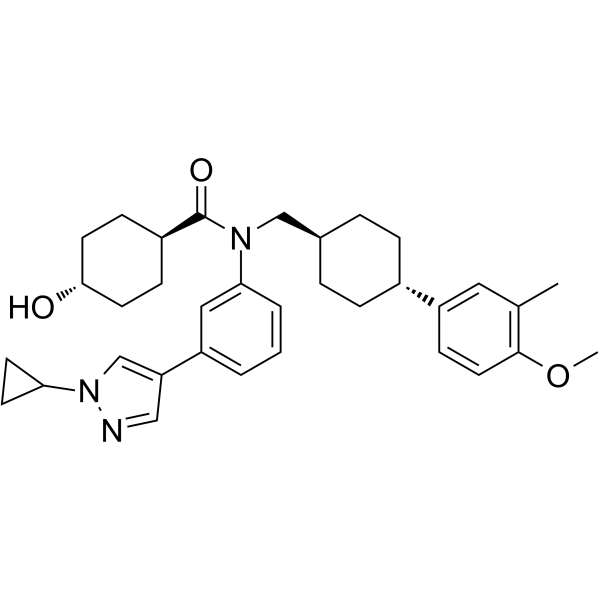
Omesdafexor (MET409) is an orally active FXR agonist with a unique non-bile acid structure. Omesdafexor can be used for the study of non-alcoholic steatohepatitis (NASH) .
|
-
-
- HY-W044764
-
|
DL-Benzylsuccinic acid
|
Carboxypeptidase
|
Neurological Disease
Metabolic Disease
|
|
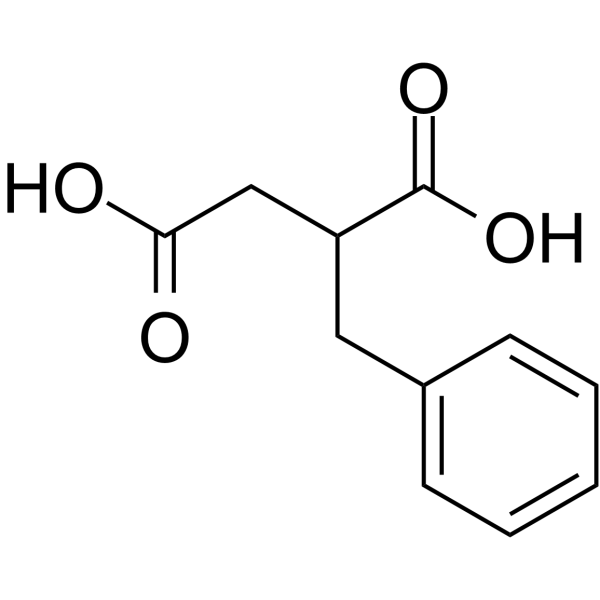
2-Benzylsuccinic acid (DL-Benzylsuccinic acid) is an orally active carboxypeptidase A and Nna1 inhibitor. 2-Benzylsuccinic acid reduces cold hyperalgesia. 2-Benzylsuccinic acid can be used for the researches of neuropathic pain, non-alcoholic steatohepatitis .
|
-
-
- HY-134988
-
|
|
FXR
Phosphatase
Cytochrome P450
|
Inflammation/Immunology
|
|
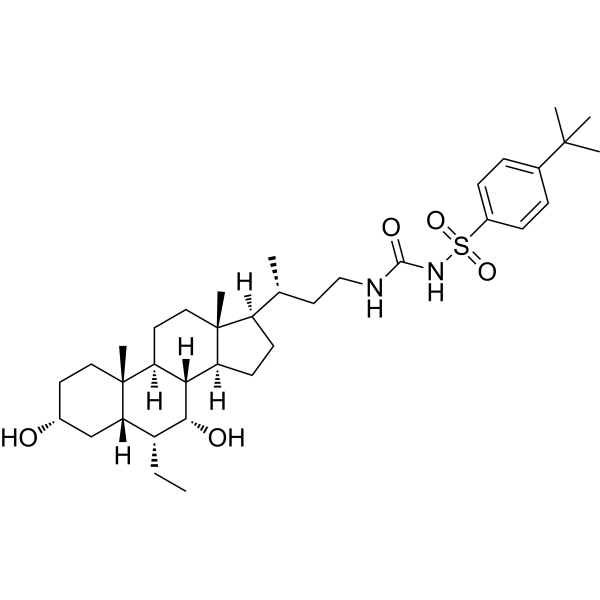
EDP-305 is an orally active, potent and selective farnesoid X receptor (FXR) agonist, with EC50 values of 34 nM (chimeric FXR in CHO cells) and 8 nM (full-length FXR in HEK cells). EDP-305 shows a potent and consistent antifibrotic effect. EDP-305 can be used for primary biliary cholangitis (PBC) and non-alcoholic steatohepatitis (NASH) research .
|
-
-
- HY-156259
-
|
|
Acyltransferase
|
Inflammation/Immunology
|
|
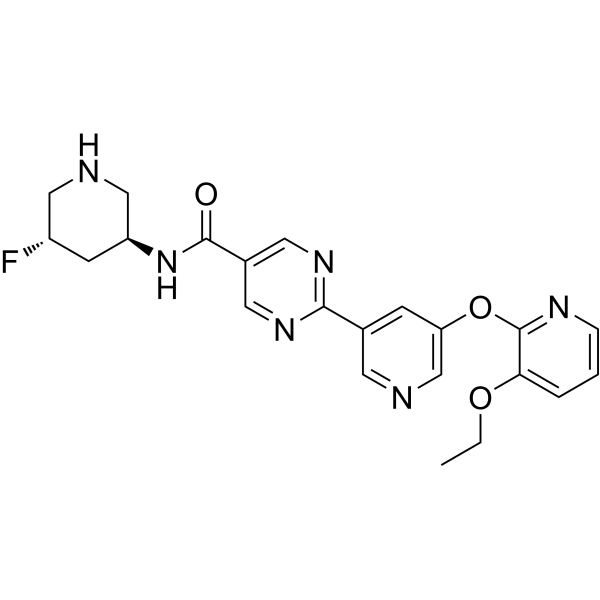
PF-07202954 is an orally active, highly selective DGAT2 inhibitor with an IC50 of 10 nM against human DGAT2 and an IC50 of 17 nM against rat DGAT2. PF-07202954 reduces triglyceride synthesis, decreases hepatic triglyceride content and plasma triglyceride levels, inhibits de novo lipogenesis, and suppresses the hepatic SREBP signaling pathway as well as the expression of SREBP target genes. PF-07202954 is applicable to research related to non-alcoholic steatohepatitis .
|
-
-
- HY-116374A
-
|
Lithocholylglycine sodium
|
Endogenous Metabolite
|
Metabolic Disease
|
|
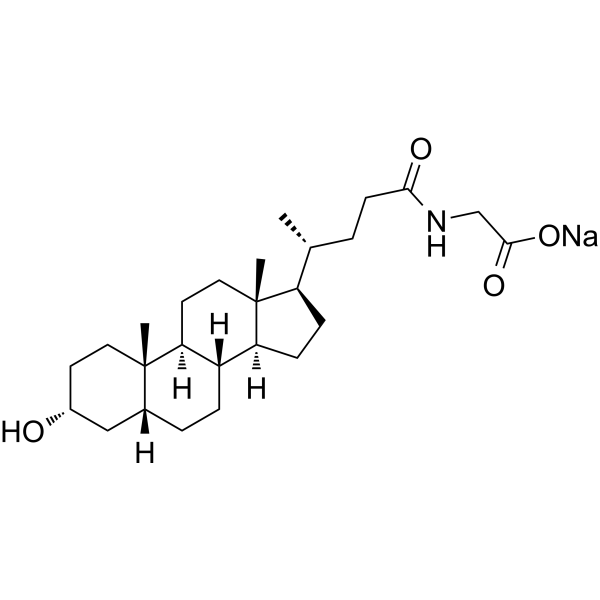
Glycolithocholic acid (Lithocholylglycine) sodium is the sodium salt of Glycolithocholic acid. Glycolithocholic acid is a glycine-conjugated secondary bile acid. Glycolithocholic acid can be used to diagnose ulcerative colitis (UC), non-alcoholic steatohepatitis (NASH) and primary sclerosing cholangitis (PSC) .
|
-
-
- HY-153476A
-
|
|
GLP Receptor
GCGR
|
Inflammation/Immunology
|
|
GIP/GLP-1 dual receptor agonist-1 sodium is a GIP/GLP-1 dual receptor agonist. GIP/GLP-1 dual receptor agonist-1 sodium is used in the research of metabolic disorders and fatty liver diseases, including non-alcoholic steatohepatitis (NASH) and non-alcoholic fatty liver disease (NAFLD) .
|
-

-
- HY-153476
-
|
|
GCGR
GLP Receptor
|
Inflammation/Immunology
|
|
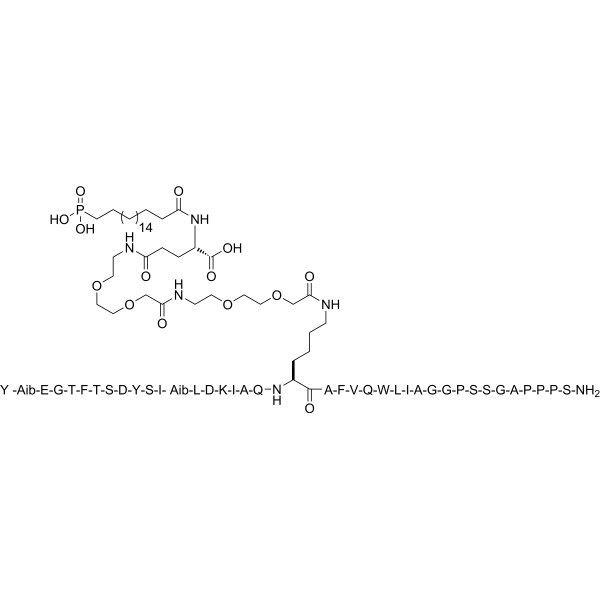
GIP/GLP-1 dual receptor agonist-1 is a GIP/GLP-1 dual receptor agonist. GIP/GLP-1 dual receptor agonist-1 is used in the research of metabolic disorders and fatty liver diseases, including non-alcoholic steatohepatitis (NASH) and non-alcoholic fatty liver disease (NAFLD) .
|
-
-
- HY-113111
-
|
|
Drug Metabolite
|
Inflammation/Immunology
|
|
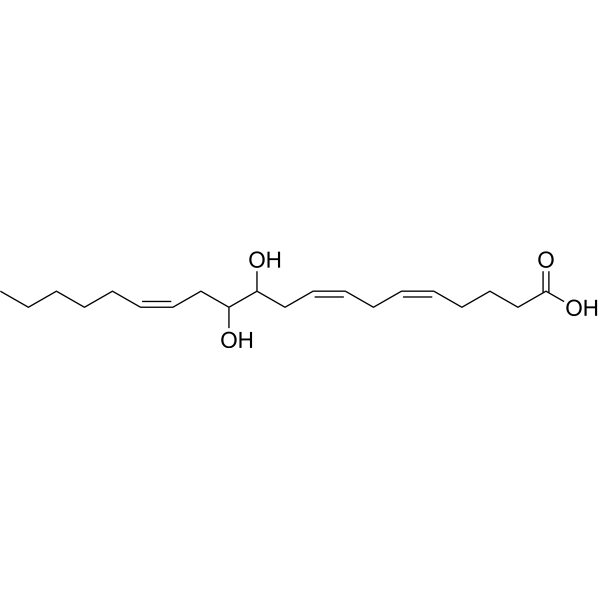
11,12-DiHETrE is a dihydroxy fatty acid metabolite of Arachidonic Acid (HY-109590). 11,12-DiHETrE is converted to 11,12-DiHETrE under elevated soluble epoxide hydrolase (sEH) activity, a process closely related to inflammation and oxidative stress. 11,12-DiHETrE can serve as a single biomarker to differentiate between NAFL (non-alcoholic fatty liver disease) and NASH (non-alcoholic steatohepatitis). 11,12-DiHETrE can be used in studies on preterm birth, autism, and pulmonary hypertension .
|
-
-
- HY-145632A
-
|
ALT-801 TFA
|
GLP Receptor
GCGR
|
Metabolic Disease
|
|
Pemvidutide (ALT-801) TFA is a GLP-1R/GCGR dual agonist, shows striking reductions in body weight, liver fat and serum lipids. Pemvidutide TFA can be used in non-alcoholic steatohepatitis (NASH) and obesity research .
|
-

-
- HY-163649
-
|
|
AMPK
|
Metabolic Disease
|
|
A17 is a bile acid analog with anti-non-alcoholic steatohepatitis (NASH) and anti-inflammatory activities. A17 reduces fatty acid (FA) uptake and promotes FA oxidation though inhibiting fatty acid translocase (Cd36) expression and activating AMPKα. A17 can be used for NASH research .
|
-

-
- HY-169792
-
|
|
FXR
Aminotransferases (Transaminases)
|
Metabolic Disease
Inflammation/Immunology
|
|
HPG1860 is an orally active, highly selective and potent FXR agonist, with an EC50 of 18 nM (FXR-luciferase reporter assay). HPG1860 has EC50 values >30.0 μM for TGR5 and 13 other related nuclear receptors (cAMP biological assay). HPG1860 can be used for the research of non-alcoholic steatohepatitis (NASH) .
|
-

-
- HY-W996116
-
|
|
Glutathione Peroxidase
|
Cardiovascular Disease
Neurological Disease
Inflammation/Immunology
|
AZM198 is an orally active myeloperoxidase (MPO) inhibitor. AZM198 irreversibly inactivates MPO (IC50=0.015 μM) via covalent binding to the heme prosthetic group, preferentially targets extracellular MPO activity, and reduces neutrophil extracellular trap formation, reactive oxygen species production and degranulation. AZM198 increases the fibrous cap thickness of atherosclerotic plaques, reduces lesion area, ameliorates hepatic steatosis and fibrosis in non-alcoholic steatohepatitis, and alleviates proteinuria and inflammatory infiltration associated with glomerulonephritis. AZM198 also decreases circulating levels of high-sensitivity Cardiac Troponin I and IL-1β, and mitigates endothelial cell injury. Therefore, AZM198 is suitable for research on various MPO-related diseases, including atherosclerotic cardiovascular disease, myocardial infarction, ischemic stroke, non-alcoholic steatohepatitis and crescentic glomerulonephritis .
|
-

-
- HY-109002
-
-
-
- HY-19522C
-
|
MBX-8025 (lysine dihydrate); RWJ-800025 (lysine dihydrate)
|
PPAR
Interleukin Related
|
Cardiovascular Disease
Metabolic Disease
Inflammation/Immunology
|
|
Seladelpar Lysine dihydrate (MBX-8025 lysine dihydrate) is an orally active, selective PPAR-δ agonist with an EC50 of 2 nM against hPPAR-δ. Seladelpar Lysine dihydrate reduces serum IL-31 and bile acid levels. It alleviates pruritus symptoms. Seladelpar Lysine dihydrate enhances insulin sensitivity, normalizes levels of hyperglycemia, hyperinsulinemia, glucose disposal capacity, serum lipids and hepatic free cholesterol. It reduces steatosis, hepatic inflammation and improves liver fibrosis. Seladelpar Lysine dihydrate reverses the pathological changes of non-alcoholic steatohepatitis (NASH). It is applicable to research related to primary biliary cholangitis and non-alcoholic steatohepatitis (NASH) .
|
-

-
- HY-116374S
-
-
-
- HY-144035
-
|
|
GCGR
|
Metabolic Disease
Inflammation/Immunology
|
|
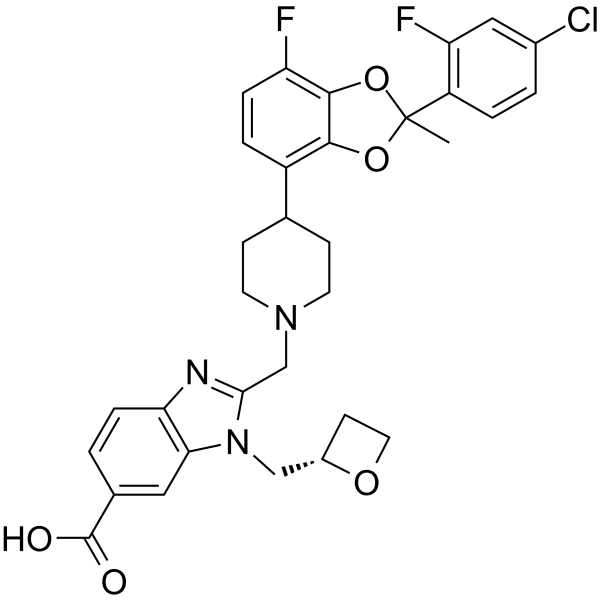
GLP-1R agonist 4 is a glucagon-like peptide-1 (GLP-1) receptor agonist. GLP-1 is an intestinal hypoglycemic hormone secreted by L-cells in the lower gastrointestinal tract. GLP-1R agonist 4 can be used for the research of type 2 diabetes mellitus, obesity, non-alcoholic steatohepatitis, insulin resistance and etc .
|
-
-
- HY-141439
-
|
|
Keap1-Nrf2
Quinone Reductase
Glutathione S-transferase
Apoptosis
TNF Receptor
|
Inflammation/Immunology
Cancer
|
|
TBE 31 is an orally active Keap1/Nrf2 pathway activator and NQO1 inducer with a Dm value of 1.1 nM for NQO1. TBE 31 binds to cysteine residues of Keap1, inhibits ubiquitination and degradation of Nrf2, thereby activating the expression of ARE-dependent genes. TBE 31 induces cytoprotective enzymes including NQO1 and GST isoforms, promotes Nrf2 accumulation, and upregulates Nrf2-regulated genes related to antioxidation and lipid metabolism. TBE 31 inhibits pro-inflammatory responses, formation of AFB1-DNA adducts, endoplasmic reticulum stress, cell apoptosis (apoptosis), hepatic fibrosis, oxidative stress, and the expression of ChREBP. TBE 31 reduces the number of tumors in a mouse model of ultraviolet-induced skin carcinogenesis. TBE 31 enhances nerve growth factor-induced neurite outgrowth. TBE 31 attenuates LPS-induced serum TNF-α levels and immobility time in mice. TBE 31 can be used in research related to liver cancer, skin cancer, inflammation-related depression, and non-alcoholic steatohepatitis .
|
-

-
- HY-116374R
-
|
Lithocholylglycine (Standard)
|
Endogenous Metabolite
Reference Standards
|
Inflammation/Immunology
|
|
Glycolithocholic acid (Standard) is the analytical standard of Glycolithocholic acid. This product is intended for research and analytical applications. Glycolithocholic acid (Lithocholylglycine), an endogenous metabolite, is a glycine-conjugated secondary bile acid. Glycolithocholic acid can be used to diagnose ulcerative colitis (UC), non-alcoholic steatohepatitis (NASH) and primary sclerosing cholangitis (PSC) .
|
-

-
- HY-150191
-
|
|
Lipoxygenase
Acetyl-CoA Carboxylase
|
Metabolic Disease
|
|
IMA-1 is an inhibitor that inhibits the interaction between arachidonic acid 12-lipoxygenase (ALOX12) and acetyl-CoA carboxylase 1 (ACC1). IMA-1 significantly blocks the progression of diet-induced non-alcoholic steatohepatitis (NASH) in male mice and crab-eating monkeys, and does not cause hyperlipidemia. IMA-1 can be used for the study of NASH .
|
-

-
- HY-N16066
-
|
CHNQD-0803
|
AMPK
Apoptosis
NF-κB
TNF Receptor
|
Inflammation/Immunology
|
|
Candidusin A (CHNQD-0803) (Compound 4) is a AMPK activator with a KD of 47.28 nM. Candidusin A can be isolated from marine fungus Aspergillus candidus. Candidusin A has cytotoxic activity and induces apoptosis in human prostate cancer cells (22Rv1, PC-3 and LNCaP cells). Candidusin A reduces adipogenesis genes expression and fat deposition, negatively regulates the NF-κB-TNFα inflammatory axis to suppress inflammation, and ameliorates liver injury and fibrosis. Candidusin A can be used for non-alcoholic steatohepatitis (NASH) research .
|
-

-
- HY-P10302
-
|
|
GLP Receptor
Insulin Receptor
|
Metabolic Disease
|
|
GLP-1R/GIPR AgonIST-1 is a double-receptor agonist for GLP-1 (glucagon-like peptide-1) and GIP (glucose-dependent insulin releasing peptide). GLP-1R/GIPR agonist-1 lowers blood sugar by mimicking the action of endogenous hormones GLP-1 and GIP, enhancing insulin secretion while inhibiting glucagon secretion. GLP-1R/GIPR agonist-1 can be used in the study of metabolic diseases such as diabetes, obesity, and non-alcoholic steatohepatitis (NASH) .
|
-

-
- HY-153114
-
|
|
FXR
|
Inflammation/Immunology
|
|
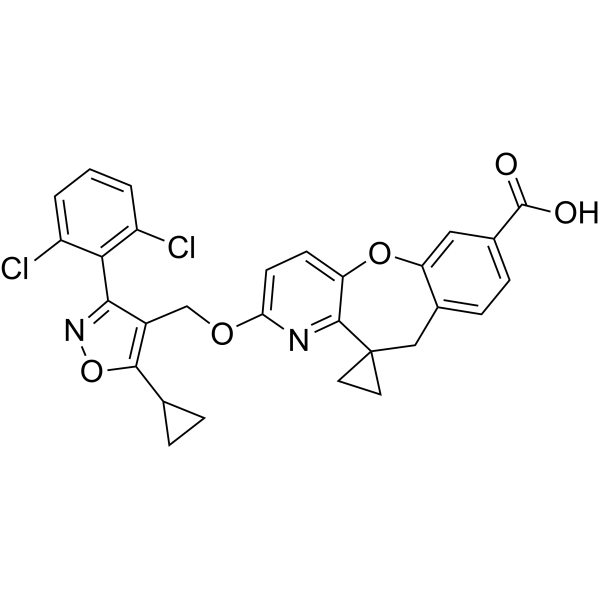
HEC96719 is a selective and orally active tricyclic farnesoid X receptor (FXR) agonist with EC50 values of 1.37 and 1.55 nM by time-resolved fluorescence energy transfer (TR-FRET) and luciferase reporter assays, respectively. HEC96719 significantly improves non-alcoholic steatohepatitis (NASH) and liver fibrosis with favorable tissue distribution in liver and intestine. HEC96719 can be used for the research of non-alcoholic steatohepatitis .
|
-
-
- HY-P11042
-
|
|
GLP Receptor
|
Metabolic Disease
|
|
TE-8105 is a GLP-1 receptor agonist that has demonstrated prolonged and potent efficacy in models of diabetes, obesity, and non-alcoholic steatohepatitis (NASH) .
|
-

-
- HY-173565
-
|
|
Acetyl-CoA Carboxylase
|
Inflammation/Immunology
|
|
ACC-IN-1 (Compound B1) is an allosteric inhibitor of acetyl-CoA carboxylase (ACC). ACC-IN-1 targets ACC to regulate lipid metabolism, which can improve liver steatosis, inflammation related to non-alcoholic steatohepatitis (NASH) .
|
-

-
- HY-175985
-
|
|
Reactive Oxygen Species (ROS)
|
Inflammation/Immunology
|
|
MPO-IN-9 is a selective inhibitor of myeloperoxidase (MPO), with an IC50 value of 3.9 nM. MPO-IN-9 inhibits MPO-mediated ROS production and protects NO-dependent vascular function by blocking MPO's chlorination and peroxidation cycles. MPO-IN-9 can be used for the study of diseases such as chronic kidney disease (CKD), non-alcoholic steatohepatitis (NASH) .
|
-

-
- HY-176770
-
|
|
GLP Receptor
|
Metabolic Disease
|
|
GLP-1R agonist 34 (Compound 1) is an orally active small molecule glucagon-like peptide-1 receptor (GLP-1R) agonist. GLP-1R agonist 34 promotes insulin secretion, inhibits glucagon release, and delays gastric emptying, thereby effectively lowering blood glucose levels. GLP-1R agonist 34 is promising for research of metabolic diseases, including type 2 diabetes, obesity, and non-alcoholic steatohepatitis (NASH) .
|
-

-
- HY-171850
-
|
|
GLP Receptor
|
Metabolic Disease
Inflammation/Immunology
|
|
GLP-1R modulator-1 (Compound 384) is an orally active, potent selective glucagon-like peptide-1 receptor (GLP-1R) agonist. GLP-1R modulator-1 activates G-protein coupled signaling, elevates intracellular cAMP levels, promotes insulin secretion, delays gastric emptying and suppresses appetite. GLP-1R modulator-1 is promising for research of type 2 diabetes, obesity, and non-alcoholic steatohepatitis (NASH) .
|
-

-
- HY-137922
-
|
|
Mitochondrial Metabolism
|
Metabolic Disease
|
|
SHS4121705 is an orally effective mitochondrial uncoupling agent with an IC50 of 4.3 μM in L6 myoblasts. SHS4121705 can be used in the study of non-alcoholic steatohepatitis (NASH) .
|
-

-
- HY-149893
-
|
|
Acyltransferase
|
Metabolic Disease
|
|
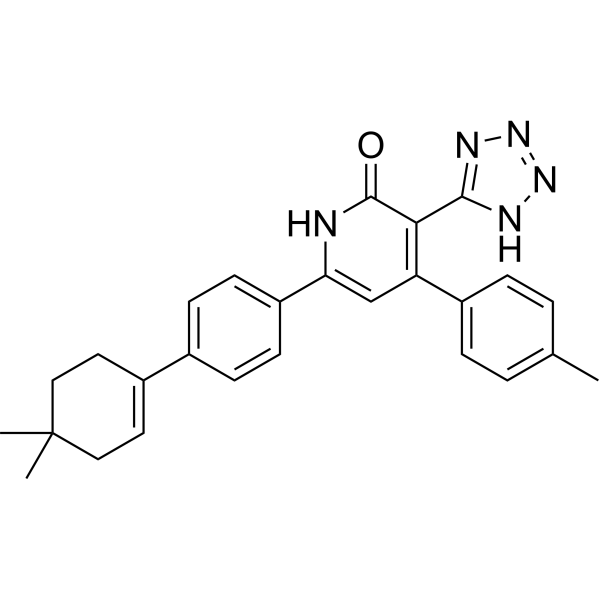
MGAT2-IN-4 (compound 33) is an inhibitor of monoacylglycerol transferase 2 (MGAT2), with liver metabolic stability. MGAT2-IN-4 can be used for research on obesity, diabetes and non-alcoholic steatohepatitis (NASH) .
|
-
-
- HY-W044764R
-
-

-
- HY-170571
-
|
|
Mitochondrial Metabolism
|
Metabolic Disease
Inflammation/Immunology
|
|
BE2647 is a selective inhibitor for mitochondrial pyruvate carrier (MPC) with an EC50 of 70 nM. BE2647 exhibits good metabolic stability in mouse liver microsomes. BE2647 can be used in research of metabolic diseases, non-alcoholic fatty liver disease (MASLD), or non-alcoholic steatohepatitis (MASH) .
|
-

-
- HY-168327
-
|
|
FXR
|
Inflammation/Immunology
|
|
LH10 is a fexaramine-based agonist for FXR with an EC50 of 0.14 μM. LH10 exhibits liver protection efficacy, ameliorates the alpha naphthylisothiocyanate (ANIT)-induced cholestasis, APAP (HY-66005)-induced acute liver injury and non-alcoholic steatohepatitis (NASH) in mouse models .
|
-

-
- HY-P6177
-
|
|
Dipeptidyl Peptidase
|
Inflammation/Immunology
|
|
SGP8 (IAVPGEVA) is an octapeptide produced by hydrolysis of soybean 11S globulin, which has the effects of regulating lipid metabolism, inflammation and fibrosis. SGP8 (IAVPGEVA) exhibits inhibitory activity against DPP4 and inhibits the JNK-c-Jun signaling pathway, and has the ability to inhibit non-alcoholic steatohepatitis (NASH) .
|
-

-
- HY-143614
-
|
|
Thyroid Hormone Receptor
|
Metabolic Disease
|
|
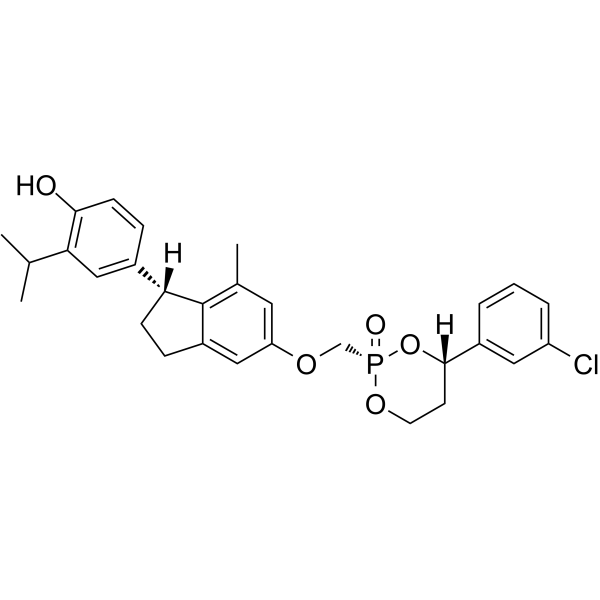
THR-β agonist 3 is a potent agonist of THR-β. THR-β agonist 3 has the potential for the research of metabolic diseases such as obesity, hyperlipidemia, hypercholesterolemia, diabetes and other conditions such as steatosis and non-alcoholic steatohepatitis (NASH), atherosclerosis and other related conditions and diseases (extracted from patent WO2021129827A1, compound 6) .
|
-
-
- HY-W750488
-
|
Lithocholylglycine-d5
|
Isotope-Labeled Compounds
Endogenous Metabolite
|
Inflammation/Immunology
|
|
Glycolithocholic acid-d5 (Lithocholylglycine-d5) is the deuterium labeled Glycolithocholic acid (HY-116374). Glycolithocholic acid (Lithocholylglycine), an endogenous metabolite, is a glycine-conjugated secondary bile acid. Glycolithocholic acid can be used to diagnose ulcerative colitis (UC), non-alcoholic steatohepatitis (NASH) and primary sclerosing cholangitis (PSC) .
|
-

-
- HY-142917
-
|
|
Thyroid Hormone Receptor
|
Metabolic Disease
|
|
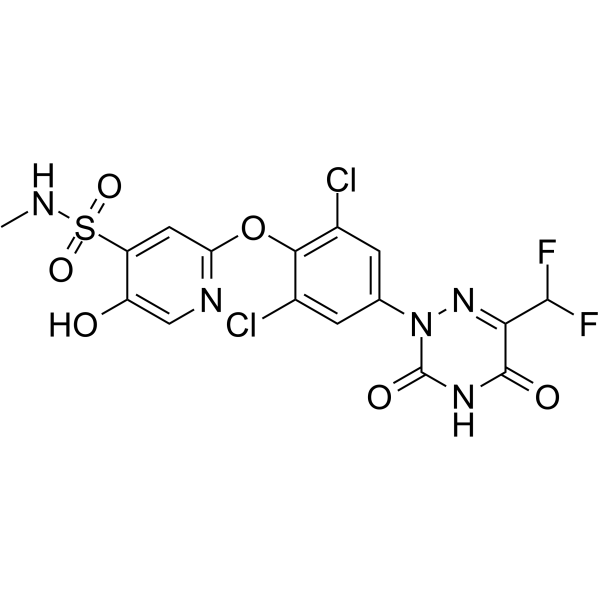
THR-β agonist 4 is a potent agonist of THR-β. THR-β agonist 4 has the potential for the research of metabolic diseases such as obesity, hyperlipidemia, hypercholesterolemia, diabetes and other conditions such as steatosis and non-alcoholic steatohepatitis (NASH), atherosclerosis and other related conditions and diseases (extracted from patent WO2021143706A1, compound 72) .
|
-
- HY-156121
-
|
|
NOD-like Receptor (NLR)
|
Inflammation/Immunology
Cancer
|
|
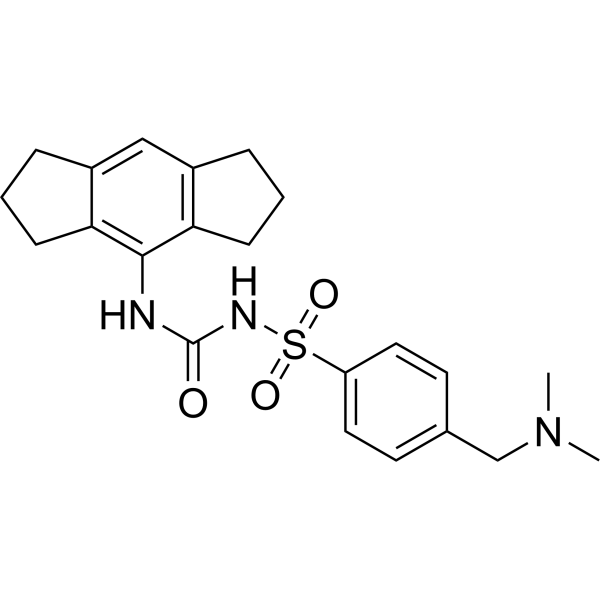
NLRP3-IN-20 (compound 11) is an orally available inhibitor of the NLRP3 inflammasome with an IC50 of 25 nM for IL-1β secretion. NLRP3-IN-20 has excellent pharmacokinetic properties and demonstrated significant efficacy in models of non-alcoholic steatohepatitis, fatal septic shock, and colitis .
|
-
- HY-167643
-
|
|
Drug Metabolite
|
Metabolic Disease
Inflammation/Immunology
|
|
Hydroxy tipelukast (Compound MN-002), the metabolite of Compound MN-001, is an orally active phenoxyalkylcarboxylic acid. Hydroxy tipelukast inhibits liver steatosis, lobular inflammation, hepatic ballooning, and hepatic scarring, and reduces liver hydroxyproline levels. Hydroxy tipelukast is promising for research of non-alcoholic fatty liver disease (NAFLD) and non-alcoholic steatohepatitis (NASH) .
|
-

- HY-161227
-
|
|
17β-HSD
|
Metabolic Disease
Inflammation/Immunology
|
|
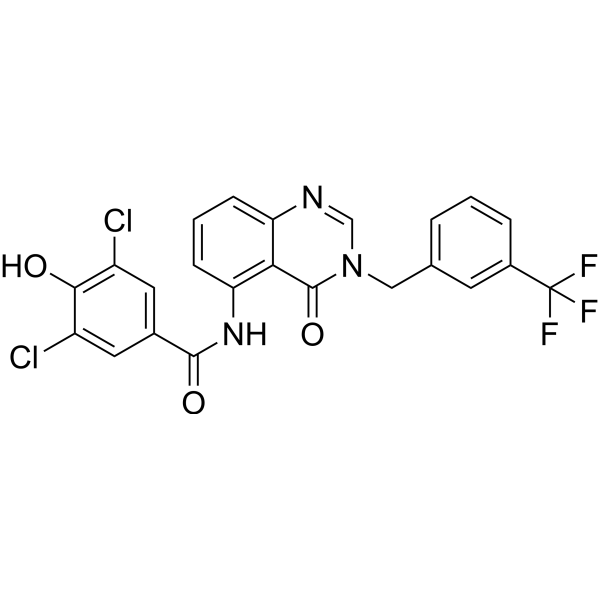
HSD17B13-IN-43 is a selective inhibitor of HSD17B13 that competitively blocks the activity of this enzyme. HSD17B13-IN-43 exhibits an IC50 ≤ 0.1 µM in in vitro assays. HSD17B13-IN-43 can be used in studies of non-alcoholic steatohepatitis, fatty liver disease and hepatic fibrosis .
|
-
- HY-174253
-
|
|
17β-HSD
|
Metabolic Disease
|
|
HSD17B13-IN-105 (Compound EX.87) is a selective 17β-hydroxysteroid dehydrogenase 13 (17BHSD13) inhibitor with an IC50 value of 0.036 μM, showing high selectivity over 17BHSD4 (with an IC50 value of 31.5 μM). HSD17B13-IN-105 is promising for research of liver diseases such as non-alcoholic fatty liver disease (NAFLD) and non-alcoholic steatohepatitis (NASH) .
|
-

- HY-100008R
-
|
NIK333 (Standard)
|
Reference Standards
RAR/RXR
SphK
Autophagy
HCV
|
Infection
Cancer
|
|
Peretinoin (Standard) is the analytical standard of Peretinoin. This product is intended for research and analytical applications. Peretinoin is an oral acyclic retinoid with a vitamin A-like structure that targets retinoid nuclear receptors such as retinoid X receptor (RXR) and retinoic acid receptor (RAR). Peretinoin reduces the mRNA level of sphingosine kinase 1 (SPHK1) in vitro by downregulating a transcription factor, Sp1[1]. Peretinoin prevents the progression of non-alcoholic steatohepatitis (NASH) and the development of hepatocellular carcinoma (HCC) through activating the autophagy pathway by increased Atg16L1 expression[2]. Peretinoin inhibits HCV RNA amplification and virus release by altering lipid metabolism with a EC50 of 9 μM[3].
|
-

- HY-W701772
-
|
2-OG-d5
|
Isotope-Labeled Compounds
GPR119
TGF-beta/Smad
NF-κB
GLP Receptor
|
Metabolic Disease
|
|
2-Oleoylglycerol-d5 (2-OG-d5) is the deuterium labeled 2-Oleoylglycerol (HY-W011121). 2-Oleoylglycerol (2-OG) is a lipid found in the diet. It is a GPR119 agonist, with an EC50 value of 2.5 μM in activating hGPR119 in transiently transfected COS-7 cells. 2-Oleoylglycerol enhances the inflammatory response of macrophages and promotes fibrosis by activating the GPR119/TAK1/NF-κB/TGF-β1 signaling pathway. It also stimulates glucagon-like peptide 1 (GLP-1) secretion in vivo. 2-Oleoylglycerol is expected to be used in the research of non-alcoholic steatohepatitis (NASH) .
|
-

- HY-181896S
-
|
|
PPAR
|
Inflammation/Immunology
|
|
PPARγ agonist-23 (Compound 9) is an orally active PPARγ agonist with an EC50 of 0.32 μM. PPARγ agonist-23 improves hepatic triglyceride levels, reduces scores of steatosis and hepatocellular ballooning, and decreases the total activity score of non-alcoholic steatohepatitis (NASH). PPARγ agonist-23 can be used for the research of non-alcoholic steatohepatitis .
|
-

- HY-109002R
-
|
MT-3995 (Standard)
|
Reference Standards
Mineralocorticoid Receptor
|
Cardiovascular Disease
Metabolic Disease
|
|
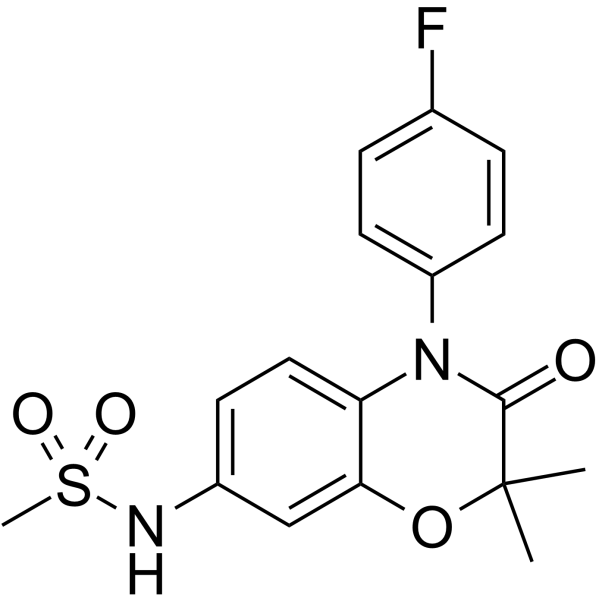
Apararenone (Standard) is the analytical standard of Apararenone (HY-109002). This product is intended for research and analytical applications. Apararenone (MT-3995) is a novel non-steroidal mineralocorticoid receptor antagonists under development for the treatment of diabetic nephropathies and non-alcoholic steatohepatitis.
|
-

- HY-182849
-
|
|
GLP Receptor
|
Cardiovascular Disease
Metabolic Disease
Inflammation/Immunology
|
|
GLP-1R agonist 44 is a glucagon-like peptide-1 receptor (GLP-1R) agonist. GLP-1R agonist 44 can be used for the research of diseases related to GLP-1R, such as type 2 diabetes, obesity, non-alcoholic fatty liver disease, non-alcoholic steatohepatitis, nephropathy, gout, hematuria, cardiovascular disease .
|
-

- HY-137846A
-
|
|
Acetyl-CoA Carboxylase
OAT
|
Metabolic Disease
Inflammation/Immunology
|
|
PF-05221304 tromethamine is an orally active, liver-directed and dual ACC1/ACC2 inhibitor with IC50s of 7.5 nM for rat ACC1, 8.2 nM for rat ACC2. PF-05221304 tromethamine is a substrate for organic anion transport polypeptides. PF-05221304 tromethamine directly improves a variety of non-alcoholic fatty liver (NAFL) and non-alcoholic steatohepatitis (NASH) pathogenic factors .
|
-

- HY-182769
-
|
|
Thyroid Hormone Receptor
|
Inflammation/Immunology
|
|
TRβ agonist-4 is an orally bioavailable, liver-targeted selective agonist of hTHR-β (EC50=6.0 nM), with a 105.3-fold selectivity over THR-α. TRβ agonist-4 exists in multiple crystal forms, including Form A, Form B, Form C, Form D, Form E, as well as an amorphous form. TRβ agonist-4 can be used for research related to non-alcoholic steatohepatitis (NASH) .
|
-

- HY-182250
-
|
|
FAP
ERK
GLUT
|
Metabolic Disease
Inflammation/Immunology
|
|
BR103354 is an orally active, selective fibroblast activation protein (FAP) inhibitor with an IC50 value of 14 nM against hFAP. BR103354 restores the levels of phosphorylated ERK and Glut1 that are reduced by co-treatment with hFGF21 and FAP, decreases non-fasting blood glucose concentrations, improves glucose tolerance, and reduces hepatic triglyceride content. BR103354 ameliorates hepatic steatosis and hepatic fibrosis. BR103354 can be used in the research of type 2 diabetes and non-alcoholic steatohepatitis .
|
-

- HY-179517
-
|
|
ASK1
JNK
p38 MAPK
|
Metabolic Disease
Inflammation/Immunology
|
|
ASK1-IN-12 is an ASK1 inhibitor with an IC50 of 6.3 nM. ASK1-IN-12 inhibits TNF-α-induced activation of the ASK1-p38/JNK pathway. ASK1-IN-12 can reduce free fatty acid-induced cholesterol increase, lipid droplet accumulation and improves hepatocellular steatosis. ASK1-IN-12 can be used for the research of non-alcoholic steatohepatitis (NASH) .
|
-

- HY-101190A
-
|
(3R,4S,5S)-SHP626; (3R,4S,5S)-LUM002
|
Drug Isomer
|
Inflammation/Immunology
|
|
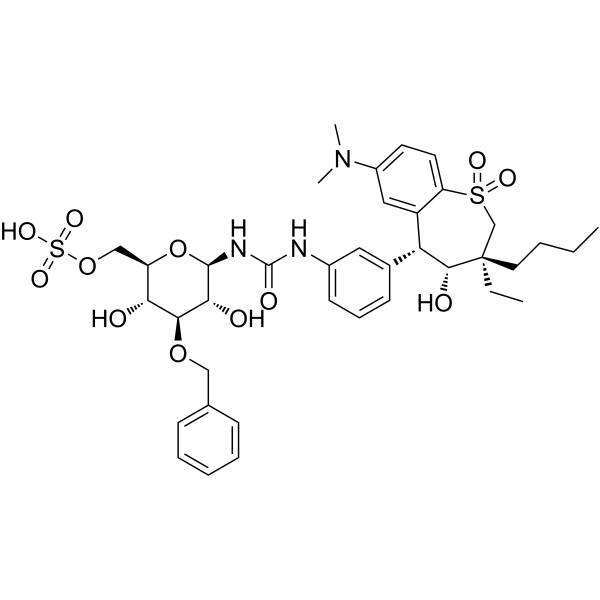
(3R,4S,5S)-Volixibat ((3R,4S,5S)-SHP626) is an isomer of Volixibat (HY-101190). Volixibat is a highly selective, minimally absorbed, and competitive apical sodium-dependent bile acid transporter (ASBT) inhibitor. (3R,4S,5S)-Volixibat may be used in research on non-alcoholic steatohepatitis (NASH) .
|
-

- HY-182026
-
|
|
FXR
G protein-coupled Bile Acid Receptor 1
TNF Receptor
Reactive Oxygen Species (ROS)
|
Inflammation/Immunology
|
|
FXR agonist 17 is an orally active, steroidal FXR agonist with EC50 values of 42.2 nM (TR-FRET) and 176.4 nM (luciferase reporter assay), respectively. FXR agonist 17 activates TGR5 (EC50 = 2.6 μM) but does not activate hMRGPRX4. FXR agonist 17 exerts anti-inflammatory, hepatoprotective and antifibrotic effects, improves the non-alcoholic steatohepatitis (NAFLD) activity score and reduces the severity of liver fibrosis. FXR agonist 17 can be used for the research of NAFLD, cholestatic liver disease and liver fibrosis .
|
-

- HY-181709
-
|
TG062
|
GLP Receptor
GCGR
|
Metabolic Disease
Inflammation/Immunology
|
|
TPM003 (TG062) is a triple agonist of GLP-1R, GIPR and GCGR, with EC50 values of 33.9, 12.5 and 92.9 pM, respectively. TPM003 suppresses appetite, regulates blood glucose, enhances insulin sensitivity, reduces gastrointestinal intolerance, promotes hepatic lipid mobilization and increases energy expenditure. TPM003 induces weight loss, improves metabolic parameters, reverses hepatic steatosis and optimizes liver function markers. TPM003 is applicable for research on obesity and non-alcoholic steatohepatitis .
|
-

- HY-19009B
-
|
|
CCR
|
Metabolic Disease
Inflammation/Immunology
Cancer
|
|
Propagermanium is an orally active and selective CCR2 inhibitor. Propagermanium enhances IFN-γ, IL-2, 2',5'-oligoadenylate synthetase, and unspecified cytokine production, and induces mature cytolytic NK cell subsets. Propagermanium reduces HBe antigen and HBV DNA polymerase levels, promotes HBV clearance and lowers serum ALT. Propagermanium downregulates STAT1, inhibits pro-inflammatory microglia polarization, pro-inflammatory cytokine release, and monocyte/macrophage infiltration. Propagermanium can be used for the research of chronic hepatitis B, atherosclerosis, breast cancer, non-alcoholic steatohepatitis, insulin resistance, refractory gastric cancer, multiple myeloma, type 2 diabetes .
|
-

-
-
HY-L199
-
|
|
4,703 compounds
|
|
Non-alcoholic fatty liver disease (NAFLD) is one of the most common liver diseases worldwide and is the primary liver manifestation of metabolic syndrome. The growth of NAFLD has coincided with the obesity epidemic. NAFLD is composed of excess lipid accumulation in the liver, causing steatotoxicity, and shows a wide range of histopathological abnormalities. NAFLD may progress from simple steatosis to Non-alcoholic steatohepatitis (NASH) with or without fibrosis (NASH), and eventually to cirrhosis and hepatocellular carcinoma. To date, very few drugs have been approved for marketing specifically for the treatment of NAFLD, so increased efforts to develop NAFLD drugs are necessary.
MCE designs a unique collection of 4,703 small molecules with definite or potential anti-NAFLD activity, which is an important tool for studying the pathological mechanism of NAFLD and developing drugs for NAFLD.
|
| Cat. No. |
Product Name |
Target |
Research Area |
-
- HY-145632
-
|
ALT-801
|
GLP Receptor
GCGR
|
Metabolic Disease
|
|
Pemvidutide (ALT-801) is a GLP-1R/GCGR dual agonist, shows striking reductions in body weight, liver fat and serum lipids. Pemvidutide can be used in non-alcoholic steatohepatitis (NASH) and obesity research .
|
-
- HY-P10302A
-
|
|
GLP Receptor
|
Metabolic Disease
Inflammation/Immunology
|
|
GLP-1R/GIPR agonist-1 sodium is a dual GLP-1/GIP receptor agonist, with an EC50 of 0.57 nM for GLP-1R and an EC50 of 0.75 nM for GIPR. GLP-1R/GIPR agonist-1 sodium reduces food intake, inhibits weight gain, repairs islet damage, improves glucose tolerance, regulates serum lipid and liver enzyme levels, ameliorates hepatic vacuolization, reduces hepatic fat accumulation, delays the progression of hepatic fibrosis, and exhibits long-lasting hypoglycemic activity. GLP-1R/GIPR agonist-1 sodium can be used in research related to type 2 diabetes, obesity, and non-alcoholic steatohepatitis .
|
-
- HY-153476A
-
|
|
GLP Receptor
GCGR
|
Inflammation/Immunology
|
|
GIP/GLP-1 dual receptor agonist-1 sodium is a GIP/GLP-1 dual receptor agonist. GIP/GLP-1 dual receptor agonist-1 sodium is used in the research of metabolic disorders and fatty liver diseases, including non-alcoholic steatohepatitis (NASH) and non-alcoholic fatty liver disease (NAFLD) .
|
-
- HY-153476
-
|
|
GCGR
GLP Receptor
|
Inflammation/Immunology
|
|
GIP/GLP-1 dual receptor agonist-1 is a GIP/GLP-1 dual receptor agonist. GIP/GLP-1 dual receptor agonist-1 is used in the research of metabolic disorders and fatty liver diseases, including non-alcoholic steatohepatitis (NASH) and non-alcoholic fatty liver disease (NAFLD) .
|
-
- HY-145632A
-
|
ALT-801 TFA
|
GLP Receptor
GCGR
|
Metabolic Disease
|
|
Pemvidutide (ALT-801) TFA is a GLP-1R/GCGR dual agonist, shows striking reductions in body weight, liver fat and serum lipids. Pemvidutide TFA can be used in non-alcoholic steatohepatitis (NASH) and obesity research .
|
-
- HY-P10302
-
|
|
GLP Receptor
Insulin Receptor
|
Metabolic Disease
|
|
GLP-1R/GIPR AgonIST-1 is a double-receptor agonist for GLP-1 (glucagon-like peptide-1) and GIP (glucose-dependent insulin releasing peptide). GLP-1R/GIPR agonist-1 lowers blood sugar by mimicking the action of endogenous hormones GLP-1 and GIP, enhancing insulin secretion while inhibiting glucagon secretion. GLP-1R/GIPR agonist-1 can be used in the study of metabolic diseases such as diabetes, obesity, and non-alcoholic steatohepatitis (NASH) .
|
-
- HY-P11042
-
|
|
GLP Receptor
|
Metabolic Disease
|
|
TE-8105 is a GLP-1 receptor agonist that has demonstrated prolonged and potent efficacy in models of diabetes, obesity, and non-alcoholic steatohepatitis (NASH) .
|
-
- HY-P6177
-
|
|
Dipeptidyl Peptidase
|
Inflammation/Immunology
|
|
SGP8 (IAVPGEVA) is an octapeptide produced by hydrolysis of soybean 11S globulin, which has the effects of regulating lipid metabolism, inflammation and fibrosis. SGP8 (IAVPGEVA) exhibits inhibitory activity against DPP4 and inhibits the JNK-c-Jun signaling pathway, and has the ability to inhibit non-alcoholic steatohepatitis (NASH) .
|
| Cat. No. |
Product Name |
Target |
Research Area |
Image |
-
- HY-P99930
-
|
AKR-001; AMG-876
|
FGFR
|
Metabolic Disease
|
|
Efruxifermin is an Fc-FGF21 fusion protein (human IgG1 Fc domain linked to a modified human FGF21). Efruxifermin has prolonged half-life and enhanced receptor affinity compared with native human FGF21. Efruxifermin can be used for the research of non-alcoholic steatohepatitis .
|
-

(5)
-
- HY-P991049
-
|
ATM-001
|
TNF Receptor
|
Metabolic Disease
Inflammation/Immunology
|
|
Atrosimab is an Fv-Fc1K fusion protein with an EC50 value of 0.37 nM against humans. Atrosimab inhibits TNF-induced TNFR1 activation, release of IL-6 and IL-8, and cell death, and alleviates neuroinflammation. Atrosimab is applicable to research related to inflammatory diseases, neurodegenerative diseases, acute and chronic inflammation, experimental arthritis, non-alcoholic steatohepatitis, and experimental autoimmune encephalomyelitis .
|
-
(5)
-
- HY-P99143
-
|
|
Neurokinin Receptor
NF-κB
STAT
|
Inflammation/Immunology
|
|
Anti-Mouse NK1.1 Antibody (PK136) is an anti-mouse NK1.1 IgG2a monoclonal antibody. Anti-Mouse NK1.1 Antibody (PK136) can deplete natural killer (NK) cells. Anti-Mouse NK1.1 Antibody (PK136) inhibits the JAK-STAT and NF-κB signaling pathways. Anti-Mouse NK1.1 Antibody (PK136) can be used for research on inflammation conditions such as non-alcoholic steatohepatitis (NASH) .
|
-
(5)
| Cat. No. |
Product Name |
Category |
Target |
Chemical Structure |
-
- HY-116374
-
-
-
- HY-W011121
-
-
-
- HY-N1775
-
|
3,4-DHAP
|
Structural Classification
Classification of Application Fields
Pinaceae
Phenols
Polyphenols
Picea schrenkiana Fisch. et Mey.
Plants
Disease Research Fields
Source Classification
Cancer
|
Tyrosinase
Reactive Oxygen Species (ROS)
Keap1-Nrf2
PARP
Autophagy
Apoptosis
|
|
3',4'-Dihydroxyacetophenone (3,4-DHAP) is a phenolic compound with oral bioavailability, possessing potent antioxidant, anti-inflammatory, anticancer and cardiovascular protective activities. 3',4'-Dihydroxyacetophenone inhibits mushroom Tyrosinase activity with an IC50 of 10 μM, thereby suppressing melanogenesis . 3',4'-Dihydroxyacetophenone inhibits platelet aggregation in platelet-rich plasma. 3',4'-Dihydroxyacetophenone reduces ROS levels in human umbilical vein endothelial cells treated with high glucose, upregulates the expression of Nrf2, HO-1 and PARP-1 in cells, and promotes the nuclear translocation of Nrf2 . 3',4'-Dihydroxyacetophenone induces autophagy and apoptosis. 3',4'-Dihydroxyacetophenone inhibits seed germination/growth in most plants. 3',4'-Dihydroxyacetophenone can be used in the research of cancer, neurodegenerative diseases, non-alcoholic steatohepatitis, diabetes, obesity, skin pigmentation disorders, and cardiovascular and cerebrovascular diseases .
|
-
-
- HY-116374R
-
-
-
- HY-N16066
-
|
CHNQD-0803
|
Monophenols
Microorganisms
Phenols
Source Classification
|
AMPK
Apoptosis
NF-κB
TNF Receptor
|
|
Candidusin A (CHNQD-0803) (Compound 4) is a AMPK activator with a KD of 47.28 nM. Candidusin A can be isolated from marine fungus Aspergillus candidus. Candidusin A has cytotoxic activity and induces apoptosis in human prostate cancer cells (22Rv1, PC-3 and LNCaP cells). Candidusin A reduces adipogenesis genes expression and fat deposition, negatively regulates the NF-κB-TNFα inflammatory axis to suppress inflammation, and ameliorates liver injury and fibrosis. Candidusin A can be used for non-alcoholic steatohepatitis (NASH) research .
|
-
| Cat. No. |
Product Name |
Chemical Structure |
-
- HY-116374S
-
|
|
|
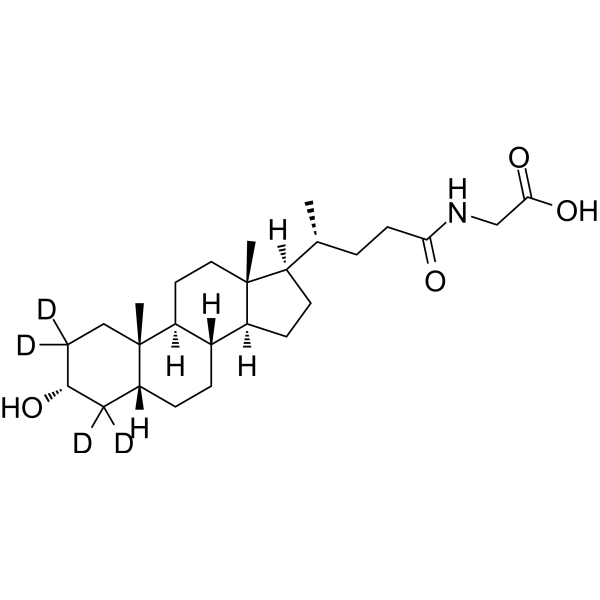
Glycolithocholic acid-d4 is the deuterium labeled Glycolithocholic acid. Glycolithocholic acid, an endogenous metabolite, is a glycine-conjugated secondary bile acid and can be used to diagnose ulcerative colitis (UC), non-alcoholic steatohepatitis (NASH) and primary sclerosing cholangitis (PSC) .
|
-
-
- HY-W750488
-
|
|
|
Glycolithocholic acid-d5 (Lithocholylglycine-d5) is the deuterium labeled Glycolithocholic acid (HY-116374). Glycolithocholic acid (Lithocholylglycine), an endogenous metabolite, is a glycine-conjugated secondary bile acid. Glycolithocholic acid can be used to diagnose ulcerative colitis (UC), non-alcoholic steatohepatitis (NASH) and primary sclerosing cholangitis (PSC) .
|
-
-
- HY-W701772
-
|
|
|
2-Oleoylglycerol-d5 (2-OG-d5) is the deuterium labeled 2-Oleoylglycerol (HY-W011121). 2-Oleoylglycerol (2-OG) is a lipid found in the diet. It is a GPR119 agonist, with an EC50 value of 2.5 μM in activating hGPR119 in transiently transfected COS-7 cells. 2-Oleoylglycerol enhances the inflammatory response of macrophages and promotes fibrosis by activating the GPR119/TAK1/NF-κB/TGF-β1 signaling pathway. It also stimulates glucagon-like peptide 1 (GLP-1) secretion in vivo. 2-Oleoylglycerol is expected to be used in the research of non-alcoholic steatohepatitis (NASH) .
|
-
-
- HY-181896S
-
|
|
|
PPARγ agonist-23 (Compound 9) is an orally active PPARγ agonist with an EC50 of 0.32 μM. PPARγ agonist-23 improves hepatic triglyceride levels, reduces scores of steatosis and hepatocellular ballooning, and decreases the total activity score of non-alcoholic steatohepatitis (NASH). PPARγ agonist-23 can be used for the research of non-alcoholic steatohepatitis .
|
-
Your information is safe with us. * Required Fields.
Inquiry Information
- Product Name:
- Cat. No.:
- Quantity:
- MCE Japan Authorized Agent:








