
Search Result
Results for "
Rat primary neurons
" in MedChemExpress (MCE) Product Catalog:
1
Biochemical Assay Reagents
| Cat. No. |
Product Name |
Target |
Research Areas |
Chemical Structure |
-
- HY-P5912
-
|
|
iGluR
Calcium Channel
|
Neurological Disease
|
|
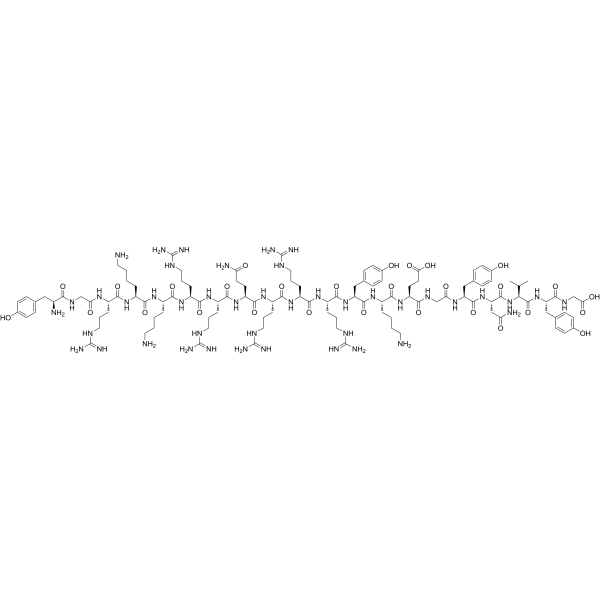
GluN1 (356-385) is a polypeptide targeting NMDAR GluN1. GluN1 (356-385) induces the production of autoantibodies, which reduce the density of cell surface NMDAR clusters, impair long-term potentiation, and decrease NMDAR-mediated Ca 2+ influx. As an immunogen, GluN1 (356-385) induces symptoms similar to anti-NMDAR encephalitis, including memory loss, in mice. GluN1 (356-385) can be used to establish a mouse model that mimics the pathogenesis of anti-NMDAR encephalitis. GluN1 (356-385) is applicable to research related to anti-NMDAR encephalitis .
|
-
-
- HY-100834
-
|
5,7-DCKA
|
iGluR
|
Neurological Disease
|
|
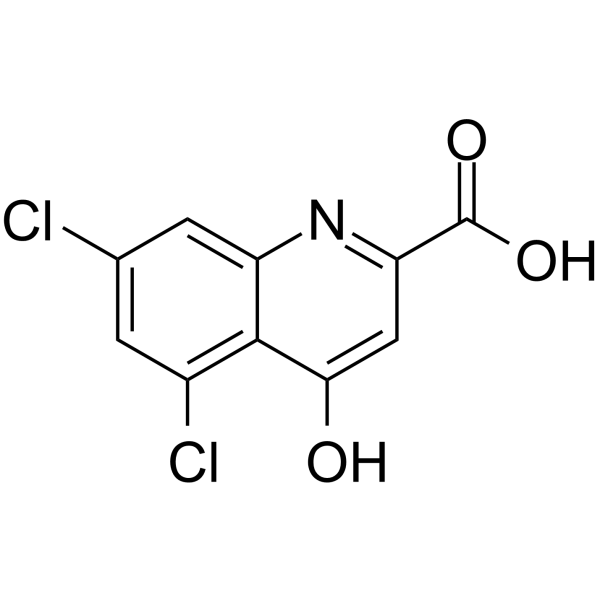
5,7-Dichlorokynurenic acid (5,7-DCKA) is a selective and competitive antagonist of the glycine site on NMDA receptor with a KB of 65 nM. 5,7-Dichlorokynurenic acid reduces NMDA-induced neuron injury. 5,7-Dichlorokynurenic acid increases social interaction time, increases open arm exploration time, disinhibits suppressed conflict responding in rodent models. 5,7-Dichlorokynurenic acid exhibits anxiolytic-like activity in rodent models and supports exploration of glycine’s role in NMDA receptor-mediated synaptic transmission .
|
-
-
- HY-B0596
-
|
TA-0910
|
Thyroid Hormone Receptor
Apoptosis
|
Neurological Disease
Endocrinology
|
|
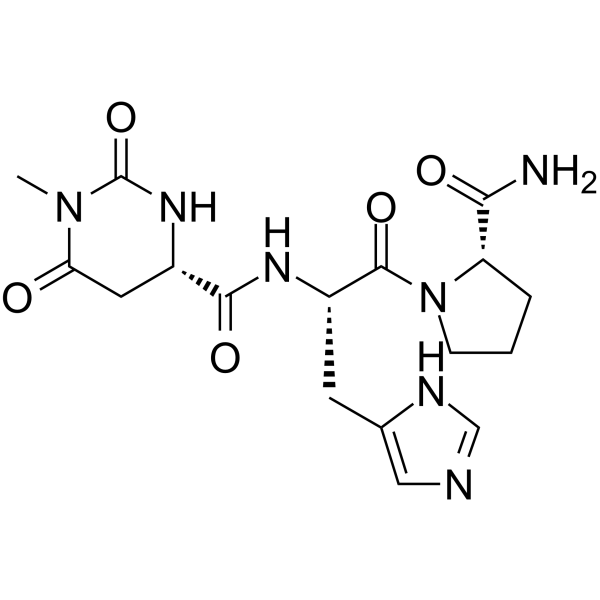
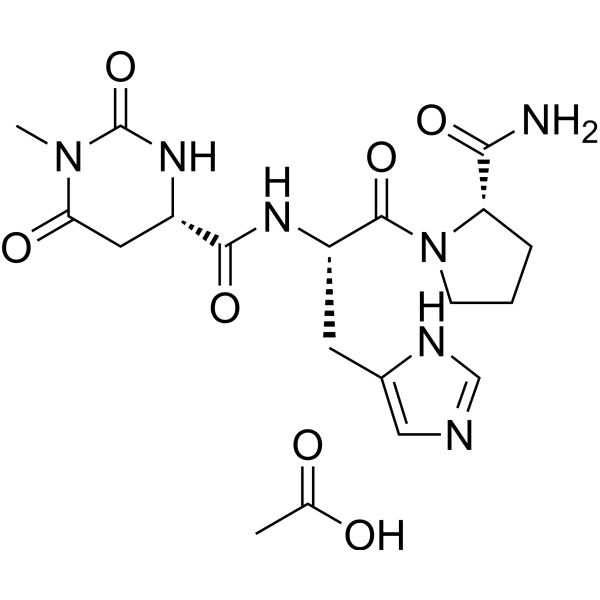
Taltirelin (TA-0910) is an orally effective analogue of thyrotropin releasing hormone (TRH) and a TRH receptor (TRH-R) superagonist (IC50 at 910 nM). Taltirelin can cross the blood-brain barrier. Taltirelin stimulates an increase in cytosolic Ca 2+ concentration (Ca 2+ release) with an EC50 value of 36 nM. Taltirelin increases cell viability and reduces apoptosis in SH-SY5Y cells and primary rat mesencephalic neurons treated with MPP+ (HY-W008719) or Rotenone (HY-B1756). Taltirelin has neuroprotective effects in both cellular and animal models of Parkinson's disease. Taltirelin alleviates fatigue-like behavior in mouse models of cancer-related fatigue .
|
-
-
- HY-B0188
-
|
Mianserine
|
Histamine Receptor
Opioid Receptor
ERK
p38 MAPK
|
Neurological Disease
|
|
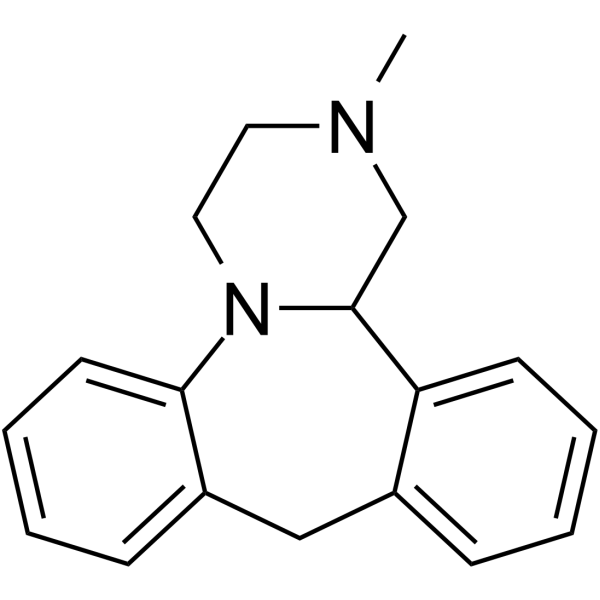
Mianserin (Mianserine) is an orally active H1 receptor antagonist. Mianserin can activate κ-opioid receptor and octopamine receptor. Mianserin increases ERK1/2 and CREB phosphorylation, and antagonizes full κ-opioid agonist and Dynorphin A (HY-P1333)-induced MAPK phosphorylation. Mianserin modulates social and exploratory behaviour, raises electroconvulsive thresholds. Mianserin can be used for the research of neurological disease, such as depression and epilepsy .
|
-
-
- HY-P10638
-
|
|
CaMK
|
Cardiovascular Disease
Neurological Disease
|
|
TAT-CN21 is a potent CaMKII inhibitor with an IC50 of 77.2 nM. TAT-CN21 inhibits both calcium/calmodulin-dependent and autonomously activated CaMKII, blocks glutamate-induced translocation of CaMK IIα, and reverses the enhanced phosphorylation of CaMKII at Thr286 following excitotoxic injury. TAT-CN21 shows application potential in studies related to ischemic stroke by reducing neuronal excitotoxicity and exacerbating pre-existing long-term neuronal death prior to injury. TAT-CN21 improves definitive behaviors in rats with residual nerve injury without altering indicators such as mechanical/thermal hyperalgesia or spatial memory. TAT-CN21 can also be used in studies related to neuropathic pain .
|
-
-
- HY-121362
-
|
|
Bacterial
Endogenous Metabolite
TrxR
|
Infection
Neurological Disease
Inflammation/Immunology
Cancer
|
|
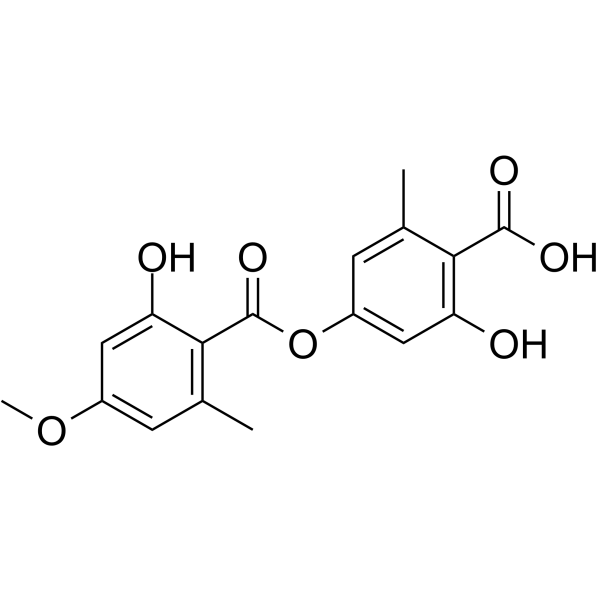
Evernic Acid is an orally active thioredoxin reductase 1 (TrxR1) inhibitor and antiproliferative agent. Evernic Acid inhibits the proliferation and migration of human breast cancer cells. Evernic Acid blocks the NF-κB pathway by inhibiting p65 nuclear translocation and IκBα phosphorylation, thereby suppressing downstream inflammatory mediators. Evernic Acid acts as an antioxidant, anti-inflammatory agent and neuroprotective agent, protects neurons from cell death, mitochondrial dysfunction and oxidative stress damage, reduces astrocyte activation, and ameliorates dopaminergic neuron loss and neuroinflammation. Evernic Acid inhibits enoyl reductases FabI and FabZ of Plasmodium falciparum. Evernic Acid downregulates the expression of lasB and rhlA genes in Pseudomonas aeruginosa, inhibits quorum sensing and biofilm formation, and exerts antibacterial activity against Gram-positive bacteria, Gram-negative bacteria and fungi. Evernic Acid is applicable to research related to breast cancer, Parkinson's disease, bacterial infections and fungal infections .
|
-
-
- HY-19820A
-
|
|
Akt
Ser/Thr Protease
Apoptosis
MMP
|
Cardiovascular Disease
Neurological Disease
Inflammation/Immunology
|
|
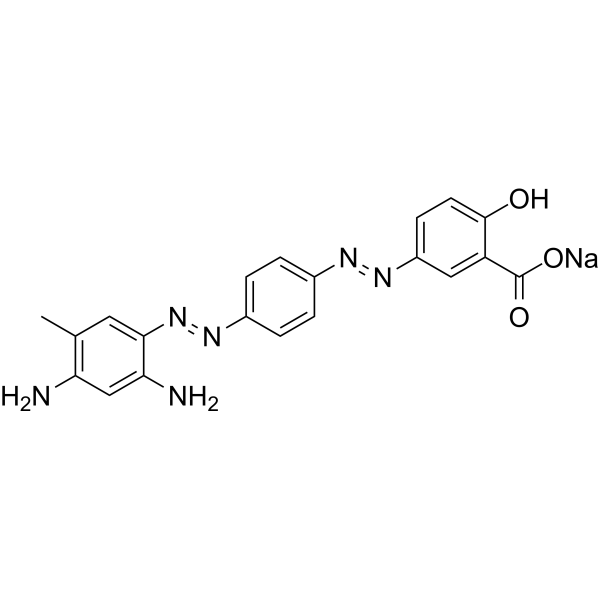
NSC45586 sodium is an inhibitor of PHLPP. NSC45586 sodium targets the PP2C phosphatase domains of PHLPP1 and PHLPP2, blocks the phosphatase activity of PHLPP, increases the expression level of FOXO1 in the nucleus, and reduces the protein expression of PHLPP1. NSC45586 sodium activates the AKT survival signaling pathway, enhances IGF-1-induced AKT activation, and inhibits the phosphorylation of AKT/ERK under basal conditions. NSC45586 sodium reduces staurosporine-induced neuronal death, preserves notochord cell morphology and KRT19 expression, inhibits cell apoptosis (apoptosis), improves the viability and proliferation of nucleus pulposus cells, upregulates the expression of ACAN/SOX9, and downregulates the expression of MMP13. NSC45586 sodium binds tightly to bovine serum albumin (bovine serum albumin), and exerts a more significant effect on nucleus pulposus in male individuals. NSC45586 sodium can be used in studies related to global cerebral ischemia and intervertebral disc degeneration .
|
-
-
- HY-N0392
-
|
|
Toll-like Receptor (TLR)
PI3K
Akt
NF-κB
MDM-2/p53
Caspase
MEK
Bcl-2 Family
p38 MAPK
Mitophagy
Reactive Oxygen Species (ROS)
Apoptosis
Calcium Channel
|
Cardiovascular Disease
Infection
Neurological Disease
|
|
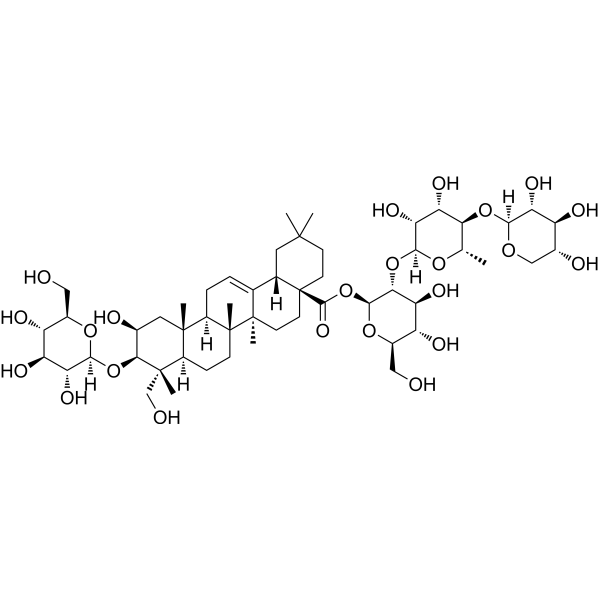
Polygalasaponin F is an orally active triterpenoid saponin monomer. Polygalasaponin F downregulates the expression of Bax, p53, caspase-3, NF-κB p65 and MEK1; restores and upregulates the expression of Bcl-2; activates the PI3K/Akt signaling pathway; inhibits the phosphorylation of p38 MAPK, nuclear translocation of NF-κB, TLR4-mediated signaling pathway, mitophagy (Mitophagy) and ROS production; enhances cell viability and suppresses apoptosis (Apoptosis). Polygalasaponin F maintains mitochondrial function, alleviates Ca 2+ overload, upregulates pCREB and BDNF, preserves cell viability and inhibits the release of inflammatory cytokines. Polygalasaponin F alleviates lung injury induced by influenza A H1N1 and cerebral ischemia-reperfusion injury. Polygalasaponin F is applicable to researches related to Parkinson's disease, cerebral ischemia, pneumonia induced by influenza A H1N1, stroke and Alzheimer's disease .
|
-
-
- HY-145607
-
-
-
- HY-100604
-
|
|
γ-secretase
Amyloid-β
|
Neurological Disease
|
|
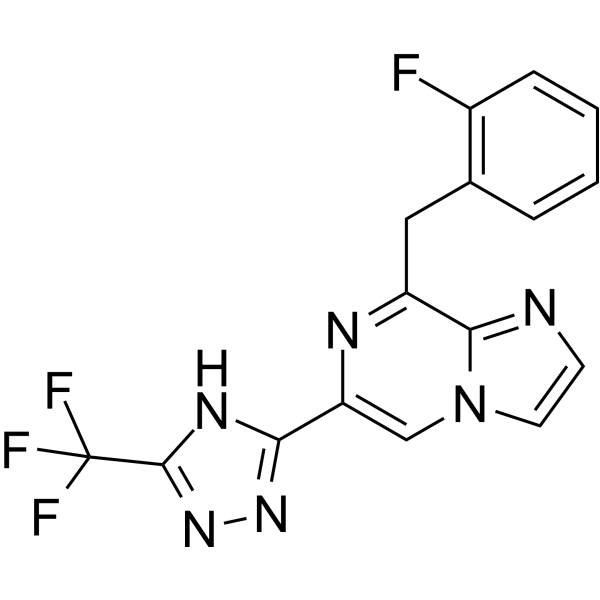
JNJ-40418677 is an orally active modulator of γ-secretase, can cross the blood-brain barrier. JNJ-40418677 inhibits Aβ42 and NS2B-NS3 protease, with IC50s of 200 nM and 3.9 μM, respectively. JNJ-40418677 displays good biological tolerance, can be use for Alzheimer’s disease research .
|
-
-
- HY-N6043
-
|
|
Apoptosis
Reactive Oxygen Species (ROS)
Bacterial
SARS-CoV
Estrogen Receptor/ERR
|
Infection
Neurological Disease
Inflammation/Immunology
|
|
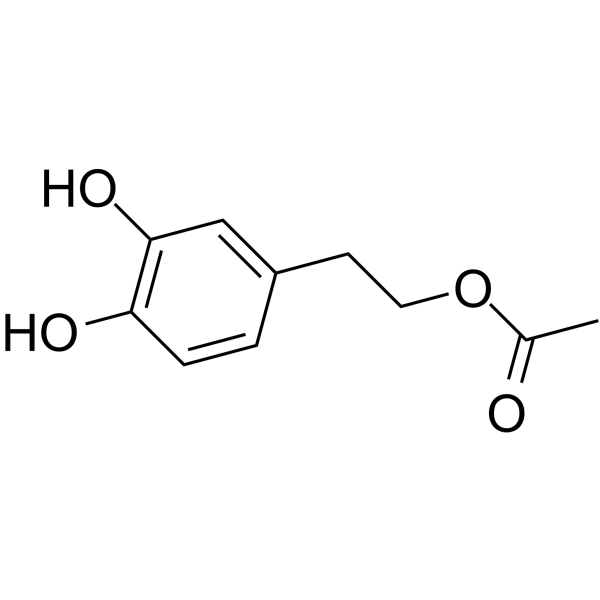
Hydroxytyrosol acetate is an orally active, blood-brain barrier-permeable multi-active compound with multiple effects including antibacterial, antioxidant, anti-platelet aggregation, and neuroprotective activities. Hydroxytyrosol acetate not only inhibits the growth of Vibrio by increasing bacterial membrane permeability, but also interacts with DNA and mediates supercoiled DNA relaxation. Meanwhile, Hydroxytyrosol acetate effectively reduces thrombosis and inhibits lipid oxidation by inhibiting COX activity and promoting vascular nitric oxide production. In terms of neuroprotection, Hydroxytyrosol acetate significantly alleviates neuronal apoptosis and inflammatory responses by up-regulating the expression level of ERβ, thereby improving cognitive function in Alzheimer's disease models. Hydroxytyrosol acetate has been widely used in scientific research related to Vibrio infection, arterial thrombosis, Alzheimer's disease and other related fields .
|
-
-
- HY-122635A
-
|
|
Histone Demethylase
|
Neurological Disease
|
|
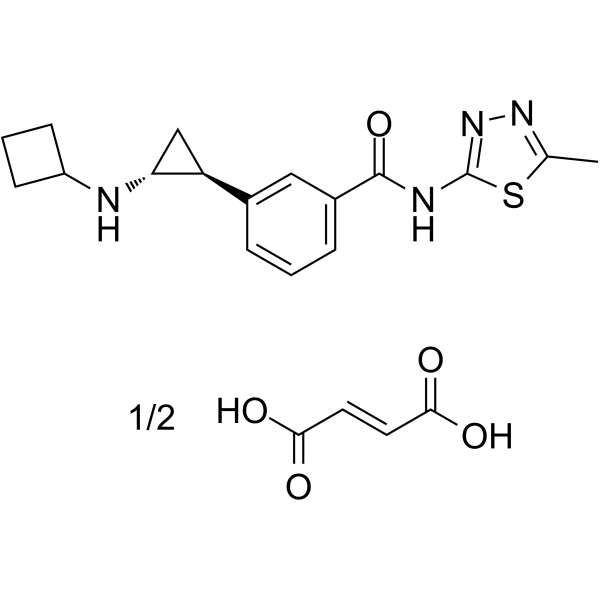
T-448 is a specific, orally active, CNS-penetrant and irreversible inhibitor of lysine-specific demethylase 1 (LSD1, an H3K4 demethylase), with an IC50 of 22 nM. T-448 enhances H3K4 methylation in primary cultured rat neurons .
|
-
-
- HY-P2259
-
|
|
iGluR
HIV Integrase
Adenosine Receptor
|
Cardiovascular Disease
Neurological Disease
|
|
TAT-GluA2 3Y is a blood-brain barrier-permeable AMPA receptor inhibitory peptide that crosses cell membranes via the HIV-1 TAT protein domain. TAT-GluA2 3Y blocks the endocytosis of AMPA receptors, including the internalization of GluA1/GluA2 subunits, by disrupting interactions with the AP2, Brag2 and Syt3-GluA2 complexes, while also inhibiting long-term depression. TAT-GluA2 3Y blocks hypoxia-mediated AMPAR internalization, alleviates A1R-induced persistent synaptic inhibition, and reduces cerebral ischemic volume, neurological deficits and spatial memory deficits. TAT-GluA2 3Y blocks the effect of NLRP3 deficiency on fear generalization, inhibits amphetamine-induced behavioral/neurochemical sensitization, weakens the unconditioned stimulus-conditioned stimulus association of morphine, and promotes the extinction of morphine CPP. TAT-GluA2 3Y can be used in studies related to fear generalization, ischemic stroke, hypoxia, drug addiction and opioid addiction .
|
-
-
- HY-17355B
-
|
(R)-Pramipexole; R-(+)-Pramipexole; KNS-760704
|
PINK1/Parkin
Glutathione Peroxidase
Sodium Channel
ATP Synthase
NOD-like Receptor (NLR)
Mitophagy
Ferroptosis
Autophagy
Apoptosis
Reactive Oxygen Species (ROS)
|
Cardiovascular Disease
Neurological Disease
Inflammation/Immunology
|
|
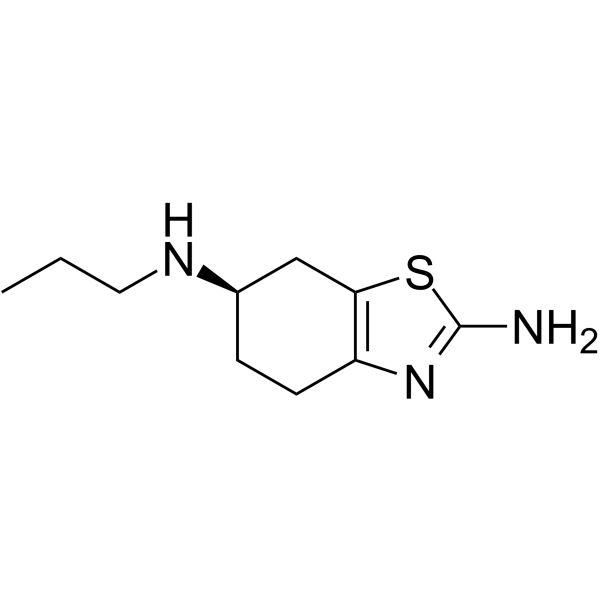
Dexpramipexole ((R)-Pramipexole) is an orally active, blood-brain barrier permeable mitochondrial protective agent. Dexpramipexole upregulates the expression of Parkin, PINK1, GPX4 and FSP1; binds to mitochondrial F1/Fo-ATP synthase; blocks the Nav1.8 sodium channel; and inhibits the activation of the NLRP3 inflammasome. Dexpramipexole induces mitophagy, inhibits ferroptosis, pyroptosis, apoptosis, neuroinflammation and eosinophilopoiesis; maintains mitochondrial function and redox homeostasis; reduces reactive oxygen species production; and decreases myocardial infarct size. Dexpramipexole is applicable to studies on eosinophilic asthma, myocardial ischemia/reperfusion injury, sepsis-associated encephalopathy, analgesia, and more .
|
-
-
- HY-107581
-
MK-1903
1 Publications Verification
|
GPR109A
MMP
|
Metabolic Disease
Inflammation/Immunology
|
|
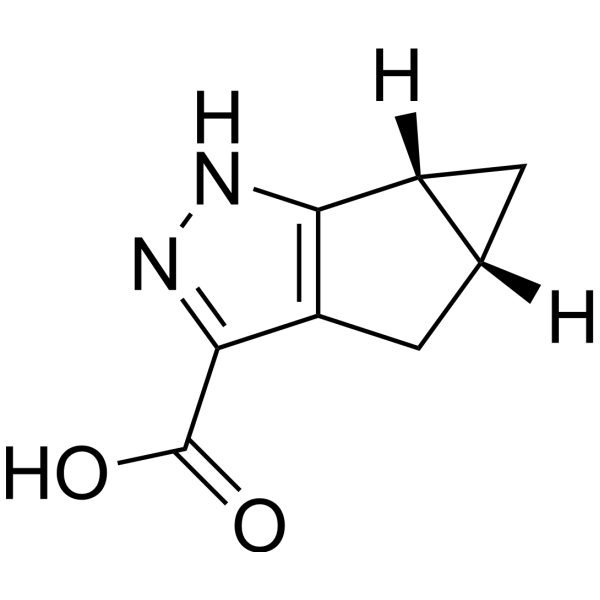
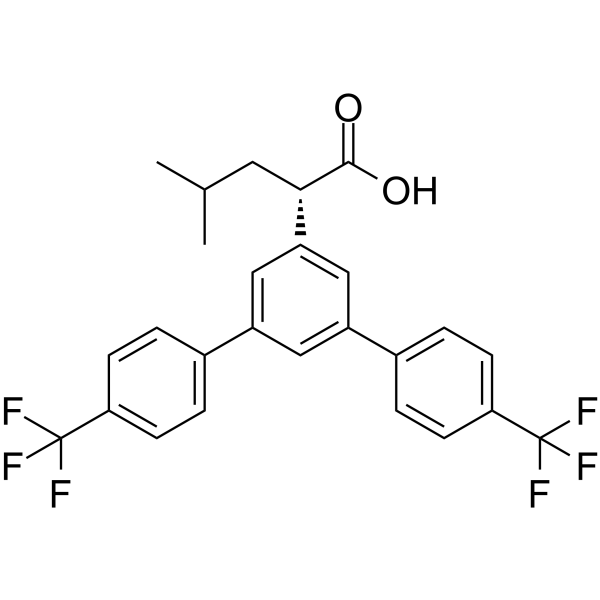
MK-1903 is an orally active full agonist of GPR109a/HCAR2, with an EC50 of 12.9 nM. MK-1903 activates antilipolytic and vasodilatory pathways, reduces plasma free fatty acid levels, and induces skin flushing. MK-1903 stimulates the expression of HCAR2 protein and regulates the inflammatory response of microglia. MK-1903 prevents the enhanced firing activity of spinal nociceptive neurons. MK-1903 triggers the release of MMP-9 and the formation of NET. MK-1903 can be used in the research of dyslipidemia and neuroinflammation-based central nervous system diseases .
|
-
-
- HY-N0909
-
|
20(S)-Notoginsenoside R2; Ginsenoside Ng-R2
|
Apoptosis
MEK
ERK
Reactive Oxygen Species (ROS)
Caspase
COX
β-catenin
Src
MDM-2/p53
JAK
STAT
|
Neurological Disease
Metabolic Disease
Inflammation/Immunology
|
|
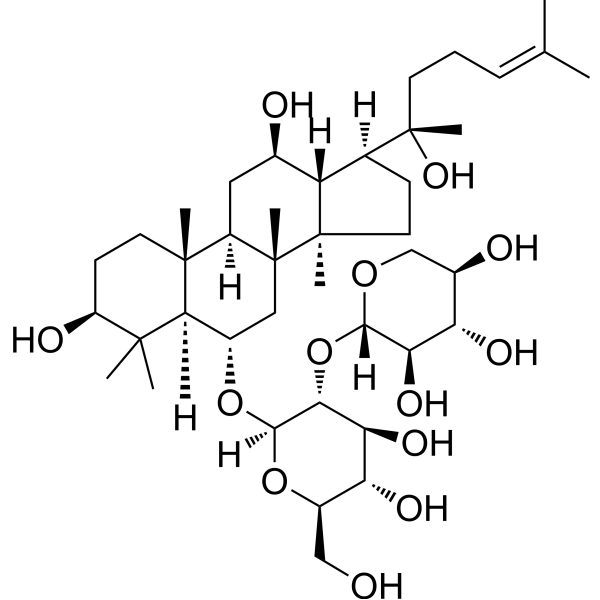
Notoginsenoside R2 (20(S)-Notoginsenoside R2; Ginsenoside Ng-R2) is an orally active notoginsenoside . Notoginsenoside R2 activates P90RSK and Nrf2 via the MEK1/2-ERK1/2 pathway to inhibit 6-OHDA-induced apoptotic damage in nerve cells. Notoginsenoside R2 upregulates SOX8/β-catenin by reducing miR-27a, thereby suppressing Aβ25-35-induced neuronal apoptosis and inflammatory responses . Notoginsenoside R2 alleviates lipid accumulation and mitochondrial dysfunction in diabetic nephropathy by inhibiting c-Src. Notoginsenoside R2 alleviates hepatic fibrosis by inducing hepatic stellate cell senescence and inhibiting the inflammatory microenvironment via JAK/STAT3 suppression . Notoginsenoside R2 can be used in research related to Parkinson's disease, Alzheimer's disease, diabetic nephropathy and hepatic fibrosis .
|
-
-
- HY-B0596A
-
|
TA-0910 acetate
|
Thyroid Hormone Receptor
Apoptosis
|
Neurological Disease
Endocrinology
|
|
Taltirelin acetate (TA-0910) is an acetate form of Taltirelin (TA-0910). Taltirelin (TA-0910) is an orally effective analogue of thyrotropin releasing hormone (TRH) and a TRH receptor (TRH-R) superagonist (IC50 at 910 nM). Taltirelin can cross the blood-brain barrier. Taltirelin stimulates an increase in cytosolic Ca 2+ concentration (Ca 2+ release) with an EC50 value of 36 nM. Taltirelin increases cell viability and reduces apoptosis in SH-SY5Y cells and primary rat mesencephalic neurons treated with MPP+ (HY-W008719) or Rotenone (HY-B1756). Taltirelin has neuroprotective effects in both cellular and animal models of Parkinson's disease. Taltirelin alleviates fatigue-like behavior in mouse models of cancer-related fatigue .
|
-
-
- HY-D2481
-
|
APG-2 (TMA)
|
Fluorescent Dye
|
Neurological Disease
|
|
Asante potassium green-2 (APG-2) TMA is a cell-impermeable K + (potassium ion) fluorescent indicator that produces a fluorescent response to changes in extracellular potassium ion concentration. Its excitation/emission maxima are 525/545 nm , respectively.
|
-
-
- HY-Y1269D
-
|
Salmiac, for molecular biology
|
TGF-beta/Smad
Apoptosis
Chloride Channel
|
Neurological Disease
Cancer
|
|
Ammonium chloride (Salmiac), for molecular biology is an inhibitor of Slc26a4 and SMAD2. Ammonium chloride, for molecular biology reduces the protein expression level of Slc26a4 in lung tissue, and attenuates ozone-induced increases in proinflammatory cytokines, inflammatory cells, pulmonary resistance, goblet cell hyperplasia, peribronchial inflammation and thiocyanate levels in mouse tissues and bronchoalveolar lavage fluid. Ammonium chloride, for molecular biology decreases the level of phosphorylated SMAD2, inhibits autophagy by reducing autophagy-related proteins, and enhances Cisplatin (HY-17394)-induced cancer cell apoptosis and DNA double-strand breaks. Ammonium chloride, for molecular biology also inhibits the TCA cycle, reduces ATP production, increases glucose utilization, regulates the levels of lactic acid, glutamic acid and ATP, and induces morphological degeneration of neuroblastoma cells. Ammonium chloride, for molecular biology can be used in studies related to ozone-induced airway injury, hepatocellular carcinoma, human cervical cancer, hepatic encephalopathy, Reye syndrome, epilepsy and neurodegenerative diseases .
|
-
-
- HY-162653
-
|
|
|
Others
|
|
SGC-CDKL2/AAK1/BMP2K-1 (Compound 9) is a potent and selective CDKL2 (Cyclin-dependent kinase-like 2) inhibitor with an IC50 value of 460 nM. CDKL2 is involved in various biological processes such as tumorigenesis, development, and viral infections. SGC-CDKL2/AAK1/BMP2K-1 serves as a powerful tool for studying the biological functions of CDKL2 and holds promise for research in fields related to cancer, infections, and other diseases .
|
-
-
- HY-151962
-
|
|
JNK
Apoptosis
GSK-3
p38 MAPK
|
Neurological Disease
|
|
JNK3 inhibitor-5 (Compound 22b) is a potent and selective JNK3 inhibitor with an IC50 of 0.379 nM. JNK3 inhibitor-5 effectively protects the neuronal cells against amyloid beta-induced apoptosis. JNK3 inhibitor-5 has a high cell permeability and is predicted as BBB permeable .
|
-
-
- HY-P10360
-
|
|
α-synuclein
|
Neurological Disease
|
|
Tat-βsyn-degron is an α-synuclein knockdown peptide that effectively degrades α-synuclein protein via the proteasome pathway. Tat-βsyn-degron effectively reduces α-synuclein protein levels in primary rat cortical neuron cultures. In a Parkinson's mouse toxicity model, Tat-βsyn-degron can alleviate parkinsonian toxin-induced neuronal damage and movement disorders .
|
-
-
- HY-114975
-
|
|
iGluR
|
Neurological Disease
|
|
EGIS-8332 is a non-competitive AMPA receptor antagonist. EGIS-8332 inhibits AMPA currents in rat cerebellar Purkinje cells and inhibited the AMPA- and Quisqualate-induced excitotoxicity in primary cultures of telencephalon neurons (IC50 = 5.1-9.0 μM). EGIS-8332 exhibits anticonvulsant and neuroprotective effects. EGIS-8332 can be used for the research of neurological disease .
|
-
-
- HY-N8693
-
|
|
COX
Amyloid-β
Sirtuin
Reactive Oxygen Species (ROS)
Apoptosis
SARS-CoV
|
Infection
Neurological Disease
|
|
Withanoside IV is an orally active, blood-brain barrier-permeable withanolide derivative. Withanoside IV specifically binds to the Sudlow I site of HSA, induces secondary structural changes in HSA, and forms stable HSA complexes. Withanoside IV inhibits the enzymatic activity of COX-2. Withanoside IV induces axonal regeneration, peripheral nervous system myelination and increased axonal density in spinal cord tissue, reduces reactive gliosis-related changes, and improves hindlimb motor function. Withanoside IV binds to amyloid-β 1-42 to inhibit its aggregation, induces neurite outgrowth and synapse reconstruction, repairs damaged axons and dendrites, enhances mitochondrial biogenesis, exerts neuroprotective effects via the BDNF and SIRT1 signaling pathways, reduces ROS production and neuronal apoptosis, and ameliorates memory deficits. Withanoside IV inhibits the activity of the SARS-CoV-2 main protease. Withanoside IV can be used in research related to spinal cord injury, Alzheimer's disease, and coronavirus disease 2019 (COVID-19) .
|
-
-
- HY-178153
-
|
|
iGluR
|
Neurological Disease
|
|
BPAM363 is an orally active, selective positive allosteric modulator (PAM) of AMPARs with blood-brain barrier penetration. BPAM363 selectively potentiates AMPAR activity in human and rat models, with an EC2x value of 0.96 μM in rat embryonic cortex primary neurons. BPAM363 upregulates BDNF protein expression in rat primary cortical neuronal cultures. BPAM363 enhances AMPA-mediated excitatory postsynaptic responses in rat and mice. BPAM363 can be used for the study of cognitive disorders .
|
-
-
- HY-122635
-
|
|
Histone Demethylase
|
Neurological Disease
|
|
T-448 free base is a specific, orally active, CNS-penetrant and irreversible inhibitor of lysine-specific demethylase 1 (LSD1, an H3K4 demethylase), with an IC50 of 22 nM. T-448 free base enhances H3K4 methylation in primary cultured rat neurons .
|
-
-
- HY-100458
-
|
|
NO Synthase
|
Neurological Disease
|
|
SCR-4026 is a neuroprotective agent with blood-brain barrier penetration ability. SCR-4026 exerts neuroprotective effects by disrupting the interaction between neuronal nNOS and PSD9, with an IC50 of 6.3 μM. SCR-4026 alleviates N-methyl-D-aspartate (NMDA)-induced excitotoxic damage in primary cortical neurons, and also protects neurons in the oxygen-glucose deprivation (OGD) model. SCR-4026 can reduce the cerebral infarct volume in the rat middle cerebral artery occlusion (MCAO) reperfusion model. SCR-4026 can be used for the study of stroke .
|
-
-
- HY-120059
-
|
|
Potassium Channel
|
Neurological Disease
|
|
NS4591 is a modulator of calcium-activated potassium channels with activity that enhances small (SK) and intermediate (IK) conductivity. NS4591 doubled IK-mediated currents in whole-cell patch-clamp experiments at a concentration of 45 +/- 6 nM, and doubled SK3-mediated currents at a concentration of 530 +/- 100 nM. NS4591 inhibits the number of action potentials generated by suprathreshold depolarizing pulses in acutely isolated bladder primary afferent neurons. NS4591 also reduced carbakol-induced detrusor ring contraction in the rat bladder, demonstrating sensitivity to apamin .
|
-
-
- HY-100834A
-
|
5,7-DCKA sodium
|
iGluR
|
Neurological Disease
|
|
5,7-Dichlorokynurenic acid (5,7-DCKA) sodium is a selective and competitive antagonist of the glycine site on NMDA receptor with a KB of 65 nM. 5,7-Dichlorokynurenic acid sodium reduces NMDA-induced neuron injury. 5,7-Dichlorokynurenic acid sodium increases social interaction time, increases open arm exploration time, disinhibits suppressed conflict responding in rodent models. 5,7-Dichlorokynurenic acid sodium exhibits anxiolytic-like activity in rodent models and supports exploration of glycine’s role in NMDA receptor-mediated synaptic transmission .
|
-
-
- HY-173142
-
|
|
Drug Derivative
|
Neurological Disease
|
|
Neuroprotective agent 7 (Compound 13) is a BBB-penetrable neuroprotective agent. Neuroprotective agent 7 has a powerful neuroprotective effect and can reduce the cerebral infarct area in the MCAO rat model. Neuroprotective agent 7 can be used in the research of diseases such as cerebral ischemia .
|
-
-
- HY-182539
-
|
|
CGRP Receptor
|
Others
Neurological Disease
|
|
DD04107 is a neuronal exocytosis inhibitor with a rat Syt1-C2B domain binding Ka of 2.4 μM. DD04107 interferes with synaptobrevin-syntaxin-SNAP-25 complex formation and Syt1-SNARE complex interaction to block α-calcitonin gene-related peptide (α-CGRP) exocytotic release from primary sensory neurons. DD04107 blocks inflammatory ion channel recruitment to nociceptor plasma membranes. DD04107 can be used for the research of chronic inflammatory pain, neuropathic pain, osteosarcoma pain, chemotherapy-induced peripheral neuropathy, diabetic neuropathy, inflammatory pain .
|
-
-
- HY-180345
-
|
|
Prostaglandin Receptor
|
Neurological Disease
|
|
ND-7001 is an inhibitor of PDE2 with an IC50 of 0.05 μM. ND-7001 exhibits good selectivity agianst PDE3 and PDE4. ND-7001 increases cGMP levels in primary neuronal cultures of rat cerebral cortical neurons. ND-7001 displays anxiolytic effects .
|
-
-
- HY-126939
-
|
|
Reactive Oxygen Species (ROS)
Calcium Channel
iGluR
|
Neurological Disease
|
|
MN-05 is a dual neuroprotective and vasodilatory NMDA receptor inhibitor.MN-05 blocks calcium influx, reduces free radical production, and maintains mitochondrial membrane potential in cortical neurons exposed to glutamate.MN-05 dilates aortic rings against phenylephrine-induced contraction.MN-05 protects neurons against glutamate-induced injury in vitro.MN-05 can be used for the research of neurodegenerative diseases .
|
-
-
- HY-182600
-
|
|
Kallikrein
Plasminogen/Plasmin
|
Neurological Disease
Inflammation/Immunology
|
|
KLK6-IN-1 is a reversible small‑molecule inhibitor of KLK6, KLK1, and plasmin. KLK6-IN-1 shows IC50 values of 1.57 μM (KLK6), 5.1 μM (KLK1), 7.4 μM (plasmin), and Ki values of 0.8 μM (KLK6), 2.4 μM (KLK1), 1.3 μM (plasmin). KLK6-IN-1 is highly selective for KLK6 and its proteolytic network. KLK6-IN-1 induces oligodendrocyte differentiation by promoting oligodendrocyte precursor cell maturation. KLK6-IN-1 can be used for the research of multiple sclerosis .
|
-
-
- HY-181348
-
|
|
HBV
|
Infection
|
|
HBV-IN-56 is an orally active HBsAg production inhibitor. HBV-IN-56 inhibits HBsAg production both in vitro and in vivo. HBV-IN-56 can be used for the research of chronic hepatitis B virus infection .
|
-
-
- HY-204388
-
|
|
iGluR
Calcium Channel
|
Neurological Disease
|
|
TAK-137 is an AMPA receptor potentiator with weak agonistic effect. TAK-137 binds to the AMPA receptor ligand binding domain in a glutamate-dependent manner. TAK-137 potentiates AMPA-induced currents and Ca 2+ influx. TAK-137 can be used for the research of neurological disease .
|
-
-
- HY-183857
-
|
|
TRP Channel
|
Neurological Disease
|
|
DD-161515 is a TRPV1/VR1 inhibitor with an IC50 of 0.7 μM in rats. DD-161515 binds to an allosteric site of TRPV1 distinct from that of capsaicin, blocks channel opening, inhibits receptor-mediated calcium ion influx, reduces the excitability of peripheral sensory nerve fibers, and thereby inhibits nociception induced by heat and transmission of chemically induced pain signals. DD-161515 can be used in studies related to inflammatory pain .
|
-
-
- HY-121675A
-
|
BOL-148 D-TartRate; Bromolysergide D-TartRate
|
5-HT Receptor
G protein-coupled Bile Acid Receptor 1
|
Neurological Disease
|
|
2-Bromo-LSD D-Tartrate (BOL-148 D-Tartrate) is a blood-brain barrier-permeable 5-HT2A partial agonist and competitive partial antagonist. 2-Bromo-LSD D-Tartrate acts as both a potent partial agonist (with an EC50 of 0.81 nM for Gq dissociation) and a potent partial antagonist (with a KB of 0.18 nM for Gq dissociation) at the 5-HT2A receptor. 2-Bromo-LSD D-Tartrate exhibits partial agonist activity at multiple aminergic GPCRs, including 5-HT2A. 2-Bromo-LSD D-Tartrate lacks 5-HT2B agonist activity. 2-Bromo-LSD D-Tartrate induces dendritogenesis and spinogenesis. 2-Bromo-LSD D-Tartrate reverses the behavioral effects of chronic stress and increases active coping behaviors in mice .
|
-
-
- HY-186073
-
|
|
HDAC
|
Neurological Disease
|
|
HDAC1 activator-1 is a specific HDAC1 activator with orally activity, exerting no significant effects on other HDAC family members. HDAC1 activator-1 exhibits neuroprotective activity, ameliorates cognitive and motor function deficits by reducing neuronal loss and gliosis. HDAC1 activator-1 specifically activates HDAC1 in SH-SY5Y cells and exerts regulatory effects on aberrant cell cycle and DNA damage. HDAC1 activator-1 can be used for the research of TDP-43 proteinopat1-related neurodegenerative diseases including Amyotrophic Lateral Sclerosis (ALS) and cerebral ischemia-related neurological injury .
|
-
| Cat. No. |
Product Name |
Type |
-
- HY-D2481
-
|
APG-2 (TMA)
|
Fluorescent Dyes
|
|
Asante potassium green-2 (APG-2) TMA is a cell-impermeable K + (potassium ion) fluorescent indicator that produces a fluorescent response to changes in extracellular potassium ion concentration. Its excitation/emission maxima are 525/545 nm , respectively.
|
| Cat. No. |
Product Name |
Type |
-
- HY-Y1269D
-
|
Salmiac, for molecular biology
|
Biochemical Assay Reagents
|
|
Ammonium chloride (Salmiac), for molecular biology is an inhibitor of Slc26a4 and SMAD2. Ammonium chloride, for molecular biology reduces the protein expression level of Slc26a4 in lung tissue, and attenuates ozone-induced increases in proinflammatory cytokines, inflammatory cells, pulmonary resistance, goblet cell hyperplasia, peribronchial inflammation and thiocyanate levels in mouse tissues and bronchoalveolar lavage fluid. Ammonium chloride, for molecular biology decreases the level of phosphorylated SMAD2, inhibits autophagy by reducing autophagy-related proteins, and enhances Cisplatin (HY-17394)-induced cancer cell apoptosis and DNA double-strand breaks. Ammonium chloride, for molecular biology also inhibits the TCA cycle, reduces ATP production, increases glucose utilization, regulates the levels of lactic acid, glutamic acid and ATP, and induces morphological degeneration of neuroblastoma cells. Ammonium chloride, for molecular biology can be used in studies related to ozone-induced airway injury, hepatocellular carcinoma, human cervical cancer, hepatic encephalopathy, Reye syndrome, epilepsy and neurodegenerative diseases .
|
| Cat. No. |
Product Name |
Target |
Research Area |
-
- HY-P5912
-
|
|
iGluR
Calcium Channel
|
Neurological Disease
|
|
GluN1 (356-385) is a polypeptide targeting NMDAR GluN1. GluN1 (356-385) induces the production of autoantibodies, which reduce the density of cell surface NMDAR clusters, impair long-term potentiation, and decrease NMDAR-mediated Ca 2+ influx. As an immunogen, GluN1 (356-385) induces symptoms similar to anti-NMDAR encephalitis, including memory loss, in mice. GluN1 (356-385) can be used to establish a mouse model that mimics the pathogenesis of anti-NMDAR encephalitis. GluN1 (356-385) is applicable to research related to anti-NMDAR encephalitis .
|
-
- HY-P10638
-
|
|
CaMK
|
Cardiovascular Disease
Neurological Disease
|
|
TAT-CN21 is a potent CaMKII inhibitor with an IC50 of 77.2 nM. TAT-CN21 inhibits both calcium/calmodulin-dependent and autonomously activated CaMKII, blocks glutamate-induced translocation of CaMK IIα, and reverses the enhanced phosphorylation of CaMKII at Thr286 following excitotoxic injury. TAT-CN21 shows application potential in studies related to ischemic stroke by reducing neuronal excitotoxicity and exacerbating pre-existing long-term neuronal death prior to injury. TAT-CN21 improves definitive behaviors in rats with residual nerve injury without altering indicators such as mechanical/thermal hyperalgesia or spatial memory. TAT-CN21 can also be used in studies related to neuropathic pain .
|
-
- HY-P2259
-
|
|
iGluR
HIV Integrase
Adenosine Receptor
|
Cardiovascular Disease
Neurological Disease
|
|
TAT-GluA2 3Y is a blood-brain barrier-permeable AMPA receptor inhibitory peptide that crosses cell membranes via the HIV-1 TAT protein domain. TAT-GluA2 3Y blocks the endocytosis of AMPA receptors, including the internalization of GluA1/GluA2 subunits, by disrupting interactions with the AP2, Brag2 and Syt3-GluA2 complexes, while also inhibiting long-term depression. TAT-GluA2 3Y blocks hypoxia-mediated AMPAR internalization, alleviates A1R-induced persistent synaptic inhibition, and reduces cerebral ischemic volume, neurological deficits and spatial memory deficits. TAT-GluA2 3Y blocks the effect of NLRP3 deficiency on fear generalization, inhibits amphetamine-induced behavioral/neurochemical sensitization, weakens the unconditioned stimulus-conditioned stimulus association of morphine, and promotes the extinction of morphine CPP. TAT-GluA2 3Y can be used in studies related to fear generalization, ischemic stroke, hypoxia, drug addiction and opioid addiction .
|
-
- HY-P10360
-
|
|
α-synuclein
|
Neurological Disease
|
|
Tat-βsyn-degron is an α-synuclein knockdown peptide that effectively degrades α-synuclein protein via the proteasome pathway. Tat-βsyn-degron effectively reduces α-synuclein protein levels in primary rat cortical neuron cultures. In a Parkinson's mouse toxicity model, Tat-βsyn-degron can alleviate parkinsonian toxin-induced neuronal damage and movement disorders .
|
-
- HY-182539
-
|
|
CGRP Receptor
|
Others
Neurological Disease
|
|
DD04107 is a neuronal exocytosis inhibitor with a rat Syt1-C2B domain binding Ka of 2.4 μM. DD04107 interferes with synaptobrevin-syntaxin-SNAP-25 complex formation and Syt1-SNARE complex interaction to block α-calcitonin gene-related peptide (α-CGRP) exocytotic release from primary sensory neurons. DD04107 blocks inflammatory ion channel recruitment to nociceptor plasma membranes. DD04107 can be used for the research of chronic inflammatory pain, neuropathic pain, osteosarcoma pain, chemotherapy-induced peripheral neuropathy, diabetic neuropathy, inflammatory pain .
|
| Cat. No. |
Product Name |
Category |
Target |
Chemical Structure |
-
- HY-121362
-
|
|
Structural Classification
other families
Classification of Application Fields
Ketones, Aldehydes, Acids
Plants
Inflammation/Immunology
Disease Research Fields
Source Classification
|
Bacterial
Endogenous Metabolite
TrxR
|
|
Evernic Acid is an orally active thioredoxin reductase 1 (TrxR1) inhibitor and antiproliferative agent. Evernic Acid inhibits the proliferation and migration of human breast cancer cells. Evernic Acid blocks the NF-κB pathway by inhibiting p65 nuclear translocation and IκBα phosphorylation, thereby suppressing downstream inflammatory mediators. Evernic Acid acts as an antioxidant, anti-inflammatory agent and neuroprotective agent, protects neurons from cell death, mitochondrial dysfunction and oxidative stress damage, reduces astrocyte activation, and ameliorates dopaminergic neuron loss and neuroinflammation. Evernic Acid inhibits enoyl reductases FabI and FabZ of Plasmodium falciparum. Evernic Acid downregulates the expression of lasB and rhlA genes in Pseudomonas aeruginosa, inhibits quorum sensing and biofilm formation, and exerts antibacterial activity against Gram-positive bacteria, Gram-negative bacteria and fungi. Evernic Acid is applicable to research related to breast cancer, Parkinson's disease, bacterial infections and fungal infections .
|
-
-
- HY-N0392
-
|
|
Triterpenes
Structural Classification
Classification of Application Fields
Terpenoids
Polygalaceae
Polygala japonica Houtt.
Plants
Inflammation/Immunology
Disease Research Fields
Source Classification
|
Toll-like Receptor (TLR)
PI3K
Akt
NF-κB
MDM-2/p53
Caspase
MEK
Bcl-2 Family
p38 MAPK
Mitophagy
Reactive Oxygen Species (ROS)
Apoptosis
Calcium Channel
|
|
Polygalasaponin F is an orally active triterpenoid saponin monomer. Polygalasaponin F downregulates the expression of Bax, p53, caspase-3, NF-κB p65 and MEK1; restores and upregulates the expression of Bcl-2; activates the PI3K/Akt signaling pathway; inhibits the phosphorylation of p38 MAPK, nuclear translocation of NF-κB, TLR4-mediated signaling pathway, mitophagy (Mitophagy) and ROS production; enhances cell viability and suppresses apoptosis (Apoptosis). Polygalasaponin F maintains mitochondrial function, alleviates Ca 2+ overload, upregulates pCREB and BDNF, preserves cell viability and inhibits the release of inflammatory cytokines. Polygalasaponin F alleviates lung injury induced by influenza A H1N1 and cerebral ischemia-reperfusion injury. Polygalasaponin F is applicable to researches related to Parkinson's disease, cerebral ischemia, pneumonia induced by influenza A H1N1, stroke and Alzheimer's disease .
|
-
-
- HY-N6043
-
|
|
Structural Classification
Canarium album (Lour.) Rauesch.
Classification of Application Fields
Phenols
Polyphenols
Plants
Burseraceae
Inflammation/Immunology
Disease Research Fields
Source Classification
|
Apoptosis
Reactive Oxygen Species (ROS)
Bacterial
SARS-CoV
Estrogen Receptor/ERR
|
|
Hydroxytyrosol acetate is an orally active, blood-brain barrier-permeable multi-active compound with multiple effects including antibacterial, antioxidant, anti-platelet aggregation, and neuroprotective activities. Hydroxytyrosol acetate not only inhibits the growth of Vibrio by increasing bacterial membrane permeability, but also interacts with DNA and mediates supercoiled DNA relaxation. Meanwhile, Hydroxytyrosol acetate effectively reduces thrombosis and inhibits lipid oxidation by inhibiting COX activity and promoting vascular nitric oxide production. In terms of neuroprotection, Hydroxytyrosol acetate significantly alleviates neuronal apoptosis and inflammatory responses by up-regulating the expression level of ERβ, thereby improving cognitive function in Alzheimer's disease models. Hydroxytyrosol acetate has been widely used in scientific research related to Vibrio infection, arterial thrombosis, Alzheimer's disease and other related fields .
|
-
-
- HY-N0909
-
-
-
- HY-N8693
-
|
|
Structural Classification
Withania somnifera
Solanaceae
Plants
Steroids
Source Classification
|
COX
Amyloid-β
Sirtuin
Reactive Oxygen Species (ROS)
Apoptosis
SARS-CoV
|
|
Withanoside IV is an orally active, blood-brain barrier-permeable withanolide derivative. Withanoside IV specifically binds to the Sudlow I site of HSA, induces secondary structural changes in HSA, and forms stable HSA complexes. Withanoside IV inhibits the enzymatic activity of COX-2. Withanoside IV induces axonal regeneration, peripheral nervous system myelination and increased axonal density in spinal cord tissue, reduces reactive gliosis-related changes, and improves hindlimb motor function. Withanoside IV binds to amyloid-β 1-42 to inhibit its aggregation, induces neurite outgrowth and synapse reconstruction, repairs damaged axons and dendrites, enhances mitochondrial biogenesis, exerts neuroprotective effects via the BDNF and SIRT1 signaling pathways, reduces ROS production and neuronal apoptosis, and ameliorates memory deficits. Withanoside IV inhibits the activity of the SARS-CoV-2 main protease. Withanoside IV can be used in research related to spinal cord injury, Alzheimer's disease, and coronavirus disease 2019 (COVID-19) .
|
-
Your information is safe with us. * Required Fields.
Inquiry Information
- Product Name:
- Cat. No.:
- Quantity:
- MCE Japan Authorized Agent:

