Search Result
Results for "
Soybean Inhibitors
" in MedChemExpress (MCE) Product Catalog:
-
- HY-B0112
-
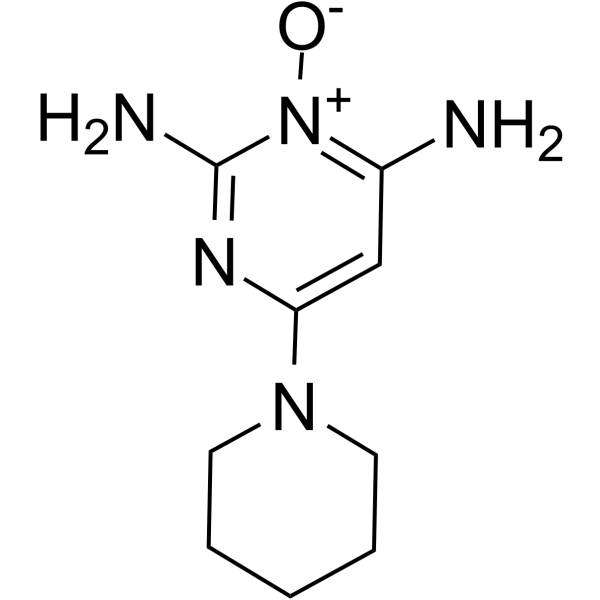
Minoxidil
Maximum Cited Publications
11 Publications Verification
U10858
|
Potassium Channel
Endogenous Metabolite
|
Cardiovascular Disease
Cancer
|
|
Minoxidil (U10858) is an ATP-sensitive potassium (KATP) channel opener, a potent oral antihypertensive agent and a peripheral vasodilator that promotes vasodilation also affects hair growth. Minoxidil is also a potent inhibitor of soybean lipoxygenaseare with an IC50 of 20 μM .
|
-
-
- HY-126388
-
-
-
- HY-N7148
-
|
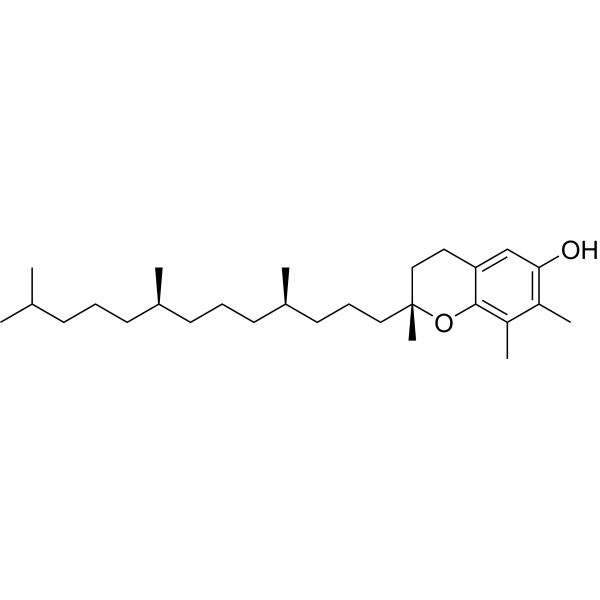
D-γ-Tocopherol; (+)-γ-Tocopherol
|
COX
Endogenous Metabolite
|
Inflammation/Immunology
Cancer
|
|
γ-Tocopherol (D-γ-Tocopherol) is a potent cyclooxygenase (COX) inhibitor. γ-Tocopherol is a naturally occurring form of Vitamin E in many plant seeds, such as corn oil and soybeans. γ-Tocopherol possesses antiinflammatory properties and anti-cancer activity .
|
-
-
- HY-128429
-
|
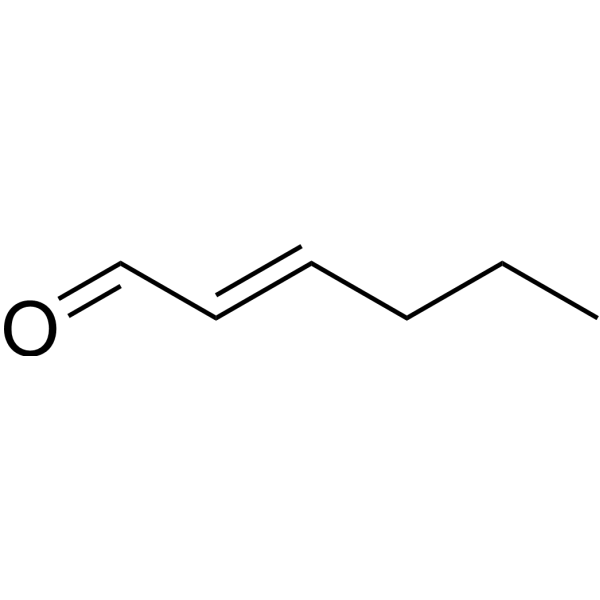
(E)-2-Hexenal
|
Environmental Pollutants
Biochemical Assay Reagents
Fungal
|
Infection
|
|
trans-2-Hexenal ((E)-2-Hexenal) is a volatile compound widely present in fresh plants, vegetables, and fruits, with a unique leafy aroma. trans-2-Hexenal has antifungal activity and can also inhibit the germination of soybean seeds and the growth of seedlings. In addition, trans-2-Hexenal can be used to determine low-molecular-weight carbonyl compounds that are reactive with biological nucleophiles in biological samples .
|
-
-
- HY-N2392
-
|
|
Parasite
Lipoxygenase
Opioid Receptor
Apoptosis
Autophagy
Reactive Oxygen Species (ROS)
Interleukin Related
TNF Receptor
PGE synthase
COX
|
Infection
Neurological Disease
Metabolic Disease
Inflammation/Immunology
Cancer
|
|
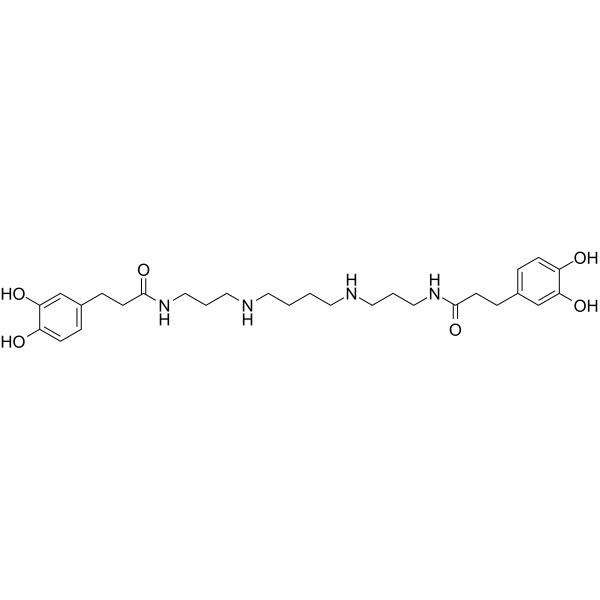
Kukoamine A, a spermine alkaloid, is an orally active and brain-penetrant component found in the root barks of Lycium chinense (L. chinense) Miller. Kukoamine A inhibits purified Crithidia fasciculata trypanothione reductase and soybean lipoxygenase, activates μ-opioid receptor. Kukoamine A can inhibt cancer cell proliferation, migration and invasion, cause G0/G1 phase cell cycle arrest and induce apoptosis. Kukoamine A exerts neuroprotective effect and can induce autophagy . Kukoamine A inhibits LPS (HY-D1056)-induced NO, ROS, PGE2, TNF-α, IL-1β, IL-6 production and COX-2 activity. Kukoamine A reverses palmitic acid-induced insulin resistance, lipid accumulation, and oxidative stress via downregulation of Srebp-1c. Kukoamine A can be used for the research of cancer, infection, inflammation, metabolic and neurological disease, such as glioblastoma and Parkinson's disease .
|
-
-
- HY-N1881
-
|
|
Lipoxygenase
Glycosidase
|
Inflammation/Immunology
|
|
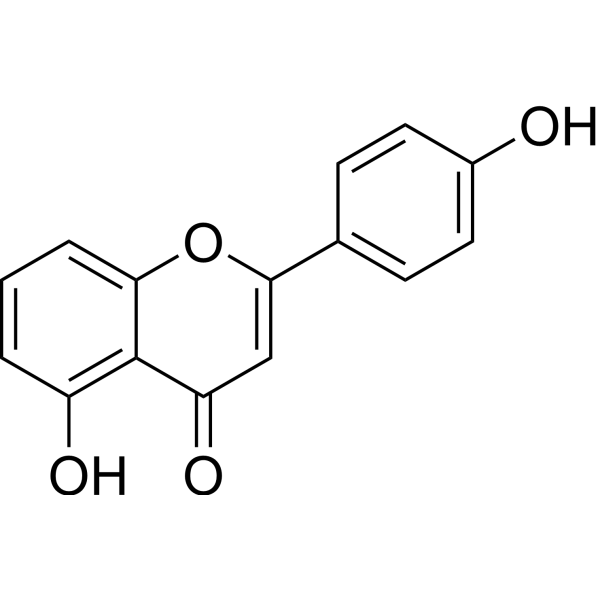
4',5-Dihydroxyflavone (Compound 2c; Compound B3) is a type of flavonoid compound. 4',5-Dihydroxyflavone can inhibit various oxidases and its IC50 values for collagenase A (ColA) and α-glucosidase are less than 1 μM and 66 μM respectively; for soybean lipoxygenase-1 (LOX-1), its Ki value is 102.6 μM. 4',5-Dihydroxyflavone can be used in studies on anti-toxicity and anti-diabetes .
|
-
-
- HY-137551
-
|
|
Environmental Pollutants
Protoporphyrinogen IX oxidase
Herbicide
|
Others
|
|
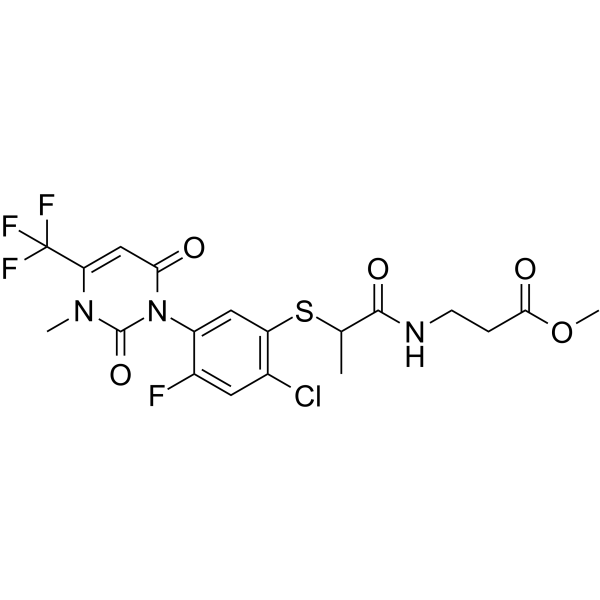
Tiafenacil is a new protoporphyrinogen IX oxidase (PPO)-inhibiting herbicide, with IC50 values of 22 to 28 nM for various plant species, including amaranth (Amaranthus tuberculatus), soybean (Glycine max), arabidopsis (Arabidopsis thaliana), and rapeseed (Brassica napus) .
|
-
-
- HY-P5285
-
|
|
Parasite
|
Infection
Inflammation/Immunology
Cancer
|
|
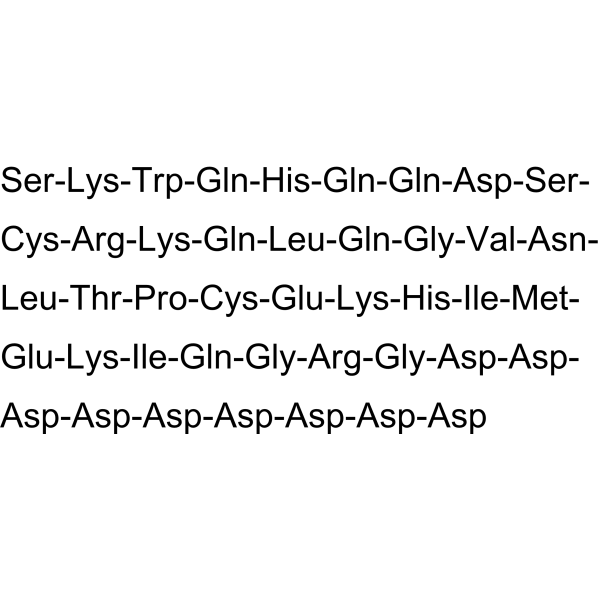
Lunasin is a bioactive peptide with antioxidant, anti-inflammatory, anticancer and anti-aging properties. Lunasin can be isolated from soybean. Lunasin also has an epigenetic mechanism of action associated with histone acetylation. Lunasin can be internalized into cells and inhibit Oncosphere formation in cancer cells .
|
-
-
- HY-B0112R
-
|
U10858 (Standard)
|
Reference Standards
Potassium Channel
Endogenous Metabolite
|
Cardiovascular Disease
Cancer
|
|
Minoxidil (Standard) is the analytical standard of Minoxidil. This product is intended for research and analytical applications. Minoxidil (U10858) is an ATP-sensitive potassium (KATP) channel opener, a potent oral antihypertensive agent and a peripheral vasodilator that promotes vasodilation also affects hair growth. Minoxidil is also a potent inhibitor of soybean lipoxygenaseare with an IC50 of 20 μM .
|
-

-
- HY-B2010
-
-
-
- HY-W016393
-
|
|
Endogenous Metabolite
|
Others
|
|
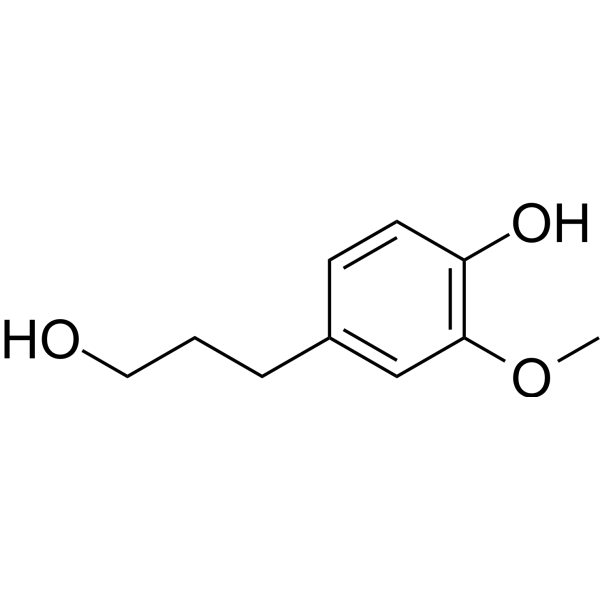
Dihydroconiferyl alcohol is a cell division factor. Dihydroconiferyl alcohol can be isolated from the American sycamore (Acer pseudoplatanus L.). Dihydroconiferyl alcohol inhibits the degradation of Indole-3-acetic acid (HY-18569). Dihydroconiferyl alcohol can stimulate the growth of soybean and tobacco callus tissue and synergistically enhance Indole-3-acetic acid-induced hypocotyl elongation in cucumber. Dihydroconiferyl alcohol can be used in the research of plant growth regulation .
|
-
-
- HY-W040194
-
|
|
Environmental Pollutants
Herbicide
|
Metabolic Disease
|
|
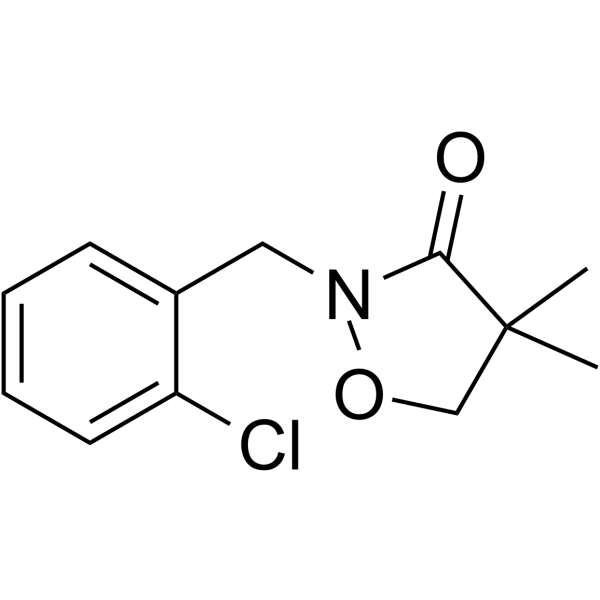
Clomazone is a broad spectrum herbicide, mainly used to control annual broadleaf weeds and grass weeds in various crops such as rice, soybeans, and peanuts. Clomazone inhibits carotenoid biosynthesis, and treated plants show typical "albinism" symptoms due to the destruction of chloroplast membrane structure leading to chlorophyll degradation. Clomazone exhibits multiple toxic effects on non-target organisms, including aquatic lethality, developmental malformations, liver damage, mitochondrial dysfunction, and hematotoxicity .
|
-
-
- HY-114507
-
|
Sumisoya; V-53482
|
Environmental Pollutants
Herbicide
|
Others
|
|
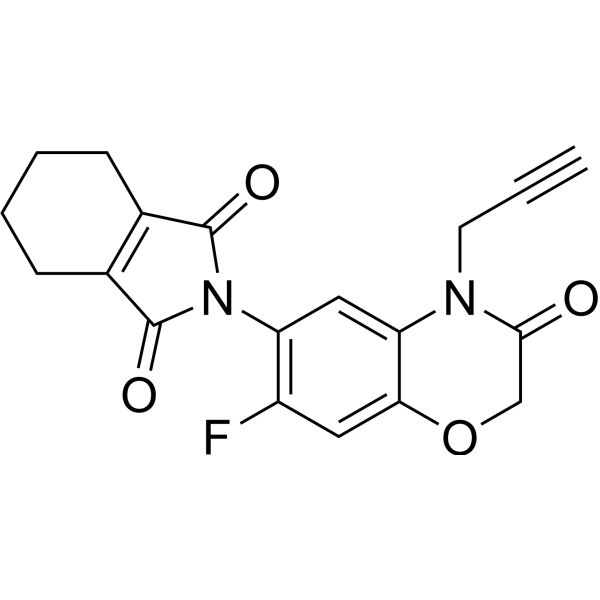
Flumioxazin (Sumisoya) is an herbicide for use in soybean and peanut. Flumioxazin inhibits the enzyme protoporphyrinogen oxidase . Flumioxazin is a click chemistry reagent, it contains an Alkyne group and can undergo copper-catalyzed azide-alkyne cycloaddition (CuAAc) with molecules containing Azide groups.
|
-
-
- HY-23196S
-
|
|
Potassium Channel
|
Neurological Disease
|
|
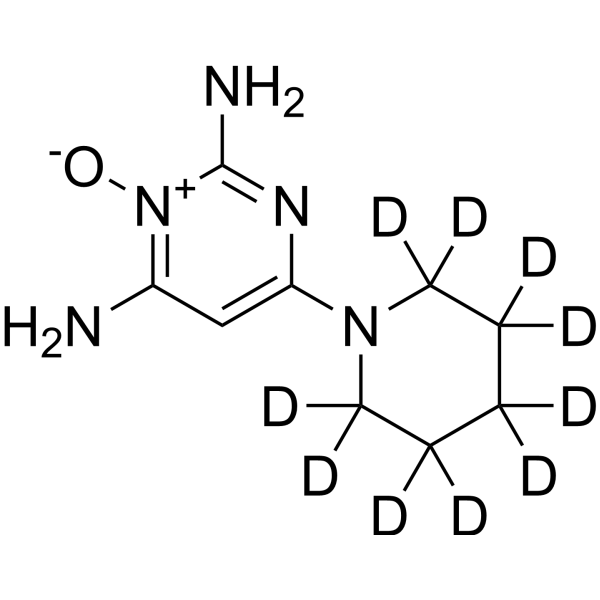
Minoxidil-d10 (U10858-d10) is the deuterium labeled Minoxidil. Minoxidil (U10858) is an ATP-sensitive potassium (KATP) channel opener, a potent oral antihypertensive agent and a peripheral vasodilator that promotes vasodilation also affects hair growth. Minoxidil is also a potent inhibitor of soybean lipoxygenaseare with an IC50 of 20 μM[1][2][3].
|
-
-
- HY-N7012
-
|
5-Hydroxy-3',4',7-trimethoxyflavone
|
Lipoxygenase
TNF Receptor
Interleukin Related
COX
Fungal
Parasite
Apoptosis
|
Infection
Inflammation/Immunology
Cancer
|
|
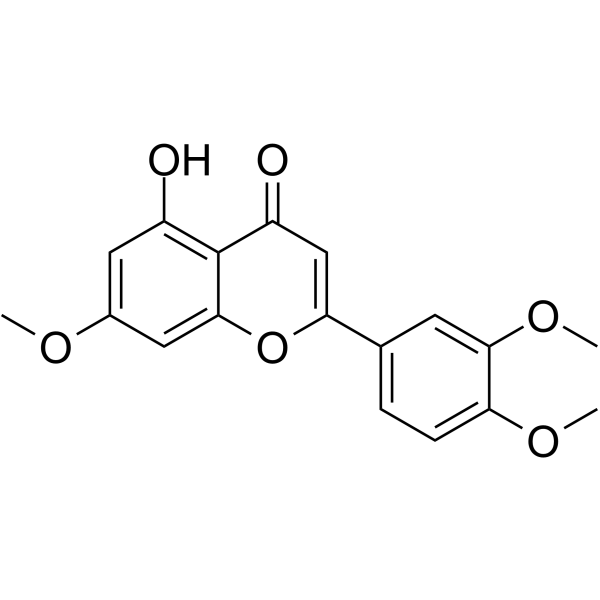
7,3',4'-Tri-O-methylluteolin (5-Hydroxy-3',4',7-trimethoxyflavone) is a flavonoid with multiple biological activities. 7,3',4'-Tri-O-methylluteolin inhibits soybean lipoxygenase (LOX), with an IC50 value of 23.97 µg/mL. 7,3',4'-Tri-O-methylluteolin possesses anti-inflammatory effects in Lipopolysaccharides (HY-D1056) (LPS)-induced RAW 264.7 macrophages. 7,3',4'-Tri-O-methylluteolin inhibits the binding of MDM2 with p53 and induces apoptosis in MCF-7 breast cancer cells. 7,3',4'-Tri-O-methylluteolin also has antioxidant, antifungal and antitrypanosomal activities sup>[4]sup>[5].
|
-
-
- HY-N4070
-
|
|
Others
|
Others
|
|
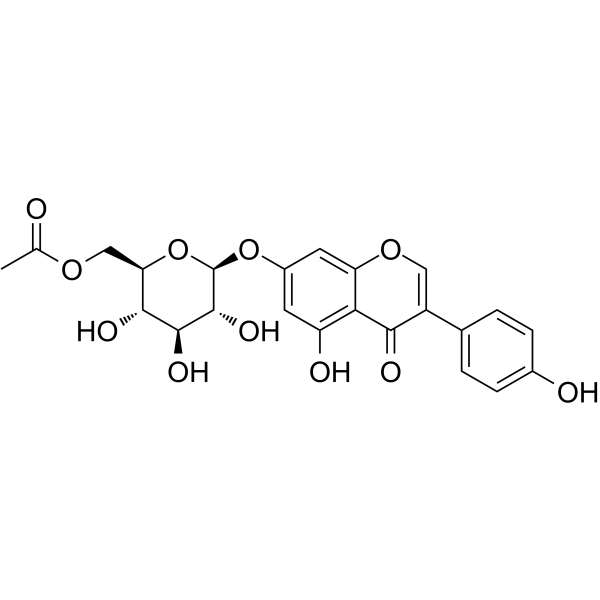
6"-O-Acetylgenistin is an isoflavone glycoside isolated from soybeans. 6"-O-Acetylgenistin significantly inhibits lipid peroxidation in rat liver microsome with an IC50 of 10.6 μM .
|
-
-
- HY-N4071
-
|
|
Others
|
Others
|
|
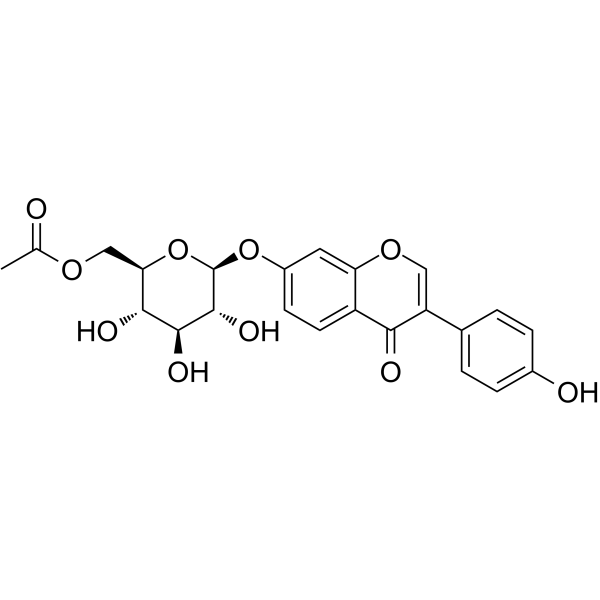
6"-O-Acetyldaidzin is an isoflavone glycoside isolated from soybeans. 6"-O-Acetyldaidzin significantly inhibits lipid peroxidation in rat liver microsome with an IC50 of 8.2 μM .
|
-
-
- HY-N7148S1
-
|
|
Isotope-Labeled Compounds
COX
|
Inflammation/Immunology
Cancer
|
|
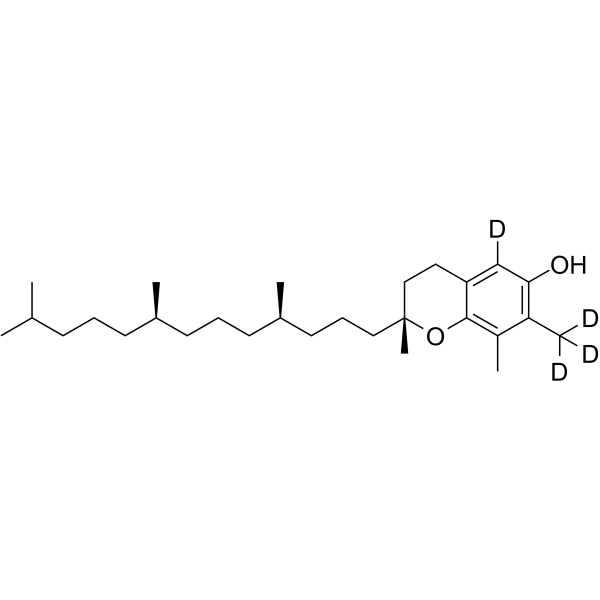
γ-Tocopherol-d4 is the deuterium labeled γ-Tocopherol. γ-Tocopherol (D-γ-Tocopherol) is a potent cyclooxygenase (COX) inhibitor. γ-Tocopherol is a naturally occurring form of Vitamin E in many plant seeds, such as corn oil and soybeans. γ-Tocopherol possesses antiinflammatory properties and anti-cancer activity .
|
-
-
- HY-N7148R
-
|
D-γ-Tocopherol (Standard); (+)-γ-Tocopherol (Standard)
|
Reference Standards
COX
Endogenous Metabolite
|
Inflammation/Immunology
Cancer
|
|
γ-Tocopherol (Standard) is the analytical standard of γ-Tocopherol. This product is intended for research and analytical applications. γ-Tocopherol (D-γ-Tocopherol) is a potent cyclooxygenase (COX) inhibitor. γ-Tocopherol is a naturally occurring form of Vitamin E in many plant seeds, such as corn oil and soybeans. γ-Tocopherol possesses antiinflammatory properties and anti-cancer activity .
|
-

-
- HY-118480
-
|
|
Lipoxygenase
Apoptosis
|
Cancer
|
|
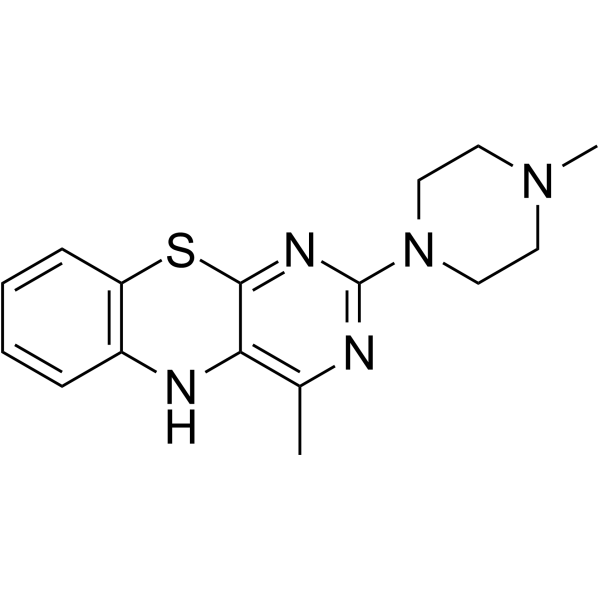
4-MMPB is a selective inhibitor of 15-lipoxygenase, with an IC50 of 18 μM. 4-MMPB has IC50s of 19.5 μM and 19.1 μM for soybean 15-lipoxygenase (SLO) and human 15-lipoxygenase-1 (15-LOX-1), respectively. 4-MMPB has potential for the research of prostate cancer .
|
-
-
- HY-W000932
-
-

-
- HY-B0865
-
|
|
Acetolactate Synthase (ALS)
|
Others
|
|
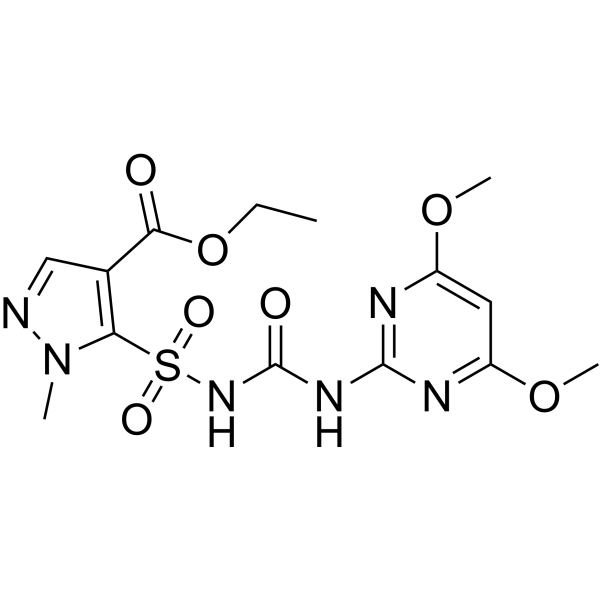
Pyrazosulfuron-ethyl, one of the acetolactate synthase inhibiting herbicides in the sulphonylurea family, has been widely used to control weed growth in commercial cereal, soybean, and vegetable fields .
|
-
-
- HY-175249
-
|
|
|
Others
|
|
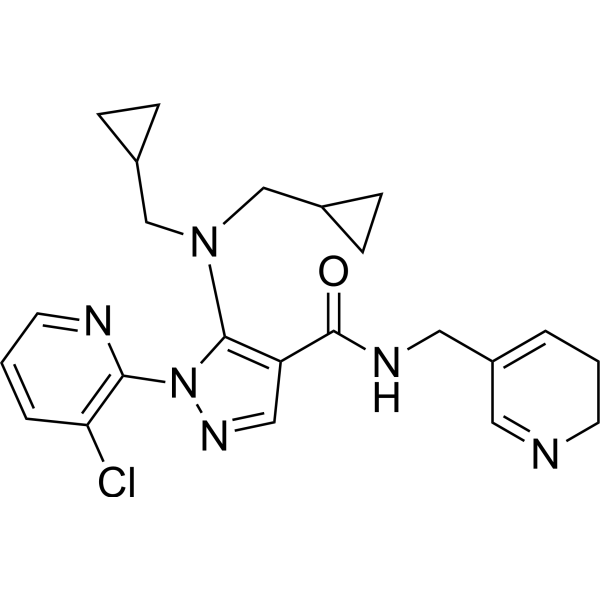
TKL-IN-2 is a herbicide and SvTKL inhibitor with an IC50 of 0.11 mg/L. TKL-IN-2 binds to the SvTKL active site, interacts with key pocket residues, and inhibits enzyme activity. TKL-IN-2 can be used for the research of weed control in maize, wheat, soybean, and cotton fields .
|
-

-
- HY-163311
-
|
|
Transketolase
Herbicide
|
Others
|
|
Transketolase-IN-6 is a potent transketolase inhibitor and a herbicide. Transketolase-IN-6 inhibits root growth of Digitaria sanguinalis, Amaranthus retroflexus, and Setaria viridis. Transketolase-IN-6 shows low phytotoxicity to wheat, maize, soybean, and cotton. Transketolase-IN-6 can be used for the research of herbicidal agent development .
|
-
-
- HY-W127366
-
|
|
Biochemical Assay Reagents
|
Others
|
|
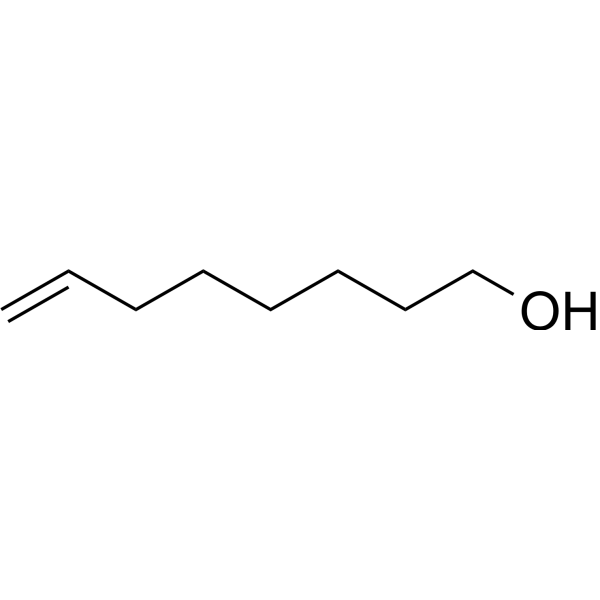
7-Octen-1-ol is an organic compound belonging to the group of alcohols. It has a strong mushroom-like smell and is commonly found in a variety of foods, such as mushrooms, soybeans, and peanuts. 7-Octen-1-ol has various applications in the flavor and fragrance industry, especially as a fragrance agent in products such as perfumes, colognes and air fresheners. In addition, it has potential utility in inhibiting inflammation-related diseases and cancer.
|
-
-
- HY-138148
-
|
|
Lipoxygenase
|
Inflammation/Immunology
|
|
13(S)-HpOTrE(γ) is a monohydroxy PUFA produced by the action of soybean lipoxygenase-1 (LO-1) on γ-linolenic acid. Further action of soybean LO-1 converts 13(S)-HpOTrE(γ) to all four isomers of 6,13-DiHOTrE.2 At concentrations greater than 100 μM, 13(S)-HpOTrE(γ) inhibits the activity of soybean LO-1.
|
-

-
- HY-116866
-
|
|
Lipoxygenase
Fungal
|
Infection
Inflammation/Immunology
|
|
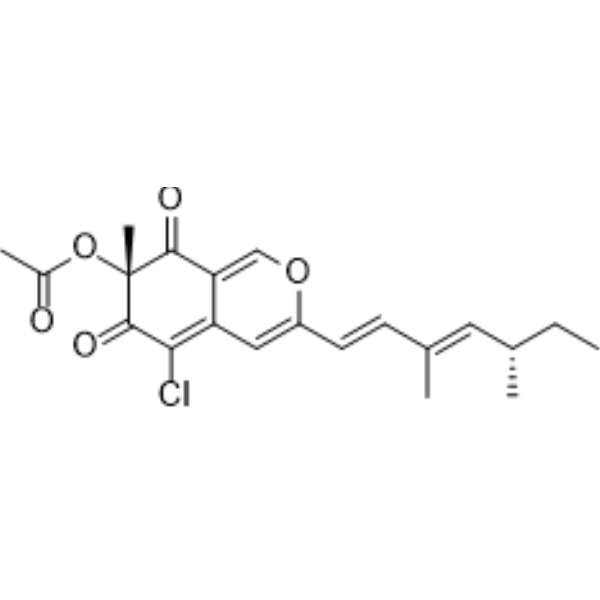
Sclerotiorin is a reversible and uncompetitive inhibitor against soybean lipoxygenase-1 (LOX-1) (IC50: 4.2 μM). Sclerotiorin also shows antioxidant activity by scavenging free radical (ED50: 0.12 μM), and nonenzymatic lipid peroxidation inhibition activity. Sclerotiorin has antifungal activity, and also inhibits platelet aggregation. Sclerotiorin can be purified from the fermented broth of Penicillium frequentans .
|
-
-
- HY-126478
-
|
|
Proton Pump
|
Others
|
|
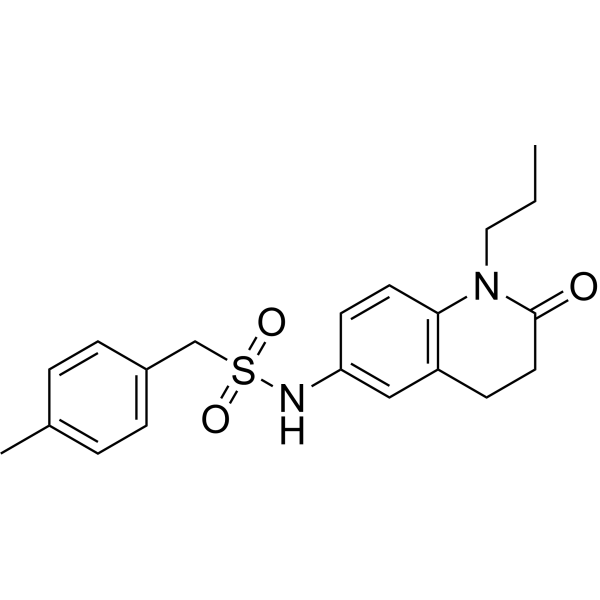
Quinabactin is a sulfonamide Abscisic acid (ABA) agonist. Quinabactin promotes guard cell closure, inhibits water loss, and promotes drought tolerance in adult Arabidopsis and soybean plants .
|
-
-
- HY-N10020
-
|
|
Lipoxygenase
|
Inflammation/Immunology
|
|
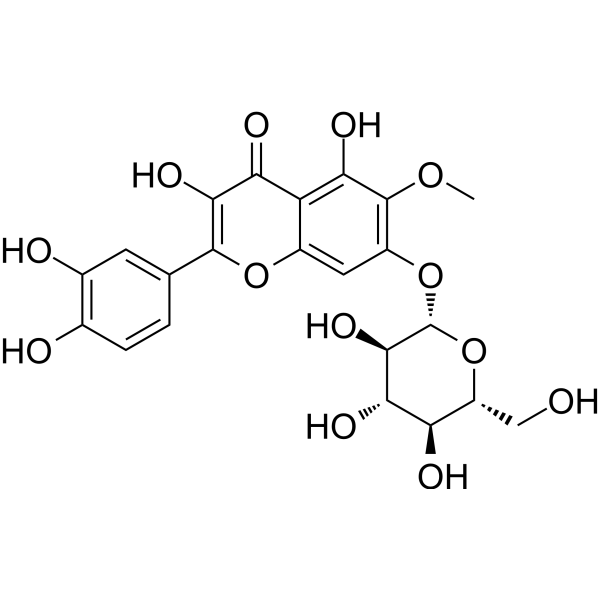
Patulitrin has scavenging effect in the DPPH radical. Patulitrin inhibits soybean lipoxygenase. Patulitrin also has antihypertensive effect. Patulitrin is an antioxidant flavonoid that can be isolated from Anthemis tinctoria .
|
-
-
- HY-B0828
-
|
|
Parasite
Cholinesterase (ChE)
|
Others
|
|
Triazophos, a non-systemic insecticide and acaricide that acts as an acetylcholinesterase (AChE) inhibitor, covalently and irreversibly binds to the acetylcholine binding site, thus blocking the hydrolysis of acetylcholine and leading to hyperexcitability; it is effective against a variety of soil insects and mites, including aphids, thrips, midges, beetles, Lepidoptera larvae, cutworms, and spider mites in crops such as ornamentals, cotton, rice, maize, soybeans, oil palms, olives, and coffee.
|
-

-
- HY-136633R
-
|
|
Herbicide
Reference Standards
|
Others
|
|
Pyroxasulfone (Standard) is the analytical standard of Pyroxasulfone. This product is intended for research and analytical applications. Pyroxasulfone is a broad-spectrum pyrazole herbicide used primarily for all-season residual weed control in corn and soybeans. Pyroxasulfone is active against a variety of annual grasses and some broad-leaved weeds, and can be absorbed through roots and stems to inhibit early seedling growth of sensitive plants. Pyroxasulfone can be used to study herbicide effects and weed resistance .
|
-

-
- HY-W016393R
-
|
|
Reference Standards
Endogenous Metabolite
|
Others
|
|
Dihydroconiferyl alcohol (Standard) is an analytical standard of Dihydroconiferyl alcohol (HY-W016393). This product is intended for research and analytical applications. Dihydroconiferyl alcohol is a cell division factor. Dihydroconiferyl alcohol can be isolated from the American sycamore (Acer pseudoplatanus L.). Dihydroconiferyl alcohol inhibits the degradation of Indole-3-acetic acid (HY-18569). Dihydroconiferyl alcohol can stimulate the growth of soybean and tobacco callus tissue and synergistically enhance Indole-3-acetic acid-induced hypocotyl elongation in cucumber. Dihydroconiferyl alcohol can be used in the research of plant growth regulation .
|
-

-
- HY-162466
-
|
|
Proton Pump
|
Others
|
|
ABA receptor agonist 1 (compound 4c) is a receptor agonist for abscisic acid (ABA). ABA receptor agonist 1 can inhibit seed germination and seedling growth of Arabidopsis and rice, stomatal closure and drought resistance of wheat and soybean .
|
-

-
- HY-B0865R
-
|
|
Reference Standards
Acetolactate Synthase (ALS)
|
Others
|
|
Pyrazosulfuron-ethyl (Standard) is the analytical standard of Pyrazosulfuron-ethyl. This product is intended for research and analytical applications. Pyrazosulfuron-ethyl, one of the acetolactate synthase inhibiting herbicides in the sulphonylurea family, has been widely used to control weed growth in commercial cereal, soybean, and vegetable fields .
|
-

-
- HY-P6177
-
|
|
Dipeptidyl Peptidase
|
Inflammation/Immunology
|
|
SGP8 (IAVPGEVA) is an octapeptide produced by hydrolysis of soybean 11S globulin, which has the effects of regulating lipid metabolism, inflammation and fibrosis. SGP8 (IAVPGEVA) exhibits inhibitory activity against DPP4 and inhibits the JNK-c-Jun signaling pathway, and has the ability to inhibit non-alcoholic steatohepatitis (NASH) .
|
-

-
- HY-113884
-
|
13(R)-HODE
|
Endogenous Metabolite
|
Metabolic Disease
|
|
13(R)-HODE is the opposite enantiomer of the 13(S)-HODE produced when linoleic acid is incubated with soybean lipoxygenase. The presence of 13(R)-HODE in the supernatants and membranes of cultured bovine endothelial cells has been attributed to COX metabolism.1 13(R)-HODE is a weak (IC50=2.7 μM) inhibitor of U-46619-induced platelet aggregation.
|
-

-
- HY-B2010S
-
-
-
- HY-100196AR
-
|
PQQ disodium salt (Standard); Methoxatin disodium salt (Standard)
|
Reference Standards
Endogenous Metabolite
|
Inflammation/Immunology
|
|
Triazophos (Standard) is the analytical standard of Triazophos. This product is intended for research and analytical applications. Triazophos, a non-systemic insecticide and acaricide that acts as an acetylcholinesterase (AChE) inhibitor, covalently and irreversibly binds to the acetylcholine binding site, thus blocking the hydrolysis of acetylcholine and leading to hyperexcitability; it is effective against a variety of soil insects and mites, including aphids, thrips, midges, beetles, Lepidoptera larvae, cutworms, and spider mites in crops such as ornamentals, cotton, rice, maize, soybeans, oil palms, olives, and coffee.
|
-

-
- HY-N7854
-
|
Anacardic acid 15:2
|
Bacterial
|
Infection
|
|
Anacardic acid diene is a polyunsaturated form of anacardic acid (HY-N2020) that has been found in cashew nut shell liquid. It has antibacterial activity against methicillin resistant S. aureus (MRSA) and S. mutans (MICs=12.5 and 6.25 μg/mL, respectively). Anacardic acid diene has schistosomicidal activity against adult S. mansoni worms when used at a concentration of 100 μM. It also inhibits soybean lipoxygenase-1 in a time-dependent manner.
|
-

-
- HY-B0828R
-
|
|
Parasite
Reference Standards
|
Others
|
|
Triazophos (Standard) is the analytical standard of Triazophos. This product is intended for research and analytical applications. Triazophos, a non-systemic insecticide and acaricide that acts as an acetylcholinesterase (AChE) inhibitor, covalently and irreversibly binds to the acetylcholine binding site, thus blocking the hydrolysis of acetylcholine and leading to hyperexcitability; it is effective against a variety of soil insects and mites, including aphids, thrips, midges, beetles, Lepidoptera larvae, cutworms, and spider mites in crops such as ornamentals, cotton, rice, maize, soybeans, oil palms, olives, and coffee.
|
-

-
- HY-B2010R
-
-

-
- HY-W040194R
-
|
|
Herbicide
Reference Standards
|
Metabolic Disease
|
|
Clomazone (Standard) is the analytical standard of Clomazone (HY-W040194). This product is intended for research and analytical applications. Clomazone is a broad spectrum herbicide, mainly used to control annual broadleaf weeds and grass weeds in various crops such as rice, soybeans, and peanuts. Clomazone inhibits carotenoid biosynthesis, and treated plants show typical "albinism" symptoms due to the destruction of chloroplast membrane structure leading to chlorophyll degradation. Clomazone exhibits multiple toxic effects on non-target organisms, including aquatic lethality, developmental malformations, liver damage, mitochondrial dysfunction, and hematotoxicity.
|
-

-
- HY-128429S
-
|
(E)-2-Hexenal-d2-1
|
Isotope-Labeled Compounds
Fungal
Biochemical Assay Reagents
|
Infection
|
|
trans-2-Hexenal-d2-1 is the deuterium labeled trans-2-Hexenal (HY-128429). trans-2-Hexenal ((E)-2-Hexenal) is a volatile compound widely present in fresh plants, vegetables, and fruits, with a unique leafy aroma. trans-2-Hexenal has antifungal activity and can also inhibit the germination of soybean seeds and the growth of seedlings. In addition, trans-2-Hexenal can be used to determine low-molecular-weight carbonyl compounds that are reactive with biological nucleophiles in biological samples .
|
-

-
- HY-114796
-
|
|
Lipoxygenase
|
Inflammation/Immunology
|
|
tHGA is a compound with anti-inflammatory activity and has the activity to inhibit soybean 15-LOX. tHGA showed significant inhibitory effects in experiments on human leukocytes, with an IC50 value of 0.42 μM, which is close to the effect of commonly used standard NDGA. tHGA concentration-dependently inhibits the synthesis of 5-LOX products, especially the cysteine leukotriene LTC(4), with an IC50 value of 1.80 μM. and showed no cytotoxicity. The anti-inflammatory effects of tHGA do not appear to be through redox or metal chelation mechanisms, as the compound was negative in these bioactivity tests. tHGA works through a dual LOX/COX inhibition mechanism and has higher selectivity for 5-LOX and COX-2, with an IC50 value of 0.40 μM .
|
-

-
- HY-N18032
-
|
|
Others
|
Infection
|
|
Glyceollin II is a glyceollin found in soybean cotyledons (CY. Harosoy 63) inoculated with Phytophthora megaspenna f.sp. glycinea race 1. Glyceollin II inhibits the radial mycelial growth of P. megasperma f.sp. gbcinea race 1. Glyceollin II inhbiits zoospore germination (ED50 = 7 μg/mL) and causes zoospores to burst. Glyceollin II can be used for the research of Phytophthora megasperma f.sp. glycinea infection in soybeans .
|
-

-
- HY-179183
-
|
|
Biochemical Assay Reagents
|
Others
|
|
B5 Medium is a culture medium primarily used for soybean tissue culture. A key characteristic of B5 Medium is its low ammonium content, which may inhibit the growth of many cultures .
|
-

-
- HY-124889
-
|
|
Apoptosis
Herbicide
|
Others
|
|
Dimethenamid is an acetamide herbicide that is widely used on soybeans and corns to inhibit weed growth. Dimethenamid not only lead to morphological abnormalities in zebrafish larvae but also reduces their viability. ROS production and inflammation responses were promoted in zebrafish larvae.
|
-

-
- HY-W351546
-
|
|
Herbicide
Protoporphyrinogen IX oxidase
|
Others
|
|
Carfentrazone-ethyl is a selective post-emergence herbicide and protoporphyrinogen oxidase (Protox) inhibitor, with an I50 value of 18 nM against soybean Protox. Carfentrazone-ethyl causes severe damage to target weeds (ivy-leaved morning glory, velvetleaf) .
|
-

-
- HY-179183A
-
|
|
Biochemical Assay Reagents
|
Others
|
|
B5 Medium (Agar-Free) is a culture medium primarily used for soybean tissue culture. A key characteristic of B5 Medium (Agar-Free) is its low ammonium content, which may inhibit the growth of many cultures .
|
-

-
- HY-B0112A
-
|
U10858 hydrochloride
|
Potassium Channel
Endogenous Metabolite
|
Cardiovascular Disease
|
|
Minoxidil (U10858) hydrochloride is an ATP-sensitive potassium (KATP) channel opener, a potent oral antihypertensive agent and a peripheral vasodilator that promotes vasodilation also affects hair growth. Minoxidil hydrochloride is also a potent inhibitor of soybean lipoxygenaseare with an IC50 of 20 μM .
|
-

- HY-179183B
-
|
|
Biochemical Assay Reagents
|
Others
|
|
B5 Medium (Agar-Free, Sucrose-Free) is a culture medium primarily used for soybean tissue culture. A key characteristic of B5 Medium (Agar-Free, Sucrose-Free) is its low ammonium content, which may inhibit the growth of many cultures .
|
-

- HY-114507R
-
|
Sumisoya (Standard); V-53482 (Standard)
|
Herbicide
Reference Standards
|
Others
|
|
Flumioxazin (Standard) is the analytical standard of Flumioxazin. This product is intended for research and analytical applications. Flumioxazin (Sumisoya) is an herbicide for use in soybean and peanut. Flumioxazin inhibits the enzyme protoporphyrinogen oxidase . Flumioxazin is a click chemistry reagent, it contains an Alkyne group and can undergo copper-catalyzed azide-alkyne cycloaddition (CuAAc) with molecules containing Azide groups.
|
-

- HY-N17462
-
|
|
Monoamine Oxidase
|
Inflammation/Immunology
|
|
Methyl 9-hydroxyoctadeca-10,12,15-trienoate is a soybean lipoxygenase (LOX) inhibitor. Methyl 9-hydroxyoctadeca-10,12,15-trienoate inhibits TPA (HY-18739)-induced ear edema/inflammation in mice. Methyl 9-hydroxyoctadeca-10,12,15-trienoate can be used for the research of inflammation .
|
-

- HY-B0828S
-
|
Hostathion 40EC-d5; Hostathion-d5; Hostation-d5
|
Isotope-Labeled Compounds
Parasite
Cholinesterase (ChE)
|
Others
|
|
Triazophos-d5 (Hostathion 40EC-d5) is the deuterium labeled Triazophos(HY-B0828) . Triazophos, a non-systemic insecticide and acaricide that acts as an acetylcholinesterase (AChE) inhibitor, covalently and irreversibly binds to the acetylcholine binding site, thus blocking the hydrolysis of acetylcholine and leading to hyperexcitability; it is effective against a variety of soil insects and mites, including aphids, thrips, midges, beetles, Lepidoptera larvae, cutworms, and spider mites in crops such as ornamentals, cotton, rice, maize, soybeans, oil palms, olives, and coffee.
|
-

-
- HY-126388
-
|
|
生化学アッセイ試薬
|
|
Trypsin Inhibitor, soybean is a potent and reversible inhibitor of trypsin .
|
-
- HY-W127366
-
|
|
生化学アッセイ試薬
|
|
7-Octen-1-ol is an organic compound belonging to the group of alcohols. It has a strong mushroom-like smell and is commonly found in a variety of foods, such as mushrooms, soybeans, and peanuts. 7-Octen-1-ol has various applications in the flavor and fragrance industry, especially as a fragrance agent in products such as perfumes, colognes and air fresheners. In addition, it has potential utility in inhibiting inflammation-related diseases and cancer.
|
-
- HY-179183
-
|
|
生化学アッセイ試薬
|
|
B5 Medium is a culture medium primarily used for soybean tissue culture. A key characteristic of B5 Medium is its low ammonium content, which may inhibit the growth of many cultures .
|
-
- HY-179183A
-
|
|
生化学アッセイ試薬
|
|
B5 Medium (Agar-Free) is a culture medium primarily used for soybean tissue culture. A key characteristic of B5 Medium (Agar-Free) is its low ammonium content, which may inhibit the growth of many cultures .
|
-
- HY-179183B
-
|
|
生化学アッセイ試薬
|
|
B5 Medium (Agar-Free, Sucrose-Free) is a culture medium primarily used for soybean tissue culture. A key characteristic of B5 Medium (Agar-Free, Sucrose-Free) is its low ammonium content, which may inhibit the growth of many cultures .
|
-
- HY-P5285
-
|
|
Parasite
|
Infection
Inflammation/Immunology
Cancer
|
|
Lunasin is a bioactive peptide with antioxidant, anti-inflammatory, anticancer and anti-aging properties. Lunasin can be isolated from soybean. Lunasin also has an epigenetic mechanism of action associated with histone acetylation. Lunasin can be internalized into cells and inhibit Oncosphere formation in cancer cells .
|
-
- HY-P6177
-
|
|
Dipeptidyl Peptidase
|
Inflammation/Immunology
|
|
SGP8 (IAVPGEVA) is an octapeptide produced by hydrolysis of soybean 11S globulin, which has the effects of regulating lipid metabolism, inflammation and fibrosis. SGP8 (IAVPGEVA) exhibits inhibitory activity against DPP4 and inhibits the JNK-c-Jun signaling pathway, and has the ability to inhibit non-alcoholic steatohepatitis (NASH) .
|
| 製品番号 |
製品名 |
Category |
Target |
構造式 |
-
- HY-B0112
-
-
-
- HY-N7148
-
-
-
- HY-128429
-
-
-
- HY-N2392
-
|
|
Cardiovascular Disease
Alkaloids
Structural Classification
other families
Classification of Application Fields
Other Alkaloids
Phenols
Polyphenols
Plants
Disease Research Fields
Source Classification
|
Parasite
Lipoxygenase
Opioid Receptor
Apoptosis
Autophagy
Reactive Oxygen Species (ROS)
Interleukin Related
TNF Receptor
PGE synthase
COX
|
|
Kukoamine A, a spermine alkaloid, is an orally active and brain-penetrant component found in the root barks of Lycium chinense (L. chinense) Miller. Kukoamine A inhibits purified Crithidia fasciculata trypanothione reductase and soybean lipoxygenase, activates μ-opioid receptor. Kukoamine A can inhibt cancer cell proliferation, migration and invasion, cause G0/G1 phase cell cycle arrest and induce apoptosis. Kukoamine A exerts neuroprotective effect and can induce autophagy . Kukoamine A inhibits LPS (HY-D1056)-induced NO, ROS, PGE2, TNF-α, IL-1β, IL-6 production and COX-2 activity. Kukoamine A reverses palmitic acid-induced insulin resistance, lipid accumulation, and oxidative stress via downregulation of Srebp-1c. Kukoamine A can be used for the research of cancer, infection, inflammation, metabolic and neurological disease, such as glioblastoma and Parkinson's disease .
|
-
-
- HY-N1881
-
-
-
- HY-B0112R
-
-
-
- HY-W016393
-
-
-
- HY-N7012
-
|
5-Hydroxy-3',4',7-trimethoxyflavone
|
Monophenols
Flavonoids
Classification of Application Fields
Flavones
Labiatae
Phenols
Plants
Swartzia polyphylla DC.
Inflammation/Immunology
Disease Research Fields
Source Classification
|
Lipoxygenase
TNF Receptor
Interleukin Related
COX
Fungal
Parasite
Apoptosis
|
|
7,3',4'-Tri-O-methylluteolin (5-Hydroxy-3',4',7-trimethoxyflavone) is a flavonoid with multiple biological activities. 7,3',4'-Tri-O-methylluteolin inhibits soybean lipoxygenase (LOX), with an IC50 value of 23.97 µg/mL. 7,3',4'-Tri-O-methylluteolin possesses anti-inflammatory effects in Lipopolysaccharides (HY-D1056) (LPS)-induced RAW 264.7 macrophages. 7,3',4'-Tri-O-methylluteolin inhibits the binding of MDM2 with p53 and induces apoptosis in MCF-7 breast cancer cells. 7,3',4'-Tri-O-methylluteolin also has antioxidant, antifungal and antitrypanosomal activities sup>[4]sup>[5].
|
-
-
- HY-N4070
-
-
-
- HY-N4071
-
-
-
- HY-N7148R
-
-
-
- HY-116866
-
|
|
Structural Classification
天然物
Microorganisms
Source Classification
|
Lipoxygenase
Fungal
|
|
Sclerotiorin is a reversible and uncompetitive inhibitor against soybean lipoxygenase-1 (LOX-1) (IC50: 4.2 μM). Sclerotiorin also shows antioxidant activity by scavenging free radical (ED50: 0.12 μM), and nonenzymatic lipid peroxidation inhibition activity. Sclerotiorin has antifungal activity, and also inhibits platelet aggregation. Sclerotiorin can be purified from the fermented broth of Penicillium frequentans .
|
-
-
- HY-N10020
-
-
-
- HY-W016393R
-
|
|
Monophenols
other families
Phenols
Plants
Source Classification
|
Reference Standards
Endogenous Metabolite
|
|
Dihydroconiferyl alcohol (Standard) is an analytical standard of Dihydroconiferyl alcohol (HY-W016393). This product is intended for research and analytical applications. Dihydroconiferyl alcohol is a cell division factor. Dihydroconiferyl alcohol can be isolated from the American sycamore (Acer pseudoplatanus L.). Dihydroconiferyl alcohol inhibits the degradation of Indole-3-acetic acid (HY-18569). Dihydroconiferyl alcohol can stimulate the growth of soybean and tobacco callus tissue and synergistically enhance Indole-3-acetic acid-induced hypocotyl elongation in cucumber. Dihydroconiferyl alcohol can be used in the research of plant growth regulation .
|
-
-
- HY-100196AR
-
|
PQQ disodium salt (Standard); Methoxatin disodium salt (Standard)
|
Quinones
Structural Classification
Microorganisms
Benzene Quinones
Endogenous metabolite
Source Classification
|
Reference Standards
Endogenous Metabolite
|
|
Triazophos (Standard) is the analytical standard of Triazophos. This product is intended for research and analytical applications. Triazophos, a non-systemic insecticide and acaricide that acts as an acetylcholinesterase (AChE) inhibitor, covalently and irreversibly binds to the acetylcholine binding site, thus blocking the hydrolysis of acetylcholine and leading to hyperexcitability; it is effective against a variety of soil insects and mites, including aphids, thrips, midges, beetles, Lepidoptera larvae, cutworms, and spider mites in crops such as ornamentals, cotton, rice, maize, soybeans, oil palms, olives, and coffee.
|
-
-
- HY-N18032
-
|
|
Structural Classification
Monophenols
Leguminosae
Glycine max (L.) merr
Phenols
Plants
Source Classification
|
Others
|
|
Glyceollin II is a glyceollin found in soybean cotyledons (CY. Harosoy 63) inoculated with Phytophthora megaspenna f.sp. glycinea race 1. Glyceollin II inhibits the radial mycelial growth of P. megasperma f.sp. gbcinea race 1. Glyceollin II inhbiits zoospore germination (ED50 = 7 μg/mL) and causes zoospores to burst. Glyceollin II can be used for the research of Phytophthora megasperma f.sp. glycinea infection in soybeans .
|
-
-
- HY-N17462
-
-
-
- HY-23196S
-
|
|
|
Minoxidil-d10 (U10858-d10) is the deuterium labeled Minoxidil. Minoxidil (U10858) is an ATP-sensitive potassium (KATP) channel opener, a potent oral antihypertensive agent and a peripheral vasodilator that promotes vasodilation also affects hair growth. Minoxidil is also a potent inhibitor of soybean lipoxygenaseare with an IC50 of 20 μM[1][2][3].
|
-
-
- HY-N7148S1
-
|
|
|
γ-Tocopherol-d4 is the deuterium labeled γ-Tocopherol. γ-Tocopherol (D-γ-Tocopherol) is a potent cyclooxygenase (COX) inhibitor. γ-Tocopherol is a naturally occurring form of Vitamin E in many plant seeds, such as corn oil and soybeans. γ-Tocopherol possesses antiinflammatory properties and anti-cancer activity .
|
-
-
- HY-B2010S
-
|
|
|
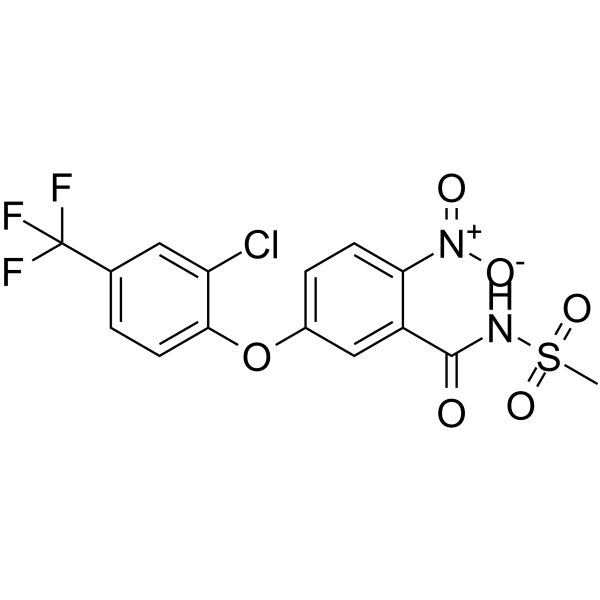
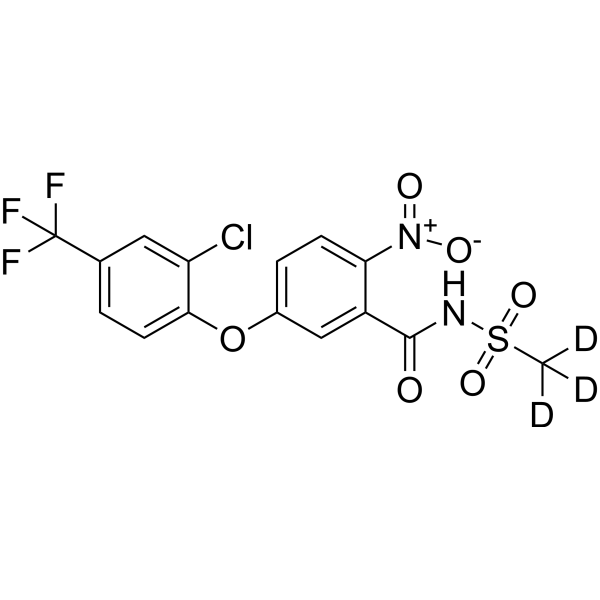
Fomesafen-d3 is the deuterium-labeled Fomesafen (HY-B2010). Fomesafen is an orally active herbicide. Fomesafen inhibits protoporphyrinogen oxidase (PPO). Fomesafen induces Apoptosis and increases ROS. Fomesafen exhibits developmental toxicity, immunotoxicity, and neurotoxicity. It induces precancerous lesions in the liver and hepaturoporphyria in mice. Fomesafen is used to control broadleaf weeds in soybean fields, rubber plantations, and orchards .
|
-
-
- HY-128429S
-
|
|
|
trans-2-Hexenal-d2-1 is the deuterium labeled trans-2-Hexenal (HY-128429). trans-2-Hexenal ((E)-2-Hexenal) is a volatile compound widely present in fresh plants, vegetables, and fruits, with a unique leafy aroma. trans-2-Hexenal has antifungal activity and can also inhibit the germination of soybean seeds and the growth of seedlings. In addition, trans-2-Hexenal can be used to determine low-molecular-weight carbonyl compounds that are reactive with biological nucleophiles in biological samples .
|
-
-
- HY-B0828S
-
|
|
|
Triazophos-d5 (Hostathion 40EC-d5) is the deuterium labeled Triazophos(HY-B0828) . Triazophos, a non-systemic insecticide and acaricide that acts as an acetylcholinesterase (AChE) inhibitor, covalently and irreversibly binds to the acetylcholine binding site, thus blocking the hydrolysis of acetylcholine and leading to hyperexcitability; it is effective against a variety of soil insects and mites, including aphids, thrips, midges, beetles, Lepidoptera larvae, cutworms, and spider mites in crops such as ornamentals, cotton, rice, maize, soybeans, oil palms, olives, and coffee.
|
-
-
- HY-114507
-
|
Sumisoya; V-53482
|
|
Alkynes
|
|
Flumioxazin (Sumisoya) is an herbicide for use in soybean and peanut. Flumioxazin inhibits the enzyme protoporphyrinogen oxidase . Flumioxazin is a click chemistry reagent, it contains an Alkyne group and can undergo copper-catalyzed azide-alkyne cycloaddition (CuAAc) with molecules containing Azide groups.
|
入力情報は安全に管理されます. ※ 必須入力項目.
Inquiry Information
- 製品名:
- 製品番号:
- 数量:
- MCE 日本正規代理店:





