1. Search Result
Search Result
Results for "

allergic+asthma

" in MedChemExpress (MCE) Product Catalog:

39

Inhibitors & Agonists

3

Biochemical Assay Reagents

1

Peptides

5

Inhibitory Antibodies

9

Natural
Products

2

Oligonucleotides

Cat. No. Product Name Target Research Areas Chemical Structure
  • HY-150724
    ODN 1018
    2 Publications Verification

    1018 ISS

    Toll-like Receptor (TLR) Inflammation/Immunology
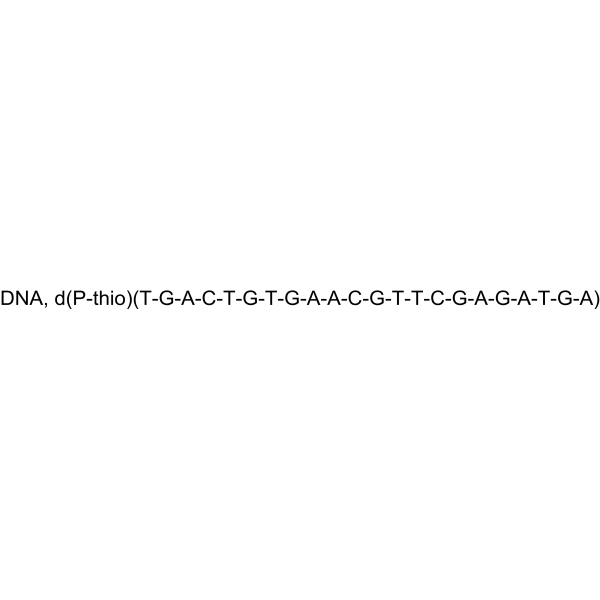
    ODN 1018 (1018 ISS) is a TLR9 agonist and immune modulator. ODN 1018 exhibits adjuvant activity and augments CD8+ T cell responses with LNP-encapsulated OVA peptides. ODN 1018 triggers sustained suppression of allergic airway inflammation. ODN 1018 can be used for the research of allergic asthma and systemic lupus erythematosus .
    ODN 1018
  • HY-P9950
    Omalizumab
    1 Publications Verification

    Olizumab; rhuMab-E25; IGE25; RG-3648

    Interleukin Related Inflammation/Immunology Cancer
    Omalizumab is a recombinant, humanized, monoclonal antibody against human immunoglobulin E (IgE) with a KD of 0.393 nM. Omalizumab binds to the human FcγRIIb receptors with a KD of 6.37 uM. Omalizumab has the potential for persistent allergic asthma research . The component ratio of this product is Active ingredient : Excipients = 1:1.3-1:1.5.
    Omalizumab
  • HY-156963

    FP-025

    MMP Inflammation/Immunology
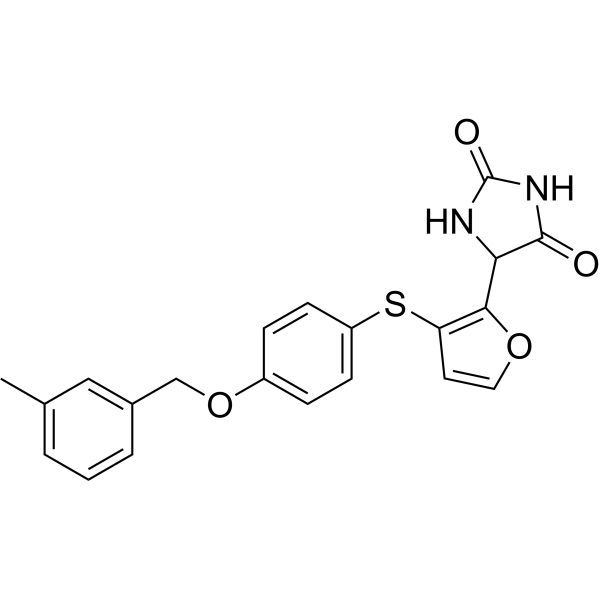
    Aderamastat (FP-025) is an orally active, selective MMP-12 inhibitor. Aderamastat provides protection against house dust mite (HDM)-sensitized allergic asthma. Aderamastat can be used in the research of respiratory diseases, including chronic inflammatory airway diseases and pulmonary fibrosis .
    Aderamastat
  • HY-N0646
    Silydianin
    1 Publications Verification

    Phosphatase Endogenous Metabolite Tyrosinase Apoptosis Interleukin Related Inflammation/Immunology Cancer
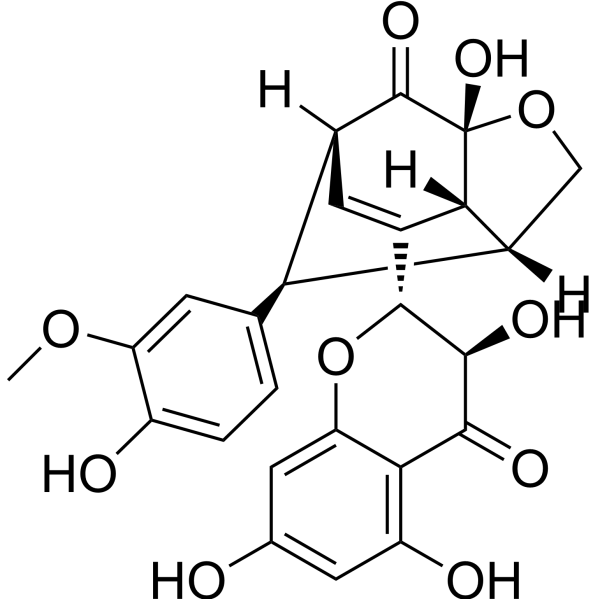
    Silydianin is a flavonolignan. Silydianin can be obtained from Silybum marianum. Silydianin inhibits PTP1B with an IC50 of 17.38 μM. Silydianin inhibits both monophenolase and diphenolase of tyrosinase significantly, with IC50s of 2.6 μM and 16.5 μM, respectively. Silydianin induces Apoptosis and reduces cytokines (IL-4 and IL-5). Silymarin has antioxidant, cytoprotective and immunomodulatory effects. Silydianin has antitumor activity against prostate cancer. Silymarin can be used in allergic asthma research .
    Silydianin
  • HY-P99300
    Ligelizumab
    1 Publications Verification

    QGE 031; Anti-IGHE Recombinant Antibody

    Fc Receptor (FcR) Inflammation/Immunology
    Ligelizumab (QGE 031) is a humanized high-affinity anti-immunoglobulin IgE monoclonal antibody. Ligelizumab selectively inhibits the binding of IgE to the high-affinity receptor FcεRI, while the inhibitory effect on the low-affinity receptor CD23 is weak. Ligelizumab can inhibit the activation of effector cells such as mast cells and Basophil, while reducing the production of IgE by B cells, and restoring the IFN-α production and regulatory T cell (Treg) induction function of plasmacytoid dendritic cells (pDC). Ligelizumab can be used in the study of allergic diseases (such as chronic spontaneous urticaria, allergic asthma) .
    Ligelizumab
  • HY-150724C
    ODN 1018 sodium
    2 Publications Verification

    1018 ISS sodium

    Toll-like Receptor (TLR) Inflammation/Immunology
    ODN 1018 (1018 ISS) sodium is a TLR9 agonist and immune modulator. ODN 1018 sodium exhibits adjuvant activity and augments CD8+ T cell responses with LNP-encapsulated OVA peptides. ODN 1018 sodium triggers sustained suppression of allergic airway inflammation. ODN 1018 sodium can be used for the research of allergic asthma and systemic lupus erythematosus .
    ODN 1018 sodium
  • HY-134771
    YM-341619
    1 Publications Verification

    AS1617612

    STAT Inflammation/Immunology
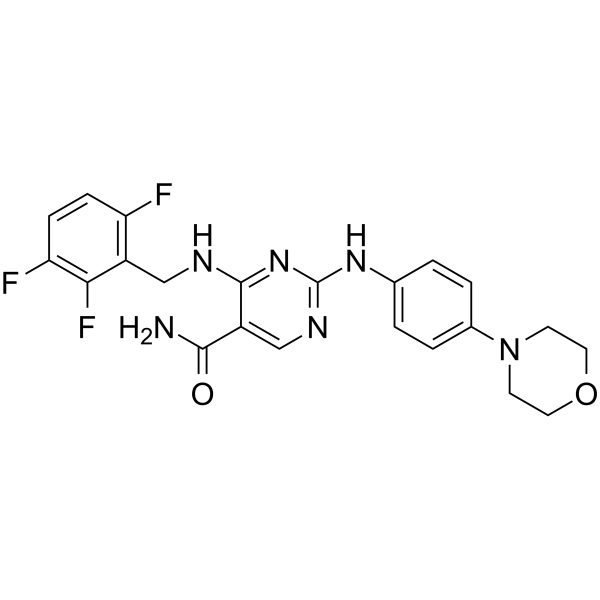
    YM-341619 (AS1617612) is a potent and orally active STAT6 inhibitor with an IC50 of 0.70 nM. YM-341619 inhibits Th2 differentiation in mouse spleen T cells induced by IL-4 (IC50=0.28 nM) without affecting Th1 cell differentiation . YM-341619 is a promising compound for the the research of allergic diseases, such as allergic asthma .
    YM-341619
  • HY-NP159

    Mucin Interleukin Related Inflammation/Immunology
    House Dust Mite Extract, from D.farinae is a house dust mite allergen extract derived from Dermatophagoides farinae. House Dust Mite Extract, from D.farinae significantly increases the levels of cytokines (IL-4, IL-5, IL-6) in bronchoalveolar lavage fluid. House Dust Mite Extract, from D.farinae upregulates the overexpression of MUC5AC. House Dust Mite Extract, from D.farinae induces allergic asthma and pulmonary inflammation .
    House Dust Mite Extract, from D.farinae
  • HY-116522
    AR420626
    4 Publications Verification

    Free Fatty Acid Receptor Histone Methyltransferase HDAC mTOR CaMK p38 MAPK Epigenetic Reader Domain GLUT nAChR TNF Receptor Metabolic Disease Inflammation/Immunology Cancer
    AR420626 is a selective agonist of free fatty acid receptor 3 (FFAR3) (IC50=117 nM). AR420626 has anti-inflammatory, anticancer and antidiabetic activities. AR420626 improves neurogenic diarrhea by inhibiting nAChR mediated neural pathways. AR420626 inhibits the growth of HepG2 xenografts and inhibits the proliferation of hepatoma cells by inducing apoptosis. AR420626 also suppresses allergic asthma and eczema and has the ability to activate GPR41 to increase Ca 2+ signal-mediated glucose uptake and improve diabetes .
    AR420626
  • HY-N0805
    Alisol B 23-acetate
    3 Publications Verification

    23-Acetylalismol B; 23-O-Acetylalisol B; Alisol B monoacetate

    Apoptosis Reactive Oxygen Species (ROS) CDK MMP PARP FXR Syk Cardiovascular Disease Metabolic Disease Inflammation/Immunology Cancer
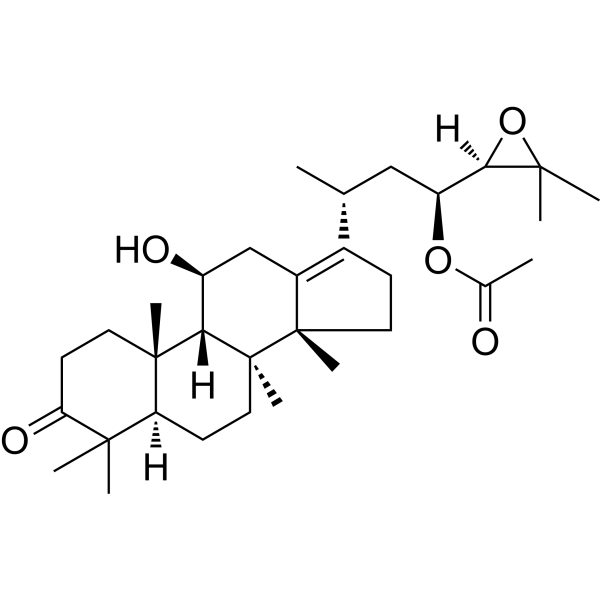
    Alisol B 23-acetate is an orally active prototerpane-type triterpenoid. Alisol B 23-acetate can be isolated from Alisma orientalis. Alisol B 23-acetate induces Apoptosis, promotes ROS generation, downregulates CDK4/6, MMP-2/9, upregulates cleaved PARP, activates FXR and inhibits Syk. Alisol B 23-acetate has anti-inflammatory and hepatoprotective activities. Alisol B 23-acetate protects the kidney from ischemia-reperfusion injury. Alisol B 23-acetate has anticancer activity against ovarian cancer, colon cancer, lung cancer, and gastric cancer. Alisol B 23-acetate can be used in the study of atherosclerosis and allergic asthma .
    Alisol B 23-acetate
  • HY-N0081

    Calcium Channel NF-κB Interleukin Related Cardiovascular Disease Inflammation/Immunology
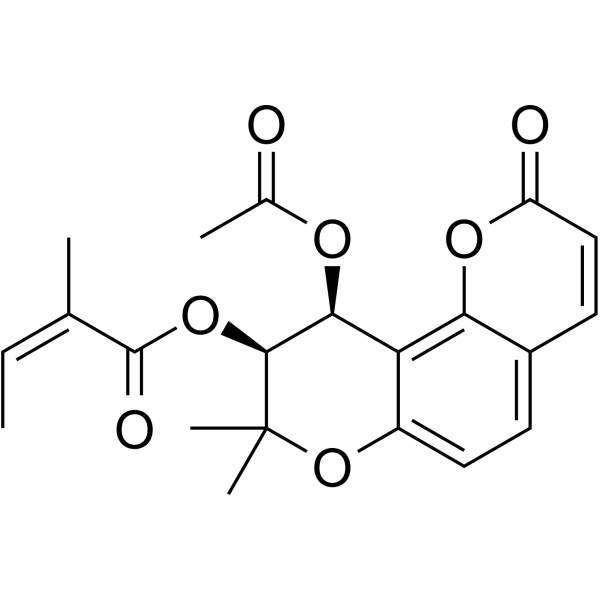
    (±)-Praeruptorin A, a coumarin compound, is the main bioactive component in Peucedani Radix. As a calcium channel blocker, (±)-Praeruptorin A exhibits great antihypertensive effects. In addition, (±)-Praeruptorin A also has the effects of relaxing vascular smooth muscle, inhibiting airway inflammation and airway hyperresponsiveness. (±)-Praeruptorin A can be used for the research of allergic asthma, hypertension and other diseases .
    (±)-Praeruptorin A
  • HY-N1510

    Glycosidase Notch Toll-like Receptor (TLR) NF-κB Mucin Reactive Oxygen Species (ROS) Bacterial TGF-beta/Smad Anaplastic lymphoma kinase (ALK) Infection Inflammation/Immunology Cancer
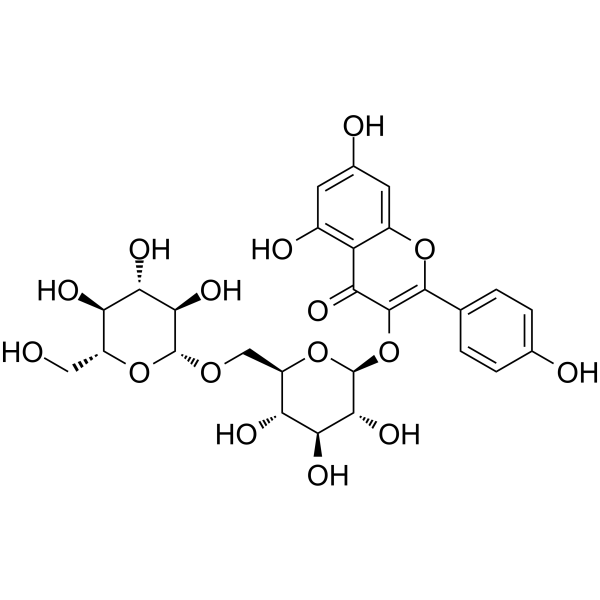
    Kaempferol 3-O-gentiobioside is an orally active flavonoid, with a Ka value of 57 µM against human NOTCH1 and an IC50 value of 50 μM against α-glucosidase. Kaempferol 3-O-gentiobioside inhibits the NOTCH signaling pathway. It downregulates the expression of TLR4 and NLRP3, and suppresses the activation and nuclear translocation of NF-κB. Kaempferol 3-O-gentiobioside inhibits the expression of MUC5AC, reduces nitrite and ROS levels, and attenuates excessive mucus secretion. It exhibits antibacterial activity, reducing the formation and growth of MRSA biofilms. Kaempferol 3-O-gentiobioside blocks the TGF-β/ALK5/Smad signaling pathway and inhibits epithelial-mesenchymal transition. It suppresses the proliferation, migration, invasion and metastatic growth of tumor cells. Kaempferol 3-O-gentiobioside alleviates airway inflammation and mucus hypersecretion in mice with allergic asthma . It reduces the volume of ovarian cancer xenografts in mice. Kaempferol 3-O-gentiobioside can be used in research related to allergic asthma, diabetes, MRSA infection, breast cancer, gastric cancer and ovarian cancer .
    Kaempferol 3-O-gentiobioside
  • HY-11067
    WHI-P97
    1 Publications Verification

    JAK Inflammation/Immunology
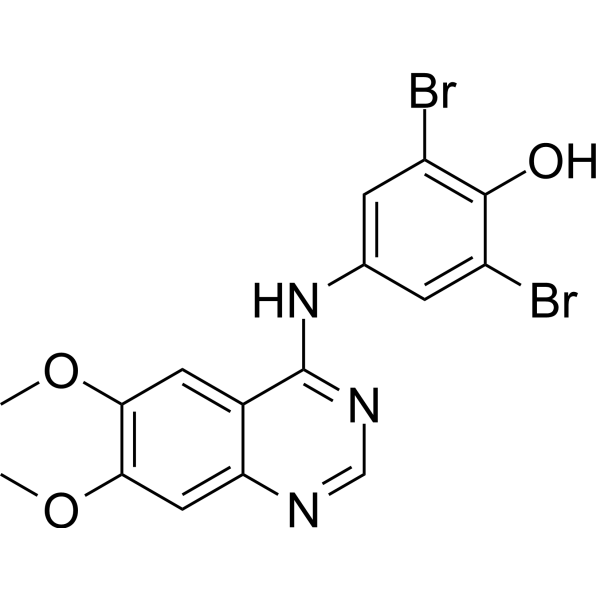
    WHI-P97 is a potent and selective JAK-3 inhibitor. WHI-P97 is effective in preventing the development allergic asthma in vivo .
    WHI-P97
  • HY-108243
    AZD5423
    2 Publications Verification

    Glucocorticoid Receptor Inflammation/Immunology Endocrinology
    AZD5423 is an inhaled, potent, selective, and non-steroidal glucocorticoid receptor (GR) modulator (SGRM) . AZD5423 effectively reduces allergen-induced responses in subjects with mild allergic asthma .
    AZD5423
  • HY-P991252

    AIMab-7195

    Histamine Receptor Inflammation/Immunology
    XmAb-7195 (AIMab-7195) is a human monoclonal antibody (mAb) targeting IGHE. XmAb-7195 can be used in Food hypersensitivity, Allergic asthma, Allergic rhinitis, Atopic dermatitis and Conjunctivitis research .
    XmAb-7195
  • HY-105999

    Ser/Thr Protease Inflammation/Immunology
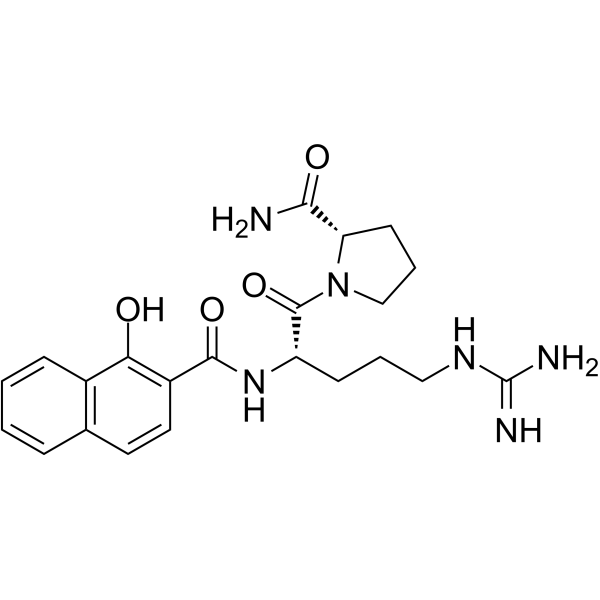
    APC 366 is a selective inhibitor of mast cell tryptase (Ki=7.1 μM). APC 366 inhibits antigen-induced early asthmatic response (EAR), late asthmatic response (LAR), and bronchial hyperresponsiveness (BHR) in a sheep model of allergic asthma .
    APC 366
  • HY-176446

    Mas-related G-protein-coupled Receptor (MRGPR) Inflammation/Immunology
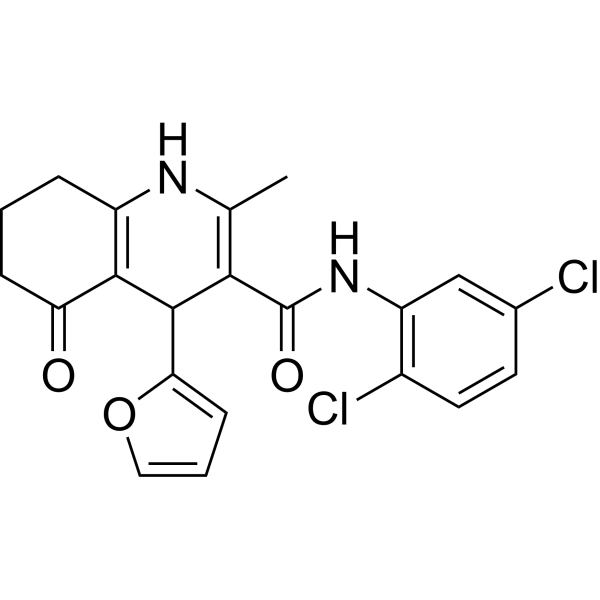
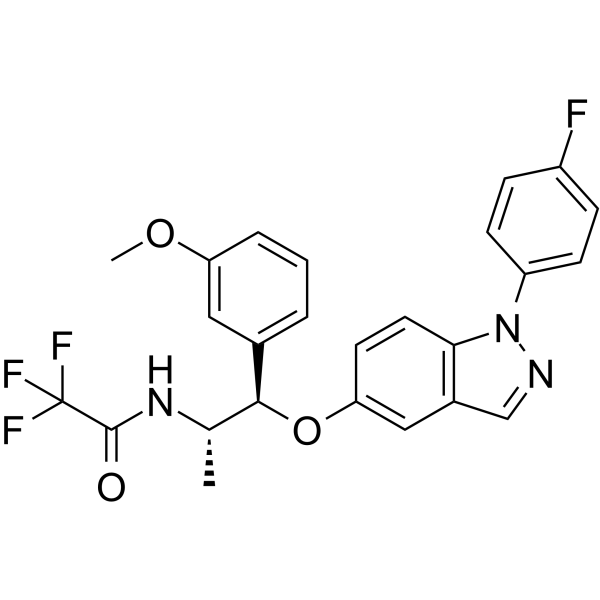
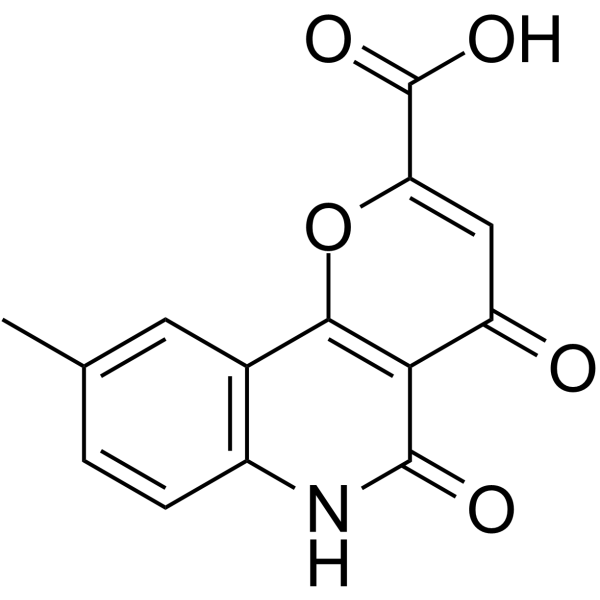
    Mrgx2 antagonist-3 (Compound B-40) is a highly selective antagonist of MrgX2 receptor with an IC50 value of 0.042-2.5 nM. Mrgx2 antagonist-3 blocks downstream G protein signaling and β-Arrestin recruitment, thereby inhibiting MrgX2 receptor-mediated calcium influx and cellular degranulation. Mrgx2 antagonist-3 is promising for research of inflammation-related diseases and pruritus, such as chronic urticaria, allergic asthma .
    Mrgx2 antagonist-3
  • HY-175876

    MMP Interleukin Related Inflammation/Immunology
    ADAM17-IN-1 is a selective inhibitor of ADAM17. ADAM17-IN-1 inhibits ADAM17 activity to reduce metabolic activity of dendritic cells (DCs), impair DC antigen-presenting function, suppress allergen-specific Th2 cell polarization, and reduce Th2 cytokine (IL-4, IL-5, IL-13) secretion. ADAM17-IN-1 demonstrates protective efficacy against house dust mite (HDM)-induced type 2/eosinophilic airway inflammation in mice. ADAM17-IN-1 can be used for the study of type 2-high allergic asthma .
    ADAM17-IN-1
  • HY-P990124

    TNF Receptor NF-κB Interleukin Related Inflammation/Immunology Cancer
    Anti-Mouse GITR Antibody (DTA-1) is a rat derived IgG2b monoclonal agonist antibody targeting mouse GITR. Anti-Mouse GITR Antibody (DTA-1) can activate T cells and B cells to enhance immune response. Anti-Mouse GITR Antibody (DTA-1) selectively enhances Th2 cell effector function through GITR signaling. Anti-Mouse GITR Antibody (DTA-1) may exacerbate allergic reactions. Anti-Mouse GITR Antibody (DTA-1) can be used for researches on cancer and allergic conditions such as colon cancer and allergic asthma. The recommed isotype control of Anti-Mouse GITR Antibody (DTA-1) is Rat IgG2b kappa, Isotype Control (HY-P990682) .
    Anti-Mouse GITR Antibody (DTA-1)
  • HY-DNP159AF

    Biochemical Assay Reagents Others
    House dust mite extract, from D.pteronyssinus (biotinylated), the most common source of indoor allergens, induces a variety of allergic diseases, including allergic rhinitis, conjunctivitis, allergic asthma, and atopic dermatitis .
    House dust mite extract, from D.pteronyssinus (biotinylated)
  • HY-130675

    (±)15-hydroxyeicosapentaenoic acid; 15-OHEPA

    Lipoxygenase Bacterial Metabolic Disease
    (±)15-HEPE is a racemic mixture of the monohydroxy fatty acids 15(R)-HEPE and 15(S)-HEPE (HY-130675A). (±)15-HEPE is active against P. acnes and S. aureus (MICs = 128 and 512 mg/L, respectively). It inhibits aggregation of isolated rat neutrophils induced by the formyl peptide receptor agonist fMLP (IC50 = 4.7 µM). Bronchoalveolar lavage fluid (BALF) levels of (±)15-HEPE are increased in patients with allergic asthma or COVID-19.
    (±)15-HEPE
  • HY-P4971

    Complement System Inflammation/Immunology
    C5a Anaphylatoxin (human) is a pro-inflammatory peptide and a leukocyte chemoattractant. C5a Anaphylatoxin (human) can be used to study inflammation and immunity, such as allergic asthma .
    C5a Anaphylatoxin (human)
  • HY-N2913

    Phosphodiesterase (PDE) Inflammation/Immunology Cancer
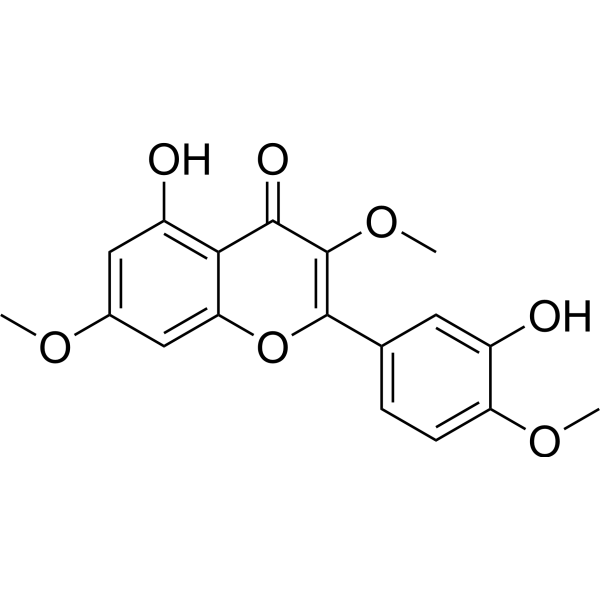
    Ayanin is a bioflavonoid isolated from Psychotria serpens. Ayanin is a non-selective phosphodiesterase1-4 inhibitor and can be used for the study of respiratory disease,such as allergic asthma et al .
    Ayanin
  • HY-P991256

    Interleukin Related Inflammation/Immunology
    FB-825 is a human monoclonal antibody (mAb) targeting IGHE. FB-825 targets the CεmX domain of membrane IgE (mIgE), resulting in the downregulation of mIgE-positive B cells and the production of IgE. FB-825 can be used in Allergic asthma, Atopic dermatitis, Job syndrome and Allergic rhinitis research .
    FB-825
  • HY-U00409

    Drug Derivative Inflammation/Immunology
    Antiasthmatic Compound 1 is an antiasthmatic agent, which has the potential for allergic asthma treatment.
    Antiasthmatic Compound 1
  • HY-113693

    Leukotriene Receptor Others
    ONO-RS-347 is an orally active and potent antagonist of leukotriene C4 and D4. ONO-RS-347 inhibits LTD4-induced bronchoconstriction in guinea pigs. ONO-RS-347 is promising for research of allergic asthma and other immediate hypersensitivty diseases .
    ONO-RS-347
  • HY-14515

    Ser/Thr Protease Inflammation/Immunology
    JNJ-27390467 is a potent, orally active, and selective tryptase inhibitor (human β-tryptase IC50 = 3.6 nM, Ki = 3.7 nM). JNJ-27390467 exhibits excellent selectivity over trypsin of ~5000-fold. JNJ-27390467 shows effects in animal models of airway inflammation. JNJ-27390467 can be used for allergic asthma research .
    JNJ-27390467
  • HY-N0081R

    Reference Standards Calcium Channel Interleukin Related Cardiovascular Disease Inflammation/Immunology
    (±)-Praeruptorin A (Standard) is the analytical standard of (±)-Praeruptorin A (HY-N0081). This product is intended for research and analytical applications. (±)-Praeruptorin A, a coumarin compound, is the main bioactive component in Peucedani Radix. As a calcium channel blocker, (±)-Praeruptorin A exhibits great antihypertensive effects. In addition, (±)-Praeruptorin A also has the effects of relaxing vascular smooth muscle, inhibiting airway inflammation and airway hyperresponsiveness. (±)-Praeruptorin A can be used for the research of allergic asthma, hypertension and other diseases .
    (±)-Praeruptorin A (Standard)
  • HY-106200A

    Lipoxygenase Cardiovascular Disease Inflammation/Immunology Cancer
    CJ-13,610 (hydrochloride) is an orally active and potent nonredox-type 5-lipoxygenase inhibitor with an IC50 value of 0.07 μM. CJ-13,610 (hydrochloride) competes with activating LOOH at a regulatory LOOH-binding site with high affinity, thereby preventing 5-lipoxygenase catalysis. CJ-13,610 (hydrochloride) is promising for research of diseases related to elevated levels of 5-lipoxygenase such as inflammatory reactions, allergic asthma, various types of cancer and atherosclerosis .
    CJ-13,610 hydrochloride
  • HY-N0646R

    Reference Standards Phosphatase Endogenous Metabolite Tyrosinase Apoptosis Interleukin Related Inflammation/Immunology Cancer
    Silydianin (Standard) is the analytical standard of Silydianin (HY-N0646). This product is intended for research and analytical applications. Silydianin is a flavonolignan. Silydianin can be obtained from Silybum marianum. Silydianin inhibits PTP1B with an IC50 of 17.38 μM. Silydianin inhibits both monophenolase and diphenolase of tyrosinase significantly, with IC50s of 2.6 μM and 16.5 μM, respectively. Silydianin induces Apoptosis and reduces cytokines (IL-4 and IL-5). Silymarin has antioxidant, cytoprotective and immunomodulatory effects. Silydianin has antitumor activity against prostate cancer. Silymarin can be used in allergic asthma research .
    Silydianin (Standard)
  • HY-N0805R

    23-Acetylalismol B (Standard); 23-O-Acetylalisol B (Standard); Alisol B monoacetate (Standard)

    Reference Standards Apoptosis Reactive Oxygen Species (ROS) CDK MMP PARP FXR Syk Cardiovascular Disease Metabolic Disease Inflammation/Immunology Cancer
    Alisol B 23-acetate (Standard) is the analytical standard of Alisol B 23-acetate (HY-N0805). This product is intended for research and analytical applications. Alisol B 23-acetate is an orally active prototerpane-type triterpenoid. Alisol B 23-acetate can be isolated from Alisma orientalis. Alisol B 23-acetate induces Apoptosis, promotes ROS generation, downregulates CDK4/6, MMP-2/9, upregulates cleaved PARP, activates FXR and inhibits Syk. Alisol B 23-acetate has anti-inflammatory and hepatoprotective activities. Alisol B 23-acetate protects the kidney from ischemia-reperfusion injury. Alisol B 23-acetate has anticancer activity against ovarian cancer, colon cancer, lung cancer, and gastric cancer. Alisol B 23-acetate can be used in the study of atherosclerosis and allergic asthma .
    Alisol B 23-acetate (Standard)
  • HY-118807A

    Pyrilamine hydrochloride

    Histamine Receptor Potassium Channel Neurological Disease Inflammation/Immunology
    Mepyramine hydrochloride (Pyrilamine hydrochloride) is a selective histamine H1 receptor antagonist and KCNQ channel inhibitor, with an IC50 of 12.5 μM against KCNQ2/Q3. Mepyramine hydrochloride shows no activity against allergic asthma in mice when used alone, but modulates the effect of JNJ 7777120 (HY-13508) on allergic asthma in mice; it inhibits the development of morphine physical dependence and increases histamine levels in mouse brains. Mepyramine hydrochloride can be used in studies related to seizures, convulsions, allergic asthma and morphine physical dependence .
    Mepyramine hydrochloride
  • HY-121048

    Others Others
    AH 7725 is a sodium cromoglycate-like compound that is orally active and has the ability to inhibit (partially or completely) immediate asthmatic reactions in bronchial provocation tests for allergic asthma.
    AH 7725
  • HY-DNP159F

    Biochemical Assay Reagents Others
    House dust mite extract, from D.farinae (biotinylated), the most common source of indoor allergens, induces a variety of allergic diseases, including allergic rhinitis, conjunctivitis, allergic asthma, and atopic dermatitis .
    House dust mite extract, from D.farinae (biotinylated)
  • HY-107138

    Others Inflammation/Immunology
    AIM-102 is an immune modulating anti-inflammatory agent. AIM-102 can inhibit LPS (HY-D1056)-induced neutrophilia increase. AIM-102 can be used for the researches of inflammation and immunology, such as allergic asthma .
    AIM-102
  • HY-108243R

    Reference Standards Glucocorticoid Receptor Inflammation/Immunology Endocrinology
    AZD5423 (Standard) is the analytical standard of AZD5423 (HY-108243). This product is intended for research and analytical applications. AZD5423 is an inhaled, potent, selective, and non-steroidal glucocorticoid receptor (GR) modulator (SGRM) . AZD5423 effectively reduces allergen-induced responses in subjects with mild allergic asthma .
    AZD5423 (Standard)
  • HY-182515

    Leukotriene Receptor Others Inflammation/Immunology
    U-19052 is a selective competitive peptidoleukotriene D/E receptor antagonist. U-19052 acts as a reversible antagonist that not affecting responses to non-leukotriene agonists. U-19052 does not exhibit agonist activity or induce contraction in guinea pig tracheal or ileal strips. U-19052 is a leukotriene antagonist developed by modifying leukotriene chemical structure. U-19052 can be used for the research of allergic asthma and hypersensitivity diseases .
    U-19052
  • HY-206870

    Interleukin Related STAT Inflammation/Immunology
    BP79 is a potent TSLP receptor inhibitor. BP79 disrupts TSLP-mediated ternary complex formation, blocks TSLPR-IL7Rα co-localization, binds and stabilizes TSLPR, and inhibits phosphorylated STAT3/6. BP79 suppresses immune cell infiltration, secretion of IL-13, IL-4. BP79 can be used for the research of inflammation diseases, such as atopic dermatitis, allergic asthma, and allergic rhinitis .
    BP79
  • HY-N17617

    Phosphodiesterase (PDE) Apoptosis NO Synthase Caspase PPAR Bcl-2 Family PARP Metabolic Disease Inflammation/Immunology Cancer
    S-Petasin is a phosphodiesterase (PDE) inhibitor with IC50 values of 25.5 μM and 17.5 μM for PDE3 and PDE4, respectively. S-Petasin inhibits cholesterol side-chain cleavage enzyme, 11β-hydroxylase, PPAR-γ, and iNOS induction at RNA and protein levels. S-Petasin induces apoptosis, activates caspases, cleaves PARP, modulates mitochondrial membrane permeability, and regulates BCL2/BAX, p53, Bcl-XL, MMP-2, MMP-9, p21, CDK4, and cyclin D1 expression. S-Petasin reduces inflammatory cell accumulation, cytokine and IgE levels, and enhances serum IgG2a levels. S-Petasin relaxes isolated sensitized guinea pig trachealis and exhibits gastrointestinal anti-spasmodic activity. S-Petasin reduces tonsillitis severity and asthmatic attack frequency. S-Petasin can be used for the research of prostate cancer, obesity, melanoma, allergic asthma, asthma, and peritonitis .
    S-Petasin

Inquiry Online

Your information is safe with us. * Required Fields.

Salutation


Country or Region *

Applicant Name *


Organization Name *

Department *


Email Address *


Product Name *

Cat. No.


Requested quantity *

Phone Number *


Remarks

Inquiry Online

Inquiry Information

Product Name:
Cat. No.:
Quantity:
MCE Japan Authorized Agent: