



AZD5423 (Standard)
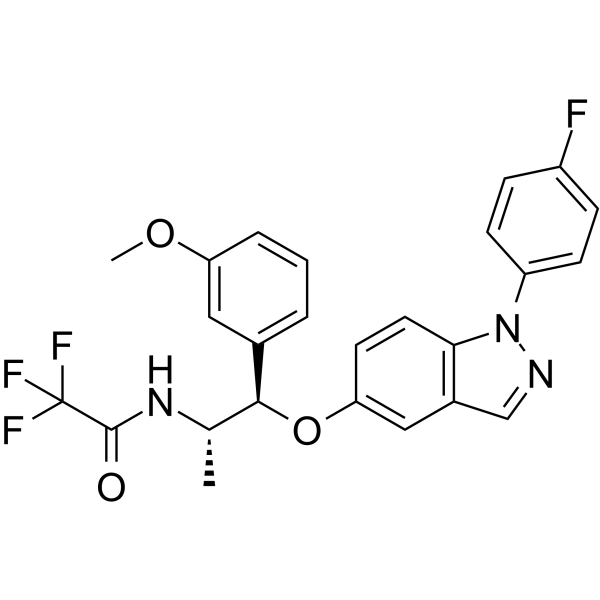
AZD5423 (Standard) is the analytical standard of AZD5423 (HY-108243). This product is intended for research and analytical applications. AZD5423 is an inhaled, potent, selective, and non-steroidal glucocorticoid receptor (GR) modulator (SGRM). AZD5423 effectively reduces allergen-induced responses in subjects with mild allergic asthma.
For research use only. We do not sell to patients.
- CAS No.: 1034148-04-3
- Formula: C25H21F4N3O3
- Molecular Weight:487.45
-
Storage:
Please store the product under the recommended conditions in the Certificate of Analysis.


To place orders, for customer services and technical support, please contact: MedChemExpress USA
Tel: 609-228-6898 E-mail: [email protected] [email protected]


-
 Biological Activity
-
Chemical Information
- Protocols
- Purity & Documentation
- References
-
 Help & FAQs


-
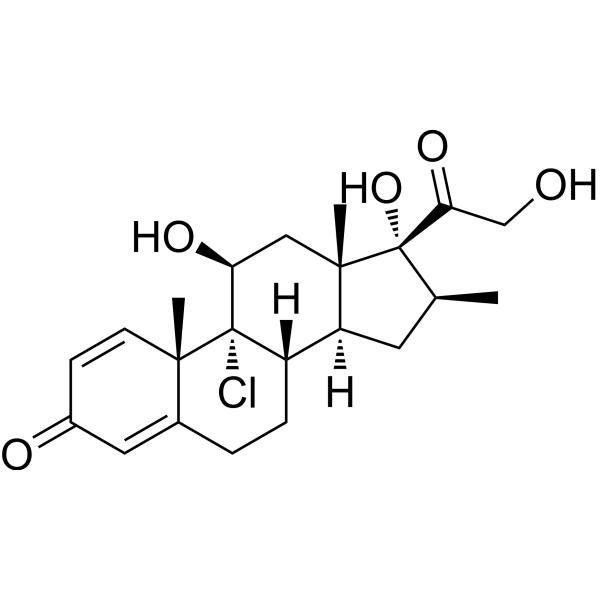
HY-B1540
BeclometasoneGlucocorticoid Receptor Agonist -
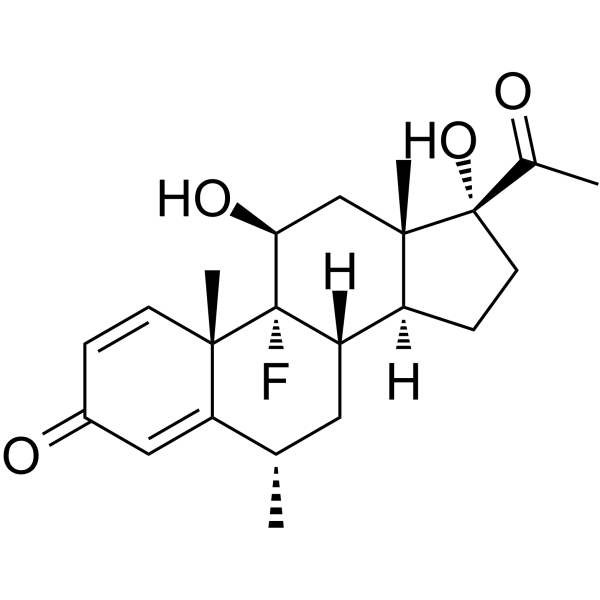
HY-B1893
FluorometholoneGlucocorticoid Receptor Agonist -
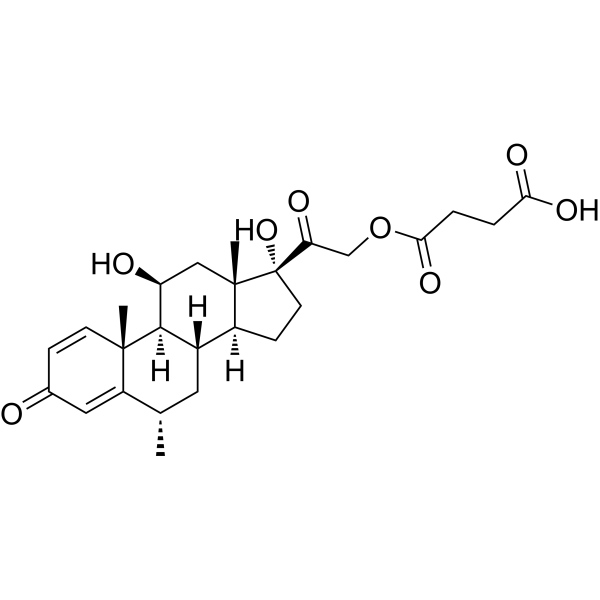
HY-B1900
Methylprednisolone succinateGlucocorticoid Agonist -
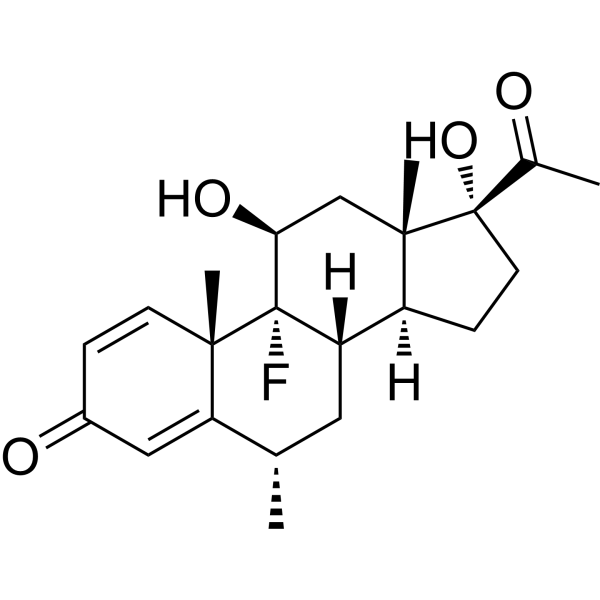
HY-B1893R
Fluorometholone (Standard) -
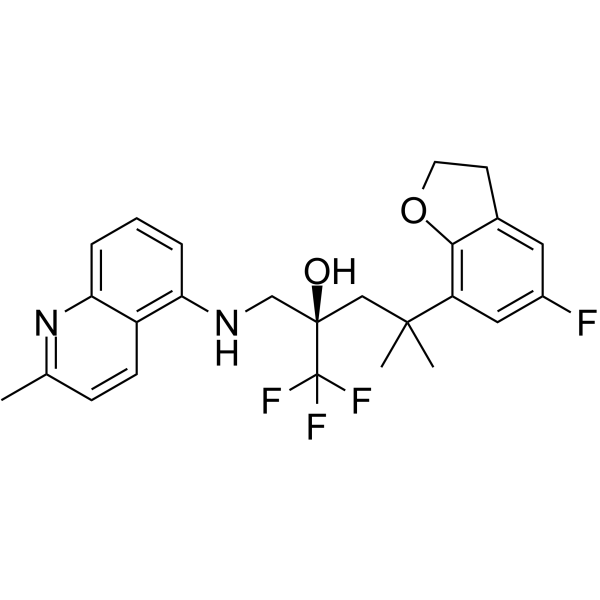
HY-14864
MapracoratGlucocorticoid Receptor Agonist -

HY-13571AR
Beclometasone dipropionate (Standard)Glucocorticoid Receptor Agonist -
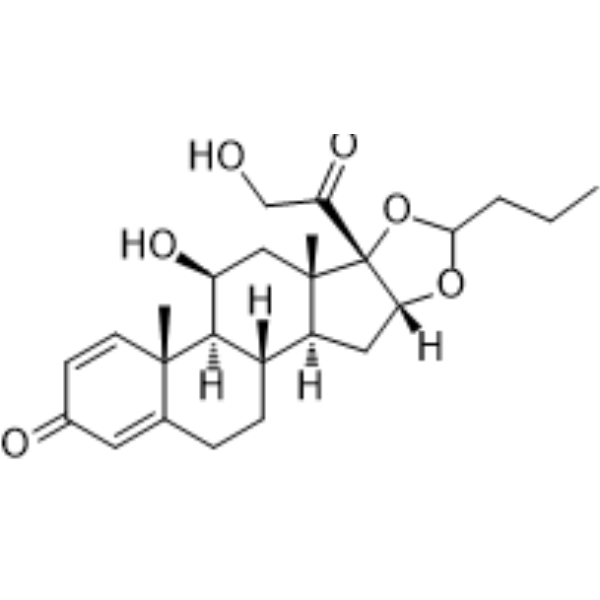
HY-13580
BudesonideGlucocorticoid Receptor Agonist -
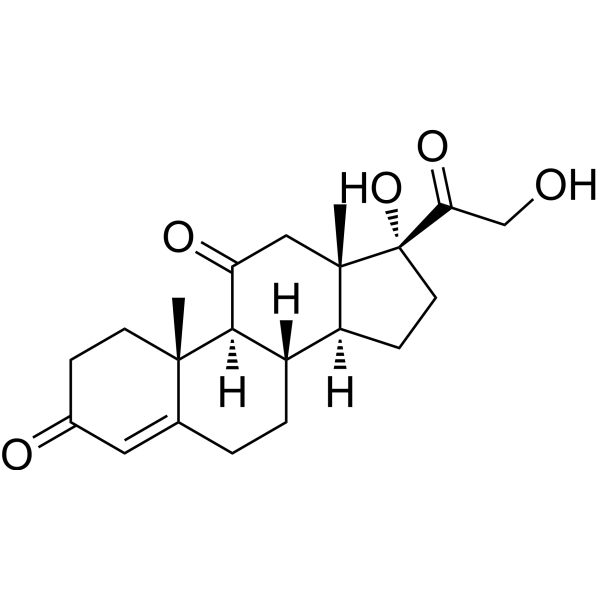
HY-17461
CortisoneGlucocorticoid Receptor Agonist -
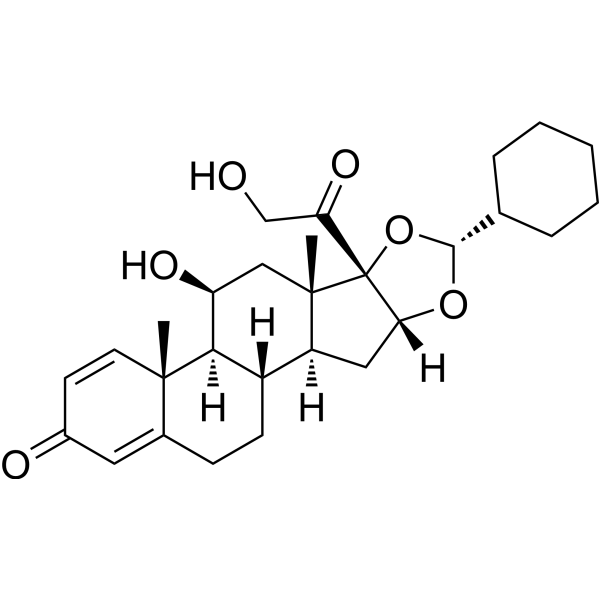
HY-111490
Desisobutyryl-ciclesonideGlucocorticoid Receptor Modulator -
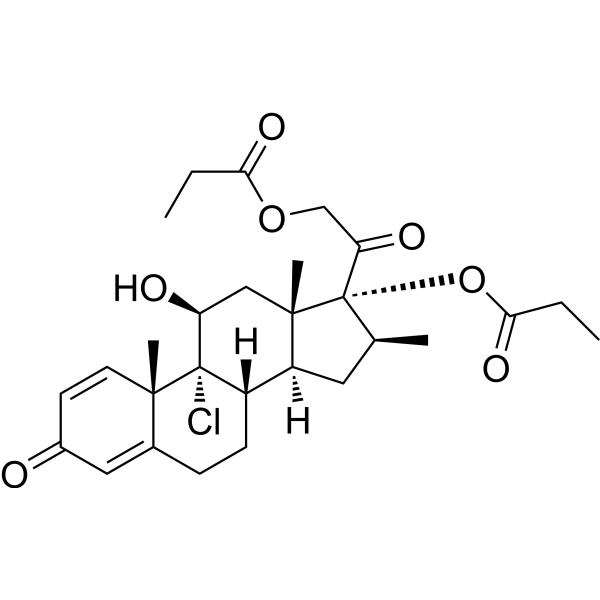
HY-13571A
Beclometasone dipropionateGlucocorticoid Receptor Agonist -
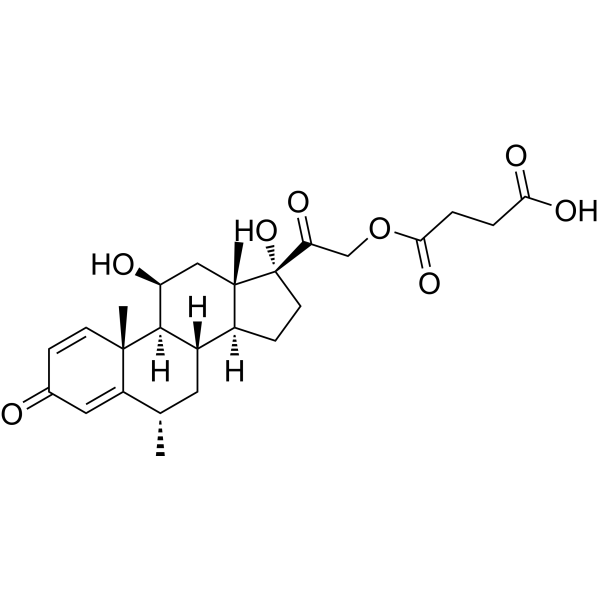
HY-B1900R
Methylprednisolone succinate (Standard)Analytical Standard -
HY-108243
AZD5423Glucocorticoid Receptor Modulator


Biological Activity
Description
IC50 & Target
Glucocorticoid receptor[1]


Chemical Information
-
CAS No. 1034148-04-3
-
Molecular Weight 487.45
-
Formula C25H21F4N3O3
-
SMILES
O=C(N[C@@H](C)[C@H](OC1=CC2=C(N(C3=CC=C(F)C=C3)N=C2)C=C1)C4=CC=CC(OC)=C4)C(F)(F)F
-
Shipping
Room temperature in continental US; may vary elsewhere.
-
Storage
Please store the product under the recommended conditions in the Certificate of Analysis.


Purity & Documentation
References
[1]. Werkström V, et al. Safety, Pharmacokinetics and Pharmacodynamics of the Selective Glucocorticoid Receptor Modulator AZD5423 after Inhalation in Healthy Volunteers. Basic Clin Pharmacol Toxicol. 2016 Dec;119(6):574-581. [Content Brief]
[2]. Gauvreau GM, et al. A nonsteroidal glucocorticoid receptor agonist inhibits allergen-induced late asthmatic responses. Am J Respir Crit Care Med. 2015 Jan 15;191(2):161-7. [Content Brief]

Calculators
Concentration (start) × Volume (start) = Concentration (final) × Volume (final)


AZD5423 (Standard) Related Classifications
HY-108243R Related Classifications
 Powered by Bioz