1. Search Result
Search Result
Results for "

allergic+reactions

" in MedChemExpress (MCE) Product Catalog:

47

Inhibitors & Agonists

1

Screening Libraries

3

Fluorescent Dyes

6

Biochemical Assay Reagents

1

Peptides

4

Inhibitory Antibodies

13

Natural
Products

1

Oligonucleotides

Cat. No. Product Name Target Research Areas Chemical Structure
  • HY-Y0912

    N-HBTU

    Biochemical Assay Reagents Inflammation/Immunology
    HBTU (N-HBTU) is a guanidinium-based peptide coupling reagent and immunological sensitizer. HBTU can be used in combination with bases such as DIPEA (HY-130142) to complete coupling reactions, with HOBt and TMU as by-products. HBTU is a standard reagent in automated solid-phase peptide synthesis, particularly for the Fmoc/tBu strategy, which effectively promotes coupling steps, but it is not suitable for sterically hindered amino acids or dipeptide derivatives. HBTU can induce rhinitis, dermatitis, bronchial asthma and severe allergic reactions. HBTU can be used to study the pathogenesis of allergic reactions, occupational rhinitis, allergic contact dermatitis and bronchial asthma .
    HBTU
  • HY-NP006
    Protein A
    1 Publications Verification

    SPA

    Endogenous Metabolite Apoptosis Inflammation/Immunology
    Protein A (SPA) is an immunoglobulin (Ig)-binding protein that exists on the bacterial surface and can be freely secreted into the extracellular environment. Protein A blocks opsonophagocytosis and induces B cell apoptosis in vitro by binding to the Fc region of antibodies and the Fab region of B cell receptors. Protein A can form toxic immune complexes with IgG, thereby inducing leukocyte necrosis. Protein A contributes to the virulence expression of Staphylococcus aureus. Protein A triggers allergic reactions in IgG-pretreated mouse models. Protein A can be used in studies related to immune system diseases .
    Protein A
  • HY-N0735
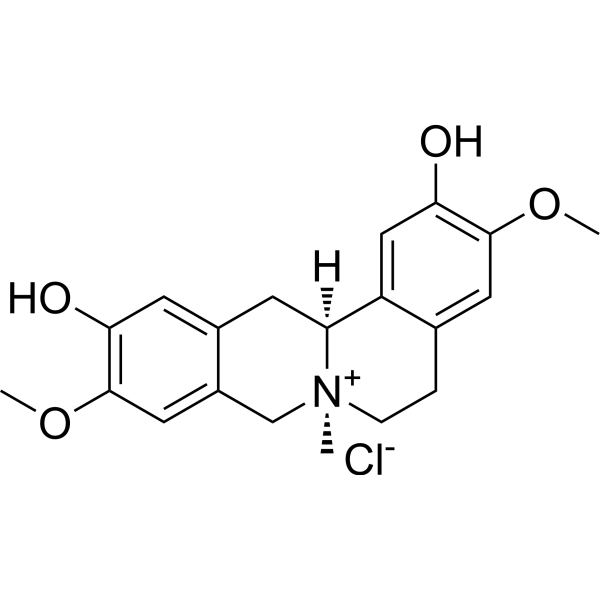
    Phellodendrine chloride
    2 Publications Verification

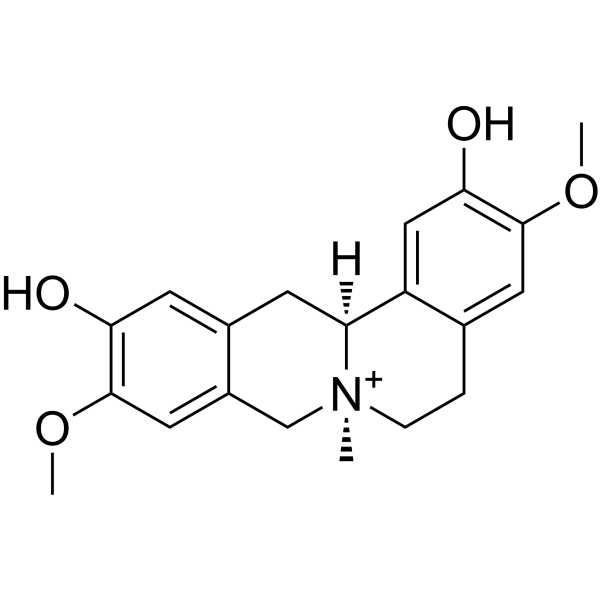
    Autophagy Apoptosis AMPK mTOR STAT Interleukin Related PKC p38 MAPK NF-κB COX Reactive Oxygen Species (ROS) PI3K Akt MMP Neurological Disease Inflammation/Immunology Cancer
    Phellodendrine chloride is an orally active plant alkaloid. Phellodendrine chloride inhibits the proliferation of KRAS-mutated pancreatic cancer cells by suppressing macropinocytosis and glutamine metabolism, inducing ROS accumulation and mitochondrial apoptosis. Phellodendrine chloride promotes autophagy by activating the AMPK/mTOR pathway, alleviating intestinal damage in ulcerative colitis. Phellodendrine chloride can alleviate gouty arthritis by inhibiting the IL-6/STAT3 signaling pathway. Phellodendrine chloride suppresses allergic reactions by altering the conformation of MRGPRB3/MRGPRX2 protein, thereby inhibiting the activation of PKC and subsequent downstream MAPK and NF-κB signaling. Phellodendrine chloride inhibits the AKT/NF-κB pathway and down-regulates the expression of COX-2, thereby protecting zebrafish embryos from oxidative stress. Phellodendrine chloride has an anti-major depressive disorder (MDD) effect by down-regulating CHRM1, HTR1A, and the PI3K/Akt signaling pathway .
    Phellodendrine chloride
  • HY-107967

    Fluorescent Dye Cancer
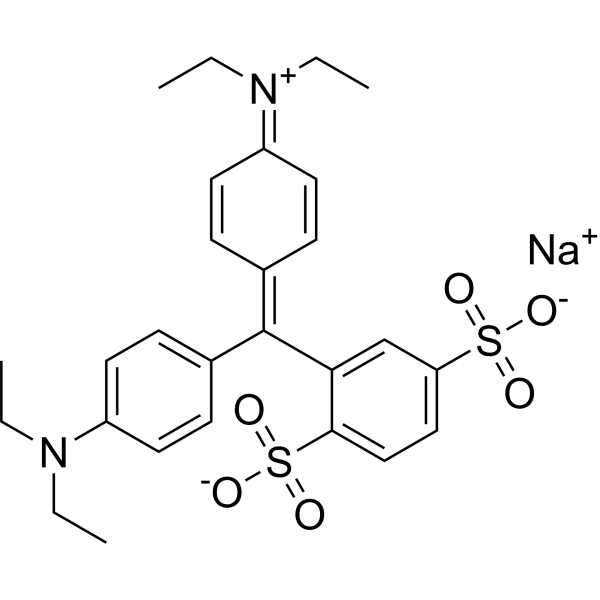
    Isosulfan blue is a blue dye for the identification of lymph vessels during lymphangiography. Isosulfan blueis is used during sentinel lymph node biopsies in breast cancer. Isosulfan blue is possible to have an allergic reaction during breast cancer operations .
    Isosulfan blue
  • HY-B1148
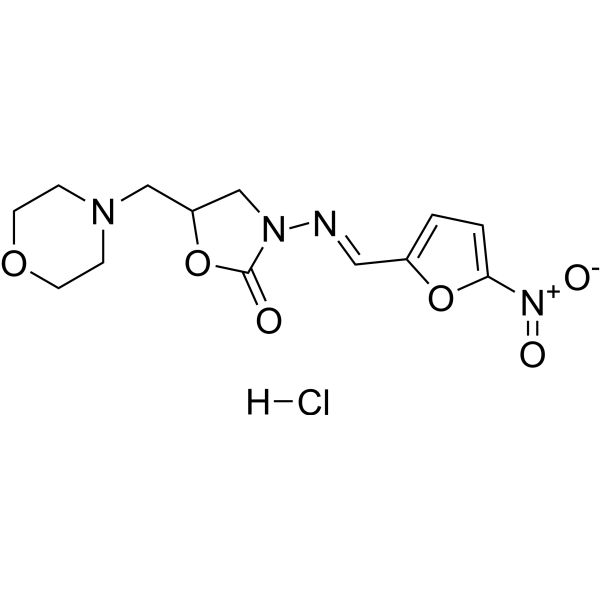
    Furaltadone hydrochloride
    1 Publications Verification

    Altafur hydrochloride

    Bacterial Infection Inflammation/Immunology
    Furaltadone hydrochloride is an orally active antibacterial agent that can be used for the study of intestinal Salmonella infections. Furaltadone has in vitro inhibitory effects on Staphylococcus. In addition, Furaltadone shows inhibitory effects on allergic reactions .
    Furaltadone hydrochloride
  • HY-N2173
    Forsythoside E
    1 Publications Verification

    Others Cardiovascular Disease Inflammation/Immunology
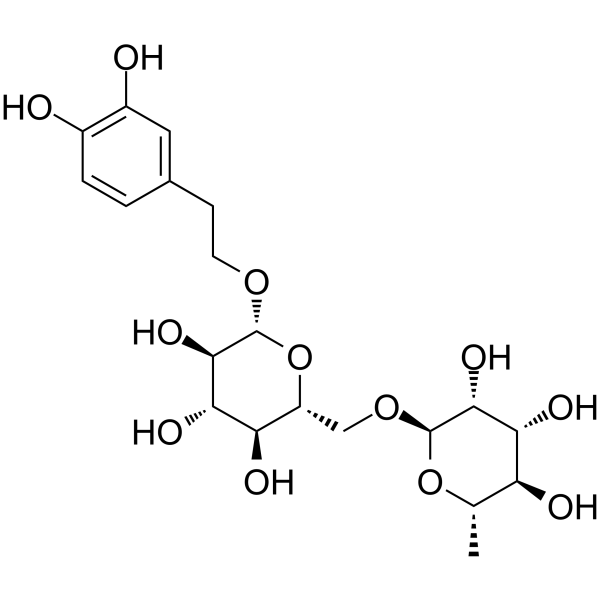
    Forsythoside E is a phenylethanoid glycoside compound. Forsythoside E can be isolated from Shuanghuanglian. Forsythoside E does not induce vascular leakage or promote histamine release in mice. Forsythoside E does not cause pseudo-allergic reactions .
    Forsythoside E
  • HY-W010807

    Environmental Pollutants Biochemical Assay Reagents Others
    Hexadecyl palmitate is an organic compound commonly used in the cosmetic industry as an emollient, thickener and skin conditioning agent. Cetyl palmitate is derived from a mixture of cetyl alcohol (a fatty alcohol) and palmitic acid (a saturated fatty acid). It is often used in skin care products such as moisturizers, lotions, and creams to improve their texture and Helps them glide smoothly on the skin. In addition to its use in cosmetics, cetyl palmitate is used in other industries including pharmaceuticals, food additives and lubricants. Overall, it's considered safe for use in personal care products, but like any other ingredient, it may cause irritation or an allergic reaction in some people.
    Hexadecyl palmitate
  • HY-N0427

    Akt NF-κB AMPK mTOR PKC STAT Interleukin Related p38 MAPK COX Reactive Oxygen Species (ROS) Apoptosis Autophagy PI3K MMP Neurological Disease Inflammation/Immunology Cancer
    Phellodendrine is an orally active plant alkaloid. Phellodendrine inhibits the proliferation of KRAS-mutated pancreatic cancer cells by suppressing macropinocytosis and glutamine metabolism, inducing ROS accumulation and mitochondrial apoptosis. Phellodendrine promotes autophagy by activating the AMPK/mTOR pathway, alleviating intestinal damage in ulcerative colitis. Phellodendrine can alleviate gouty arthritis by inhibiting the IL-6/STAT3 signaling pathway. Phellodendrine suppresses allergic reactions by altering the conformation of MRGPRB3/MRGPRX2 protein, thereby inhibiting the activation of PKC and subsequent downstream MAPK and NF-κB signaling. Phellodendrine inhibits the AKT/NF-κB pathway and down-regulates the expression of COX-2, thereby protecting zebrafish embryos from oxidative stress. Phellodendrine has an anti-major depressive disorder (MDD) effect by down-regulating CHRM1, HTR1A, and the PI3K/Akt signaling pathway .
    Phellodendrine
  • HY-N3009
    Secoxyloganin
    1 Publications Verification

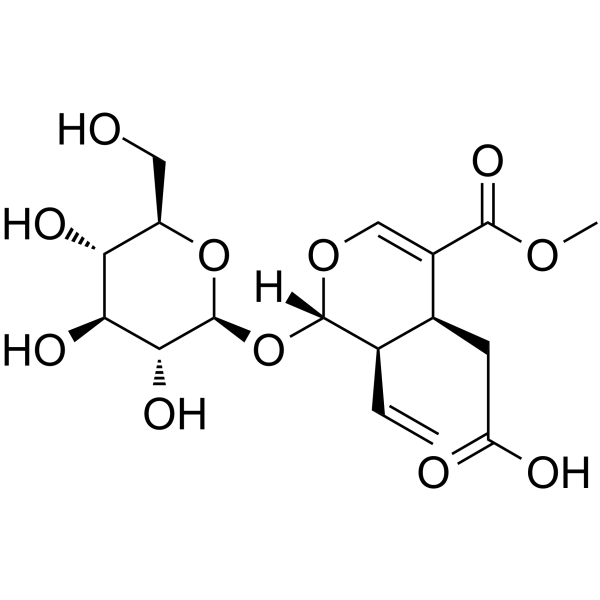
    Drug Derivative Apoptosis Bcl-2 Family Cardiovascular Disease Inflammation/Immunology Cancer
    Secoxyloganin is an orally effective iridoid derivative. Secoxyloganin can be isolated from the flower buds of L. japonica. Secoxyloganin induces Apoptosis by inhibiting the expression of Bcl-2. Secoxyloganin potently inhibits the proliferation of breast cancer cells, while exerting weak activity against normal mammary epithelial cells. Secoxyloganin inhibits the decrease in tail vein blood flow associated with allergic reactions .
    Secoxyloganin
  • HY-P990150

    Interleukin Related Inflammation/Immunology
    Anti-Mouse TSLP Antibody (28F12) is an anti-mouse TSLP IgG2a monoclonal antibody. Anti-Mouse TSLP Antibody (28F12) weakens skin inflammation and allergic reactions by reducing Treg cells and lymph node cells. Anti-Mouse TSLP Antibody (28F12) can be used for research on allergic conditions .
    Anti-Mouse TSLP Antibody (28F12)
  • HY-B2241A

    Aluminum potassium sulfate dodecahydrate, for cell culture

    Biochemical Assay Reagents Inflammation/Immunology
    Potassiumalum, for cell culture (Aluminum potassium sulfate dodecahydrate, for cell culture) is an egg white adjuvant. Potassiumalum, for cell culture acts as a mordant to help dyes bind to tissue components, enhancing the staining effect and stability during staining. Potassiumalum, for cell culture can induce allergic reactions in mice. Potassium alum, for cell culture can be used in research for bacterial and tissue staining .
    Potassiumalum, for cell culture
  • HY-P990175

    Orexin Receptor (OX Receptor) Inflammation/Immunology Cancer
    Anti-Mouse OX40L/CD134L Antibody (RM134L) is an anti-mouse OX40L/CD134L IgG2b monoclonal antibody. Anti-Mouse OX40L/CD134L Antibody (RM134L) reduces immune response by inhibiting the OX40/OX40L signaling pathway. Anti-Mouse OX40L/CD134L Antibody (RM134L) can inhibit plasma cell differentiation and antibody secretion. Anti-Mouse OX40L/CD134L Antibody (RM134L) can prolong the survival time of cell transplantation by inhibiting CD4 + T cells. Anti-Mouse OX40L/CD134L Antibody (RM134L) can be used for researches on inflammation and cancer such as graft versus host disease (GVHD), allergic reaction, lupus nephritis and hepatocellular carcinoma (HCC) .
    Anti-Mouse OX40L/CD134L Antibody (RM134L)
  • HY-W184893

    Others Inflammation/Immunology
    Atranol is a strong contact allergen found in oak moss absolute (OMA). Atranol causes contact dermatitis by inducing immune system allergic reactions. Atranol is promising for research of etiology of contact dermatitis and cosmetic allergens .
    Atranol
  • HY-100164

    MKS 492

    Phosphodiesterase (PDE) Inflammation/Immunology
    SDZ-MKS 492 (MKS 492) is a selective inhibitor of cyclic GMP-inhibited phosphodiesterase (type III PDE). SDZ-MKS 492 inhibits antigen- or platelet activating factor (PAF)-induced bronchoconstriction and allergic reactions in guinea pigs and rats .
    SDZ-MKS 492
  • HY-P990208

    Interleukin Related NF-κB Parasite Infection Inflammation/Immunology Cancer
    Anti-Mouse IL-9 Antibody (9C1) is an anti-mouse IL-9 IgG2a monoclonal antibody. Anti-Mouse IL-9 Antibody (9C1) can reduce the activation of NF-κB signaling pathway and decrease the infiltration of inflammatory cells. Anti-Mouse IL-9 Antibody (9C1) effectively reduces Th9 cell-mediated allergic reactions and anti-tumor effects. Anti-Mouse IL-9 Antibody (9C1) can be used for researches on inflammation, infection conditions and cancer such as parasitic infections, allergic reactions, breast cancer and osteosarcoma .
    Anti-Mouse IL-9 Antibody (9C1)
  • HY-W206911

    Environmental Pollutants Biochemical Assay Reagents Others
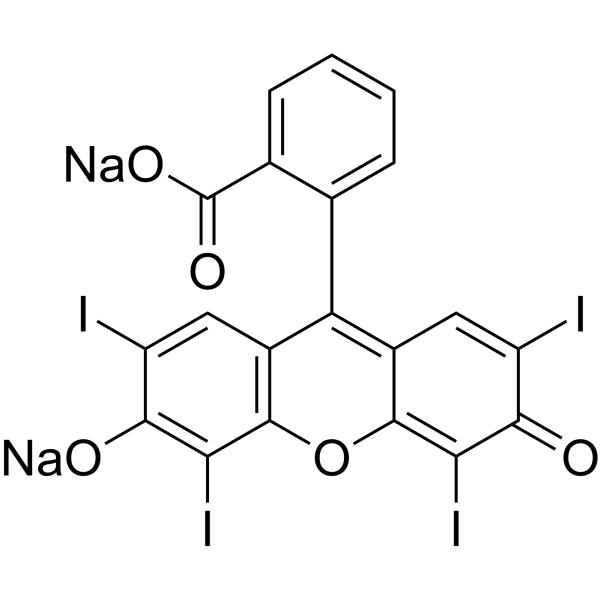
    Erythrosin B sodium salt, is a synthetic azo dye commonly used as a food colorant and textile dye. It is a water-soluble compound that produces a bright red color and is often used to improve the appearance of products. Erythrosin B sodium salt is also used in the textile industry for dyeing wool, silk and leather. However, it has been linked to potentially negative health effects, such as allergic reactions and hyperactivity in children.
    Erythrosin B sodium salt
  • HY-P990124

    TNF Receptor NF-κB Interleukin Related Inflammation/Immunology Cancer
    Anti-Mouse GITR Antibody (DTA-1) is a rat derived IgG2b monoclonal agonist antibody targeting mouse GITR. Anti-Mouse GITR Antibody (DTA-1) can activate T cells and B cells to enhance immune response. Anti-Mouse GITR Antibody (DTA-1) selectively enhances Th2 cell effector function through GITR signaling. Anti-Mouse GITR Antibody (DTA-1) may exacerbate allergic reactions. Anti-Mouse GITR Antibody (DTA-1) can be used for researches on cancer and allergic conditions such as colon cancer and allergic asthma. The recommed isotype control of Anti-Mouse GITR Antibody (DTA-1) is Rat IgG2b kappa, Isotype Control (HY-P990682) .
    Anti-Mouse GITR Antibody (DTA-1)
  • HY-B1699
    Metrizoic acid
    1 Publications Verification

    Metrizoate

    Biochemical Assay Reagents Others
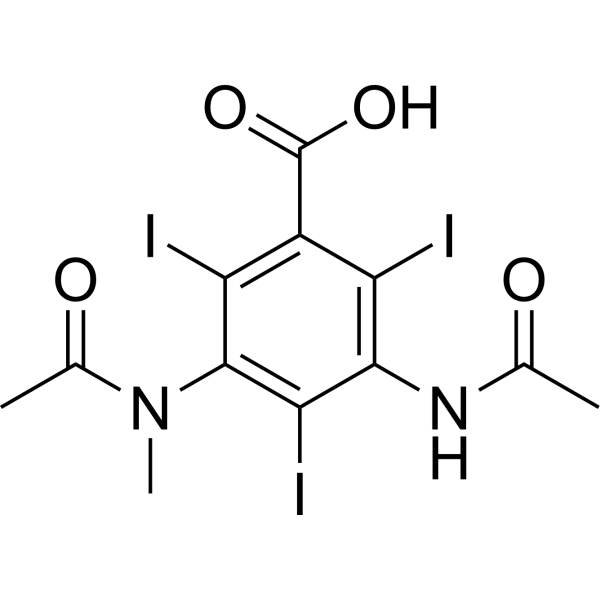
    Metrizoic acid (Metrizoate) is an ionic contrast medium. Metrizoic acid (Metrizoate) shows high osmolality and has a risk of inducing allergic reactions .
    Metrizoic acid
  • HY-N12127
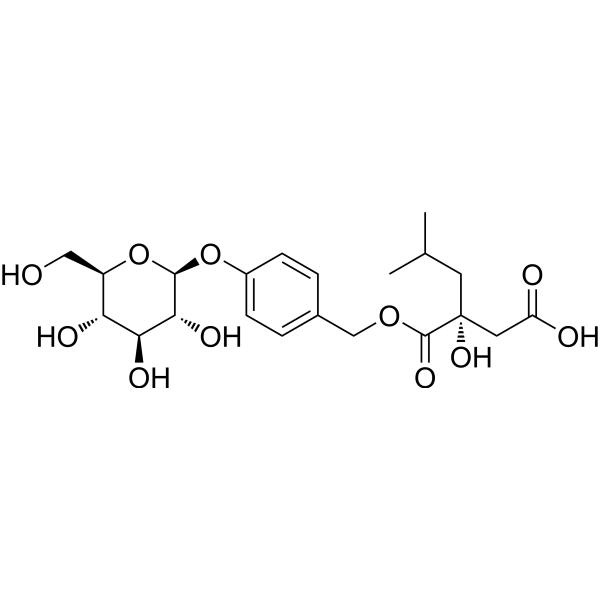
    Gymnoside I
    1 Publications Verification

    Others Others
    Gymnoside I (compound 1) is a glycosidoxybenzyl 2-isobutylmalic acid. Gymnoside I shows antiallergic activity in passive cutaneous allergic reaction (PCA) in mice. Gymnoside I can be used in research to research asthma, neurasthenia and chronic hepatitis .
    Gymnoside I
  • HY-N1151

    Bacterial Cholinesterase (ChE) MMP TNF Receptor Infection Neurological Disease Inflammation/Immunology
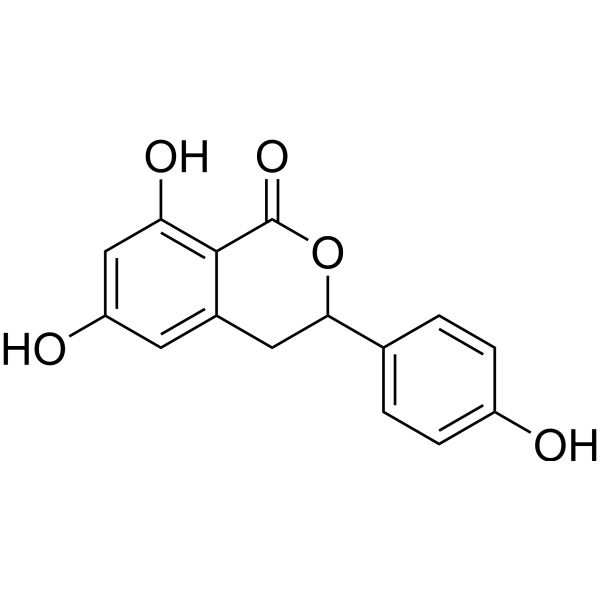
    Thunberginol C is an orally active, selective, and non-competitive inhibitor of AChE and BChE, with IC50 values of 41.96 and 42.36 μM, respectively. Thunberginol C exerts cytoprotective, pro-collagen type I restorative, MMP-1 inhibitory, hyaluronic acid restorative, anti-photoaging effects in skin cells. Thunberginol C exerts neuroprotective, anxiolytic, TNF-α inhibitory, neuroinflammation inhibitory, and oxidative stress inhibitory effects. Thunberginol C can be used for the research of Alzheimer’s disease, UVB-induced skin photoaging, allergic reactions, oral bacterial infections, and stress-induced anxiety .
    Thunberginol C
  • HY-174452

    Mas-related G-protein-coupled Receptor (MRGPR) Interleukin Related Calcium Channel Inflammation/Immunology
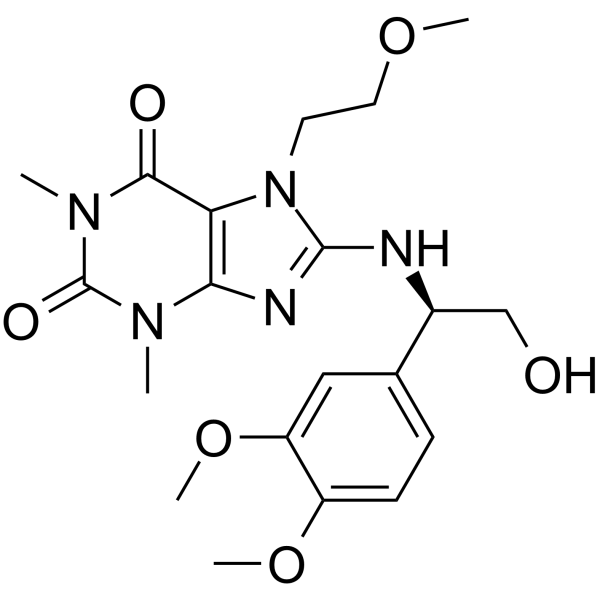
    BER-5 is a potent MrgX2 antagonist. BER-5 possess broad-spectrum antagonistic activity against a diverse range of MrgX2 agonists. BER-5 can inhibit Substance P (SP) (HY-P0201)-induced degranulation of LAD2 cells. BER-5 attenuates SP-induced allergic reactions in mice. BER-5 can be used for the study of allergic reactions.
    BER-5
  • HY-177691

    Prostaglandin Receptor Neurological Disease Inflammation/Immunology
    CCI17464 is a selective, orally active EP4 partial agonist with a pKi of 7.1. CCI17464 can be used in a Freund's complete adjuvant (FCA) acute rat inflammatory pain model and shows complete reversal of allergic reactions .
    CCI17464
  • HY-176767

    Mas-related G-protein-coupled Receptor (MRGPR) Inflammation/Immunology
    MrgprX2-IN-1 (Compound 2-10) is a selective Mas-related G-protein coupled receptor X2 (MRGPRX2) antagonist. MrgprX2-IN-1 blocks IgE-independent immune responses by inhibiting MRGPRX2-mediated mast cell degranulation and release of inflammatory mediators. MrgprX2-IN-1 is promising for research of pseudo-allergic reactions, chronic pruritus, and inflammatory diseases .
    MrgprX2-IN-1
  • HY-176768

    Mas-related G-protein-coupled Receptor (MRGPR) Inflammation/Immunology
    MrgprX2-IN-2 (Compound example 12) is a selective Mas-related G-protein coupled receptor X2 (MRGPRX2) antagonist. MrgprX2-IN-2 blocks IgE-independent immune responses by inhibiting MRGPRX2-mediated mast cell degranulation and release of inflammatory mediators. MrgprX2-IN-2 is promising for research of pseudo-allergic reactions, chronic pruritus, and inflammatory diseases .
    MrgprX2-IN-2
  • HY-N15708

    (R)-(-)-Dichotomine C

    Glycosidase TNF Receptor Interleukin Related Inflammation/Immunology
    Dichotomine C ((R)-(-)-Dichotomine C) is a β-carboline-type alkaloid with antiallergic effects. Dichotomine C inhibits the release of β-hexosaminidase in RBL-2H3 cells with an IC50 of 62 μM. Dichotomine C inhibits the releases of antigen-IgE-mediated TNF-α and IL-4 in RBL-2H3 cells with IC50s of 19 μM and 15 μM, respectively. Dichotomine C can be used for the study of type I allergic reactions .
    Dichotomine C
  • HY-N0735R

    Reference Standards Autophagy mTOR AMPK Apoptosis STAT Interleukin Related PKC p38 MAPK NF-κB COX Reactive Oxygen Species (ROS) PI3K Akt MMP Neurological Disease Inflammation/Immunology Cancer
    Phellodendrine chloride (Standard) is the analytical standard of Phellodendrine chloride (HY-N0735). Phellodendrine chloride is an orally active plant alkaloid. Phellodendrine chloride inhibits the proliferation of KRAS-mutated pancreatic cancer cells by suppressing macropinocytosis and glutamine metabolism, inducing ROS accumulation and mitochondrial apoptosis. Phellodendrine chloride promotes autophagy by activating the AMPK/mTOR pathway, alleviating intestinal damage in ulcerative colitis. Phellodendrine chloride can alleviate gouty arthritis by inhibiting the IL-6/STAT3 signaling pathway. Phellodendrine chloride suppresses allergic reactions by altering the conformation of MRGPRB3/MRGPRX2 protein, thereby inhibiting the activation of PKC and subsequent downstream MAPK and NF-κB signaling. Phellodendrine chloride inhibits the AKT/NF-κB pathway and down-regulates the expression of COX-2, thereby protecting zebrafish embryos from oxidative stress. Phellodendrine chloride has an anti-major depressive disorder (MDD) effect by down-regulating CHRM1, HTR1A, and the PI3K/Akt signaling pathway.
    Phellodendrine chloride (Standard)
  • HY-119681

    Others Inflammation/Immunology
    YM 11124 is an orally active selective immunosuppressive agent. YM 11124 can inhibit cell-mediated immune responses (type IV allergic reactions, such as delayed-type hypersensitivity and allogenic skin graft rejection) and type III allergic reactions (such as passive Arthus reaction). YM 11124 has no effect on type I, type II allergic reactions or acute inflammation. YM 11124 can be used in research related to organ transplantation and immune hypersensitivity .
    YM 11124
  • HY-N12855

    Others Inflammation/Immunology
    Mutabiloside is a natural product with anti-allergic activity. Mutabiloside can be used in the study of complex allergic reactions .
    Mutabiloside
  • HY-152862

    Drug Intermediate Adrenergic Receptor Inflammation/Immunology
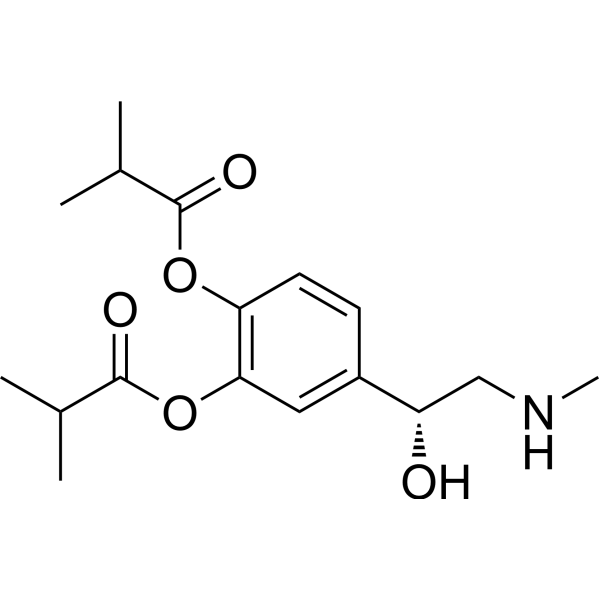
    Dibutepinephrine is an orally active adrenergic prodrug. Dibutepinephrine rapidly alleviates allergic symptoms. Dibutepinephrine can be used for the research of severe allergic reactions .
    Dibutepinephrine
  • HY-N15718

    Others Inflammation/Immunology
    Dichotomine D is a β-carboline alkaloid found in the roots of Stellaria dichotoma. Dichotomine D acts as an antiallergic agent. Dichotomine D is promising for research of type I allergic reactions .
    Dichotomine D
  • HY-127040

    Histamine Receptor Inflammation/Immunology
    Talastine hydrochloride is an antihistamine with antiallergic activity. Talastine hydrochloride is used to relieve allergic symptoms. Talastine hydrochloride may cause adverse reactions such as rash, indicating differences in individual sensitivity. Talastine hydrochloride is considered a potential option for inhibiting allergic reactions .
    Talastine hydrochloride
  • HY-117659

    Prostaglandin D Metabolite

    Prostaglandin Receptor Inflammation/Immunology
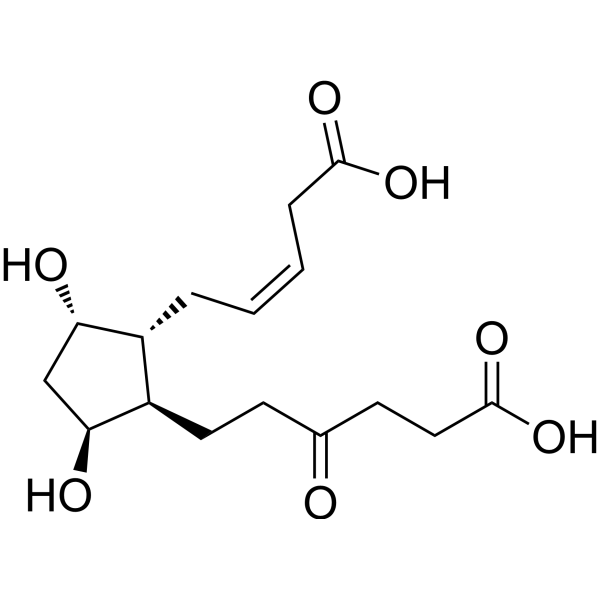
    PGDM (Prostaglandin D Metabolite) is the main urinary metabolite of Prostaglandin D2 and is prone to reversible cyclization. PGDM may serve as a biomarker for the endogenous production of PGD2 or be used to evaluate the severity of acute allergic reactions .
    PGDM
  • HY-105999A

    Ser/Thr Protease Inflammation/Immunology
    APC 366 hydrochloride is a selective inhibitor of mast cell trypsin activity. APC 366 hydrochloride is able to inhibit trypsin-induced histamine release in human tonsil and lung cells. APC 366 hydrochloride may have important applications in regulating allergic reactions and inflammation .
    APC 366 hydrochloride
  • HY-N11827

    (+)-Isocorybulbine

    Drug Metabolite Inflammation/Immunology
    Isocorybulbine ((+)-Isocorybulbine) is one of the main metabolites of Corydaline (HY-N0923) in human liver microsomes and liver cells. Corydaline has anti-acetylcholinesterase, anti-allergic, anti-allergic reaction and gastric emptying activities. Isocorybulbine can be used for the metabolic study of Corydaline .
    Isocorybulbine
  • HY-107607A

    Endogenous Metabolite Inflammation/Immunology
    FPL-55712 is a cysteine leukotriene type 1 receptor antagonist with anti-inflammatory activity. FPL-55712 can effectively block the biological response caused by leukotrienes, reduce allergic reactions and airway inflammation. FPL-55712 shows potential in suppressing asthma and allergic rhinitis .
    FPL-55712
  • HY-107967R

    Fluorescent Dye Reference Standards Cancer
    Isosulfan blue (Standard) is the analytical standard of Isosulfan blue. This product is intended for research and analytical applications. Isosulfan blue is a blue dye for the identification of lymph vessels during lymphangiography. Isosulfan blueis is used during sentinel lymph node biopsies in breast cancer. Isosulfan blue is possible to have an allergic reaction during breast cancer operations .
    Isosulfan blue (Standard)
  • HY-109065

    5-HT Receptor Others
    Minesapride is a partial agonist with a highly selective serotonin 4 (5-HT4) receptor. Minesapride enhances gastrointestinal peristalsis and colon transport by activating the 5-HT4 receptor. Minesapride increases bowel movements and suppresses visceral allergic reactions. Minesapride can be used in the study of constipation-type irritable bowel syndrome (IBS-C) .
    Minesapride
  • HY-19472A

    Ser/Thr Protease Inflammation/Immunology
    RWJ-58643 hydrochloride is a β-trypsin inhibitor that inhibits allergic inflammation. RWJ-58643 hydrochloride (100 mg) significantly reduces nasal allergy symptoms, eosinophil infiltration, and IL-5 levels at low doses. RWJ-58643 hydrochloride causes late eosinophilia and elevated IL-5 levels at high doses (300 mg and 600 mg). RWJ-58643 hydrochloride modulates allergic reactions by inhibiting the release of β-trypsin from mast cells.
    RWJ-58643 hydrochloride
  • HY-W010807R

    Biochemical Assay Reagents Reference Standards Others
    Hexadecyl palmitate (Standard) is the analytical standard of Hexadecyl palmitate. This product is intended for research and analytical applications. Hexadecyl palmitate is an organic compound commonly used in the cosmetic industry as an emollient, thickener and skin conditioning agent. Cetyl palmitate is derived from a mixture of cetyl alcohol (a fatty alcohol) and palmitic acid (a saturated fatty acid). It is often used in skin care products such as moisturizers, lotions, and creams to improve their texture and Helps them glide smoothly on the skin. In addition to its use in cosmetics, cetyl palmitate is used in other industries including pharmaceuticals, food additives and lubricants. Overall, it's considered safe for use in personal care products, but like any other ingredient, it may cause irritation or an allergic reaction in some people.
    Hexadecyl palmitate (Standard)
  • HY-131384

    8,11,14-Icosatriynoic acid

    COX Others
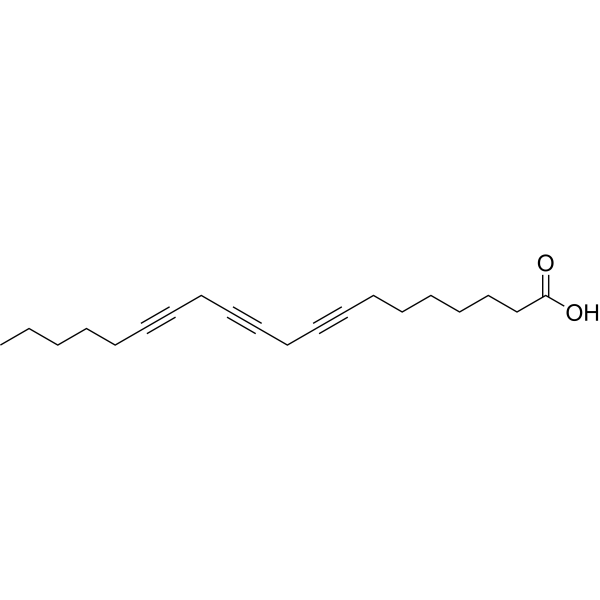
    8,11,14-Eicosatriynoic Acid, as an inhibitor of prostaglandin, leukotriene biosynthesis, and arachidonic acid-induced platelet aggregation, blocks human 12-lipoxygenase (12-LO), cyclooxygenase (COX)and 5-lipoxygenase (5-LO) with IC50 values of 0.46 μM, 14 μMand 25 μM, respectively. In addition, 8,11,14-Eicosatriynoic Acid inhibits the action of slow-reacting substances of allergic reactions, with IC50 value of 10 μM. Lipoxygenase is widely found in fungi, plants and animals. 12-LO involves in many important disease states and may play a role in oxidative glutamate toxicity. COX enzymes play complex roles in human physiology and pathology involving the neuronal, immune, renal, cardiovascular, gastrointestinal and reproductive systems. COX enzymes are blocked by aspirin and a variety of other NSAIDs, which makes them clinically important. 5-LO involves in cancer pathology. It is expressed by a variety of cancer cells, including colon, lung, breast, and prostate cancers, and promotes cancer cell growth and neovascularization . 8,11,14-Eicosatriynoic acid is a click chemistry reagent, it contains an Alkyne group and can undergo copper-catalyzed azide-alkyne cycloaddition (CuAAc) with molecules containing Azide groups.
    8,11,14-Eicosatriynoic acid
  • HY-124185

    Others Others
    LC 6 is an anti-allergic compound that has the activity of inhibiting passive cutaneous allergic reactions in rats. Its half effective dose (ED50) is 35 mg/kg body weight. Oral administration is effective and long-lasting, and the effect is obviously dose-dependent. Its long-term binding to mast cells makes it a valuable tool for studying allergic reaction receptors.
    LC 6
  • HY-171831

    Endogenous Metabolite Inflammation/Immunology
    Leukotriene E3 is a cysteinyl leukotriene metabolite derived from 5,8,11-eicosatrienoic acid (HY-108398A). Leukotriene E3 acts as a smooth-muscle-contracting mediator. Leukotriene E3 can be used for the research of allergic reactions and asthma .
    Leukotriene E3
  • HY-107062

    Histamine Receptor Inflammation/Immunology
    AA 344 is an orally active antiallergic agent. AA 344 inhibits the IgE, IgGa, Concanavalin A (HY-P2149), Dextran -mediated release of histamine. AA 344 shows inhibitory effects on the homologous passive cutaneous anaphylaxis and the passive systemic anaphylaxis in guinea pigs. AA 344 selectively suppresses the type I allergic reaction .
    AA 344
  • HY-100164R

    MKS 492 (Standard)

    Phosphodiesterase (PDE) Reference Standards Inflammation/Immunology
    SDZ-MKS 492 (Standard) is the analytical standard of SDZ-MKS 492 (HY-100164). This product is intended for research and analytical applications. SDZ-MKS 492 (MKS 492) is a selective inhibitor of cyclic GMP-inhibited phosphodiesterase (type III PDE). SDZ-MKS 492 inhibits antigen- or platelet activating factor (PAF)-induced bronchoconstriction and allergic reactions in guinea pigs and rats .
    SDZ-MKS 492 (Standard)
  • HY-182696

    Lipoxygenase Inflammation/Immunology
    CGS 24891 is an orally active 5-lipoxygenase (5-LO) inhibitor, with an IC50 value of 0.051 μM in guinea pigs and 0.11 μM in dogs. CGS 24891 inhibits the production of 5-hydroxyeicosatetraenoic acid (5-HETE) and leukotriene B4 (LTB4) from arachidonic acid. CGS 24891 weakly inhibits 12-lipoxygenase (12-LO) with an IC50 of 0.41 μM. CGS 24891 is applicable to research on inflammation and allergic reactions .
    CGS 24891
  • HY-N18750

    Bacterial Cardiovascular Disease Infection Inflammation/Immunology
    Celery Extract, derived from celery seeds (Apium graveolens), is a natural extract rich in bioactive compounds such as flavonoids, phenolic acids, and volatile oils. It is known for its antihypertensive, anti-inflammatory, antimicrobial, and antioxidant properties. This extract has been used in traditional medicine to manage hypertension and inflammation, and modern research supports its potential health benefits. In addition to its medicinal uses, Celery Extract is also utilized in the food industry for flavor enhancement and in cosmetics for its skin-protecting and soothing effects. While generally safe, a patch test is recommended to avoid potential allergic reactions.
    Celery extract
  • HY-182434

    Phosphatase FAP Inflammation/Immunology
    CL 118326 is a potent, selective, competitive inhibitor of mammalian pancreatic phospholipase A2 (PLA2) and a weak antagonist of platelet-activating factor receptor (PAF receptor). CL 118326 competitively inhibits mammalian pancreatic PLA2 (porcine: IC50 = 1.55 μg/mL), and shows no activity against snake venom or bee venom PLA2. CL 118326 inhibits PAF-induced and thrombin-induced platelet aggregation, as well as the release of leukotriene (LTC4) and histamine from basophil-enriched leukocytes. CL 118326 can be used for research on inflammation and allergic reactions .
    CL 118326

Inquiry Online

Your information is safe with us. * Required Fields.

Salutation


Country or Region *

Applicant Name *


Organization Name *

Department *


Email Address *


Product Name *

Cat. No.


Requested quantity *

Phone Number *


Remarks

Inquiry Online

Inquiry Information

Product Name:
Cat. No.:
Quantity:
MCE Japan Authorized Agent: