Search Result
Results for "
anti-obesity effects
" in MedChemExpress (MCE) Product Catalog:
-
- HY-P10138
-
|
|
Insulin Receptor
|
Metabolic Disease
|
|
Human GIP(3-30), amide is a high affinity antagonist of the human GIP receptor in vitro. Human GIP(3-30), amide has potential anti-obesity and anti-diabetic effects .
|
-

-
- HY-N0668
-
|
|
GLUT
Amylases
NF-κB
|
Metabolic Disease
Inflammation/Immunology
Cancer
|
|
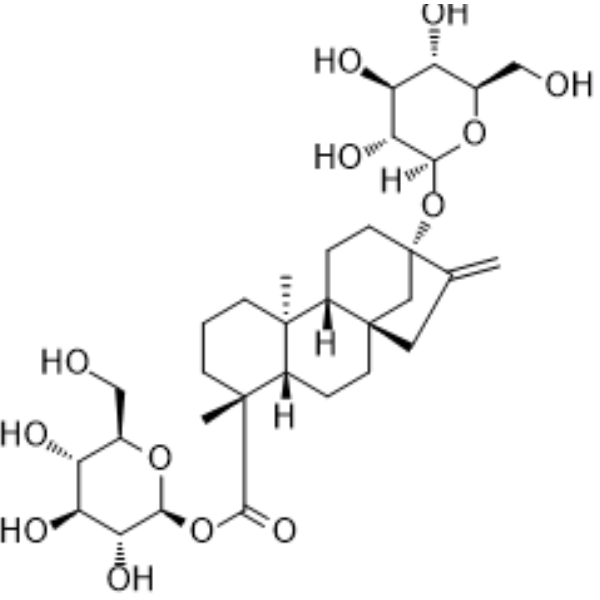
Rubusoside is a diterpene glycoside that is also a sweetener and solubilizer with anti-angiogenic, anti-cancer, anti-obesity, anti-allergic and anti-asthmatic effects. Rubusoside attenuates airway hyperresponsiveness and reduces inflammatory cells in bronchoalveolar lavage fluid (BALF), reducing OVA (HY-W250978)-induced airway inflammation. Rubusoside also prevents palmitic acid-induced lipotoxicity in pancreatic INS-1 cells, reduces the transport of human glucose transporters GLUT-1 and fructose GLUT-5, and inhibits NF-κB and α-amylase (α-amylase) .
|
-
-
- HY-N5011
-
|
|
Cytochrome P450
|
Metabolic Disease
Inflammation/Immunology
Cancer
|
|
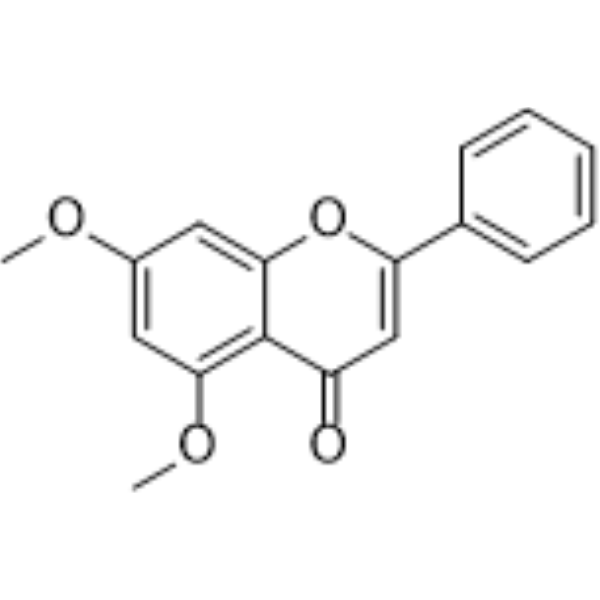
5,7-Dimethoxyflavone is one of the major components of Kaempferia parviflora, has anti-obesity, anti-inflammatory, and antineoplastic effects. 5,7-Dimethoxyflavone inhibits cytochrome P450 (CYP) 3As. 5,7-Dimethoxyflavone is also a potent Breast Cancer Resistance Protein (BCRP) inhibitor .
|
-
-
- HY-B1890
-
|
rel-Cianidanol; rel-Catechuic acid
|
COX
|
Infection
Cardiovascular Disease
Neurological Disease
Inflammation/Immunology
Cancer
|
|
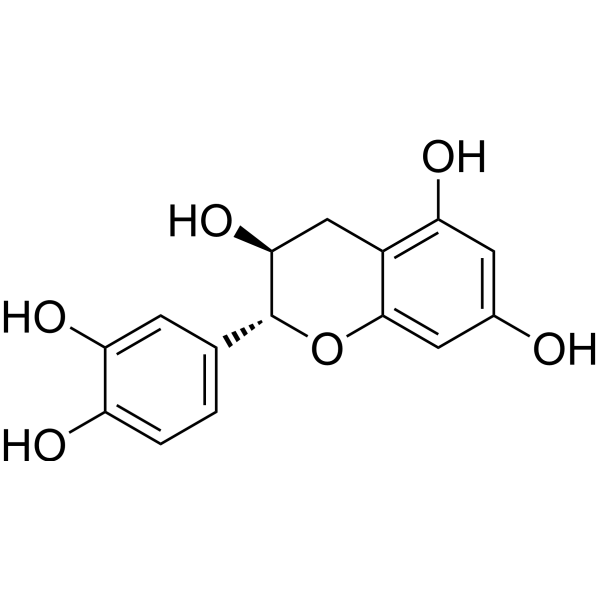
(±)-Catechin (rel-Cianidanol) is the racemate of the green tea polyphenol Catechin. Catechin has anticancer activity and induces apoptosis. (±)-Catechin has two forms, (+)-Catechin and its enantiomer (-)-Catechin. (+)-Catechin inhibits cyclooxygenase-1 (COX-1) with an IC50 of 1.4 μM. (-)-Catechin can effectively promote hBM-MSC adipocyte differentiation and increase adiponectin and PPARγ levels. (±)-Catechin has anti-tumor, anti-obesity, anti-diabetic, anti-cardiovascular, anti-infectious, hepatoprotective and neuroprotective effects .
|
-
-
- HY-16278
-
|
LCQ-908
|
Acyltransferase
BCRP
OAT
|
Infection
Metabolic Disease
|
|
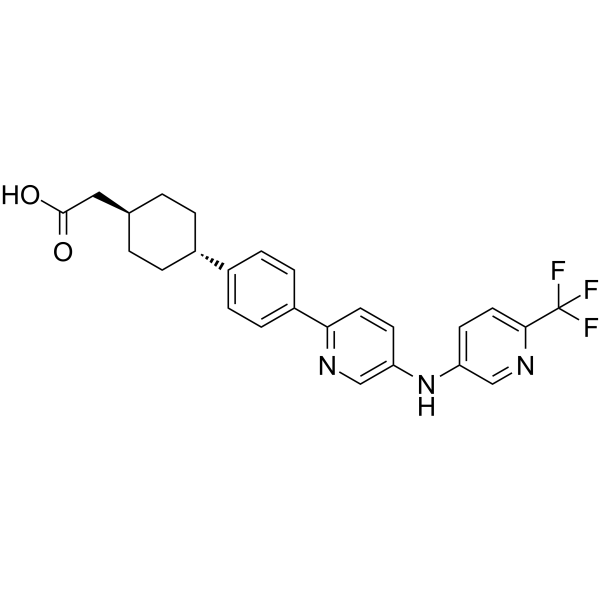
Pradigastat (LCQ-908) is a selective and orally effective diacylglyceryl acyltransferase 1 (DGAT1) inhibitor with IC50 at 0.157 µM. Pradigastat is primarily used to study diseases associated with abnormal triglyceride metabolism. Pradigastat has anti-obesity and anti-diabetic effects. Pradigastat inhibited BCRP, OATP1B1, OATP1B3 and OAT3 activities with IC50 of 5 µM, 1.66µM, 3.34µM and 0.973µM, respectively. In addition, Pradigastat has antiviral activity and can inhibit hepatitis C virus replication in vitro .
|
-
-
- HY-P3291
-
|
ZP7570
|
GCGR
|
Metabolic Disease
|
|
Dapiglutide (ZP7570) is a long-acting glucagon-like peptide-1 receptor 1R (GLP-1R)/Glucagon-like peptide-2 receptor (GLP-2R) dual agonist. Dapiglutide alleviates intestinal dysfunction in a mouse short bowel model and has anti-obesity effects .
|
-

-
- HY-P10138A
-
|
|
Insulin Receptor
|
Metabolic Disease
|
|
Human GIP(3-30), amide TFA is the TFA salt form of human GIP(3-30), amide (HY-P10138). Human GIP(3-30), amide TFA is a high affinity antagonist of the human GIP receptor in vitro. Human GIP(3-30), amide TFA has potential anti-obesity and anti-diabetic effects .
|
-

-
- HY-P10927A
-
|
BRINP2-related peptide TFA
|
PKA
AP-1
|
Metabolic Disease
|
|
BRP (BRINP2-related peptide) TFA is a 12-peptide derived from BRINP2 that can cross the blood-brain barrier. BRP TFA induces the central activation of FOS in neuronal cells via the cAMP-PKA-CREB signaling pathway. BRP TFA exerts anorectic and anti-obesity effects without triggering nausea or aversive responses. The action of BRP TFA is independent of the leptin, GLP-1 receptor and melanocortin 4 receptor pathways. BRP TFA is applicable to obesity-related research .
|
-

-
- HY-N3127
-
|
|
Casein Kinase
PI3K
VEGFR
|
Metabolic Disease
|
|
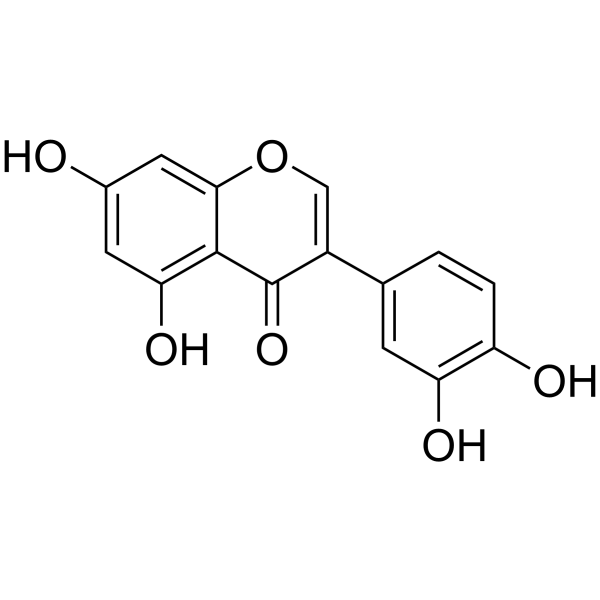
Orobol is one of the major soy isoflavones and has various pharmacological activities, including anti-skin-aging and anti-obesity effects. Orobol inhibits CK1ε, VEGFR2, MAP4K5, MNK1, MUSK, TOPK, and TNIK (IC50=1.24-4.45 μM). Orobol also inhibits PI3K isoforms (IC50=3.46-5.27 μM for PI3K α/β/γ/K/δ) .
|
-
-
- HY-126956
-
|
|
Reactive Oxygen Species (ROS)
MMP
Collagen
PPAR
DNA/RNA Synthesis
Apoptosis
Caspase
|
Metabolic Disease
Inflammation/Immunology
|
|
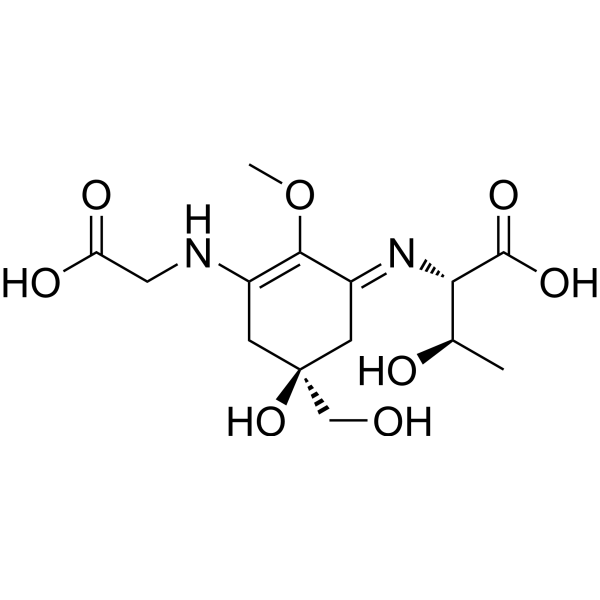
Porphyra 334 is a carnosine-like amino acid and a natural photoprotective agent and antioxidant. Porphyra-334 exerts its photoprotective effects by scavenging ROS, inhibiting the expression and activity of MMP-1/8, and promoting the synthesis of collagen and elastin. Porphyra 334 effectively inhibits linoleic acid oxidation induced by alkyl radicals (AAPH) and singlet oxygen. Porphyra 334 has anti-obesity potential by inhibiting the expression of PPARγ2 and C/EBPα. Porphyra 334 protects cells against UV-induced DNA damage and apoptosis by inhibiting the activation of caspase-3 .
|
-
-
- HY-105008
-
|
(S,S)-SDG; (S,S)-LGM2605
|
Others
|
Cardiovascular Disease
Neurological Disease
Inflammation/Immunology
|
|
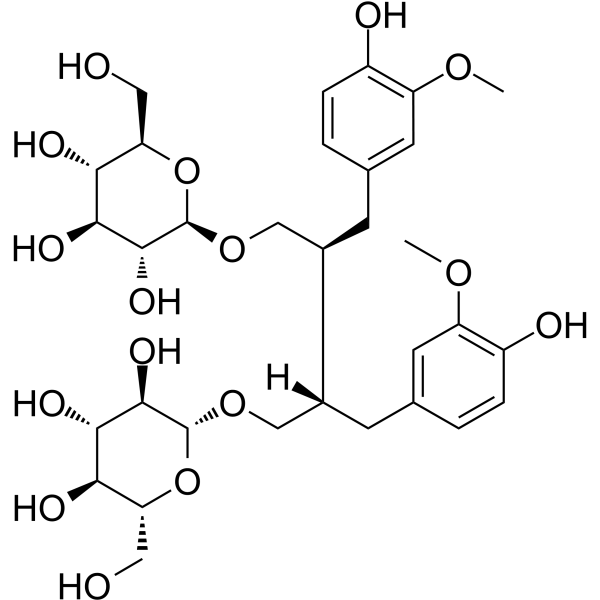
Secoisolariciresinol diglucoside ((S,S)-SDG), the main lignan in wholegrain flaxseed, is known for its beneficial effects including anti-inflammatory, antioxidant, anti-mutagenic, anti-microbial, anti-obesity, hypolipidemic, and neuroprotective effects .
|
-
-
- HY-N3026
-
-
-
- HY-120327
-
KY-226
2 Publications Verification
|
Phosphatase
|
Neurological Disease
Metabolic Disease
|
|
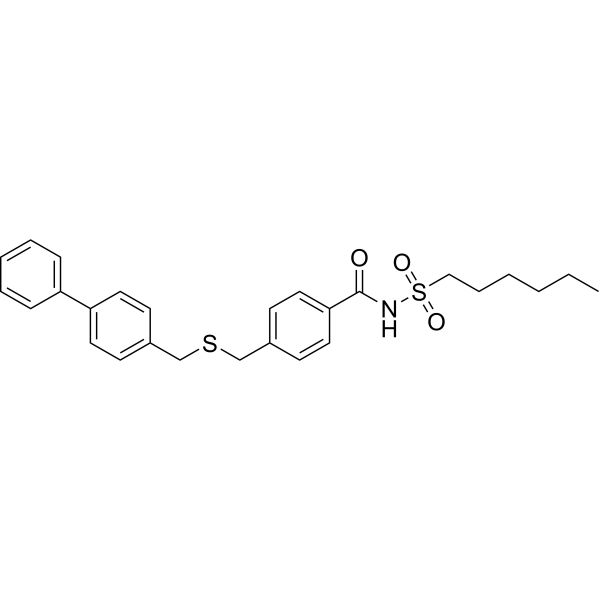
KY-226 is a potent, selective, orally active and allosteric protein tyrosine phosphatase 1B (PTP1B) inhibitor with an IC50 of 0.25 μM, and without PPARγ agonist activity. KY-226 exerts anti-diabetic and anti-obesity effects by enhancing insulin and leptin signaling, respectively. KY-226 also protects neurons from cerebral ischemic injury .
|
-
-
- HY-P10927
-
|
BRINP2-related peptide
|
AP-1
PKA
|
Metabolic Disease
|
|
BRP is a 12-peptide derived from BRINP2 that can cross the blood-brain barrier. BRP induces the central activation of FOS in neuronal cells via the cAMP-PKA-CREB signaling pathway. BRP exerts anorectic and anti-obesity effects without triggering nausea or aversive responses. The action of BRP is independent of the leptin, GLP-1 receptor and melanocortin 4 receptor pathways. BRP is applicable to obesity-related research .
|
-

-
- HY-103138
-
|
|
5-HT Receptor
|
Neurological Disease
Metabolic Disease
|
|
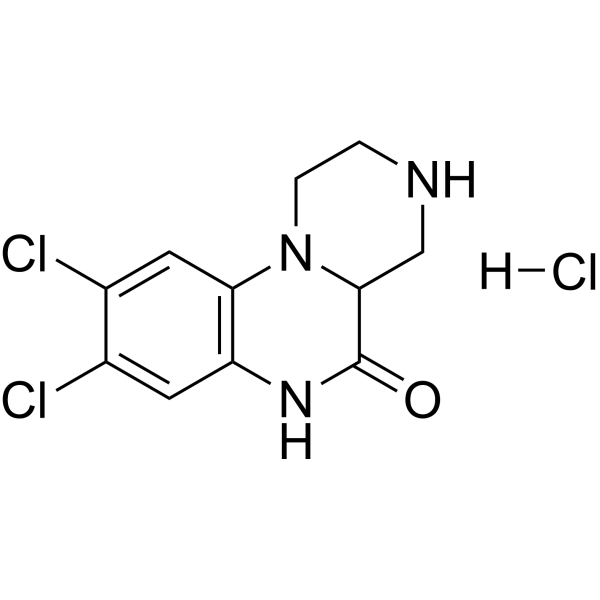
(Rac)-WAY-161503 hydrochloride is a potent, selective, high affinity 5-HT2C receptor agonist with a Ki of 4 nM and an EC50 of 12 nM. (Rac)-WAY-161503 hydrochloride displays higher affinity for 5-HT2C than 5-HT2A and 5-HT2B receptors. (Rac)-WAY-161503 hydrochloride has anti-obesity and antidepressant effects .
|
-
-
- HY-N0114A
-
-
-
- HY-100277
-
|
SR-202
|
PPAR
|
Metabolic Disease
|
|
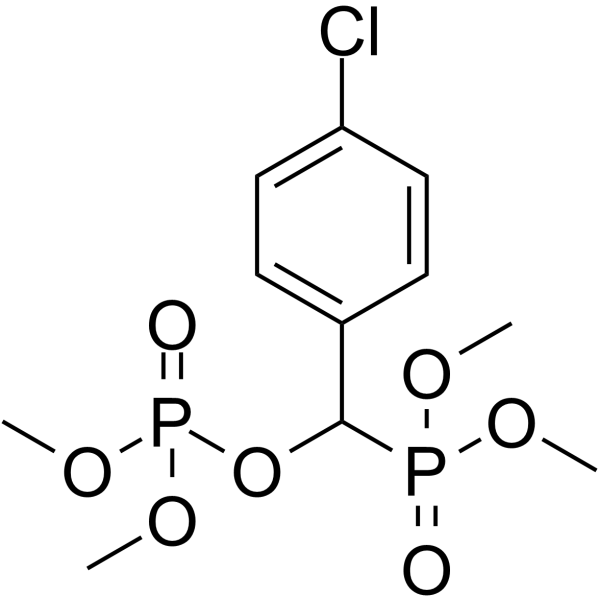
Mifobate (SR-202) is a potent and specific PPARγ antagonist. Mifobate (SR-202) selectively inhibits Thiazolidinedione (TZD)-induced PPARγ transcriptional activity (IC50=140 μM). Mifobate (SR-202) does not affect basal or ligand-stimulated transcriptional activity of PPARα, PPARβ, or the farnesoid X receptor (FXR). Mifobate (SR-202) shows antiobesity and antidiabetic effects .
|
-
-
- HY-B1890R
-
|
rel-Cianidanol (Standard); rel-Catechuic acid (Standard)
|
Reference Standards
COX
|
Infection
Cardiovascular Disease
Neurological Disease
Inflammation/Immunology
Cancer
|
|
(±)-Catechin (Standard) is the analytical standard of (±)-Catechin. This product is intended for research and analytical applications. (±)-Catechin (rel-Cianidanol) is the racemate of the green tea polyphenol Catechin. Catechin has anticancer activity and induces apoptosis. (±)-Catechin has two forms, (+)-Catechin and its enantiomer (-)-Catechin. (+)-Catechin inhibits cyclooxygenase-1 (COX-1) with an IC50 of 1.4 μM. (-)-Catechin can effectively promote hBM-MSC adipocyte differentiation and increase adiponectin and PPARγ levels. (±)-Catechin has anti-tumor, anti-obesity, anti-diabetic, anti-cardiovascular, anti-infectious, hepatoprotective and neuroprotective effects .
|
-

-
- HY-P10397
-
|
rALP-2, Rubisco anxiolytic-like peptide 2
|
iGluR
|
Neurological Disease
Metabolic Disease
|
|
YHIEPV (rALP-2, Rubisco anxiolytic-like peptide 2) is a potent and orally active peptide. YHIEPV shows anxiolytic effects. YHIEPV increases leptin sensitivity to exert its anti-obesity effects .
|
-

-
- HY-N5011R
-
|
|
Reference Standards
Cytochrome P450
|
Metabolic Disease
Inflammation/Immunology
Cancer
|
|
5,7-Dimethoxyflavone (Standard) is the analytical standard of 5,7-Dimethoxyflavone. This product is intended for research and analytical applications. 5,7-Dimethoxyflavone is one of the major components of Kaempferia parviflora, has anti-obesity, anti-inflammatory, and antineoplastic effects. 5,7-Dimethoxyflavone inhibits cytochrome P450 (CYP) 3As. 5,7-Dimethoxyflavone is also a potent Breast Cancer Resistance Protein (BCRP) inhibitor .
|
-

-
- HY-103138A
-
|
|
5-HT Receptor
|
Neurological Disease
Metabolic Disease
|
|
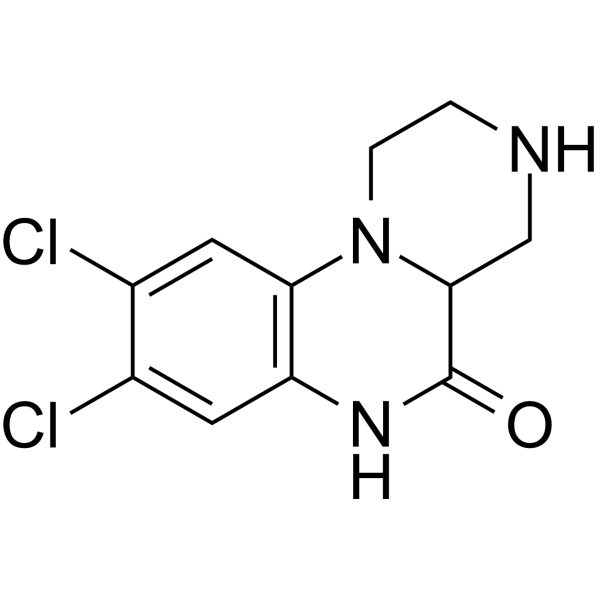
(Rac)-WAY-161503 is a potent, selective, highly affinity 5-HT2C receptor agonist with a Ki of 4 nM and an EC50 of 12 nM. (Rac)-WAY-161503 displays higher affinity for 5-HT2C than 5-HT2A and 5-HT2B receptors. (Rac)-WAY-161503 has anti-obesity and antidepressant effects .
|
-
-
- HY-P11320
-
|
|
Amylin Receptor
CGRP Receptor
|
Metabolic Disease
|
|
Davalintide is an Amylin (HY-P1464)-mimetic peptide with greater potency and longer-lasting effects. Davalintide is a potent agonist of amylin receptor (IC50 = 0.04 nM), calcitonin receptor (IC50 = 0.06 nM) and calcitonin related peptide receptor (CGRP receptor) (IC50 = 3.1 nM). Davalintide shows stronger potency to Amylin to activate cyclic AMP production through the calcitonin receptor (EC50 = 1.4 nM). Davalintide regulates blood sugar and weight through various mechanisms such as delaying gastric emptying, inhibiting glucagon secretion, and reducing food intake. Davalintide can be used for the studies of anti-obesity and anti-diabetes .
|
-

-
- HY-117843
-
-
-
- HY-117167
-
|
|
Thyroid Hormone Receptor
|
Cancer
|
|
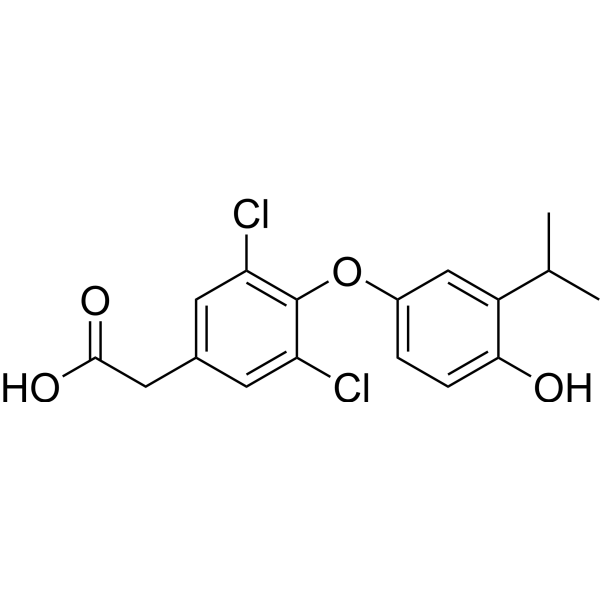
KB-141 is a potent and selective TRβ agonist. The IC50 values are 23.9 nM and 3.3 nM for binding affinities from displacement of T3 from hTRα1 and hTRβ1, respectively. KB-141 has anti-obesity, anti-diabetic, and lipid-lowering effects?and can be used as an anti-cholesteremic agent in vivo .
|
-
-
- HY-N0668R
-
|
|
GLUT
Amylases
NF-κB
Reference Standards
|
Metabolic Disease
Inflammation/Immunology
Cancer
|
|
Rubusoside (Standard) is the analytical standard of Rubusoside. This product is intended for research and analytical applications. Rubusoside is a diterpene glycoside that is also a sweetener and solubilizer with anti-angiogenic, anti-cancer, anti-obesity, anti-allergic and anti-asthmatic effects. Rubusoside attenuates airway hyperresponsiveness and reduces inflammatory cells in bronchoalveolar lavage fluid (BALF), reducing OVA (HY-W250978)-induced airway inflammation. Rubusoside also prevents palmitic acid-induced lipotoxicity in pancreatic INS-1 cells, reduces the transport of human glucose transporters GLUT-1 and fructose GLUT-5, and inhibits NF-κB and α-amylase (α-amylase) .
|
-

-
- HY-164809
-
|
|
ROCK
|
Metabolic Disease
|
|
KD025m1 is a novel selective ROCK2 inhibitor. KD025m1 has good anti obesity, improved insulin sensitivity, and blood glucose control effects. KD025m1 can be used to study metabolic diseases such as diabetes and obesity .
|
-

-
- HY-N14021
-
|
|
DNA/RNA Synthesis
|
Neurological Disease
Inflammation/Immunology
Cancer
|
|
Petasites japonicus extract is the extract from Petasites japonicus with antioxidant, anti-inflammatory, anti-obesity, neuroprotective and anti-cancer effects. Petasites japonicus extract promotes osteoblast differentiation via up-regulation of Runx2 and Osterix in MC3T3-E1 cells .
|
-

-
- HY-105008R
-
|
(S,S)-SDG (Standard); (S,S)-LGM2605 (Standard)
|
Reference Standards
Others
|
Cardiovascular Disease
Neurological Disease
Inflammation/Immunology
|
|
Secoisolariciresinol diglucoside (Standard) is the analytical standard of Secoisolariciresinol diglucoside. This product is intended for research and analytical applications. Secoisolariciresinol diglucoside ((S,S)-SDG), the main lignan in wholegrain flaxseed, is known for its beneficial effects including anti-inflammatory, antioxidant, anti-mutagenic, anti-microbial, anti-obesity, hypolipidemic, and neuroprotective effects[1][2].
|
-

-
- HY-P11670
-
-

-
- HY-N3716
-
|
|
Aldose Reductase
COX
|
Metabolic Disease
Inflammation/Immunology
|
|
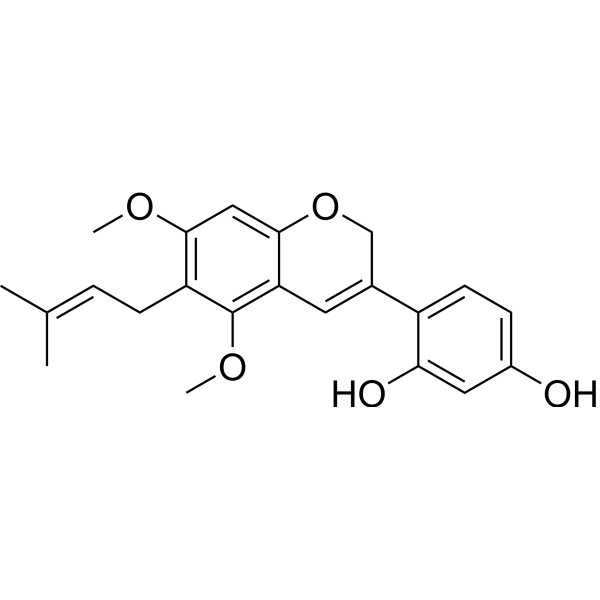
Dehydroglyasperin D inhibits rat and human Aldose Reductase (AR) (IC50: 62.4 μM and 176.2 μM respectively). Dehydroglyasperin D has anti-obesity, antioxidant effects. Dehydroglyasperin D shows anti-inflammatory activity by inhibiting COX-2 expression and the MLK3 signaling pathway. Dehydroglyasperin D also inhibits melanin synthesis. Dehydroglyasperin D is a prenylated flavonoid that can be isolated from Glycyrrhiza uralensi .
|
-
-
- HY-16278A
-
|
LCQ 908 sodium
|
Acyltransferase
BCRP
OAT
|
Infection
Metabolic Disease
|
|
Pradigastat sodium (LCQ 908 sodium) is a selective and orally effective diacylglyceryl acyltransferase 1 (DGAT1) inhibitor with IC50 at 0.157 µM. Pradigastat is primarily used to study diseases associated with abnormal triglyceride metabolism. Pradigastat has anti-obesity and anti-diabetic effects. Pradigastat inhibited BCRP, OATP1B1, OATP1B3 and OAT3 activities with IC50 of 5 µM, 1.66µM, 3.34µM and 0.973µM, respectively. In addition, Pradigastat has antiviral activity and can inhibit hepatitis C virus replication in vitro .
|
-

-
- HY-105900
-
|
|
Others
|
Metabolic Disease
|
|
Ro 22-0654 is a potent lipid synthesis inhibitor. Ro 22-0654 inhibits hepatic fatty acid synthesis and has antiobesity effects .
|
-
-
- HY-16278R
-
|
LCQ-908 (Standard)
|
Acyltransferase
BCRP
OAT
Reference Standards
|
Infection
Metabolic Disease
|
|
Pradigastat (Standard) is the analytical standard of Pradigastat. This product is intended for research and analytical applications. Pradigastat (LCQ-908) is a selective and orally effective diacylglyceryl acyltransferase 1 (DGAT1) inhibitor with IC50 at 0.157 µM. Pradigastat is primarily used to study diseases associated with abnormal triglyceride metabolism. Pradigastat has anti-obesity and anti-diabetic effects. Pradigastat inhibited BCRP, OATP1B1, OATP1B3 and OAT3 activities with IC50 of 5 µM, 1.66µM, 3.34µM and 0.973µM, respectively. In addition, Pradigastat has antiviral activity and can inhibit hepatitis C virus replication in vitro .
|
-

-
- HY-N0114AR
-
|
|
Topoisomerase
Apoptosis
|
Cardiovascular Disease
Inflammation/Immunology
Cancer
|
|
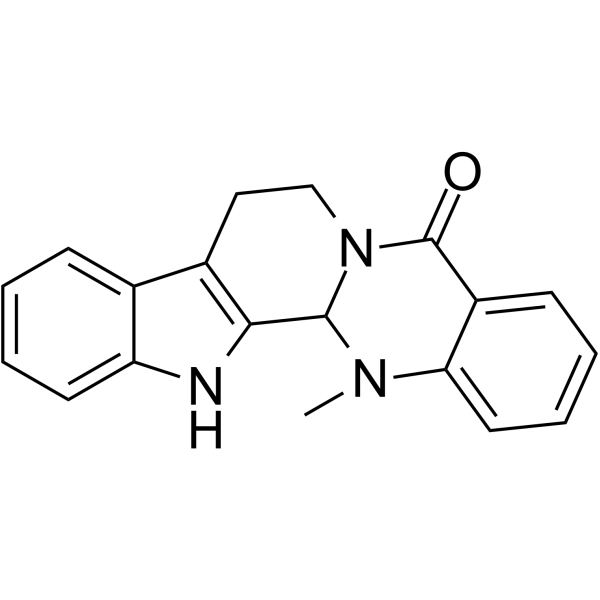
(±)-Evodiamine (Standard) is the analytical standard of (±)-Evodiamine. This product is intended for research and analytical applications. (±)-Evodiamine, a quinazolinocarboline alkaloid, is a Top1 inhibitor. Evodiamine exhibits anti-inflammatory, antiobesity, and antitumor effects. (±)-Evodiamine inhibits the proliferation of a wide variety of tumor cells by inducing their apoptosis .
|
-

-
- HY-100277R
-
|
SR-202 (Standard)
|
Reference Standards
PPAR
|
Metabolic Disease
|
|
Mifobate (Standard) is the analytical standard of Mifobate. This product is intended for research and analytical applications. Mifobate (SR-202) is a potent and specific PPARγ antagonist. Mifobate (SR-202) selectively inhibits Thiazolidinedione (TZD)-induced PPARγ transcriptional activity (IC50=140 μM). Mifobate (SR-202) does not affect basal or ligand-stimulated transcriptional activity of PPARα, PPARβ, or the farnesoid X receptor (FXR). Mifobate (SR-202) shows antiobesity and antidiabetic effects .
|
-

-
- HY-12191
-
|
|
Histamine Receptor
|
Metabolic Disease
|
|
A-331440 is a potent and selective histamine H3 receptor antagonist that regulates neurotransmitter release by inhibiting presynaptic H3 receptors. In preclinical studies involving mice on a high-fat diet, A-331440 demonstrated dose-dependent effects on weight reduction and fat loss. At 5 mg/kg, it effectively decreased body weight comparable to dexfenfluramine, while at 15 mg/kg, it significantly reduced body fat and improved insulin tolerance, similar to mice on a low-fat diet. These findings suggest that A-331440 holds promise as an antiobesity agent by modulating histaminergic pathways involved in food intake and metabolic regulation .
|
-

-
- HY-P10138
-
|
|
Insulin Receptor
|
Metabolic Disease
|
|
Human GIP(3-30), amide is a high affinity antagonist of the human GIP receptor in vitro. Human GIP(3-30), amide has potential anti-obesity and anti-diabetic effects .
|
-
- HY-P3291
-
|
ZP7570
|
GCGR
|
Metabolic Disease
|
|
Dapiglutide (ZP7570) is a long-acting glucagon-like peptide-1 receptor 1R (GLP-1R)/Glucagon-like peptide-2 receptor (GLP-2R) dual agonist. Dapiglutide alleviates intestinal dysfunction in a mouse short bowel model and has anti-obesity effects .
|
-
- HY-P10138A
-
|
|
Insulin Receptor
|
Metabolic Disease
|
|
Human GIP(3-30), amide TFA is the TFA salt form of human GIP(3-30), amide (HY-P10138). Human GIP(3-30), amide TFA is a high affinity antagonist of the human GIP receptor in vitro. Human GIP(3-30), amide TFA has potential anti-obesity and anti-diabetic effects .
|
-
- HY-P10927A
-
|
BRINP2-related peptide TFA
|
PKA
AP-1
|
Metabolic Disease
|
|
BRP (BRINP2-related peptide) TFA is a 12-peptide derived from BRINP2 that can cross the blood-brain barrier. BRP TFA induces the central activation of FOS in neuronal cells via the cAMP-PKA-CREB signaling pathway. BRP TFA exerts anorectic and anti-obesity effects without triggering nausea or aversive responses. The action of BRP TFA is independent of the leptin, GLP-1 receptor and melanocortin 4 receptor pathways. BRP TFA is applicable to obesity-related research .
|
-
- HY-P10927
-
|
BRINP2-related peptide
|
AP-1
PKA
|
Metabolic Disease
|
|
BRP is a 12-peptide derived from BRINP2 that can cross the blood-brain barrier. BRP induces the central activation of FOS in neuronal cells via the cAMP-PKA-CREB signaling pathway. BRP exerts anorectic and anti-obesity effects without triggering nausea or aversive responses. The action of BRP is independent of the leptin, GLP-1 receptor and melanocortin 4 receptor pathways. BRP is applicable to obesity-related research .
|
-
- HY-P10397
-
|
rALP-2, Rubisco anxiolytic-like peptide 2
|
iGluR
|
Neurological Disease
Metabolic Disease
|
|
YHIEPV (rALP-2, Rubisco anxiolytic-like peptide 2) is a potent and orally active peptide. YHIEPV shows anxiolytic effects. YHIEPV increases leptin sensitivity to exert its anti-obesity effects .
|
-
- HY-P11320
-
|
|
Amylin Receptor
CGRP Receptor
|
Metabolic Disease
|
|
Davalintide is an Amylin (HY-P1464)-mimetic peptide with greater potency and longer-lasting effects. Davalintide is a potent agonist of amylin receptor (IC50 = 0.04 nM), calcitonin receptor (IC50 = 0.06 nM) and calcitonin related peptide receptor (CGRP receptor) (IC50 = 3.1 nM). Davalintide shows stronger potency to Amylin to activate cyclic AMP production through the calcitonin receptor (EC50 = 1.4 nM). Davalintide regulates blood sugar and weight through various mechanisms such as delaying gastric emptying, inhibiting glucagon secretion, and reducing food intake. Davalintide can be used for the studies of anti-obesity and anti-diabetes .
|
-
- HY-P11670
-
| 製品番号 |
製品名 |
Category |
Target |
構造式 |
-
- HY-N0668
-
-
-
- HY-N5011
-
-
-
- HY-B1890
-
-
-
- HY-N3127
-
-
-
- HY-126956
-
-
-
- HY-105008
-
|
(S,S)-SDG; (S,S)-LGM2605
|
Cardiovascular Disease
Neurological Disease
Classification of Application Fields
Lignans
Plants
Microorganisms
Linum usitatissimum Linn.
Linaceae
Phenols
Polyphenols
Phenylpropanoids
Disease Research Fields
Source Classification
|
Others
|
|
Secoisolariciresinol diglucoside ((S,S)-SDG), the main lignan in wholegrain flaxseed, is known for its beneficial effects including anti-inflammatory, antioxidant, anti-mutagenic, anti-microbial, anti-obesity, hypolipidemic, and neuroprotective effects .
|
-
-
- HY-N3026
-
-
-
- HY-N0114A
-
-
-
- HY-B1890R
-
|
rel-Cianidanol (Standard); rel-Catechuic acid (Standard)
|
Structural Classification
Phenols
Polyphenols
Camellia sinensis (L.) O. Ktze.
Plants
Source Classification
Theaceae
|
Reference Standards
COX
|
|
(±)-Catechin (Standard) is the analytical standard of (±)-Catechin. This product is intended for research and analytical applications. (±)-Catechin (rel-Cianidanol) is the racemate of the green tea polyphenol Catechin. Catechin has anticancer activity and induces apoptosis. (±)-Catechin has two forms, (+)-Catechin and its enantiomer (-)-Catechin. (+)-Catechin inhibits cyclooxygenase-1 (COX-1) with an IC50 of 1.4 μM. (-)-Catechin can effectively promote hBM-MSC adipocyte differentiation and increase adiponectin and PPARγ levels. (±)-Catechin has anti-tumor, anti-obesity, anti-diabetic, anti-cardiovascular, anti-infectious, hepatoprotective and neuroprotective effects .
|
-
-
- HY-N5011R
-
-
-
- HY-N0668R
-
|
|
Structural Classification
other families
Terpenoids
Diterpenoids
Plants
Source Classification
|
GLUT
Amylases
NF-κB
Reference Standards
|
|
Rubusoside (Standard) is the analytical standard of Rubusoside. This product is intended for research and analytical applications. Rubusoside is a diterpene glycoside that is also a sweetener and solubilizer with anti-angiogenic, anti-cancer, anti-obesity, anti-allergic and anti-asthmatic effects. Rubusoside attenuates airway hyperresponsiveness and reduces inflammatory cells in bronchoalveolar lavage fluid (BALF), reducing OVA (HY-W250978)-induced airway inflammation. Rubusoside also prevents palmitic acid-induced lipotoxicity in pancreatic INS-1 cells, reduces the transport of human glucose transporters GLUT-1 and fructose GLUT-5, and inhibits NF-κB and α-amylase (α-amylase) .
|
-
-
- HY-N14021
-
-
-
- HY-105008R
-
|
(S,S)-SDG (Standard); (S,S)-LGM2605 (Standard)
|
Structural Classification
Microorganisms
Linum usitatissimum Linn.
Linaceae
Lignans
Phenols
Polyphenols
Phenylpropanoids
Plants
Source Classification
|
Reference Standards
Others
|
|
Secoisolariciresinol diglucoside (Standard) is the analytical standard of Secoisolariciresinol diglucoside. This product is intended for research and analytical applications. Secoisolariciresinol diglucoside ((S,S)-SDG), the main lignan in wholegrain flaxseed, is known for its beneficial effects including anti-inflammatory, antioxidant, anti-mutagenic, anti-microbial, anti-obesity, hypolipidemic, and neuroprotective effects[1][2].
|
-
-
- HY-N3716
-
|
|
Leguminosae
Phenols
Polyphenols
Plants
Glycyrrhiza uralensis Fisch.
Source Classification
|
Aldose Reductase
COX
|
|
Dehydroglyasperin D inhibits rat and human Aldose Reductase (AR) (IC50: 62.4 μM and 176.2 μM respectively). Dehydroglyasperin D has anti-obesity, antioxidant effects. Dehydroglyasperin D shows anti-inflammatory activity by inhibiting COX-2 expression and the MLK3 signaling pathway. Dehydroglyasperin D also inhibits melanin synthesis. Dehydroglyasperin D is a prenylated flavonoid that can be isolated from Glycyrrhiza uralensi .
|
-
-
- HY-N0114AR
-
-
入力情報は安全に管理されます. ※ 必須入力項目.
Inquiry Information
- 製品名:
- 製品番号:
- 数量:
- MCE 日本正規代理店:





