Search Result
Results for "
bone mesenchymal stem cells
" in MedChemExpress (MCE) Product Catalog:
4
Biochemical Assay Reagents
| Cat. No. |
Product Name |
Target |
Research Areas |
Chemical Structure |
-
- HY-16900
-
|
(R,S)-Rolipram; (±)-Rolipram; ZK 62711
|
Bacterial
HIV
Phosphodiesterase (PDE)
Epigenetic Reader Domain
Amyloid-β
|
Infection
Neurological Disease
Cancer
|
|
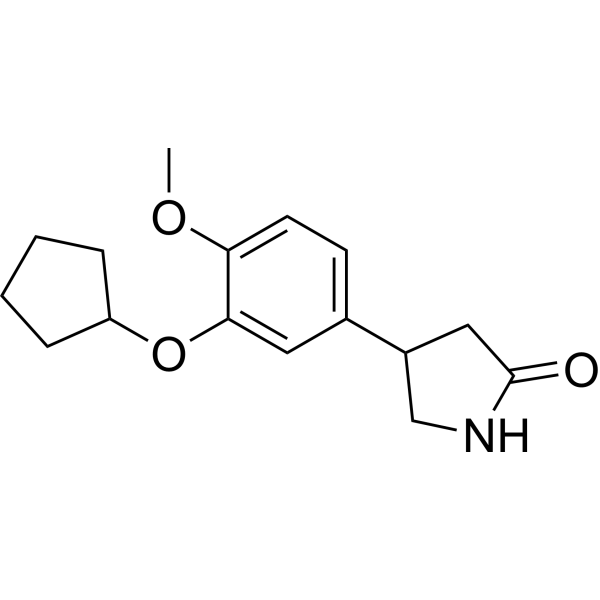
Rolipram is a PDE4 inhibitor, with blood-brain barrier permeability, that reverses β-amyloid-induced learning and memory impairment in rats. Rolipram elevates intracellular cAMP and clevels and regulates the cAMP/CREB signaling pathway, thereby alleviating neuroinflammation and apoptotic responses. Rolipram promotes neuronal differentiation of human bone marrow mesenchymal stem cells and inhibits Methamphetamine- and morphine-induced hyperlocomotion in mice. Rolipram also reduces the viability of glioblastoma stem-like cells and enhances Bevacizumab (HY-P9906)-induced cell death. Rolipram inhibits the expression of proinflammatory cytokines and enhances central noradrenergic transmission. Rolipram is mainly used in studies related to various central nervous system diseases including Alzheimer's disease, major depressive disorder, glioblastoma multiforme, and multiple sclerosis .
|
-
-
- HY-N0088
-
Apocynin
Maximum Cited Publications
30 Publications Verification
Acetovanillone
|
NADPH Oxidase
|
Metabolic Disease
Inflammation/Immunology
|
|
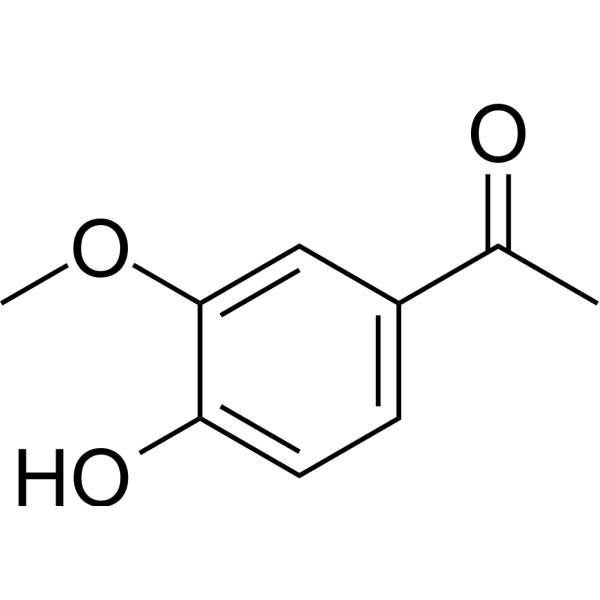
Apocynin is a selective NADPH-oxidase inhibitor with an IC50 of 10 μM . Apocynin improves acute lung inflammation in Carrageenan (HY-125474)-induced pleurisy mice model . Apocynin can also be used for cancer research . Apocynin reverses the aging process in mesenchymal stem cells to promote osteogenesis and increases bone mass .
|
-
-
- HY-N4093
-
-
-
- HY-N0772
-
|
|
VEGFR
NOD-like Receptor (NLR)
NF-κB
Bacterial
AMPK
Acetyl-CoA Carboxylase
Apoptosis
Reactive Oxygen Species (ROS)
HSV
Drug Derivative
|
Infection
Metabolic Disease
Inflammation/Immunology
Cancer
|
|
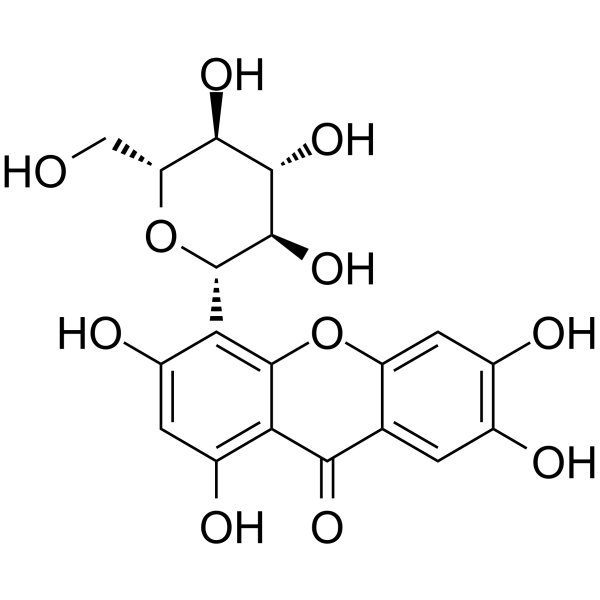
Isomangiferin is an orally active xanthone C-glucoside, and its chemical structure is similar to Mangiferin (HY-N0290). Isomangiferin is an effective VEGFR-2 kinase inhibitor, which can induces cell apoptosis, inhibit the growth, metastasis and angiogenesis of breast cancer. Isomangiferin exerts anti-inflammatory effects by inhibiting the HMGB1/NLRP3/NF-κB signaling pathway, thereby improving the renal function indicators of diabetic mice. Isomangiferin exhibits inhibitory effects on various bacteria and herpes simplex virus type 1 (HSV-1). Isomangiferin promotes the migration and osteogenic differentiation of bone marrow mesenchymal stem cells (BMSCs) and reduces cell apoptosis and the production of ROS by activating the AMPK/ACC pathway, thereby facilitating fracture healing .
|
-
-
- HY-N8698
-
Picein
1 Publications Verification
|
SOD
Ferroptosis
Keap1-Nrf2
Heme Oxygenase (HO)
Glutathione Peroxidase
|
Neurological Disease
Metabolic Disease
Inflammation/Immunology
|
|
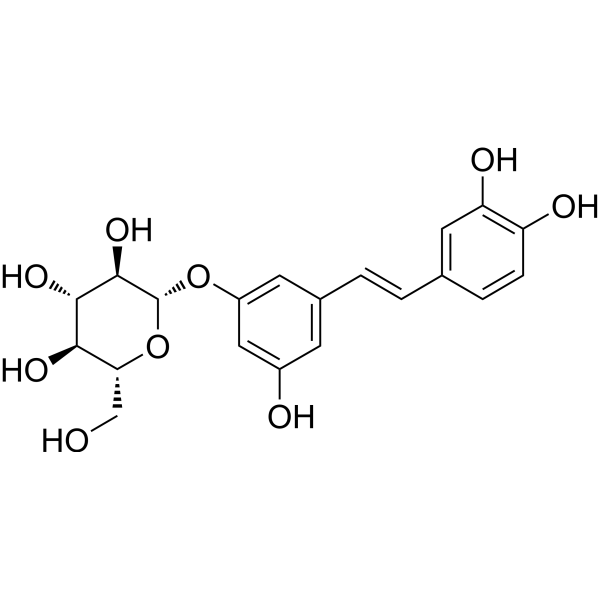
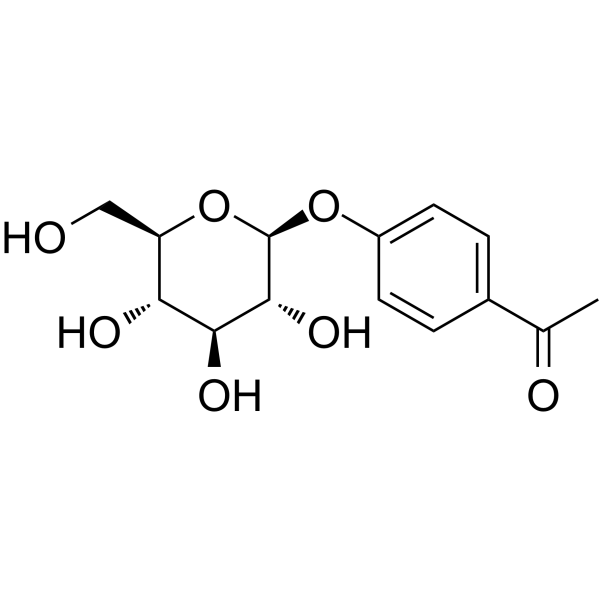
Picein is an antioxidant and anti-inflammatory agent. Picein can be isolated from the leaves of Picrorhiza kurroa. Picein reduces MDA levels and increases the levels of SOD, GPX and TAC. Picein alleviates oxidative stress and promotes bone regeneration in osteoporotic bone defects by inhibiting Ferroptosis (via activation of the Nrf2/HO-1/GPX4 pathway). Picein prevents scopolamine (HY-N0296)-induced passive avoidance memory impairment in rats. Picein can be used in research related to osteoporotic bone defects and Alzheimer's disease .
|
-
-
- HY-P5832
-
|
|
TGF-beta/Smad
RUNX
|
Metabolic Disease
|
|
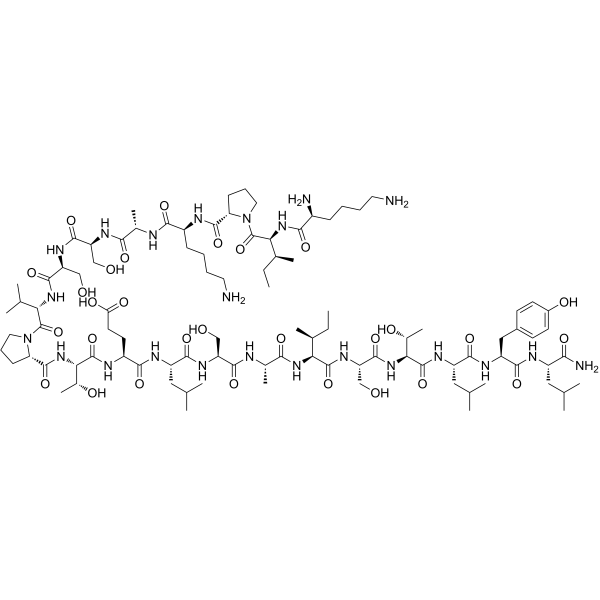
BMP2-derived peptide is an osteogenic inducer and BMP receptor ligand. BMP2-derived peptide binds to BMP receptors on the cell surface to form a complex, activates the downstream Smad signaling pathway, and regulates the expression of osteogenic transcription factors. BMP2-derived peptide effectively promotes the adhesion, proliferation, osteogenic differentiation and mineralization of bone marrow mesenchymal stem cells, significantly up-regulates the mRNA levels of OCN, Runx2 and type I collagen, and increases alkaline phosphatase activity and calcium deposition. BMP2-derived peptide induces osteoblast differentiation and ectopic bone regeneration, and improves cranial bone defect repair. Meanwhile, BMP2-derived peptide enhances the cytocompatibility of mesoporous silica nanoparticles, synergistically increases osteogenic activity with Dexamethasone (HY-14648), serving as an important tool for bone defect repair research .
|
-
-
- HY-107245
-
|
|
Estrogen Receptor/ERR
Sirtuin
RUNX
|
Metabolic Disease
|
|
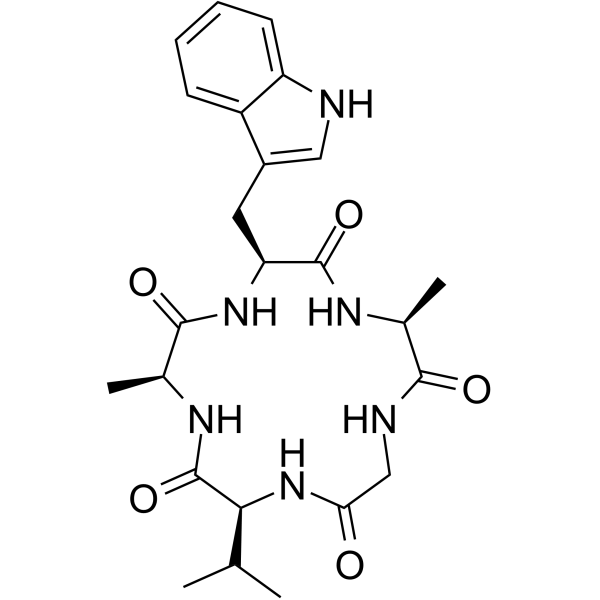
Segetalin B, an orally active cyclopentapeptide found in Vaccaria segetalis, possesses estrogen-like activity. Segetalin B promotes mineralization of ovariectomized rat-derived bone marrow mesenchymal stem cells (BMSCs) in vitro and increases the level of osteocalcin, BMP-2, ALP, and SIRT1 activity. Segetalin B is promising for research of post-menopausal osteoporosis (PMOP) .
|
-
-
- HY-P3436
-
|
|
Exosomes
|
Cardiovascular Disease
|
|
WLSEAGPVVTVRALRGTGSW is a cardiomyocyte-targeting peptide that specifically recognizes tenascin X on the surface of cardiomyocytes. WLSEAGPVVTVRALRGTGSW can serve as a targeting ligand to conjugate with various therapeutic carriers (drugs, genes, exosomes, nanoparticles, etc.) for research on cardiovascular diseases (such as myocardial infarction, heart failure) .
|
-

-
- HY-W094517
-
|
|
Biochemical Assay Reagents
|
Endocrinology
|
|
Sodium phosphate dibasic heptahydrate is an orally active and osmotic laxative, often used as a component of over-the-counter gastrointestinal lavage drugs. Sodium phosphate dibasic heptahydrate draws water into the intestinal lumen, maintains electrical neutrality by retaining cations in the intestinal lumen, and thereby alters fecal volume, consistency and phosphate levels. Sodium phosphate dibasic heptahydrate can be used to generate self-assembled calcium phosphate tubular scaffolds, which support the adhesion, survival and elongation of mesenchymal stem cells. Sodium phosphate dibasic heptahydrate can be applied to research on factitious disorders and related fields .
|
-

-
- HY-P2612
-
|
|
TNF Receptor
RANKL/RANK
Apoptosis
|
Inflammation/Immunology
|
|
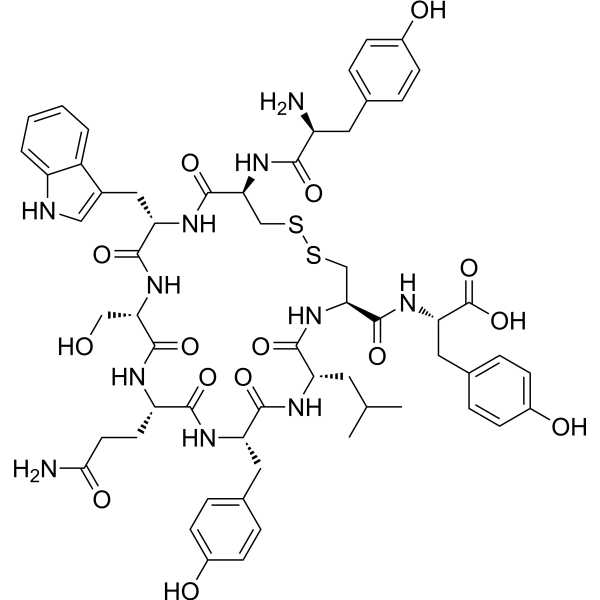
WP9QY is an inhibitor targeting TNFα and RANKL, which blocks the TNFα-TNFR1 interaction and inhibits TNFα-mediated apoptosis, cytotoxicity and bone destruction. WP9QY inhibits osteoclastogenesis and promotes osteoblast differentiation, induces chondrocyte proliferation and glycosaminoglycan production, and synergizes with TGF-β3 to promote chondrogenesis. WP9QY effectively repairs full-thickness articular cartilage defects in rabbits via intra-articular injection, and inhibits methylmercury-induced reduction of NeuN-positive cells in mouse brain slices. WP9QY can be applied to the research of diseases related to methylmercury-induced neuronal death, cartilage injury, osteoarthritis and bone loss .
|
-
-
- HY-124478
-
|
Ethyl 2,5-dihydroxybenzoate
|
Phosphatase
|
Metabolic Disease
|
|
Ethyl gentisate (Ethyl 2,5-dihydroxybenzoate) is a dual modulator for cell differentiation, that enhances the osteogenic differentiation of human mesenchymal stem cells (hMSCs) and alkaline phosphatase activity, inhibits RANKL-activated osteoclastogenesis in RAW264.7 cells, and balances the bone remodeling process .
|
-

-
- HY-113790
-
|
|
PPAR
FABP
|
Others
|
|
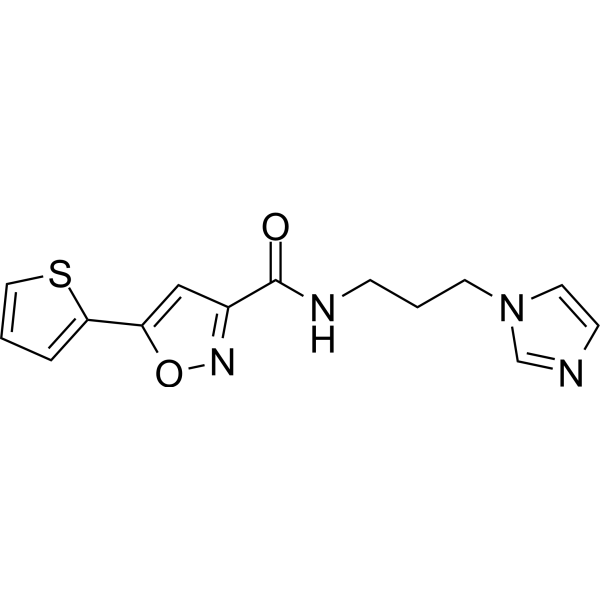
ISX-1 is an isoxazole. ISX-1 has anti-adipogenic and pro-osteogenic activities. ISX-1 can be used for the research of osteopenia and osteoporosis .
|
-
-
- HY-107614G
-
|
1-Oleoyl-sn-glycero-3-phosphate sodium; 1-Oleoyl-LPA sodium
|
LPL Receptor
ROCK
TGF-beta/Smad
TGF-β Receptor
|
Neurological Disease
Cancer
|
|
1-Oleoyl lysophosphatidic acid sodium (GMP) is the GMP-grade form of 1-Oleoyl lysophosphatidic acid sodium (HY-107614). GMP-grade small molecules serve as auxiliary reagents in cell therapy. 1-Oleoyl lysophosphatidic acid sodium is a bioactive lipid signaling molecule. 1-Oleoyl lysophosphatidic acid sodium inhibits lysoPLD-catalyzed hydrolysis of lysophosphatidylcholine and FS-3. 1-Oleoyl lysophosphatidic acid sodium activates LPA1 and LPA2, thereby triggering calcium mobilization, NFATc1 translocation, Rho/ROCK activation, Smad2/3 phosphorylation and c-Fos expression. 1-Oleoyl lysophosphatidic acid sodium induces anxiety-like, depression-like and hypoactivity phenotypes, regulates osteoclast cytoskeleton and viability, reduces osteoclast bone resorptive activity, and drives mesenchymal stem cell differentiation into myofibroblast-like cells. 1-Oleoyl lysophosphatidic acid sodium stimulates the secretion of transforming growth factor-β1 and stromal cell-derived factor-1. 1-Oleoyl lysophosphatidic acid sodium is applicable to research related to anxiety, depression and ovarian cancer .
|
-

-
- HY-N4019
-
|
|
TGF-β Receptor
|
Metabolic Disease
|
|
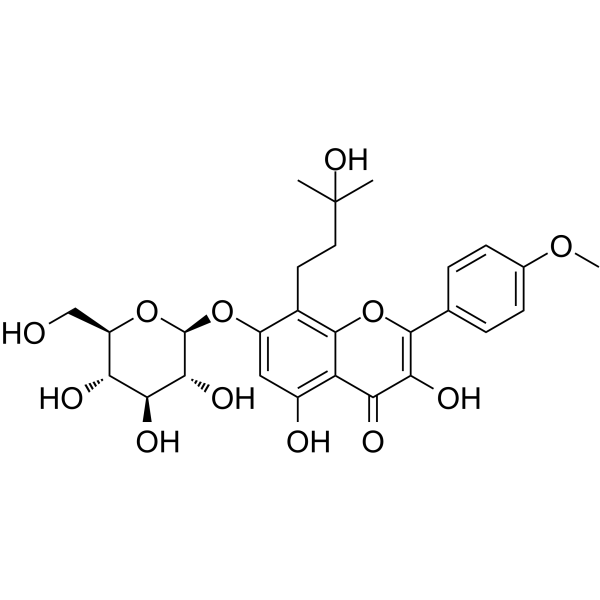
Maohuoside A, a single compound isolated from the E. koreanum that potently promotes osteogenesis. Maohuoside A enhances the osteogenesis of bone marrow-derived mesenchymal stem cells via bone morphogenetic protein (BMP) and MAPK signaling pathways .
|
-
-
- HY-16900R
-
|
(R,S)-Rolipram (Standard); (±)-Rolipram (Standard); ZK 62711 (Standard)
|
Reference Standards
Bacterial
HIV
Phosphodiesterase (PDE)
Epigenetic Reader Domain
Amyloid-β
|
Neurological Disease
Cancer
|
|
Rolipram (Standard) is the analytical standard of Rolipram (HY-16900). This product is intended for research and analytical applications. Rolipram is a PDE4 inhibitor, with blood-brain barrier permeability, that reverses β-amyloid-induced learning and memory impairment in rats. Rolipram elevates intracellular cAMP and clevels and regulates the cAMP/CREB signaling pathway, thereby alleviating neuroinflammation and apoptotic responses. Rolipram promotes neuronal differentiation of human bone marrow mesenchymal stem cells and inhibits Methamphetamine- and morphine-induced hyperlocomotion in mice. Rolipram also reduces the viability of glioblastoma stem-like cells and enhances Bevacizumab (HY-P9906)-induced cell death. Rolipram inhibits the expression of proinflammatory cytokines and enhances central noradrenergic transmission. Rolipram is mainly used in studies related to various central nervous system diseases including Alzheimer's disease, major depressive disorder, glioblastoma multiforme, and multiple sclerosis .
|
-

-
- HY-N7702
-
|
|
Wnt
β-catenin
|
Metabolic Disease
|
|
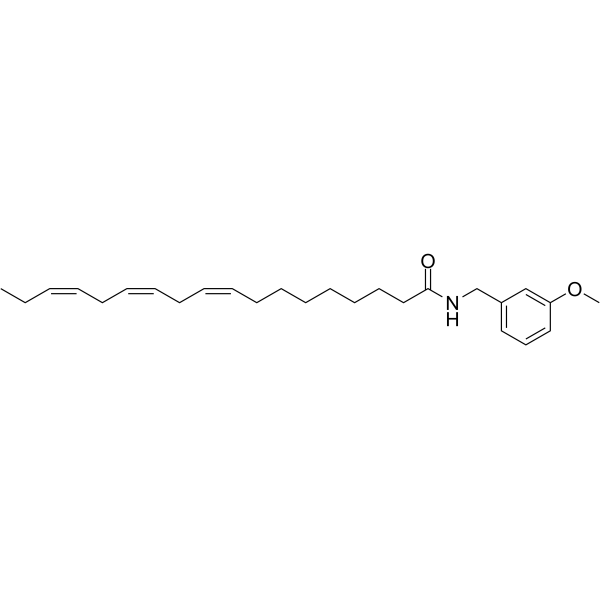
N-(3-Methoxybenzyl)-(9Z,12Z,15Z)-octadecatrienamide is a macamide isolated from Maca (Lepidium meyenii Walp.) N-(3-Methoxybenzyl)-(9Z,12Z,15Z)-octadecatrienamide induces mesenchymal stem cells osteogenic differentiation and consequent bone formation through activating the canonical Wnt/β‐catenin signaling pathway. N-(3-Methoxybenzyl)-(9Z,12Z,15Z)-octadecatrienamide can be used for the research of osteoporosis .
|
-
-
- HY-147511
-
|
|
PPAR
|
Others
|
|
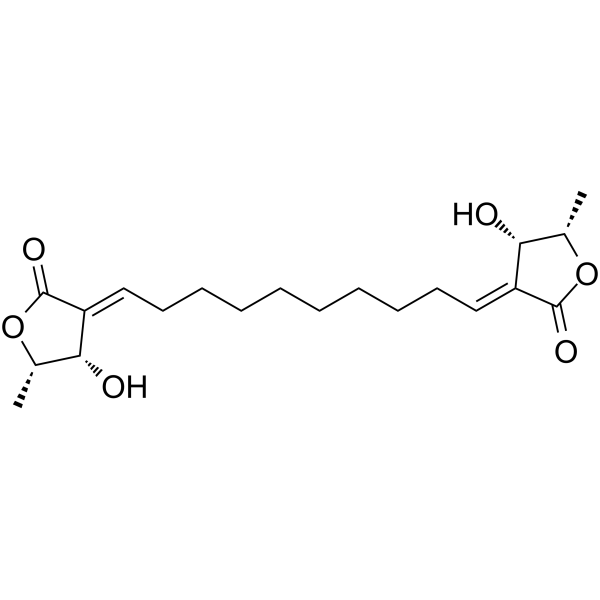
PPARγ agonist 7 (Compound 3a) is a potent and selective agonist of PPARγ. PPARγ agonist 7 promotes adiponectin production in human bone marrow mesenchymal stem cells (hBM-MSCs) as a novel PPARγ full agonist (EC50, 4.34 μM) .
|
-
-
- HY-N0088R
-
|
Acetovanillone (Standard)
|
Reference Standards
NADPH Oxidase
|
Metabolic Disease
Inflammation/Immunology
|
|
Apocynin (Standard) is the analytical standard of Apocynin. This product is intended for research and analytical applications. Apocynin is a selective NADPH-oxidase inhibitor with an IC50 of 10 μM . Apocynin improves acute lung inflammation in Carrageenan (HY-125474)-induced pleurisy mice model . Apocynin can also be used for cancer research . Apocynin reverses the aging process in mesenchymal stem cells to promote osteogenesis and increases bone mass .
|
-

-
- HY-170581
-
|
|
PPAR
|
Metabolic Disease
|
|
PPARγ/δ modulator 2 (Compound 3h) is a PPARγ agonist and PPARδ antagonist. The Ki values for PPARγ and PPARδ are 2.8 μM and 43 nM, respectively. PPARγ/δ modulator 2 significantly enhances the production of Adiponectin and promotes adipogenic differentiation of human bone marrow mesenchymal stem cells (hBM-MSCs). PPARγ/δ modulator 2 can be used in the study of metabolic disorders associated with hypoadiponectinemia .
|
-

-
- HY-N0772R
-
|
|
Reference Standards
VEGFR
NF-κB
NOD-like Receptor (NLR)
AMPK
Acetyl-CoA Carboxylase
Apoptosis
Reactive Oxygen Species (ROS)
HSV
Drug Derivative
|
Infection
Metabolic Disease
Inflammation/Immunology
Cancer
|
|
Isomangiferin (Standard) is the analytical standard of Isomangiferin (HY-N0772). This product is intended for research and analytical applications. Isomangiferin is an orally active xanthone C-glucoside, and its chemical structure is similar to Mangiferin (HY-N0290). Isomangiferin is an effective VEGFR-2 kinase inhibitor, which can induces cell apoptosis, inhibit the growth, metastasis and angiogenesis of breast cancer. Isomangiferin exerts anti-inflammatory effects by inhibiting the HMGB1/NLRP3/NF-κB signaling pathway, thereby improving the renal function indicators of diabetic mice. Isomangiferin exhibits inhibitory effects on various bacteria and herpes simplex virus type 1 (HSV-1). Isomangiferin promotes the migration and osteogenic differentiation of bone marrow mesenchymal stem cells (BMSCs) and reduces cell apoptosis and the production of ROS by activating the AMPK/ACC pathway, thereby facilitating fracture healing.
|
-

-
- HY-N9858
-
|
|
CXCR
Wnt
β-catenin
|
Metabolic Disease
|
|
Herpetin is an active lignan. Herpetin acts as a bone marrow mesenchymal stem cell inducer that activates the SDF-1/CXCR4 axis and the Wnt/β-catenin pathway. Herpetin is applicable to research related to acute liver injury .
|
-

-
- HY-16900G
-
|
|
Phosphodiesterase (PDE)
Epigenetic Reader Domain
Amyloid-β
|
Neurological Disease
Inflammation/Immunology
Cancer
|
|
Rolipram GMP is Rolipram (HY-16900) produced by using GMP guidelines. GMP small molecules works appropriately as an auxiliary reagent for cell therapy manufacture. Rolipram is a PDE4 inhibitor, with blood-brain barrier permeability, that reverses β-amyloid-induced learning and memory impairment in rats. Rolipram elevates intracellular cAMP and clevels and regulates the cAMP/CREB signaling pathway, thereby alleviating neuroinflammation and apoptotic responses. Rolipram promotes neuronal differentiation of human bone marrow mesenchymal stem cells and inhibits Methamphetamine- and morphine-induced hyperlocomotion in mice. Rolipram also reduces the viability of glioblastoma stem-like cells and enhances Bevacizumab (HY-P9906)-induced cell death. Rolipram inhibits the expression of proinflammatory cytokines and enhances central noradrenergic transmission. Rolipram is mainly used in studies related to various central nervous system diseases including Alzheimer's disease, major depressive disorder, glioblastoma multiforme, and multiple sclerosis .
|
-

-
- HY-P11753
-
|
|
TGF-beta/Smad
|
Neurological Disease
Inflammation/Immunology
|
|
IKVAVC is a derivative peptide of IKVAV with an artificially added cysteine (Cys) at its C-terminus. IKVAVC retains all the biological activities of the original IKVAV, mainly acting as a neural adhesion/differentiation signaling peptide, and is equipped with an engineered linker arm that enables covalent conjugation to molecular materials. IKVAV inhibits the migration and activation of fibroblasts, downregulates the TGF-β1 signaling pathway and endoplasmic reticulum stress, and promotes nerve repair. IKVAV regulates the phenotype of macrophages, shifting them from the pro-inflammatory M1 type to the pro-reparative M2 type .
|
-

-
- HY-P11648
-
|
|
Osteopontin
|
Inflammation/Immunology
Cancer
|
|
SVVYGLR is an osteopontin-derived peptide. SVVYGLR can promote the differentiation of fibroblasts into myofibroblast-like cells and promote the production of type III collagen by cardiac fibroblasts. SVVYGLR can activate the adhesion, migration and tubule formation of endothelial cells in vitro. SVVYGLR promotes angiogenesis and wound healing and promotes the migration of dermal fibroblasts and keratinocytes. SVVYGLR can be used for research related to angiogenesis, dermal wounds and bone regeneration .
|
-

-
- HY-107413G
-
|
|
RAR/RXR
Tyrosine Hydroxylase
|
Neurological Disease
Inflammation/Immunology
|
|
SR11237 GMP is SR11237 (HY-107413) produced by using GMP guidelines. GMP small molecules works appropriately as an auxiliary reagent for cell therapy manufacture. SR11237 is a RXR activator and lipid metabolism regulator that promotes the differentiation of induced neural stem cells into dopaminergic (TH-positive) neurons. SR11237 induces transcriptional regulation of lipogenic genes and cholesterol transporters, increases glycosaminoglycan release, and elevates total cellular triglyceride levels. SR11237 promotes heterodimerization of RXR with Nurr1, thereby enhancing tyrosine hydroxylase expression and facilitating dopamine release. SR11237 produces a synergistic effect when used in combination with bFGF/EGF. SR11237 is mainly used in studies related to osteoarthritis and Parkinson's disease .
|
-

-
- HY-118970
-
|
|
VD/VDR
TGF-β Receptor
Interleukin Related
|
Cancer
|
|
LG190155 is a nonsteroidal vitamin D receptor (VDR) agonist. LG190155 activates VDR in mesenchymal stem cells, thereby upregulating the BMP6-IL6 autocrine axis. Pretreatment of mesenchymal stem cells with LG190155 significantly enhances their ability to induce differentiation of acute myeloid leukemia cells, without inducing hypercalcemia. LG190155 is applicable to research related to acute myeloid leukemia (AML) .
|
-

-
- HY-P11589
-
|
|
PPAR
Reactive Oxygen Species (ROS)
Keap1-Nrf2
|
Metabolic Disease
|
|
PIISVYWK is an orally active PPARγ Inhibitor, heme oxygenase-1 Activator, and Nrf2 Activator. PIISVYWK mediates activity via the HO-1/Nrf2 pathway, ameliorates oxidative stress, reduces inflammation, and mediates anti-obesity activity. PIISVYWK can be used for the research of obesity .
|
-

| Cat. No. |
Product Name |
Type |
-
- HY-107614G
-
|
1-Oleoyl-sn-glycero-3-phosphate sodium; 1-Oleoyl-LPA sodium
|
Fluorescent Dyes
|
|
1-Oleoyl lysophosphatidic acid sodium (GMP) is the GMP-grade form of 1-Oleoyl lysophosphatidic acid sodium (HY-107614). GMP-grade small molecules serve as auxiliary reagents in cell therapy. 1-Oleoyl lysophosphatidic acid sodium is a bioactive lipid signaling molecule. 1-Oleoyl lysophosphatidic acid sodium inhibits lysoPLD-catalyzed hydrolysis of lysophosphatidylcholine and FS-3. 1-Oleoyl lysophosphatidic acid sodium activates LPA1 and LPA2, thereby triggering calcium mobilization, NFATc1 translocation, Rho/ROCK activation, Smad2/3 phosphorylation and c-Fos expression. 1-Oleoyl lysophosphatidic acid sodium induces anxiety-like, depression-like and hypoactivity phenotypes, regulates osteoclast cytoskeleton and viability, reduces osteoclast bone resorptive activity, and drives mesenchymal stem cell differentiation into myofibroblast-like cells. 1-Oleoyl lysophosphatidic acid sodium stimulates the secretion of transforming growth factor-β1 and stromal cell-derived factor-1. 1-Oleoyl lysophosphatidic acid sodium is applicable to research related to anxiety, depression and ovarian cancer .
|
-
- HY-16900G
-
|
|
Fluorescent Dyes
|
|
Rolipram GMP is Rolipram (HY-16900) produced by using GMP guidelines. GMP small molecules works appropriately as an auxiliary reagent for cell therapy manufacture. Rolipram is a PDE4 inhibitor, with blood-brain barrier permeability, that reverses β-amyloid-induced learning and memory impairment in rats. Rolipram elevates intracellular cAMP and clevels and regulates the cAMP/CREB signaling pathway, thereby alleviating neuroinflammation and apoptotic responses. Rolipram promotes neuronal differentiation of human bone marrow mesenchymal stem cells and inhibits Methamphetamine- and morphine-induced hyperlocomotion in mice. Rolipram also reduces the viability of glioblastoma stem-like cells and enhances Bevacizumab (HY-P9906)-induced cell death. Rolipram inhibits the expression of proinflammatory cytokines and enhances central noradrenergic transmission. Rolipram is mainly used in studies related to various central nervous system diseases including Alzheimer's disease, major depressive disorder, glioblastoma multiforme, and multiple sclerosis .
|
-
- HY-107413G
-
|
|
Fluorescent Dyes
|
|
SR11237 GMP is SR11237 (HY-107413) produced by using GMP guidelines. GMP small molecules works appropriately as an auxiliary reagent for cell therapy manufacture. SR11237 is a RXR activator and lipid metabolism regulator that promotes the differentiation of induced neural stem cells into dopaminergic (TH-positive) neurons. SR11237 induces transcriptional regulation of lipogenic genes and cholesterol transporters, increases glycosaminoglycan release, and elevates total cellular triglyceride levels. SR11237 promotes heterodimerization of RXR with Nurr1, thereby enhancing tyrosine hydroxylase expression and facilitating dopamine release. SR11237 produces a synergistic effect when used in combination with bFGF/EGF. SR11237 is mainly used in studies related to osteoarthritis and Parkinson's disease .
|
| Cat. No. |
Product Name |
Type |
-
- HY-W094517
-
|
|
Biochemical Assay Reagents
|
|
Sodium phosphate dibasic heptahydrate is an orally active and osmotic laxative, often used as a component of over-the-counter gastrointestinal lavage drugs. Sodium phosphate dibasic heptahydrate draws water into the intestinal lumen, maintains electrical neutrality by retaining cations in the intestinal lumen, and thereby alters fecal volume, consistency and phosphate levels. Sodium phosphate dibasic heptahydrate can be used to generate self-assembled calcium phosphate tubular scaffolds, which support the adhesion, survival and elongation of mesenchymal stem cells. Sodium phosphate dibasic heptahydrate can be applied to research on factitious disorders and related fields .
|
-
- HY-107614G
-
|
1-Oleoyl-sn-glycero-3-phosphate sodium; 1-Oleoyl-LPA sodium
|
Biochemical Assay Reagents
|
|
1-Oleoyl lysophosphatidic acid sodium (GMP) is the GMP-grade form of 1-Oleoyl lysophosphatidic acid sodium (HY-107614). GMP-grade small molecules serve as auxiliary reagents in cell therapy. 1-Oleoyl lysophosphatidic acid sodium is a bioactive lipid signaling molecule. 1-Oleoyl lysophosphatidic acid sodium inhibits lysoPLD-catalyzed hydrolysis of lysophosphatidylcholine and FS-3. 1-Oleoyl lysophosphatidic acid sodium activates LPA1 and LPA2, thereby triggering calcium mobilization, NFATc1 translocation, Rho/ROCK activation, Smad2/3 phosphorylation and c-Fos expression. 1-Oleoyl lysophosphatidic acid sodium induces anxiety-like, depression-like and hypoactivity phenotypes, regulates osteoclast cytoskeleton and viability, reduces osteoclast bone resorptive activity, and drives mesenchymal stem cell differentiation into myofibroblast-like cells. 1-Oleoyl lysophosphatidic acid sodium stimulates the secretion of transforming growth factor-β1 and stromal cell-derived factor-1. 1-Oleoyl lysophosphatidic acid sodium is applicable to research related to anxiety, depression and ovarian cancer .
|
-
- HY-16900G
-
|
|
Biochemical Assay Reagents
|
|
Rolipram GMP is Rolipram (HY-16900) produced by using GMP guidelines. GMP small molecules works appropriately as an auxiliary reagent for cell therapy manufacture. Rolipram is a PDE4 inhibitor, with blood-brain barrier permeability, that reverses β-amyloid-induced learning and memory impairment in rats. Rolipram elevates intracellular cAMP and clevels and regulates the cAMP/CREB signaling pathway, thereby alleviating neuroinflammation and apoptotic responses. Rolipram promotes neuronal differentiation of human bone marrow mesenchymal stem cells and inhibits Methamphetamine- and morphine-induced hyperlocomotion in mice. Rolipram also reduces the viability of glioblastoma stem-like cells and enhances Bevacizumab (HY-P9906)-induced cell death. Rolipram inhibits the expression of proinflammatory cytokines and enhances central noradrenergic transmission. Rolipram is mainly used in studies related to various central nervous system diseases including Alzheimer's disease, major depressive disorder, glioblastoma multiforme, and multiple sclerosis .
|
-
- HY-107413G
-
|
|
Biochemical Assay Reagents
|
|
SR11237 GMP is SR11237 (HY-107413) produced by using GMP guidelines. GMP small molecules works appropriately as an auxiliary reagent for cell therapy manufacture. SR11237 is a RXR activator and lipid metabolism regulator that promotes the differentiation of induced neural stem cells into dopaminergic (TH-positive) neurons. SR11237 induces transcriptional regulation of lipogenic genes and cholesterol transporters, increases glycosaminoglycan release, and elevates total cellular triglyceride levels. SR11237 promotes heterodimerization of RXR with Nurr1, thereby enhancing tyrosine hydroxylase expression and facilitating dopamine release. SR11237 produces a synergistic effect when used in combination with bFGF/EGF. SR11237 is mainly used in studies related to osteoarthritis and Parkinson's disease .
|
| Cat. No. |
Product Name |
Target |
Research Area |
-
- HY-P5832
-
|
|
TGF-beta/Smad
RUNX
|
Metabolic Disease
|
|
BMP2-derived peptide is an osteogenic inducer and BMP receptor ligand. BMP2-derived peptide binds to BMP receptors on the cell surface to form a complex, activates the downstream Smad signaling pathway, and regulates the expression of osteogenic transcription factors. BMP2-derived peptide effectively promotes the adhesion, proliferation, osteogenic differentiation and mineralization of bone marrow mesenchymal stem cells, significantly up-regulates the mRNA levels of OCN, Runx2 and type I collagen, and increases alkaline phosphatase activity and calcium deposition. BMP2-derived peptide induces osteoblast differentiation and ectopic bone regeneration, and improves cranial bone defect repair. Meanwhile, BMP2-derived peptide enhances the cytocompatibility of mesoporous silica nanoparticles, synergistically increases osteogenic activity with Dexamethasone (HY-14648), serving as an important tool for bone defect repair research .
|
-
- HY-107245
-
|
|
Estrogen Receptor/ERR
Sirtuin
RUNX
|
Metabolic Disease
|
|
Segetalin B, an orally active cyclopentapeptide found in Vaccaria segetalis, possesses estrogen-like activity. Segetalin B promotes mineralization of ovariectomized rat-derived bone marrow mesenchymal stem cells (BMSCs) in vitro and increases the level of osteocalcin, BMP-2, ALP, and SIRT1 activity. Segetalin B is promising for research of post-menopausal osteoporosis (PMOP) .
|
-
- HY-P3436
-
|
|
Exosomes
|
Cardiovascular Disease
|
|
WLSEAGPVVTVRALRGTGSW is a cardiomyocyte-targeting peptide that specifically recognizes tenascin X on the surface of cardiomyocytes. WLSEAGPVVTVRALRGTGSW can serve as a targeting ligand to conjugate with various therapeutic carriers (drugs, genes, exosomes, nanoparticles, etc.) for research on cardiovascular diseases (such as myocardial infarction, heart failure) .
|
-
- HY-P2612
-
|
|
TNF Receptor
RANKL/RANK
Apoptosis
|
Inflammation/Immunology
|
|
WP9QY is an inhibitor targeting TNFα and RANKL, which blocks the TNFα-TNFR1 interaction and inhibits TNFα-mediated apoptosis, cytotoxicity and bone destruction. WP9QY inhibits osteoclastogenesis and promotes osteoblast differentiation, induces chondrocyte proliferation and glycosaminoglycan production, and synergizes with TGF-β3 to promote chondrogenesis. WP9QY effectively repairs full-thickness articular cartilage defects in rabbits via intra-articular injection, and inhibits methylmercury-induced reduction of NeuN-positive cells in mouse brain slices. WP9QY can be applied to the research of diseases related to methylmercury-induced neuronal death, cartilage injury, osteoarthritis and bone loss .
|
-
- HY-P11753
-
|
|
TGF-beta/Smad
|
Neurological Disease
Inflammation/Immunology
|
|
IKVAVC is a derivative peptide of IKVAV with an artificially added cysteine (Cys) at its C-terminus. IKVAVC retains all the biological activities of the original IKVAV, mainly acting as a neural adhesion/differentiation signaling peptide, and is equipped with an engineered linker arm that enables covalent conjugation to molecular materials. IKVAV inhibits the migration and activation of fibroblasts, downregulates the TGF-β1 signaling pathway and endoplasmic reticulum stress, and promotes nerve repair. IKVAV regulates the phenotype of macrophages, shifting them from the pro-inflammatory M1 type to the pro-reparative M2 type .
|
-
- HY-P11648
-
|
|
Osteopontin
|
Inflammation/Immunology
Cancer
|
|
SVVYGLR is an osteopontin-derived peptide. SVVYGLR can promote the differentiation of fibroblasts into myofibroblast-like cells and promote the production of type III collagen by cardiac fibroblasts. SVVYGLR can activate the adhesion, migration and tubule formation of endothelial cells in vitro. SVVYGLR promotes angiogenesis and wound healing and promotes the migration of dermal fibroblasts and keratinocytes. SVVYGLR can be used for research related to angiogenesis, dermal wounds and bone regeneration .
|
-
- HY-P11589
-
|
|
PPAR
Reactive Oxygen Species (ROS)
Keap1-Nrf2
|
Metabolic Disease
|
|
PIISVYWK is an orally active PPARγ Inhibitor, heme oxygenase-1 Activator, and Nrf2 Activator. PIISVYWK mediates activity via the HO-1/Nrf2 pathway, ameliorates oxidative stress, reduces inflammation, and mediates anti-obesity activity. PIISVYWK can be used for the research of obesity .
|
| Cat. No. |
Product Name |
Category |
Target |
Chemical Structure |
| Cat. No. |
Product Name |
Target |
Research Areas |
Chemical Structure |
-
- HY-16900G
-
|
|
Phosphodiesterase (PDE)
Epigenetic Reader Domain
Amyloid-β
|
Neurological Disease
Inflammation/Immunology
Cancer
|
|
Rolipram GMP is Rolipram (HY-16900) produced by using GMP guidelines. GMP small molecules works appropriately as an auxiliary reagent for cell therapy manufacture. Rolipram is a PDE4 inhibitor, with blood-brain barrier permeability, that reverses β-amyloid-induced learning and memory impairment in rats. Rolipram elevates intracellular cAMP and clevels and regulates the cAMP/CREB signaling pathway, thereby alleviating neuroinflammation and apoptotic responses. Rolipram promotes neuronal differentiation of human bone marrow mesenchymal stem cells and inhibits Methamphetamine- and morphine-induced hyperlocomotion in mice. Rolipram also reduces the viability of glioblastoma stem-like cells and enhances Bevacizumab (HY-P9906)-induced cell death. Rolipram inhibits the expression of proinflammatory cytokines and enhances central noradrenergic transmission. Rolipram is mainly used in studies related to various central nervous system diseases including Alzheimer's disease, major depressive disorder, glioblastoma multiforme, and multiple sclerosis .
|
-
-
- HY-107413G
-
|
|
RAR/RXR
Tyrosine Hydroxylase
|
Neurological Disease
Inflammation/Immunology
|
|
SR11237 GMP is SR11237 (HY-107413) produced by using GMP guidelines. GMP small molecules works appropriately as an auxiliary reagent for cell therapy manufacture. SR11237 is a RXR activator and lipid metabolism regulator that promotes the differentiation of induced neural stem cells into dopaminergic (TH-positive) neurons. SR11237 induces transcriptional regulation of lipogenic genes and cholesterol transporters, increases glycosaminoglycan release, and elevates total cellular triglyceride levels. SR11237 promotes heterodimerization of RXR with Nurr1, thereby enhancing tyrosine hydroxylase expression and facilitating dopamine release. SR11237 produces a synergistic effect when used in combination with bFGF/EGF. SR11237 is mainly used in studies related to osteoarthritis and Parkinson's disease .
|
-
-
- HY-107614G
-
|
1-Oleoyl-sn-glycero-3-phosphate sodium; 1-Oleoyl-LPA sodium
|
LPL Receptor
ROCK
TGF-beta/Smad
TGF-β Receptor
|
Neurological Disease
Cancer
|
|
1-Oleoyl lysophosphatidic acid sodium (GMP) is the GMP-grade form of 1-Oleoyl lysophosphatidic acid sodium (HY-107614). GMP-grade small molecules serve as auxiliary reagents in cell therapy. 1-Oleoyl lysophosphatidic acid sodium is a bioactive lipid signaling molecule. 1-Oleoyl lysophosphatidic acid sodium inhibits lysoPLD-catalyzed hydrolysis of lysophosphatidylcholine and FS-3. 1-Oleoyl lysophosphatidic acid sodium activates LPA1 and LPA2, thereby triggering calcium mobilization, NFATc1 translocation, Rho/ROCK activation, Smad2/3 phosphorylation and c-Fos expression. 1-Oleoyl lysophosphatidic acid sodium induces anxiety-like, depression-like and hypoactivity phenotypes, regulates osteoclast cytoskeleton and viability, reduces osteoclast bone resorptive activity, and drives mesenchymal stem cell differentiation into myofibroblast-like cells. 1-Oleoyl lysophosphatidic acid sodium stimulates the secretion of transforming growth factor-β1 and stromal cell-derived factor-1. 1-Oleoyl lysophosphatidic acid sodium is applicable to research related to anxiety, depression and ovarian cancer .
|
-
Your information is safe with us. * Required Fields.
Inquiry Information
- Product Name:
- Cat. No.:
- Quantity:
- MCE Japan Authorized Agent:








