

1. Search Result
Search Result
Pathways Recommended: Stem Cell/Wnt Cell Cycle/DNA Damage
Results for "

cell death inhibition

" in MedChemExpress (MCE) Product Catalog:

44

阻害剤およびアゴニスト

2

ペプチド

1

MCE キット

2

阻害性抗体

6

天然物

2

同位体標識化合物

製品番号 製品名 Target 研究分野 構造式
  • HY-B1248
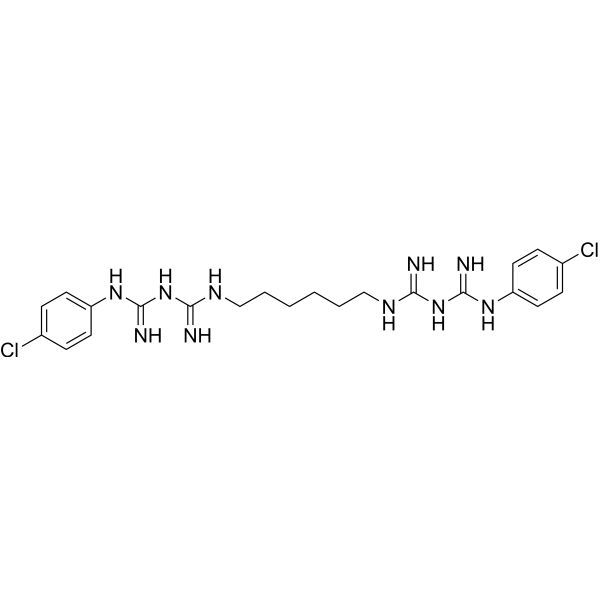
    Chlorhexidine
    10+ Cited Publications

    Environmental Pollutants Antibiotic Necroptosis Bacterial Apoptosis Infection
    Chlorhexidine is a orally active cationic antimicrobial agent that targets microbial cell membranes. Chlorhexidine binds to cell membrane phospholipids non-specifically, destroys membrane structure and induces leakage of cell contents. Chlorhexidine has broad-spectrum bactericidal activity against both Gram-positive and Gram-negative bacteria. Chlorhexidine can interfere with membrane permeability, cause protein precipitation and energy metabolism disorders, such as rapid inhibition of microbial growth and induction of cell death (necrosis or apoptosis) .
    Chlorhexidine
  • HY-B0608

    Environmental Pollutants Antibiotic Bacterial Necroptosis Apoptosis Infection
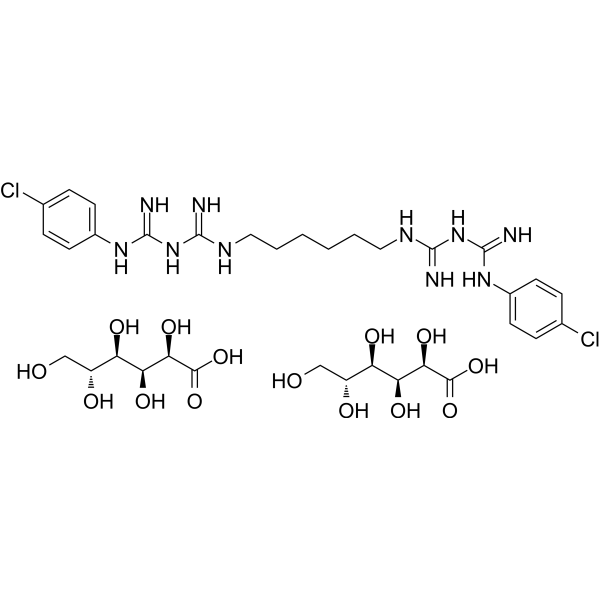
    Chlorhexidine digluconate (20% in water) is a orally active cationic antimicrobial agent that targets microbial cell membranes. Chlorhexidine digluconate (20% in water) binds to cell membrane phospholipids non-specifically, destroys membrane structure and induces leakage of cell contents. Chlorhexidine digluconate (20% in water) has broad-spectrum bactericidal activity against both Gram-positive and Gram-negative bacteria. Chlorhexidine digluconate (20% in water) can interfere with membrane permeability, cause protein precipitation and energy metabolism disorders, such as rapid inhibition of microbial growth and induction of cell death (necrosis or apoptosis) .
    Chlorhexidine digluconate (20% in water)
  • HY-W013699
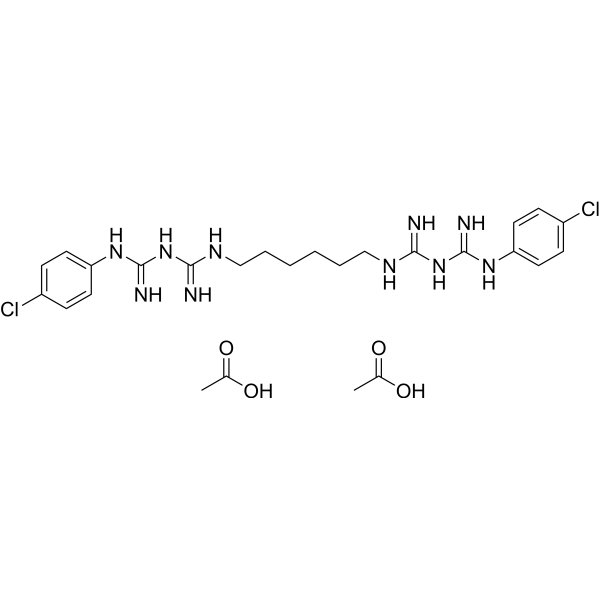
    Chlorhexidine diacetate
    10+ Cited Publications

    Environmental Pollutants Antibiotic Necroptosis Bacterial Apoptosis Infection
    Chlorhexidine diacetate is a orally active cationic antimicrobial agent that targets microbial cell membranes. Chlorhexidine diacetate binds to cell membrane phospholipids non-specifically, destroys membrane structure and induces leakage of cell contents. Chlorhexidine diacetate has broad-spectrum bactericidal activity against both Gram-positive and Gram-negative bacteria. Chlorhexidine diacetate can interfere with membrane permeability, cause protein precipitation and energy metabolism disorders, such as rapid inhibition of microbial growth and induction of cell death (necrosis or apoptosis) .
    Chlorhexidine diacetate
  • HY-134904
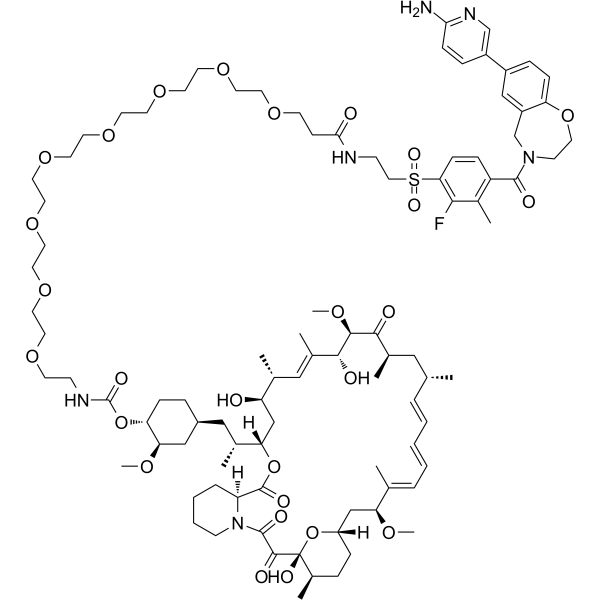
    RMC-6272
    3 Publications Verification

    RM-006

    mTOR Cancer
    RMC-6272 (RM-006) is a bi-steric mTORC1-selective inhibitor. RMC-6272 exhibits potent and selective (> 10-fold) inhibition of mTORC1 over mTORC2. RMC-6272 shows improved inhibition of mTORC1 in comparison to Rapamycin, and induces more cell death in TSC2 null tumors .
    RMC-6272
  • HY-129611

    Apoptosis Inflammation/Immunology Cancer
    Bromelain is an anti-inflammatory agent derived from pineapple stem that acts through down-regulation of plasma kininogen, inhibition of Prostaglandin E2 expression, degradation of advanced glycation end product receptors and regulation of angiogenic biomarkers as well as antioxidant action upstream in the COX-pathway . Bromelain exhibits various fibrinolytic, antiedematous, antithrombotic, and anti-inflammatory activities. Bromelain also possesses some anticancerous activities and promotes apoptotic cell death .
    Bromelain
  • HY-N0354
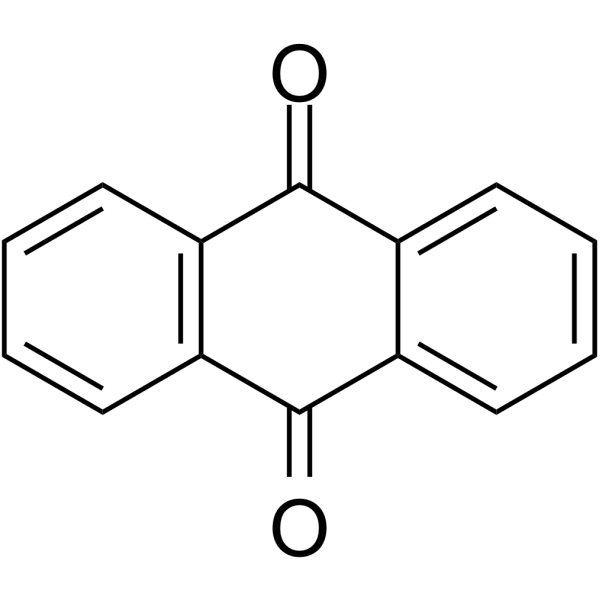
    Anthraquinone
    3 Publications Verification

    Environmental Pollutants Virus Protease Infection Metabolic Disease Inflammation/Immunology Cancer
    Anthraquinone is used as a precursor for dye formation and agrochemicals, existing in different organisms, such as bacteria, fungi, plants, and some animals. Anthraquinone has biological activities: anticancer, antiinflammatory, diuretic, antiarthritic, antifungal, antibacterial, antimalarial and antioxidant. Anthraquinone also plays an important role in the primary metabolism of plants by acting on the electron transport chain through the inhibition of energy transfer in the photosynthetic process. Anthraquinone can intercalates into DNA and inhibits the topoisomerase II (topo II) enzyme, resulting in cell death via Apoptosis .
    Anthraquinone
  • HY-B1145
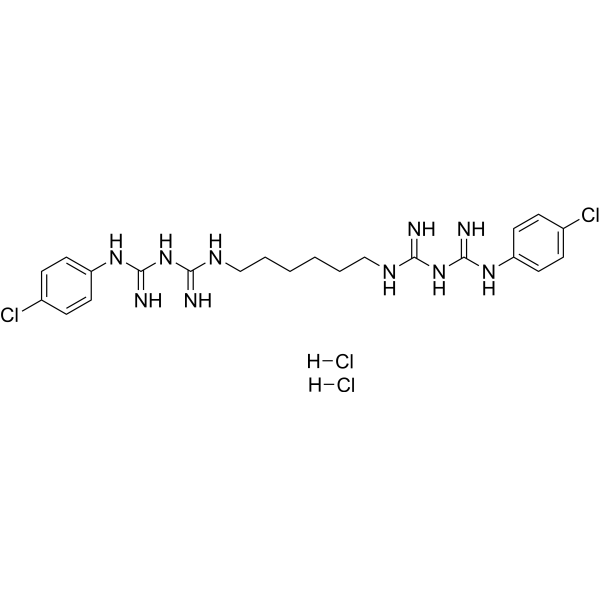
    Chlorhexidine dihydrochloride
    10+ Cited Publications

    Environmental Pollutants Antibiotic Apoptosis Bacterial Necroptosis Infection
    Chlorhexidine dihydrochloride is a orally active cationic antimicrobial agent that targets microbial cell membranes. Chlorhexidine dihydrochloride binds to cell membrane phospholipids non-specifically, destroys membrane structure and induces leakage of cell contents. Chlorhexidine dihydrochloride has broad-spectrum bactericidal activity against both Gram-positive and Gram-negative bacteria. Chlorhexidine dihydrochloride can interfere with membrane permeability, cause protein precipitation and energy metabolism disorders, such as rapid inhibition of microbial growth and induction of cell death (necrosis or apoptosis) .
    Chlorhexidine dihydrochloride
  • HY-P99489

    ABBV 181; PR 1648817

    PD-1/PD-L1 Inflammation/Immunology Cancer
    Budigalimab (ABBV 181; PR 1648817) is a humanized, recombinant IgG1 monoclonal antibody targeting programmed cell death 1 (PD-1) receptor. Budigalimab has an Fc mutation that reduces the inhibition of Fc receptor interactions and effector factors. Budigalimab can block the binding of PD-1 and PD-L1, which has anti-tumor activity. Budigalimab can be used in the study of solid tumors .
    Budigalimab
  • HY-15588
    L189
    3 Publications Verification

    DNA/RNA Synthesis Cancer
    L189 is a DNA ligase inhibitor. L189 has inhibition effect for DNA Ligase I, III and IV with IC50 values of 5 μM, 9 μM and 5 μM, respectively. L189 has no cytotoxicity and individually increase cell death. L189 can be used for the research of cancer .
    L189
  • HY-N6723

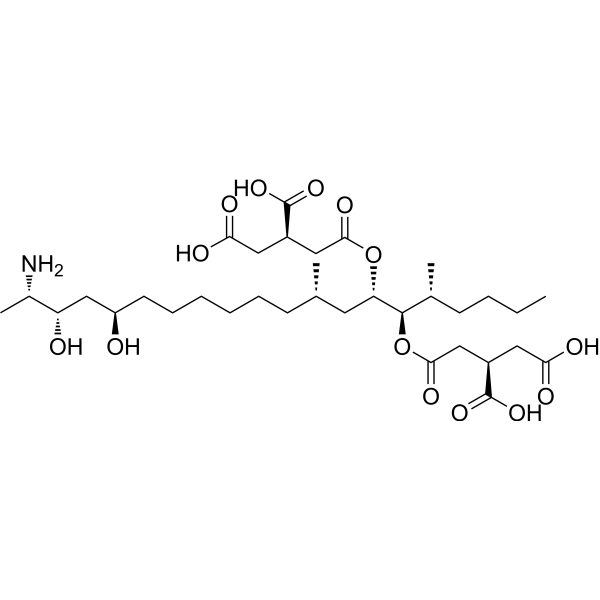
    Ceramidase Acyltransferase Infection Cancer
    Fumonisin B2 is a selective ceramide synthase inhibitor and carcinogenic mycotoxin with toxicity comparable to that of Fumonisin B1 (HY-N6719). Fumonisin B2 inhibits de novo sphingolipid biosynthesis by blocking the amide bond formation between fatty acids and dihydrosphingosine, which leads to a massive intracellular accumulation of free dihydrosphingosine, altered sphingosine levels, subsequent inhibition of cell proliferation, and induction of cell death. Fumonisin B2 is used to investigate the pathogenesis of diseases associated with Fusarium verticillioides contamination, including equine leukoencephalomalacia, porcine pulmonary edema syndrome, human esophageal cancer, and rat hepatocellular carcinoma .
    Fumonisin B2
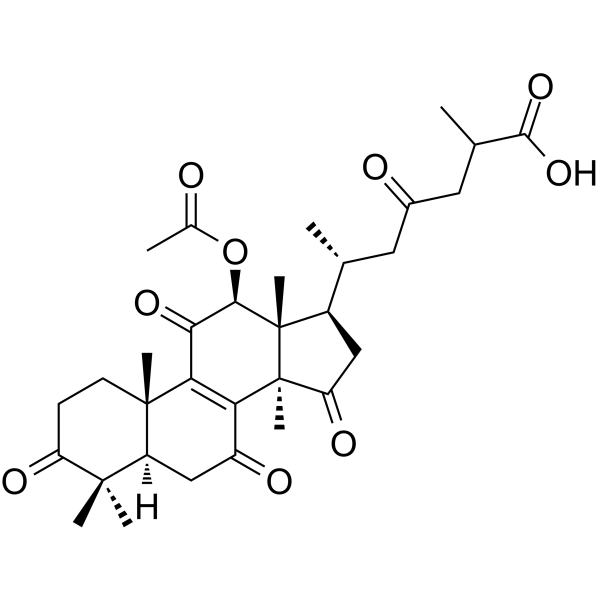
  • HY-N6036
    Ganoderic acid F
    1 Publications Verification

    Others Cancer
    Ganoderic acid F is a ganoderic acid. Ganoderic acid F exhibits antitumor and antimetastatic activities through inhibition of angiogenesis and alteration of proteins involving cell proliferation and/or cell death, carcinogenesis, oxidative stress, calcium signaling, and endoplasmic reticulum stress .
    Ganoderic acid F
  • HY-P991061

    CHS-114; SRF-114

    CCR Cancer
    Tagmokitug (CHS-114; SRF-114) is a fully human IgG1 antibody targeting CCR8. Tagmokitug selectively binds to human CCR8 (Kd = 502 pM) and mediates the death of CCR8-expressing cells via antibody-dependent cellular cytotoxicity and antibody-dependent cellular phagocytosis. Tagmokitug selectively eliminates intratumoral regulatory T cells, induces tumor growth inhibition, remodels the tumor immune microenvironment, and promotes the differentiation of cytotoxic CD8 + T cell subsets. Tagmokitug can be used for the research of solid tumors .
    Tagmokitug
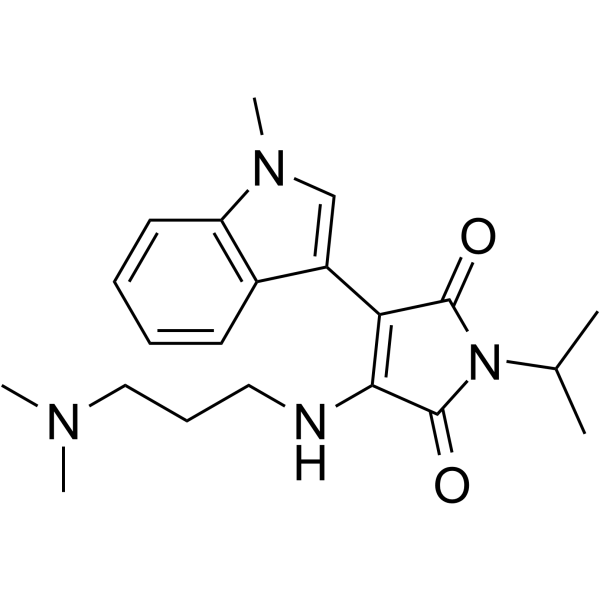
  • HY-138201

    Ferroptosis Cardiovascular Disease
    IM-93 inhibits ferroptosis and NETosis with an IC< sub>50 of 0.45 µM for cell death inhibition .
    IM-93
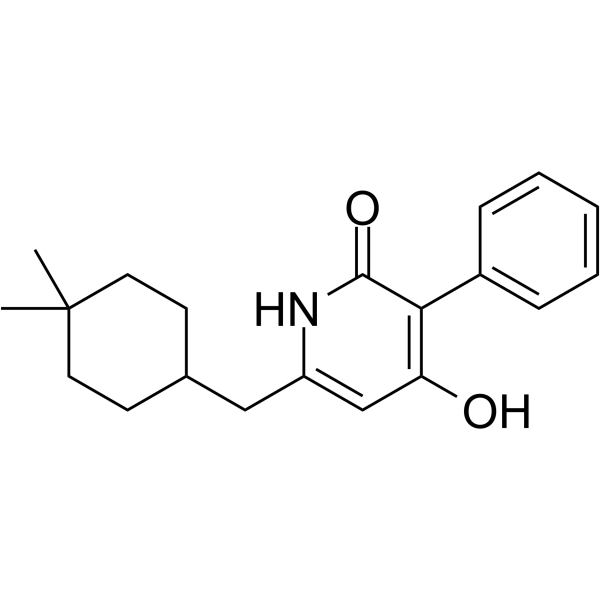
  • HY-122643

    Bacterial Infection
    NITD-916, a 4-hydroxy-2-pyridone derivative, is an orally active mycobacterial enoyl reductase InhA inhibitor with an IC50 of 570 nM. NITD-916 forms a ternary complex with InhA and NADH to block access to the fatty acyl substrate binding pocket. NITD-916 inhibition of InhA reduces the synthesis of mycolic acids and results in cell death. NITD-916 has potent anti-tuberculosis effects .
    NITD-916
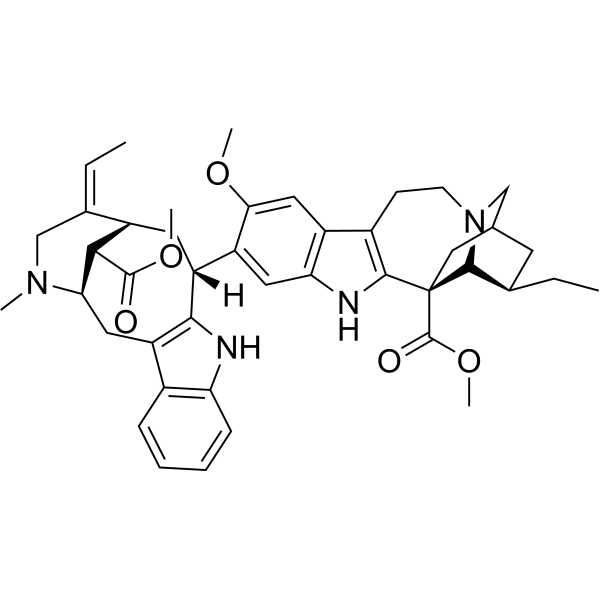
  • HY-N6932

    Cannabinoid Receptor P-glycoprotein PI3K Akt mTOR Apoptosis Autophagy EGFR Metabolic Disease Cancer
    Voacamine is an indole alkaloid with cannabinoid 1 (CB1) antagonistic activity. Voacamine can inhibit nuclear translocation. Voacamine is effective in enhancing the effect of Doxorubicin (HY-15142A) as it interferes with the P-glycoprotein (P-gp) function. Voacamine promotes apoptosis-independent autophagic cell death in human osteosarcoma cells. Voacamine activates mitochondrial-associated apoptosis signaling pathway and inhibition of PI3K/Akt/mTOR signaling pathway to suppress breast cancer progression. Voacamine inhibits EGFR to exert oncogenic activity against colorectal cancer .
    Voacamine
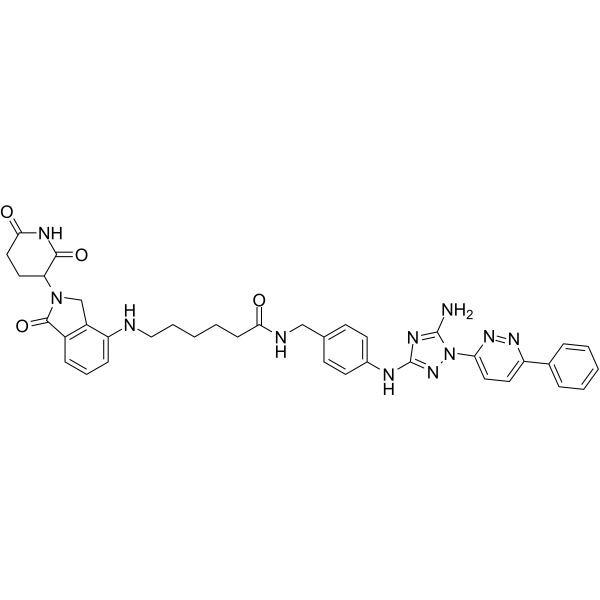
  • HY-177120

    Autophagy Cancer
    DMBP is a VPS41 inhibitor. DMBP induces methuosis and inhibits autophagy in cancer cells. DMBP inhibits the fusion of late endosomes and autophagosomes with lysosomes. DMBP effectively inhibits metastasis in a mouse metastatic melanoma model. DMBP can be used for the study of melanoma .
    DMBP
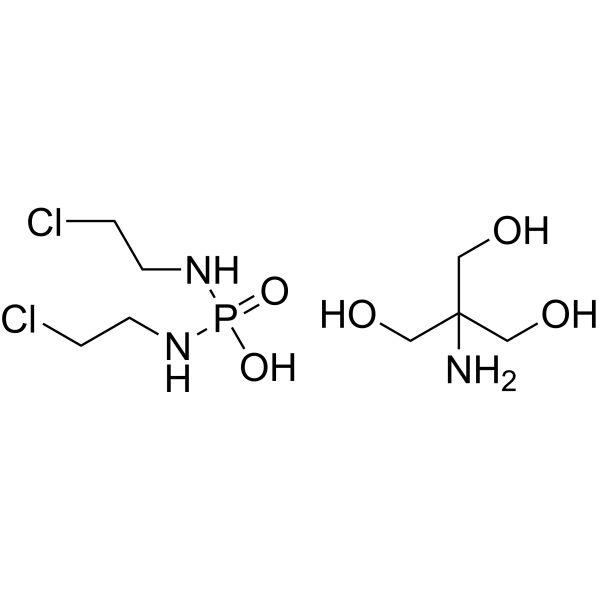
  • HY-114577
    Palifosfamide tromethamine
    2 Publications Verification

    Isophosphoramide mustard tromethamine; IPM tromethamine; ZIO-201 tromethamine

    DNA Alkylator/Crosslinker Cancer
    Palifosfamide (tromethamine) is a synthetic alkylating agent with potential antineoplastic activity. As the stabilized active metabolite of ifosfamide, palifosfamide (tromethamine) irreversibly alkylates and crosslinks DNA through GC base pairs. This leads to an inhibition of DNA replication and ultimately cell death. Compared to ifosfamide, palifosfamide (tromethamine) is less toxic.
    Palifosfamide tromethamine
  • HY-B1145S

    Isotope-Labeled Compounds Antibiotic Bacterial Necroptosis Apoptosis Infection
    Chlorhexidine-d8 (dihydrochloride) is the deuterium labeled Chlorhexidine dihydrochloride (HY-B1145). Chlorhexidine dihydrochloride is a orally active cationic antimicrobial agent that targets microbial cell membranes. Chlorhexidine dihydrochloride binds to cell membrane phospholipids non-specifically, destroys membrane structure and induces leakage of cell contents. Chlorhexidine dihydrochloride has broad-spectrum bactericidal activity against both Gram-positive and Gram-negative bacteria. Chlorhexidine dihydrochloride can interfere with membrane permeability, cause protein precipitation and energy metabolism disorders, such as rapid inhibition of microbial growth and induction of cell death (necrosis or apoptosis) .
    Chlorhexidine-d8 dihydrochloride
  • HY-B1248R

    Reference Standards Antibiotic Bacterial Necroptosis Apoptosis Infection
    Chlorhexidine (Standard) is the analytical standard of Chlorhexidine (HY-B1248). This product is intended for research and analytical applications. Chlorhexidine is a orally active cationic antimicrobial agent that targets microbial cell membranes. Chlorhexidine binds to cell membrane phospholipids non-specifically, destroys membrane structure and induces leakage of cell contents. Chlorhexidine has broad-spectrum bactericidal activity against both Gram-positive and Gram-negative bacteria. Chlorhexidine can interfere with membrane permeability, cause protein precipitation and energy metabolism disorders, such as rapid inhibition of microbial growth and induction of cell death (necrosis or apoptosis) .
    Chlorhexidine (Standard)
  • HY-125209A

    Apoptosis PARP DNA/RNA Synthesis Cancer
    TH5427 hydrochloride is a NUDT5 inhibitor with a human target IC50 of 29 nM, ~690-fold selectivity over MTH1 in vitro, and selective functional inhibition over other NUDIX hydrolases including NUDT9 .TH5427 hydrochloride binds to the active site of NUDT5, blocking enzymatic activity related to ADP-ribose metabolism and PAR-derived ATP synthesis .TH5427 hydrochloride blocks progestin-dependent nuclear ATP synthesis, impairs progestin-induced chromatin remodeling, inhibits histone H1 displacement, disrupts progestin-dependent gene regulation, and abrogates progestin-dependent proliferation in breast cancer cells .TH5427 hydrochloride functions as a versatile probe to study nuclear ATP dynamics and ADP-ribose-related metabolism in cells .TH5427 hydrochloride engages NUDT5 at physiological temperatures, as demonstrated by Drug Affinity Responsive Target Stability (DARTS) assay .TH5427 hydrochloride stabilizes NUDT5 against thermal denaturation in cell lysates and intact cells, as shown by cellular thermal shift assay (CETSA) .TH5427 hydrochloride functionally inhibits NUDT5 activity, leading to downstream effects on oxidative DNA damage and DNA replication in triple-negative breast cancer (TNBC) cells .TH5427 hydrochloride suppresses proliferation of TNBC cells without inducing cell death or apoptosis, slows DNA replication in TNBC cells, promotes accumulation of oxidative DNA lesions, and triggers DNA damage response in TNBC cells .TH5427 hydrochloride suppresses growth of TNBC cells in vitro, inhibits growth of TNBC xenograft tumors in nude mice in vivo, and shows greater potency against TNBC cell lines compared to ER-positive and normal-like breast cell lines .TH5427 hydrochloride can be used for the research of breast cancer and triple-negative breast cancer .
    TH5427 hydrochloride
  • HY-179387

    CXCR Autophagy NOD-like Receptor (NLR) Reactive Oxygen Species (ROS) Apoptosis Cancer
    CXCR2-IN-3 is a CXCR2 inhibitor with an IC50 of 11.37 μM. CXCR2-IN-3 mediates CXCR2-Ca 2+ signalling inhibition halted autophagic flux, subsequently facilitating ROS-mediated apoptotic cell death. CXCR2-IN-3 suppresses the CXCR2-NLRP3 canonical pathway, suppressing pre-tumorigenic markers. CXCR2-IN-3 causes autophagy-dependent cell death in polyploid giant cancer cells (PGCCs). CXCR2-IN-3 can be used for the research of oral squamous cell carcinoma (OSCC) .
    CXCR2-IN-3
  • HY-173585

    Cer(d18:1(14Z)/16:0)

    Ceramidase Cancer
    C16 Ceramide (Cer) (d18:1(14Z)/16:0) is a sphingosine ceramide composed of long-chain sphingosine (d18:1) and palmitic acid (C16:0). It is one of the key lipid signaling molecules involved in apoptosis signaling. C16 ceramides are particularly involved in cell cycle arrest, cell death, and insulin signaling inhibition .
    C16 Ceramide (d18:1(14Z)/16:0)
  • HY-B1248A

    Antibiotic Bacterial Necroptosis Apoptosis Infection
    Chlorhexidine acetate hydrate is a orally active cationic antimicrobial agent that targets microbial cell membranes. Chlorhexidine acetate hydrate binds to cell membrane phospholipids non-specifically, destroys membrane structure and induces leakage of cell contents. Chlorhexidine acetate hydrate has broad-spectrum bactericidal activity against both Gram-positive and Gram-negative bacteria. Chlorhexidine acetate hydrate can interfere with membrane permeability, cause protein precipitation and energy metabolism disorders, such as rapid inhibition of microbial growth and induction of cell death (necrosis or apoptosis) .
    Chlorhexidine acetate hydrate
  • HY-W013699R

    Reference Standards Antibiotic Bacterial Necroptosis Apoptosis Infection
    Chlorhexidine diacetate (Standard) is the analytical standard of Chlorhexidine diacetate (HY-W013699). This product is intended for research and analytical applications. Chlorhexidine diacetate is a orally active cationic antimicrobial agent that targets microbial cell membranes. Chlorhexidine diacetate binds to cell membrane phospholipids non-specifically, destroys membrane structure and induces leakage of cell contents. Chlorhexidine diacetate has broad-spectrum bactericidal activity against both Gram-positive and Gram-negative bacteria. Chlorhexidine diacetate can interfere with membrane permeability, cause protein precipitation and energy metabolism disorders, such as rapid inhibition of microbial growth and induction of cell death (necrosis or apoptosis) .
    Chlorhexidine diacetate (Standard)
  • HY-178021

    HDAC DNA/RNA Synthesis Apoptosis RAD51 Caspase Cancer
    HDAC1-IN-11 (Compound 6) is a HDAC1 inhibitor with an IC50 of 106.6  nM. HDAC1-IN-11 inhibits the expression of Sp1 and RAD51, thereby inducing Caspase-dependent apoptosis. HDAC1-IN-11 has antitumor activity and sensitizes Etoposide (HY-13629) and Gemcitabine (HY-17026), promoting synergistic death of NSCLC cells through the inhibition of homologous recombination and non-homologous end joining (NHEJ) pathways involved in DNA DSB repair. HDAC1-IN-11 can be used for chemotherapy of cancers like NSCLC research .
    HDAC1-IN-11
  • HY-P1426

    Potassium Channel Neurological Disease
    AmmTX3 is a peptide toxin identified from the venom of the scorpion Androctonus mauretanicus. AmmTX3 is a highly specific blocker of Kv4 channels, which selectively and almost completely blocks transient A-type K + currents with a Ki of 131 nM. AmmTX3 induces epileptiform behaviors and causes death in mice receiving intracerebroventricular injection. AmmTX3 increases the excitability of dentate gyrus granule cells, reduces GABAergic inhibition, enhances and stabilizes the EPSP-spike component of long-term potentiation, and impairs reference memory. AmmTX3 can be used in research related to pain, epilepsy, and autism spectrum disorder .
    AmmTX3
  • HY-178022

    HDAC Apoptosis Caspase RAD51 DNA/RNA Synthesis Cancer
    HDAC6-IN-63 (Compound 7) is an orally active HDAC6 inhibitor with an IC50 of 145  nM. HDAC6-IN-63 inhibits the expression of Sp1 and RAD51, thereby inducing Caspase-dependent apoptosis. HDAC6-IN-63 has antitumor activity and sensitizes Etoposide (HY-13629) and Gemcitabine (HY-17026), promoting synergistic death of NSCLC cells through the inhibition of homologous recombination and non-homologous end joining (NHEJ) pathways involved in DNA DSB repair. HDAC6-IN-63 can be used for chemotherapy of cancers like NSCLC research .
    HDAC6-IN-63
  • HY-138215

    ERK Cancer
    ADTL-EI1712 is a potent, orally active, and selective dual-target inhibitor of ERK1 and ERK5, inhibition rates of ERK1/5 at 1 μM are 93.54% and 89.35%, respectively. ADTL-EI1712 can induce regulated cell death, a form of cell death that relies on the activation of genetically encoded machinery, to overcome compensatory mechanism in specific cancer cells in vitro and in vivo .
    ADTL-EI1712
  • HY-168128

    Microtubule/Tubulin Cancer
    Tubulin polymerization-IN-69 (compund 6c) significantly inhibits microtubule/tubulin polymerization in vitro (78.3% inhibition) with an IC50 value of 6.53 μM, and rapidly induces apoptotic cell death and G2/M cell cycle arrest in MCF-7 cells .
    Tubulin polymerization-IN-69
  • HY-N6036R

    Reference Standards Others Cancer
    Ganoderic acid F (Standard) is the analytical standard of Ganoderic acid F. This product is intended for research and analytical applications. Ganoderic acid F is a ganoderic acid. Ganoderic acid F exhibits antitumor and antimetastatic activities through inhibition of angiogenesis and alteration of proteins involving cell proliferation and/or cell death, carcinogenesis, oxidative stress, calcium signaling, and endoplasmic reticulum stress .
    Ganoderic acid F (Standard)
  • HY-169688

    MDM-2/p53 Apoptosis Cancer
    NA-17 is a naphthalimide compound with anti-tumor activity and lower toxicity to normal cells like HL-7702 and WI-38. NA-17 exhibits a p53-dependent selective inhibition in various NSCLC cells, inducing the accumulation of active p53 in the mitochondria and nuclei of NSCLC cells. NA-17 can cause cell cycle arrest in the G1 phase, leading to apoptosis and cell death .
    NA-17
  • HY-117786

    PKC Neurological Disease
    Go 7874 is a protein kinase C (PKC) inhibitor. Go 7874 mediated neuroprotection against LPS/IFNg-induced neuronal cell death in an immune-mediated neurotoxicity model, not through PKC activity. In contrast, the neuroprotective mechanism of Go 7874 involves inhibition of inducible nitric oxide synthase (iNOS) gene expression, followed by reduced nitric oxide (NO) production .
    Go 7874
  • HY-15308B

    Parasite Chloride Channel Neurological Disease
    Δ²-Avermectin B₁ₐ (Compound 3) is an antiparasitic agent targeting glutamate-gated chloride channels (GluCls) in the neuromuscular system of invertebrates. Δ²-Avermectin B₁ₐ enhances chloride ion influx, leading to hyperpolarization of the neuromuscular cell membrane, inhibition of neural signal transmission, and ultimately paralysis and death of parasites. Δ²-Avermectin B₁ₐ is promising for research of agricultural pests .
    Δ2-Avermectin B1a
  • HY-130207

    NSC-743380

    Endogenous Metabolite DNA/RNA Synthesis Cancer
    Oncrasin-72 (NSC-743380) is an RNA polymerase II inhibitor with activity in inhibiting growth and inducing cell death in human cancer cells. Oncrasin-72 exhibits antitumor activity through JNK activation and STAT3 inhibition. Analytical method development and validation for Oncrasin-72 is essential for quantifying its concentration in biological fluids for pharmacokinetic studies. This method was able to successfully quantify Oncrasin-72 in different dose groups when applied in rat plasma .
    Oncrasin-72
  • HY-B1145R

    Reference Standards Antibiotic Bacterial Necroptosis Apoptosis Infection
    Chlorhexidine dihydrochloride (Standard) is the analytical standard of Chlorhexidine dihydrochloride (HY-B1145). This product is intended for research and analytical applications. Chlorhexidine dihydrochloride is a orally active cationic antimicrobial agent that targets microbial cell membranes. Chlorhexidine dihydrochloride binds to cell membrane phospholipids non-specifically, destroys membrane structure and induces leakage of cell contents. Chlorhexidine dihydrochloride has broad-spectrum bactericidal activity against both Gram-positive and Gram-negative bacteria. Chlorhexidine dihydrochloride can interfere with membrane permeability, cause protein precipitation and energy metabolism disorders, such as rapid inhibition of microbial growth and induction of cell death (necrosis or apoptosis) .
    Chlorhexidine dihydrochloride (Standard)
  • HY-W738281

    Isotope-Labeled Compounds Antibiotic Bacterial Necroptosis Apoptosis Infection
    Chlorhexidine-d8 is deuterium-labeled Chlorhexidine (HY-B1248) . Chlorhexidine is a orally active cationic antimicrobial agent that targets microbial cell membranes. Chlorhexidine binds to cell membrane phospholipids non-specifically, destroys membrane structure and induces leakage of cell contents. Chlorhexidine has broad-spectrum bactericidal activity against both Gram-positive and Gram-negative bacteria. Chlorhexidine can interfere with membrane permeability, cause protein precipitation and energy metabolism disorders, such as rapid inhibition of microbial growth and induction of cell death (necrosis or apoptosis) .
    Chlorhexidine-d8
  • HY-13224A

    Endogenous Metabolite Cancer
    AZD4877 hydrochloride is a synthetic dynein inhibitor with potential anti-tumor activity. AZD4877 selectively inhibits the microtubule dynein KSP (also known as kinesin-5 or Eg5), which may lead to inhibition of mitotic spindle assembly. The action of AZD4877 may activate the spindle assembly checkpoint, leading to cell cycle arrest at the mitotic stage. AZD4877 may induce cell death in actively dividing tumor cells. AZD4877 may be less likely to cause peripheral neuropathy associated with microtubule-targeted compounds as it is not involved in post-mitotic processes. AZD4877 is essential for the formation of bipolar spindles and the proper segregation of sister chromosomes .
    AZD4877 hydrochloride
  • HY-173356

    Parasite Reactive Oxygen Species (ROS) Infection Inflammation/Immunology
    Antiparasitic agent-26 (Compound 8) is an antiparasitic compound that potently inhibits the growth of Naegleria fowleri, with IC50 values of 22.87 μM (trophozoite stage) and 25.16 μM (cyst stage). Antiparasitic agent-26 exerts its antiparasitic activity by inducing programmed cell death, including cytoplasmic calcium accumulation, mitochondrial membrane potential collapse, ATP synthesis inhibition, ROS accumulation, and chromatin condensation. Antiparasitic agent-26 can be used in the research of primary amoebic meningoencephalitis (PAM) .
    Antiparasitic agent-26
  • HY-147826

    EGFR Apoptosis Cancer
    EGFR-IN-60 (Compound 7d) shows obvious inhibition of EGFR WT, EGFR T790M, EGFR L858R and JAK3 with IC50s of 83, 26, 53, and 69 nM, respectively. EGFR-IN-60 potently inhibits the growth of H1975 cells harboring EGFR T790M mutation (IC50=1.32 µM) over A431 cells overexpressing EGFR WT (IC50=4.96 µM). EGFR-IN-60 exhibits good oral absorption, potent and safe antitumor activity. EGFR-IN-60 induces cell death through apoptosis supported by increased Bax/Bcl-2 ratio .
    EGFR-IN-60
  • HY-P1426A

    Potassium Channel Neurological Disease
    AmmTX3 TFA is a peptide toxin identified from the venom of the scorpion Androctonus mauretanicus. AmmTX3 TFA is a highly specific blocker of Kv4 channels, which selectively and almost completely blocks transient A-type K + currents with a Ki of 131 nM. AmmTX3 TFA induces epileptiform behaviors and causes death in mice receiving intracerebroventricular injection. AmmTX3 TFA increases the excitability of dentate gyrus granule cells, reduces GABAergic inhibition, enhances and stabilizes the EPSP-spike component of long-term potentiation, and impairs reference memory. AmmTX3 TFA can be used in research related to pain, epilepsy, and autism spectrum disorder .
    AmmTX3 TFA
  • HY-50876A

    FK866 hydrochloride; APO866 hydrochloride

    NAMPT Autophagy Apoptosis mTOR p38 MAPK ERK Inflammation/Immunology Cancer
    Daporinad (FK866) hydrochloride is a non-competitive inhibitor of nicotinamide phosphoribosyltransferase (Nampt), with a Ki value of 0.3 nM. Daporinad hydrochloride depletes NAD+ and ATP levels, inhibits mTORC1 and MAPK/ERK pathways, and activates TFEB to induce autophagy. Daporinad hydrochloride causes the depletion of the endoplasmic reticulum Ca²⁺ pool, ultimately weakening the mitogen-induced Ca²⁺ signal and the activation and function of T cells. Daporinad hydrochloride induces cell cycle arrest and apoptosis, and inhibits cell proliferation. Daporinad hydrochloride can be used for the study of myeloma, liver cancer, and immunosuppression .
    Daporinad hydrochloride
  • HY-185494

    Drug-Linker Conjugates for ADC DNA Alkylator/Crosslinker Cancer
    Mal-Val-Lys-PAB-CBI-PBD dimer is a Drug-Linker Conjugates for ADC. Mal-Val-Lys-PAB-CBI-PBD dimer consists of the ADC Cytotoxin CBI-PBD dimer and a linker Mal-Val-Lys-PAB. Mal-Val-Lys-PAB-CBI-PBD dimer exhibits alkylating activity at A-T-rich DNA minor groove adenine residues, disrupting DNA integrity. Mal-Val-Lys-PAB-CBI-PBD dimer induces cancer cell growth inhibition and cellular death. Mal-Val-Lys-PAB-CBI-PBD dimer can be used for the research of cancer .
    Mal-Val-Lys-PAB-CBI-PBD dimer
  • HY-181673

    Microtubule/Tubulin Apoptosis Bcl-2 Family Caspase PARP Cancer
    ICD inducer-2 is a immunogenic cell death inducer. ICD inducer-2 binds to the colchicine binding site on tubulin to inhibit tubulin polymerization. ICD inducer-2 exhibits broad-spectrum antiproliferative activity across multiple cancer cell lines. ICD inducer-2 inhibits cells migration, causes G2/M phase and induces apoptosis. ICD inducer-2 promotes infiltration of CD4+ and CD8+ T cells into the tumor microenvironment. ICD inducer-2 downregulates antiapoptotic protein Bcl-2, upregulates proapoptotic proteins Bax and Bim-1, and increases cleaved caspase 3, cleaved caspase 9, and cleaved PARP levels. ICD inducer-2 overcomes paclitaxel resistance in xenograft models and achieves tumor growth inhibition. ICD inducer-2 can be used for the research of cancer, such as lung carcinoma .
    ICD inducer-2
  • HY-N14094

    JAK Apoptosis Autophagy Cancer
    Tubulosine is an alkaloid. Tubulosine can be isolated from Pogonopus tubulosus (DC.) Schumann. Tubulosine is an ATP-competitive, selective JAK3 inhibitor with an IC50 value of 9.9 nM. Tubulosine also inhibits the kinase activities of other JAK family members, the extent of inhibition is less than that of JAK3, with IC50 values of 69.5, 84.9 and 76.3 nM for JAK1, JAK2 and TYK2, respectively. Tubulosine selectively inhibits JAK3 signalling by binding to the ATP-binding site of the kinase of JAK3. Tubulosine induces apoptotic and necrotic/autophagic cell death. Tubulosine inhibits the process of peptide chain elongation by eukaryotic polysomes by, specifically preventing the elongation-factor-2-dependent step of translocation. Tubulosine exhibits anticancer activity in breast cancer cells .
    Tubulosine

オンラインお問い合わせ

入力情報は安全に管理されます. 必須入力項目.

タイトル


国或いは地域 *

お名前 *


組纖名 *

デパートメント *


メールアドレス *


製品名 *

製品番号


カスタマ需要量 *

電話番号 *


必ず会社名を記載ください。個人への返信は行いません。

備考

バルクお問い合わせ

Inquiry Information

製品名:
製品番号:
数量:
MCE 日本正規代理店:

