Search Result
Results for "
chronic neuropathic pain
" in MedChemExpress (MCE) Product Catalog:
2
Isotope-Labeled Compounds
| Cat. No. |
Product Name |
Target |
Research Areas |
Chemical Structure |
-
- HY-13324
-
|
RTA 402; NSC 713200; CDDO Methyl ester
|
Keap1-Nrf2
SARS-CoV
Virus Protease
|
Cardiovascular Disease
Infection
Neurological Disease
Metabolic Disease
Inflammation/Immunology
Cancer
|
|
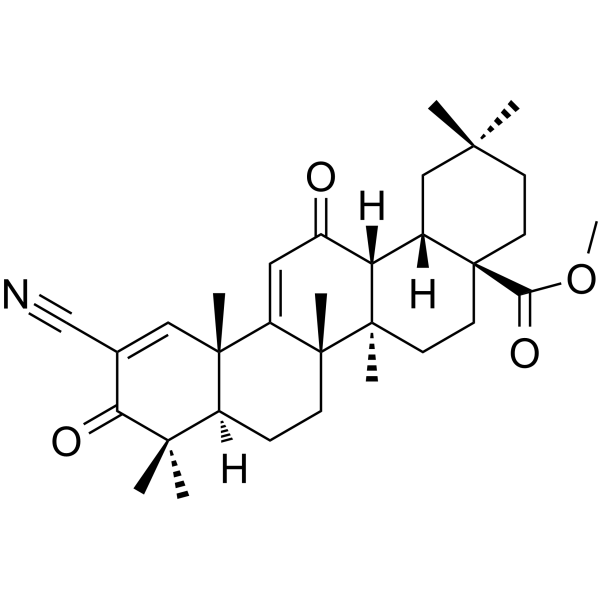
Bardoxolone (CDDO; RTA 401) methyl is an orally active and blood-brain-barrier-penetrant activator of Nrf2 and an inhibitor of SARS-CoV-2 3CL protease. Bardoxolone methyl inhibits SARS-CoV-2 replication in Vero cells with an EC50 value of 0.29 μM. Bardoxolone methyl increases levels of pNrf2 and HO-1, inhibits inflammatory mediators like pNFκB and MCP-1. Bardoxolone methyl activates the Nrf2 pathway to enhance antioxidant and anti-inflammatory responses, inhibits viral replication, and improves mitochondrial function. Bardoxolone methyl can be used in research on chemotherapy-induced neuropathic pain (CINP), COVID-19, and chronic kidney disease (CKD) .
|
-
-
- HY-108449
-
|
WS-12; AR-15512; AVX-012
|
TRP Channel
|
Neurological Disease
|
|
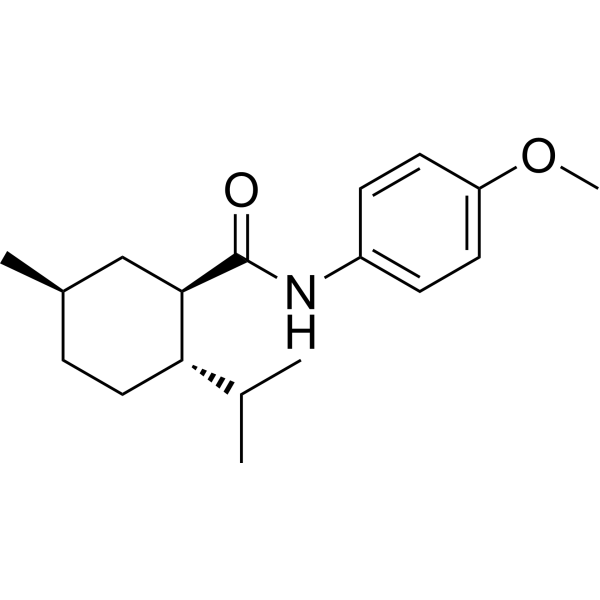
Acoltremon (WS-12; AR-15512) is a potent and selective TRPM8 agonist, the menthol derivative, as a cooling agent. Acoltremon shows analgesic effect, and can be used in chronic neuropathic pain research .
|
-
-
- HY-142240
-
|
HSK16149
|
Calcium Channel
|
Neurological Disease
|
|
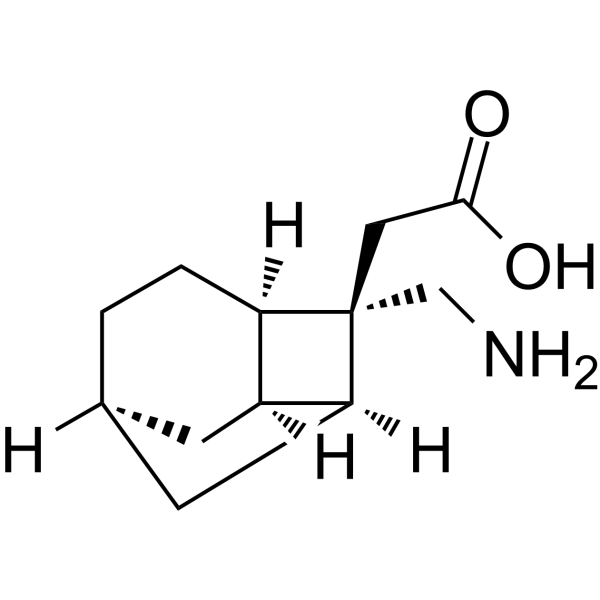
Crisugabalin is an orally active, selective ligand for the α2δ subunit of voltage-gated calcium channels, with a target IC50 of 3.96 nM in rats. Crisugabalin inhibits the binding of [ 3H]gabapentin to the α2δ subunit, reduces calcium influx, decreases neuronal excitability, and impairs nociceptive transmission. Crisugabalin alleviates mechanical allodynia, neuropathic pain and inflammatory pain in rats, and reduces phase II pain behaviors. Crisugabalin can be used in research related to chronic pain, neuropathic pain, diabetic neuropathy, fibromyalgia, inflammatory pain, diabetic peripheral neuropathy and postherpetic neuralgia.
|
-
-
- HY-15322
-
|
P505-15; PRT-2607; BIIB-057
|
Syk
Apoptosis
Caspase
|
Inflammation/Immunology
Cancer
|
|
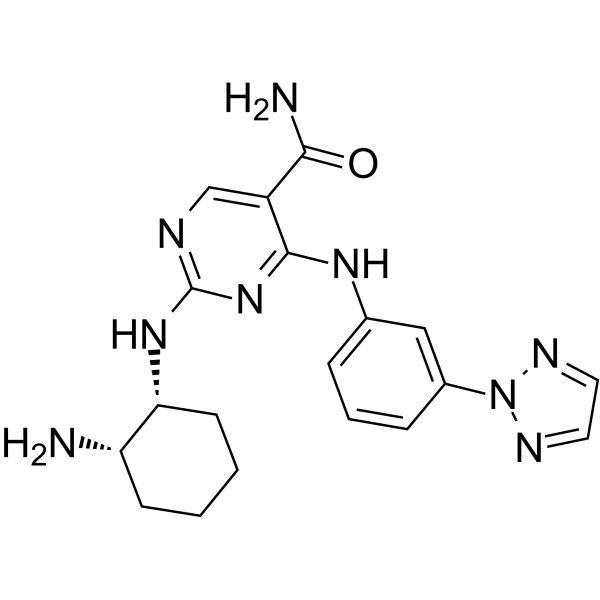
PRT062607 (P505-15; PRT-2607) is an orally active ATP-competitive Syk inhibitor with an IC50 value of 1 nM, and exhibits at least 80-fold selectivity over other kinases. PRT062607 blocks B cell antigen receptor-mediated activation, Fcε receptor 1-mediated basophil degranulation and microglial phagocytosis, and induces caspase-dependent apoptosis and microglial death. PRT062607 inhibits tumor growth and peripheral nerve injury-induced mechanical allodynia, and prevents neuronal loss. PRT062607 can be used in research related to rheumatoid arthritis, chronic lymphocytic leukemia, non-Hodgkin's lymphoma, neurodegenerative diseases and neuropathic pain .
|
-
-
- HY-107794
-
|
Disodium clodronate tetrahydrate
|
Apoptosis
|
Neurological Disease
Inflammation/Immunology
Cancer
|
|
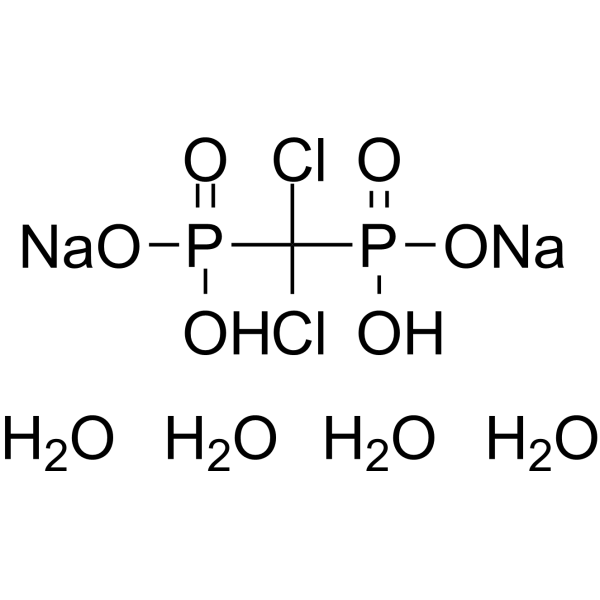
Clodronate disodium tetrahydrate (Disodium clodronate tetrahydrate) is first-generation bisphosphonate, with anti-osteoporotic, anti-inflammatory and analgesic effects. Clodronate disodium tetrahydrate is a selective, potent, reversible and Cl - competitive vesicular nucleotide transporter (VNUT) inhibitor, with an IC50 of 15.6 nM. Clodronate disodium tetrahydrate inhibits vesicular ATP release from neurons and reduces chronic neuropathic and inflammatory pain .
|
-
-
- HY-122575
-
|
|
P2X Receptor
Influenza Virus
Topoisomerase
MicroRNA
Apoptosis
|
Infection
Neurological Disease
Inflammation/Immunology
|
|
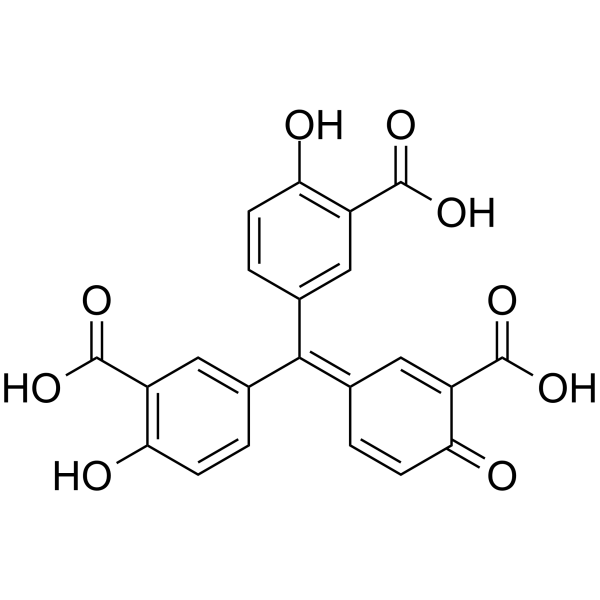
Aurintricarboxylic acid is a nanomolar-potency, allosteric antagonist with selectivity towards αβ-methylene-ATP-sensitive P2X1Rs and P2X3Rs, with IC50s of 8.6 nM and 72.9 nM for rP2X1R and rP2X3R, respectively . Aurintricarboxylic acid is a potent anti-influenza agent by directly inhibiting the neuraminidase . Aurintricarboxylic acid is an inhibitor of topoisomerase II and apoptosis . Aurintricarboxylic acid is a selective inhibitor of the TWEAK-Fn14 signaling pathway . Aurintricarboxylic acid also acts as a cystathionine-lyase (CSE) inhibitor with an IC50 of 0.6 μM . Aurintricarboxylic acid is a modifier of miRNAs that regulate miRNA function, with an IC50 of 0.47 µM .
|
-
-
- HY-14777
-
|
RGH-896
|
iGluR
|
Neurological Disease
|
|
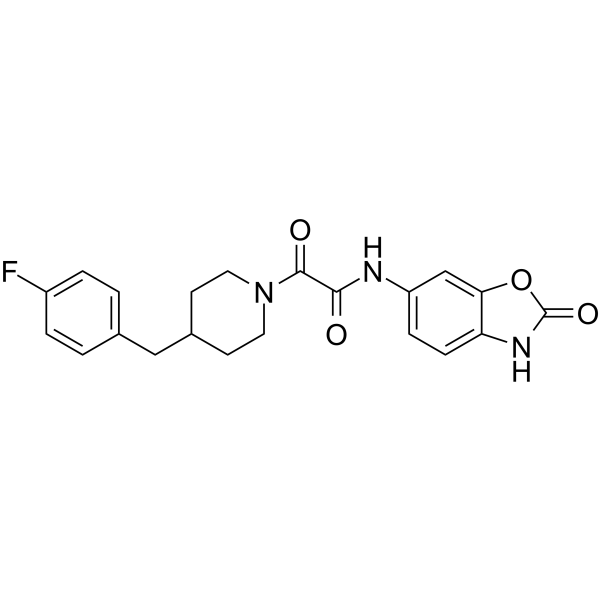
Radiprodil (RGH-896) is an orally active and selective NMDA NR2B antagonist. A potential therapeutic agent in treatment of neuropathic pain and possibly other chronic pain conditions .
|
-
-
- HY-120380
-
|
|
MOFs
PARP
|
Neurological Disease
|
|
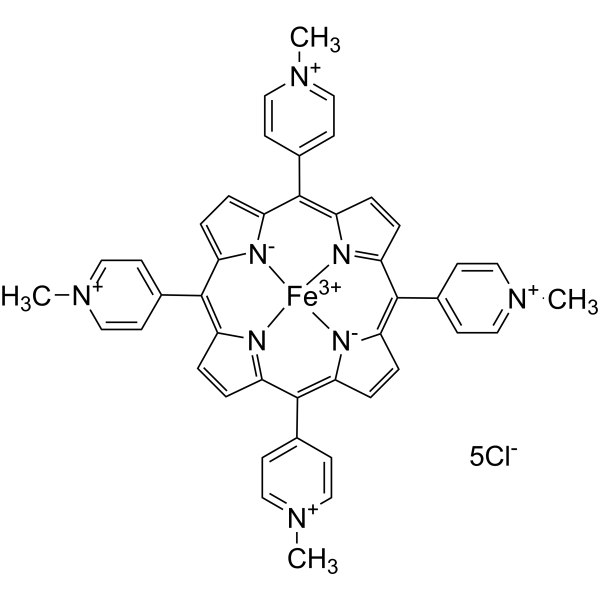
FeTMPyP is an orally active poly (ADP-ribose) polymerase (PARP) inhibitor. FeTMPyP inhibits cell death, nitrotyrosine formation, and depolarization of mitochondrial transmembrane potential. FeTMPyP reduces homocysteine-induced nitrosative stress and partially restores TFEB protein and mRNA levels. FeTMPyP improves functional and behavioral deficits caused by chronic constriction injury in rats. FeTMPyP alleviates acute cerebral infarction in a rat model of middle cerebral artery occlusion with mild hyperglycemia. FeTMPyP can be used in studies related to neuropathic pain, renal aging, ischemic penumbra, and hyperglycemic stroke .
|
-
-
- HY-120751
-
|
|
Calcium Channel
|
Neurological Disease
|
|
TROX-1 is a selective, orally active and brain-penetrant N-type calcium channel (Cav2.2) inhibitor with an IC50 value of 0.11 μM. TROX-1 exerts state-dependent and use-dependent inhibition, preferentially targets open/inactivated channels, blocks depolarization-associated calcium influx, and fully blocks calcium influx in rat dorsal root ganglion neurons. TROX-1 reverses inflammatory-induced hyperalgesia, nerve injury-induced allodynia. TROX-1 can be used for the research of pain .
|
-
-
- HY-P1626
-
|
|
Opioid Receptor
|
Neurological Disease
|
|
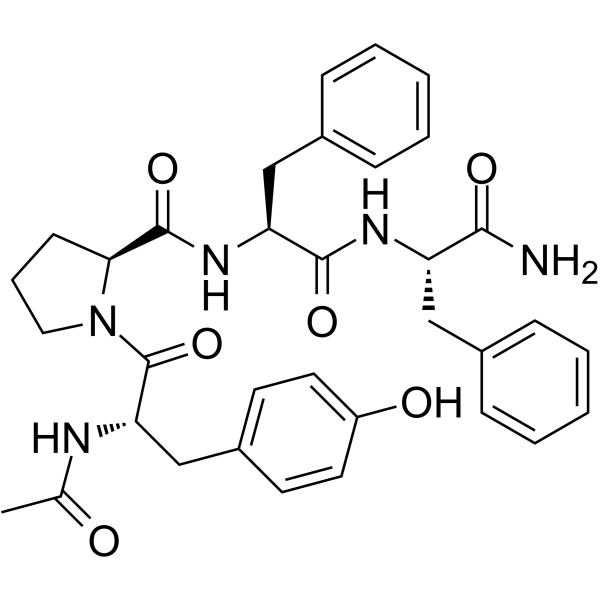
Acetyl tetrapeptide-15 is a synthetic peptide. Acetyl tetrapeptide-15 is derived from endomorphin-2 (Tyr-Pro-Phe-Phe-NH2), a human μ-opioid agonist with selective anti-nociceptive effect. Acetyl tetrapeptide-15 reduces skin hyperreactivity producing inflammatory, chronic and neuropathic pain, by increasing the threshold of neuronal excitability in μ-opioid receptor via an endorphin-like pathway. Acetyl tetrapeptide-15 is used in the cosmetics for sensitive skin .
|
-
-
- HY-130118
-
|
|
Mas-related G-protein-coupled Receptor (MRGPR)
|
Neurological Disease
|
|
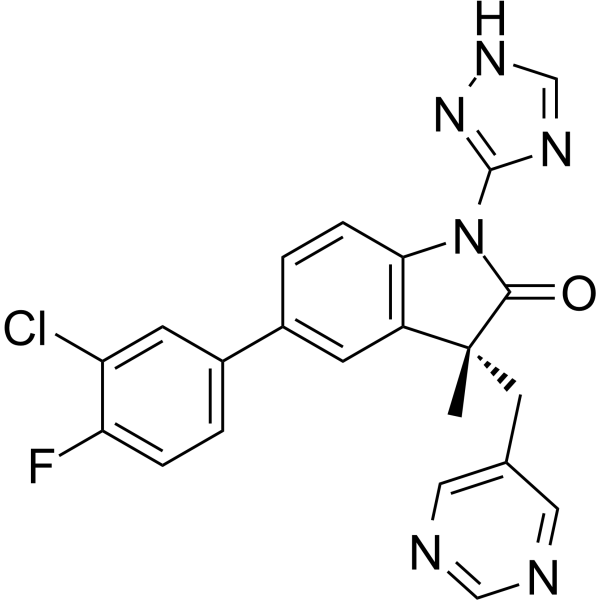
MRGPRX1 agonist 1 is a highly potent MRGPRX1 agonist (EC50=50 nM) with greater than 50-fold selectivity for δ, μ, and κ opioid receptors. MRGPRX1 agonist 1 is inactive against MRGPRC11. MRGPRC11 inhibits high voltage-activated (HVA) Ca 2+ currents, reduces neurotransmitter release, and mitigates nociceptive transmission in the spinal cord. MRGPRX1 agonist 1 is useful for the study of chronic pain, especially neuropathic pain .
|
-
-
- HY-N1478
-
|
|
P2X Receptor
Reactive Oxygen Species (ROS)
|
Neurological Disease
Inflammation/Immunology
|
|
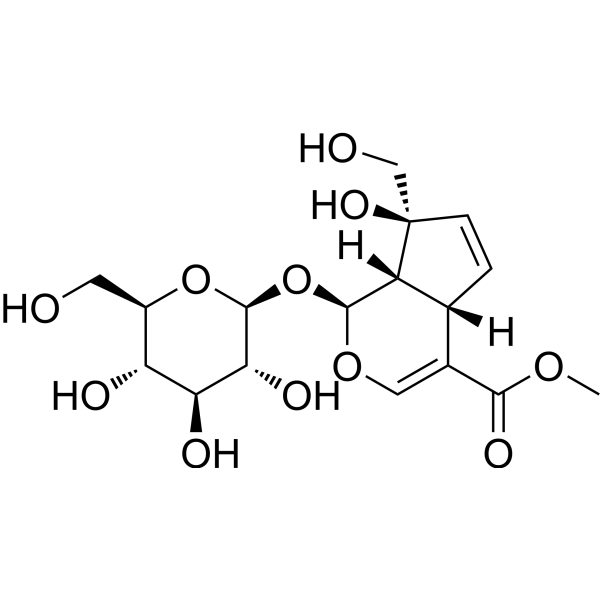
Gardenoside is an orally active natural compound found in Gardenia fruits. Gardenoside reliefs chronic constriction injury (CCI)-induced neuropathic pain by regulating the P2X3 and P2X7 receptors. Gardenoside has an inhibitory effect on free fatty acids (FFA)-induced cellular steatosis. Gardenoside reduces reactive oxygen species (ROS). Gardenoside can be used for anti-inflammatory, antinociceptive and hepatoprotective study .
|
-
-
- HY-N2071
-
-
-
- HY-156684
-
|
GDC-6599
|
TRP Channel
|
Neurological Disease
|
|
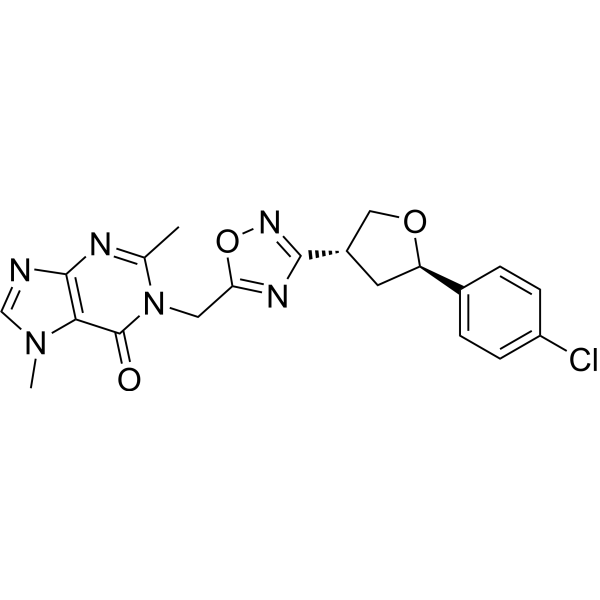
GDC-6599 is an orally active TRPA1 inhibitor, with IC50 values of 5.3 nM in humans, 6.6 nM in rats, 9.3 nM in dogs, 7.2 nM in monkeys, and 15 nM in guinea pigs. GDC-6599 can be used in the research of neuropathic pain and respiratory diseases such as asthma and chronic cough .
|
-
-
- HY-110036
-
|
L768242
|
Cannabinoid Receptor
Endogenous Metabolite
HIF/HIF Prolyl-Hydroxylase
TNF Receptor
Interleukin Related
|
Neurological Disease
Inflammation/Immunology
|
|
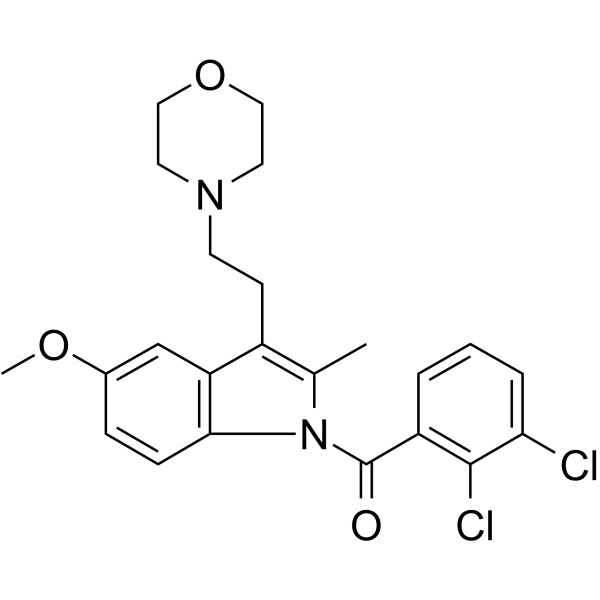
GW-405833 (L768242) is a potent, selective cannabinoid receptor 2 (CB2) agonist. GW405833 has EC50 and Ki values of 0.65 nM and 3.92 nM for CB2, and EC50 and Ki values of 16.1 μM and 4772 nM for CB1. GW-405833 also exhibits non-competitive CB1 antagonist, exerting its analgesic and and anti-inflammatory effect through a CB1 receptor (rather than CB2) dependent mechanism. GW-405833 can significantly inhibit the production of cAMP stimulated by Forskolin (HY-15371). GW405833 inhibits glycolysis by down-regulating HIF-1α, thereby alleviating acute liver failure (ALF) .
|
-
-
- HY-P990071
-
|
LY-3016859
|
EGFR
|
Neurological Disease
Metabolic Disease
Inflammation/Immunology
|
|
Fepixnebart (LY3016859) is a humanized monoclonal hIgG4 antibody, which binds and neutralizes only TGFα and epiregulin with high affinity. Fepixnebart can be used for the study of diabetic nephropathy and broad-spectrum chronic pain, including diabetic peripheral neuropathic pain (DPNP), signs and symptoms of osteoarthritis (OA), and chronic low back pain (CLBP) .
|
-

-
- HY-135871
-
|
|
AAK1
|
Neurological Disease
|
|
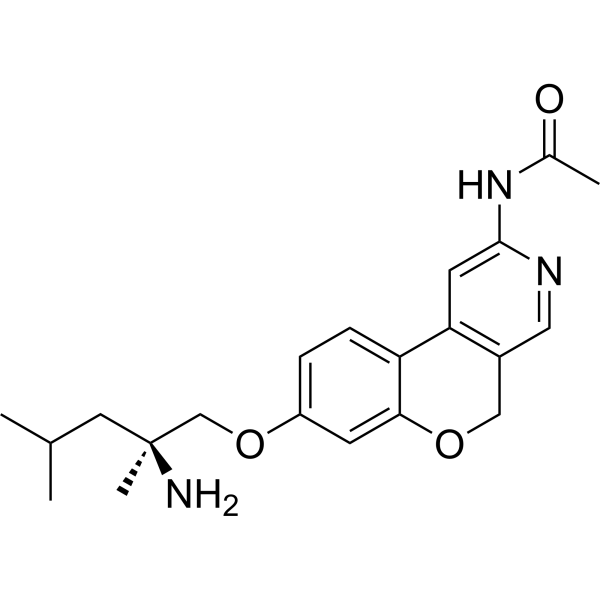
BMT-124110 is a potent, selective AAK1 inhibitor with an IC50 of 0.9 nM. BMT-124110 shows antinociceptive activity. BMT-090605 inhibits BMP-2-inducible protein kinase (BIKE) and Cyclin G-associated kinase (GAK) with IC50s of 17 and 99 nM, respectively .
|
-
-
- HY-178281
-
|
|
Potassium Channel
Sodium Channel
|
Neurological Disease
|
|
E0199 is a novel potent dual-target KV7/NaV modulator that activates the KV7 channel (KV7.2/7.3 (EC50 = 12.78 nM), KV7.2 (EC50 = 0.50 μM), and KV7.5 (EC50 = 27.14 nM) channels) while simultaneously blocks the NaV1.7 (IC50 = 0.52 μM), NaV1.8 (IC50 = 0.24 μM), and NaV1.9 (IC50 = 0.16 μM) channels. E0199 shows a potent analgesic effect without affecting heart and skeletal muscle ion channels critically in a chronic constriction injury (CCI) mouse model. E0199 can be used for Neuropathic pain (NP) research .
|
-

-
- HY-101290A
-
|
|
Cyclin G-associated Kinase (GAK)
AAK1
|
Neurological Disease
|
|
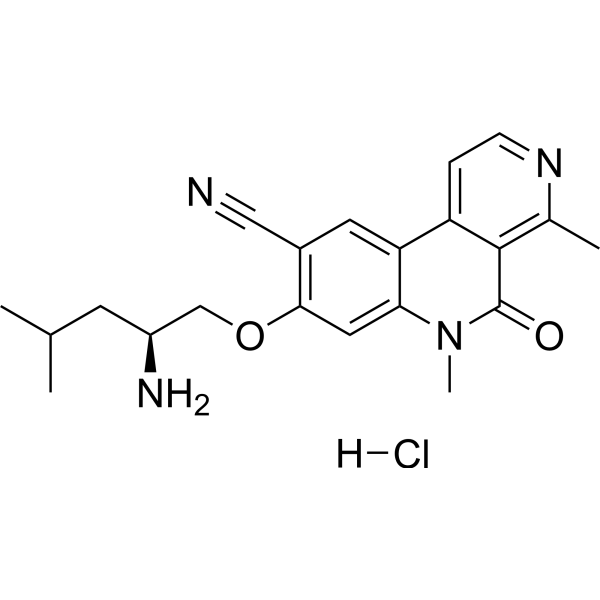
BMT-090605 hydrochloride is a potent, selective the adapter protein-2 associated kinase 1 (AAK1) inhibitor with an IC50 value of 0.6 nM. BMT-090605 hydrochloride shows antinociceptive activity. BMT-090605 hydrochloride inhibits BMP-2-inducible protein kinase (BIKE) and Cyclin G-associated kinase (GAK) with IC50 values of 45 nM and 60 nM, respectively. BMT-090605 hydrochloride can be used for the research of neuropathic pain .
|
-
-
- HY-175231
-
|
|
5-HT Receptor
|
Neurological Disease
|
|
ST171 is a bitopic 5-HT1AR agonist with an Ki of 0.41 nM. ST171 selectively activates Gi/o signaling pathway and inhibits 5-HT1AR-mediated cAMP accumulation without Gs activation and marginal β-arrestin recruitment. T171 reduces hypersensitivity in chronic neuropathic and inflammatory pain mice model. ST171 can be used for pain research .
|
-

-
- HY-108449S
-
|
WS-12-d3; AR-15512-d3; AVX-012-d3
|
Isotope-Labeled Compounds
TRP Channel
|
Neurological Disease
|
|
Acoltremon-d3 (WS-12-d3) is the deuterium labeled Acoltremon (HY-108449). Acoltremon is a potent and selective TRPM8 agonist, the menthol derivative, as a cooling agent. Acoltremon shows analgesic effect, and can be used in chronic neuropathic pain research .
|
-

-
- HY-110036A
-
|
L768242 hydrochloride
|
Cannabinoid Receptor
Endogenous Metabolite
HIF/HIF Prolyl-Hydroxylase
TNF Receptor
Interleukin Related
|
Neurological Disease
Inflammation/Immunology
|
|
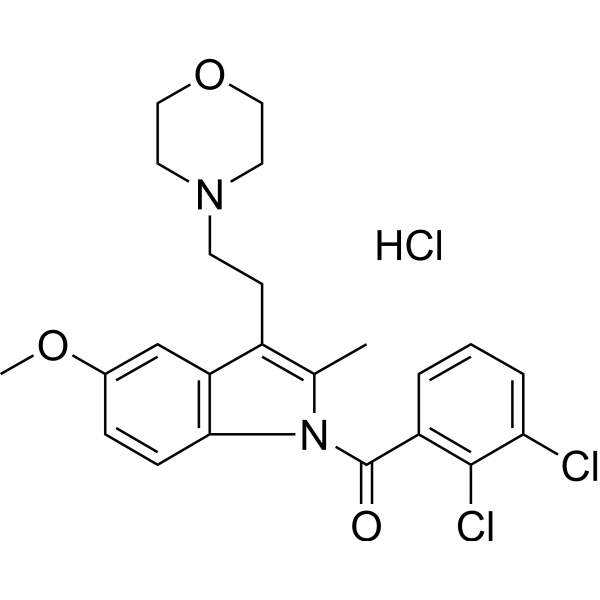
GW405833 (L768242) hydrochloride is a potent, selective cannabinoid receptor 2 (CB2) agonist. GW405833 has EC50 and Ki values of 0.65 nM and 3.92 nM for CB2, and EC50 and Ki values of 16.1 μM and 4772 nM for CB1. GW405833 hydrochloride also exhibits non-competitive CB1 antagonist, exerting its analgesic effect through a CB1 receptor (rather than CB2) dependent mechanism. GW405833 hydrochloride can significantly inhibit the production of cAMP stimulated by Forskolin (HY-15371). GW405833 hydrochloride inhibits glycolysis by down-regulating HIF-1α, thereby alleviating acute liver failure (ALF) .
|
-
-
- HY-101290
-
|
|
AAK1
Cyclin G-associated Kinase (GAK)
|
Neurological Disease
|
|
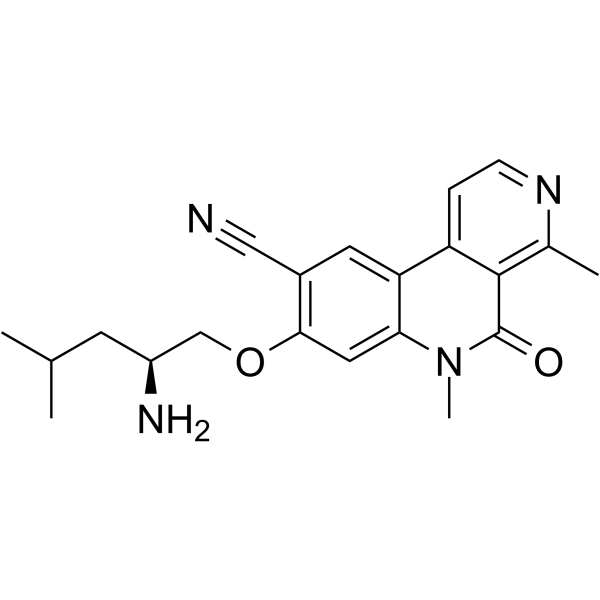
BMT-090605 is a potent, selective the adapter protein-2 associated kinase 1 (AAK1) inhibitor with an IC50 value of 0.6 nM. BMT-090605 shows antinociceptive activity. BMT-090605 inhibits BMP-2-inducible protein kinase (BIKE) and Cyclin G-associated kinase (GAK) with IC50 values of 45 nM and 60 nM, respectively. BMT-090605 can be used for the research of neuropathic pain .
|
-
-
- HY-148708
-
|
|
iGluR
|
Neurological Disease
|
|
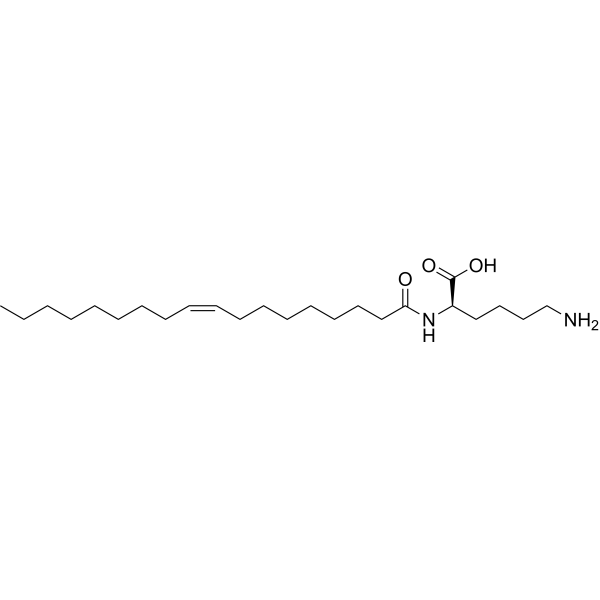
Oleoyl-D-lysine is a selective Glycine Transporter-2 (GlyT2) inhibitor based on lipid. Oleoyl-D-lysine reverses neuropathic pain in mice,shows antidrowsiness effect on chronic neuropathic pain. Oleoyl-D-lysine is safe and effective without respiratory depression .
|
-
-
- HY-174845
-
|
|
Sodium Channel
|
Neurological Disease
|
|
Nav1.8-IN-20 (Compound I) is an orally active and potent voltage-gated sodium channel Nav1.8 inhibitor with an IC50 value of 14 nM. Nav1.8-IN-20 blocks the generation and conduction of action potentials in peripheral nociceptive neurons, exerting analgesic effects. Nav1.8-IN-20 is promising for research of various pain types such as acute pain, chronic pain, inflammatory pain, and neuropathic pain .
|
-

-
- HY-P3223A
-
|
|
Opioid Receptor
|
Neurological Disease
|
|
Biphalin acetate, a BBB-penetrable opioid peptide analog, contains two active enkephalin pharmacophores.Biphalin acetate has high affinity for opioid receptors. Biphalin acetate shows analgesic effect in acute, neuropathic, and chronic animal pain models. Biphalin acetate is also an antiviral, antiproliferative, anti-inflammatory, and neuroprotective agent .
|
-

-
- HY-171778
-
|
|
Sodium Channel
|
Neurological Disease
Inflammation/Immunology
|
|
QLS-81 is a Nav1.7 channel inhibitor (IC50: 1.5 μM). QLS-81 has significant analgesic activity and can relieve neuropathic and inflammatory pain. QLS-81 exerts frequency-dependent inhibitory effects by inhibiting the inactivated state of Nav1.7 channels. QLS-81 can be used in the study of chronic pain .
|
-

-
- HY-120484
-
|
|
Calcium Channel
|
Neurological Disease
|
|
A-1048400 is an orally active and selective calcium channel inhibitor with an IC50 value of 1.4 μM for N-type channels, 1.2 μM for T-type channel. A-1048400 inhibits neurotransmitter release and reduces membrane hyperexcitability, exerting potent analgesic activity. A-1048400 is promising for research of neuropathic pain (e.g., pain induced by spinal nerve ligation and chronic constriction injury) .
|
-

-
- HY-N1478R
-
|
|
Reference Standards
P2X Receptor
Reactive Oxygen Species (ROS)
|
Neurological Disease
Inflammation/Immunology
|
|
Gardenoside is an orally active natural compound found in Gardenia fruits. Gardenoside reliefs chronic constriction injury (CCI)-induced neuropathic pain by regulating the P2X3 and P2X7 receptors. Gardenoside has an inhibitory effect on free fatty acids (FFA)-induced cellular steatosis. Gardenoside reduces reactive oxygen species (ROS). Gardenoside can be used for anti-inflammatory, antinociceptive and hepatoprotective study .
|
-

-
- HY-169808
-
|
|
mGluR
|
Neurological Disease
|
|
BOMA (Compound 7) is a potent and selective metabotropic glutamate receptor 5 (mGluR 5) antagonist with an IC50 value of 3 nM and an Ki value of 3 nM. BOMA is promising for research of various pain states, including acute, persistent and chronic pain, inflammatory pain and neuropathic pain .
|
-

-
- HY-14909R
-
|
CDDO (Standard); RTA 401 (Standard)
|
Keap1-Nrf2
Necroptosis
SARS-CoV
Virus Protease
Reference Standards
|
Infection
Cardiovascular Disease
Inflammation/Immunology
|
|
Bardoxolone (Standard) is the analytical standard of Bardoxolone (HY-14909). This product is intended for research and analytical applications. Bardoxolone is an orally active activator of nuclear regulatory factor (NRf-2) and an inhibitor of SARS-CoV-2 3CL protease. Bardoxolone inhibits SARS-CoV-2 3CL protease with an EC50 value of 0.43 μM in vero cells. Bardoxolone also inhibits necroptosis in HT-29 cells with an EC50 value of 1.30 μM by blocking necrosome formation through inhibiting phosphorylation of RIPK1 and RIPK3. Bardoxolone can be used in research on COVID-19, TNF-induced systemic inflammatory response syndrome (SIRS), and cerebral ischemia-reperfusion injury .
|
-

-
- HY-14777R
-
|
RGH-896 (Standard)
|
iGluR
Reference Standards
|
Neurological Disease
|
|
Radiprodil (Standard) is the analytical standard of Radiprodil. This product is intended for research and analytical applications. Radiprodil (RGH-896) is an orally active and selective NMDA NR2B antagonist. A potential therapeutic agent in treatment of neuropathic pain and possibly other chronic pain conditions .
|
-

-
- HY-P3223
-
|
|
Opioid Receptor
|
Neurological Disease
|
|
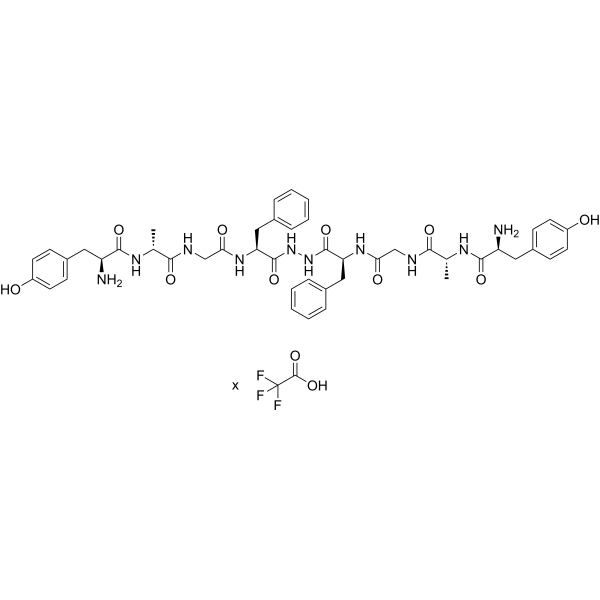
Biphalin TFA, a BBB-penetrable opioid peptide analog, contains two active enkephalin pharmacophores. Biphalin TFA has high affinity for opioid receptors. Biphalin TFA shows analgesic effect in acute, neuropathic, and chronic animal pain models. Biphalin TFA is also an antiviral, antiproliferative, anti-inflammatory, and neuroprotective agent .
|
-
-
- HY-167855
-
|
|
P2Y Receptor
|
Inflammation/Immunology
|
|
MRS4833 (compound 15) is an orally active, potent, competitive P2Y14R antagonist with an of IC50 of 5.92 nM for hP2Y14R and an IC50 of 4.8 nM for mP2Y14R. MRS4833 reduces airway eosinophilia in a protease-mediated asthma model and reverses chronic neuropathic pain in a mouse CCI model .
|
-

-
- HY-172583
-
|
|
Drug Derivative
|
Neurological Disease
|
|
Neuroprotective agent 9 (compound 7) is a neuroprotective agent. Neuroprotective agent 9 is promising for research of neuron injury such as cerebral apoplexy, cerebral injury, and neuropathic pain .
|
-

-
- HY-135871A
-
|
|
AAK1
|
Neurological Disease
|
|
BMT-124110 formic is a potent, selective AAK1 inhibitor, with an IC50 of 0.9 nM. BMT-124110 shows antinociceptive activity. BMT-124110 formic inhibits BMP-2-inducible protein kinase (BIKE) and Cyclin G-associated kinase (GAK) with IC50s of 17 and 99 nM, respectively .
|
-

-
- HY-143390
-
|
|
iGluR
|
Neurological Disease
|
|
NMDA receptor modulator 2 (Compound 1) is a potent NMDA receptor modulator. NMDA receptor modulator 2 can be used for neurological disorder research .
|
-
-
- HY-143393
-
|
|
iGluR
|
Neurological Disease
|
|
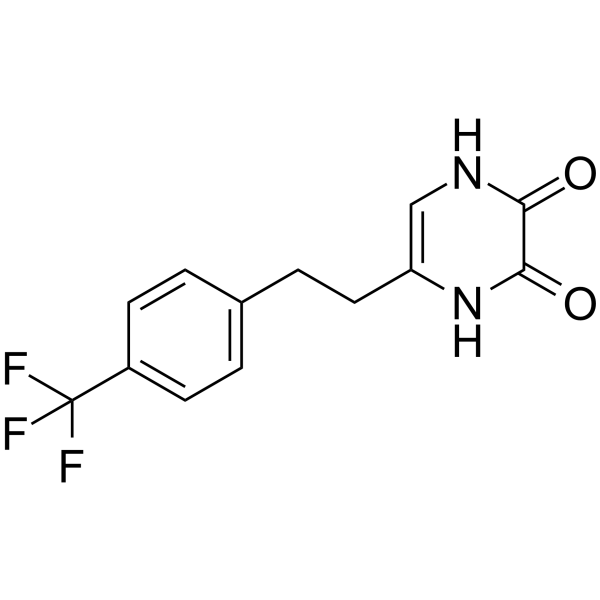
NMDA receptor modulator 4 (Compound 169) is a potent NMDA receptor modulator. NMDA receptor modulator 4 can be used for neurological disorder research .
|
-
-
- HY-143391
-
|
|
iGluR
|
Neurological Disease
|
|
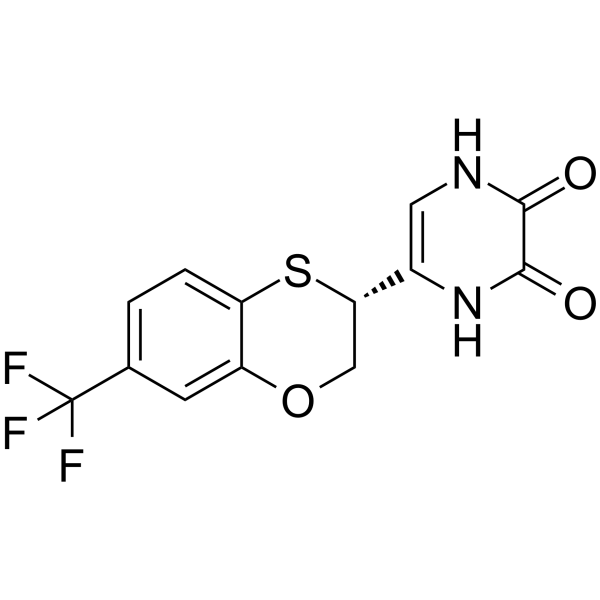
NMDA receptor modulator 3 (Compound 99) is a potent NMDA receptor modulator. NMDA receptor modulator 3 can be used for neurological disorder research .
|
-
-
- HY-143397
-
|
|
iGluR
|
Neurological Disease
|
|
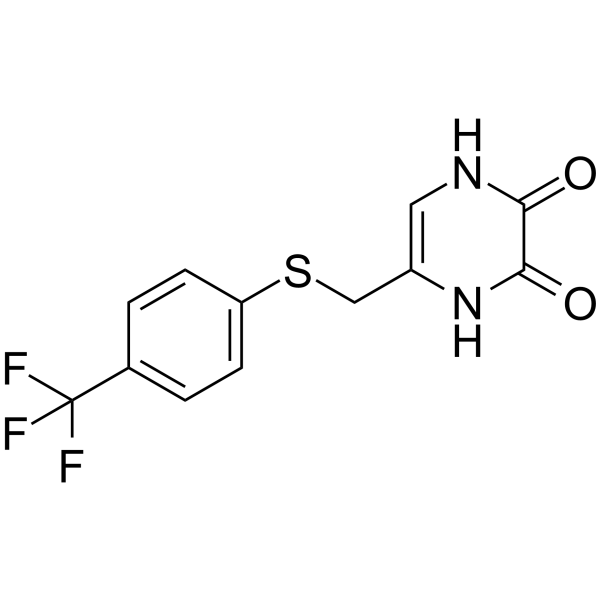
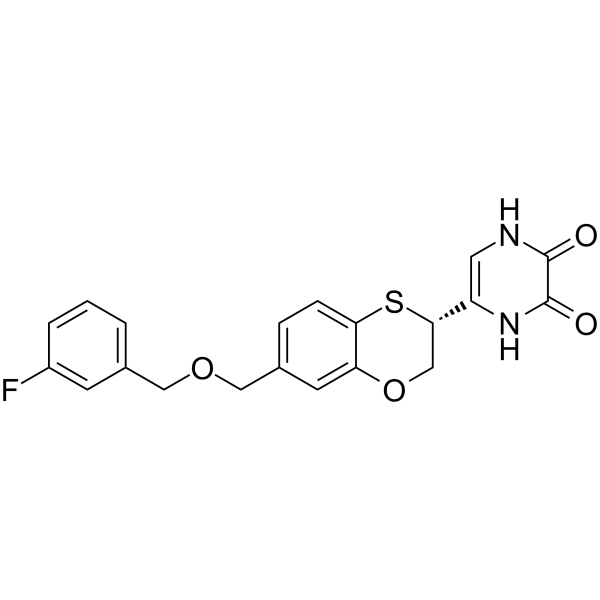
NMDA receptor modulator 6 (Compound 183) is a potent NMDA receptor modulator. NMDA receptor modulator 6 can be used for neurological disorder research .
|
-
-
- HY-143396
-
|
|
iGluR
|
Neurological Disease
|
|
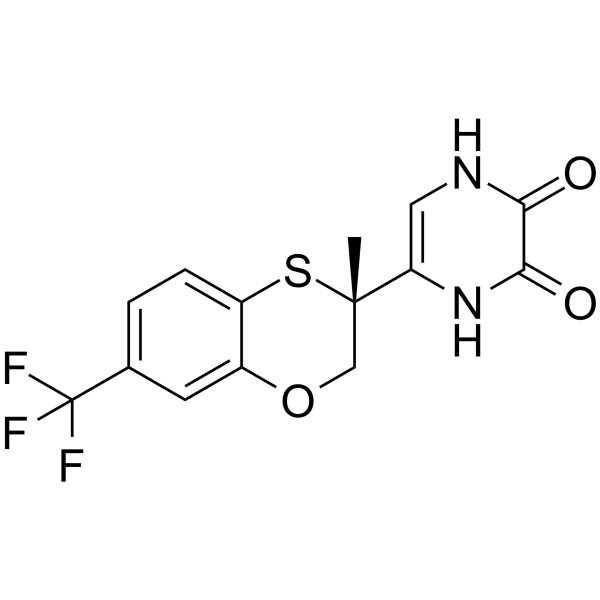
NMDA receptor modulator 5 (Compound 195) is a potent NMDA receptor modulator. NMDA receptor modulator 5 can be used for neurological disorder research .
|
-
-
- HY-107794R
-
|
Disodium clodronate tetrahydrate (Standard)
|
Others
Reference Standards
|
Neurological Disease
Inflammation/Immunology
Cancer
|
|
Clodronate (disodium tetrahydrate) (Standard) is the analytical standard of Clodronate (disodium tetrahydrate). This product is intended for research and analytical applications. Clodronate disodium tetrahydrate (Disodium clodronate tetrahydrate) is first-generation bisphosphonate, with anti-osteoporotic, anti-inflammatory and analgesic effects. Clodronate disodium tetrahydrate is a selective, potent, reversible and Cl-competitive vesicular nucleotide transporter (VNUT) inhibitor, with an IC50 of 15.6 nM. Clodronate disodium tetrahydrate inhibits vesicular ATP release from neurons and reduces chronic neuropathic and inflammatory pain .
|
-

-
- HY-N2071R
-
|
(+)-Cedrol (Standard); α-Cedrol (Standard)
|
Reference Standards
Cytochrome P450
Fungal
Apoptosis
Caspase
|
Infection
Neurological Disease
Inflammation/Immunology
Cancer
|
|
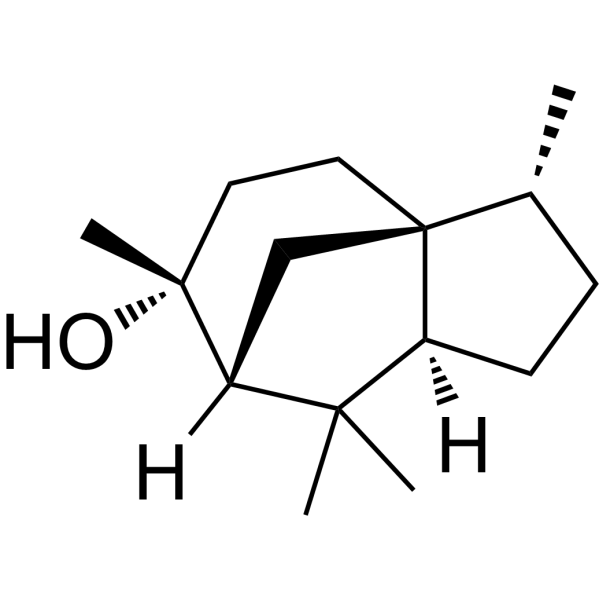
Cedrol (Standard) is the analytical standard of Cedrol. This product is intended for research and analytical applications. Cedrol is a potent competitive inhibitor of cytochrome P-450(CYP) enzyme. Cedrol plays an anticancer role by inducing cell cycle arrest and Caspase-dependent apoptosis. Cedrol acts as a neutrophil agonist that can desensitize cells to subsequent stimulation of N-formyl peptides. Cedrol prevents neuropathic pain caused by chronic contractile injury by inhibiting oxidative stress and inflammation. In addition, Cedrol has antibacterial, hair loss prevention and anti-anxiety properties.
|
-

-
- HY-167855S
-
|
|
Isotope-Labeled Compounds
P2Y Receptor
|
Inflammation/Immunology
|
|
1’-Epi Gemcitabine hydrochloride- 13C, 15N2 is the 13C- and 15N-labeled MRS4833 (HY-167855). MRS4833 (compound 15) is an orally active, potent, competitive P2Y14R antagonist with an of IC50 of 5.92 nM for hP2Y14R and an IC50 of 4.8 nM for mP2Y14R. MRS4833 reduces airway eosinophilia in a protease-mediated asthma model and reverses chronic neuropathic pain in a mouse CCI model .
|
-

-
- HY-168214
-
|
|
Potassium Channel
|
Neurological Disease
|
|
Kv7.2/Kv7.3 agonist 1 (Compound 16) is an orally active agonist for KV7.2/7.3 channel (KCNQ2/3) with an EC50 of 1.03 μM. Kv7.2/Kv7.3 agonist 1 exhibits analgesic efficacy in mice chronic constriction injury (CCI) model and mice Streptozotocin (HY-13753)-induced diabetic peripheral neuropathic pain (DPNP) model, with ED50 of 12.02 and 9.63 mg/kg .
|
-

-
- HY-155184
-
|
|
Adenosine Receptor
|
Neurological Disease
Inflammation/Immunology
Cancer
|
|
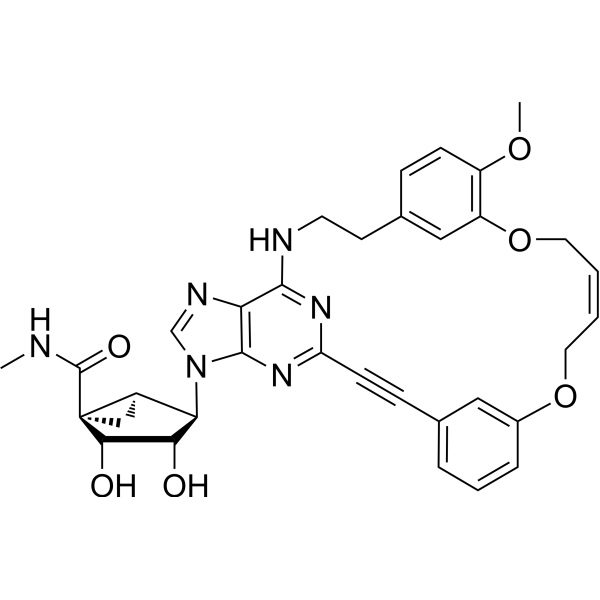
A3AR agonist 2 (Compound 19) a selective A3AR agonist (Ki: 22.1 nM). A3AR agonist 2 stimulates β-arrestin2 recruitment, with EC50 value of 4.36 nM. A3AR agonist 2 can be used for research of inflammatory diseases, ischemia, cancer, neuropathic pain, liver diseases, and other chronic conditions . A3AR agonist 2 is a click chemistry reagent, it contains an Alkyne group and can undergo copper-catalyzed azide-alkyne cycloaddition (CuAAc) with molecules containing Azide groups.
|
-
-
- HY-108449R
-
|
WS-12 (Standard); AR-15512 (Standard); AVX-012 (Standard)
|
Reference Standards
TRP Channel
|
Neurological Disease
|
|
Acoltremon (Standard) is the analytical standard of Acoltremon (HY-108449). This product is intended for research and analytical applications. Acoltremon (WS-12; AR-15512) is a potent and selective TRPM8 agonist, the menthol derivative, as a cooling agent. Acoltremon shows analgesic effect, and can be used in chronic neuropathic pain research .
|
-

-
- HY-182710
-
|
|
Sodium Channel
|
Neurological Disease
|
|
DA-0218 is a Nav1.7 inhibitor. DA-0218 exerts state-dependent inhibitory effects. DA-0218 alleviates formalin-induced inflammatory pain behavior and Paclitaxel-induced mechanical hyperalgesia in mice. DA-0218 inhibits Histamine-induced acute pruritus and lymphoma-induced chronic pruritus in mice. DA-0218 can be used in research related to inflammatory pain, neuropathic pain, acute pruritus and chronic pruritus .
|
-

-
- HY-182783
-
|
NTM-006
|
Adenosine Receptor
|
Neurological Disease
Inflammation/Immunology
|
|
NTM-006 is a selective and brain-penetrant adenosine A3 receptor (A3AR) agonist. NTM-006 selectively interacts with adenosine A3AR via π-π stacking with Phe168 and π-alkyl interactions receptor residues. NTM-006 inhibits Acetic acid (HY-Y0319)-induced writhing responses in mice. NTM-006 can be used for the research of chronic neuropathic pain, cancer-related pain, osteoarthritis-associated pain .
|
-

-
- HY-180802
-
|
|
Mas-related G-protein-coupled Receptor (MRGPR)
|
Neurological Disease
|
|
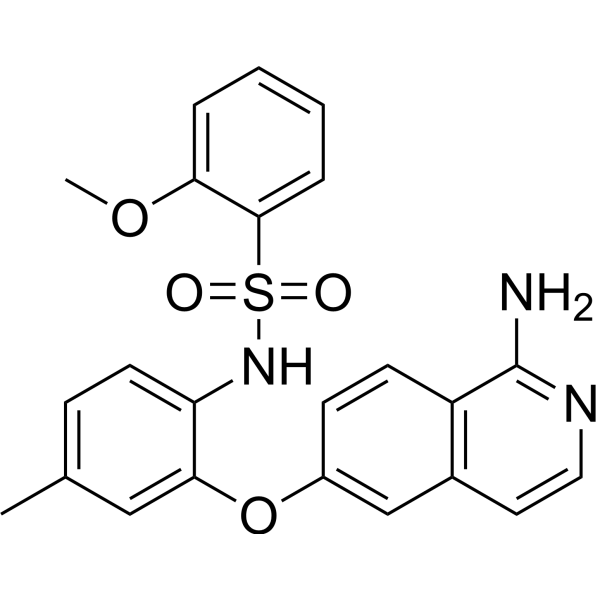
BCFTP is a potent, orally active and selective human Mas-related G protein-coupled receptor X1 (MrgprX1)-positive allosteric modulator. BCFTP selectively potentiates MrgprX1 signaling in HEK293 cells. BCFTP alleviates specific neuropathic pain-related behaviors in a humanized MrgprX1 mouse model of chronic constrictive injury (CCI) in a MrgprX1-dependent manner. BCFTP synergistically enhances psychoactive substances analgesia in CCI MrgprX1 mice. BCFTP can be used for neuropathic pain research .
|
-

- HY-183709
-
|
|
Sodium Channel
|
Neurological Disease
|
|
Nav1.8-IN-24 is a voltage-gated sodium channel Nav1.8 inhibitor with pIC50 values of 7.4 (resting state) and 7.5 (inactivated state), and it exhibits high selectivity for NaV1.1-1.7 subtypes. Nav1.8-IN-24 possesses in vitro safety and drug interaction profiles. Nav1.8-IN-24 can be used for the research of acute pain and chronic neuropathic pain .
|
-

- HY-110268
-
|
|
CXCR
|
Inflammation/Immunology
|
|
NVP CXCR2 20 is a selective CXCR2 inhibitor with analgesic and antinociceptive activities. NVP CXCR2 20 selectively blocks CXCR2 signaling and attenuates mechanical and thermal hypersensitivity in rat chronic constriction injury (CCI) models. NVP CXCR2 20 inhibits CXCL3-induced hypersensitivity in naive mice and reduces elevated CXCL3 protein levels in the spinal cord and dorsal root ganglia (DRG) of CCI-exposed rats. NVP CXCR2 20 can be used for the research of neuropathic pain and chronic obstructive pulmonary disease (COPD) .
|
-

- HY-148708A
-
|
|
iGluR
|
Neurological Disease
|
|
Oleoyl-D-lysine sodium is a selective Glycine Transporter-2 (GlyT2) inhibitor based on lipid. Oleoyl-D-lysine sodium reverses neuropathic pain in mice, shows antidrowsiness effect on chronic neuropathic pain. Oleoyl-D-lysine sodium is safe and effective without respiratory depression .
|
-

- HY-115359
-
-

- HY-165571
-
|
|
Carboxypeptidase
|
Neurological Disease
|
|
E2072 is a selective, orally active competitive inhibitor of glutamate carboxypeptidase II (GCPII) with a Ki of 10 nM. E2072 alleviates established thermal hyperalgesia in a rat model of chronic constriction injury. E2072 prevents oxaliplatin-induced reductions in nerve conduction velocity and amplitude in mice. E2072 is applicable to research related to neuropathic pain and neuropathy .
|
-

- HY-182539
-
|
|
CGRP Receptor
|
Others
Neurological Disease
|
|
DD04107 is a neuronal exocytosis inhibitor with a rat Syt1-C2B domain binding Ka of 2.4 μM. DD04107 interferes with synaptobrevin-syntaxin-SNAP-25 complex formation and Syt1-SNARE complex interaction to block α-calcitonin gene-related peptide (α-CGRP) exocytotic release from primary sensory neurons. DD04107 blocks inflammatory ion channel recruitment to nociceptor plasma membranes. DD04107 can be used for the research of chronic inflammatory pain, neuropathic pain, osteosarcoma pain, chemotherapy-induced peripheral neuropathy, diabetic neuropathy, inflammatory pain .
|
-

- HY-181612
-
|
|
COX
Calcium Channel
Interleukin Related
TNF Receptor
|
Neurological Disease
Inflammation/Immunology
|
|
COX-2/CaV2.2-IN-1 is an orally active and selective dual COX-2/CaV2.2 inhibitor, exhibiting a COX-2 IC50 of 0.26 μM and a CaV2.2 IC50 of 0.29 μM. COX-2/CaV2.2-IN-1 suppresses inflammatory responses and inflammatory mediator (IL-6, TNF-α, NO) production. COX-2/CaV2.2-IN-1 produces pronounced analgesic effects in diverse models of inflammatory, neuropathic, and visceral pain. COX-2/CaV2.2-IN-1 can be used for the research of chronic pain .
|
-

- HY-101290AR
-
|
|
Cyclin G-associated Kinase (GAK)
Reference Standards
AAK1
|
Neurological Disease
|
|
BMT-090605 (hydrochloride) (Standard) is the analytical standard of BMT-090605 (hydrochloride) (HY-101290A). This product is intended for research and analytical applications. BMT-090605 hydrochloride is a potent, selective the adapter protein-2 associated kinase 1 (AAK1) inhibitor with an IC50 value of 0.6 nM. BMT-090605 hydrochloride shows antinociceptive activity. BMT-090605 hydrochloride inhibits BMP-2-inducible protein kinase (BIKE) and Cyclin G-associated kinase (GAK) with IC50 values of 45 nM and 60 nM, respectively. BMT-090605 hydrochloride can be used for the research of neuropathic pain .
|
-

| Cat. No. |
Product Name |
Target |
Research Area |
-
- HY-P1626
-
|
|
Opioid Receptor
|
Neurological Disease
|
|
Acetyl tetrapeptide-15 is a synthetic peptide. Acetyl tetrapeptide-15 is derived from endomorphin-2 (Tyr-Pro-Phe-Phe-NH2), a human μ-opioid agonist with selective anti-nociceptive effect. Acetyl tetrapeptide-15 reduces skin hyperreactivity producing inflammatory, chronic and neuropathic pain, by increasing the threshold of neuronal excitability in μ-opioid receptor via an endorphin-like pathway. Acetyl tetrapeptide-15 is used in the cosmetics for sensitive skin .
|
-
- HY-P3223A
-
|
|
Opioid Receptor
|
Neurological Disease
|
|
Biphalin acetate, a BBB-penetrable opioid peptide analog, contains two active enkephalin pharmacophores.Biphalin acetate has high affinity for opioid receptors. Biphalin acetate shows analgesic effect in acute, neuropathic, and chronic animal pain models. Biphalin acetate is also an antiviral, antiproliferative, anti-inflammatory, and neuroprotective agent .
|
-
- HY-P3223
-
|
|
Opioid Receptor
|
Neurological Disease
|
|
Biphalin TFA, a BBB-penetrable opioid peptide analog, contains two active enkephalin pharmacophores. Biphalin TFA has high affinity for opioid receptors. Biphalin TFA shows analgesic effect in acute, neuropathic, and chronic animal pain models. Biphalin TFA is also an antiviral, antiproliferative, anti-inflammatory, and neuroprotective agent .
|
-
- HY-182539
-
|
|
CGRP Receptor
|
Others
Neurological Disease
|
|
DD04107 is a neuronal exocytosis inhibitor with a rat Syt1-C2B domain binding Ka of 2.4 μM. DD04107 interferes with synaptobrevin-syntaxin-SNAP-25 complex formation and Syt1-SNARE complex interaction to block α-calcitonin gene-related peptide (α-CGRP) exocytotic release from primary sensory neurons. DD04107 blocks inflammatory ion channel recruitment to nociceptor plasma membranes. DD04107 can be used for the research of chronic inflammatory pain, neuropathic pain, osteosarcoma pain, chemotherapy-induced peripheral neuropathy, diabetic neuropathy, inflammatory pain .
|
| Cat. No. |
Product Name |
Target |
Research Area |
Image |
-
- HY-P990071
-
|
LY-3016859
|
EGFR
|
Neurological Disease
Metabolic Disease
Inflammation/Immunology
|
|
Fepixnebart (LY3016859) is a humanized monoclonal hIgG4 antibody, which binds and neutralizes only TGFα and epiregulin with high affinity. Fepixnebart can be used for the study of diabetic nephropathy and broad-spectrum chronic pain, including diabetic peripheral neuropathic pain (DPNP), signs and symptoms of osteoarthritis (OA), and chronic low back pain (CLBP) .
|
-

(5)
| Cat. No. |
Product Name |
Category |
Target |
Chemical Structure |
| Cat. No. |
Product Name |
Chemical Structure |
-
- HY-108449S
-
|
|
|
Acoltremon-d3 (WS-12-d3) is the deuterium labeled Acoltremon (HY-108449). Acoltremon is a potent and selective TRPM8 agonist, the menthol derivative, as a cooling agent. Acoltremon shows analgesic effect, and can be used in chronic neuropathic pain research .
|
-
-
- HY-167855S
-
|
|
|
1’-Epi Gemcitabine hydrochloride- 13C, 15N2 is the 13C- and 15N-labeled MRS4833 (HY-167855). MRS4833 (compound 15) is an orally active, potent, competitive P2Y14R antagonist with an of IC50 of 5.92 nM for hP2Y14R and an IC50 of 4.8 nM for mP2Y14R. MRS4833 reduces airway eosinophilia in a protease-mediated asthma model and reverses chronic neuropathic pain in a mouse CCI model .
|
-
Your information is safe with us. * Required Fields.
Inquiry Information
- Product Name:
- Cat. No.:
- Quantity:
- MCE Japan Authorized Agent:








