Search Result
Results for "
dyskinesia
" in MedChemExpress (MCE) Product Catalog:
2
Biochemical Assay Reagents
3
Isotope-Labeled Compounds
| Cat. No. |
Product Name |
Target |
Research Areas |
Chemical Structure |
-
- HY-B1744
-
-
-
- HY-Y1089
-
-
-
- HY-B0590
-
|
Ro 1-9569
|
Monoamine Transporter
Dopamine Receptor
|
Neurological Disease
|
|
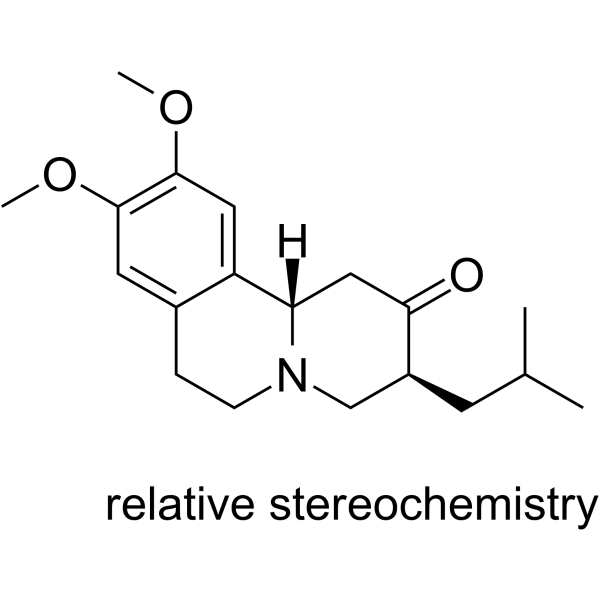
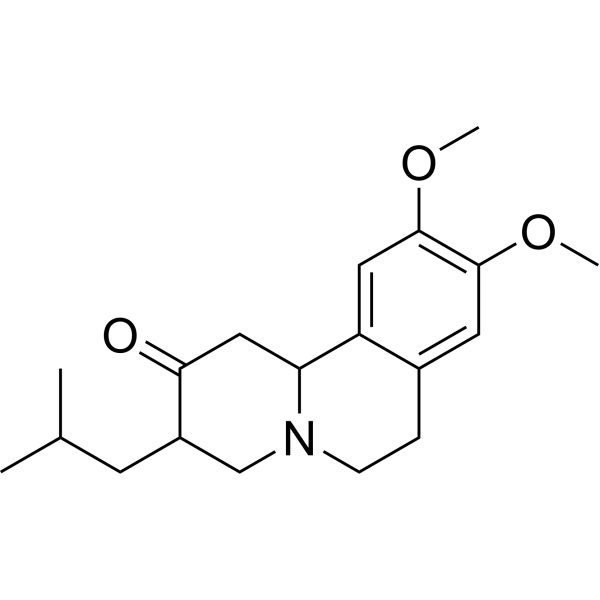
Tetrabenazine (Ro 1-9569) is a brain-penetrant and orally active VMAT2-selective ligand with human VMAT2 Ki 100 nM. Tetrabenazine binds VMAT2 to block monoamine uptake into synaptic vesicles, potentiates cytoplasmic monoamine degradation. Tetrabenazine weakly blocks dopamine D2 receptors, and increases dopamine turnover via elevated cerebrospinal fluid homovanillic acid. Tetrabenazine can be used for the research of Huntington’s disease, tardive dyskinesia, and Tourette’s syndrome .
|
-
-
- HY-15257
-
|
AFQ056
|
mGluR
|
Neurological Disease
|
|
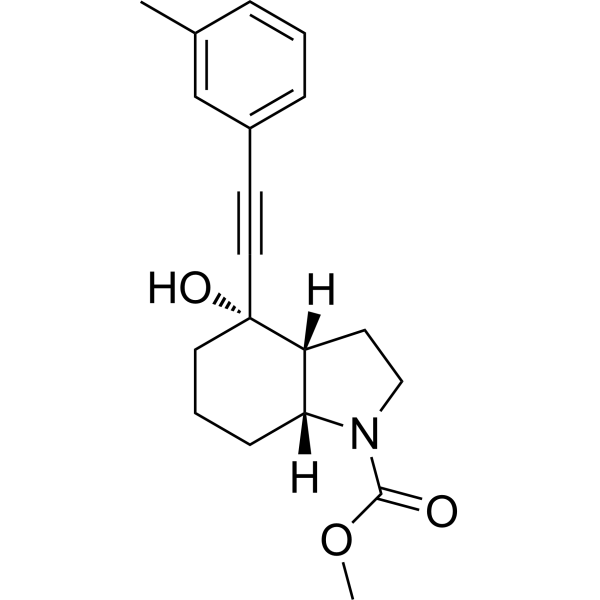
Mavoglurant (AFQ056) is a potent, selective, non-competitive and orally active mGluR5 antagonist, with an IC50 of 30 nM. Mavoglurant shows a >300 fold selectivity for the mGluR5 over all targets (238) tested. Mavoglurant can be used for the research of Fragile X syndrome (FXS), and L-dopa induced dyskinesias in Parkinson's disease . Mavoglurant is a click chemistry reagent, it contains an Alkyne group and can undergo copper-catalyzed azide-alkyne cycloaddition (CuAAc) with molecules containing Azide groups.
|
-
-
- HY-B0590S
-
|
Ro 1-9569-d6
|
Monoamine Transporter
|
Neurological Disease
|
|
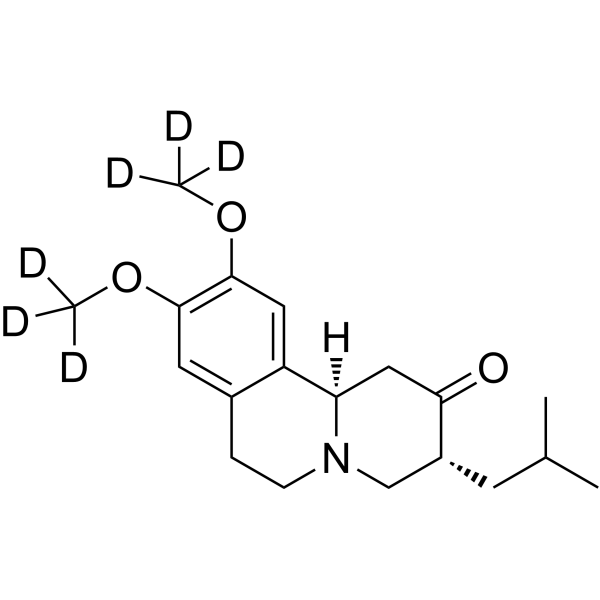
Tetrabenazine-d6 (Deutetrabenazine) is a deuterium-labled Tetrabenazine (HY-B0590). Tetrabenazine (Ro 1-9569) is a brain-penetrant and orally active VMAT2-selective ligand with human VMAT2 Ki 100 nM. Tetrabenazine binds VMAT2 to block monoamine uptake into synaptic vesicles, potentiates cytoplasmic monoamine degradation. Tetrabenazine weakly blocks dopamine D2 receptors, and increases dopamine turnover via elevated cerebrospinal fluid homovanillic acid. Tetrabenazine can be used for the research of Huntington’s disease, tardive dyskinesia, and Tourette’s syndrome .
|
-
-
- HY-162666
-
|
|
Potassium Channel
|
Neurological Disease
|
|
TMEM175 modulator 1 (compound 47) is a TMEM175 modulator.TMEM175 modulator 1 modulates activity of the lysosomal potassium ion channel TMEM175.TMEM175 modulator 1 can be used for the research of parkinson’s disease, dementia, alzheimer’s disease, l-dopa induced dyskinesia .
|
-
-
- HY-P1335
-
CTAP
2 Publications Verification
|
Opioid Receptor
|
Neurological Disease
|
|
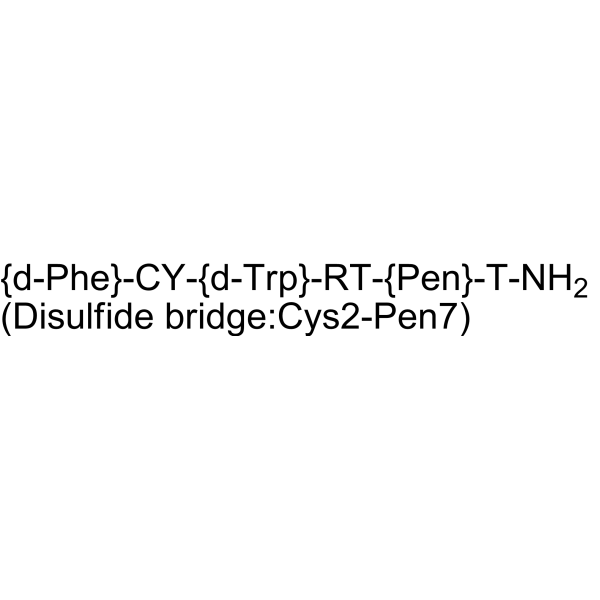
CTAP is a potent, highly selective, and BBB penetrant μ opioid receptor antagonist, with an IC50 of 3.5 nM. CTAP displays over 1200-fold selectivity over δ opioid (IC50=4500 nM) and somatostatin receptors. CTAP can be used for the study of L-DOPA-induced dyskinesia (LID) and opiate overdose or addiction .
|
-
-
- HY-14859
-
|
ADX48621
|
mGluR
|
Neurological Disease
|
|
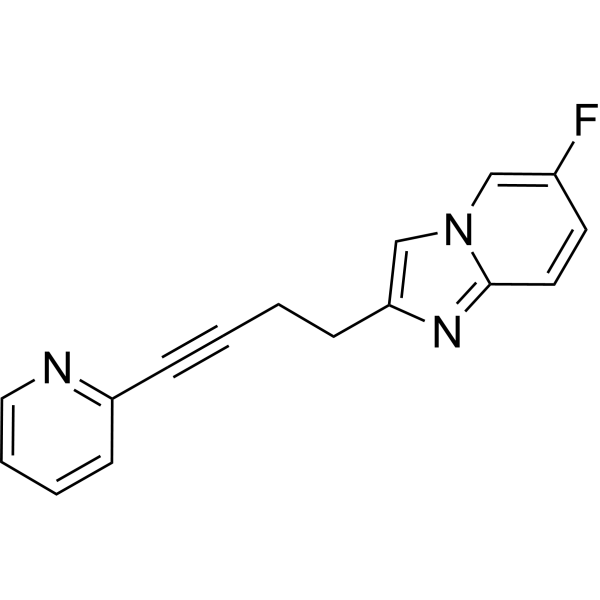
Dipraglurant (ADX48621) is a potent, selective, orally active and brain penetrant mGluR5 negative allosteric modulator (NAM), with an IC50 of 21 nM. Dipraglurant can reduce Levodopa-induced dyskinesia (LID) in vivo . Dipraglurant is a click chemistry reagent, it contains an Alkyne group and can undergo copper-catalyzed azide-alkyne cycloaddition (CuAAc) with molecules containing Azide groups.
|
-
-
- HY-14561A
-
|
RX 781094 hydrochloride
|
Adrenergic Receptor
Imidazoline Receptor
|
Neurological Disease
Endocrinology
|
|
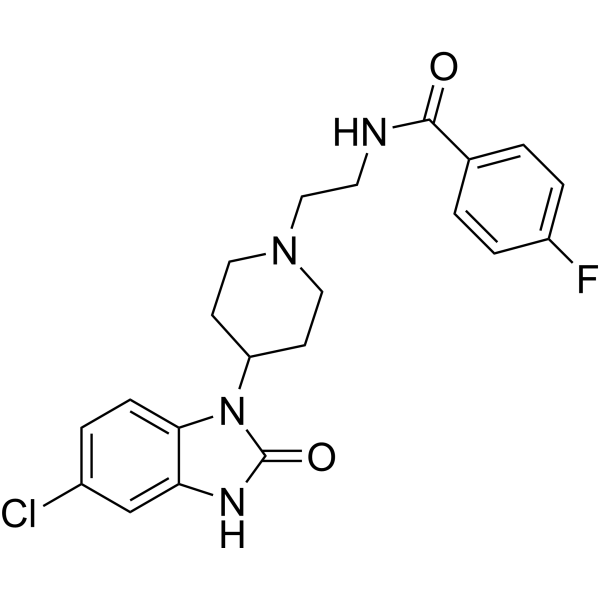
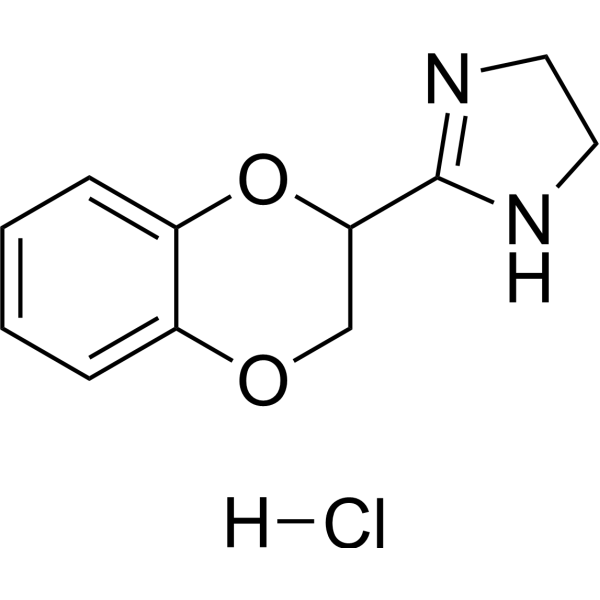
Idazoxan hydrochloride (RX 781094 hydrochloride) is an α2-adrenoceptor antagonist and is also a imidazoline receptors (IRs) antagonist competitively antagonized the centrally induced hypotensive effect of imidazoline-like agents (IMs). Idazoxan hydrochloride also improves motor symptoms in Parkinson’s disease, L-DOPA-induced dyskinesias, and experimental Parkinsonism .
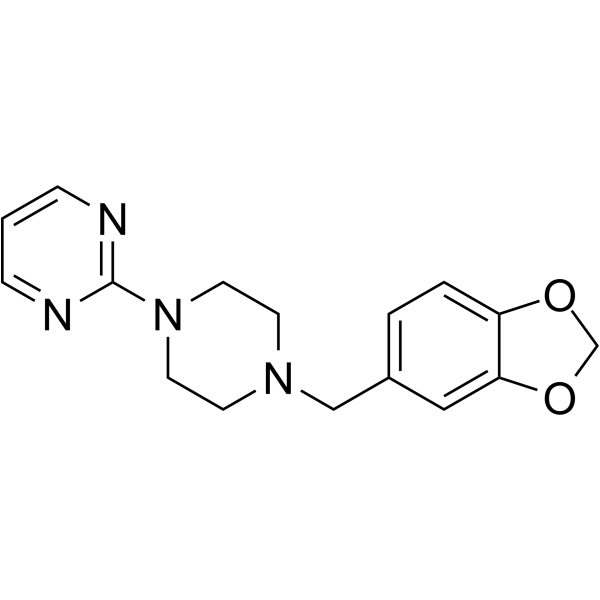
|
-
-
- HY-12707
-
-
-
- HY-B1752
-
|
LY 171555; (-)-LY 141865
|
Dopamine Receptor
Calcium Channel
Bcl-2 Family
iGluR
Apoptosis
|
Neurological Disease
|
|
Quinpirole (LY 171555; (-)-LY 141865) is a D2/D3 dopamine receptor agonist and a CaV1.3 calcium channel modulator. Quinpirole normalizes dendritic spine density in dopamine-depleted striatum, upregulates the protein expression of BCL2 and GluR2, downregulates the protein expression of BAX, and delays the onset of seizures. Quinpirole enhances learning and memory, inhibits neuronal apoptosis (apoptosis), and induces anxiety-like, stereotyped, and compulsive behaviors. Quinpirole disrupts prepulse inhibition in rhesus monkeys, enhances the activity of paraventricular thalamic neurons to promote recovery from Isoflurane anesthesia, and alters the composition of the gut microbiota in rats. Quinpirole can be used in research related to dyskinesia, pain, epilepsy, and neurological disorders including anxiety disorder, obsessive-compulsive disorder, and schizophrenia .
|
-
-
- HY-B1904
-
|
|
Dopamine Receptor
|
Neurological Disease
|
|
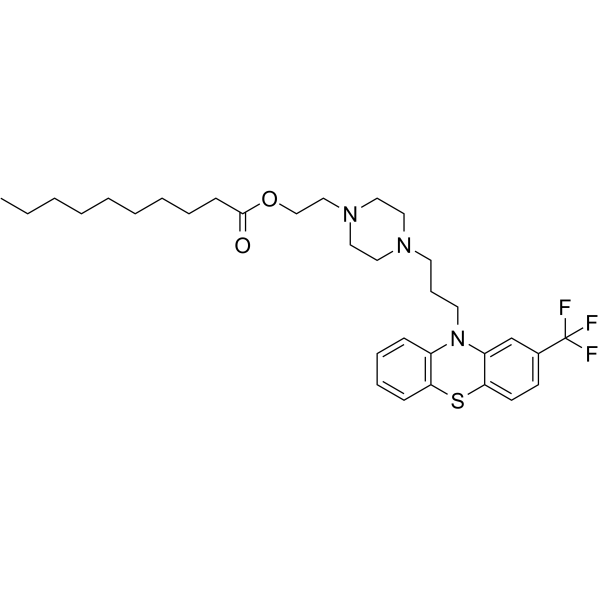
Fluphenazine decanoate is a CNS-penetrant dopamine D2 receptor inhibitor, is a long-acting phenothiazine neuroleptic. Fluphenazine can be used for schizophrenia research .
|
-
-
- HY-B1744R
-
|
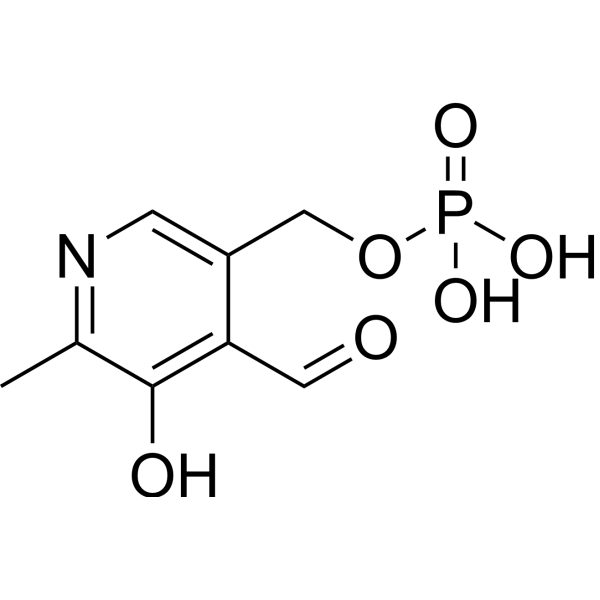
Pyridoxal 5′-phosphate (Standard); Pyridoxyl phosphate (Standard)
|
Reference Standards
Reverse Transcriptase
Endogenous Metabolite
|
Neurological Disease
|
|
Pyridoxal phosphate (Standard) is the analytical standard of Pyridoxal phosphate. This product is intended for research and analytical applications. Pyridoxal phosphate is the active form of vitamin B6, acts as an inhibitor of reverse transcriptases, and is used for the treatment of tardive dyskinesia.
|
-
-
- HY-100820
-
|
EMD 128130
|
5-HT Receptor
Dopamine Receptor
|
Neurological Disease
|
|
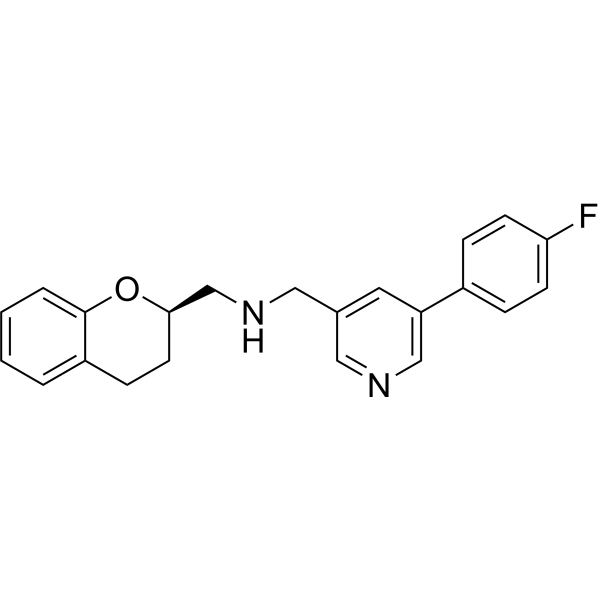
Sarizotan (EMD 128130) is an orally active serotonin 5-HT1A receptor and dopamine receptor agonist. Sarizotan (EMD 128130) exhibits IC50 values of 6.5 nM (rat 5-HT1A), 0.1 nM (human 5-HT1A), 15.1 nM (rat D2), 17 nM (human D2), 6.8 nM (human D3) and 2.4 nM (human D4.2), respectively .
|
-
-
- HY-119093
-
-
-
- HY-131678
-
|
PA-5HT
|
FAAH
|
Neurological Disease
|
|
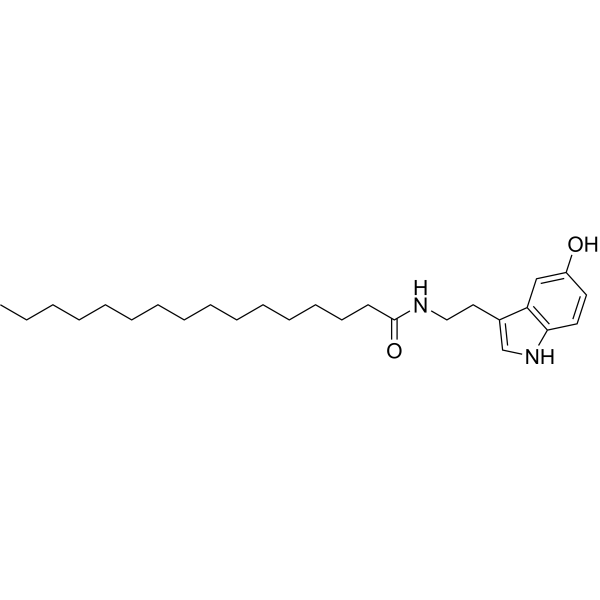
Palmitoyl serotonin is a hybrid molecule patterned after arachidonoyl serotonin, antagonist of FAAH. Palmitoyl serotonin inhibits L-3,4-dihydroxyphenylalanine (HY-N0304) induced abnormal involuntary movements. Palmitoyl serotonin has the potential for the research of parkinson's disease (PD) .
|
-
-
- HY-B0590A
-
|
Ro 1-9569 Racemate
|
Monoamine Transporter
Dopamine Receptor
|
Neurological Disease
|
|
Tetrabenazine (Ro 1-9569) Racemate is a brain-penetrant and orally active VMAT2-selective ligand with human VMAT2 Ki 100 nM. Tetrabenazine Racemate binds VMAT2 to block monoamine uptake into synaptic vesicles, potentiates cytoplasmic monoamine degradation. Tetrabenazine Racemate weakly blocks dopamine D2 receptors, and increases dopamine turnover via elevated cerebrospinal fluid homovanillic acid. Tetrabenazine Racemate can be used for the research of Huntington’s disease, tardive dyskinesia, and Tourette’s syndrome .
|
-
-
- HY-W152604
-
|
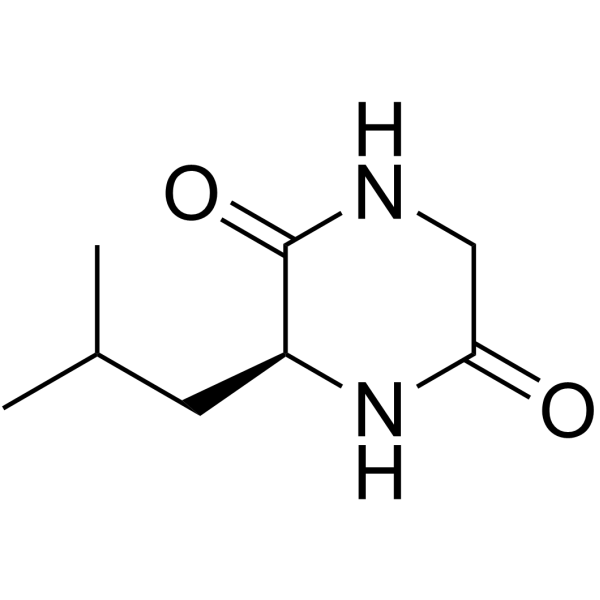
Cyclo(leu-gly)
|
Dopamine Receptor
|
Neurological Disease
|
|
Cyclo(glycyl-L-leucyl) (Cyclo(leu-gly)), a neuropeptide, down-regulates dopamine (DA) receptors and attenuates dopaminergic supersensitivity. Cyclo(glycyl-L-leucyl) inhibits the development of Morphine induced pain relief as well as dopamine receptor supersensitivity in rats. Cyclo(glycyl-L-leucyl) has the potential for the prevention of tardive and/or L-DOPA (HY-N0304)-induced dyskinesias .
|
-
-
- HY-P1335A
-
|
|
Opioid Receptor
|
Neurological Disease
|
|
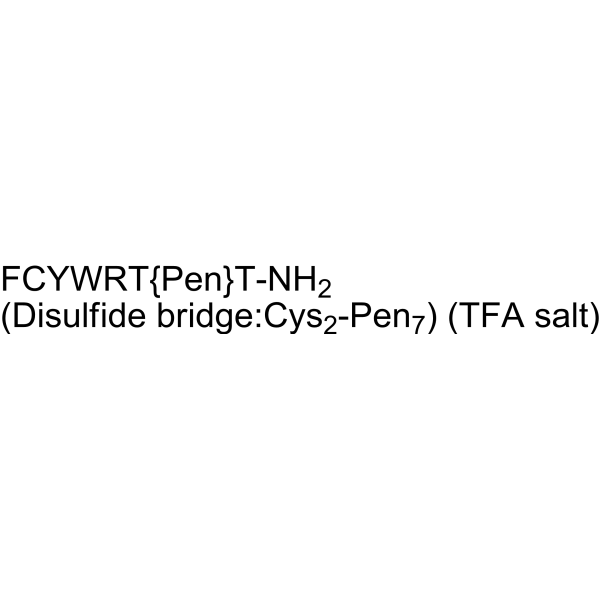
CTAP TFA is a potent, highly selective, and BBB penetrant μ opioid receptor antagonist, with an IC50 of 3.5 nM. CTAP TFA displays over 1200-fold selectivity over δ opioid (IC50=4500 nM) and somatostatin receptors. CTAP TFA can be used for the study of L-DOPA-induced dyskinesia (LID) and opiate overdose or addiction .
|
-
-
- HY-118956
-
|
ABT-431 hydrochloride; DAS-431 hydrochloride
|
Dopamine Receptor
|
Neurological Disease
|
|
Adrogolide hydrochloride (ABT-431 hydrochloride) is a chemically stable prodrug that can convert to the dopamine D1 receptor agonist A-86929. Adrogolide hydrochloride ameliorates the MPTP (HY-15608)-induced Parkinson's Disease in marmoset model, reduces the dyskinesias tendency. Adrogolide hydrochloride reverses Risperidone (HY-11018)-induced cognitive deficits in monkey .
|
-
-
- HY-B1744S
-
-
-
- HY-19199
-
-
-
- HY-B1904A
-
|
|
Dopamine Receptor
|
Neurological Disease
|
|
Fluphenazine decanoate dihydrochloride is a CNS-penetrant dopamine D2 receptor inhibitor, is a long-acting phenothiazine neuroleptic. Fluphenazine can be used for schizophrenia research .
|
-
-
- HY-118238
-
|
MRZ-8456
|
mGluR
|
Neurological Disease
|
|
Remeglurant (MRZ-8456) acts as a selective, orally active and allosteric antagonist of the mGlu5 receptor, with an IC50 of 13 nM. Remeglurant (MRZ-8456) can be used in the research for dyskinesia in Parkinson’s disease (PD) .
|
-
-
- HY-N11021
-
|
|
Others
|
Others
|
|
Feruloyl tyramine, an amide compound, can be isolated from ethanol extract of hemp seed. Feruloyl tyramine injected into the lateral ventricle caused hypothermia and dyskinesia in mice .
|
-
-
- HY-Y1089R
-
|
|
Biochemical Assay Reagents
Reference Standards
|
Others
|
|
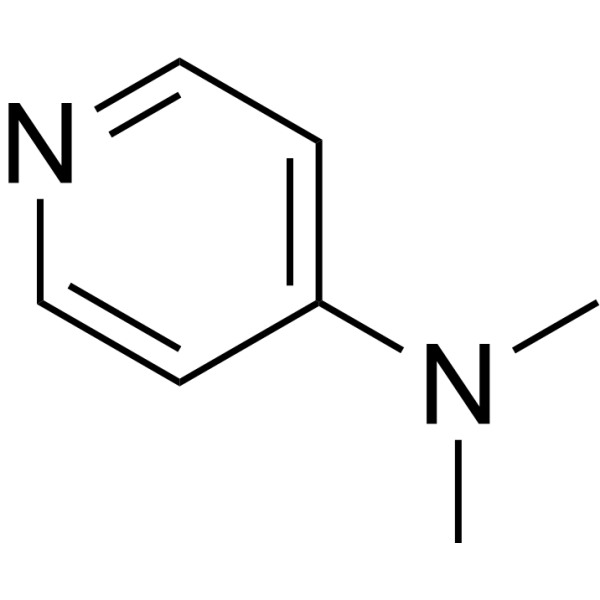
4-Dimethylaminopyridine (Standard) is the analytical standard of 4-Dimethylaminopyridine. This product is intended for research and analytical applications. 4-Dimethylaminopyridine is an acyl transfer catalyst. 4-Dimethylaminopyridine is used for labeling and analysis of glycoproteins on the surface of living cells. 4-Dimethylaminopyridine reduces dyskinesia attacks .
|
-
-
- HY-168857
-
|
|
GSK-3
Tau Protein
β-catenin
|
Neurological Disease
|
|
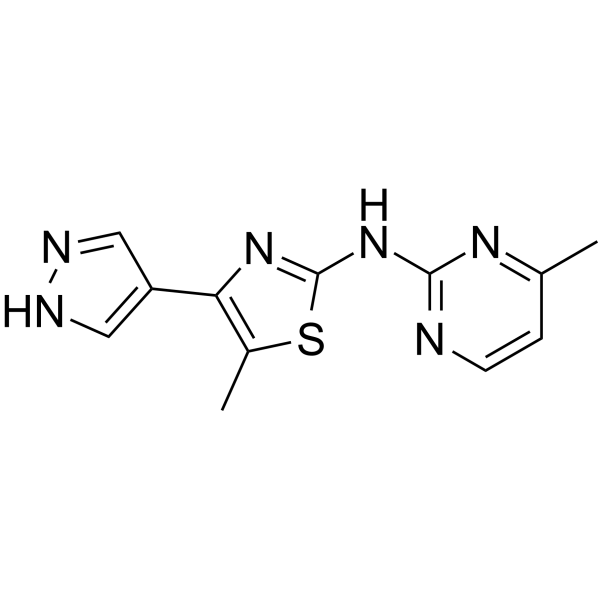
GSK-3β inhibitor 24 (Compound 41) is a potent GSK-3β inhibitor with an IC50 of 0.22 nM. GSK-3β inhibitor 24 increases GSK-3β phosphorylation at Ser9 site dose-dependently. GSK-3β inhibitor 24 inhibits the hyperphosphorylation of tau protein by decreasing the p-tau-Ser396 abundance. GSK-3β inhibitor 24 up-regulates β-catenin and neurogenesis-related markers (GAP43 and MAP-2). GSK-3β inhibitor 24 demonstrates remarkable anti-Alzheimer's disease (AD) effects .
|
-
-
- HY-118931
-
|
|
GABA Receptor
|
Neurological Disease
|
|
EF-1502 is a potent and selective GABA transporter inhibitor with GAT1 and BGT1 inhibitory activity. EF-1502 produces a synergistic anti-epileptic effect when used in combination with Tiagabine (HY-B0696), a compound used to suppress epileptic seizures. The dosing combination of EF-1502 exhibited reduced anti-epileptic efficacy and dyskinesia when used with THIP (HY-10232). The mechanism of EF-1502 differs significantly from Tiagabine, suggesting a unique role in the inhibitory strategy .
|
-
-
- HY-149542
-
|
|
Tau Protein
Apoptosis
GSK-3
|
Neurological Disease
|
|
GSK-3β inhibitor 15 (Compound 54) is a GSK-3β inhibitor (IC50: 3.4 nM). GSK-3β inhibitor 15 inhibits Aβ1-42-induced GSK-3β and tau protein phosphorylation. GSK-3β inhibitor 15 inhibits LPS-induced iNOS expression. GSK-3β inhibitor 15 has neuroprotective effects on Aβ1-42-induced neurotoxicity. GSK-3β inhibitor 15 can be used for research of Alzheimer’s disease (AD) .
|
-
-
- HY-175001
-
|
|
Dopamine Receptor
Arrestin
|
Neurological Disease
|
|
D1/D5 Receptor agonist-1 is a highly brain-penetrant and orally active D1/D5 receptor agonist. D1/D5 Receptor agonist-1 maintains considerable efficacy in the cAMP pathway and in β-arrestin recruitment, with EC50s of 3.7 nM (D1R cAMP), 91 nM (D1R β-arrestin), 129 nM (D1R internalization) and a Ki of 111 nM (D1R binding affinity). D1/D5 Receptor agonist-1 inhibits β-arrestin signaling in a rat with L-DOPA (HY-N0304) induced dyskinesias. D1/D5 Receptor agonist-1 can be used for the study of Parkinson’s disease .
|
-
-
- HY-153472
-
-
-
- HY-105034A
-
|
BMY 13859-1; MJ 13859-1
|
5-HT Receptor
|
Neurological Disease
|
|
Tiospirone (MJ 13859-1) hydrochloride is an orally active antipsychotic agent that reduces or eliminates tardive dyskinesia (TD) in Cebus apella monkeys with persistent TD .
|
-
-
- HY-15257R
-
|
AFQ056 (Standard)
|
mGluR
Reference Standards
|
Neurological Disease
|
|
Mavoglurant (Standard) is the analytical standard of Mavoglurant. This product is intended for research and analytical applications. Mavoglurant (AFQ056) is a potent, selective, non-competitive and orally active mGluR5 antagonist, with an IC50 of 30 nM. Mavoglurant shows a >300 fold selectivity for the mGluR5 over all targets (238) tested. Mavoglurant can be used for the research of Fragile X syndrome (FXS), and L-dopa induced dyskinesias in Parkinson's disease . Mavoglurant is a click chemistry reagent, it contains an Alkyne group and can undergo copper-catalyzed azide-alkyne cycloaddition (CuAAc) with molecules containing Azide groups.
|
-
-
- HY-16771B
-
|
NBI-98854 dihydrochloride
|
Dopamine Receptor
|
Neurological Disease
|
|
Valbenazine (NBI-98854) dihydrochloride is a VMAT2 inhibitor, used to treat tardive dyskinesia. Valbenazine dihydrochloride demonstrates potential benefit in alleviating symptoms associated with movement disorders resulting from chronic dopamine receptor blocking medications. Valbenazine dihydrochloride has been supported by evidence from preclinical models examining its role in the genetic factors linked to tardive dyskinesia.
|
-
-
- HY-109139A
-
|
NIR178 mesylate; PBF509 mesylate
|
Adenosine Receptor
|
Cancer
|
|
Taminadenant mesylate (NIR178 mesylate) is a potent adenosine A2A receptor antagonist with potential anti-tumor activity. Taminadenant mesylate can selectively bind and inhibit A2AR on T lymphocytes, thereby releasing adenosine/A2AR-mediated inhibition of T lymphocytes and activating T cell-mediated immune responses against tumor cells. Taminadenant mesylate works by reducing the proliferation of susceptible tumor cells. Taminadenant mesylate also showed effectiveness in reversing dyskinesias in Parkinson's disease models and was able to inhibit dyskinesias caused by L-DOPA .
|
-
-
- HY-121203A
-
|
|
Serotonin Transporter
|
Neurological Disease
|
|
Citalopram oxalate is a serotonin uptake inhibitor that serves as an antidepressant, effectively reducing ethanol uptake in alcoholics and offering a preferable option for depressed patients experiencing tardive dyskinesia compared to tricyclic antidepressants, which may worsen this condition.
|
-
-
- HY-116755
-
|
CR 605
|
Phosphodiesterase (PDE)
|
Neurological Disease
|
|
Tiropramide (CR 605) is a tyrosine derivative with antispastic properties. Tiropramide hydrochloride inhibits phosphodiesterase activity involved in cAMP catabolism in rabbit colon homogenates. Tiropramide relaxes smooth muscle in rabbit isolated colon. Tiropramide can be used for the research of irritable colon and biliary dyskinesia .
|
-
-
- HY-100820B
-
|
EMD 128130 dihydrochloride
|
5-HT Receptor
Dopamine Receptor
|
Neurological Disease
|
|
Sarizotan dihydrochloride (EMD 128130) is an orally active serotonin 5-HT1A receptor and dopamine receptor agonist. Sarizotan (EMD 128130) exhibits IC50 values of 6.5 nM (rat 5-HT1A), 0.1 nM (human 5-HT1A), 15.1 nM (rat D2), 17 nM (human D2), 6.8 nM (human D3) and 2.4 nM (human D4.2), respectively .
|
-
-
- HY-100820A
-
|
EMD 128130 hydrochloride
|
5-HT Receptor
Dopamine Receptor
|
Neurological Disease
|
|
Sarizotan hydrochloride is an orally active serotonin 5-HT1A receptor and dopamine receptor agonist. Sarizotan hydrochloride (EMD 128130) exhibits IC50 values of 6.5 nM (rat 5-HT1A), 0.1 nM (human 5-HT1A), 15.1 nM (rat D2), 17 nM (human D2), 6.8 nM (human D3) and 2.4 nM (human D4.2), respectively .
|
-
-
- HY-100820R
-
|
EMD 128130 (Standard)
|
Reference Standards
5-HT Receptor
Dopamine Receptor
|
Neurological Disease
|
|
Sarizotan (Standard) is the analytical standard of Sarizotan. This product is intended for research and analytical applications. Sarizotan (EMD 128130) is an orally active serotonin 5-HT1A receptor and dopamine receptor agonist. Sarizotan (EMD 128130) exhibits IC50 values of 6.5 nM (rat 5-HT1A), 0.1 nM (human 5-HT1A), 15.1 nM (rat D2), 17 nM (human D2), 6.8 nM (human D3) and 2.4 nM (human D4.2), respectively .
|
-
-
- HY-176420
-
|
|
mGluR
|
Neurological Disease
|
|
VU6031545 is a potent mGlu 5 negative allosteric modulator with an IC50 of 15 nM. VU6031545 has excellent brain penetrant and oral bioavailability in rats .
|
-
-
- HY-119093R
-
|
|
Phospholipase
Dopamine Receptor
|
Neurological Disease
Cancer
|
|
Halopemide (Standard) is the analytical standard of Halopemide. This product is intended for research and analytical applications. Halopemide is a potent phospholipase D (PLD) inhibitor, with IC50s of 220 and 310 nM for human PLD1 and PLD2, respectively. Halopemid is a dopamine receptors antagonist, and acts a psychotropic agent .
|
-
-
- HY-14561AR
-
|
RX 781094 hydrochloride (Standard)
|
Adrenergic Receptor
Imidazoline Receptor
Reference Standards
|
Neurological Disease
Endocrinology
|
|
Idazoxan (hydrochloride) (Standard) is the analytical standard of Idazoxan (hydrochloride). This product is intended for research and analytical applications. Idazoxan hydrochloride (RX 781094 hydrochloride) is an α2-adrenoceptor antagonist and is also a imidazoline receptors (IRs) antagonist competitively antagonized the centrally induced hypotensive effect of imidazoline-like agents (IMs). Idazoxan hydrochloride also improves motor symptoms in Parkinson’s disease, L-DOPA-induced dyskinesias, and experimental Parkinsonism .
|
-
-
- HY-W116433
-
|
|
Dopamine Receptor
|
Neurological Disease
|
|
SK609 is a selective dopamine D3 receptor agonist with activity that improves dopamine and norepinephrine levels in the cerebral cortex. SK609 has been successfully used to suppress dyskinesias in Parkinson's disease models and alleviated muscle twitches induced by L-dopa. SK609 improved performance in sustained attention tasks by significantly reducing misses and false alarms. SK609 may provide an inhibitory option for suppressing movement and cognitive impairment in patients with Parkinson's disease .
|
-
-
- HY-120206
-
-
-
- HY-120206B
-
|
BMS-204756 sulfate
|
Monoamine Oxidase
|
Neurological Disease
|
|
Brasofensine (BMS-204756) sulfate is an oral active dopamine transporter antagonist and can be used for parkinson’s disease research .
|
-
-
- HY-B0590E
-
|
Ro 1-9569 mesylate
|
Monoamine Transporter
Dopamine Receptor
|
Neurological Disease
|
|
Tetrabenazine (Ro 1-9569) mesylate is a brain-penetrant and orally active VMAT2-selective ligand with human VMAT2 Ki 100 nM. Tetrabenazine mesylate binds VMAT2 to block monoamine uptake into synaptic vesicles, potentiates cytoplasmic monoamine degradation. Tetrabenazine mesylate weakly blocks dopamine D2 receptors, and increases dopamine turnover via elevated cerebrospinal fluid homovanillic acid. Tetrabenazine mesylate can be used for the research of Huntington’s disease, tardive dyskinesia, and Tourette’s syndrome .
|
-
-
- HY-12707A
-
-
-
- HY-12707B
-
-
-
- HY-12707C
-
-
- HY-12707R
-
-
- HY-B0590R
-
|
Ro 1-9569 (Standard)
|
Reference Standards
Monoamine Transporter
Dopamine Receptor
|
Neurological Disease
|
|
Tetrabenazine (Standard) is the analytical standard of Tetrabenazine (HY-B0590). This product is intended for research and analytical applications. Tetrabenazine (Ro 1-9569) is a brain-penetrant and orally active VMAT2-selective ligand with human VMAT2 Ki 100 nM. Tetrabenazine binds VMAT2 to block monoamine uptake into synaptic vesicles, potentiates cytoplasmic monoamine degradation. Tetrabenazine weakly blocks dopamine D2 receptors, and increases dopamine turnover via elevated cerebrospinal fluid homovanillic acid. Tetrabenazine can be used for the research of Huntington’s disease, tardive dyskinesia, and Tourette’s syndrome .
|
-
- HY-B0590S3
-
|
TBZ-d7-d7; Ro 1-9569-d7
|
Isotope-Labeled Compounds
Monoamine Transporter
Dopamine Receptor
|
Neurological Disease
|
|
Tetrabenazine-d7 (TBZ-d7-d7) is deuterium labeled Tetrabenazine (HY-B0590). Tetrabenazine (Ro 1-9569) is a brain-penetrant and orally active VMAT2-selective ligand with human VMAT2 Ki 100 nM. Tetrabenazine binds VMAT2 to block monoamine uptake into synaptic vesicles, potentiates cytoplasmic monoamine degradation. Tetrabenazine weakly blocks dopamine D2 receptors, and increases dopamine turnover via elevated cerebrospinal fluid homovanillic acid. Tetrabenazine can be used for the research of Huntington’s disease, tardive dyskinesia, and Tourette’s syndrome .
|
-
- HY-B1904R
-
|
|
Reference Standards
Dopamine Receptor
|
Neurological Disease
|
|
Fluphenazine decanoate (Standard) is the analytical standard of Fluphenazine decanoate. This product is intended for research and analytical applications. Fluphenazine decanoate is a dopamine D2 receptor inhibitor, is a long-acting phenothiazine neuroleptic. Fluphenazine can be used for schizophrenia research .
|
-
- HY-167899
-
|
|
mGluR
|
Neurological Disease
|
|
PXT-012253 is a positron emission tomography (PET) ligand for mGluR4, as it binds to an allosteric site on mGluR4. PXT-012253 can be utilized in researches related to Parkinson's disease and levodopa-induced dyskinesia .
|
-
- HY-18654A
-
|
|
mGluR
|
Neurological Disease
|
|
ADX88178 TFA is an orally active, blood-brain barrier-penetrant, selective positive allosteric modulator of mGluR4, with an EC50 of 3.5 nM against hmGluR4. ADX88178 TFA modulates mGlu4 activity, enhances glutamate-mediated receptor activation, and increases the apparent affinity of glutamate for the receptor. ADX88178 TFA reverses haloperidol-induced catalepsy, potentiates the effects of levodopa (L-DOPA) and quinpirole, but fails to alleviate established abnormal involuntary movements, does not exacerbate L-DOPA-induced dyskinesia, and does not affect forelimb akinesia when administered alone. ADX88178 TFA can be used in research related to L-DOPA-induced dyskinesia and Parkinson's disease .
|
-
- HY-101008
-
-
- HY-43934
-
|
CR 605 hydrochloride
|
Phosphodiesterase (PDE)
|
Neurological Disease
|
|
Tiropramide (CR 605) hydrochloride is a tyrosine derivative with antispastic properties. Tiropramide hydrochloride inhibits phosphodiesterase activity involved in cAMP catabolism in rabbit colon homogenates. Tiropramide hydrochloride relaxes smooth muscle in rabbit isolated colon. Tiropramide hydrochloride can be used for the research of irritable colon and biliary dyskinesia .
|
-
- HY-120206A
-
|
BMS-204756 maleate
|
Monoamine Oxidase
|
Neurological Disease
|
|
Brasofensine maleate(BMS-204756) sulfate is an oral active dopamine transporter antagonist and can be used for parkinson’s disease research .
|
-
- HY-108942
-
|
|
Adenosine Receptor
|
Cardiovascular Disease
Neurological Disease
|
|
ASP5854 is an orally active, blood-brain barrier permeable adenosine A1/A2a dual receptor antagonist. ASP5854 blocks receptor activity and agonist-induced intracellular calcium elevation, and exhibits the characteristic of slow dissociation from striatal A2a receptors in primates. ASP5854 reverses catalepsy, enhances cognitive ability, improves motor function and exerts neuroprotective effects, while also alleviating dyskinesia and increasing contralateral turning behavior. ASP5854 is mainly used in studies related to ischemic stroke and Parkinson's disease .
|
-
- HY-182638
-
|
|
Phosphodiesterase (PDE)
mAChR
Potassium Channel
|
Neurological Disease
|
|
CPL500036 is an orally active, blood-brain barrier permeable phosphodiesterase 10A (PDE10A) inhibitor with IC50 values of 1 nM (Reference 1) and 35 nM (Reference 2). CPL500036 acts as a negative allosteric modulator of the M2 muscarinic receptor with an IC50 of 9.2 μM. CPL500036 alters cyclic nucleotide levels in basal ganglia circuits, inhibits the hydrolysis of cAMP and cGMP, and suppresses hERG potassium channel tail currents. CPL500036 induces catalepsy in rats and reverses injury-induced contralateral forelimb use impairment. CPL500036 can be used in research related to schizophrenia, Parkinson's disease, and levodopa-induced dyskinesia .
|
-
- HY-182011
-
|
|
GPR6
|
Neurological Disease
|
|
GPR6 inverse agonist 2 (Compound 575) is a selective GPR6 inverse agonist, with IC50 values of < 0.1 μM and 1~30 μM against GPR6 and GPR3, respectively. GPR6 inverse agonist 2 exhibits preliminary cardiac safety, with an IC50 of 21.71 μM for hERG. GPR6 inverse agonist 2 can be used in the research of movement disorders such as Parkinson's disease .
|
-
- HY-181049
-
|
|
Dopamine Receptor
|
Neurological Disease
|
|
FMJ-01-054 is a selective dopamine D4 Receptor (D4R) antagonist with a Ki od 77.7 nM. FMJ-01-054 shows subtype selectivity over D2R and D3R. FMJ-01-054 inhibits D4R-mediated β-arrestin recruitment and cAMP production with IC50 values of 3800 nM and 134 nM, respectively. FMJ-01-054 has desirable plasma half-life and brain exposure in rats. FMJ-01-054 can be used for the research of neurological disorders .
|
-
| Cat. No. |
Product Name |
Type |
-
- HY-Y1089
-
|
|
Biochemical Assay Reagents
|
|
4-Dimethylaminopyridine is an acyl transfer catalyst. 4-Dimethylaminopyridine is used for labeling and analysis of glycoproteins on the surface of living cells. 4-Dimethylaminopyridine reduces dyskinesia attacks .
|
-
- HY-Y1089R
-
|
|
Biochemical Assay Reagents
|
|
4-Dimethylaminopyridine (Standard) is the analytical standard of 4-Dimethylaminopyridine. This product is intended for research and analytical applications. 4-Dimethylaminopyridine is an acyl transfer catalyst. 4-Dimethylaminopyridine is used for labeling and analysis of glycoproteins on the surface of living cells. 4-Dimethylaminopyridine reduces dyskinesia attacks .
|
| Cat. No. |
Product Name |
Target |
Research Area |
-
- HY-P1335
-
CTAP
2 Publications Verification
|
Opioid Receptor
|
Neurological Disease
|
|
CTAP is a potent, highly selective, and BBB penetrant μ opioid receptor antagonist, with an IC50 of 3.5 nM. CTAP displays over 1200-fold selectivity over δ opioid (IC50=4500 nM) and somatostatin receptors. CTAP can be used for the study of L-DOPA-induced dyskinesia (LID) and opiate overdose or addiction .
|
-
- HY-W152604
-
|
Cyclo(leu-gly)
|
Dopamine Receptor
|
Neurological Disease
|
|
Cyclo(glycyl-L-leucyl) (Cyclo(leu-gly)), a neuropeptide, down-regulates dopamine (DA) receptors and attenuates dopaminergic supersensitivity. Cyclo(glycyl-L-leucyl) inhibits the development of Morphine induced pain relief as well as dopamine receptor supersensitivity in rats. Cyclo(glycyl-L-leucyl) has the potential for the prevention of tardive and/or L-DOPA (HY-N0304)-induced dyskinesias .
|
-
- HY-P1335A
-
|
|
Opioid Receptor
|
Neurological Disease
|
|
CTAP TFA is a potent, highly selective, and BBB penetrant μ opioid receptor antagonist, with an IC50 of 3.5 nM. CTAP TFA displays over 1200-fold selectivity over δ opioid (IC50=4500 nM) and somatostatin receptors. CTAP TFA can be used for the study of L-DOPA-induced dyskinesia (LID) and opiate overdose or addiction .
|
| Cat. No. |
Product Name |
Category |
Target |
Chemical Structure |
| Cat. No. |
Product Name |
Chemical Structure |
-
- HY-B0590S
-
|
|
|
Tetrabenazine-d6 (Deutetrabenazine) is a deuterium-labled Tetrabenazine (HY-B0590). Tetrabenazine (Ro 1-9569) is a brain-penetrant and orally active VMAT2-selective ligand with human VMAT2 Ki 100 nM. Tetrabenazine binds VMAT2 to block monoamine uptake into synaptic vesicles, potentiates cytoplasmic monoamine degradation. Tetrabenazine weakly blocks dopamine D2 receptors, and increases dopamine turnover via elevated cerebrospinal fluid homovanillic acid. Tetrabenazine can be used for the research of Huntington’s disease, tardive dyskinesia, and Tourette’s syndrome .
|
-
-
- HY-B1744S
-
|
|
|
Pyridoxal phosphate-d5 is the deuterium labeled Pyridoxal phosphate. Pyridoxal phosphate is the active form of vitamin B6, acts as an inhibitor of reverse transcriptases, and is used for the treatment of tardive dyskinesia .
|
-
-
- HY-B0590S3
-
|
|
|
Tetrabenazine-d7 (TBZ-d7-d7) is deuterium labeled Tetrabenazine (HY-B0590). Tetrabenazine (Ro 1-9569) is a brain-penetrant and orally active VMAT2-selective ligand with human VMAT2 Ki 100 nM. Tetrabenazine binds VMAT2 to block monoamine uptake into synaptic vesicles, potentiates cytoplasmic monoamine degradation. Tetrabenazine weakly blocks dopamine D2 receptors, and increases dopamine turnover via elevated cerebrospinal fluid homovanillic acid. Tetrabenazine can be used for the research of Huntington’s disease, tardive dyskinesia, and Tourette’s syndrome .
|
-
Your information is safe with us. * Required Fields.
Inquiry Information
- Product Name:
- Cat. No.:
- Quantity:
- MCE Japan Authorized Agent:

