1. Search Result
Search Result
Pathways Recommended: Stem Cell/Wnt Cell Cycle/DNA Damage
Results for "

glioma tumor cells

" in MedChemExpress (MCE) Product Catalog:

46

Inhibitors & Agonists

1

Biochemical Assay Reagents

9

Peptides

2

Inhibitory Antibodies

7

Natural
Products

1

Isotope-Labeled Compounds

1

Oligonucleotides

Cat. No. Product Name Target Research Areas Chemical Structure
  • HY-B0754A
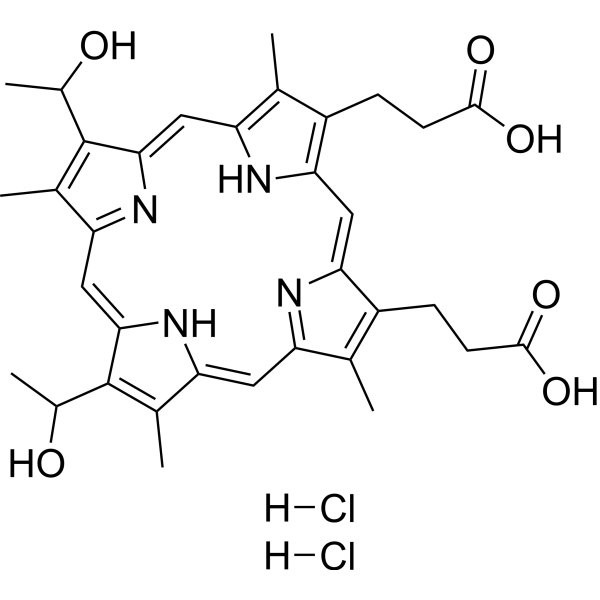
    Hematoporphyrin dihydrochloride
    10+ Cited Publications

    Hematoporphyrin IX dihydrochloride

    Apoptosis Endogenous Metabolite Cancer
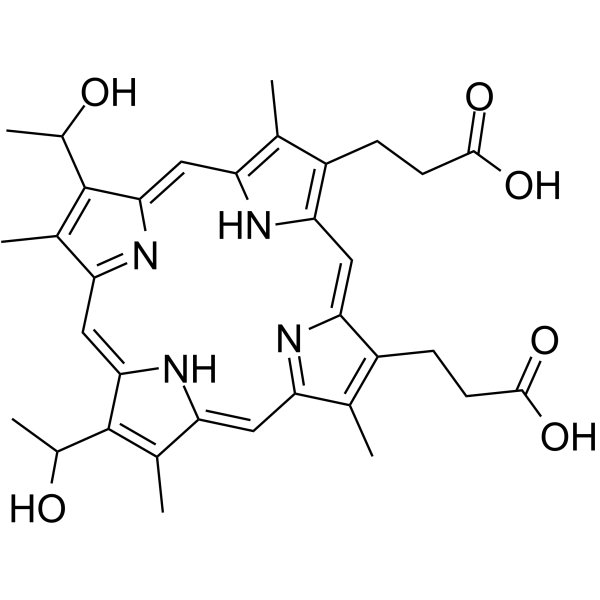
    Hematoporphyrin dihydrochloride (Hematoporphyrin IX dihydrochloride), a photosensitizer, is a substrate for affinity chromatography of heme-binding proteins. Hematoporphyrin dihydrochloride can induce apoptosis in U87 glioma cells and decrease tumor growth in vivo when exposed to red light .
    Hematoporphyrin dihydrochloride
  • HY-101374A

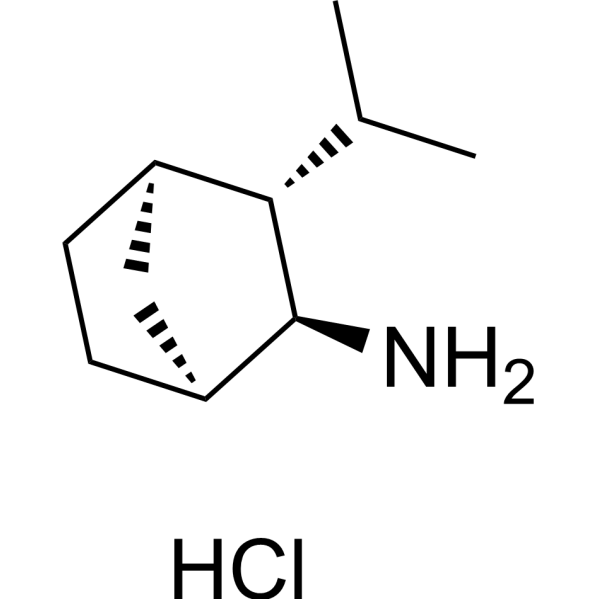
    (+)-BRD4780

    Imidazoline Receptor Caspase Mitochondrial Metabolism Lactate Dehydrogenase Cardiovascular Disease Neurological Disease Cancer
    AGN 192403 (BRD4780) hydrochloride is a potent and selective imidazoline-1 receptor antagonist with a Ki value of 42 nM. AGN 192403 hydrochloride is also a TMED9 inhibitor. AGN 192403 hydrochloride shows protective effects on oxidative cytotoxicity and mitochondrial inhibitor-induced cytotoxicity in astrocytes. AGN 192403 hydrochloride mitigates the proliferation and migration of differentiated glioma tumor cells. AGN 192403 hydrochloride can be used for glioma tumor and neurological diseases research .
    AGN 192403 hydrochloride
  • HY-N7255
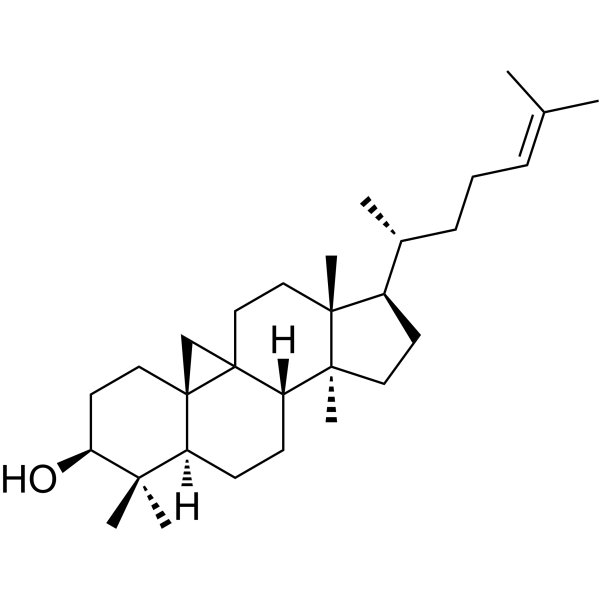
    Cycloartenol
    2 Publications Verification

    p38 MAPK Apoptosis Cancer
    Cycloartenol, a phytosterol compound, is one of the key precusor substances for biosynthesis of numerous sterol compounds. Cycloartenol inhibits the migration of glioma cells and suppresses the phosphorylation of the p38 MAP kinase. Cycloartenol has a variety of pharmacological activities such as anti-inflammatory, anti-tumor, antioxidant, antibiosis and anti-alzheimer's disease. Cycloartenol also plays an important role in the process of plant growth and development .
    Cycloartenol
  • HY-13241A
    Ralimetinib
    10+ Cited Publications

    LY2228820

    p38 MAPK Autophagy Cancer
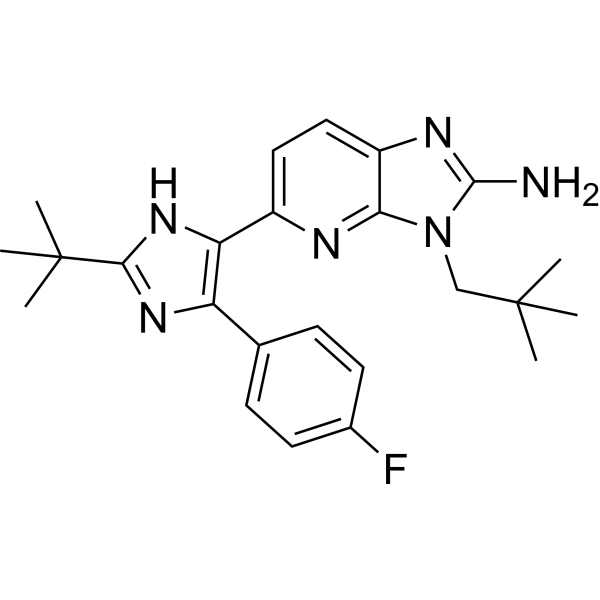
    Ralimetinib is an ATP-competitive p38α and p38β MAPK inhibitor with an IC50 of 5.3 nmol/L against human p38α and an IC50 of 3.2 nmol/L against human p38β. Ralimetinib slows tumor growth in preclinical in vivo cancer models, exhibits oral bioavailability in mice, and achieves sustained target inhibition for 4 to 8 h. Ralimetinib is applicable for research on melanoma, non-small cell lung cancer, ovarian cancer, glioma, multiple myeloma, breast cancer, renal cancer, and head and neck squamous cell carcinoma .
    Ralimetinib
  • HY-W021040

    CGA-173506

    Environmental Pollutants Fungal Apoptosis Infection Cancer
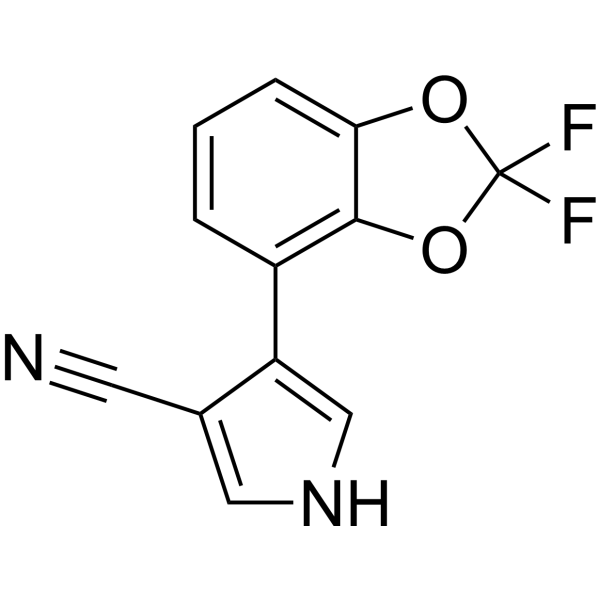
    Fludioxonil (CGA-173506) is a phenylpyrrole-type fungicide with oral activity that can inhibit the growth of S. sclerotiorum. Fludioxonil promotes tumor growth and metastasis, and induces cardiac toxicity. Fludioxonil causes cytoskeletal disruption, DNA damage, and apoptosis in mouse glioma cells .
    Fludioxonil
  • HY-105155

    RMP 7

    Bradykinin Receptor Cancer
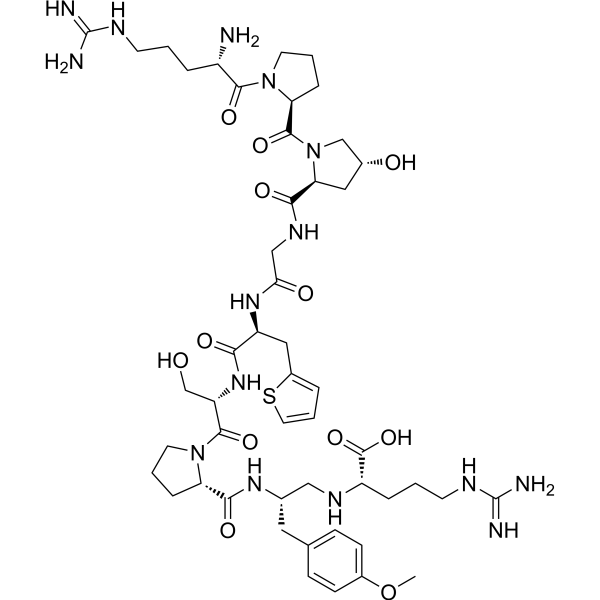
    Lobradimil (RMP 7), a synthetic bradykinin analog, is a potent and selective bradykinin B2 receptor agonist (Ki: 0.54 nM). Lobradimil increases the permeability of the BBB. Lobradimil can be used in the research of brain tumors .
    Lobradimil
  • HY-B0327
    Irsogladine
    3 Publications Verification

    Dicloguamine

    Phosphodiesterase (PDE) NF-κB AP-1 TRP Channel Interleukin Related Inflammation/Immunology Cancer
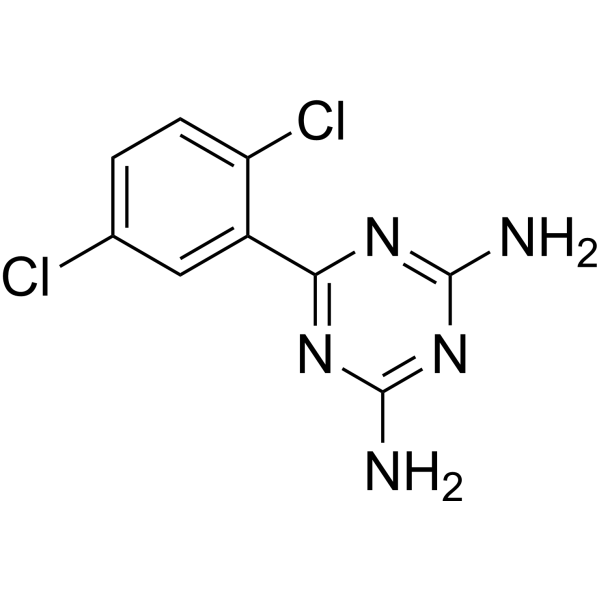
    Irsogladine (Dicloguamine) is an orally active gastric mucosal protective agent. Irsogladine inhibits breast cancer recurrence and lung metastasis in nude mice . Irsogladine inhibits the transcriptional activities of NF-κB and AP-1, suppresses the activities of PDE and PDE4 to elevate intracellular cAMP levels, and activates TRPV1 and KATP channels. Irsogladine enhances iNOS expression, NO production, and the activation of cAMP-responsive elements. Irsogladine inhibits the development and progression of intestinal polyps in Apc-mutant mice. Irsogladine alleviates oxidative stress, increases gastric mucosal blood flow, and stimulates the production of endogenous prostaglandins. Irsogladine promotes insulin secretion in MIN6 cells. Irsogladine inhibits tumor angiogenesis, cancer cell proliferation, and the production of proinflammatory cytokines. Irsogladine exerts protective effects on astrocytes in ethanol/hydrochloric acid-induced gastric ulcers in mice. Irsogladine prevents colitis in IL-10 gene-deficient mice by reducing the production of IL-12 and IL-23. Irsogladine upregulates gap junction intercellular communication in pancreatic cancer cells via the PKA pathway. Irsogladine is applicable to research related to breast cancer, intestinal polyposis, gastric ulcer, spontaneous colitis, glioma, liver cancer, and pancreatic cancer [5][6] .
    Irsogladine
  • HY-P11287A

    Interleukin Related Radionuclide-Drug Conjugates (RDCs) Cancer
    DOTA-Pep-1L TFA is a polypeptide formed by the conjugation of DOTA and Pep-1L. DOTA-Pep-1L TFA specifically binds to IL13RA2 and can be used for the synthesis of targeted polypeptides. DOTA-Pep-1L TFA yields the isotopically labeled product [ 225Ac]DOTA-Pep-1L, which exerts α-radiation killing effects on orthotopic glioma cells and extends the median survival time of mice bearing orthotopic glioma models after stereotactic injection. DOTA-Pep-1L TFA can be used for PET imaging, tumor targeting and glioma research .
    DOTA-Pep-1L TFA
  • HY-B0754

    Hematoporphyrin IX

    Apoptosis Endogenous Metabolite Cancer
    Hematoporphyrin (Hematoporphyrin IX), a photosensitizer, is a substrate for affinity chromatography of heme-binding proteins. Hematoporphyrin can induce apoptosis in U87 glioma cells and decrease tumor growth in vivo when exposed to red light .
    Hematoporphyrin
  • HY-N2038

    Phosphodiesterase (PDE) Neurological Disease Cancer
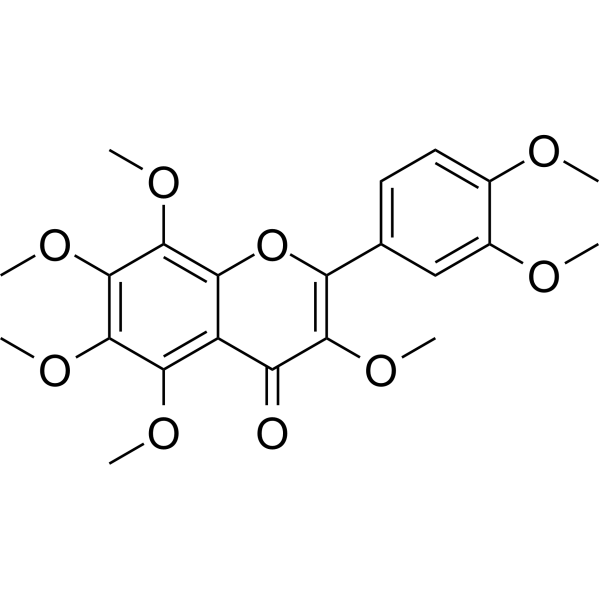
    3,5,6,7,8,3',4'-Heptemthoxyflavone, a flavonoid from satsuma peel, is an orally available CREB activator with anti-tumor and anti-neuroinflammatory activity. 3,5,6,7,8,3',4'-Heptemthoxyflavone inhibits collagenase activity and increases the content of type I procollagen in human dermal fibroblast neoblast (HDFn) cells. 3,5,6,7,8,3',4'-Heptemthoxyflavone induces brain-derived neurotrophic factor (BDNF) expression through the cAMP/ERK/CREB signaling pathway and reduces phosphodiesterase activity in C6 glioma .
    3,​5,​6,​7,​8,​3',​4'-​Heptemthoxyflavone
  • HY-160972

    LXR Neurological Disease Cancer
    MM0299 is a selective lanosterol synthase (LSS) inhibitor with an IC50 value of 2.22 μM. MM0299 depletes intracellular cholesterol and acts as a growth inhibitor for glioma stem-like cells. MM0299 exhibits anti-glioblastoma activity. MM0299 is applicable to research related to glioblastoma .
    MM0299
  • HY-P11303

    CD74 MHC Neurological Disease Cancer
    PADRE peptide is a pan-HLA-DR binding epitope and immunostimulant. PADRE peptide binds to the peptide-binding groove of MHC class II molecules for presentation to CD4 + T cells, thereby effectively stimulating specific immune responses. PADRE peptide not only enhances anti-tumor immune responses, inhibits tumor growth and prolongs survival; it also significantly increases the frequency of E7-specific CD8 + T cells and improves therapeutic efficacy against TC-1 tumors when used in combination with E7 peptide-based vaccines and poly (I:C). The intensity of the immune response induced by PADRE peptide is lower than that of the Ii-PADRE DNA vaccine, and it fails to enhance the immune effect of CRT-E7 DNA. PADRE peptide is widely applicable to research on related tumors such as melanoma, glioblastoma and cervical cancer .
    PADRE peptide
  • HY-P1848
    Pep-1 (uncapped)
    2 Publications Verification

    Interleukin Related Cancer
    Pep-1 (uncapped) is a specific ligand of IL-13Ra2. Pep-1 (uncapped) exerts cell penetrating activity through receptor-mediated endocytosis, can cross the blood-tumor barrier (BTB) and target glioma cells. Pep-1 (uncapped) can enhance the uptake of nanoparticles by tumor cells and enhance the cell penetration ability of nanoparticles, and can be used to develop targeted drug delivery systems for glioma .
    Pep-1 (uncapped)
  • HY-150082

    CDK DNA/RNA Synthesis Cancer
    CP681301 is a potent CDK5 inhibitor. CP681301 shows antiproliferative activity. CP681301 decreases the expression of CD133, OLIG2, SOX2, KI67, pCDK5 protein level in GSCs (Glioma stem cells). CP681301 reduces self-renewal in mouse glioma xenografts. CP681301 shows anti-tumor activity in Drosophila .
    CP681301
  • HY-P1380A

    Apoptosis Bcl-2 Family Caspase Cancer
    Difopein TFA is a 14-3-3 protein inhibitor. Difopein TFA acts as an apoptosis inducer, regulates apoptosis-related proteins, downregulates Bcl-2, upregulates Bax, activates caspase-9 and caspase-3, and induces nuclear fragmentation, membrane-enclosed apoptotic bodies and DNA ladder formation. Difopein TFA serves as a tumor growth inhibitor, which inhibits the proliferation of glioma cells and induces their apoptosis in in vivo nude mouse models. Difopein TFA is applicable to glioma-related research .
    Difopein TFA
  • HY-170935

    SRPK PARP Caspase Apoptosis Autophagy Cancer
    SRSF1-IN-1 is a SRSF1 inhibitor. SRSF1-IN-1 inhibits SRSF1 expression, thereby modulating the splicing of Bcl-x pre-mRNA. SRSF1-IN-1 inhibits the proliferation of various cancer cells. SRSF1-IN-1 induces apoptosis in gastric cancer cells, reduces Bcl-xl expression, and upregulates cleaved PARP and caspase 3. SRSF1-IN-1 induces autophagy and promotes cell death. SRSF1-IN-1 exhibits anti-tumor activity in a mouse gastric cancer xenograft model. SRSF1-IN-1 can be used for the research of various cancers including liver cancer, gastric cancer, breast cancer, colon cancer, glioma, and melanoma .
    SRSF1-IN-1
  • HY-144707

    Apoptosis VEGFR MMP PTEN Cancer
    AK-778-XXMU is a potent DNA binding inhibitor 2 (ID2) antagonist with a KD of 129 nM. AK-778-XXMU can inhibit cell migration and invasion of glioma cell lines, induce apoptosis, and exhibits significant cancer-suppressing potency. AK-778-XXMU inhibits the ID2-KDR signaling axis, thereby down-regulating the downstream angiogenic factors (VEGFA) and invasion-related proteins (MMP2/9), and up-regulating the tumor suppressor factor (PTEN). AK-778-XXMU can be used for the study of glioma .
    AK-778-XXMU
  • HY-172699

    Liposome LDLR Cancer
    DSPE-PEG2000-ANG is a conjugate of DSPE-PEG2000-MAL and Angiopep-2. Angiopep-2 is a peptide ligand that targets LRP-1. DSPE-PEG2000-ANG is used to synthesize gadolinium-boron bifunctionalized lipid nanoparticles BPA-F&DOTA-Gd@LIPO-ANG with blood-brain barrier and glioma targeting properties .
    DSPE-PEG2000-ANG
  • HY-P10323

    Tumstatin (74-98), human

    Integrin FAK mTOR Apoptosis Cancer
    T7 Peptide is a protein synthesis inhibitor and anti-angiogenic agent, with a Kd of 10 nM for human transferrin receptor. T7 Peptide inhibits the phosphorylation of focal adhesion kinase, the activation of phosphatidylinositol 3-kinase and Akt, the kinase activity of mTOR, as well as the phosphorylation of 4E-BP1 in endothelial cells. T7 Peptide induces G0/G1 cell cycle arrest, apoptosis and protective autophagy in hepatocellular carcinoma cells, and suppresses tumor growth in mouse models. T7 Peptide is applicable to research related to cancer, glioblastoma, hepatocellular carcinoma and glioma .
    T7 Peptide
  • HY-P10323A

    Tumstatin (74-98), human TFA

    Integrin FAK mTOR Apoptosis Cancer
    T7 Peptide TFA is a protein synthesis inhibitor and anti-angiogenic agent, with a Kd of 10 nM for human transferrin receptor. T7 Peptide TFA inhibits the phosphorylation of focal adhesion kinase, the activation of phosphatidylinositol 3-kinase and Akt, the kinase activity of mTOR, as well as the phosphorylation of 4E-BP1 in endothelial cells. T7 Peptide TFA induces G0/G1 cell cycle arrest, apoptosis and protective autophagy in hepatocellular carcinoma cells, and suppresses tumor growth in mouse models. T7 Peptide TFA is applicable to research related to cancer, glioblastoma, hepatocellular carcinoma and glioma .
    T7 Peptide TFA
  • HY-P11287

    Interleukin Related Radionuclide-Drug Conjugates (RDCs) Cancer
    DOTA-Pep-1L is a polypeptide formed by the conjugation of DOTA and Pep-1L. DOTA-Pep-1L specifically binds to IL13RA2 and can be used for the synthesis of targeted polypeptides. DOTA-Pep-1L yields the isotopically labeled product [ 225Ac]DOTA-Pep-1L, which exerts α-radiation killing effects on orthotopic glioma cells and extends the median survival time of mice bearing orthotopic glioma models after stereotactic injection. DOTA-Pep-1L can be used for PET imaging, tumor targeting and glioma research .
    DOTA-Pep-1L
  • HY-176508

    Casein Kinase Cancer
    KDX1381 is a bivalent CK2α inhibitor (IC50: 17 nM, KD: 54 nM). KDX1381 has antitumor activity in mouse 786-O and A375 tumor xenograft models. KDX1381 combined with VEGFR inhibitors or DNA damaging agents enhances antitumor efficacy in mouse hepatocellular carcinoma and glioma models .
    KDX1381
  • HY-101374

    (+)-BRD4780 free base

    Imidazoline Receptor Mitochondrial Metabolism Caspase Lactate Dehydrogenase Cardiovascular Disease Neurological Disease Cancer
    AGN 192403 (BRD4780) is a potent and selective imidazoline-1 receptor antagonist with a Ki value of 42 nM. AGN 192403 is also a TMED9 inhibitor. AGN 192403 shows protective effects on oxidative cytotoxicity and mitochondrial inhibitor-induced cytotoxicity in astrocytes. AGN 192403 mitigates the proliferation and migration of differentiated glioma tumor cells. AGN 192403 can be used for glioma tumor and neurological diseases research .
    AGN 192403
  • HY-164401

    DNA Alkylator/Crosslinker Apoptosis Cancer
    QBS10072S is a LAT1-selective substrate with blood-brain barrier permeability that inhibits tumor growth. QBS10072S enters LAT1-expressing tumor cells via LAT1-mediated active transport, induces interstrand DNA cross-linking and cell apoptosis, and reduces leptomeningeal dissemination. QBS10072S can be used in studies related to glioblastoma multiforme, diffuse intrinsic pontine glioma, triple-negative breast cancer brain metastases, and aggressive T-cell lymphoma .
    QBS10072S
  • HY-12768B

    BLZ945 dihydrochloride

    c-Fms Neurological Disease Cancer
    Sotuletinib (BLZ945) dihydrochloride is a potent, selective, orally active and brain-penetrant CSF-1R (c-Fms) inhibitor with an IC50 of 1 nM, showing more than 1,000-fold selectivity against its closest receptor tyrosine kinase homologs. Sotuletinib dihydrochloride can be used for microglia depletion, and for tumor and CNS-related disease research .
    Sotuletinib dihydrochloride
  • HY-175010

    STAT Apoptosis Bcl-2 Family Caspase Cancer
    STAT3-IN-44 is a potent STAT3 inhibitor with IC50s of 1.84 (C6 cells) and 4.81 μM (A549 cells). STAT3-IN-44 inhibits STAT3 phosphorylation, downregulates Bcl-2, and upregulates Caspase-3 to promote late-stage apoptosis. STAT3-IN-44 significantly suppresses tumor cell proliferation and migration. STAT3-IN-44 can be used for the study of cancers such as glioma and lung cancer .
    STAT3-IN-44
  • HY-175291

    MMP Cadherin Cancer
    Cystatin B agonist 1 is an orally active MMP-2/9 inhibitor. Cystatin B agonist 1 exhibits inhibitory effects with IC50 values of 3.95 and 3.43 μM against U87 and T98G cells, respectively. Cystatin B agonist 1 induces the cell-cycle arrest at S phase, inhibits angiogenesis, and suppresses migration and invasion of MG cells. Cystatin B agonist 1 inhibits tumor growth in U87 MG xenograft model. Cystatin B agonist 1 can be used for the study of malignant glioma (MG) .
    Cystatin B agonist 1
  • HY-P991419

    VEGFR Cancer
    MSB-0254 is a human monoclonal antibody (mAb) targeting VEGFR2/KDR/CD309. MSB-0254 inhibits the invasion, migration, and vascular mimetic (VM) formation of U251 and primary glioma cells. MSB-0254 inhibits the growth of U251 and GL261 cell transplanted tumors. MSB-0254 reduces the expression of CD34, VEGFR2, Ki67, MMP2, MMP9, and CD34/PAS. MSB-0254 can be used in advanced solid tumors research .
    MSB-0254
  • HY-144825

    Apoptosis Reactive Oxygen Species (ROS) Cancer
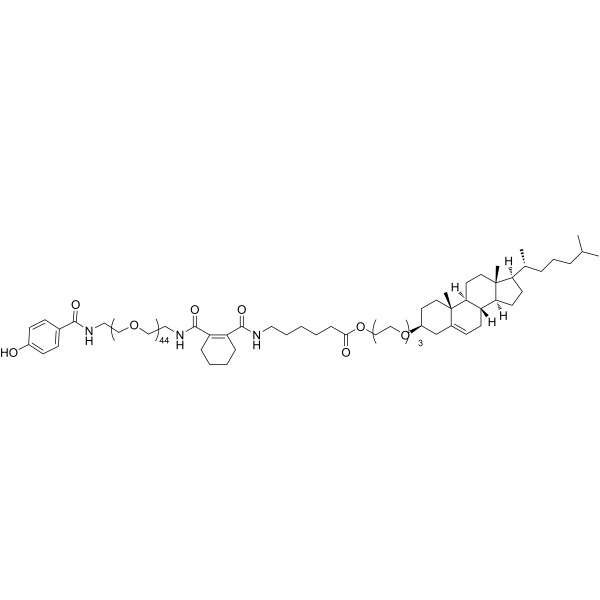
    Chol-CTPP is a ligand with dual targeting effect on blood-brain barrier (BBB) and glioma cells. Lip-CTPP can be gained by Chol-CTPP and another mitochondria targeting ligand (Chol-TPP). Lip-CTPP is a promising potential carrier to exert the anti-glioma effect of doxorubicin (DOX) and lonidamine (LND) collaboratively. Lip-CTPP elevates the inhibition rate of tumor cell proliferation, migration and invasion, promote apoptosis and necrosis, and interfere with mitochondrial function .
    Chol-CTPP
  • HY-137831

    Apoptosis Cancer
    TLBC, a boronic-chalcone derivative, shows a dose-dependent inhibition with IC50 values of 5.5-25.5 μM in various glioma cell lines. TLBC induces apoptosis independent of changes to the tumor suppressor p53 .
    TLBC
  • HY-106435

    DNA/RNA Synthesis DNA Alkylator/Crosslinker Cancer
    Cystemustine is a DNA inhibitor (a chloroethyl nitrosourea, CENU). Cystemustine can cause DNA cross-linking, thereby inhibiting the proliferation of tumor cells. Cystemustine can also exert cytotoxic effects by interfering with the cell cycle, inducing cell re-differentiation, and altering phospholipid metabolism. Cystemustine exhibits high anti-tumor activity and a relatively short plasma half-life in mice. Cystemustine can be used for the study of various malignant tumors, including melanoma, glioma, renal cancer, head and neck cancer, and colorectal cancer, etc .
    Cystemustine
  • HY-N12834

    Others Inflammation/Immunology Cancer
    Ecdysoside B (compound 6b) is a pregnanoside compound isolated from the plant Ecdysanthera rosea. Ecdysoside B and its derivatives and isomers shows anticancer, immunosuppressive and anti-inflammatory activities. Ecdysoside B shows cytotoxicity to a variety of human tumor cell lines, including PANC-1 (human pancreatic cancer cells), A375 (human melanoma cells) and U87 (brain glioma U87 cells). Ecdysoside B can be used for research in the areas of cancer, immunomodulation and anti-inflammato .
    Ecdysoside B
  • HY-147670

    Hedgehog Smo Gli Apoptosis Cancer
    TPB15 is an orally active and potent Hh (Hedgehog) signaling inhibitor. TPB15 markedly induces cell cycle arrest and apoptosis in MDA-MB-468 cells. TPB15 blocks Smo (Smoothened) translocation into the cilia and reduced Smo protein and mRNA expression. TPB15 inhibits the expression of the downstream regulatory factor glioma-associated oncogene 1 (Gli1). TPB15 shows good anti-tumor activity with low toxicity .
    TPB15
  • HY-W021040S

    CGA-173506-13C3

    Isotope-Labeled Compounds Fungal Apoptosis Infection Cancer
    Fludioxonil- 13C3 (CGA-173506- 13C3) is 13C labeled Fludioxonil. Fludioxonil (CGA-173506) is a phenylpyrrole-type fungicide with oral activity that can inhibit the growth of S. sclerotiorum. Fludioxonil promotes tumor growth and metastasis, and induces cardiac toxicity. Fludioxonil causes cytoskeletal disruption, DNA damage, and apoptosis in mouse glioma cells .
    Fludioxonil-13C3
  • HY-N7255R

    Reference Standards p38 MAPK Apoptosis Cancer
    Cycloartenol (Standard) is the analytical standard of Cycloartenol. This product is intended for research and analytical applications. Cycloartenol, a phytosterol compound, is one of the key precusor substances for biosynthesis of numerous sterol compounds. Cycloartenol inhibits the migration of glioma cells and suppresses the phosphorylation of the p38 MAP kinase. Cycloartenol has a variety of pharmacological activities such as anti-inflammatory, anti-tumor, antioxidant, antibiosis and anti-alzheimer's disease. Cycloartenol also plays an important role in the process of plant growth and development .
    Cycloartenol (Standard)
  • HY-N2038R

    Reference Standards Phosphodiesterase (PDE) Neurological Disease Cancer
    3,​5,​6,​7,​8,​3',​4'-​Heptemthoxyflavone (Standard) is the analytical standard of 3,​5,​6,​7,​8,​3',​4'-​Heptemthoxyflavone (HY-N2038). This product is intended for research and analytical applications. 3,5,6,7,8,3',4'-Heptemthoxyflavone, a flavonoid from satsuma peel, is an orally available CREB activator with anti-tumor and anti-neuroinflammatory activity. 3,5,6,7,8,3',4'-Heptemthoxyflavone inhibits collagenase activity and increases the content of type I procollagen in human dermal fibroblast neoblast (HDFn) cells. 3,5,6,7,8,3',4'-Heptemthoxyflavone induces brain-derived neurotrophic factor (BDNF) expression through the cAMP/ERK/CREB signaling pathway and reduces phosphodiesterase activity in C6 glioma .
    3,?5,?6,?7,?8,?3',?4'-?Heptemthoxyflavone (Standard)
  • HY-P1380

    Apoptosis Bcl-2 Family Caspase Cancer
    Difopein is a 14-3-3 protein inhibitor. Difopein acts as an apoptosis inducer, regulates apoptosis-related proteins, downregulates Bcl-2, upregulates Bax, activates caspase-9 and caspase-3, and induces nuclear fragmentation, membrane-enclosed apoptotic bodies and DNA ladder formation. Difopein serves as a tumor growth inhibitor, which inhibits the proliferation of glioma cells and induces their apoptosis in in vivo nude mouse models. Difopein is applicable to glioma-related research .
    Difopein
  • HY-19209

    BOPP

    Mitochondrial Metabolism Cancer
    Boronated porphyrin (BOPP) is a tumor-localizing agent. Boronated porphyrin can be selectively localized to glioma. Boronated porphyrin is localized in the mitochondria of cells .
    Boronated porphyrin
  • HY-123933

    Glutaminase Neurological Disease Cancer
    TTGM 5826 is a tissue transglutaminase (tTG) inhibitor with an EC50 of 20 μM. TTGM 5826 stabilizes the open conformation of tTG that exhibits protein cross-linking activity, and acts as a competitive inhibitor of tTG-mediated cross-linking activity. TTGM 5826 inhibits the transformed phenotypes of breast cancer cells, brain cancer cells and glioma stem cells. TTGM 5826 can be used in the research of breast cancer, glioblastoma, pancreatic cancer and glioma stem cell-related tumors .
    TTGM 5826
  • HY-180198

    Melatonin Receptor Cancer
    UCM1400 is a melatonin receptor (MT) subtype-selective modulator. UCM1400 shows agonistic effect for MT1 and antagonistic effect for MT2 with pKi values of 7.94 and 8.11. UCM1400 can inhibit the decrease in cAMP mediated by the MT2 receptor with a pIC50 of 7.87. UCM1400 exhibits anti-proliferative activity against human glioma cells and inhibit tumor growth. UCM1400 can be used for the research of cancer, such as glioma .
    UCM1400
  • HY-157828

    Emopamil Binding Protein Neurological Disease Cancer
    DSP-0390 is an orally effective inhibitor of Emopamil-binding protein (EBP). DSP-0390 blocks the cholesterol de novo synthesis pathway in tumor cells by inhibiting EBP, and demonstrates significant anti-tumor activity in an orthotopic xenograft model of glioblastoma (GBM). DSP-0390 can be used for the study of recurrent high-grade gliomas .
    DSP-0390
  • HY-180416

    Antibiotic Cancer
    TMC-169 is a potent antibiotic of the Aspochalasin group that can be isolated from Aspergillus flavipes. TMC-169 exhibits anti-tumor activity against multiple cancer cells. TMC-169 can be used for the research of cancer, such as hematologic malignancies, non-small cell lung cancer, breast cancer, and glioma .
    TMC-169
  • HY-164401A

    EAAT DNA/RNA Synthesis DNA Alkylator/Crosslinker Cancer
    QBS10072S dihydrochloride is a LAT1-selective substrate with blood-brain barrier permeability that inhibits tumor growth. QBS10072S dihydrochloride enters LAT1-expressing tumor cells via LAT1-mediated active transport, induces interstrand DNA cross-linking and cell apoptosis, and reduces leptomeningeal dissemination. QBS10072S dihydrochloride can be used in studies related to glioblastoma multiforme, diffuse intrinsic pontine glioma, triple-negative breast cancer brain metastases, and aggressive T-cell lymphoma .
    QBS10072S dihydrochloride
  • HY-P992341

    MMP Cancer
    D8P1C1 is a high-affinity ADAM17 inhibitor (with a Kd of 180 pM targeting ADAM17-ECD) that reduces the shedding and phosphorylation of EGFR ligands. D8P1C1 inhibits cancer cell proliferation in vitro and tumor growth in xenograft models. 89Zr-DFO-D8P1C1 radioimmunological PET imaging shows its substantial accumulation in ovarian tumor xenografts, serving as a platform for generating bispecific T-cell engager derivatives. D8P1C1 can be applied to research on related diseases including triple-negative breast cancer, various types of ovarian cancer, lung adenocarcinoma, glioma, and colon cancer .
    D8P1C1
  • HY-138195

    DNA/RNA Synthesis Apoptosis FAK Src MMP Autophagy Cancer
    NEO212 is an orally active, blood-brain barrier permeable conjugate of Temozolomide (TMZ) (HY-17364) and Perillyl Alcohol (POH) (HY-N7000), with potent anticancer activity. NEO212 overcomes classical TMZ resistance and DNA alkylation by depleting MGMT. By inhibiting the FAK/Src signaling pathway, NEO212 reduces the production of MMP2 and MMP9, induces mesenchymal-epithelial transition, and inhibits the migration, invasion and tumor progression of glioma stem cells. NEO212 disrupts autophagy flux to enhance mitochondrial apoptosis; it induces differentiation of acute myeloid leukemia (AML) cells into macrophages and proliferation arrest .
    NEO212
  • HY-181311

    PROTACs Aurora Kinase E1/E2/E3 Enzyme Neurological Disease Cancer
    CCT400028 is a PROTACs-class degrader that targets the Aurora A (AURKA) kinase. CCT400028 induces ubiquitination and proteasomal degradation of target proteins by recruiting the cereblon (CRBN) E3 ubiquitin ligase. The KD values of CCT400028 against the three subtypes of human AURKA are 71 nM, 2100 nM and >10000 nM, respectively, and its IC50 against human CRBN is 6300 nM. CCT400028 is applicable to relevant research on leukemia, neuroblastoma and glioma .
    CCT400028

Inquiry Online

Your information is safe with us. * Required Fields.

Salutation


Country or Region *

Applicant Name *


Organization Name *

Department *


Email Address *


Product Name *

Cat. No.


Requested quantity *

Phone Number *


Remarks

Inquiry Online

Inquiry Information

Product Name:
Cat. No.:
Quantity:
MCE Japan Authorized Agent: