1. Search Result
Search Result
Results for "

human acetylcholinesterase

" in MedChemExpress (MCE) Product Catalog:

47

Inhibitors & Agonists

1

Fluorescent Dyes

10

Natural
Products

3

Recombinant Proteins

2

Isotope-Labeled Compounds

2

Antibodies

Cat. No. Product Name Target Research Areas Chemical Structure
  • HY-B0882

    Cholinesterase (ChE) Neurological Disease Inflammation/Immunology
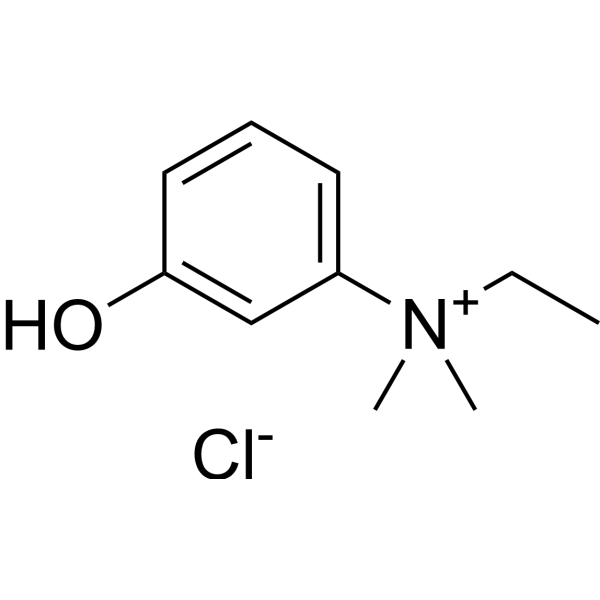
    Edrophonium chloride is a short-acting acetylcholinesterase (AChE) inhibitor. Edrophonium chloride has Ki values of 0.2, 0.2, and 0.4 μM and IC50 values of 0.2, 0.05, and 0.5 μM for AChE in human erythrocytes, purified calf forebrain, and purified octopus brain, respectively. Edrophonium chloride can be used to detect early digitalis toxicity and in the study of myasthenia gravis .
    Edrophonium chloride
  • HY-B0815S

    Cholinesterase (ChE) Neurological Disease
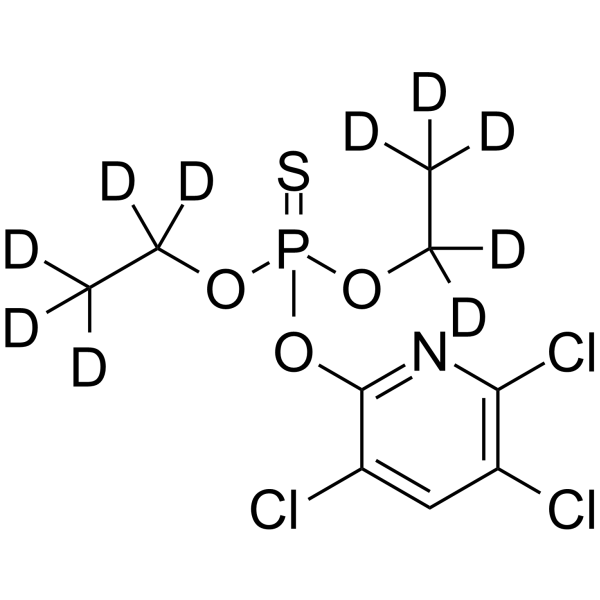
    Chlorpyrifos-d10 is the deuterium labeled Chlorpyrifos. Chlorpyrifos is an organophosphate insecticide that is classified as a phosphorothionate. The oxon metabolite of Chlorpyrifos is an inhibitor of acetylcholinesterase (AChE), affecting neurological function in insects, humans, and other animals. The Chlorpyrifos oxon (CPO) metabolite is hydrolyzed by the plasma enzyme paraoxonase 1 (PON1), and susceptibility to neurotoxicity associated with CPO exposure is mitigated by PON1 overexpression.
    Chlorpyrifos-d10
  • HY-N4119

    Phosphatase Cholinesterase (ChE) p38 MAPK Apoptosis Autophagy Neurological Disease Metabolic Disease
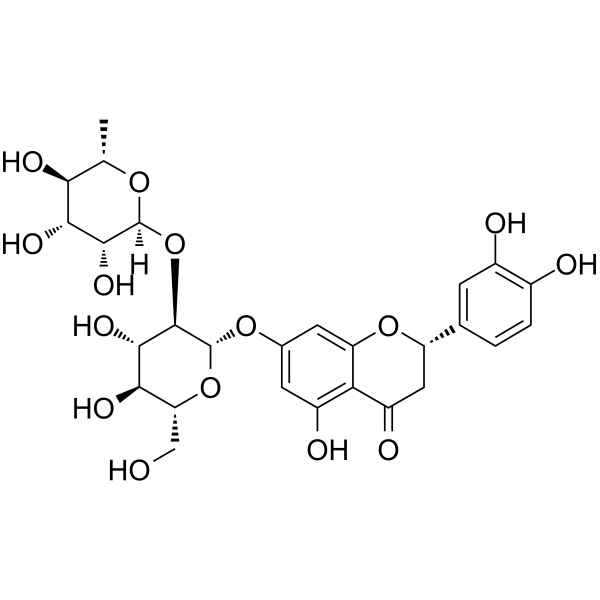
    Neoeriocitrin is a Naringin (HY-N0153) analogue found in Drynaria Rhizome. Neoeriocitrin induces cells proliferation, differentiation, up-regulates type I collagen, osteocalcin, and key osteogenic markers, and increases ALP activity. Neoeriocitrin increases expression of Runx2, COL I, OCN and Beclin1. Neoeriocitrin inhibits phosphorylation of P38 mitogen-activated protein kinase, reduces acetylcholinesterase (AChE) activity, and increases choline acetyltransferase (ChAT) activity. Neoeriocitrin reduces apoptosis and induces autophagy. Neoeriocitrin can be used for the researches of osteoporosis and Alzheimer's disease .
    Neoeriocitrin
  • HY-B1120
    Temephos
    2 Publications Verification

    Temefos

    Insecticide Cholinesterase (ChE) Dengue Virus Flavivirus Infection
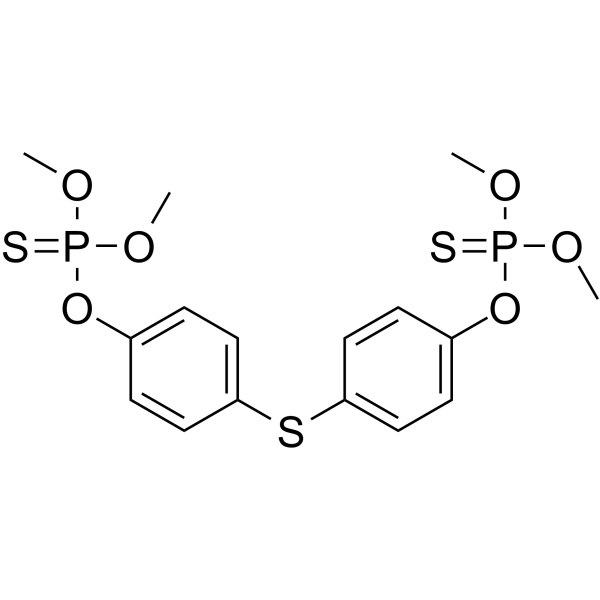
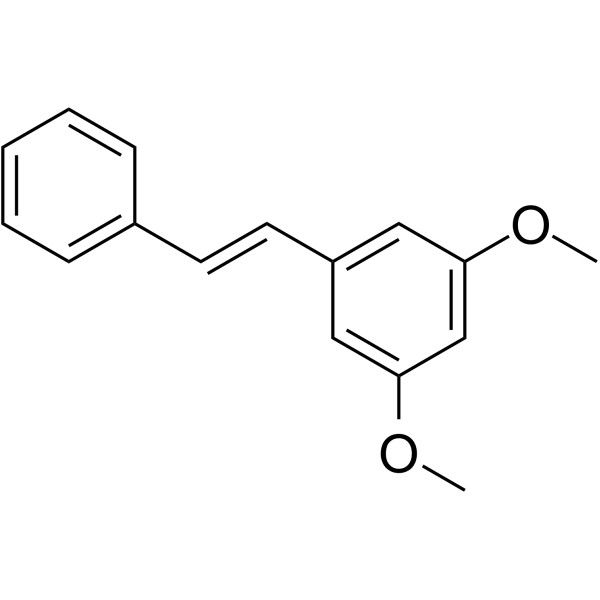
    Temephos (Temefos) is an orally active, blood-brain barrier-permeable organophosphate insecticide and AChE inhibitor. By irreversibly inhibiting AChE to induce cholinergic overactivation, Temephos effectively blocks larval development of Aedes aegypti (yellow fever mosquito) and Aedes albopictus (Asian tiger mosquito), and is commonly used in studies related to Dengue Virus, Zika Virus and other relevant pathogens. Temephos exhibits genotoxicity and neurodevelopmental toxicity, and may also cause liver injury, reproductive system abnormalities and cholinergic poisoning symptoms in mammals. Temephos tends to accumulate in adipose tissues and aquatic organisms, and is excreted via feces after metabolism through oxidation and hydrolysis. Note that CYP-mediated metabolic detoxification may reduce the actual larvicidal efficacy of Temephos against some mosquito species. Temephos can be used in research related to dengue fever, Zika virus disease, chikungunya and dracunculiasis .
    Temephos
  • HY-134137

    Cholinesterase (ChE) Drug Metabolite Neurological Disease
    Donepezil N-oxide, a metabolite of Donepezil (HY-14566), is human erythrocyte acetylcholinesterase (AChE) inhibitor .
    Donepezil N-oxide
  • HY-N1151

    Bacterial Cholinesterase (ChE) MMP TNF Receptor Infection Neurological Disease Inflammation/Immunology
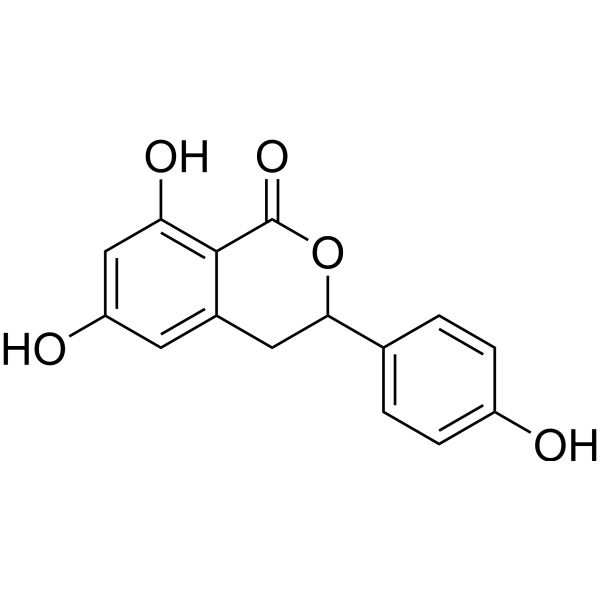
    Thunberginol C is an orally active, selective, and non-competitive inhibitor of AChE and BChE, with IC50 values of 41.96 and 42.36 μM, respectively. Thunberginol C exerts cytoprotective, pro-collagen type I restorative, MMP-1 inhibitory, hyaluronic acid restorative, anti-photoaging effects in skin cells. Thunberginol C exerts neuroprotective, anxiolytic, TNF-α inhibitory, neuroinflammation inhibitory, and oxidative stress inhibitory effects. Thunberginol C can be used for the research of Alzheimer’s disease, UVB-induced skin photoaging, allergic reactions, oral bacterial infections, and stress-induced anxiety .
    Thunberginol C
  • HY-119292

    Cholinesterase (ChE) Amyloid-β Neurological Disease
    AP2238 is a dual-function acetylcholinesterase (AChE) inhibitor with Ki values for human AChE (HuAChE) and butyrylcholinesterase (BuChE) of 21.7 and 48.9 μM respectively. AP2238 blocks the pro-fibrotic interaction between the peripheral site of AChE and , and can inhibit Aβ aggregation. AP2238 can be used for the research of Alzheimer's disease .
    AP2238
  • HY-155822

    Cholinesterase (ChE) Apoptosis Caspase Neurological Disease
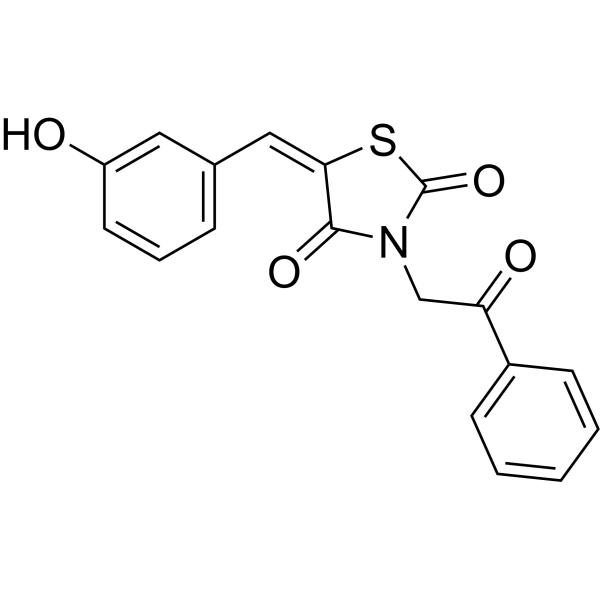
    TZ3O is an anticholinergic agent with neuroprotective effects. TZ3O inhibits acetylcholinesterase (AChE) activity in human plasma with an IC50 of 304.5 μM. TZ3O can improve memory impairment and cognitive decline in rats in the Scopolamine (HY-N0296)-induced Alzheimer-type model. TZ3O could be used in Alzheimer’s research .
    TZ3O
  • HY-B0882S

    Isotope-Labeled Compounds Cholinesterase (ChE) Neurological Disease Inflammation/Immunology
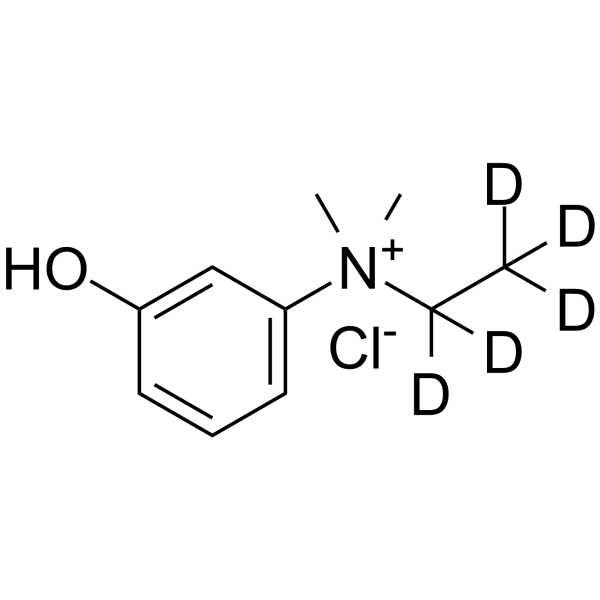
    Edrophonium-d5 chloride is the deuterium labeled Edrophonium chloride (HY-B0882). Edrophonium chloride is a short-acting acetylcholinesterase (AChE) inhibitor. Edrophonium chloride has Ki values of 0.2, 0.2, and 0.4 μM and IC50 values of 0.2, 0.05, and 0.5 μM for AChE in human erythrocytes, purified calf forebrain, and purified octopus brain, respectively. Edrophonium chloride can be used to detect early digitalis toxicity and in the study of myasthenia gravis .
    Edrophonium-d5 chloride
  • HY-119592

    Cholinesterase (ChE) Neurological Disease
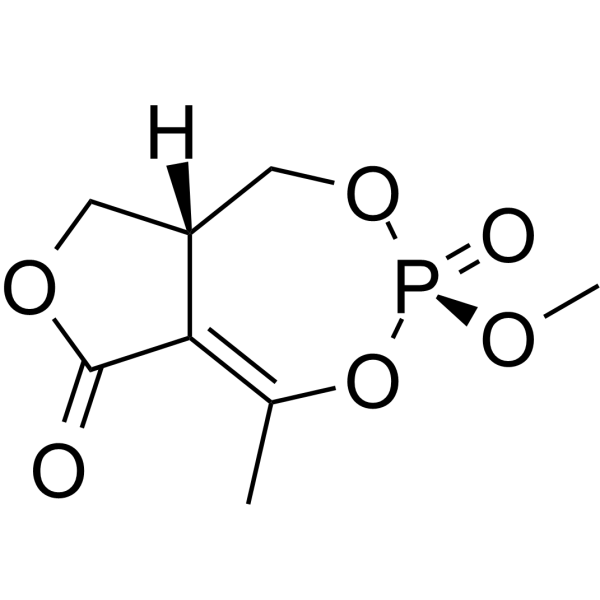
    Cyclophostin is an acetylcholinesterase (AChE) inhibitor with IC50 values of 45, 0.76 and 1.3 nM for humans and two different insects, respectively .
    Cyclophostin
  • HY-146035

    Cholinesterase (ChE) Histamine Receptor Neurological Disease
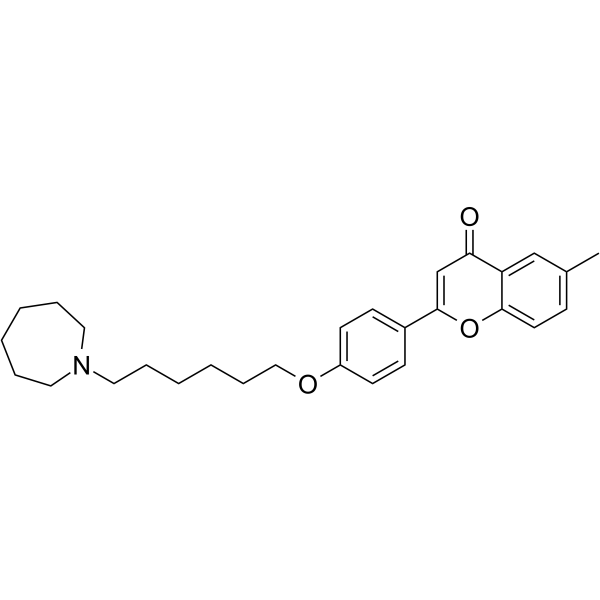
    AChE-IN-14 (compound 5) is a potent cholinesterase inhibitor with IC50s of 0.46 , 0.48, and 0.44 μM for electric eel acetylcholinesterase (eeAChE), human recombinant acetylcholinesterase (hAChE), and equine serum butyrylcholinesterase (eqBuChE), respectively. AChE-IN-14 exhibits high affinity toward human H3 receptor (H3R; Ki= 159.8 nM). AChE-IN-14 can be used for the research of Alzheimer’s disease .
    AChE-IN-14
  • HY-W049312

    7-MEOTA

    Cholinesterase (ChE) Neurological Disease
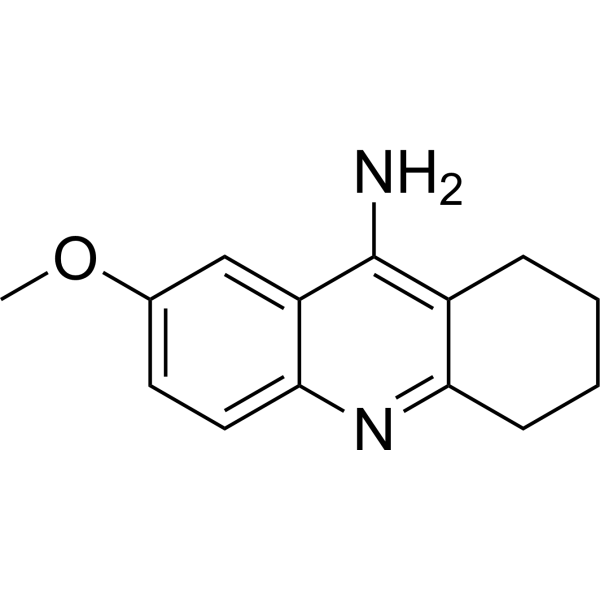
    7-Methoxytacrine (7-MEOTA) is an inhibitor of human acetylcholinesterase (hAChE) with an IC50 value of 10 μM, and can be used for the research of Alzheimer's disease (AD) .
    7-Methoxytacrine
  • HY-112013

    Cholinesterase (ChE) Neurological Disease
    Isodimethoate is a thermal decomposition product of Dimethoate (HY-B1946). Isodimethoate is a direct anticholinesterase agent and shows an inhibition to human red blood cell acetylcholinesterase (AChE) .
    Isodimethoate
  • HY-134006

    Cholinesterase (ChE) Neurological Disease Inflammation/Immunology
    Stemoninine is a lycoris alkaloid that can be used as an antitussive. Stemoninine has significant inhibitory activity against human acetylcholinesterase (AChE) (IC50=5.52 μM) .
    Stemoninine
  • HY-149300

    Cholinesterase (ChE) Neurological Disease
    SB-1436 is an Cholinesterase (ChE) inhibitor, inhibits acetylcholinesterase (AChE), butyrylcholinesterase (BChE) and recombinant human acetylcholinesterase (rHuAChE) with IC50s of 0.176, 0.37 and 0.08 μM, respectively. SB-1436 inhibits AChE and BChE in a non-competitive manner with Kis of 0.046 and 0.115 μM, respectively. SB-1436 significantly stops the self-aggregation of Aβ, and can be used for neurological disease research .
    SB-1436
  • HY-N6310

    Bacterial Infection
    Talaromycesone A is an oxaphenalenone dimer compound. Talaromycesone A exhibits potent antibacterial activities with an IC50 of 3.70 μM, against human pathogenic Staphylococcus strains. Talaromycesone A displays potent acetylcholinesterase inhibitory activities with an IC50 of 7.49 μM .
    Talaromycesone A
  • HY-146039

    Cholinesterase (ChE) Neurological Disease
    AChE-IN-15 (Compound 3d) is a reversible human acetylcholinesterase (huAChE) (IC50=6.8 μM) and human butyrylcholinesterase (huBChE) (IC50=16.1 μM) inhibitor. AChE-IN-15 shows significant antioxidant potency, AChE-IN-15 can be used for the research of Alzheimer’s disease .
    AChE-IN-15
  • HY-103373

    Cholinesterase (ChE) Neurological Disease
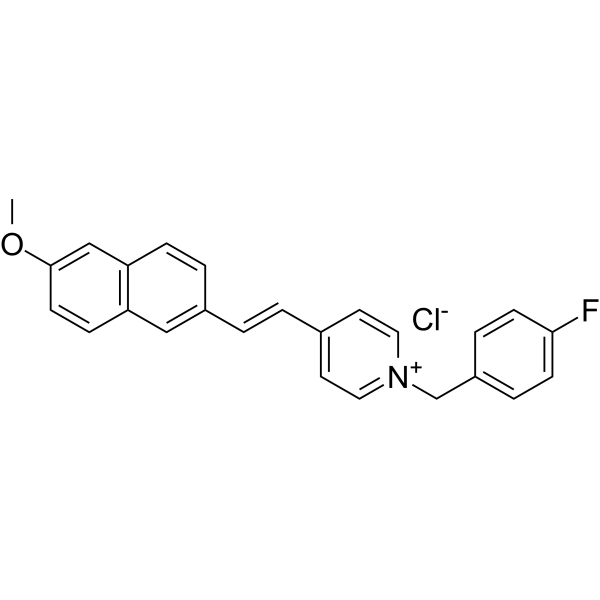
    PE154 (Compound 13) is a potent fluorescent inhibitor of human acetylcholinesterase (AChE) and butyrylcholinesterase (BChE) (IC50s=280 pM and 16 nM, respectively) . PE154 can label β-amyloid plaques in histochemical analysis .
    PE154
  • HY-N11827

    (+)-Isocorybulbine

    Drug Metabolite Inflammation/Immunology
    Isocorybulbine ((+)-Isocorybulbine) is one of the main metabolites of Corydaline (HY-N0923) in human liver microsomes and liver cells. Corydaline has anti-acetylcholinesterase, anti-allergic, anti-allergic reaction and gastric emptying activities. Isocorybulbine can be used for the metabolic study of Corydaline .
    Isocorybulbine
  • HY-145833A

    Epoxide Hydrolase Cholinesterase (ChE) Neurological Disease Cancer
    sEH/AChE-IN-4 (compound (+)-15) is a potent and BBB-penetrated dual inhibitor of sEH (soluble epoxide hydrolase) and AChE (acetylcholinesterase), with IC50 values of 3.1 nM (hsEH), 1660 nM (hAChE), 179 nM (hBChE, human butyrylcholinesterase), 14.5 nM (msEH), and 102 nM (mAChE), respectively .
    sEH/AChE-IN-4
  • HY-145833

    Epoxide Hydrolase Cholinesterase (ChE) Neurological Disease Cancer
    sEH/AChE-IN-3 (compound (−)-15) is a potent and BBB-penetrated dual inhibitor of sEH (soluble epoxide hydrolase) and AChE (acetylcholinesterase), with IC50 values of 0.4 nM (hsEH), 1.94 nM (hAChE), 615 (hBChE, human butyrylcholinesterase), 4.3 nM (msEH), and 2.61 nM (mAChE), respectively .
    sEH/AChE-IN-3
  • HY-157437

    Cholinesterase (ChE) Reactive Oxygen Species (ROS) Neurological Disease Inflammation/Immunology
    AChE/BChE-IN-16 (compound C7) is a potent cholinesterase (ChE) inhibitor with IC50s of 30 nM and 48 nM for human acetylcholinesterase (hAChE) and human butyrylcholinesterase (hBChE), respectively. AChE/BChE-IN-16 exhibits a remarkable capacity to safeguard PC12 cells against H2O2-induced apoptosis and effectively suppresses the production of reactive oxygen species (ROS) .
    AChE/BChE-IN-16
  • HY-174462

    Cholinesterase (ChE) Neurological Disease
    AChE-IN-90 (Compound 5b) is an orally active, brain-penetrant and potent acetylcholinesterase (AChE) inhibitor with an IC50 value of 0.023 μM against human AChE and lower selectivity for butyrylcholinesterase (BuChE) (IC50 1.8 μM). AChE-IN-90 increases acetylcholine levels in the synaptic cleft. AChE-IN-90 is promising for research of neurodegenerative diseases such as Alzheimer's disease .
    AChE-IN-90
  • HY-168052

    Amyloid-β Cholinesterase (ChE) Neurological Disease
    hAChE-IN-9 (compound 7i) is a selective inhibitor of human acetylcholinesterase (hAChE) with IC50 of 0.05 μM and 2.85 μM for AChE and BChE, respectively. hAChE-IN-9 modulates toxic oligomer forms into non-toxic ones and has antioxidant and neuroprotective effects against -induced toxicity. hAChE-IN-9 can be used for the study of Alzheimer's disease .
    hAChE-IN-9
  • HY-119609

    Bacterial Cholinesterase (ChE) β-glucuronidase Infection
    Ilicicolin C exhibits antibacterial activity against Pseudomonas syringae with IC50 of 28.5 µg/mL. Ilicicolin C exhibits weak inhibitory activities against acetylcholinesterase (AChE) and β-glucuronidase with IC50 of 30-43 µg/mL. Ilicicolin C exhibits weak cytoxicity in human lung fibroblasts with IC50 of 64-120 µg/mL. Ilicicolin C affects seed germination and root tip growth of lettuce .
    Ilicicolin C
  • HY-B0882R

    Reference Standards Cholinesterase (ChE) Neurological Disease Inflammation/Immunology
    Edrophonium chloride (Standard) is the analytical standard of Edrophonium chloride (HY-B0882). This product is intended for research and analytical applications. Edrophonium chloride is a short-acting acetylcholinesterase (AChE) inhibitor. Edrophonium chloride has Ki values of 0.2, 0.2, and 0.4 μM and IC50 values of 0.2, 0.05, and 0.5 μM for AChE in human erythrocytes, purified calf forebrain, and purified octopus brain, respectively. Edrophonium chloride can be used to detect early digitalis toxicity and in the study of myasthenia gravis.
    Edrophonium chloride (Standard)
  • HY-146383

    Histamine Receptor Cholinesterase (ChE) Monoamine Oxidase Neurological Disease
    H3R antagonist 2 (Compound 23) is a multitarget histamine H3 receptor (H3R) antagonist with a Ki of 170 nM for hH3R . H3R antagonist 2 shows inhibitory effects with IC50 values of 180, 880 and 775 nM for acetylcholinesterase, butyrylcholinesterase and human monoamine oxidase B (hMAO B), respectively. H3R antagonist 2 shows favorable anti-neuropathic pain and memory-enhancing effects. H3R can across BBB .
    H3R antagonist 2
  • HY-E70993

    Endogenous Metabolite Metabolic Disease
    Erythrocytes Acetylcholinesterase, Human (EC 3.1.1.7) for research on enzyme activity and red blood cell function.
    Erythrocytes Acetylcholinesterase, Human
  • HY-170583

    Cholinesterase (ChE) Amyloid-β Neurological Disease
    hAChE-IN-10 (Compound ET11) is the inhibitor for human acetylcholinesterase (AChE) with an IC50 of 6.34 nM. hAChE-IN-10 scavenges free radicals, and exhibits antioxidant activity. hAChE-IN-10 exhibits metal chelating activity, inhibits Cu 2+-induced Aβ1-42 aggregation, reduces the formation of amyloid plaques, and exhibits neuroprotective activity. hAChE-IN-10 ameliorates the Scopolamine (HY-N0296)-induced cognitive impairment in mouse models .
    hAChE-IN-10
  • HY-147954

    Carbonic Anhydrase Cholinesterase (ChE) Neurological Disease Metabolic Disease
    α-Glycosidase-IN-1 (compound MZ7) is a potent α-GLY (α-Glycosidase) inhibitor, with an IC50 of 44.72 nM and a KI of 41.74 nM. α-Glycosidase-IN-1 also shows inhibition profile against human carbonic anhydrase isoenzymes I and II (hCA I and hCA II), and acetylcholinesterase (AChE), with IC50 values of 104.87, 100.04, and 654.87 nM, respectively. α-Glycosidase-IN-1 can be used for the research of many diseases such as diabetes, Alzheimer’s disease, heart failure, ulcer, and epilepsy .
    α-Glycosidase-IN-1
  • HY-182001

    Cholinesterase (ChE) GSK-3 Neurological Disease
    Multi-kinase-IN-13 (Compound 10F) is an inhibitor of AChE, BuChE, and GSK-3β, with an IC50 of 3 nM against hAChE, 303 nM against hBuChE, and 7.58 nM against GSK-3β. Multi-kinase-IN-13 exhibits in vitro iron chelating activity. AChE-IN-110 can be used in the research of Alzheimer's disease .
    Multi-kinase-IN-13
  • HY-N16471A

    Cytochrome P450 5-HT Receptor Neurological Disease
    Escholtzine perchlorate is an Alkaloid. Escholtzine perchlorate can be isolated from Eschscholzia californica. Escholtzine perchlorate is a CYP3A4 inhibitor, 5-HT1A receptor inhibitor with a CYP3A4 IC50 of 13.4 μM, 5-HT1A EC50 of 11 μM. Escholtzine perchlorate can be used for the research of anxiety, depression .
    Escholtzine perchlorate
  • HY-W017765

    Cholinesterase (ChE) Others
    2,2'-Dihydroxy-1,1'-binaphthyl is an acetylcholinesterase (AChE) inhibitor with an IC50 value of 21.9 μM against human AChE. 2,2'-Dihydroxy-1,1'-binaphthyl exhibits cytotoxicity against Artemia nauplii .
    1,1'-Bi-2-naphthol
  • HY-N17319

    Drug Derivative Cancer
    (-)-Mornaphthoate D is a Methyl 2-naphthoate derivative. (-)-Mornaphthoate D can be isolated from the roots of Morinda officinalis var. officinalis. (-)-Mornaphthoate D exhibits no activity against Acetylcholinesterase and Butyrylcholinesterase. (-)-Mornaphthoate D can be used in the research of non-small cell lung cancer and triple-negative breast cancer .
    (-)-Mornaphthoate D
  • HY-W053641

    Cholinesterase (ChE) Neurological Disease
    (E)-2-Nitrocinnamic acid (Compound 1k) is an Acetylcholinesterase inhibitor. (E)-2-Nitrocinnamic acid is applicable to research related to Alzheimer's disease .
    (E)-2-Nitrocinnamic acid
  • HY-N18292

    Drug Derivative Cancer
    Qinanone G is a 2-(2-phenylethyl)chromone (HY-N8220) derivative found in the high quality Chinese agarwood 'Qi-Nan' from Aquilaria sinensis (Lour.) Glig. Qinanone G shows no inhibitory activity against AChE and cancer cells .
    Qinanone G
  • HY-119399

    Dioxabenzofos

    Cholinesterase (ChE) Neurological Disease
    Salithion is an acetylcholinesterase inhibitor and neurotoxicant. Salithion binds to the active site of acetylcholinesterase to interfere with acetylcholine hydrolysis, and there is an enantioselective difference between its (R) and (S) enantiomers .
    Salithion
  • HY-181445

    Cholinesterase (ChE) Neurological Disease
    NSC 620023 TFA is a highly selective butyrylcholinesterase (BChE) inhibitor with an IC50 of 32 nM. NSC 620023 TFA acts via π-stacking interactions with dual benzimidazole moieties and hydrophobic interactions within the BChE binding site. NSC 620023 TFA can be used for the research of alzheimer’s disease .
    NSC 620023 TFA
  • HY-181597

    Cholinesterase (ChE) Histamine Receptor Neurological Disease
    LINS05414 is a histamine H3 receptor ligand with antiCholinesterase and metal chelating activities. LINS05414 exhibits inhibitory activity against acetylcholinesterase (pIC50 = 4.03) and butyrylcholinesterase (pIC50 = 3.83), with a pKi of 6.37 for human histamine H3 receptors. LINS05414 chelates copper ions, ferrous ions and ferric ions. LINS05414 regulates the release of neurotransmitters. LINS05414 can be used in the research of neurodegenerative diseases .
    LINS05414
  • HY-181161

    Cholinesterase (ChE) Neurological Disease
    AChE-IN-107 is a selective acetylcholinesterase (AChE) inhibitor with an IC50 of 0.22 μM and a Ki of 0.207 μM. AChE-IN-107 shows no inhibitory effect on equine serum BChE at 10 μM. AChE-IN-107 exhibits mixed-type inhibition of electric eel acetylcholinesterase, binding to both free enzyme and enzyme-substrate complex. AChE-IN-107 acts as a cytotoxin, reduces cell viability in hepatocellular carcinoma HepG2 cells.AChE-IN-107 can be used for the research of alzheimer's disease .
    AChE-IN-107
  • HY-185347

    Cholinesterase (ChE) Neurological Disease
    AChE-IN-114 is a selective AChE inhibitor and shows weak inhibitory activity for BChE. AChE-IN-114 can be used for the research of alzheimer’s disease .
    AChE-IN-114
  • HY-182615

    Cholinesterase (ChE) Neurological Disease
    Cymserine is a blood-brain barrier-permeable butyrylcholinesterase (BuChE) inhibitor with an IC50 value of 56.43 nM and a Ki of 38 nM. Cymserine binds to the catalytic domain of BuChE in a concentration-dependent manner to form a stable carbamylated enzyme complex, and exhibits BuChE selectivity over acetylcholinesterase due to its structural compatibility with the larger acyl-binding pocket of BuChE. Cymserine can be used in the research of Alzheimer's disease .
    Cymserine
  • HY-N19401

    Cholinesterase (ChE) Carbonic Anhydrase Glycosidase JNK p38 MAPK Metabolic Disease Inflammation/Immunology
    Vescalagin is a hexahydroxyphenol. Vescalagin is isolable from Camu-camu (Myrciaria dubia) and immature wax apple fruits. Vescalagin exhibits inhibitory activity against a variety of enzymes, with a Ki value of 5.87 nM against AChE, 3.89 nM against BChE, 11.75 nM against hCA I, 16.23 nM against hCA II, and 16.08 nM against α-glucosidase. Vescalagin inhibits hCA I, hCA II and α-glucosidase in a non-competitive manner. Vescalagin downregulates JNK/p38 MAPK to protect pancreatic β-cells and improve insulin secretion in methylglyoxal-treated rats. Vescalagin reduces hyperglycemia and hypertriglyceridemia in rats fed a high-fructose diet. Vescalagin possesses anti-inflammatory and antioxidant properties .
    Vescalagin
  • HY-183572

    Acyltransferase Neurological Disease Cancer
    BW813U is a blood-brain barrier-permeable choline acetyltransferase (ChAT) inhibitor. BW813U reduces acetylcholine secretion, decreases cancer cell viability, and slows tumor growth rate. BW813U alters reference memory and causes working memory dysfunction. BW813U shows a synergistic effect with age factors in memory deficits of rats. BW813U can be used in studies related to Alzheimer's disease and lung cancer .
    BW813U
  • HY-181811

    Cholinesterase (ChE) GSK-3 Neurological Disease
    PJ17 is a potent dual-target inhibitor of AChE and GSK-3β, with IC50 values of 8.84 μM and 4.19 μM, respectively. PJ17 shows no significant neurotoxic effect in primary cerebellar granule neuron cultures. PJ17 serves as a template for the design of multitarget drugs. PJ17 can be used for the research of Alzheimer's disease .
    PJ17
  • HY-183303

    Cholinesterase (ChE) Reactive Oxygen Species (ROS) Neurological Disease
    AChE-IN-116 is a selective acetylcholinesterase (AChE) inhibitor with an electric eel AChE IC50 of 1.60 μM and Ki of 1.72 μM. AChE-IN-116 exhibits weak ability to scavenge DPPH radical. AChE-IN-116 can be used for the research of Alzheimer's disease .
    AChE-IN-116
  • HY-182254

    Cholinesterase (ChE) Neurological Disease
    AChE/BChE-IN-35, Tacrine (HY-111338) derivative, is a brain-penetrant dual AChE/BChE inhibitor with an Electric Eel AChE IC50 of 123.66 nM, human AChE IC50 of 122.34 nM, and equine BChE IC50 of 488.00 nM. AChE/BChE-IN-35 undergoes LAT1-mediated active transport across cell membranes. AChE/BChE-IN-35 exhibits enhanced brain exposure with slower brain tissue elimination. AChE/BChE-IN-35 can be used for the research of alzheimer's disease .
    AChE/BChE-IN-35

Inquiry Online

Your information is safe with us. * Required Fields.

Salutation


Country or Region *

Applicant Name *


Organization Name *

Department *


Email Address *


Product Name *

Cat. No.


Requested quantity *

Phone Number *


Remarks

Inquiry Online

Inquiry Information

Product Name:
Cat. No.:
Quantity:
MCE Japan Authorized Agent:

