Search Result
Results for "
intraocular+pressure
" in MedChemExpress (MCE) Product Catalog:
1
Biochemical Assay Reagents
7
Isotope-Labeled Compounds
| Cat. No. |
Product Name |
Target |
Research Areas |
Chemical Structure |
-
- HY-17380
-
|
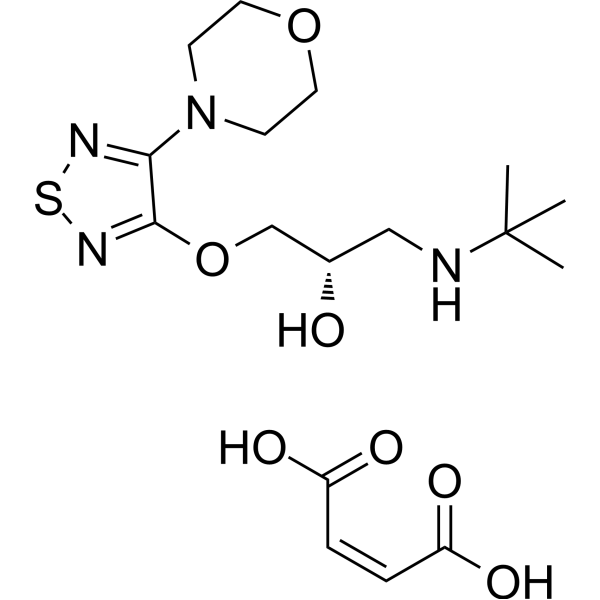
(S)-L-714,465 maleate; MK 950
|
Adrenergic Receptor
|
Cardiovascular Disease
Neurological Disease
Cancer
|
|
(S)-Timolol Maleate (L-714,465 Maleate) is a non-cardioselective hydrophilic β-adrenoceptor blocker. (S)-Timolol Maleate is widely used as standard medication for intraocular pressure (glaucoma) by preventing the production of aqueous humor. (S)-Timolol Maleate can be used for hypertension, angina pectoris and myocardial infarction .
|
-
-
- HY-100543
-
Zenidolol
Maximum Cited Publications
45 Publications Verification
ICI-118551
|
Adrenergic Receptor
Apoptosis
Caspase
Bcl-2 Family
HIF/HIF Prolyl-Hydroxylase
|
Cardiovascular Disease
Neurological Disease
Inflammation/Immunology
|
|
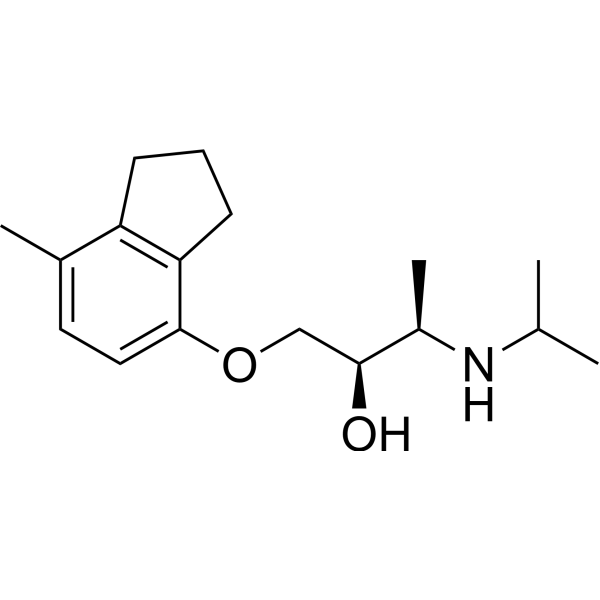
Zenidolol (ICI-118551) is a selective β2-adrenergic receptor antagonist with Ki values of Zenidolol for β2, β1 and β3 adrenergic receptors of 0.7, 49.5 and 611 nM, respectively. Zenidolol exerts antitumor effects via inducing apoptosis, inhibiting tumor sphere formation, and downregulating the HIF pathway by blocking β2-AR on tumor cells. Zenidolol exhibits a unique pulmonary vessel-specific vasodilatory effect in mouse models. Zenidolol can be used as an intraocular pressure-lowering agent in ophthalmic disease research .
|
-
-
- HY-B0588
-
|
AL-4862
|
Carbonic Anhydrase
|
Cardiovascular Disease
Others
Neurological Disease
|
|
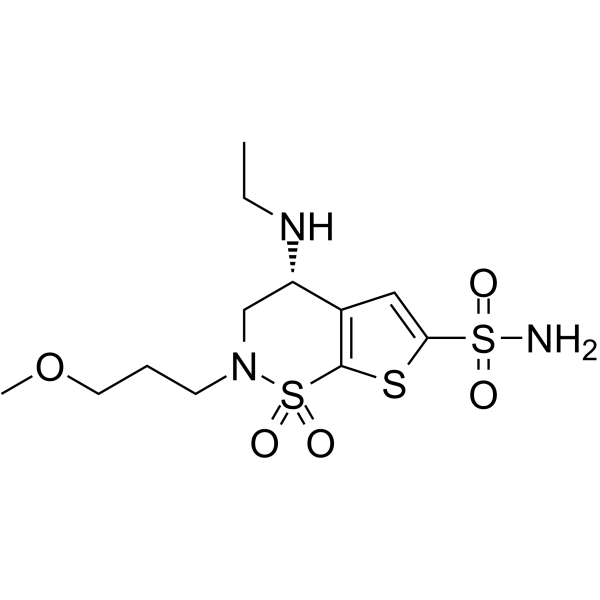
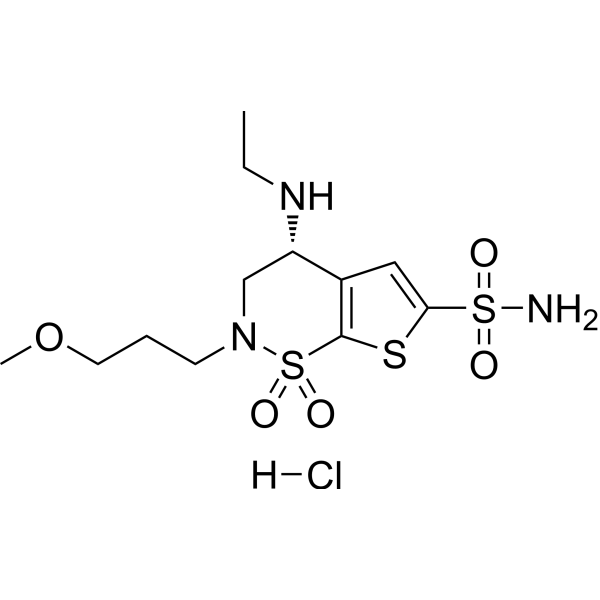
Brinzolamide (AL-4862) is a selective carbonic anhydrase II inhibitor with anIC50 value of 3.2 nM. Brinzolamide hydrochloride reduces intraocular pressure (IOP) by inhibiting ciliary CA-II and decreasing atrial fluid secretion. Brinzolamide can be used in glaucoma disease research .
|
-
-
- HY-B0577
-
|
PHXA41
|
Prostaglandin Receptor
|
Cardiovascular Disease
Others
|
|
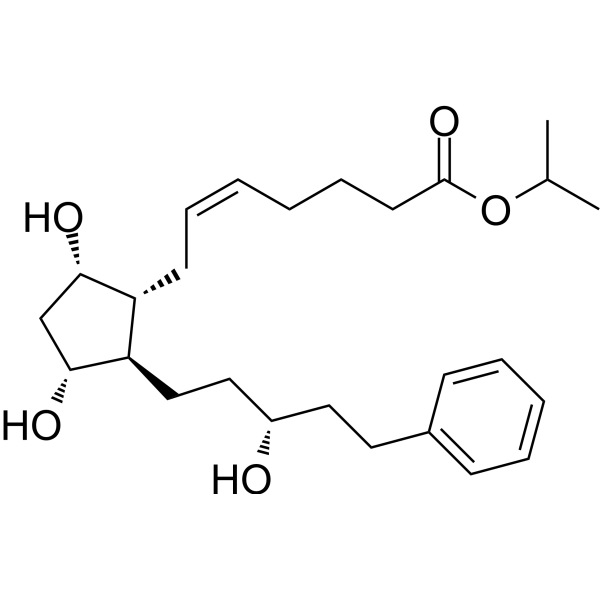
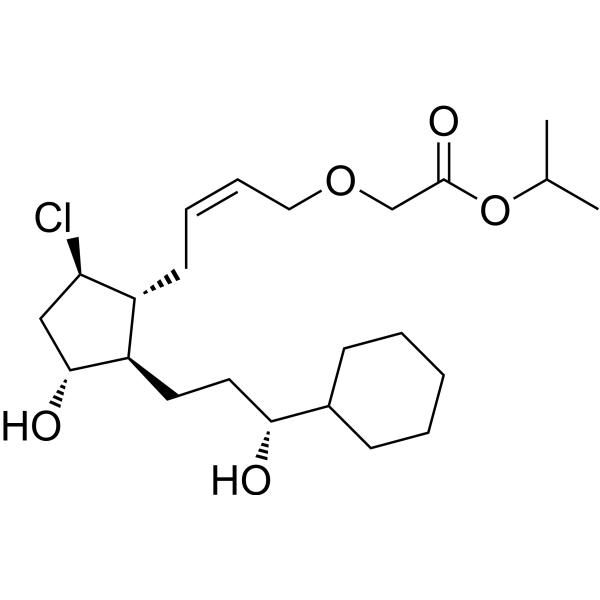
Latanoprost (PHXA41) is a prostaglandin F2α analogue and can be used for glaucoma research. Latanoprost can effectively pass through cornea and be hydrolyzed by esterase to latanoprost acid. latanoprost acid is an F-prostaglandin (FP) receptor agonist, and can effectively reduce intraocular pressure (IOP) by increasing the outflow of aqueous humor through uvea .
|
-
-
- HY-B0191
-
|
AGN 192024
|
Prostaglandin Receptor
MMP
|
Cardiovascular Disease
Endocrinology
|
|
Bimatoprost is a prostaglandin analog that reduces intraocular pressure by regulating scleral and trabecular outflow. Bimatoprost is used in the study of open-angle glaucoma, ocular hypertension, and other forms of glaucoma. Topical application of bimatoprost induces fat atrophy and causes a deepening of the eyelid sulcus .
|
-
-
- HY-B0553
-
-
-
- HY-B0397
-
|
Diclofenamide
|
Carbonic Anhydrase
|
Neurological Disease
|
|
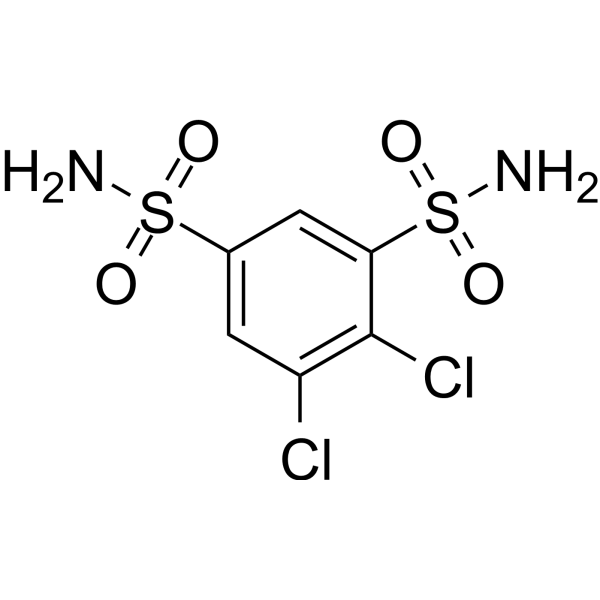
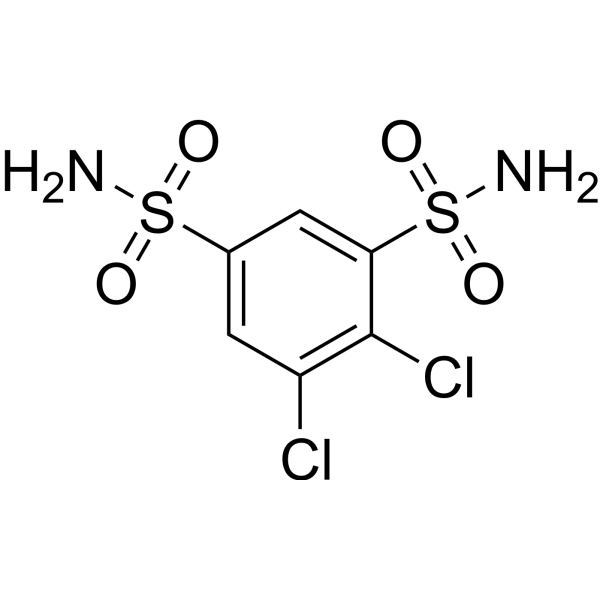
Dichlorphenamide (Diclofenamide) is an orally active, specific, carbonic anhydrase inhibitor. Dichlorphenamide can reduce intraocular pressure by inhibiting the secretion of water from the eye. Dichlorphenamide can be used for glaucoma research .
|
-
-
- HY-12798
-
|
AR-13324
|
Monoamine Transporter
ROCK
|
Cardiovascular Disease
Neurological Disease
|
|
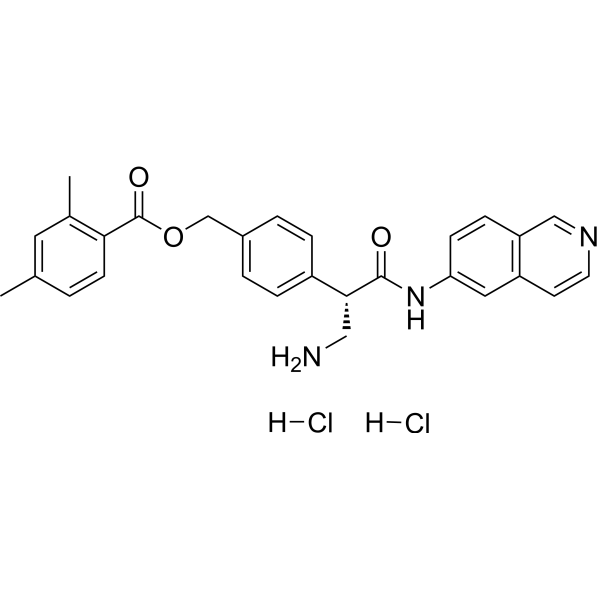
Netarsudil (AR-13324) is a competitive inhibitor of Rho-associated protein kinases (ROCK I and ROCK II) and a reversible inhibitor of the norepinephrine transporter (NET). Netarsudil reduces intraocular pressure by inhibiting ROCK, causing relaxation of trabecular meshwork cells and dilation of episcleral veins, thereby increasing the ease of aqueous humor outflow, while inhibiting NET to reduce aqueous humor production. Netarsudil is mainly used in the study of ocular hypertension and primary open-angle glaucoma .
|
-

-
- HY-17642
-
|
UR-7276
|
Prostaglandin Receptor
|
Endocrinology
|
|
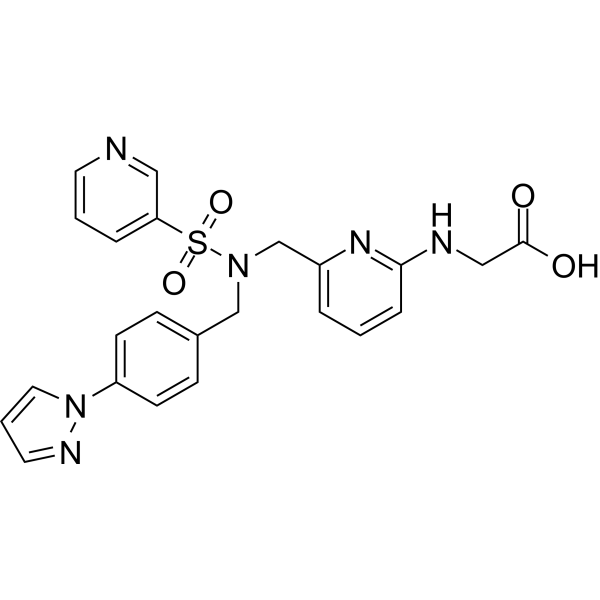
Omidenepag (UR-7276), a pharmacologically active form of Omidenepag Isopropyl, is a selective, non-prostanoid EP2 receptor agonist, with an EC50 of 1.1 nM. Omidenepag shows binding affinities (IC50) 10 nM for h-EP2. Omidenepag is used in research on diseases related to intraocular pressure .
|
-
-
- HY-12798B
-
|
AR-13324 hydrochloride
|
ROCK
|
Cardiovascular Disease
Neurological Disease
|
|
Netarsudil (AR-13324) hydrochloride is a competitive inhibitor of Rho-associated protein kinases (ROCK I and ROCK II) and a reversible inhibitor of the norepinephrine transporter (NET). Netarsudil hydrochloride reduces intraocular pressure by inhibiting ROCK, causing relaxation of trabecular meshwork cells and dilation of episcleral veins, thereby increasing the ease of aqueous humor outflow, while inhibiting NET to reduce aqueous humor production. Netarsudil hydrochloride is mainly used in the study of ocular hypertension and primary open-angle glaucoma .
|
-
-
- HY-17494
-
|
(S)-L-714,465; MK 950 free base
|
Adrenergic Receptor
|
Cardiovascular Disease
Inflammation/Immunology
Cancer
|
|
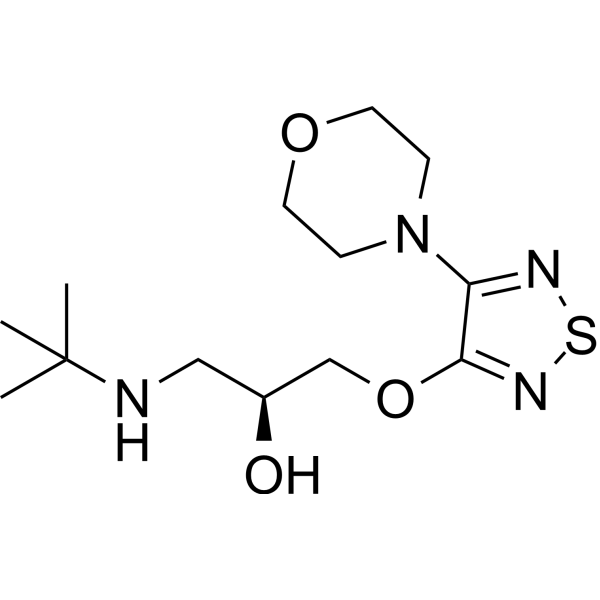
Timolol is a β-blocker available for both topical and systemic administration. Topical Timolol is primarily used to reduce intraocular pressure with open-angle glaucoma and ocular hypertension. Timolol can also be used for the research of infantile hemangiomas, hypertension, myocardial infarction, migraine prophylaxis, and atrial fibrillation.Timolol also has cardioprotective effect .
|
-
-
- HY-111406
-
|
DE-117
|
Prostaglandin Receptor
|
Cardiovascular Disease
Inflammation/Immunology
|
|
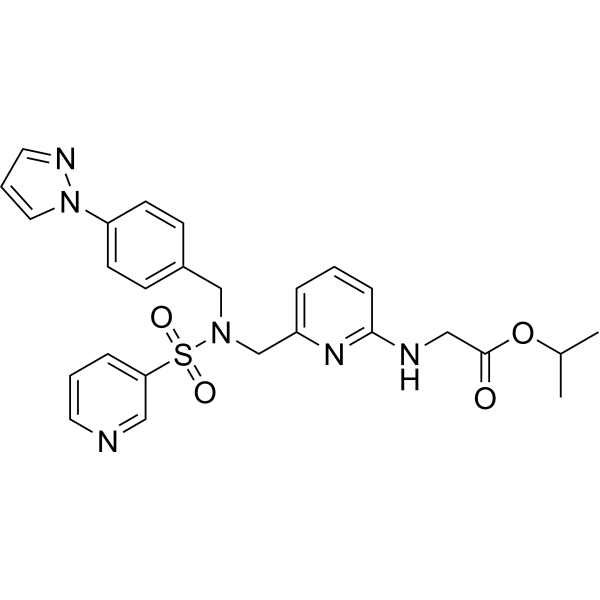
Omidenepag isopropyl is a selective EP2 receptor agonist. Omidenepag isopropyl is converted to the active product Omidenepag during corneal penetration, and Omidenepag is a highly selective EP2 receptor agonist. Omidenepag isopropyl shows only weak affinity for EP1, EP2, and FP receptors. Omidenepag isopropyl is under development for the treatment of glaucoma as an intraocular pressure (IOP)-lowering agent.
|
-
-
- HY-12798A
-
|
AR-13324 dimesylate
|
ROCK
|
Cardiovascular Disease
Neurological Disease
|
|
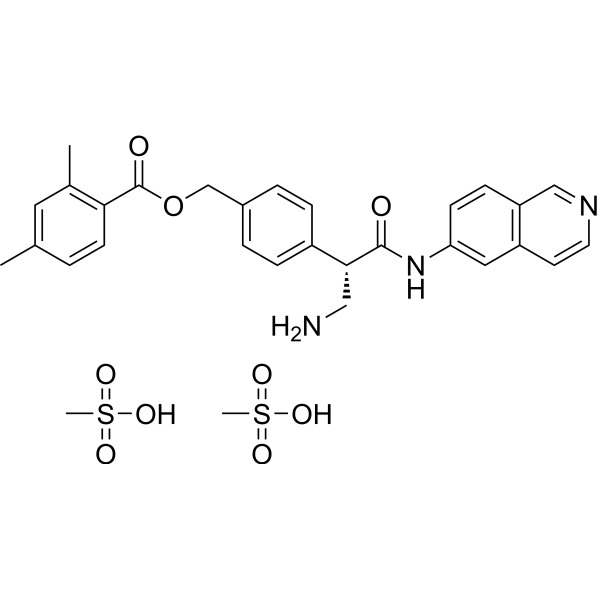
Netarsudil (AR-13324) dimesylate is a competitive inhibitor of Rho-associated protein kinases (ROCK I and ROCK II) and a reversible inhibitor of the norepinephrine transporter (NET). Netarsudil dimesylate reduces intraocular pressure by inhibiting ROCK, causing relaxation of trabecular meshwork cells and dilation of episcleral veins, thereby increasing the ease of aqueous humor outflow, while inhibiting NET to reduce aqueous humor production. Netarsudil dimesylate is mainly used in the study of ocular hypertension and primary open-angle glaucoma .
|
-
-
- HY-12720A
-
|
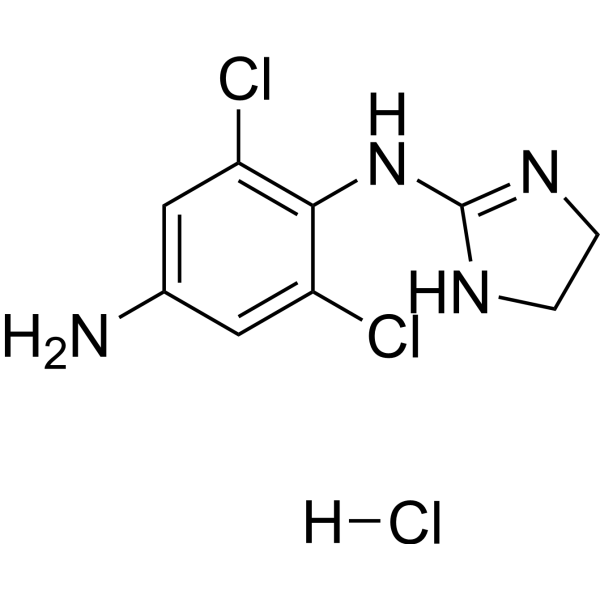
ALO 2145
|
Adrenergic Receptor
|
Neurological Disease
|
|
Apraclonidine hydrochloride (ALO 2145), a selective α2 and weak α1 receptor agonist activity, effectively lowers intraocular pressure (IOP) in human eyes. Apraclonidine hydrochloride is a topical ophthalmic solution and has the ability to elevate the eye lid .
|
-
-
- HY-109191
-
|
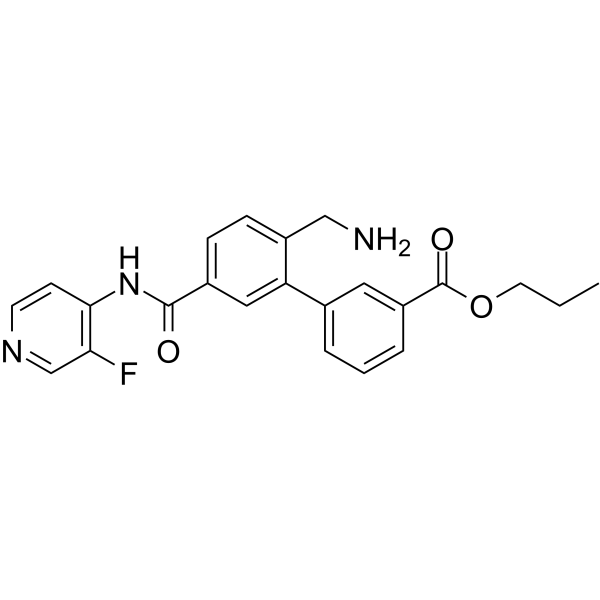
PHP-201; AMA0076
|
ROCK
|
Others
|
|
Sovesudil (PHP-201) is a potent, ATP-competitive, locally acting Rho kinase (ROCK) inhibitor with IC50s of 3.7 and 2.3 nM for ROCK-I and ROCK-II, respectively. Sovesudil lowers intraocular pressure (IOP) without inducing hyperemia .
|
-
-
- HY-16758
-
|
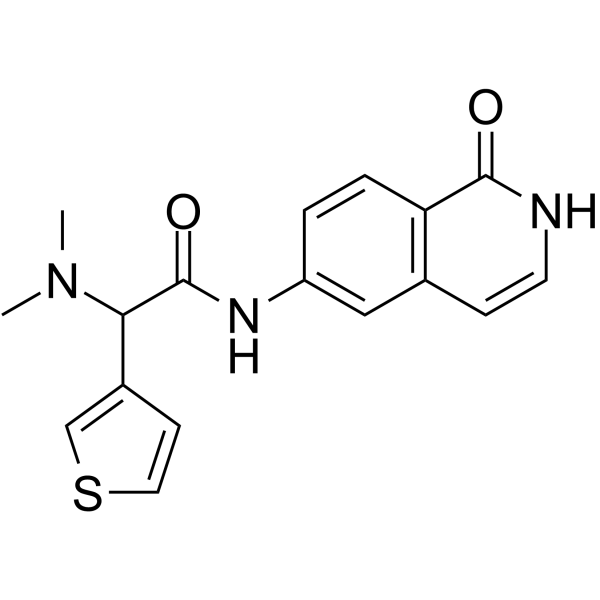
AR-12286
|
ROCK
|
Neurological Disease
|
|
Verosudil (AR-12286) is a ROCK inhibitor. Verosudil has equal inhibitory activity against ROCK1 and ROCK2 (Ki: 2 nM). Verosudil is less selective for PKA, PKCT, MRCKA, and CAM2A (Ki: 69 nM, 9322 nM, 28 nM, 5855 nM, respectively). Verosudil increases trabecular outflow capacity to reduce intraocular pressure. Verosudil is useful in the study of glaucoma and ocular hypertension .
|
-
-
- HY-15195
-
|
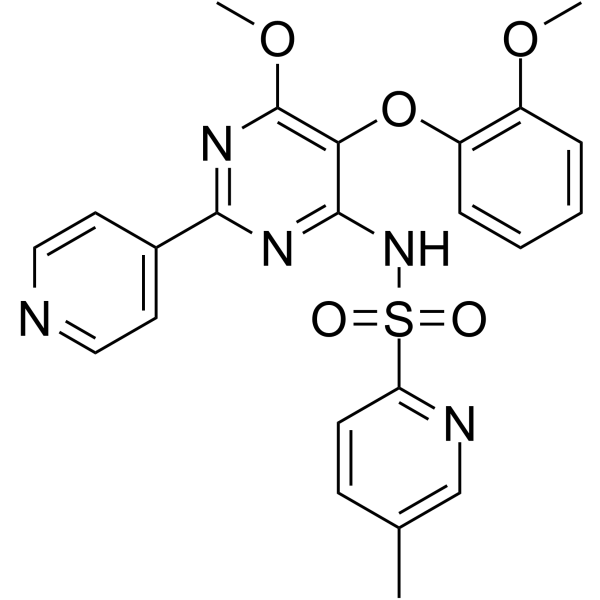
Ro 67-0565; SPP-301
|
Endothelin Receptor
|
Cardiovascular Disease
Endocrinology
|
|
Avosentan (Ro 67-0565; SPP-301) is an orally active endothelin (ETA) receptor antagonist. Avosentan can block the ETA receptor, thereby reducing vascular contraction and exerting a renal protective effect. Avosentan inhibits vascular contraction caused by ET-1 and alleviates the reduction in retinal and optic nerve head blood flow induced by it, lowering intraocular pressure in the glaucoma monkey model. Avosentan non-specifically blocks ETB receptors at high doses, inhibiting ETB-mediated diuresis and natriuresis, and may cause fluid retention. Avosentan can be used to reduce proteinuria with diabetic nephropathy, but induces significant fluid overload and congestive heart failure .
|
-
-
- HY-139419
-
|
NCX 470
|
Prostaglandin Receptor
|
Cardiovascular Disease
Neurological Disease
|
|
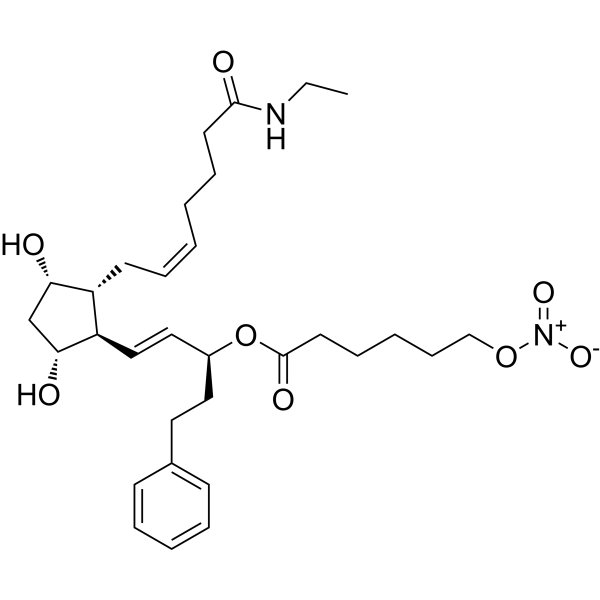
Bimatoprost grenod (NCX 470) is a second-generation nitric oxide (NO)-donating prostaglandin analogue. Bimatoprost grenod effectively lowers intraocular pressure (IOP) in animal models of ocular hypertension and glaucoma by activating bimatoprost-mediated uveoscleral outflow and NO mediated conventional outflow. Bimatoprost grenod can be used for the research of cular hypertension and glaucoma .
|
-
-
- HY-100449
-
AL-8810
1 Publications Verification
|
Prostaglandin Receptor
p38 MAPK
ERK
|
Neurological Disease
Endocrinology
|
|
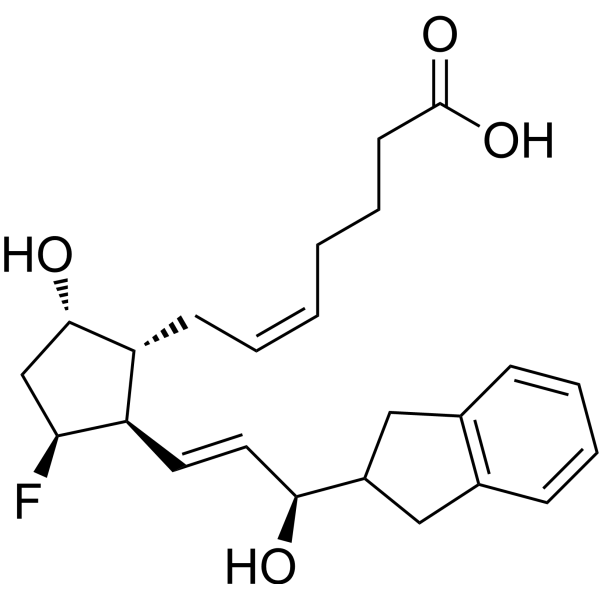
AL-8810 is a potent and selective antagonist of the PGF 2α receptor (FP receptor). AL-8810 is an activator of MAPK and ERK1/2. The Ki of the FP receptor of mouse 3T3 cells and rat A7r5 cells are 0.2±0.06 μM and 0.4±0.1 μM, respectively. AL-8810 can be used in the study of elevated intraocular pressure (OHT) and primary open-angle glaucoma (POAG) .
|
-
-
- HY-128538
-
|
ONO-9054
|
Prostaglandin Receptor
|
Neurological Disease
|
|
Sepetaprost (ONO-9054) is a dual agonist of the prostaglandin E3 receptor and prostaglandin F receptor. Sepetaprost reduces intraocular pressure in animal models. Sepetaprost is applicable for research on ocular hypertension and open-angle glaucoma .
|
-

-
- HY-109545
-
|
Unoprostone isopropyl ester; UF-021
|
Potassium Channel
|
Others
|
|
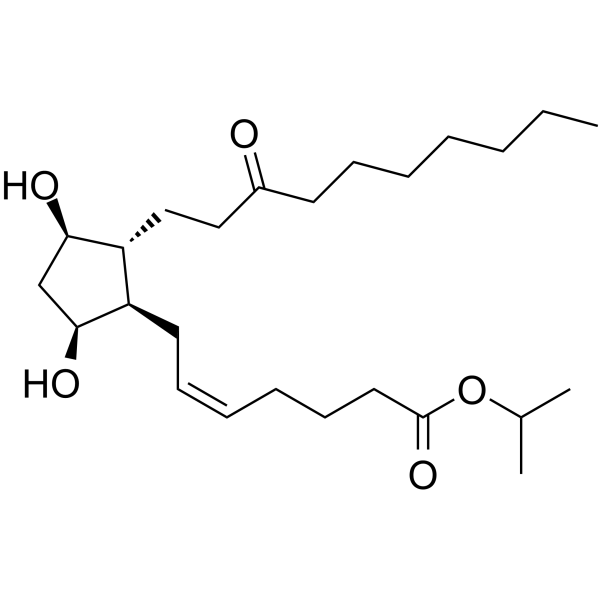
Isopropyl unoprostone (Unoprostone isopropyl ester), an analogue of a prostaglandin metabolite, is a potent large conductance Ca 2+-activated K + (BK) channels activator. Isopropyl unoprostone has antiglaucoma effects, lowering intraocular pressure (IOP) by increasing aqueous humour outflow. Isopropyl unoprostone can improve retinal sensitivity and the protection of central retinal sensitivity .
|
-
-
- HY-17380R
-
|
(S)-L-714,465 maleate (Standard); MK 950 (Standard)
|
Reference Standards
Adrenergic Receptor
|
Cardiovascular Disease
Neurological Disease
|
|
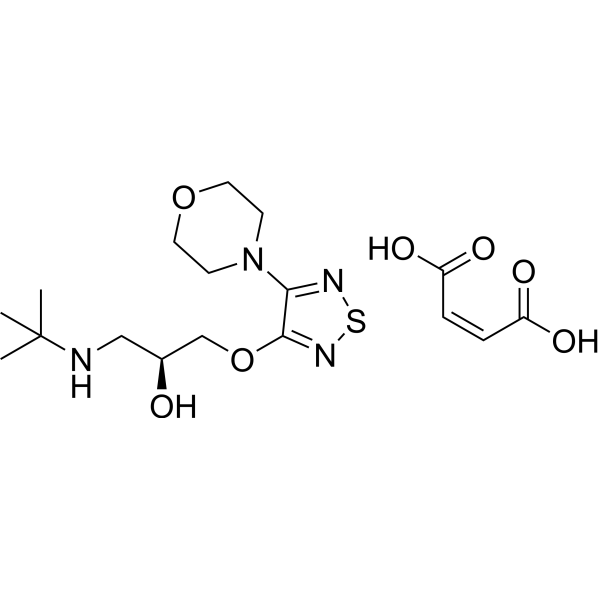
(S)-Timolol (maleate) (Standard) is the analytical standard of (S)-Timolol (maleate). This product is intended for research and analytical applications. (S)-Timolol Maleate (L-714,465 Maleate) is a non-cardioselective hydrophilic β-adrenoceptor blocker. (S)-Timolol Maleate is widely used as standard medication for intraocular pressure (glaucoma) by preventing the production of aqueous humor. (S)-Timolol Maleate can be used for hypertension, angina pectoris and myocardial infarction .
|
-
-
- HY-119468
-
|
|
Dopamine Transporter
|
Neurological Disease
|
|
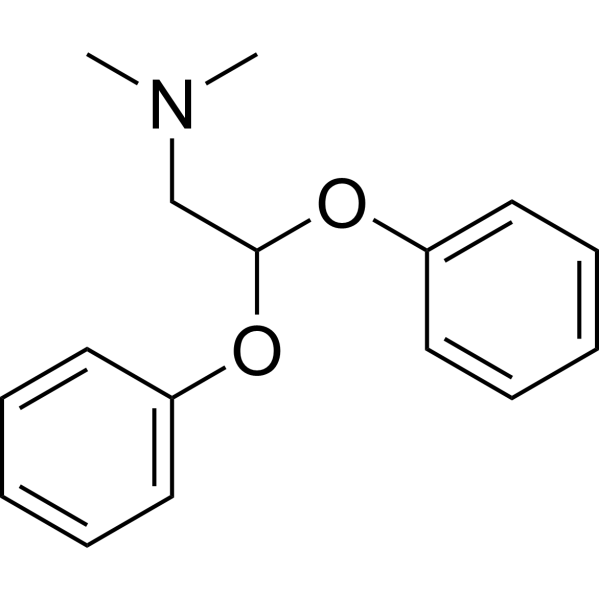
Medifoxamine is an orally active monoamine reuptake inhibitor and antidepressant. Medifoxamine preferentially inhibits presynaptic dopamine reuptake. Medifoxamine acts as an intraocular pressure-lowering agent to reduce intraocular pressure, and also functions as a miotic agent to decrease pupil diameter. Medifoxamine exhibits characteristic properties of antidepressant compounds, including preventing hypothermia induced by Reserpine (HY-N0480) or Apomorphine (HY-12723), potentiating the toxic effects of Yohimbine (HY-N0127) in mice, and reducing immobility behavior in mice and rats in the "behavioral despair" model. Medifoxamine has no anticholinergic activity. Medifoxamine can be used in research related to depression .
|
-
-
- HY-N3995
-
|
|
Apoptosis
Drug Metabolite
|
Cancer
|
|
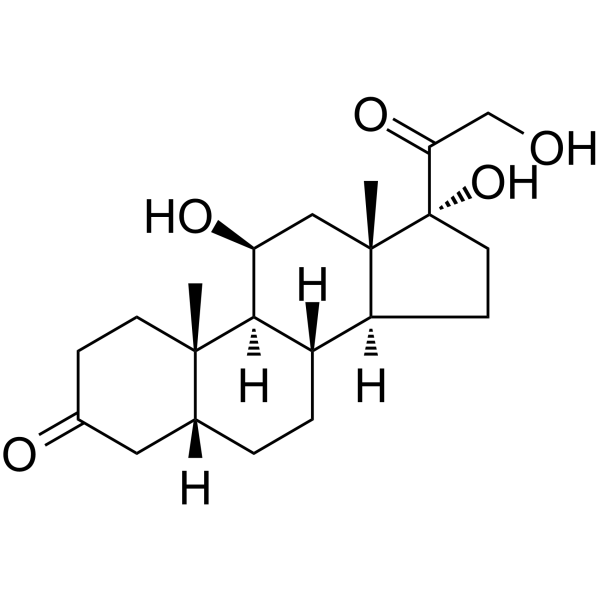
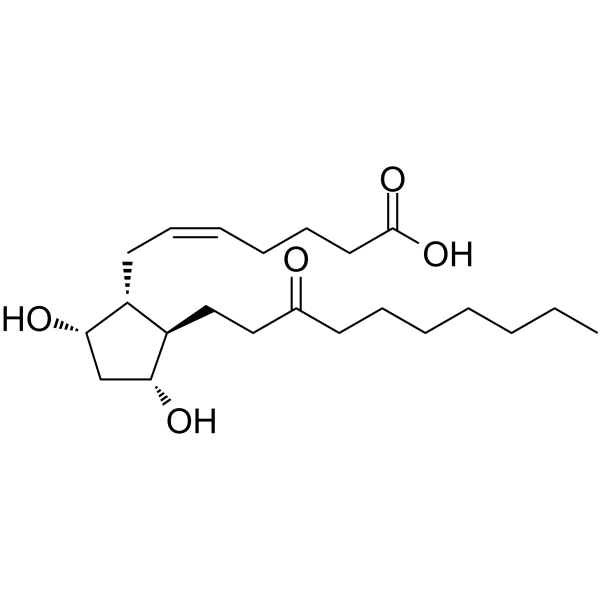
5β-Dihydrocortisol, a metabolite of Cortisol, is a potential mineralocorticoid. 5β-Dihydrocortisol can potentiate glucocorticoid activity in raising the intraocular pressure. 5β-Dihydrocortisol causes breast cancer cell apoptosis .
|
-
-
- HY-109191A
-
|
PHP-201 hydrochloride; AMA0076 hydrochloride
|
ROCK
|
Neurological Disease
|
|
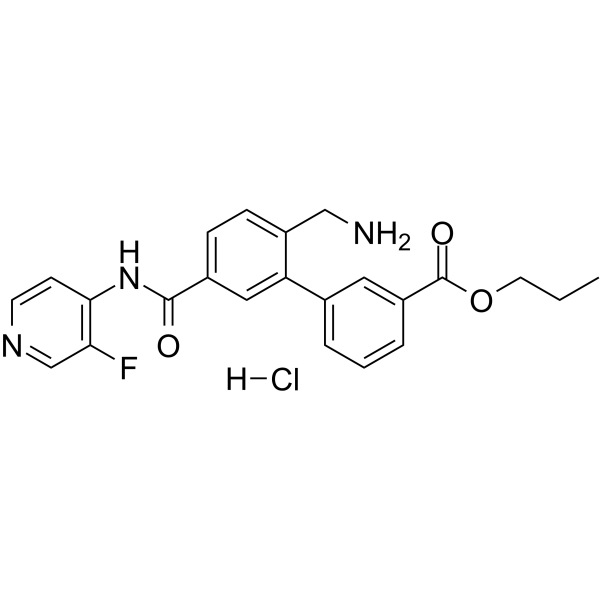
Sovesudil (PHP-201) hydrochloride is a potent, ATP-competitive, locally acting Rho kinase (ROCK) inhibitor with IC50s of 3.7 and 2.3 nM for ROCK-I and ROCK-II, respectively. Sovesudil hydrochloride lowers intraocular pressure (IOP) without inducing hyperemia .
|
-
-
- HY-153483
-
-

-
- HY-116161A
-
|
|
Prostaglandin Receptor
|
Metabolic Disease
|
|
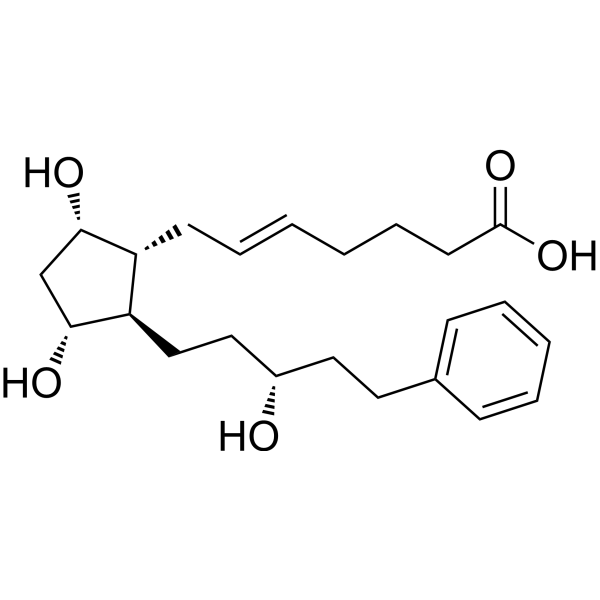
17-Phenyl trinor PGF2α isopropyl ester is a FP receptor agonist and intraocular pressure-lowering agent. 17-Phenyl trinor PGF2α isopropyl ester induces iris sphincter contraction, reduces intraocular pressure and pupil diameter, causes no ocular irritation, and only leads to mild conjunctival hyperemia. 17-Phenyl trinor PGF2α isopropyl ester is applicable to relevant research on glaucoma .
|
-

-
- HY-142849
-
|
|
Carbonic Anhydrase
|
Endocrinology
|
|
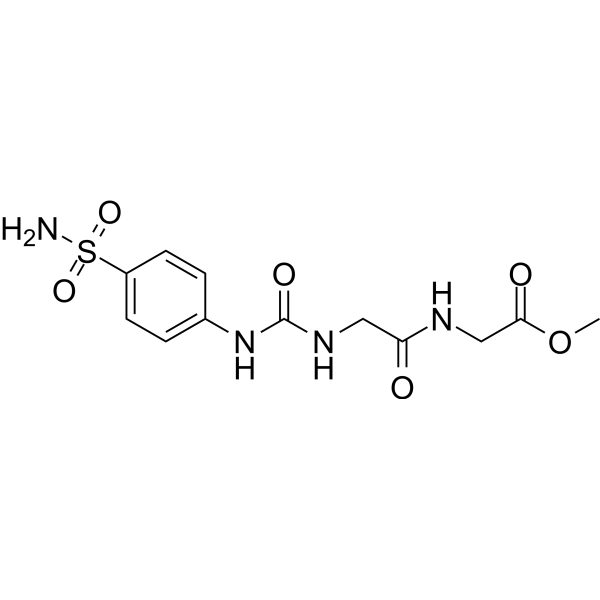
Carbonic anhydrase inhibitor 1 (compound 7c) is a carbonic anhydrase II inhibitor. Carbonic anhydrase inhibitor 3 reduces the intraocular pressure in glaucomatous rabbits .
|
-
-
- HY-B0588A
-
|
AL-4862 hydrochloride
|
Carbonic Anhydrase
|
Neurological Disease
|
|
Brinzolamide (AL-4862) hydrochloride is a selective carbonic anhydrase II inhibitor with an IC50 value of 3.2 nM. Brinzolamide hydrochloride reduces intraocular pressure (IOP) by inhibiting ciliary CA-II and decreasing atrial fluid secretion. Brinzolamide hydrochloride can be used in glaucoma disease research .
|
-
-
- HY-106523
-
|
KT 210; K 351; Hypadil
|
Adrenergic Receptor
|
Cardiovascular Disease
|
|
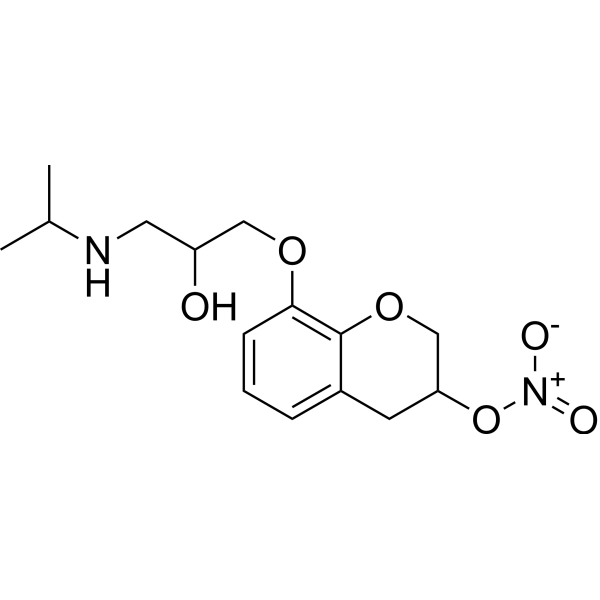
Nipradolol (KT-210; K-351) is a potent blocker of alpha-1-adrenergic receptors. Nipradolol inhibits the increase of intraocular pressure (IOP) in an albino rabbit model induced by Phenylephrine (HY-B0769). Nipradolo suppresses the noradrenaline (NA)-induced muscles contraction, also exhibits vasodilator activity on the dog coronary artery .
|
-
-
- HY-121166
-
|
(S)-Betaxolol
|
Adrenergic Receptor
|
Others
|
|
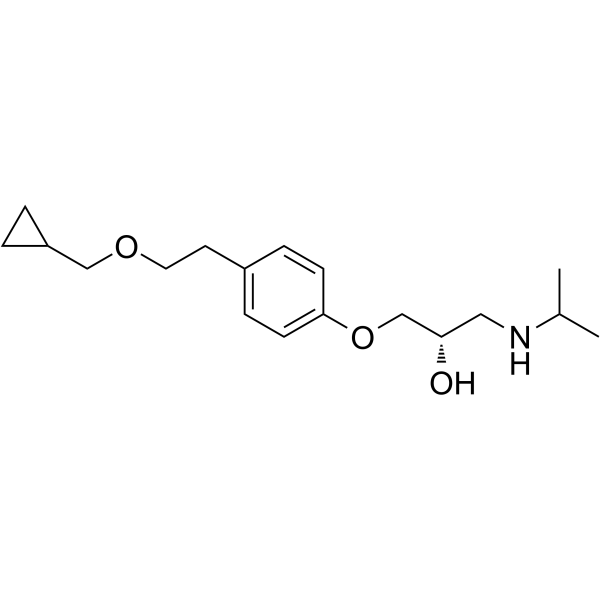
Levobetaxolol is a potent and high affinity β-adrenergic antagonist with IC50 values of 33.2, 2970, 709 nM for guinea pig atrial β1, tracheal β2 and rat colonic β3 receptors, respectively. Levobetaxolol reduces IOP (intraocular pressure). Levobetaxolol exhibits a micromolar affinity for L-type Ca21-channels. Levobetaxolol decreases the effects of ischaemia/reperfusion injury in rats. Levobetaxolol has the potential for the research of glaucoma .
|
-
-
- HY-B0553S
-
|
L584601-d6
|
Isotope-Labeled Compounds
Carbonic Anhydrase
|
Inflammation/Immunology
|
|
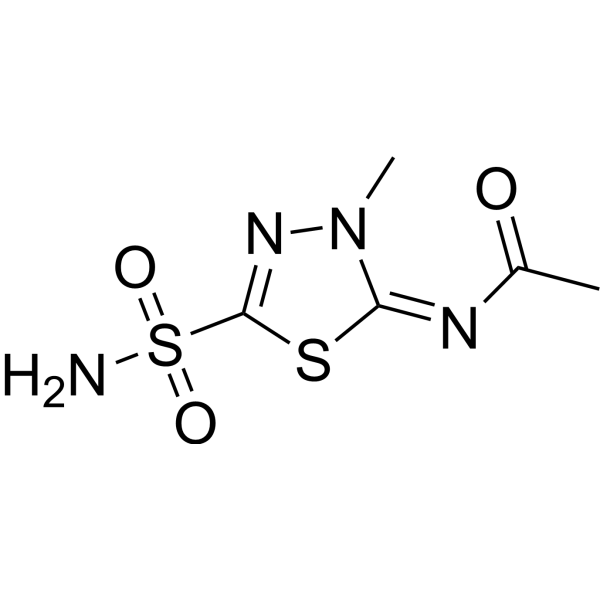
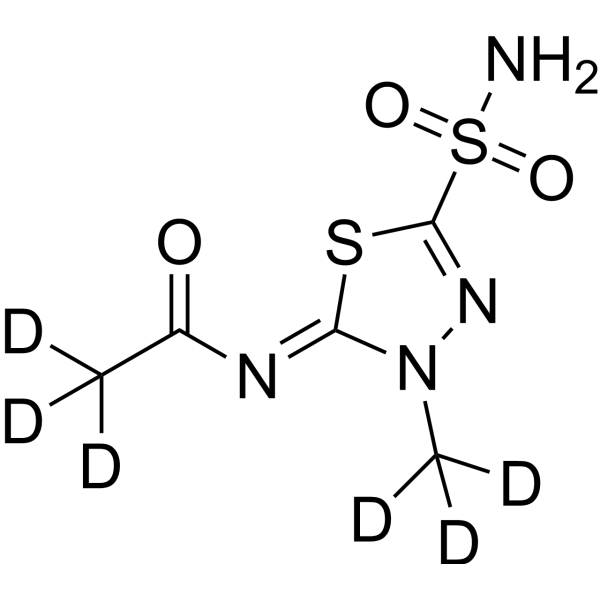
Methazolamide-d6 is the deuterium labeled Methazolamide. Methazolamide (L584601) is a sulfonamide derivative used as a carbonic anhydrase inhibitor with a Ki of 14 nM for human carbonic anhydrase II. Methazolamide, an intraocular pressure-lowering agent, reduces intraocular pressure elevations associated with glaucoma and other ocular disorders .
|
-
-
- HY-142853
-
|
|
Carbonic Anhydrase
|
Endocrinology
|
|
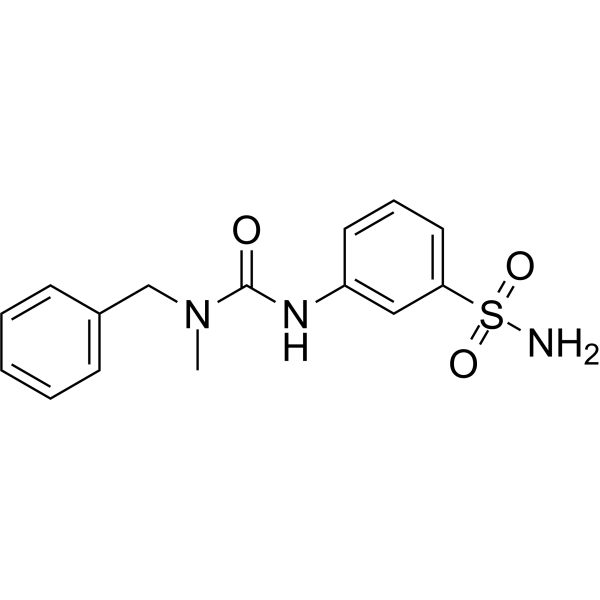
Carbonic anhydrase inhibitor 3 (compound 11g) is a carbonic anhydrase II inhibitor. Carbonic anhydrase inhibitor 3 reduces the intraocular pressure in glaucomatous rabbits .
|
-
-
- HY-121398
-
|
|
Adrenergic Receptor
Endogenous Metabolite
|
Others
|
|
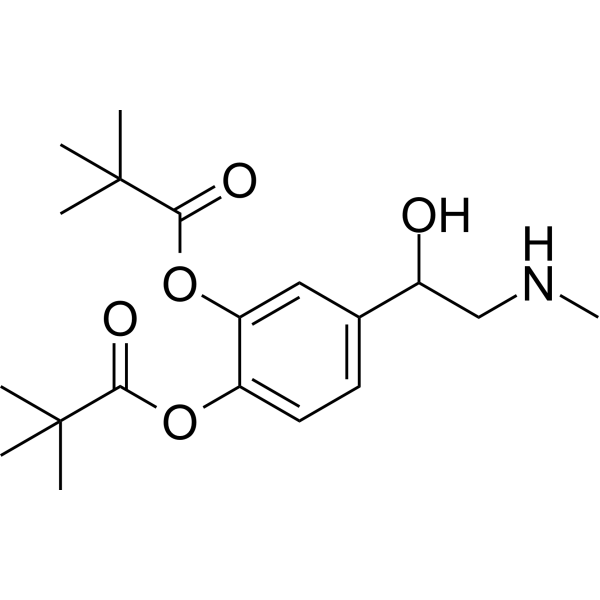
Dipivefrin is a potent adrenergic agonist. Dipivefrin is an adrenergic pro-agent. Dipivefrin can be used for reduce IOP (intraocular pressure) in patients suffering from chronic open angle glaucoma .
|
-
-
- HY-17494A
-
|
(S)-L-714,465 hemihydrate; MK 950 hemihydrate
|
Adrenergic Receptor
|
Infection
Cancer
|
|
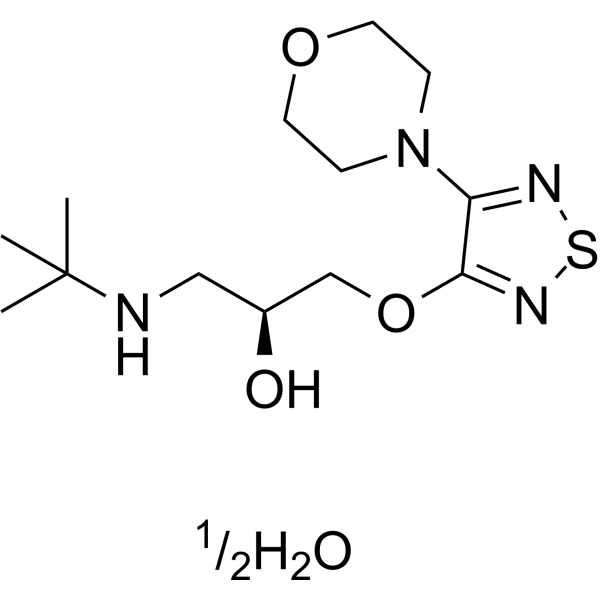
Timolol (hemihydrate) is a β-blocker available for both topical and systemic administration. Timolol (hemihydrate) is primarily used to reduce intraocular pressure with open-angle glaucoma and ocular hypertension and Timolol (hemihydrate) also has cardioprotective effect .
|
-
-
- HY-12720
-
|
ALO 2145 free base
|
Adrenergic Receptor
|
Infection
Neurological Disease
|
|
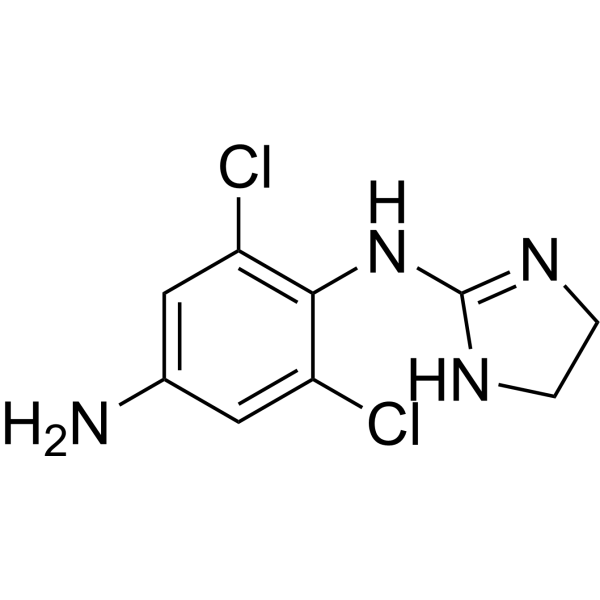
Apraclonidine (ALO 2145 (free base)), a selective α2 and weak α1 receptor agonist activity, effectively low intraocular pressure (IOP) in human eyes. Apraclonidine hydrochloride is a topical ophthalmic solution .
|
-
-
- HY-106331A
-
|
MK-927; (Rac)-MK 417
|
Carbonic Anhydrase
|
Neurological Disease
|
|
(Rac)-Sezolamide hydrochloride (MK-927; (Rac)-MK 417) is a carbonic anhydrase inhibitor (CAI) (Ki: 12.0 nM). (Rac)-Sezolamide hydrochloride has a topical intraocular pressure (IOP) lowering effect. (Rac)-Sezolamide hydrochloride can be used in glaucoma research .
|
-

-
- HY-129781
-
|
|
Carbonic Anhydrase
|
Endocrinology
|
|
L-650719 is a topical carbonic anhydrase inhibitor (CAI) with a Ki of 10 nM for CA II. L-650719 has shown good intraocular pressure-lowering effects in a rabbit model. L-650719 may be used in glaucoma research .
|
-

-
- HY-101303
-
|
|
Melatonin Receptor
|
Others
|
|
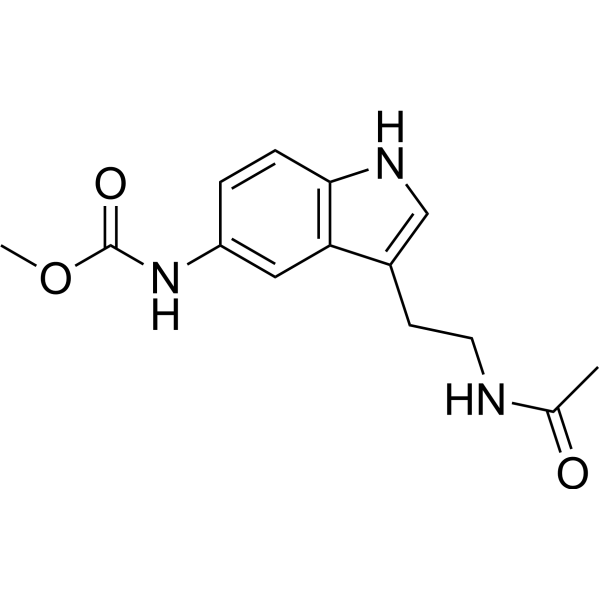
5-MCA-NAT is a melatonin agonist that may target the melatoninMT3 receptor. 5-MCA-NAT can contract the colonic band in a concentration-dependent manner and reduce intraocular pressure (IOP) in glaucomatous monkey eyes, inhibiting the increase in IOP .
|
-
-
- HY-185048
-
|
|
Drug Intermediate
|
Neurological Disease
|
|
PCB-OAA is a biocompatible multivinyl polycarboxybetaine macromonomer and that exhibits anti-fouling activity. PCB-OAA can form a hydrogel in vitreous cavity and shows an appealing ability to prevent significantly inflammatory response, fibrosis and complications such as raised intraocular pressure, and cataract formation. PCB-OAA can be used for the research of vitreous substitution .
|
-

-
- HY-B0577S
-
|
PHXA41-d4
|
Prostaglandin Receptor
|
Others
|
|
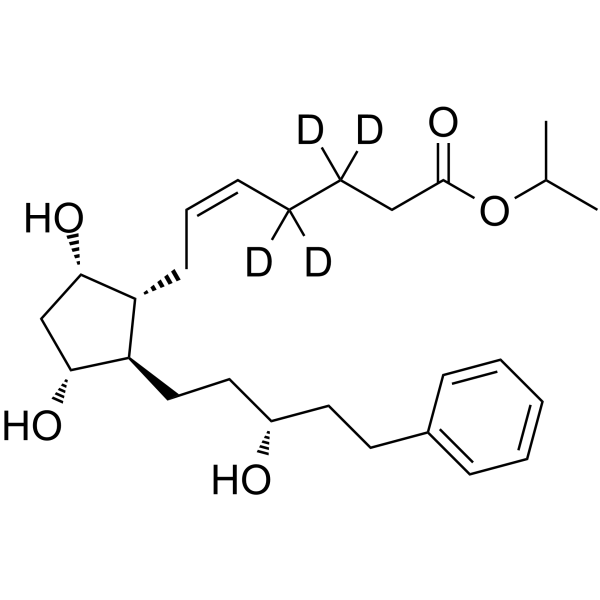
Latanoprost-d4 is the deuterium labeled Latanoprost. Latanoprost (PHXA41) is a prostaglandin F2α analogue and an agonist for the FP prostanoid receptor, and lowers intraocular-pressure (IOP).
|
-
-
- HY-B0577R
-
|
PHXA41 (Standard)
|
Reference Standards
Prostaglandin Receptor
|
Others
|
|
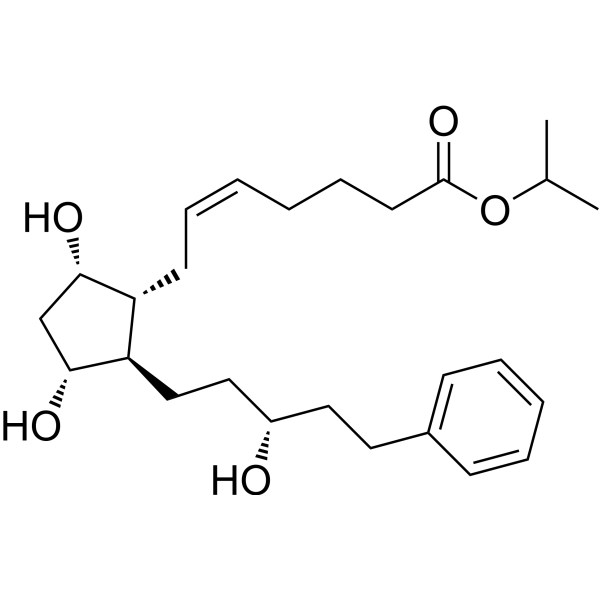
Latanoprost (Standard) is the analytical standard of Latanoprost. This product is intended for research and analytical applications. Latanoprost (PHXA41) is a prostaglandin F2α analogue and an agonist for the FP prostanoid receptor, and lowers intraocular-pressure (IOP).
|
-
-
- HY-121902
-
|
|
Adrenergic Receptor
|
Others
|
|
Butidrine is a compound with intraocular pressure-lowering activity that is less effective than some other beta-adrenergic receptor blockers in reducing intraocular pressure in rabbit eyes.
|
-

-
- HY-118656
-
-
-
- HY-153483A
-
-
-
- HY-117090
-
|
(rac)-4,5-DHP-AMT
|
5-HT Receptor
|
Others
|
|
(rac)-AL-37350A ((rac)-4,5-DHP-AMT) is a 5-HT2 receptor agonist with intraocular pressure-lowering activity. (rac)-AL-37350A has high affinity and selectivity for the 5-HT2 receptor and effectively reduces intraocular pressure in conscious hypertensive cynomolgus monkeys.
|
-

-
- HY-108067
-
-

-
- HY-106332A
-
|
MK 417; (S)-MK-927
|
Carbonic Anhydrase
|
Endocrinology
|
|
Sezolamide hydrochloride (MK 417) is a potent topical carbonic anhydrase inhibitor. Sezolamide hydrochloride can be used in studies to reduce intraocular pressure .
|
-

-
- HY-121600
-
|
|
Cannabinoid Receptor
|
|
|
GAT229 is a CB1 positive allosteric modulator (PAM) that effectively reduces intraocular pressure (IOP) in high IOP mouse models and enhances CB1 receptor-mediated IOP-lowering effects. A 0.2% GAT229 solution or 10 mg/kg of GAT229 alone significantly reduces IOP. GAT229 is promising for research related to glaucoma and elevated intraocular pressure .
|
-

-
- HY-106206
-
-
- HY-113797
-
|
|
Adrenergic Receptor
|
Others
|
|
RS-52367 is a potent syntex β-adrenergic antagonist. RS-52367 decreases intraocular pressure with a mild systemic effect in dogs .
|
-

- HY-113756
-
|
|
Prostaglandin Receptor
|
Others
|
|
trans-Latanoprost acid is an isomer of Latanoprost acid. trans-Latanoprost acid may have the activity of reducing intraocular pressure. trans-Latanoprost acid is mainly prepared as an analytical standard for impurity detection and quantification .
|
-
- HY-160991
-
-

- HY-178233
-
|
|
Potassium Channel
|
Neurological Disease
|
|
CAT335 is a TREK activator. CAT335 selectively and irreversibly activates TREK-1 CG∗. CAT335 can be used in the research of pain sensation, sleep, and intraocular pressure .
|
-

- HY-B0397A
-
|
Diclofenamide disodium
|
Carbonic Anhydrase
|
Neurological Disease
|
|
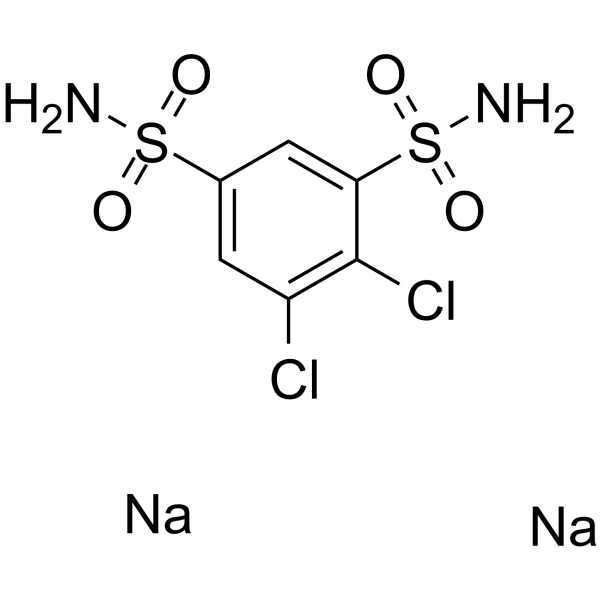
Dichlorphenamide (Diclofenamide) disodium is an orally active, specific, carbonic anhydrase inhibitor. Dichlorphenamide can reduce intraocular pressure by inhibiting the secretion of water from the eye. Dichlorphenamide can be used for glaucoma research .
|
-
- HY-12720B
-
|
ALO 2145 dihydrochloride
|
Adrenergic Receptor
|
Neurological Disease
|
|
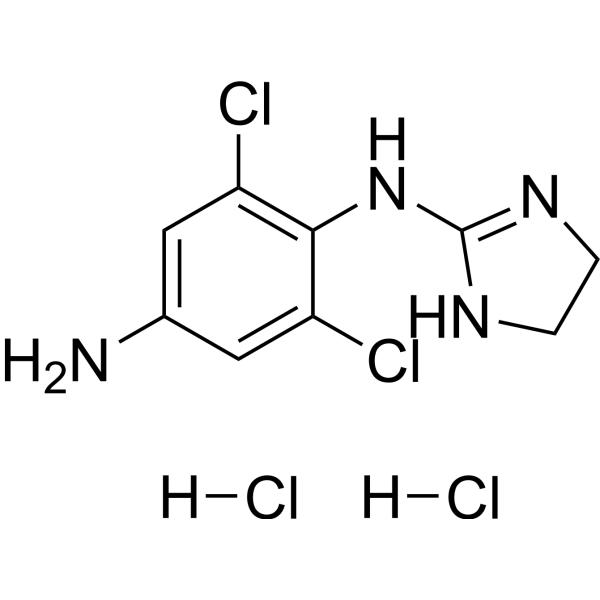
Apraclonidine (ALO 2145) dihydrochloride, a selective α2 and weak α1 receptor agonist activity, effectively low intraocular pressure (IOP) in eyes. Apraclonidine dihydrochloride is a topical ophthalmic solution .
|
-
- HY-160991A
-
|
SP-204 dihydrochloride
|
Phosphodiesterase (PDE)
|
Others
Neurological Disease
|
|
Menabitan dihydrochloride (SP-204 dihydrochloride) is the dihydrochloride form of Menabitan (HY-160991). Menabitan dihydrochloride is an inhibitor for phosphodiesterase 9 (PDE 9), which acts as a non-opioid analgesic agent. Menabitan dihydrochloride lowers the intraocular pressure in rabbit model .
|
-

- HY-172634
-
|
8-Iso-17-phenyl PGF2β
|
Biochemical Assay Reagents
Drug Isomer
|
Others
|
|
8-Iso-17-phenyl trinor prostaglandin F2β is an isomer of Bimatoprost (HY-B0191). Bimatoprost is a prostaglandin analog. Bimatoprost lowers intraocular pressure by regulating scleral and trabecular outflow.
|
-

- HY-162226
-
|
|
Carbonic Anhydrase
|
Others
|
|
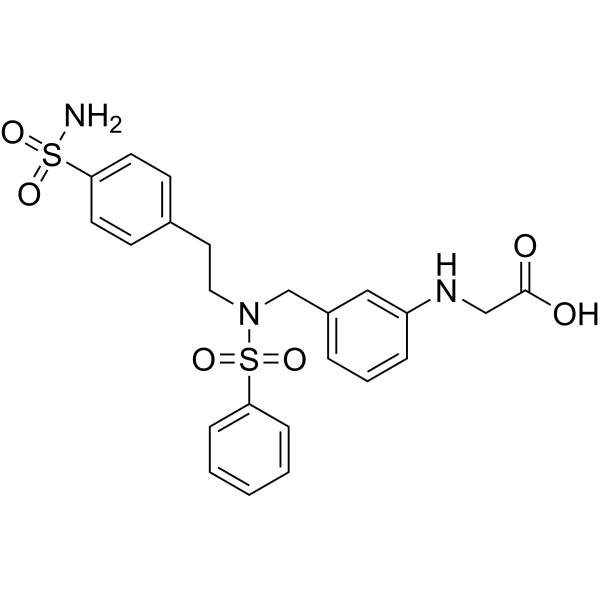
Carbonic anhydrase inhibitor 19 (compound 26a) inhibits the Glaucoma related isoforms hCA II and hCA XII with Kis of 9.4 nM and 6.7 nM, respectively. Carbonic anhydrase inhibitor 19 reveals an intraocular pressure (IOP) lowering effect .
|
-
- HY-167932
-
|
RU486 methochloride; RU 38486 methochloride
|
Progesterone Receptor
|
Endocrinology
|
|
Mifepristone (RU486) methochloride is a glucocorticoid antagonist that blocks peripheral glucocorticoid and progesterone receptors. Mifepristone methochloride has been shown to have minimal effects on intraocular pressure in treated rabbits. Mifepristone methochloride was developed as a water-soluble formulation to enhance ocular penetration of the drug.
|
-

- HY-119063
-
|
|
Carbonic Anhydrase
|
Others
|
|
L-645151 is a carbonic anhydrase inhibitor with ocular penetration and hypotensive activity. L-645151 lowers the elevated intraocular pressure (IOP) of o-chymotripsinized (o-CT) rabbit eyes. L-645151 is promising for research of an ocular hypotensive agent .
|
-

- HY-106331
-
|
MK-927 free base; (Rac)-MK 417 free base
|
Carbonic Anhydrase
|
Endocrinology
|
|
(Rac)-Sezolamide (MK-927 (free base); (Rac)-MK 417 (free base)) is a carbonic anhydrase inhibitor (CAI) (Ki: 12.0 nM). (Rac)-Sezolamide has a topical intraocular pressure (IOP) lowering effect. (Rac)-Sezolamide can be used in glaucoma research .
|
-

- HY-B0397R
-
|
Diclofenamide (Standard)
|
Reference Standards
Carbonic Anhydrase
|
Neurological Disease
|
|
Dichlorphenamide (Standard) is the analytical standard of Dichlorphenamide. This product is intended for research and analytical applications. Dichlorphenamide (Diclofenamide) is an orally active, specific, carbonic anhydrase inhibitor. Dichlorphenamide can reduce intraocular pressure by inhibiting the secretion of water from the eye. Dichlorphenamide can be used for glaucoma research .
|
-
- HY-106512
-
|
|
Prostaglandin Receptor
|
Others
|
|
Cianergoline is a ergoline derivative with the activity of reducing intraocular pressure (IOP). Its primary regulatory mechanism involves the inhibition of sympathetic nervous function, achieved through actions on both prejunctional (DA2) and postjunctional (α1) adrenergic receptors. Cianergoline can be used for research in the field of glaucoma .
|
-

- HY-B1035C
-
|
(R)-Bunolol hydrochloride
|
Adrenergic Receptor
|
Cardiovascular Disease
|
|
ent-Levobunolol ((R)-Bunolol) hydrochloride is a competitive β-adrenergic receptor blocker. ent-Levobunolol hydrochloride inhibits the transmission of sympathetic nerve impulses, reduces the production of aqueous humor, and constricts blood vessels in the eye, thereby reducing intraocular pressure. ent-Levobunolol hydrochloride is promising for research of ocular hypertension diseases such as glaucoma .
|
-

- HY-118599
-
|
|
Prostaglandin Receptor
|
Others
|
|
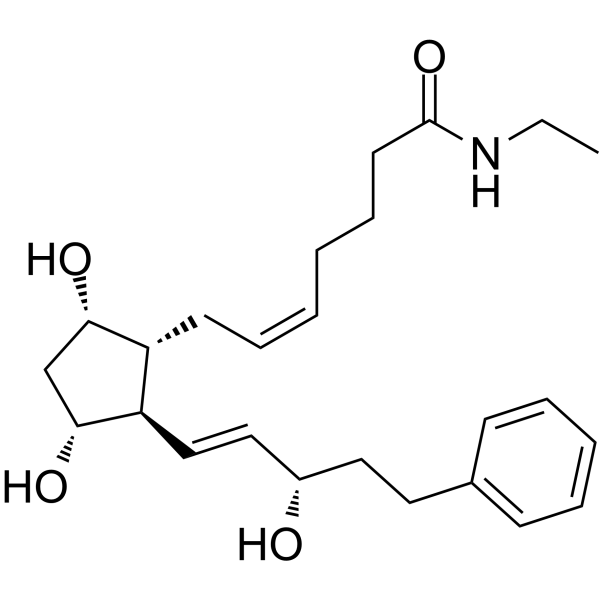
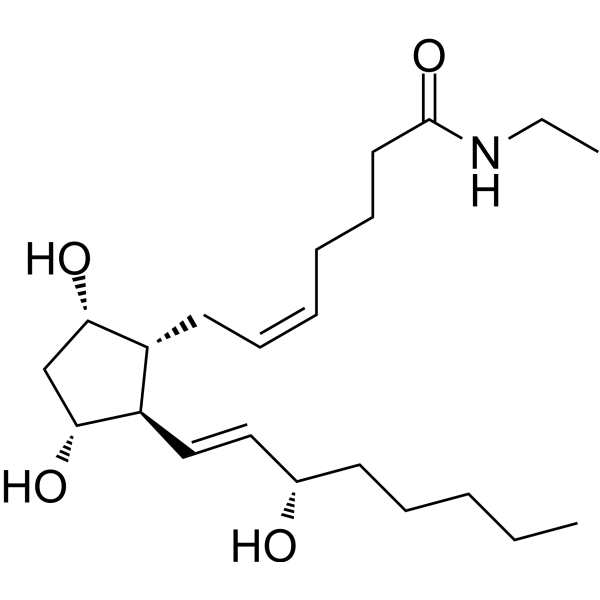
Prostaglandin F2α ethyl amide is an analog of Prostaglandin F2α (HY-12956). Prostaglandin F2α ethyl amide is supposed to be potent lowering intraocular pressure (IOP) for its N-ethyl amide group, like Bimatoprost (HY-B0191) .
|
-
- HY-106037
-
|
|
Prostaglandin Receptor
|
Others
|
|
PGF2α-isopropyl ester is a Prostaglandin F2α (HY-12956) derivative, which is active in lowering the intraocular pressure (IOP) through increased uveoscleral outflow of aqueous humor. PGF2α-isopropyl ester causes side effects of conjunctival hyperemia and ocular irritation .
|
-
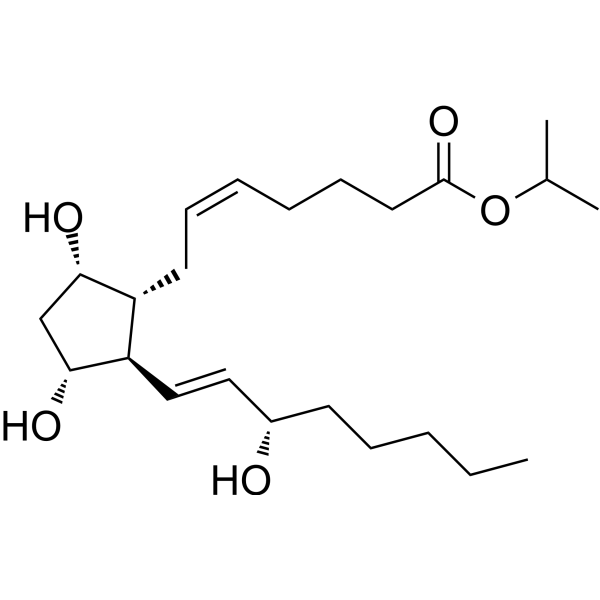
- HY-12720AR
-
|
ALO 2145 (Standard)
|
Reference Standards
Adrenergic Receptor
|
Neurological Disease
|
|
Apraclonidine (hydrochloride) (Standard) is the analytical standard of Apraclonidine (hydrochloride). This product is intended for research and analytical applications. Apraclonidine hydrochloride (ALO 2145), a selective α2 and weak α1 receptor agonist activity, effectively lowers intraocular pressure (IOP) in human eyes. Apraclonidine hydrochloride is a topical ophthalmic solution and has the ability to elevate the eye lid .
|
-

- HY-B0588AS
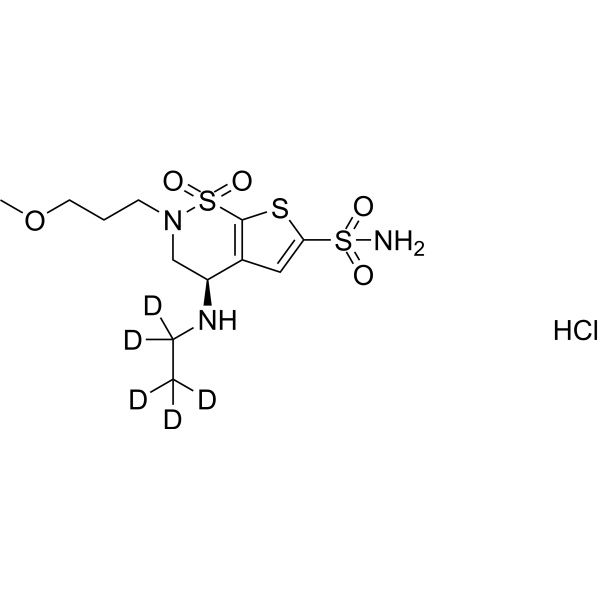
-
|
AL-4862-d5 hydrochloride
|
Carbonic Anhydrase
|
Neurological Disease
|
|
Brinzolamide-d5 (hydrochloride) is the deuterium labeled Brinzolamide hydrochloride . Brinzolamide (AL-4862) hydrochloride is a selective carbonic anhydrase II inhibitor with an IC50 value of 3.2 nM. Brinzolamide hydrochloride reduces intraocular pressure (IOP) by inhibiting ciliary CA-II and decreasing atrial fluid secretion. Brinzolamide hydrochloride can be used in glaucoma disease research .
|
-
- HY-148698
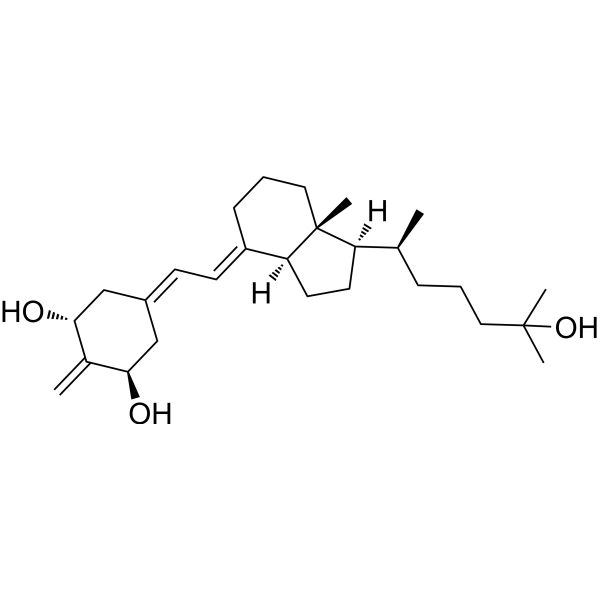
-
|
|
VD/VDR
|
Others
|
|
2MD is an orally active vitamin D analog. 2MD stimulates periosteal bone formation and decreases trabecular bone resorption. Thus 2MD restores trabecular and cortical bone mass and strength. 2MD also regulates intraocular pressure (IOP)-relative genes and reduces IOP in non-human primates .
|
-
- HY-B0588R
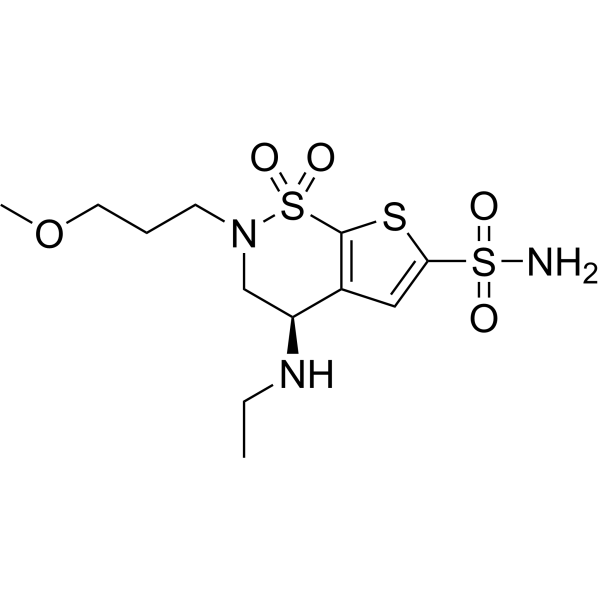
-
|
AL-4862 (Standard)
|
Reference Standards
Carbonic Anhydrase
|
Others
Neurological Disease
|
|
Brinzolamide (Standard) is the analytical standard of Brinzolamide. This product is intended for research and analytical applications. Brinzolamide (AL-4862) is a selective carbonic anhydrase II inhibitor with anIC50 value of 3.2 nM. Brinzolamide hydrochloride reduces intraocular pressure (IOP) by inhibiting ciliary CA-II and decreasing atrial fluid secretion. Brinzolamide can be used in glaucoma disease research .
|
-
- HY-124243
-
|
17-Phenyl trinor prostaglandin F2α cyclopropyl methyl amide
|
Prostaglandin Receptor
|
Others
|
|
N-Cyclopropyl methyl bimatoprost (17-Phenyl trinor prostaglandin F2α cyclopropyl methyl amide) is an analog of Bimatoprost (HY-12956). N-Cyclopropyl methyl bimatoprost is an agonist for Prostaglandin F2α Receptor (FP receptor). N-Cyclopropyl methyl bimatoprost is potent to reduce the intraocular pressure and attenuate the glaucoma .
|
-

- HY-106916
-
|
|
Potassium Channel
Chloride Channel
|
Cardiovascular Disease
Neurological Disease
|
|
Unoprostone, a prostaglandin F2α analog, is a large conductance Ca 2+-activated K + (BK) channels and ClC-2 type chloride channels activator. Unoprostone reduces oxidative stress- and light-induced retinal cell death, and phagocytotic dysfunction. Unoprostone reduces intraocular pressure and can be used for the study of glaucoma, ocular hypertension and retinitis pigmentosa .
|
-
- HY-17494S
-
|
(Rac)-L-714,465 maleate; (Rac)-MK 950-d5
|
Isotope-Labeled Compounds
Adrenergic Receptor
|
Cardiovascular Disease
Neurological Disease
|
|
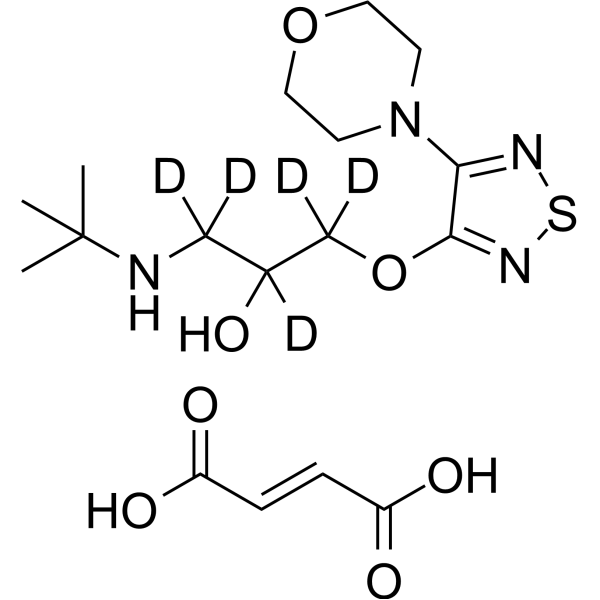
rac Timolol-d5 (maleate) is a labelled racemic (S)-Timolol maleate. (S)-Timolol Maleate (L-714,465 Maleate) is a non-cardioselective hydrophilic β-adrenoceptor blocker. (S)-Timolol Maleate is widely used as standard medication for intraocular pressure (glaucoma) by preventing the production of aqueous humor. (S)-Timolol Maleate can be used for hypertension, angina pectoris and myocardial infarction .
|
-
- HY-N3995S
-
|
|
Isotope-Labeled Compounds
Apoptosis
Drug Metabolite
|
Cancer
|
|
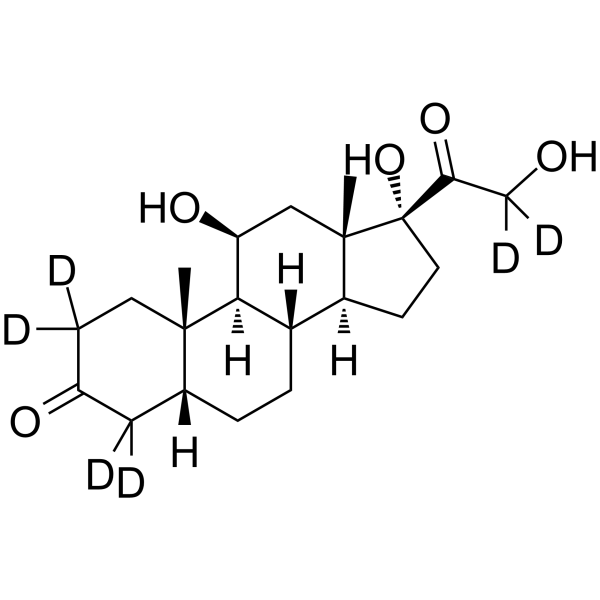
5β-Dihydrocortisol-d6 is the deuterium labeled 5β-Dihydrocortisol. 5β-Dihydrocortisol, a metabolite of Cortisol, is a potential mineralocorticoid. 5β-Dihydrocortisol can potentiate glucocorticoid activity in raising the intraocular pressure. 5β-Dihydrocortisol causes breast cancer cell apoptosis .
|
-
- HY-17380S
-
|
(S)-L-714,465-d9 maleate; MK 950-d9
|
Isotope-Labeled Compounds
Adrenergic Receptor
|
Cardiovascular Disease
Neurological Disease
|
|
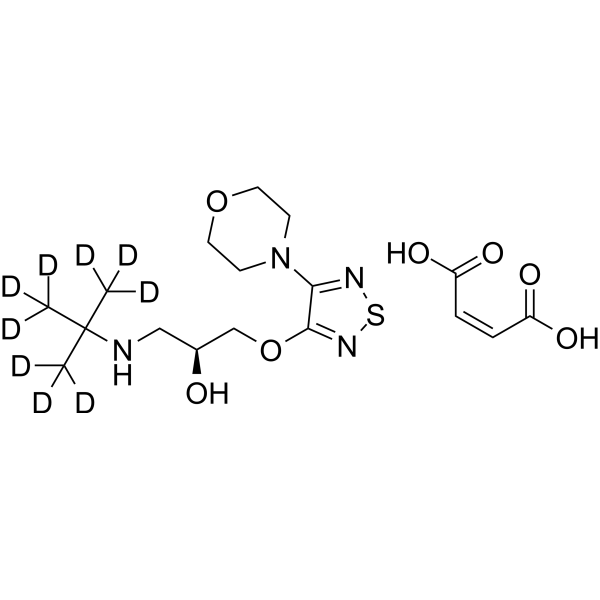
(S)-Timolol-d9 (maleate) is deuterium labeled (S)-Timolol (Maleate). (S)-Timolol Maleate (L-714,465 Maleate) is a non-cardioselective hydrophilic β-adrenoceptor blocker. (S)-Timolol Maleate is widely used as standard medication for intraocular pressure (glaucoma) by preventing the production of aqueous humor. (S)-Timolol Maleate can be used for hypertension, angina pectoris and myocardial infarction .
|
-
- HY-B0191R
-
|
AGN 192024 (Standard)
|
Reference Standards
Prostaglandin Receptor
MMP
|
Cardiovascular Disease
Endocrinology
|
|
Bimatoprost (Standard) is the analytical standard of Bimatoprost. This product is intended for research and analytical applications. Bimatoprost is a prostaglandin analog that reduces intraocular pressure by regulating scleral and trabecular outflow. Bimatoprost is used in the study of open-angle glaucoma, ocular hypertension, and other forms of glaucoma. Topical application of bimatoprost induces fat atrophy and causes a deepening of the eyelid sulcus [4] .
|
-

- HY-161282
-
|
|
Carbonic Anhydrase
|
Neurological Disease
Cancer
|
|
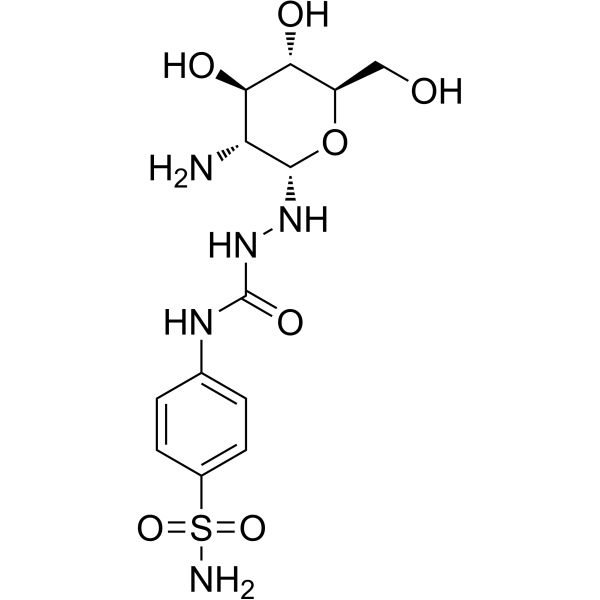
hCAII-IN-10 (compound 11d) is hCA II inhibitor with the IC50s of 14 nM and 29.2 μM for hCA II and hCA I, respectively. hCAII-IN-10 inhibits cell growth against HT-29 cells with the IC50 of 74 μM. hCAII-IN-10 shows strongly lowered intraocular pressure in the glaucomatous rabbit eye model .
|
-
- HY-17494B
-
|
(S)-L-714,465 hemimaleate; MK 950 hemimaleate
|
Adrenergic Receptor
|
Cardiovascular Disease
Inflammation/Immunology
Cancer
|
|
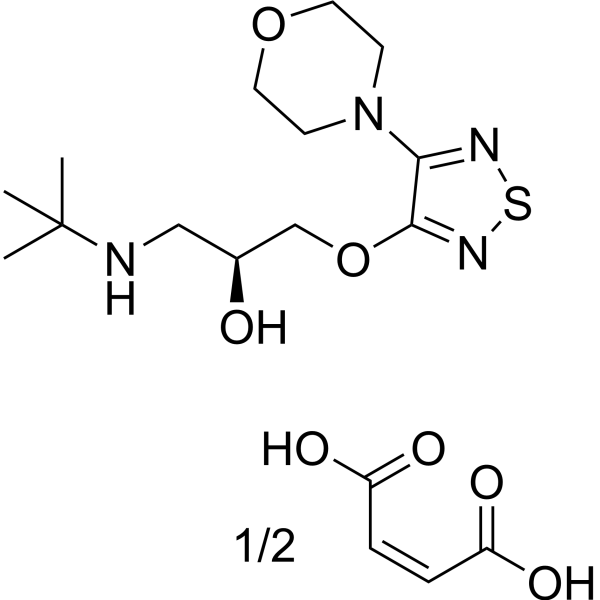
Timolol ((S)-L-714,465; MK 950) hemimaleate is a β-blocker available for both topical and systemic administration. Topical Timolol hemimaleate is primarily used to reduce intraocular pressure with open-angle glaucoma and ocular hypertension. Timolol hemimaleate can also be used for the research of infantile hemangiomas, hypertension, myocardial infarction, migraine prophylaxis, and atrial fibrillation.Timolol also has cardioprotective effect .
|
-
- HY-17494S1
-
|
|
Isotope-Labeled Compounds
Adrenergic Receptor
|
Cardiovascular Disease
Inflammation/Immunology
Cancer
|
|
Timolol-d9 (maleate) is deuterium labeled Timolol. Timolol is a β-blocker available for both topical and systemic administration. Topical Timolol is primarily used to reduce intraocular pressure with open-angle glaucoma and ocular hypertension. Timolol can also be used for the research of infantile hemangiomas, hypertension, myocardial infarction, migraine prophylaxis, and atrial fibrillation.Timolol also has cardioprotective effect .
|
-

- HY-B0553R
-
-

- HY-16758A
-
|
AR-12286 hydrochloride
|
ROCK
|
Neurological Disease
|
|
Verosudil (AR-12286) hydrochloride is the hydrochloride form of Verosudil (HY-16758). Verosudil hydrochloride is a ROCK inhibitor. Verosudil hydrochloride has equal inhibitory activity against ROCK1 and ROCK2 (Ki: 2 nM). Verosudil hydrochloride is less selective for PKA, PKCT, MRCKA, and CAM2A (Ki: 69 nM, 9322 nM, 28 nM, 5855 nM, respectively). Verosudil hydrochloride increases trabecular outflow capacity to reduce intraocular pressure. Verosudil hydrochloride is useful in the study of glaucoma and ocular hypertension .
|
-

- HY-144705
-
|
|
Cannabinoid Receptor
|
Neurological Disease
|
|
GAT564 (Compound 15d) is a potent allosteric modulator of cannabinoid 1 receptor (CB1R) with EC50s of 87 and 320 nM respectively for cAMP and β-arrestin2. GAT564 markedly promotes orthosteric ligand binding to hCB1R. GAT564 is efficacious as a topical agent that significantly reduces intraocular pressure (IOP) in the ocular normotensive murine model of glaucoma .
|
-
- HY-17494R
-
|
(S)-L-714,465 (Standard); MK 950 free base (Standard)
|
Reference Standards
Adrenergic Receptor
|
Cardiovascular Disease
Inflammation/Immunology
Cancer
|
|
Timolol (Standard) is the analytical standard of Timolol. This product is intended for research and analytical applications. Timolol is a β-blocker available for both topical and systemic administration. Topical Timolol is primarily used to reduce intraocular pressure with open-angle glaucoma and ocular hypertension. Timolol can also be used for the research of infantile hemangiomas, hypertension, myocardial infarction, migraine prophylaxis, and atrial fibrillation.Timolol also has cardioprotective effect .
|
-

- HY-125641A
-
|
|
5-HT Receptor
|
Neurological Disease
|
|
AL-34662 (formate) is a 5-HT2 receptor agonist (IC50: 0.8-1.5 nM). AL-34662 (formate) stimulates inositol phosphate turnover and Ca 2+ release in human ciliary muscle cells (h-CM) (E50: 289 nM) and human trabecular meshwork cells (h-TM) (E50: 254 nM). AL-34662 (formate) can be used in studies to lower intraocular pressure (IOP) .
|
-

- HY-124219
-
|
17-Phenoxy trinor PGF2α ethyl amide
|
Prostaglandin Receptor
|
Others
|
|
17-Phenoxy trinor prostaglandin F2α ethyl amide (17-Phenoxy trinor PGF2α ethyl amide) is an analog of Bimatoprost (HY-12956). 17-Phenoxy trinor prostaglandin F2α ethyl amide is an agonist for Prostaglandin F2α Receptor (FP receptor). 17-Phenoxy trinor prostaglandin F2α ethyl amide is potent to reduce the intraocular pressure and attenuate the glaucoma .
|
-

- HY-15195R
-
|
Ro 67-0565 (Standard); SPP-301 (Standard)
|
Reference Standards
Endothelin Receptor
|
Cardiovascular Disease
Endocrinology
|
|
Avosentan (Standard) is the analytical standard of Avosentan (HY-15195). This product is intended for research and analytical applications. Avosentan is an orally active endothelin (ETA) receptor antagonist. Avosentan can block the ETA receptor, thereby reducing vascular contraction, and exerting a renal protective effect. Avosentan inhibits vascular contraction caused by ET-1 and alleviates the reduction in retinal and optic nerve head blood flow induced by it, lowering intraocular pressure in the glaucoma monkey model. Avosentan non-specifically blocks ETB receptors at high doses, inhibiting ETB-mediated diuresis and natriuresis, and may cause fluid retention. Avosentan can be used to reduce proteinuria with diabetic nephropathy, but induces significant fluid overload and congestive heart failure.
|
-

- HY-113778
-
|
15-keto-17-phenyl trinor PGF2α
|
Prostaglandin Receptor
|
Endocrinology
|
|
15-keto-17-phenyl trinor Prostaglandin F2α (15-keto-17-phenyl trinor PGF2α) is an F-series prostaglandin (PG) analog. The potential metabolite of 15-keto-17-phenyl trinor Prostaglandin F2α in animals is 15-keto PG. 15-keto PG can slightly reduce the intraocular pressure (1 mm Hg) in normal cynomolgus monkeys when administered at a dose of 1 μg/eye. 15-keto-17-phenyl trinor Prostaglandin F2α is a miotic agent in cats, reducing the pupil diameter by 8 mm at a dose of 5 μg/eye.
|
-

- HY-180696
-
-

- HY-106332
-
|
MK 417 free base; (S)-MK-927 free base
|
Carbonic Anhydrase
|
Neurological Disease
|
|
Sezolamide (MK 417 free base) is a potent topical carbonic anhydrase inhibitor. Sezolamide can be used in studies to reduce intraocular pressure .
|
-

- HY-182635
-
|
|
Adrenergic Receptor
Sodium Channel
Potassium Channel
|
Cardiovascular Disease
Neurological Disease
|
|
ICI 147798 is an orally effective β-adrenoceptor antagonist with a pKB of 9.1 (in guinea pig right atrium) and 8.8 (in guinea pig trachea). ICI 147798 acts as a diuretic and intraocular pressure-lowering agent. ICI 147798 blocks β-adrenoceptors, inhibits isoproterenol-induced tachycardia and vasodepressor responses, exhibits slowly dissociating, insurmountable antagonism against β1-adrenoceptors, and shows surmountable competitive antagonism against β2-adrenoceptors. ICI 147798 induces natriuresis and kaliuresis, inhibits sodium transport, and reduces intraocular pressure .
|
-

- HY-127012
-
|
|
Endogenous Metabolite
|
Others
|
|
H-0104 dihydrochloride is a ROCK inhibitor with significant intraocular pressure (IOP)-lowering activity. H-0104 dihydrochloride effectively reduces IOP when administered to monkey eyes. There may not be a direct relationship between the Iop-lowering effect of H-0104 dihydrochloride and ROCK inhibition .
|
-

- HY-W566406
-
|
|
Carbonic Anhydrase
|
Neurological Disease
|
|
Aminozolamide is a carbonic anhydrase inhibitor. Aminozolamide regulates intraocular pressure by inhibiting carbonic anhydrase activity. Aminozolamide exerts local ocular effects, exhibits good retention in the ciliary body of rabbit eyes, and prevents rapid elimination from the eye. Aminozolamide is applicable to the research of ocular hypertension .
|
-

- HY-175085
-
|
|
Drug Derivative
|
Endocrinology
|
|
17-Phenyl trinor 8-iso prostaglandin E2 is a prostaglandin analog that reduces intraocular pressure (IOP) in both normal and glaucomatous monkey eyes. 17-Phenyl trinor 8-iso prostaglandin E2 lowers IOP primarily by increasing trabecular outflow facility .
|
-

- HY-113600
-
|
|
Endogenous Metabolite
|
Others
|
|
H-0106 dihydrochloride is a ROCK inhibitor with potent intraocular pressure (IOP)-lowering activity. H-0106 dihydrochloride can effectively inhibit ROCK enzyme. H-0106 dihydrochloride demonstrated significant IOP-lowering effects in monkey eyes. Studies with H-0106 dihydrochloride suggest that there may not be a direct relationship between ROCK inhibition and IOP reduction .
|
-

- HY-W746807
-
|
N-Cyclohexyl-desamethyl bimatoprost; 17-Phenyl trinor prostaglandin F2α cyclohexyl amide
|
Prostaglandin Receptor
|
Endocrinology
|
|
Bimatoprost cyclohexyl amide (N-Cyclohexyl-desamethyl bimatoprost; 17-Phenyl trinor prostaglandin F2α cyclohexyl amide) is an analog of bimatoprost (HY-B0191). Bimatoprost cyclohexyl amide is an agonist of the prostaglandin F2α receptor. Bimatoprost cyclohexyl amide is used in research on reducing intraocular pressure and glaucoma .
|
-

- HY-172574
-
|
8-iso-17-Phenyl trinor PGF2α
|
Drug Isomer
Drug Derivative
|
Neurological Disease
|
|
8-Iso-17-phenyl trinor prostaglandin F2α (8-Iso-17-phenyl trinor PGF2), the C-8 epimer of Bimatoprost (HY-B0191), is a PGF2α (HY-12956) analog. Bimatoprost can be used in the research of glaucoma and high intraocular pressure.
|
-

- HY-183283
-
-

- HY-182426
-
|
|
Carbonic Anhydrase
|
Neurological Disease
|
|
NCX-278 is a human carbonic anhydrase inhibitor with a 13 nM Ki for hCA II, 410 nM Ki for hCA I, 181 nM Ki for hCA IV, and selective inhibition of hCA II over hCA IV. NCX-278 is a potent and effective stimulator of NO/sGC/cGMP signaling with an EC50 of 2.05 lM. NCX-278 exerts NO-mediated vascular relaxant effects. NCX-278 lowers intraocular pressure in normotensive rabbits. NCX-278 can be used for the research of open-angle glaucoma .
|
-

- HY-182473
-
|
|
Prostaglandin Receptor
|
Neurological Disease
|
|
AL-6556 is a full agonist of the DP receptor and a partial agonist of the EP2 receptor. AL-6556 has an EC50 of 799 nM for bovine DP, a Ki of 3200 nM for human DP, and an EC50 of 1180 nM for human EP2, with selectivity over EP3, FP, IP, TP and 19 non-prostaglandin receptors. AL-6556 stimulates cAMP production via receptor activation and reduces intraocular pressure through aqueous humor inflow and outflow mechanisms. AL-6556 can be used in research related to ocular hypertension and glaucoma .
|
-

- HY-100543R
-
|
ICI-118551 (Standard)
|
Adrenergic Receptor
Reference Standards
Apoptosis
Caspase
Bcl-2 Family
HIF/HIF Prolyl-Hydroxylase
|
Cardiovascular Disease
Neurological Disease
Cancer
|
|
Zenidolol (ICI-118551) (Standard) is the analytical standard of Zenidolol (HY-100543). This product is intended for research and analytical applications. Zenidolol is a selective β2-adrenergic receptor antagonist with Ki values of Zenidolol for β2, β1 and β3 adrenergic receptors of 0.7, 49.5 and 611 nM, respectively. Zenidolol exerts antitumor effects via inducing apoptosis, inhibiting tumor sphere formation, and downregulating the HIF pathway by blocking β2-AR on tumor cells. Zenidolol exhibits a unique pulmonary vessel-specific vasodilatory effect in mouse models. Zenidolol can be used as an intraocular pressure-lowering agent in ophthalmic disease research.
|
-

- HY-116889
-
|
|
Drug Metabolite
|
Others
|
|
15-keto Latanoprost is a potential metabolite of latanoprost (HY-B0577) when administered to animals. 15-keto Latanoprost is also one of the common minor impurities found in commercial preparations of the bulk drug compound. Although much less potent that the parent compound latanoprost, 15-keto latanoprost still retains the ability to produce a small but measurable decrease (1 mm Hg) in the intraocular pressure of normal cynomolgus monkeys when administered at a dose of 1 μg/eye.1 15-keto Latanoprost is also a miotic in the normal cat eye, causing an 8 mm Hg reduction in pupillary diameter at 5 μg/eye. Again, this is not as potent as many other F-type prostaglandins; for example, prostaglandin F2α will produce this degree of miosis at a dose of less than 1 μg/eye.
|
-

- HY-124404
-
|
|
Aryl Hydrocarbon Receptor
Na+/K+ ATPase
Prostaglandin Receptor
|
Inflammation/Immunology
|
|
12(R)-HETE is a CYP-dependent arachidonic acid metabolite that acts as a proinflammatory lipid mediator. 12 (R)-HETE widely exists in various tissues including the eye, skin and liver. In the cornea, 12(R)-HETE is metabolized via pathways such as β-oxidation into the precursor of 12(R)-HETrE. Without direct receptor binding, 12(R)-HETE indirectly activates AHR-mediated target gene transcription, while inhibiting the enzymatic activity of Na+,K+-ATPase and the intracellular calcium elevation induced by TP agonists. 12(R)-HETE also possesses multiple physiological effects such as chemotaxis, proangiogenesis, vasodilation, natriuresis, diuresis and intraocular pressure reduction, and can be widely used in studies related to psoriasis, inflammatory skin diseases and ocular inflammation .
|
-

- HY-183905
-
|
|
11β-HSD
Glucocorticoid Receptor
Reactive Oxygen Species (ROS)
Keap1-Nrf2
|
Neurological Disease
|
|
KR-67607 is a selective 11β-HSD1 inhibitor, with an IC50 value of 4.8 nM against h11β-HSD1 and 7.1 nM against mouse 11β-HSD1. KR-67607 inhibits stress-induced Glucocorticoid receptor nuclear translocation, reduces cortisol levels, suppresses the expression of ROS and proinflammatory cytokines, and enhances Nrf-2-mediated antioxidant gene transcription. KR-67607 maintains trabecular meshwork structure and reverses elevated intraocular pressure. KR-67607 improves ocular antioxidant activity and mucus secretion, reverses ocular surface damage, and prevents ischemia-reperfusion induced ocular injury. KR-67607 can be used in research related to glaucoma and dry eye disease .
|
-

| Cat. No. |
Product Name |
Type |
-
- HY-185048
-
|
|
Biochemical Assay Reagents
|
|
PCB-OAA is a biocompatible multivinyl polycarboxybetaine macromonomer and that exhibits anti-fouling activity. PCB-OAA can form a hydrogel in vitreous cavity and shows an appealing ability to prevent significantly inflammatory response, fibrosis and complications such as raised intraocular pressure, and cataract formation. PCB-OAA can be used for the research of vitreous substitution .
|
| Cat. No. |
Product Name |
Category |
Target |
Chemical Structure |
| Cat. No. |
Product Name |
Chemical Structure |
-
- HY-B0553S
-
|
|
|
Methazolamide-d6 is the deuterium labeled Methazolamide. Methazolamide (L584601) is a sulfonamide derivative used as a carbonic anhydrase inhibitor with a Ki of 14 nM for human carbonic anhydrase II. Methazolamide, an intraocular pressure-lowering agent, reduces intraocular pressure elevations associated with glaucoma and other ocular disorders .
|
-
-
- HY-B0577S
-
|
|
|
Latanoprost-d4 is the deuterium labeled Latanoprost. Latanoprost (PHXA41) is a prostaglandin F2α analogue and an agonist for the FP prostanoid receptor, and lowers intraocular-pressure (IOP).
|
-
-
- HY-B0588AS
-
|
|
|
Brinzolamide-d5 (hydrochloride) is the deuterium labeled Brinzolamide hydrochloride . Brinzolamide (AL-4862) hydrochloride is a selective carbonic anhydrase II inhibitor with an IC50 value of 3.2 nM. Brinzolamide hydrochloride reduces intraocular pressure (IOP) by inhibiting ciliary CA-II and decreasing atrial fluid secretion. Brinzolamide hydrochloride can be used in glaucoma disease research .
|
-
-
- HY-17494S
-
|
|
|
rac Timolol-d5 (maleate) is a labelled racemic (S)-Timolol maleate. (S)-Timolol Maleate (L-714,465 Maleate) is a non-cardioselective hydrophilic β-adrenoceptor blocker. (S)-Timolol Maleate is widely used as standard medication for intraocular pressure (glaucoma) by preventing the production of aqueous humor. (S)-Timolol Maleate can be used for hypertension, angina pectoris and myocardial infarction .
|
-
-
- HY-N3995S
-
|
|
|
5β-Dihydrocortisol-d6 is the deuterium labeled 5β-Dihydrocortisol. 5β-Dihydrocortisol, a metabolite of Cortisol, is a potential mineralocorticoid. 5β-Dihydrocortisol can potentiate glucocorticoid activity in raising the intraocular pressure. 5β-Dihydrocortisol causes breast cancer cell apoptosis .
|
-
-
- HY-17380S
-
|
|
|
(S)-Timolol-d9 (maleate) is deuterium labeled (S)-Timolol (Maleate). (S)-Timolol Maleate (L-714,465 Maleate) is a non-cardioselective hydrophilic β-adrenoceptor blocker. (S)-Timolol Maleate is widely used as standard medication for intraocular pressure (glaucoma) by preventing the production of aqueous humor. (S)-Timolol Maleate can be used for hypertension, angina pectoris and myocardial infarction .
|
-
-
- HY-17494S1
-
|
|
|
Timolol-d9 (maleate) is deuterium labeled Timolol. Timolol is a β-blocker available for both topical and systemic administration. Topical Timolol is primarily used to reduce intraocular pressure with open-angle glaucoma and ocular hypertension. Timolol can also be used for the research of infantile hemangiomas, hypertension, myocardial infarction, migraine prophylaxis, and atrial fibrillation.Timolol also has cardioprotective effect .
|
-
| Cat. No. |
Product Name |
|
Classification |
-
- HY-153483
-
|
SYL040012
|
|
siRNAs
siRNA drugs
|
|
Bamosiran is a small interfering RNA targeting β-adrenergic receptor 2, and is used to lower intraocular pressure
|
-
- HY-153483A
-
|
SYL040012 sodium
|
|
siRNAs
siRNA drugs
|
|
Bamosiran sodium is a small interfering RNA targeting β-adrenergic receptor 2, and is used to lower intraocular pressure
|
Your information is safe with us. * Required Fields.
Inquiry Information
- Product Name:
- Cat. No.:
- Quantity:
- MCE Japan Authorized Agent:








