



Zenidolol
Based on 52 publication(s) in Google Scholar
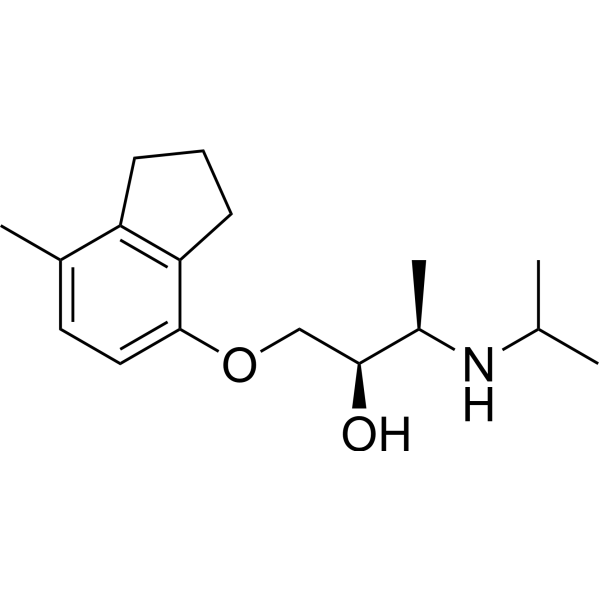
Zenidolol (ICI-118551) is a selective β2-adrenergic receptor antagonist with Ki values of Zenidolol for β2, β1 and β3 adrenergic receptors of 0.7, 49.5 and 611 nM, respectively. Zenidolol exerts antitumor effects via inducing apoptosis, inhibiting tumor sphere formation, and downregulating the HIF pathway by blocking β2-AR on tumor cells. Zenidolol exhibits a unique pulmonary vessel-specific vasodilatory effect in mouse models. Zenidolol can be used as an intraocular pressure-lowering agent in ophthalmic disease research.
For research use only. We do not sell to patients.
- Purity : 99.60%
- CAS No.: 72795-26-7
- Formula: C17H27NO2
- Molecular Weight:277.40
-
Storage:Powder -20°C, 3 years , 4°C, 2 years ; In solvent -80°C, 6 months , -20°C, 1 month

To place orders, for customer services and technical support, please contact: MedChemExpress USA
Tel: 609-228-6898 E-mail: [email protected] [email protected]


-
 Biological Activity
-
Chemical Information
-
Solvent & Solubility
- Protocols
- Purity & Documentation
- References
-
 Help & FAQs


-
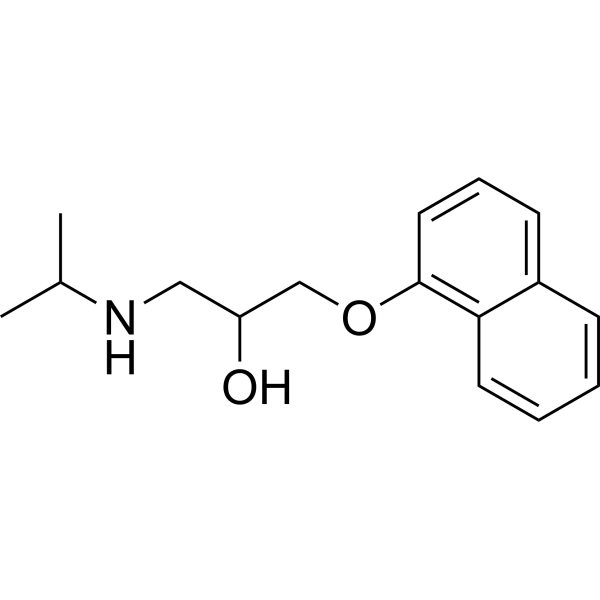
HY-B0573B
Propranololβ-Adrenoceptor Blocker -
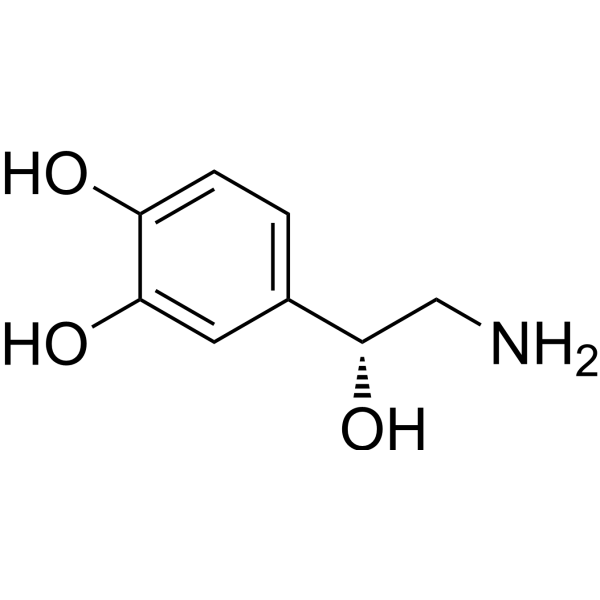
HY-13715
NorepinephrineAdrenergic Receptor Agonist -
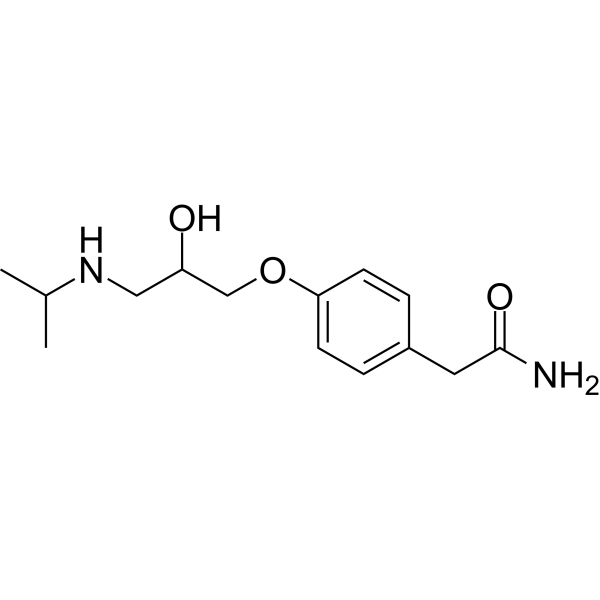
HY-17498
Atenololβ1-Adrenergic Receptor Blocker -
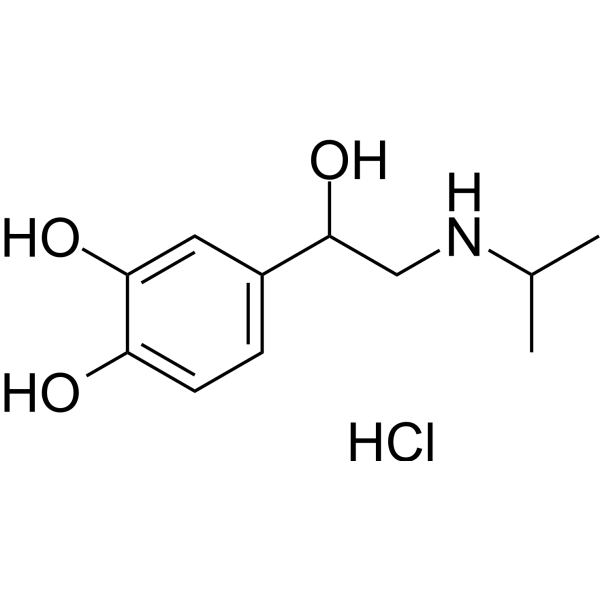
HY-B0468
Isoprenaline hydrochlorideβ-adrenoceptor Agonist -
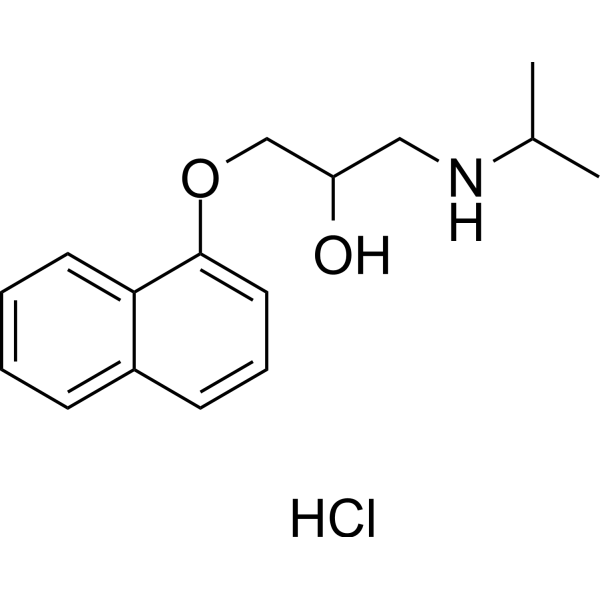
HY-B0573
Propranolol hydrochloride -
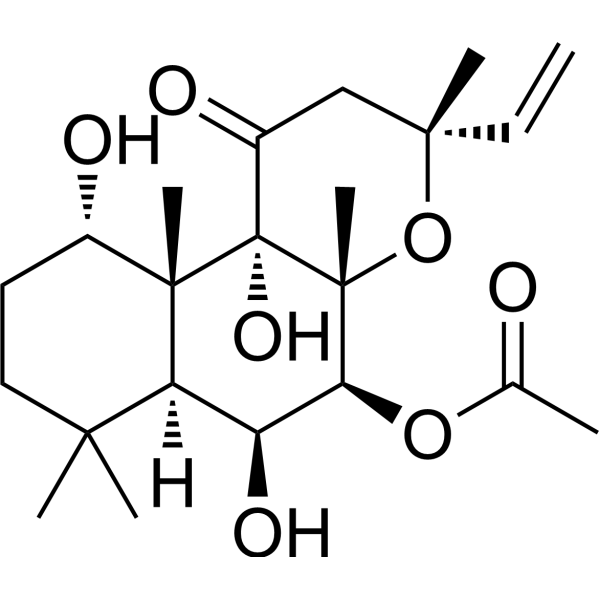
HY-15371
ForskolinAdenylate Cyclase Activator -
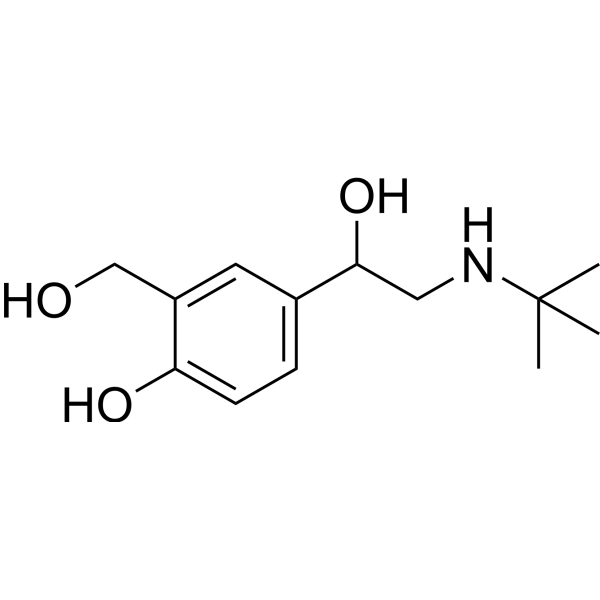
HY-B1037
SalbutamolAdrenergic Receptor Agonist -
HY-N0127
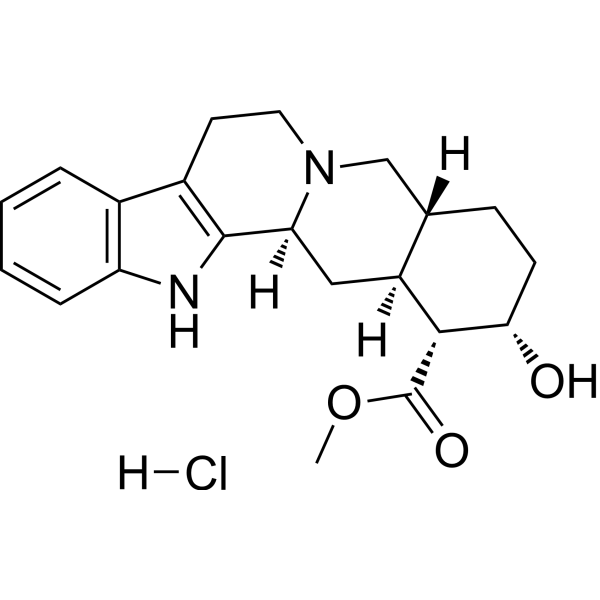
Yohimbine HydrochlorideAdrenergic Receptor Antagonist -
HY-B1081A
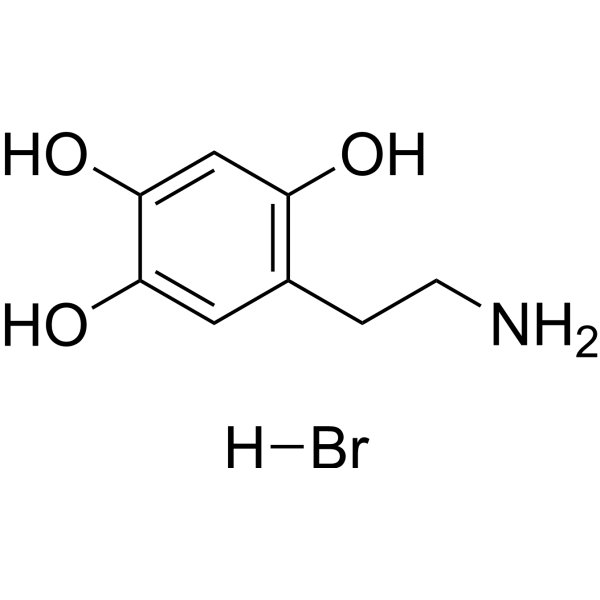
Oxidopamine hydrobromideNeurotoxin -
HY-W050026
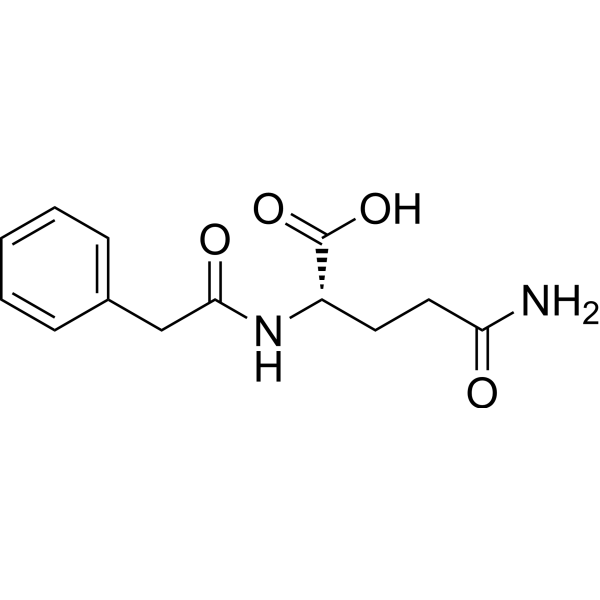
Phenylacetylglutamine -
HY-100672
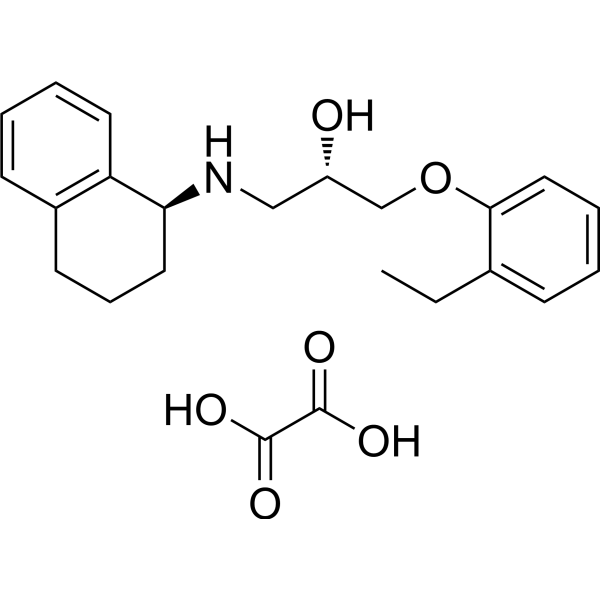
SR59230Aβ3-AR Antagonist
Publications Citing Use of MedChemExpress (MCE) Zenidolol
More- Cancer Cell. 2026 Jun 18:S1535-6108(26)00263-1. [Abstract]
- Immunity. 2026 Mar 10;59(3):598-617.e11. [Abstract]
- Cancer Discov. 2025 Jan 13;15(1):202-226. [Abstract]
- Cancer Res. 2025 Dec 31. [Abstract]
- Nat Commun. 2024 Nov 28;15(1):10361. [Abstract]
- Nat Commun. 2023 May 2;14(1):2523. [Abstract]
- Nat Commun. 2021 Nov 26;12(1):6937. [Abstract]
- Nat Commun. 2020 Sep 25;11(1):4857. [Abstract]
- Redox Biol. 2026 Sep:95:104283.
- J Exp Clin Cancer Res. 2019 Apr 25;38(1):174. [Abstract]
- Adv Sci (Weinh). 2025 Oct 6:e04817. [Abstract]
- Adv Sci (Weinh). 2024 Nov;11(41):e2402393. [Abstract]
- Sci Adv. 2026 Mar 6;12(10):eaea7017. [Abstract]
- Sci Adv. 2024 Jul 19;10(29):eadp5239. [Abstract]
- Int J Biol Sci. 2023 Apr 2;19(7):2006-2019. [Abstract]
- J Exp Med. 2023 Nov 6;220(11):e20230577. [Abstract]
- J Pharm Anal. 2024 Jul;14(7):100934. [Abstract]
- Diabetes. 2022 May 1;71(5):921-933. [Abstract]
- Chin Med J (Engl). 2026 Apr 23. [Abstract]
- Int J Nanomedicine. 2025 May 12:20:6023-6041. [Abstract]
- Free Radic Biol Med. 2026 Oct:254:714-729.
- Cell Rep. 2025 Sep 23;44(10):116337. [Abstract]
- Br J Pharmacol. 2020 Jan;177(2):282-297. [Abstract]
- Chin Med. 2026 Jul 13;21(1):186.
- Anal Chem. 2026 Feb 17;98(6):4895-4904. [Abstract]
- Biochem Pharmacol. 2026 Nov;253(Pt 2):118368.
- Commun Biol. 2022 Apr 8;5(1):339. [Abstract]
- Commun Biol. 2021 Dec 3;4(1):1359. [Abstract]
- J Endocrinol. 2023 Feb 16;256(3):e220335. [Abstract]
- Eur J Pharmacol. 2022 Aug 5:928:175110. [Abstract]
- Invest Ophthalmol Vis Sci. 2025 Jun 2;66(6):13. [Abstract]
- Int Dent J. 2025 Apr;75(2):807-816. [Abstract]
- J Nutr Biochem. 2018 Aug:58:110-118. [Abstract]
- Oncol Rep. 2016 Sep;36(3):1576-84. [Abstract]
- Mol Oncol. 2022 Aug;16(15):2881-2895. [Abstract]
- BMC Cancer. 2019 Nov 26;19(1):1142. [Abstract]
- Neuroscience. 2019 Mar 1:401:59-72. [Abstract]
- Pflugers Arch. 2021 Dec;473(12):1899-1910. [Abstract]
- Biochem Biophys Res Commun. 2024 Apr 9:703:149689. [Abstract]
- J Oral Maxillofac Surg. 2020 Oct;78(10):1871.e1-1871.e23. [Abstract]
- BMC Ophthalmol. 2021 Dec 5;21(1):419. [Abstract]
- SSRN. 2026 Aug 25.
- bioRxiv. 2025 Jul 26:2025.07.22.666009. [Abstract]
- Environ Toxicol. 2024 Mar;39(3):1682-1699. [Abstract]
- bioRxiv. 2024 Feb 19.
- Biomed Pharmacother. 2023 May:161:114523. [Abstract]
- Research Square Preprint. 2022 Mar.
- Research Square Preprint. 2021 Nov.
- Research Square Preprint. 2021 Sep.
- Research Square Preprint. 2021 Feb.
- Research Square Preprint. 2020 Oct.
- bioRxiv. 2020 Jan.
 Customer Validation & Images

-
Cell Proliferation/Viability Assay
-
IF
-
WB
-
Cell Imaging/Staining
-
WB
All Adrenergic Receptor Isoforms
MoreAll Caspase Isoforms
More

Biological Activity
Description
Cellular Effect
|
Cell Line

|
Type | Value | Description | References |
|---|---|---|---|---|
| Sf9 | IC50 |
0.003 μM
Compound: (rac)-5, ICI-118551
|
Displacement of [3H]CGP1217 from human recombinant adrenergic beta2 receptor transfected in insect Sf9 cells by scintillation counting
Displacement of [3H]CGP1217 from human recombinant adrenergic beta2 receptor transfected in insect Sf9 cells by scintillation counting
|
[PMID: 19245211] |
In Vitro
Zenidolol (0-200 μM; 48 h) reduces the cell viability of primary cultured hemangioblastomas derived from VHL in a dose-dependent manner, and exhibits higher specificity for HB cells compared with HUVECs[1].
Zenidolol (100 μM; 7 days) inhibits glomeruloid body formation in primary cultures of hemangioblastomas derived from VHL tumors[1].
Zenidolol (100 μM; 6 h) inhibits endothelial cell migration and angiogenesis in human umbilical vein endothelial cells (HUVECs)[1].
Zenidolol (100 μM; 48 h) attenuates hypoxia-induced nuclear translocation of HIF-1α in human umbilical vein endothelial cells (HUVECs) and primary cultures of VHL-derived hemangioblastomas[1].
Zenidolol (100 μM; 72 h) induces apoptosis in primary cultures of VHL-derived hemangioblastomas by increasing caspase 3/7/9 activity and upregulating the pro-apoptotic gene BAX[1].
Zenidolol (100 μM; 48-72 h) inhibits the expression of AQP-1, a HIF target gene, in primary cultures of hemangioblastoma derived from VHL[1].
Zenidolol (10 μM) induces nitric oxide production in bovine pulmonary artery endothelial cells and promotes phosphorylation of the Ser1177 site of endothelial nitric oxide synthase[4].
MedChemExpress (MCE) has not independently confirmed the accuracy of these methods. They are for reference only.
-
Cell Line:von Hippel-Lindau (VHL) disease-derived hemangioblastoma (HB) primary cultures, human umbilical vein endothelial cells (HUVECs)
-
Concentration:0, 25, 50, 100 and 200 μM
-
Incubation Time:48 h
-
Result:Decreased the viability of HB primary culture cells in a dose-dependent manner, with viability dropping to 40-45% at 100 μM compared to untreated cells. Maintained HUVEC viability at 80% at 100 μM compared to untreated cells.
-
Cell Line:human umbilical vein endothelial cells (HUVECs)
-
Concentration:100 μM
-
Incubation Time:6 h
-
Result:Delayed wound closure in HUVECs, significantly impairing endothelial cell migration compared to untreated controls.
-
Cell Line:hypoxia-induced human umbilical vein endothelial cells (HUVECs), von Hippel-Lindau (VHL) disease-derived hemangioblastoma (HB) primary cultures
-
Concentration:100 μM
-
Incubation Time:48 h
-
Result:Shifted HIF-1α localization from predominantly nuclear to a mix of cytoplasmic and nuclear in DFO-treated HUVECs compared to controls.
Reduced nuclear HIF-1α localization in HB cells compared to untreated controls, where HIF-1α was mainly nuclear.
-
Cell Line:von Hippel-Lindau (VHL) disease-derived hemangioblastoma (HB) primary cultures
-
Concentration:100 μM
-
Incubation Time:72 h
-
Result:Induced a 1.7-fold increase in caspase 3/7 activity in HB cells compared to untreated controls. Significantly upregulated mRNA expression of BAX (1.3-2 fold) and Caspase 9 (1.3-2 fold) compared to untreated controls.
-
Cell Line:von Hippel-Lindau (VHL) disease-derived hemangioblastoma (HB) primary cultures (HB19, HB23, HB28)
-
Concentration:100 μM
-
Incubation Time:48 and 72 h
-
Result:Significantly decreased mRNA expression of AQP-1 (a HIF-1α target gene) in multiple HB primary cultures compared to untreated controls.
-
Cell Line:bovine pulmonary arterial endothelial cells (bPAECs)
-
Concentration:10 μM
-
Incubation Time:2, 5, 10 minutes
-
Result:Induced time-dependent phosphorylation of eNOS at Ser1177, with normalized p-eNOS/β-actin values increasing over the 10-minute incubation period.
In Vivo
Zenidolol (50-1000 μg/kg; i.v.; cumulative administration) at doses that block vascular β2-adrenoceptors does not affect the cardiac responses to sympathetic nerve stimulation in anesthetized Beagle dogs, whereas the high dose (1 mg/kg) inhibits SNS-induced heart rate elevation[2].
Zenidolol (0.25-2.0%, 30 μg/kg; topical ocular administration, subcutaneous administration; single dose) is a potent ocular hypotensive agent with extremely low cardiac side effects, and it weakly blocks cardiac β-adrenergic receptor-mediated responses[3].
Zenidolol (0.2 mg/kg; intravenous injection via jugular vein; single administration) significantly reduces pulmonary arterial systolic pressure in mice, but has no effect on systemic arterial systolic pressure[4].
MedChemExpress (MCE) has not independently confirmed the accuracy of these methods. They are for reference only.
-
Animal Model:Beagle dogs (either sex, weight 10-15 kg, anaesthetised with pentobarbitone sodium)[2]
-
Dosage:5, 10, 20, 40, 100, 200, 500 μg/kg
-
Administration:i.v.; cumulative; each dose given 10 minutes before isoproterenol dose-response curve construction
-
Result:Caused a dose-dependent parallel shift to the right of the isoproterenol vasodilator curve; did not significantly alter isoproterenol chronotropic response curves even at the highest dose of 500 μg/kg (0.5 mg/kg); showed an effective dissociation constant (Kᵦ') of 2.1 μg/kg at vascular β₂-receptors; exhibited at least a 250-fold greater affinity for vascular β₂-receptors than cardiac β₁-receptors.
-
Animal Model:Beagle dogs (either sex, weight 10-18 kg, anaesthetised with pentobarbitone sodium)[2]
-
Dosage:50, 200, 1000 μg/kg (1 mg/kg)
-
Administration:i.v.; cumulative
-
Result:Caused a 10-30-fold shift to the right of the isoproterenol vasodilator dose-response curve at 50, 200 μg/kg without significantly reducing heart rate increases due to sympathetic nerve stimulation (SNS); induced significant antagonism of the SNS chronotropic response at the highest dose of 1000 μg/kg (1 mg/kg).
-
Animal Model:Beagle dogs (either sex, weight 10-17 kg, anaesthetised with pentobarbitone sodium)[2]
-
Dosage:10, 20, 40, 100, 200, 1000 μg/kg
-
Administration:i.v.; cumulative
-
Result:Produced no significant changes in resting heart rate, LV dP/dtₘₐₓ, diastolic blood pressure, or AVCT over the dose range 10-1000 μg/kg; caused a trend toward reduced aortic flow, likely due to prolonged anaesthesia rather than the reagent itself.
-
Animal Model:New Zealand white (male, 2-4 kg)[3]
-
Dosage:0.25%, 0.5%, 1.0%, 2.0% (topical ocular IOP studies); 30 μg/kg (subcutaneous IOP studies); 1% (topical ocular cardiac response study)
-
Administration:topical ocular, 50 μl or two 25 μl doses 5 min apart; s.c., single dose
-
Result:Caused a dose-dependent IOP decrease (maximal 4.2 mmHg at 1% at 1 hour post-administration; significant decreases at 0.25%, 0.5%, 1.0%, 2.0%).
Showed a greater and more prolonged IOP decrease in time-course studies, with maximal effect at 1-3 hours and persistence beyond 4 hours.
Induced a rapid IOP decrease (maximal at 1 hour, returning to normal by 6 hours) after subcutaneous 30 μg/kg administration.
Exhibited an IC50 of 176 μg/kg for blocking isoprenaline-induced cardio-acceleration when given systemically. Produced no effect on cardiac response to isoprenaline when given topically.
-
Animal Model:KO mice (C57/Bl6)[4]
-
Dosage:0.2 mg/kg
-
Administration:Intravenous injection via jugular vein; single administration
-
Result:Significantly reduced pulmonary artery systolic pressure (by approximately 25%), but has no effect on systemic artery systolic pressure.


Chemical Information
-
CAS No. 72795-26-7
-
Appearance Solid
-
Molecular Weight 277.40
-
Formula C17H27NO2
-
Color White to off-white
-
SMILES
C[C@@H](NC(C)C)[C@@H](O)COC1=CC=C(C)C2=C1CCC2
-
Synonyms
ICI-118551
-
Shipping
Room temperature in continental US; may vary elsewhere.
-
Storage
Powder -20°C 3 years 4°C 2 years In solvent -80°C 6 months -20°C 1 month


Publications (52)
-
Journal Impact Factor
-
Most Recent
-
Cancer Cell
Macrophage-mediated brain-bone marrow crosstalk promotes chronic stress-induced glioma growth. [Abstract]2026 Jun 18:S1535-6108(26)00263-1. PMID: 42314665 -
Immunity
2026 Mar 10;59(3):598-617.e11. PMID: 41722568 -
Cancer Discov
Neuro-mesenchymal interaction mediated by a β2 adrenergic-nerve growth factor feedforward loop promotes colorectal cancer progression. [Abstract]2025 Jan 13;15(1):202-226. PMID: 39137067 -
Cancer Res
2025 Dec 31. PMID: 41474982 -
Nat Commun
A brain-to-liver signal mediates the inhibition of liver regeneration under chronic stress in mice. [Abstract]2024 Nov 28;15(1):10361. PMID: 39609433 -
Nat Commun
Reduced hepatic bradykinin degradation accounts for cold-induced BAT thermogenesis and WAT browning in male mice. [Abstract]2023 May 2;14(1):2523. PMID: 37130842 -
Nat Commun
Fat mass and obesity-associated protein regulates RNA methylation associated with depression-like behavior in mice. [Abstract]2021 Nov 26;12(1):6937. PMID: 34836959 -
Nat Commun
DeSiphering receptor core-induced and ligand-dependent conformational changes in arrestin via genetic encoded trimethylsilyl 1H-NMR probe. [Abstract]2020 Sep 25;11(1):4857. PMID: 32978402 -
-
J Exp Clin Cancer Res
Mammalian Eps15 homology domain 1 potentiates angiogenesis of non-small cell lung cancer by regulating β2AR signaling. [Abstract]2019 Apr 25;38(1):174. PMID: 31023336 -
Adv Sci (Weinh)
Norepinephrine Induces Sertoli Cell Ferroptosis via Receptors Desensitization Causing Stress-Related Male Reproductive Dysfunction. [Abstract]2025 Oct 6:e04817. PMID: 41051274
Zenidolol purchased from MedChemExpress. Usage Cited in: Adv Sci (Weinh). 2025 Oct 6:e04817. [Abstract]
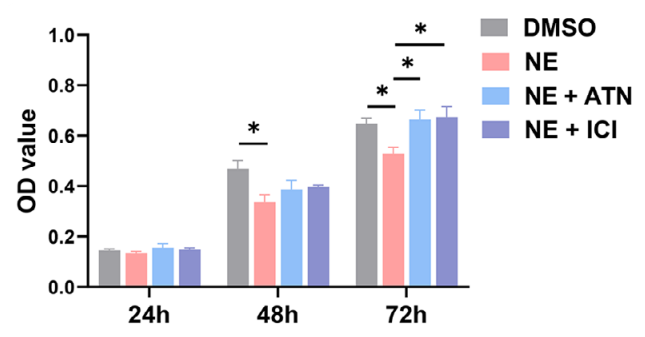
Zenidolol (ICI118551; ICI) (1 µM; 24-72 H) reversed the NE‐induced reduction in Sertoli cell viability.
Zenidolol purchased from MedChemExpress. Usage Cited in: Adv Sci (Weinh). 2025 Oct 6:e04817. [Abstract]
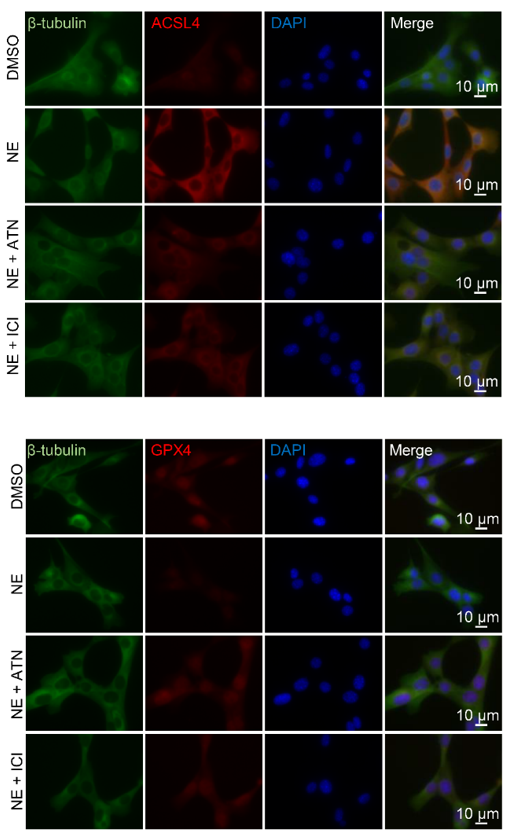
Zenidolol (ICI118551; ICI) (1 µM) reversed NE-induced ACSL4 increase and GPX4 decrease in Sertoli cells.
Zenidolol purchased from MedChemExpress. Usage Cited in: Adv Sci (Weinh). 2025 Oct 6:e04817. [Abstract]
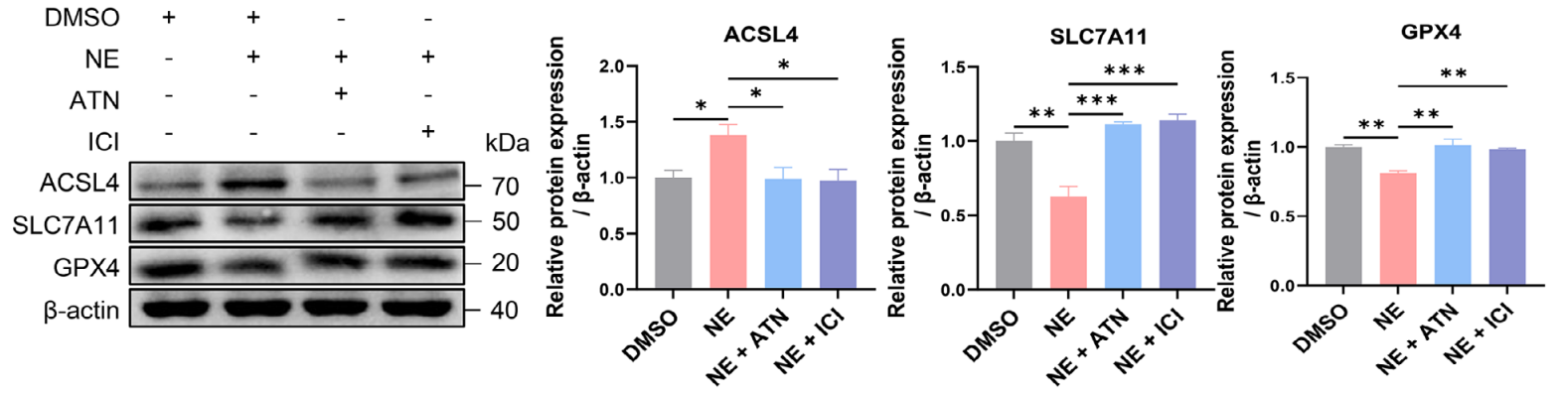
Zenidolol (ICI118551; ICI) (1 µM) reversed NE-induced alterations in the expression of SLC7A11, GPX4, and ACSL4 in TM4 cells.
Zenidolol purchased from MedChemExpress. Usage Cited in: Adv Sci (Weinh). 2025 Oct 6:e04817. [Abstract]
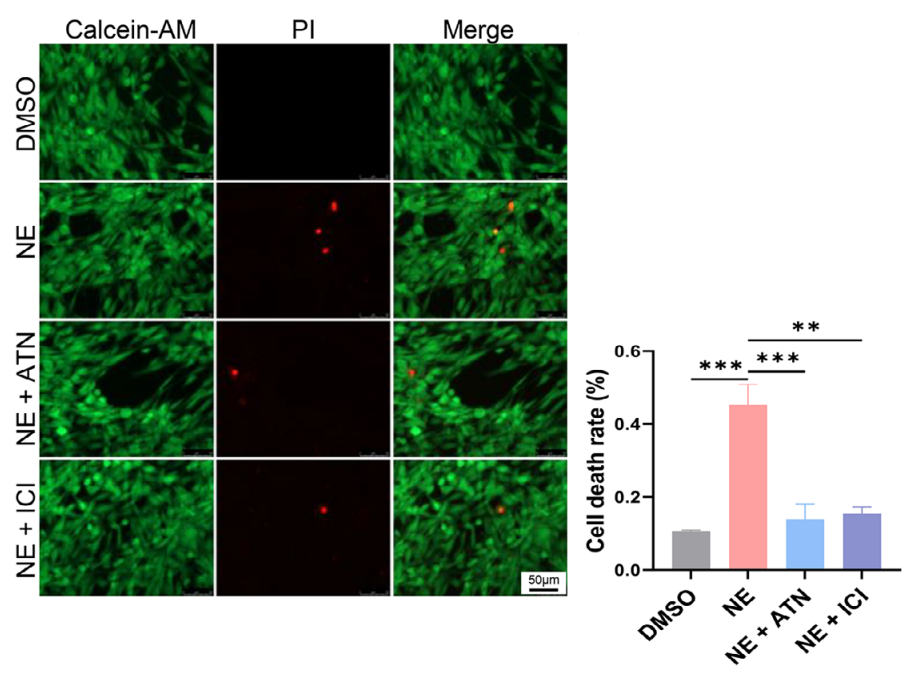
Zenidolol (ICI118551; ICI) (1 µM) alleviated the NE-induced increase in death of TM4 cells.
Zenidolol purchased from MedChemExpress. Usage Cited in: Adv Sci (Weinh). 2025 Oct 6:e04817. [Abstract]
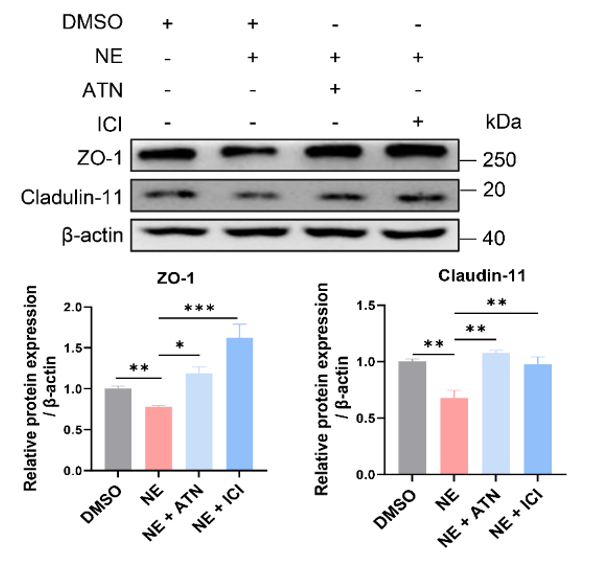
Zenidolol (ICI118551; ICI) (1 µM) normalized tight junction markers ZO-1 and Claudin-11 protein levels in TM4 cells suppressed by NE.
-
Adv Sci (Weinh)
Sleep Deprivation Triggers the Excessive Activation of Ovarian Primordial Follicles via β2 Adrenergic Receptor Signaling. [Abstract]2024 Nov;11(41):e2402393. PMID: 39229959 -
Sci Adv
Sympathetic nerve aggravates autoimmune skin disease via NE-adrenergic receptor axis: Neuroimmune cross-talk insights from vitiligo. [Abstract]2026 Mar 6;12(10):eaea7017. PMID: 41779853 -
Sci Adv
Beta2 adrenergic receptor-mediated abnormal myelopoiesis drives neuroinflammation in aged patients with traumatic brain injury. [Abstract]2024 Jul 19;10(29):eadp5239. PMID: 39028822 -
Int J Biol Sci
Chronic stress promotes colorectal cancer progression by enhancing glycolysis through β2-AR/CREB1 signal pathway. [Abstract]2023 Apr 2;19(7):2006-2019. PMID: 37151872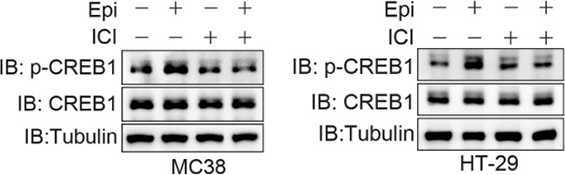
Zenidolol purchased from MedChemExpress. Usage Cited in: Int J Biol Sci. 2023 Apr 2;19(7):2006-2019. [Abstract]
Zenidolol (ICI; 10 μM; 2 h) abolishes the Epinephrine-induced phosphorylation of CREB1 in MC38 and HT-29 cells.
-
J Exp Med
2023 Nov 6;220(11):e20230577. PMID: 37584653 -
J Pharm Anal
Baicalin reduces chronic stress-induced breast cancer metastasis via directly targeting β2-adrenergic receptor. [Abstract]2024 Jul;14(7):100934. PMID: 39139999 -
Diabetes
Hepatokine ERAP1 Disturbs Skeletal Muscle Insulin Sensitivity Via Inhibiting USP33-Mediated ADRB2 Deubiquitination. [Abstract]2022 May 1;71(5):921-933. PMID: 35192681 -
Chin Med J (Engl)
Skin-localized sympathetic nerve-keratinocyte crosstalk fuels psoriatic inflammation via neutrophil recruitment. [Abstract]2026 Apr 23. PMID: 42036893 -
Int J Nanomedicine
Bupivacaine Nanoparticles Inhibit Triple-Negative Breast Tumor Growth by Suppressing the Noradrenergic Nerves in Tumor Microenvironment. [Abstract]2025 May 12:20:6023-6041. PMID: 40385493 -
-
Cell Rep
2025 Sep 23;44(10):116337. PMID: 40991929 -
Br J Pharmacol
Pharmacological targeting of β2 -adrenoceptors is neuroprotective in the LPS inflammatory rat model of Parkinson's disease. [Abstract]2020 Jan;177(2):282-297. PMID: 31506926 -
-
Anal Chem
An Allosteric Assay for Identifying Ligands Binding to β2 Adrenergic Receptor by Surface-Enhanced Raman Scattering (SERS)-Active Nanoparticles. [Abstract]2026 Feb 17;98(6):4895-4904. PMID: 41637639 -
-
Commun Biol
Suppression of trabecular meshwork phagocytosis by norepinephrine is associated with nocturnal increase in intraocular pressure in mice. [Abstract]2022 Apr 8;5(1):339. PMID: 35396348 -
Commun Biol
Reserpine improves Enterobacteriaceae resistance in chicken intestine via neuro-immunometabolic signaling and MEK1/2 activation. [Abstract]2021 Dec 3;4(1):1359. PMID: 34862463 -
J Endocrinol
2023 Feb 16;256(3):e220335. PMID: 36633355 -
Eur J Pharmacol
Dopamine regulates astrocytic IL-6 expression and process formation via dopamine receptors and adrenoceptors. [Abstract]2022 Aug 5:928:175110. PMID: 35738452 -
Invest Ophthalmol Vis Sci
Activation of Sympathetic Nervous System Drives Dry Eye Onset Via Norepinephrine-β2-Adrenergic Receptor Signaling in Mice. [Abstract]2025 Jun 2;66(6):13. PMID: 40465266 -
Int Dent J
2025 Apr;75(2):807-816. PMID: 39043526 -
J Nutr Biochem
Genistein rescues hypoxia-induced pulmonary arterial hypertension through estrogen receptor and β-adrenoceptor signaling. [Abstract]2018 Aug:58:110-118. PMID: 29886191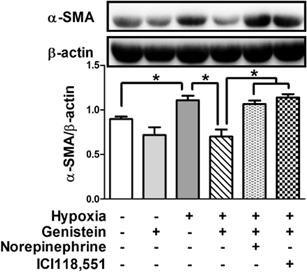
Zenidolol purchased from MedChemExpress. Usage Cited in: J Nutr Biochem. 2018 Aug:58:110-118. [Abstract]
PASMCs are pretreated with or not Norepinephrine (50 μM) or ICI 118,551 (5 nM), and α-SMA (D) are analyzed.
-
Oncol Rep
2016 Sep;36(3):1576-84. PMID: 27432558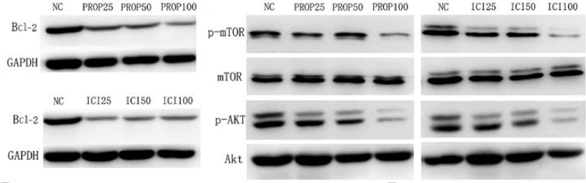
Zenidolol purchased from MedChemExpress. Usage Cited in: Oncol Rep. 2016 Sep;36(3):1576-84. [Abstract]
Western blotting of Bcl-2 expression in 8505C lysates after in vitro pharmacologic interventions using propranolol and ICI118551 for 24 h. Western blotting of AKT, p-AKT, mTOR, p-mTOR in 8505C lysates after in vitro pharmacologic interventions using propranolol and ICI118551for 24 h.
-
Mol Oncol
NNK from tobacco smoking enhances pancreatic cancer cell stemness and chemoresistance by creating a β2AR-Akt feedback loop that activates autophagy. [Abstract]2022 Aug;16(15):2881-2895. PMID: 35593085 -
BMC Cancer
β2AR-HIF-1α-CXCL12 signaling of osteoblasts activated by isoproterenol promotes migration and invasion of prostate cancer cells. [Abstract]2019 Nov 26;19(1):1142. PMID: 31771535 -
Neuroscience
Natural Killer Cells may Exert Antidepressant-like Effects in Mice by Controlling the Release of Inflammatory Factors. [Abstract]2019 Mar 1:401:59-72. PMID: 30641114 -
Pflugers Arch
Increased β-adrenergic stimulation augments vascular smooth muscle cell calcification via PKA/CREB signalling. [Abstract]2021 Dec;473(12):1899-1910. PMID: 34564739 -
Biochem Biophys Res Commun
Olodaterol promotes thermogenesis in brown adipocytes via regulation of the β2-AR/cAMP/PKA signaling pathway. [Abstract]2024 Apr 9:703:149689. PMID: 38382361 -
J Oral Maxillofac Surg
Overexpression of β-Adrenergic Receptors and the Suppressive Effect of β2-Adrenergic Receptor Blockade in Oral Squamous Cell Carcinoma. [Abstract]2020 Oct;78(10):1871.e1-1871.e23. PMID: 32640209 -
BMC Ophthalmol
β-blocker eye drops affect ocular surface through β2 adrenoceptor of corneal limbal stem cells. [Abstract]2021 Dec 5;21(1):419. PMID: 34863129 -
-
bioRxiv
2025 Jul 26:2025.07.22.666009. PMID: 40777309 -
Environ Toxicol
Phenylacetyl glutamine (PAGln) enhances cardiomyocyte death after myocardial infarction through β1 adrenergic receptor. [Abstract]2024 Mar;39(3):1682-1699. PMID: 38041472 -
-
Biomed Pharmacother
Interference of sympathetic overactivation restores limbal stem/progenitor cells function and accelerates corneal epithelial wound healing in diabetic mice. [Abstract]2023 May:161:114523. PMID: 36931034 -
-
-
-
-
-


Solvent & Solubility
In Vitro:
DMSO : 100 mg/mL (360.49 mM; ultrasonic and warming and heat to 60°C; Hygroscopic DMSO has a significant impact on the solubility of product, please use newly opened DMSO)
Please refer to the solubility information to select the appropriate solvent. Once prepared, please aliquot and store the solution to prevent product inactivation from repeated freeze-thaw cycles.
Storage method and period of stock solution: -80°C, 6 months; -20°C, 1 month. When stored at -80°C, please use it within 6 months. When stored at -20°C, please use it within 1 month.
Please refer to the solubility information to select the appropriate solvent. Once prepared, please aliquot and store the solution to prevent product inactivation from repeated freeze-thaw cycles.
Storage method and period of stock solution: -80°C, 6 months; -20°C, 1 month. When stored at -80°C, please use it within 6 months. When stored at -20°C, please use it within 1 month.
Concentration (start) × Volume (start) = Concentration (final) × Volume (final)
In Vivo:
Select the appropriate dissolution method based on your experimental animal and administration route.
- For the following dissolution methods, please ensure to first prepare a clear stock solution using an In Vitro approach and then sequentially add co-solvents:
- To ensure reliable experimental results, the clarified stock solution can be appropriately stored based on storage conditions. As for the working solution for In Vivo experiments, it is recommended to prepare freshly and use it on the same day.
- The percentages shown for the solvents indicate their volumetric ratio in the final prepared solution. If precipitation or phase separation occurs during preparation, heat and/or sonication can be used to aid dissolution.
Add each solvent one by one: 10% DMSO 40% PEG300 5% Tween-80 45% Saline
Solubility: ≥ 5 mg/mL (18.02 mM); Clear solution
This protocol yields a clear solution of ≥ 5 mg/mL (saturation unknown).
Taking 1 mL working solution as an example, add 100 μL DMSO stock solution (50.0 mg/mL) to 400 μL PEG300, and mix evenly; then add 50 μL Tween-80 and mix evenly; then add 450 μL Saline to adjust the volume to 1 mL.
Preparation of Saline: Dissolve 0.9 g sodium chloride in ddH₂O and dilute to 100 mL to obtain a clear Saline solution.
In Vivo Dissolution Calculator
Please enter the basic information of animal experiments:
-
-
-
-
Recommended: Prepare an additional quantity of animals to account for potential losses during experiments.
Please enter your animal formula composition:
-
%DMSO +
Recommended: Keep the proportion of DMSO in working solution below 2% if your animal is weak.
-
%+
-
+%Tween-80 + +
-
%Saline +
The co-solvents required include: DMSO, . All of co-solvents are available by MedChemExpress (MCE). , Tween 80. All of co-solvents are available by MedChemExpress (MCE).
Working solution concentration: 0.22 mg/mL
Method for preparing stock solution: mg drug dissolved in μL DMSO. Stock solution concentration: mg/mL.
1. Take μL DMSO stock solution;
2. Add μL .
μL , mix evenly;
3. Then add μL Tween 80, mix evenly;
4. Then add μL
Please ensure that the stock solution in the first step is dissolved to a clear state, and add co-solvents in sequence. You can use ultrasonic heating (ultrasonic cleaner, recommended frequency 20-40 kHz), vortexing, etc. to assist dissolution.


Purity & Documentation
-
Data Sheet (290 KB)
-
SDS (393 KB)
- English - EN (393 KB)
- Français - FR (393 KB)
- Deutsch - DE (393 KB)
- Norwegian - NO (393 KB)
- Español - ES (393 KB)
- Swedish - SV (393 KB)
- Italian - IT (393 KB)
- Korean - KR (393 KB)
- Portuguese - PT (393 KB)
-
Handling Instructions (2659 KB)
References
[1]. Cuesta AM, et al. The β2-adrenergic receptor antagonist ICI-118,551 blocks the constitutively activated HIF signalling in hemangioblastomas from von Hippel-Lindau disease. Sci Rep. 2019;9(1):10062. Published 2019 Jul 11. [Content Brief]
[3]. Nathanson JA, et al. ICI 118,551: an effective ocular hypotensive agent with selectivity for the ciliary process beta 2-adrenoceptor and with minimal cardiac side effects. Br J Pharmacol. 1984;83(3):821-829. [Content Brief]
[5]. Hoffmann C, et al. Comparative pharmacology of human beta-adrenergic receptor subtypes--characterization of stably transfected receptors in CHO cells. Naunyn Schmiedebergs Arch Pharmacol. 2004 Feb;369(2):151-9. [Content Brief]


Complete Stock Solution Preparation Table
Please refer to the solubility information to select the appropriate solvent. Once prepared, please aliquot and store the solution to prevent product inactivation from repeated freeze-thaw cycles.
Storage method and period of stock solution: -80°C, 6 months; -20°C, 1 month. When stored at -80°C, please use it within 6 months. When stored at -20°C, please use it within 1 month.
| Optional Solvent | Concentration Solvent Mass | 1 mg | 5 mg | 10 mg | 25 mg |
|---|---|---|---|---|---|
| DMSO | 1 mM | 3.6049 mL | 18.0245 mL | 36.0490 mL | 90.1226 mL |
| 5 mM | 0.7210 mL | 3.6049 mL | 7.2098 mL | 18.0245 mL | |
| 10 mM | 0.3605 mL | 1.8025 mL | 3.6049 mL | 9.0123 mL | |
| 15 mM | 0.2403 mL | 1.2016 mL | 2.4033 mL | 6.0082 mL | |
| 20 mM | 0.1802 mL | 0.9012 mL | 1.8025 mL | 4.5061 mL | |
| 25 mM | 0.1442 mL | 0.7210 mL | 1.4420 mL | 3.6049 mL | |
| 30 mM | 0.1202 mL | 0.6008 mL | 1.2016 mL | 3.0041 mL | |
| 40 mM | 0.0901 mL | 0.4506 mL | 0.9012 mL | 2.2531 mL | |
| 50 mM | 0.0721 mL | 0.3605 mL | 0.7210 mL | 1.8025 mL | |
| 60 mM | 0.0601 mL | 0.3004 mL | 0.6008 mL | 1.5020 mL | |
| 80 mM | 0.0451 mL | 0.2253 mL | 0.4506 mL | 1.1265 mL | |
| 100 mM | 0.0360 mL | 0.1802 mL | 0.3605 mL | 0.9012 mL |


Zenidolol Related Classifications
HY-100543 Related Classifications
 Powered by Bioz