From 11:00 pm to 12:00 pm EST ( 8:00 pm to 9:00 pm PST ) on January 6th, the website will be under maintenance. We are sorry for the inconvenience. Please arrange your schedule properly.
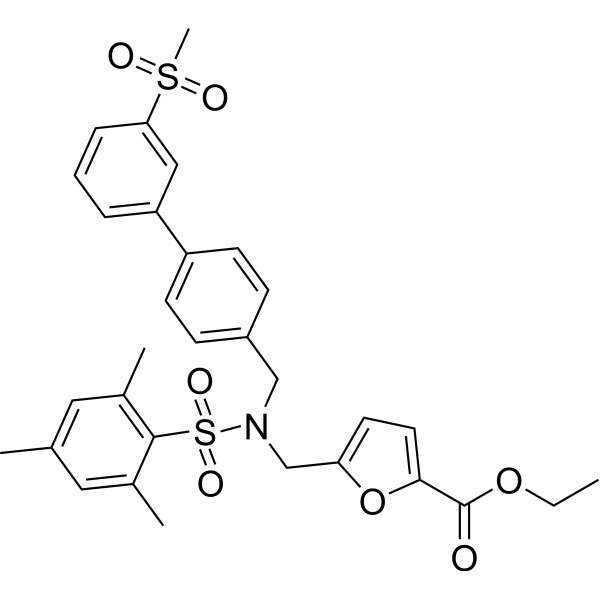
DY268 is a farnesoid Xreceptor (FXR) antagonist (IC50=7.5 nM). It inhibits FXR transactivation in a cell-based assay with an IC50 value of 468 nM. DY268 can be used in the study of drug-induced liver injury (DILI) .
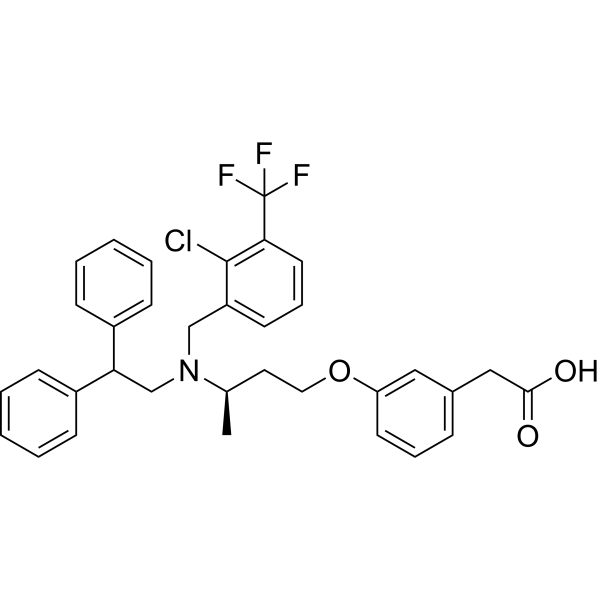
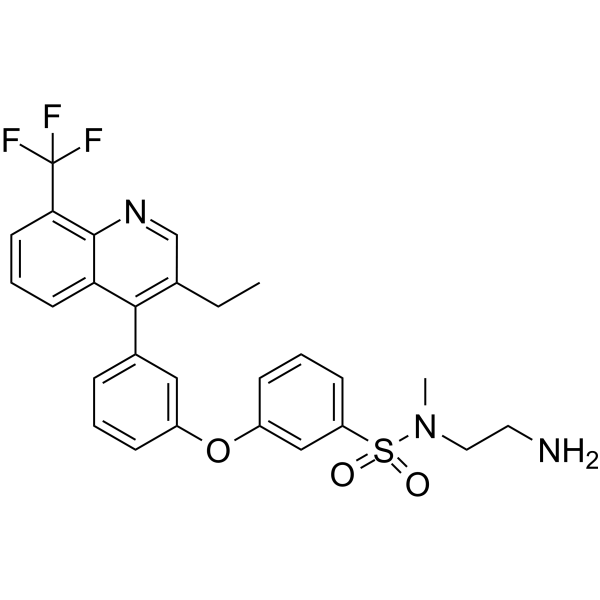
RGX-104 is an orally bioavailable and potent liver-X nuclear hormone receptor(LXR) agonist that modulates innate immunity via transcriptional activation of the ApoE gene.
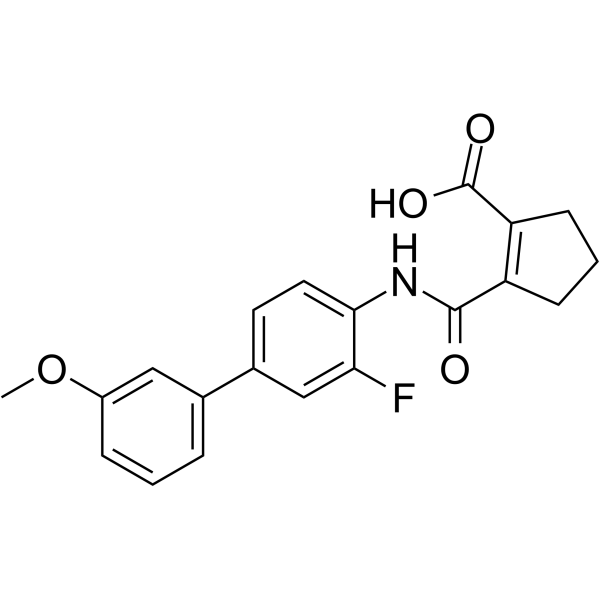
Vidofludimus is an orally active inhibitor for dihydroorotate dehydrogenase (DHODH) and also is a novel modulator for farnesoid Xreceptor (FXR). Vidofludimus, as an immunomodulatory agent, can be used for the research of autoimmune disorders such as inflammatory bowel disease (IBD). Vidofludimus also can be used for the research of fatty liver by targeting FXR .
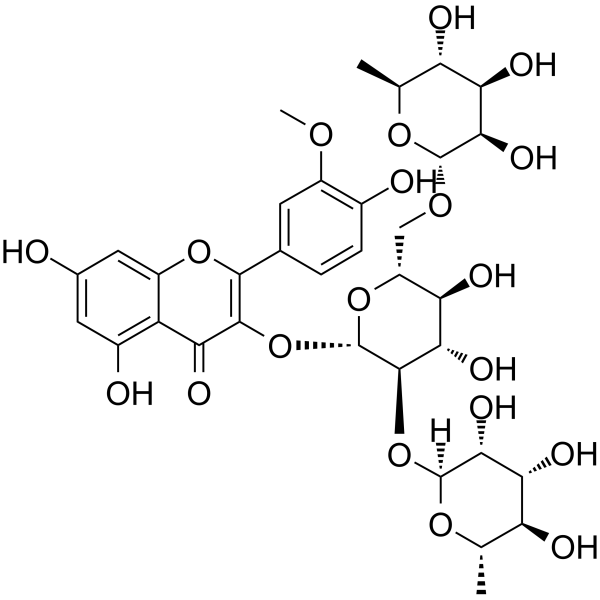
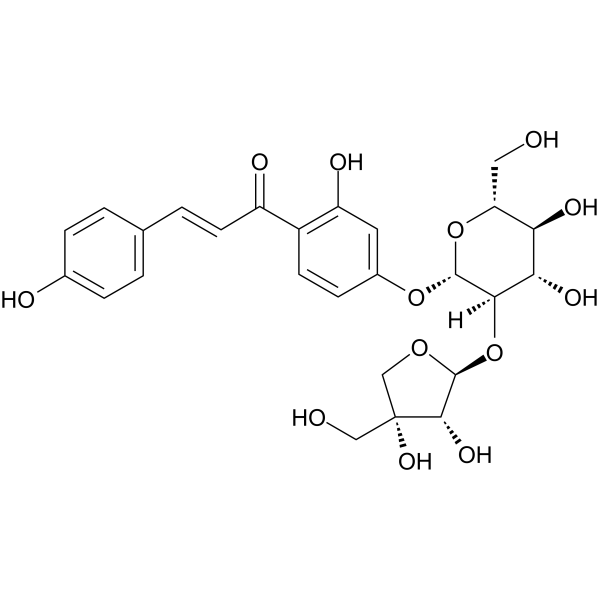
Typhaneoside is an orally bioavailable signal modulator and cellular regulator. Typhaneoside regulates the PI3K/Akt/mTOR autophagy transduction pathway. Typhaneoside promotes the activation of AMP-activated protein kinase and Caspase-3, induces apoptosis, ferroptosis, autophagy, ROS accumulation, and cell cycle arrest at the G2/M phase, and reduces cancer cell viability. Typhaneoside activates the farnesoid Xreceptor signaling pathway, improves glucose and lipid metabolism, alleviates inflammatory responses, oxidative stress and hepatic lipid accumulation, and exerts hepatoprotective effects. Typhaneoside is applicable to research related to post-myocardial infarction heart failure, acute myeloid leukemia, non-alcoholic fatty liver disease, and neurological disorders .
Linafexor (CS-0159) is a FXR agonist and bile acid homeostasis modulator. Linafexor exerts its effects by activating FXR, a regulator of liver function. Linafexor is applicable to research related to primary sclerosing cholangitis (PSC). Linafexor is also suitable for research in the field of metabolic dysfunction-associated steatohepatitis (MASH) .
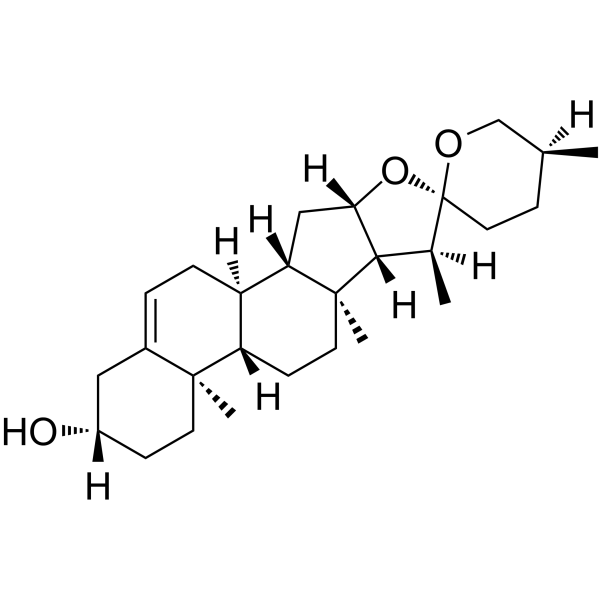
Yamogenin (Neodiosgenin) is a diastereomer of diosgenin. Yamogenin antagonizes the activation of the liverXreceptor (LXR) in luciferase ligand assay. Yamogenin inhibits triacylglyceride (TG) accumulation through the suppression of gene expression of fatty acid synthesis in HepG2 hepatocytes. Yamogenin is a steroidal saponin that can be obtained from plant species with in vitro cytotoxicity, antioxidant, and antimicrobial properties. Yamogenin induces cell death via the extrinsic and intrinsic way of apoptosis. Yamogenin inhibits protein denaturation with an IC50 of 1421.92 μg/mL. Yamogenin can be studied in research on gastric cancer .
AZ876 is a selective, orally active agonist of liverXreceptor (LXRα/β) (Ki=0.007 μM [LXRα, human], 0.011 μM [LXRβ, human]. AZ876 induces the expression of target genes such as ABCA1 and ABCG1, promotes reverse cholesterol transport (RCT) and regulates lipid metabolism and anti-inflammatory effects. AZ876 increases cardiac polyunsaturated fatty acid levels, reduces myocardial fibrosis, and reduces lesion area and monocyte adhesion in atherosclerosis models. AZ876 can be used in cardiovascular disease research, such as preventing and treating β-adrenergic-induced cardiac diastolic dysfunction and inhibiting the progression of atherosclerosis .
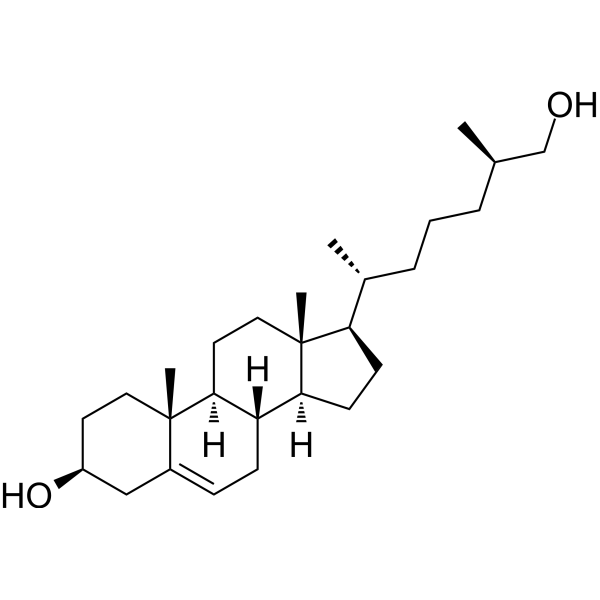
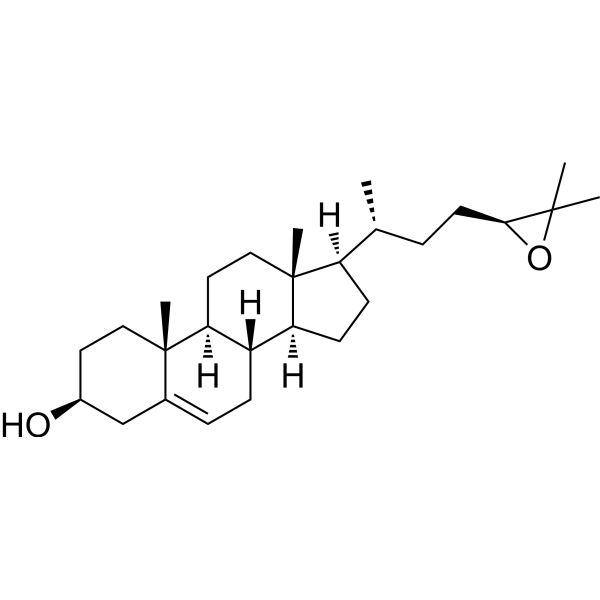
24S,25-Epoxycholesterol is an agonist for LiverXReceptor (LXR). 24S,25-Epoxycholesterol exhibits properties in regulating the cholesterol efflux , inhibiting tumor growth against gastric cancer and glioblastoma and inducing apoptosis in BMMC cells .
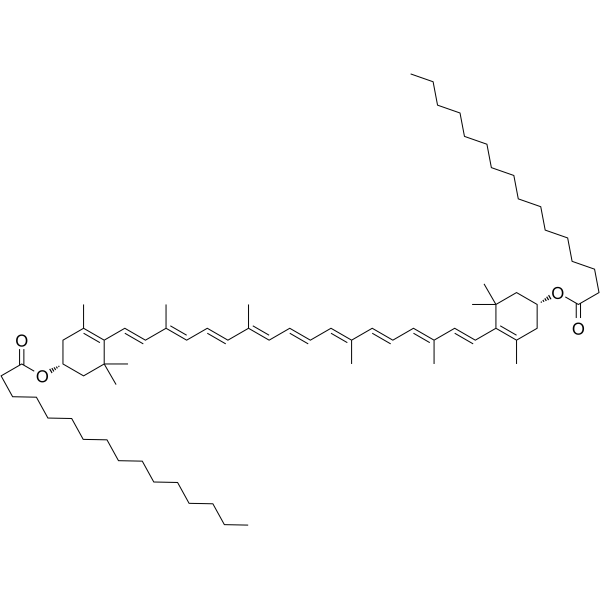
Zeaxanthin dipalmitate (Physalien) is a wolfberry-derived carotenoid, has anti-inflammatory and anti-oxidative stress effects. Zeaxanthin dipalmitate directly interact with p2X7 receptor (Kd=81.2 nM) and adiponectin receptor 1 (AdipoR1; Kd=533 nM) in a positive dose-dependent manner. Zeaxanthin dipalmitate restores mitochondrial autophagy functions suppressed by ethanol intoxication. Zeaxanthin dipalmitate can be used in the research of alcoholic fatty liver disease (AFLD) and retinitis pigmentosa (RP) .
LXR (LiverXreceptor) agonist 1 is potent LXR agonist with AC50s of 1.5 nM and 12 nM for LXR-α and LXR-β, respectively. LXR agonist 1 has the potential for the research of atherosclerosis .
Licraside, found in Glycyrrhiza glabra, is a Farnesoid Xreceptor(FXR) activator. Licraside activates FXR to induce upregulation of SHP and BSEP, regulates bile acid homeostasis, reduces elevated biliary and serum TBA, serum ALT, AST, GGT, ALP, and TBIL levels, and attenuates liver histopathological damage. Licraside inhibits factor Xa with an IC50 of 48.54 mM. Licraside can be used for the research of cholestasis and thromboembolic diseases .
E1231 is an orally active activator of Sirtuin 1 (SIRT1) (EC50=0.83 μM), to modulate cholesterol and lipid metabolism. E1231 interactes with SIRT1 (KD=9.61 μM) and deacetylated liverXreceptor-alpha (LXRα), and increases ATP-binding cassette transporter A1 (ABCA1) expression. E1231 also reduces atherosclerotic plaque development in ApoE -/- mice model. E1231 can be used for research in cholesterol and lipid disorder-related diseases .
4,8-Dioxa-3H-perfluorononanoic acid is an ether-substituted polyfluoroalkyl compound and also a ligand of human pregnane Xreceptor (hPXR), which binds to the ligand-binding domain of hPXR. 4,8-Dioxa-3H-perfluorononanoic acid targets Arg-410, Lys-210, Lys-226, Met-323 and His-327 residues. Its binding process relies on long-range electrostatic interactions, and no significant hydrogen bonds form with hPXR residues. 4,8-Dioxa-3H-perfluorononanoic acid is used as a substitute for PFOA in Germany. 4,8-Dioxa-3H-perfluorononanoic acid is detectable in environmental matrices such as river water near fluoride production plants, accumulates in organisms including grass, deer liver and locusts, and is present in plasma samples of populations in southern Germany .
Iristectorigenin B (Iristectrigenin B) is a liverXreceptor (LXR) modulator. Iristectrigenin B stimulates the transcriptional activity of both LXR-α and LXR-β .
Larsucosterol (DUR-928) trimethylamine, a cholesterol metabolite, is a potent liverXreceptor (LXR) antagonist. Larsucosterol trimethylamine as a potent endogenous regulator decreases lipogenesis. Larsucosterol trimethylamine inhibits the cholesterol biosynthesis via decreasing mRNA levels and inhibiting the activation of SREBP-1 .
24,25-Epoxycholesterol is an oxysterol agonist of the liverXreceptor that can inhibit the activity of 3-hydroxy-3-methylglutaryl-CoA reductase (HMG-CoA reductase) in liver cells. 24,25-Epoxycholesterol regulates cholesterol metabolism in the liver .
25-Hydroxytachysterol3 is the metabolite of Vitamin D3 (HY-15398). 25-Hydroxytachysterol3 inhibits the proliferation of epidermal keratinocytes and dermal fibroblasts, stimulates the expression of differentiation- and antioxidant-related genes in keratinocytes. 25-Hydroxytachysterol3 activates vitamin D receptor (VDR) and aryl hydrocarbon receptor (AhR), liverXreceptor α/β (LXR α/β) and peroxisome proliferator-activated receptor γ (PPARγ), stimulates the expression of CYP24A1 .
Acetyl podocarpic acid anhydride is a potent, semisynthetic liverXreceptor(LXR) agonist derived from extracts of the mayapple. Acetyl podocarpic acid anhydride has the potential to be useful for the prevention and research of atherosclerosis, especially in the context of low HDL levels .
Dendrogenin A (DDA) is a ligand for liverXreceptor (LXR), that induces the expression of sodium/iodine symporter, and increases iodine uptake. Dendrogenin A induces cell differentiation of MCF-7, and reactivates the function of lactating cells. Dendrogenin A induces the expressions of the TSH receptor, thyroid peroxidase, and thyroglobulin, and affects thyroid hormone generation. Dendrogenin A exhibits cytotoxicity in cancer cell B-CPAP and 8505c with IC50 of 4.1 and 6.2 µM. Dendrogenin A arrests the cell cycle at G0/G1 phase .
Mono (2-ethyl-5-hydroxyhexyl) terephthalate (MEHHTP), a hydroxyl metabolite of the phthalate alternative Di-2-ethylhexyl terephthalate (DEHTP), is a liverXreceptor α (LXRα) agonist with a binding energy of -7.41 kcal/mol. Mono (2-ethyl-5-hydroxyhexyl) terephthalate upregulates LXRα downstream targets such as SREBP-1c and FASN and increases lipogenic enzyme activity in hepatocytes, and elevating triglyceride (TG) levels. Mono (2-ethyl-5-hydroxyhexyl) terephthalate is promising for research of nonalcoholic fatty liver disease (NAFLD) .
Larsucosterol (DUR-928), a cholesterol metabolite, is a potent liverXreceptor (LXR) antagonist. Larsucosterol as a potent endogenous regulator decreases lipogenesis. Larsucosterol inhibits the cholesterol biosynthesis via decreasing mRNA levels and inhibiting the activation of SREBP-1 .
FITC-GW3965 is a fluorescence-labelled liverXreceptor β (LXRβ) agonist GW3965 (HY-10627). FITC-GW3965 is a tracer, that can be designed by replacing the trifluoromethyl of GW3965 with an amide to link the FITC. FITC-GW3965 can be used to study the function of LXRβ .
FXR agonist 4 (compound 10a) is an agonist of farnesoid Xreceptor (FXR) with an EC50 value of 1.05 μM. FXR agonist 4 effectively improves hyperlipidemia, hepatic steatosis, insulin resistance and hepatic inflammation in DIO mice. FXR agonist 4 can be used for the research of non-alcoholic fatty liver disease (NAFLD) .
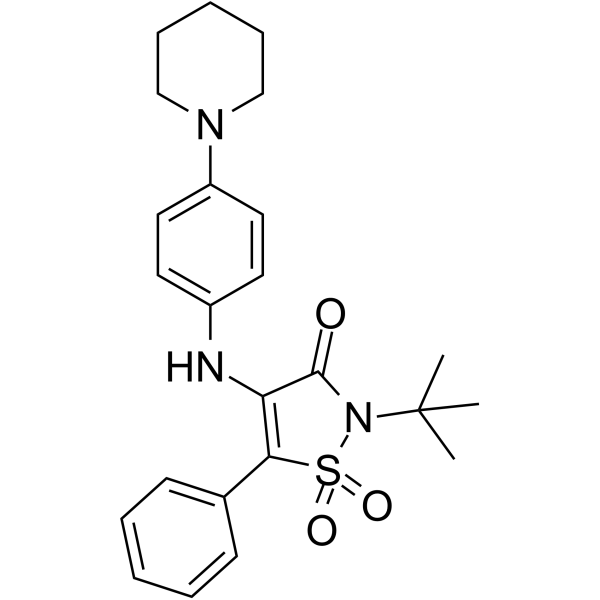
LXRβ ligand 1 is a LXRβ ligand-binding domain agonist, with an EC50 of 57 μM and a Ki of 28 μM against human LXR β. LXRβ ligand 1 forms hydrogen bonds with His435, stabilizes the His-Trp activation switch, and locks the ligand-binding domain in an agonist conformation; its tert-butyl moiety occupies a hydrophobic subpocket, while its phenyl moiety forms a π-π stacking interaction with Phe329. LXRβ ligand 1 serves as a structural unit for the development of LXRβ modulators .
7α,24(S)-Dihydroxycholesterol ((3β,7α,24S)-Cholest-5-ene-3,7,24-triol) serves as a ligand for liverXreceptor (LXR), binding specifically to the ligand binding domains of both LXRα and LXRβ. This compound is synthetically produced from E-α,β-enone, utilizing Arsonium ylide and J-tert-butyldimethylsilyloxy-bisnor-5-cholenaldehyde as starting materials, followed by a series of transformations to yield 7α,24(S)-dihydroxycholesterol.
Vidofludimus (4sc-101; SC12267) hemicalcium is an orally active inhibitor for dihydroorotate dehydrogenase (DHODH) and also is a novel modulator for farnesoid Xreceptor (FXR). Vidofludimus hemicalcium, as an immunomodulatory agent, can be used for the research of autoimmune disorders such as inflammatory bowel disease (IBD). Vidofludimus hemicalcium also can be used for the research of fatty liver by targeting FXR .
TFCA is a liverXreceptor α (LXRα) antagonist. TFCA inhibits ligand-activated LXRα coactivation and transcriptional expression of the downstream target genes involved in fatty acid synthesis. TFCA attenuates ligand-induced lipogenesis and fatty liver by selectively inhibiting LXRα in the liver .
Larsucosterol (DUR-928) ammonium, a cholesterol metabolite, is a potent liverXreceptor (LXR) antagonist. Larsucosterol ammonium as a potent endogenous regulator decreases lipogenesis. Larsucosterol ammonium inhibits the cholesterol biosynthesis via decreasing mRNA levels and inhibiting the activation of SREBP-1 .
PFM046 is the antagonist for liverXreceptor (LXR), that inhibits the activation of LXRα and LXRβ with IC50 of 2.04 μM and 1.58 μM. PFM046 inhibits the expression of SCD1 and FASN, upregulates the expression of ABCA1, and exhibits antitumor efficacy in mouse models .
HEC96719 is a selective and orally active tricyclic farnesoid Xreceptor (FXR) agonist with EC50 values of 1.37 and 1.55 nM by time-resolved fluorescence energy transfer (TR-FRET) and luciferase reporter assays, respectively. HEC96719 significantly improves non-alcoholic steatohepatitis (NASH) and liver fibrosis with favorable tissue distribution in liver and intestine. HEC96719 can be used for the research of non-alcoholic steatohepatitis .
LXRβ agonist-3 (compound 4-13) is a potent and selective LXRβ (liverXreceptor β) agonist, with an EC50 of 0.095 μM. LXRβ agonist-3 efficiently inhibits U87EGFRvIII cell, with an IC50 of 3.75 μM. LXRβ agonist-3 shows antitumor activity, and can inhibit glioblastoma .
AZ876 (Standard) is the analytical standard of AZ876. This product is intended for research and analytical applications. AZ876 is a selective, orally active agonist of liverXreceptor (LXRα/β) (Ki=0.007 μM [LXRα, human], 0.011 μM [LXRβ, human]. AZ876 induces the expression of target genes such as ABCA1 and ABCG1, promotes reverse cholesterol transport (RCT) and regulates lipid metabolism and anti-inflammatory effects. AZ876 increases cardiac polyunsaturated fatty acid levels, reduces myocardial fibrosis, and reduces lesion area and monocyte adhesion in atherosclerosis models. AZ876 can be used in cardiovascular disease research, such as preventing and treating β-adrenergic-induced cardiac diastolic dysfunction and inhibiting the progression of atherosclerosis .
UAB116 is a LiverXReceptor (LXR)/Retinoid XReceptor (RXR) agonist. UAB116 can decreases metastatic phenotype in hepatoblastoma by inhibiting the Wnt/β-Catenin pathway via upregulation of TRIM29. UAB116 can reduce proliferation, stemness and invasiveness of metastatic hepatoblastoma cells .
SMW139 is a selective allosteric antagonist of P2X7receptor, with a Ki value of 32 nM for human P2X7R. The half-life of SMW139 in rat liver microsomes is 47 minutes. SMW139 can be used for inflammation, Alzheimer’s disease, multiple sclerosis study .
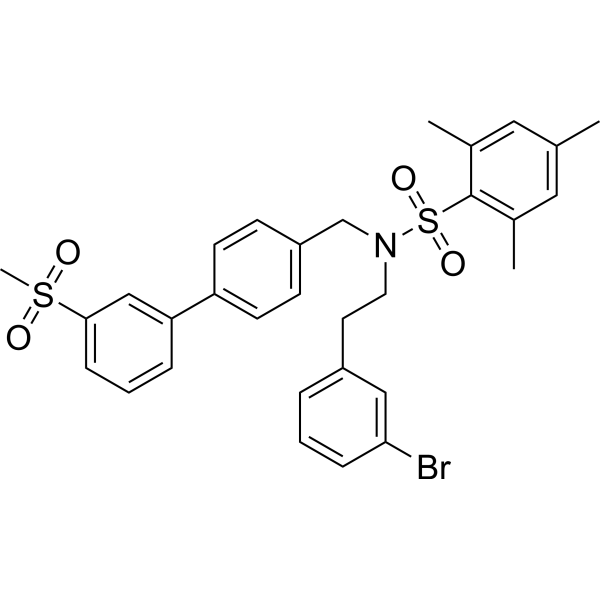
SR9238 (Standard) is the analytical standard of SR9238. This product is intended for research and analytical applications. SR9238 is a synthetic liverXreceptor (LXR) inverse agonist with IC50s of 214 nM and 43 nM for LXRα and LXRβ, respectively.
MHY 553 is a PPARα agonist that is effective when taken orally. MHY 553 helps alleviate liver fat accumulation by increasing fatty acid oxidation and reducing inflammation during the aging process. MHY 553 inhibits the accumulation of triglycerides induced by liverXreceptor agonists in HepG2 cells. MHY 553 significantly suppresses the expression of inflammatory mRNA in aging rats .
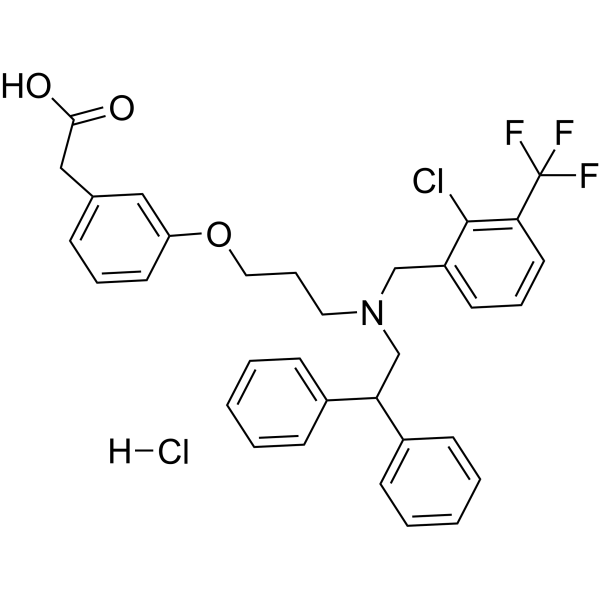
GW3965 (hydrochloride) (Standard) is the analytical standard of GW3965 (hydrochloride). This product is intended for research and analytical applications. GW3965 hydrochloride is a potent and selective liverXreceptor (LXR) agonist with EC50s of 190 nM and 30 nM for hLXRα and hLXRβ, respectively .
Larsucosterol (DUR-928) sodium, a cholesterol metabolite, is a potent liverXreceptor (LXR) antagonist. Larsucosterol sodium as a potent endogenous regulator decreases lipogenesis. Larsucosterol sodium inhibits the cholesterol biosynthesis via decreasing mRNA levels and inhibiting the activation of SREBP-1 .
GSK-9772 is a LiverXReceptor (LXR) modulator of the N-phenyl tertiary amine class (NPTAs) with high affinity for LXR β ligand (IC50=30 nM). GSK-9772 has anti-inflammatory activity by binding to LXR, specifically by interacting with the region associated with the transcriptional repression function of the receptor, thereby inhibiting the expression of pro-inflammatory genes. GSK-9772 can be used in the study of inflammatory and neurodegenerative diseases .
E17110 is a liverXreceptor β (LXRβ) agonist with an EC50 of 0.72 μM. E17110 can increase the expression of ATP-binding cassette transporter A1 (ABCA1) and G1 (ABCG1) in RAW264.7 macrophages. E17110 also reduce cellular lipid accumulation and promoted cholesterol efflux. E17110 can be used for the research of cardiovascular disease, such as atherosclerosis .
Yamogenin (Standard) is the analytical standard of Yamogenin. This product is intended for research and analytical applications. Yamogenin (Neodiosgenin) is a diastereomer of diosgenin. Yamogenin antagonizes the activation of the liverXreceptor (LXR) in luciferase ligand assay. Yamogenin inhibits triacylglyceride (TG) accumulation through the suppression of gene expression of fatty acid synthesis in HepG2 hepatocytes. Yamogenin is a steroidal saponin that can be obtained from plant species with in vitro cytotoxicity, antioxidant, and antimicrobial properties. Yamogenin induces cell death via the extrinsic and intrinsic way of apoptosis. Yamogenin inhibits protein denaturation with an IC50 of 1421.92 μg/mL. Yamogenin can be studied in research on gastric cancer .
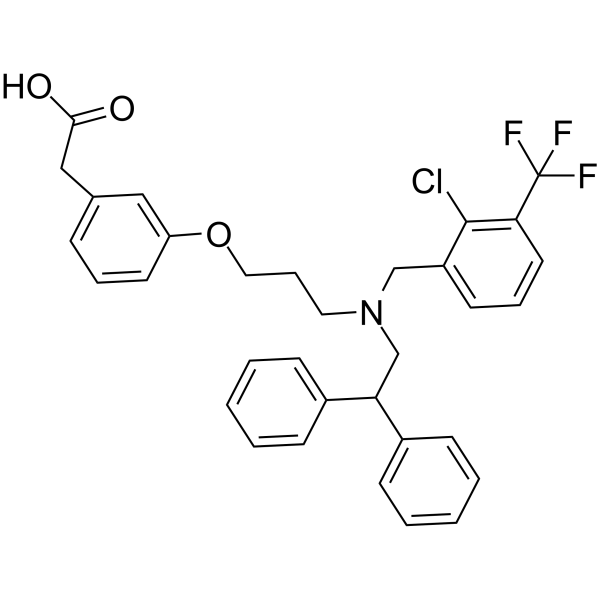
GW3965 (Standard) is the analytical standard of GW3965 (HY-10627). This product is intended for research and analytical applications. GW3965 is a potent, selective liverXreceptor (LXR) agonist with EC50s of 190 nM and 30 nM for hLXRα and hLXRβ, respectively .
Human CXCR6 mRNA encodes the human C-X-C motif chemokine receptor 6 (CXCR6) protein, a G protein-coupled receptor that belongs to the CXC chemokine receptor family. CXCR6 and its exclusive ligand, chemokine ligand 16 (CCL16), are part of a signalling pathway that regulates T lymphocyte migration to various peripheral tissues (the liver, spleen red pulp, intestine, lungs, and skin) and promotes cell-cell interaction with dendritic cells and fibroblastic reticular cells.
ACT-774312 is a potent and selective CRTH2 antagonist with an IC50 of 4 nM. ACT-774312 blocks the activity and internalization of the CRTH2 receptor, and inhibits PGD2-induced morphological changes in eosinophils. ACT-774312 can be used in the research of nasal polyps and type 2 inflammatory diseases.
FXR agonist 15 is a selective, potent and orally active farnesoid Xreceptor (FXR) agonist with EC50 of 0.76 μM. FXR agonist 15 exhibits no obvious activation on other nuclear receptors including LXRα/β, PXR, PPARα/β/γ, THR-β, with EC50 values all >10 μM. FXR agonist 15 can alleviate steatosis, lobular inflammation, hepatocyte ballooning and liver fibrosis. FXR agonist 15 can be used for the research of nonalcoholic steatohepatitis (NASH) .
MK-3901 is a selective P2X3 receptor antagonist with an IC50 of 24 nM. MK-3901 inhibits UGT1A1 (with an IC50 of 1 μM) and CYP2C9 (with an IC50 of 5.7 μM). MK-3901 activates PXR. MK-3901 induces hyperbilirubinemia. MK-3901 can be used for the research of inflammatory pain .
FXR DUBTAC modulator-1 is a deubiquitinase-targeting chimeric molecule (DUBTAC) that targets FXR, with a Ka value of 2.12e-5 M for FXR. FXR DUBTAC modulator-1 recruits the deubiquitinase OTUB1, binds to OTUB1 and forms a ternary complex with FXR, reduces the polyubiquitination level of FXR, prevents FXR degradation via the ubiquitin-proteasome pathway, and elevates the protein level of FXR. FXR DUBTAC modulator-1 can be used in the research of cholestatic liver injury .
2-Oxokolavenol is a selective agonist targeting the farnesoid Xreceptor (FXR), with an EC50 of ~3.7 μM. 2-Oxokolavenol exerts its activity against Acetaminophen (HY-66005)-induced hepatocyte damage in an FXR-dependent manner by binding to the FXR ligand-binding pocket, recruiting co-activators, and inducing FXR transcriptional activity. 2-Oxokolavenol can be naturally extracted from Aglaia spectabilis (a plant of the Aglaia genus in the Meliaceae family) and can be used in research related to liver diseases .
LXR modulator-1 (Compound 21/3) is a LXR modulator with an EC50 of less than 100 nM. LXR modulator-1 can be used for studying LXR-mediated diseases such as non-alcoholic fatty liver disease .
Anti-Mouse CXCR4 Antibody is a monoclonal antibody that specifically recognizes murine CXCR4 (C-X-C chemokine receptor 4), also known as fusin or CD184. CXCR4 is a seven-transmembrane G protein–coupled receptor whose principal endogenous ligand is CXCL12 (stromal cell–derived factor-1α, SDF-1α) and is widely expressed in hematopoietic cells, endothelial cells, neurons, as well as embryonic and adult stem cells. The CXCR4–CXCL12 signaling axis activates multiple downstream pathways, including ERK1/2, Ras, p38 MAPK, PLC/MAPK, and SAPK/JNK, thereby regulating cell survival, proliferation, migration, and stemness maintenance. Aberrant overexpression of CXCR4 is closely associated with poor prognosis and metastasis in various cancers, with CXCR4-positive tumor cells preferentially home to CXCL12-rich tissues such as the liver, bone marrow, lung, and lymph nodes. Accordingly, CXCR4 and its CXCL12-related antagonists emerge as attractive targets for experimental anticancer therapy. Anti-Mouse CXCR4 Antibody is generated using a cell-based immunization and screening strategy and exhibits high affinity for both endogenous and exogenous murine CXCR4. Anti-Mouse CXCR4 Antibody can be used for thestudy of chronic lymphocytic leukemia and multiple myeloma .
FITC-GW3965 is a fluorescence-labelled liverXreceptor β (LXRβ) agonist GW3965 (HY-10627). FITC-GW3965 is a tracer, that can be designed by replacing the trifluoromethyl of GW3965 with an amide to link the FITC. FITC-GW3965 can be used to study the function of LXRβ .
Anti-Mouse CXCR4 Antibody is a monoclonal antibody that specifically recognizes murine CXCR4 (C-X-C chemokine receptor 4), also known as fusin or CD184. CXCR4 is a seven-transmembrane G protein–coupled receptor whose principal endogenous ligand is CXCL12 (stromal cell–derived factor-1α, SDF-1α) and is widely expressed in hematopoietic cells, endothelial cells, neurons, as well as embryonic and adult stem cells. The CXCR4–CXCL12 signaling axis activates multiple downstream pathways, including ERK1/2, Ras, p38 MAPK, PLC/MAPK, and SAPK/JNK, thereby regulating cell survival, proliferation, migration, and stemness maintenance. Aberrant overexpression of CXCR4 is closely associated with poor prognosis and metastasis in various cancers, with CXCR4-positive tumor cells preferentially home to CXCL12-rich tissues such as the liver, bone marrow, lung, and lymph nodes. Accordingly, CXCR4 and its CXCL12-related antagonists emerge as attractive targets for experimental anticancer therapy. Anti-Mouse CXCR4 Antibody is generated using a cell-based immunization and screening strategy and exhibits high affinity for both endogenous and exogenous murine CXCR4. Anti-Mouse CXCR4 Antibody can be used for thestudy of chronic lymphocytic leukemia and multiple myeloma .
Typhaneoside is an orally bioavailable signal modulator and cellular regulator. Typhaneoside regulates the PI3K/Akt/mTOR autophagy transduction pathway. Typhaneoside promotes the activation of AMP-activated protein kinase and Caspase-3, induces apoptosis, ferroptosis, autophagy, ROS accumulation, and cell cycle arrest at the G2/M phase, and reduces cancer cell viability. Typhaneoside activates the farnesoid Xreceptor signaling pathway, improves glucose and lipid metabolism, alleviates inflammatory responses, oxidative stress and hepatic lipid accumulation, and exerts hepatoprotective effects. Typhaneoside is applicable to research related to post-myocardial infarction heart failure, acute myeloid leukemia, non-alcoholic fatty liver disease, and neurological disorders .
Yamogenin (Neodiosgenin) is a diastereomer of diosgenin. Yamogenin antagonizes the activation of the liverXreceptor (LXR) in luciferase ligand assay. Yamogenin inhibits triacylglyceride (TG) accumulation through the suppression of gene expression of fatty acid synthesis in HepG2 hepatocytes. Yamogenin is a steroidal saponin that can be obtained from plant species with in vitro cytotoxicity, antioxidant, and antimicrobial properties. Yamogenin induces cell death via the extrinsic and intrinsic way of apoptosis. Yamogenin inhibits protein denaturation with an IC50 of 1421.92 μg/mL. Yamogenin can be studied in research on gastric cancer .
Zeaxanthin dipalmitate (Physalien) is a wolfberry-derived carotenoid, has anti-inflammatory and anti-oxidative stress effects. Zeaxanthin dipalmitate directly interact with p2X7 receptor (Kd=81.2 nM) and adiponectin receptor 1 (AdipoR1; Kd=533 nM) in a positive dose-dependent manner. Zeaxanthin dipalmitate restores mitochondrial autophagy functions suppressed by ethanol intoxication. Zeaxanthin dipalmitate can be used in the research of alcoholic fatty liver disease (AFLD) and retinitis pigmentosa (RP) .
Licraside, found in Glycyrrhiza glabra, is a Farnesoid Xreceptor(FXR) activator. Licraside activates FXR to induce upregulation of SHP and BSEP, regulates bile acid homeostasis, reduces elevated biliary and serum TBA, serum ALT, AST, GGT, ALP, and TBIL levels, and attenuates liver histopathological damage. Licraside inhibits factor Xa with an IC50 of 48.54 mM. Licraside can be used for the research of cholestasis and thromboembolic diseases .
Iristectorigenin B (Iristectrigenin B) is a liverXreceptor (LXR) modulator. Iristectrigenin B stimulates the transcriptional activity of both LXR-α and LXR-β .
Larsucosterol (DUR-928) trimethylamine, a cholesterol metabolite, is a potent liverXreceptor (LXR) antagonist. Larsucosterol trimethylamine as a potent endogenous regulator decreases lipogenesis. Larsucosterol trimethylamine inhibits the cholesterol biosynthesis via decreasing mRNA levels and inhibiting the activation of SREBP-1 .
Dendrogenin A (DDA) is a ligand for liverXreceptor (LXR), that induces the expression of sodium/iodine symporter, and increases iodine uptake. Dendrogenin A induces cell differentiation of MCF-7, and reactivates the function of lactating cells. Dendrogenin A induces the expressions of the TSH receptor, thyroid peroxidase, and thyroglobulin, and affects thyroid hormone generation. Dendrogenin A exhibits cytotoxicity in cancer cell B-CPAP and 8505c with IC50 of 4.1 and 6.2 µM. Dendrogenin A arrests the cell cycle at G0/G1 phase .
Larsucosterol (DUR-928), a cholesterol metabolite, is a potent liverXreceptor (LXR) antagonist. Larsucosterol as a potent endogenous regulator decreases lipogenesis. Larsucosterol inhibits the cholesterol biosynthesis via decreasing mRNA levels and inhibiting the activation of SREBP-1 .
Larsucosterol (DUR-928) sodium, a cholesterol metabolite, is a potent liverXreceptor (LXR) antagonist. Larsucosterol sodium as a potent endogenous regulator decreases lipogenesis. Larsucosterol sodium inhibits the cholesterol biosynthesis via decreasing mRNA levels and inhibiting the activation of SREBP-1 .
Yamogenin (Standard) is the analytical standard of Yamogenin. This product is intended for research and analytical applications. Yamogenin (Neodiosgenin) is a diastereomer of diosgenin. Yamogenin antagonizes the activation of the liverXreceptor (LXR) in luciferase ligand assay. Yamogenin inhibits triacylglyceride (TG) accumulation through the suppression of gene expression of fatty acid synthesis in HepG2 hepatocytes. Yamogenin is a steroidal saponin that can be obtained from plant species with in vitro cytotoxicity, antioxidant, and antimicrobial properties. Yamogenin induces cell death via the extrinsic and intrinsic way of apoptosis. Yamogenin inhibits protein denaturation with an IC50 of 1421.92 μg/mL. Yamogenin can be studied in research on gastric cancer .
2-Oxokolavenol is a selective agonist targeting the farnesoid Xreceptor (FXR), with an EC50 of ~3.7 μM. 2-Oxokolavenol exerts its activity against Acetaminophen (HY-66005)-induced hepatocyte damage in an FXR-dependent manner by binding to the FXR ligand-binding pocket, recruiting co-activators, and inducing FXR transcriptional activity. 2-Oxokolavenol can be naturally extracted from Aglaia spectabilis (a plant of the Aglaia genus in the Meliaceae family) and can be used in research related to liver diseases .
LXR-α protein is a nuclear receptor that activates transcription by interacting with RXR. It regulates cholesterol uptake through MYLIP-dependent ubiquitination and is critical for cholesterol homeostasis. LXR-α Protein, Human is the recombinant human-derived LXR-α protein, expressed by E. coli , with tag free.
LXR-α protein is a nuclear receptor that activates transcription by interacting with RXR. It regulates cholesterol uptake through MYLIP-dependent ubiquitination and is critical for cholesterol homeostasis. LXR-α Protein, Human (His) is the recombinant human-derived LXR-α protein, expressed by E. coli , with N-6*His labeled tag.
Human CXCR6 mRNA encodes the human C-X-C motif chemokine receptor 6 (CXCR6) protein, a G protein-coupled receptor that belongs to the CXC chemokine receptor family. CXCR6 and its exclusive ligand, chemokine ligand 16 (CCL16), are part of a signalling pathway that regulates T lymphocyte migration to various peripheral tissues (the liver, spleen red pulp, intestine, lungs, and skin) and promotes cell-cell interaction with dendritic cells and fibroblastic reticular cells.
Inquiry Online
Your information is safe with us. * Required Fields.
Western blot analysis of extracts from THP-1(lane 2(20μg), Jurkat (lane 3(20μg) and NIH3T3(lane 4(20μg) using FOXO1A (HY-P80132) Rabbit mAb. Proteins were transferred
to a PVDF membrane and blocked with 5% non-fat milk in TBST for 2 hour at room temperature. The primary antibody (1/1000) and Loading control antibody (Beta Actin, HY-P80438, 1/10000) was
used in 5% non-fat milk in TBST at 4°C overnight. Goat Anti-Mouse/Rabbit IgG-HRP Secondary Antibody (1/10000) was used for 1 hour at room temperature.
Western blot analysis of extracts from THP-1(lane 2(20μg), Jurkat (lane 3(20μg) and NIH3T3(lane 4(20μg) using FOXO1A (HY-P80132) Rabbit mAb. Proteins were transferred
to a PVDF membrane and blocked with 5% non-fat milk in TBST for 2 hour at room temperature. The primary antibody (1/1000) and Loading control antibody (Beta Actin, HY-P80438, 1/10000) was
used in 5% non-fat milk in TBST at 4°C overnight. Goat Anti-Mouse/Rabbit IgG-HRP Secondary Antibody (1/10000) was used for 1 hour at room temperature.
Western blot analysis of extracts from THP-1(lane 2(20μg), Jurkat (lane 3(20μg) and NIH3T3(lane 4(20μg) using FOXO1A (HY-P80132) Rabbit mAb. Proteins were transferred
to a PVDF membrane and blocked with 5% non-fat milk in TBST for 2 hour at room temperature. The primary antibody (1/1000) and Loading control antibody (Beta Actin, HY-P80438, 1/10000) was
used in 5% non-fat milk in TBST at 4°C overnight. Goat Anti-Mouse/Rabbit IgG-HRP Secondary Antibody (1/10000) was used for 1 hour at room temperature.
Western blot analysis of extracts from THP-1(lane 2(20μg), Jurkat (lane 3(20μg) and NIH3T3(lane 4(20μg) using FOXO1A (HY-P80132) Rabbit mAb. Proteins were transferred
to a PVDF membrane and blocked with 5% non-fat milk in TBST for 2 hour at room temperature. The primary antibody (1/1000) and Loading control antibody (Beta Actin, HY-P80438, 1/10000) was
MedchemExpress Validation 03
Western blot analysis of extracts from THP-1(lane 2(20μg), Jurkat (lane 3(20μg) and NIH3T3(lane 4(20μg) using FOXO1A (HY-P80132) Rabbit mAb. Proteins were transferred
MedchemExpress Validation 04
Western blot analysis of extracts from THP-1(lane 2(20μg), Jurkat (lane 3(20μg) and NIH3T3(lane 4(20μg) using FOXO1A (HY-P80132) Rabbit mAb. Proteins were transferred
to a PVDF membrane and blocked with 5% non-fat milk in TBST for 2 hour at room temperature. The primary antibody (1/1000) and Loading control antibody (Beta Actin, HY-P80438, 1/10000) was
used in 5% non-fat milk in TBST at 4°C overnight. Goat Anti-Mouse/Rabbit IgG-HRP Secondary Antibody (1/10000) was used for 1 hour at room temperature.
MedchemExpress Validation
Western blot analysis of extracts from THP-1(lane 2(20μg), Jurkat (lane 3(20μg) and NIH3T3(lane 4(20μg) using FOXO1A (HY-P80132) Rabbit mAb. Proteins were transferred
to a PVDF membrane and blocked with 5% non-fat milk in TBST for 2 hour at room temperature. The primary antibody (1/1000) and Loading control antibody (Beta Actin, HY-P80438, 1/10000) was
used in 5% non-fat milk in TBST at 4°C overnight. Goat Anti-Mouse/Rabbit IgG-HRP Secondary Antibody (1/10000) was used for 1 hour at room temperature.
Western blot analysis of extracts from THP-1(lane 2(20μg), Jurkat (lane 3(20μg) and NIH3T3(lane 4(20μg) using FOXO1A (HY-P80132) Rabbit mAb. Proteins were transferred
to a PVDF membrane and blocked with 5% non-fat milk in TBST for 2 hour at room temperature. The primary antibody (1/1000) and Loading control antibody (Beta Actin, HY-P80438, 1/10000) was
used in 5% non-fat milk in TBST at 4°C overnight. Goat Anti-Mouse/Rabbit IgG-HRP Secondary Antibody (1/10000) was used for 1 hour at room temperature.
MedchemExpress Validation
Western blot analysis of extracts from THP-1(lane 2(20μg), Jurkat (lane 3(20μg) and NIH3T3(lane 4(20μg) using FOXO1A (HY-P80132) Rabbit mAb. Proteins were transferred
to a PVDF membrane and blocked with 5% non-fat milk in TBST for 2 hour at room temperature. The primary antibody (1/1000) and Loading control antibody (Beta Actin, HY-P80438, 1/10000) was
used in 5% non-fat milk in TBST at 4°C overnight. Goat Anti-Mouse/Rabbit IgG-HRP Secondary Antibody (1/10000) was used for 1 hour at room temperature.
MedchemExpress Validation
Western blot analysis of extracts from THP-1(lane 2(20μg), Jurkat (lane 3(20μg) and NIH3T3(lane 4(20μg) using FOXO1A (HY-P80132) Rabbit mAb. Proteins were transferred
to a PVDF membrane and blocked with 5% non-fat milk in TBST for 2 hour at room temperature. The primary antibody (1/1000) and Loading control antibody (Beta Actin, HY-P80438, 1/10000) was
used in 5% non-fat milk in TBST at 4°C overnight. Goat Anti-Mouse/Rabbit IgG-HRP Secondary Antibody (1/10000) was used for 1 hour at room temperature.
MedchemExpress Validation
Western blot analysis of extracts from THP-1(lane 2(20μg), Jurkat (lane 3(20μg) and NIH3T3(lane 4(20μg) using FOXO1A (HY-P80132) Rabbit mAb. Proteins were transferred
to a PVDF membrane and blocked with 5% non-fat milk in TBST for 2 hour at room temperature. The primary antibody (1/1000) and Loading control antibody (Beta Actin, HY-P80438, 1/10000) was
used in 5% non-fat milk in TBST at 4°C overnight. Goat Anti-Mouse/Rabbit IgG-HRP Secondary Antibody (1/10000) was used for 1 hour at room temperature.
MedchemExpress Validation
Western blot analysis of extracts from THP-1(lane 2(20μg), Jurkat (lane 3(20μg) and NIH3T3(lane 4(20μg) using FOXO1A (HY-P80132) Rabbit mAb. Proteins were transferred
to a PVDF membrane and blocked with 5% non-fat milk in TBST for 2 hour at room temperature. The primary antibody (1/1000) and Loading control antibody (Beta Actin, HY-P80438, 1/10000) was
used in 5% non-fat milk in TBST at 4°C overnight. Goat Anti-Mouse/Rabbit IgG-HRP Secondary Antibody (1/10000) was used for 1 hour at room temperature.
MedchemExpress Validation
Western blot analysis of extracts from THP-1(lane 2(20μg), Jurkat (lane 3(20μg) and NIH3T3(lane 4(20μg) using FOXO1A (HY-P80132) Rabbit mAb. Proteins were transferred
to a PVDF membrane and blocked with 5% non-fat milk in TBST for 2 hour at room temperature. The primary antibody (1/1000) and Loading control antibody (Beta Actin, HY-P80438, 1/10000) was
used in 5% non-fat milk in TBST at 4°C overnight. Goat Anti-Mouse/Rabbit IgG-HRP Secondary Antibody (1/10000) was used for 1 hour at room temperature.
MedchemExpress Validation
Western blot analysis of extracts from THP-1(lane 2(20μg), Jurkat (lane 3(20μg) and NIH3T3(lane 4(20μg) using FOXO1A (HY-P80132) Rabbit mAb. Proteins were transferred
to a PVDF membrane and blocked with 5% non-fat milk in TBST for 2 hour at room temperature. The primary antibody (1/1000) and Loading control antibody (Beta Actin, HY-P80438, 1/10000) was
used in 5% non-fat milk in TBST at 4°C overnight. Goat Anti-Mouse/Rabbit IgG-HRP Secondary Antibody (1/10000) was used for 1 hour at room temperature.
MedChemExpress values your privacy and your trust is important to us. We use cookies to enhance your website experience. Some cookies are necessary to run the website.
Privacy and Cookie Policy

