1. Search Result
Search Result
Results for "

membrane+fusion

" in MedChemExpress (MCE) Product Catalog:

85

Inhibitors & Agonists

1

Screening Libraries

7

Fluorescent Dyes

43

Biochemical Assay Reagents

8

Peptides

2

Inhibitory Antibodies

2

Natural
Products

2

Recombinant Proteins

1

Isotope-Labeled Compounds

1

Antibodies

3

Oligonucleotides

1

GMP Molecules

Cat. No. Product Name Target Research Areas Chemical Structure
  • HY-129047
    Trypsin
    15+ Cited Publications

    Ser/Thr Protease Protease Activated Receptor (PAR) Infection Inflammation/Immunology
    Trypsin is a serine protease enzyme, and hydrolyzes proteins at the carboxyl side of the Lysine or Arginine. Trypsin activates PAR2 and PAR4. Trypsin induces cell-to-cell membrane fusion in PDCoV infection by the interaction of S glycoprotein of PDCoV and pAPN. Trypsin also promotes cell proliferation and differentiation. Trypsin can be used in the research of wound healing and neurogenic inflammation .
    Trypsin
  • HY-W127378
    DOTAP methylsulfate
    10+ Cited Publications

    1,2-Dioleoyl-3-trimethylammonium-propane methylsulfate

    Liposome Others
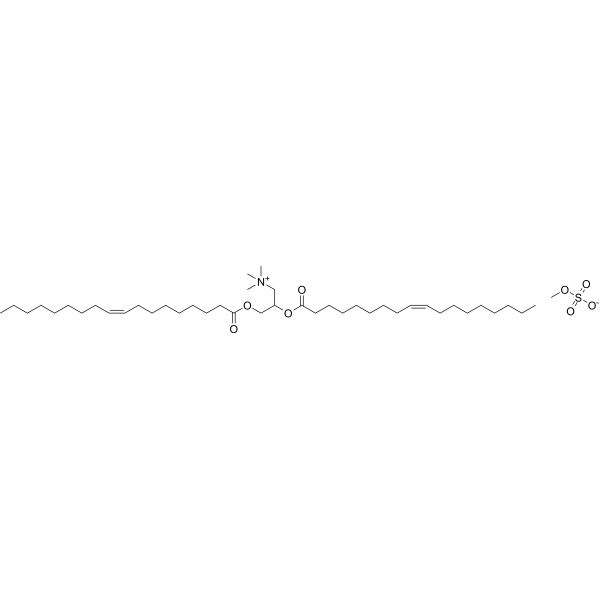
    DOTAP methylsulfat is a cationic lipid reagent, a cationic derivative of trimethylammonium, linked to two 18-carbon fatty acid tails, each with a single olefin group. DOTAP methylsulfat can self-assemble with negatively charged ions (such as DNA) to form complexes, which can be adsorbed to the cell membrane surface and enter the cell by electrostatic interaction and endocytosis, respectively. DOTAP methylsulfat promotes endosomal membrane fusion with its own hydrophobic domain, releases DNA into the cytoplasm, and exerts gene delivery function. DOTAP methylsulfat can be widely used in research fields such as gene therapy, cell transfection, and non-viral vector design .
    DOTAP methylsulfate
  • HY-129047A

    Ser/Thr Protease Protease Activated Receptor (PAR) Infection Inflammation/Immunology
    Trypsin MS grade is a serine protease enzyme, and hydrolyzes proteins at the carboxyl side of the Lysine or Arginine. Trypsin MS grade activates PAR2 and PAR4. Trypsin MS grade induces cell-to-cell membrane fusion in PDCoV infection by the interaction of S glycoprotein of PDCoV and pAPN. Trypsin MS grade also promotes cell proliferation and differentiation. Trypsin MS grade can be used in the research of wound healing and neurogenic inflammation .
    Trypsin (MS grade)
  • HY-U00434
    3BDO
    Maximum Cited Publications
    21 Publications Verification

    mTOR Autophagy Apoptosis Infection Inflammation/Immunology
    3BDO is a IFITM3 modulator and mTOR activator with antiviral and autophagy-inhibiting effects. 3BDO exhibits inhibitory activity against porcine coronaviruses. 3BDO increases the protein abundance of IFITM3, inhibits virus-cell membrane fusion, and blocks viral entry. 3BDO inhibits the entry of transmissible gastroenteritis virus, porcine epidemic diarrhea virus, and porcine respiratory coronavirus into host cells. 3BDO can be used for research on porcine coronavirus infection .
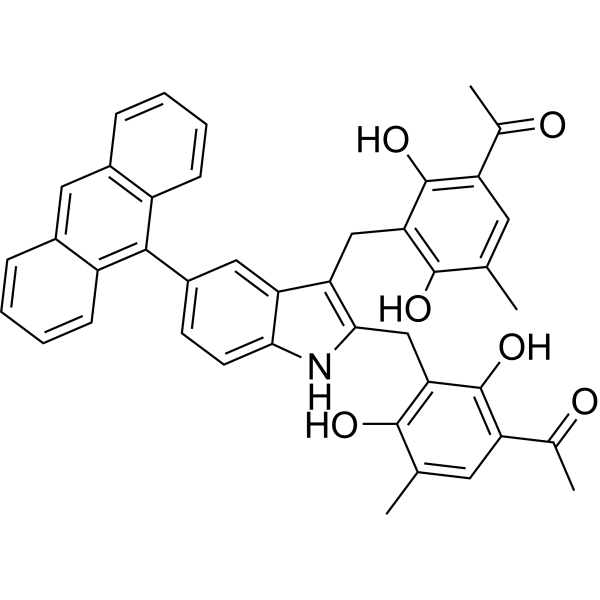
    3BDO
  • HY-W583868

    1,2-POPE; 16:0-18:1 PE

    Liposome Others
    1-Palmitoyl-2-oleoyl-sn-glycero-3-PE (1,2-POPE; 16:0-18:1 PE) is a phosphatidylethanolamine (PE) lipid. 1-Palmitoyl-2-oleoyl-sn-glycero-3-PE can induce lipid bilayer to form a hexagonal phase (HII) structure in an acidic environment and promote membrane fusion. 1-Palmitoyl-2-oleoyl-sn-glycero-3-PE can enhance the endosomal escape ability of lipid nanoparticles (LNPs) and improve the cellular delivery efficiency of nucleic acid drugs such as mRNA. 1-Palmitoyl-2-oleoyl-sn-glycero-3-PE can be used for LNP carrier targeting of gene therapy and mRNA vaccines .
    1-Palmitoyl-2-oleoyl-sn-glycero-3-PE
  • HY-P10152

    Biochemical Assay Reagents Infection
    INF7 is a derivative of the N-terminal domain of the HA2 protein and is sensitive to pH. INF7 disrupts the stability of endosomal membranes through a mechanism independent of membrane fusion. INF7 can be used to enhance the endosome escape of complex or liposome-encapsulated proteins. Co-encapsulation of INF7 and molecular imaging probes in liposomes can enhance intracellular signaling and probe retention .
    INF7
  • HY-145795

    Liposome Others
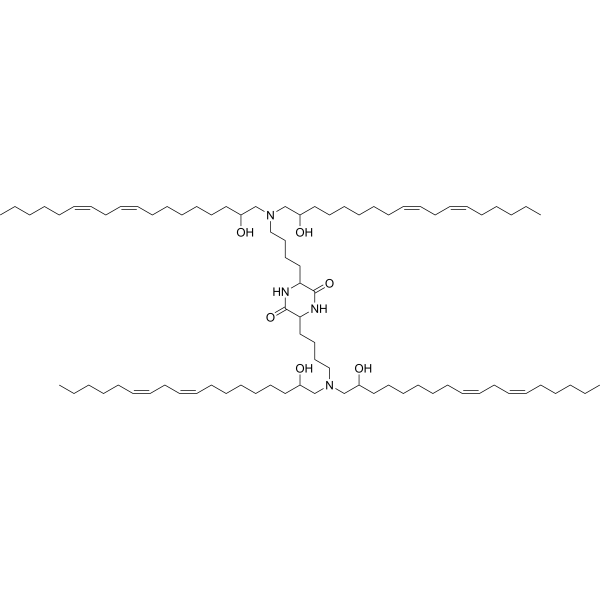
    OF-02 is an ionizable lipid for mRNA delivery and a key component of lipid nanoparticles (LNPs). OF-02 is protonated in the acidic endosomal environment to promote endosomal escape of mRNA and efficiently induce protein expression in target cells. OF-02 relies on the pH-responsive membrane fusion properties to form a complex with mRNA and destroy the endosomal membrane structure to achieve mRNA release in the cytoplasm. OF-02 is mainly used in the development of mRNA vaccines, gene editing, and protein replacement therapy[1][2][3].
    OF-02
  • HY-D1602

    Fluorescent Dye Others
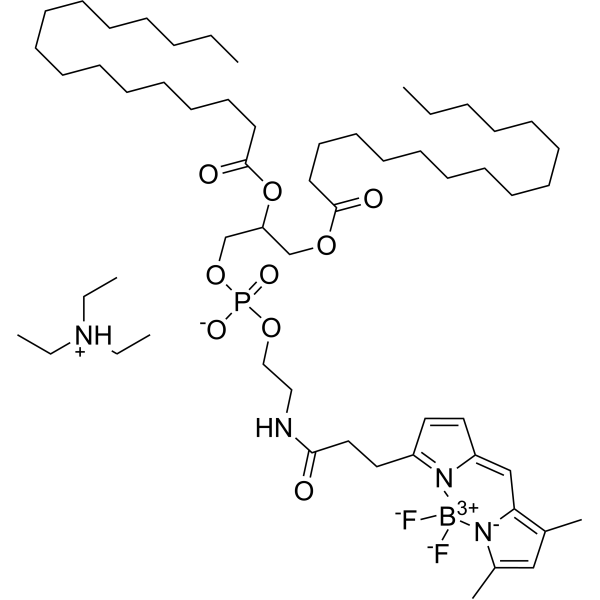
    BODIPY FL DHPE is a green-fluorescent phospholipid probe. BODIPY FL DHPE labels lipid 1,2-dihexadecanoyl-sn-glycero-phosphoethanolamine (DHPE), labeled liposomes can be internalized by membrane fusion. BODIPY FL DHPE can be used for investigations of membrane surface and membrane fusion. (λex=505 nm, λem=511 nm) .
    BODIPY FL-DHPE
  • HY-139533

    Biochemical Assay Reagents Others
    Phosphatidylinositols, soya, sodium salts is a mixture of phosphatidylinositols. Phosphoinositides are lipids involved in the vesicular transport of proteins and lipids between the different compartments of eukaryotic cells. They act by recruiting and/or activating effector proteins and thus are involved in regulating various cellular functions, such as vesicular budding, membrane fusion and cytoskeleton dynamics .
    Phosphatidylinositols, soya, sodium salts
  • HY-P99637

    MHAA4549A; RG7745

    Influenza Virus Infection
    Gedivumab (MHAA4549A; RG7745) is a human monoclonal antibody that targets influenza A virus (IAV) with high specificity and binds to the highly conserved stem region of the IAV haemagglutinin protein, thereby preventing haemagglutinin maturation and blocking haemagglutinin-mediated membrane fusion in the intranucleosome. Gedivumab can be used in IAV infection disease studies .
    Gedivumab
  • HY-112754AGL

    1,2-Dioleoyl-3-trimethylammonium-propane chloride (GMP Like)

    Liposome Others
    DOTAP chloride (GMP Like) is the GMP Like class DOTAP chloride (HY-112754A). GMP small molecules works appropriately as an auxiliary reagent for cell therapy manufacture. DOTAP chloride is a cationic lipid with good membrane fusion ability and biocompatibility. DOTAP chloride (GMP Like) can be used as an excipient for transient and stable transfection DNA (plasmids, bacmids) and modified nucleic acids (antisense oligonucleotides) without the use of helper lipid .
    DOTAP chloride (GMP Like)
  • HY-121219

    Bacterial Infection
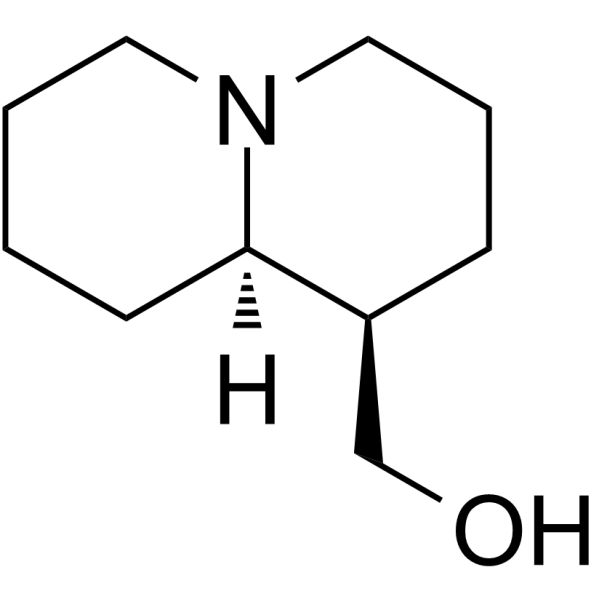
    (-)-Lupinine is an alkaloid and membrane fusion inhibitor. (-)-Lupinine does not affect the synthesis of proinflammatory cytokines during the host response to Serratia proteamaculans infection. (-)-Lupinine can enhance the expression of the bacterial surface protein OmpX. (-)-Lupinine can be used for research on bacterial infections .
    (-)-Lupinine
  • HY-P991059

    Influenza Virus Infection
    VIS-410 is an antibody inhibitor targeting the stem region of hemagglutinin (HA). VIS-410 inhibits influenza virus replication by blocking HA-mediated membrane fusion. VIS-410 exhibits broad-spectrum neutralization against influenza A viruses with group 1 and group 2 hemagglutinins, including subtypes such as H1N1, H3N2, H5N1, and H7N9 (H5N1 IC50 = 1.5 μg/mL). VIS-410 is applicable to research related to influenza A virus infection .
    VIS-410
  • HY-W248583

    PM650

    Fluorescent Dye Others
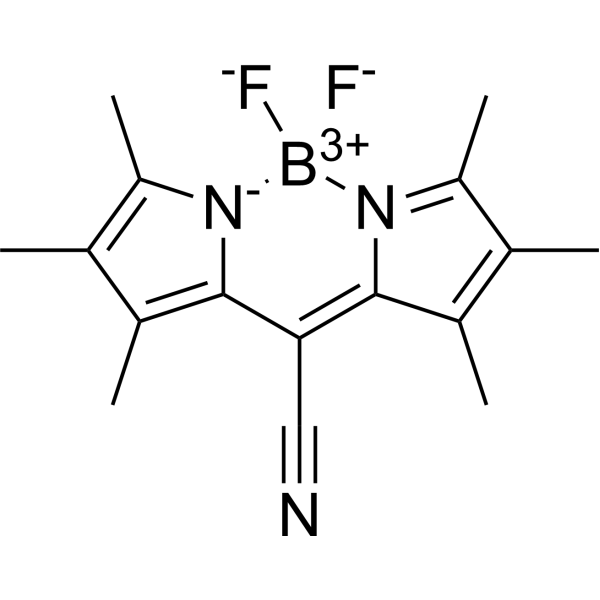
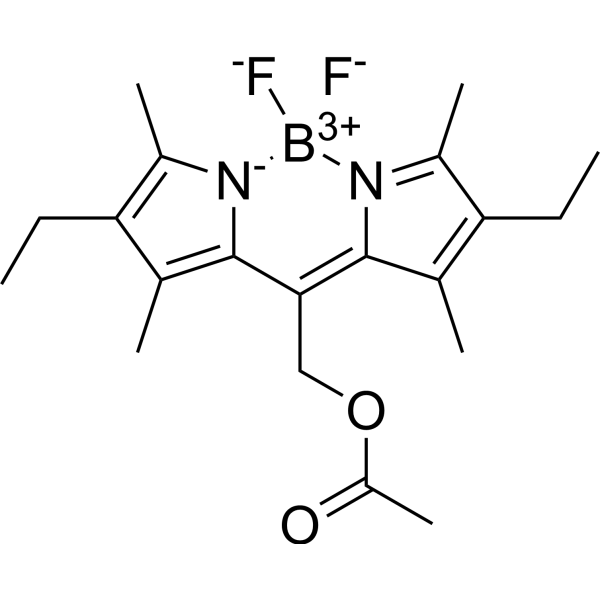
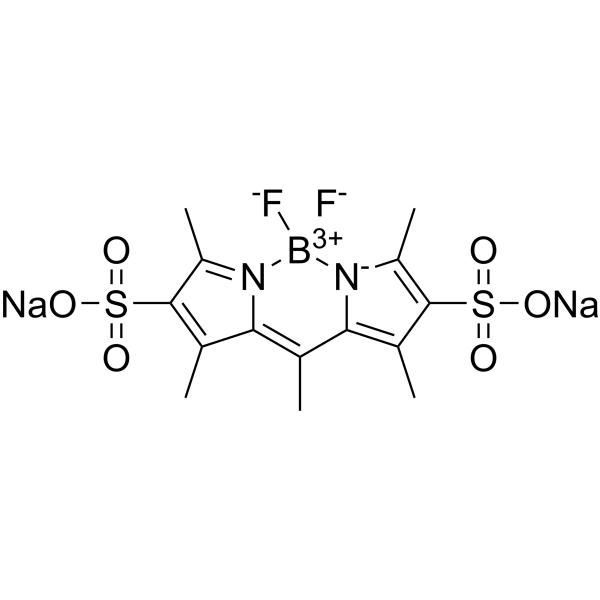
    Pyrromethene 650 (PM650) is a green-fluorescent polar tracer dye. It is used for investigations of membrane fusion, lysis, and gap-junctional communication and to detect volume changes in cells or liposomes.
    Pyrromethene 650
  • HY-W048674

    Fmoc-O-acetyl-L-serine

    Amino Acid Derivatives Infection
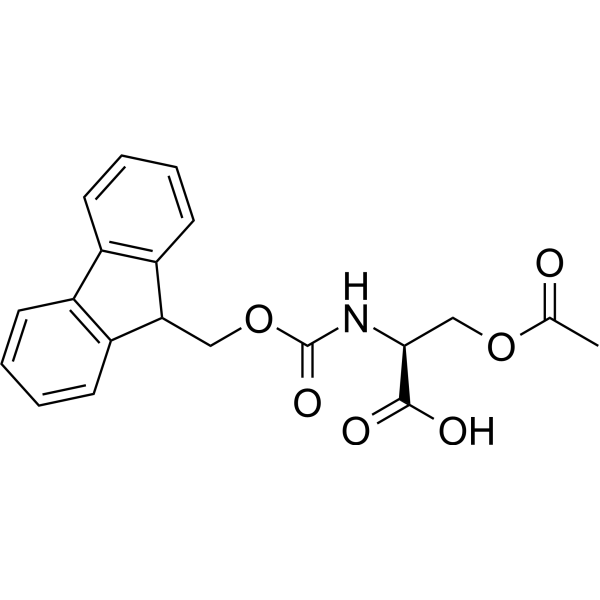
    Fmoc-Ser(Ac)-OH (Fmoc-O-acetyl-L-serine) is a Serine derivative. Fmoc-Ser(Ac)-OH can be used for the preparation of broad-spectrum coronavirus membrane fusion inhibitor .
    Fmoc-Ser(Ac)-OH
  • HY-124871

    Arenavirus Infection
    LASV-IN-1 is a Lassa fever virus (LASV) inhibitor. LASV-IN-1 binds with LASV glycoprotein (GP) and promotes virus membrane fusion and infection. LASV-IN-1 can be used for LASV infection research .
    LASV-IN-1
  • HY-D1777

    PM605

    Fluorescent Dye Others
    Pyrromethene 605 (PM605) is a green-fluorescent polar tracer dye. It is used for investigations of membrane fusion, lysis, and gap-junctional communication and to detect volume changes in cells or liposomes.
    Pyrromethene 605
  • HY-P11455A

    Liposome Others
    Lipopeptide CPE4 TFA is a PEG-modified peptide E4 [(EIAALEK) 4]. Lipopeptide CPE4 TFA is capable of coiled-coil formation when attached to liposomes. Lipopeptide CPE4 TFA triggers membrane fusion between liposomes and living cells with concomitant efficient cytosolic delivery of a variety of compounds such as fluorescent dyes Propidium Iodide (PI) (HY-D0815) and TO-PRO-3 iodide (HY-117070), and Doxorubicin (DOX) (HY-15142A). Lipopeptide CPE4 TFA can be used for drug delivery research .
    Lipopeptide CPE4 TFA
  • HY-W248118

    PM556

    Fluorescent Dye Others
    Pyrromethene 556 (PM556) is a green-fluorescent polar tracer dye. It is used for investigations of membrane fusion, lysis, and gap-junctional communication and to detect volume changes in cells or liposomes.
    Pyrromethene 556
  • HY-D1671

    Fluorescent Dye Others
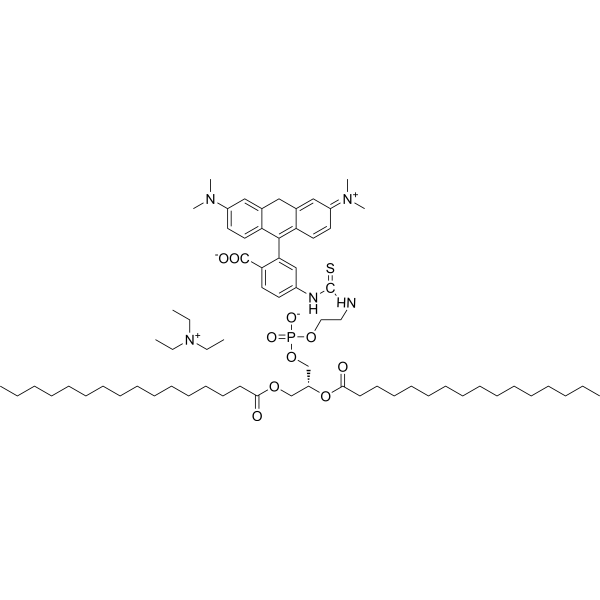
    TRITC-DHPE is a rhodamine-labeled glycerophosphate ethanolamine lipid, with head groups marked with bright red fluorescent TRITC dye (λEx/λEm=514/580 nm). TRITC-DHPE can be used for membrane fusion assay to trace lipid processing in intracellular phagocytosis. TRITC-DHPE can serves as an energy transfer receptor for NBD, BODIPY and fluorescein lipid probes .
    TRITC-DHPE
  • HY-178137

    SARS-CoV Hepatitis E Virus (HEV) Filovirus Infection
    SCR007 is a synthetic carbohydrate receptor (SCR) with broad-spectrum antiviral activity. SCR007 inhibits the entry of enveloped viruses across multiple families (Coronaviridae: SARS-CoV-1, SARS-CoV-2, MERS-CoV; Filoviridae: EBOV, MARV; Paramyxoviridae: NiV, HeV) and the glycosylated nonenveloped rotavirus. SCR007 binds viral envelope N-glycans, blocking viral binding to host cells or both binding and membrane fusion. SCR007 exerts prophylactic effects in hACE2 mice infected with SARS-CoV-2. SCR007 can be used for the study and prevention of enveloped virus pandemics .
    SCR007
  • HY-174286

    Liposome Others
    C16-18:1 PE is a lipid. C16-18:1 PE has the activity of promoting membrane fusion and enhancing endosomal escape, which can significantly improve the delivery efficiency of mRNA. C16-18:1 PE is used in the synthesis of lipid nanoparticles (LNP) .
    C16-18:1 PE
  • HY-178151

    RSV Infection
    CGR-50 is a potent RSV fusion glycoprotein (F protein) inhibitor (EC50 = 32.6 nM against RSV A2 in HEp-2 cells). CGR-50 blocks RSV entry by binding to the F protein and inhibiting membrane fusion. CGR-50 can be used for RSV infection research .
    CGR-50
  • HY-172558

    Biochemical Assay Reagents Others
    MEL-A is a glycolipid biosurfactant. MEL-A can be produced from vegetable oils by Pseudozyma yeasts. MEL-A can improve the low-temperature fluidity of biodiesel and hydrocarbon fuels. MEL-A is composed of a mixture of MEL-A isoforms with variable lengths of the fatty acid chain. MEL-A can significantly increases gene transfection by cationic liposomes via membrane fusion .
    MEL-A
  • HY-N4299

    HSV HSP Metabolic Disease
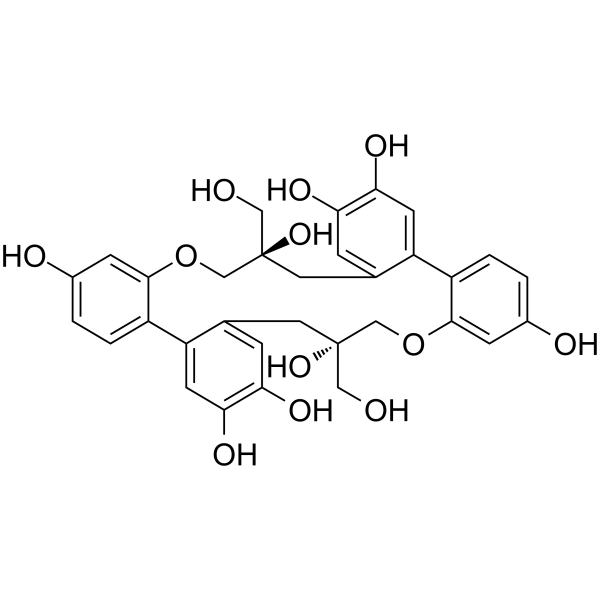
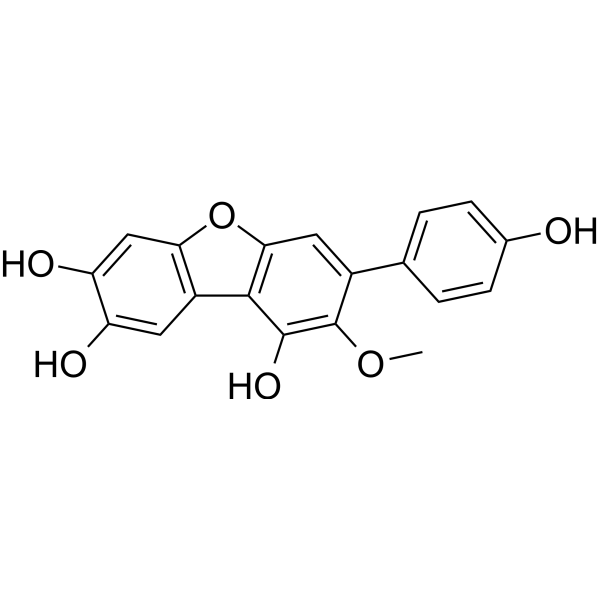
    Caesappanin C, a biphenyl dimer from the ethanolic extract of the heartwood of Indonesian Caesalpinia sappan L., shows strong proliferation stimulating activity against the primary osteoblastic cells in vitro. Caesappanin C has the potential to stimulate bone formation and regeneration . Caesappanin C can effectively deactivate HSV particles and bind HSV surface glycoprotein B (gB) to inhibit membrane fusion .
    Caesappanin C
  • HY-P5497

    HIV Others
    C34 peptide is a biological active peptide. (This C34 peptide, also known as HR2, belongs to the helical region of gp41 of HIV, C-terminal heptad repeat 2 (HR2) defined as C helix or C peptide. It is known that HIV-1 enters cells by membrane fusion, C34 gp41 peptide is a potent inhibitors of HIV-1 fusion.)
    C34 peptide
  • HY-P11456A

    Liposome Others
    Lipopeptide CPK4 TFA is a Cholesterol (HY-N0322)-modified peptide K4 [(KIAALKE) 3]. Lipopeptide CPK4 TFA is capable of coiled-coil formation when attached to liposomes. Lipopeptide CPK4 TFA triggers membrane fusion between liposomes and living cells with concomitant efficient cytosolic delivery of a variety of compounds such as fluorescent dyes Propidium Iodide (PI) (HY-D0815) and TO-PRO-3 iodide (HY-117070), and Doxorubicin (DOX) (HY-15142A). Lipopeptide CPK4 TFA can be used for drug delivery research .
    Lipopeptide CPK4 TFA
  • HY-178135

    SARS-CoV Filovirus Hepatitis E Virus (HEV) Infection
    SCR005 is a synthetic carbohydrate receptor (SCR) with broad-spectrum antiviral activity. SCR005 inhibits the entry of enveloped viruses across multiple families (Coronaviridae: SARS-CoV-1, SARS-CoV-2, MERS-CoV; Filoviridae: EBOV, MARV; Paramyxoviridae: NiV, HeV) and the glycosylated nonenveloped rotavirus. SCR005 binds viral envelope N-glycans, blocking viral binding to host cells or both binding and membrane fusion. SCR005 exerts prophylactic effects in hACE2 mice infected with SARS-CoV-2. SCR005 can be used for the study and prevention of enveloped virus pandemics .
    SCR005
  • HY-161804

    PROTACs Dengue Virus Infection
    GNF-2-deg is a PROTAC degrader for dengue virus envelope protein (DENV E protein) with DC50 of 0.83 μM. GNF-2-deg prevents viral entry by inhibiting E-mediated membrane fusion, prevents virion production by protein degradation, and thereby exhibits antiviral activity against DENV 2 with EC90 of 3.5 μM. GNF-2-deg exhibits antiviral activity against ZIKV, JEV, WNV and YFV with EC90 of 1.96-7.79 μM. (Pink: ligand for target protein (HY-161805); Black: linker (HY-42149); Blue: ligand for E3 ligase (HY-23095))
    GNF-2-deg
  • HY-122204

    HIV Infection
    5M038 is an inhibitor of HIV envelope-mediated fusion with potent inhibitory activity against gp41-mediated membrane fusion. 5M038 prevents the formation of the gp41 post-fusion conformation and inhibits envelope-mediated membrane fusion in cell-cell fusion and viral infectivity assays. 5M038 has shown broad fusion inhibition in tests against multiple HIV-1 subtypes, including M and T strains. 5M038 targets a highly conserved hydrophobic pocket and binds to the gp41 trimer, thereby exerting its inhibitory effect .
    5M038
  • HY-163957

    Bacterial Others
    Tambjamine LY2 is an algicidal compound with significant algaecidal effects. Bacterial membrane vesicles (BMVs) may be involved in bacteria-algae communication, so BMV encapsulation can be effectively delivered to the microalgae Heterosigma akashiwo and Thalassiosira pseudonana through membrane fusion .
    Tambjamine LY2
  • HY-173587

    1,2-Bis(heptanoylthio) glycerophosphatidylglycerol sodium

    Phospholipase Metabolic Disease
    1,2-Bis(heptanoylthio)-sn-glycero-3-PG (1,2-Bis(heptanoylthio) glycerophosphatidylglycerol) sodium is a fatty acylthioesterified phosphatidylglycerol derivative that can be used to mimic the action of phospholipases or as a probe molecule for membrane fusion studies .
    1,2-Bis(heptanoylthio)-sn-glycero-3-PG sodium
  • HY-103300

    Endogenous Metabolite Infection
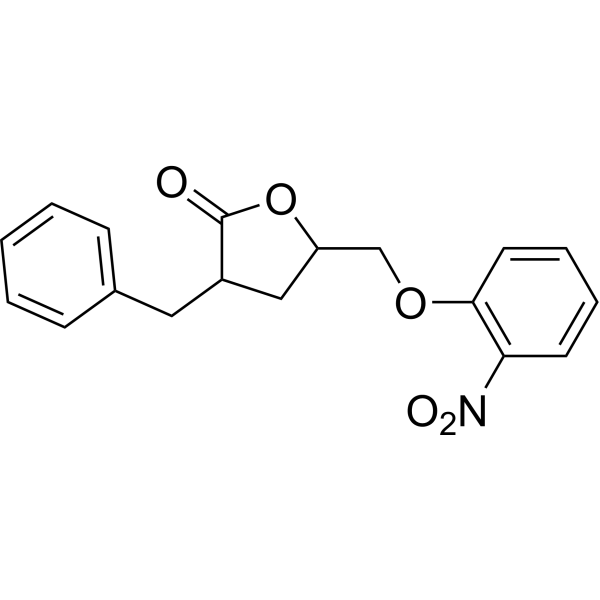
    NPE-caged-proton is a reagent that releases protons under UV light and has the activity of activating the fusion protein GP64 under weak acidic conditions. NPE-caged-proton can promote the binding of enveloped viruses to liposome membranes with acidic phospholipids in an environment of pH 4.0 to 5.5, thereby initiating membrane fusion. The ultraviolet unblocking effect of NPE-caged-proton can lower the environmental pH, thereby triggering the process of viral membrane fusion. When studying the interaction between viruses and cell membranes, NPE-caged-proton provides a valuable tool for revealing the subtle behaviors of viruses in different chemical and biochemical environments .
    NPE-caged-proton
  • HY-155514

    Influenza Virus Inflammation/Immunology
    HA-IN-1 (compound 5g) is a Hemagglutinin (HA) ligand with high affinity, targeting to the trypsin cleavage site of HA. HA-IN-1 inhibits HA-mediated membrane fusion and reduces the pulmonary virus titer in vivo. HA-IN-1 is a potential influenza A virus (IAV) inhibitor, and an anti-influenza agent .
    HA-IN-1
  • HY-P10804

    SARS-CoV Infection
    PIH is an antiviral peptide that effectively inhibits the HR1/HR2-mediated membrane fusion between MERS-CoV and host cells, with an IC50 of 1.171 μM. By forming a complex with gold nanorods (AuNRs), the antiviral efficacy of PIH can be further enhanced by 10-fold .
    PIH
  • HY-N10177

    HSV Infection
    Peniterphenyl A is a natural product obtained from a deep-sea-derived Penicillium sp. Peniterphenyl A inhibits HSV-1/2 virus entry into cells and may block HSV-1/2 infection through direct interaction with virus envelope glycoprotein D to interfere with virus adsorption and membrane fusion. Peniterphenyl A is a promising lead compound against HSV-1/2 .
    Peniterphenyl A
  • HY-P11455

    Liposome Others
    Lipopeptide CPE4 is a PEG-modified peptide E4 [(EIAALEK) 4]. Lipopeptide CPE4 is capable of coiled-coil formation when attached to liposomes. Lipopeptide CPE4 triggers membrane fusion between liposomes and living cells with concomitant efficient cytosolic delivery of a variety of compounds such as fluorescent dyes Propidium Iodide (PI) (HY-D0815) and TO-PRO-3 iodide (HY-117070), and Doxorubicin (DOX) (HY-15142A). Lipopeptide CPE4 can be used for drug delivery research .
    Lipopeptide CPE4
  • HY-P11456

    Liposome Others
    Lipopeptide CPK4 is a Cholesterol (HY-N0322)-modified peptide K4 [(KIAALKE) 3]. Lipopeptide CPK4 is capable of coiled-coil formation when attached to liposomes. Lipopeptide CPK4 triggers membrane fusion between liposomes and living cells with concomitant efficient cytosolic delivery of a variety of compounds such as fluorescent dyes Propidium Iodide (PI) (HY-D0815) and TO-PRO-3 iodide (HY-117070), and Doxorubicin (DOX) (HY-15142A). Lipopeptide CPK4 can be used for drug delivery research .
    Lipopeptide CPK4
  • HY-D3308

    Biochemical Assay Reagents Others
    CoelPhos is the cell-impermeable coelenterazine derivative. CoelPhos specifically recognizes extracellular GLuc and generates luminescent signals. CoelPhos is a practical bioluminescent tool for monitoring exocytic processes such as cell surface membrane fusion .
    CoelPhos
  • HY-W440988E

    Biochemical Assay Reagents Others
    DOPE-mPEG10000 is a PEGylated phospholipid containing DOPE. DOPE-mPEG10000 combines the membrane fusion capabilities of DOPE with the stealth properties of PEG, playing a crucial role in mRNA vaccines, long-circulating liposomes, and drug delivery systems.
    DOPE-mPEG10000
  • HY-W440988H

    Biochemical Assay Reagents Others
    DOPE-mPEG20000 is a PEGylated phospholipid containing DOPE. DOPE-mPEG20000 combines the membrane fusion capabilities of DOPE with the stealth properties of PEG, playing a crucial role in mRNA vaccines, long-circulating liposomes, and drug delivery systems.
    DOPE-mPEG20000
  • HY-W440988I

    Biochemical Assay Reagents Others
    DOPE-mPEG30000 is a PEGylated phospholipid containing DOPE. DOPE-mPEG30000 combines the membrane fusion capabilities of DOPE with the stealth properties of PEG, playing a crucial role in mRNA vaccines, long-circulating liposomes, and drug delivery systems.
    DOPE-mPEG30000
  • HY-W440988A

    Biochemical Assay Reagents Others
    DOPE-mPEG350 is a PEGylated phospholipid containing DOPE. DOPE-mPEG350 combines the membrane fusion capabilities of DOPE with the stealth properties of PEG, playing a crucial role in mRNA vaccines, long-circulating liposomes, and drug delivery systems.
    DOPE-mPEG350
  • HY-W440988B

    Biochemical Assay Reagents Others
    DOPE-mPEG500 is a PEGylated phospholipid containing DOPE. DOPE-mPEG500 combines the membrane fusion capabilities of DOPE with the stealth properties of PEG, playing a crucial role in mRNA vaccines, long-circulating liposomes, and drug delivery systems.
    DOPE-mPEG500
  • HY-W440988C

    Biochemical Assay Reagents Others
    DOPE-mPEG550 is a PEGylated phospholipid containing DOPE. DOPE-mPEG550 combines the membrane fusion capabilities of DOPE with the stealth properties of PEG, playing a crucial role in mRNA vaccines, long-circulating liposomes, and drug delivery systems.
    DOPE-mPEG550
  • HY-174972I

    Biochemical Assay Reagents Others
    mPEG20000-DPPE is a PEGylated phospholipid containing DPPE. DOPE-mPEG750 combines the membrane fusion capability of DPPE with the stealth properties of PEG, and can be used for applications such as constructing targeted drug delivery systems and liposome preparation.
    mPEG20000-DPPE
  • HY-W440988D

    Biochemical Assay Reagents Others
    DOPE-mPEG750 is a PEGylated phospholipid containing DOPE. DOPE-mPEG750 combines the membrane fusion capabilities of DOPE with the stealth properties of PEG, playing a crucial role in mRNA vaccines, long-circulating liposomes, and drug delivery systems.
    DOPE-mPEG750
  • HY-W1052148C

    Biochemical Assay Reagents Others
    mPEG550-DMG is a PEGylated phospholipid containing DMG. mPEG550-DMG combines the membrane fusion capability of DMG with the stealth properties of PEG, and can be used for applications such as constructing targeted drug delivery systems and liposome preparation.
    mPEG550-DMG
  • HY-112764C

    Biochemical Assay Reagents Others
    mPEG500-DMG is a PEGylated phospholipid containing DMG. mPEG500-DMG combines the membrane fusion capability of DMG with the stealth properties of PEG, and can be used for applications such as constructing targeted drug delivery systems and liposome preparation.
    mPEG500-DMG
  • HY-W591381E

    Biochemical Assay Reagents Others
    mPEG1000-DSG is a PEGylated phospholipid containing DSG. mPEG1000-DSG combines the membrane fusion capability of DSG with the stealth properties of PEG, and can be used for applications such as constructing targeted drug delivery systems and liposome preparation.
    mPEG1000-DSG

Inquiry Online

Your information is safe with us. * Required Fields.

Salutation


Country or Region *

Applicant Name *


Organization Name *

Department *


Email Address *


Product Name *

Cat. No.


Requested quantity *

Phone Number *


Remarks

Inquiry Online

Inquiry Information

Product Name:
Cat. No.:
Quantity:
MCE Japan Authorized Agent: