
Search Result
Results for "
platelet-rich plasma,alopecia areata
" in MedChemExpress (MCE) Product Catalog:
1
Biochemical Assay Reagents
5
Isotope-Labeled Compounds
| Cat. No. |
상품명 |
Target |
연구분야 |
Chemical Structure |
-
- HY-100754
-
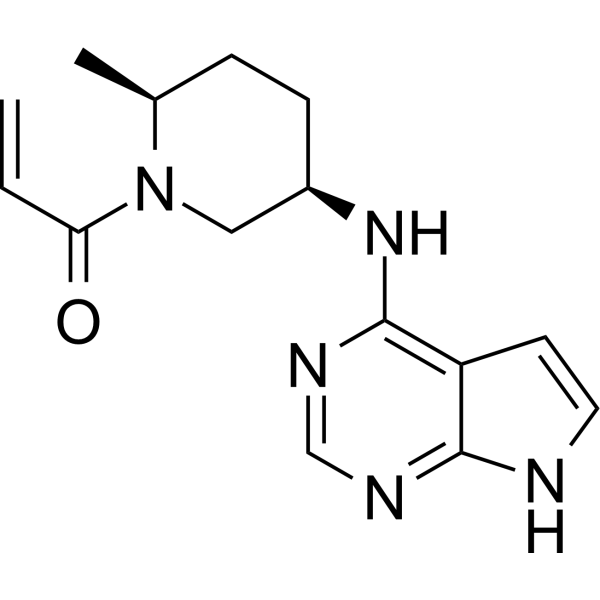
Ritlecitinib
Maximum Cited Publications
8 Publications Verification
PF-06651600
|
JAK
Interleukin Related
STAT
|
Inflammation/Immunology
|
|
Ritlecitinib (PF-06651600) is a highly selective, orally active, irreversible covalent JAK3 inhibitor (IC50=33 nM) without inhibitory activity towards JAK1, JAK2, and TYK2 (IC50 >10 μ M). Ritlecitinib rapidly inactivates the JAK3 kinase, and blocks signaling and downstream STAT phosphorylation mediated by common gamma chain cytokines such as IL-2 and IL-15. Ritlecitinib can inhibit Th1/Th17 cell differentiation and function, and effectively suppress preclinical animal models such as alopecia areata, adjuvant-induced arthritis (AIA), and experimental autoimmune encephalomyelitis (EAE) .
|
-
-
- HY-P0074
-
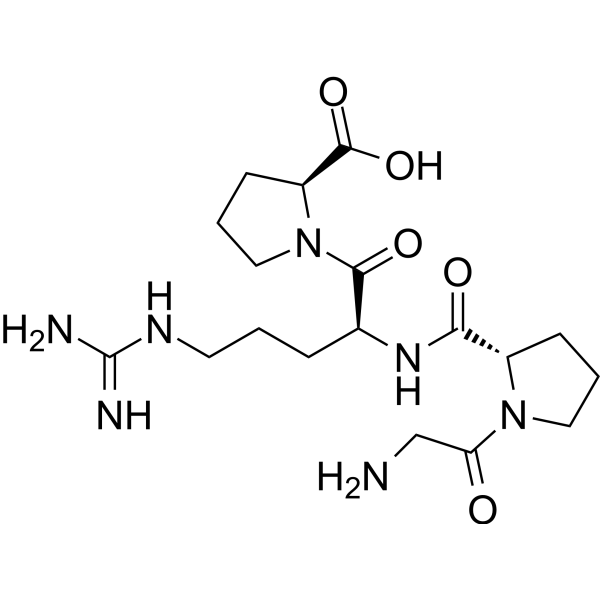
GPRP
3 Publications Verification
Gly-Pro-Arg-Pro; Pefa 6003
|
Thrombin
|
Cardiovascular Disease
|
|
GPRP (Gly-Pro-Arg-Pro; Pefa 6003) is a fibrin polymerization inhibitor that inhibits the interaction between fibrinogen and the platelet membrane glycoprotein Ⅱb/IIIa complex (glycoprotein IIb/IIIa receptor) . GPRP increases the level of free thrombin in activated platelet-rich plasma by reducing the adsorption of thrombin onto fibrin. GPRP inhibits platelet aggregation and prolongs the thrombin-initiated clotting time in plasma. GPRP is applicable for research related to thrombosis and thrombotic diseases .
|
-
-
- HY-50856S
-
|
CTP-543; Ruxolitinib d8; Deuterated Ruxolitinib
|
JAK
|
Inflammation/Immunology
|
|
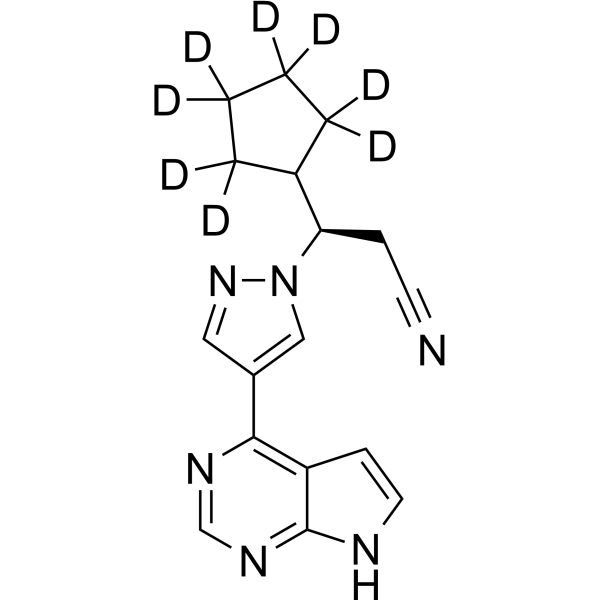
Deuruxolitinib, a deuterated Ruxolitinib (HY-50856), is an orally active JAK1 and JAK2 inhibitor. Deuruxolitinib demonstrates significant hair regrowth effects. Deuruxolitinib can be used for the research of alopecia areata .
|
-
-
- HY-B1064
-
|
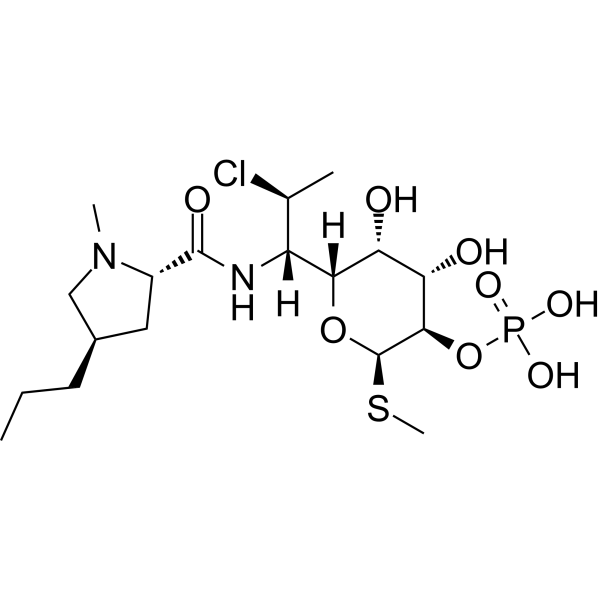
Clindamycin 2-phosphate; U-28508
|
Bacterial
Antibiotic
Parasite
|
Infection
Cancer
|
|
Clindamycin phosphate (Clindamycin 2-phosphate) is a broad-spectrum bacteriostatic lincosamide antibiotic. Clindamycin phosphate is the proagent of Clindamycin (HY-B1455) with no antimicrobial activity in vitro but can be rapidly converted in vivo to the active parent agent, Clindamycin, by phosphatase ester hydrolysis. Clindamycin phosphate can be used for researching acne and bacterial vaginosis . Clindamycin phosphate has no cytotoxicity. Combined with platelet rich fibrin (PRF), PRF-Clindamycin phosphate enhances antimicrobial properties .
|
-
-
- HY-100754C
-
|
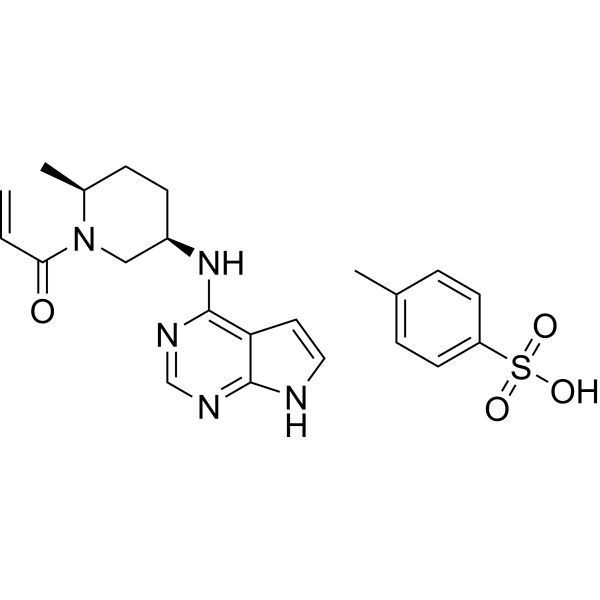
PF-06651600 tosylate
|
JAK
Interleukin Related
STAT
|
Inflammation/Immunology
|
|
Ritlecitinib (PF-06651600) tosylate is a highly selective, orally active, irreversible covalent JAK3 inhibitor (IC50=33 nM) without inhibitory activity towards JAK1, JAK2, and TYK2 (IC50 >10 μ M). Ritlecitinib tosylate rapidly inactivates the JAK3 kinase, and blocks signaling and downstream STAT phosphorylation mediated by common gamma chain cytokines such as IL-2 and IL-15. Ritlecitinib tosylate can inhibit Th1/Th17 cell differentiation and function, and effectively suppress preclinical animal models such as alopecia areata, adjuvant-induced arthritis (AIA), and experimental autoimmune encephalomyelitis (EAE) .
|
-
-
- HY-N1775
-
|
3,4-DHAP
|
Tyrosinase
Reactive Oxygen Species (ROS)
Keap1-Nrf2
PARP
Autophagy
Apoptosis
|
Cardiovascular Disease
Neurological Disease
Metabolic Disease
Inflammation/Immunology
Cancer
|
|
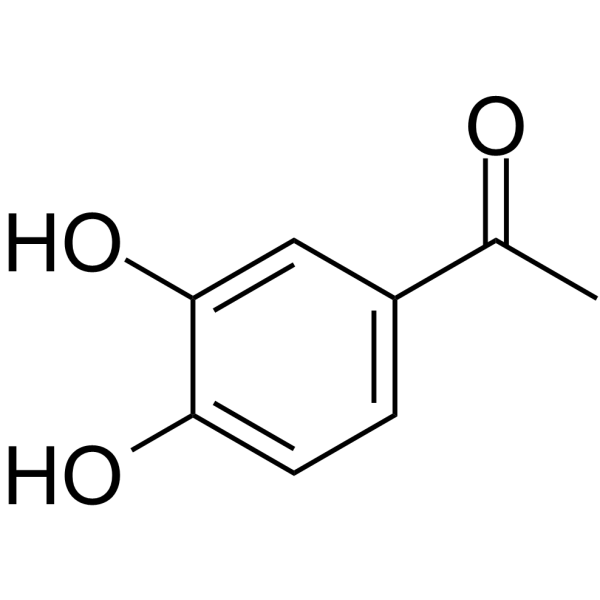
3',4'-Dihydroxyacetophenone (3,4-DHAP) is a phenolic compound with oral bioavailability, possessing potent antioxidant, anti-inflammatory, anticancer and cardiovascular protective activities. 3',4'-Dihydroxyacetophenone inhibits mushroom Tyrosinase activity with an IC50 of 10 μM, thereby suppressing melanogenesis . 3',4'-Dihydroxyacetophenone inhibits platelet aggregation in platelet-rich plasma. 3',4'-Dihydroxyacetophenone reduces ROS levels in human umbilical vein endothelial cells treated with high glucose, upregulates the expression of Nrf2, HO-1 and PARP-1 in cells, and promotes the nuclear translocation of Nrf2 . 3',4'-Dihydroxyacetophenone induces autophagy and apoptosis. 3',4'-Dihydroxyacetophenone inhibits seed germination/growth in most plants. 3',4'-Dihydroxyacetophenone can be used in the research of cancer, neurodegenerative diseases, non-alcoholic steatohepatitis, diabetes, obesity, skin pigmentation disorders, and cardiovascular and cerebrovascular diseases .
|
-
-
- HY-B0426A
-
|
ALO4943A; KW4679
|
Histamine Receptor
CXCR
|
Infection
Neurological Disease
Metabolic Disease
Inflammation/Immunology
|
|
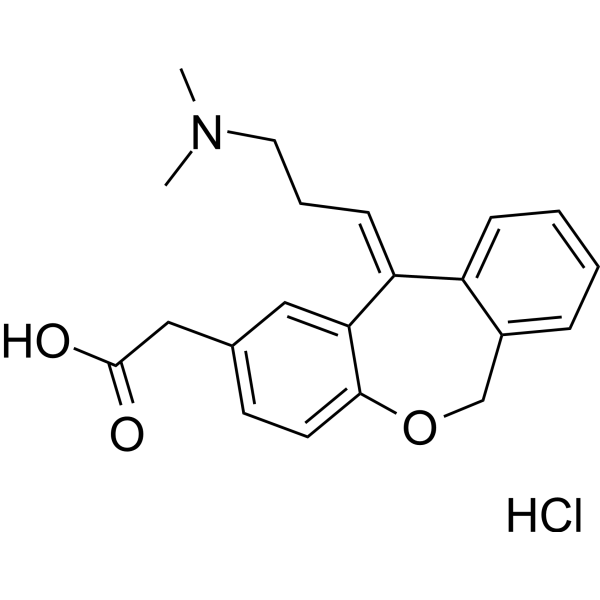
Olopatadine hydrochloride (ALO4943A; KW4679) is an orally active histamine H1 receptor antagonist and mast cell stabilizer. Olopatadine hydrochloride exerts antiallergic effects by blocking histamine H1 receptor-mediated activities. Olopatadine hydrochloride inhibits exocytosis, chemokine release, F-actin polymerization, CXCL10-induced calcium influx, and T cell chemotactic activity. Olopatadine hydrochloride also reduces the expression levels of CXCR3 on the surface of CD4 + and CD8 + T cells. Olopatadine hydrochloride inhibits scratching behavior, improves dermatitis scores, and suppresses intraepidermal neurite outgrowth. Olopatadine hydrochloride simultaneously decreases the levels of inflammatory markers, growth factors, histamine, and specific IgE, while increasing the expression of ErbB3A/HER3A. Olopatadine hydrochloride can be used in research related to seasonal pollinosis, chronic rhinitis, urticaria, allergic conjunctivitis, alopecia areata, and atopic dermatitis .
|
-
-
- HY-P990023
-
|
ADX-914
|
Interleukin Related
|
Metabolic Disease
Inflammation/Immunology
|
|
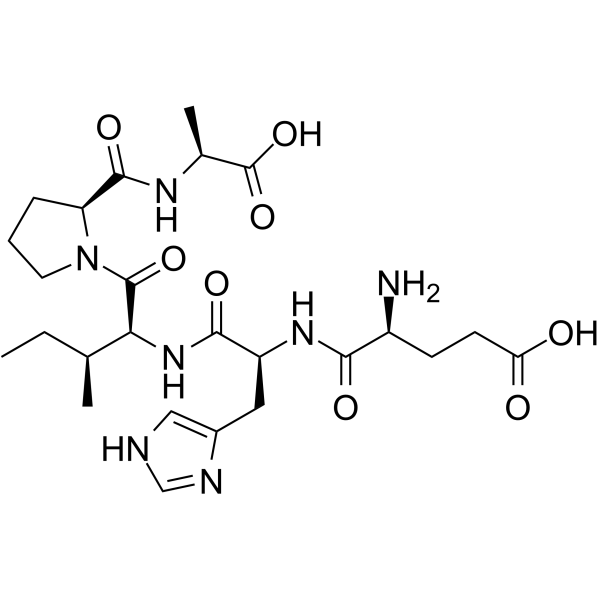
Bempikibart (ADX-914) is a fully human anti-IL-7Rα antibody that re-regulates adaptive immune function by blocking signaling mediated by both IL-7 and thymic stromal lymphopoietin (TSLP). Bempikibart can be used for the study of atopic dermatitis and alopecia areata .
|
-
-
- HY-W014605
-
|
Diphencyprone
|
Interleukin Related
Apoptosis
p38 MAPK
IRE1
|
Inflammation/Immunology
Cancer
|
|
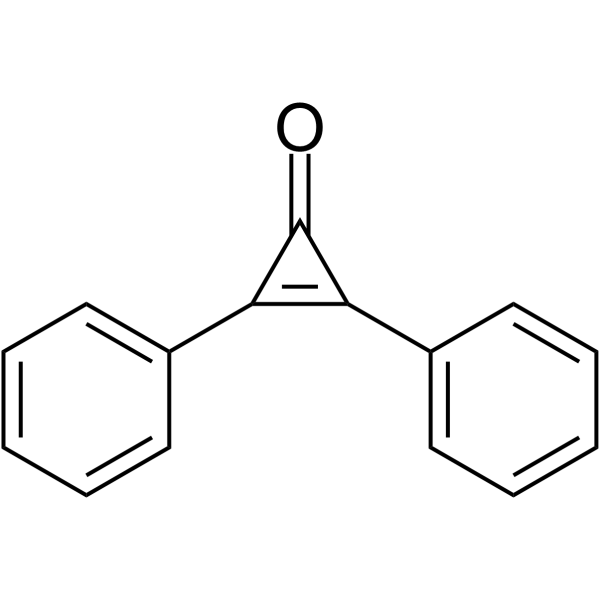
Diphenylcyclopropenone (Diphencyprone) is a potent hapten acting as a topical immunomodulatory agent, which induces an allergic contact dermatitis. Diphenylcyclopropenone induces an increase of cell-surface thiols in cells of a human monocytic cell line, THP-1. Diphenylcyclopropenone acts on the autoreactive T-lymphocytes within the follicular milieu to induce Apoptosis. Diphenylcyclopropenone can be used for alopecia areata research .
|
-
-
- HY-P5253
-
|
|
Apoptosis
|
Metabolic Disease
|
|
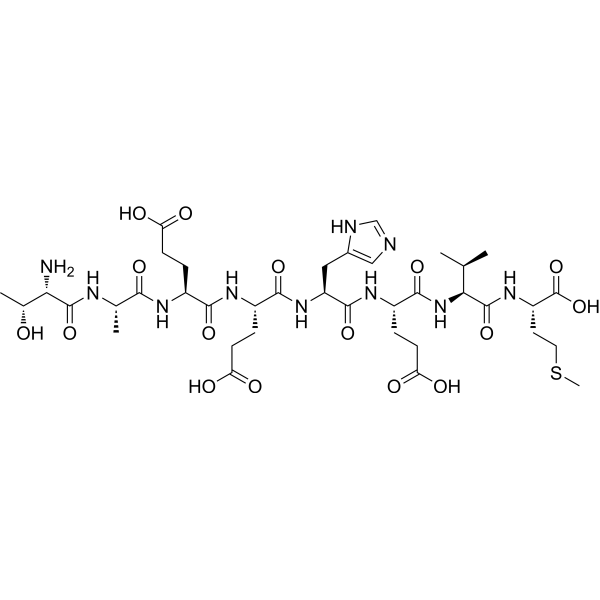
Octapeptide-2 is a biomimetic peptide that mimics the thymosin-β4 growth factor. Octapeptide-2 can promote hair growth, reduce cell apoptosis, and increase the proliferation of keratinocytes. Octapeptide-2 can be used in the research of hair loss and alopecia areata .
|
-
-
- HY-128039
-
|
|
Prostaglandin Receptor
|
Others
|
|
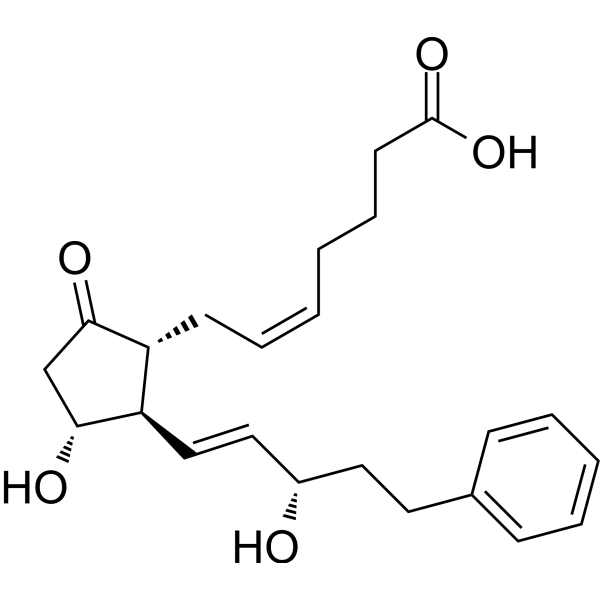
17-Phenyl-ω-trinor-PGE2 is a PGE2 (HY-101952) analog, which is an agonist for EP1 and EP3 receptor. 17-Phenyl-ω-trinor-PGE2 inhibits the PAF-induced aggregation of human platelet-rich plasma (PRP) and Cicaprost (HY-19583) induced Cyclic AMP (HY-B1511) production .
|
-
-
- HY-W062109
-
|
|
Histamine Receptor
CXCR
|
Inflammation/Immunology
|
|
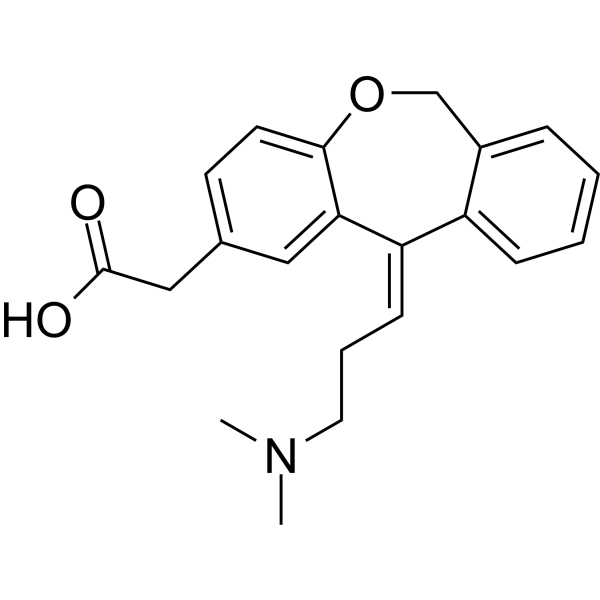
Olopatadine (ALO4943A; KW4679) is an orally active histamine H1 receptor antagonist and mast cell stabilizer. Olopatadine exerts antiallergic effects by blocking histamine H1 receptor-mediated activities. Olopatadine inhibits exocytosis, chemokine release, F-actin polymerization, CXCL10-induced calcium influx, and T cell chemotactic activity. Olopatadine also reduces the expression levels of CXCR3 on the surface of CD4 + and CD8 + T cells. Olopatadine inhibits scratching behavior, improves dermatitis scores, and suppresses intraepidermal neurite outgrowth. Olopatadine simultaneously decreases the levels of inflammatory markers, growth factors, histamine, and specific IgE, while increasing the expression of ErbB3A/HER3A. Olopatadine can be used in research related to seasonal pollinosis, chronic rhinitis, urticaria, allergic conjunctivitis, alopecia areata, and atopic dermatitis .
|
-
-
- HY-P5232
-
|
|
Collagen
|
Metabolic Disease
|
|
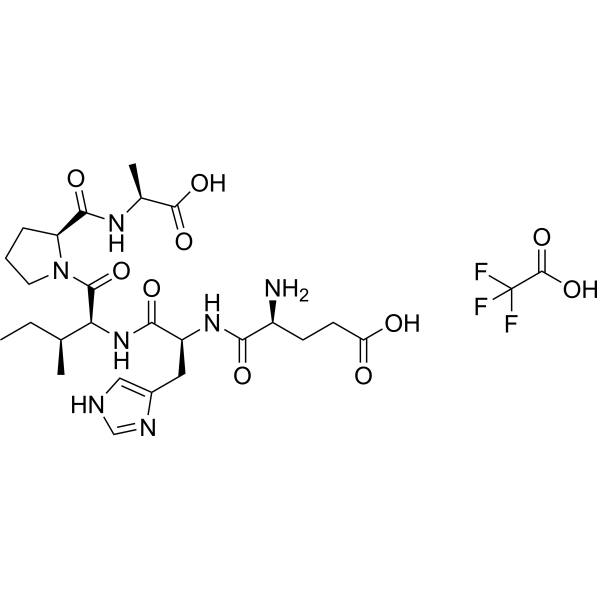
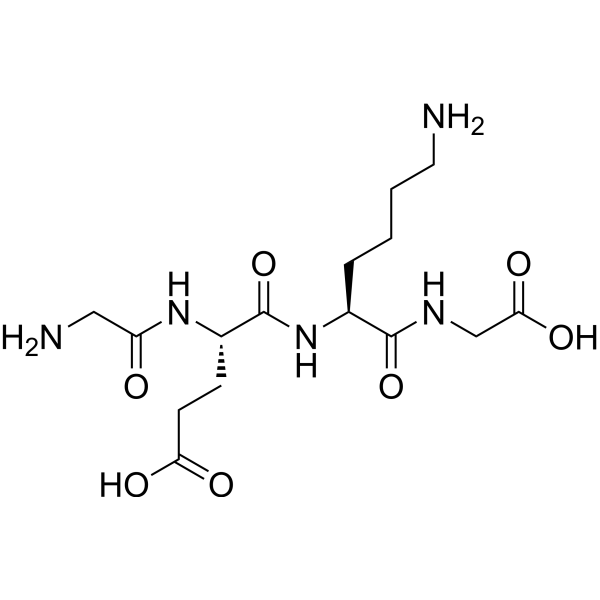
Tetrapeptide-21 is a bioactive peptide composed of four amino acids. Tetrapeptide-21 effectively enhances the vitality of human dermal fibroblasts. Tetrapeptide-21 upregulates the expression of key extracellular matrix (ECM) genes and promotes the synthesis of ECM proteins (such as type I collagen, hyaluronic acid synthase 1, and fibronectin). Tetrapeptide-21 has the efficacy of anti-wrinkle and improving skin elasticity, and has been reported to be used as a cosmetic ingredient .
|
-
-
- HY-N3228
-
|
|
Others
|
Cardiovascular Disease
|
|
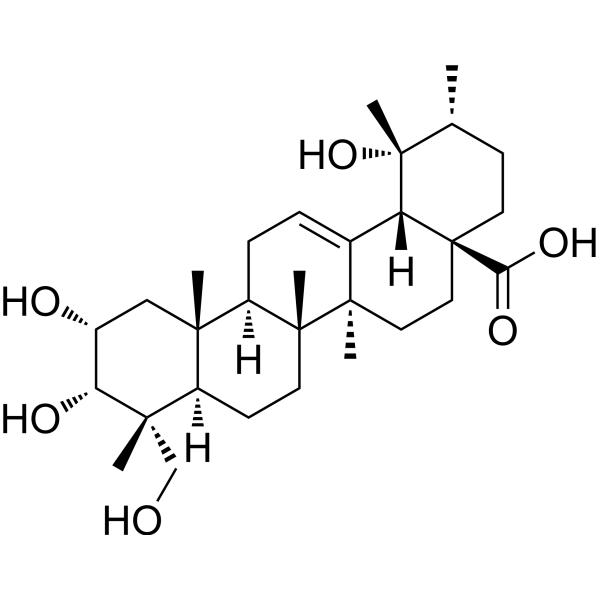
Myrianthic acid is a pentacyclic triterpenoid compound. Myrianthic acid can exist in the root wood of Myrianthus arboreus and the leaves of Campsis grandiflora. Myrianthic acid inhibits adrenaline-induced platelet aggregation, with a IC50 of 46.2 μM for this activity. Myrianthic acid can be used in studies related to thrombosis .
|
-
-
- HY-P990209
-
|
|
Interleukin Related
|
Infection
Cardiovascular Disease
Metabolic Disease
Inflammation/Immunology
Cancer
|
|
Anti-Mouse IL-7Rα/CD127 Antibody (A7R34) is a rat-derived IgG2a κ type antibody inhibitor, targeting to mouse IL-7Rα/CD127. Anti-Mouse IL-7Rα/CD127 Antibody (A7R34) blocks IL-7 signaling. Anti-Mouse IL-7Rα/CD127 Antibody (A7R34) can be used for the researches of cancer,infection, inflammation, immunology, cardiovascular and metabolic disease, such as abdominal aortic aneurysms, helicobacter felis-induced gastritis and diabetes .
|
-
-
- HY-123669
-
|
|
P2Y Receptor
Drug Metabolite
|
Cardiovascular Disease
|
|
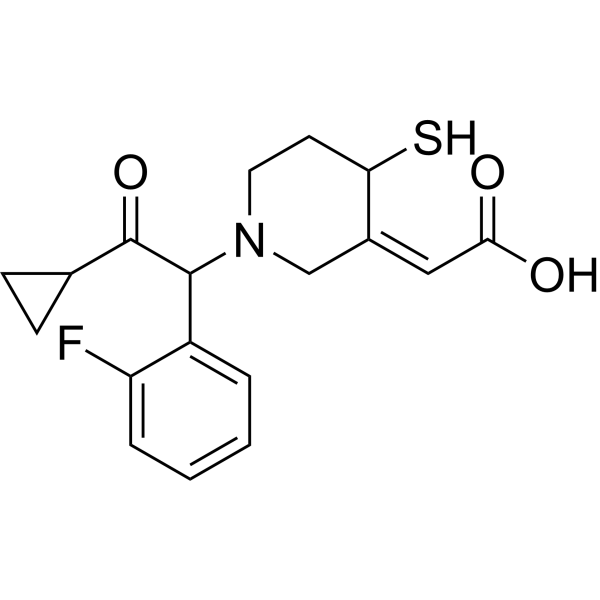
R-138727, the major active metabolite of Prasugrel (HY-15284), is a highly potent and selective irreversible antagonist of the P2Y12 receptor, with an IC50 of 2.5 μM. R-138727 covalently binds to the P2Y12 receptor on the platelet surface, blocking adenosine diphosphate-mediated platelet activation and aggregation. R-138727 can be used to study stroke, cerebral infarction and neurological deficits.
|
-
-
- HY-B2198
-
|
Actinomin chloride
|
Cholinesterase (ChE)
|
Neurological Disease
|
|
Carpronium (Actinomin) chloride is an orally active cholinergic agonist, local vasodilator and parasympathomimetic agent. Carpronium chloride is structurally similar to acetylcholine. Carpronium chloride promotes hair growth, and oral overdose induces cholinergic crisis. Carpronium chloride is applicable to research related to alopecia areata .
|
-
-
- HY-172374
-
|
|
Potassium Channel
|
Inflammation/Immunology
|
|
KV1.3-IN-2 is a kv1.3 potassium channel inhibitor without affecting hERG channel activity. KV1.3-IN-2 can be used in research of immune-related diseases such as psoriasis, rheumatoid arthritis, and systemic lupus erythematosus .
|
-
-
- HY-135447
-
|
|
Prostaglandin Receptor
|
Others
|
|
BM-531 is a dual-acting agent for thromboxane receptor (TXA2) antagonism and thromboxane synthase inhibition. BM-531 exerts anti-aggregatory effects on human citrated platelet-rich plasma (PRP), inhibiting Arachidonic acid (HY-109590A)-induced aggregation with an ED100 of 0.125 μM and U-46619 (HY-108566)-induced aggregation with an ED50 of 0.482 μM. BM-531 inhibits high-K +-induced contraction of porcine uterine smooth muscle .
|
-
-
- HY-Y1094
-
|
Chloro(1,5-cyclooctadiene)rhodium(I) dimer
|
Biochemical Assay Reagents
|
Cardiovascular Disease
|
|
[Rh(cod)Cl]2 (Chloro(1,5-cyclooctadiene)rhodium(I) dimer) is a rhodium (I) organometallic dimer complex. [Rh(cod)Cl]2 can inhibit platelet-activating factor-mediated platelet aggregation with IC50 values of 5.2 and 43.3 μM in washed rabbit platelets and human platelet-rich plasmas. [Rh(cod)Cl]2 also can inhibit thrombin-, ADP (HY-W010918)- and collagen-induced aggregation with IC50 values of 16.7, 162 and 69.8 μM. [Rh(cod)Cl]2 can be used for the research of cardiovascular disease, such as thrombosis .
|
-
-
- HY-137584
-
|
1a,1b-Dihomo PGE1
|
Prostaglandin Receptor
|
Cardiovascular Disease
|
|
1a,1b-Dihomo prostaglandin E1 (1a,1b-Dihomo PGE1) is an E1-type prostaglandin. 1a,1b-Dihomo prostaglandin E1 can be used for research on platelet aggregation .
|
-
-
- HY-W062109S
-
|
|
Isotope-Labeled Compounds
Histamine Receptor
CXCR
|
Inflammation/Immunology
|
|
Olopatadine-d6 is the deuterium labeled Olopatadine. Olopatadine hydrochloride (ALO4943A; KW4679) is an orally active histamine H1 receptor antagonist and mast cell stabilizer. Olopatadine hydrochloride exerts antiallergic effects by blocking histamine H1 receptor-mediated activities. Olopatadine hydrochloride inhibits exocytosis, chemokine release, F-actin polymerization, CXCL10-induced calcium influx, and T cell chemotactic activity. Olopatadine hydrochloride also reduces the expression levels of CXCR3 on the surface of CD4 + and CD8 + T cells. Olopatadine hydrochloride inhibits scratching behavior, improves dermatitis scores, and suppresses intraepidermal neurite outgrowth. Olopatadine hydrochloride simultaneously decreases the levels of inflammatory markers, growth factors, histamine, and specific IgE, while increasing the expression of ErbB3A/HER3A. Olopatadine hydrochloride can be used in research related to seasonal pollinosis, chronic rhinitis, urticaria, allergic conjunctivitis, alopecia areata, and atopic dermatitis .
|
-
-
- HY-163341
-
|
|
Protease Activated Receptor (PAR)
|
Cardiovascular Disease
|
|
PAR4 antagonist 1 (Compound 48) is a protease activated receptor 4 (PAR4) antagonist with an IC50 of 1.8 nM. PAR4 antagonist 1 has an IC50 of 2 nM against γ-thrombin-activated PAR4 in platelet-rich plasma (PRP). PAR4 antagonist 1 can be used in antithrombotic research .
|
-
-
- HY-128345
-
|
|
Protease Activated Receptor (PAR)
|
Cardiovascular Disease
|
|
UDM-001651 is a potent, selective, and orally bioavailable protease-activated receptor 4 (PAR4) antagonist (IC50=4 nM; Kd=1.4 nM). UDM-001651 shows antiplatelet potency (IC50=25 nM) in a γ-thrombin-induced platelet-rich plasma aggregation assay (γ-Thr PRP) .
|
-
-
- HY-100754A
-
|
PF-06651600 malonate
|
JAK
Interleukin Related
STAT
|
Inflammation/Immunology
|
|
Ritlecitinib (PF-06651600) malonate is a highly selective, orally active, irreversible covalent JAK3 inhibitor (IC50=33 nM) without inhibitory activity towards JAK1, JAK2, and TYK2 (IC50 >10 μ M). Ritlecitinib malonate rapidly inactivates the JAK3 kinase, and blocks signaling and downstream STAT phosphorylation mediated by common gamma chain cytokines such as IL-2 and IL-15. Ritlecitinib malonate can inhibit Th1/Th17 cell differentiation and function, and effectively suppress preclinical animal models such as alopecia areata, adjuvant-induced arthritis (AIA), and experimental autoimmune encephalomyelitis (EAE) .
|
-
-
- HY-B0426AS
-
|
|
Isotope-Labeled Compounds
Histamine Receptor
CXCR
|
Inflammation/Immunology
Endocrinology
|
|
Olopatadine-d3 hydrochloride (ALO4943A-d3) is the deuterium labeled Olopatadine hydrochloride. Olopatadine hydrochloride (ALO4943A; KW4679) is an orally active histamine H1 receptor antagonist and mast cell stabilizer. Olopatadine hydrochloride exerts antiallergic effects by blocking histamine H1 receptor-mediated activities. Olopatadine hydrochloride inhibits exocytosis, chemokine release, F-actin polymerization, CXCL10-induced calcium influx, and T cell chemotactic activity. Olopatadine hydrochloride also reduces the expression levels of CXCR3 on the surface of CD4 + and CD8 + T cells. Olopatadine hydrochloride inhibits scratching behavior, improves dermatitis scores, and suppresses intraepidermal neurite outgrowth. Olopatadine hydrochloride simultaneously decreases the levels of inflammatory markers, growth factors, histamine, and specific IgE, while increasing the expression of ErbB3A/HER3A. Olopatadine hydrochloride can be used in research related to seasonal pollinosis, chronic rhinitis, urticaria, allergic conjunctivitis, alopecia areata, and atopic dermatitis .
|
-
-
- HY-B0426AR
-
|
ALO4943A (Standard); KW4679 (Standard)
|
Reference Standards
Histamine Receptor
CXCR
|
Inflammation/Immunology
Endocrinology
|
|
Olopatadine (hydrochloride) (Standard) is the analytical standard of Olopatadine (hydrochloride). This product is intended for research and analytical applications. Olopatadine hydrochloride (ALO4943A; KW4679) is an orally active histamine H1 receptor antagonist and mast cell stabilizer. Olopatadine hydrochloride exerts antiallergic effects by blocking histamine H1 receptor-mediated activities. Olopatadine hydrochloride inhibits exocytosis, chemokine release, F-actin polymerization, CXCL10-induced calcium influx, and T cell chemotactic activity. Olopatadine hydrochloride also reduces the expression levels of CXCR3 on the surface of CD4 + and CD8 + T cells. Olopatadine hydrochloride inhibits scratching behavior, improves dermatitis scores, and suppresses intraepidermal neurite outgrowth. Olopatadine hydrochloride simultaneously decreases the levels of inflammatory markers, growth factors, histamine, and specific IgE, while increasing the expression of ErbB3A/HER3A. Olopatadine hydrochloride can be used in research related to seasonal pollinosis, chronic rhinitis, urticaria, allergic conjunctivitis, alopecia areata, and atopic dermatitis .
|
-
-
- HY-19755
-
|
|
Prostaglandin Receptor
|
Inflammation/Immunology
|
|
S-5751 is an orally active prostaglandin DP receptor antagonist. S-5751 inhibits cAMP generation in platelet-rich plasma induced by PGD2 with IC50 0.12 μM. S-5751 has anti-inflammatory activity. S-5751 can be used in asthma research .
|
-
-
- HY-137591
-
|
|
Drug Metabolite
|
Endocrinology
|
|
13,14-Dihydro-15-keto-PGE1 is an inactive metabolite of PGE1. 13, 14-Dihydro-15-Keto-pGE1 inhibited platelet aggregation in ADP-induced human isolated platelet-rich plasma with IC50 14.8 μg/mL .
|
-
-
- HY-19126
-
|
|
Platelet-activating Factor Receptor (PAFR)
|
Infection
Cardiovascular Disease
|
|
CL-184005 is an antagonist for platelet-activating factor (PAF), that inhibits the PAF-induced platelet aggregation with IC50 of 600 nM and 510 nM, in human and rabbit platelet-rich plasma. CL-184005 protects the rats from endotoxin-induced gastrointestinal damage and hypotension. CL-184005 exhibits potential attenuating Gram-negative bacterial sepsis .
|
-
-
- HY-176527
-
|
|
JAK
|
Inflammation/Immunology
|
|
(Rac)-TUL01101 (Compound I) is a selective JAK kinase inhibitor. (Rac)-TUL01101 can be used in the research of various diseases such as rheumatoid arthritis, atopic dermatitis, and alopecia areata .
|
-
-
- HY-107000
-
|
|
Guanylate Cyclase
NO Synthase
|
Cardiovascular Disease
|
|
RIG 200 is an S-nitrosothiol nitric oxide (NO) donor. RIG 200 releases NO through decomposition, activating guanylate cyclase (sGCM) in vascular smooth muscle cells, increasing cGMP levels, and leading to vasodilation. RIG 200 significantly inhibits Collagen (HY-NP003)-induced platelet aggregation in platelet-rich plasma (PRP). RIG 200 may be used in research on antithrombus .
|
-
-
- HY-113113
-
|
13,14-Dihydroprostaglandin E1
|
Endogenous Metabolite
|
Metabolic Disease
|
|
13,14-Dihydro PGE1 is a metabolite of PGE1 (Prostaglandin E1) which inhibits the ADP-induced platelet aggregation (ID50 = 10.8 ng/mL platelet rich plasma) .
|
-
-
- HY-108561
-
|
|
Prostaglandin Receptor
|
Others
|
|
L-670596 is an orally active and selective thrombsxane A2 receptor/prostaglandin receptor antagonist. L-670596 inhibits arachidonic acid (HY-109590) and U-44069 induced bronchoconstriction in the guinea pig. L-670596 also inhibits the aggregation of human platelet rich plasma induced by U-44069 .
|
-
-
- HY-136068R
-
|
VU0607402 (Standard)
|
Reference Standards
Antibiotic
Bacterial
Autophagy
|
Infection
Cancer
|
|
Diphenylcyclopropenone (Standard) is the analytical standard of Diphenylcyclopropenone. This product is intended for research and analytical applications. Diphenylcyclopropenone (Diphencyprone) is a topical immunomodulatory agent that can be used for alopecia areata research .
|
-
-
- HY-W014605R
-
-
-
- HY-113113S
-
|
13,14-Dihydroprostaglandin E1-d4; PGE0-d4
|
Isotope-Labeled Compounds
Endogenous Metabolite
|
Metabolic Disease
|
|
13,14-Dihydro PGE1-d4 (13,14-Dihydroprostaglandin E1-d4) is deuterium labeled 13,14-Dihydro PGE1. 13,14-Dihydro PGE1 is a metabolite of PGE1 (Prostaglandin E1) which inhibits the ADP-induced platelet aggregation (ID50 = 10.8 ng/mL platelet rich plasma) .
|
-
-
- HY-137288
-
|
17-Phenyl-PGD2
|
Prostaglandin Receptor
|
Cardiovascular Disease
|
|
17-Phenyl-18,19,20-trinor-PGD2 (17-Phenyl-PGD2) is an analogue of prostaglandin D2 (PGD2; HY-101988). 17-Phenyl-18,19,20-trinor-PGD2 is a potent inhibitor of platelet aggregation caused by aenosine diphosphate (ADP), with the IC50 of 8.4 μM (PGD2 IC50 = 18.6 nM). 17-Phenyl-18,19,20-trinor-PGD2 is a weak agonist of cyclic AMP accumulation .
|
-
-
- HY-172148
-
|
|
Interleukin Related
|
Inflammation/Immunology
|
|
Itaconic acid prodrug-1 (Compound P2) is an orally active prodrug of Itaconic acid (HY-Y0520) that efficiently delivers the active ingredient Itaconic acid to skin tissue following oral administration. Itaconic acid prodrug-1 possesses immunomodulatory properties, significantly inhibiting Poly(I:C)/IFNγ-induced inflammatory cytokines in human epidermal keratinocytes. Itaconic acid prodrug-1 can be utilized for the research of alopecia areata and other inflammatory skin diseases .
|
-
-
- HY-182418
-
|
|
Platelet-activating Factor Receptor (PAFR)
|
Cardiovascular Disease
|
|
UR-11353 is a selective platelet activating factor (PAF) antagonist with long-lasting activity. UR-11353 inhibits PAF-induced platelet aggregation in rabbit platelet-rich plasma. UR-11353 inhibits PAF-induced hypotension in normotensive rats. UR-11353 protects against PAF-induced mortality in mice .
|
-
-
- HY-B0426AS2
-
|
ALO4943A-d6 hydrochloride; KW4679-d6 hydrochloride
|
Isotope-Labeled Compounds
Histamine Receptor
CXCR
|
Inflammation/Immunology
|
|
Olopatadine-d6 (ALO4943A-d6; KW4679-d6) hydrochloride is deuterium-labeled Olopatadine (hydrochloride) (HY-B0426A). Olopatadine hydrochloride (ALO4943A; KW4679) is an orally active histamine H1 receptor antagonist and mast cell stabilizer. Olopatadine hydrochloride exerts antiallergic effects by blocking histamine H1 receptor-mediated activities. Olopatadine hydrochloride inhibits exocytosis, chemokine release, F-actin polymerization, CXCL10-induced calcium influx, and T cell chemotactic activity. Olopatadine hydrochloride also reduces the expression levels of CXCR3 on the surface of CD4 + and CD8 + T cells. Olopatadine hydrochloride inhibits scratching behavior, improves dermatitis scores, and suppresses intraepidermal neurite outgrowth. Olopatadine hydrochloride simultaneously decreases the levels of inflammatory markers, growth factors, histamine, and specific IgE, while increasing the expression of ErbB3A/HER3A. Olopatadine hydrochloride can be used in research related to seasonal pollinosis, chronic rhinitis, urticaria, allergic conjunctivitis, alopecia areata, and atopic dermatitis .
|
-
-
- HY-11024
-
|
|
P2Y Receptor
|
Cardiovascular Disease
|
|
ADP receptor-IN-1 (compound 21) is a platelet ADP receptor inhibitor. ADP receptor-IN-1 shows both IC50 values <10 μM at a platelet ADP receptor binding assay and aggregation using a platelet-rich plasma assay .
|
-
-
- HY-10312
-
|
|
Integrin
|
Cardiovascular Disease
|
|
UR-12947 is a platelet glycoprotein (GP) IIb-IIIa antagonist. UR-12947 exhibits potent inhibitory activity against platelet aggregation in human platelet-rich plasma, with an IC50 value of 3.5 nM. UR-12947 can be used in the research of arterial thrombotic diseases .
|
-
-
- HY-175986
-
|
|
Prostaglandin Receptor
|
Inflammation/Immunology
|
|
IP receptor agonist 1 (compound 6c-14S) is an orally active I prostanoid receptor agonist, with an IC50 of 0.15 μM for inhibiting platelet aggregation induced by ADP (HY-W010918,300 μM) in rabbit platelet-rich plasma. IP receptor agonist 1 can be used for study of Pulmonary arterial hypertension .
|
-
-
- HY-178913
-
|
|
JAK
STAT
|
Inflammation/Immunology
|
|
Tyk2-IN-23 is a potent, orally active, selective TYK2 inhibitor (IC50 = 18 nM), exhibiting more than > 70-fold selectivity over JAK1/2/3 isoforms. Tyk2-IN-23 potently inhibits p-STAT3 in TYK2-dependent signaling activated by IFN-α and IL-10. Tyk2-IN-23 potently inhibits IFN-α-induced STAT1 phosphorylation in H9 cells. Tyk2-IN-23 can be used for the study of alopecia areata and allergic Rhinitis .
|
-
-
- HY-P992122
-
|
|
TNF Receptor
|
Inflammation/Immunology
|
|
Olevaprubart is a humanized IgG1-κ monoclonal antibody targeting TNFSF4, which can be used for the research of autoimmune diseases such as atopic dermatitis and alopecia areata .
|
-
-
- HY-N17941
-
|
|
Others
|
Cardiovascular Disease
|
|
19-Anhydro-4-epirotungenic acid is a triterpenoid compound that can be isolated from the bark of Ilex rotunda Thunb. 19-Anhydro-4-epirotungenic acid shows no activity against ADP-induced platelet aggregation .
|
-
-
- HY-149310A
-
|
|
PCSK9
HMG-CoA Reductase (HMGCR)
|
Metabolic Disease
|
|
Dim16 hydrochloride is a dual PCSK9 inhibitor and HMG-CoAR inhibitor, with an IC50 of 0.8 nM against human PCSK9 and an IC50 of 146.8 μM against HMG-CoAR. Dim16 hydrochloride disrupts the PCSK9-LDLR protein-protein interaction, inhibits the catalytic activity of HMG-CoAR, enhances cellular uptake of extracellular LDL, and suppresses PCSK9-induced platelet aggregation. Dim16 hydrochloride can be used in research related to hypercholesterolemia .
|
-
-
- HY-100754R
-
|
PF-06651600 (Standard)
|
JAK
Reference Standards
Interleukin Related
STAT
|
Inflammation/Immunology
|
|
Ritlecitinib (Standard) is the analytical standard of Ritlecitinib (HY-100754). This product is intended for research and analytical applications. Ritlecitinib (PF-06651600) is a highly selective, orally active, irreversible covalent JAK3 inhibitor (IC50=33 nM) without inhibitory activity towards JAK1, JAK2, and TYK2 (IC50 >10 μ M). Ritlecitinib rapidly inactivates the JAK3 kinase, and blocks signaling and downstream STAT phosphorylation mediated by common gamma chain cytokines such as IL-2 and IL-15. Ritlecitinib can inhibit Th1/Th17 cell differentiation and function, and effectively suppress preclinical animal models such as alopecia areata, adjuvant-induced arthritis (AIA), and experimental autoimmune encephalomyelitis (EAE) .
|
-
-
- HY-100754CR
-
|
PF-06651600 tosylate (Standard)
|
JAK
Reference Standards
Interleukin Related
STAT
|
Inflammation/Immunology
|
|
Ritlecitinib (tosylate) (Standard) is the analytical standard of Ritlecitinib (tosylate) (HY-100754C). This product is intended for research and analytical applications. Ritlecitinib (PF-06651600) tosylate is a highly selective, orally active, irreversible covalent JAK3 inhibitor (IC50=33 nM) without inhibitory activity towards JAK1, JAK2, and TYK2 (IC50 >10 μ M). Ritlecitinib tosylate rapidly inactivates the JAK3 kinase, and blocks signaling and downstream STAT phosphorylation mediated by common gamma chain cytokines such as IL-2 and IL-15. Ritlecitinib tosylate can inhibit Th1/Th17 cell differentiation and function, and effectively suppress preclinical animal models such as alopecia areata, adjuvant-induced arthritis (AIA), and experimental autoimmune encephalomyelitis (EAE) .
|
-
- HY-N17826
-
-
- HY-182625
-
|
|
Platelet-activating Factor Receptor (PAFR)
|
Others
Inflammation/Immunology
|
|
GS-1160-180 is a PAF receptor antagonist. GS-1160-180 competes with PAF for receptor binding, with no activity against collagen or adenosine diphosphate-induced platelet aggregation. GS-1160-180 can be used for research on asthma, anaphylactic shock, gastric ulceration, and transplant rejection .
|
-
- HY-183983
-
|
|
Protease Activated Receptor (PAR)
|
Cardiovascular Disease
|
|
PAR4 antagonist 9 is an orally active protease-activated receptor 4 (PAR4) antagonist with an IC50 of 2 nM against human targets. PAR4 antagonist 9 functionally modulates PAR4 and inhibits platelet aggregation. PAR4 antagonist 9 can be used in studies related to arterial thrombosis .
|
-
- HY-186042
-
|
|
Prostaglandin Receptor
|
Cardiovascular Disease
|
|
TPα/β antagonist-1 is a TXA2 receptor α (TPα) and TPβ antagonist with IC50s of 1.52 nM and 0.79 nM, respectively. TPα/β antagonist-1 inhibits U-46619 (HY-108566)-induced intracellular calcium mobilization, and imhibits platelet aggregation. TPα/β antagonist-1 can be used for the research of cardiovascular disease .
|
-
- HY-182533
-
|
|
CXCR
|
Cardiovascular Disease
|
|
LN5972 is a selective ACKR3 agonist with an EC50 of 3.40 μM, showing higher selectivity for ACKR3 over CXCR4. LN5972 induces β-arrestin recruitment to ACKR3/CXCR7. LN5972 reduces the surface expression of P-selectin. LN5972 is applicable to studies related to platelet-mediated thrombosis .
|
-
- HY-N19876
-
-
- HY-106830
-
|
|
Phosphodiesterase (PDE)
|
Cardiovascular Disease
|
|
Pelrinone is an orally active cardiotonic agent and PDE III inhibitor with an IC50 of 36 μM. Pelrinone elevates intracellular cAMP levels. The action of Pelrinone is independent of β-adrenergic receptors, and it does not inhibit Na +/K +-ATPase. Pelrinone exerts positive inotropic and vasodilatory effects. Pelrinone inhibits platelet aggregation, reduces thrombus formation, and exerts weak anticoagulant activity without altering hematocrit or circulating platelet counts. Pelrinone can be used in research related to congestive heart failure and coronary thrombosis .
|
-
-
- HY-135447
-
|
|
Biochemical Assay Reagents
|
|
BM-531 is a dual-acting agent for thromboxane receptor (TXA2) antagonism and thromboxane synthase inhibition. BM-531 exerts anti-aggregatory effects on human citrated platelet-rich plasma (PRP), inhibiting Arachidonic acid (HY-109590A)-induced aggregation with an ED100 of 0.125 μM and U-46619 (HY-108566)-induced aggregation with an ED50 of 0.482 μM. BM-531 inhibits high-K +-induced contraction of porcine uterine smooth muscle .
|
| Cat. No. |
상품명 |
Target |
Research Area |
-
- HY-P0074
-
GPRP
3 Publications Verification
Gly-Pro-Arg-Pro; Pefa 6003
|
Thrombin
|
Cardiovascular Disease
|
|
GPRP (Gly-Pro-Arg-Pro; Pefa 6003) is a fibrin polymerization inhibitor that inhibits the interaction between fibrinogen and the platelet membrane glycoprotein Ⅱb/IIIa complex (glycoprotein IIb/IIIa receptor) . GPRP increases the level of free thrombin in activated platelet-rich plasma by reducing the adsorption of thrombin onto fibrin. GPRP inhibits platelet aggregation and prolongs the thrombin-initiated clotting time in plasma. GPRP is applicable for research related to thrombosis and thrombotic diseases .
|
-
- HY-P5253
-
|
|
Apoptosis
|
Metabolic Disease
|
|
Octapeptide-2 is a biomimetic peptide that mimics the thymosin-β4 growth factor. Octapeptide-2 can promote hair growth, reduce cell apoptosis, and increase the proliferation of keratinocytes. Octapeptide-2 can be used in the research of hair loss and alopecia areata .
|
-
- HY-P5232
-
|
|
Collagen
|
Metabolic Disease
|
|
Tetrapeptide-21 is a bioactive peptide composed of four amino acids. Tetrapeptide-21 effectively enhances the vitality of human dermal fibroblasts. Tetrapeptide-21 upregulates the expression of key extracellular matrix (ECM) genes and promotes the synthesis of ECM proteins (such as type I collagen, hyaluronic acid synthase 1, and fibronectin). Tetrapeptide-21 has the efficacy of anti-wrinkle and improving skin elasticity, and has been reported to be used as a cosmetic ingredient .
|
| Cat. No. |
상품명 |
Target |
Research Area |
Image |
-
- HY-P990023
-
|
ADX-914
|
Interleukin Related
|
Metabolic Disease
Inflammation/Immunology
|
|
Bempikibart (ADX-914) is a fully human anti-IL-7Rα antibody that re-regulates adaptive immune function by blocking signaling mediated by both IL-7 and thymic stromal lymphopoietin (TSLP). Bempikibart can be used for the study of atopic dermatitis and alopecia areata .
|
-
(5)
-
- HY-P990209
-
|
|
Interleukin Related
|
Infection
Cardiovascular Disease
Metabolic Disease
Inflammation/Immunology
Cancer
|
|
Anti-Mouse IL-7Rα/CD127 Antibody (A7R34) is a rat-derived IgG2a κ type antibody inhibitor, targeting to mouse IL-7Rα/CD127. Anti-Mouse IL-7Rα/CD127 Antibody (A7R34) blocks IL-7 signaling. Anti-Mouse IL-7Rα/CD127 Antibody (A7R34) can be used for the researches of cancer,infection, inflammation, immunology, cardiovascular and metabolic disease, such as abdominal aortic aneurysms, helicobacter felis-induced gastritis and diabetes .
|
-
(5)
-
- HY-P992122
-
|
|
TNF Receptor
|
Inflammation/Immunology
|
|
Olevaprubart is a humanized IgG1-κ monoclonal antibody targeting TNFSF4, which can be used for the research of autoimmune diseases such as atopic dermatitis and alopecia areata .
|
-
(5)
| Cat. No. |
상품명 |
Category |
Target |
Chemical Structure |
-
- HY-N1775
-
|
3,4-DHAP
|
Structural Classification
Classification of Application Fields
Pinaceae
Phenols
Polyphenols
Picea schrenkiana Fisch. et Mey.
Plants
Disease Research Fields
Source Classification
Cancer
|
Tyrosinase
Reactive Oxygen Species (ROS)
Keap1-Nrf2
PARP
Autophagy
Apoptosis
|
|
3',4'-Dihydroxyacetophenone (3,4-DHAP) is a phenolic compound with oral bioavailability, possessing potent antioxidant, anti-inflammatory, anticancer and cardiovascular protective activities. 3',4'-Dihydroxyacetophenone inhibits mushroom Tyrosinase activity with an IC50 of 10 μM, thereby suppressing melanogenesis . 3',4'-Dihydroxyacetophenone inhibits platelet aggregation in platelet-rich plasma. 3',4'-Dihydroxyacetophenone reduces ROS levels in human umbilical vein endothelial cells treated with high glucose, upregulates the expression of Nrf2, HO-1 and PARP-1 in cells, and promotes the nuclear translocation of Nrf2 . 3',4'-Dihydroxyacetophenone induces autophagy and apoptosis. 3',4'-Dihydroxyacetophenone inhibits seed germination/growth in most plants. 3',4'-Dihydroxyacetophenone can be used in the research of cancer, neurodegenerative diseases, non-alcoholic steatohepatitis, diabetes, obesity, skin pigmentation disorders, and cardiovascular and cerebrovascular diseases .
|
-
-
- HY-B0426A
-
|
ALO4943A; KW4679
|
Structural Classification
Alkaloids
Classification of Application Fields
Ketones, Aldehydes, Acids
Other Alkaloids
Endogenous metabolite
Inflammation/Immunology
Disease Research Fields
Source Classification
|
Histamine Receptor
CXCR
|
|
Olopatadine hydrochloride (ALO4943A; KW4679) is an orally active histamine H1 receptor antagonist and mast cell stabilizer. Olopatadine hydrochloride exerts antiallergic effects by blocking histamine H1 receptor-mediated activities. Olopatadine hydrochloride inhibits exocytosis, chemokine release, F-actin polymerization, CXCL10-induced calcium influx, and T cell chemotactic activity. Olopatadine hydrochloride also reduces the expression levels of CXCR3 on the surface of CD4 + and CD8 + T cells. Olopatadine hydrochloride inhibits scratching behavior, improves dermatitis scores, and suppresses intraepidermal neurite outgrowth. Olopatadine hydrochloride simultaneously decreases the levels of inflammatory markers, growth factors, histamine, and specific IgE, while increasing the expression of ErbB3A/HER3A. Olopatadine hydrochloride can be used in research related to seasonal pollinosis, chronic rhinitis, urticaria, allergic conjunctivitis, alopecia areata, and atopic dermatitis .
|
-
-
- HY-W062109
-
|
|
Structural Classification
Alkaloids
Classification of Application Fields
Other Alkaloids
Endogenous metabolite
Inflammation/Immunology
Disease Research Fields
Source Classification
|
Histamine Receptor
CXCR
|
|
Olopatadine (ALO4943A; KW4679) is an orally active histamine H1 receptor antagonist and mast cell stabilizer. Olopatadine exerts antiallergic effects by blocking histamine H1 receptor-mediated activities. Olopatadine inhibits exocytosis, chemokine release, F-actin polymerization, CXCL10-induced calcium influx, and T cell chemotactic activity. Olopatadine also reduces the expression levels of CXCR3 on the surface of CD4 + and CD8 + T cells. Olopatadine inhibits scratching behavior, improves dermatitis scores, and suppresses intraepidermal neurite outgrowth. Olopatadine simultaneously decreases the levels of inflammatory markers, growth factors, histamine, and specific IgE, while increasing the expression of ErbB3A/HER3A. Olopatadine can be used in research related to seasonal pollinosis, chronic rhinitis, urticaria, allergic conjunctivitis, alopecia areata, and atopic dermatitis .
|
-
-
- HY-N3228
-
-
-
- HY-B0426AR
-
|
ALO4943A (Standard); KW4679 (Standard)
|
Structural Classification
Alkaloids
Ketones, Aldehydes, Acids
Other Alkaloids
Endogenous metabolite
Source Classification
|
Reference Standards
Histamine Receptor
CXCR
|
|
Olopatadine (hydrochloride) (Standard) is the analytical standard of Olopatadine (hydrochloride). This product is intended for research and analytical applications. Olopatadine hydrochloride (ALO4943A; KW4679) is an orally active histamine H1 receptor antagonist and mast cell stabilizer. Olopatadine hydrochloride exerts antiallergic effects by blocking histamine H1 receptor-mediated activities. Olopatadine hydrochloride inhibits exocytosis, chemokine release, F-actin polymerization, CXCL10-induced calcium influx, and T cell chemotactic activity. Olopatadine hydrochloride also reduces the expression levels of CXCR3 on the surface of CD4 + and CD8 + T cells. Olopatadine hydrochloride inhibits scratching behavior, improves dermatitis scores, and suppresses intraepidermal neurite outgrowth. Olopatadine hydrochloride simultaneously decreases the levels of inflammatory markers, growth factors, histamine, and specific IgE, while increasing the expression of ErbB3A/HER3A. Olopatadine hydrochloride can be used in research related to seasonal pollinosis, chronic rhinitis, urticaria, allergic conjunctivitis, alopecia areata, and atopic dermatitis .
|
-
-
- HY-N17941
-
-
-
- HY-N17826
-
-
-
- HY-N19876
-
-
| Cat. No. |
상품명 |
Chemical Structure |
-
- HY-50856S
-
|
|
|
Deuruxolitinib, a deuterated Ruxolitinib (HY-50856), is an orally active JAK1 and JAK2 inhibitor. Deuruxolitinib demonstrates significant hair regrowth effects. Deuruxolitinib can be used for the research of alopecia areata .
|
-
-
- HY-W062109S
-
|
|
|
Olopatadine-d6 is the deuterium labeled Olopatadine. Olopatadine hydrochloride (ALO4943A; KW4679) is an orally active histamine H1 receptor antagonist and mast cell stabilizer. Olopatadine hydrochloride exerts antiallergic effects by blocking histamine H1 receptor-mediated activities. Olopatadine hydrochloride inhibits exocytosis, chemokine release, F-actin polymerization, CXCL10-induced calcium influx, and T cell chemotactic activity. Olopatadine hydrochloride also reduces the expression levels of CXCR3 on the surface of CD4 + and CD8 + T cells. Olopatadine hydrochloride inhibits scratching behavior, improves dermatitis scores, and suppresses intraepidermal neurite outgrowth. Olopatadine hydrochloride simultaneously decreases the levels of inflammatory markers, growth factors, histamine, and specific IgE, while increasing the expression of ErbB3A/HER3A. Olopatadine hydrochloride can be used in research related to seasonal pollinosis, chronic rhinitis, urticaria, allergic conjunctivitis, alopecia areata, and atopic dermatitis .
|
-
-
- HY-B0426AS
-
|
|
|
Olopatadine-d3 hydrochloride (ALO4943A-d3) is the deuterium labeled Olopatadine hydrochloride. Olopatadine hydrochloride (ALO4943A; KW4679) is an orally active histamine H1 receptor antagonist and mast cell stabilizer. Olopatadine hydrochloride exerts antiallergic effects by blocking histamine H1 receptor-mediated activities. Olopatadine hydrochloride inhibits exocytosis, chemokine release, F-actin polymerization, CXCL10-induced calcium influx, and T cell chemotactic activity. Olopatadine hydrochloride also reduces the expression levels of CXCR3 on the surface of CD4 + and CD8 + T cells. Olopatadine hydrochloride inhibits scratching behavior, improves dermatitis scores, and suppresses intraepidermal neurite outgrowth. Olopatadine hydrochloride simultaneously decreases the levels of inflammatory markers, growth factors, histamine, and specific IgE, while increasing the expression of ErbB3A/HER3A. Olopatadine hydrochloride can be used in research related to seasonal pollinosis, chronic rhinitis, urticaria, allergic conjunctivitis, alopecia areata, and atopic dermatitis .
|
-
-
- HY-113113S
-
|
|
|
13,14-Dihydro PGE1-d4 (13,14-Dihydroprostaglandin E1-d4) is deuterium labeled 13,14-Dihydro PGE1. 13,14-Dihydro PGE1 is a metabolite of PGE1 (Prostaglandin E1) which inhibits the ADP-induced platelet aggregation (ID50 = 10.8 ng/mL platelet rich plasma) .
|
-
-
- HY-B0426AS2
-
|
|
|
Olopatadine-d6 (ALO4943A-d6; KW4679-d6) hydrochloride is deuterium-labeled Olopatadine (hydrochloride) (HY-B0426A). Olopatadine hydrochloride (ALO4943A; KW4679) is an orally active histamine H1 receptor antagonist and mast cell stabilizer. Olopatadine hydrochloride exerts antiallergic effects by blocking histamine H1 receptor-mediated activities. Olopatadine hydrochloride inhibits exocytosis, chemokine release, F-actin polymerization, CXCL10-induced calcium influx, and T cell chemotactic activity. Olopatadine hydrochloride also reduces the expression levels of CXCR3 on the surface of CD4 + and CD8 + T cells. Olopatadine hydrochloride inhibits scratching behavior, improves dermatitis scores, and suppresses intraepidermal neurite outgrowth. Olopatadine hydrochloride simultaneously decreases the levels of inflammatory markers, growth factors, histamine, and specific IgE, while increasing the expression of ErbB3A/HER3A. Olopatadine hydrochloride can be used in research related to seasonal pollinosis, chronic rhinitis, urticaria, allergic conjunctivitis, alopecia areata, and atopic dermatitis .
|
-
Your information is safe with us. * Required Fields.
Inquiry Information
- 상품명:
- Cat. No.:
- 수량:
- MCE Japan Authorized Agent:

