

Search Result
Results for "
primary tumor cells
" in MedChemExpress (MCE) Product Catalog:
2
Biochemical Assay Reagents
1
Isotope-Labeled Compounds
| Cat. No. |
Product Name |
Target |
Research Areas |
Chemical Structure |
-
- HY-107999
-
CADD522
5 Publications Verification
|
Reactive Oxygen Species (ROS)
|
Cancer
|
|
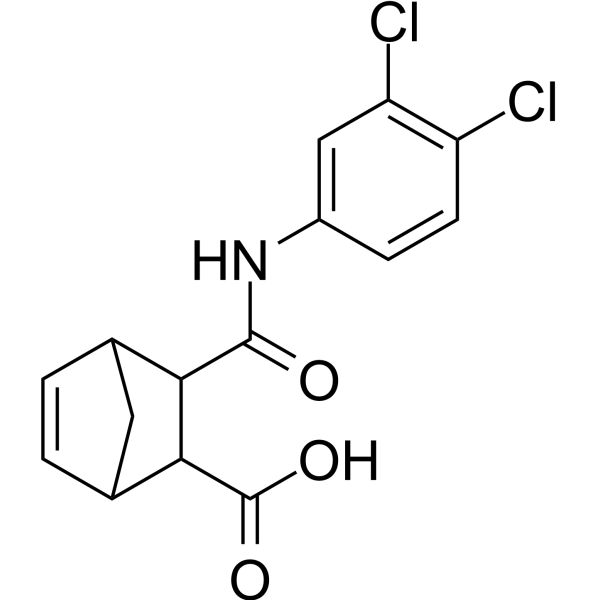
CADD522 is a RUNX2-DNA binding inhibitor (downregulates RUNX2-mediated transcription of downstream target genes), with an IC50 of 10 nM. CADD522 inhibits primary tumor growth and experimental metastasis of tumor cells in the lungs of immune-compromised mice. CADD522 can be used in study of cancer .
|
-
-
- HY-173158
-
|
|
PROTACs
Histone Acetyltransferase
|
Cancer
|
|
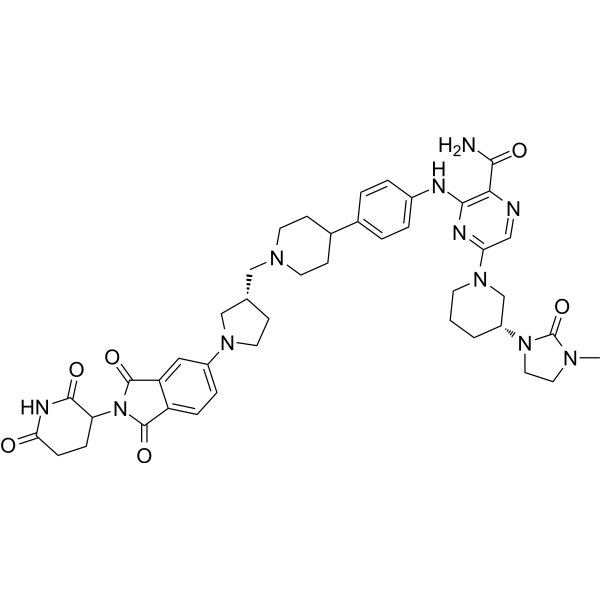
AUR1545 is a selective KAT2A/KAT2B ((GCN5/PCAF)) PROTAC degrader that induces monocyte differentiation and inhibits the growth of acute myeloid leukemia cells. AUR1545 inhibits cell growth, induces epithelial differentiation and suppresses tumor growth in small cell lung cancer models. AUR1545 inhibits cell growth and induces differentiation in neuroendocrine prostate cancer cells and primary patient-derived organoids. AUR1545 is applicable to research related to acute myeloid leukemia, small cell lung cancer and neuroendocrine prostate cancer .
|
-
-
- HY-129630
-
|
|
Microtubule/Tubulin
|
Neurological Disease
Cancer
|
|
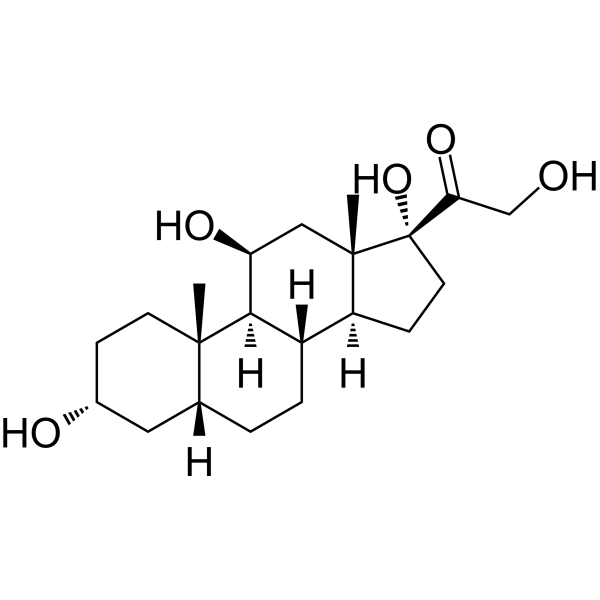
Tetrahydrocortisol is a cortisol metabolite that inhibits dexamethasone-induced formation of cross-linked actin networks. Tetrahydrocortisol can be used in the research of primary open-angle glaucoma, glucocorticoid-induced ocular hypertension, Lewis lung carcinoma, and EMT-6 mouse breast cancer .
|
-
-
- HY-149913
-
|
|
Orphan Nuclear Receptor
|
Cancer
|
|
NR2F1 agonist 1, a nuclear receptor NR2F1 agonist, specifically activates dormancy programs in malignant cells. NR2F1 agonist 1 up-regulates NR2F1 and downstream target genes that regulate dormancy. NR2F1 agonist 1 induces neural crest-like and growth suppression in head and neck squamous cell carcinoma (HNSCC) via NR2F1 activation. NR2F1 agonist 1 inhibits tumor growth in a mouse primary tumor model .
|
-
-
- HY-W591424
-
|
mPEG2000-SC; mPEG2000-Succinimidyl ester
|
Biochemical Assay Reagents
MMP
|
Cancer
|
|
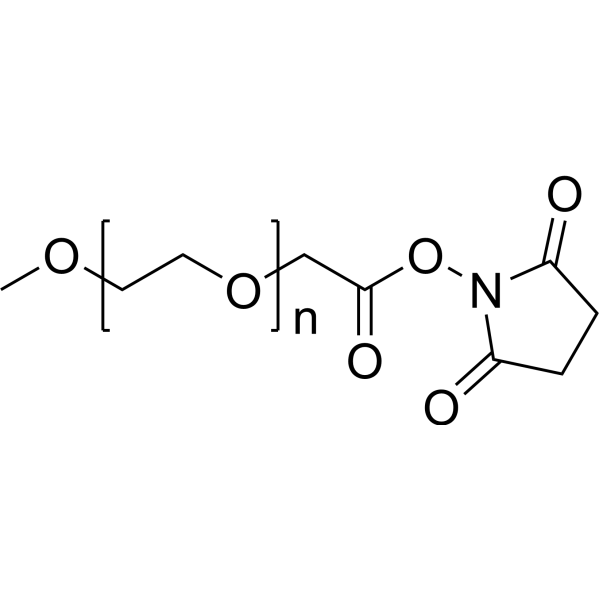
m-PEG2000-NHS ester (mPEG2000-SC) is a reagent with both cell adhesion inhibition and peptide conjugation functions. The NHS ester group of m-PEG2000-NHS ester forms stable amide bonds with primary amine-containing molecules (e.g., the N-terminus of MMP-2-cleavable octapeptide) to generate mPEG-peptide intermediates for liposome surface modification. When m-PEG2000-NHS ester is immobilized on a cystamine-modified gold surface, it can construct an in vitro model for cell adhesion kinetic studies, and higher PEG density and thicker layers correlate with lower cell adhesion rates. m-PEG2000-NHS ester can synthesize MMP-2-responsive PEGylated lipid conjugates to achieve MMP-triggered dePEGylation in the tumor microenvironment. m-PEG2000-NHS ester can be used in studies related to colon cancer and other conditions .
|
-
-
- HY-P9983
-
|
SGN-33; HuM-195; GLK-33 Antibody
|
Transmembrane Glycoprotein
Radionuclide-Drug Conjugates (RDCs)
|
Inflammation/Immunology
|
|
Lintuzumab (HUM-195) is an anti-CD33 humanized monoclonal antibody. Lintuzumab reduces the production of TNFα-induced pro-inflammatory cytokines and chemokines by AML cells. Lintuzumab promotes tumor cell killing through antibody-dependent cellular cytotoxicity (ADCC) and phagocytosis (ADCP) activities against MDR and MDR+ AML cell lines and primary AML patient samples. Lintuzumab enhances survival and reduces tumor burden in mice .
|
-
-
- HY-160041A
-
|
NOX-A12 sodium
|
CXCR
|
Cancer
|
|
Olaptesed pegol (NOX-A12) sodium is a L-oligoribonucleotide aptamer targeting CXCL12 based on a pegylated structure. Olaptesed pegol sodium neutralizes CXCL12, and CXCL12 inhibition mobilizes chronic lymphocytic leukemia cells into the circulation and prevents their homing into the protective microenvironment. Olaptesed pegol sodium can enhances the infiltration of human primary T cells and NK cells and inhibit tumor growth companied with anti-PD-1 antibody. Olaptesed pegol sodium can be used for researches of colon cancer and lymphocytic leukemia .
|
-
-
- HY-160041
-
|
NOX-A12
|
CXCR
|
Cancer
|
|
Olaptesed pegol (NOX-A12) is a L-oligoribonucleotide aptamer targeting CXCL12 based on a pegylated structure. Olaptesed pegol neutralizes CXCL12, and CXCL12 inhibition mobilizes chronic lymphocytic leukemia cells into the circulation and prevents their homing into the protective microenvironment. Olaptesed pegol can enhances the infiltration of human primary T cells and NK cells and inhibit tumor growth companied with anti-PD-1 antibody. Olaptesed pegol can be used for researches of colon cancer and lymphocytic leukemia .
|
-
-
- HY-43521
-
|
|
Target Protein Ligand-Linker Conjugates
Btk
STAT
|
Inflammation/Immunology
Cancer
|
|
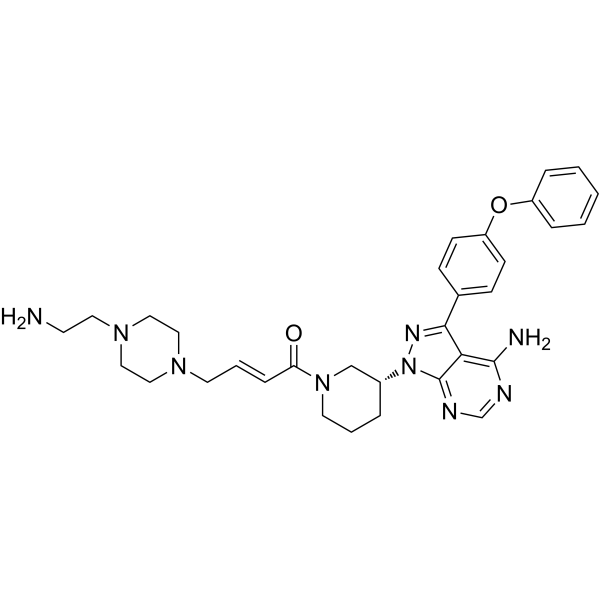
Ibrutinib-MPEA is an orally active, blood-brain barrier permeable inhibitor of BTK and STAT5. As a derivative of Ibrutinib (HY-10997) conjugated with a PROTAC linker, Ibrutinib-MPEA allows the synthesis of a series of PROTAC molecules. Ibrutinib-MPEA significantly reduces the proliferation of neoplastic mast cells and primary mastocytoma cells by inducing apoptosis and inhibiting IgE-dependent histamine release. Ibrutinib-MPEA is applicable to the research of canine mast cell tumors, cerebral ischemia/reperfusion injury in diabetic mice, and neuroinflammation-related diseases .
|
-
-
- HY-153863
-
|
|
PROTACs
MEK
Raf
|
Cancer
|
|
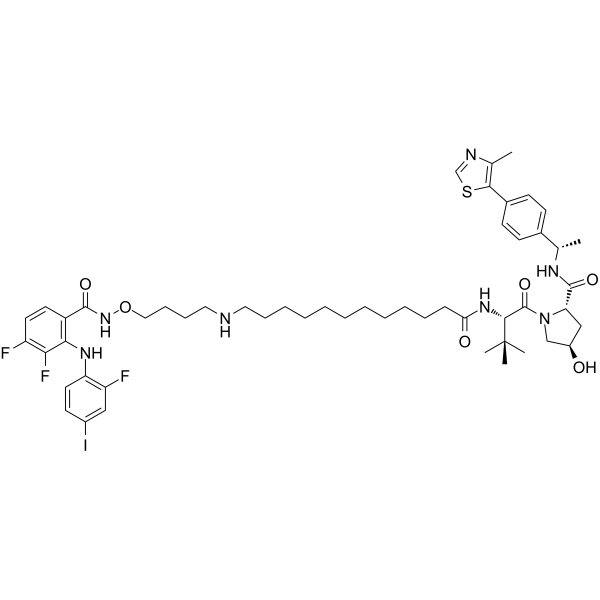
MS934 is a novel improved VHL-recruiting MEK 1/2 PROTAC degrader. MS934 also degrades CRAF. MS934 can be used for the research of variety of human cancers, such as melanoma, nonsmall cell lung cancer (NSCLC), colorectal cancer, primary brain tumors, and hepatocellular carcinoma (Pink: Target protein ligand (HY-168288); Black: linker (HY-168289); Blue: E3 ligase ligand (HY-112078)) .
|
-
-
- HY-159500
-
|
OTL-0078; OTL78
|
PSMA
|
Cancer
|
|
Zopocianine (OTL-0078; OTL78) is a near-infrared optical probe targeting PSMA. Zopocianine binds to PSMA on the surface of PSMA-expressing cells, enters cells via receptor-mediated endocytosis, and accumulates in acidic endosomes. Zopocianine selectively accumulates in PSMA-positive cancer tissues and enables the detection of small tumors, primary prostate tumors, and locoregional metastases. Zopocianine helps achieve negative tumor surgical margins during fluorescence-guided surgery. Zopocianine is applicable to research related to prostate cancer .
|
-
-
- HY-147218
-
|
ARRY-067
|
TAM Receptor
|
Cancer
|
|
PF-07265807 (ARRY-067) is a kinase inhibitor with primary targets AXL, MERTK, and TYRO3. PF-07265807 acts as an immunomodulator that cross-activates CD8 + T cells by enhancing dendritic cell function. PF-07265807 blocks downstream signal transduction of AXL and MERTK, and inhibits the proliferation and migration of tumor cells with high expression of these two kinases. PF-07265807 is applicable to research related to advanced or metastatic solid tumors, such as colorectal cancer .
|
-
-
- HY-133016
-
|
|
MetAP
|
Cardiovascular Disease
Cancer
|
|
M8891 is an orally active, reversible and brain penetrant Methionine Aminopeptidase-2 (MetAP-2) inhibitor with an IC50 of 54 nM and a Ki of 4.33 nM. M8891 does not inhibit MetAP-1 (IC50>10 µM) . M8891 inhibits growth of primary endothelial cells as well as tumor cells and demonstrates antiangiogenic and antitumoral activity .
|
-
-
- HY-176497
-
|
G297X
|
Cytochrome P450
|
Metabolic Disease
Cancer
|
|
GW273297X is a selective CYP27A1 inhibitor. GW273297X blocks 27-hydroxycholesterol biosynthesis and sterol product formation in human macrophages. GW273297X reduces cancer cells colonization by inhibiting pro-metastatic effects of 27-hydroxycholesterol. GW273297X can be used for the researches of cancer and metabolic disease, such as breast cancer .
|
-
-
- HY-P990552A
-
|
|
PAI-1
Integrin
|
Cancer
|
|
huATN-658 is an inhibitor that specifically targets the DIII domain of human urokinase plasminogen activator receptor (uPAR). huATN-658 neutralizes uPAR function by blocking the interaction between uPAR and integrins, without interfering with the binding of uPA or vitronectin to uPAR. huATN-658 inhibits the proliferation and invasion of breast cancer cells, slows the growth of primary breast tumors, reduces breast cancer-induced bone lesions and decreases osteoclast activity. huATN-658 also alters the gene expression of the TGF-β receptor complex signaling pathway. huATN-658 exerts synergistic anticancer effects when combined with Zoledronic Acid (HY-13777), and does not cause physiological or behavioral abnormalities in immunodeficient mice. huATN-658 can be used in research related to breast cancer, metastatic breast cancer and breast cancer-induced bone disease .
|
-
-
- HY-N2135
-
|
|
Apoptosis
Caspase
Bcl-2 Family
Tyrosinase
|
Metabolic Disease
Cancer
|
|
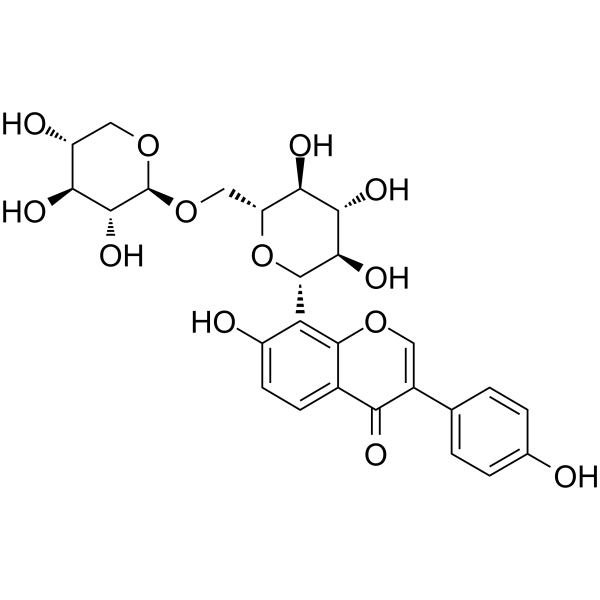
Puerarin 6''-O-Xyloside is one of the major iso-flavones found in P. lobata. Puerarin 6''-O-Xyloside inhibits cancer cells proliferation, induces apoptosis by upregulating cleaved caspase-3, 7, 9, Bax and downregulating Bcl-2 levles and inhibits tumor growth in mice. Puerarin 6''-O-Xyloside has anti-osteoporotic activity in ovariectomized mice. Puerarin 6''-O-Xyloside inhibits mushroom tyrosinase with an IC50 of 513.8 μM. Puerarin 6''-O-Xyloside can be used for the research of human lung carcinoma, osteoporosis, melanosis and melanomar .
|
-
-
- HY-144670
-
|
|
Aldehyde Dehydrogenase (ALDH)
|
Cancer
|
|
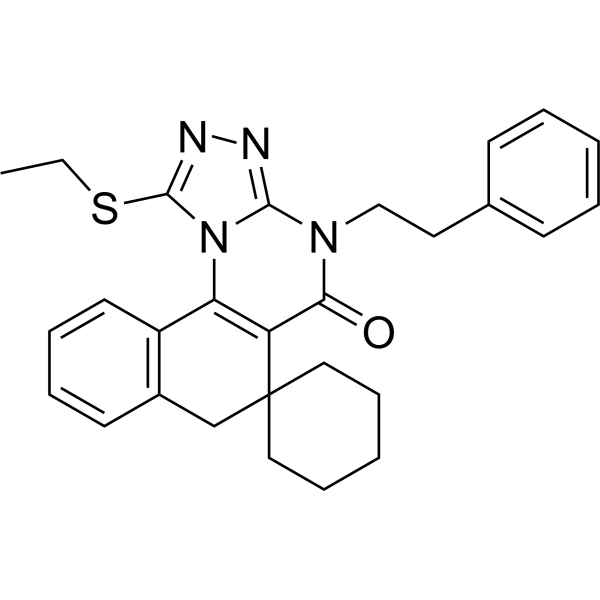
ALDH3A1-IN-1 (Compound 18) is a potent inhibitor of ALDH3A1 with an IC50 of 1.61 μM. ALDH3A1-IN-1 is more potent than DEAB against patient-derived primary prostate tumor epithelial cells, as single agents or in combination research with docetaxel .
|
-
-
- HY-P990650
-
|
|
TREM receptor
|
Cancer
|
|
PY159 is a humanized antibody targeting TREM1/CD354. PY159 reprograms immunosuppressive intratumoral myeloid cells towards an inflammatory, anti-tumor phenotype, promotes anti-tumor immune responses, upregulates monocyte activation markers, and induces proinflammatory cytokines. PY159 can be used for the research of platinum-resistant ovarian cancer, advanced solid tumors, and advanced refractory solid tumors .
|
-
-
- HY-W338764
-
|
|
Apoptosis
Aryl Hydrocarbon Receptor
|
Cancer
|
|
AHR agonist 3 is an aryl hydrocarbon receptor (AhR) agonist, that can induces cell cycle arrest or apoptosis via activation of tumor-suppressive transcriptional programs. AHR agonist 3 inhibits triple-negative breast cancer (TNBC) stem cell growth via AhR while exhibits minimal cytotoxicity against normal human primary cells and can be used for cancer research .
|
-
-
- HY-175780
-
|
|
CD28
IFNAR
TNF Receptor
Interleukin Related
|
Cancer
|
|
CD28-IN-1 (Compound 19MS-5) is a CD28 inhibitor with a KD of 12.48 μM. CD28-IN-1 has a superior binding capacity to CD28 and potently inhibits CD28-B7 interactions. CD28-IN-1 inhibits CD28-driven immune activation and suppresses cytokine (IFN-γ, IL-2 and TNF-α) production in primary human T cells co-cultured with tumor spheroids and human epithelial tissues. CD28-IN-1 can be used for tumor immunity research .
|
-
-
- HY-146260
-
|
|
PI3K
|
Cancer
|
|
NVP-CLR457 (compound 40) is an orally active, potent and balanced pan-class I PI3K inhibitor. NVP-CLR457 shows a clear dose-dependent PK/PD/efficacy relationship. NVP-CLR457 has antitumor activity .
|
-
-
- HY-103407
-
|
|
Dopamine Receptor
|
Neurological Disease
Cancer
|
|
PD 168568 is a orally active and potent dopamine receptor D4 (DRD4) antagonist. PD 168568 contains an isoindolinone and is selective for the D4 receptor versus D2 and D3, with Ki values of 8.8, 1842, and 2682 nM, respectively. PD 168568 can be used for glioblastoma (GBM) research .
|
-
-
- HY-P10947
-
|
|
Epigenetic Reader Domain
YAP
|
Cancer
|
|
MACTIDE-V is an orally active and selective peptide-drug conjugate targeting CD206. MACTIDE-V delivers Verteporfin (HY-B0146) to CD206 + tumor-associated macrophages (TAM) to inhibit the YAP/TAZ signaling pathway, prompting YAP exclusion from the nucleus, inducing TAM polarization toward an anti-tumoral phenotype with enhanced phagocytosis and antigen presentation, and boosting T cell infiltration and NK cell activity. MACTIDE-V suppresses primary tumor growth and lung metastasis in triple-negative breast cancer (TNBC) mouse models .
|
-
-
- HY-P11265
-
|
|
GnRH Receptor
Fluorescent Dye
|
Cancer
|
|
YQGN-7 is a targeted fluorescent probe for the gonadotropin-releasing hormone receptor (RnRHR). YQGN-7 exhibits high selectivity and affinity for breast cancer cells (KD = 217.8 nM). YQGN-7 achieves precise visualization of the primary and metastatic lesions of breast cancer by targeting the highly expressed GnRHR in tumor cells. YQGN-7 can be used in the research of breast cancer breast-conserving surgery (BCS) .
|
-
-
- HY-P991419
-
|
|
VEGFR
|
Cancer
|
|
MSB-0254 is a human monoclonal antibody (mAb) targeting VEGFR2/KDR/CD309. MSB-0254 inhibits the invasion, migration, and vascular mimetic (VM) formation of U251 and primary glioma cells. MSB-0254 inhibits the growth of U251 and GL261 cell transplanted tumors. MSB-0254 reduces the expression of CD34, VEGFR2, Ki67, MMP2, MMP9, and CD34/PAS. MSB-0254 can be used in advanced solid tumors research .
|
-
-
- HY-101349
-
|
|
Dopamine Receptor
Apoptosis
Autophagy
PDGFR
ERK
mTOR
|
Neurological Disease
Cancer
|
|
L 741742 is a highly selective and brain-penetrant D4 dopamine receptor antagonist, with Ki values of 3.5 nM, 770 nM and >1700 nM for human D4, D3 and D2 receptors, respectively. L 741742 suppresses PDGFRβ, ERK1/2, and mTOR signaling pathways, and impairs autophagic flux while disrupting lysosomal function.L 741742 induces G0/G1 cell-cycle arrest and apoptosis, promotes neuronal differentiation of normal human neural stem cells, selectively inhibits growth and clonogenic potential of glioblastoma neural stem cells and primary glioblastoma tumor cells, exerts synergistic effects with Temozolomide (TMZ) (HY-17364) against glioblastoma neural stem cells in vitro, and inhibits glioblastoma neural stem cell xenograft growth in immunocompromised mice. L 741742 can be used for the research of schizophrenia and glioblastoma .
|
-
-
- HY-P991555
-
|
|
TNF Receptor
Apoptosis
|
Cancer
|
|
XmAb5485 is an Fc-engineered humanized anti-CD40 monoclonal antibody with high affinity to Fc-γ receptors. XmAb5485 induces potent antibody-dependent cell-mediated cytotoxicity (ADCC) and antibody-dependent cellular phagocytosis (ADCP) against tumor cells. XmAb5485 inhibits proliferation and induces apoptosis of tumor cells. XmAb5485 shows highly cytotoxic against lymphoma, leukemia and multiple myeloma cell lines as well as primary cancer cells .
|
-
-
- HY-159500A
-
|
OTL-0078 sodium; OTL78 sodium
|
Biochemical Assay Reagents
|
Cancer
|
|
Zopocianine sodium (OTL-0078 sodium; OTL78 sodium) is a near-infrared optical probe targeting PSMA. Zopocianine sodium binds to PSMA on the surface of PSMA-expressing cells, enters cells via receptor-mediated endocytosis, and accumulates in acidic endosomes. Zopocianine sodium selectively accumulates in PSMA-positive cancer tissues and enables the detection of small tumors, primary prostate tumors, and locoregional metastases. Zopocianine sodium helps achieve negative tumor surgical margins during fluorescence-guided surgery. Zopocianine sodium is applicable to research related to prostate cancer .
|
-
-
- HY-117520
-
|
|
Proteasome
|
Cancer
|
|
FV-162 is a potent, orally active and irreversible proteasome inhibitor. FV-162 exhibits cytotoxic to human myeloma cell lines and primary myeloma cells. FV-162 inhibits tumor growth in a myeloma xenograft mouse model. FV-162 can be used for myeloma research .
|
-
-
- HY-174713
-
|
|
mRNA
|
Inflammation/Immunology
|
|
Human FASLG mRNA encodes the human Fas ligand (FASLG) protein, a member of the tumor necrosis factor superfamily. The primary function of the FASLG is the induction of apoptosis triggered by binding to FAS. The FAS/FASLG signaling pathway is essential for immune system regulation, including activation-induced cell death (AICD) of T cells and cytotoxic T lymphocyte induced cell death. It has also been implicated in the progression of several cancers.
|
-
-
- HY-P991328
-
|
|
Notch
|
Cancer
|
|
MAb604.107 is a human monoclonal antibody (mAb) targeting NOTCH1. MAb604.107 inhibits the proliferation and CD34/CD44 expression of primary T-ALL cells. MAb604.107 has anti-tumor activity in four tumor xenograft mouse models: MDA-MB-231, HCC-1806, BT-474, and HCT-116. MAb604.107 can be used in T acute lymphoblastic leukemia research .
|
-
-
- HY-W720629
-
|
|
Isotope-Labeled Compounds
Phytohormone
Aldehyde Dehydrogenase (ALDH)
|
Others
|
|
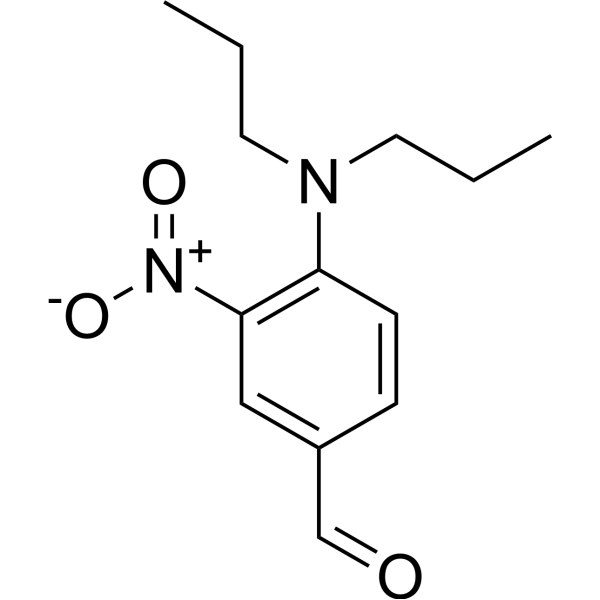
Cyanamide- 15N2 is the 15N-labeled Cyanamide (HY-Y0070). Cyanamide is a cell division and plant growth inhibitor, as well as an allelochemical derived from Vicia villosa. Cyanamide inhibits root growth and biomass accumulation in a dose-dependent manner by disrupting the formation of mitotic spindles and phragmoplast complexes, reducing the number of mitotic cells and blocking the cell cycle. The effects of Cyanamide are partially reversible after removal from low-concentration environments. Cyanamide is also a specific inhibitor of aldehyde dehydrogenase (ALDH). Although Cyanamide has no direct effect on tumor growth, it can significantly enhance the anti-tumor efficacy of Cyclophosphamide (HY-17420) at non-toxic doses by inhibiting the inactivation of Cyclophosphamide. Cyanamide enables Cyclophosphamide to exert equivalent therapeutic effects at lower doses, effectively inhibiting the growth of primary and metastatic tumors and prolonging the lifespan of tumor-bearing mice. Cyanamide is commonly used in studies related to ha-1 hepatoma and rls lymphosarcoma .
|
-
-
- HY-164689
-
|
|
Proteasome
|
Cancer
|
|
Cadmium pyrithione is a metal compound that inhibits protein deubiquitinase activity. Cadmium pyrithione treatment results in significant accumulation of ubiquitinated proteins in cancer cells and primary leukemia cells. Cadmium pyrithione strongly inhibits the activity of proteasome deubiquitinase (such as USP14 and UCHL5), but has a smaller inhibitory effect on 20S proteasome activity. The anticancer activity of Cadmium pyrithione is associated with the induction of apoptosis through caspase activation. Furthermore, Cadmium pyrithione inhibition inhibited proteasome function and suppressed tumor growth in animal xenograft models .
|
-
-
- HY-108417
-
|
|
STAT
JAK
Bcr-Abl
|
Cancer
|
|
Debio 0617B, a multi-kinase inhibitor, reduces maintenance and self-renewal of primary human AML CD34 + stem/progenitor cells. Debio 0617B has a unique profile targeting key kinases upstream of STAT3/STAT5 signaling such as JAK, SRC, ABL, and class III/V receptor tyrosine kinases (TKs). Debio 0617B has documented efficacy in STAT3-driven solid tumors .
|
-
-
- HY-101349A
-
|
|
Dopamine Receptor
Apoptosis
Autophagy
PDGFR
ERK
mTOR
|
Neurological Disease
Cancer
|
|
L 741742 hydrochloride is a highly selective and brain-penetrant D4 dopamine receptor antagonist, with Ki values of 3.5 nM, 770 nM and >1700 nM for human D4, D3 and D2 receptors, respectively. L 741742 hydrochloride suppresses PDGFRβ, ERK1/2, and mTOR signaling pathways, and impairs autophagic flux while disrupting lysosomal function.L 741742 hydrochloride induces G0/G1 cell-cycle arrest and apoptosis, promotes neuronal differentiation of normal human neural stem cells, selectively inhibits growth and clonogenic potential of glioblastoma neural stem cells and primary glioblastoma tumor cells, exerts synergistic effects with Temozolomide (TMZ) (HY-17364) against glioblastoma neural stem cells in vitro, and inhibits glioblastoma neural stem cell xenograft growth in immunocompromised mice. L 741742 hydrochloride can be used for the research of schizophrenia and glioblastoma .
|
-
-
- HY-P992391
-
|
IPH43
|
C-type Lectin-like Receptors (CTLRs)
Apoptosis
|
Cancer
|
|
IPH4301 is a monoclonal antibody targeting MICA/B, with dual activities of cytotoxicity and immunoregulation . IPH4301 blocks the interaction between MICA/B and NKG2D, inhibits their hydrolysis into soluble sMICA/B, and mediates antibody-dependent cellular cytotoxicity and antibody-dependent cellular phagocytosis against tumor cells expressing MICA/MICB. IPH4301 restores the expression and function of NKG2D on primary NK cells and T cells, reverses the immunosuppression induced by M2 macrophages, and enhances NK cell-mediated tumor cell apoptosis. IPH4301 can be used in research related to cancer and triple-negative breast cancer .
|
-
-
- HY-107999R
-
|
|
Reference Standards
Reactive Oxygen Species (ROS)
|
Cancer
|
|
CADD522 (Standard) is the analytical standard of CADD522 (HY-107999). This product is intended for research and analytical applications. CADD522 is a RUNX2-DNA binding inhibitor (downregulates RUNX2-mediated transcription of downstream target genes), with an IC50 of 10 nM. CADD522 inhibits primary tumor growth and experimental metastasis of tumor cells in the lungs of immune-compromised mice. CADD522 can be used in study of cancer .
|
-
-
- HY-119618
-
|
|
Endogenous Metabolite
|
Cancer
|
|
R1498 is a multi-target kinase inhibitor with anti-angiogenic and anti-proliferative activities. R1498 mainly targets targets such as Aurora kinase and VEGFR2, which are associated with tumor development. R1498 showed moderate in vitro growth inhibition in a variety of tumor cells, with IC50 values in the micromolar range. R1498 showed anti-tumor efficacy superior to sorafenib in a variety of gastric cancer and hepatocellular carcinoma xenograft models, with tumor growth inhibition rates exceeding 80%, and tumor shrinkage was observed in some models. R1498 showed a 10-30% tumor shrinkage rate in three xenograft models derived from human primary gastric cancer tumors, further demonstrating its inhibitory potential. R1498 effectively inhibited Aurora A activity in vivo and reduced tumor vascularization .
|
-
-
- HY-Y0070
-
|
|
Phytohormone
Aldehyde Dehydrogenase (ALDH)
|
Cancer
|
|
Cyanamide is a cell division and plant growth inhibitor, as well as an allelochemical derived from Vicia villosa. Cyanamide inhibits root growth and biomass accumulation in a dose-dependent manner by disrupting the formation of mitotic spindles and phragmoplast complexes, reducing the number of mitotic cells and blocking the cell cycle. The effects of Cyanamide are partially reversible after removal from low-concentration environments. Cyanamide is also a specific inhibitor of aldehyde dehydrogenase (ALDH). Although Cyanamide has no direct effect on tumor growth, it can significantly enhance the anti-tumor efficacy of Cyclophosphamide (HY-17420) at non-toxic doses by inhibiting the inactivation of Cyclophosphamide. Cyanamide enables Cyclophosphamide to exert equivalent therapeutic effects at lower doses, effectively inhibiting the growth of primary and metastatic tumors and prolonging the lifespan of tumor-bearing mice. Cyanamide is commonly used in studies related to ha-1 hepatoma and rls lymphosarcoma .
|
-
-
- HY-W319584
-
|
|
Drug Derivative
|
Cancer
|
|
AMP-404 is an Imexon (HY-15385)-derived antitumor agent with dual functions as a cytotoxin and growth inhibitor. AMP-404 exerts significant cytotoxic effects against various sensitive, drug-resistant and primary human tumor cells, including myeloma, breast cancer, melanoma, ovarian cancer and sarcoma cells. AMP-404 effectively inhibits the growth of rat PIE 2-3 sarcoma in vivo and exhibits remarkable in vivo efficacy .
|
-
-
- HY-182671
-
|
|
PI3K
Btk
Apoptosis
|
Cancer
|
|
SRX3305 is an BTK/PI3K/BRD4 inhibitor with IC50s of 6.5 nM, 15 nM, and 4 nM toward BTK, PI3Kɑ and PI3Kδ, respectively. SRX3305 attenuates chronic lymphocytic leukemia (CLL) and mantle cell lymphoma (MCL) cell proliferation and promotes apoptosis in a dose-dependent fashion. SRX3305 yields potent anti-tumor effects but spares healthy bystander cells. SRX3305 inhibits the activation-induced proliferation of primary CLL cells in vitro and effectively blocks microenvironment-mediated survival signals. SRX3305 blocks CLL cell migration toward CXCL-12 and CXCL-13. SRX3305 maintains its anti-tumor effects in Ibrutinib (HY-10997)-resistant CLL cells. SRX3305 can be used for research in CLL, diffuse large B-cell lymphoma (DLBCL) and MCL .
|
-
-
- HY-182956
-
|
|
Molecular Glues
DNA Methyltransferase
|
Cancer
|
|
DNMT1 Degrader-1 is a selective DNMT1 degrader with an IC50 of 202.87 nM and a Kd value of 122 nM. As a molecular glue, DNMT1 Degrader-1 forms a ternary complex with DNMT1 and UHRF1, thereby triggering UHRF1-mediated ubiquitination and degradation of DNMT1, and inhibiting the enzymatic activity of DNMT1. DNMT1 Degrader-1 inhibits the proliferation of primary acute myeloid leukemia cells and exerts anti-tumor activity. DNMT1 Degrader-1 can be used for the research of acute myeloid leukemia .
|
-
-
- HY-16265A
-
|
|
Ephrin Receptor
PDGFR
VEGFR
|
Cancer
|
|
JI-101 hydrochloride is an orally active angiogenesis inhibitor and anticancer agent with 55% oral bioavailability in Sprague Dawley rats, high permeability, and no P-gp substrate activity .JI-101 hydrochloride modulates angiogenesis signaling pathways in tumor vessel beds, downregulates EphB4, targets EphB4, VEGFR-2, and PDGFR-β, and inhibits multiple stages of tumor angiogenesis .JI-101 hydrochloride exerts activity against cancer cells and xenografts, exhibits mild to moderate inhibition of CYP3A4, and shows stability in pre-clinical and human liver microsomes .JI-101 hydrochloride undergoes rapid oral absorption in Sprague Dawley rats, has extensive tissue distribution with preferred lung uptake, and is excreted via bile with mono- and di-hydroxy metabolites, with feces as the primary elimination route .JI-101 hydrochloride can be used for the research of ovarian cancer and solid tumors .
|
-
-
- HY-P992209
-
|
|
Transmembrane Glycoprotein
|
Cancer
|
|
Anti-CD318/CDCP1 Antibody (25A11) is an anti-CDCP1 antibody. Anti-CD318/CDCP1 Antibody (25A11) drives the internalization of antibody-CDCP1 complexes, inhibits cancer cell migration and invasion, and blocks downstream migration/invasion signaling pathways. When conjugated with saponin, Anti-CD318/CDCP1 Antibody (25A11) mediates the killing of prostate cancer cells. When conjugated with saponin, this antibody acts as an immunotoxin to inhibit the growth and metastasis of primary prostate tumors in mouse xenograft models. Anti-CD318/CDCP1 Antibody (25A11) is applicable to prostate cancer-related research .
|
-
-
- HY-185280
-
|
HS-20089; GSK5733584
|
Antibody-Drug Conjugates (ADCs)
|
Cancer
|
|
Mocertatug rezetecan (HS-20089; GSK5733584) is an antibody-drug conjugate (ADC) targeting B7-H4. Mocertatug rezetecan exhibits activity against platinum-resistant ovarian cancer. Mocertatug rezetecan is used for the research of advanced solid tumors, especially ovarian cancer and triple-negative breast cancer .
|
-
-
- HY-P992483
-
|
|
Transmembrane Glycoprotein
|
Cancer
|
|
VIS832 is an anti-CD138 monoclonal antibody. VIS832 induces antibody-dependent cellular cytotoxicity. VIS832 inhibits the growth of disseminated multiple myeloma tumors in vivo. VIS832 exerts anti-tumor effects on multiple myeloma in combination with Lenalidomide (HY-A0003) or Bortezomib (HY-10227). VIS832 can be used in research related to multiple myeloma .
|
-
-
- HY-183887
-
|
|
PD-1/PD-L1
|
Cancer
|
|
PD-L1-IN-11 is a PD-L1 inhibitor with human PD-L1 IC50 and KD of 27.82 μM and 49.50 μM, respectively. PD-L1-IN-11 directly binds to PD-L1 via a dimer-locking mechanism, occluding the PD-1 interaction surface to disrupt PD-1/PD-L1 interaction. PD-L1-IN-11 can be used for the research of melanoma, colon carcinoma .
|
-
-
- HY-W1130452
-
|
|
Liposome
|
Cancer
|
|
Lipid C16-C is an ionizable cationic lipid that can be used to prepare lipid nanoparticles (LNPs) for mRNA delivery. Lipid C16-C mediates ApoE-independent macropinocytosis-based mRNA delivery to macrophages, with endosomal acidification enabling endosomal escape and release of mRNA cargo into the cytosol .
|
-
-
- HY-P992441
-
|
|
Transmembrane Glycoprotein
|
Cancer
|
|
PHST001 is a humanized anti-CD24 antibody. PHST001 binds cell-surface CD24, blocks CD24-Siglec10 interaction, and engages Fc receptors to promote macrophage-mediated tumor cell phagocytosis. PHST001 inhibits growth of breast cancer and ovarian cancer, and reduces metastatic lesions in mouse xenograft models. PHST001 can be used for the research of triple negative breast cancer, HER2+ breast cancer, metastatic tumors, and ovarian cancer .
|
-
-
- HY-P992200
-
|
|
Transmembrane Glycoprotein
PI3K
Akt
p38 MAPK
NF-κB
MMP
Apoptosis
Caspase
Bcl-2 Family
|
Cardiovascular Disease
Cancer
|
|
Anti-CD146 Antibody (AA98) is an antibody targeting CD146 and an angiogenesis inhibitor. Anti-CD146 Antibody (AA98) blocks the dimerization of CD146 as well as its downstream PI3K/AKT, p38 MAPK and NF-κB signaling pathways; it inhibits the expression of MMP9 and ICAM1, epithelial-mesenchymal transition (EMT), and the proliferation, migration and tube formation of endothelial cells. Anti-CD146 Antibody (AA98) enhances radiation-induced cancer cell apoptosis and survival inhibition, reduces tumor microvessel density, and suppresses tumor growth, invasion and vasculogenic mimicry. Anti-CD146 Antibody (AA98) can be used in research related to cervical cancer, liver cancer, malignant phyllodes tumor of the breast, uveal melanoma, leiomyosarcoma, pancreatic cancer, other tumors and angiogenesis .
|
-
- HY-P992338
-
|
|
Mesothelin
Constitutive Androstane Receptor
|
Inflammation/Immunology
Cancer
|
|
CT-1119 is an autologous human anti-Mesothelin chimeric antigen receptor macrophage (CAR-M). CT-1119 mediates CAR-dependent, antigen-dependent functional activities. CT-1119 acts as a phagocytosis inducer, tumor cell killer, pro-inflammatory cytokine inducer, and M1 macrophage polarizer. CT-1119 exhibits stronger resistance to M2 repolarization and reduces tumor burden in a mouse lung cancer xenograft model. CT-1119 can be used for the research of mesothelin-expressing solid tumors .
|
-
- HY-P991961
-
|
|
CTLA-4
|
Cancer
|
|
REGN4659 is a fully human anti-CTLA-4 monoclonal antibody and IgG1 antibody. REGN4659 binds to the extracellular domain of human and monkey CTLA-4 with high affinity and specificity. REGN4659 blocks CTLA-4 interaction with CD80 and CD86 ligands. REGN4659 significantly suppresses MC38.Ova tumor growth in CTLA-4 knock-in mice .
|
-
| Cat. No. |
Product Name |
Type |
-
- HY-W591424
-
|
mPEG2000-SC; mPEG2000-Succinimidyl ester
|
Biochemical Assay Reagents
|
|
m-PEG2000-NHS ester (mPEG2000-SC) is a reagent with both cell adhesion inhibition and peptide conjugation functions. The NHS ester group of m-PEG2000-NHS ester forms stable amide bonds with primary amine-containing molecules (e.g., the N-terminus of MMP-2-cleavable octapeptide) to generate mPEG-peptide intermediates for liposome surface modification. When m-PEG2000-NHS ester is immobilized on a cystamine-modified gold surface, it can construct an in vitro model for cell adhesion kinetic studies, and higher PEG density and thicker layers correlate with lower cell adhesion rates. m-PEG2000-NHS ester can synthesize MMP-2-responsive PEGylated lipid conjugates to achieve MMP-triggered dePEGylation in the tumor microenvironment. m-PEG2000-NHS ester can be used in studies related to colon cancer and other conditions .
|
-
- HY-Y0070
-
|
|
Biochemical Assay Reagents
|
|
Cyanamide is a cell division and plant growth inhibitor, as well as an allelochemical derived from Vicia villosa. Cyanamide inhibits root growth and biomass accumulation in a dose-dependent manner by disrupting the formation of mitotic spindles and phragmoplast complexes, reducing the number of mitotic cells and blocking the cell cycle. The effects of Cyanamide are partially reversible after removal from low-concentration environments. Cyanamide is also a specific inhibitor of aldehyde dehydrogenase (ALDH). Although Cyanamide has no direct effect on tumor growth, it can significantly enhance the anti-tumor efficacy of Cyclophosphamide (HY-17420) at non-toxic doses by inhibiting the inactivation of Cyclophosphamide. Cyanamide enables Cyclophosphamide to exert equivalent therapeutic effects at lower doses, effectively inhibiting the growth of primary and metastatic tumors and prolonging the lifespan of tumor-bearing mice. Cyanamide is commonly used in studies related to ha-1 hepatoma and rls lymphosarcoma .
|
| Cat. No. |
Product Name |
Target |
Research Area |
-
- HY-P10449
-
|
|
Peptides
|
Inflammation/Immunology
Cancer
|
|
M2 Peptide is a peptide targeting M2-like tumor-associated macrophages (TAMs). M2 Peptide is used to carry drugs or small interfering RNA (siRNA) to promote the repolarization of M2-like macrophages to M1-like macrophages, thereby altering the immunosuppressive state in the tumor microenvironment and enhancing the anti-tumor immune response. M2 Peptide can be used to study the effect of macrophage polarization and how this polarization change affects tumor growth and metastasis .
|
-
- HY-P10947
-
|
|
Epigenetic Reader Domain
YAP
|
Cancer
|
|
MACTIDE-V is an orally active and selective peptide-drug conjugate targeting CD206. MACTIDE-V delivers Verteporfin (HY-B0146) to CD206 + tumor-associated macrophages (TAM) to inhibit the YAP/TAZ signaling pathway, prompting YAP exclusion from the nucleus, inducing TAM polarization toward an anti-tumoral phenotype with enhanced phagocytosis and antigen presentation, and boosting T cell infiltration and NK cell activity. MACTIDE-V suppresses primary tumor growth and lung metastasis in triple-negative breast cancer (TNBC) mouse models .
|
-
- HY-P11265
-
|
|
GnRH Receptor
Fluorescent Dye
|
Cancer
|
|
YQGN-7 is a targeted fluorescent probe for the gonadotropin-releasing hormone receptor (RnRHR). YQGN-7 exhibits high selectivity and affinity for breast cancer cells (KD = 217.8 nM). YQGN-7 achieves precise visualization of the primary and metastatic lesions of breast cancer by targeting the highly expressed GnRHR in tumor cells. YQGN-7 can be used in the research of breast cancer breast-conserving surgery (BCS) .
|
| Cat. No. |
Product Name |
Target |
Research Area |
Image |
-
- HY-P9983
-
|
SGN-33; HuM-195; GLK-33 Antibody
|
Transmembrane Glycoprotein
Radionuclide-Drug Conjugates (RDCs)
|
Inflammation/Immunology
|
|
Lintuzumab (HUM-195) is an anti-CD33 humanized monoclonal antibody. Lintuzumab reduces the production of TNFα-induced pro-inflammatory cytokines and chemokines by AML cells. Lintuzumab promotes tumor cell killing through antibody-dependent cellular cytotoxicity (ADCC) and phagocytosis (ADCP) activities against MDR and MDR+ AML cell lines and primary AML patient samples. Lintuzumab enhances survival and reduces tumor burden in mice .
|
-
(5)
-
- HY-P990552A
-
|
|
PAI-1
Integrin
|
Cancer
|
|
huATN-658 is an inhibitor that specifically targets the DIII domain of human urokinase plasminogen activator receptor (uPAR). huATN-658 neutralizes uPAR function by blocking the interaction between uPAR and integrins, without interfering with the binding of uPA or vitronectin to uPAR. huATN-658 inhibits the proliferation and invasion of breast cancer cells, slows the growth of primary breast tumors, reduces breast cancer-induced bone lesions and decreases osteoclast activity. huATN-658 also alters the gene expression of the TGF-β receptor complex signaling pathway. huATN-658 exerts synergistic anticancer effects when combined with Zoledronic Acid (HY-13777), and does not cause physiological or behavioral abnormalities in immunodeficient mice. huATN-658 can be used in research related to breast cancer, metastatic breast cancer and breast cancer-induced bone disease .
|
-
(5)
-
- HY-P990650
-
|
|
TREM receptor
|
Cancer
|
|
PY159 is a humanized antibody targeting TREM1/CD354. PY159 reprograms immunosuppressive intratumoral myeloid cells towards an inflammatory, anti-tumor phenotype, promotes anti-tumor immune responses, upregulates monocyte activation markers, and induces proinflammatory cytokines. PY159 can be used for the research of platinum-resistant ovarian cancer, advanced solid tumors, and advanced refractory solid tumors .
|
-
(5)
-
- HY-P991419
-
|
|
VEGFR
|
Cancer
|
|
MSB-0254 is a human monoclonal antibody (mAb) targeting VEGFR2/KDR/CD309. MSB-0254 inhibits the invasion, migration, and vascular mimetic (VM) formation of U251 and primary glioma cells. MSB-0254 inhibits the growth of U251 and GL261 cell transplanted tumors. MSB-0254 reduces the expression of CD34, VEGFR2, Ki67, MMP2, MMP9, and CD34/PAS. MSB-0254 can be used in advanced solid tumors research .
|
-
(5)
-
- HY-P991555
-
|
|
TNF Receptor
Apoptosis
|
Cancer
|
|
XmAb5485 is an Fc-engineered humanized anti-CD40 monoclonal antibody with high affinity to Fc-γ receptors. XmAb5485 induces potent antibody-dependent cell-mediated cytotoxicity (ADCC) and antibody-dependent cellular phagocytosis (ADCP) against tumor cells. XmAb5485 inhibits proliferation and induces apoptosis of tumor cells. XmAb5485 shows highly cytotoxic against lymphoma, leukemia and multiple myeloma cell lines as well as primary cancer cells .
|
-
(5)
-
- HY-P991328
-
|
|
Notch
|
Cancer
|
|
MAb604.107 is a human monoclonal antibody (mAb) targeting NOTCH1. MAb604.107 inhibits the proliferation and CD34/CD44 expression of primary T-ALL cells. MAb604.107 has anti-tumor activity in four tumor xenograft mouse models: MDA-MB-231, HCC-1806, BT-474, and HCT-116. MAb604.107 can be used in T acute lymphoblastic leukemia research .
|
-
(5)
-
- HY-P992391
-
|
IPH43
|
C-type Lectin-like Receptors (CTLRs)
Apoptosis
|
Cancer
|
|
IPH4301 is a monoclonal antibody targeting MICA/B, with dual activities of cytotoxicity and immunoregulation . IPH4301 blocks the interaction between MICA/B and NKG2D, inhibits their hydrolysis into soluble sMICA/B, and mediates antibody-dependent cellular cytotoxicity and antibody-dependent cellular phagocytosis against tumor cells expressing MICA/MICB. IPH4301 restores the expression and function of NKG2D on primary NK cells and T cells, reverses the immunosuppression induced by M2 macrophages, and enhances NK cell-mediated tumor cell apoptosis. IPH4301 can be used in research related to cancer and triple-negative breast cancer .
|
-
(5)
-
- HY-P992209
-
|
|
Transmembrane Glycoprotein
|
Cancer
|
|
Anti-CD318/CDCP1 Antibody (25A11) is an anti-CDCP1 antibody. Anti-CD318/CDCP1 Antibody (25A11) drives the internalization of antibody-CDCP1 complexes, inhibits cancer cell migration and invasion, and blocks downstream migration/invasion signaling pathways. When conjugated with saponin, Anti-CD318/CDCP1 Antibody (25A11) mediates the killing of prostate cancer cells. When conjugated with saponin, this antibody acts as an immunotoxin to inhibit the growth and metastasis of primary prostate tumors in mouse xenograft models. Anti-CD318/CDCP1 Antibody (25A11) is applicable to prostate cancer-related research .
|
-
(5)
-
- HY-P992483
-
|
|
Transmembrane Glycoprotein
|
Cancer
|
|
VIS832 is an anti-CD138 monoclonal antibody. VIS832 induces antibody-dependent cellular cytotoxicity. VIS832 inhibits the growth of disseminated multiple myeloma tumors in vivo. VIS832 exerts anti-tumor effects on multiple myeloma in combination with Lenalidomide (HY-A0003) or Bortezomib (HY-10227). VIS832 can be used in research related to multiple myeloma .
|
-
(5)
-
- HY-P992441
-
|
|
Transmembrane Glycoprotein
|
Cancer
|
|
PHST001 is a humanized anti-CD24 antibody. PHST001 binds cell-surface CD24, blocks CD24-Siglec10 interaction, and engages Fc receptors to promote macrophage-mediated tumor cell phagocytosis. PHST001 inhibits growth of breast cancer and ovarian cancer, and reduces metastatic lesions in mouse xenograft models. PHST001 can be used for the research of triple negative breast cancer, HER2+ breast cancer, metastatic tumors, and ovarian cancer .
|
-
(5)
-
- HY-P992200
-
|
|
Transmembrane Glycoprotein
PI3K
Akt
p38 MAPK
NF-κB
MMP
Apoptosis
Caspase
Bcl-2 Family
|
Cardiovascular Disease
Cancer
|
|
Anti-CD146 Antibody (AA98) is an antibody targeting CD146 and an angiogenesis inhibitor. Anti-CD146 Antibody (AA98) blocks the dimerization of CD146 as well as its downstream PI3K/AKT, p38 MAPK and NF-κB signaling pathways; it inhibits the expression of MMP9 and ICAM1, epithelial-mesenchymal transition (EMT), and the proliferation, migration and tube formation of endothelial cells. Anti-CD146 Antibody (AA98) enhances radiation-induced cancer cell apoptosis and survival inhibition, reduces tumor microvessel density, and suppresses tumor growth, invasion and vasculogenic mimicry. Anti-CD146 Antibody (AA98) can be used in research related to cervical cancer, liver cancer, malignant phyllodes tumor of the breast, uveal melanoma, leiomyosarcoma, pancreatic cancer, other tumors and angiogenesis .
|
-
(5)
-
- HY-P992338
-
|
|
Mesothelin
Constitutive Androstane Receptor
|
Inflammation/Immunology
Cancer
|
|
CT-1119 is an autologous human anti-Mesothelin chimeric antigen receptor macrophage (CAR-M). CT-1119 mediates CAR-dependent, antigen-dependent functional activities. CT-1119 acts as a phagocytosis inducer, tumor cell killer, pro-inflammatory cytokine inducer, and M1 macrophage polarizer. CT-1119 exhibits stronger resistance to M2 repolarization and reduces tumor burden in a mouse lung cancer xenograft model. CT-1119 can be used for the research of mesothelin-expressing solid tumors .
|
-
(5)
-
- HY-P991961
-
|
|
CTLA-4
|
Cancer
|
|
REGN4659 is a fully human anti-CTLA-4 monoclonal antibody and IgG1 antibody. REGN4659 binds to the extracellular domain of human and monkey CTLA-4 with high affinity and specificity. REGN4659 blocks CTLA-4 interaction with CD80 and CD86 ligands. REGN4659 significantly suppresses MC38.Ova tumor growth in CTLA-4 knock-in mice .
|
-
(5)
| Cat. No. |
Product Name |
Category |
Target |
Chemical Structure |
| Cat. No. |
Product Name |
Chemical Structure |
-
- HY-W720629
-
|
|
|
Cyanamide- 15N2 is the 15N-labeled Cyanamide (HY-Y0070). Cyanamide is a cell division and plant growth inhibitor, as well as an allelochemical derived from Vicia villosa. Cyanamide inhibits root growth and biomass accumulation in a dose-dependent manner by disrupting the formation of mitotic spindles and phragmoplast complexes, reducing the number of mitotic cells and blocking the cell cycle. The effects of Cyanamide are partially reversible after removal from low-concentration environments. Cyanamide is also a specific inhibitor of aldehyde dehydrogenase (ALDH). Although Cyanamide has no direct effect on tumor growth, it can significantly enhance the anti-tumor efficacy of Cyclophosphamide (HY-17420) at non-toxic doses by inhibiting the inactivation of Cyclophosphamide. Cyanamide enables Cyclophosphamide to exert equivalent therapeutic effects at lower doses, effectively inhibiting the growth of primary and metastatic tumors and prolonging the lifespan of tumor-bearing mice. Cyanamide is commonly used in studies related to ha-1 hepatoma and rls lymphosarcoma .
|
-
| Cat. No. |
Product Name |
|
Classification |
-
- HY-176497
-
|
G297X
|
|
Alkynes
|
|
GW273297X is a selective CYP27A1 inhibitor. GW273297X blocks 27-hydroxycholesterol biosynthesis and sterol product formation in human macrophages. GW273297X reduces cancer cells colonization by inhibiting pro-metastatic effects of 27-hydroxycholesterol. GW273297X can be used for the researches of cancer and metabolic disease, such as breast cancer .
|
| Cat. No. |
Product Name |
|
Classification |
-
- HY-W591424
-
|
mPEG2000-SC; mPEG2000-Succinimidyl ester
|
|
Polymers
|
|
m-PEG2000-NHS ester (mPEG2000-SC) is a reagent with both cell adhesion inhibition and peptide conjugation functions. The NHS ester group of m-PEG2000-NHS ester forms stable amide bonds with primary amine-containing molecules (e.g., the N-terminus of MMP-2-cleavable octapeptide) to generate mPEG-peptide intermediates for liposome surface modification. When m-PEG2000-NHS ester is immobilized on a cystamine-modified gold surface, it can construct an in vitro model for cell adhesion kinetic studies, and higher PEG density and thicker layers correlate with lower cell adhesion rates. m-PEG2000-NHS ester can synthesize MMP-2-responsive PEGylated lipid conjugates to achieve MMP-triggered dePEGylation in the tumor microenvironment. m-PEG2000-NHS ester can be used in studies related to colon cancer and other conditions .
|
-
- HY-160041A
-
|
NOX-A12 sodium
|
|
Antisense Oligonucleotides
|
|
Olaptesed pegol (NOX-A12) sodium is a L-oligoribonucleotide aptamer targeting CXCL12 based on a pegylated structure. Olaptesed pegol sodium neutralizes CXCL12, and CXCL12 inhibition mobilizes chronic lymphocytic leukemia cells into the circulation and prevents their homing into the protective microenvironment. Olaptesed pegol sodium can enhances the infiltration of human primary T cells and NK cells and inhibit tumor growth companied with anti-PD-1 antibody. Olaptesed pegol sodium can be used for researches of colon cancer and lymphocytic leukemia .
|
-
- HY-160041
-
|
NOX-A12
|
|
Antisense Oligonucleotides
|
|
Olaptesed pegol (NOX-A12) is a L-oligoribonucleotide aptamer targeting CXCL12 based on a pegylated structure. Olaptesed pegol neutralizes CXCL12, and CXCL12 inhibition mobilizes chronic lymphocytic leukemia cells into the circulation and prevents their homing into the protective microenvironment. Olaptesed pegol can enhances the infiltration of human primary T cells and NK cells and inhibit tumor growth companied with anti-PD-1 antibody. Olaptesed pegol can be used for researches of colon cancer and lymphocytic leukemia .
|
-
- HY-174713
-
|
|
|
mRNA
|
|
Human FASLG mRNA encodes the human Fas ligand (FASLG) protein, a member of the tumor necrosis factor superfamily. The primary function of the FASLG is the induction of apoptosis triggered by binding to FAS. The FAS/FASLG signaling pathway is essential for immune system regulation, including activation-induced cell death (AICD) of T cells and cytotoxic T lymphocyte induced cell death. It has also been implicated in the progression of several cancers.
|
Your information is safe with us. * Required Fields.
Inquiry Information
- Product Name:
- Cat. No.:
- Quantity:
- MCE Japan Authorized Agent:

