

1. Search Result
Search Result
Results for "

reporter gene

" in MedChemExpress (MCE) Product Catalog:

64

Inhibitors & Agonists

4

Fluorescent Dyes

5

Biochemical Assay Reagents

1

Peptides

1

Inhibitory Antibodies

5

Natural
Products

12

Oligonucleotides

Cat. No. Product Name Target Research Areas Chemical Structure
  • HY-12591B
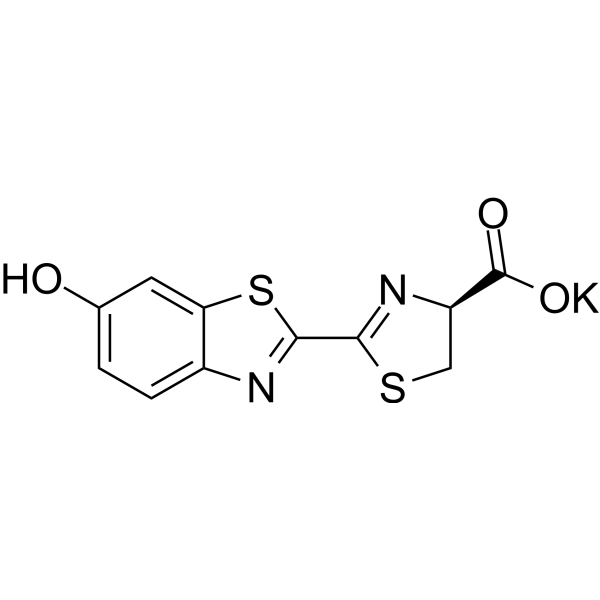
    D-Luciferin potassium
    Maximum Cited Publications
    110 Publications Verification

    D-(-)-Luciferin potassium; Firefly luciferin potassium; Beetle Luciferin potassium

    Fluorescent Dye Others
    D-luciferin potassium is the natural substrate of the enzyme luciferase (Luc) that catalyzes the production of the typical yellowgreen light of fireflies. The 560 nm chemiluminescence from this reaction peaks within seconds, with light output that is proportional to luciferase concentration when the substrate luciferin is present in excess. The luciferase (luc) gene is a popular reporter gene for research and agent screening. Chemiluminescent techniques are virtually background-free, making the luc reporter gene ideal for detecting low-level gene expression. As little as 0.02 pg of luciferase can be reliably measured in a standard scintillation counter. In addition to its role as a reporter of gene expression, luciferase is commonly used in an extremely sensitive assay for ATP . We offer the firefly luciferase (HY-P1004A), luciferin free acid (HY-12591A), as well as its water-soluble sodium salts (HY-12591) and potassium salts (HY-12591B) .
    D-Luciferin potassium
  • HY-12591
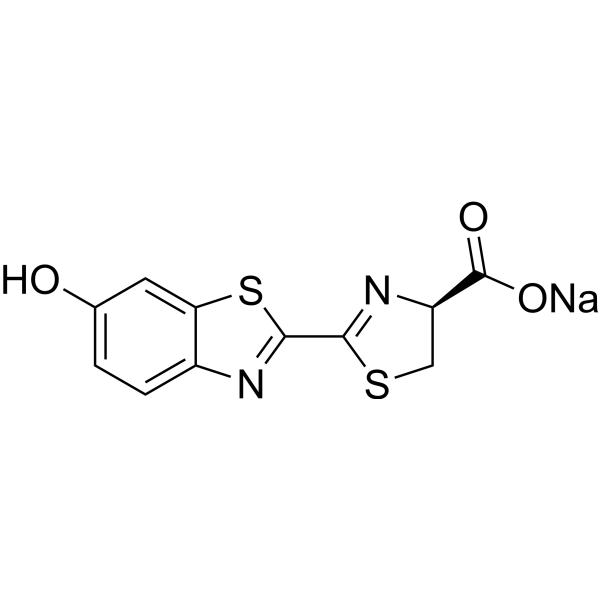
    D-Luciferin sodium
    Maximum Cited Publications
    110 Publications Verification

    D-(-)-Luciferin sodium; Firefly luciferin sodium; Beetle Luciferin sodium

    Fluorescent Dye Others
    D-luciferin sodium is the natural substrate of the enzyme luciferase (Luc) that catalyzes the production of the typical yellowgreen light of fireflies. The 560 nm chemiluminescence from this reaction peaks within seconds, with light output that is proportional to luciferase concentration when the substrate luciferin is present in excess. The luciferase (luc) gene is a popular reporter gene for research and agent screening. Chemiluminescent techniques are virtually background-free, making the luc reporter gene ideal for detecting low-level gene expression. As little as 0.02 pg of luciferase can be reliably measured in a standard scintillation counter. In addition to its role as a reporter of gene expression, luciferase is commonly used in an extremely sensitive assay for ATP . We of er the firefly luciferase (HY-P1004A), luciferin free acid (HY-12591A), as well as its water-soluble sodium salts (HY-12591) and potassium salts (HY-12591B) .
    D-Luciferin sodium
  • HY-12591A
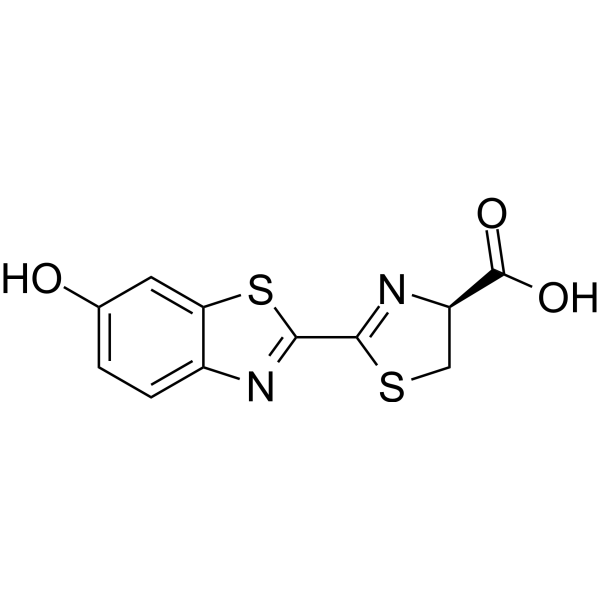
    D-Luciferin
    Maximum Cited Publications
    110 Publications Verification

    D-(-)-Luciferin; Firefly luciferin; Beetle Luciferin

    Fluorescent Dye Others
    D-luciferin is the natural substrate of the enzyme luciferase (Luc) that catalyzes the production of the typical yellowgreen light of fireflies. The 560 nm chemiluminescence from this reaction peaks within seconds, with light output that is proportional to luciferase concentration when the substrate luciferin is present in excess. The luciferase (luc) gene is a popular reporter gene for research and agent screening. Chemiluminescent techniques are virtually background-free, making the luc reporter gene ideal for detecting low-level gene expression. As little as 0.02 pg of luciferase can be reliably measured in a standard scintillation counter. In addition to its role as a reporter of gene expression, luciferase is commonly used in an extremely sensitive assay for ATP . We of er the firefly luciferase (HY-P1004A), luciferin free acid (HY-12591A), as well as its water-soluble sodium salts (HY-12591) and potassium salts (HY-12591B) .
    D-Luciferin
  • HY-124629
    DB2313
    5+ Cited Publications

    Apoptosis Cancer
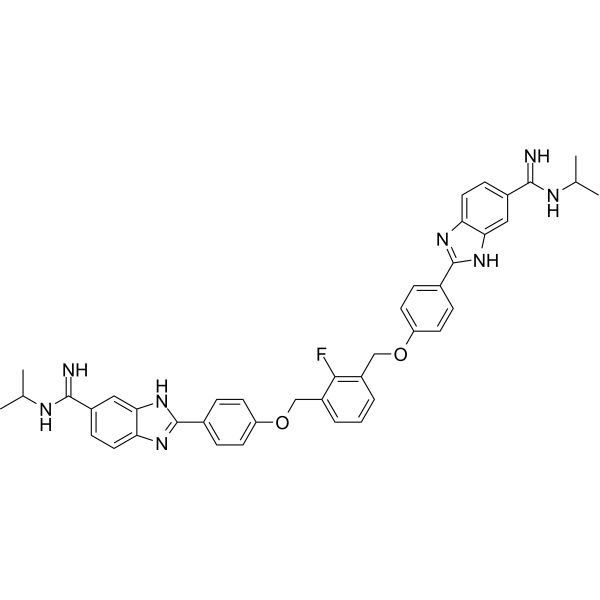
    DB2313 is a potent inhibitor of transcription factor PU.1. DB2313 inhibits PU.1-dependent reporter gene transactivation with an IC50 of 5 μM. DB2313 disrupts the interaction of PU.1 with target gene promoters. DB2313 induces apoptosis in acute myeloid leukemia (AML) cells and has anticancer effects .
    DB2313
  • HY-12276
    MALT1 inhibitor MI-2
    5+ Cited Publications

    MALT1 Cancer
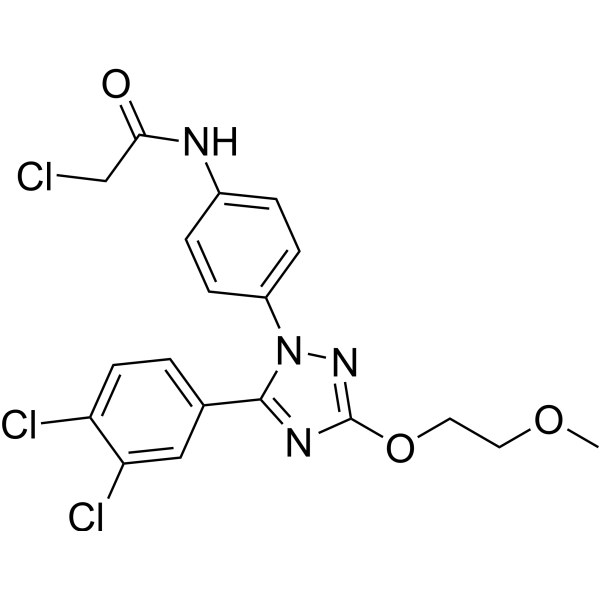
    MALT1 inhibitor MI-2 is a MALT1 inhibitor (IC50=5.84 μM). MALT1 inhibitor MI-2 binds directly to MALT1, irreversibly suppresses protease function and is accompanied by NF-κB reporter activity suppression, c-REL nuclear localization inhibition, and NF-κB target gene downregulation. MALT1 inhibitor MI-2 shows nontoxic to animals .
    MALT1 inhibitor MI-2
  • HY-137276

    Bluo-Gal

    Fluorescent Dye Glycosidase Others
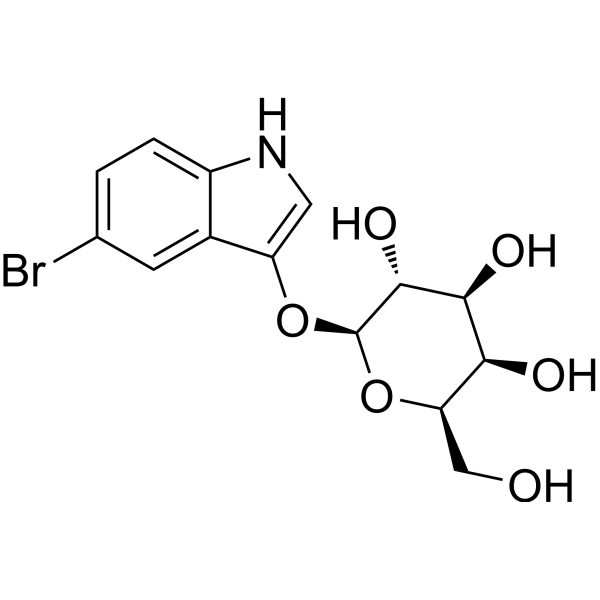
    5-Bromo-3-indolyl β-D-galactopyranoside (Bluo-Gal) is a chromogenic substrate for β-galactosidase. 5-Bromo-3-indolyl β-D-galactopyranoside is hydrolyzed by the enzyme to generate a 5-bromoindole intermediate, which is further oxidized to form an insoluble blue precipitate. 5-Bromo-3-indolyl β-D-galactopyranoside can specifically recognize bacterial β-galactosidases (such as the product of the Escherichia coli lacZ gene) and reacts at pH 7.4, making it suitable for light and electron microscopic observations. 5-Bromo-3-indolyl β-D-galactopyranoside can be used in histochemical detection of reporter gene expression in transgenic organisms, such as the localization analysis of β-galactosidase activity in mouse embryos or muscle tissues .
    5-Bromo-3-indolyl β-D-galactopyranoside
  • HY-107413

    BMS-649

    RAR/RXR Tyrosine Hydroxylase Cancer
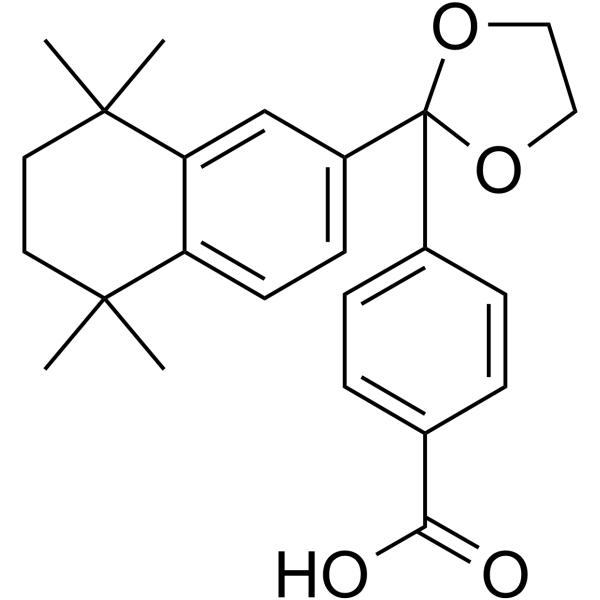
    SR11237 (BMS-649) GMP is SR11237 (HY-107413) produced by using GMP guidelines. GMP small molecules works appropriately as an auxiliary reagent for cell therapy manufacture. SR11237 is a RXR activator and lipid metabolism regulator that promotes the differentiation of induced neural stem cells into dopaminergic (TH-positive) neurons. SR11237 induces transcriptional regulation of lipogenic genes and cholesterol transporters, increases glycosaminoglycan release, and elevates total cellular triglyceride levels. SR11237 promotes heterodimerization of RXR with Nurr1, thereby enhancing tyrosine hydroxylase expression and facilitating dopamine release. SR11237 produces a synergistic effect when used in combination with bFGF/EGF. SR11237 is mainly used in studies related to osteoarthritis and Parkinson's disease .
    SR11237
  • HY-119264

    Molecular Glues Ras Apoptosis HIF/HIF Prolyl-Hydroxylase Cancer
    PRLX-93936 is a molecular Glues that binds to and reprograms the TRIM21 ubiquitin ligase to degrade nuclear pore complexes. PRLX-93936 binds to TRIM21, forms a ternary complex with TRIM21 and NUP98, and mediates the ubiquitination and proteasomal degradation of NUP98 and other nuclear pore complex proteins. PRLX-93936 induces the loss of short-lived cytoplasmic mRNA transcripts, triggers cancer cell apoptosis (Apoptosis), and inhibits the activated Ras pathway. PRLX-93936 inhibits HIF-1 under hypoxic conditions (IC50 = 0.09 μM in cell-based reporter gene assay). PRLX-93936 suppresses tumor growth in mouse models and improves survival rates in mouse models of multiple myeloma. PRLX-93936 is applicable to research related to pancreatic cancer and multiple myeloma .
    PRLX-93936
  • HY-170316

    Ras Cancer
    Ibetazol is a Importin β1 (KPNB1) inhibitor and nucleocytoplasmic transport disruptor. Ibetazol binds covalently to Cys585 of Importin β1, blocks both Importin β1-mediated direct transport and Importin α-dependent nuclear import processes, without affecting transport mediated by other nucleocytoplasmic transport proteins. Ibetazol induces cytoplasmic accumulation of Importin α1, and inhibits nuclear import of substrates carrying nuclear localization signals (NLS), including the NLS-cMyc reporter gene, RelA/p65 and SREBP1. Ibetazol triggers spindle malformation and chromosome misalignment by disrupting the mitotic function of Importin β1. Ibetazol inhibits the proliferation of cells expressing wild-type Importin β1. Ibetazol has a high activity-cytotoxicity window, lacks intrinsic fluorescence, and acts rapidly on nucleocytoplasmic transport processes. Ibetazol serves as a tool compound for investigating nuclear import processes specifically mediated by Importin β1 .
    Ibetazol
  • HY-P2528

    Fluorescent Dye Others
    Enhanced Green Fluorescent Protein (EGFP) (200-208) is a marker gene product derived from the jellyfish Aequorea Victoria. Enhanced Green Fluorescent Protein (EGFP) (200-208) is a common reporter protein and is easy to detect .
    Enhanced Green Fluorescent Protein (EGFP) (200-208)
  • HY-174497

    mRNA Others
    eGFP mRNA expresses green fluorescent protein derived from the jellyfish Aequorea victoria. eGFP is a commonly used direct-detection reporter gene in mammalian cell culture, which produces bright green fluorescence. This product is synthesized without modified nucleosides, with a Cap1 version cap analog at the 5' end and a 100nt PolyA tail at the 3' end. It can be used as a positive reference for IVT (in vitro transcription) or LNP delivery systems.
    eGFP mRNA
  • HY-153229
    Firefly luciferase mRNA-LNP
    1 Publications Verification

    mRNA Biochemical Assay Reagents Others
    Firefly luciferase mRNA-LNP is a lipid nanoparticle (LNP) containing firefly luciferase mRNA. Firefly luciferase mRNA-LNP exhibits a stable nanostructure, in which LNP plays a key role in effectively protecting and transporting mRNA to cells. Luciferase is a bioluminescent reporter gene for gene regulation and functional studies. Firefly Luciferase mRNA-LNP expresses firefly luciferase protein after entering the cells, which is often used for promoter activity detection or dual fluorescent molecular complementation experiments. Firefly luciferase mRNA-LNP is studied in research for RNA delivery, cell viability, and translation efficiency .
    Firefly luciferase mRNA-LNP
  • HY-16662

    DNA/RNA Synthesis Ras Apoptosis Cancer
    Oncrasin-1 is an RNA polymerase inhibitor. Oncrasin-1 suppresses the phosphorylation of the largest subunit of RNA polymerase II and the expression of intronless reporter genes in sensitive cells. Oncrasin-1 effectively kills various human lung cancer cells with K-Ras mutations. Oncrasin-1 leads to coaggregation of PKCι and splicing factors into megaspliceosomes. Oncrasin-1 induces malfunction in the RNA processing machinery. Oncrasin-1 is an anti-cancer agent and can therefore be studied in research for lung cancer .
    Oncrasin-1
  • HY-N1534
    Ponasterone A
    1 Publications Verification

    25-Deoxyecdysterone

    Others Others
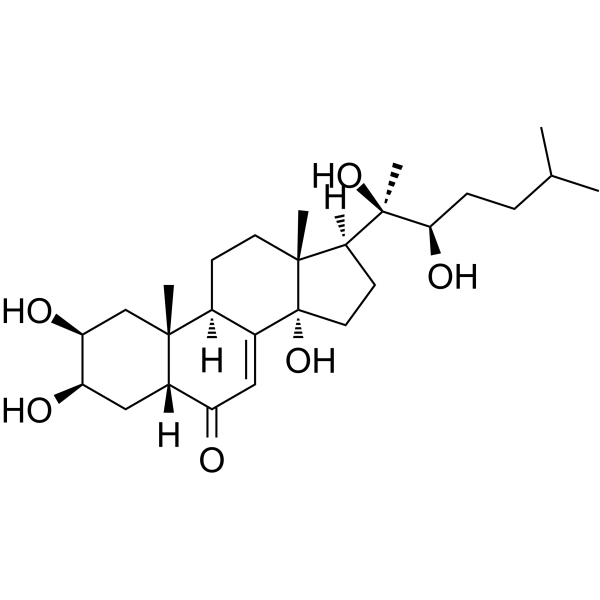
    Ponasterone A (25-Deoxyecdysterone), an ecdysteroid, has strong affinity for the ecdysone receptor. Ponasterone A is a potent regulator of gene expression in cells and transgenic animals, enabling reporter genes to be turned on and off rapidly .
    Ponasterone A
  • HY-148234

    Anaplastic lymphoma kinase (ALK) TGF-beta/Smad Cancer
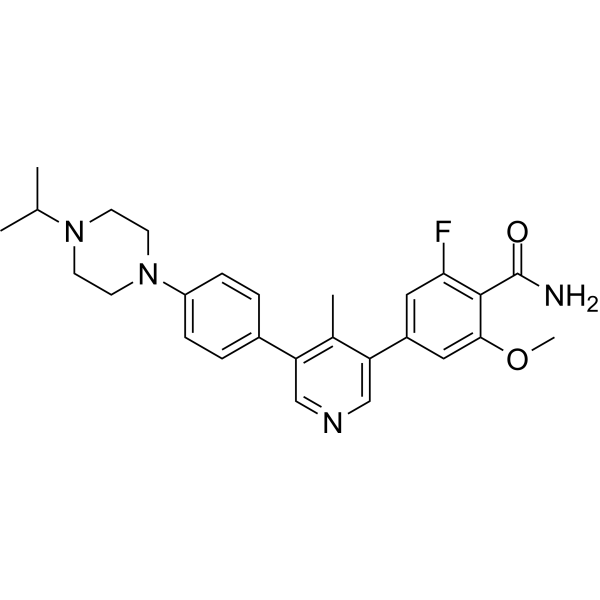
    M4K2234, a chemical probe, is an orally active, highly selective inhibitor of ALK1 and ALK2 with IC50 values of 7 nM and 14 nM, respectively. M4K2234 specifically blocks BMP signaling by inhibiting the phosphorylation of SMAD1/5/8. M4K2234 inhibits BMP7-stimulated reporter gene activity (IC50 = 16 nM). M4K2234 can be used for the investigation of ALK1/2-mediated biological processes and related diseases such as diffuse midline glioma (DMG) and fibrodysplasia ossificans progressiva (FOP) .
    M4K2234
  • HY-153232

    Fluorescent Dye Liposome Others
    eGFP circRNA-LNP is a lipid nanoparticle (LNP) containing eGFP circRNA, suitable for assays of RNA delivery, translation efficiency, cell viability, etc. eGFP circRNA carries Enhanced Green Fluorescent Protein (Enhanced Green Fluorescent Protein) eGFP, which will express green fluorescent protein after entering the cell. eGFP is commonly used as a reporter gene detectable by fluorescence microscopy or flow cytometry .
    eGFP circRNA-LNP
  • HY-123148

    LXR Inflammation/Immunology
    IMB-808 is a potent LXRα/β dual agonist with EC50 values of 0.53 μM and 0.15 μM (0.15 μM, using GAL4-pGL4-luc reporter plasmid) for LXRβ and LXRα, respectively. IMB-808 promotes expression of genes related to reverse cholesterol transport (ABCA1 and ABCG1). IMB-808 can be used for the study of atherosclerosis research .
    IMB-808
  • HY-164288

    TDI-006570

    Cyclic GMP-AMP Synthase STING Neurological Disease Inflammation/Immunology
    TDI-6570 (TDI-006570) is a blood-brain barrier-permeable, orally active cGAS inhibitor with an IC50 of 1.64 μM. TDI-6570 exhibits high gastrointestinal absorption and a long brain half-life in mice, and shows no toxicity to primary neurons. By inhibiting the cGAS-STING-IFN signaling pathway, TDI-6570 reduces STING levels and the activation of TBK1, blocks double-stranded DNA-induced cGAS activation and downstream interferon-stimulated gene expression, thereby reducing tau protein spread and improving synaptic loss. TDI-6570 reverses memory deficits, increases the amplitude of long-term potentiation, enhances the MEF2C transcriptional network, restores PSD-95 and vGAT punctate structures, and significantly improves cognitive resilience. TDI-6570 can be applied to the research of Alzheimer's disease, Parkinson's disease, systemic lupus erythematosus, as well as various central nervous system and autoimmune diseases .
    TDI-6570
  • HY-156190A

    Orphan Nuclear Receptor Cancer
    NR2F2-IN-1 (free base) is a potent and selective orphan nuclear receptor COUP-TFII (NR2F2) inhibitor. NR2F2-IN-1 (free base) substantially inhibits COUP-TFII–driven NGFIA reporter expression. NR2F2-IN-1 (free base) directly binds to the COUP-TFII ligand-binding domain and disrupts COUP-TFII interaction with transcription regulators, including FOXA1, thus repressing COUP-TFII activity on target gene regulation .
    NR2F2-IN-1 free base
  • HY-119264A

    Molecular Glues Apoptosis Ras HIF/HIF Prolyl-Hydroxylase Cancer
    PRLX-93936 dihydrochloride is a molecular Glues that binds to and reprograms the TRIM21 ubiquitin ligase to degrade nuclear pore complexes. PRLX-93936 dihydrochloride binds to TRIM21, forms a ternary complex with TRIM21 and NUP98, and mediates the ubiquitination and proteasomal degradation of NUP98 and other nuclear pore complex proteins. PRLX-93936 dihydrochloride induces the loss of short-lived cytoplasmic mRNA transcripts, triggers cancer cell apoptosis (Apoptosis), and inhibits the activated Ras pathway. PRLX-93936 dihydrochloride inhibits HIF-1 under hypoxic conditions (IC50 = 0.09 μM in cell-based reporter gene assay). PRLX-93936 dihydrochloride suppresses tumor growth in mouse models and improves survival rates in mouse models of multiple myeloma. PRLX-93936 dihydrochloride is applicable to research related to pancreatic cancer and multiple myeloma .
    PRLX-93936 dihydrochloride
  • HY-134258

    HOXA Cardiovascular Disease Others Cancer
    MEISi-1 is a homeodomain inhibitor of small molecule MEIS1 protein. MEISi-1 significantly inhibited the activity of luciferase reporter genes containing MEIS binding sites (TGACAG) and induced self-renewal of mouse and human HSCS in vitro and in vivo. MEISi-1 can be used for research in blood diseases, heart regeneration and cancer .
    MEISi-1
  • HY-171493

    Biochemical Assay Reagents Others
    mCherry mRNA(N1-Me-Pseudo UTP) is a reporter mRNA encoding a red fluorescent protein, suitable for gene expression analysis, cell viability assays, and in vivo imaging. mCherry, derived from mushroom coral, is a widely used red fluorescent protein tracer in biotechnology applications.
    mCherry mRNA(N1-Me-Pseudo UTP)
  • HY-160552

    Liposome Others
    244cis, a piperazine-containing ionizable cationic lipid, has been used to generate lipid nanoparticles (LNPs). LNPs containing 244cis and coated with mRNA reporter gene were specifically accumulated in mouse lungs compared with LNPs containing SM-102. Induces a decrease in serum chemokine (C-C motif) ligand 2 (CCL2) levels .
    244cis
  • HY-137779

    Biochemical Assay Reagents Others
    5-Bromo-4-chloro-3-indolyl β-D-glucopyranoside, a chromogenic substrate for the detection of β-galactosidase activity. It is commonly used in molecular biology techniques such as gene expression analysis and reporter gene analysis. When β-galactosidase cleaves X-Gluc, a blue precipitate is produced, which can be observed by microscopy or other detection methods. X-Gluc has high sensitivity and specificity for the detection of β-galactosidase activity, making it a widely used tool in molecular biology research.
    5-Bromo-4-chloro-3-indolyl β-D-glucopyranoside
  • HY-118438

    Aryl Hydrocarbon Receptor Inflammation/Immunology
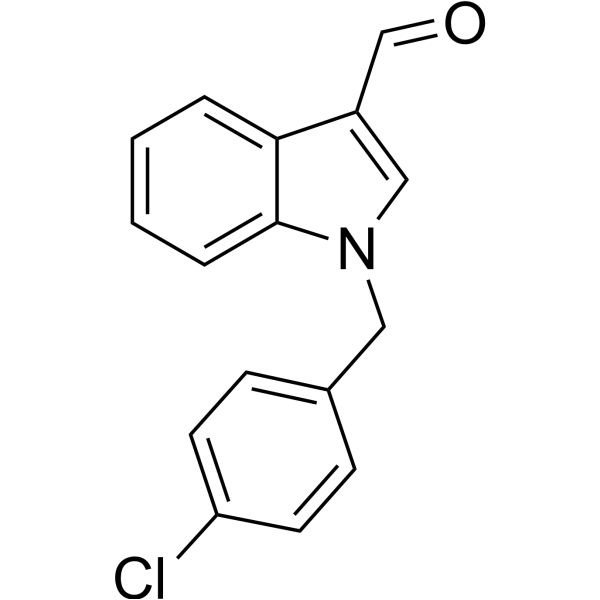
    10-Cl-BBQ is a high affinity AhR ligand with immunosuppressive activity. 10-Cl-BBQ promotes cytosol to nuclear translocation of AhR and activates the AhR-regulated reporter gene at nanomolar concentrations .
    10-Cl-BBQ
  • HY-153231A

    Fluorescent Dye Liposome Others
    eGFP mRNA-LNP (500 ng/μL) is a lipid nanoparticle (LNP) containing eGFP mRNA. eGFP mRNA-LNP carries Enhanced Green Fluorescent Protein (eGFP), which will express green fluorescent protein after entering the cell. eGFP is commonly used as a reporter gene detectable by fluorescence microscopy or flow cytometry (excitation wavelength = 488 nm; emission wavelength = 535/40 bandpass). eGFP mRNA-LNP can be used for RNA delivery, translation efficiency and cell viability .
    eGFP mRNA-LNP (500 ng/μL)
  • HY-15935

    β-glucuronidase Fluorescent Dye Others
    X-Gluc Dicyclohexylamine is a dye reagent for the detection of β-glucuronidase, an enzyme produced by Escherichia coli. X-Gluc sodium can be used to detect E. coli contamination in food, water and the urinary tract. X-Gluc sodium is also widely used in molecular biology experiments to label and detect the expression of target genes (GUS reporter system) .
    X-Gluc Dicyclohexylamine
  • HY-111509

    ROR Inflammation/Immunology
    TAK-828F is a potent, selective, and orally available retinoic acid receptor-related orphan receptor γt (RORγt) inverse agonist (binding IC50=1.9 nM, reporter gene IC50=6.1 nM). TAK-828F shows excellent RORγt isoforms selectivity (>5000-fold selectivity against human RORα and RORβ) .
    TAK-828F
  • HY-W181026

    Fluorescent Dye Inflammation/Immunology
    KLF10-IN-1 (#48-15) is a KLF10 inhibitor with an IC50 value of 40 μM for KLF10 reporter gene. KLF10-IN-1 can inhibit KLF10-DNA binding and transcriptional activity, block the conversion of CD4+CD25 T cells to CD4+CD25+T regulatory cells, and inhibit the expression of KLF10 target genes. KLF10-IN-1 can be used as a useful mechanistic probe to study KLF10-mediated effects and T regulatory cell biology .
    KLF10-IN-1
  • HY-125980
    LX-3
    1 Publications Verification

    p38 MAPK Cancer
    LX-3 is a selective activator of the p38 MAPK signaling pathway and activates EGFP reporter genes that are silenced by DNA methylation, such as TNF, EGR1, LY6K, and ISG20 .
    LX-3
  • HY-161346A

    PROTACs Epigenetic Reader Domain Cancer
    (Rac)-EBET-1055 is the racemate of EBET-1055 (HY-161346). EBET-1055 is a bromodomain and extra-terminal (BET) PROTAC degrader. EBET-1055 effectively inhibits the growth of pancreatic ductal adenocarcinoma (PDAC). EBET-1055 also simultaneously modulates cancer-associated fibroblast (CAF) activity, upregulating all reporter gene activities in organoid co-cultures .
    (Rac)-EBET-1055
  • HY-161346

    PROTACs Epigenetic Reader Domain Cancer
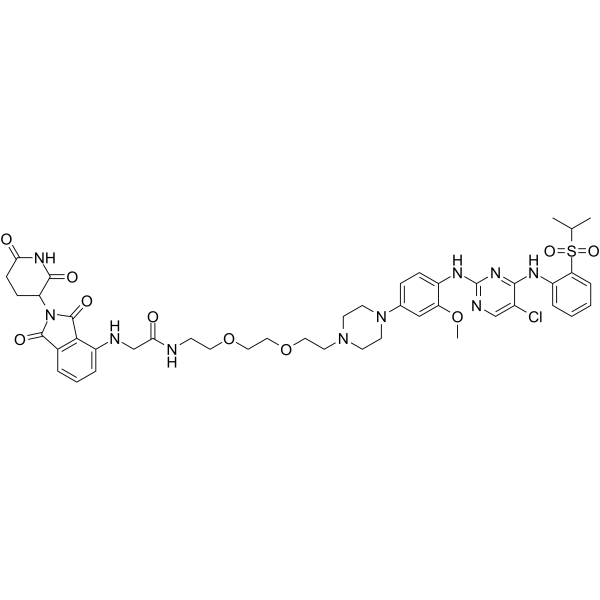
    EBET-1055 is a bromodomain and extra-terminal (BET) PROTAC degrader. EBET-1055 effectively inhibits the growth of pancreatic ductal adenocarcinoma (PDAC). EBET-1055 also simultaneously modulates cancer-associated fibroblast (CAF) activity, upregulating all reporter gene activities in organoid co-cultures . Pink: BET ligand (HY-161387); Blue: CRBN ligase ligand (HY-14658); Black: linker
    EBET-1055
  • HY-156190

    Orphan Nuclear Receptor Cancer
    NR2F2-IN-1 (CIA1) is a potent and selective orphan nuclear receptor COUP-TFII (NR2F2) inhibitor. NR2F2-IN-1 substantially inhibits COUP-TFII-driven NGFIA reporter expression. NR2F2-IN-1 directly binds to the COUP-TFII ligand-binding domain and disrupts COUP-TFII interaction with transcription regulators, including FOXA1, thus repressing COUP-TFII activity on target gene regulation .
    NR2F2-IN-1
  • HY-121255

    (R)-Cryptopleurine; NSC 19912

    TMV Cancer
    (–)-Cryptopleurine is an alkaloid that has been found in Lauraceae and has diverse biological activities. It inhibits the growth of human A375 melanoma, A431 epidermoid carcinoma, A549 lung, MES-SA uterine sarcoma, and MCF-7 breast cancer cells (IC50=3 nM for all).2 (–)-Cryptopleurine inhibits hypoxia-induced gene expression in a hypoxia response element (HRE) reporter assay (IC50=8.7 nM).3 (–)-Cryptopleurine (500 μg/mL) prevents lesion formation in tobacco (N. tabacum) plants infected with tobacco mosaic virus (TMV). It also inhibits protein synthesis by yeast and mammalian ribosomes.
    (-)-Cryptopleurine
  • HY-174795

    mRNA Others
    mCherry mRNA encodes the mCherry fluorescent protein, which is derived from Anaplasma marginale. mCherry can be used as a fluorescent tracer in transfection and transgenic experiments or as a reporter of gene expression.
    mCherry mRNA
  • HY-174789

    mRNA Others
    Gaussia luciferase (GLuc) mRNA will express a luciferase protein, derived from the Gaussia princeps. luciferases are widely used in biotechnology, for microscopy and as reporter genes, for many of the same applications as fluorescent proteins.
    Gaussia luciferase mRNA
  • HY-114636

    Insecticide Others
    RG-102240 is a ligand for insect ecdysone receptor (EcR), with IC50 of 85 and 13 nM, in wildtype G:CfE(DEF) and its A110P mutant. RG-102240 induces the reporter gene activity of wild-type CfEcR and A110P mutant .
    RG-102240
  • HY-115734

    S14-95

    Acyltransferase Inflammation/Immunology
    Phenylpyropene C (S14-95), a JAK/STAT pathway inhibitor, can inhibit IFN-γ mediated expression of the reporter gene (IC50=5.4~10.8 μM). Phenylpyropene C also is an inhibitor of acyl-CoA, with an IC50 of 16.0 μM .
    Phenylpyropene C
  • HY-12316R
    20(S)-Hydroxycholesterol (Standard)
    3 Publications Verification

    20α-Hydroxycholesterol (Standard)

    Reference Standards Smo Endogenous Metabolite Cancer
    20(S)-Hydroxycholesterol (Standard) is the analytical standard of 20(S)-Hydroxycholesterol. This product is intended for research and analytical applications. 20(S)-hydroxyCholesterol (20α-Hydroxycholesterol) is an allosteric activator of the oncoprotein smoothened (Smo) that activates the hedgehog (Hh) signaling pathway with an EC50 of 3 μM in a gene transcription reporter assay using NIH3T3 cells .
    20(S)-Hydroxycholesterol (Standard)
  • HY-160689

    UNC10112731

    c-Myc c-Kit Discoidin Domain Receptor PDGFR Others
    GW694590A (UNC10112731) is a MYC protein stabilizer that increases endogenous MYC protein levels. GW694590A also targets receptor tyrosine kinases, inhibiting DDR2, KIT and PDGFRα by 81% at 1 μM. , 68% and 67%. GW694590A is a protein kinase inhibitor across ATP-dependent and -independent luciferases with potential effects on the Fluc reporter gene .
    GW694590A
  • HY-124826

    NSC 109268

    β-catenin Cancer
    BC21 (NSC 109268) is a β-catenin/Tcf4 inhibitor with an IC50 of 5 μM. BC21 effectively inhibits the binding of β-catenin to Tcf4-derived peptides and suppresses β-catenin/Tcf4-driven reporter gene activity. BC21 can be utilized in cancer research .
    BC21
  • HY-163327

    Biochemical Assay Reagents Neurological Disease
    pFBC ([ 18F]pEBC) is a covalent CLIP-tag radiotracer for detection of viral reporter gene transfer in the murine brain. pFBC can be used in neurobiological research .
    pFBC
  • HY-174483

    mRNA Others
    Renilla luciferase (RLuc) mRNA (5moU) will express a luciferase protein, originally isolated from the Renilla muelleri (Sea pansy). Luciferases are widely used in biotechnology, for microscopy and as reporter genes, for many of the same applications as fluorescent proteins.
    Renilla luciferase mRNA (5moU)
  • HY-125096

    Glucocorticoid Receptor Metabolic Disease Inflammation/Immunology
    C108297 is a selective glucocorticoid receptor (GR) modulator (GR binding Ki 0.7 nM; GR reporter gene functional Ki 0.6 nM). C108297 attenuates obesity by reducing caloric intake and increasing lipolysis and fat oxidation, and in addition attenuates inflammation .
    C108297
  • HY-122017

    TC-132

    Hedgehog Cancer
    Methoxy-SANT-2 (TC-132) is a potent hedgehog antagonist with an IC50 value of 79.8 nM. Methoxy-SANT-2 inhibits the Gli1 reporter gene expression. Methoxy-SANT-2 has the potential for the research of cancer .
    Methoxy-SANT-2
  • HY-139855

    HIF/HIF Prolyl-Hydroxylase Metabolic Disease
    ZG-2033 (Compound 26) is an orally active HIF-2α agonist that demonstrates nanomolar activity in luciferase reporter gene assays (EC50 = 490 nM). ZG-2033 has the effect of alleviating anemia and exhibits synergistic action with AKB-6548 (HY-101277) in anemia, and can be used in the study of renal anemia .
    ZG-2033
  • HY-147705

    PPAR Metabolic Disease
    PPARγ phosphorylation inhibitor 1 (Compound 10) is a potent PPARγ binder with the IC50 of 24 nM. PPARγ phosphorylation inhibitor 1 inhibits CDK5-mediated phosphorylation of PPARγ Ser273 with the IC50 of 160 nM. PPARγ phosphorylation inhibitor 1 displays negligible PPARγ agonism in a reporter gene assay. Antidiabetic effects .
    PPARγ phosphorylation inhibitor 1
  • HY-153230

    Liposome Biochemical Assay Reagents Others
    Firefly luciferase circRNA-LNP is a lipid nanoparticle (LNP) containing Firefly luciferase circRNA, suitable for assays of RNA delivery, translation efficiency, cell viability, etc. Luciferase is commonly used as a bioluminescent reporter gene for gene regulation and function studies. Firefly Luciferase circRNA will express firefly luciferase protein after entering the cells, which is often used for promoter activity detection or dual fluorescent molecular complementation experiments. Common luciferase are firefly luciferase and sea kidney luciferase .
    Firefly luciferase circRNA-LNP
  • HY-173641

    Molecular Glues Histone Acetyltransferase BCL6 Cancer
    MNN-02-155 is a bivalent molecular glue with with dual binding to p300/CBP and BCL6. MNN-02-155 induces potent activation of the BCL6-target reporter gene and cell death. MNN-02-155 can be used for the study of diffuse large B cell lymphomas (DLBCLs) .
    MNN-02-155
  • HY-121888

    PPAR Metabolic Disease
    20-HEPE is a metabolite of eicosapentaenoic acid formed by ω-oxidation of EPA by cytochrome P450 (CYP) ω-oxidases, including human CYP4F3B. At 10 μM, it activates peroxisome proliferator-activated receptor α (PPARα) in COS-7 cells expressing a luciferase reporter gene. 20-HEPE also activates mouse transient receptor potential vanilloid receptor 1 (mTRPV1) in vitro but lacks analgesic activity in rats.
    20-HEPE

Inquiry Online

Your information is safe with us. * Required Fields.

Salutation


Country or Region *

Applicant Name *


Organization Name *

Department *


Email Address *


Product Name *

Cat. No.


Requested quantity *

Phone Number *


Remarks

Inquiry Online

Inquiry Information

Product Name:
Cat. No.:
Quantity:
MCE Japan Authorized Agent:

