



DB2313
Based on 7 publication(s) in Google Scholar
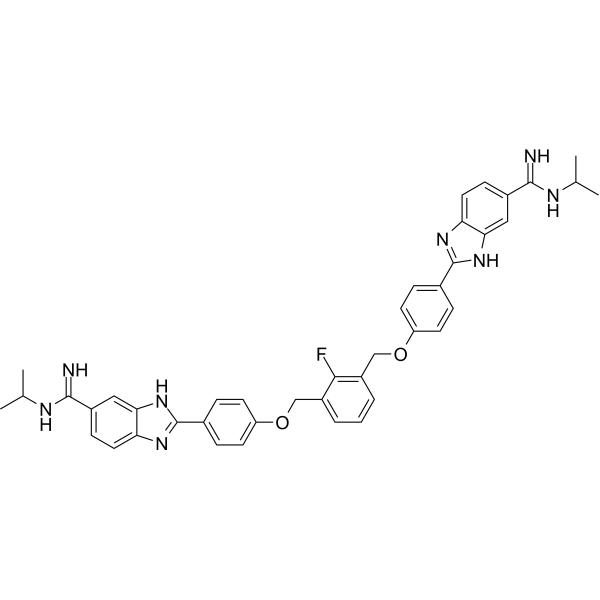
DB2313 is a potent inhibitor of transcription factor PU.1. DB2313 inhibits PU.1-dependent reporter gene transactivation with an IC50 of 5 μM. DB2313 disrupts the interaction of PU.1 with target gene promoters. DB2313 induces apoptosis in acute myeloid leukemia (AML) cells and has anticancer effects.
For research use only. We do not sell to patients.
- Purity : 99.48%
- CAS No.: 2170606-74-1
- Formula: C42H41FN8O2
- Molecular Weight:708.83
-
Storage:Powder -20°C, 3 years , 4°C, 2 years ; In solvent -80°C, 6 months , -20°C, 1 month

To place orders, for customer services and technical support, please contact: MedChemExpress USA
Tel: 609-228-6898 E-mail: [email protected] [email protected]


-
 Biological Activity
-
Chemical Information
-
Solvent & Solubility
- Protocols
- Purity & Documentation
- References
-
 Help & FAQs


-
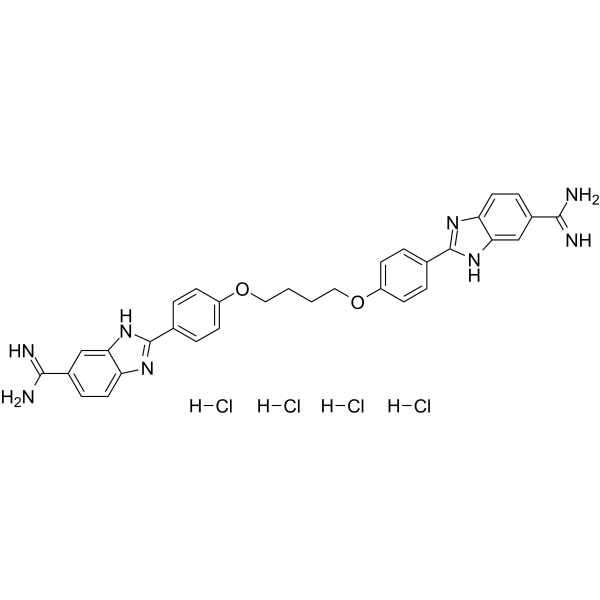
HY-124676A
DB2115 tertahydrochloridePU. 1 Inhibitor -
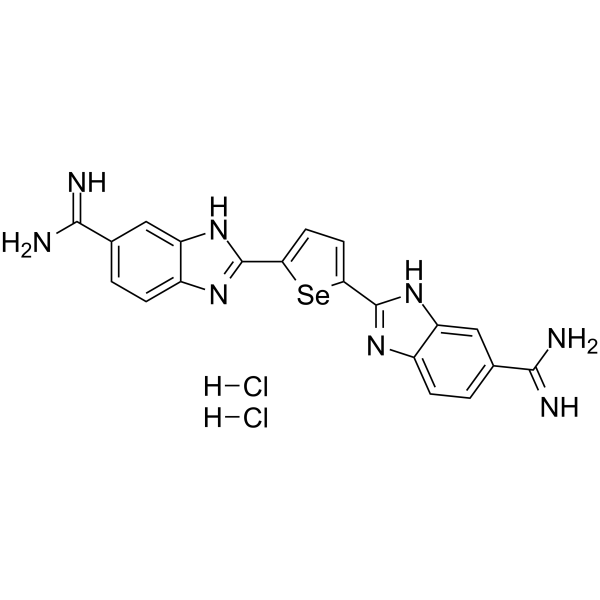
HY-135797A
DB1976 dihydrochloridePU.1 Inhibitor -
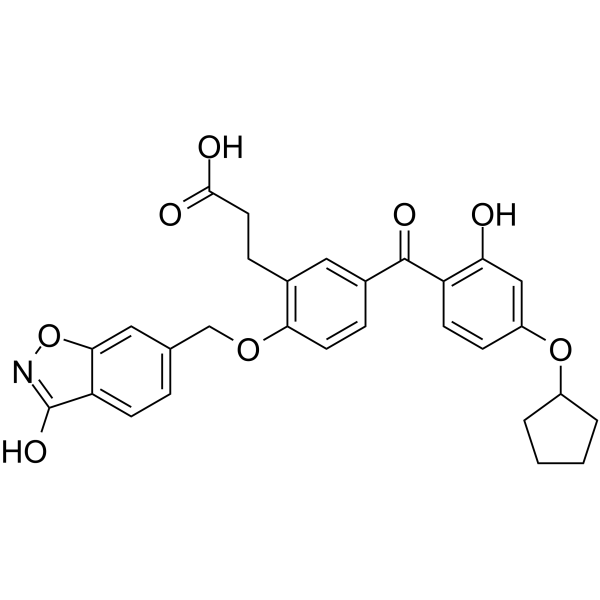
HY-12270
T-5224c-Fos/AP-1 Inhibitor -
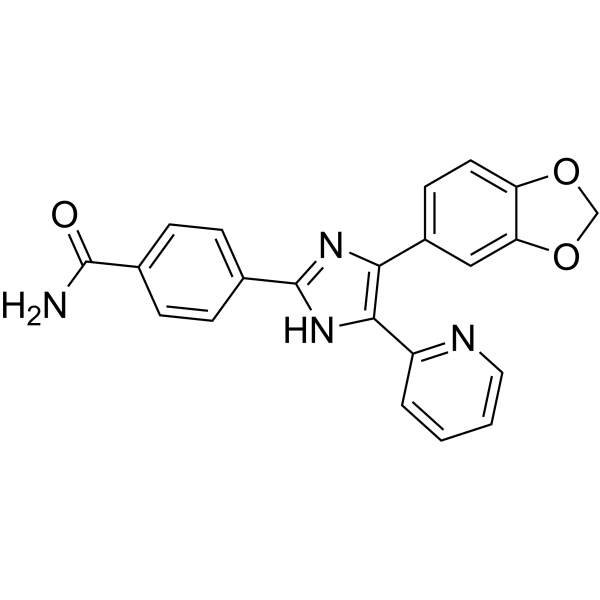
HY-10431
SB-431542TGF-β Receptor Kinase Inhibitor -
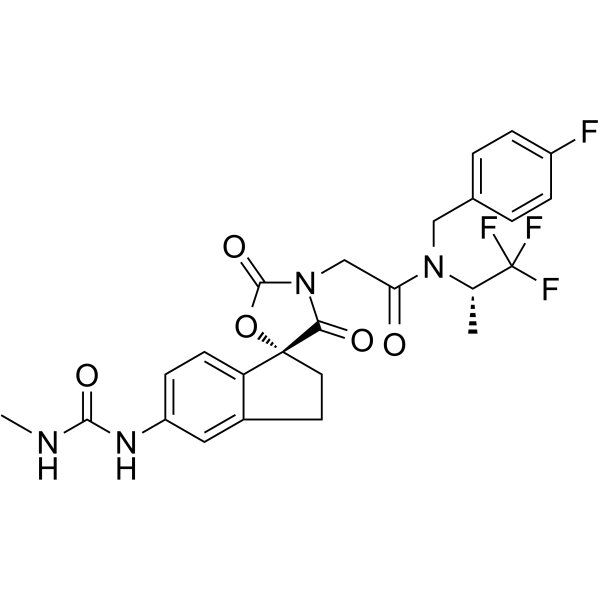
HY-107455
A-485p300/CBP Inhibitor -
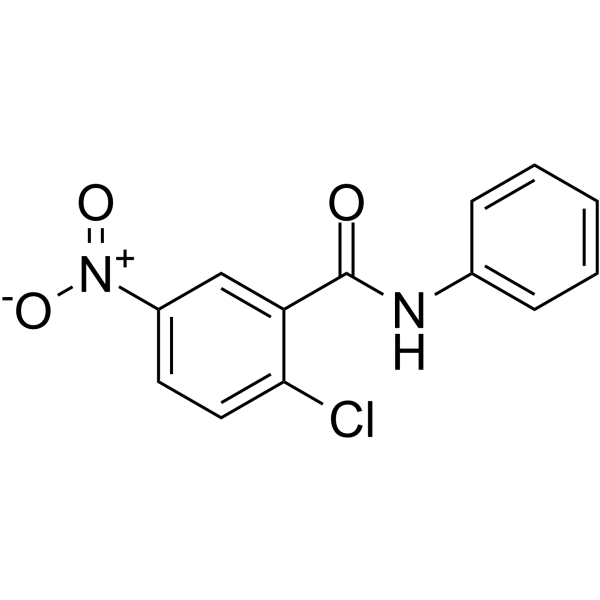
HY-16578
GW9662PPARγ Antagonist -
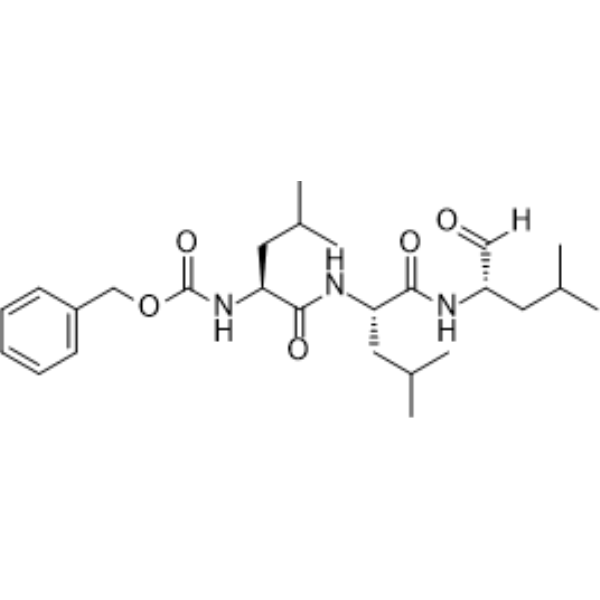
HY-13259
MG-132Proteasome Inhibitor -
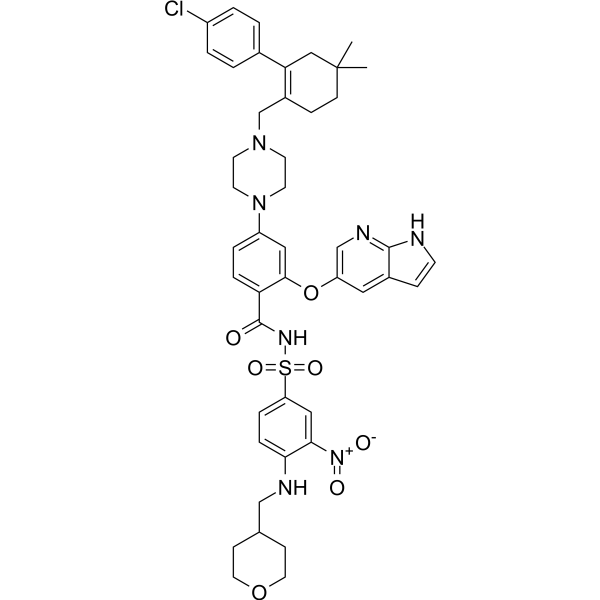
HY-15531
VenetoclaxBCL-2 Inhibitor -
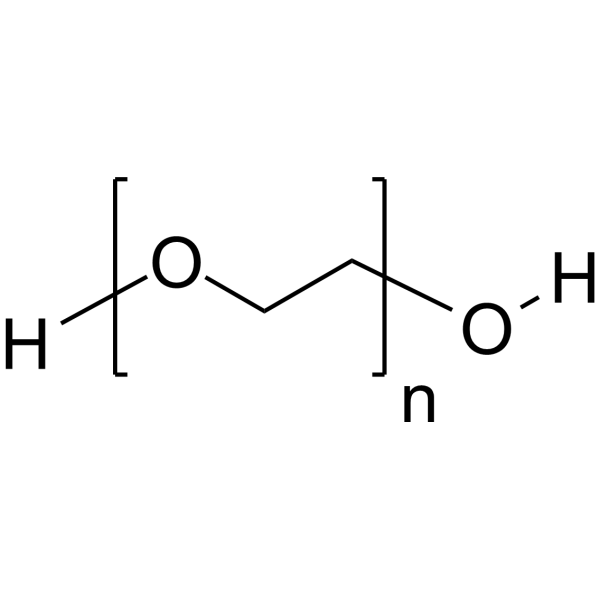
HY-Y0873
PEG300Neutral Polymer -
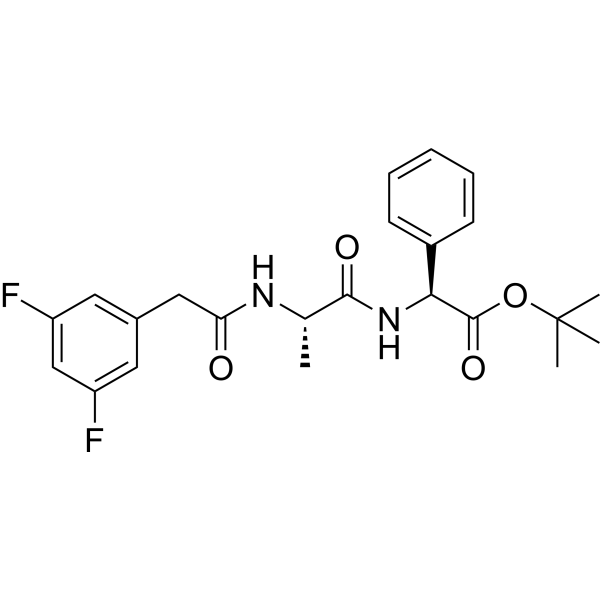
HY-13027
DAPTγ-secretase Inhibitor -
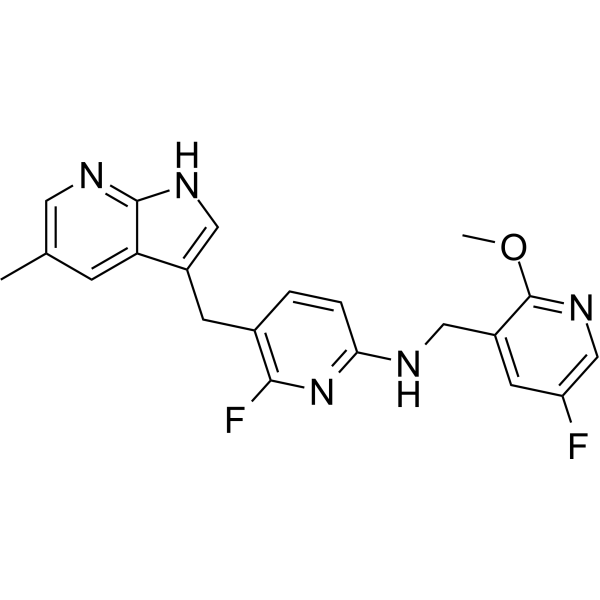
HY-114153
PLX5622CSF1R Inhibitor -
HY-N6733
AphidicolinDNA Polymerase Inhibitor
Publications Citing Use of MedChemExpress (MCE) DB2313
More- Ann Rheum Dis. 2024 Aug 20:ard-2024-226067. [Abstract]
- Nat Commun. 2026 Feb 24;17(1):3123. [Abstract]
- Nat Commun. 2025 Aug 4;16(1):7134. [Abstract]
- Adv Sci (Weinh). 2025 Jun;12(21):e2415205. [Abstract]
- Chem Biol Interact. 2024 Dec 1:404:111262. [Abstract]
- J Craniofac Surg. 2026 Mar 2. [Abstract]
- McGill University. 2026.
 Customer Validation & Images

-
RT-PCR
-
ELISA
-
Flow Cytometry
-
Flow Cytometry
-
Histological Imaging/Staining


Biological Activity
Description
IC50 & Target
IC50: 14 nM (PU.1)[1]
In Vitro
DB2313 treatment leads to a profound decrease in the growth of PU.1 URE–/– acute myeloid leukemia (AML) cells (IC50 of 7.1 μM), while showing little effect on normal hematopoietic cells at similar concentrations. DB2313 treatment leads to a 3.5-fold increase in apoptotic cells in murine PU.1 URE–/– AML cells. DB2313 also leads to a significant decrease in clonogenicity in the second and third rounds of plating and a complete disruption of clonogenic capacity in the fourth and higher rounds of plating[1].
In AML cells, DB2313 decreases PU.1 occupancy on E2f1, Junb, and Csf1r promoters[1].
MedChemExpress (MCE) has not independently confirmed the accuracy of these methods. They are for reference only. Further protocols information, click here.
In Vivo
MedChemExpress (MCE) has not independently confirmed the accuracy of these methods. They are for reference only.
-
Animal Model:NSG mice bearing sublethally irradiated (2.0 Gy) and injection with PU.1 URE–/– AML cells[1]
-
Dosage:17 mg/kg
-
Administration:Intraperitoneal injection; three times per week; for 3 weeks
-
Result:Decreased tumor burden and resulted in increased survival.


Chemical Information
-
CAS No. 2170606-74-1
-
Appearance Solid
-
Molecular Weight 708.83
-
Formula C42H41FN8O2
-
Color Off-white to gray
-
SMILES
FC1=C(COC2=CC=C(C3=NC4=CC=C(C(NC(C)C)=N)C=C4N3)C=C2)C=CC=C1COC5=CC=C(C6=NC7=CC=C(C(NC(C)C)=N)C=C7N6)C=C5
-
Shipping
Room temperature in continental US; may vary elsewhere.
-
Storage
Powder -20°C 3 years 4°C 2 years In solvent -80°C 6 months -20°C 1 month


Publications (7)
-
Journal Impact Factor
-
Most Recent
-
Ann Rheum Dis
2024 Aug 20:ard-2024-226067. PMID: 39164066
DB2313 purchased from MedChemExpress. Usage Cited in: Ann Rheum Dis. 2024 Aug 20:ard-2024-226067. [Abstract]
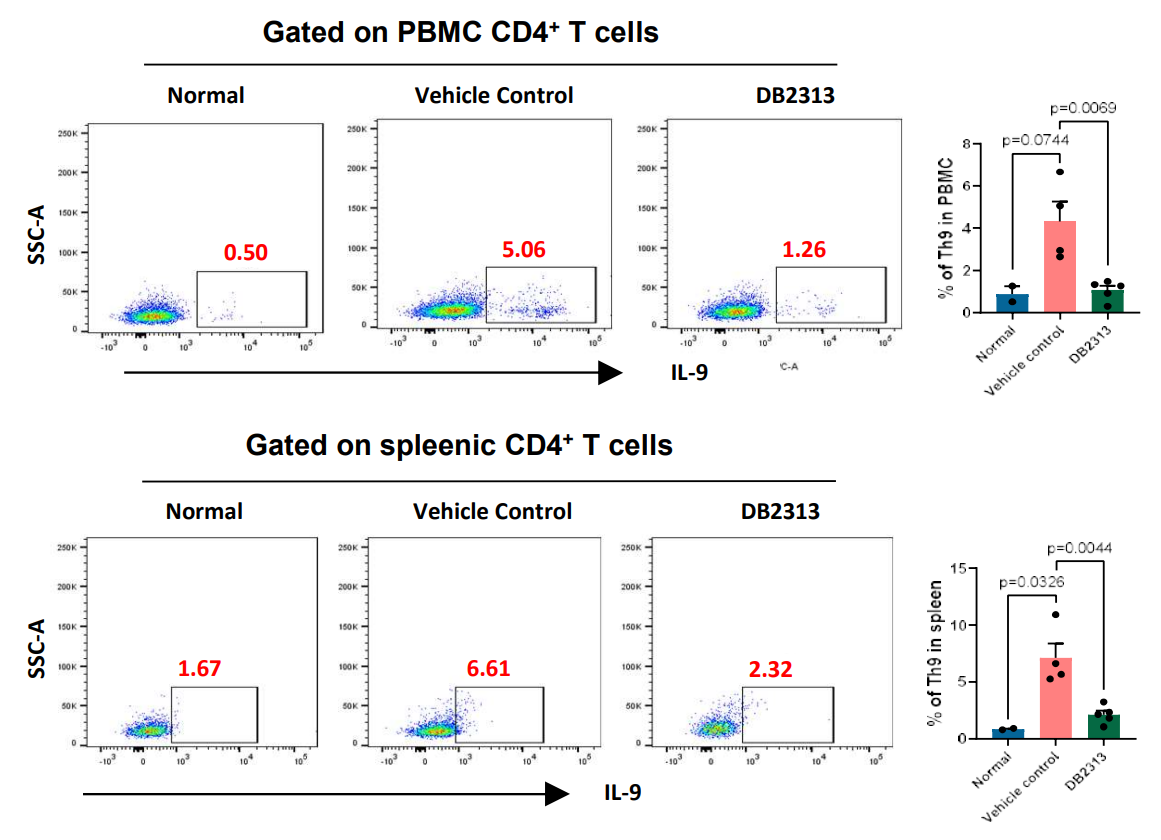
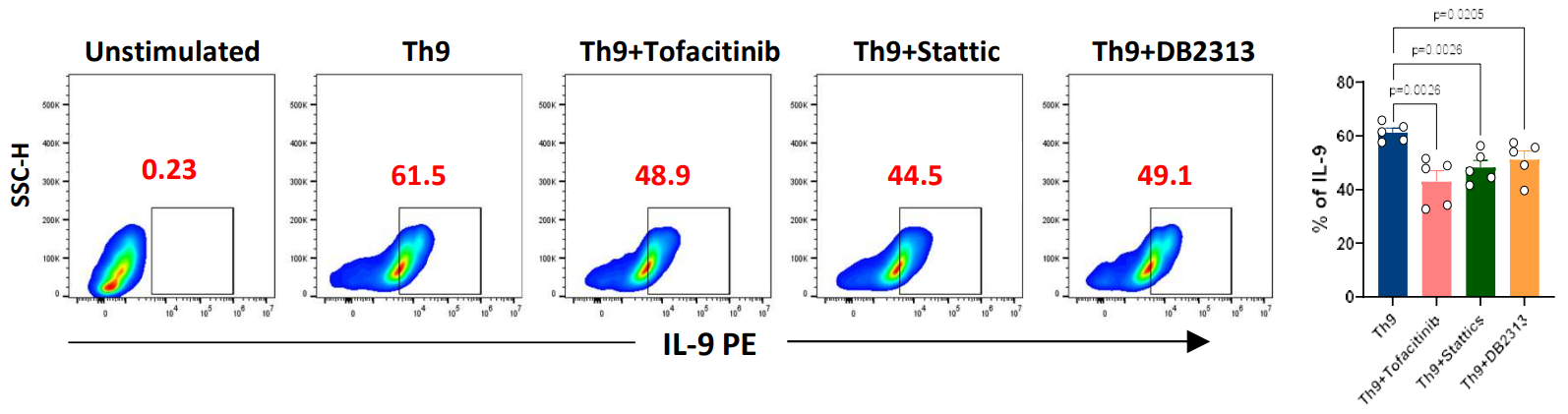
DB2313 (0.3 mg; i.p.; once every 3 d) downregulated IL-9 expression and the proportions of Th9 cells in the spleen and PBMCs of collagen-induced arthritis (CIA) mice.
DB2313 purchased from MedChemExpress. Usage Cited in: Ann Rheum Dis. 2024 Aug 20:ard-2024-226067. [Abstract]
PU.1 inhibitor DB2313 (0.3 mg; i.p.; once every 3 d) suppressed IL-9 release from Th9 cells of collagen-induced arthritis (CIA) mice.
DB2313 purchased from MedChemExpress. Usage Cited in: Ann Rheum Dis. 2024 Aug 20:ard-2024-226067. [Abstract]
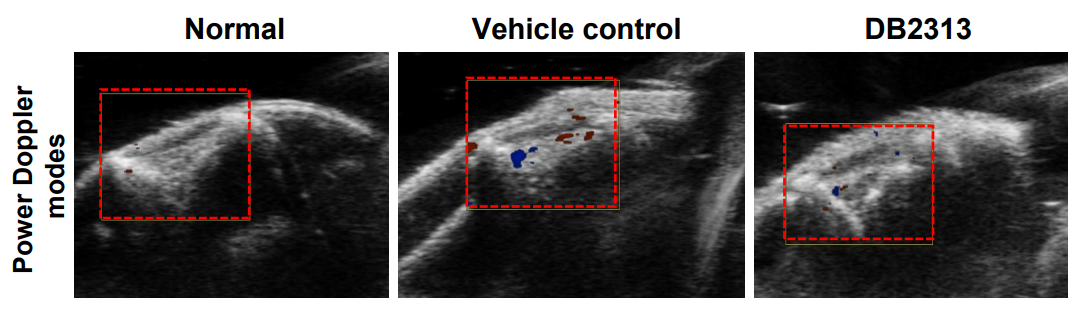
Effect of PU.1 inhibitor DB2313 (0.3 mg; i.p.; once every 3 d) on joint neovascularization in collagen-induced arthritis (CIA) mice.
-
Nat Commun
DNA-PK-mediated phosphorylation of STAT6 establishes a non-canonical type 2 immunity axis to prevent macrophage senescence. [Abstract]2026 Feb 24;17(1):3123. PMID: 41735318 -
Nat Commun
Unveiling genetic signatures of immune response in immune-related diseases through single-cell eQTL analysis across diverse conditions. [Abstract]2025 Aug 4;16(1):7134. PMID: 40759647
DB2313 purchased from MedChemExpress. Usage Cited in: Nat Commun. 2025 Aug 4;16(1):7134. [Abstract]
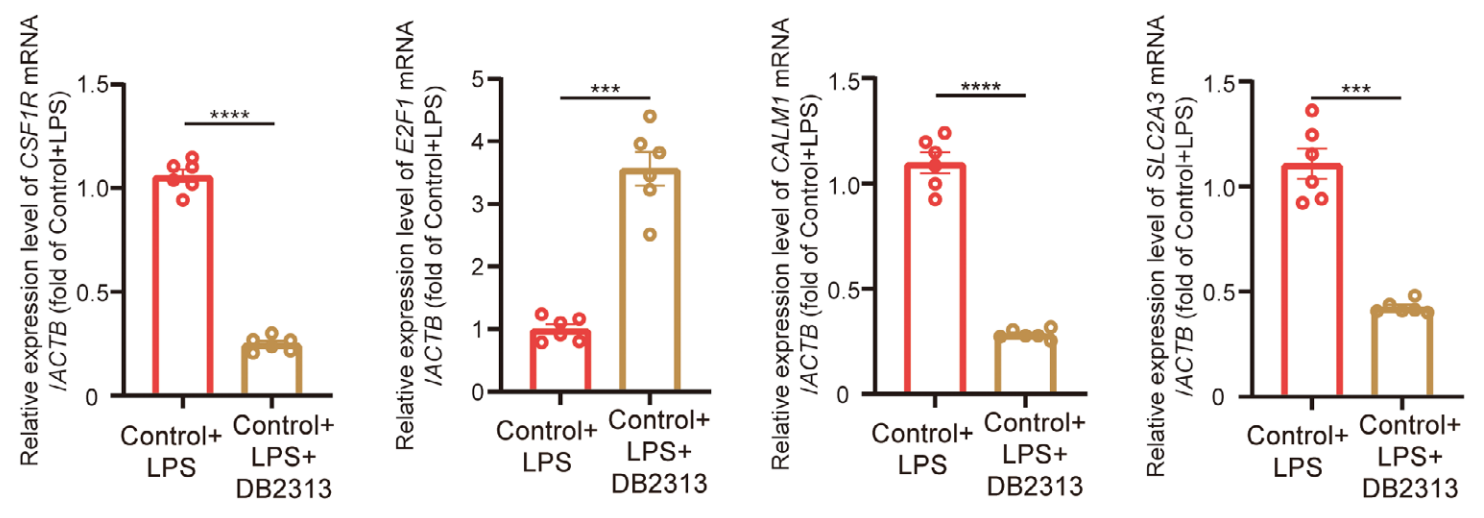
DB2313 (660 nM) inhibited the transcription of CSF1R, CALM1, and SLC2A3 while promoting E2F in neutrophils.
DB2313 purchased from MedChemExpress. Usage Cited in: Nat Commun. 2025 Aug 4;16(1):7134. [Abstract]
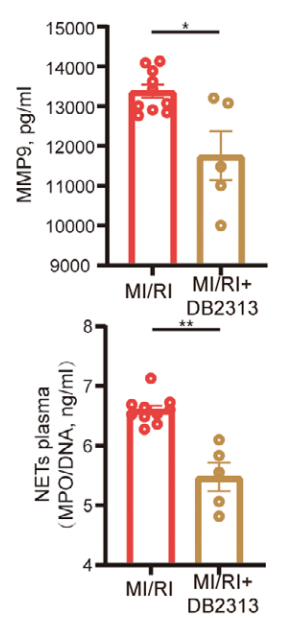
DB2313 (17 mg/kg; i.p.) decreased serum levels of MMP9 and MPO/DNA‐NETs in the murine MI/RI model.
-
Adv Sci (Weinh)
MMP9High Neutrophils are Critical Mediators of Neutrophil Extracellular Traps Formation and Myocardial Ischemia/Reperfusion Injury. [Abstract]2025 Jun;12(21):e2415205. PMID: 40151877 -
Chem Biol Interact
4-Hydroxybenzoic acid restrains Nlrp3 inflammasome priming and activation via disrupting PU.1 DNA binding activity and direct antioxidation. [Abstract]2024 Dec 1:404:111262. PMID: 39389441 -
J Craniofac Surg
PU.1 Inhibition Attenuates Neuroinflammation and Pyroptosis After Traumatic Brain Injury by Modulating Microglial Polarization. [Abstract]2026 Mar 2. PMID: 41769894 -


Solvent & Solubility
In Vitro:
DMSO : 100 mg/mL (141.08 mM; Need ultrasonic; Hygroscopic DMSO has a significant impact on the solubility of product, please use newly opened DMSO)
H2O : < 0.1 mg/mL (insoluble)
Please refer to the solubility information to select the appropriate solvent. Once prepared, please aliquot and store the solution to prevent product inactivation from repeated freeze-thaw cycles.
Storage method and period of stock solution: -80°C, 6 months; -20°C, 1 month. When stored at -80°C, please use it within 6 months. When stored at -20°C, please use it within 1 month.
Please refer to the solubility information to select the appropriate solvent. Once prepared, please aliquot and store the solution to prevent product inactivation from repeated freeze-thaw cycles.
Storage method and period of stock solution: -80°C, 6 months; -20°C, 1 month. When stored at -80°C, please use it within 6 months. When stored at -20°C, please use it within 1 month.
Concentration (start) × Volume (start) = Concentration (final) × Volume (final)
In Vivo:
Select the appropriate dissolution method based on your experimental animal and administration route.
- For the following dissolution methods, please ensure to first prepare a clear stock solution using an In Vitro approach and then sequentially add co-solvents:
- To ensure reliable experimental results, the clarified stock solution can be appropriately stored based on storage conditions. As for the working solution for In Vivo experiments, it is recommended to prepare freshly and use it on the same day.
- The percentages shown for the solvents indicate their volumetric ratio in the final prepared solution. If precipitation or phase separation occurs during preparation, heat and/or sonication can be used to aid dissolution.
Add each solvent one by one: 10% DMSO 40% PEG300 5% Tween-80 45% Saline
Solubility: ≥ 3.33 mg/mL (4.70 mM); Clear solution
This protocol yields a clear solution of ≥ 3.33 mg/mL (saturation unknown).
Taking 1 mL working solution as an example, add 100 μL DMSO stock solution (33.3 mg/mL) to 400 μL PEG300, and mix evenly; then add 50 μL Tween-80 and mix evenly; then add 450 μL Saline to adjust the volume to 1 mL.
Preparation of Saline: Dissolve 0.9 g sodium chloride in ddH₂O and dilute to 100 mL to obtain a clear Saline solution.
Add each solvent one by one: 10% DMSO 90% (20% SBE-β-CD in Saline)
Solubility: 3.33 mg/mL (4.70 mM); Suspended solution; Need ultrasonic
This protocol yields a suspended solution of 3.33 mg/mL. Suspended solution can be used for oral and intraperitoneal injection.
Taking 1 mL working solution as an example, add 100 μL DMSO stock solution (33.3 mg/mL) to 900 μL 20% SBE-β-CD in Saline, and mix evenly.
Preparation of 20% SBE-β-CD in Saline (4°C, storage for one week): 2 g SBE-β-CD powder is dissolved in 10 mL Saline, completely dissolve until clear.
For the following dissolution methods, please prepare the working solution directly:
It is recommended to prepare fresh solutions and use them promptly within a short period of time.
The percentages shown for the solvents indicate their volumetric ratio in the final prepared solution. If precipitation or phase separation occurs during preparation, heat and/or sonication can be used to aid dissolution.
Add each solvent one by one: 50% PEG300 50% Saline
Solubility: 5 mg/mL (7.05 mM); Suspended solution; Need ultrasonic
In Vivo Dissolution Calculator
Please enter the basic information of animal experiments:
-
-
-
-
Recommended: Prepare an additional quantity of animals to account for potential losses during experiments.
Please enter your animal formula composition:
-
%DMSO +
Recommended: Keep the proportion of DMSO in working solution below 2% if your animal is weak.
-
%+
-
+%Tween-80 + +
-
%Saline +
The co-solvents required include: DMSO, . All of co-solvents are available by MedChemExpress (MCE). , Tween 80. All of co-solvents are available by MedChemExpress (MCE).
Working solution concentration: 0.22 mg/mL
Method for preparing stock solution: mg drug dissolved in μL DMSO. Stock solution concentration: mg/mL.
1. Take μL DMSO stock solution;
2. Add μL .
μL , mix evenly;
3. Then add μL Tween 80, mix evenly;
4. Then add μL
Please ensure that the stock solution in the first step is dissolved to a clear state, and add co-solvents in sequence. You can use ultrasonic heating (ultrasonic cleaner, recommended frequency 20-40 kHz), vortexing, etc. to assist dissolution.

Protocols
-
Nuclear Protein Extraction (High-Salt/Hypotonic Fractionation)
The high-salt/hypotonic fractionation method for nuclear protein extraction is based on the differential solubility of cellular components. Cytoplasmic proteins are extracted first using a hypotonic buffer that causes cell swelling and membrane rupture, followed by centrifugation to separate the cytoplasmic supernatant from the nuclear pellet. The nuclear pellet is then subjected to high-salt extraction (e. g. , 0. 4 M (NH4)2SO4 or 1 M NaCl) to solubilize tightly bound nuclear matrix proteins, including transcription factors, histones, and structural proteins associated with chromatin and the nuclear scaffold. This approach allows for the isolation of both soluble cytoplasmic proteins and salt-resistant nuclear proteins while minimizing cross-contamination.
-
Apoptosis
Apoptosis, also called programmed cell death, is generally characterized by distinct morphological characteristics.
-
TUNEL staining for apoptotic DNA fragmentation
TUNEL staining detects DNA strand breaks by using terminal deoxynucleotidyl transferase to add labeled nucleotides to exposed 3′-OH DNA termini, generating either microscopic staining in fixed cells or tissue sections, or fluorescence/cytometric signal in cell suspensions. TUNEL positivity reflects DNA fragmentation but should not be interpreted alone as definitive apoptosis, because TUNEL can also label necrotic, autolytic, mechanically damaged, or DNA-repair-associated DNA breaks.
-
Annexin V plus membrane-impermeant dye apoptosis staining
Annexin V-based apoptosis assays rely on the detection of phosphatidylserine (PS) externalization from the inner leaflet of the plasma membrane to the outer leaflet, an early biochemical hallmark of apoptosis. Fluorescently labeled Annexin V binds PS in a calcium-dependent manner, enabling identification of early apoptotic cells by flow cytometry or fluorescence microscopy. When combined with a membrane-impermeant DNA-binding dye (e. g. , propidium iodide), this approach allows discrimination between viable (Annexin V−/dye−), early apoptotic (Annexin V+/dye−), and late apoptotic or necrotic (Annexin V+/dye+) cell populations by assessing membrane integrity and PS exposure.
-
Apoptosis Solutions
Apoptosis is a regulated, generally non-lytic cell-death pathway that removes unwanted, damaged, infected, or abnormal cells through coordinated morphological changes, caspase activation, DNA fragmentation, and membrane remodeling. The intrinsic apoptosis pathway is controlled mainly by mitochondrial outer membrane permeabilization, BCL-2 family proteins, cytochrome c release, apoptosome formation, caspase-9 activation, and downstream executioner caspase-3/7 activation. The extrinsic apoptosis pathway is initiated by death receptors such as Fas, TNFR, and TRAIL receptors, which recruit adaptor proteins and activate caspase-8 before engaging executioner caspases or mitochondrial amplification through BID cleavage. Apoptosis is linked to many phenotypes, including cancer cell killing, tissue homeostasis, immune regulation, neurodegeneration, infection response, and treatment-induced cytotoxicity; unresolved questions include how apoptosis interacts with necroptosis, pyroptosis, ferroptos


Purity & Documentation
-
Data Sheet (273 KB)
-
SDS (393 KB)
- English - EN (393 KB)
- Français - FR (393 KB)
- Deutsch - DE (393 KB)
- Norwegian - NO (393 KB)
- Español - ES (393 KB)
- Swedish - SV (393 KB)
- Italian - IT (393 KB)
- Korean - KR (393 KB)
- Portuguese - PT (393 KB)
-
Handling Instructions (2659 KB)
References
[1]. Iléana Antony-Debré, et al. Pharmacological inhibition of the transcription factor PU.1 in leukemia. J Clin Invest. 2017 Dec 1;127(12):4297-4313. [Content Brief]
[2]. Zhang S, Zhao S, Qi Y, et al. SPI1-induced downregulation of FTO promotes GBM progression by regulating pri-miR-10a processing in an m6A-dependent manner. Mol Ther Nucleic Acids. 2022;27:699-717. [Content Brief]


Complete Stock Solution Preparation Table
Please refer to the solubility information to select the appropriate solvent. Once prepared, please aliquot and store the solution to prevent product inactivation from repeated freeze-thaw cycles.
Storage method and period of stock solution: -80°C, 6 months; -20°C, 1 month. When stored at -80°C, please use it within 6 months. When stored at -20°C, please use it within 1 month.
| Optional Solvent | Concentration Solvent Mass | 1 mg | 5 mg | 10 mg | 25 mg |
|---|---|---|---|---|---|
| DMSO | 1 mM | 1.4108 mL | 7.0539 mL | 14.1078 mL | 35.2694 mL |
| 5 mM | 0.2822 mL | 1.4108 mL | 2.8216 mL | 7.0539 mL | |
| 10 mM | 0.1411 mL | 0.7054 mL | 1.4108 mL | 3.5269 mL | |
| 15 mM | 0.0941 mL | 0.4703 mL | 0.9405 mL | 2.3513 mL | |
| 20 mM | 0.0705 mL | 0.3527 mL | 0.7054 mL | 1.7635 mL | |
| 25 mM | 0.0564 mL | 0.2822 mL | 0.5643 mL | 1.4108 mL | |
| 30 mM | 0.0470 mL | 0.2351 mL | 0.4703 mL | 1.1756 mL | |
| 40 mM | 0.0353 mL | 0.1763 mL | 0.3527 mL | 0.8817 mL | |
| 50 mM | 0.0282 mL | 0.1411 mL | 0.2822 mL | 0.7054 mL | |
| 60 mM | 0.0235 mL | 0.1176 mL | 0.2351 mL | 0.5878 mL | |
| 80 mM | 0.0176 mL | 0.0882 mL | 0.1763 mL | 0.4409 mL | |
| 100 mM | 0.0141 mL | 0.0705 mL | 0.1411 mL | 0.3527 mL |


DB2313 Related Classifications
HY-124629 Related Classifications
 Powered by Bioz