
Delivery of temperature sensitive items including proteins and kits will be paused on 6/19 for the Juneteenth holiday. For urgent orders please contact customer service.
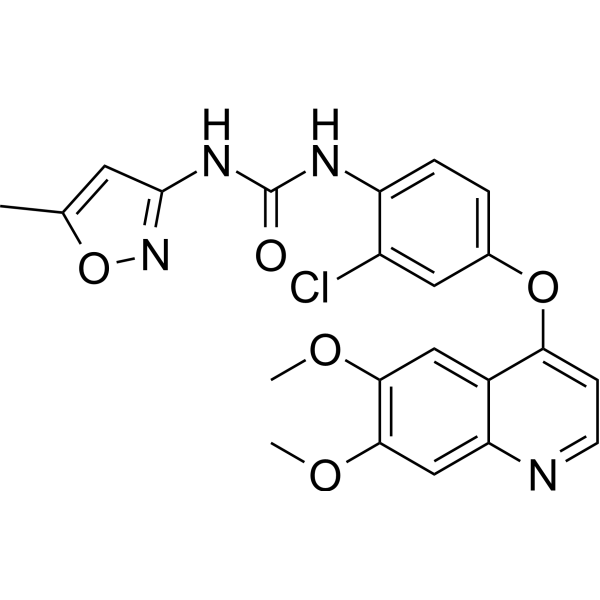
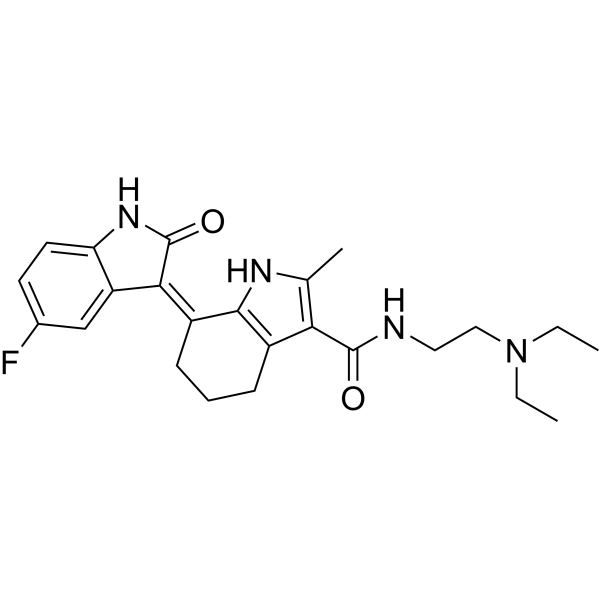
Tivozanib (AV-951; KRN951) is a selective, orally active inhibitor for vascularendothelialgrowthfactorreceptor (VEGFR)-1, 2 3, with IC50s of 30, 6.5 and 15 nM, respectively. Tivozanib exhibits antitumor efficacy .
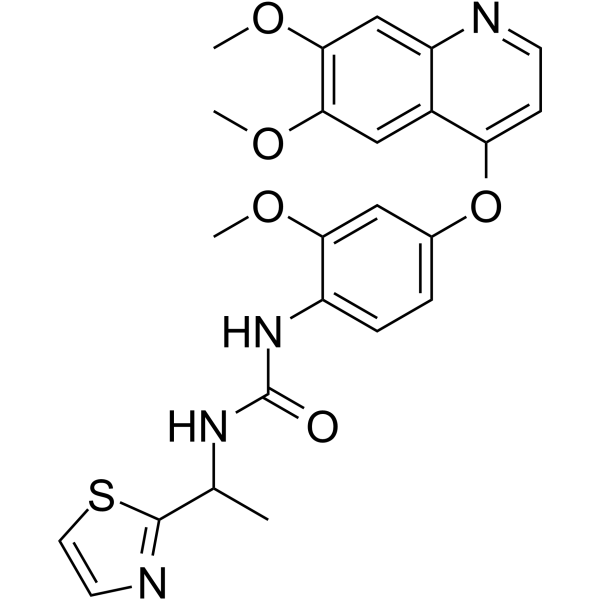
Ki20227 is an orally active and highly selective c-Fms tyrosine kinase (CSF1R) inhibitor with IC50s of 2 nM, 12 nM, 451 and 217 nM for CSF1R, VEGFR2 (vascularendothelialgrowthfactorreceptor-2), c-Kit (stem cell factorreceptor) and PDGFRβ (platelet-derived growthfactorreceptor β). Ki20227 suppresses osteoclast differentiation and osteolytic bone destruction .
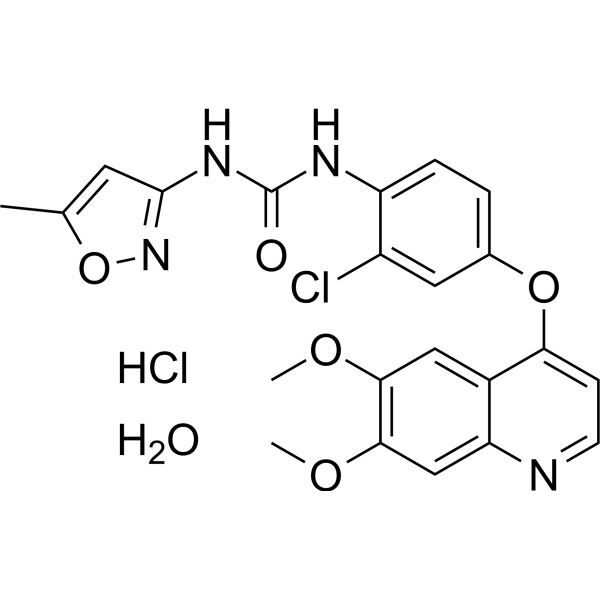
Tivozanib hydrochloride hydrate is the hydrate hydrochloride form of Tivozanib (HY-10977). Tivozanib hydrochloride hydrate is a selective, orally active inhibitor for vascularendothelialgrowthfactorreceptor (VEGFR)-1, 2 3, with IC50s of 30, 6.5 and 15 nM, respectively. Tivozanib hydrochloride hydrate exhibits antitumor efficacy .
JB-1, an IGF-I analog, is a selective IGF-I receptor inhibitor that does not interact with IGF-II. JB-1 competes with IGF-I for binding to IGF-1R and blocks receptor autophosphorylation. JB-1 increases the level of sVEGFR-1. JB-1 normalizes retinal abnormalities, including reducing retinal neovascularization. JB-1 is applicable to studies related to oxygen-induced retinopathy .
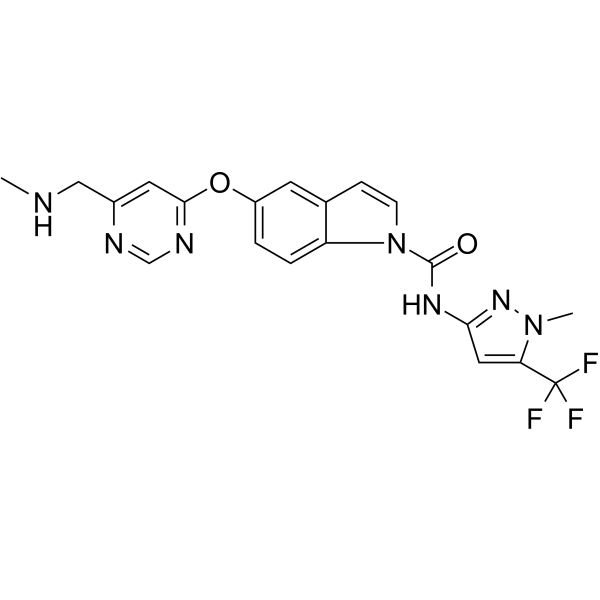
Ansornitinib is an orally active dual kinase inhibitor that inhibits platelet-derived growthfactorreceptor (PDGFR) and vascularendothelialgrowthfactorreceptor (VEGFR2). Ansornitinib can be used as an antifibrotic agent in lung, liver, kidney, and gastrointestinal fibrotic diseases .
Conbercept (KH902) is a recombinant fusion protein composed of VEGFR-1 (second domain) and VEGFR-2 (third and fourth domains) regions fused to human IgG1 Fc. Conbercept is a VEGF inhibitor (IC50 = 8.8 pM) and is a soluble receptor decoy that blocks all isoforms of VEGF-A (Kd = 0.5 pM), VEGF-B (Kd = 8 pM), VEGF-C, and PlGF (Kd = 5 pM). Conbercept has anti-inflammatory effects, can lower the levels of VEGF, TNF-α and IL-6, and reduce the infiltration of inflammatory cells. Conbercept decreases tumor growth in several oncology studies. Conbercept can be used for various eye diseases such as polypoidal choroidal vasculopathy (PCV), diabetic macular edema (DME) and pathologic myopia choroidal neovascularization (pmCNV) .
Boc-Phe-Leu-Phe-Leu-Phe (Boc-FLFLF) is a N-formyl peptide receptors (FPR) inhibitor. Boc-Phe-Leu-Phe-Leu-Phe abolishes the FMLP-induced release of peptide leukotrienes. Boc-Phe-Leu-Phe-Leu-Phe inhibits the sprouting of human umbilical vein endothelial cell (HUVEC) spheroids mediated by proliferative diabetic retinopathy (PDR) vitreous and vascularendothelialgrowthfactor (VEGF) respectively in a three-dimensional fibrin gel. Boc-Phe-Leu-Phe-Leu-Phe inhibits the anti-inflammatory and antifibrotic effects of Ac2-26 (HY-P1098). Boc-Phe-Leu-Phe-Leu-Phe can be used for the study of immunology .
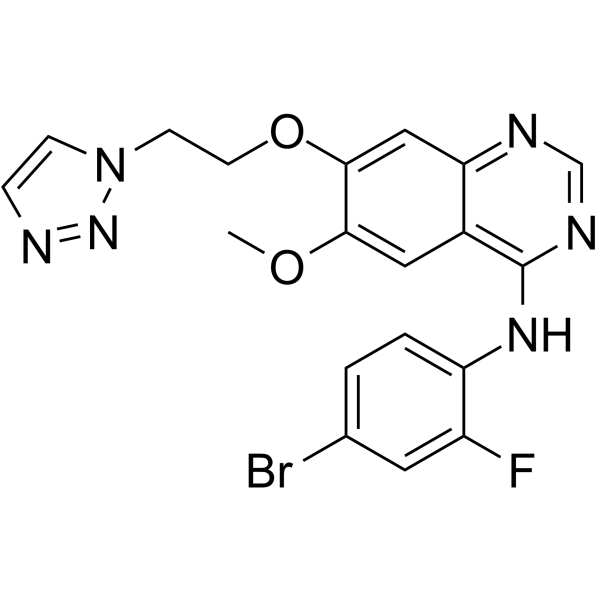
ZD-4190 is a potent, orally available inhibitor of the vascularendothelial cell growthfactorreceptor 2 (VEGFR2) and of epidermal growthfactorreceptor (EGFR) signalling, used for the treatment of cancer.
Vulinacimab (HLX-06) is a human monoclonal antibody directed against human vascularendothelialgrowthfactorreceptor 2 (VEGFR-2). Vulinacimab specifically binds to and inhibits VEGFR-2, which may inhibit tumor angiogenesis and tumor cell proliferation. Vulinacimab can be used for the research of solid tumors and non-small cell lung cancer .
SCR-1481B1 free base, also known as Metatinib free base, is a small molecule receptor kinase inhibitor that targets both c-MET and vascularendothelialgrowthfactorreceptor 2 (VEGFR2) .
Taligantinib (Compound Example 70) is an orally active and selective dual inhibitor targeting vascularendothelialgrowthfactorreceptor 2 (VEGFR-2) and hepatocyte growthfactorreceptor (c-Met). Taligantinib suppresses tumor angiogenesis and cell proliferation. Taligantinib is promising for research of solid tumors such as non-small cell lung cancer and hepatocellular carcinoma .
Foretinib phosphate is an orally bioavailable small molecule with potential anti-tumor activity. Foretinib phosphate can selectively inhibit hepatocyte growthfactor (HGF) receptor c-MET and vascularendothelialgrowthfactorreceptor 2 (VEGFR2), thereby potentially inhibiting tumor angiogenesis, tumor cell proliferation and metastasis. Foretinib phosphate shows different anti-cancer activity from cabozantinib in lung cancer cells and has stronger inhibitory effects on targets such as MEK1/2, FER and AURKB .
YF-452 is a potent inhibitor of vascularendothelialgrowthfactorreceptor 2 (VEGFR2). YF-452 remarkably inhibits the migration, invasion and tube-like structure formation of human umbilical vein endothelial cells (HUVECs) with little toxicity. YF-452 inhibits VEGF-induced phosphorylation of VEGFR2 kinase and the downstream protein kinases including extracellular signal regulated kinase (ERK), focal adhesion kinase (FAK) and Src. YF-452 is a potential antiangiogenic agent candidate for cancer research .
C-VGB3 is a selective vascularendothelialgrowthfactorreceptor 2 (VEGFR2) antagonist, which inhibits VEGFR2-mediated PI3K/AKT/mTOR and PLCγ/ERK1/2 signaling pathways. C-VGB3 binds to the extracellular domain of VEGFR2, blocking ligand-receptor interaction and inducing apoptosis in endothelial and tumor cells through both intrinsic (involving Bcl2 family and caspases) and extrinsic (death receptor-mediated) pathways. C-VGB3 is promising for research of angiogenesis-related cancers, such as breast cancer .
Human KDR mRNA encodes the human kinase insert domain receptor (KDR) protein, a receptor of vascularendothelialgrowthfactor (VEGF). KDR functions as the main mediator of VEGF-induced endothelial proliferation, survival, migration, tubular morphogenesis and sprouting.
Human FLT1 mRNA encodes the human fms related receptor tyrosine kinase 1 (FLT1) protein, a member of the vascularendothelialgrowthfactorreceptor (VEGFR) family. FLT1 binds to VEGFR-A, VEGFR-B and placental growthfactor and plays an important role in angiogenesis and vasculogenesis.
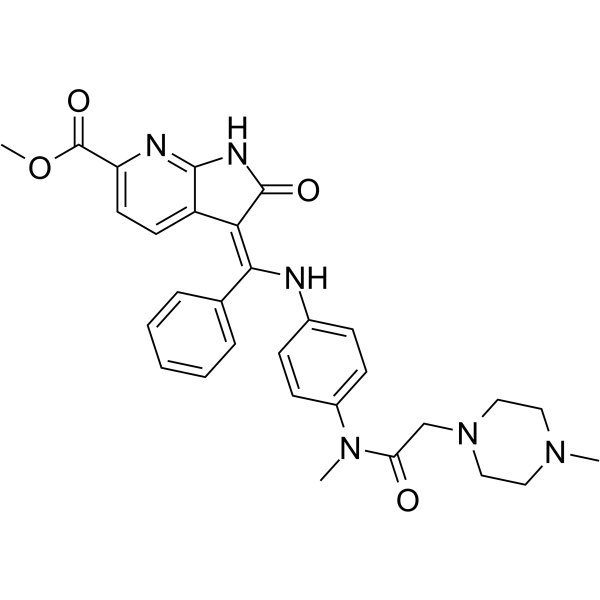
VEGFR-IN-6 (Compound 3) is a vascularendothelialgrowthfactorreceptor (VEGFR) inhibitor. VEGFR-IN-6 can inhibit angiogenesis. VEGFR-IN-6 is promising for research of tumor diseases that rely on angiogenesis .
Azaspirene ((-)-Azaspirene) is an angiogenesis and Raf-1 activation inhibitor isolated from the fungus Neosartorya sp. Azaspirene inhibits vascularendothelialgrowthfactor (VEGF)-induced human umbilical vein endothelial cell (HUVEC) migration and Raf-1 activation, but has no effect on the activation of kinase insert domain-containing receptor/fetal liver kinase 1 (VEGFreceptor 2) .
YLL545 is a type of vascularendothelialgrowthfactorreceptor 2 (VEGFR2) inhibitor. YLL545 can inhibit VEGF-induced phosphorylation of VEGFR2 and the activation of downstream signaling factors (like phosphorylated STAT3 and phosphorylated ERK1/2) in human umbilical vein endothelial cells (HUVEC). YLL545 can suppress the proliferation, migration, invasion, and angiogenesis of HUVEC. YLL545 can induce apoptosis in breast cancer mice and inhibit tumor growth .
Inlecitug is a chimeric monoclonal antibody targeting human KDR (kinase insert domain receptor). Inlecitug specifically binds to KDR, blocking the binding of vascularendothelialgrowthfactor (VEGF) to KDR and inhibiting angiogenesis, thus exerting antitumor activity. Inlecitug is promising for research of cancers .
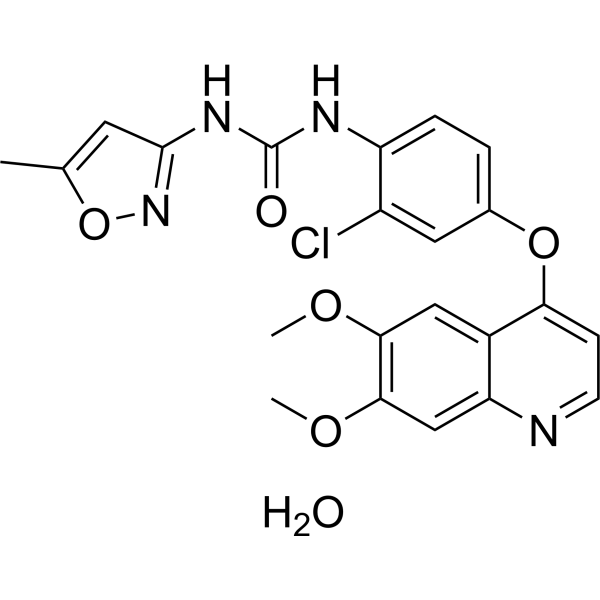
Tivozanib hydrate (AV-951 hydrate; KRN951 hydrate) is the hydrate form of Tivozanib (HY-10977). Tivozanib hydrate is a selective, orally active inhibitor for vascularendothelialgrowthfactorreceptor (VEGFR)-1, 2 3, with IC50s of 30, 6.5 and 15 nM, respectively. Tivozanib hydrate exhibits antitumor efficacy .
CPD-002 is an inhibitor for vascularendothelialgrowthfactorreceptor 2 (VEGFR 2), that inhibits angiogenesis through inhibition of VEGFR2/PI3K/AKT signaling pathway. CPD-002 exhibits anti-inflammatory activity and attenuates rheumatoid arthritis .
Tivozanib (Standard) is the analytical standard of Tivozanib. This product is intended for research and analytical applications. Tivozanib (AV-951; KRN951) is a selective, orally active inhibitor for vascularendothelialgrowthfactorreceptor (VEGFR)-1, 2 3, with IC50s of 30, 6.5 and 15 nM, respectively. Tivozanib exhibits antitumor efficacy .
Tivozanib (hydrochloride hydrate) (Standard) is the analytical standard of Tivozanib (hydrochloride hydrate). This product is intended for research and analytical applications. Tivozanib hydrochloride hydrate is the hydrate hydrochloride form of Tivozanib (HY-10977). Tivozanib hydrochloride hydrate is a selective, orally active inhibitor for vascularendothelialgrowthfactorreceptor (VEGFR)-1, 2 3, with IC50s of 30, 6.5 and 15 nM, respectively. Tivozanib hydrochloride hydrate exhibits antitumor efficacy .
BHEPN is an inhibitor of vascularendothelialgrowthfactorreceptor-2 (VEGFR-2). BHEPN has inhibition of VEGFR-2 with an IC50 value of 0.320 μM. BHEPN also exhibits remarkable cytotoxic effects against HepG2 and MCF-7 cancer cell lines, with IC50 values of 0.19 μM and 1.18 μM, respectively. BHEPN can be used for anticancer research .
(Z)-FeCP-oxindole is a selective human vascularendothelialgrowthfactorreceptor 2 (VEGFR2) inhibitor with an IC50 value of 200 nM. (Z)-FeCP-oxindole can significantly inhibit VEGFR1 and PDGFRa or b at 10 μM. (Z)-FeCP-oxindole has some anticancer activity, acting on B16 murine melanoma lines with IC50 less than 1 μM .
Tivozanib-d6 (AV-951-d6) is deuterium labeled Tivozanib. Tivozanib (AV-951; KRN951) is a selective, orally active inhibitor for vascularendothelialgrowthfactorreceptor (VEGFR)-1, 2 3, with IC50s of 30, 6.5 and 15 nM, respectively. Tivozanib exhibits antitumor efficacy .
(rac)-ZK-304709 is an isoform of ZK-304709 and is an orally active multi-targeted tumor growth inhibitor that inhibits multiple cell cycle-dependent kinases (CDKs), vascularendothelialgrowthfactorreceptor kinases (VEGF-RTKs), and platelet-derived growthfactorreceptor kinase β (PDGF-RTKβ). (rac)-ZK-304709 can dose-dependently inhibit the proliferation and colony formation of neuroendocrine tumor (NET) cells. (rac)-ZK-304709 directly acts on NET cells by inducing G2 cell cycle arrest and apoptosis, while reducing the expression of MCL1, survivin, and HIF1α. (rac)-ZK-304709 effectively controls tumor growth by inducing apoptosis and inhibiting tumor-induced angiogenesis, and may become a potential agent for inhibiting NET .
Si5-N14 is a key component of siloxane-incorporated lipid nanoparticles (SiLNP), possessing pro-vascular repair and anti-tumor activities. In the transgenic GFP mouse model, Si5-N14 can mediate CRISPR-Cas9 editing. In the Lewis lung carcinoma (LLC) tumor-bearing mouse model, Si5-N14 can knock out the expression of VascularEndothelialGrowthFactorReceptor 2 (VEGFR2) to exert an anti-tumor effect. In a mouse model of lung injury induced by viral infection, the delivery of Fibroblast GrowthFactor-2 (FGF-2) mRNA via Si5-N14 can promote vascular repair, increase blood oxygen levels, and improve lung function. Si5-N14 shows promise for research in the fields of oncology, pneumonia, and cardiovascular diseases .
CEP-14083 is a ATP-competitive ALK kinase inhibitor with an IC50 value in enzymatic assays of 2 nM. CEP-14083 also inhibits other kinases, such as insulin receptor (IR), vascularendothelialgrowthfactorreceptor 2 (VEGFR2), angiopoietin-1 receptor (TIE2) and dual leucine zipper kinase (DLK). CEP-14083 suppresses CD274 mRNA expression and the NPM/ALK function in the NPM/ALK-carrying T cell lymphoma (ALK+TCL) cells. CEP-14083 is promising for research of lymphoma .
VEGFR-2-IN-37 (compound 12) is an inhibitor of VEGFR-2. The inhibition rate at 200 μM was approximately 56.9 μM. VEGFR-2-IN-37 is a potential inhibitor of human umbilical vein endothelial cell (HUVEC) proliferation .
VEGFR-2 ligand-1, Sorafenib (HY-10201) derivative, is a vascularendothelialgrowthfactorreceptor 2 (VEGFR2) ligand. VEGFR-2 ligand-1 binds to the ATP-binding pocket of VEGFR2, forms hydrophobic contacts and hydrogen bonds with key binding-site residues. VEGFR-2 ligand-1 can be used for the research angiogenesis-related pathologies .
Human FLT4 mRNA encodes the human Fms related receptor tyrosine kinase 4 (FLT4) protein, a tyrosine kinase receptor for vascularendothelialgrowthfactors C and D. FLT4 is thought to be involved in lymphangiogenesis and maintenance of the lymphatic endothelium.
Ki20227 (Standard) is the analytical standard of Ki20227 (HY-10408). This product is intended for research and analytical applications. Ki20227 is an orally active and highly selective c-Fms tyrosine kinase (CSF1R) inhibitor with IC50s of 2 nM, 12 nM, 451 and 217 nM for CSF1R, VEGFR2 (vascularendothelialgrowthfactorreceptor-2), c-Kit (stem cell factorreceptor) and PDGFRβ (platelet-derived growthfactorreceptor β). Ki20227 suppresses osteoclast differentiation and osteolytic bone destruction .
(Z)-FeCP-oxindole (Standard) is the analytical standard of (Z)-FeCP-oxindole (HY-108444). This product is intended for research and analytical applications. (Z)-FeCP-oxindole is a selective human vascularendothelialgrowthfactorreceptor 2 (VEGFR2) inhibitor with an IC50 value of 200 nM. (Z)-FeCP-oxindole can significantly inhibit VEGFR1 and PDGFRa or b at 10 μM. (Z)-FeCP-oxindole has some anticancer activity, acting on B16 murine melanoma lines with IC50 less than 1 μM .
VEGFR-2-IN-67 (Compound 6b) is an inhibitor of vascularendothelialgrowthfactorreceptor 2 (VEGFR-2). Its IC50 values for MDA-231 and MCF-7 cell lines are 5.91 µM and 7.16 µM respectively, and its inhibitory effect on VEGFR-2 is comparable to that of Sorafenib (HY-10201) (IC50 is 53.63 nM). VEGFR-2-IN-67 exerts significant anti-cancer activity through mechanisms such as inducing Apoptosis (the early apoptosis rate reaches 57.20%), arresting the cell cycle at the G1 phase, upregulating pro-apoptotic markers and downregulating Bcl-2. VEGFR-2-IN-67 can be used for research in the field of cancer .
Clausenidin is a selective inhibitor targeting apoptosis-related pathways, including the mitochondrial pathway and death receptor pathway, and vascularendothelialgrowthfactor (VEGF). Clausenidin induces mitochondrial membrane depolarization by activating caspase-3, caspase-8 and caspase-9, upregulating the pro-apoptotic protein Bax and downregulating the anti-apoptotic protein Bcl-2. Clausenidin also inhibits VEGF expression and blocks angiogenesis, exerting anti-tumor activity. Clausenidin has inhibitory effects against Mycobacterium tuberculosis (MIC=200 μg/mL). Clausenidin can induce apoptosis in liver cancer cells, arrest the cell cycle in the G2/M phase, and inhibit tumor angiogenesis. Clausenidin can be used in the research of malignant tumors such as liver cancer .
JB-1, an IGF-I analog, is a selective IGF-I receptor inhibitor that does not interact with IGF-II. JB-1 competes with IGF-I for binding to IGF-1R and blocks receptor autophosphorylation. JB-1 increases the level of sVEGFR-1. JB-1 normalizes retinal abnormalities, including reducing retinal neovascularization. JB-1 is applicable to studies related to oxygen-induced retinopathy .
Boc-Phe-Leu-Phe-Leu-Phe (Boc-FLFLF) is a N-formyl peptide receptors (FPR) inhibitor. Boc-Phe-Leu-Phe-Leu-Phe abolishes the FMLP-induced release of peptide leukotrienes. Boc-Phe-Leu-Phe-Leu-Phe inhibits the sprouting of human umbilical vein endothelial cell (HUVEC) spheroids mediated by proliferative diabetic retinopathy (PDR) vitreous and vascularendothelialgrowthfactor (VEGF) respectively in a three-dimensional fibrin gel. Boc-Phe-Leu-Phe-Leu-Phe inhibits the anti-inflammatory and antifibrotic effects of Ac2-26 (HY-P1098). Boc-Phe-Leu-Phe-Leu-Phe can be used for the study of immunology .
C-VGB3 is a selective vascularendothelialgrowthfactorreceptor 2 (VEGFR2) antagonist, which inhibits VEGFR2-mediated PI3K/AKT/mTOR and PLCγ/ERK1/2 signaling pathways. C-VGB3 binds to the extracellular domain of VEGFR2, blocking ligand-receptor interaction and inducing apoptosis in endothelial and tumor cells through both intrinsic (involving Bcl2 family and caspases) and extrinsic (death receptor-mediated) pathways. C-VGB3 is promising for research of angiogenesis-related cancers, such as breast cancer .
Conbercept (KH902) is a recombinant fusion protein composed of VEGFR-1 (second domain) and VEGFR-2 (third and fourth domains) regions fused to human IgG1 Fc. Conbercept is a VEGF inhibitor (IC50 = 8.8 pM) and is a soluble receptor decoy that blocks all isoforms of VEGF-A (Kd = 0.5 pM), VEGF-B (Kd = 8 pM), VEGF-C, and PlGF (Kd = 5 pM). Conbercept has anti-inflammatory effects, can lower the levels of VEGF, TNF-α and IL-6, and reduce the infiltration of inflammatory cells. Conbercept decreases tumor growth in several oncology studies. Conbercept can be used for various eye diseases such as polypoidal choroidal vasculopathy (PCV), diabetic macular edema (DME) and pathologic myopia choroidal neovascularization (pmCNV) .
Vulinacimab (HLX-06) is a human monoclonal antibody directed against human vascularendothelialgrowthfactorreceptor 2 (VEGFR-2). Vulinacimab specifically binds to and inhibits VEGFR-2, which may inhibit tumor angiogenesis and tumor cell proliferation. Vulinacimab can be used for the research of solid tumors and non-small cell lung cancer .
Inlecitug is a chimeric monoclonal antibody targeting human KDR (kinase insert domain receptor). Inlecitug specifically binds to KDR, blocking the binding of vascularendothelialgrowthfactor (VEGF) to KDR and inhibiting angiogenesis, thus exerting antitumor activity. Inlecitug is promising for research of cancers .
Azaspirene ((-)-Azaspirene) is an angiogenesis and Raf-1 activation inhibitor isolated from the fungus Neosartorya sp. Azaspirene inhibits vascularendothelialgrowthfactor (VEGF)-induced human umbilical vein endothelial cell (HUVEC) migration and Raf-1 activation, but has no effect on the activation of kinase insert domain-containing receptor/fetal liver kinase 1 (VEGFreceptor 2) .
Clausenidin is a selective inhibitor targeting apoptosis-related pathways, including the mitochondrial pathway and death receptor pathway, and vascularendothelialgrowthfactor (VEGF). Clausenidin induces mitochondrial membrane depolarization by activating caspase-3, caspase-8 and caspase-9, upregulating the pro-apoptotic protein Bax and downregulating the anti-apoptotic protein Bcl-2. Clausenidin also inhibits VEGF expression and blocks angiogenesis, exerting anti-tumor activity. Clausenidin has inhibitory effects against Mycobacterium tuberculosis (MIC=200 μg/mL). Clausenidin can induce apoptosis in liver cancer cells, arrest the cell cycle in the G2/M phase, and inhibit tumor angiogenesis. Clausenidin can be used in the research of malignant tumors such as liver cancer .
VEGFR-1 protein is a tyrosine protein kinase receptor for VEGFA, VEGFB, and PGF and is critical for embryonic vasculature development, angiogenesis, cell survival, migration, macrophage function, chemotaxis, and cancer invasion. It actively regulates postnatal retinal vitreous vascular degeneration and may act as a negative regulator of embryonic angiogenesis. VEGFR-1 Protein, Rat (HEK293, His) is the recombinant rat-derived VEGFR-1 protein, expressed by HEK293 , with C-His labeled tag.
The VEGFR-1 protein is a key tyrosine protein kinase receptor. VEGFR-1 Protein, Mouse (HEK293, His) is the recombinant mouse-derived VEGFR-1 protein, expressed by HEK293 , with C-His, C-10*His labeled tag.
VEGFR-3/FLT4 proteins are tyrosine protein kinase receptors for VEGFC and VEGFD and are critical in adult lymphangiogenesis and embryonic vascular development. It promotes endothelial cell function, angiogenesis, and forms a positive feedback loop that increases VEGFC production. VEGFR-3/FLT4 Protein, Mouse (HEK293, His) is the recombinant mouse-derived VEGFR-3/FLT4 protein, expressed by HEK293 , with C-His labeled tag.
VEGFR-3/FLT4 proteins are tyrosine protein kinase receptors for VEGFC and VEGFD and are critical in adult lymphangiogenesis and embryonic vascular development. It promotes endothelial cell function, angiogenesis, and forms a positive feedback loop that increases VEGFC production. VEGFR-3/FLT4 Protein, Mouse (HEK293, hFc) is the recombinant mouse-derived VEGFR-3/FLT4 protein, expressed by HEK293 , with C-hFc labeled tag.
VEGFR-2 protein is an important tyrosine protein kinase receptor that serves as a cell surface receptor for VEGFA, VEGFC and VEGFD to regulate angiogenesis, blood vessel development and embryonic hematopoiesis. It enhances endothelial cell proliferation, survival, migration and differentiation. VEGFR-3/FLT4 Protein, Human (HEK293, His) is the recombinant human-derived VEGFR-3/FLT4 protein, expressed by HEK293 , with C-His labeled tag.
VEGFR-2 Protein is a type III receptor tyrosine kinase, also known as the receptor for vascular endothelial growth factor 2. VEGFR-2 Protein mediates vascular endothelial growth factor (VEGF)-induced endothelial proliferation, survival, migration, tubular morphogenesis, and sprouting, and plays a key role in angiogenesis and vasculogenesis. VEGFR-2 Protein, Rat (HEK293, His) is the recombinant rat-derived VEGFR-2 protein, expressed by HEK293 , with C-His labeled tag.
VEGFR-2 protein is a tyrosine protein kinase receptor for VEGFA, VEGFC and VEGFD and is critical in angiogenesis, blood vessel development and embryonic hematopoiesis. It promotes endothelial cell function and actin cytoskeletal reorganization. VEGFR-2 Protein, Cynomolgus (HEK293, His) is the recombinant cynomolgus-derived VEGFR-2 protein, expressed by HEK293 , with C-His labeled tag.
VEGFR-3/FLT4 proteins are tyrosine protein kinase receptors for VEGFC and VEGFD and are critical in adult lymphangiogenesis and embryonic vascular development. It promotes endothelial cell function, angiogenesis, and forms a positive feedback loop that increases VEGFC production. VEGFR-3/FLT4 Protein, Mouse (HEK293, mFc) is the recombinant mouse-derived VEGFR-3/FLT4 protein, expressed by HEK293, with C-mFc labeled tag.
The VEGFR-1 protein is a tyrosine protein kinase that acts as a cell surface receptor for VEGFA, VEGFB, and PGF. It plays a crucial role in embryonic vasculature development, regulation of angiogenesis, cell survival, migration, macrophage function, chemotaxis, and cancer cell invasion. VEGFR-1 Protein, Human (HEK293, His) is the recombinant human-derived VEGFR-1 protein, expressed by HEK293 , with C-His labeled tag.
VEGFR-2 protein is an important tyrosine protein kinase receptor that serves as a cell surface receptor for VEGFA, VEGFC and VEGFD to regulate angiogenesis, blood vessel development and embryonic hematopoiesis. It enhances endothelial cell proliferation, survival, migration and differentiation. VEGFR-3/FLT4 Protein, Human (HEK293, hFc) is the recombinant human-derived VEGFR-3/FLT4 protein, expressed by HEK293 , with C-hFc labeled tag.
VEGFR-2 protein is an important tyrosine protein kinase receptor.As a cell surface receptor for VEGFA, VEGFC and VEGFD, it plays an important role in the regulation of angiogenesis, vascular development, permeability and embryonic hematopoiesis.It actively promotes endothelial cell proliferation, survival, migration, differentiation, and actin cytoskeletal reorganization. VEGFR-2 Protein, Mouse (HEK293, Fc) is the recombinant mouse-derived VEGFR-2 protein, expressed by HEK293 , with C-hFc labeled tag.
VEGFR-2 protein is an important tyrosine protein kinase receptor.As a cell surface receptor for VEGFA, VEGFC and VEGFD, it plays an important role in the regulation of angiogenesis, vascular development, permeability and embryonic hematopoiesis.It actively promotes endothelial cell proliferation, survival, migration, differentiation, and actin cytoskeletal reorganization.VEGFR-2 Protein, Mouse (HEK293, His) is the recombinant mouse-derived VEGFR-2 protein, expressed by HEK293 , with C-His labeled tag.
VEGFR-2 protein is an important tyrosine protein kinase receptor.As a cell surface receptor for VEGFA, VEGFC and VEGFD, it plays an important role in the regulation of angiogenesis, vascular development, permeability and embryonic hematopoiesis.It actively promotes endothelial cell proliferation, survival, migration, differentiation, and actin cytoskeletal reorganization.VEGFR-2 Protein, Mouse (Biotinylated, HEK293, His) is the recombinant mouse-derived VEGFR-2 protein, expressed by HEK293 , with C-His labeled tag.
VEGFR-2 Protein is a type III receptor tyrosine kinase, also known as the receptor for vascular endothelial growth factor 2.VEGFR-2 Protein mediates vascular endothelial growth factor (VEGF)-induced endothelial proliferation, survival, migration, tubular morphogenesis, and sprouting, and plays a key role in angiogenesis and vasculogenesis.VEGFR-2 Protein, Rat (HEK293, Fc) is the recombinant rat-derived VEGFR-2 protein, expressed by HEK293 , with C-hFc labeled tag.
VEGFR-2 protein is an important tyrosine protein kinase receptor. As a cell surface receptor for VEGFA, VEGFC and VEGFD, it plays an important role in the regulation of angiogenesis, vascular development, permeability and embryonic hematopoiesis. It actively promotes endothelial cell proliferation, survival, migration, differentiation, and actin cytoskeletal reorganization. VEGFR-2 Protein, Mouse (HEK293, mFc) is the recombinant mouse-derived VEGFR-2 protein, expressed by HEK293, with C-mFc labeled tag.
VEGFR-2 protein is a tyrosine protein kinase receptor for VEGFA, VEGFC and VEGFD and is critical in angiogenesis, blood vessel development and embryonic hematopoiesis. It promotes endothelial cell function and actin cytoskeletal reorganization. VEGFR-2 Protein, Human (Biotinylated, HEK293, His) is the recombinant human-derived VEGFR-2 protein, expressed by HEK293 , with C-6*His labeled tag.
The VEGFR-1 protein is a tyrosine protein kinase that acts as a cell surface receptor for VEGFA, VEGFB, and PGF. It plays a crucial role in embryonic vasculature development, regulation of angiogenesis, cell survival, migration, macrophage function, chemotaxis, and cancer cell invasion. VEGFR-1 Protein, Human (328a.a, HEK293, His) is the recombinant human-derived VEGFR-1 protein, expressed by HEK293 , with C-His labeled tag.
The VEGFR-1 protein is a tyrosine protein kinase that acts as a cell surface receptor for VEGFA, VEGFB, and PGF. It plays a crucial role in embryonic vasculature development, regulation of angiogenesis, cell survival, migration, macrophage function, chemotaxis, and cancer cell invasion. VEGFR-1 Protein, Human (328a.a, HEK293, Fc) is the recombinant human-derived VEGFR-1 protein, expressed by HEK293 , with C-hFc labeled tag.
The VEGFR-1 protein is a tyrosine protein kinase that acts as a cell surface receptor for VEGFA, VEGFB, and PGF. It plays a crucial role in embryonic vasculature development, regulation of angiogenesis, cell survival, migration, macrophage function, chemotaxis, and cancer cell invasion. VEGFR-1 Protein, Human (HEK293, Fc) is the recombinant human-derived VEGFR-1 protein, expressed by HEK293 , with C-hFc labeled tag.
VEGFR-2 protein is a tyrosine protein kinase receptor for VEGFA, VEGFC and VEGFD and is critical in angiogenesis, blood vessel development and embryonic hematopoiesis. It promotes endothelial cell function and actin cytoskeletal reorganization. VEGFR-2 Protein, Human (208a.a, HEK293, Fc) is the recombinant human-derived VEGFR-2 protein, expressed by HEK293 , with C-hFc labeled tag.
VEGFR-2 protein is a tyrosine protein kinase receptor for VEGFA, VEGFC and VEGFD and is critical in angiogenesis, blood vessel development and embryonic hematopoiesis. It promotes endothelial cell function and actin cytoskeletal reorganization. VEGFR-2 Protein, Human (327a.a, HEK293, Fc) is the recombinant human-derived VEGFR-2 protein, expressed by HEK293 , with C-hFc labeled tag.
VEGFR-2 is a tyrosine-protein kinase of the cell surface receptors of VEGFA, VEGFC, and VEGFD that mediates activation of the MAPK1/ERK2, MAPK3/ERK1, and MAP kinase signaling pathways, as well as the AKT1 signaling pathway. VEGFR-2 can promote the proliferation, survival, migration and differentiation of endothelial cells. Overexpression of VEGFR-2 is associated with the development of tumors. VEGFR-2 Protein, Human (HEK293, His) is the recombinant human-derived VEGFR-2 protein, expressed by HEK293 , with C-His labeled tag.
VEGFR-2 protein is a tyrosine protein kinase receptor for VEGFA, VEGFC and VEGFD and is critical in angiogenesis, blood vessel development and embryonic hematopoiesis. It promotes endothelial cell function and actin cytoskeletal reorganization. VEGFR-2 Protein, Human (HEK293, His-Avi) is the recombinant human-derived VEGFR-2 protein, expressed by HEK293 , with C-Avi, C-6*His labeled tag.
VEGFR-2 protein is a tyrosine protein kinase receptor for VEGFA, VEGFC and VEGFD and is critical in angiogenesis, blood vessel development and embryonic hematopoiesis. It promotes endothelial cell function and actin cytoskeletal reorganization. VEGFR-2 Protein, Human (Biotinylated, Sf9, His) is the recombinant human-derived VEGFR-2, expressed by Sf9 insect cells, with GST labeled tag and biotin labeling..
VEGFR-2 protein is a tyrosine protein kinase receptor for VEGFA, VEGFC and VEGFD and is critical in angiogenesis, blood vessel development and embryonic hematopoiesis. It promotes endothelial cell function and actin cytoskeletal reorganization. VEGFR-2 Protein, Human (745a.a, HEK293, Fc) is the recombinant human-derived VEGFR-2 protein, expressed by HEK293 , with C-hFc labeled tag.
Neuropilin-1 protein is a cell surface receptor that plays multiple roles in cardiovascular development, angiogenesis, and neuronal circuit formation. It mediates chemical repulsion by recognizing ligands with CendR motifs, leading to internalization and vascular leakage. Neuropilin-1 Protein, Rat (HEK293, His) is the recombinant rat-derived Neuropilin-1 protein, expressed by HEK293 , with C-6*His labeled tag and K811R, P812-G828 delet.
Tivozanib-d6 (AV-951-d6) is deuterium labeled Tivozanib. Tivozanib (AV-951; KRN951) is a selective, orally active inhibitor for vascularendothelialgrowthfactorreceptor (VEGFR)-1, 2 3, with IC50s of 30, 6.5 and 15 nM, respectively. Tivozanib exhibits antitumor efficacy .
Human KDR mRNA encodes the human kinase insert domain receptor (KDR) protein, a receptor of vascularendothelialgrowthfactor (VEGF). KDR functions as the main mediator of VEGF-induced endothelial proliferation, survival, migration, tubular morphogenesis and sprouting.
Human FLT1 mRNA encodes the human fms related receptor tyrosine kinase 1 (FLT1) protein, a member of the vascularendothelialgrowthfactorreceptor (VEGFR) family. FLT1 binds to VEGFR-A, VEGFR-B and placental growthfactor and plays an important role in angiogenesis and vasculogenesis.
Human FLT4 mRNA encodes the human Fms related receptor tyrosine kinase 4 (FLT4) protein, a tyrosine kinase receptor for vascularendothelialgrowthfactors C and D. FLT4 is thought to be involved in lymphangiogenesis and maintenance of the lymphatic endothelium.
Inquiry Online
Your information is safe with us. * Required Fields.
Western blot analysis of extracts from THP-1(lane 2(20μg), Jurkat (lane 3(20μg) and NIH3T3(lane 4(20μg) using FOXO1A (HY-P80132) Rabbit mAb. Proteins were transferred
to a PVDF membrane and blocked with 5% non-fat milk in TBST for 2 hour at room temperature. The primary antibody (1/1000) and Loading control antibody (Beta Actin, HY-P80438, 1/10000) was
used in 5% non-fat milk in TBST at 4°C overnight. Goat Anti-Mouse/Rabbit IgG-HRP Secondary Antibody (1/10000) was used for 1 hour at room temperature.
Western blot analysis of extracts from THP-1(lane 2(20μg), Jurkat (lane 3(20μg) and NIH3T3(lane 4(20μg) using FOXO1A (HY-P80132) Rabbit mAb. Proteins were transferred
to a PVDF membrane and blocked with 5% non-fat milk in TBST for 2 hour at room temperature. The primary antibody (1/1000) and Loading control antibody (Beta Actin, HY-P80438, 1/10000) was
used in 5% non-fat milk in TBST at 4°C overnight. Goat Anti-Mouse/Rabbit IgG-HRP Secondary Antibody (1/10000) was used for 1 hour at room temperature.
Western blot analysis of extracts from THP-1(lane 2(20μg), Jurkat (lane 3(20μg) and NIH3T3(lane 4(20μg) using FOXO1A (HY-P80132) Rabbit mAb. Proteins were transferred
to a PVDF membrane and blocked with 5% non-fat milk in TBST for 2 hour at room temperature. The primary antibody (1/1000) and Loading control antibody (Beta Actin, HY-P80438, 1/10000) was
used in 5% non-fat milk in TBST at 4°C overnight. Goat Anti-Mouse/Rabbit IgG-HRP Secondary Antibody (1/10000) was used for 1 hour at room temperature.
Western blot analysis of extracts from THP-1(lane 2(20μg), Jurkat (lane 3(20μg) and NIH3T3(lane 4(20μg) using FOXO1A (HY-P80132) Rabbit mAb. Proteins were transferred
to a PVDF membrane and blocked with 5% non-fat milk in TBST for 2 hour at room temperature. The primary antibody (1/1000) and Loading control antibody (Beta Actin, HY-P80438, 1/10000) was
MedchemExpress Validation 03
Western blot analysis of extracts from THP-1(lane 2(20μg), Jurkat (lane 3(20μg) and NIH3T3(lane 4(20μg) using FOXO1A (HY-P80132) Rabbit mAb. Proteins were transferred
MedchemExpress Validation 04
Western blot analysis of extracts from THP-1(lane 2(20μg), Jurkat (lane 3(20μg) and NIH3T3(lane 4(20μg) using FOXO1A (HY-P80132) Rabbit mAb. Proteins were transferred
to a PVDF membrane and blocked with 5% non-fat milk in TBST for 2 hour at room temperature. The primary antibody (1/1000) and Loading control antibody (Beta Actin, HY-P80438, 1/10000) was
used in 5% non-fat milk in TBST at 4°C overnight. Goat Anti-Mouse/Rabbit IgG-HRP Secondary Antibody (1/10000) was used for 1 hour at room temperature.
MedchemExpress Validation
Western blot analysis of extracts from THP-1(lane 2(20μg), Jurkat (lane 3(20μg) and NIH3T3(lane 4(20μg) using FOXO1A (HY-P80132) Rabbit mAb. Proteins were transferred
to a PVDF membrane and blocked with 5% non-fat milk in TBST for 2 hour at room temperature. The primary antibody (1/1000) and Loading control antibody (Beta Actin, HY-P80438, 1/10000) was
used in 5% non-fat milk in TBST at 4°C overnight. Goat Anti-Mouse/Rabbit IgG-HRP Secondary Antibody (1/10000) was used for 1 hour at room temperature.
Western blot analysis of extracts from THP-1(lane 2(20μg), Jurkat (lane 3(20μg) and NIH3T3(lane 4(20μg) using FOXO1A (HY-P80132) Rabbit mAb. Proteins were transferred
to a PVDF membrane and blocked with 5% non-fat milk in TBST for 2 hour at room temperature. The primary antibody (1/1000) and Loading control antibody (Beta Actin, HY-P80438, 1/10000) was
used in 5% non-fat milk in TBST at 4°C overnight. Goat Anti-Mouse/Rabbit IgG-HRP Secondary Antibody (1/10000) was used for 1 hour at room temperature.
MedchemExpress Validation
Western blot analysis of extracts from THP-1(lane 2(20μg), Jurkat (lane 3(20μg) and NIH3T3(lane 4(20μg) using FOXO1A (HY-P80132) Rabbit mAb. Proteins were transferred
to a PVDF membrane and blocked with 5% non-fat milk in TBST for 2 hour at room temperature. The primary antibody (1/1000) and Loading control antibody (Beta Actin, HY-P80438, 1/10000) was
used in 5% non-fat milk in TBST at 4°C overnight. Goat Anti-Mouse/Rabbit IgG-HRP Secondary Antibody (1/10000) was used for 1 hour at room temperature.
MedchemExpress Validation
Western blot analysis of extracts from THP-1(lane 2(20μg), Jurkat (lane 3(20μg) and NIH3T3(lane 4(20μg) using FOXO1A (HY-P80132) Rabbit mAb. Proteins were transferred
to a PVDF membrane and blocked with 5% non-fat milk in TBST for 2 hour at room temperature. The primary antibody (1/1000) and Loading control antibody (Beta Actin, HY-P80438, 1/10000) was
used in 5% non-fat milk in TBST at 4°C overnight. Goat Anti-Mouse/Rabbit IgG-HRP Secondary Antibody (1/10000) was used for 1 hour at room temperature.
MedchemExpress Validation
Western blot analysis of extracts from THP-1(lane 2(20μg), Jurkat (lane 3(20μg) and NIH3T3(lane 4(20μg) using FOXO1A (HY-P80132) Rabbit mAb. Proteins were transferred
to a PVDF membrane and blocked with 5% non-fat milk in TBST for 2 hour at room temperature. The primary antibody (1/1000) and Loading control antibody (Beta Actin, HY-P80438, 1/10000) was
used in 5% non-fat milk in TBST at 4°C overnight. Goat Anti-Mouse/Rabbit IgG-HRP Secondary Antibody (1/10000) was used for 1 hour at room temperature.
MedchemExpress Validation
Western blot analysis of extracts from THP-1(lane 2(20μg), Jurkat (lane 3(20μg) and NIH3T3(lane 4(20μg) using FOXO1A (HY-P80132) Rabbit mAb. Proteins were transferred
to a PVDF membrane and blocked with 5% non-fat milk in TBST for 2 hour at room temperature. The primary antibody (1/1000) and Loading control antibody (Beta Actin, HY-P80438, 1/10000) was
used in 5% non-fat milk in TBST at 4°C overnight. Goat Anti-Mouse/Rabbit IgG-HRP Secondary Antibody (1/10000) was used for 1 hour at room temperature.
MedchemExpress Validation
Western blot analysis of extracts from THP-1(lane 2(20μg), Jurkat (lane 3(20μg) and NIH3T3(lane 4(20μg) using FOXO1A (HY-P80132) Rabbit mAb. Proteins were transferred
to a PVDF membrane and blocked with 5% non-fat milk in TBST for 2 hour at room temperature. The primary antibody (1/1000) and Loading control antibody (Beta Actin, HY-P80438, 1/10000) was
used in 5% non-fat milk in TBST at 4°C overnight. Goat Anti-Mouse/Rabbit IgG-HRP Secondary Antibody (1/10000) was used for 1 hour at room temperature.
MedchemExpress Validation
Western blot analysis of extracts from THP-1(lane 2(20μg), Jurkat (lane 3(20μg) and NIH3T3(lane 4(20μg) using FOXO1A (HY-P80132) Rabbit mAb. Proteins were transferred
to a PVDF membrane and blocked with 5% non-fat milk in TBST for 2 hour at room temperature. The primary antibody (1/1000) and Loading control antibody (Beta Actin, HY-P80438, 1/10000) was
used in 5% non-fat milk in TBST at 4°C overnight. Goat Anti-Mouse/Rabbit IgG-HRP Secondary Antibody (1/10000) was used for 1 hour at room temperature.
MedChemExpress values your privacy and your trust is important to us. We use cookies to enhance your website experience. Some cookies are necessary to run the website.
Privacy and Cookie Policy

