1. Search Result
Search Result
Pathways Recommended: Metabolic Enzyme/Protease
Results for "

viral enzyme

" in MedChemExpress (MCE) Product Catalog:

42

Inhibitors & Agonists

2

Screening Libraries

1

Fluorescent Dyes

1

Biochemical Assay Reagents

4

Peptides

9

Natural
Products

1

Recombinant Proteins

5

Isotope-Labeled Compounds

2

Oligonucleotides

Cat. No. Product Name Target Research Areas Chemical Structure
  • HY-14768
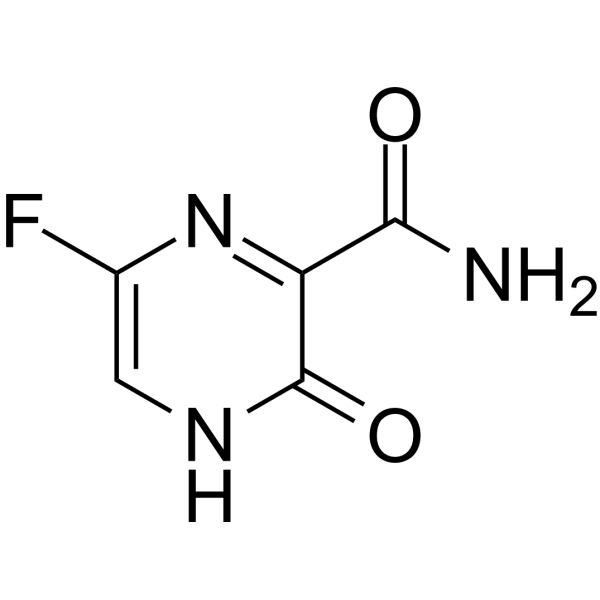
    Favipiravir
    Maximum Cited Publications
    50 Publications Verification

    T-705

    DNA/RNA Synthesis Influenza Virus SARS-CoV Bacterial Infection
    Favipiravir (T-705) is a potent viral RNA polymerase inhibitor, it is phosphoribosylated by cellular enzymes to its active form, Favipiravir-ribofuranosyl-5′-triphosphate (RTP). Favipiravir-RTP inhibits the influenza viral RNA-dependent RNA polymerase (RdRP) activity with an IC50 of 341 nM.
    Favipiravir
  • HY-N6972
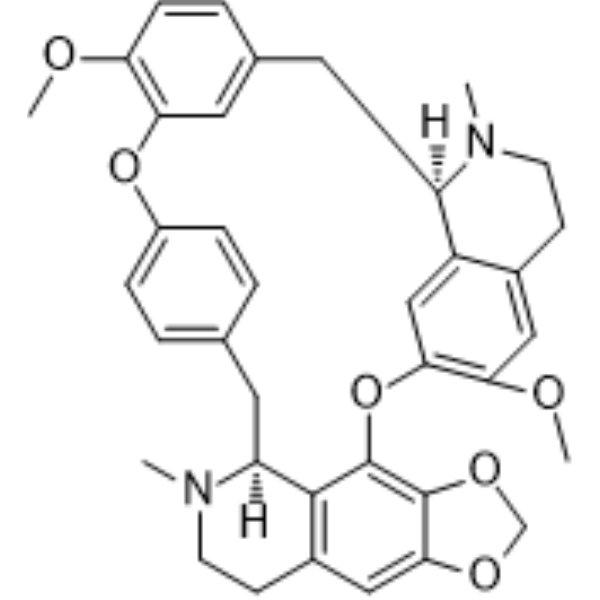
    Cepharanthine
    Maximum Cited Publications
    13 Publications Verification

    Autophagy SARS-CoV Cytochrome P450 Apoptosis Parasite Infection Inflammation/Immunology Cancer
    Cepharanthine is a natural product that can be isolated from the plant Stephania cephalantha Hayata. Cepharanthine has anti-severe acute respiratory syndrome coronavirus 2 (anti-SARS-CoV-2) activities. Cepharanthine has good effective in suppressing viral proliferation (half maximal (50%) inhibitory concentration (IC50) and 90% inhibitory concentration (IC90) values of 1.90 and 4.46 μM . Cepharanthine can also effectively reverses P-gp-mediated multidrug resistance in K562 cells and increase enhances the sensitivity of anticancer agents in xenograft mice model . Cepharanthine shows inhibitory effects of human liver cytochrome P450 enzymes CYP3A4, CYP2E1 and CYP2C9. Cepharanthine has antitumor, anti-inflammatory and antinociceptive effects .
    Cepharanthine
  • HY-W019670
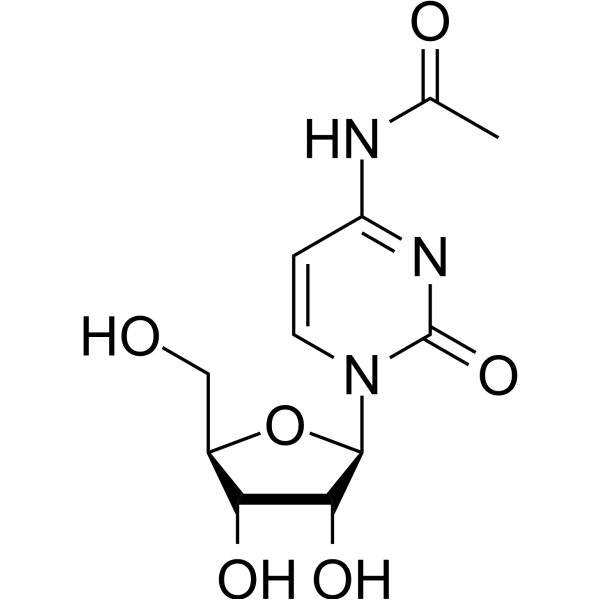
    N4-Acetylcytidine
    1 Publications Verification

    Endogenous Metabolite Histone Acetyltransferase Enterovirus NOD-like Receptor (NLR) Infection Neurological Disease Metabolic Disease Inflammation/Immunology Cancer
    N4-acetylcytidine (N4A) is an endogenous nucleoside metabolite from the degradation of tRNA. N4-Acetylcytidine is formed by N-acetyltransferase 10 and other enzymes. N4-acetylcytidine might sustain NLRP3 inflammasome activation via induction of HMGB1 expression and releasee. N4-Acetylcytidine modifies mRNA, tRNA and rRNA, affecting their stability, translation efficiency (such as enterovirus 71 RNA). N4-Acetylcytidine is used in the study of cancer, neuroinflammatory diseases, viral infections and obesity .
    N4-Acetylcytidine
  • HY-15275
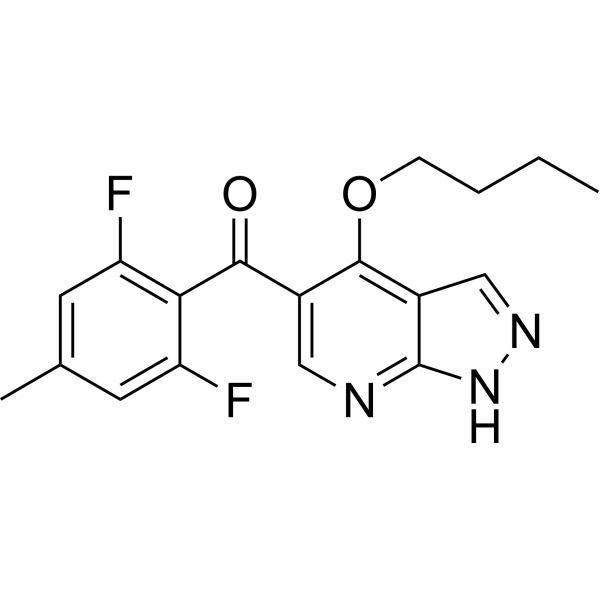
    BMS-265246
    2 Publications Verification

    CDK Angiotensin-converting Enzyme (ACE) Infection Cardiovascular Disease Cancer
    BMS-265246 is a potent and selective cyclin-dependent kinase CDK1 and CDK2 inhibitor, with IC50 values of 6 and 9 nM, respectively. BMS-265246 inhibits CHI3L1 (chitinase 3-like-1) stimulation of ACE2 (angiotensin converting enzyme 2) and SPP (viral spike protein priming proteases). BMS-265246 can be used for ovarian cancer and COVID-19 research .
    BMS-265246
  • HY-N0168A

    TGF-beta/Smad NF-κB Infection Inflammation/Immunology Cancer
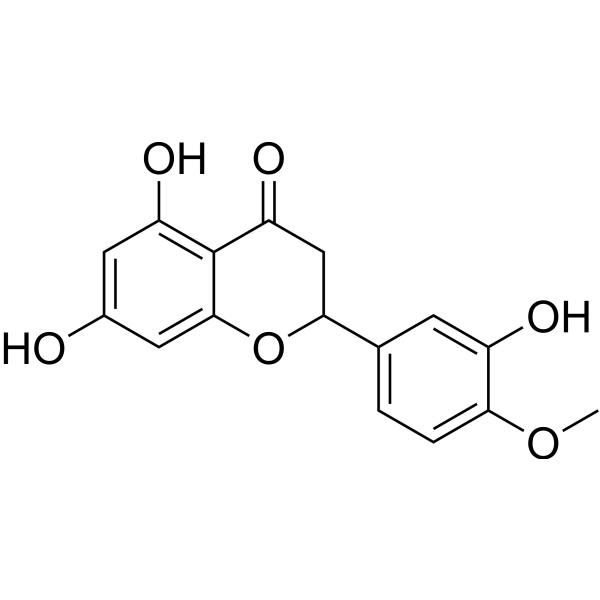
    (Rac)-Hesperetin is the racemate of Hesperetin (HY-N0168), an orally active multi-target inhibitor. (Rac)-Hesperetin exhibits significant anti-tumor and anti-inflammatory activities by blocking the TGF-β1-mediated Fyn/RhoA signaling axis and the TLR4-MyD88-NF-κB inflammatory pathway. (Rac)-Hesperetin inhibits the formation of actin stress fibers and the migration and invasion of cancer cells, and is suitable for triple-negative breast cancer research. In inflammation models, (Rac)-Hesperetin effectively alleviates lung injury by reducing the release of pro-inflammatory mediators and regulating the activity of oxidative stress enzymes, and is suitable for acute lung injury research. (Rac)-Hesperetin also interferes with the entry and early replication processes of channel catfish virus, inhibits viral gene expression and progeny virus production, thereby protecting cells from virus-induced cytopathic effects .
    (Rac)-Hesperetin
  • HY-P3008

    Biochemical Assay Reagents Others
    Submandibular mucin is a high molecular weight glycoprotein that is used as a substrate for the viral enzyme neuraminidase .
    Submandibular mucin
  • HY-50737
    DUB-IN-3
    5+ Cited Publications

    Deubiquitinase Infection Cardiovascular Disease Neurological Disease Inflammation/Immunology Cancer
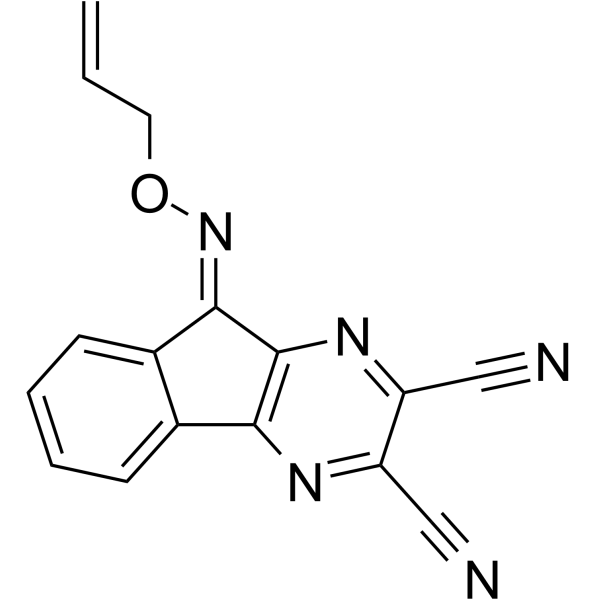
    DUB-IN-3 (compound 22c) is a potent and selective inhibitor of the deubiquitinating enzyme USP8 with an IC50 value of 0.56 μM. DUB-IN-3 is promising for research of cancer, neurodegenerative diseases, inflammation, viral infection and cardiovascular disease .
    DUB-IN-3
  • HY-128788

    DNA/RNA Synthesis SARS-CoV Endogenous Metabolite Flavivirus Lactate Dehydrogenase Infection
    ddhCTP is an endogenously produced pyrimidine base analog with a Kd of 17.0 nM for LLDH and an IC50 of 55.8 μM for GAPDH. By inhibiting key metabolic enzymes such as GAPDH, ddhCTP reduces glycolytic flux and shifts metabolic flow toward the pentose phosphate pathway, thereby regulating the redox balance of cells. As a competitive CTP analog, ddhCTP terminates RNA synthesis by flavivirus RdRps and SARS-CoV-2 RdRp, and inhibits Zika virus replication in vivo. ddhCTP can be used in studies related to viral infections, COVID-19 and Zika virus infections.
    ddhCTP
  • HY-N6841
    Rhodiolin
    1 Publications Verification

    Glucose-6-Phosphate Isomerase (GPI) Casein Kinase Virus Protease Flavivirus PI3K Akt mTOR Apoptosis Infection Cancer
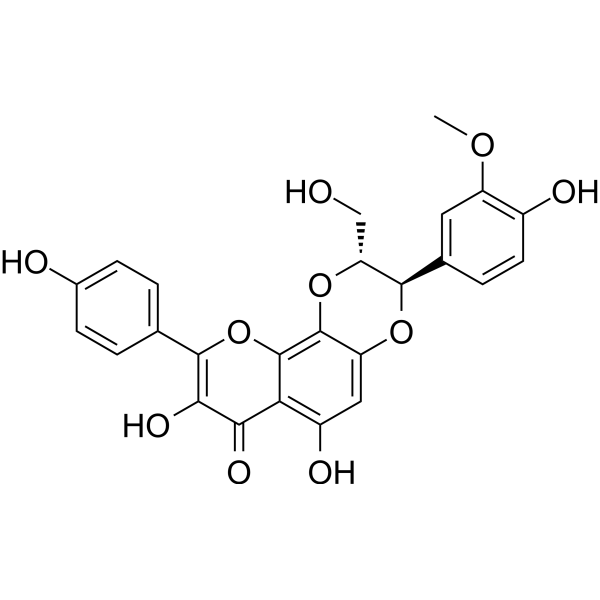
    Rhodiolin, a flavonoid, is an orally active glucose 6-phosphate isomerase (GPI) inhibitor. Rhodiolin inhibits papillary thyroid cancer (PTC) by targeting glycolysis enzyme glucose 6-phosphate isomerase GPI and suppressing PI3K/AKT/mTOR phosphorylation and induce apoptosis. Rhodiolin as a NS2B-NS3 protease inhibitor can disrupt dengue viral replication. Rhodiolin is also a potential candidate for developing anticancer strategies inhibiting CK1ε kinase. Rhodiolin can be used for the study of anti-tumor and anti-viral .
    Rhodiolin
  • HY-W352344

    HBV Infection
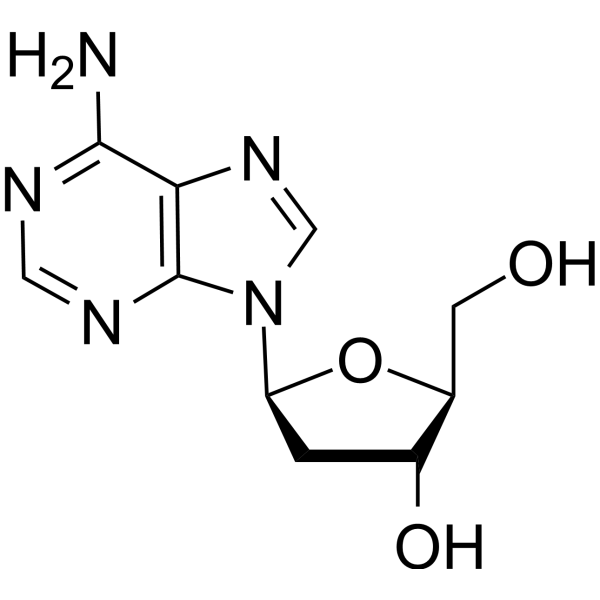
    2'-Deoxy-L-adenosine is an orally active synthon for modified oligodeoxyribonucleotides. 2'-Deoxy-L-adenosine is a potent, specific and selective inhibitor of the replication of hepatitis B virus (HBV) as well as the closely related duck and woodchuck hepatitis viruses (WHV) .
    2'-Deoxy-L-adenosine
  • HY-W753593

    Isotope-Labeled Compounds Enterovirus NOD-like Receptor (NLR) Histone Acetyltransferase Endogenous Metabolite Infection Neurological Disease Metabolic Disease Inflammation/Immunology Cancer
    N4-Acetylcytidine- 13C5 is the 13C-labeled N4-Acetylcytidine (HY-W019670). N4-acetylcytidine (N4A) is an endogenous nucleoside metabolite from the degradation of tRNA. N4-Acetylcytidine is formed by N-acetyltransferase 10 and other enzymes. N4-acetylcytidine might sustain NLRP3 inflammasome activation via induction of HMGB1 expression and releasee. N4-Acetylcytidine modifies mRNA, tRNA and rRNA, affecting their stability, translation efficiency (such as enterovirus 71 RNA). N4-Acetylcytidine is used in the study of cancer, neuroinflammatory diseases, viral infections and obesity .
    N4-Acetylcytidine-13C5
  • HY-W353804

    Nucleoside Antimetabolite/Analog Infection
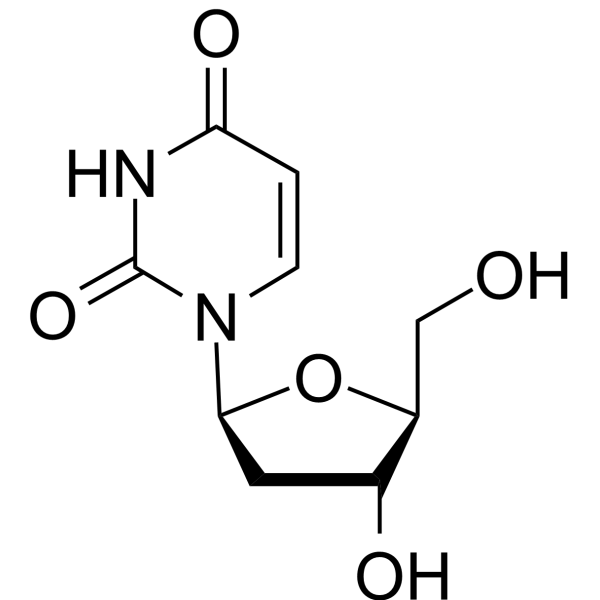
    2'-Deoxy-β-L-uridine is a nucledside analogue and a specific substrate for the viral enzyme, shows no stereospecificity against herpes simplex 1 (HSV1) thymidine kinase (TK). 2′-Deoxy-β-L-uridine exerts antiviral activity via the interation of 5'-triphosphates with the viral DNA polymerase .
    2′-Deoxy-β-L-uridine
  • HY-131605B

    GCV-TP disodium

    CMV DNA/RNA Synthesis Infection Cancer
    Ganciclovir triphosphate (GCV-TP) disodium is a synthetic 2'-deoxyguanosine analog with activity in inhibiting human cytomegalovirus (CMV) replication. Ganciclovir triphosphate disodium is effective against CMV infection by binding to viral DNA polymerase and interfering with viral DNA synthesis. Ganciclovir triphosphate disodium has an IC50 of 0.01 μM against CMV strains from humans, monkeys, mice, and guinea pigs. Ganciclovir triphosphate disodium has also been used in gene-directed enzyme prodrug inhibition for cancer inhibition .
    Ganciclovir triphosphate disodium
  • HY-P5407

    SARS-CoV Angiotensin-converting Enzyme (ACE) Infection Cancer
    HD5 is an innate immune effector peptide and SARS-CoV Inhibitor. HD5 binds to the ligand-binding domain of angiotensin-converting enzyme-2 (ACE2) via multiple hydrogen bonds to competitively block the receptor, shielding it from viral recognition. HD5 can be used for the research of COVID-19, HPV16 infection, epithelial ovarian cancer, small-cell lung cancer, and colon cancer .
    HD5
  • HY-W019670R

    Reference Standards Endogenous Metabolite Histone Acetyltransferase Enterovirus NOD-like Receptor (NLR) Infection Neurological Disease Metabolic Disease Inflammation/Immunology Cancer
    N4-acetylcytidine (N4A) is an endogenous nucleoside metabolite from the degradation of tRNA. N4-Acetylcytidine is formed by N-acetyltransferase 10 and other enzymes. N4-acetylcytidine might sustain NLRP3 inflammasome activation via induction of HMGB1 expression and releasee. N4-Acetylcytidine modifies mRNA, tRNA and rRNA, affecting their stability, translation efficiency (such as enterovirus 71 RNA). N4-Acetylcytidine is used in the study of cancer, neuroinflammatory diseases, viral infections and obesity .
    N4-Acetylcytidine (Standard)
  • HY-131605

    GCV-TP

    Endogenous Metabolite CMV DNA/RNA Synthesis Infection Cancer
    Ganciclovir triphosphate (GCV-TP) is a synthetic 2'-deoxyguanosine analog with activity in inhibiting human cytomegalovirus (CMV) replication. Ganciclovir triphosphate is effective against CMV infection by binding to viral DNA polymerase and interfering with viral DNA synthesis. Ganciclovir triphosphate has an IC50 of 0.01 μM against CMV strains from humans, monkeys, mice, and guinea pigs. Ganciclovir triphosphate has also been used in gene-directed enzyme prodrug inhibition for cancer inhibition .
    Ganciclovir triphosphate
  • HY-N9454

    Pregnane X Receptor (PXR) COX NF-κB Amylases β-glucuronidase DNA/RNA Synthesis Amyloid-β NOD-like Receptor (NLR) Pyroptosis Cancer
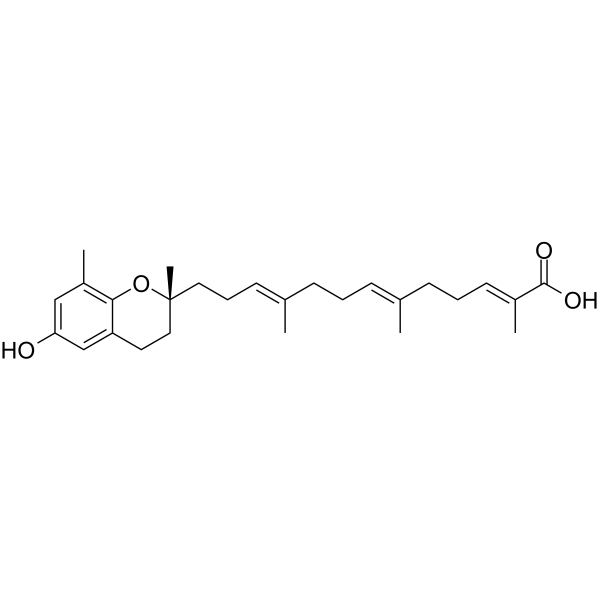
    Garcinoic acid is an orally active anti-inflammatory agent that crosses the blood-brain barrier. Garcinoic acid also enhances efferocytosis and enzyme/receptor regulation, and selectively inhibits human COX-2, porcine α-amylase, Saccharomyces cerevisiae α-glucosidase and human DNA polymerase β (IC50=11 μM), as well as activates human PXR. Garcinoic acid enhances macrophage efferocytosis via receptors such as MerTK and LRP-1, and promotes the production of pro-resolving lipid mediators. Garcinoic acid inhibits NF-κB activation and pro-inflammatory cytokine secretion, interferes with aggregation, downregulates NLRP3 inflammasome activity, and binds to targets including CD44 and EGFR to inhibit leukemia cell proliferation. The pharmacological activities of Garcinoic acid, such as antioxidant, anti-inflammatory and lipid metabolism-regulating effects, are widely used in studies related to various diseases including atherosclerosis, Alzheimer's disease, type 2 diabetes, inflammatory bowel disease and viral pneumonia .
    Garcinoic acid
  • HY-N0168AS1

    Isotope-Labeled Compounds NF-κB TGF-beta/Smad Neurological Disease Cancer
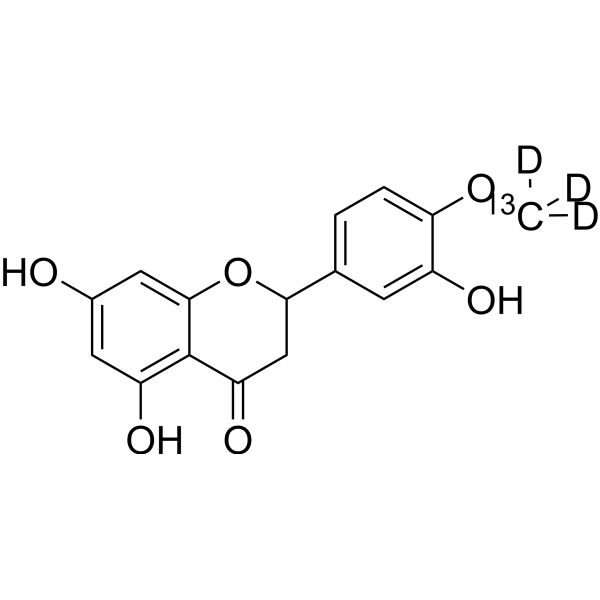
    (Rac)-Hesperetin- 13C,d3 is the 13C- and deuterium labeled (Rac)-Hesperetin. (Rac)-Hesperetin is the racemate of Hesperetin (HY-N0168), an orally active multi-target inhibitor. (Rac)-Hesperetin exhibits significant anti-tumor and anti-inflammatory activities by blocking the TGF-β1-mediated Fyn/RhoA signaling axis and the TLR4-MyD88-NF-κB inflammatory pathway. (Rac)-Hesperetin inhibits the formation of actin stress fibers and the migration and invasion of cancer cells, and is suitable for triple-negative breast cancer research. In inflammation models, (Rac)-Hesperetin effectively alleviates lung injury by reducing the release of pro-inflammatory mediators and regulating the activity of oxidative stress enzymes, and is suitable for acute lung injury research. (Rac)-Hesperetin also interferes with the entry and early replication processes of channel catfish virus, inhibits viral gene expression and progeny virus production, thereby protecting cells from virus-induced cytopathic effects .
    (Rac)-Hesperetin-13C,d3
  • HY-10572A

    (R)-DMP 266; (R)-EFV; (R)-L-743726

    Reverse Transcriptase Infection
    (R)-Efavirenz ((R)-DMP 266) is a non-nucleoside reverse transcriptase inhibitor that acts by non-competitive inhibition of the viral enzyme. (R)-Efavirenz can be metabolized by CYP2B6 to 8-hydroxyefavirenz in a highly stereoselective manner. (R)-Efavirenz is promising to be a useful probe for the CYP2B6 active site and catalytic mechanisms .
    (R)-Efavirenz
  • HY-14768R

    T-705 (Standard)

    Reference Standards DNA/RNA Synthesis Influenza Virus SARS-CoV Bacterial Infection
    Favipiravir (Standard) is the analytical standard of Favipiravir. This product is intended for research and analytical applications. Favipiravir (T-705) is a potent viral RNA polymerase inhibitor, it is phosphoribosylated by cellular enzymes to its active form, Favipiravir-ribofuranosyl-5′-triphosphate (RTP). Favipiravir-RTP inhibits the influenza viral RNA-dependent RNA polymerase (RdRP) activity with an IC50 of 341 nM.
    Favipiravir (Standard)
  • HY-14768S

    T-705-13C15N

    Isotope-Labeled Compounds Bacterial DNA/RNA Synthesis SARS-CoV Influenza Virus Infection
    Favipiravir- 13C 15N (T-705- 13C 15N) is 13C and 15N labeled Favipiravir. Favipiravir (T-705) is a potent viral RNA polymerase inhibitor, it is phosphoribosylated by cellular enzymes to its active form, Favipiravir-ribofuranosyl-5′-triphosphate (RTP). Favipiravir-RTP inhibits the influenza viral RNA-dependent RNA polymerase (RdRP) activity with an IC50 of 341 nM.
    Favipiravir-13C15N
  • HY-N6972R

    Autophagy Reference Standards SARS-CoV Cytochrome P450 Apoptosis Parasite Infection Inflammation/Immunology Cancer
    Cepharanthine (Standard) is the analytical standard of Cepharanthine. This product is intended for research and analytical applications. Cepharanthine is a natural product that can be isolated from the plant Stephania?cephalantha?Hayata. Cepharanthine has anti-severe acute respiratory syndrome coronavirus 2 (anti-SARS-CoV-2) activities. Cepharanthine has good effective in suppressing viral proliferation (half maximal (50%) inhibitory concentration (IC50) and 90% inhibitory concentration (IC90) values of 1.90 and 4.46?μM . Cepharanthine can also effectively reverses P-gp-mediated multidrug resistance in K562 cells and increase enhances the sensitivity of anticancer agents in xenograft mice model . Cepharanthine shows inhibitory effects of human liver cytochrome P450 enzymes CYP3A4, CYP2E1 and CYP2C9. Cepharanthine has antitumor, anti-inflammatory and antinociceptive effects .
    Cepharanthine (Standard)
  • HY-130760

    HIV Integrase Infection
    HIV-1 integrase inhibitor 7 is a potent HIV-1 integrase inhibitor, with an IC50 of 33.3 nM .
    HIV-1 integrase inhibitor 7
  • HY-W769714

    T-705-13C3

    Isotope-Labeled Compounds DNA/RNA Synthesis Influenza Virus Infection
    Favipiravir- 13C3 is the 13C labeled isotope of Favipiravir (HY-14768). Favipiravir (T-705) is a potent viral RNA polymerase inhibitor, it is phosphoribosylated by cellular enzymes to its active form, Favipiravir-ribofuranosyl-5′-triphosphate (RTP). Favipiravir-RTP inhibits the influenza viral RNA-dependent RNA polymerase (RdRP) activity with an IC50 of 341 nM.
    Favipiravir-13C3
  • HY-163529A

    HSV Infection
    (S)-HN0037 is the (S)-isomer of HN0037 (HY-163529), a selective and orally active helicase-primase inhibitor that inhibits HSV replication by targeting the viral helicase-primase enzyme complex .
    (S)-HN0037
  • HY-169746

    DNA/RNA Synthesis HCV Infection
    Antiviral agent 63 is a nucleoside analog with anti-HCV activity. Antiviral agent 63 can inhibit viral replication by inhibiting the activity of HCV RNA-dependent RNA polymerase or other virus-related enzymes .
    Antiviral agent 63
  • HY-16740A

    A-5021 potassium

    DNA/RNA Synthesis Infection
    Eprociclovir potassium is an antiviral drug with nucleoside analogues. The triphosphate form of Eprociclovir potassium is converted into the active form within virus-infected cells by the virus and possible cellular enzymes, including the viral thymidine kinase, thereby inhibiting the activity of the viral DNA polymerase. The primary activity of Eprociclovir potassium is against herpes viruses, including but not limited to cytomegalovirus (CMV) and herpes simplex virus (HSV). Eprociclovir potassium can be used in studies interfered with by sensitive viruses .
    Eprociclovir potassium
  • HY-16740B

    A-5021 sodium

    DNA/RNA Synthesis Infection
    Eprociclovir sodium is an antiviral drug with nucleoside analogues. The triphosphate form of Eprociclovir sodium is converted into the active form within virus-infected cells by the virus and possible cellular enzymes, including the viral thymidine kinase, thereby inhibiting the activity of the viral DNA polymerase. The primary activity of Eprociclovir sodium is against herpes viruses, including but not limited to cytomegalovirus (CMV) and herpes simplex virus (HSV). Eprociclovir sodium can be used in studies interfered with by sensitive viruses .
    Eprociclovir sodium
  • HY-16740

    A-5021

    DNA/RNA Synthesis Infection
    Eprociclovir is an antiviral drug with nucleoside analogues. The triphosphate form of Eprociclovir is converted into the active form within virus-infected cells by the virus and possible cellular enzymes, including the viral thymidine kinase, thereby inhibiting the activity of the viral DNA polymerase. The primary activity of Eprociclovir is against herpes viruses, including but not limited to cytomegalovirus (CMV) and herpes simplex virus (HSV). Eprociclovir can be used in studies interfered with by sensitive viruses .
    Eprociclovir
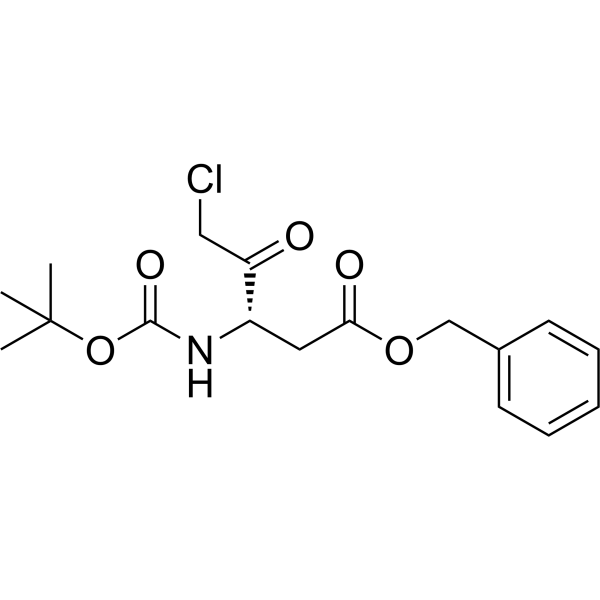
  • HY-W650842

    Caspase Cancer
    Boc-Asp(OBzl)-CMK is an inhibitor for IL-1 converting enzyme (ICE, caspase1). Boc-Asp(OBzl)-CMK prevents death of CHP100 neuroblastoma cell, and IL-1β release elicited by the viral coat protein .
    Boc-Asp(OBzl)-CMK
  • HY-N144101

    SARS-CoV Infection
    SARS-CoV MPro-IN-2 (compound 15) is a potent inhibitor of SARS-CoV-2 M pro with an IC50 value of 72.07 nM. The main protease (M pro) of the virus as the major enzyme processing viral polyproteins contributes to the replication and transcription of SARS-CoV-2 in host cells, and has been characterized as an attractive target in agent discovery. SARS-CoV MPro-IN-2 has the potential for the research of COVID-19 .
    SARS-CoV MPro-IN-2
  • HY-145277

    SARS-CoV Infection
    SARS-CoV-2-IN-11 is a potent and nontoxic inhibitor of SARS-CoV-2 3CL protease (3CLpro) with an IC50 and EC50 of 0.17 and 1.45 nM, respectively. SARS-CoV-2 3C-like protease (3CLpro), an enzyme essential for viral replication, is an attractive target for intervention. SARS-CoV-2-IN-11 may lead to the emergence of effective SARS-CoV-2-specific antivirals .
    SARS-CoV-2-IN-11
  • HY-145276

    SARS-CoV Infection
    SARS-CoV-2-IN-10 is a potent and nontoxic inhibitor of SARS-CoV-2 3CL protease (3CLpro) with an IC50 and EC50 of 0.13 and 1.03 nM, respectively. SARS-CoV-2 3C-like protease (3CLpro), an enzyme essential for viral replication, is an attractive target for intervention. SARS-CoV-2-IN-11 may lead to the emergence of effective SARS-CoV-2-specific antivirals .
    SARS-CoV-2-IN-10
  • HY-112142A

    DVR-23

    HBV Inflammation/Immunology
    (Rac)-AB-423 (DVR-23) is an anti-HBV candidate compound with promising anti-HBV activity. (Rac)-AB-423 showed no induction of CYP1A2, CYP3A4, or CYP2B6 enzyme activity at high concentrations. (Rac)-AB-423 exhibited desirable pharmacokinetic properties, enabling good systemic exposure and high oral bioavailability. (Rac)-AB-423 achieved more than 2 log viral load reduction in the hydrodynamic injection (HDI) HBV mouse model .
    (Rac)-AB-423
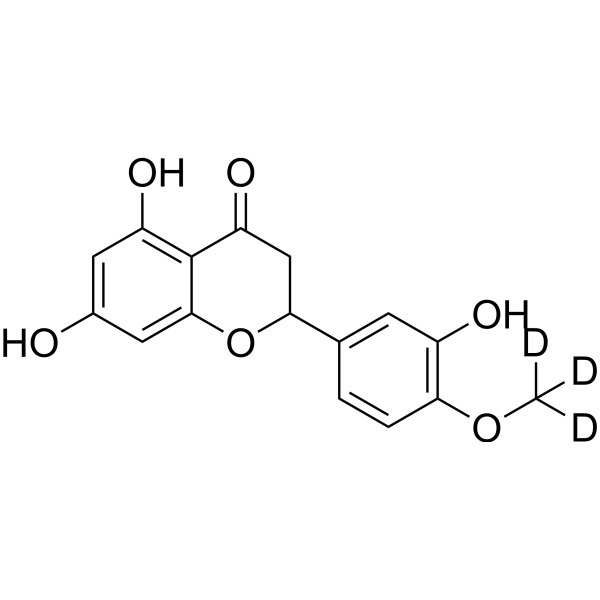
  • HY-N0168AS

    Isotope-Labeled Compounds NF-κB TGF-beta/Smad Neurological Disease Cancer
    (Rac)-Hesperetin-d3 is the deuterium labeled (Rac)-Hesperetin. (Rac)-Hesperetin is the racemate of Hesperetin (HY-N0168), an orally active multi-target inhibitor. (Rac)-Hesperetin exhibits significant anti-tumor and anti-inflammatory activities by blocking the TGF-β1-mediated Fyn/RhoA signaling axis and the TLR4-MyD88-NF-κB inflammatory pathway. (Rac)-Hesperetin inhibits the formation of actin stress fibers and the migration and invasion of cancer cells, and is suitable for triple-negative breast cancer research. In inflammation models, (Rac)-Hesperetin effectively alleviates lung injury by reducing the release of pro-inflammatory mediators and regulating the activity of oxidative stress enzymes, and is suitable for acute lung injury research. (Rac)-Hesperetin also interferes with the entry and early replication processes of channel catfish virus, inhibits viral gene expression and progeny virus production, thereby protecting cells from virus-induced cytopathic effects .
    (Rac)-Hesperetin-d3
  • HY-N0168AR

    Reference Standards NF-κB TGF-beta/Smad Neurological Disease Cancer
    (Rac)-Hesperetin (Standard) is the analytical standard of (Rac)-Hesperetin. This product is intended for research and analytical applications. (Rac)-Hesperetin is the racemate of Hesperetin (HY-N0168), an orally active multi-target inhibitor. (Rac)-Hesperetin exhibits significant anti-tumor and anti-inflammatory activities by blocking the TGF-β1-mediated Fyn/RhoA signaling axis and the TLR4-MyD88-NF-κB inflammatory pathway. (Rac)-Hesperetin inhibits the formation of actin stress fibers and the migration and invasion of cancer cells, and is suitable for triple-negative breast cancer research. In inflammation models, (Rac)-Hesperetin effectively alleviates lung injury by reducing the release of pro-inflammatory mediators and regulating the activity of oxidative stress enzymes, and is suitable for acute lung injury research. (Rac)-Hesperetin also interferes with the entry and early replication processes of channel catfish virus, inhibits viral gene expression and progeny virus production, thereby protecting cells from virus-induced cytopathic effects .
    (Rac)-Hesperetin (Standard)
  • HY-167716

    HIV Infection
    Zidovudine diphosphate is an antiretroviral agent that exhibits the activity of inhibiting the reverse transcriptase enzyme used by HIV to synthesize DNA, thereby preventing the formation of viral DNA.
    Zidovudine diphosphate
  • HY-D2982

    Fluorescent Dye Infection
    BTP9-Neu5Ac is a fluorescent imaging probe specifically designed for detecting the neuraminidase (NA) sialidase activity of influenza viruses. BTP9-Neu5Ac can visualize the intracellular Golgi localization of the viral NA activity. BTP9-Neu5Ac can be used for precise and temporal monitoring of the key enzyme activities during the viral life cycle .
    BTP9-Neu5Ac
  • HY-P5407A

    SARS-CoV Angiotensin-converting Enzyme (ACE) Infection Cancer
    HD5 TFA is an innate immune effector peptide and SARS-CoV Inhibitor. HD5 TFA binds to the ligand-binding domain of angiotensin-converting enzyme-2 (ACE2) via multiple hydrogen bonds to competitively block the receptor, shielding it from viral recognition. HD5 TFA can be used for the research of COVID-19, HPV16 infection, epithelial ovarian cancer, small-cell lung cancer, and colon cancer .
    HD5 TFA
  • HY-123883

    HIV HIV Integrase Infection
    MK-0536 is a highly potent HIV-1 integrase inhibitor that effectively suppresses the replication of wild-type viruses. MK-0536 retains significant antiviral activity against multiple key drug-resistant mutants such as Y143R and N155H, and shows no toxicity to uninfected cells. MK-0536 selectively blocks the strand transfer reaction of integrase by chelating magnesium ions at the active site and interacting with viral DNA and enzyme residues. MK-0536 is applicable to the study of HIV infection mechanisms .
    MK-0536
  • HY-181969

    Virus Protease Infection
    BFB78 is a blood-brain barrier-permeable nsP2 protease inhibitor. BFB78 potently and broadly inhibits the purified nsP2 proteases of various alphaviruses, with IC50 values ranging from 21.6 nM (Mayaro virus; MAYV) to 130.7 nM (Chikungunya virus; CHIKV). BFB78 blocks viral replication in cell culture systems and reduces viral titers in the brains of mice. BFB78 can be used in studies related to Venezuelan equine encephalitis virus (VEEV) infection .
    BFB78
  • HY-128788A

    DNA/RNA Synthesis SARS-CoV Endogenous Metabolite Flavivirus Lactate Dehydrogenase Infection
    ddhCTP trisodium solution (100 mM) is an endogenously produced pyrimidine base analog with a Kd of 17.0 nM for LLDH and an IC50 of 55.8 μM for GAPDH. By inhibiting key metabolic enzymes such as GAPDH, ddhCTP trisodium reduces glycolytic flux and shifts metabolic flow toward the pentose phosphate pathway, thereby regulating the redox balance of cells. As a competitive CTP analog, ddhCTP trisodium terminates RNA synthesis by flavivirus RdRps and SARS-CoV-2 RdRp, and inhibits Zika virus replication in vivo. ddhCTP trisodium can be used in studies related to viral infections, COVID-19 and Zika virus infections .
    ddhCTP trisodium solution (100 mM)

Inquiry Online

Your information is safe with us. * Required Fields.

Salutation


Country or Region *

Applicant Name *


Organization Name *

Department *


Email Address *


Product Name *

Cat. No.


Requested quantity *

Phone Number *


Remarks

Inquiry Online

Inquiry Information

Product Name:
Cat. No.:
Quantity:
MCE Japan Authorized Agent: