Search Result
Results for "
glucosamines
" in MedChemExpress (MCE) Product Catalog:
19
Biochemical Assay Reagents
24
Isotope-Labeled Compounds
| Cat. No. |
Product Name |
Target |
Research Areas |
Chemical Structure |
-
- HY-B1125
-
-
-
- HY-A0132
-
|
N-Acetyl-2-amino-2-deoxy-D-glucose
|
Endogenous Metabolite
Drug Derivative
Drug Isomer
Interleukin Related
|
Metabolic Disease
Inflammation/Immunology
Cancer
|
|
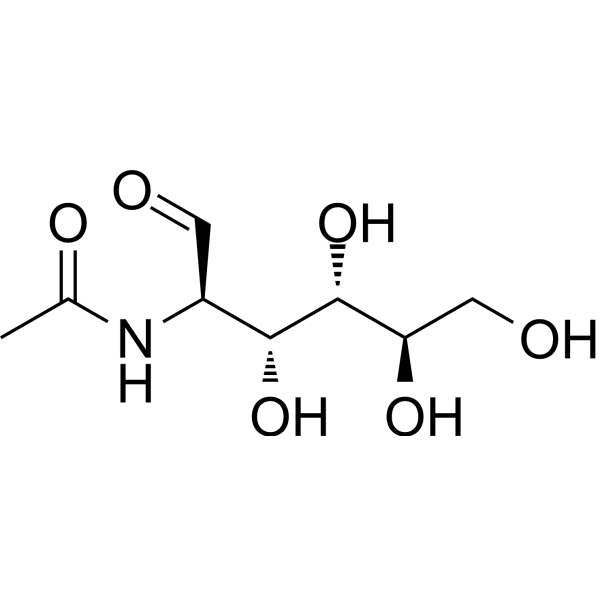
N-Acetyl-D-Glucosamine (N-Acetyl-2-amino-2-deoxy-D-glucose), the D isomer of N-acetylglucosamine, is an orally active monosaccharide derivative of glucose with anti-tumor and anti-inflammation properties. N-Acetyl-D-Glucosamine is also a bacterial metabolite, which is found in Escherichia coli. N-Acetyl-D-Glucosamine can induce yeast-mycelial conversion in Candida albicans. N-Acetyl-D-Glucosamine also enhances healing of cartilaginous injuries in rabbits .
|
-
-
- HY-N0457
-
|
Cichoric acid; Dicaffeoyltartaric acid
|
Reactive Oxygen Species (ROS)
Apoptosis
|
Metabolic Disease
Inflammation/Immunology
|
|
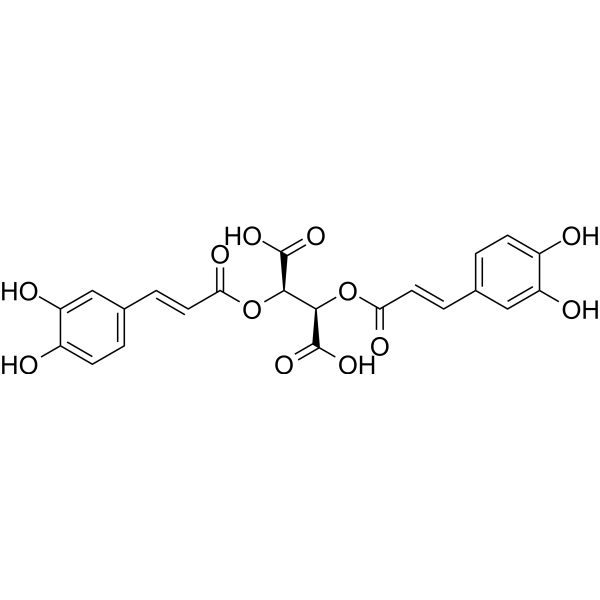
Chicoric acid (Cichoric acid), an orally active dicaffeyltartaric acid, induces reactive oxygen species (ROS) generation. Chicoric acid inhibits cell viability and induces mitochondria-dependent apoptosis in 3T3-L1 preadipocytes through ROS-mediated PI3K/Akt and MAPK signaling pathways. Chicoric acid increases glucose uptake, improves insulin resistance, and attenuates glucosamine-induced inflammation. Chicoric acid has antidiabetic properties and antioxidant, anti-inflammatory effects .
|
-
-
- HY-113407A
-
|
|
Endogenous Metabolite
FBPase
|
Neurological Disease
Metabolic Disease
|
|
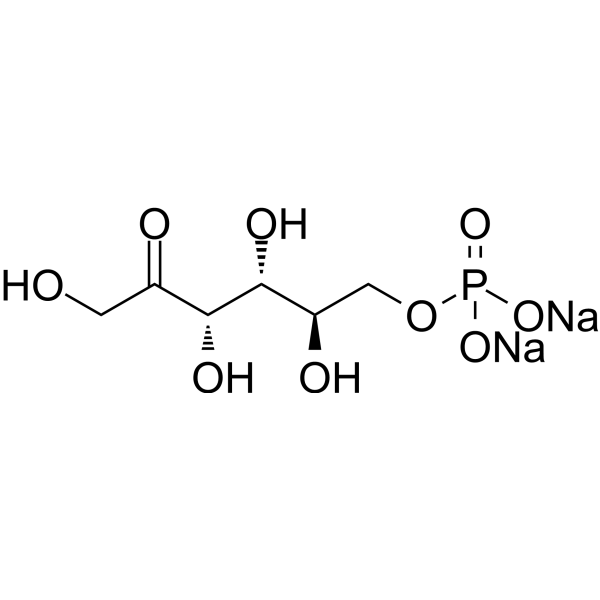
D-Fructose 6-phosphate disodium is an endogenous metabolite. D-Fructose 6-phosphate disodium can be obtained by hydrolysis of Fructose-1,6-bisphosphatase (FBPase). D-Fructose-6-phosphate disodium is a sugar intermediate in the glycolysis pathway and the pentose phosphate pathway. D-Fructose-6-phosphate disodium can be used to detect glucosamine-6-phosphate synthase and TAL activities. D-Fructose 6-phosphate disodium can be used to study Lewy body dementia .
|
-
-
- HY-N0733
-
|
D-(+)-Glucosamine hydrochloride; Chitosamine hydrochloride
|
Endogenous Metabolite
Reactive Oxygen Species (ROS)
HIF/HIF Prolyl-Hydroxylase
Autophagy
|
Inflammation/Immunology
Cancer
|
|
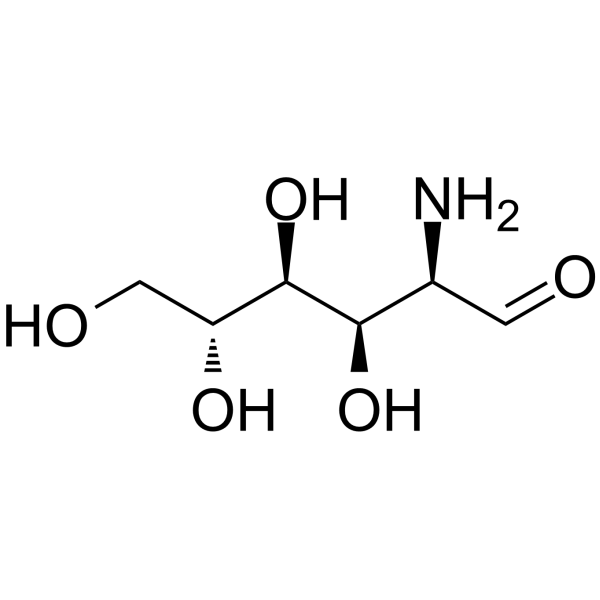
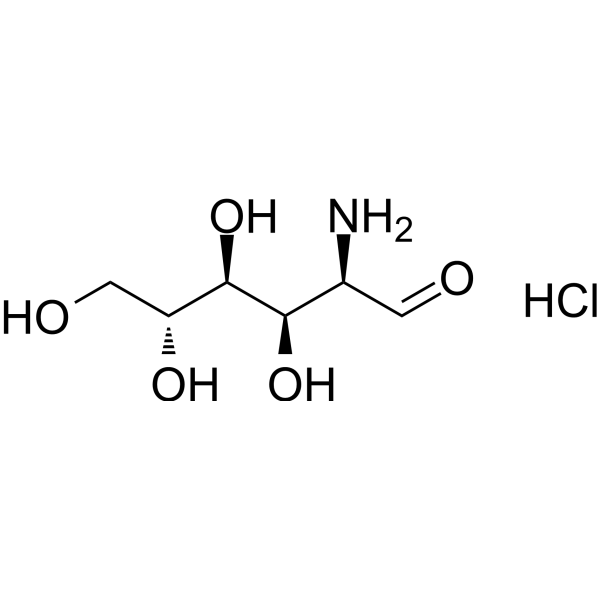
Glucosamine hydrochloride (D-Glucosamine hydrochloride) is an amino sugar and a prominent precursor in the biochemical synthesis of glycosylated proteins and lipids, is used as a dietary supplement. Glucosamine hydrochloride also is a natural constituent of glycosaminoglycans in the cartilage matrix and synovial fluid, which when administered exogenously, exerts pharmacological effects on osteoarthritic cartilage and chondrocytes .
|
-
-
- HY-112108
-
|
COS
|
AMPK
Endogenous Metabolite
|
Metabolic Disease
Cancer
|
|
Chitosan oligosaccharide (COS) is an oligomer of β-(1→4)-linked D-glucosamine. Chitosan oligosaccharide (COS) activates AMPK and inhibits inflammatory signaling pathways including NF-κB and MAPK pathways.
|
-
-
- HY-N11848
-
|
Glucosamine-6-phosphate; D-GlcN-6-P
|
Endogenous Metabolite
|
Metabolic Disease
|
|
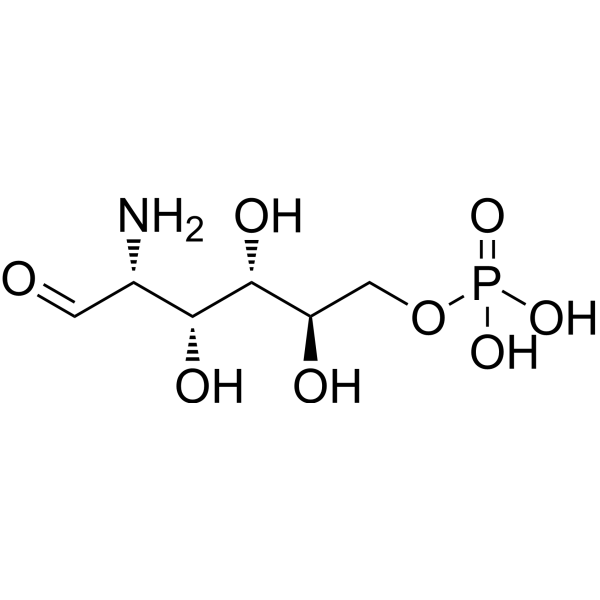
D-Glucosamine 6-phosphate is an endogenous metabolite that can be synthesized by glutamine fructose-6-phosphate amidotransferase (GFAT). D-Glucosamine 6-phosphate can be used for the research of diabetes mellitus .
|
-
-
- HY-147063
-
|
|
Endogenous Metabolite
|
Others
|
|
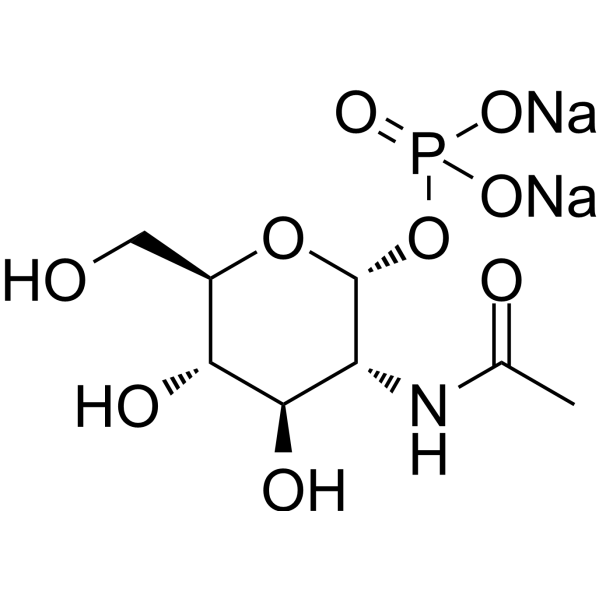
N-acetyl-α-d-glucosamine 1-phosphate disodium (GlcNAc-1-P) is an ectopic sugar phosphate and a key intermediate in N-glycoprotein biosynthesis. N-acetyl-α-d-glucosamine 1-phosphate disodium serves as a metabolic precursor of teichoic acid and muramic acid, which are components of bacterial cell walls .
|
-
-
- HY-N0487
-
-
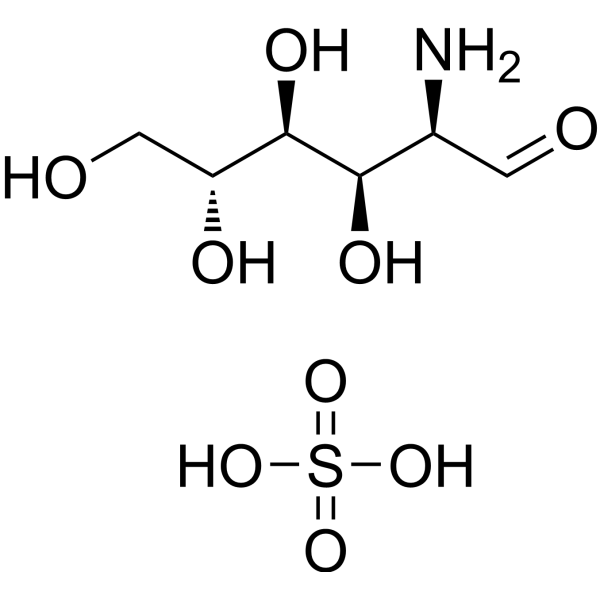
-
- HY-W011916
-
|
3-O-Carboxyethyl-D-glucosamine
|
Bacterial
Endogenous Metabolite
|
Infection
|
|
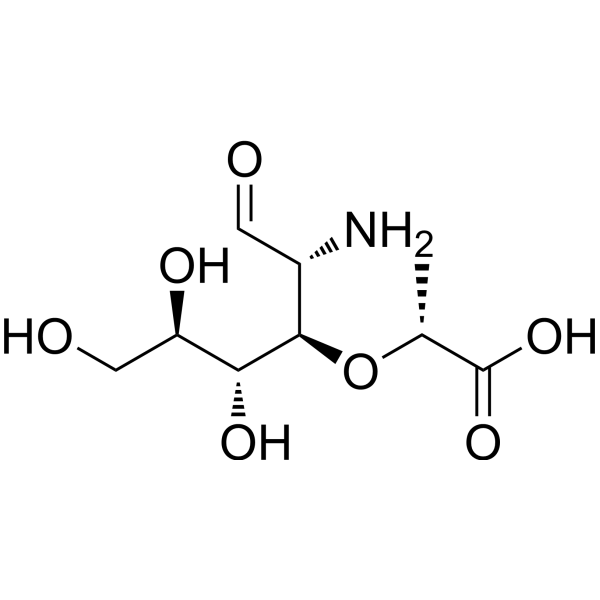
Muramic acid (3-O-Carboxyethyl-D-glucosamine) is a component found only in the cell walls of bacteria and blue-green algae. Muramic acid can be used to measure the biomass of microorganisms in environments such as estuaries, oceans, and soils .
|
-
-
- HY-N9459
-
|
D-Glucosamine Hydrochloride
|
GLUT
|
Infection
Neurological Disease
Cancer
|
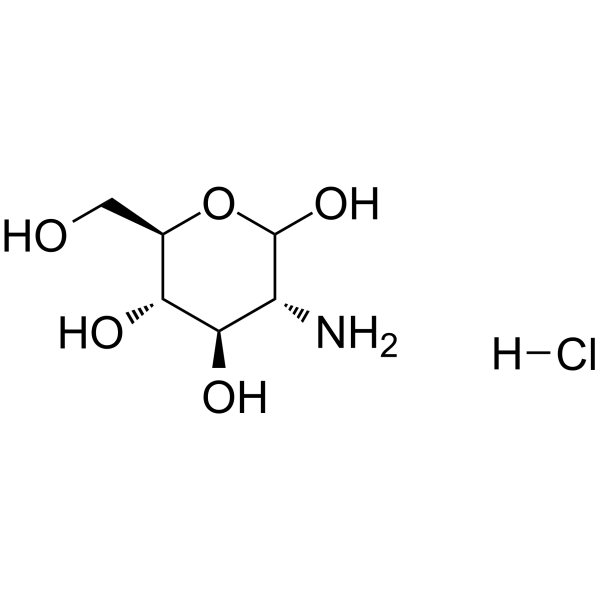
2-Amino-2-deoxyglucose hydrochloride (D-Glucosamine Hydrochloride) is a glucose analog that is specifically recognized and transported by the cell membrane GLUT1. 2-Amino-2-deoxyglucose hydrochloride acts as a tumor-targeting ligand and a guiding molecule for the synthesis of prodrug conjugates, thus delivering drugs precisely to tumor cells. 2-Amino-2-deoxyglucose hydrochloride is applicable to diagnostic imaging and therapeutic efficacy monitoring of solid tumors and various cancers (e.g., breast cancer, glioblastoma). 2-Amino-2-deoxyglucose hydrochloride also helps bacteria resist lysozyme digestion by integrating into the non-N-acetylated residues of Streptococcus pneumoniae peptidoglycan. 2-Amino-2-deoxyglucose hydrochloride is used in studies on tumor metabolism and the exploration of bacterial drug resistance mechanisms .
|
-
-
- HY-W009439
-
|
GlcN6P; D-Glucosamine-6-sulfate
|
Biochemical Assay Reagents
|
Others
|
|
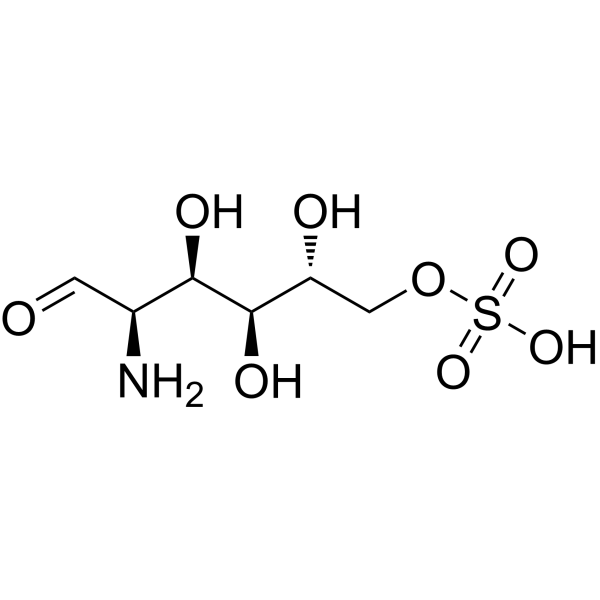
Glucosamine 6-sulfate (GlcN6P) is an organic cofactor that splits phosphodiester bonds. Glucosamine 6-sulfate plays a variety of catalytic roles in glmS ribozymes .
|
-
-
- HY-113407
-
|
|
Endogenous Metabolite
FBPase
|
Neurological Disease
Metabolic Disease
|
|
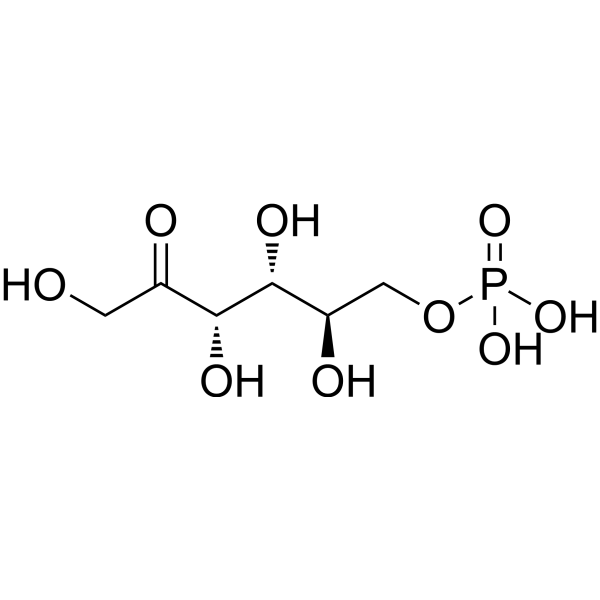
D-Fructose 6-phosphate is an endogenous metabolite. D-Fructose 6-phosphate can be obtained by hydrolysis of Fructose-1,6-bisphosphatase (FBPase). D-Fructose-6-phosphate is a sugar intermediate in the glycolysis pathway and the pentose phosphate pathway. D-Fructose-6-phosphate can be used to detect glucosamine-6-phosphate synthase and TAL activities. D-Fructose 6-phosphate can be used to study Lewy body dementia .
|
-
-
- HY-B2144G
-
|
Deacetylated chitin (≥80% deacetylated, High viscosity,>400mPa.s); Poly(D-glucosamine) (≥80% deacetylated, High viscosity,>400mPa.s)
|
Environmental Pollutants
Biochemical Assay Reagents
Bacterial
Fungal
|
Infection
Cancer
|
|
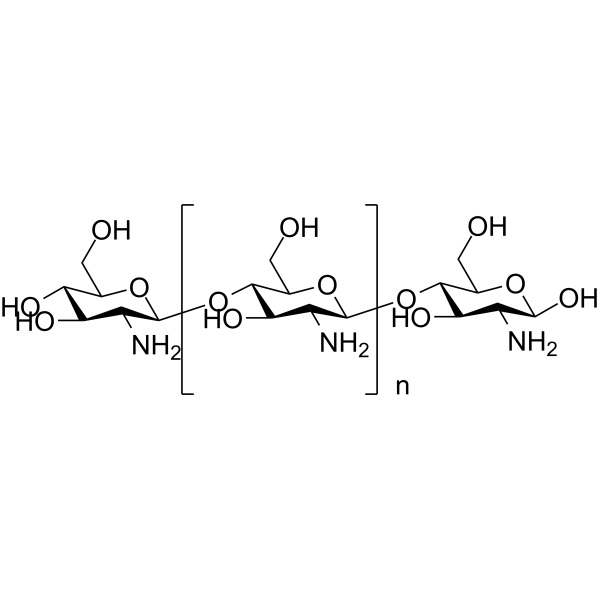
Chitosan (Deacetylated chitin; Poly(D-glucosamine)) (≥80% deacetylated, High viscosity,>400mPa.s) is a polysaccharide obtained by deacetylating chitin, and exhibits antimicrobial activity against various bacteria and fungi .
|
-
-
- HY-B2144F
-
|
Deacetylated chitin (≥80% deacetylated, Medium viscosity,200-400mPa.s); Poly(D-glucosamine) (≥80% deacetylated, Medium viscosity,200-400mPa.s)
|
Environmental Pollutants
Biochemical Assay Reagents
Bacterial
Fungal
|
Infection
Cancer
|
|
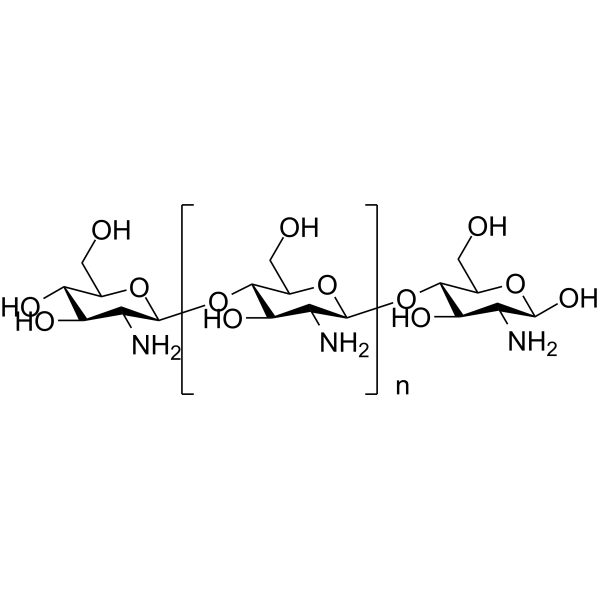
Chitosan (Deacetylated chitin; Poly(D-glucosamine)) (≥80% deacetylated, Medium viscosity,200-400mPa.s) is a polysaccharide obtained by deacetylating chitin, and exhibits antimicrobial activity against various bacteria and fungi .
|
-
-
- HY-130778
-
|
|
Endogenous Metabolite
|
Cardiovascular Disease
Others
|
|
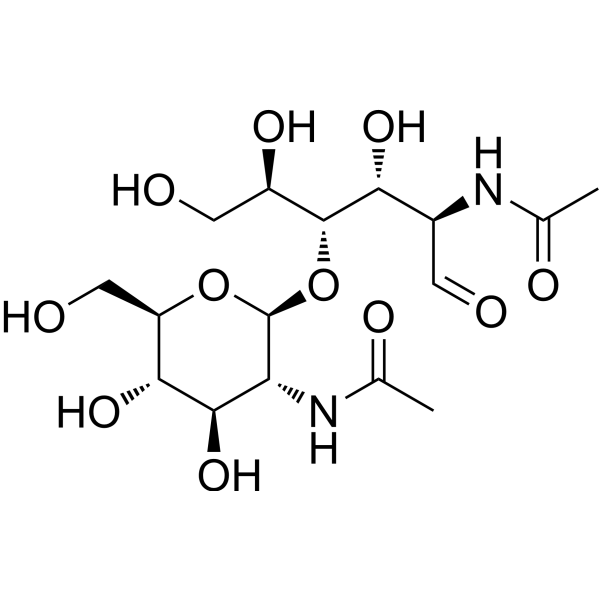
N,N'-Diacetylchitobiose is a dimer of β(1,4) linked N-acetyl-D glucosamine. N,N'-Diacetylchitobiose is the hydrolysate of chitin and can be used as alternative carbon source by E. coli. N,N'-Diacetylchitobiose also reverses myocardial depression .
|
-
-
- HY-NP0147
-
|
WGA (Fluorescein)
|
Fluorescent Dye
|
Infection
Neurological Disease
|
|
Wheat Germ Agglutinin (WGA) Fluorescein is a classic fluorescent label that specifically binds to sugar residues such as N-acetylglucosamine, N-acetylneuraminic acid and sialic acid. Wheat Germ Agglutinin Fluorescein performs regionally differential fluorescent staining of the ocular surface epithelial glycocalyx to assess its integrity, and causes no damage to the eye at safe concentrations. Wheat Germ Agglutinin Fluorescein is also used for staining structures including red blood cells, cultured cells, bacteria and pine wood nematodes, and facilitates the isolation of wheat-associated plant-growth-promoting rhizobacterial strains. Wheat Germ Agglutinin Fluorescein can be applied to the detection of ocular glycocalyx integrity and the research of related diseases such as pine wilt disease .
|
-

-
- HY-N0733S3
-
-
-
- HY-131940
-
|
3-O-Methyl-GlcNAc
|
Insecticide
|
Metabolic Disease
|
|
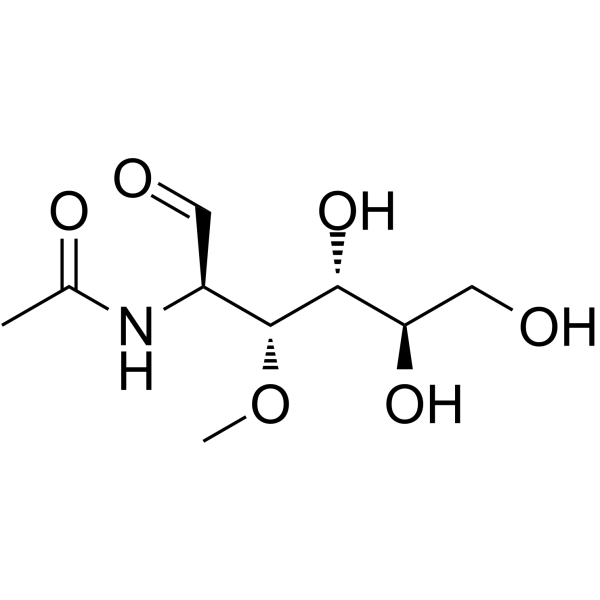
3-O-Methyl-N-acetyl-D-glucosamine is a potent inhibitor of N-acetylglucosamine kinase. 3-O-Methyl-N-acetyl-D-glucosamine potently inhibits glucose phosphorylation by N-acetylglucosamine kinase whereas glucokinase is not at all affected by this hexosamine .
|
-
-
- HY-D1991
-
|
|
Fluorescent Dye
|
Others
|
|
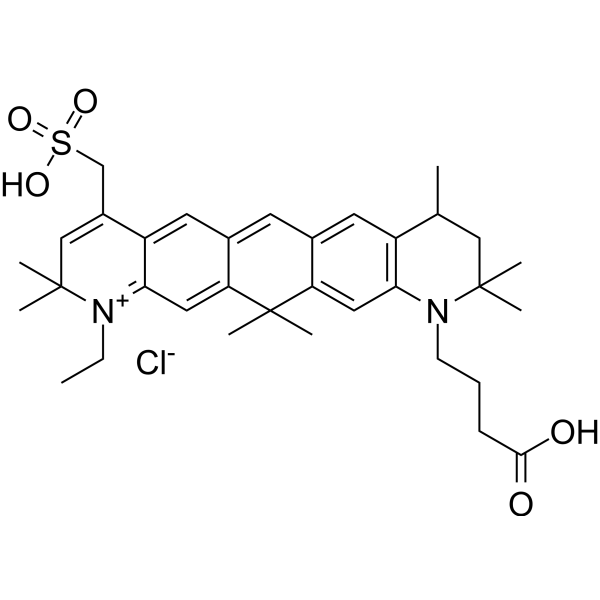
ATTO 647 is a carborhodamine fluorophore and imaging tracer with photostable properties. ATTO 647 serves as a fluorescent probe to investigate cell membrane structure and diffusion characteristics. When conjugated with wheat germ agglutinin, ATTO 647 specifically binds to N-acetyl-β-D-glucosamine and sialic acid residues on membrane glycoproteins, enabling single-molecule tracing of glycoprotein diffusion. ATTO 647 exhibits highly stable fluorescence properties with significantly reduced blinking in mounting media such as ROXS (AA/MV) and ROXS (TX/TQ), whereas its brightness properties vary in Ibidi-MM and Vectashield. ATTO 647 can also be used to label histone H2B-GFP in fixed cells for confocal microscopy photobleaching experiments .
|
-
-
- HY-N0733R
-
|
D-(+)-Glucosamine hydrochloride (Standard); Chitosamine hydrochloride (Standard)
|
Reference Standards
Endogenous Metabolite
Reactive Oxygen Species (ROS)
HIF/HIF Prolyl-Hydroxylase
Autophagy
|
Inflammation/Immunology
Cancer
|
|
Glucosamine (hydrochloride) (Standard) is the analytical standard of Glucosamine (hydrochloride). This product is intended for research and analytical applications. Glucosamine hydrochloride (D-Glucosamine hydrochloride) is an amino sugar and a prominent precursor in the biochemical synthesis of glycosylated proteins and lipids, is used as a dietary supplement. Glucosamine hydrochloride also is a natural constituent of glycosaminoglycans in the cartilage matrix and synovial fluid, which when administered exogenously, exerts pharmacological effects on osteoarthritic cartilage and chondrocytes .
|
-

-
- HY-139793
-
|
|
OGT
Endogenous Metabolite
|
Metabolic Disease
|
|
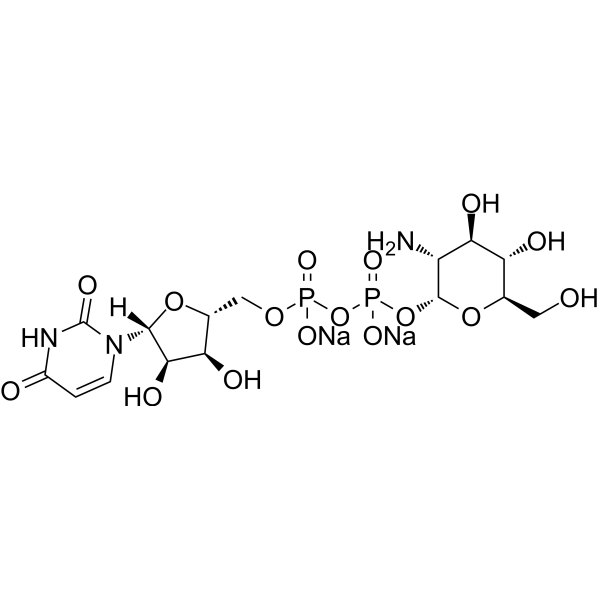
UDP-glucosamine (UDP-GlcNAc) disodium is a substrate for O-GlcNAc transferase, which catalyzes the attachment of O-GlcNAc to proteins. O-GlcNAcase catalyzes the removal of O-GlcNAc from proteins. UDP-glucosamine (UDP-GlcNAc) disodium is the end product of the hexosamine biosynthesis pathway, which is regulated primarily by glucose-6-phosphate-Glutamine:fructose-6-phosphate amidotransferase (GFAT) .
|
-
-
- HY-W718136
-
|
GlcN6P-Na
|
Biochemical Assay Reagents
|
Others
|
|
D-Glucosamine 6-phosphate (sodium) (GlcN6P-Na) is a class of biochemical reagents used in glycobiology research. Glycobiology studies the structure, synthesis, biology, and evolution of sugars. It involves carbohydrate chemistry, enzymology of glycan formation and degradation, protein-glycan recognition, and the role of glycans in biological systems. This field is closely related to basic research, biomedicine, and biotechnology .
|
-

-
- HY-113407CR
-
|
|
Reference Standards
Drug Intermediate
|
Metabolic Disease
|
|
D-Fructose-6-phosphate disodium monohydrate (Standard) is the analytical standard of D-Fructose-6-phosphate disodium monohydrate. D-Fructose-6-phosphate is an intermediate of Glycolysis. D-Fructose-6-phosphate is the precursor for the synthesis of amino sugars, such as galactosamine and glucosamine .
|
-

-
- HY-N0733S
-
-
-
- HY-N11848R
-
|
Glucosamine-6-phosphate (Standard)
|
Endogenous Metabolite
Reference Standards
|
Metabolic Disease
|
|
D-Glucosamine 6-phosphate (Glucosamine-6-phosphate; D-GlcN-6-P) (Standard) is an analytical standard for D-Glucosamine 6-phosphate. This product is used for research and analytical applications. D-Glucosamine 6-phosphate is a phosphorylated amino sugar synthesized by glutamine fructose-6-phosphate aminotransferase (GFAT). The expression level of D-Glucosamine 6-phosphate is regulated by glucose and glutamine concentrations .
|
-

-
- HY-A0132S1
-
-
-
- HY-W271517
-
-

-
- HY-148596
-
|
UDP-N-Acetyl-D-glucosamine; Uridine diphospho-N-acetylglucosamine; UDP-N-acetylglucosamine
|
Endogenous Metabolite
P2Y Receptor
Drug Intermediate
Glycosyltransferase
|
Infection
|
|
UDP-GlcNAc (UDP-N-Acetyl-D-glucosamine) is an important component and precursor of bacterial peptidoglycan. UDP-GlcNAc is a nucleotide sugar used by Glycosyltransferases to synthesize glycoproteins, glycosaminoglycans, glycolipids, and glycoRNA. UDP-GlcNAc also serves as the donor substrate for forming O-GlcNAc, a dynamic intracellular protein modification involved in diverse signaling and disease processes. UDP-GlcNAc is the sugar nucleotide donor for the synthesis of O-GlcNAc modified proteins. UDP-GlcNAc also acts as a full agonist of the P2Y14 receptor and inhibits the formation of cAMP. UDP-GlcNAc can be used in studies related to bacterial infections .
|
-

-
- HY-140339
-
|
|
Biochemical Assay Reagents
|
Others
Cancer
|
|
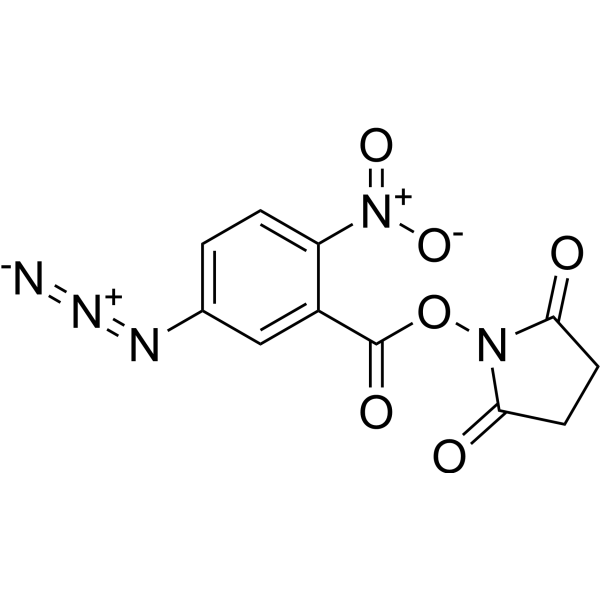
ANB-NOS is a heterobifunctional crosslinker with lipophilic, uncharged properties suitable for intracellular conjugation. ANB-NOS contains an amine-reactive Nhydroxysuccinimide (NHS) ester and a photoactivatable nitrophenyl azide. ANB-NOS can be used for the research of fibrosarcoma and mammary adenocarcinoma .
|
-
-
- HY-160578
-
|
N-Cholesteryl succinyl glucosamine
|
Liposome
|
Others
|
|
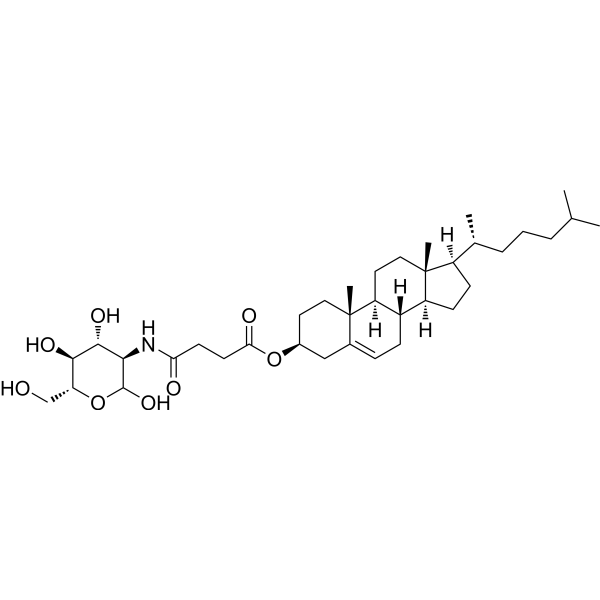
Glucosamine Cholesterol (N-Cholesteryl succinyl glucosamine) is a glucosamine-based lipid conjugate, and can be used in the formation of lipid nanoparticles (LNPs) .
|
-
-
- HY-N13912
-
|
|
Fungal
|
Infection
|
|
Anticapsin is a glucosamine-6-phosphate synthase inhibitor with antifungal effects .
|
-

-
- HY-A0132S7
-
-
-
- HY-W145573
-
|
|
Biochemical Assay Reagents
|
Others
|
|
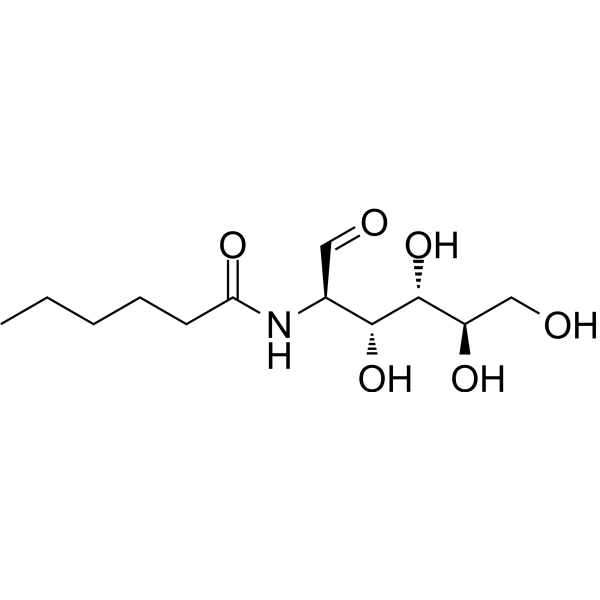
N-Hexanoyl-D-glucosamine is a biochemical reagent that can be used as a biological material or organic compound for life science related research.
|
-
-
- HY-W145613
-
|
|
Biochemical Assay Reagents
|
Others
|
|
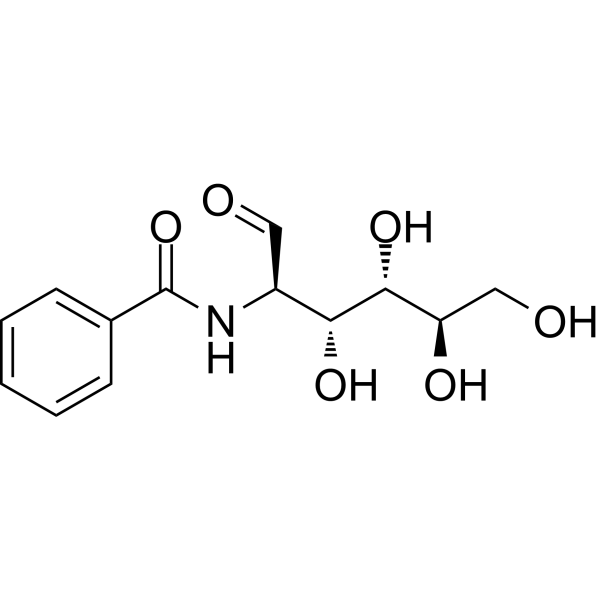
N-Benzoyl-D-glucosamine is a biochemical reagent that can be used as a biological material or organic compound for life science related research.
|
-
-
- HY-115738
-
|
|
Drug Derivative
|
Metabolic Disease
|
|
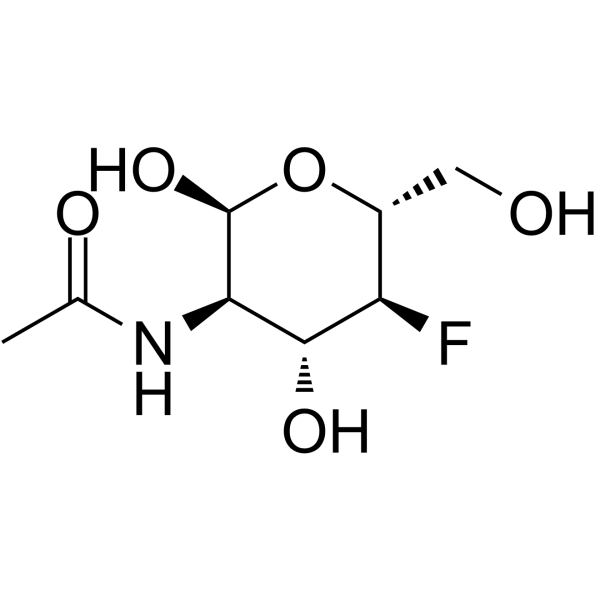
2-Acetamido-2,4-dideoxy-4-fluoro-α-D-glucopyranose (Compound 13) is a 2-acetamido-2-deoxy-D-glucose analog. 2-Acetamido-2,4-dideoxy-4-fluoro-α-D-glucopyranose is applicable to research related to glycosaminoglycan biosynthesis .
|
-
-
- HY-N0733S1
-
-
-
- HY-N0733S4
-
-
-
- HY-N0733S2
-
-
-
- HY-N0733S5
-
-
-
- HY-N0487R
-
|
D-Glucosamine sulfate (Standard)
|
Endogenous Metabolite
Reactive Oxygen Species (ROS)
HIF/HIF Prolyl-Hydroxylase
Autophagy
Reference Standards
|
Inflammation/Immunology
Cancer
|
|
Glucosamine (sulfate) (Standard) is the analytical standard of Glucosamine (sulfate). This product is intended for research and analytical applications. Glucosamine sulfate (D-Glucosamine sulfate) is an amino sugar and a prominent precursor in the biochemical synthesis of glycosylated proteins and lipids, is used as a dietary supplement. Glucosamine sulfate also is a natural constituent of glycosaminoglycans in the cartilage matrix and synovial fluid, which when administered exogenously, exerts pharmacological effects on osteoarthritic cartilage and chondrocytes .
|
-

-
- HY-N0457R
-
|
Cichoric acid (Standard); Dicaffeoyltartaric acid (Standard)
|
Reference Standards
Reactive Oxygen Species (ROS)
Apoptosis
|
Metabolic Disease
Inflammation/Immunology
|
|
Chicoric acid (Standard) is the analytical standard of Chicoric acid. This product is intended for research and analytical applications. Chicoric acid (Cichoric acid), an orally active dicaffeyltartaric acid, induces reactive oxygen species (ROS) generation. Chicoric acid inhibits cell viability and induces mitochondria-dependent apoptosis in 3T3-L1 preadipocytes through ROS-mediated PI3K/Akt and MAPK signaling pathways. Chicoric acid increases glucose uptake, improves insulin resistance, and attenuates glucosamine-induced inflammation. Chicoric acid has antidiabetic properties and antioxidant, anti-inflammatory effects .
|
-

-
- HY-A0132S3
-
-
-
- HY-A0132S2
-
-
-
- HY-A0132S8
-
-
-
- HY-A0132S10
-
-
-
- HY-139207
-
-

-
- HY-112108D
-
|
COS (MW 2000)
|
Biochemical Assay Reagents
|
Others
|
|
Chitosan oligosaccharide (MW 2000) (COS (MW 2000)) is a degradation product of chitosan. It is an oligosaccharide composed of 2-20 glucosamine groups linked by β-(1→4) glycosidic bonds .
|
-

-
- HY-135078
-
|
NSC 270912
|
DNA/RNA Synthesis
|
Others
|
|
2,5-Deoxyfructosazine is a pyrazine derivative that can be found in cured tobacco and is used as a flavoring agent in the food and tobacco industry. Pyrazines, including 2,5-deoxyfructosazine, can be produced either by pyrolytic decomposition of natural compounds or by the reaction of sugars with alcoholic ammonia. 2,5-Deoxyfructosazine is also formed by the breakdown of D-glucosamine at neutral pH. Like glucosamine, 2,5-deoxyfructosazine has DNA strand breakage activity and strongly inhibits IL-2 production by Jurkat cells stimulated with phytohemagglutinin (IC50=~1.25 mM).
|
-

-
- HY-114998
-
|
2-Acetamido-1,3,4,6-tetra-O-acetyl-2-deoxy-α-D-glucopyranose
|
Biochemical Assay Reagents
|
Others
|
|
α-D-Glucosamine pentaacetate (2-Acetamido-1,3,4,6-tetra-O-acetyl-2-deoxy-α-D-glucopyranose) can be used in glycobiology research.
|
-

- HY-129480
-
|
|
Drug Intermediate
|
Others
|
|
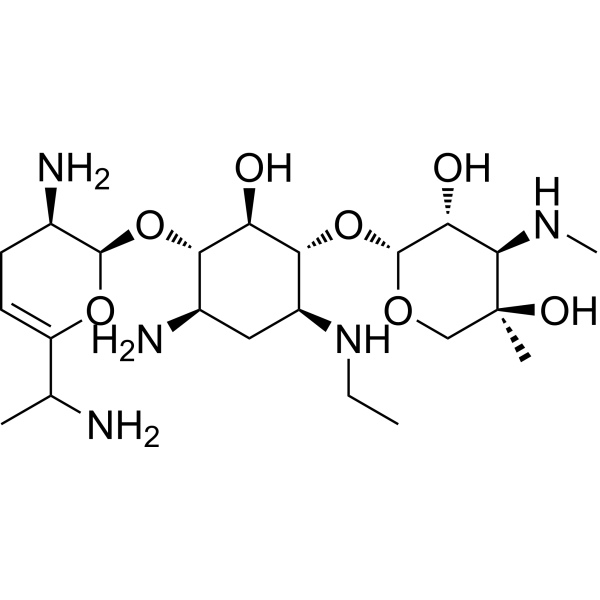
Vertilmicin sulfate combines with FMOC-Cl to form the Vertilmicin-FMOC-Cl adduct, and can be used for the determination of glucosamine sulfate in plasma .
|
-
- HY-154871
-
|
|
Drug Derivative
Biochemical Assay Reagents
|
Others
|
|
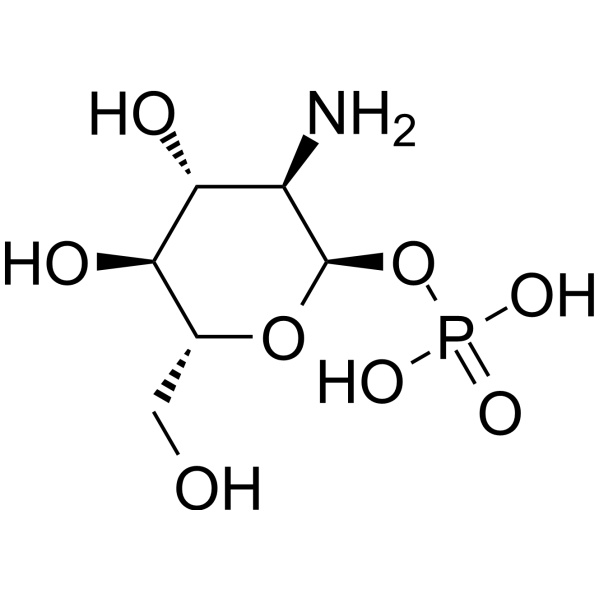
α-D-Glucosamine 1-phosphate is a glycosyl donor analog of Glc-1-P. α-D-Glucosamine 1-phosphate acts as a glycosyl donor to produce α(1→4)-linked glucosamine chains in the enzyme-catalyzed polymerization reaction mediated by thermostable α-glucan phosphorylase. α-D-Glucosamine 1-phosphate serves as a glycosyl donor analog to generate a pentasaccharide with a glucosamine residue at the non-reducing end in the maltotetraose glucosamination reaction catalyzed by potato α-glucan phosphorylase. α-D-Glucosamine 1-phosphate is used for the synthesis of amphiphilic block polysaccharides with pH-responsive assembly/disassembly properties .
|
-
- HY-D2359
-
|
|
Fluorescent Dye
|
Metabolic Disease
|
|
Glucosamine-FITC is FITC-labeled Glucosamine (HY-B1125). Glucosamine-FITC can be used to localize Glucosamine in living cells .
|
-

- HY-B1125S
-
-

- HY-D2358
-
|
|
Fluorescent Dye
|
Metabolic Disease
|
|
Glucosamine-CY5.5 is CY5.5-labeled Glucosamine (HY-B1125). Glucosamine-CY5.5 can be used to localize Glucosamine in living cells .
|
-

- HY-A0132S13
-
|
N-Acetyl-2-amino-2-deoxy-D-glucose-13C8,15N
|
Isotope-Labeled Compounds
|
Others
|
|
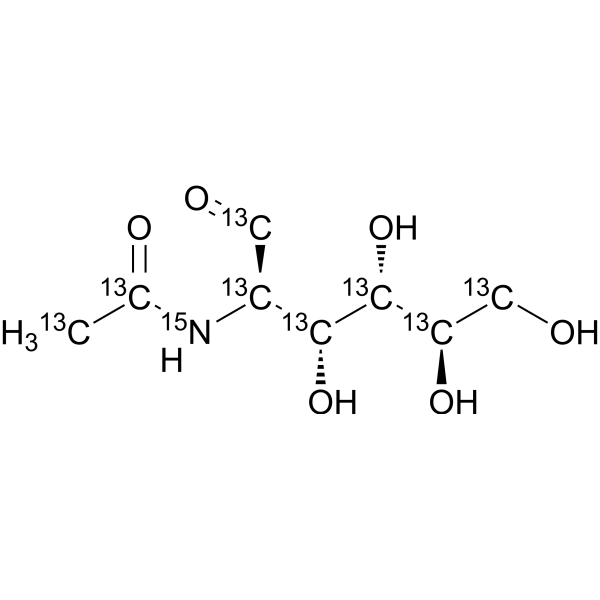
N-Acetyl-D-glucosamine- 13C8, 15N is 13C and 15N labeled N-Acetyl-D-glucosamine (HY-A0132). N-Acetyl-D-glucosamine is a monosaccharide derivative of glucose.
|
-
- HY-A0132S4
-
-
- HY-A0132R
-
|
N-Acetyl-2-amino-2-deoxy-D-glucose (Standard)
|
Reference Standards
Endogenous Metabolite
|
Metabolic Disease
|
|
N-Acetyl-D-glucosamine (Standard) is the analytical standard of N-Acetyl-D-glucosamine. This product is intended for research and analytical applications. N-Acetyl-D-Glucosamine (N-Acetyl-2-amino-2-deoxy-D-glucose) is a monosaccharide derivative of glucose.
|
-

- HY-A0132S14
-
|
N-Acetyl-2-amino-2-deoxy-D-glucose-d3
|
Isotope-Labeled Compounds
Endogenous Metabolite
Drug Derivative
Interleukin Related
Drug Isomer
|
Metabolic Disease
Inflammation/Immunology
Cancer
|
|
N-Acetyl-D-glucosamine-d3 (N-Acetyl-2-amino-2-deoxy-D-glucose-d3) is deuterium labeled N-Acetyl-D-glucosamine. N-Acetyl-D-Glucosamine (N-Acetyl-2-amino-2-deoxy-D-glucose), the D isomer of N-acetylglucosamine, is an orally active monosaccharide derivative of glucose with anti-tumor and anti-inflammation properties. N-Acetyl-D-Glucosamine is also a bacterial metabolite, which is found in Escherichia coli. N-Acetyl-D-Glucosamine can induce yeast-mycelial conversion in Candida albicans. N-Acetyl-D-Glucosamine also enhances healing of cartilaginous injuries in rabbits .
|
-

- HY-A0132S5
-
-
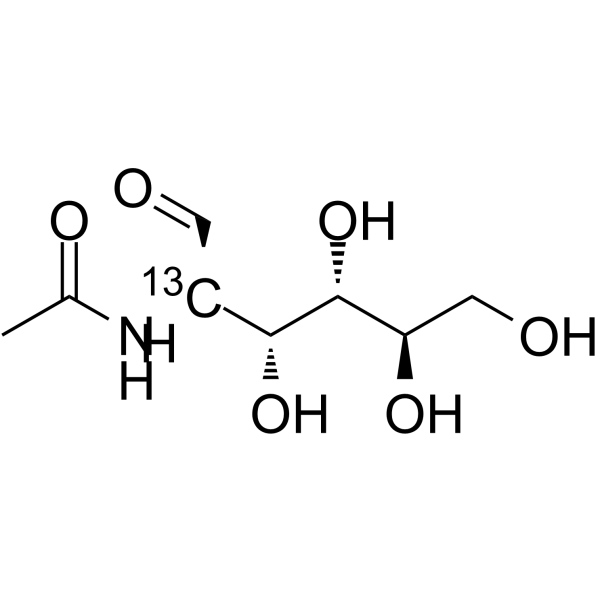
- HY-A0132S9
-
-
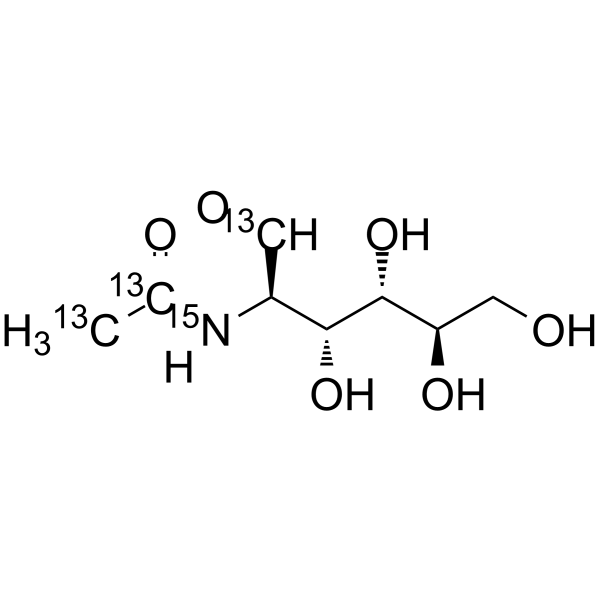
- HY-A0132S11
-
-
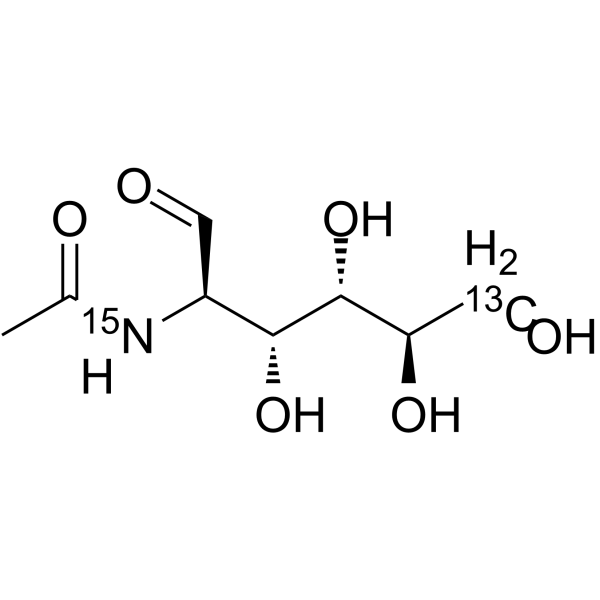
- HY-A0132S12
-
|
N-Acetyl-2-amino-2-deoxy-D-glucose-13C6
|
Isotope-Labeled Compounds
|
Metabolic Disease
|
|
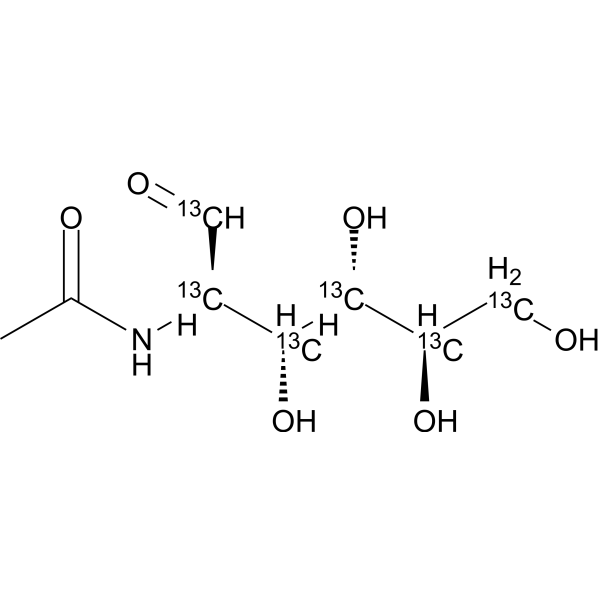
N-Acetyl-D-glucosamine- 13C6 (N-Acetyl-2-amino-2-deoxy-D-glucose- 13C6) is the 13C labled N-Acetyl-D-glucosamine (HY-A0132) . N-Acetyl-D-Glucosamine (N-Acetyl-2-amino-2-deoxy-D-glucose) is a monosaccharide derivative of glucose.
|
-
- HY-163036
-
-
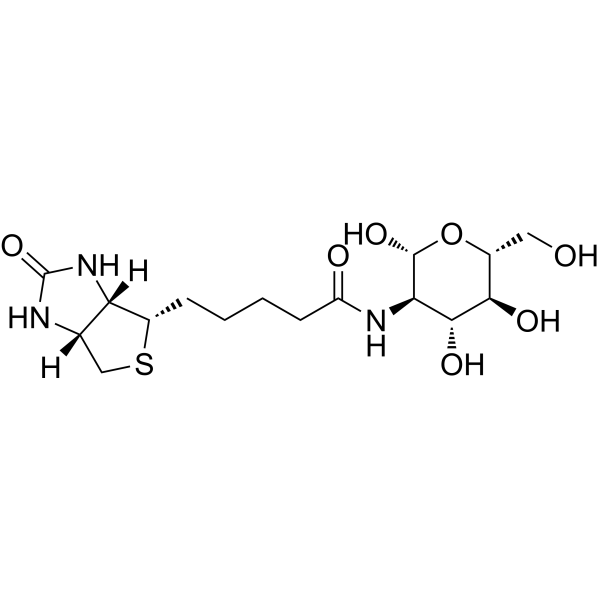
- HY-139207A
-
-

- HY-W145605
-
|
|
Biochemical Assay Reagents
|
Others
|
|
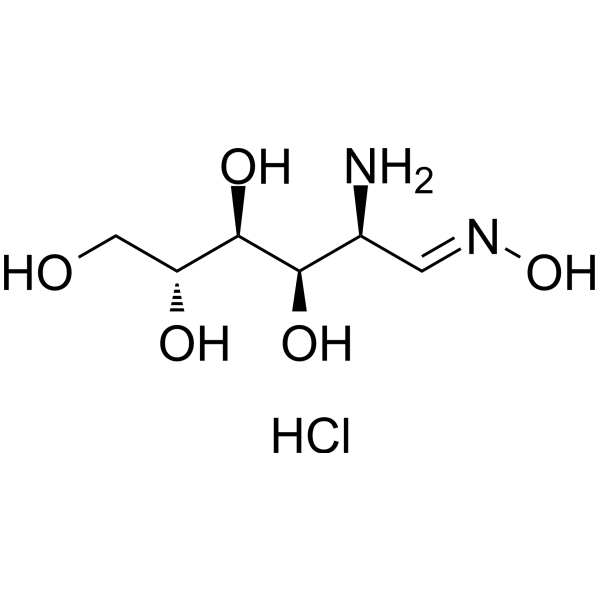
D-Glucosamine Oxime Hydrochloride is a biochemical reagent that can be used as a biological material or organic compound for life science related research.
|
-
- HY-W145596
-
|
2-Deoxy-2-trifluoroacetamido-D-glucose
|
Biochemical Assay Reagents
|
Others
|
|
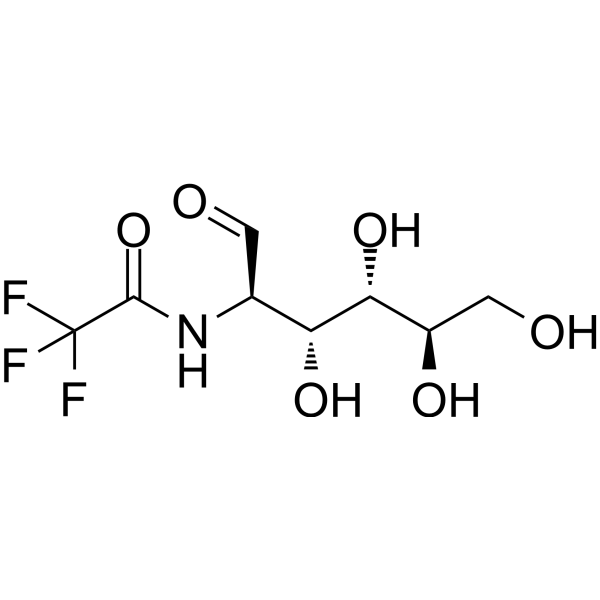
N-Trifluoroacetyl-D-glucosamine is a biochemical reagent that can be used as a biological material or organic compound for life science related research.
|
-
- HY-147999
-
|
|
Bacterial
Fungal
Cytochrome P450
|
Infection
|
|
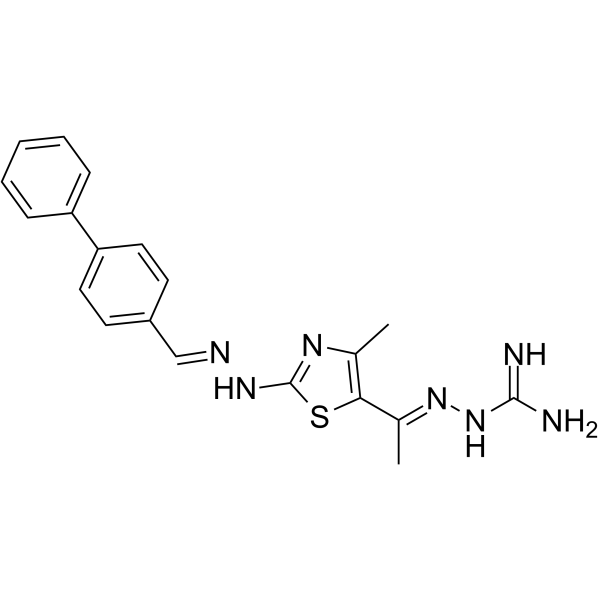
GlcN-6-P Synthase-IN-1 (Compound 4d) is a Glucosamine-6-phosphate (GlcN-6-P) synthase inhibitor with an IC50 of 3.47 μM. GlcN-6-P Synthase-IN-1 exhibits significant antimicrobial activity. GlcN-6-P Synthase-IN-1 has good penetration in the CNS and is able to inhibit the cytochrome P450, CYP3A4 isoform .
|
-
- HY-N2936
-
|
|
Others
|
Others
|
|
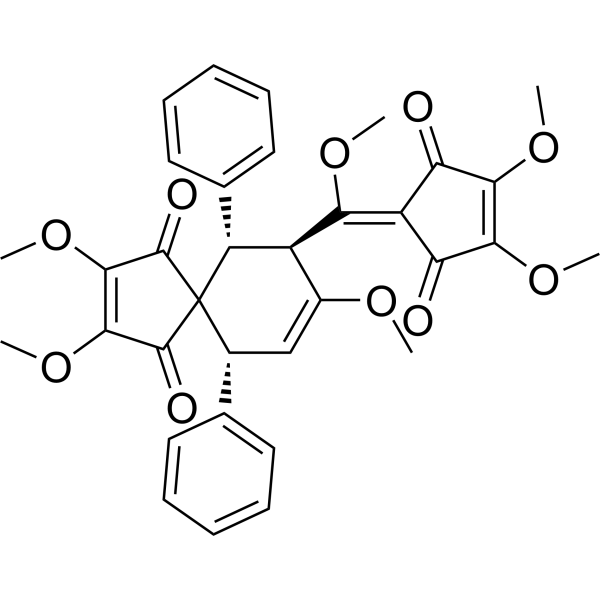
Bi-linderone is isolated as racemate from the traditional Chinese medicinal plant Lindera aggregata. Bi-linderone has activity against glucosamine-induced insulin resistance in HepG2 cells at a concentration of 1 μg/mL .
|
-
- HY-E70316
-
|
|
Endogenous Metabolite
|
Others
|
|
Endo-chitosanase is an endochitosanase belonging to the GH46 family that catalyzes chitosan substrate to produce chitobiose and D-glucosamine (GlcN). Endo-chitosanase acts in a stochastic intra-action manner, producing chitosan derivatives with different degrees of polymerization (DP) ≤2 .
|
-

- HY-W777675
-
|
NSC 270912-13C4
|
Isotope-Labeled Compounds
DNA/RNA Synthesis
|
Others
|
|
2,5-Deoxyfructosazine- 13C4 (NSC 270912- 13C4) is the 13C-labeled 2,5-Deoxyfructosazine (HY-135078). 2,5-Deoxyfructosazine is a pyrazine derivative that can be found in cured tobacco and is used as a flavoring agent in the food and tobacco industry. Pyrazines, including 2,5-deoxyfructosazine, can be produced either by pyrolytic decomposition of natural compounds or by the reaction of sugars with alcoholic ammonia. 2,5-Deoxyfructosazine is also formed by the breakdown of D-glucosamine at neutral pH. Like glucosamine, 2,5-deoxyfructosazine has DNA strand breakage activity and strongly inhibits IL-2 production by Jurkat cells stimulated with phytohemagglutinin (IC50=~1.25 mM).
|
-

- HY-117358
-
|
|
Others
|
Inflammation/Immunology
|
|
KW-5805 is an anti-ulcer agent that promotes the biosynthesis, storage and secretion of gastric mucus, improves gastric mucosal hemodynamics, and inhibits the decrease in gastric mucosal blood volume and mucosal oxygenation caused by steroid shock .
|
-

- HY-W019832
-
|
|
Biochemical Assay Reagents
|
Others
|
|
Glucosamine 3-sulfate is a class of biochemical reagents used in glycobiology research. Glycobiology studies the structure, synthesis, biology, and evolution of sugars. It involves carbohydrate chemistry, enzymology of glycan formation and degradation, protein-glycan recognition, and the role of glycans in biological systems. This field is closely related to basic research, biomedicine, and biotechnology .
|
-

- HY-137513
-
|
|
Biochemical Assay Reagents
|
|
|
N-Acetyl-D-glucosamine 6-sulfate (sodium) is a class of biochemical reagents used in glycobiology research. Glycobiology studies the structure, synthesis, biology, and evolution of sugars. It deals with carbohydrate chemistry, glycan formation and degradation enzymology, protein-glycan recognition, and the role of glycans in biological systems. The field is closely related to basic research, biomedicine and biotechnology .
|
-

- HY-130778R
-
|
|
Endogenous Metabolite
Reference Standards
|
Cardiovascular Disease
Others
|
|
N,N'-Diacetylchitobiose (Standard) is the analytical standard of N,N'-Diacetylchitobiose. This product is intended for research and analytical applications. N,N'-Diacetylchitobiose is a dimer of β(1,4) linked N-acetyl-D glucosamine. N,N'-Diacetylchitobiose is the hydrolysate of chitin and can be used as alternative carbon source by E. coli. N,N'-Diacetylchitobiose also reverses myocardial depression .
|
-

- HY-W768178
-
|
D-Glucosamine Hydrochloride-1,2-13C2
|
Isotope-Labeled Compounds
|
Others
|
|
2-Amino-2-deoxyglucose hydrochloride- 13C2 (D-Glucosamine Hydrochloride-1,2- 13C2) is the 13C-labeled 2-Amino-2-deoxyglucose hydrochloride (HY-N9459). 2-Amino-2-deoxyglucose hydrochloride is a hexosamine hydrochloride can be used in the synthesis of cyclopropene-modified hexosamine derivative Ac4GlcNCyoc and Ac4GalNCyoc .
|
-

- HY-113407C
-
|
|
Drug Intermediate
|
Metabolic Disease
|
|
D-Fructose-6-phosphate disodium monohydrate is an intermediate of Glycolysis. D-Fructose-6-phosphate disodium monohydrate is the precursor for the synthesis of amino sugars, such as galactosamine and glucosamine .
|
-

- HY-W721612
-
|
|
Drug Metabolite
|
Cancer
|
|
Bromobric acid is a derivative of bromoacrylic acid with cytostatic and antineoplastic activity that can form ionic complexes with glucosamine to achieve controlled-release oral administration
|
-

- HY-W1139983
-
|
|
Drug Metabolite
Nucleoside Antimetabolite/Analog
|
Infection
|
|
UDP-Glucosamine is a sugar nucleotide analog, glycosyl donor, and metabolite of D-galactosamine (HY-42682). UDP-Glucosamine provides Glucosamine (HY-B1125) for the synthesis of Dolichyl monophosphate glucosamine, inhibits the synthesis of Dolichyl monophosphate glucose, Dolichyl monophosphate mannose, and Dolichyl pyrophosphate (GlcNAc)2, sequesters Dolichyl monophosphate, and acts as a glycosyl donor in chicken embryo and rat liver microsomal preparations. UDP-Glucosamine can be used in studies related to influenza virus infection .
|
-

- HY-P2859A
-
|
|
Biochemical Assay Reagents
|
Metabolic Disease
|
|
Chitosanase, Streptomyces griseus (EC 3.2.1.132) catalyzes the endohydrolysis of β (1,4) linkages between N-acetyl-D-glucosamine and D-glucosamine residues in partially deacetylated chitosan. Chitosanase, Streptomyces griseus (EC 3.2.1.132) is capable of hydrolyzing both chitosan and carboxymethyl cellulose.
|
-

- HY-N19801
-
|
|
Toll-like Receptor (TLR)
NF-κB
Interleukin Related
TNF Receptor
|
Neurological Disease
Inflammation/Immunology
|
|
N-Palmitoyl-D-glucosamine is an orally active TLR4 antagonist. N-Palmitoyl-D-glucosamine stably binds MD-2 with, preventing LPS-induced NF-κB signaling, decreases pro-inflammatory cytokines (IL-1β, TNF-α, and IL-6), increases anti-inflammatory IL-10 and IL-1rα, and normalizes miR-20a-5p, miR-106a-5p, and miR-27a-3p levels. N-Palmitoyl-D-glucosamine decreases allodynia and prevents myelino-axonal degeneration of peripheral nerves. N-Palmitoyl-D-glucosamine can be used for the researches of keratitis and peripheral neuropathy .
|
-

- HY-W145611
-
|
|
Biochemical Assay Reagents
|
Others
|
|
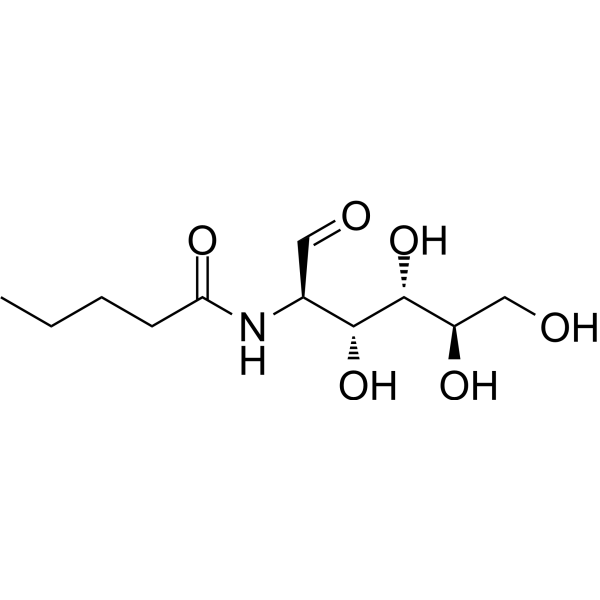
N-Valeryl-D-glucosamine is a biochemical reagent that can be used as a biological material or organic compound for life science related research.
|
-
- HY-113407B
-
|
|
Endogenous Metabolite
FBPase
|
Neurological Disease
Metabolic Disease
|
|
D-Fructose 6-phosphate disodium hydrate is an endogenous metabolite. D-Fructose 6-phosphate disodium hydrate can be obtained by hydrolysis of Fructose-1,6-bisphosphatase (FBPase). D-Fructose-6-phosphate disodium hydrate is a sugar intermediate in the glycolysis pathway and the pentose phosphate pathway. D-Fructose-6-phosphate disodium hydrate can be used to detect glucosamine-6-phosphate synthase and TAL activities. D-Fructose 6-phosphate disodium hydrate can be used to study Lewy body dementia .
|
-

- HY-E71210
-
|
|
Biochemical Assay Reagents
|
Others
|
|
α-1,3-Mannosyl-glycoprotein 2-β-N-acetylglucosaminyltransferase (EC 2.4.1.101) is an enzyme with systematic name UDP-N-acetyl-D-glucosamine:3-(alpha-D-mannosyl)-beta-D-mannosyl-glycoprotein 2-beta-N-acetyl-D-glucosaminyltransferase.
|
-

- HY-E71213
-
|
|
Biochemical Assay Reagents
|
Others
|
|
α-1,6-Mannosyl-glycoprotein 2-β-N-acetylglucosaminyltransferase (EC 2.4.1.143) is an enzyme with systematic name UDP-N-acetyl-D-glucosamine:6-(alpha-D-mannosyl)-beta-D-mannosyl-glycoprotein 2-beta-N-acetyl-D-glucosaminyltransferase.
|
-

- HY-113407CS
-
|
|
Isotope-Labeled Compounds
Drug Intermediate
|
Metabolic Disease
|
|
D-Fructose-6-phosphate disodium monohydrate- 13C6 is the 13C-labeled D-Fructose-6-phosphate disodium monohydrate (HY-113407C). D-Fructose-6-phosphate disodium monohydrate is an intermediate of Glycolysis. D-Fructose-6-phosphate disodium monohydrate is the precursor for the synthesis of amino sugars, such as galactosamine and glucosamine .
|
-

- HY-E71211
-
|
|
Biochemical Assay Reagents
|
Others
|
|
α-1,3-Mannosyl-glycoprotein 4-β-N-acetylglucosaminyltransferase (EC 2.4.1.145) is an?enzyme?with?systematic name?UDP-N-acetyl-D-glucosamine:3-(2-(N-acetyl-beta-D-glucosaminyl)-alpha-D-mannosyl)-glycoprotein 4-beta-N-acetyl-D-glucosaminyltransferase.
|
-

- HY-E71215
-
|
|
Biochemical Assay Reagents
|
Others
|
|
α-1,6-Mannosyl-glycoprotein 6-β-N-acetylglucosaminyltransferase (EC 2.4.1.155) is an enzyme with systematic name UDP-N-acetyl-D-glucosamine:6-(2-(N-acetyl-beta-D-glucosaminyl)-alpha-D-mannosyl)-glycoprotein 6-beta-N-acetyl-D-glucosaminyltransferase.
|
-

- HY-E71214
-
|
|
Biochemical Assay Reagents
|
Others
|
|
α-1,6-Mannosyl-glycoprotein 4-β-N-acetylglucosaminyltransferase (EC 2.4.1.201) is an enzyme with systematic name UDP-N-acetyl-D-glucosamine:2,6-bis(N-acetyl-beta-D-glucosaminyl)-alpha-D-mannosyl-glycoprotein 4-beta-N-acetyl-D-glucosaminyltransferase.
|
-

- HY-N18952
-
|
|
Interleukin Related
|
Inflammation/Immunology
|
|
Heparin disaccharide II-S trisodium (Compound HSH-9) is a heparin-derived disaccharide. Heparin disaccharide II-S trisodium inhibits the spontaneous secretion of proinflammatory mediators IL-8 and IL-1β in intestinal epithelial cells at the post-transcriptional stage .
|
-

- HY-N9459R
-
|
D-Glucosamine Hydrochloride (Standard)
|
Others
Reference Standards
|
Others
|
|
2-Amino-2-deoxyglucose (hydrochloride) (Standard) is (D-Glucosamine Hydrochloride (Standard)) the analytical standard of 2-Amino-2-deoxyglucose (hydrochloride) (HY-N9459). This product is intended for research and analytical applications. 2-Amino-2-deoxyglucose hydrochloride is a hexosamine hydrochloride can be used in the synthesis of cyclopropene-modified hexosamine derivative Ac4GlcNCyoc and Ac4GalNCyoc .
|
-

- HY-W766388
-
|
D-Glucosamine Hydrochloride-13C6
|
Isotope-Labeled Compounds
|
Others
|
|
2-Amino-2-deoxyglucose hydrochloride- 13C6 (D-Glucosamine Hydrochloride- 13C6) is the 13C-labeled 2-Amino-2-deoxyglucose hydrochloride (HY-N9459). 2-Amino-2-deoxyglucose hydrochloride is a hexosamine hydrochloride can be used in the synthesis of cyclopropene-modified hexosamine derivative Ac4GlcNCyoc and Ac4GalNCyoc .
|
-

- HY-E70997
-
|
|
Biochemical Assay Reagents
|
Metabolic Disease
|
|
Glycopeptidase A, Almonds (EC 3.5.1.52) is an enzyme that catalyzes a chemical reaction that cleaves a N4-(acetyl-beta-D-glucosaminyl)asparagine residue in which the glucosamine residue may be further glycosylated, to yield a (substituted) N-acetyl-beta-D-glucosaminylamine and a peptide containing an aspartate residue. Glycopeptidase A, Almonds (EC 3.5.1.52) belongs to the family of hydrolases, specifically those acting on carbon-nitrogen bonds other than peptide bonds in linear amides.
|
-

- HY-E71264
-
|
|
Biochemical Assay Reagents
|
Others
|
|
β-Acetylglucosaminidase 18A, Bacteroides thetaiotaomicron (EC 3.2.1.96), is an enzyme from Bacteroides thetaiotaomicron that participates in the endohydrolysis of the diacetylchitobiosyl unit in high-mannose glycopeptides and glycoproteins containing the (Man (GlcNAc) (2) ) Asn-structure. One N-acetyl-D-glucosamine residue remains attached to the protein; the rest of the oligosaccharide is released intact. Recombinant BtAcp18A (GH18) , purified from Escherichia coli, is a single domain family 18 Glycoside Hydrolase (GH18) .
|
-

- HY-E71259
-
|
|
Biochemical Assay Reagents
|
Others
|
|
β-1,3-Galactosyl-O-glycosyl-glycoprotein β-1,3-N-acetylglucosaminyltransferase (EC 2.4.1.146) is an enzyme with systematic name UDP-N-acetyl-D-glucosamine:beta-D-galactosyl-(1->3)-(N-acetyl-D-glucosaminyl-(1->6))-N-acetyl-D-galactosaminyl-R 3-beta-N-acetyl-D-glucosaminyltransferase.
|
-

- HY-N18953
-
|
|
Interleukin Related
|
Inflammation/Immunology
|
|
Heparin disaccharide I-H trisodium (Compound SHS-5) is a heparin-derived disaccharide. Heparin disaccharide I-H trisodium blocks the spontaneous secretion of IL-8 and IL-1β in intestinal epithelial cells at the post-translational stage without reducing mRNA expression levels or intracellular contents. Heparin disaccharide I-H trisodium exhibits dose-dependent anti-inflammatory activity in intestinal epithelial cell models .
|
-

- HY-E71261
-
|
|
Biochemical Assay Reagents
|
Others
|
|
β-1,3-N-Acetyl-Hexosaminyl-transferase, Neisseria meningitides (EC 2.4.1.150) is an enzyme that catalyzes the chemical reaction: UDP-N-acetyl-D-glucosamine + β-D-Galactosyl-(1→4)-N-acetyl-D-glucosaminyl-R = UDP + N-acetyl-β-D-glucosaminyl-(1→6)-β-D-Galactosyl-(1→4)-N-acetyl-D-glucosaminyl-R.
|
-

- HY-107785R
-
|
D-Glucosamine-2-N-sulfate sodium (Standard)
|
Reference Standards
Endogenous Metabolite
|
Metabolic Disease
|
|
2-Deoxy-2-sulfoamino-D-glucose (sodium) (Standard) is the analytical standard of 2-Deoxy-2-sulfoamino-D-glucose (sodium). This product is intended for research and analytical applications. 2-Deoxy-2-sulfoamino-D-glucose sodium (D-Glucosamine-2-N-sulfate sodium) is an endogenous metabolite. The main regulatory mechanism of 2-Deoxy-2-sulfoamino-D-glucose sodium involves the interaction of sulfuric acid groups with biomolecules. Sulfate groups can influence the charge density and configuration of polysaccharides, thereby regulating their ability to bind to proteins such as antithrombin. This combination can enhance the activity of antithrombin, which in turn inhibits key enzymes in the blood clotting process to achieve anti-clotting effects. 2-Deoxy-2-sulfoamino-D-glucose sodium can be used to study the selective removal of n-sulfate groups from Heparin (HY-17567) which has important implications for understanding the biological activity of heparin and developing related drugs .
|
-

| Cat. No. |
Product Name |
Type |
-
- HY-D1991
-
|
|
Fluorescent Dyes
|
|
ATTO 647 is a carborhodamine fluorophore and imaging tracer with photostable properties. ATTO 647 serves as a fluorescent probe to investigate cell membrane structure and diffusion characteristics. When conjugated with wheat germ agglutinin, ATTO 647 specifically binds to N-acetyl-β-D-glucosamine and sialic acid residues on membrane glycoproteins, enabling single-molecule tracing of glycoprotein diffusion. ATTO 647 exhibits highly stable fluorescence properties with significantly reduced blinking in mounting media such as ROXS (AA/MV) and ROXS (TX/TQ), whereas its brightness properties vary in Ibidi-MM and Vectashield. ATTO 647 can also be used to label histone H2B-GFP in fixed cells for confocal microscopy photobleaching experiments .
|
-
- HY-D2359
-
|
|
Fluorescent Dyes
|
|
Glucosamine-FITC is FITC-labeled Glucosamine (HY-B1125). Glucosamine-FITC can be used to localize Glucosamine in living cells .
|
-
- HY-D2358
-
|
|
Fluorescent Dyes
|
|
Glucosamine-CY5.5 is CY5.5-labeled Glucosamine (HY-B1125). Glucosamine-CY5.5 can be used to localize Glucosamine in living cells .
|
| Cat. No. |
Product Name |
Type |
-
- HY-W009439
-
|
GlcN6P; D-Glucosamine-6-sulfate
|
Biochemical Assay Reagents
|
|
Glucosamine 6-sulfate (GlcN6P) is an organic cofactor that splits phosphodiester bonds. Glucosamine 6-sulfate plays a variety of catalytic roles in glmS ribozymes .
|
-
- HY-B2144G
-
|
Deacetylated chitin (≥80% deacetylated, High viscosity,>400mPa.s); Poly(D-glucosamine) (≥80% deacetylated, High viscosity,>400mPa.s)
|
Biochemical Assay Reagents
|
|
Chitosan (Deacetylated chitin; Poly(D-glucosamine)) (≥80% deacetylated, High viscosity,>400mPa.s) is a polysaccharide obtained by deacetylating chitin, and exhibits antimicrobial activity against various bacteria and fungi .
|
-
- HY-B2144F
-
|
Deacetylated chitin (≥80% deacetylated, Medium viscosity,200-400mPa.s); Poly(D-glucosamine) (≥80% deacetylated, Medium viscosity,200-400mPa.s)
|
Biochemical Assay Reagents
|
|
Chitosan (Deacetylated chitin; Poly(D-glucosamine)) (≥80% deacetylated, Medium viscosity,200-400mPa.s) is a polysaccharide obtained by deacetylating chitin, and exhibits antimicrobial activity against various bacteria and fungi .
|
-
- HY-NP0147
-
|
WGA (Fluorescein)
|
Biochemical Assay Reagents
|
|
Wheat Germ Agglutinin (WGA) Fluorescein is a classic fluorescent label that specifically binds to sugar residues such as N-acetylglucosamine, N-acetylneuraminic acid and sialic acid. Wheat Germ Agglutinin Fluorescein performs regionally differential fluorescent staining of the ocular surface epithelial glycocalyx to assess its integrity, and causes no damage to the eye at safe concentrations. Wheat Germ Agglutinin Fluorescein is also used for staining structures including red blood cells, cultured cells, bacteria and pine wood nematodes, and facilitates the isolation of wheat-associated plant-growth-promoting rhizobacterial strains. Wheat Germ Agglutinin Fluorescein can be applied to the detection of ocular glycocalyx integrity and the research of related diseases such as pine wilt disease .
|
-
- HY-W718136
-
|
GlcN6P-Na
|
Biochemical Assay Reagents
|
|
D-Glucosamine 6-phosphate (sodium) (GlcN6P-Na) is a class of biochemical reagents used in glycobiology research. Glycobiology studies the structure, synthesis, biology, and evolution of sugars. It involves carbohydrate chemistry, enzymology of glycan formation and degradation, protein-glycan recognition, and the role of glycans in biological systems. This field is closely related to basic research, biomedicine, and biotechnology .
|
-
- HY-W271517
-
-
- HY-W145573
-
|
|
Biochemical Assay Reagents
|
|
N-Hexanoyl-D-glucosamine is a biochemical reagent that can be used as a biological material or organic compound for life science related research.
|
-
- HY-W145613
-
|
|
Biochemical Assay Reagents
|
|
N-Benzoyl-D-glucosamine is a biochemical reagent that can be used as a biological material or organic compound for life science related research.
|
-
- HY-139207
-
|
|
Biochemical Assay Reagents
|
|
Glucosamine sulfate potassium chloride is an amino sugar and a prominent precursor in the biochemical synthesis of glycosylated proteins and lipids, is used as a dietary supplement. Glucosamine sulfate potassium chloride also is a natural constituent of glycosaminoglycans in the cartilage matrix and synovial fluid, which when administered exogenously, exerts pharmacological effects on osteoarthritic cartilage and chondrocytes .
|
-
- HY-112108D
-
|
COS (MW 2000)
|
Biochemical Assay Reagents
|
|
Chitosan oligosaccharide (MW 2000) (COS (MW 2000)) is a degradation product of chitosan. It is an oligosaccharide composed of 2-20 glucosamine groups linked by β-(1→4) glycosidic bonds .
|
-
- HY-114998
-
|
2-Acetamido-1,3,4,6-tetra-O-acetyl-2-deoxy-α-D-glucopyranose
|
Biochemical Assay Reagents
|
|
α-D-Glucosamine pentaacetate (2-Acetamido-1,3,4,6-tetra-O-acetyl-2-deoxy-α-D-glucopyranose) can be used in glycobiology research.
|
-
- HY-E70175
-
|
EC:2.8.2.30; HS3ST3B1; 3OST3B1
|
Biochemical Assay Reagents
|
|
Heparan Sulfate Glucosamine 3-O-Sulfotransferase 3 is a sulfotransferase. Heparan Sulfate Glucosamine 3-O-Sulfotransferase 3 is important in heparan sulfate biosynthesis .
|
-
- HY-139207A
-
|
|
Biochemical Assay Reagents
|
|
Glucosamine sulfate sodium chloride is an amino sugar and a prominent precursor in the biochemical synthesis of glycosylated proteins and lipids, is used as a dietary supplement. Glucosamine sulfate sodium chloride also is a natural constituent of glycosaminoglycans in the cartilage matrix and synovial fluid, which when administered exogenously, exerts pharmacological effects on osteoarthritic cartilage and chondrocytes .
|
-
- HY-W145605
-
|
|
Biochemical Assay Reagents
|
|
D-Glucosamine Oxime Hydrochloride is a biochemical reagent that can be used as a biological material or organic compound for life science related research.
|
-
- HY-W145596
-
|
2-Deoxy-2-trifluoroacetamido-D-glucose
|
Biochemical Assay Reagents
|
|
N-Trifluoroacetyl-D-glucosamine is a biochemical reagent that can be used as a biological material or organic compound for life science related research.
|
-
- HY-W019832
-
|
|
Biochemical Assay Reagents
|
|
Glucosamine 3-sulfate is a class of biochemical reagents used in glycobiology research. Glycobiology studies the structure, synthesis, biology, and evolution of sugars. It involves carbohydrate chemistry, enzymology of glycan formation and degradation, protein-glycan recognition, and the role of glycans in biological systems. This field is closely related to basic research, biomedicine, and biotechnology .
|
-
- HY-137513
-
|
|
Biochemical Assay Reagents
|
|
N-Acetyl-D-glucosamine 6-sulfate (sodium) is a class of biochemical reagents used in glycobiology research. Glycobiology studies the structure, synthesis, biology, and evolution of sugars. It deals with carbohydrate chemistry, glycan formation and degradation enzymology, protein-glycan recognition, and the role of glycans in biological systems. The field is closely related to basic research, biomedicine and biotechnology .
|
-
- HY-W145611
-
|
|
Biochemical Assay Reagents
|
|
N-Valeryl-D-glucosamine is a biochemical reagent that can be used as a biological material or organic compound for life science related research.
|
-
- HY-107785R
-
|
D-Glucosamine-2-N-sulfate sodium (Standard)
|
Biochemical Assay Reagents
|
|
2-Deoxy-2-sulfoamino-D-glucose (sodium) (Standard) is the analytical standard of 2-Deoxy-2-sulfoamino-D-glucose (sodium). This product is intended for research and analytical applications. 2-Deoxy-2-sulfoamino-D-glucose sodium (D-Glucosamine-2-N-sulfate sodium) is an endogenous metabolite. The main regulatory mechanism of 2-Deoxy-2-sulfoamino-D-glucose sodium involves the interaction of sulfuric acid groups with biomolecules. Sulfate groups can influence the charge density and configuration of polysaccharides, thereby regulating their ability to bind to proteins such as antithrombin. This combination can enhance the activity of antithrombin, which in turn inhibits key enzymes in the blood clotting process to achieve anti-clotting effects. 2-Deoxy-2-sulfoamino-D-glucose sodium can be used to study the selective removal of n-sulfate groups from Heparin (HY-17567) which has important implications for understanding the biological activity of heparin and developing related drugs .
|
| Cat. No. |
Product Name |
Category |
Target |
Chemical Structure |
-
- HY-B1125
-
-
-
- HY-A0132
-
-
-
- HY-N0457
-
-
-
- HY-113407A
-
-
-
- HY-N0733
-
-
-
- HY-112108
-
-
-
- HY-N11848
-
-
-
- HY-147063
-
-
-
- HY-N0487
-
-
-
- HY-W011916
-
-
-
- HY-N9459
-
|
D-Glucosamine Hydrochloride
|
Structural Classification
Microorganisms
Classification of Application Fields
Other Diseases
Disease Research Fields
Saccharides
Source Classification
|
GLUT
|
2-Amino-2-deoxyglucose hydrochloride (D-Glucosamine Hydrochloride) is a glucose analog that is specifically recognized and transported by the cell membrane GLUT1. 2-Amino-2-deoxyglucose hydrochloride acts as a tumor-targeting ligand and a guiding molecule for the synthesis of prodrug conjugates, thus delivering drugs precisely to tumor cells. 2-Amino-2-deoxyglucose hydrochloride is applicable to diagnostic imaging and therapeutic efficacy monitoring of solid tumors and various cancers (e.g., breast cancer, glioblastoma). 2-Amino-2-deoxyglucose hydrochloride also helps bacteria resist lysozyme digestion by integrating into the non-N-acetylated residues of Streptococcus pneumoniae peptidoglycan. 2-Amino-2-deoxyglucose hydrochloride is used in studies on tumor metabolism and the exploration of bacterial drug resistance mechanisms .
|
-
-
- HY-113407
-
-
-
- HY-130778
-
-
-
- HY-N0733R
-
-
-
- HY-139793
-
-
-
- HY-113407CR
-
-
-
- HY-N11848R
-
-
-
- HY-148596
-
|
UDP-N-Acetyl-D-glucosamine; Uridine diphospho-N-acetylglucosamine; UDP-N-acetylglucosamine
|
Human Gut Microbiota Metabolites
Microorganisms
Endogenous metabolite
Source Classification
|
Endogenous Metabolite
P2Y Receptor
Drug Intermediate
Glycosyltransferase
|
|
UDP-GlcNAc (UDP-N-Acetyl-D-glucosamine) is an important component and precursor of bacterial peptidoglycan. UDP-GlcNAc is a nucleotide sugar used by Glycosyltransferases to synthesize glycoproteins, glycosaminoglycans, glycolipids, and glycoRNA. UDP-GlcNAc also serves as the donor substrate for forming O-GlcNAc, a dynamic intracellular protein modification involved in diverse signaling and disease processes. UDP-GlcNAc is the sugar nucleotide donor for the synthesis of O-GlcNAc modified proteins. UDP-GlcNAc also acts as a full agonist of the P2Y14 receptor and inhibits the formation of cAMP. UDP-GlcNAc can be used in studies related to bacterial infections .
|
-
-
- HY-N13912
-
-
-
- HY-N0487R
-
-
-
- HY-N0457R
-
-
-
- HY-154871
-
-
-
- HY-A0132R
-
-
-
- HY-N2936
-
-
-
- HY-130778R
-
|
|
Microorganisms
Animals
Saccharides
Source Classification
|
Endogenous Metabolite
Reference Standards
|
|
N,N'-Diacetylchitobiose (Standard) is the analytical standard of N,N'-Diacetylchitobiose. This product is intended for research and analytical applications. N,N'-Diacetylchitobiose is a dimer of β(1,4) linked N-acetyl-D glucosamine. N,N'-Diacetylchitobiose is the hydrolysate of chitin and can be used as alternative carbon source by E. coli. N,N'-Diacetylchitobiose also reverses myocardial depression .
|
-
-
- HY-N19801
-
-
-
- HY-N18952
-
-
-
- HY-N9459R
-
|
D-Glucosamine Hydrochloride (Standard)
|
Structural Classification
Microorganisms
Saccharides
Source Classification
|
Others
Reference Standards
|
|
2-Amino-2-deoxyglucose (hydrochloride) (Standard) is (D-Glucosamine Hydrochloride (Standard)) the analytical standard of 2-Amino-2-deoxyglucose (hydrochloride) (HY-N9459). This product is intended for research and analytical applications. 2-Amino-2-deoxyglucose hydrochloride is a hexosamine hydrochloride can be used in the synthesis of cyclopropene-modified hexosamine derivative Ac4GlcNCyoc and Ac4GalNCyoc .
|
-
-
- HY-N18953
-
|
|
Structural Classification
Natural Products
Endogenous metabolite
Source Classification
|
Interleukin Related
|
|
Heparin disaccharide I-H trisodium (Compound SHS-5) is a heparin-derived disaccharide. Heparin disaccharide I-H trisodium blocks the spontaneous secretion of IL-8 and IL-1β in intestinal epithelial cells at the post-translational stage without reducing mRNA expression levels or intracellular contents. Heparin disaccharide I-H trisodium exhibits dose-dependent anti-inflammatory activity in intestinal epithelial cell models .
|
-
| Cat. No. |
Product Name |
Chemical Structure |
-
- HY-N0733S3
-
|
|
|
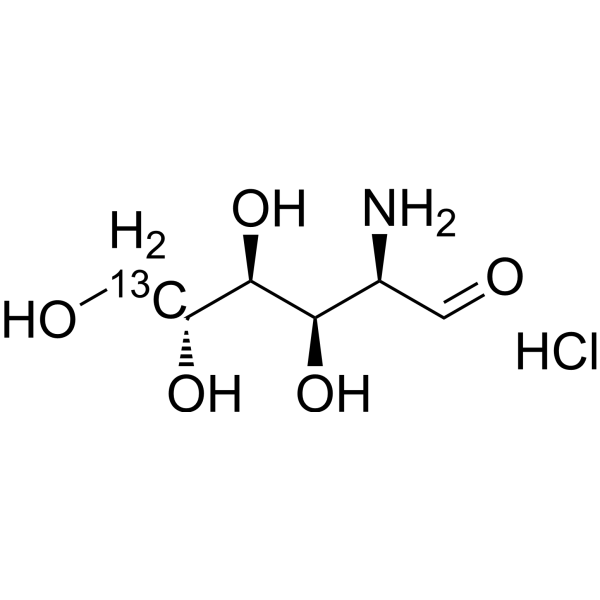
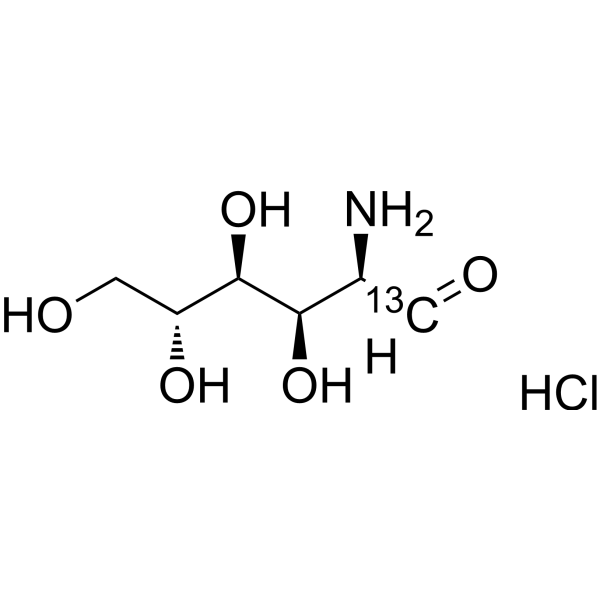
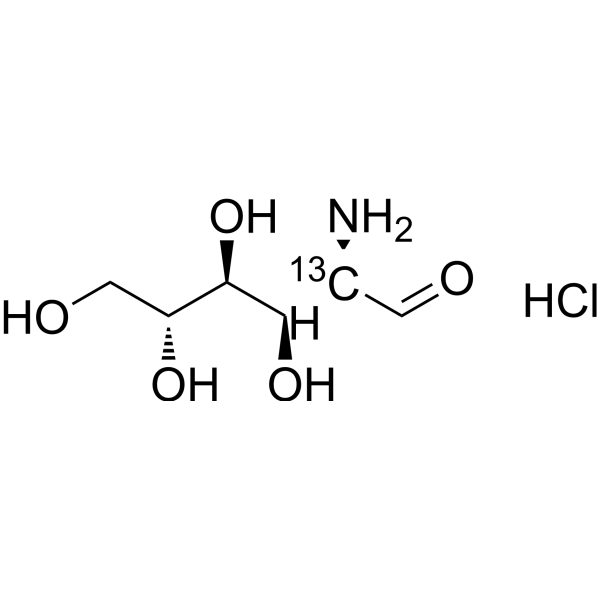
Glucosamine-6- 13C (hydrochloride) is the 13C labeled Glucosamine hydrochloride. Glucosamine hydrochloride (D-Glucosamine hydrochloride) is an amino sugar and a prominent precursor in the biochemical synthesis of glycosylated proteins and lipids, is used as
|
-
-
- HY-N0733S
-
|
|
|
Glucosamine- 13C (hydrochloride) is the 13C labeled Glucosamine hydrochloride. Glucosamine hydrochloride (D-Glucosamine hydrochloride) is an amino sugar and a prominent precursor in the biochemical synthesis of glycosylated proteins and lipids, is used as a
|
-
-
- HY-A0132S1
-
|
|
|
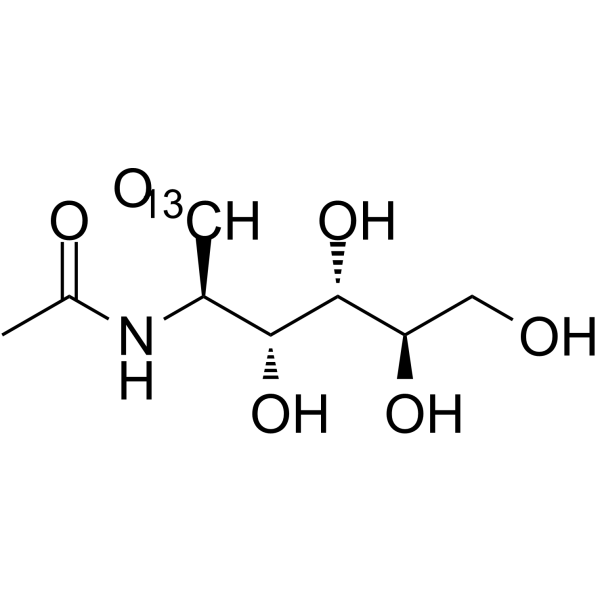
N-Acetyl-D-glucosamine- 13C is the 13C labeled N-Acetyl-D-glucosamine. N-Acetyl-D-Glucosamine (N-Acetyl-2-amino-2-deoxy-D-glucose) is a monosaccharide derivative of gluc .
|
-
-
- HY-A0132S7
-
|
|
|
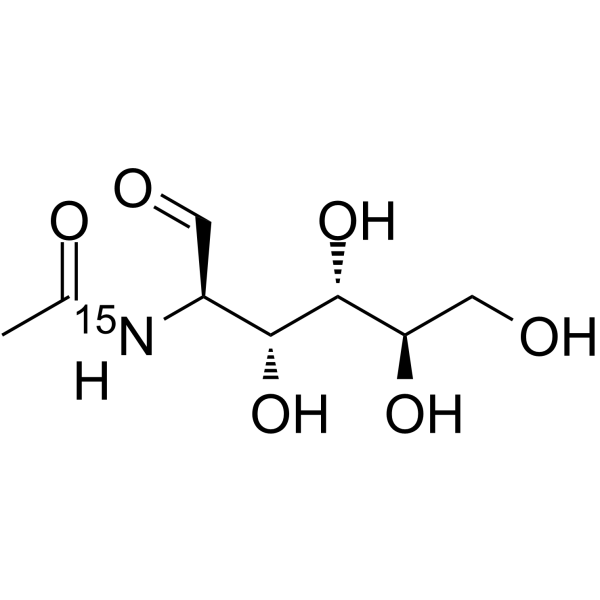
N-Acetyl-D-glucosamine- 15N is the 15N labeled N-Acetyl-D-glucosamine. N-Acetyl-D-Glucosamine (N-Acetyl-2-amino-2-deoxy-D-glucose) is a monosaccharide derivative of gluc .
|
-
-
- HY-N0733S1
-
|
|
|
Glucosamine-2- 13C (hydrochloride) is the 13C labeled Glucosamine hydrochloride. Glucosamine hydrochloride (D-Glucosamine hydrochloride) is an amino sugar and a prominent precursor in the biochemical synthesis of glycosylated proteins and lipids, is used as
|
-
-
- HY-N0733S4
-
|
|
|
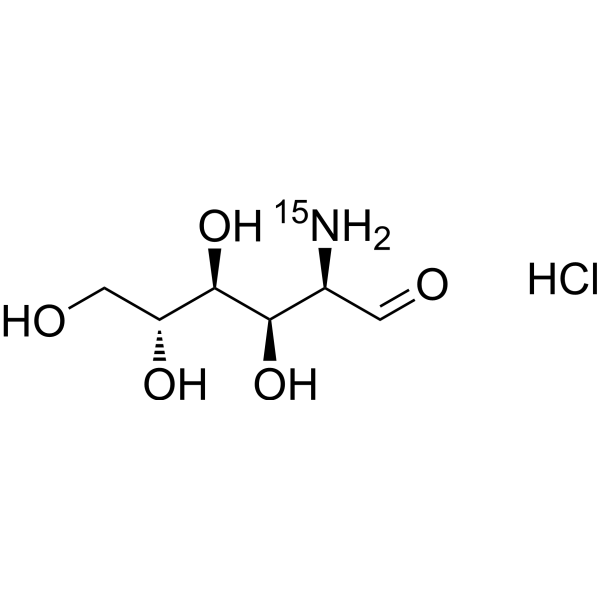
Glucosamine- 15N (hydrochloride) is the 15N labeled Glucosamine hydrochloride. Glucosamine hydrochloride (D-Glucosamine hydrochloride) is an amino sugar and a prominent precursor in the biochemical synthesis of glycosylated proteins and lipids, is used as a
|
-
-
- HY-N0733S2
-
|
|
|
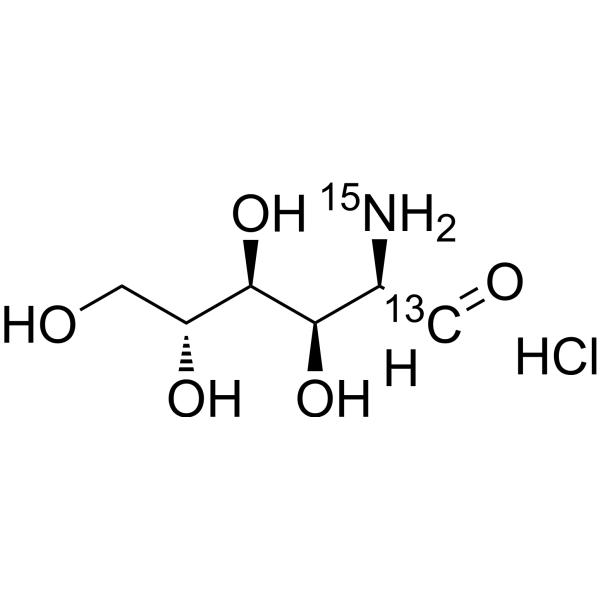
Glucosamine- 13C, 15N (hydrochloride) is the 13C and 15N labeled Glucosamine hydrochloride. Glucosamine hydrochloride (D-Glucosamine hydrochloride) is an amino sugar and a prominent precursor in the biochemical synthesis of glycosylated proteins and lipids, i
|
-
-
- HY-N0733S5
-
|
|
|
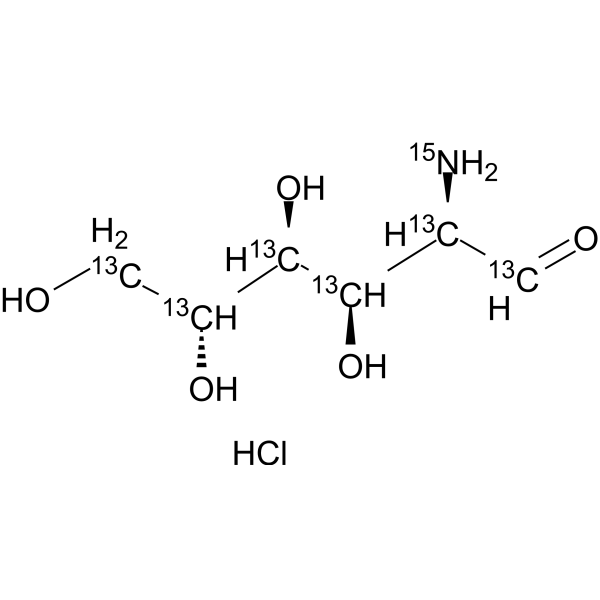
Glucosamine- 13C6, 15N hydrochloride is the 13C and 15N labeled Glucosamine hydrochloride. Glucosamine hydrochloride (D-Glucosamine hydrochloride) is an amino sugar and a prominent precursor in the biochemical synthesis of glycosylated proteins and lipids.
|
-
-
- HY-A0132S3
-
|
|
|
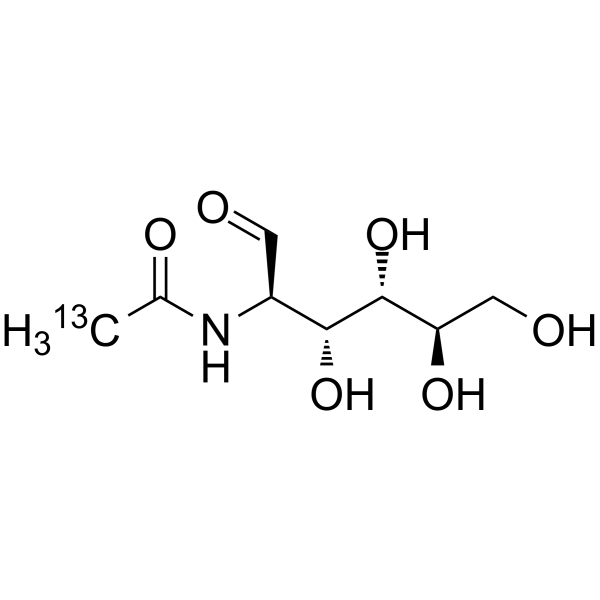
N-Acetyl-D-glucosamine-2- 13C is the 13C labeled N-Acetyl-D-glucosamine. N-Acetyl-D-Glucosamine (N-Acetyl-2-amino-2-deoxy-D-glucose) is a monosaccharide derivative of gluc .
|
-
-
- HY-A0132S2
-
|
|
|
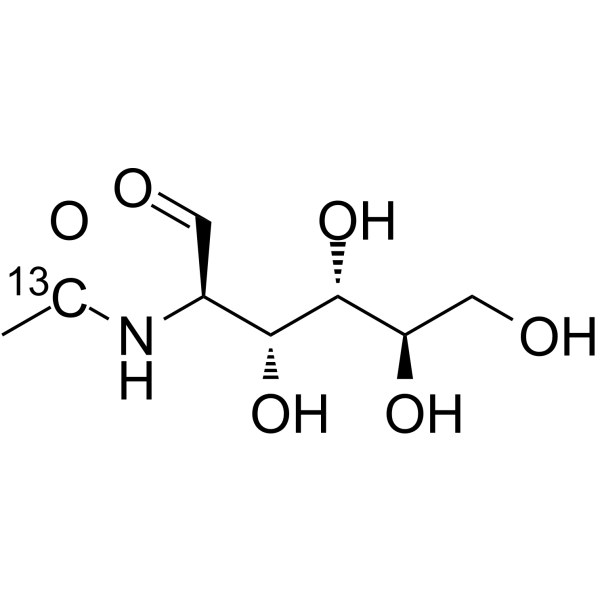
N-Acetyl-D-glucosamine- 13C-1 is the 13C labeled N-Acetyl-D-glucosamine. N-Acetyl-D-Glucosamine (N-Acetyl-2-amino-2-deoxy-D-glucose) is a monosaccharide derivative of gluc .
|
-
-
- HY-A0132S8
-
|
|
|
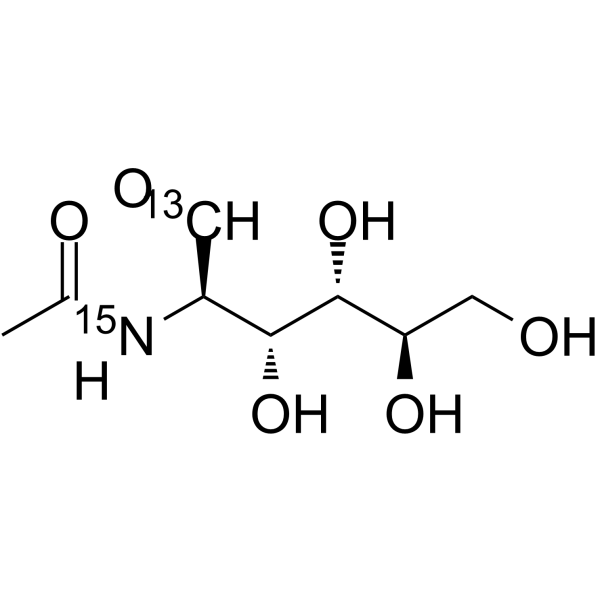
N-Acetyl-D-glucosamine- 13C, 15N is the 13C and 15N labeled N-Acetyl-D-glucosamine. N-Acetyl-D-Glucosamine (N-Acetyl-2-amino-2-deoxy-D-glucose) is a monosaccharide derivative of gluc .
|
-
-
- HY-A0132S10
-
|
|
|
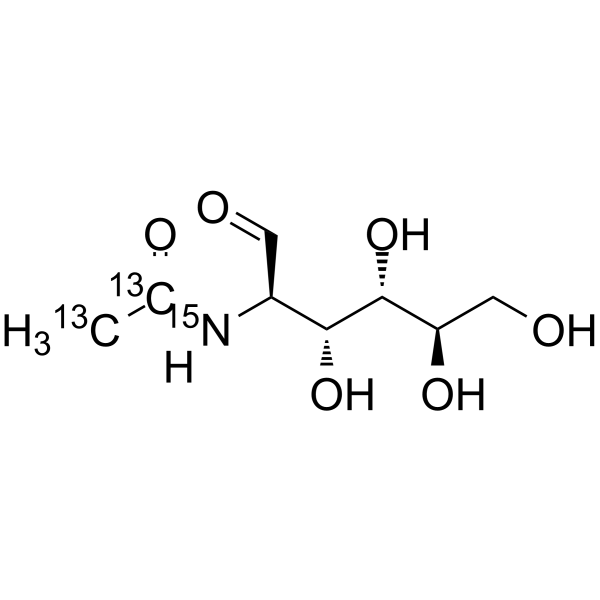
N-Acetyl-D-glucosamine- 13C2, 15N is the 13C and 15N labeled N-Acetyl-D-glucosamine. N-Acetyl-D-Glucosamine (N-Acetyl-2-amino-2-deoxy-D-glucose) is a monosaccharide derivative of gluc .
|
-
-
- HY-B1125S
-
|
|
|
Glucosamine- 13C6 (D-Glucosamine- 13C6) is 13C labeled Glucosamine. Glucosamine (D-Glucosamine) is an amino sugar and a prominent precursor in the biochemical synthesis of glycosylated proteins and lipids, is used as a dietary supplement. Glucosamine also is a natural constituent of glycosaminoglycans in the cartilage matrix and synovial fluid, which when administered exogenously, exerts pharmacological effects on osteoarthritic cartilage and chondrocytes .
|
-
-
- HY-A0132S13
-
|
|
|
N-Acetyl-D-glucosamine- 13C8, 15N is 13C and 15N labeled N-Acetyl-D-glucosamine (HY-A0132). N-Acetyl-D-glucosamine is a monosaccharide derivative of glucose.
|
-
-
- HY-A0132S4
-
|
|
|
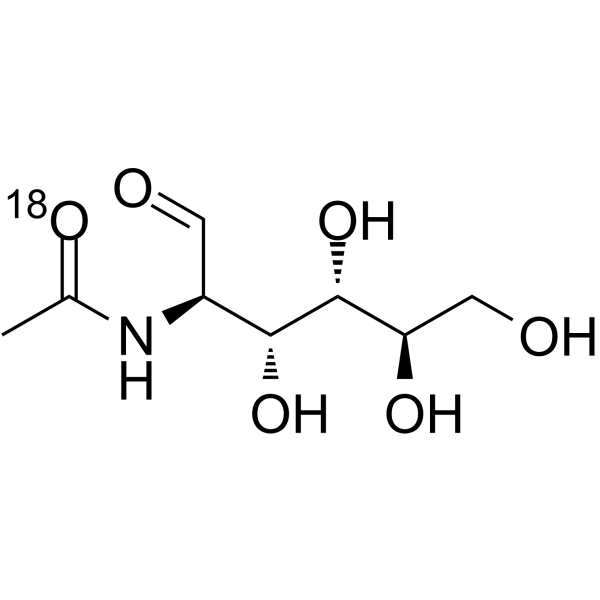
N-Acetyl-D-glucosamine- 18O is the 18O labeled N-Acetyl-D-glucosamine. N-Acetyl-D-Glucosamine (N-Acetyl-2-amino-2-deoxy-D-glucose) is a monosaccharide derivative of gluc .
|
-
-
- HY-A0132S14
-
|
|
|
N-Acetyl-D-glucosamine-d3 (N-Acetyl-2-amino-2-deoxy-D-glucose-d3) is deuterium labeled N-Acetyl-D-glucosamine. N-Acetyl-D-Glucosamine (N-Acetyl-2-amino-2-deoxy-D-glucose), the D isomer of N-acetylglucosamine, is an orally active monosaccharide derivative of glucose with anti-tumor and anti-inflammation properties. N-Acetyl-D-Glucosamine is also a bacterial metabolite, which is found in Escherichia coli. N-Acetyl-D-Glucosamine can induce yeast-mycelial conversion in Candida albicans. N-Acetyl-D-Glucosamine also enhances healing of cartilaginous injuries in rabbits .
|
-
-
- HY-A0132S5
-
|
|
|
N-Acetyl-D-glucosamine- 13C-3 is the 13C labeled N-Acetyl-D-glucosamine. N-Acetyl-D-Glucosamine (N-Acetyl-2-amino-2-deoxy-D-glucose) is a monosaccharide derivative of gluc .
|
-
-
- HY-A0132S9
-
|
|
|
N-Acetyl-D-glucosamine- 13C3, 15N is the 13C and 15N labeled N-Acetyl-D-glucosamine. N-Acetyl-D-Glucosamine (N-Acetyl-2-amino-2-deoxy-D-glucose) is a monosaccharide derivative of gluc .
|
-
-
- HY-A0132S11
-
|
|
|
N-Acetyl-D-glucosamine- 13C, 15N-1 is the 13C and 15N labeled N-Acetyl-D-glucosamine. N-Acetyl-D-Glucosamine (N-Acetyl-2-amino-2-deoxy-D-glucose) is a monosaccharide derivative of gluc .
|
-
-
- HY-A0132S12
-
|
|
|
N-Acetyl-D-glucosamine- 13C6 (N-Acetyl-2-amino-2-deoxy-D-glucose- 13C6) is the 13C labled N-Acetyl-D-glucosamine (HY-A0132) . N-Acetyl-D-Glucosamine (N-Acetyl-2-amino-2-deoxy-D-glucose) is a monosaccharide derivative of glucose.
|
-
-
- HY-W777675
-
|
|
|
2,5-Deoxyfructosazine- 13C4 (NSC 270912- 13C4) is the 13C-labeled 2,5-Deoxyfructosazine (HY-135078). 2,5-Deoxyfructosazine is a pyrazine derivative that can be found in cured tobacco and is used as a flavoring agent in the food and tobacco industry. Pyrazines, including 2,5-deoxyfructosazine, can be produced either by pyrolytic decomposition of natural compounds or by the reaction of sugars with alcoholic ammonia. 2,5-Deoxyfructosazine is also formed by the breakdown of D-glucosamine at neutral pH. Like glucosamine, 2,5-deoxyfructosazine has DNA strand breakage activity and strongly inhibits IL-2 production by Jurkat cells stimulated with phytohemagglutinin (IC50=~1.25 mM).
|
-
-
- HY-W768178
-
|
|
|
2-Amino-2-deoxyglucose hydrochloride- 13C2 (D-Glucosamine Hydrochloride-1,2- 13C2) is the 13C-labeled 2-Amino-2-deoxyglucose hydrochloride (HY-N9459). 2-Amino-2-deoxyglucose hydrochloride is a hexosamine hydrochloride can be used in the synthesis of cyclopropene-modified hexosamine derivative Ac4GlcNCyoc and Ac4GalNCyoc .
|
-
-
- HY-113407CS
-
|
|
|
D-Fructose-6-phosphate disodium monohydrate- 13C6 is the 13C-labeled D-Fructose-6-phosphate disodium monohydrate (HY-113407C). D-Fructose-6-phosphate disodium monohydrate is an intermediate of Glycolysis. D-Fructose-6-phosphate disodium monohydrate is the precursor for the synthesis of amino sugars, such as galactosamine and glucosamine .
|
-
-
- HY-W766388
-
|
|
|
2-Amino-2-deoxyglucose hydrochloride- 13C6 (D-Glucosamine Hydrochloride- 13C6) is the 13C-labeled 2-Amino-2-deoxyglucose hydrochloride (HY-N9459). 2-Amino-2-deoxyglucose hydrochloride is a hexosamine hydrochloride can be used in the synthesis of cyclopropene-modified hexosamine derivative Ac4GlcNCyoc and Ac4GalNCyoc .
|
-
| Cat. No. |
Product Name |
|
Classification |
-
- HY-140339
-
|
|
|
PROTAC Synthesis
Azide
|
|
ANB-NOS is a heterobifunctional crosslinker with lipophilic, uncharged properties suitable for intracellular conjugation. ANB-NOS contains an amine-reactive Nhydroxysuccinimide (NHS) ester and a photoactivatable nitrophenyl azide. ANB-NOS can be used for the research of fibrosarcoma and mammary adenocarcinoma .
|
| Cat. No. |
Product Name |
|
Classification |
-
- HY-160578
-
|
N-Cholesteryl succinyl glucosamine
|
|
Cholesterol
|
|
Glucosamine Cholesterol (N-Cholesteryl succinyl glucosamine) is a glucosamine-based lipid conjugate, and can be used in the formation of lipid nanoparticles (LNPs) .
|
Your information is safe with us. * Required Fields.
Inquiry Information
- Product Name:
- Cat. No.:
- Quantity:
- MCE Japan Authorized Agent:








