Search Result
Results for "
α-amylase/α-glucosidase Inhibitor
" in MedChemExpress (MCE) Product Catalog:
2
Biochemical Assay Reagents
| Cat. No. |
Product Name |
Target |
Research Areas |
Chemical Structure |
-
- HY-132179
-
-

-
- HY-126052
-
|
|
COX
Tyrosinase
HDAC
|
Metabolic Disease
Cancer
|
|
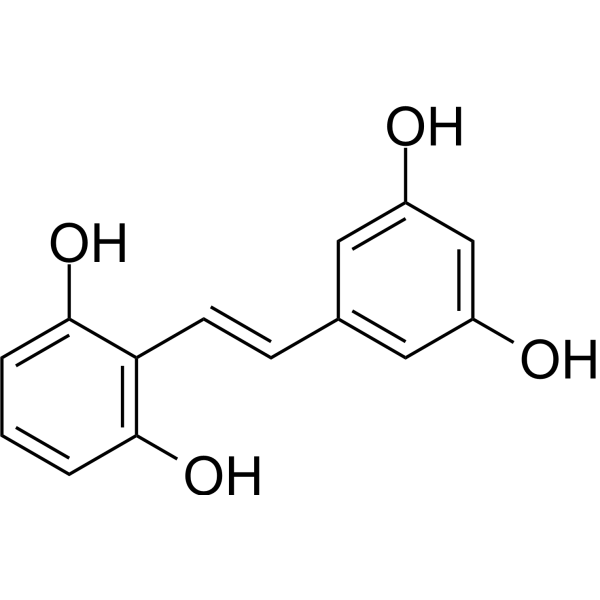
Gnetol is a phenolic compound isolated from the root of Gnetum montanum . Gnetol potently inhibits COX-1 (IC50 of 0.78 μM) and HDAC. Gnetol is a potent tyrosinase inhibitor with an IC50 of 4.5 μM for murine tyrosinase and suppresses melanin biosynthesis. Gnetol has antioxidant, antiproliferative, anticancer and hepatoprotective activity. Gnetol also possesses concentration-dependent α-Amylase, α-glucosidase, and adipogenesis activities .
|
-
-
- HY-N2376
-
|
|
Glycosidase
Amylases
NF-κB
|
Metabolic Disease
Inflammation/Immunology
|
|
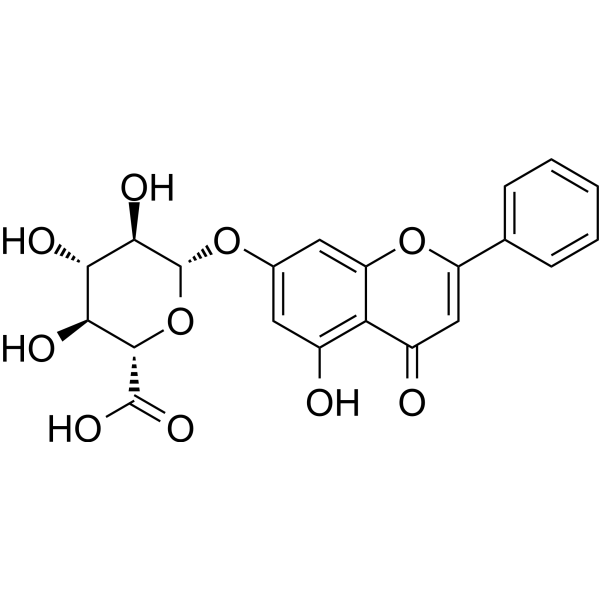
Chrysin-7-O-glucuronide is a flavonoid found in Scutellaria baicalensis. Chrysin-7-O-glucuronide inhibits α-glucosidase and α-amylase with IC50 values of 612.13 and 980.73 μg/mL. Chrysin-7-O-glucuronide suppresses NF-κB signaling activity. Chrysin-7-O-glucuronide scavenges free radicals, acts as a tight junction protector, and mitigates intestinal mucosal barrier injury. Chrysin-7-O-glucuronide can be used for the research of type 2 diabetes and severe acute pancreatitis-induced intestinal mucosal barrier injury .
|
-
-
- HY-N6675
-
|
|
Amylases
Glycosidase
|
Inflammation/Immunology
|
|
Gardenia yellow is a competitive inhibitor of α-Amylase (HY-B2193) and α-glucosidase. Gardenia yellow can bind to the catalytic sites of α-Amylase and α-glucosidase, inhibit starch digestion, and significantly increase the contents of resistant starch and slowly digestible starch in starch-based systems. Gardenia yellow reduces the glycemic index and hydrolysis index. Gardenia yellow can be used in diabetes-related research .
|
-

-
- HY-N8599
-
-
-
- HY-W005598
-
|
|
Glycosidase
Amylases
|
Metabolic Disease
|
|
2-Hydroxyquinoline is an inhibitor of α-glucosidase and α-amylase with IC50 values of 64.4 µg/mL and 130.5 µg/mL, respectively. 2-Hydroxyquinoline can be used in the study of diabetes .
|
-

-
- HY-N4309
-
|
|
Amylases
Glycosidase
|
Neurological Disease
Metabolic Disease
Cancer
|
|
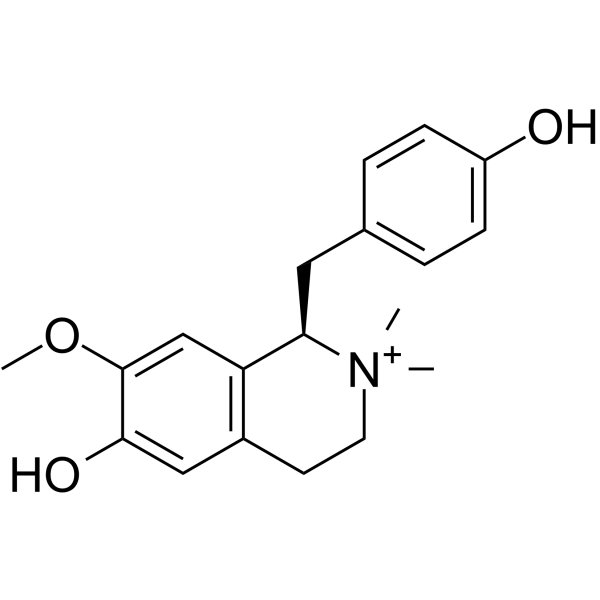
Lotusine is an orally active signaling pathway modulator and enzyme inhibitor, with an IC50 of 30.60 μg/mL against α-amylase and an IC50 of 36.15 μg/mL against α-glucosidase. Lotusine inhibits the EGFR-Akt-ERK signaling pathway by reducing the levels of phosphorylated EGFR, Akt and ERK. Lotusine induces apoptosis, triggers G0/G1 cell cycle arrest and inhibits cancer cell proliferation. Lotusine reduces lipid peroxidation and increases the activities of SOD, CAT and GPx. Lotusine is applicable to researches related to non-small cell lung cancer, type 2 diabetes and autism spectrum disorder .
|
-
-
- HY-200541
-
|
|
Others
|
Metabolic Disease
|
|
Dihydro-α-ionone is a volatile compound found in the essential oil of Persicaria hydropiper L. leaves. The essential oil can inhibit α-glucosidase and α-amylase activities .
|
-

-
- HY-179141
-
|
|
Amylases
Glycosidase
|
Metabolic Disease
|
|
α-Amylase/α-Glucosidase-IN-23 (Compound 5e) is a α-Amylase/α-Glucosidase inhibitor with IC50 values of 73.68 nM for α-glucosidase and 146.18 nM for α-amylase. α-Amylase/α-Glucosidase-IN-23 can be used in the research of hypoglycemia .
|
-

-
- HY-N9454
-
|
|
Pregnane X Receptor (PXR)
COX
NF-κB
Amylases
β-glucuronidase
DNA/RNA Synthesis
Amyloid-β
NOD-like Receptor (NLR)
Pyroptosis
|
Cancer
|
|
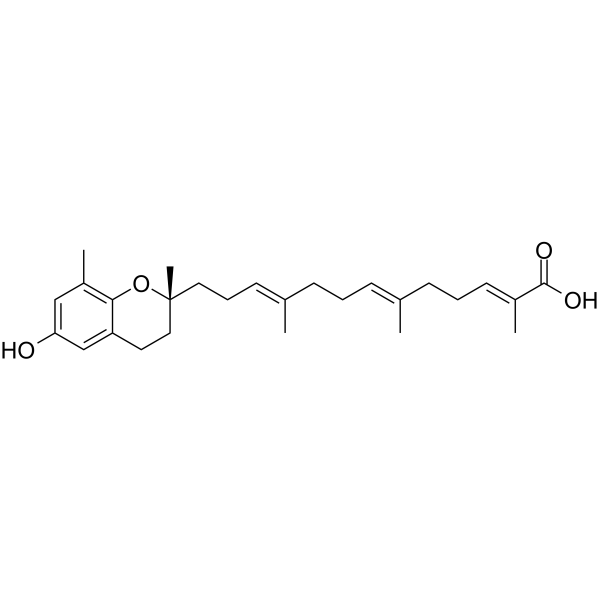
Garcinoic acid is an orally active anti-inflammatory agent that crosses the blood-brain barrier. Garcinoic acid also enhances efferocytosis and enzyme/receptor regulation, and selectively inhibits human COX-2, porcine α-amylase, Saccharomyces cerevisiae α-glucosidase and human DNA polymerase β (IC50=11 μM), as well as activates human PXR. Garcinoic acid enhances macrophage efferocytosis via receptors such as MerTK and LRP-1, and promotes the production of pro-resolving lipid mediators. Garcinoic acid inhibits NF-κB activation and pro-inflammatory cytokine secretion, interferes with Aβ aggregation, downregulates NLRP3 inflammasome activity, and binds to targets including CD44 and EGFR to inhibit leukemia cell proliferation. The pharmacological activities of Garcinoic acid, such as antioxidant, anti-inflammatory and lipid metabolism-regulating effects, are widely used in studies related to various diseases including atherosclerosis, Alzheimer's disease, type 2 diabetes, inflammatory bowel disease and viral pneumonia .
|
-
-
- HY-N10413
-
|
|
Glycosidase
|
Metabolic Disease
|
|
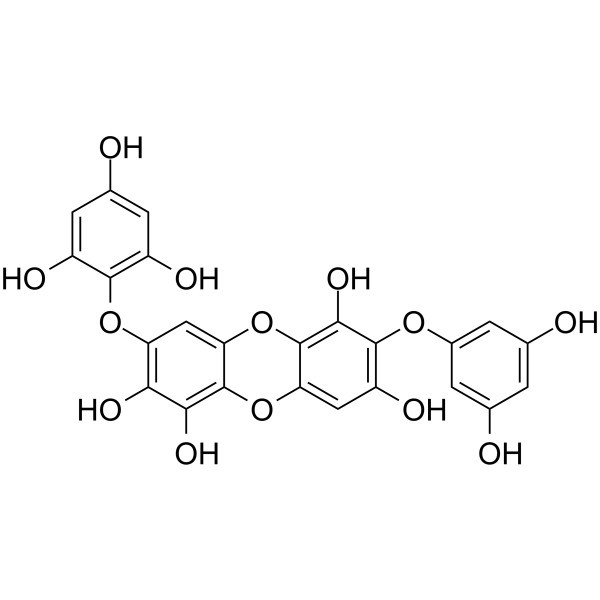
Diphlorethohydroxycarmalol, a kind of phlorotannin, is an orally active α-glucosidase and α-amylase inhibitor with IC50s of 0.16 mM and 0.53 mM, respectively. Diphlorethohydroxycarmalol has anti-diabetic activities .
|
-
-
- HY-179511
-
|
|
Glycosidase
|
Metabolic Disease
|
|
α-Glucosidase-IN-104 (Compound 9s) is an efficient inhibitor of α-glucosidase with an IC50 of 24.32 μM. α-Glucosidase-IN-104 has a weak inhibitory effect on α-amylase and avoids gastrointestinal side effects. α-Glucosidase-IN-104 can be used for research on type 2 diabetes .
|
-

-
- HY-W008168
-
|
2-Quinolinecarboxaldehyde
|
Drug Intermediate
|
Others
|
|
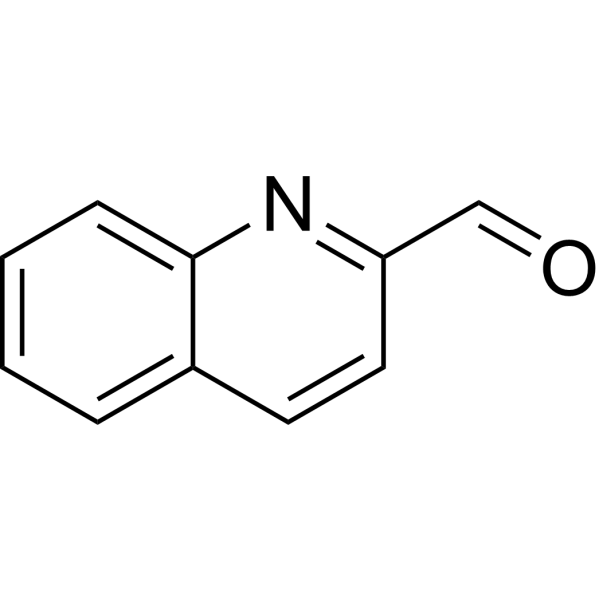
Quinoline-2-carboxaldehyde (2-Quinolinecarboxaldehyde) is a quinoline derivative that serves as a synthetic precursor for Schiff base copper complexes. Quinoline-2-carboxaldehyde is applicable to research related to the synthetic design of biomaterials or organic compounds, such as fluorescent sensors .
|
-
-
- HY-175605
-
|
|
Glycosidase
Amylases
|
Metabolic Disease
|
|
α-Amylase/α-Glucosidase-IN-21 (Compound 4) is a dual-functional inhibitor of α-Glucosidase and α-Amylase with IC50s of 0.27 and 0.19 µg/mL for α-Glucosidase and α-Amylase, respectively. α-Amylase/α-Glucosidase-IN-21 has an antidiabetic activity.α-Amylase/α-Glucosidase-IN-21 can be used for diabetes mellitus research .
|
-

-
- HY-155241
-
|
|
Glycosidase
Amylases
|
Metabolic Disease
|
|
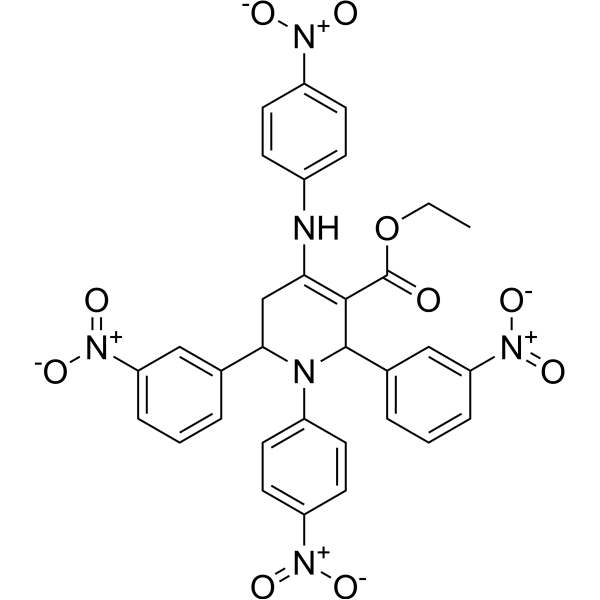
α-Amylase/α-Glucosidase-IN-4 (compound 5) is a dual inhibitor of α-glucosidase (Glucosidase) and α-amylase (Amylases) with IC50s of 0.15 μM and 1.10 μM, respectively. α-Amylase/α-Glucosidase-IN-4 has potential antidiabetic activity .
|
-
-
- HY-162673
-
|
|
Amylases
Glycosidase
|
Metabolic Disease
|
|
α-Amylase/α-Glucosidase-IN-16 (compound 15) is a potent dual inhibitor of α-amylase and α-Glucosidase with IC50 values of 0.8 and 1.2 μM, respectively. α-Amylase/α-Glucosidase-IN-16 can be used in the study of diabetes mellitus (DM) .
|
-

-
- HY-W112651
-
|
|
Glycosidase
Amylases
|
Metabolic Disease
|
|
2,4,6-Triphenylaniline has anti-diabetic activity and can be encapsulated in nano-emulsions (NE) to enhance stability and permeability. The NE loaded with 2,4,6-Triphenylaniline inhibits α-glucosidase and α-amylase .
|
-

-
- HY-146225
-
|
|
Glycosidase
|
Metabolic Disease
|
|
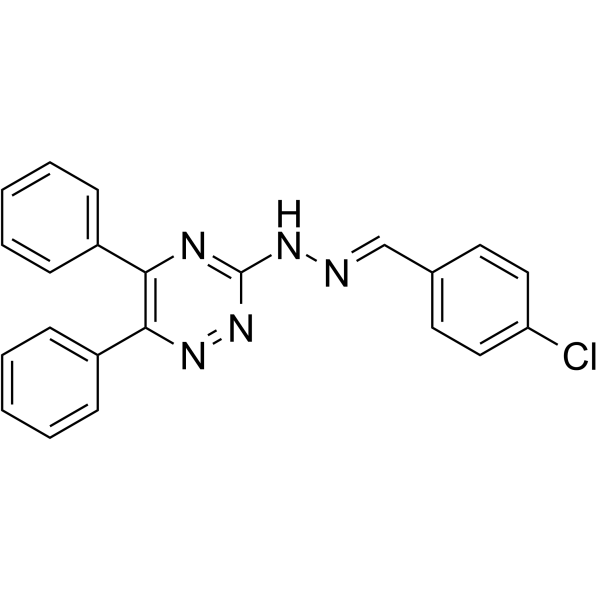
α-Amylase/α-Glucosidase-IN-2 (compound 5) is a potent α-amylase and α-glucosidase dual inhibitor with IC50 values of 13.02, 13.09 µM for α-amylase and α-glucosidase, respectively. α-Amylase/α-Glucosidase-IN-2 has the potential for the research of diabetic complications .
|
-
-
- HY-174319
-
|
|
Amylases
Glycosidase
|
Metabolic Disease
|
|
α-Amylase/α-Glucosidase-IN-20 (Compound 6b) is a dual inhibitor of α-Amylase and α-Glucosidase with IC50s of 414.57 and 924.15 μM for α-Amylase and α-Glucosidase, respectively. α-Amylase/α-Glucosidase-IN-20 shows a potent anti-diabetic activity, promising for diabetes research .
|
-

-
- HY-172622
-
-

-
- HY-168961
-
|
|
Amylases
Glycosidase
|
Metabolic Disease
|
|
α-Amylase/α-Glucosidase-IN-18 (Compound 9g) is the inhibitor for α-Amylase and α-Glucosidase with IC50 of 49.17 nM and 10.71 nM. α-Amylase/α-Glucosidase-IN-18 can be used in research of type 2 diabetes mellitus .
|
-

-
- HY-162634
-
|
|
Amylases
Glycosidase
|
Metabolic Disease
|
|
α-Amylase/α-Glucosidase-IN-15 (compound 6C) is an oral bioactive inhibitor of α-Glucosidase and α-amylase, with the IC50s of 21 μM and 61 μM, respectively .
|
-

-
- HY-147711
-
|
|
Glycosidase
|
Metabolic Disease
|
|
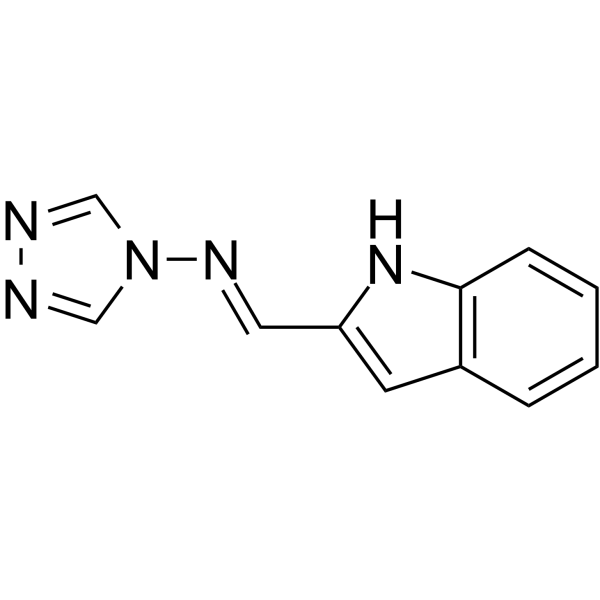
α-Amylase/α-Glucosidase-IN-1 (compound 33) is a potent α-amylase/α-glucosidase inhibitor with IC50s of 2.01, 2.09 µM for α-amylase and α-glucosidase, respectively. Kinetic studies predict that α-Amylase/α-Glucosidase-IN-1 has the potential of anti hyperglycemia .
|
-
-
- HY-161355
-
|
|
Amylases
Glycosidase
|
Metabolic Disease
|
|
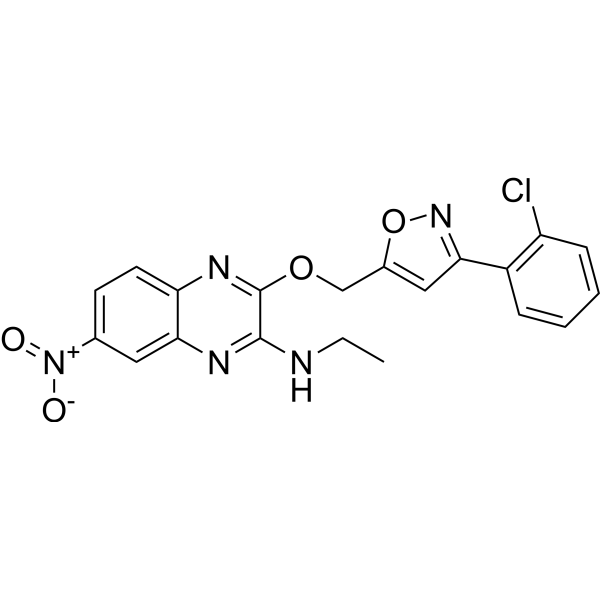
α-Amylase/α-Glucosidase-IN-9 (compound 5h) is a dual inhibitor for both α-amylase (IC50 = 16.4 μM) and α-glucosidase (IC50 = 31.6 μM) enzymes .
|
-
-
- HY-149557
-
|
|
Glycosidase
Amylases
|
Metabolic Disease
|
|
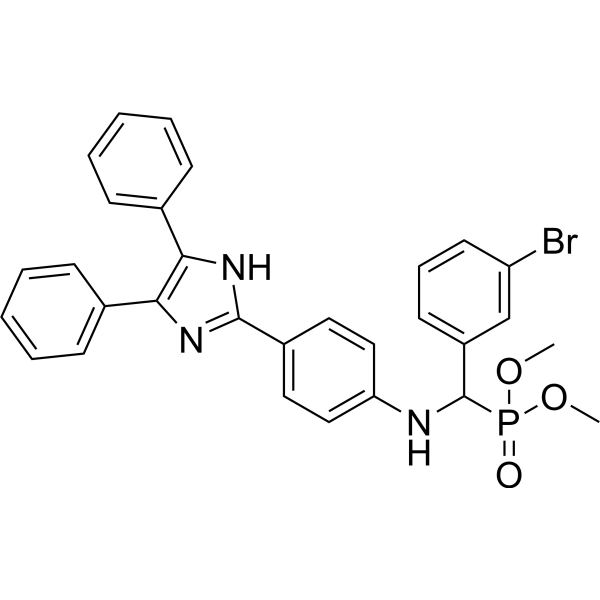
α-Amylase/α-Glucosidase-IN-5 (compound 4l) is a dual inhibitor of α-glucosidase (Glucosidase) and α-amylase (Amylases) with IC50s of 5.96 μM and 1.62 μM, respectively. α-Amylase/α-Glucosidase-IN-4 has potential antidiabetic activity .
|
-
-
- HY-156380
-
|
|
Amylases
Glycosidase
|
Metabolic Disease
|
|
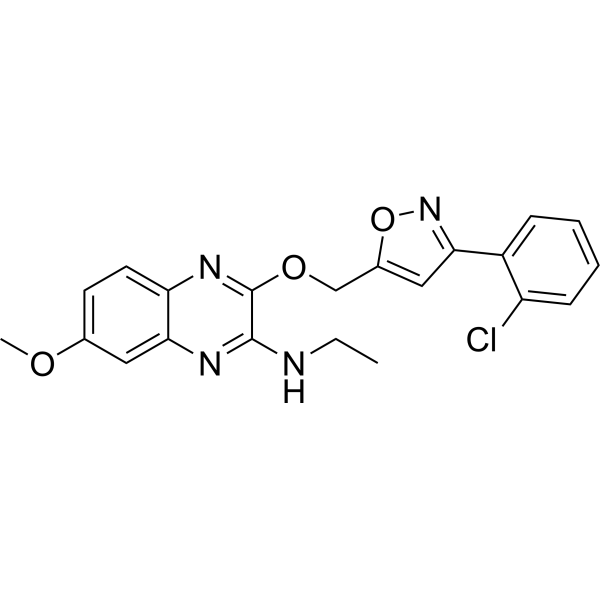
α-Amylase/α-Glucosidase-IN-6 (compound 5j) is a potent dual inhibitor of α-amylase and α-glucosidase, with IC50s of 17.0 and 40.1 µM, respectively. α-Amylase/α-Glucosidase-IN-6 exhibits anti-hyperglycemic activities .
|
-
-
- HY-162635
-
|
|
Amylases
Glycosidase
|
Metabolic Disease
|
|
α-Amylase/α-Glucosidase-IN-14 (compound 6E) is an oral bioactive inhibitor of α-amylase and α-glucosidase, with the IC50s of 45.53 μM and 27.73 μM, respectively .
|
-

-
- HY-172211
-
|
|
Amylases
Glycosidase
|
Metabolic Disease
Cancer
|
|
α-Amylase/α-Glucosidase-IN-17 (Compound 3) is an inhibitor of α-amylase and α-glucosidase, with IC50 values of 14.61 μM and 25.38 μM, respectively. α-Amylase/α-Glucosidase-IN-17 has certain inhibitory activity against A549 cancer cells. α-Amylase/α-Glucosidase-IN-17 has anti-tumor and anti-diabetic effects .
|
-

-
- HY-162390
-
|
|
Amylases
Glycosidase
|
Endocrinology
|
|
α-Amylase/α-Glucosidase-IN-11 (Compound 5d) is a isoxazolidine-isatin hybrid with significant antidiabetic activity. α-Amylase/α-Glucosidase-IN-11 competitively inhibits α-amylase (IC50 = 30.39 μM) and α-glucosidase (IC50 = 65.1 μM), two key digestive enzymes. α-Amylase/α-Glucosidase-IN-11 does not cross the blood-brain barrier .
|
-

-
- HY-162169
-
|
|
Amylases
Glycosidase
|
Metabolic Disease
|
|
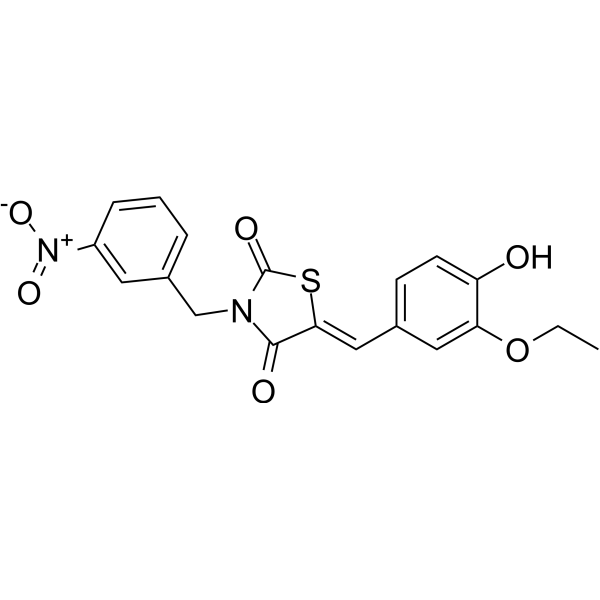
α-Amylase/α-Glucosidase-IN-8 (Compound 7p) is a potent dual inhibitor of α-amylase and α-glucosidase, with IC50s of 10.19 and 10.33 μM, respectively. α-Amylase/α-Glucosidase-IN-8 has good anti-oxidant activity(IC50 = 14.93 μM). α-Amylase/α-Glucosidase-IN-8 can be used for the research of diabetes .
|
-
-
- HY-162036
-
|
|
Glycosidase
Amylases
Cholinesterase (ChE)
|
Neurological Disease
Metabolic Disease
|
|
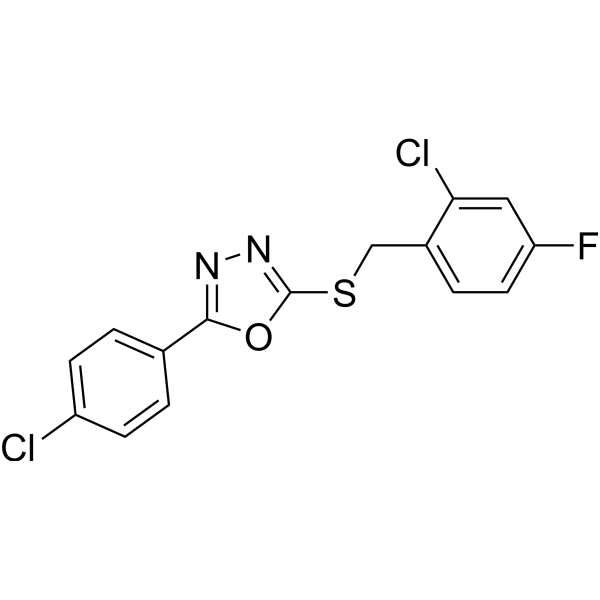
α-Amylase/α-Glucosidase-IN-7 (Compound 3f) is a competitive α-glucosidase and α-amylase enzyme inhibitor with IC50 values of 18.52 and 20.25 µM, respectively. α-Amylase/α-Glucosidase-IN-7 can also effectively inhibit AChE and BChE, with IC50 values of 9.25 and 10.06 µM respectively. α-Amylase/α-Glucosidase-IN-7 can be used in diabetes and Alzheimer’s research .
|
-
-
- HY-163439
-
|
|
Amylases
Glycosidase
|
Metabolic Disease
|
|
α-Amylase/α-Glucosidase-IN-12 (compound 10k) is a dual inhibitor targeting α-glucosidase and α-amylase with IC50 of 34.52 nM and 24.62 nM, respectively. α-Amylase/α-Glucosidase-IN-12 is an inhibitor designed based on triazolo[4,3-b][1,2,4]triazine and has the potential to be used in diabetes research .
|
-

-
- HY-170796
-
|
|
Amylases
|
Metabolic Disease
|
|
α-Amylase-IN-11 (compound C5f) is an α-Amylase inhibitor (IC50=0.56 μM) that can reduce the sugar level in vivo. α-Amylase-IN-11 has a moderate inhibitory effect on α-glucosidase (α-glucosidase), with IC50=11.03 μM. α-Amylase-IN-11 can significantly reduce the glucose concentration in a mouse model and has the potential for use in diabetes research .
|
-

-
- HY-162373
-
|
|
Amylases
Glycosidase
P-glycoprotein
|
Metabolic Disease
|
|
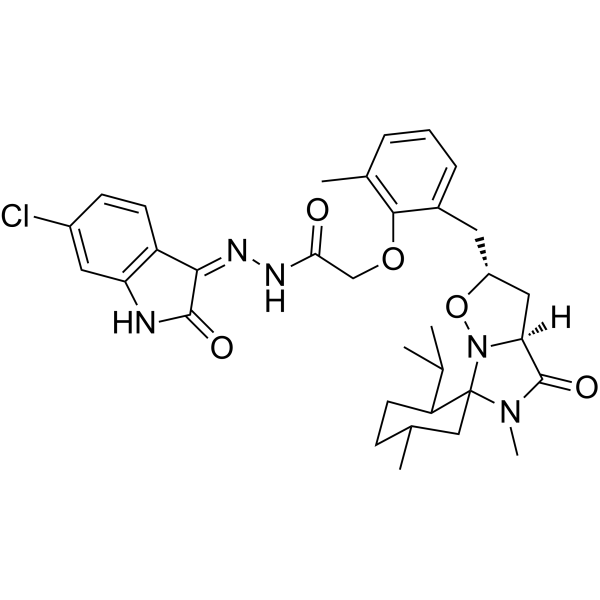
α-Amylase/α-Glucosidase-IN-10 (compound 5d) is an α-amylase and α-glucosidase inhibitor (IC50: 30.39 μM and 65.1 μM) with potential diabetes inhibitory effects. α-Amylase/α-Glucosidase-IN-10 exhibits high gastrointestinal (GI) absorption in ADMET (Absorption, Distribution, Metabolism, Excretion and Toxicity) prediction. While α-Amylase/α-Glucosidase-IN-10 acts as a substrate for P-gp and does not cross the blood-brain barrier (BBB), there may be a risk of central nervous system side effects .
|
-
-
- HY-N11728
-
|
|
Amylases
Glycosidase
|
Metabolic Disease
|
|
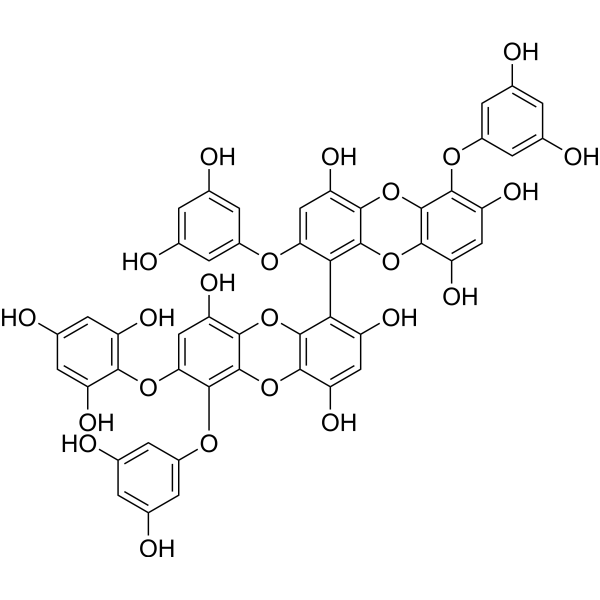
2,7"-Phloroglucinol-6,6'-bieckol is an orally active dual α-amylase/α-glucosidase inhibitor with IC50 values of 6.94 μM and 23.35 μM respectively. 2,7"-Phloroglucinol-6, 6'-bieckol alleviates postprandial hyperglycemia in diabetic mice. 2,7"-Phloroglucinol-6,6'-bieckol can be used in diabetes research .
|
-
-
- HY-N7729
-
|
|
Amylases
Glycosidase
|
Metabolic Disease
|
|
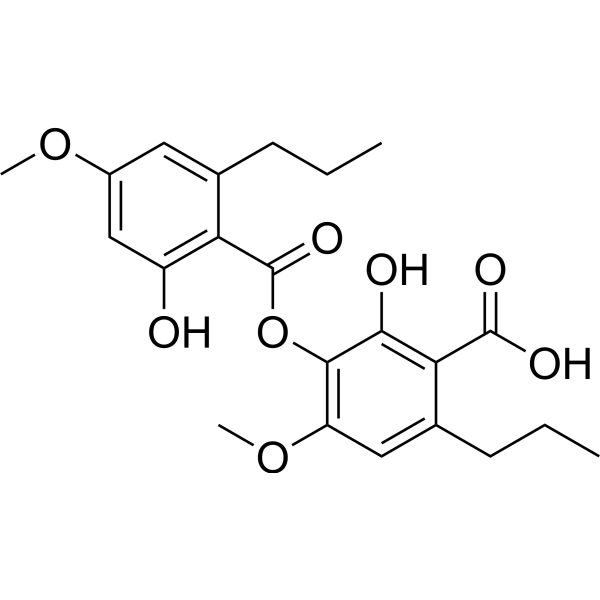
Sekikaic acid is an α-glucosidase (Glucosidase) and α-amylase (Amylases) inhibitor with hypolipidemic, antioxidant and antidiabetic activities. Sekikaic acid significantly reduces LDL, total cholesterol, and total glyceride levels and causes pancreatic beta cell regeneration .
|
-
-
- HY-143268
-
|
|
Amylases
Glycosidase
|
Metabolic Disease
|
|
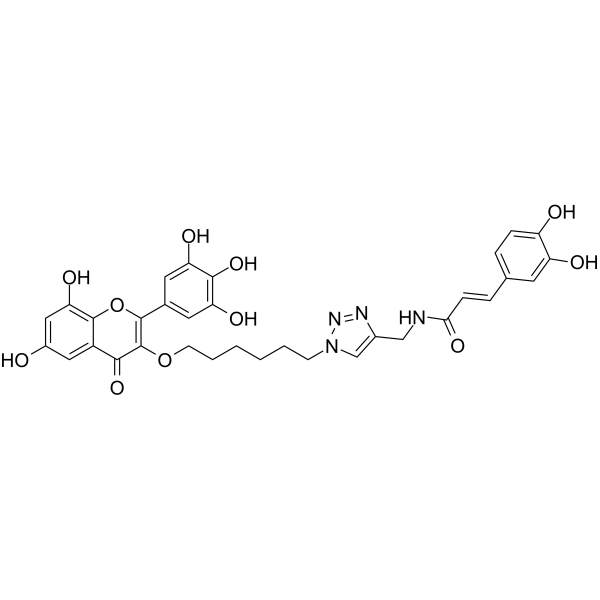
HPA-IN-1 (Compound 1) is a potent and selective human pancreatic α-amylase (HPA) inhibitor with IC50 values of 12.0 μM and 410.4 μM against HPA and α-glucosidase, respectively .
|
-
-
- HY-168495
-
|
|
Amylases
Glycosidase
|
Metabolic Disease
|
|
α-Amylase-IN-12 (Compound 5e) is an α-amylase inhibitor (IC50: 0.15 mM) with a mixed inhibition. α-Amylase-IN-12 has an IC50 of 9.40 mM against α-glucosidase. α-Amylase-IN-12 promotes glucose uptake in yeast cells and exhibits significant antiglycation activity at high concentrations. α-Amylase-IN-12 can be used for the research of diabetes .
|
-

-
- HY-143269
-
|
|
Amylases
Glycosidase
|
Metabolic Disease
|
|
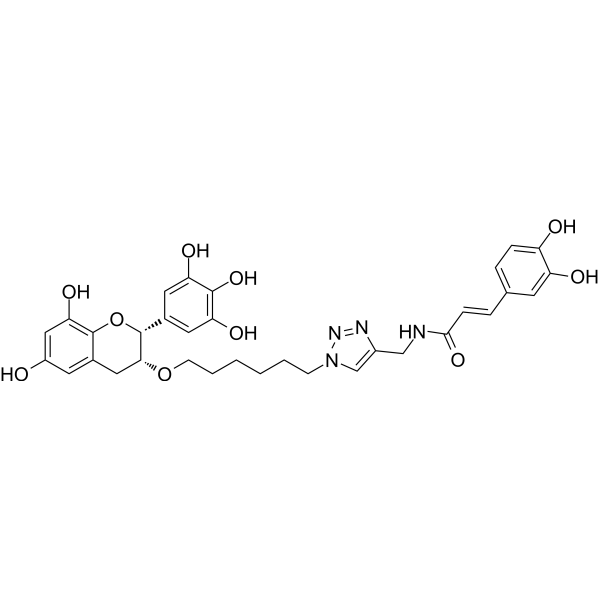
HPA-IN-2 (Compound 2a-1) is a potent and selective human pancreatic α-amylase (HPA) inhibitor with IC50 values of 8.2 μM and 450.7 μM against HPA and α-glucosidase, respectively .
|
-
-
- HY-168944
-
|
|
Amylases
Glycosidase
|
Metabolic Disease
|
|
ABCB1-IN-4 (Compound C6z) is an orally active and potent dual α-amylase and α-glucosidase inhibitor with IC50 values of 1.63 μM and 0.14 μM, respectively. ABCB1-IN-4 is promising for research of diabetes .
|
-

-
- HY-168185
-
|
|
Glycosidase
Phosphatase
Amylases
|
Metabolic Disease
|
|
α-glucosidase/PTP1B-IN-1 (compound 8a) is a potent α-glucosidase and PTP1B inhibitor with an IC50 value of 66.3 μM and 47.0 μM, respectively. α-glucosidase/PTP1B-IN-1 exhibits excellent activities against α-amylase with an IC50 of 30.62 μM. α-glucosidase/PTP1B-IN-1 can dock into the active pockets of α-glucosidase and PTP1B. α-glucosidase/PTP1B-IN-1 has potential to reduce the postprandial blood glucose and is used for Type 2 diabetes mellitus .
|
-

-
- HY-161429
-
|
|
Amylases
Glycosidase
|
Metabolic Disease
|
|
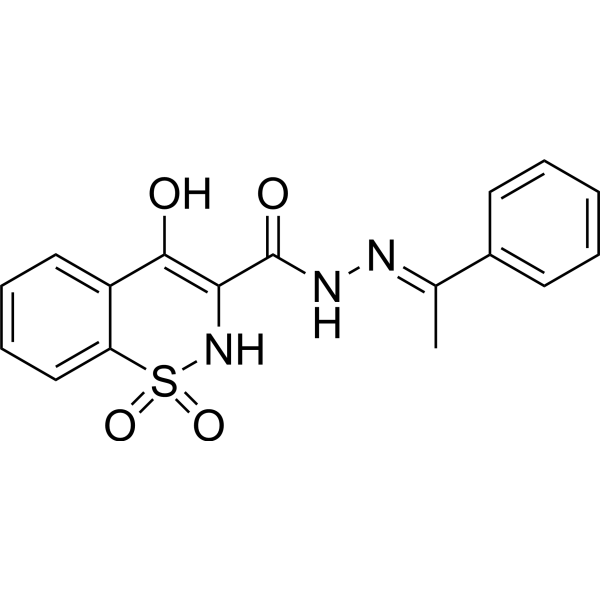
Antidiabetic agent 5 (compound S1) is a antidiabetic agent. Antidiabetic agent 5 inhibits the activity of α-glucosidase and α-amylase with IC50 values of 3.91,8.89 μM,respectively. Antidiabetic agent 5 decreases sugar levels. Antidiabetic agent 5 has the potential for the research of type-II diabetes .
|
-
-
- HY-161764
-
|
|
Amylases
Glycosidase
|
Metabolic Disease
|
|
α-Glucosidase-IN-67 (compound 5k) is a potent α-Glucosidase inhibitor with IC50 values of 0.31, 4.51 µM for alpha-glucosidase and alpha-amylase, respectively. α-Glucosidase-IN-67 has the potential for the research of type-2 diabetes .
|
-

-
- HY-N12688
-
|
|
Glycosidase
Amylases
|
Metabolic Disease
|
|
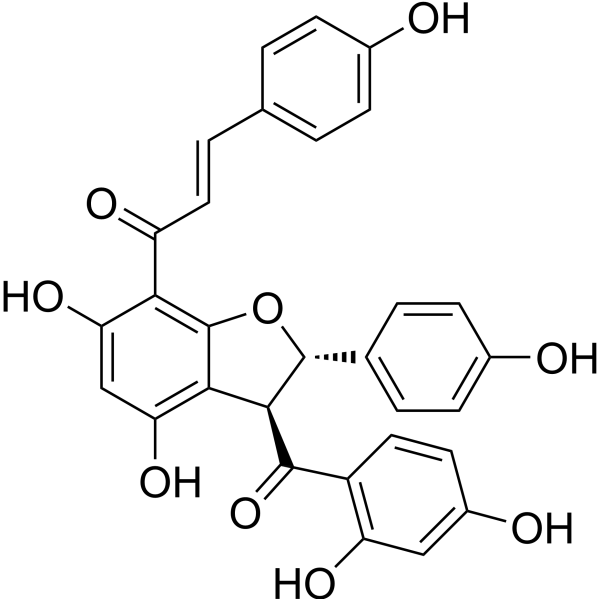
2,3-Dihydrocalodenin B (Compound 6) is a compound that can be isolated from Knema globularia. 2,3-Dihydrocalodenin B is a potent and non-competitive inhibitor against α-glucosidase and α-amylase, with IC50 values of 1.1 and 2.6 μM, respectively. 2,3-Dihydrocalodenin B can be used for the research of diabetes .
|
-
-
- HY-155961
-
-
-
- HY-161469
-
-
-
- HY-154972
-
|
|
Glycosidase
Amylases
|
Metabolic Disease
|
|
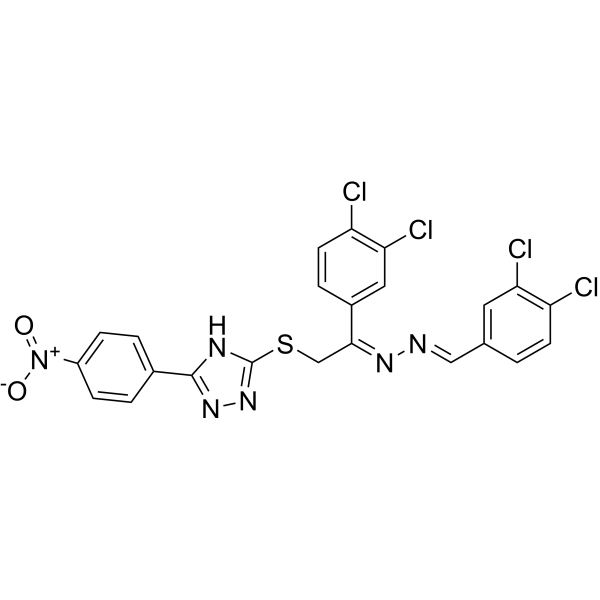
α-Amylase/α-Glucosidase-IN-3 (Compound 17) is an α-Amylase/α-Glucosidase dual inhibitor, with IC50s of 0.70 μM and 1.10 μM. α-Amylase/α-Glucosidase-IN-3 can be used for research of type-II diabetes mellitus .
|
-
-
- HY-159491
-
|
|
Dipeptidyl Peptidase
Glycosidase
Amylases
|
Metabolic Disease
|
|
DPP-4-IN-11 (compound 10) is an orally active DPP-4 inhibitor (IC50=2.75 μM) with anti-type 2 diabetes activity. DPP-4-IN-11 exerts its glucose-lowering effect by inhibiting the activities of α-glucosidase (IC50=3.02 μM) and α-amylase (IC50=3.3 μM) .
|
-

-
- HY-168074
-
|
|
Amylases
Glycosidase
|
Metabolic Disease
Inflammation/Immunology
|
|
4″-C18 EGCG is a potent inhibitor of α-amylase and α-glucosidase with IC50 values of 3.74 and 0.81 μM, respectively. 4″-C18 EGCG inhibits carbohydrate hydrolases, reduces oxidative stress and inflammation, and exhibits antidiabetic activity. 4″-C18 EGCG also downregulates proinflammatory cytokines and is cytotoxic to primary human peripheral blood mononuclear cells (PBMCs), non-cancer cell lines 3T3-L1, and HEK 293 at 50 μM .
|
-

-
- HY-N4309A
-
|
|
Amylases
Glycosidase
|
Cardiovascular Disease
|
|
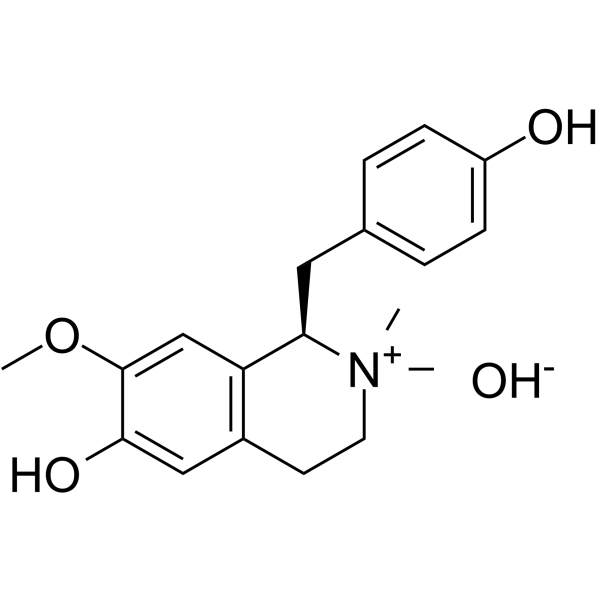
Lotusine hydroxide is an orally active signaling pathway modulator and enzyme inhibitor, with an IC50 of 30.60 μg/mL against α-amylase and an IC50 of 36.15 μg/mL against α-glucosidase. Lotusine hydroxide inhibits the EGFR-Akt-ERK signaling pathway by reducing the levels of phosphorylated EGFR, Akt and ERK. Lotusine hydroxide induces apoptosis, triggers G0/G1 cell cycle arrest and inhibits cancer cell proliferation. Lotusine hydroxide reduces lipid peroxidation and increases the activities of SOD, CAT and GPx. Lotusine hydroxide is applicable to researches related to non-small cell lung cancer, type 2 diabetes and autism spectrum disorder .
|
-
- HY-178170
-
|
|
Amylases
Glycosidase
|
Metabolic Disease
|
|
α-Amylase/α-Glucosidase-IN-22 is an inhibitor of α-Amylase and α-Glucosidase with IC50 values of 1.71 and 10.36 nM (5 and 23.8 folds more potent than Acarbose (HY-B0089)). α-Amylase/α-Glucosidase-IN-22 can be used for the researches of metabolic disease, such as diabetes .
|
-

- HY-N2376R
-
|
|
Reference Standards
Glycosidase
Amylases
NF-κB
|
Metabolic Disease
Inflammation/Immunology
|
|
Chrysin-7-O-glucuronide (Standard) is the analytical standard of Chrysin-7-O-glucuronide (Hy-N2376). This product is intended for research and analytical applications. Chrysin-7-O-glucuronide is a flavonoid found in Scutellaria baicalensis. Chrysin-7-O-glucuronide inhibits α-glucosidase and α-amylase with IC50 values of 612.13 and 980.73 μg/mL. Chrysin-7-O-glucuronide suppresses NF-κB signaling activity. Chrysin-7-O-glucuronide scavenges free radicals, acts as a tight junction protector, and mitigates intestinal mucosal barrier injury. Chrysin-7-O-glucuronide can be used for the research of type 2 diabetes and severe acute pancreatitis-induced intestinal mucosal barrier injury .
|
-

- HY-169404
-
|
|
PPAR
|
Metabolic Disease
|
|
PPARγ agonist 15 (Compound 7c) is an agonist for PPARγ. PPARγ agonist 15 inhibits the expression of alpha-amylase (HPA) and alpha-glucosidase (HLAG) with IC50 of 28.35 µM and 26.21 µM. PPARγ agonist 15 enhances glucose uptake in the L6 myotube cell. PPARγ agonist 15 improves glucose homeostasis, insulin sensitivity, and lipid metabolism in rat Streptozotocin (HY-13753)-induced diabetes model .
|
-

- HY-179698
-
|
|
Glycosidase
Amylases
|
Metabolic Disease
|
|
α-Glucosidase-IN-105 is a selective and potent α-Glucosidase inhibitor with an IC50 of 31.36 μM. α-Glucosidase-IN-105 also inhibits α-Amylase (IC50 = 104.2 μM). α-Glucosidase-IN-105 exhibits inhibitory effects comparable to the standard drug \rAcarbose (HY-B0089). α-Glucosidase-IN-105 can be used for the research of type 2 diabetes .
|
-

- HY-N17215
-
|
3,4,6-Trigalloylglucose
|
Amylases
Glycosidase
|
Metabolic Disease
Inflammation/Immunology
|
|
3,4,6-Tri-O-galloyl-D-glucose (3,4,6-Trigalloylglucose) is an α-amylase (porcine α-amylase IC50 = 334.6 μM; Ki = 307.5 μM) and α-glucosidase (yeast α-glucosidase IC50 = 46.5 μM; Ki = 39.9 μM) mixed type inhibitor. 3,4,6-Tri-O-galloyl-D-glucose exhibits free radical scavenging ability, ferric-reducing power, and antioxidant activity. 3,4,6-Tri-O-galloyl-D-glucose can be used for the research of diabetes .
|
-

- HY-181683
-
|
|
|
Metabolic Disease
|
|
Antidiabetic agent 8 is an orally active multi-target inhibitor, with IC50 values of 9.79, 6.36 and 19.08 μM against α-glucosidase, α-amylase and PTP1B, respectively. Antidiabetic agent 8 reduces postprandial blood glucose elevation. Antidiabetic agent 8 can be used in the research of type 2 diabetes .
|
-

| Cat. No. |
Product Name |
Type |
-
- HY-W005598
-
|
|
Biochemical Assay Reagents
|
|
2-Hydroxyquinoline is an inhibitor of α-glucosidase and α-amylase with IC50 values of 64.4 µg/mL and 130.5 µg/mL, respectively. 2-Hydroxyquinoline can be used in the study of diabetes .
|
-
- HY-W008168
-
|
2-Quinolinecarboxaldehyde
|
Biochemical Assay Reagents
|
|
Quinoline-2-carboxaldehyde (2-Quinolinecarboxaldehyde) is a quinoline derivative that serves as a synthetic precursor for Schiff base copper complexes. Quinoline-2-carboxaldehyde is applicable to research related to the synthetic design of biomaterials or organic compounds, such as fluorescent sensors .
|
| Cat. No. |
Product Name |
Category |
Target |
Chemical Structure |
-
- HY-132179
-
-
-
- HY-126052
-
-
-
- HY-N2376
-
-
-
- HY-N6675
-
-
-
- HY-N8599
-
-
-
- HY-N4309
-
-
-
- HY-200541
-
-
-
- HY-N9454
-
|
|
Structural Classification
Monophenols
other families
Classification of Application Fields
Ketones, Aldehydes, Acids
Phenols
Plants
Disease Research Fields
Source Classification
Cancer
|
Pregnane X Receptor (PXR)
COX
NF-κB
Amylases
β-glucuronidase
DNA/RNA Synthesis
Amyloid-β
NOD-like Receptor (NLR)
Pyroptosis
|
|
Garcinoic acid is an orally active anti-inflammatory agent that crosses the blood-brain barrier. Garcinoic acid also enhances efferocytosis and enzyme/receptor regulation, and selectively inhibits human COX-2, porcine α-amylase, Saccharomyces cerevisiae α-glucosidase and human DNA polymerase β (IC50=11 μM), as well as activates human PXR. Garcinoic acid enhances macrophage efferocytosis via receptors such as MerTK and LRP-1, and promotes the production of pro-resolving lipid mediators. Garcinoic acid inhibits NF-κB activation and pro-inflammatory cytokine secretion, interferes with Aβ aggregation, downregulates NLRP3 inflammasome activity, and binds to targets including CD44 and EGFR to inhibit leukemia cell proliferation. The pharmacological activities of Garcinoic acid, such as antioxidant, anti-inflammatory and lipid metabolism-regulating effects, are widely used in studies related to various diseases including atherosclerosis, Alzheimer's disease, type 2 diabetes, inflammatory bowel disease and viral pneumonia .
|
-
-
- HY-N10413
-
-
-
- HY-N11728
-
|
|
Microorganisms
Phenols
Polyphenols
Source Classification
|
Amylases
Glycosidase
|
|
2,7"-Phloroglucinol-6,6'-bieckol is an orally active dual α-amylase/α-glucosidase inhibitor with IC50 values of 6.94 μM and 23.35 μM respectively. 2,7"-Phloroglucinol-6, 6'-bieckol alleviates postprandial hyperglycemia in diabetic mice. 2,7"-Phloroglucinol-6,6'-bieckol can be used in diabetes research .
|
-
-
- HY-N7729
-
-
-
- HY-N12688
-
|
|
Microorganisms
Phenols
Polyphenols
Source Classification
|
Glycosidase
Amylases
|
|
2,3-Dihydrocalodenin B (Compound 6) is a compound that can be isolated from Knema globularia. 2,3-Dihydrocalodenin B is a potent and non-competitive inhibitor against α-glucosidase and α-amylase, with IC50 values of 1.1 and 2.6 μM, respectively. 2,3-Dihydrocalodenin B can be used for the research of diabetes .
|
-
-
- HY-N4309A
-
-
-
- HY-N2376R
-
-
-
- HY-N17215
-
|
3,4,6-Trigalloylglucose
|
Structural Classification
Natural Products
Euphorbia fischeriana Steud.
Euphorbiaceae
Plants
Source Classification
|
Amylases
Glycosidase
|
|
3,4,6-Tri-O-galloyl-D-glucose (3,4,6-Trigalloylglucose) is an α-amylase (porcine α-amylase IC50 = 334.6 μM; Ki = 307.5 μM) and α-glucosidase (yeast α-glucosidase IC50 = 46.5 μM; Ki = 39.9 μM) mixed type inhibitor. 3,4,6-Tri-O-galloyl-D-glucose exhibits free radical scavenging ability, ferric-reducing power, and antioxidant activity. 3,4,6-Tri-O-galloyl-D-glucose can be used for the research of diabetes .
|
-
Your information is safe with us. * Required Fields.
Inquiry Information
- Product Name:
- Cat. No.:
- Quantity:
- MCE Japan Authorized Agent:








