1. Search Result
Search Result
Results for "

β-Galactosidase

" in MedChemExpress (MCE) Product Catalog:

80

阻害剤およびアゴニスト

21

蛍光色素

13

生化学アッセイ試薬

2

ペプチド

1

MCE キット

8

天然物

4

組換えタンパク質

1

同位体標識化合物

4

抗体

3

オリゴヌクレオチド

製品番号 製品名 Target 研究分野 構造式
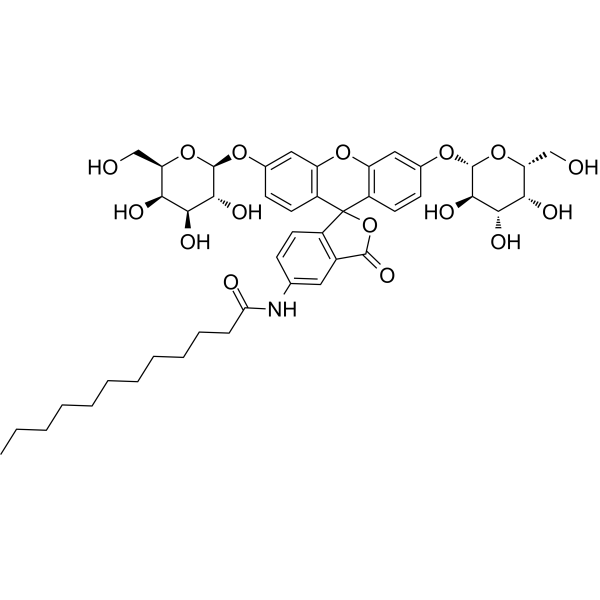
  • HY-126839
    C12FDG
    Maximum Cited Publications
    9 Publications Verification

    5-Dodecanoylaminofluorescein di-β-D-Galactopyranoside

    Fluorescent Dye Others
    C12FDG (5-Dodecanoylaminofluorescein di-β-D-Galactopyranoside) is a lipophilic green fluorescent substrate for β-galactosidase detection. C12-FDG is more sensitive than Fluorescein di(β-D-galactopyranoside) (HY-101895) for beta-galactosidase activity determinations in animal cells (Ex/Em = 488/523 nm) .
    C12FDG
  • HY-15934
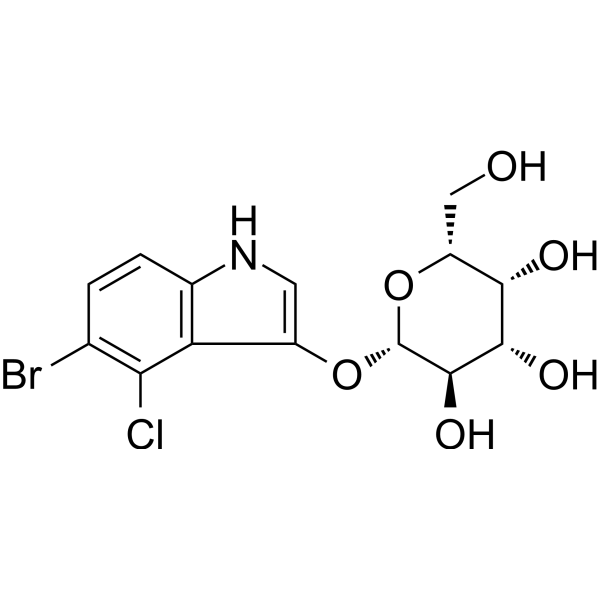
    X-GAL
    5 Publications Verification

    BCIG

    Fluorescent Dye Glycosidase Others
    X-GAL (BCIG) is a widely used chromogenic β-galactosidase substrate. X-GAL is a colorless compound until cleaved by β-galactosidase, at which point X-GAL turns to an insoluble and detectable blue compound, making X-GAL particularly useful in techniques such as blue-white screening for cloning in bacteria. X-GAL can also be used for detection of β-galactosidase activity .
    X-GAL
  • HY-137862
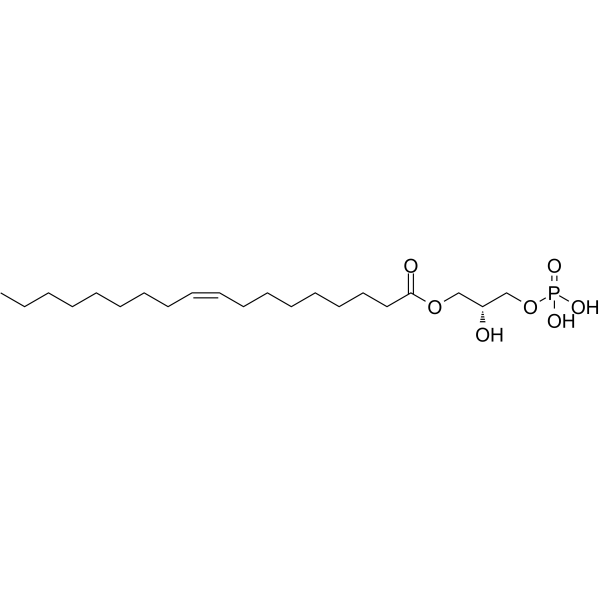
    1-Oleoyl lysophosphatidic acid
    3 Publications Verification

    1-Oleoyl-sn-glycero-3-phosphate; 1-Oleoyl-LPA

    LPL Receptor Neurological Disease
    1-Oleoyl lysophosphatidic acid (1-Oleoyl-sn-glycero-3-phosphate) is an abundant lysophosphatidic acid (LPA) species with high biological activity due to its strong affinity for the LPA receptors. 1-Oleoyl lysophosphatidic acid is commonly used in most laboratories as a reagent for LPA receptor activation . 1-Oleoyl lysophosphatidic acid increases SRE-driven β-galactosidase activity .
    1-Oleoyl lysophosphatidic acid
  • HY-P2869

    EC 3.2.1.23; GAL

    Glycosidase Metabolic Disease
    β-Galactosidase, E. coli (EC 3.2.1.23; GAL) is a glycoside hydrolase that hydrolyzes the β-glycosidic bonds formed between galactose and its organic moieties. β-Galactosidase, E. coli can hydrolyze lactose to form glucose and galactose, and enter glycolysis; it can also catalyze the transgalactosylation of lactose into allolactose; allolactose can be cracked into monosaccharides .
    β-Galactosidase, E. coli
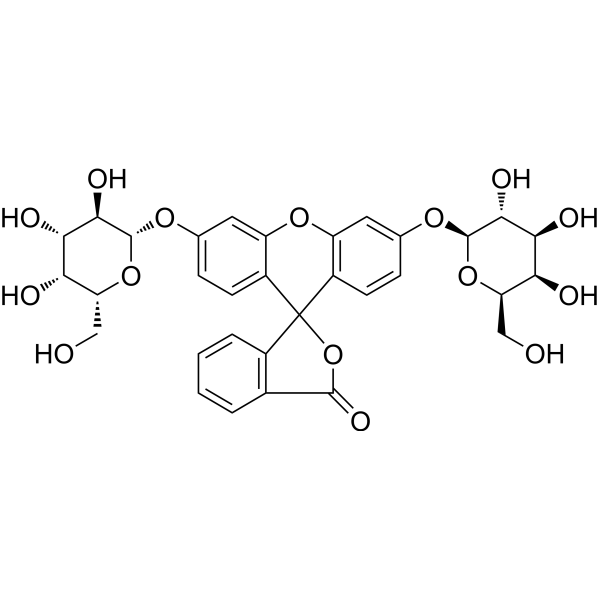
  • HY-101895

    FDG

    Fluorescent Dye Others
    Fluorescein di(β-D-galactopyranoside) is a fluorogenic substrate for β-galactosidaseex=485 nm, λem=535 nm).
    Fluorescein di(β-D-galactopyranoside)
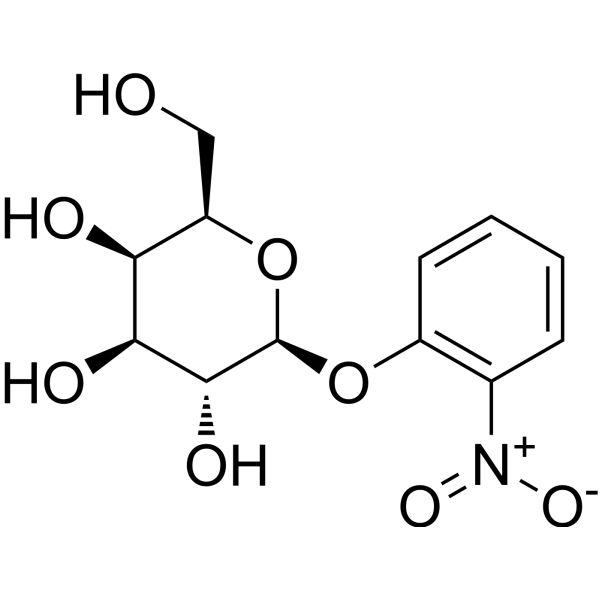
  • HY-15926
    ONPG
    5+ Cited Publications

    2-Nitrophenyl β-D-galactopyranoside

    Biochemical Assay Reagents Others
    ONPG is a colorimetric and spectrophotometric substrate for detection of β-galactosidase activity.
    ONPG
  • HY-137276

    Bluo-Gal

    Fluorescent Dye Glycosidase Others
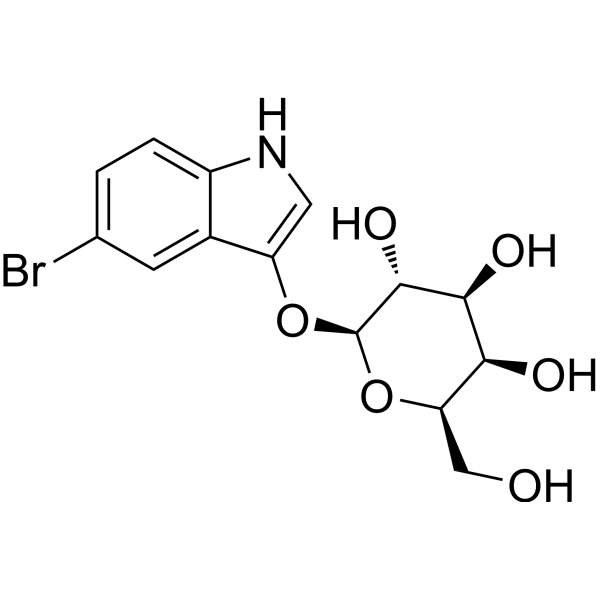
    5-Bromo-3-indolyl β-D-galactopyranoside (Bluo-Gal) is a chromogenic substrate for β-galactosidase. 5-Bromo-3-indolyl β-D-galactopyranoside is hydrolyzed by the enzyme to generate a 5-bromoindole intermediate, which is further oxidized to form an insoluble blue precipitate. 5-Bromo-3-indolyl β-D-galactopyranoside can specifically recognize bacterial β-galactosidases (such as the product of the Escherichia coli lacZ gene) and reacts at pH 7.4, making it suitable for light and electron microscopic observations. 5-Bromo-3-indolyl β-D-galactopyranoside can be used in histochemical detection of reporter gene expression in transgenic organisms, such as the localization analysis of β-galactosidase activity in mouse embryos or muscle tissues .
    5-Bromo-3-indolyl β-D-galactopyranoside
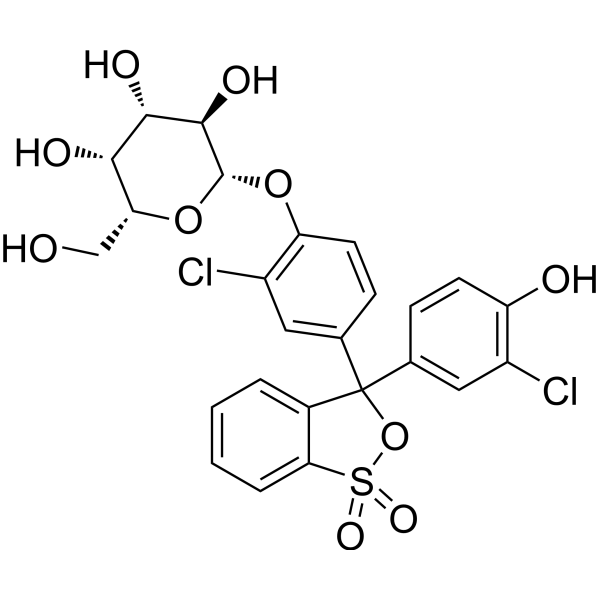
  • HY-D1224
    Chlorophenol red-β-D-galactopyranoside
    2 Publications Verification

    CPRG

    Biochemical Assay Reagents Others
    Chlorophenol red-β-D-galactopyranoside (CPRG) is an efficient and sensitive chromogenic substrate for β-galactosidase (HY-P2869), widely used in colorimetric assays. Chlorophenol red-β-D-galactopyranoside itself appears pale yellow. When it is specifically hydrolyzed by β-galactosidase, it releases chlorophenol red. The released chlorophenol red turns purple-red under alkaline or neutral pH conditions. This color change from yellow to red can be quantitatively detected at wavelengths of 540-572 nm using visible spectrophotometry .
    Chlorophenol red-β-D-galactopyranoside
  • HY-DY2002

    Fluorescent Dye Glycosidase Others
    X-GAL (BCIG) (solution) is a widely used chromogenic β-galactosidase substrate. X-GAL is a colorless compound until cleaved by β-galactosidase, at which point X-GAL turns to an insoluble and detectable blue compound, making X-GAL particularly useful in techniques such as blue-white screening for cloning in bacteria. X-GAL can also be used for detection of β-galactosidase activity .
    Solvent and Concentration: DMF: 20 mg/mL
    X-GAL (solution)
  • HY-76691

    Endogenous Metabolite Bacterial Infection
    D-Ribonolactone is sugar lactone and an inhibitor of β-galactosidase of Escherichia coli with a Ki of 26 mM .
    D-Ribonolactone
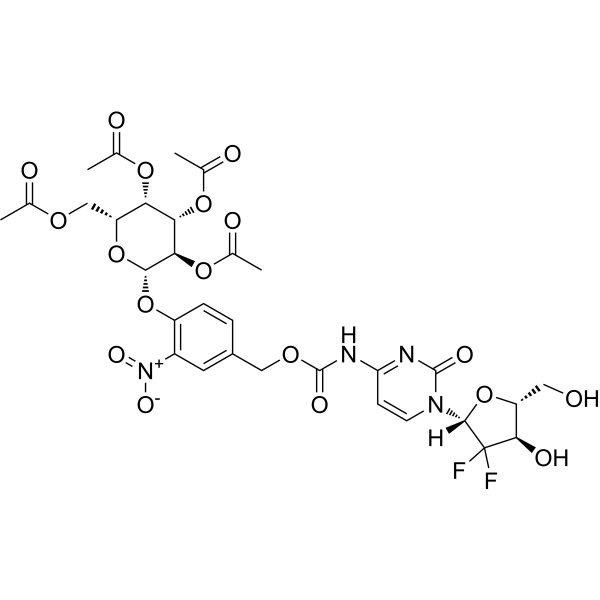
  • HY-138936
    SSK1
    2 Publications Verification

    p38 MAPK Apoptosis Inflammation/Immunology
    SSK1, a senescence-specific killing compound, is a β-galactosidase-targeted proagent attenuates inflammation. SSK1 is activated by lysosomal β-galactosidase and selectively killed senescent cells through the activation of p38 MAPK and induction of apoptosis .
    SSK1
  • HY-P5623A

    RVG29-Cys; RDP-Cys; Rabies Virus Glycoprotein-29-Cys

    RABV Others
    RVG-Cys (RVG29-Cys) is a peptide derived from rabies virus glycoprotein (RVG29) with Cys attached to facilitate subsequent conjugation. RVG-Cys enhances the specific targeted delivery of proteins in brain tissue and neurons .
    RVG-Cys
  • HY-P3185

    Biochemical Assay Reagents Metabolic Disease
    Beta-galactose dehydrogenase is a selective catalyst for β-galactose. Under pH 8.6 conditions, beta-galactose dehydrogenase catalyzes the oxidation of β-galactose, produced by the hydrolysis of lactose by β-galactosidase, with nicotinamide adenine dinucleotide (NAD) to produce reduced nicotinamide adenine dinucleotide (NADH). Beta-galactose dehydrogenase specifically mediates this oxidation reaction for the quantitative detection of the substrate, used in the analysis of lactose concentration in samples such as breast milk .
    beta-Galactose dehydrogenase
  • HY-N8211
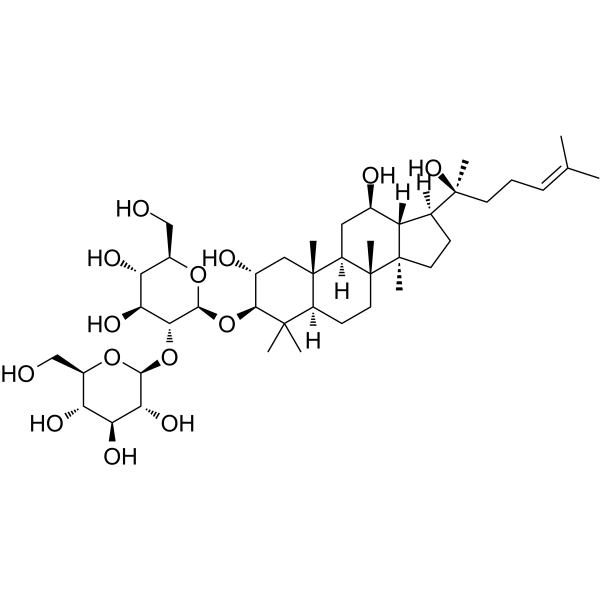
    Gypenoside L
    4 Publications Verification

    p38 MAPK ERK NF-κB Inflammation/Immunology Cancer
    Gypenoside L is a saponin that can be found in Gynostemma pentaphyllum. Gypenoside L increases the SA-β-galactosidase activity, promotes the production of senescence-associated secretory cytokines. Gypenoside L also can activate p38 and ERK MAPK pathways and NF-κB pathway to induce senescence. Gypenoside L exhibits anti-tumor and anti-inflammatory activities .
    Gypenoside L
  • HY-114879
    DDAO
    1 Publications Verification

    Fluorescent Dye Carboxylesterase (CES) Cancer
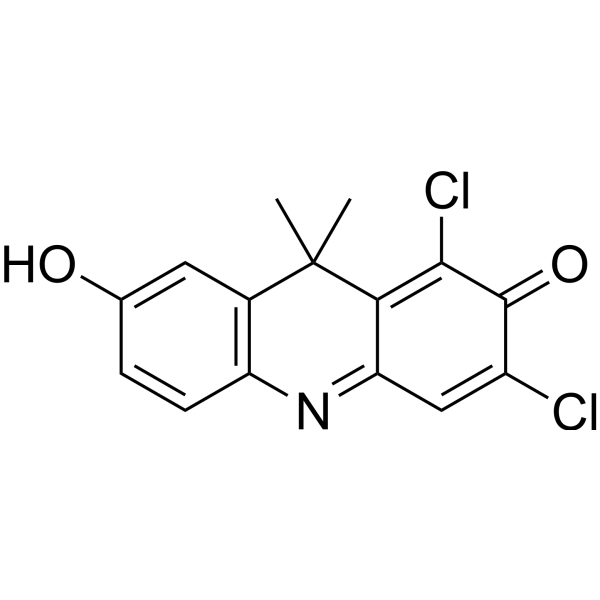
    DDAO is a promising near-infrared (NIR) red fluorescent probewith tunable excitation wavelength (600-650nm) and longemission wavelength(λem=656nm). DDAO can de desiged for detection of the activities of different enzymes such asβ-galactosidase,sulfatase, proteinphosphatase2A,carboxylesterase 2, humanalbumin andesterases .
    DDAO
  • HY-W011654

    4-Aminophenyl-beta-D-galactopyranoside, 98%

    Glycosidase Inflammation/Immunology Cancer
    4-Aminophenyl-β-D-galactopyranoside, 98% is a highly efficient substrate for β-galactosidase. It is specifically hydrolyzed by this enzyme to release galactose and electroactive p-aminophenol. 4-Aminophenyl-β-D-galactopyranoside, 98% is widely used in colorimetric and electrochemical assays for detecting β-galactosidase activity and determining enzyme kinetics, such as in biosensing fields including cellular senescence, pathogen and contaminant detection. In addition, since β-galactosidase is often overexpressed in primary ovarian cancer, 4-Aminophenyl-β-D-galactopyranoside, 98% can also be applied to related research on primary ovarian cancer .
    4-Aminophenyl-β-D-galactopyranoside, 98%
  • HY-137845

    Fluorescent Dye Others
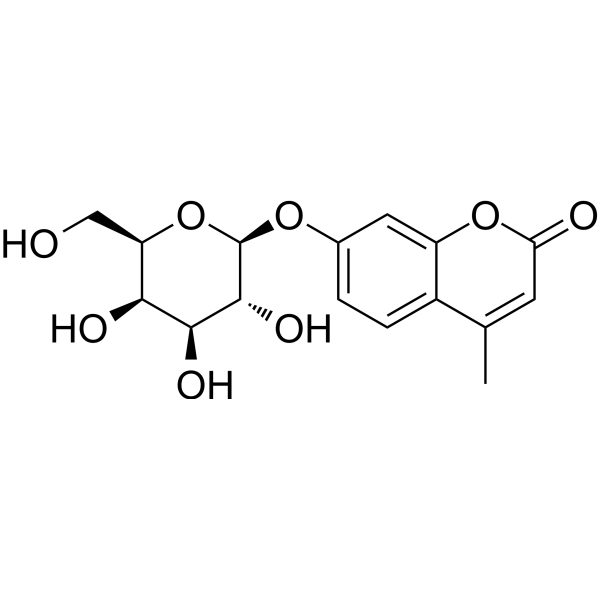
    4-Methylumbelliferyl β-D-galactopyranoside is a fluorescent substrate for β-galactosidase which, when cleaved, produces a water-soluble blue fluorescent coumarin fluorophore that can be detected using a fluoroenzymeter or fluorometer .
    4-Methylumbelliferyl β-D-galactopyranoside
  • HY-DY1033

    Fluorescent Dye Others
    C12FDG (5-Dodecanoylaminofluorescein di-β-D-Galactopyranoside) (solution) is a lipophilic green fluorescent substrate for β-galactosidase detection. C12-FDG is more sensitive than Fluorescein di (β-D-galactopyranoside) (HY-101895) for beta-galactosidase activity determinations in animal cells (Ex/Em = 488/523 nm) .
    Solvent and concentration: DMSO: 10 mM
    C12FDG (solution)
  • HY-W127769

    Salmon-Gal

    Fluorescent Dye Others
    Rose-β-D-Gal is a chromogenic substrate, is also a β-galactosidase substrate. Rose-β-D-Gal creates a pink/magenta color after the reaction and has been used for detection of β-gal activity .
    Rose-β-D-Gal
  • HY-137249

    Biochemical Assay Reagents Others
    Resorufin-β-D-galactopyranoside is a commonly used substrate in various biochemical assays to measure the activity of β-galactosidase, an important enzyme involved in lactose metabolism and regulation of gene expression. Resorufin-β-D-galactopyranoside has unique chemical properties and can be hydrolyzed by β-galactosidase to form a red fluorescent product called resorufin. This makes it a useful tool for detecting and quantifying β-galactosidase activity in biological samples such as bacteria or mammalian cells.
    Resorufin-β-D-galactopyranoside
  • HY-137779

    Biochemical Assay Reagents Others
    5-Bromo-4-chloro-3-indolyl β-D-glucopyranoside, a chromogenic substrate for the detection of β-galactosidase activity. It is commonly used in molecular biology techniques such as gene expression analysis and reporter gene analysis. When β-galactosidase cleaves X-Gluc, a blue precipitate is produced, which can be observed by microscopy or other detection methods. X-Gluc has high sensitivity and specificity for the detection of β-galactosidase activity, making it a widely used tool in molecular biology research.
    5-Bromo-4-chloro-3-indolyl β-D-glucopyranoside
  • HY-135775
    BMVC
    1 Publications Verification

    G-quadruplex Telomerase DNA/RNA Synthesis Cancer
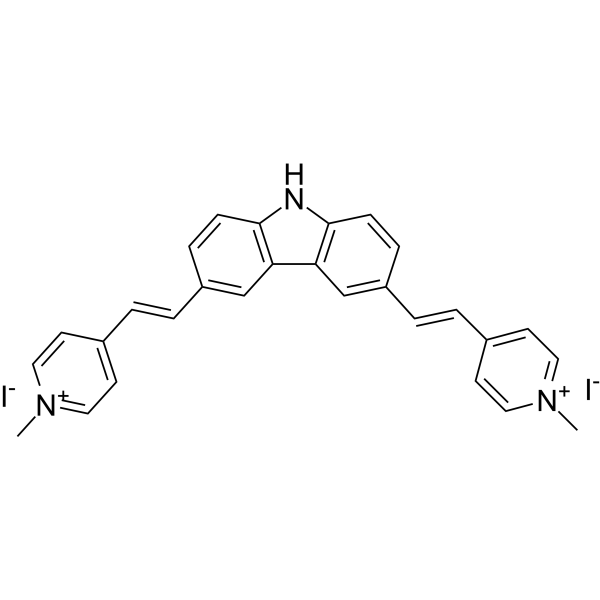
    BMVC is a potent G-quadruplex (G4) stabilizer and a selective telomerase inhibitor with an IC50 of ~0.2 μM. BMVC inhibits Taq DNA polymerase with an IC50 of ~2.5 μM. BMVC increases the melting temperature of G4 structure of telomere and accelerates telomere length shortening. Anticancer activities .
    BMVC
  • HY-151890

    Fluorescent Dye Cancer
    NIR-βgal-2 is a β-galactosidase-activated near-infrared fluorescent probe with superior sensitivity. NIR-βgal-2 can be used for visualizing β-galactosidase in breast cancer .
    NIR-βgal-2
  • HY-P2869I

    Glycosidase Metabolic Disease
    β-Galactosidase, Sweet almond is a glycoside hydrolase that hydrolyzes the β-glycosidic bonds formed between galactose and its organic moieties. β-Galactosidase, Sweet almond can hydrolyze lactose to form glucose and galactose, and enter glycolysis; it can also catalyze the transgalactosylation of lactose into allolactose; allolactose can be cracked into monosaccharides .
    β-Galactosidase, Sweet almond
  • HY-E70136

    Keratan-sulfate endo-1,4-beta-Galactosidase; Keratanase

    Others Metabolic Disease
    Endo-β-Galactosidase catalyzes the hydrolysis of internal β1-4 galactose linkages in unbranched, repeating poly-N-acetyllactosamine ([GlcNAc- (1-3)Gal- (1-4)]n) structures .
    Endo-β-Galactosidase
  • HY-150358

    Beta-Galactosidase mRNA

    mRNA Others
    β-galactosidase mRNA encodes β-galactosidase, a protein product of the bacterial LacZ gene. β-galactosidase catalyzes the conversion of β-galactosides into monosaccharides which could be used as a common marker to assess transfection efficiency.
    β-galactosidase mRNA
  • HY-N9439

    Endogenous Metabolite Others
    6-O-β-D-Galactopyranosyl-D-galactose, a disaccharide, is a part of the polysaccharide main chain with β-(1→6)-glycoside bonds with a side chain bonded to the main one by the β-(1→3) bond. 6-O-β-D-Galactopyranosyl-D-galactose can be isolated from enzyme-hydrolyzed peach gum .
    6-O-β-D-Galactopyranosyl-D-galactose
  • HY-P2876

    Bacterial Others
    Tryptophanase is a zymogen-converting enzyme and inducible enzyme that can convert its inactive precursor form into an active enzyme without additional polypeptide synthesis. In Escherichia coli K12, tryptophanase functions as an inducible enzyme, and its induction kinetics are similar to those of β-galactosidase. Tryptophanase catalyzes the conversion of L-tryptophan to indole .
    Tryptophanase
  • HY-D1461

    Fluorescent Dye Cancer
    Fluorescein Di-β-D-Glucopyranoside is a specific β-glucocerebrosidase substrate that can be used for the intralysosomal β-galactosidase .
    Fluorescein Di-β-D-Glucopyranoside
  • HY-121800

    Opioid Receptor Others
    ML138, a κ opioid receptor agonist, is a MLPCN probe .
    ML138
  • HY-D1699

    Fluorescent Dye Others
    PFB-FDG is a non-fluorescent galactosidase substrate that can be hydrolysed to green fluorescent PFB-F (Ex=485 nm, Em=535 nm). PFB-FDG can be used for the determination of β-galactosidase activity .
    PFB-FDG
  • HY-15926S

    2-Nitrophenyl β-D-galactopyranoside-13C

    Isotope-Labeled Compounds Others
    ONPG- 13C is the 13C labeled ONPG. ONPG is a colorimetric and spectrophotometric substrate for detection of β-galactosidase activit .
    ONPG-13C
  • HY-174501

    Beta-Galactosidase mRNA (5moU)

    mRNA Others
    β-galactosidase mRNA (5moU) encodes β-galactosidase, a protein product of the bacterial LacZ gene. β-galactosidase catalyzes the conversion of β-galactosides into monosaccharides which could be used as a common marker to assess transfection efficiency. The incorporation of 5moU can reduce the immunogenicity of the resulting mRNA.
    β-galactosidase mRNA (5moU)
  • HY-D1633

    Fluorescent Dye Metabolic Disease
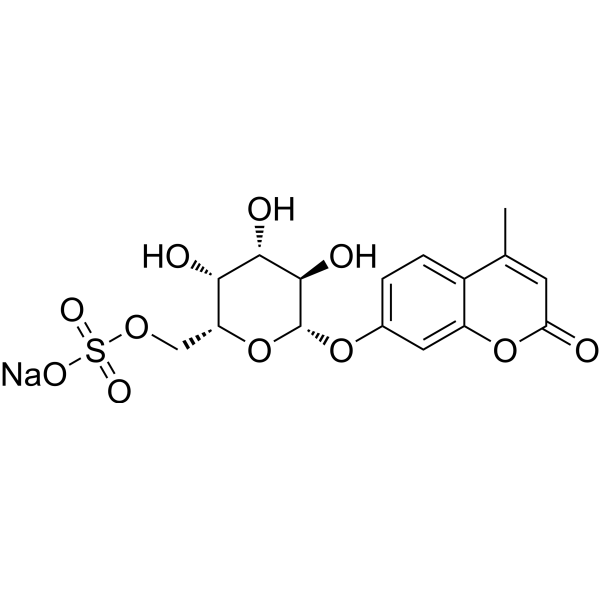
    4-Methylumbelliferyl-β-D-galactopyranoside 6-sulfate is a fluorescent dye. 4-Methylumbelliferyl-β-D-galactopyranoside 6-sulfate undergoes desulphation by galactose-6-sulphate sulphatase to form 4-methylumbelliferyl-β-D-galactopyranoside, which is cleaved by β-galactosidase to release fluorescent 4-methylumbelliferone. 4-Methylumbelliferyl-β-D-galactopyranoside 6-sulfate interacts with N-acetylgalactosamine-6-sulfate sulfatase (GALNS) via hydrogen bonds, electrostatic interactions, and steric interactions. 4-Methylumbelliferyl-β-D-galactopyranoside 6-sulfate serves as a substrate in assays measuring galactose-6-sulphate sulphatase and GALNS activity. 4-Methylumbelliferyl-β-D-galactopyranoside 6-sulfate can be used for the research of Morquio disease type A (mucopolysaccharidosis IV A) .
    4-Methylumbelliferyl-β-D-galactopyranoside 6-sulfate
  • HY-D1633A

    Fluorescent Dye Others
    4-Methylumbelliferyl-β-D-galactopyranoside 6-sulfate sodium is a fluorescent dye. 4-Methylumbelliferyl-β-D-galactopyranoside 6-sulfate sodium undergoes desulphation by galactose-6-sulphate sulphatase to form 4-methylumbelliferyl-β-D-galactopyranoside, which is cleaved by β-galactosidase to release fluorescent 4-methylumbelliferone. 4-Methylumbelliferyl-β-D-galactopyranoside 6-sulfate sodium interacts with N-acetylgalactosamine-6-sulfate sulfatase (GALNS) via hydrogen bonds, electrostatic interactions, and steric interactions. 4-Methylumbelliferyl-β-D-galactopyranoside 6-sulfate sodium serves as a substrate in assays measuring galactose-6-sulphate sulphatase and GALNS activity. 4-Methylumbelliferyl-β-D-galactopyranoside 6-sulfate sodium can be used for the research of Morquio disease type A (mucopolysaccharidosis IV A) .
    4-Methylumbelliferyl-β-D-galactopyranoside 6-sulfate sodium
  • HY-114958

    Fluorescent Dye Others
    RH 421 is a voltage-sensitive styryl dye that can penetrate through the lipid bilayers. RH 421 is a chromogenic substrate for β-galactosidase .
    RH 421
  • HY-116055

    3-O-β-D-Galactopyranosyl-sn-glycerol

    Biochemical Assay Reagents Others
    (2R)-Glycerol-O-β-D-galactopyranoside (3-O-β-D-Galactopyranosyl-sn-glycerol) is a good substrate for all three components of the lac operon, i.e. β-galactosidase, the lactose transporter and thiogalactoside transacetylase .
    (2R)-Glycerol-O-β-D-galactopyranoside
  • HY-P2869D

    Biochemical Assay Reagents Others
    β1-3,6 Galactosidase, Xanthomonas manihotis is an exoglycosidase that catalyzes the hydrolysis of terminal β(1-3)- and β(1-6)-linked galactose residues .
    β1-3,6 Galactosidase, Xanthomonas manihotis
  • HY-D1224A

    CPRG sodium

    Biochemical Assay Reagents Others
    Chlorophenol red-β-D-galactopyranoside (CPRG) sodium is an efficient and sensitive chromogenic substrate for β-galactosidase (HY-P2869), widely used in colorimetric assays. Chlorophenol red-β-D-galactopyranoside sodium itself appears pale yellow. When it is specifically hydrolyzed by β-galactosidase, it releases chlorophenol red. The released chlorophenol red turns purple-red under alkaline or neutral pH conditions. This color change from yellow to red can be quantitatively detected at wavelengths of 540-572 nm using visible spectrophotometry .
    Chlorophenol red β-D-galactopyranoside sodium
  • HY-E70890

    Glycosidase Metabolic Disease
    β-Galactosidase Mutein, E. coli is a hydrolase enzyme that catalyzes the hydrolysis of β-galactosides into monosaccharides. Substrates of different β-galactosidases include ganglioside GM1, lactosylceramides, lactose, and various glycoproteins.
    β-Galactosidase Mutein, E. coli
  • HY-E71299

    Glycosidase Others
    β-Galactosidase 42A, Bifidobacterium longum (EC 3.2.1.23) is a hydrolase enzyme that catalyzes the hydrolysis of β-galactosides into monosaccharides. Substrates of different β-galactosidases include ganglioside GM1, lactosylceramides, lactose, and various glycoproteins.
    β-Galactosidase 42A, Bifidobacterium longum
  • HY-E71299B

    Glycosidase Others
    β-Galactosidase 42A, Thermotoga maritima (EC 3.2.1.23) is a hydrolase enzyme that catalyzes the hydrolysis of β-galactosides into monosaccharides. Substrates of different β-galactosidases include ganglioside GM1, lactosylceramides, lactose, and various glycoproteins.
    β-Galactosidase 42A, Thermotoga maritima
  • HY-E71297

    Glycosidase Others
    β-Galactosidase 2A, Bacteroides thetaiotaomicron (EC 3.2.1.23) is a hydrolase enzyme that catalyzes the hydrolysis of β-galactosides into monosaccharides. Substrates of different β-galactosidases include ganglioside GM1, lactosylceramides, lactose, and various glycoproteins.
    β-Galactosidase 2A, Bacteroides thetaiotaomicron
  • HY-E71296

    Glycosidase Others
    β-Galactosidase 1A, Sulfolobus solfataricus (EC 3.2.1.23) is a hydrolase enzyme that catalyzes the hydrolysis of β-galactosides into monosaccharides. Substrates of different β-galactosidases include ganglioside GM1, lactosylceramides, lactose, and various glycoproteins.
    β-Galactosidase 1A, Sulfolobus solfataricus
  • HY-E71299A

    Glycosidase Others
    β-Galactosidase 42A, Caldicellulosiruptor saccharolyticus (EC 3.2.1.23) is a hydrolase enzyme that catalyzes the hydrolysis of β-galactosides into monosaccharides. Substrates of different β-galactosidases include ganglioside GM1, lactosylceramides, lactose, and various glycoproteins.
    β-Galactosidase 42A, Caldicellulosiruptor saccharolyticus
  • HY-E71298

    Glycosidase Others
    β-Galactosidase 2B, Bacteroides thetaiotaomicron (EC 3.2.1.23) is a hydrolase enzyme that catalyzes the hydrolysis of β-galactosides into monosaccharides. Substrates of different β-galactosidases include ganglioside GM1, lactosylceramides, lactose, and various glycoproteins.
    β-Galactosidase 2B, Bacteroides thetaiotaomicron
  • HY-D1739

    Fluorescent Dye Carboxylesterase (CES) Others
    DDAO phosphate diammonium is a fluorescent phosphatase substrate. DDAO phosphate diammonium has tunable excitation wavelength (600-650nm) and long emission wavelength (λem=656nm). DDAO phosphate diammonium can be used to detect the activity of different enzymes such as β-galactosidase, sulfatase, protein phosphatase 2A, carboxylesterase 2, human albumin and esterase.
    DDAO phosphate diammonium
  • HY-150359

    Beta-Galactosidase mRNA (N1-Methylpseudo-UTP)

    mRNA Others
    β-galactosidase mRNA (N1-Methylpseudo-UTP) encodes β-galactosidase, a protein product of the bacterial LacZ gene. β-galactosidase catalyzes the conversion of β-galactosides into monosaccharides which could be used as a common marker to assess transfection efficiency. The incorporation of N1-Methyl-pseudo-UTP can reduce the immunogenicity of the resulting mRNA.
    β-galactosidase mRNA (N1-Methylpseudo-UTP)
  • HY-P11083

    HBV Cancer
    Xentry is a cell-penetrating peptide (CCP) consisting of only 7 amino acids of hepatitis B virus: LCLRPVG. Xentry-linked anti-B-raf antibodies and siRNAs demonstrates the capability to kill B-raf-dependent melanoma cells. Xentry alone or conjugated to β-galactosidase leads to its delivery to most tissues in mice, except circulating blood cells. Xentry can be used for the delivery of large molecules (antibodies, siRNA, enzymes) .
    Xentry
  • HY-165424

    Fluorescent Dye Glycosidase Cardiovascular Disease Cancer
    NIR-BG2 is a near-infrared fluorescent probe targeting senescence-associated β-galactosidase (SA-β-Gal). NIR-BG2 is activated by SA-β-Gal and undergoes hydrolysis to release electrophilic quinone methide that covalently binds to surrounding proteins for in situ labeling, with a 16-fold enhancement of fluorescence signal at 709 nm . NIR-BG2 is promising for research of vivo imaging of cellular senescence .
    NIR-BG2

オンラインお問い合わせ

入力情報は安全に管理されます. 必須入力項目.

タイトル


国或いは地域 *

お名前 *


組纖名 *

デパートメント *


メールアドレス *


製品名 *

製品番号


カスタマ需要量 *

電話番号 *


必ず会社名を記載ください。個人への返信は行いません。

備考

バルクお問い合わせ

Inquiry Information

製品名:
製品番号:
数量:
MCE 日本正規代理店:

