1. Search Result
Search Result
Results for "

γ-Aminobutyric acid (GABA)

" in MedChemExpress (MCE) Product Catalog:

87

Inhibitors & Agonists

1

Screening Libraries

1

Fluorescent Dyes

2

Biochemical Assay Reagents

5

Peptides

22

Natural
Products

4

Recombinant Proteins

14

Isotope-Labeled Compounds

3

Antibodies

Targets Recommended:
Cat. No. Product Name Target Research Areas Chemical Structure
  • HY-N0067
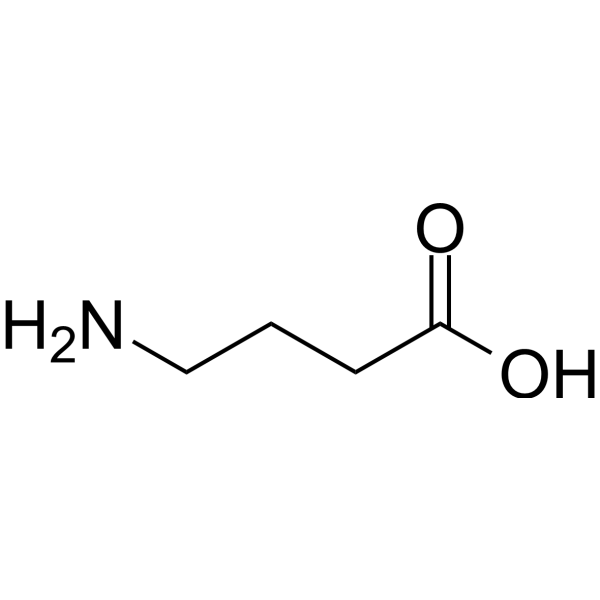
    γ-Aminobutyric acid
    5 Publications Verification

    4-Aminobutyric acid

    Environmental Pollutants Endogenous Metabolite GABA Receptor Neurological Disease Metabolic Disease
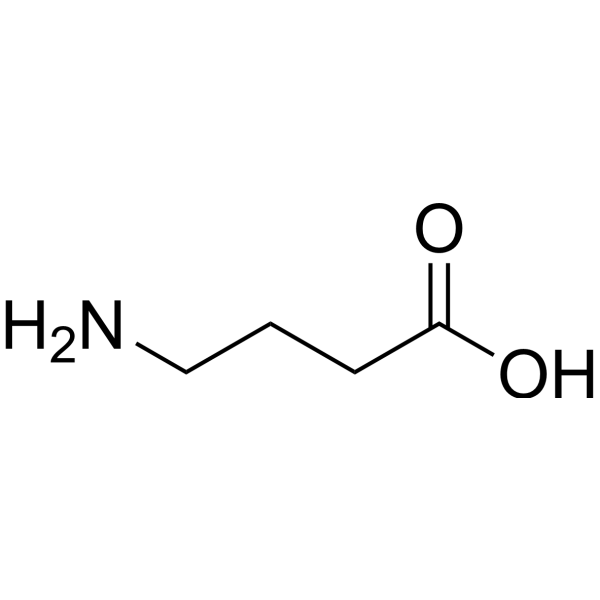
    γ-Aminobutyric acid (4-Aminobutyric acid) is a major inhibitory neurotransmitter in the adult mammalian brain, binding to the ionotropic GABA receptors (GABAA receptors) and metabotropic receptors (GABAB receptors. γ-Aminobutyric acid shows calming effect by blocking specific signals of central nervous system .
    γ-Aminobutyric acid
  • HY-B0007
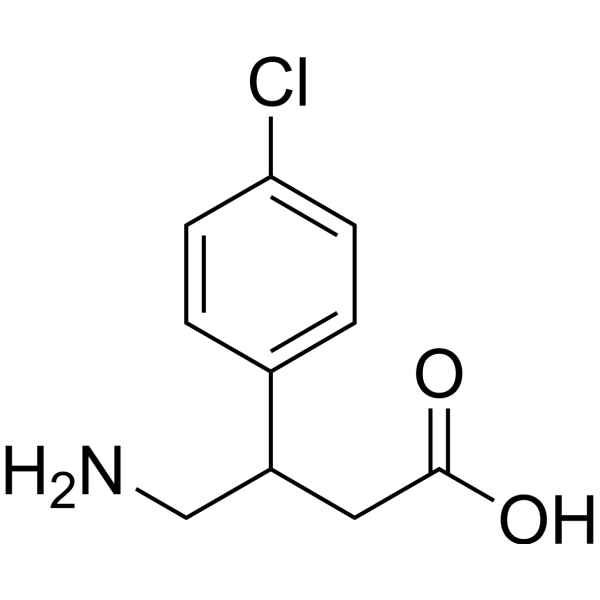
    Baclofen
    Maximum Cited Publications
    12 Publications Verification

    GABA Receptor Neurological Disease
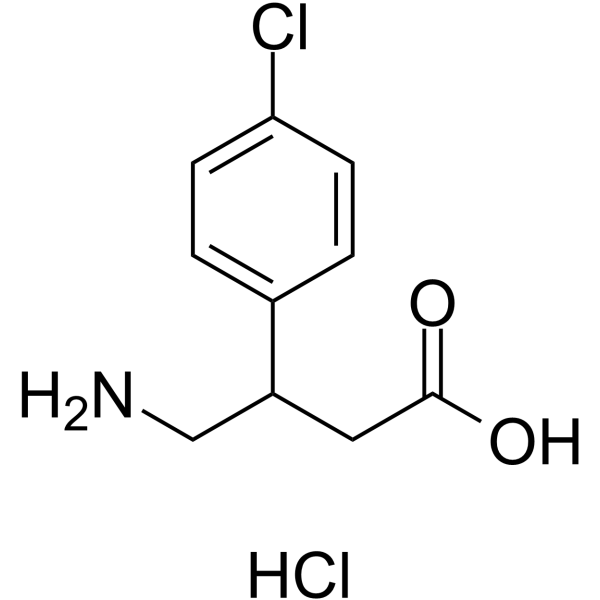
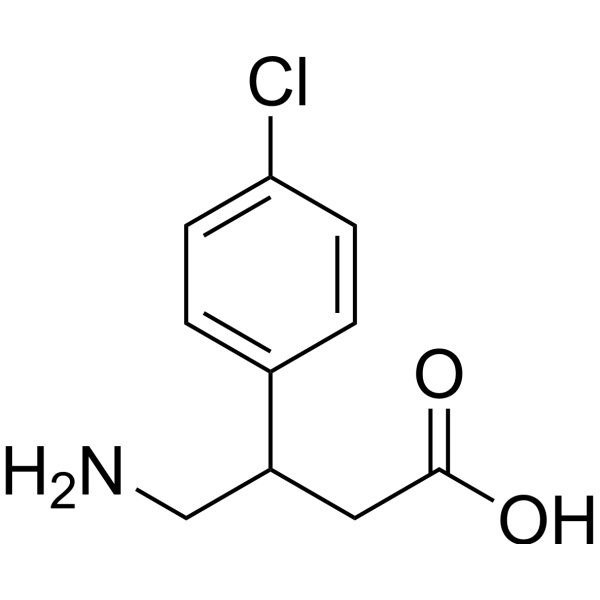
    Baclofen, a lipophilic derivative of γ-aminobutyric acid (GABA), is an orally active, selective metabotropic GABAB receptor (GABABR) agonist with blood-brain barrier permeability. Baclofen mimics the action of GABA and produces slow presynaptic inhibition through the GABAB receptor. Baclofen has high blood brain barrier penetrance. Baclofen has the potential for muscle spasticity research .
    Baclofen
  • HY-N0067S
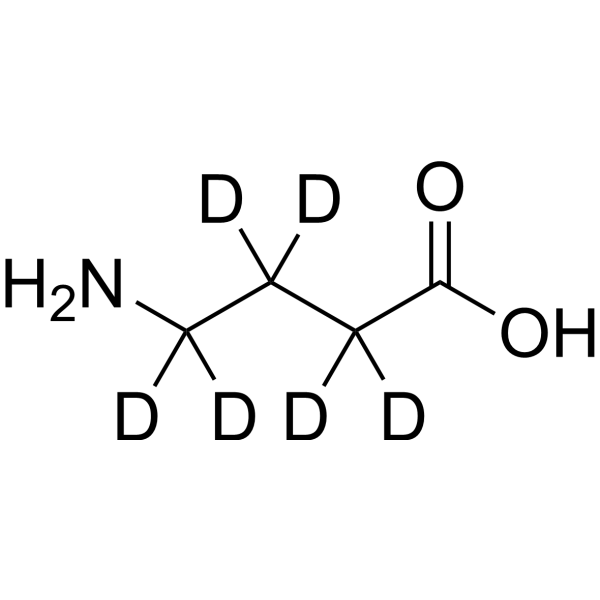
    γ-Aminobutyric acid-d6
    2 Publications Verification

    4-Aminobutyric acid-d6

    GABA Receptor Endogenous Metabolite Neurological Disease
    γ-Aminobutyric acid-d6 is the deuterium labeled γ-Aminobutyric acid. γ-Aminobutyric acid (4-Aminobutyric acid) is a major inhibitory neurotransmitter in the adult mammalian brain , binding to the ionotropic GABA receptors (GABAA receptors) and metabotropic receptors (GABAB receptors) .
    γ-Aminobutyric acid-d6
  • HY-B1715
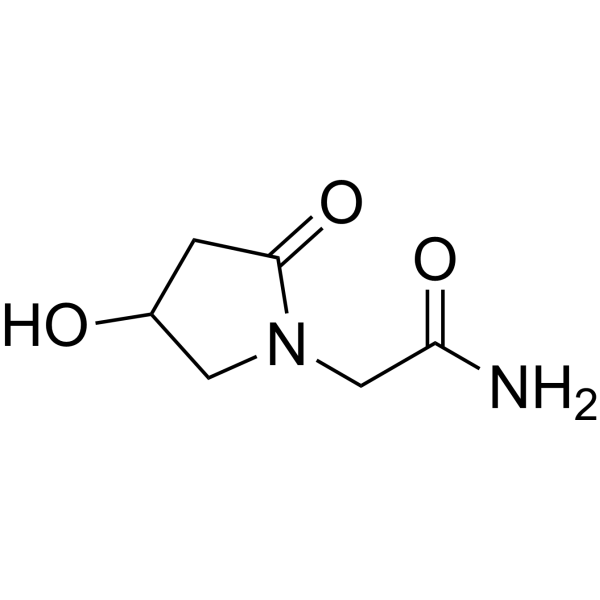
    Oxiracetam
    1 Publications Verification

    ISF2522

    GABA Receptor NO Synthase Neurological Disease Inflammation/Immunology
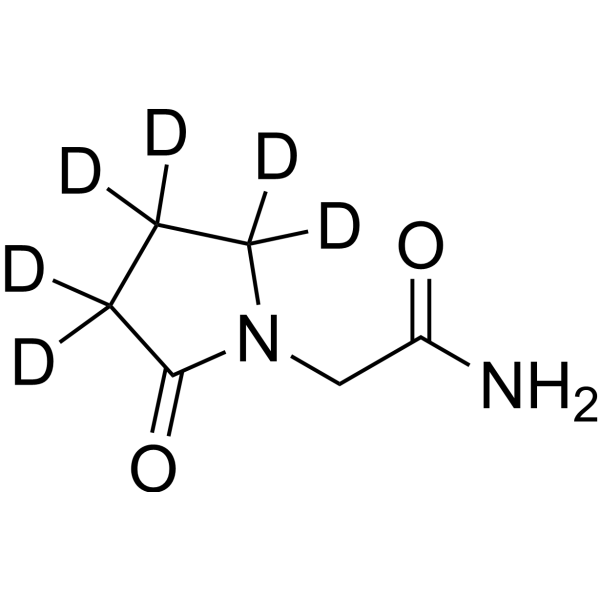
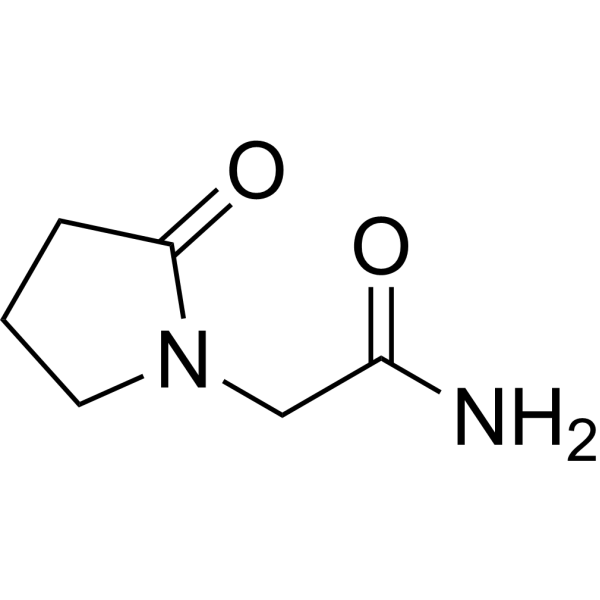
    Oxiracetam (ISF2522) is an orally active and a BBB-penetrable cyclic derivative of γ-aminobutyric acid (GABA). Oxiracetam reaches the hippocampus and cerebral cortex in high concentrations. Oxiracetam can promote cognitive function and regulate inflammatory response, with powerful neuroprotective effects. Oxiracetam can be used in the study of central nervous system diseases .
    Oxiracetam
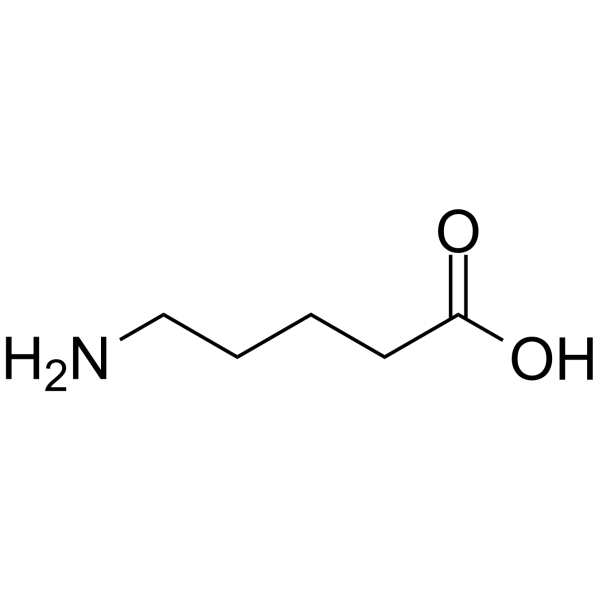
  • HY-W015878
    5-Aminovaleric acid
    1 Publications Verification

    Endogenous Metabolite Neurological Disease Metabolic Disease
    5-Aminovaleric acid is believed to act as a methylene homologue of gamma-aminobutyric acid (GABA) and functions as a weak GABA agonist.
    5-Aminovaleric acid
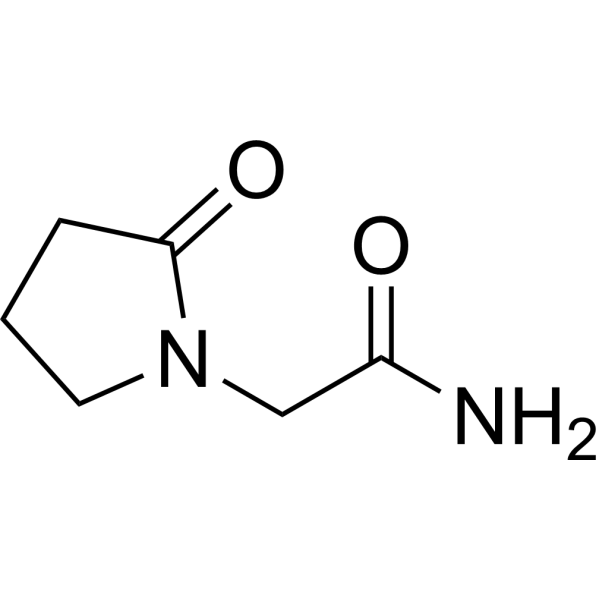
  • HY-B0585
    Piracetam
    1 Publications Verification

    UCB-6215

    iGluR Neurological Disease
    Piracetam (UCB-6215) is a cyclic derivative of the neurotransmitter gamma-aminobutyric acid (GABA), used in treatment of a wide range of cognitive disorders.
    Piracetam
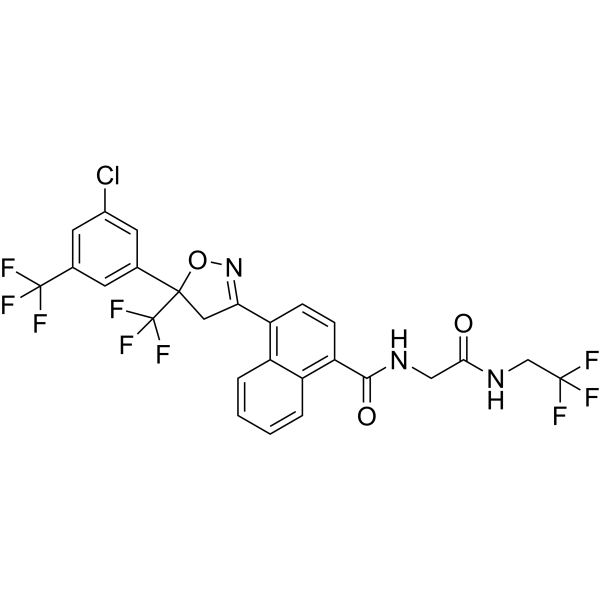
  • HY-16974
    Afoxolaner
    1 Publications Verification

    GABA Receptor Chloride Channel Parasite Infection
    Afoxolaner is an orally active isoxazoline insecticide/acaricide against Ixodes scapularis in dogs. Afoxolaner acts on the insect γ-aminobutyric acid receptor (GABA) and glutamate receptors, inhibiting GABA & glutamate-regulated uptake of chloride ions, resulting in excess neuronal stimulation and death of the arthropod .
    Afoxolaner
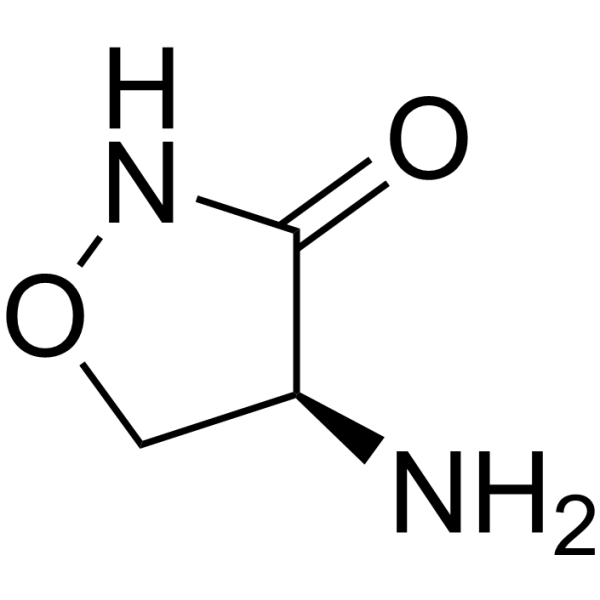
  • HY-B1122
    L-Cycloserine
    2 Publications Verification

    (S)-Cycloserine; (S)-4-Amino-3-isoxazolidone

    GABA Receptor HIV Neurological Disease Cancer
    L-Cycloserine ((S)-4-Amino-3-isoxazolidone) is an oral inhibitor of the enzyme gamma-aminobutyric acid (GABA) transaminase (GABA-t) and branched-chain transaminases in Mycobacterium tuberculosis. L-Cycloserine has anticonvulsant properties and inhibits the synthesis of neurotensin in mouse brains .
    L-Cycloserine
  • HY-B0340

    DM9384; DZL-221

    nAChR iGluR mGluR PKC GABA Receptor Calcium Channel Neurological Disease
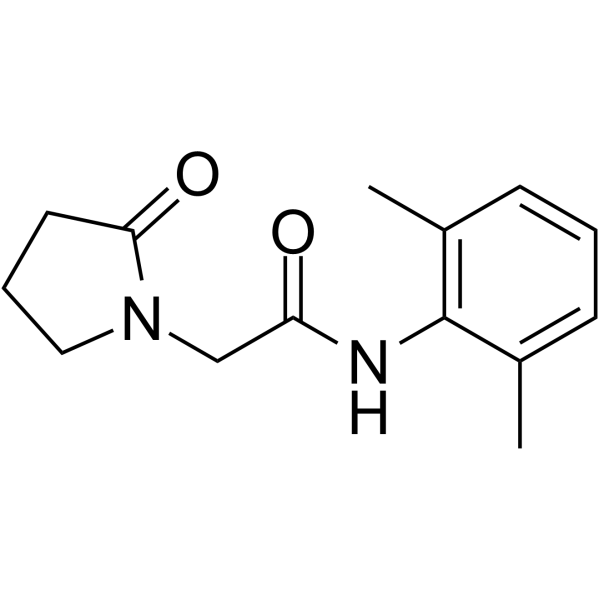
    Nefiracetam is a cognition-enhancing agent. Nefiracetam is an activator of nAChR, N-methyl-D-aspartate receptor (NMDAR), mGluR5, PKC, gamma-aminobutyric acid (GABA), and N/L-type Ca 2+ channels. Nefiracetam promotes neuroplasticity and enhances neuroprotection. Nefiracetam can be used in Alzheimer's disease, epilepsy, and cerebral ischemia research .
    Nefiracetam
  • HY-N0067R
    γ-Aminobutyric acid (Standard)
    5 Publications Verification

    4-Aminobutyric acid (Standard)

    Endogenous Metabolite GABA Receptor Reference Standards Neurological Disease
    γ-Aminobutyric acid (Standard) is the analytical standard of γ-Aminobutyric acid. This product is intended for research and analytical applications. γ-Aminobutyric acid (4-Aminobutyric acid) is a major inhibitory neurotransmitter in the adult mammalian brain, binding to the ionotropic GABA receptors (GABAA receptors) and metabotropic receptors (GABAB receptors. γ-Aminobutyric acid shows calming effect by blocking specific signals of central nervous system .
    γ-Aminobutyric acid (Standard)
  • HY-B0007C
    Baclofen hydrochloride
    Maximum Cited Publications
    12 Publications Verification

    GABA Receptor Neurological Disease
    Baclofen hydrochloride, a lipophilic derivative of γ-aminobutyric acid (GABA), is an orally active, selective metabotropic GABAB receptor (GABABR) agonist. Baclofen hydrochloride mimics the action of GABA and produces slow presynaptic inhibition through the GABAB receptor. Baclofen hydrochloride has high blood brain barrier penetrance. Baclofen hydrochloride has the potential for muscle spasticity research .
    Baclofen hydrochloride
  • HY-N2368
    Arecaidine
    1 Publications Verification

    GABA Receptor Interleukin Related TGF-β Receptor TNF Receptor PPAR Neurological Disease
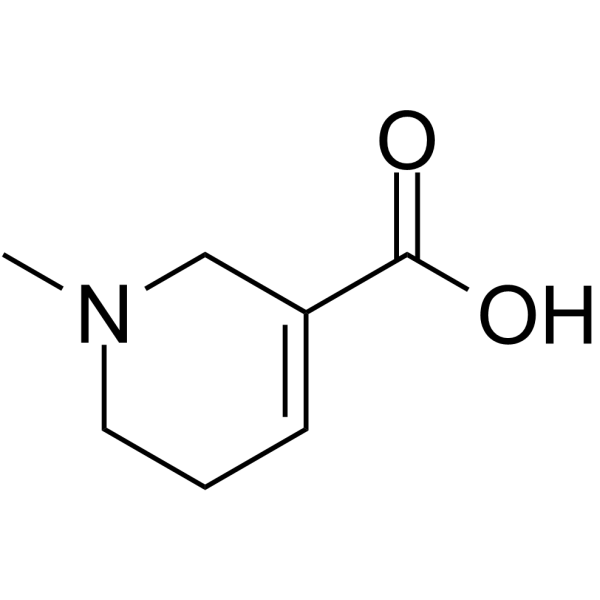
    Arecaidine is a GABA transport system inhibitor. Arecaidine inhibits the proliferation of oral mucosal fibroblasts, increases the secretion of IL-6, TGF-β and TNF-α in cells, downregulates the expression of PPAR-γ and PCK1 in cells, and upregulates the expression of TGF-β1 . Arecaidine inhibits the uptake of γ-aminobutyric acid and β-alanine by the central nervous system of cats . Arecaidine inhibits hPAT1-mediated L-[ 3H]proline uptake in cells. Arecaidine can be used in research related to neurological diseases .
    Arecaidine
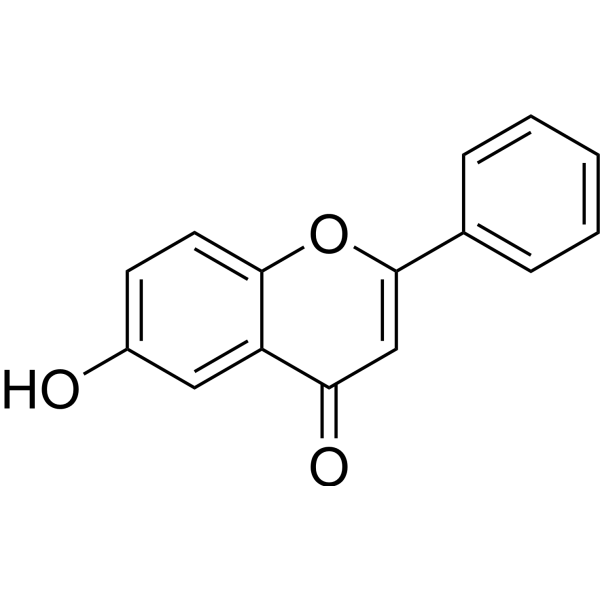
  • HY-N7110
    6-Hydroxyflavone
    2 Publications Verification

    Akt ERK JNK GABA Receptor Neurological Disease Metabolic Disease Inflammation/Immunology
    6-Hydroxyflavone is an orally effective flavonoid compound. 6-Hydroxyflavone can inhibit LPS (HY-D1056) -induced NO production and has anti-inflammatory effects. 6-Hydroxyflavone promotes osteoblast differentiation by activating AKT, ERK 1/2 and JNK signaling pathways. 6-Hydroxyflavone has an inhibitory effect on bovine hemoglobin (BHb) glycosylation. 6-Hydroxyflavone has a kidney protective effect. In addition, 6-Hydroxyflavone enhances GABA-induced current through the Benzodiazepine sites of γ-aminobutyric acid (GABAA) receptors. 6-Hydroxyflavone shows a clear preference for α2 - and α3 - subtypes, which play an anti-anxiety role .
    6-Hydroxyflavone
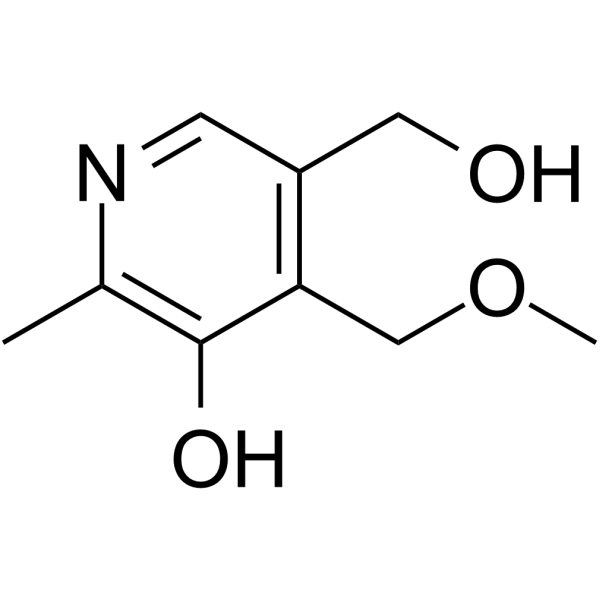
  • HY-N8157
    4'-O-Methylpyridoxine
    1 Publications Verification

    Others Cardiovascular Disease Neurological Disease
    4'-O-Methylpyridoxine is an orally active antivitamin B6 compound found in Ginkgo biloba seeds and leaves. 4'-O-Methylpyridoxine inhibits pyridoxal kinase. 4'-O-Methylpyridoxine reduces brain pyridoxal-5'-phosphate (PLP) levels, decreases gamma-aminobutyric acid/glutamate (GABA/Glu) ratio. 4'-O-Methylpyridoxine increases plasma levels of pyridoxal-5'-phosphate and pyridoxal. 4'-O-Methylpyridoxine induces hyperactivity, convulsions, pathological tissue changes, organ damage in rodent brain and heart .
    4'-O-Methylpyridoxine
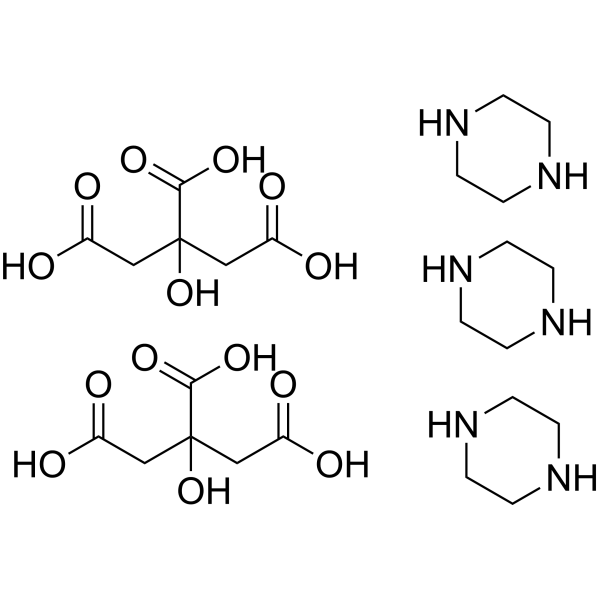
  • HY-17599
    Piperazine citrate
    1 Publications Verification

    1,4-Diazacyclohexane citrate

    GABA Receptor Parasite Infection
    Piperazine (1,4-Diazacyclohexane) citrate is a gamma-aminobutyric acid (GABA) agonist . Piperazine citrate is a vital building block and is an essential core in numerous marketed agents with diverse pharmacological activities .
    Piperazine citrate
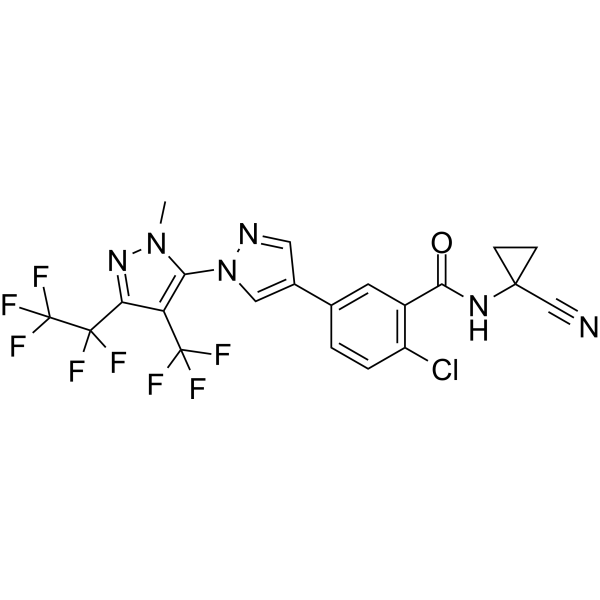
  • HY-109077

    BAY-1272858

    GABA Receptor Parasite Chloride Channel Infection Neurological Disease
    Tigolaner (BAY-1272858) acts on γ-aminobutyric acid (GABA) and glutamate-gated chloride channels. Tigolaner has antiparasitic activity .
    Tigolaner
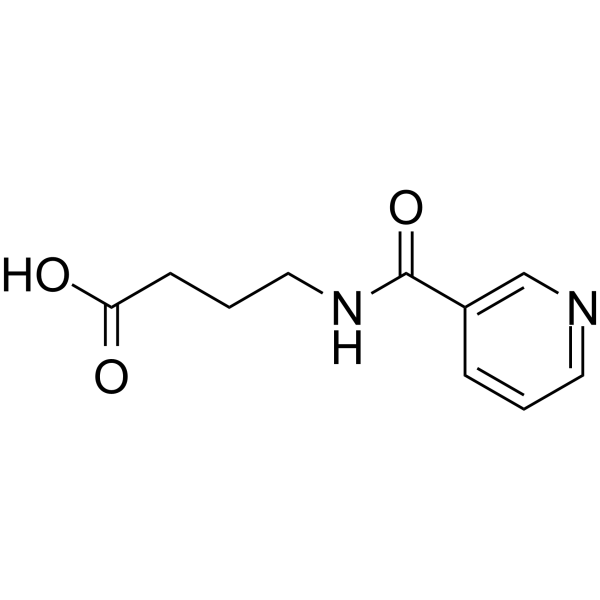
  • HY-107482

    Nicotinoyl-GABA; Nicotinoyl-γ-Aminobutyric acid

    GABA Receptor Neurological Disease
    Picamilon is an orally active derivative of γ-aminobutyric acid that has nootropic effect. Picamilon improves the epilepsy model in rats and promotes correction of functional disorders of the pancreas during Alloxan (HY-W017227)-induced diabetes mellitus in rats .
    Picamilon
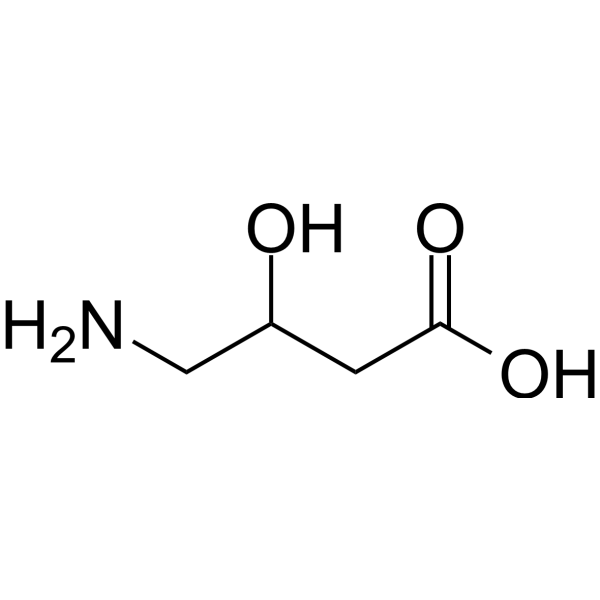
  • HY-B1427

    Gamma-amino-beta-hydroxybutyric acid

    Drug Derivative Neurological Disease
    Gamibetal (Gamma-amino-beta-hydroxybutyric acid) is γ-amino-β-hydroxybutyric acid (GABOB), a hydroxylated derivative of GABA (γ-aminobutyric acid). Gamibetal exhibits central inhibitory and anticonvulsant activities. Gamibetal can be used in research on epilepsy, neuralgia, and other conditions .
    Gamibetal
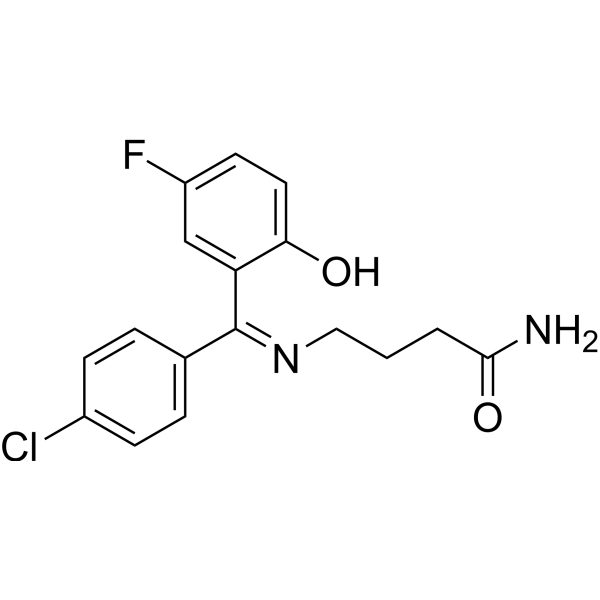
  • HY-A0173

    SL 76002

    GABA Receptor Neurological Disease
    Progabide is a gamma-aminobutyric acid receptor (GABA) agonist.
    Progabide
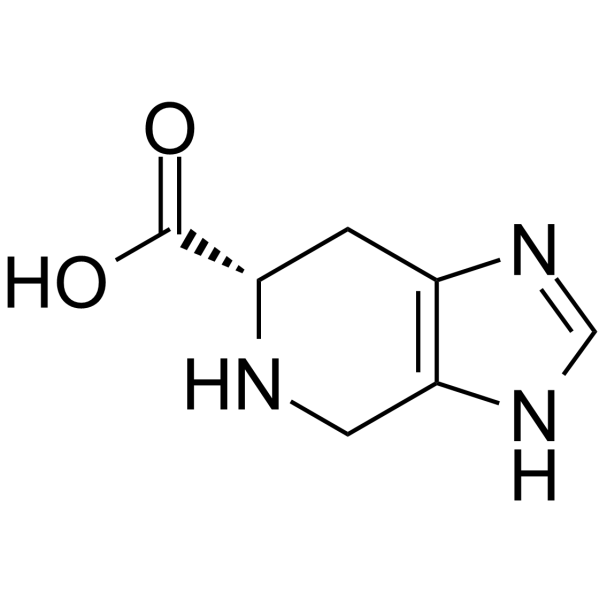
  • HY-W067716

    (S)-Spinacine

    GABA Receptor Neurological Disease
    Spinacine ((S)-Spinacine) is a GABA uptake inhibitor. Spinacine enhances synaptic GABA effects via inhibition of gamma-aminobutyric acid uptake in cerebral cortex slices. Spinacine inhibits reflex responses of ventral roots in isolated spinal cord. Spinacine inhibits motor activity and reduces approaches to water dispensers in conflict situations. Spinacine raises pain sensitivity threshold via subarachnoidal injection .
    Spinacine
  • HY-N0067S3

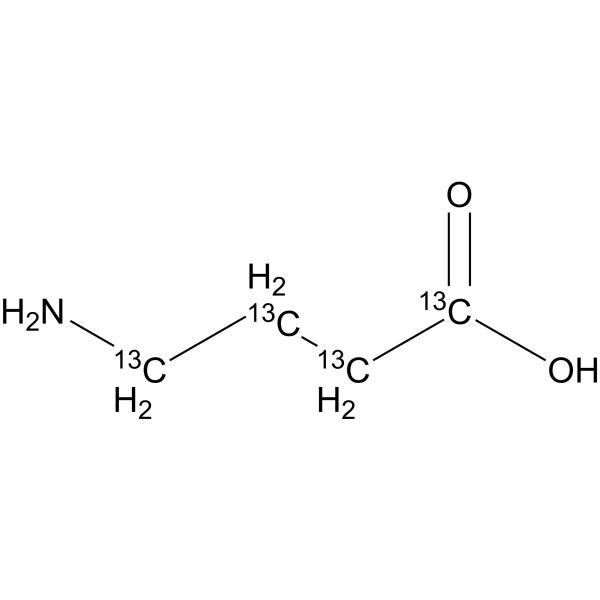
    4-Aminobutyric acid-13C4

    Isotope-Labeled Compounds GABA Receptor Endogenous Metabolite Neurological Disease
    γ-Aminobutyric acid- 13C4 is the 13C-labeled γ-Aminobutyric acid. γ-Aminobutyric acid (4-Aminobutyric acid) is a major inhibitory neurotransmitter in the adult mammalian brain , binding to the ionotropic GABA receptors (GABAA receptors) and metabotropic receptors (GABAB receptors) .
    γ-Aminobutyric acid-13C4
  • HY-139587

    ML-878

    Parasite Chloride Channel Infection
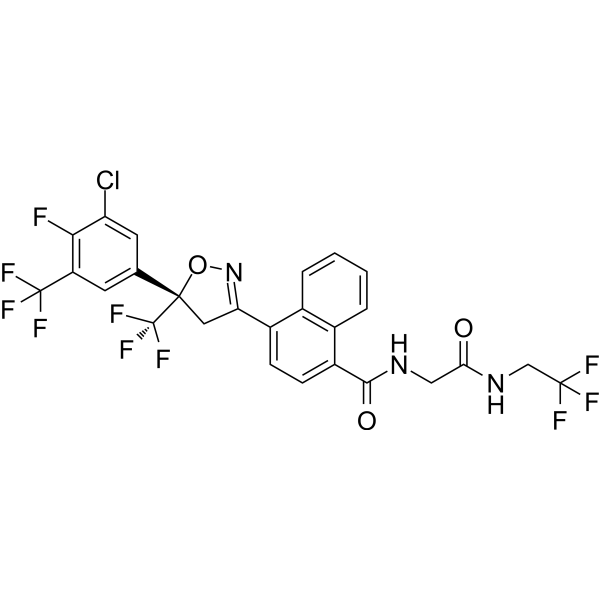
    Umifoxolaner (ML-878), a γ-aminobutyric acid (GABA) regulated chloride channels antagonist, is a potent insecticide, and acaricide. Umifoxolaner can be uesd for parasite infection research .
    Umifoxolaner
  • HY-114883

    L-Homocarnosine

    GABA Receptor Endogenous Metabolite Neurological Disease Inflammation/Immunology
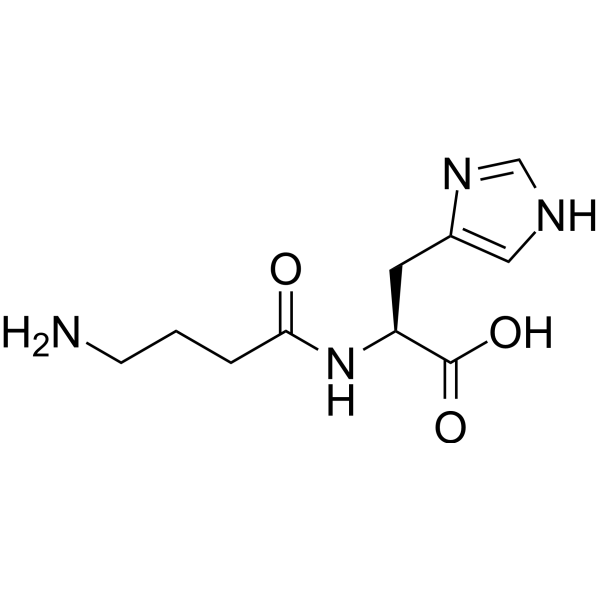
    Homocarnosine is a dipeptide of γ-aminobutyric acid (GABA) and histidine unique to brain. Homocarnosine is an inhibitory neuromodulator synthesized in the neuron from GABA and exhibiting anticonvulsant effects .Homocarnosine has antioxidant and anti-inflammatory actions, prevention of DNA damage, and inhibition of advanced glycation end-product formation .
    Homocarnosine
  • HY-P3280

    Endogenous Metabolite Metabolic Disease
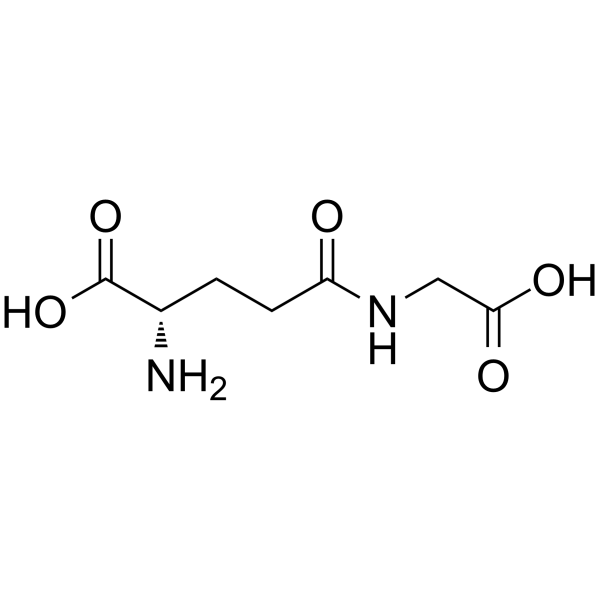
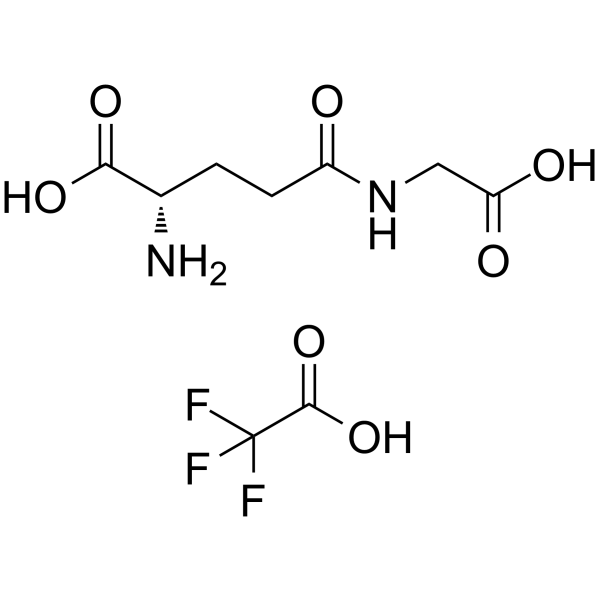
    γ-Glu-Gly, a γ-glutamyl dipeptide, is a human lipid metabolite.γ-Glu-Gly has a similar structure to GABA (γ-aminobutyric acid) and can act as an antagonist of excitatory amino acids .
    γ-Glu-Gly
  • HY-125928

    Sodium Channel Neurological Disease
    AA43279 is an in gamma-aminobutyric acid (GABA) fast-firing interneurons located activator for Nav1.1 channel (SCN1A) with an EC50 of 9.5 μM. AA43279 enhances specific neuronal firing activity in vitro, and exhibits anticonvulsant activity in rat MEST model .
    AA43279
  • HY-N0067S1

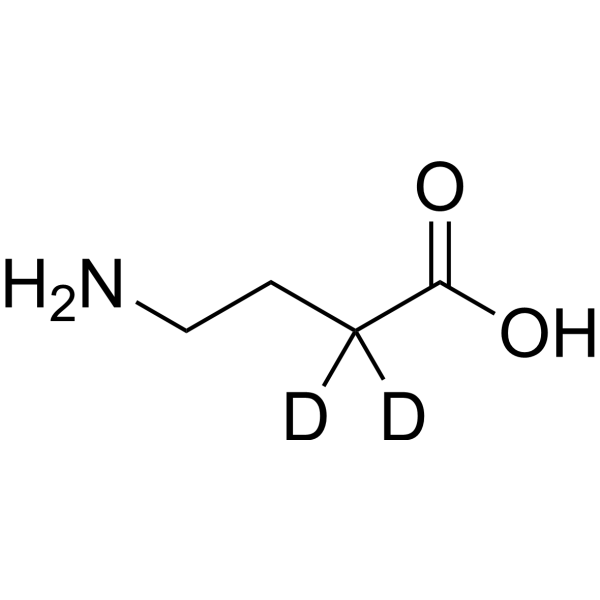
    4-Aminobutyric acid-d2

    Isotope-Labeled Compounds GABA Receptor Endogenous Metabolite Neurological Disease
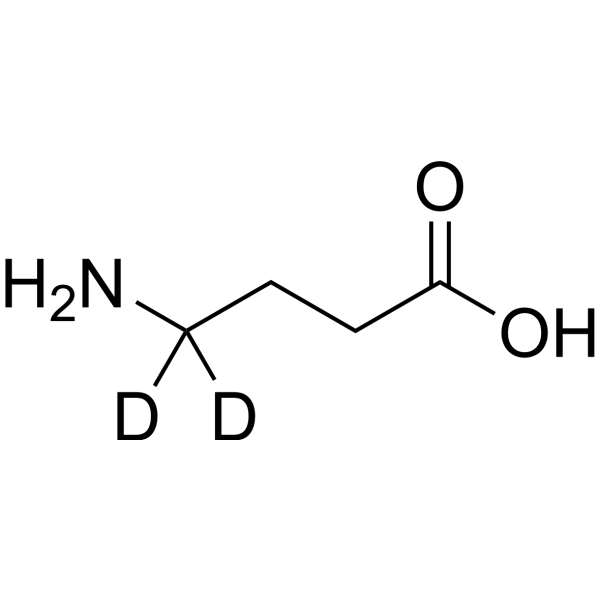
    γ-Aminobutyric acid-d2 is the deuterium labeled γ-Aminobutyric acid. γ-Aminobutyric acid (4-Aminobutyric acid) is a major inhibitory neurotransmitter in the adult mammalian brain[1][2], binding to the ionotropic GABA receptors (GABAA receptors) and metabotropic receptors (GABAB receptors)[2].
    γ-Aminobutyric acid-d2
  • HY-114883A

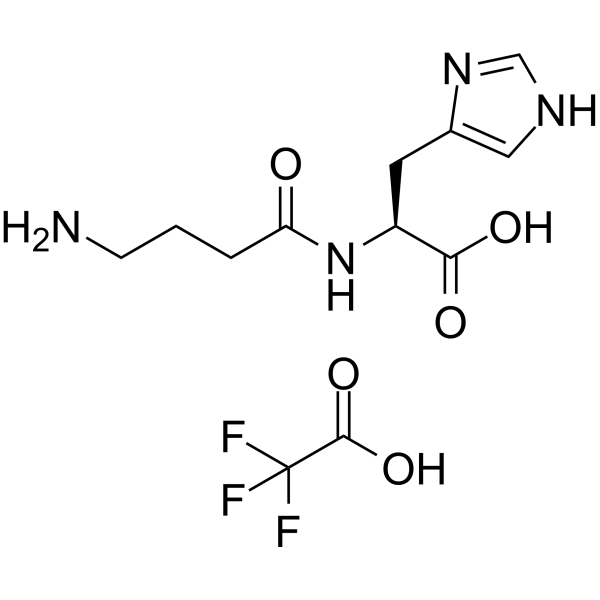
    L-Homocarnosine TFA

    GABA Receptor Endogenous Metabolite Neurological Disease
    Homocarnosine TFA is a dipeptide of γ-aminobutyric acid (GABA) and histidine unique to brain. Homocarnosine TFA is an inhibitory neuromodulator synthesized in the neuron from GABA and exhibiting anticonvulsant effects . Homocarnosine TFA has antioxidant and anti-inflammatory actions, prevention of DNA damage, and inhibition of advanced glycation end-product formation .
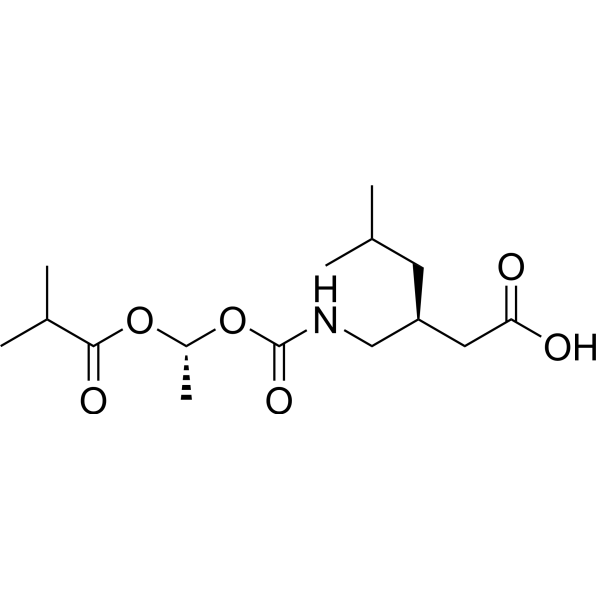
    Homocarnosine TFA
  • HY-N6776

    Potassium Channel Neurological Disease Cancer
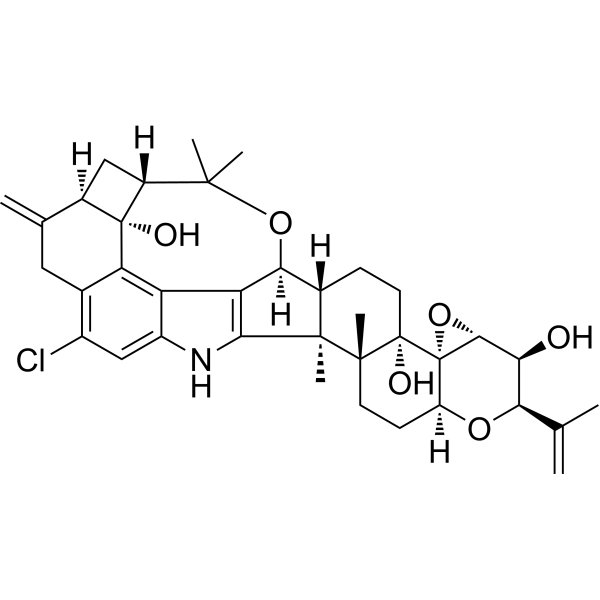
    Penitrem A is an indole diterpene neurotoxic alkaloid produced by Penicillium, acts as a selective BK channel antagonist with antiproliferative and anti-invasive activities against multiple malignancies. Penitrem A increases the spontaneous release of endogenous glutamate, gamma-aminobutyric acid (GABA) and aspartate from cerebrocortical synaptosomes, and induces tremorgenic syndromes in animals .
    Penitrem A
  • HY-177552

    GABA Receptor Chloride Channel Insecticide Infection
    4''-Oxoavermectin B1a is a potentiator targeting GABA (γ-aminobutyric acid) and glutamate-gated chloride channels with insecticidal and acaricidal activities. 4''-Oxoavermectin B1a is promising for research of agricultural pests .
    4''-Oxoavermectin B1a
  • HY-164728

    Calcium Channel Neurological Disease
    Pregabalin diacid is an impurity of Pregabalin, a lipophilic GABA (γ-aminobutyric acid) analog with anxiolytic and anticonvulsant activity. Pregabalin may act on the α(2)β subunit of voltage-dependent calcium channels, which are widely distributed in the peripheral and central nervous systems. Pregabalin can effectively induce hypoalgesia and improve behavioral disorders .
    Pregabalin diacid
  • HY-I0746

    m-Aminobenzoic acid; 3ABA

    Endogenous Metabolite Neurological Disease Inflammation/Immunology
    3-Aminobenzoic acid (3-ABA) is an orally active anti-inflammatory agent targeting the tight junction (TJ) regulatory pathways in intestinal epithelial cells. 3-Aminobenzoic acid improves intestinal inflammation by enhancing intestinal barrier integrity and reducing epithelial permeability. It can be used in studies related to improving gut health. Additionally, 3-Aminobenzoic acid analogs can act as γ-aminobutyric acid transaminase (GABA-AT) inhibitors, exhibiting anticonvulsant effects .
    3-Aminobenzoic acid
  • HY-W007686
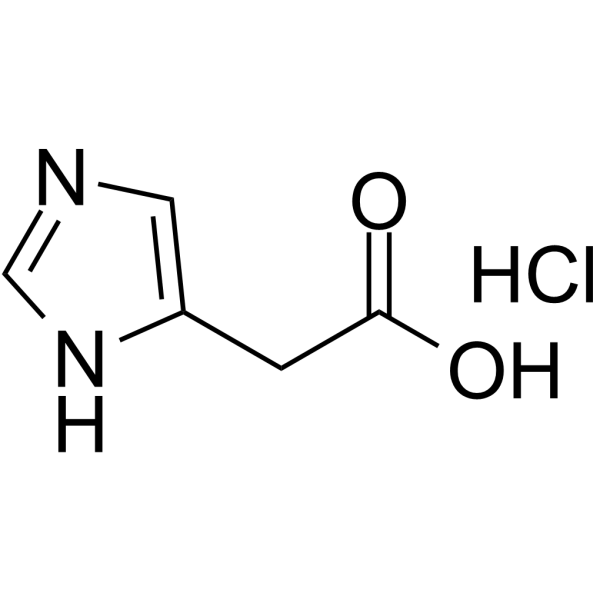
    Imidazoleacetic acid hydrochloride
    2 Publications Verification

    Imidazolyl-4-acetic acid hydrochloride

    Endogenous Metabolite GABA Receptor Neurological Disease
    Imidazoleacetic acid hydrochloride is a γ-aminobutyric acid receptor agonist. Imidazoleacetic acid hydrochloride inhibits GABA-T in a non-competitive manner, with a Ki value of 0.34 mM. Imidazoleacetic acid hydrochloride increases total free GABA in brain .
    Imidazoleacetic acid hydrochloride
  • HY-16974R

    Reference Standards GABA Receptor Chloride Channel Parasite Infection
    Afoxolaner (Standard) is the analytical standard of Afoxolaner. This product is intended for research and analytical applications. Afoxolaner is an orally active isoxazoline insecticide/acaricide against Ixodes scapularis in dogs. Afoxolaner acts on the insect γ-aminobutyric acid receptor (GABA) and glutamate receptors, inhibiting GABA & glutamate-regulated uptake of chloride ions, resulting in excess neuronal stimulation and death of the arthropod .
    Afoxolaner (Standard)
  • HY-107482A

    Nicotinoyl-GABA sodium; Nicotinoyl-γ-Aminobutyric acid sodium; Sodium 4-(nicotinamido)butanoate

    GABA Receptor Neurological Disease
    Picamilon sodium is an orally active derivative of γ-aminobutyric acid that has nootropic effect. Picamilon sodium improves the epilepsy model in rats and promotes correction of functional disorders of the pancreas during Alloxan (HY-W017227)-induced diabetes mellitus in rats .
    Picamilon sodium
  • HY-109156

    GABA Receptor Metabolic Disease
    Pregabalin arenacarbil is a proagent of Pregabalin.Pregabalin is an analog of gamma-aminobutyric acid (GABA) for the research of post herpetic neuralgia, peripheral diabetic neuropathy,fibromyalgia and epilepsy .
    Pregabalin arenacarbil
  • HY-D2341

    Fluorescent Dye Cancer
    6FC-GABA-Taxol is a fluorescent probe with cell permeability, which is formed by connecting 6FC to the anticancer drug Taxol (HY-B0015) via γ-aminobutyric acid (GABA). 6FC-GABA-Taxol can bind to microtubules in living cells and image them through confocal microscopy. Additionally, 6FC-GABA-Taxol enables the quantification of microtubule binding using flow cytometry without the addition of efflux inhibitors .
    6FC-GABA-Taxol
  • HY-B0007S2

    GABA Receptor Isotope-Labeled Compounds Neurological Disease
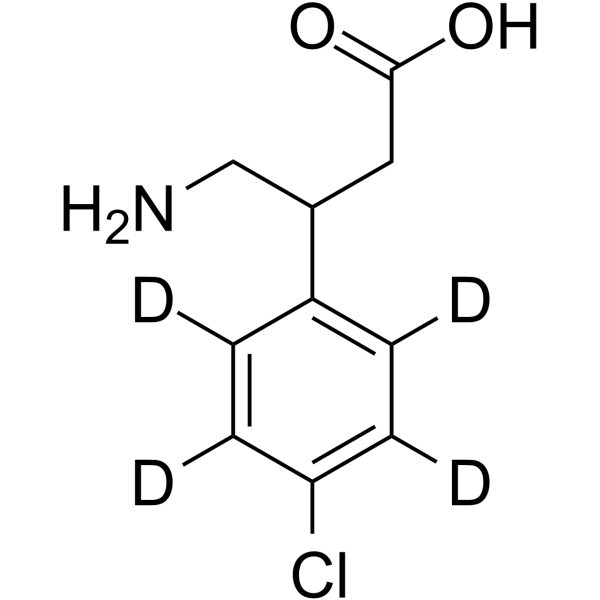
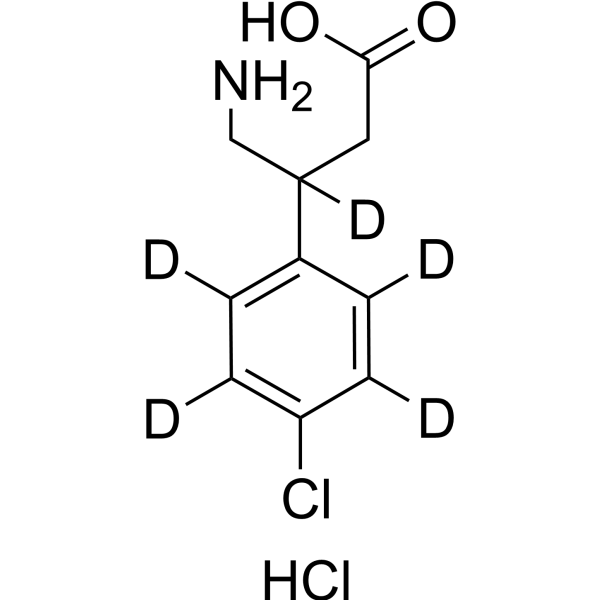
    Baclofen-d5 hydrochloride is deuterated labeled Baclofen (HY-B0007). Baclofen, a lipophilic derivative of γ-aminobutyric acid (GABA), is an orally active, selective metabotropic GABAB receptor (GABABR) agonist. Baclofen mimics the action of GABA and produces slow presynaptic inhibition through the GABAB receptor. Baclofen has high blood brain barrier penetrance. Baclofen has the potential for muscle spasticity research .
    Baclofen-d5 hydrochloride
  • HY-B0007R

    Reference Standards GABA Receptor Neurological Disease
    Baclofen (Standard) is the analytical standard of Baclofen. This product is intended for research and analytical applications. Baclofen, a lipophilic derivative of γ-aminobutyric acid (GABA), is an orally active, selective metabotropic GABAB receptor (GABABR) agonist. Baclofen mimics the action of GABA and produces slow presynaptic inhibition through the GABAB receptor. Baclofen has high blood brain barrier penetrance. Baclofen has the potential for muscle spasticity research .
    Baclofen (Standard)
  • HY-B1715R

    ISF2522 (Standard)

    Reference Standards GABA Receptor NO Synthase Neurological Disease Inflammation/Immunology
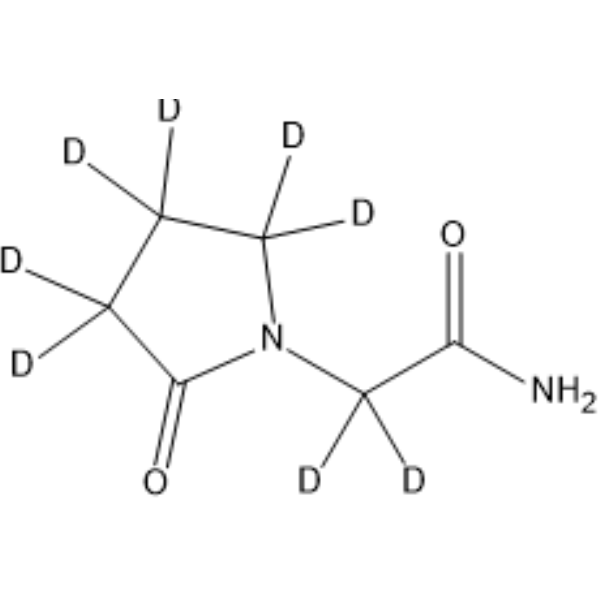
    Oxiracetam (Standard) is the analytical standard of Oxiracetam. This product is intended for research and analytical applications. Oxiracetam (ISF2522) is an orally active and a BBB-penetrable cyclic derivative of γ-aminobutyric acid (GABA). Oxiracetam reaches the hippocampus and cerebral cortex in high concentrations. Oxiracetam can promote cognitive function and regulate inflammatory response, with powerful neuroprotective effects. Oxiracetam can be used in the study of central nervous system diseases .
    Oxiracetam (Standard)
  • HY-177573

    GABA Receptor Neurological Disease
    Cholesteryl γ-aminobutyrate is a γ-aminobutyric acid (GABA)-mimetic prodrug. Cholesteryl γ-aminobutyrate inhibits the orthodromically-evoked discharge of pyramidal cells in the CA1 region of the hippocampus. Cholesteryl γ-aminobutyrate suppresses the open-field activity of mice and rats in a dose-dependent manner and inhibits Bicuculline (HY-N0219)-induced seizures in mice. Cholesteryl γ-aminobutyrate can be used for the study of CNS diseases related to impaired GABAergic neuronal function .
    Cholesteryl γ-aminobutyrate
  • HY-116152S

    Ciprofol-d6; HSK3486-d6

    Isotope-Labeled Compounds GABA Receptor Neurological Disease
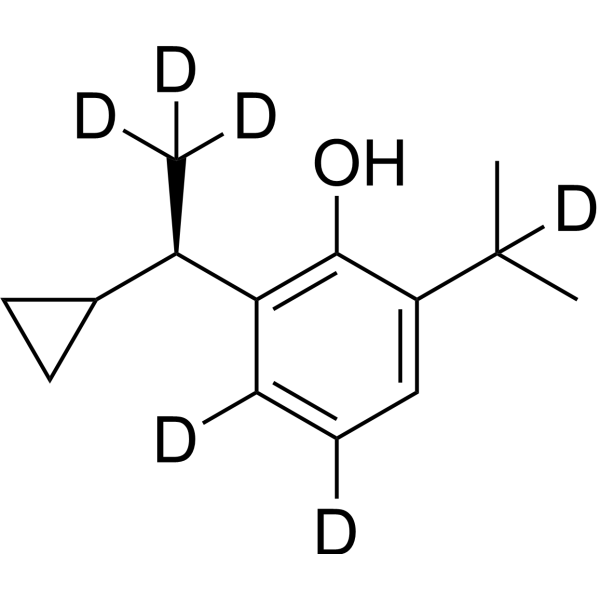
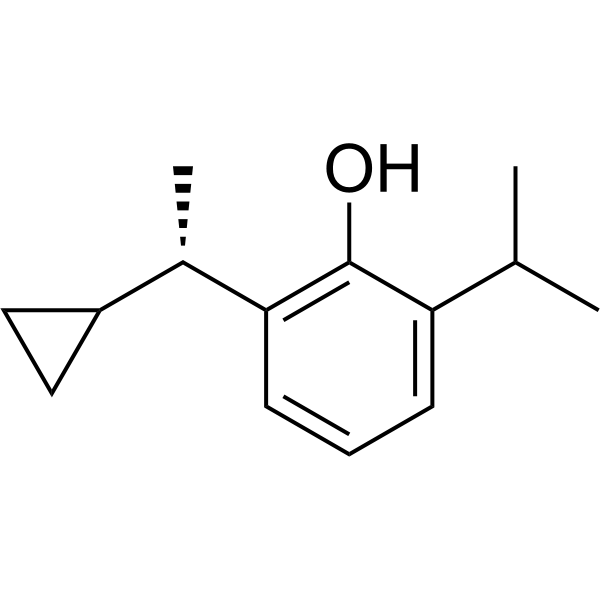
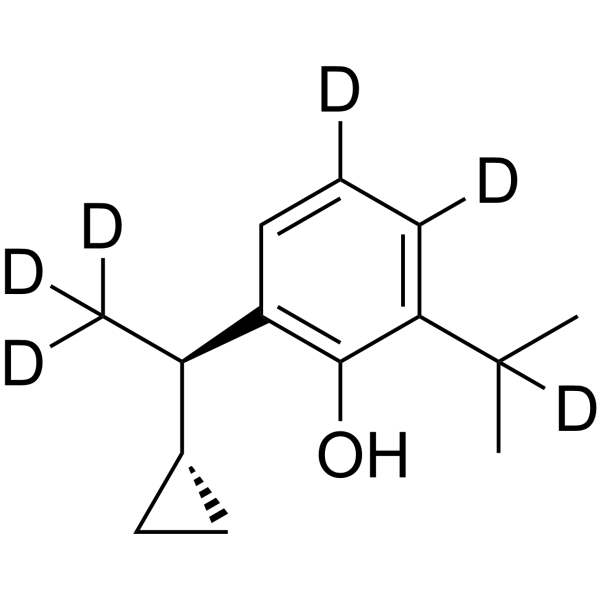
    Cipepofol-d6 (Ciprofol-d6; HSK3486-d6) is deuterium labeled Cipepofol (HY-116152). Cipepofol (HSK3486), a psychomotor stabilizing agent, is a gamma-aminobutyric acid (GABA) receptor potentiator.
    Cipepofol-d6
  • HY-W722556

    3α,5α-Androstanol

    GABA Receptor Constitutive Androstane Receptor Metabolic Disease
    5α-Androstan-3α-ol is a γ-aminobutyric acid (GABA) receptor agonist. 5α-Androstan-3α-ol can inhibit the transcriptional activity of the orphan nuclear receptor CAR (constitutive androstane receptor). 5α-Androstan-3α-ol negatively regulates the activity of CAR by binding to CAR and promoting its dissociation from coactivator proteins. 5α-Androstan-3α-ol can be used to study nuclear receptor-mediated hormone metabolism and drug detoxification mechanisms .
    5α-Androstan-3α-ol
  • HY-W067716R

    (S)-Spinacine (Standard)

    Reference Standards GABA Receptor Neurological Disease
    Spinacine (Standard) is the analytical standard of Spinacine (HY-W067716). This product is intended for research and analytical applications. Spinacine ((S)-Spinacine) is a GABA uptake inhibitor. Spinacine enhances synaptic GABA effects via inhibition of gamma-aminobutyric acid uptake in cerebral cortex slices. Spinacine inhibits reflex responses of ventral roots in isolated spinal cord. Spinacine inhibits motor activity and reduces approaches to water dispensers in conflict situations. Spinacine raises pain sensitivity threshold via subarachnoidal injection .
    Spinacine (Standard)
  • HY-W055872R

    Antibiotic Reference Standards Infection
    γ-Aminobutyric acid (Standard) is the analytical standard of γ-Aminobutyric acid. This product is intended for research and analytical applications. γ-Aminobutyric acid (4-Aminobutyric acid) is a major inhibitory neurotransmitter in the adult mammalian brain, binding to the ionotropic GABA receptors (GABAA receptors) and metabotropic receptors (GABAB receptors. γ-Aminobutyric acid shows calming effect by blocking specific signals of central nervous system .
    Erythromycylamine (Standard)
  • HY-155238

    GABA Receptor Neurological Disease
    E2730 is a noncompetitive but selective inhibitor of gamma-aminobutyric acid (GABA) transporter 1 (GAT1) with orally available and antiepileptic activity. E2730-mediated GAT1 inhibition is positively correlated with environmental GABA levels and selectively inhibits GAT1-mediated GABA uptake. E2730 (5-50 mg/kg; po) in rat amygdala ignition model, and in mouse cornea ignition (5-50 mg/kg), drug resistance 6Hz-44mA has demonstrated in vivo efficacy in models of psychomotor epilepsy (5-50 mg/kg), fragile X syndrome (2.5-300 mg/kg), and Dravet syndrome (10 mg/kg, 20 mg/kg) .
    E2730
  • HY-N0067S2

    4-Aminobutyric acid-4,4-d2

    Isotope-Labeled Compounds GABA Receptor Endogenous Metabolite Neurological Disease
    γ-Aminobutyric acid-4,4-d2 is the deuterium labeled γ-Aminobutyric acid. γ-Aminobutyric acid (4-Aminobutyric acid) is a major inhibitory neurotransmitter in the adult mammalian brain[1][2], binding to the ionotropic GABA receptors (GABAA receptors) and metabotropic receptors (GABAB receptors)[2].
    γ-Aminobutyric acid-4,4-d2
  • HY-147982

    GABA Receptor Neurological Disease
    GABA-AT-IN-1 (Compound 6) is a γ-aminobutyric acid aminotransferase (GABA-AT) inhibitor and significantly elevates the mouse brain GABA level. GABA-AT-IN-1 has the ability to cross the BBB and can be used as an anticonvulsant .
    GABA-AT-IN-1
  • HY-W739289

    GABA Receptor Serotonin Transporter Neurological Disease
    Californidine perchlorate is an orally active γ-aminobutyric acid (GABA) receptor and serotonin receptor modulator. Californidine perchlorate enhances GABA-mediated chloride influx and inhibits cytochrome P450 enzymes. Californidine perchlorate is promising for research of anxiety .
    Californidine perchlorate
  • HY-N16476

    GABA Receptor nAChR Infection
    Spinosyn J is a non-competitive insect nicotinic acetylcholine receptor (nAChR) and γ-aminobutyric acid (GABA) receptor modulator with insecticidal activity. Spinosyn J is promising for research of agricultural pests .
    Spinosyn J
  • HY-109077S

    Isotope-Labeled Compounds GABA Receptor Parasite Chloride Channel Infection Neurological Disease
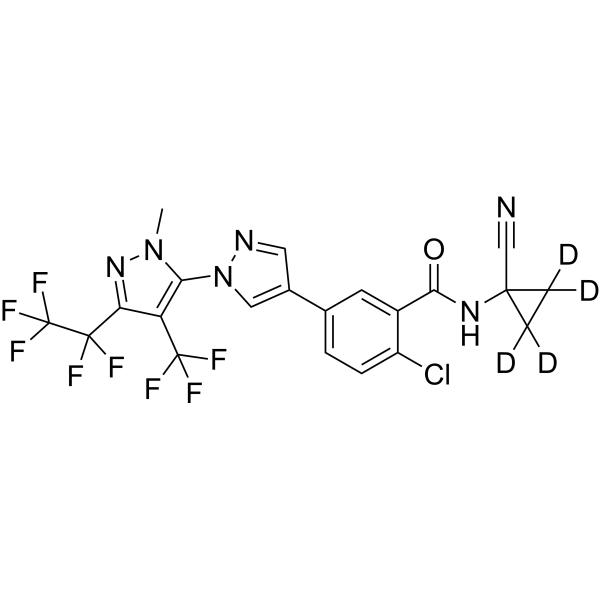
    Tigolaner-d4 is deuterium labeled Tigolaner. Tigolaner (BAY-1272858) acts on γ-aminobutyric acid (GABA) and glutamate-gated chloride channels. Tigolaner has antiparasitic activity .
    Tigolaner-d4

Inquiry Online

Your information is safe with us. * Required Fields.

Salutation


Country or Region *

Applicant Name *


Organization Name *

Department *


Email Address *


Product Name *

Cat. No.


Requested quantity *

Phone Number *


Remarks

Inquiry Online

Inquiry Information

Product Name:
Cat. No.:
Quantity:
MCE Japan Authorized Agent: