Search Result
Results for "
4T1 tumor
" in MedChemExpress (MCE) Product Catalog:
1
Biochemical Assay Reagents
| Cat. No. |
Product Name |
Target |
Research Areas |
Chemical Structure |
-
- HY-147165
-
VT02956
1 Publications Verification
|
Ser/Thr Kinase
Large Tumor Suppressor (LATS)
|
Cancer
|
|
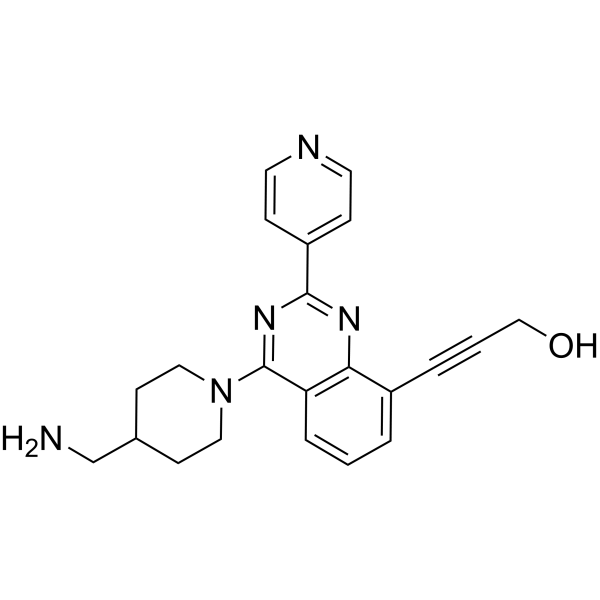
VT02956 is a LATS inhibitor (IC50: 0.76 nM for LATS1, 0.52 nM for LATS2). VT02956 targets the Hippo pathway. VT02956 inhibits ESR1 expression and growth of ER+ breast cancer cell lines and patient-derived tumor organoids . VT02956 is a click chemistry reagent, it contains an Alkyne group and can undergo copper-catalyzed azide-alkyne cycloaddition (CuAAc) with molecules containing Azide groups.
|
-
-
- HY-101466
-
|
|
FGFR
|
Cancer
|
|
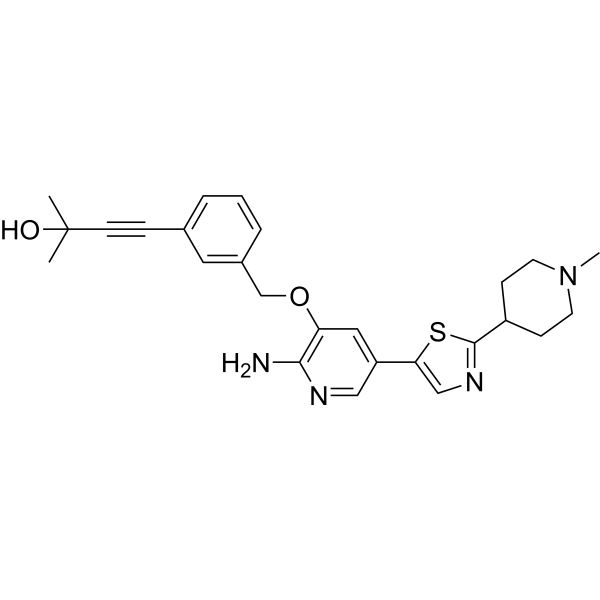
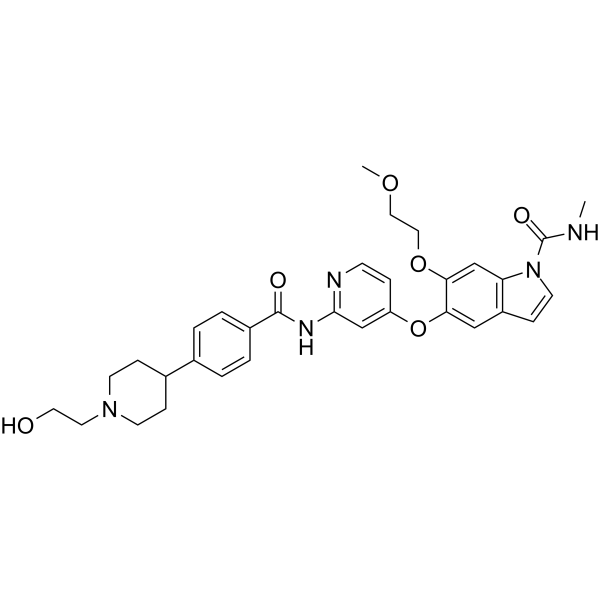
E7090 is an orally available, potent, and selective FGFR inhibitor with IC50s of 0.71 nM, 0.50 nM, 1.2 nM, and 120 nM for FGFR1/FGFR2/FGFR3/FGFR4, respectively .
|
-
-
- HY-W591424
-
|
mPEG2000-SC; mPEG2000-Succinimidyl ester
|
Biochemical Assay Reagents
MMP
|
Cancer
|
|
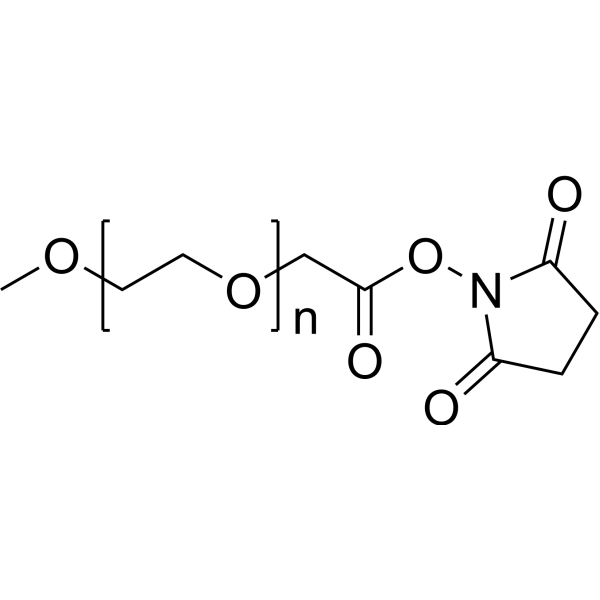
m-PEG2000-NHS ester (mPEG2000-SC) is a reagent with both cell adhesion inhibition and peptide conjugation functions. The NHS ester group of m-PEG2000-NHS ester forms stable amide bonds with primary amine-containing molecules (e.g., the N-terminus of MMP-2-cleavable octapeptide) to generate mPEG-peptide intermediates for liposome surface modification. When m-PEG2000-NHS ester is immobilized on a cystamine-modified gold surface, it can construct an in vitro model for cell adhesion kinetic studies, and higher PEG density and thicker layers correlate with lower cell adhesion rates. m-PEG2000-NHS ester can synthesize MMP-2-responsive PEGylated lipid conjugates to achieve MMP-triggered dePEGylation in the tumor microenvironment. m-PEG2000-NHS ester can be used in studies related to colon cancer and other conditions .
|
-
-
- HY-N0841
-
|
Dihydrobrusatol; NSC310616
|
Parasite
NF-κB
p38 MAPK
Phosphatase
Apoptosis
|
Infection
Cancer
|
|
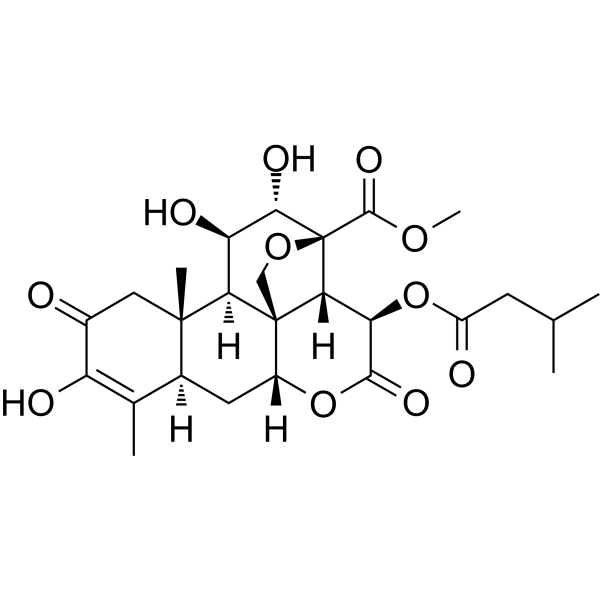
Bruceine A (Dihydrobrusatol) is a natural quassinoid. Bruceine A is an inhibitor of parasites, NF-κB, and PFKFB4 (Kd: 44 nM). Bruceine A is an activator of P38α MAPK. Bruceine A has antiparasitic activity. Bruceine A has antitumor activity and inhibits cancer cell migration. Bruceine A blocks the cell cycle and induces apoptosis. Bruceine A can be used in parasites, pancreatic cancer, and breast cancer research .
|
-
-
- HY-162312
-
|
|
Deubiquitinase
Apoptosis
|
Cancer
|
|
LLK203 is a potent USP2/USP8 dual-target inhibitor with IC50s of 0.89 μM and 0.52 μM, respectively. LLK203 leads a degradation of ERα and induces apoptosis of breast cancer MCF-7 cells. LLK203 demonstrates antitumor activities against the 4T1 tumor mice model .
|
-
-
- HY-158045
-
|
|
PROTACs
PARP
|
Cancer
|
|
PROTAC PARP1 degrader-1 is a PARP1 PROTAC degrader with a DC50 value of 252.5 nM. PROTAC PARP1 degrader-1, combined with Daunorubicin (HY-13062A), induces the accumulation of cytoplasmic DNA fragments, activates the cGAS/STING innate immune pathway, and remodels the tumor microenvironment. PROTAC PARP1 degrader-1 can be used in research related to breast cancer .
|
-
-
- HY-144088
-
ZYF0033
2 Publications Verification
HPK1-IN-22
|
MAP4K
|
Inflammation/Immunology
Cancer
|
|
ZYF0033 is an orally active inhibitor of the hematopoietic progenitor cell kinase HPK1 with an IC50 of less than 10 nM based on the phosphorylation inhibition of MBP protein. ZYF0033 promotes anti-cancer immune responses and reduces phosphorylation of SLP76 (serine 376). ZYF0033 inhibits tumor growth in the 4T-1 syngeneic mouse model and leads to increased intratumoral infiltration of DCs, NK cells, and CD107a +CD8 + T cells, but not T cells, PD-1 +CD8 + T cells, TIM-3 +CD8 + Infiltration of T cells and LAG3 +CD8 + T cells was reduced .
|
-
-
- HY-156096
-
|
|
HDAC
Histone Methyltransferase
Caspase
Apoptosis
DNA/RNA Synthesis
|
Cancer
|
|
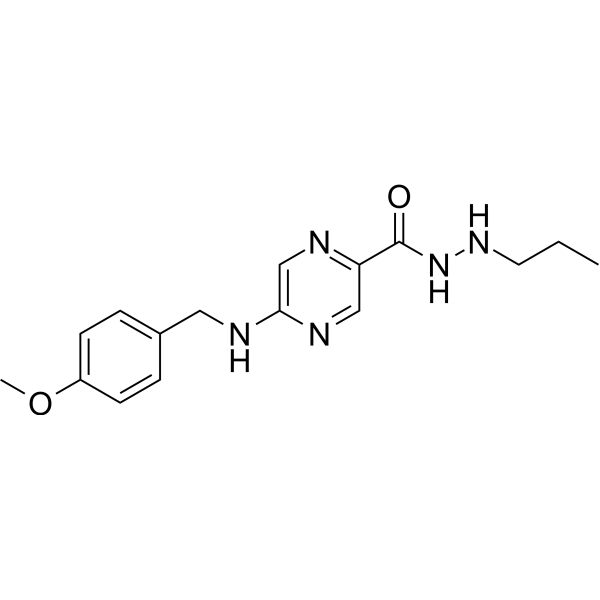
HDAC3-IN-2 (compound 4i) is a pyrazinyl hydrazide-based HDAC3 inhibitor (IC50: 14 nM) that efficiently targets triple-negative breast cancer cells. HDAC3-IN-2 is cytotoxic with an IC50 of 0.55 μM against 4T1 and an IC50 of 0.74 μM against MDA-MB-231. HDAC3-IN-2 has anti-tumor efficacy in vivo in tumor-bearing mouse models, selectively increasing the acetylation levels of H3K9, H3K27 and H4K12, increasing the contents of apoptosis-related caspase-3, caspase-7 and cytochrome c, and reducing Proliferation-related Bcl-2, CD44, EGFR, and Ki-67 levels .
|
-
-
- HY-175714
-
|
|
STING
|
Inflammation/Immunology
Cancer
|
|
STING agonist-46 is an orally active STING agonist. STING agonist-46 activates the STING signaling pathway, promoting phosphorylation of TBK1 and IRF3, and secretion of IFN-β and IP-10. STING agonist-46 directly binds to STING and increases its thermal stability. STING agonist-46 demonstrates potent anti-tumor efficacy in B16F10, CT26, and 4T1 mouse models. STING agonist-46 can be used for cancer immunotherapy studies .
|
-
-
- HY-P990299
-
|
|
Phosphatase
|
Inflammation/Immunology
Cancer
|
|
Anti-Mouse B220 Antibody (RA3.3A1/6.1) is a rat-derived IgM type antibody inhibitor, targeting to mouse B220. Anti-Mouse B220 Antibody (RA3.3A1/6.1) can deplete B cells. Anti-Mouse B220 Antibody (RA3.3A1/6.1) can be used for the researches of cancer and immunology, such as 4T1 and B16 tumor .
|
-
-
- HY-174811
-
|
|
PROTACs
Epigenetic Reader Domain
PD-1/PD-L1
|
Inflammation/Immunology
Cancer
|
|
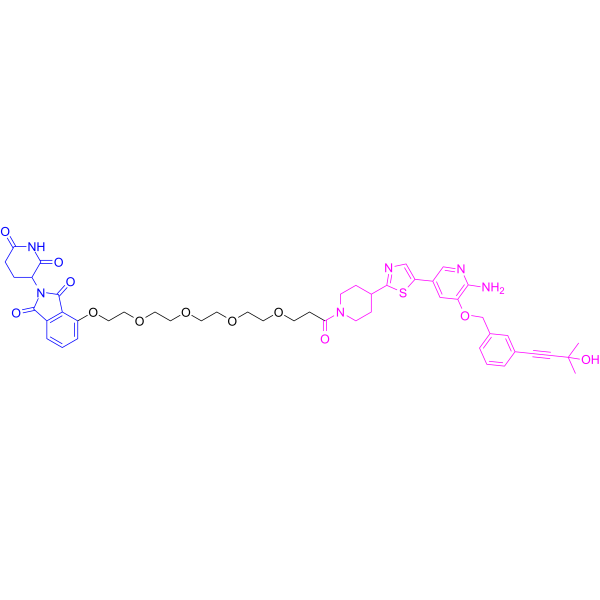
PROTAC BRD4 Degrader-33 is an enzyme activated clickable BRD4 PROTAC degrader with favorable tumor microenvironment-response. PROTAC BRD4 Degrader-33 has superior tumor tissue penetration capabilities and efficiently inhibits PD-L1 protein expression. PROTAC BRD4 Degrader-33 shows potent anti-tumoral immunomodulation activity in 4T1 tumor-bearing mice model . Pink: BRD4 ligand (HY-174812); Blue: CRBN ligase ligand (HY-10984); Black: linker
|
-
-
- HY-175846
-
|
|
Drug Derivative
Apoptosis
|
Cancer
|
|
TQFL13 is derivative of Thymoquinone (TQ) (HY-D0803) with potent anti-breast cancer activity. TQFL13 exhibits higher cytotoxicity against breast cancer cells (BT549, MDA-MB-231, 4T1). TQFL13 increases apoptosis and blocks the cell cycle at S and G2/G1 phases in breast cancer cells. TQFL13 shows dose-dependent anti-tumor efficacy in mouse breast cancer allograft model. TQFL13 can be used for the study of breast cancer .
|
-
-
- HY-175874
-
|
|
Microtubule/Tubulin
PI3K
Akt
Apoptosis
|
Cancer
|
|
Tubulin-IN-55 is a tubulin inhibitor. Tubulin-IN-55 disrupts the PI3K/Akt signaling pathway in cancer cells. Tubulin-IN-55 exerts broad-spectrum anti-proliferative activity against multiple tumor cells (HeLa, HCT116, 4T1, A549, H1299, MDA-MB231). Tubulin-IN-55 induces G2/M phase arrest and apoptosis, and inhibits tumor cell migration/invasion in cancer cells. Tubulin-IN-55 demonstrates potent antitumor efficacy in orthotopic autologous transplantation mice. Tubulin-IN-55 can be used for the study of cancer .
|
-
-
- HY-175857
-
|
|
HDAC
Apoptosis
|
Cancer
|
|
HDAC-IN-92 is a pan-HDAC inhibitor with an IC50 of 12.58 µM in A2780 cells. HDAC-IN-92 demonstrates broad-spectrum, notable cytotoxic activity against a range of human cancer cell lines, including ovarian, liver, and breast carcinomas. HDAC-IN-92 causes apoptosis and demonstrates a notable decrease in tumor cell colony formation. HDAC-IN-92 inhibits the formation of blood vessels in the chick chorioallantoic membrane (CAM). HDAC-IN-92 exhibits anti-tumor effect in a 4T1 tumor-bearing mouse model. HDAC-IN-92 can be used for research targeting solid tumor .
|
-
-
- HY-170453
-
|
|
Epigenetic Reader Domain
|
Cancer
|
|
iHAC is an inhibitor HSP90-anchoring chimera, that covalently binds BRD4 ligand (+)-JQ-1 to HSP90, and inhibits the proliferation of cancer cells. iHAC activates the anti-tumor immune response, inhibits the recurrence and metastasis of 4T1 breast cancer in mouse models .
|
-
-
- HY-169392
-
|
|
PD-1/PD-L1
|
Cancer
|
|
D5B is a potent and selective PD-L1 inhibitor. D5B has been modified by DBCO. The EC50 of D5B degrading PD-L1 in 4T1 and B16-F10 tumor cells are 5.4 μM and 6.2 μM, respectively. D5B can block PD-L1/PD-1 interaction and has anti-tumor activity .
|
-
-
- HY-20176
-
|
|
Drug Intermediate
Adenosine Receptor
PI3K
|
Infection
|
|
2,4-Dichlorothieno[3,2-d]pyrimidine is a thienopyrimidine scaffold and a key synthetic precursor, which is widely used for constructing 4-arylthieno[3,2-d]pyrimidine compounds. 2,4-Dichlorothieno[3,2-d]pyrimidine serves for the development of 4-arylthieno[3,2-d]pyrimidine-based human adenosine A2a receptor antagonists, as well as thienopyrimidine-based PI3K-α inhibitors. In addition, 2,4-Dichlorothieno[3,2-d]pyrimidine has potential application value in studies related to whipworm disease .
|
-
-
- HY-159771
-
|
|
FAP
|
Cancer
|
|
FAP6-19 is a fibroblast activation protein (FAP) targeting radioligand with a Kd of 18.2 nM. FAP6-19 selectively delivers therapeutic radioactive nuclides (such as 177Lu) to the tumor site by targeting the overexpressed FAP protein in the tumor microenvironment, achieving precise killing of cancer cells while minimizing radiation damage to healthy tissues. FAP6-19 exhibits extremely high total cellular uptake and good intracellular retention ability in HT1080 cells. After being labeled with 111In, FAP6-19 produced extremely high tumor/kidney and tumor/liver dose ratios in the mouse model with 4T1 tumors. FAP6-19 can be used in the research of solid tumors expressing FAP.
|
-
-
- HY-172934
-
|
|
Toll-like Receptor (TLR)
NO Synthase
PROTACs
|
Inflammation/Immunology
Cancer
|
|
FGT-4 is a folate receptor β (FR-β) targeting chimeric molecule. FGT-4 is a TLR7 agonist. FGT-4 facilitates the secretion of iNOS and proinflammatory cytokine IL-6 associated with M1 macrophages and enhances the proliferation of cytotoxic CD8 + T cells. FGT-4 has anti-tumor activity in the 4T1 breast cancer mouse model. FGT-4 can be used for the study of cancer immunity. (Pink: target protein TLR7/8 agonist 1 ligand (HY-103698); black: linker (HY-172936); blue: FR-β ligand (HY-172935)) .
|
-
-
- HY-175227
-
|
|
STAT
NF-κB
Apoptosis
Caspase
Bcl-2 Family
|
Cancer
|
|
STAT3/NF-κB-IN-1 is a potentSTAT3 and NF-κB inhibitor with IC50s of 5.86 (STAT3) and 4.22 μM (NF-κB) in 4T1 cells. STAT3/NF-κB-IN-1 is able to induce apoptosis via its upregulation on key apoptotic regulators; caspases-3/9, Bax and downregulation of Bcl-2. STAT3/NF-κB-IN-1 exerts considerable anticancer activity against breast cancer cell lines and reduces tumor volume in vivo. STAT3/NF-κB-IN-1 can be used for the study of breast cancer .
|
-
-
- HY-156296
-
|
|
CDK
Apoptosis
|
Cancer
|
|
CDK9-Cyclin T1 PPI-IN-1 (Compound B19) is a selective CDK9-Cyclin T1 protein-protein interaction (PPI) inhibitor. CDK9-Cyclin T1 PPI-IN-1 inhibits cell proliferation in TNBC MDA-MB-231 cells (IC50: 0.044 μM), and induces apoptosis. CDK9-Cyclin T1 PPI-IN-1 inhibits CDK9 transcription activity, reduces the phosphorylation of RNA Pol II CTD ser2. CDK9-Cyclin T1 PPI-IN-1 inhibits tumor growth in a TNBC 4T1 mouse model .
|
-
-
- HY-174403
-
|
|
Bcl-2 Family
c-Myc
Apoptosis
Caspase
|
Cancer
|
|
c-MYC/BCL2 ligand 1 iodide is a dual-targeting c-MYC/Bcl-2 G4 ligand with Kd values of 0.90 μM (c-MYC G4) and 0.56 μM (Bcl-2 G4). c-MYC/BCL2 ligand 1 iodide inhibits c-MYC and Bcl-2 gene transcription by binding to G4-forming sequences and downregulates their protein expression. c-MYC/BCL2 ligand 1 iodide inhibits suppresses migration, induces caspase-dependent apoptosis, and triggers cell cycle G1 arrest in MCF-7 cells. c-MYC/BCL2 ligand 1 iodide significantly suppresses tumor growth in a 4T1 syngeneic model with no observable toxicity. c-MYC/BCL2 ligand 1 iodide can be used for the research of breast cancer.
|
-
-
- HY-155229
-
-
-
- HY-175981
-
|
|
Drug Derivative
|
Cancer
|
|
Paclitaxel-bromothiophene is a semisynthetic taxane analogue of Paclitaxel (HY-B0015). Paclitaxel-bromothiophene exhibits potent antiproliferative activity against 4-T1 breast cancer cells, with an IC50 value of 15.18 nM. Paclitaxel-bromothiophene shows high binding affinity to C5aR1 (Kd = 19.4 μM). Paclitaxel-bromothiophene demonstrates excellent anti-tumor efficacy in 4-T1 breast cancer-bearing mice. Paclitaxel-bromothiophene can be used for the study of breast cancer .
|
-
-
- HY-155745
-
|
|
Apoptosis
|
Cancer
|
|
Antitumor agent-115 (SS-12) is an effective anti-tumor compound with an IC50 value of 0.34 μM-24.14 μM for cell line 4T1. Antitumor agent-115 can block the cell cycle of mouse breast cancer cell line 4T1, reduce the mitochondrial membrane potential, and induce apoptosis, and the IC50 value is 8-25 μmol/L for cell viability. Antitumor agent-115 can be used for breast cancer research .
|
-
-
- HY-153546
-
|
|
STING
|
Cancer
|
|
STING agonist-31 is a STING agonist, with EC50 values of 0.24 and 39.51 μM for h-STING and m-STING. STING agonist-31 has antitumor efficiency .
|
-
-
- HY-162958
-
|
|
Apoptosis
TrxR
|
Cancer
|
|
Photosensitizer-6 (Compound 4) is a gold (I) complex and exhibits inhibitory activity against TrxR. Photosensitizer-6 induces apoptosis in 4T1 cell, targets and eradicates tumors through chemo-phototherapy and immunogenic cell death under light exposure. Photosensitizer-6 can be used for tumor imaging .
|
-
-
- HY-147834
-
|
|
STING
|
Cancer
|
|
STING agonist-9 (Compound 45) is a potent STING agonist with an EC50 of 1.2 nM and 32.82 μM against h-STING and m-STING, respectively. STING agonist-9 shows antitumor activity .
|
-
-
- HY-175201
-
|
|
LPL Receptor
STAT
|
Cancer
|
|
pro-FTY, a FTY720 (HY-12005) anticancer prodrug, is a sphingosine-1-phosphate (S1P) (HY-108496) inhibitor. pro-FTY specifically inhibits S1P signaling in cancer cells using a drug delivery system (DDS) that reacts with acrolein. pro-FTY significantly inhibits the survival of breast cancer cells, including multidrug-resistant cells and its organoids resistant to Paclitaxel (HY-B0015) or Doxorubicin (HY-15142A). pro-FTY potently suppresses tumor growth in 4T1 cells or organoids xenograft tumors mice model while avoiding lymphocytopenia .
|
-
-
- HY-174460
-
|
|
Drug Intermediate
|
Cancer
|
|
pCR8 is a prodrug of CR8 (HY-18340). pCR8 is amphiphilic and can self-assemble into nanoparticles. pCR8 can release CR8 under the action of high concentration of H2O2 in the tumor microenvironment. CR8 is a molecular glue degrader that can effectively degrade cell cycle-related proteins and has antitumor activity. pCR8 can be used in the research of tumors such as breast cancer .
|
-
-
- HY-101466A
-
|
|
FGFR
|
Cancer
|
|
E7090 succinate is an orally available, selective and potent inhibitor of FGFR1, FGFR2 and FGFR3 tyrosine kinase activities, with IC50 values of 0.71 nM, 0.50 nM, 1.2 nM, and 120 nM for FGFR1/2/3/4, respectively .
|
-
-
- HY-156109
-
|
|
PDHK
Mitochondrial Metabolism
|
Cancer
|
|
PDK-IN-2 (Compound 1F) is a PDK inhibitor (IC50: 68 nM). PDK-IN-2 inhibits the cellular expression of PDK1 and PDK4. PDK-IN-2 enhances mitochondrial bioenergetics, attenuates glycolytic phenotypes, and induces cell apoptosis in the mitochondrial pathway. PDK-IN-2 inhibits tumor growth in 4T1 syngeneic mice model .
|
-
-
- HY-172892
-
|
|
PI3K
Reactive Oxygen Species (ROS)
|
Cancer
|
|
PI3K-IN-59 (Compound 3d) is a PI3K inhibitor (IC50: 17.44 μM). PI3K-IN-59 has significant antiproliferative activity and exhibits potent inhibitory effects on breast cancer 4T1 cells (IC50: 3.70 μM) and colon cancer CT26 cells (IC50: 1.98 μM) as well as human breast cancer cells (IC50: 19.72 μM). PI3K-IN-59 exerts a dual anti-tumor mechanism by inhibiting PI3Kα enzymatic activity and triggering the Fenton reaction to generate hydroxyl radicals (•OH). PI3K-IN-59 shows promising anti-4T1 tumor effects and is suitable for synergistic targeting studies in breast and colon cancers .
|
-
-
- HY-175834
-
|
|
Topoisomerase
Reactive Oxygen Species (ROS)
Apoptosis
Microtubule/Tubulin
|
Cancer
|
|
DNA/TOP2A-IN-1 is an inhibitor of DNA and TOP2A. DNA/TOP2A-IN-1 selectively binds to TOP2A, not TOP2B, and interacts with DNA and TOP2A to form a stable DM1-TOP2A-DNA ternary complex. DNA/TOP2A-IN-1 induces DNA damage, increases reactive oxygen species (ROS) and triggers apoptosis in triple-negative breast cancer (TNBC) cells. DNA/TOP2A-IN-1 disrupts microtubule distribution and induces cell cycle arrest. DNA/TOP2A-IN-1 shows strong antiproliferative activity and inhibits cell migration. DNA/TOP2A-IN-1 inhibits tumor growth and can be used for TNBC research .
|
-
-
- HY-173433
-
|
|
Epigenetic Reader Domain
|
Cancer
|
|
JV8 is a BRD4 PROTAC degrader. JV8 promotes the ubiquitination and degradation of BRD4 and induces apoptosis. JV8 has antitumor activity in a mouse 4T1 orthotopic tumor model. (Pink: BRD4 ligand (HY-78695); Blue: E3 ligase VHL ligand (HY-173435); Black: Linker (HY-33366); E3 ligase VHL ligand-linker conjugate (HY-173436)) .
|
-
-
- HY-177483
-
|
Oxaliplatin-artesunate
|
Ferroptosis
Mitochondrial Metabolism
Glutathione Peroxidase
Transferrin Receptor
MMP
Dihydroorotate Dehydrogenase
|
Cancer
|
|
OART (Oxaliplatin-artesunate) is a ferroptosis inducer. OART significantly inhibits tumor cell proliferation. OART induces cytoplasmic and mitochondrial LPO to promote tumor ferroptosis, via destroying glutathione-mediated ferroptosis defense system and enhancing iron-dependent Fenton reaction. OART enhances tumor immunogenicity, transforming tumor environment from immunosuppressive to immunosensitive. OART has strong tumor regression in tumor-bearing mouse models. OART can be used for cancer immunotherapy research .
|
-
-
- HY-175820
-
|
|
VEGFR
ERK
Apoptosis
EGFR
|
Cancer
|
|
AGW-11 is a potent dual inhibitor of EGFR (IC50 = 556 nM) and VEGFR2 (IC50 = 289.7 nM). AGW-11 induces apoptosis and suppresses phosphorylation of EGFR, VEGFR2, and ERK1/2 in HUVECs. AGW-11 effectively inhibits cancer cell growth, reduces HUVEC proliferation, tube formation, and invasion, thereby blocking angiogenesis. AGW-11 significantly suppresses tumor growth and decreases lung metastasis in a 4T1 xenograft mouse model. AGW-11 can be used for the study of breast cancer .
|
-
-
- HY-161641
-
|
|
Microtubule/Tubulin
|
Cancer
|
|
Tubulin polymerization-IN-62 (Compound 14b) is an inhibitor for microtubule polymerization (IC50 is 7.5 μM) and a degrader for α- and β-tubulin. Tubulin polymerization-IN-62 inhibits proliferation of cancer cells MCF-7, A549 and HCT-116, with IC50 of 32, 60 and 29 nM, respectively. Tubulin polymerization-IN-62 arrests the cell cycle at G2/M phase, inhibits the migration of MCF-7. Tubulin polymerization-IN-62 exhibits antitumor efficacy with a tumor growth inhibition rate (TGI) of 74.27% in 4T1 homograft mouse model .
|
-
-
- HY-122566
-
|
ZINC666243
|
Toll-like Receptor (TLR)
TNF Receptor
|
Cancer
|
|
SMU127 is an agonist of the toll-like receptor 1/2 (TLR1/2) heterodimer. It induces NF-κB signaling in cells expressing human TLR2 (EC50=0.55 μM) but not cells expressing human TLR3, -4, -5, -7, or -8 when used at concentrations ranging from 0.1 to 100 μM. SMU127 induces the production of TNF-α in isolated human peripheral blood mononuclear cells (PBMCs) when used at concentrations ranging from 0.01 to 1 μM. In vivo, SMU127 (0.1 mg/animal) reduces tumor volume in a 4T1 murine mammary carcinoma model.
|
-
-
- HY-175638
-
|
|
Carbonic Anhydrase
Apoptosis
Bcl-2 Family
CDK
|
Cancer
|
|
Carbonic anhydrase-IN-35 is a selective carbonic anhydrase (CA) inhibitor. Carbonic anhydrase-IN-35 potently inhibits tumor-associated hCA IX (Ki = 0.6 nM) and hCA XII (Ki = 2.2 nM). Carbonic anhydrase-IN-35 induces apoptosis in MCF-7 cells by elevating Bax, reducing Bcl-2, and downregulating CDK4/6. Carbonic anhydrase-IN-35 exhibits potent cytotoxicity against MCF-7 (IC50 = 0.3975 μM normoxic/0.6575 μM hypoxic), MCF-7-ADR (IC50> = 0.3975 μM normoxic/4.488 μM hypoxic), MDA-MB-231, and 4T1 breast cancer cells. Carbonic anhydrase-IN-35 can be used for the study of breast cancer .
|
-
-
- HY-N13016
-
|
|
Transmembrane Glycoprotein
|
Cancer
|
|
Yinyanghuo C is a prenylated flavonoid isolated from the leaves of Epimedium sagittatum. Yinyanghuo C increases the mRNA expression levels of endothelial cell markers and enhances cancer-associated angiogenesis in the 4T1 breast tumor-bearing model .
|
-
-
- HY-161338
-
|
|
Microtubule/Tubulin
Apoptosis
|
Cancer
|
|
Tubulin polymerization-IN-61 (Compound 9a) is a tubulin polymerization inhibitor. Tubulin polymerization-IN-61 destroys the microtubule skeleton, blocks the cell cycle in G2/M phase, induces Apoptosis, and inhibits cancer cell migration and colony formation. Tubulin polymerization-IN-61 shows antitumor activity in vivo against 4T1 xenograft model .
|
-
-
- HY-P11252
-
|
|
Radionuclide-Drug Conjugates (RDCs)
VISTA
|
Cancer
|
|
DOTA-CA-170 is a DOTA-modified VISTA targeting agent CA-170. DOTA-CA-170 can be radiolabeled. DOTA-CA-170 can be used in the research of visualizing and distinguishing VISTA expression .
|
-
-
- HY-161821
-
|
|
Interleukin Related
TNF Receptor
MMP
|
Cancer
|
|
Antitumor agent-173 (Compound 4b) is a prodrug of Cycloicaritin (HY-N1940). Antitumor agent-173 is a substrate for OATP2B1. Antitumor agent-173 selectively inhibits the growth of tumor Antitumor agent-173 significantly increases the oral bioavailability of Cycloicaritin and exerts good antitumor activity and safety .
|
-
-
- HY-179712
-
|
|
TrxR
Apoptosis
Reactive Oxygen Species (ROS)
|
Cancer
|
|
As-CA11 is a Thioredoxin reductase (TrxR) inhibitor with an IC50 of 18.7 nM. As-CA11 can induce cancer cells apoptosis and ROS production. As-CA11 can reduce the level of reduced Trx and increase the level of oxidized Trx. As-CA11 demonstrates anti-tumor activity in the 4T1 tumor-bearing mouse model .
|
-
-
- HY-151464
-
|
|
SHP2
Phosphatase
HDAC
|
Inflammation/Immunology
Cancer
|
|
SHP2/HDAC-IN-1 is a dual allosteric SHP2/HDAC inhibitor with IC50 values of 20.4 nM (SHP2) and 25.3 nM (HDAC1) respectively. SHP2/HDAC-IN-1 triggers efficient antitumor immunity by activating T cells, enhancing the antigen presentation function and promoting cytokine secretion. SHP2/HDAC-IN-1 can be used in the research of cancer immunoresearch .
|
-
-
- HY-146516
-
|
|
MDM-2/p53
Apoptosis
Reactive Oxygen Species (ROS)
|
Cancer
|
|
Anticancer agent 42 (compound 10d) is an orally active anticancer agent, and shows a potent antitumor activity against MDA-MB-231 cell with an IC50 of 0.07 μM. Anticancer agent 42 can exert its anticancer activity by activating apoptotic pathway and p53 expression. Anticancer agent 42 can be used to study metastatic breast cancer .
|
-
-
- HY-170883
-
|
|
Photosensitizer
|
Cancer
|
|
Type-I/-II Photosensitizer-1 (compound 8b) is a photosensitizer with anticancer activity. Type-I/-II Photosensitizer-1 exhibits significant phototoxicity against both A549 and 4T1 tumor cells. Type-I/-II Photosensitizer-1 shows a strong oxygen-independent antitumor effect under laser irradiation (IC50=1.50-1.76 μM) .
|
-
-
- HY-179615
-
|
|
Apoptosis
Bcl-2 Family
Survivin
Reactive Oxygen Species (ROS)
|
Cancer
|
|
Entadamide A-CO-C12 is an Entadamide A (HY-N12125) derivative with potent anti-cancer activity, particularly against breast cancer cell lines. Entadamide A-CO-C12 promotes apoptosis, suppresses migratory ability, sphere formation, and stem-like cell populations. Entadamide A-CO-C12 inhibits tumor growth in a 4T1 mouse model. Entadamide A-CO-C12 can be used for the research of breast cancer .
|
-
-
- HY-179631
-
|
|
Apoptosis
|
Cancer
|
|
2DG-ODDA is a 2-deoxyglucose (2-DG) (HY-13966) derivative with potent antitumor activity. 2DG-ODDA induces apoptosis, and reduces ATP production. 2DG-ODDA is taken up through both fatty acid and glucose transporters and is cleaved by α-Mannosidase (HY-P2950), releases 2DG to inhibit N-glycosylation and disrupt cellular metabolism. 2DG-ODDA inhibits tumor growth in a 4T1 mouse model. 2DG-ODDA can be used for the research of triple-negative breast cancer (TNBC) .
|
-
- HY-173211
-
|
|
Photosensitizer
|
Cancer
|
|
anti-TNBC agent-8 (Compound TP2) is a photodynamic therapeutic agent targeting mitochondrial DNA G4 (mtG4). Under white light irradiation, its IC50 against 4T1 cells is 0.42 μM. anti-TNBC agent-8 binds tightly to mtG4 and generates a large amount of reactive oxygen species (ROS) under white light irradiation, leading to the loss of mitochondrial membrane potential (MMP), a decrease in ATP production, and an increase in the ROS level. This, in turn, induces significant apoptosis in triple-negative breast cancer (TNBC) cells, exerting the activity of inhibiting tumor cell growth. anti-TNBC agent-8 can be used in the research of triple-negative breast cancer.
|
-
- HY-163965
-
|
|
Toll-like Receptor (TLR)
|
Cancer
|
|
Antitumor agent-185 (compound 3) shows antitumor activity that could effectively reduce the growth of tumors and prolong the survival time of mice in vivo .
|
-
- HY-101466R
-
|
|
FGFR
Reference Standards
|
Cancer
|
|
E7090 (Standard) is the analytical standard of E7090 (HY-101466). This product is intended for research and analytical applications. E7090 is an orally available, potent, and selective FGFR inhibitor with IC50s of 0.71 nM, 0.50 nM, 1.2 nM, and 120 nM for FGFR1/FGFR2/FGFR3/FGFR4, respectively .
|
-
- HY-D3143
-
|
|
Fluorescent Dye
|
Cancer
|
|
QM-B-CF is a sequential dual-lock chemiluminescent/fluorescent dual-mode probe designed for the specific detection of H2O2, and it can produce enhanced chemiluminescence upon photoirradiation. QM-B-CF generates chemiluminescent signals only under the conditions of H2O2 and light exposure in vitro, in cancer cells, and in tumor-bearing nude mice (Ex/Em = 514 nm/600 nm) .
|
-
- HY-182919
-
|
|
Cuproptosis
Reactive Oxygen Species (ROS)
|
Cancer
|
|
Antitumor photosensitizer-10 is an antitumor photosensitizer. Upon near-infrared irradiation, Antitumor photosensitizer-10 generates superoxide anions, reduces the copper-binding capacity of glutathione, releases copper ions, and thereby induces cuproptosis in tumor cells (cuproptosis). Antitumor photosensitizer-10 can be used in breast cancer-related research .
|
-
- HY-183797
-
|
|
Photosensitizer
Reactive Oxygen Species (ROS)
Necroptosis
|
Cancer
|
|
Antitumor agent-218 is an aggregation-induced emission (AIE)-based photosensitizer. Antitumor agent-218 selectively accumulates in the endoplasmic reticulum, and generates ROS within the endoplasmic reticulum upon irradiation to induce necroptosis of tumor cells. Antitumor agent-218 can be used in cancer-related research .
|
-
- HY-183570
-
|
|
Photosensitizer
Reactive Oxygen Species (ROS)
|
Cancer
|
|
Antitumor photosensitizer-11 is a type-I carbazole/benzindolium photosensitizer with antitumor activity. Antitumor photosensitizer-11 induces ROS generation via a type-I pathway, forming superoxide anions and hydroxyl radicals. Antitumor photosensitizer-11 triggers immunogenic cell death in cancer cells via enhanced oxidative stress. Antitumor photosensitizer-11 exhibits antiproliferative activity in normoxic and hypoxic environments, inhibits breast cancer tumor growth in vivo, and promotes dendritic cell maturation and T cell infiltration. Antitumor photosensitizer-11 can be used for the research of cancer, such as breast cancer .
|
-
- HY-D3181
-
|
|
Fluorescent Dye
Caspase
|
Cancer
|
|
CyGbPF is a granzyme B-specific near-infrared fluorescent probe. CyGbPF can be cleaved by granzyme B to remove the peptide cage group, restoring near-infrared fluorescence. CyGbPF passively accumulates in mouse tumors, and its activated fluorescence correlates with granzyme B expression, CD8 + cytotoxic T lymphocyte populations, and CD4 + helper T lymphocyte populations in tumor tissues. CyGbPF is efficiently cleared by the kidneys, enabling the assessment of immune activation via optical urine analysis. CyGbPF allows real-time non-invasive evaluation of cancer immunotherapeutic efficacy in living animals. CyGbPF can be used in research on cancers such as breast cancer. Excitation wavelength/emission wavelength: approximately 658 nm/approximately 717 nm .
|
-
| Cat. No. |
Product Name |
Type |
-
- HY-D3143
-
|
|
Fluorescent Dyes
|
|
QM-B-CF is a sequential dual-lock chemiluminescent/fluorescent dual-mode probe designed for the specific detection of H2O2, and it can produce enhanced chemiluminescence upon photoirradiation. QM-B-CF generates chemiluminescent signals only under the conditions of H2O2 and light exposure in vitro, in cancer cells, and in tumor-bearing nude mice (Ex/Em = 514 nm/600 nm) .
|
-
- HY-D3181
-
|
|
Fluorescent Dyes
|
|
CyGbPF is a granzyme B-specific near-infrared fluorescent probe. CyGbPF can be cleaved by granzyme B to remove the peptide cage group, restoring near-infrared fluorescence. CyGbPF passively accumulates in mouse tumors, and its activated fluorescence correlates with granzyme B expression, CD8 + cytotoxic T lymphocyte populations, and CD4 + helper T lymphocyte populations in tumor tissues. CyGbPF is efficiently cleared by the kidneys, enabling the assessment of immune activation via optical urine analysis. CyGbPF allows real-time non-invasive evaluation of cancer immunotherapeutic efficacy in living animals. CyGbPF can be used in research on cancers such as breast cancer. Excitation wavelength/emission wavelength: approximately 658 nm/approximately 717 nm .
|
| Cat. No. |
Product Name |
Type |
-
- HY-W591424
-
|
mPEG2000-SC; mPEG2000-Succinimidyl ester
|
Biochemical Assay Reagents
|
|
m-PEG2000-NHS ester (mPEG2000-SC) is a reagent with both cell adhesion inhibition and peptide conjugation functions. The NHS ester group of m-PEG2000-NHS ester forms stable amide bonds with primary amine-containing molecules (e.g., the N-terminus of MMP-2-cleavable octapeptide) to generate mPEG-peptide intermediates for liposome surface modification. When m-PEG2000-NHS ester is immobilized on a cystamine-modified gold surface, it can construct an in vitro model for cell adhesion kinetic studies, and higher PEG density and thicker layers correlate with lower cell adhesion rates. m-PEG2000-NHS ester can synthesize MMP-2-responsive PEGylated lipid conjugates to achieve MMP-triggered dePEGylation in the tumor microenvironment. m-PEG2000-NHS ester can be used in studies related to colon cancer and other conditions .
|
| Cat. No. |
Product Name |
Target |
Research Area |
-
- HY-P10449
-
|
|
Peptides
|
Inflammation/Immunology
Cancer
|
|
M2 Peptide is a peptide targeting M2-like tumor-associated macrophages (TAMs). M2 Peptide is used to carry drugs or small interfering RNA (siRNA) to promote the repolarization of M2-like macrophages to M1-like macrophages, thereby altering the immunosuppressive state in the tumor microenvironment and enhancing the anti-tumor immune response. M2 Peptide can be used to study the effect of macrophage polarization and how this polarization change affects tumor growth and metastasis .
|
-
- HY-159771
-
|
|
FAP
|
Cancer
|
|
FAP6-19 is a fibroblast activation protein (FAP) targeting radioligand with a Kd of 18.2 nM. FAP6-19 selectively delivers therapeutic radioactive nuclides (such as 177Lu) to the tumor site by targeting the overexpressed FAP protein in the tumor microenvironment, achieving precise killing of cancer cells while minimizing radiation damage to healthy tissues. FAP6-19 exhibits extremely high total cellular uptake and good intracellular retention ability in HT1080 cells. After being labeled with 111In, FAP6-19 produced extremely high tumor/kidney and tumor/liver dose ratios in the mouse model with 4T1 tumors. FAP6-19 can be used in the research of solid tumors expressing FAP.
|
-
- HY-P11252
-
|
|
Radionuclide-Drug Conjugates (RDCs)
VISTA
|
Cancer
|
|
DOTA-CA-170 is a DOTA-modified VISTA targeting agent CA-170. DOTA-CA-170 can be radiolabeled. DOTA-CA-170 can be used in the research of visualizing and distinguishing VISTA expression .
|
| Cat. No. |
Product Name |
Target |
Research Area |
Image |
-
- HY-P990682
-
|
|
Inhibitory Antibodies
|
Cancer
|
|
Rat IgG2b kappa, Isotype Control is a rat IgG2b κ antibody isotype control. Rat IgG2b kappa, Isotype Control can be used as a negative control to exclude or reduce false positive results caused by nonspecific binding .
|
-
(5)
-
- HY-P990299
-
|
|
Phosphatase
|
Inflammation/Immunology
Cancer
|
|
Anti-Mouse B220 Antibody (RA3.3A1/6.1) is a rat-derived IgM type antibody inhibitor, targeting to mouse B220. Anti-Mouse B220 Antibody (RA3.3A1/6.1) can deplete B cells. Anti-Mouse B220 Antibody (RA3.3A1/6.1) can be used for the researches of cancer and immunology, such as 4T1 and B16 tumor .
|
-
(5)
| Cat. No. |
Product Name |
Category |
Target |
Chemical Structure |
| Cat. No. |
Product Name |
|
Classification |
-
- HY-169392
-
|
|
|
DBCO
|
|
D5B is a potent and selective PD-L1 inhibitor. D5B has been modified by DBCO. The EC50 of D5B degrading PD-L1 in 4T1 and B16-F10 tumor cells are 5.4 μM and 6.2 μM, respectively. D5B can block PD-L1/PD-1 interaction and has anti-tumor activity .
|
-
- HY-175201
-
|
|
|
Azide
|
|
pro-FTY, a FTY720 (HY-12005) anticancer prodrug, is a sphingosine-1-phosphate (S1P) (HY-108496) inhibitor. pro-FTY specifically inhibits S1P signaling in cancer cells using a drug delivery system (DDS) that reacts with acrolein. pro-FTY significantly inhibits the survival of breast cancer cells, including multidrug-resistant cells and its organoids resistant to Paclitaxel (HY-B0015) or Doxorubicin (HY-15142A). pro-FTY potently suppresses tumor growth in 4T1 cells or organoids xenograft tumors mice model while avoiding lymphocytopenia .
|
| Cat. No. |
Product Name |
|
Classification |
-
- HY-W591424
-
|
mPEG2000-SC; mPEG2000-Succinimidyl ester
|
|
Polymers
|
|
m-PEG2000-NHS ester (mPEG2000-SC) is a reagent with both cell adhesion inhibition and peptide conjugation functions. The NHS ester group of m-PEG2000-NHS ester forms stable amide bonds with primary amine-containing molecules (e.g., the N-terminus of MMP-2-cleavable octapeptide) to generate mPEG-peptide intermediates for liposome surface modification. When m-PEG2000-NHS ester is immobilized on a cystamine-modified gold surface, it can construct an in vitro model for cell adhesion kinetic studies, and higher PEG density and thicker layers correlate with lower cell adhesion rates. m-PEG2000-NHS ester can synthesize MMP-2-responsive PEGylated lipid conjugates to achieve MMP-triggered dePEGylation in the tumor microenvironment. m-PEG2000-NHS ester can be used in studies related to colon cancer and other conditions .
|
Your information is safe with us. * Required Fields.
Inquiry Information
- Product Name:
- Cat. No.:
- Quantity:
- MCE Japan Authorized Agent:

