1. Search Result
Search Result
Results for "

Advanced Glycation End-product (AGE)

" in MedChemExpress (MCE) Product Catalog:

36

Inhibitors & Agonists

1

Biochemical Assay Reagents

1

Inhibitory Antibodies

19

Natural
Products

1

Isotope-Labeled Compounds

Cat. No. Product Name Target Research Areas Chemical Structure
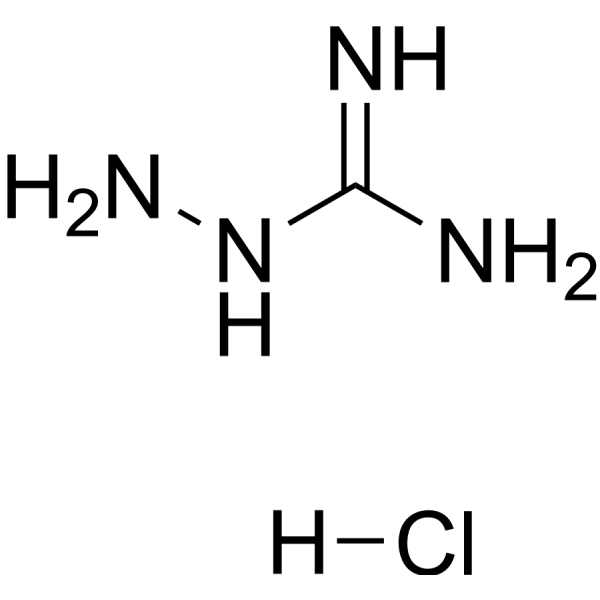
  • HY-B1041
    Aminoguanidine hydrochloride
    Maximum Cited Publications
    9 Publications Verification

    Pimagedine hydrochloride; GER-11; Aminoguanidinium chloride

    NO Synthase Apoptosis ERK Neurological Disease Metabolic Disease Inflammation/Immunology
    Aminoguanidine (Pimagedine) hydrochloride is an inhibitor of diamine oxidase (DAO) and nitric oxide synthase (NOS). Aminoguanidine hydrochloride can reduce the formation of advanced glycation end products (AGEs). Aminoguanidine hydrochloride has a dose-dependent inhibitory effect on Doxorubicin (HY-15142)-induced cell apoptosis. Aminoguanidine hydrochloride has antioxidant properties. Aminoguanidine hydrochloride can be used in the research of diabetic nephropathy .
    Aminoguanidine hydrochloride
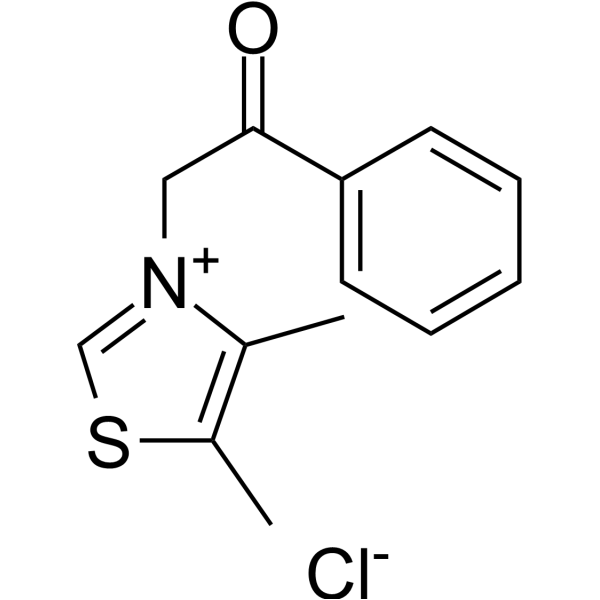
  • HY-106024B
    Alagebrium chloride
    5+ Cited Publications

    ALT711

    Endogenous Metabolite Metabolic Disease
    Alagebrium chloride (ALT711) is an advanced glycation end product (AGE) inhibitor.
    Alagebrium chloride
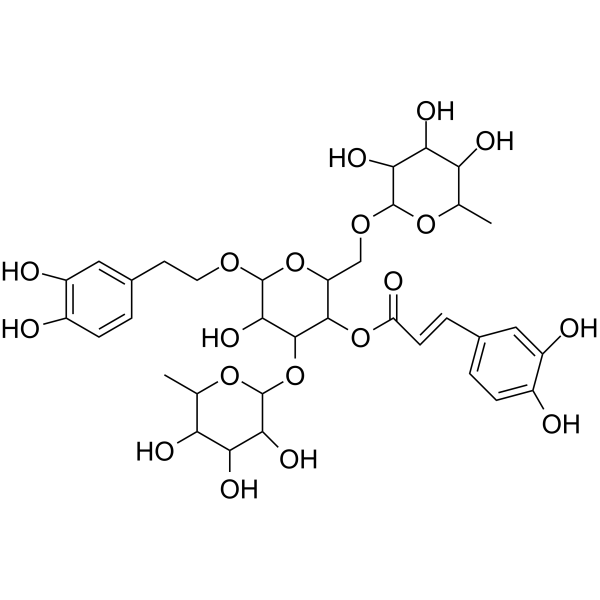
  • HY-N0033
    Poliumoside
    Maximum Cited Publications
    8 Publications Verification

    Aldose Reductase Cardiovascular Disease Metabolic Disease Inflammation/Immunology
    Poliumoside, a caffeoylated phenylpropanoid glycoside, is isolated from Brandisia hancei stems and leaves. Poliumoside is an advanced glycation end product (AGE) formation and rat lens aldose reductase (RLAR) inhibitor, with IC50s of 19.69 and 8.47 μM, respectively. Poliumoside also has antiinflammatory and antioxidant activity .
    Poliumoside
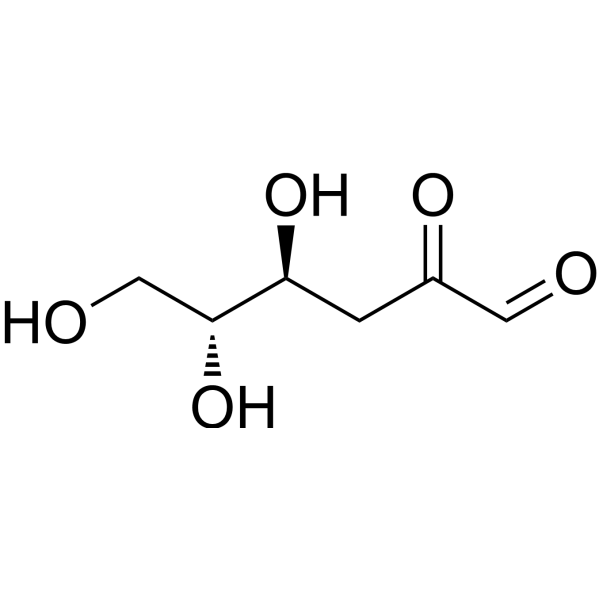
  • HY-N7426

    3-Deoxy-D-glucosone

    GLP Receptor Metabolic Disease
    3-Deoxyglucosone (3-Deoxy-D-glucosone) is a reactive intermediate of the Maillard reaction and the polyol pathway. 3-Deoxyglucosone rapidly reacts with protein amino groups to form advanced glycation end products (AGEs), such as imidazolone, it is the most specific AGE for 3-DG. 3-Deoxyglucosone synergizes with low glucose to potentiate GLP-1 secretion and is considered as a biomarker for diabetes .
    3-Deoxyglucosone
  • HY-14892A

    LC15-0444 tartrate

    Dipeptidyl Peptidase Metabolic Disease
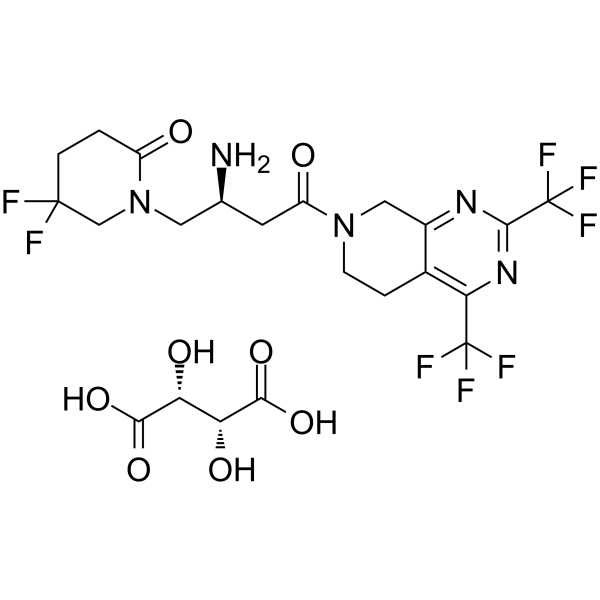
    Gemigliptin tartrate (LC15-0444 tartrate) is a highly selective, reversible and competitive dipeptidyl peptidase-4 (DPP-4) inhibitor, with an IC50 of 10.3 nM for human recombinant DPP-4. Gemigliptin tartrate exhibits potent anti-glycation properties. Gemigliptin tartrate can be used for the research of advanced glycation end products (AGE)-related diabetic complications .
    Gemigliptin tartrate
  • HY-NP165

    AGEs

    Biochemical Assay Reagents Cardiovascular Disease Metabolic Disease Inflammation/Immunology
    Advanced glycation end products (AGEs) are a series of stable compounds generated through non-enzymatic reactions between reducing sugars and proteins, lipids, or nucleic acids. Advanced glycation end products are often used as targets to evaluate the inhibitory effects of anti-glycation compounds. Advanced glycation end products can be applied to research on diabetes, cardiovascular and cerebrovascular diseases, inflammation, aging, and other conditions .
    Advanced glycation end products
  • HY-B1745
    Pyridoxylamine
    5+ Cited Publications

    Endogenous Metabolite Metabolic Disease
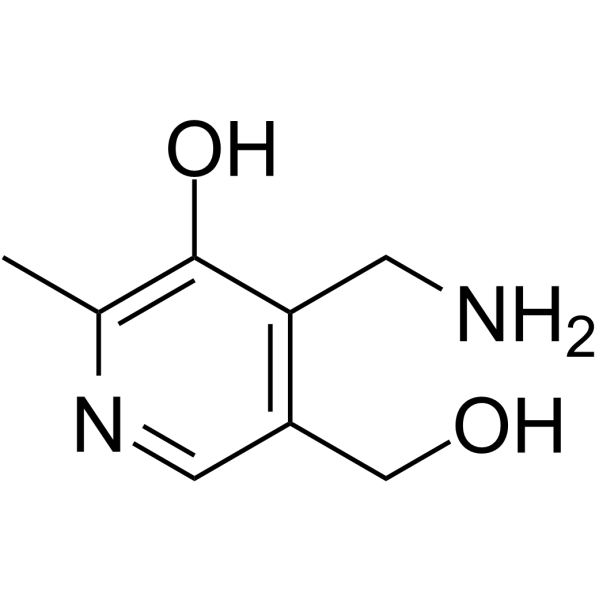
    Pyridoxylamine is an advanced glycation end production (AGEs) and lipoxidation end products (ALEs) inhibitor, to protect against diabetes-induced retinal vascular lesions.
    Pyridoxylamine
  • HY-W019724

    Drug Intermediate Reactive Oxygen Species (ROS) Neurological Disease Metabolic Disease Cancer
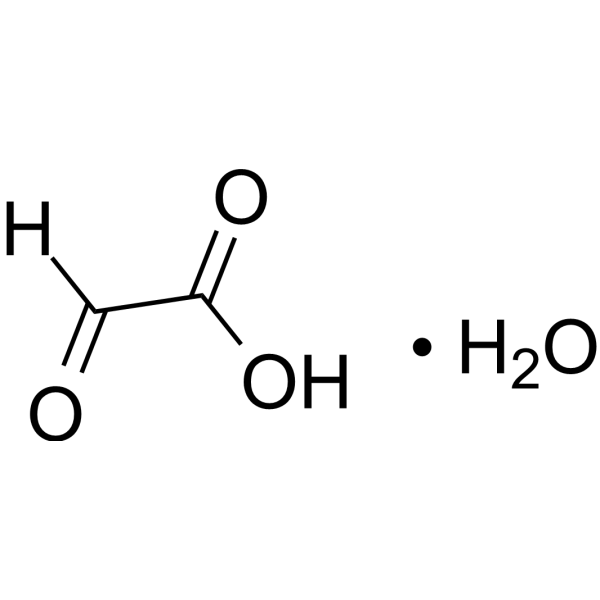
    2,2-Dihydroxyacetic acid is an endogenous metabolite, which is the monohydrate of Glyoxylic Acid. 2,2-Dihydroxyacetic acid may participate in the microbial glyoxylate cycle, induce an increase in reactive oxygen species, promote cell differentiation, and modify proteins to form advanced glycation end products (AGEs) (HY-NP165). 2,2-Dihydroxyacetic acid is associated with metabolic diseases such as primary hyperoxaluria .
    2,2-Dihydroxyacetic acid
  • HY-N4089

    Aldose Reductase Cytochrome P450 Metabolic Disease Cancer
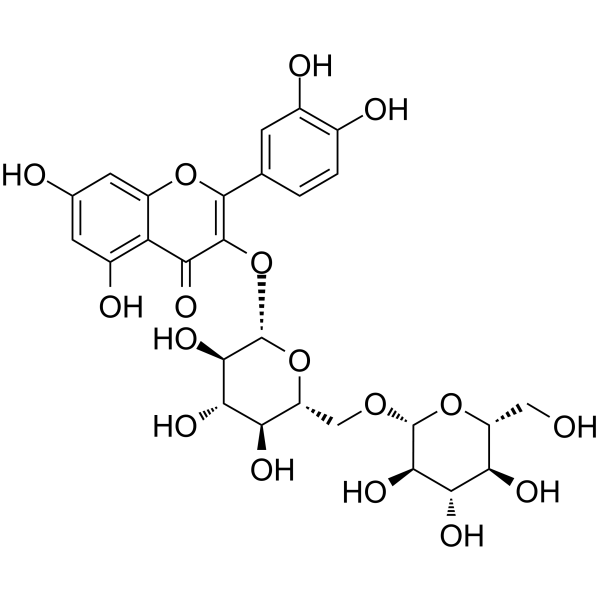
    Quercetin 3-gentiobioside is a flavonoid found in Artemisia iwayomogi. Quercetin 3-gentiobioside inhibits aromatase with an Ki of 46.77 nM. Quercetin 3-gentiobioside inhibits aldose reductase (AR) and the formation of advanced glycation end products (AGEs), with IC50 values of 10.60 μM and 109.46 μM, respectively. Quercetin 3-gentiobioside inhibits proliferation of cancer cells and fibroblast-like synoviocytes. Quercetin 3-gentiobioside can be used for the research of cancer, such as lung carcinoma .
    Quercetin 3-gentiobioside
  • HY-B1745A
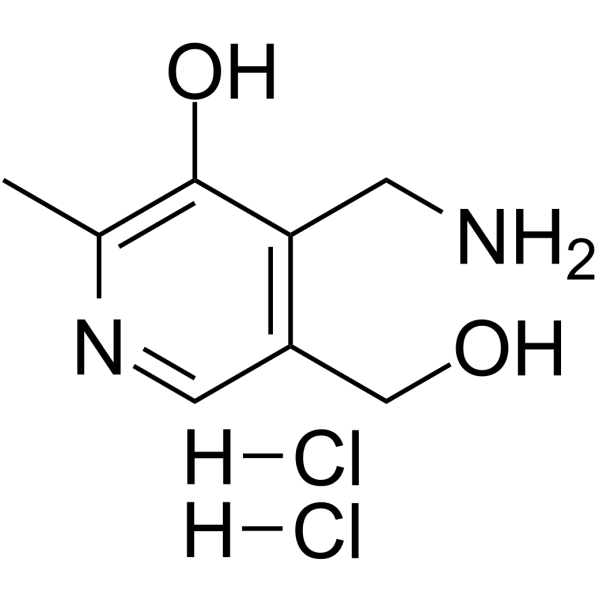
    Pyridoxylamine dihydrochloride
    5+ Cited Publications

    Endogenous Metabolite Metabolic Disease
    Pyridoxylamine dihydrochloride is an advanced glycation end production (AGEs) and lipoxidation end products (ALEs) inhibitor, to protect against diabetes-induced retinal vascular lesions .
    Pyridoxylamine dihydrochloride
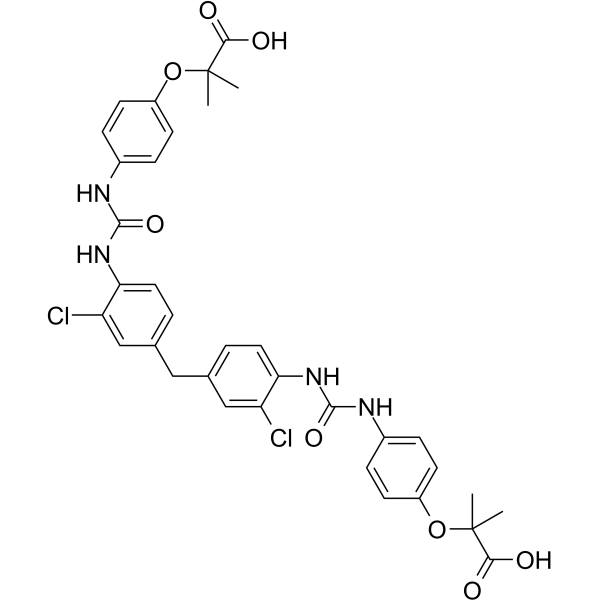
  • HY-76383

    COX Metabolic Disease Inflammation/Immunology
    LR-90 is an advanced glycation end product (AGE) inhibitor, inhibits inflammatory responses in human monocytes . LR-90 is also used in the research of diabetic animal model .
    LR-90
  • HY-N4170
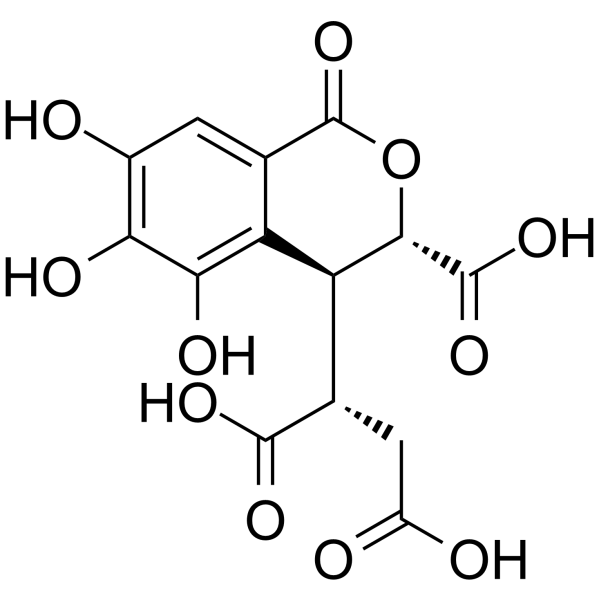
    Chebulic acid
    2 Publications Verification

    Keap1-Nrf2 Reactive Oxygen Species (ROS) Metabolic Disease
    Chebulic acid is a phenolic acid compound isolated from Terminalia chebula with strong antioxidant activity, which breaks protein cross-links induced by advanced glycation end products (AGEs) and inhibits the formation of AGEs. Chebulic acid is effective in controlling elevated metabolic parameters, oxidative stress, and liver damage, supporting its beneficial role in asthma, diabetes, and liver protection .
    Chebulic acid
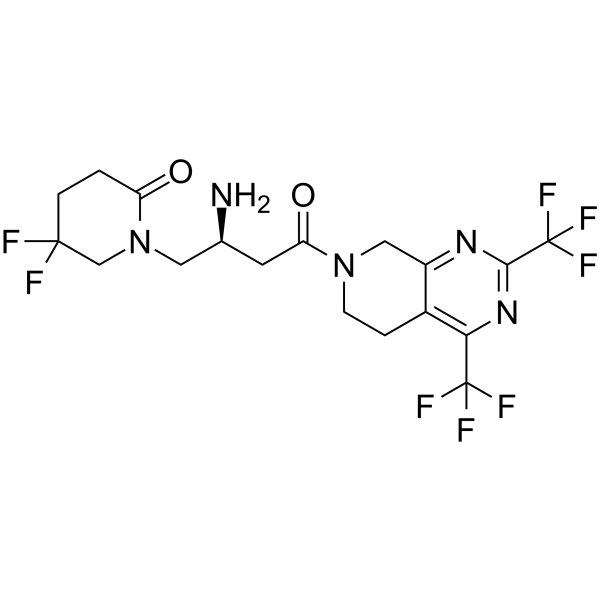
  • HY-14892

    LC15-0444

    Dipeptidyl Peptidase Metabolic Disease Cancer
    Gemigliptin (LC15-0444 ) is a highly selective, reversible and competitive dipeptidyl peptidase-4 (DPP-4) inhibitor, with an IC50 of 10.3 nM for human recombinant DPP-4. Gemigliptin exhibits potent anti-glycation properties. Gemigliptin can be used for the research of advanced glycation end products (AGE)-related diabetic complications .
    Gemigliptin
  • HY-113033

    Others Biochemical Assay Reagents Neurological Disease Metabolic Disease Inflammation/Immunology
    Pentosidine is a fluorescent advanced glycation end product (AGE) and cross-linker. Pentosidine is a fluorescent cross-linked structure formed by lysine and arginine in sugar oxidation reactions, and it is commonly found in collagen, skin, bone, lens and plasma proteins . Pentosidine is used in research related to type 1 diabetes, brown cataracts, rheumatoid arthritis, atherosclerosis and neurodegenerative diseases .
    Pentosidine
  • HY-Y0785

    Drug Metabolite Metabolic Disease
    Glyoxal is a cytotoxic α-oxoaldehyde. Glyoxal induces cell damage and promotes protein glycation to form advanced glycation end-products (AGEs). Glyoxal is promising for research of oxidative stress-related diseases (such as atherosclerosis, cataract, Alzheimer's disease), and the formation of calcium oxalate kidney stones .
    Glyoxal (40% w/w in water)
  • HY-N7628

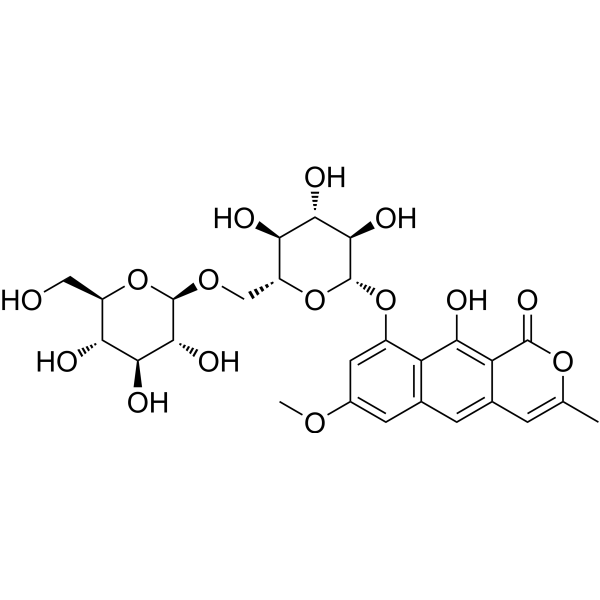
    Toralactone 9-O-β-D-gentiobioside

    Endogenous Metabolite Metabolic Disease
    Cassiaside C (Toralactone 9-O-β-D-gentiobioside) is a naphthopyrone isolated from the seed of Cassia tora and has inhibitory activity on advanced glycation end products (AGE) formation in vitro .
    Cassiaside C
  • HY-W585874

    EAAT Apoptosis Neurological Disease Metabolic Disease
    Nε-(Carboxyethyl) lysine is an advanced glycation end product (AGE). Nε-(Carboxyethyl) lysine induces cross-linking between proteins, thereby affecting protein structure and function and causing protein denaturation. Nε-(Carboxyethyl) lysine binds to the RAGE receptor, affects cell signal transduction, and regulates processes such as inflammatory responses, cell proliferation, and apoptosis. Nε-(Carboxyethyl) lysine affects glutamate transporters, reduces glutamate uptake and S100β protein secretion, influences neurotransmission in the nervous system, and exhibits diabetes-related neurotoxicity .
    Nε-(Carboxyethyl)lysine
  • HY-Y0785S

    Isotope-Labeled Compounds Drug Metabolite Metabolic Disease
    Glyoxal-d2 is the deuterium labeled Glyoxal (HY-Y0785). Glyoxal is a cytotoxic α-oxoaldehyde. Glyoxal induces cell damage and promotes protein glycation to form advanced glycation end-products (AGEs). Glyoxal is promising for research of oxidative stress-related diseases (such as atherosclerosis, cataract, Alzheimer's disease), and the formation of calcium oxalate kidney stones .
    Glyoxal-d2
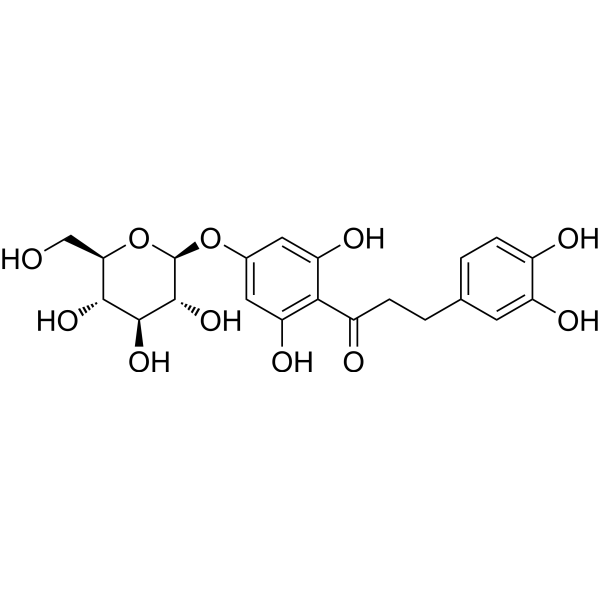
  • HY-N8375

    Others Metabolic Disease
    Sieboldin is a dihydrochalcone, which inhibits the production of advanced glycation end products (AGE) produced by bovine serum albumins (BSA), has free radical scavenging activity and cytotoxicity in cancer cell lines, and is also used to capture of methylglyoxal (MGO) from Malus baccata .
    Sieboldin
  • HY-B1745R

    Reference Standards Endogenous Metabolite Metabolic Disease
    Pyridoxylamine (Standard) is the analytical standard of Pyridoxylamine. This product is intended for research and analytical applications. Pyridoxylamine is an advanced glycation end production (AGEs) and lipoxidation end products (ALEs) inhibitor, to protect against diabetes-induced retinal vascular lesions.
    Pyridoxylamine (Standard)
  • HY-14892C

    LC15-0444 hydrochloride

    Dipeptidyl Peptidase Metabolic Disease Cancer
    Gemigliptin hydrochloride is the hydrochloride salt of Gemigliptin (HY-14892). Gemigliptin hydrochloride is a highly selective, reversible and competitive dipeptidyl peptidase-4 (DPP-4) inhibitor, with an IC50 of 10.3 nM for human recombinant DPP-4. Gemigliptin hydrochloride exhibits potent anti-glycation properties. Gemigliptin hydrochloride can be used for the research of advanced glycation end products (AGE)-related diabetic complications .
    Gemigliptin hydrochloride
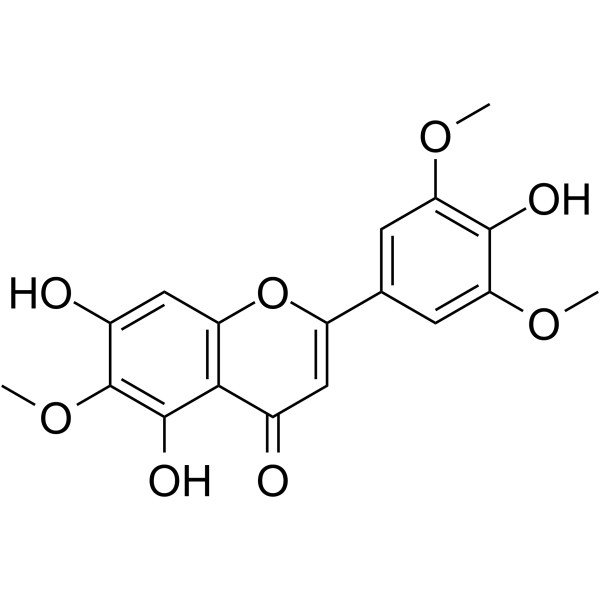
  • HY-N6883

    Aldose Reductase Metabolic Disease
    6-Methoxytricin (Compound 6) is an flavonoid isolated from Artemisia iwayomogi. 6-Methoxytricin (Compound 6) is an inhibitor on aldose reductase (AR) and advanced glycation endproduct (AGE) formation activities with IC50 values of 30.29 μM and 134.88 μM, respectively. 6-Methoxytricin (Compound 6) has potential as an anti-diabetic complications agent .
    6-Methoxytricin
  • HY-14892B

    LC15-0444 tartrate hydrate

    Dipeptidyl Peptidase Metabolic Disease
    Gemigliptin (LC15-0444 ) tartrate hydrate is a selective, reversible and competitive dipeptidyl peptidase-4 (DPP-4) inhibitor, with an IC50 of 10.3 nM for human recombinant DPP-4. Gemigliptin tartrate hydrate exhibits potent anti-glycation properties. Gemigliptin tartrate hydrate can be used for the research of advanced glycation end products (AGE)-related diabetic complications .
    Gemigliptin tartrate hydrate
  • HY-171336

    Interleukin Related Metabolic Disease
    TRC4186 is a potent advanced glycation end-product (AGE) inhibitor. TRC4186 demonstrates AGE-breaking activities in vitro and improvement in the endothelial and myocardial function in animal models of diabetes mellitus. TRC4186 can be used for complications associated with diabetes research .
    TRC4186
  • HY-131528

    CAS 997

    TNF Receptor Neurological Disease Metabolic Disease
    Tenilsetam (CAS 997) is an antidementia compound. Tenilsetam is an advanced glycation end product (AGE) inhibitor. Tenilsetam inhibits early retinopathy in experimental diabetes rats .
    Tenilsetam
  • HY-B1745AR

    Reference Standards Endogenous Metabolite Metabolic Disease
    Pyridoxylamine (dihydrochloride) (Standard) is the analytical standard of Pyridoxylamine (dihydrochloride). This product is intended for research and analytical applications. Pyridoxylamine dihydrochloride is an advanced glycation end production (AGEs) and lipoxidation end products (ALEs) inhibitor, to protect against diabetes-induced retinal vascular lesions .
    Pyridoxylamine dihydrochloride (Standard)
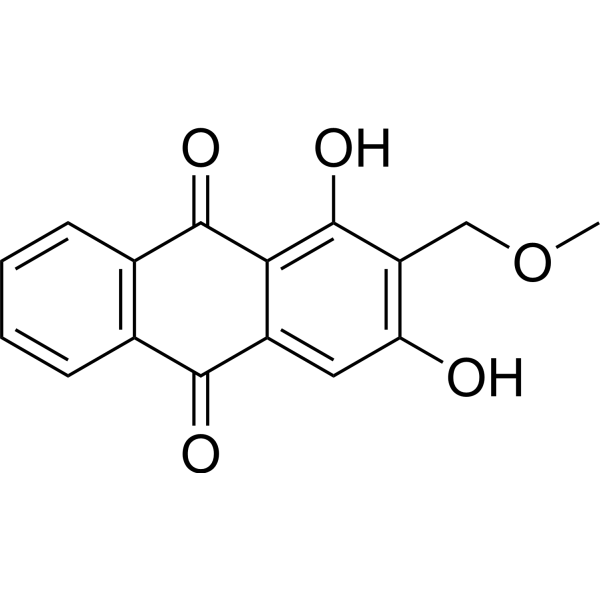
  • HY-N12071

    Others Others
    Lucidin-ω-Me ether (Compound 2) can be isolated from the roots of Knoxia valerianoides. Lucidin-ω-Me ether inhibits the advanced glycation end products (AGEs) formation in vitro(IC50: 62.79 μM) .
    Lucidin-ω-Me ether
  • HY-113033A

    Biochemical Assay Reagents Neurological Disease Metabolic Disease
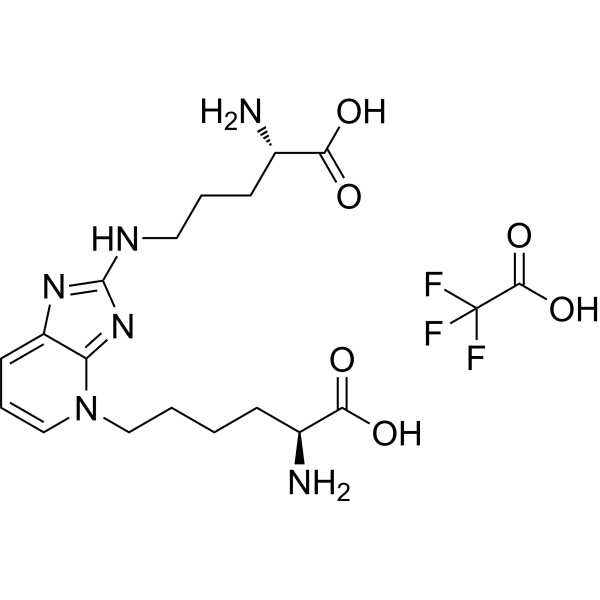
    Pentosidine TFA is an advanced glycation end product (AGE) and cross-linked substance with fluorescent properties. Pentosidine TFA is present in various human tissues and can serve as a biomarker for diabetes, aging, uremia, protein accumulation damage, and non-enzymatic modification of long-lived proteins in the Maillard reaction. It aids in gaining a deeper understanding of the overall role of the Maillard reaction in aging and disease .
    Pentosidine TFA
  • HY-168957

    MMP Reactive Oxygen Species (ROS) Others
    RuDiOBn scanvages DPPH and ABTS free radicals (13.2% and 5.9% clearance at 100 μg/mL), exhibits low antioxidant activity. RuDiOBn inhibits the collagen glycation, reduces the formation of advanced glycation end products (AGEs) with an IC50 of 2.45 μg/mL. RuDiOBn enhances the proliferation and migration of fibroblasts, stimulates the synthesis of collagen, promoting the skin repair and regeneration. RuDiOBn also inhibits collagenase .
    RuDiOBn
  • HY-N0033R

    Reference Standards Aldose Reductase Cardiovascular Disease Metabolic Disease Inflammation/Immunology
    Poliumoside (Standard) is the analytical standard of Poliumoside. This product is intended for research and analytical applications. Poliumoside, a caffeoylated phenylpropanoid glycoside, is isolated from Brandisia hancei stems and leaves. Poliumoside is an advanced glycation end product (AGE) formation and rat lens aldose reductase (RLAR) inhibitor, with IC50s of 19.69 and 8.47 μM, respectively. Poliumoside also has antiinflammatory and antioxidant activity .
    Poliumoside (Standard)
  • HY-N4089R

    Reference Standards Aldose Reductase Cytochrome P450 Metabolic Disease Cancer
    Quercetin 3-gentiobioside (Standard) is the analytical standard of Quercetin 3-gentiobioside (HY-N4089). This product is intended for research and analytical applications. Quercetin 3-gentiobioside is a flavonoid found in Artemisia iwayomogi. Quercetin 3-gentiobioside inhibits aromatase with an Ki of 46.77 nM. Quercetin 3-gentiobioside inhibits aldose reductase (AR) and the formation of advanced glycation end products (AGEs), with IC50 values of 10.60 μM and 109.46 μM, respectively. Quercetin 3-gentiobioside inhibits proliferation of cancer cells and fibroblast-like synoviocytes. Quercetin 3-gentiobioside can be used for the research of cancer, such as lung carcinoma .
    Quercetin 3-gentiobioside (Standard)
  • HY-N13261

    Others Metabolic Disease
    Brickellin is an antioxidant agent that can be isolated from Varronia curassavica Jacq.. Brickellin inhibits advanced glycation end products (AGEs) formation, protein crosslinking, and oxidative damage to proteins. Brickellin can be used for the research of diabetes .
    Brickellin
  • HY-P992465

    Fc Receptor (FcR) Cancer
    SIWA318H is an adbanvced glycation end product (AGE) specific antibody. SIWA318H selectively binds to advanced glycation end product biomarkers, human FcγRIIIa, and pancreatic cancer cells, and cancer-associated fibroblasts. SIWA318H suppresses tumor growth in mouse PSN1 xenografts. SIWA318H can be used for the research of pancreatic cancer .
    SIWA318H
  • HY-76383R

    COX Metabolic Disease Inflammation/Immunology
    LR-90 (Standard) is the analytical standard of LR-90. This product is intended for research and analytical applications. LR-90 is an advanced glycation end product (AGE) inhibitor, inhibits inflammatory responses in human monocytes . LR-90 is also used in the research of diabetic animal model .
    LR-90 (Standard)
  • HY-10380

    CDK Others
    (R)-DRF053 is a CDK inhibitor. (R)-DRF053 inhibits Cdk5 and promotes the formation of ductal precursor β cells. (R)-DRF053 inhibits Dil-ox-LDL uptake and CD36 gene expression induced by advanced glycation end products (AGEs) in U937 cells .
    (R)-DRF053
  • HY-N4170R

    Reference Standards Keap1-Nrf2 Reactive Oxygen Species (ROS) Metabolic Disease
    Chebulic acid (Standard) is the analytical standard of Chebulic acid (HY-N4170). This product is intended for research and analytical applications. Chebulic acid is a phenolic acid compound isolated from Terminalia chebula with strong antioxidant activity, which breaks protein cross-links induced by advanced glycation end products (AGEs) and inhibits the formation of AGEs. Chebulic acid is effective in controlling elevated metabolic parameters, oxidative stress, and liver damage, supporting its beneficial role in asthma, diabetes, and liver protection .
    Chebulic acid (Standard)

Inquiry Online

Your information is safe with us. * Required Fields.

Salutation


Country or Region *

Applicant Name *


Organization Name *

Department *


Email Address *


Product Name *

Cat. No.


Requested quantity *

Phone Number *


Remarks

Inquiry Online

Inquiry Information

Product Name:
Cat. No.:
Quantity:
MCE Japan Authorized Agent: