



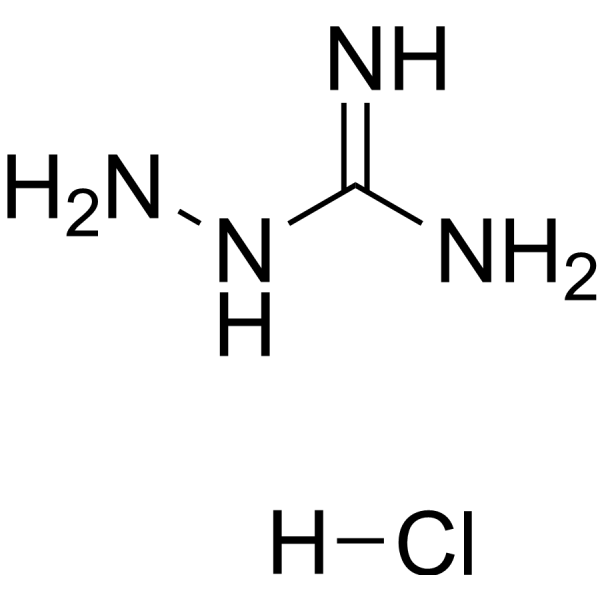
Aminoguanidine hydrochloride
Based on 10 publication(s) in Google Scholar
Aminoguanidine (Pimagedine) hydrochloride is an inhibitor of diamine oxidase (DAO) and nitric oxide synthase (NOS). Aminoguanidine hydrochloride can reduce the formation of advanced glycation end products (AGEs). Aminoguanidine hydrochloride has a dose-dependent inhibitory effect on Doxorubicin (HY-15142)-induced cell apoptosis. Aminoguanidine hydrochloride has antioxidant properties. Aminoguanidine hydrochloride can be used in the research of diabetic nephropathy.
For research use only. We do not sell to patients.
- Purity: 98.0%
- CAS No.: 1937-19-5
- Formula: CH7ClN4
- Molecular Weight:110.55
-
Storage:
4°C, sealed storage, away from moisture
* In solvent : -80°C, 6 months; -20°C, 1 month (sealed storage, away from moisture)

To place orders, for customer services and technical support, please contact: MedChemExpress USA
Tel: 609-228-6898 E-mail: [email protected] [email protected]


-
 Biological Activity
-
Chemical Information
-
Solvent & Solubility
- Purity & Documentation
- References
-
 Help & FAQs


-
HY-W021042
Tris(3-hydroxypropyltriazolylmethyl)amine -
HY-19312
3-Methyladenine -
HY-B0166A
L-Ascorbic acid sodium salt -
HY-100486
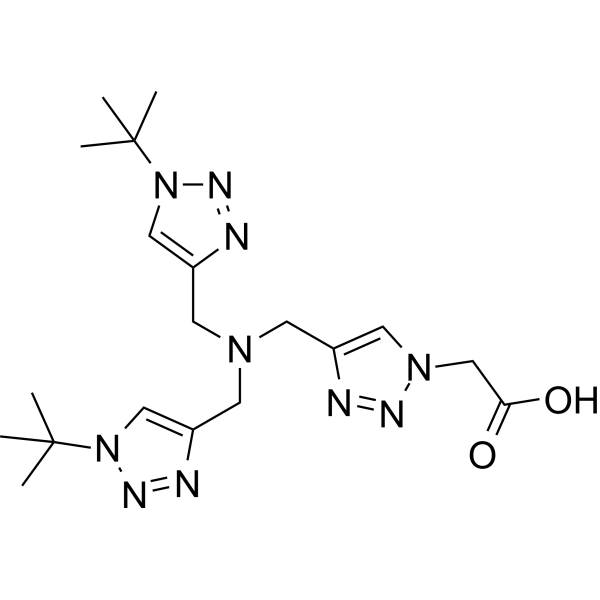
BTTAA -
HY-B0215
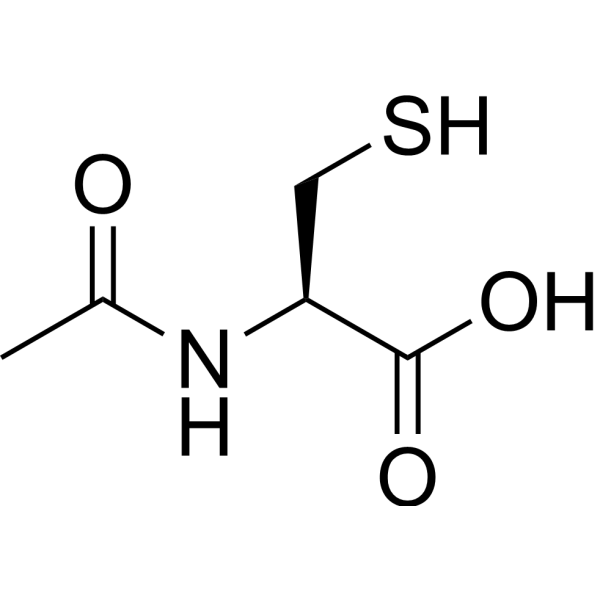
Acetylcysteine -
HY-B1777
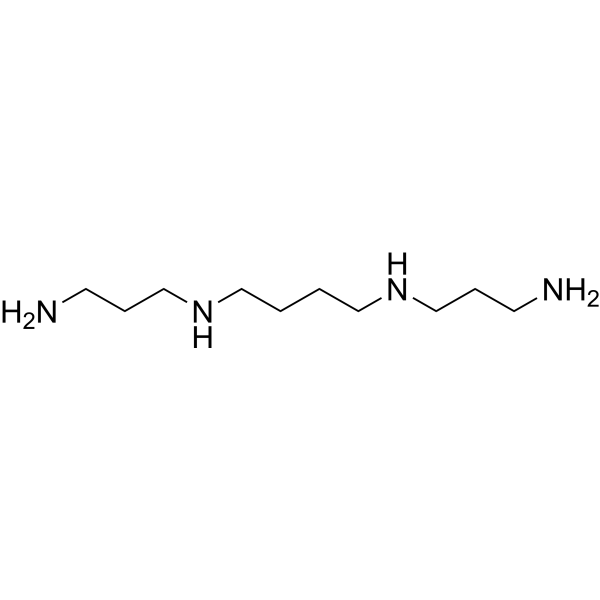
Spermine -
HY-136278
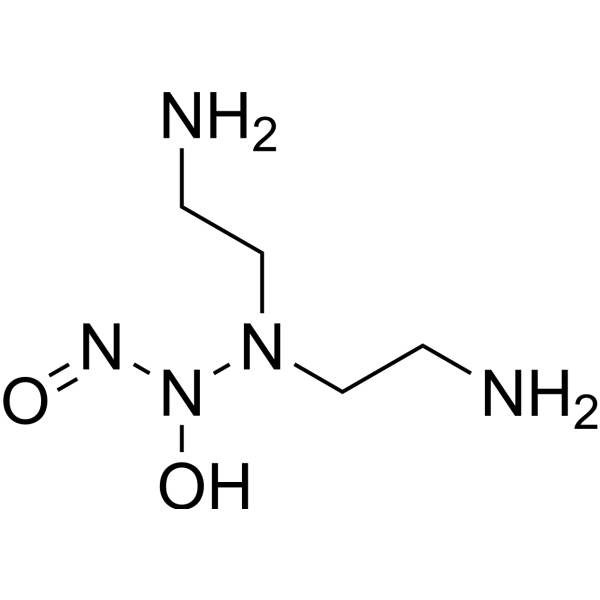
DETA NONOate -
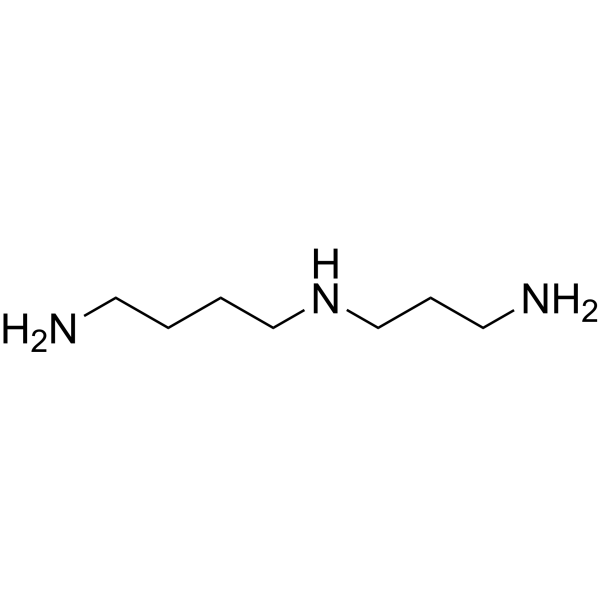
HY-B1776
Spermidine -

HY-Y1878
Copper(Ⅱ) sulfate -
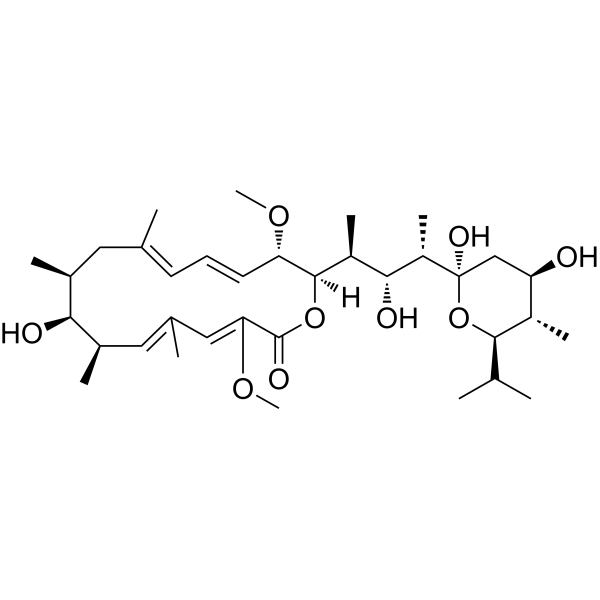
HY-100558
Bafilomycin A1 -
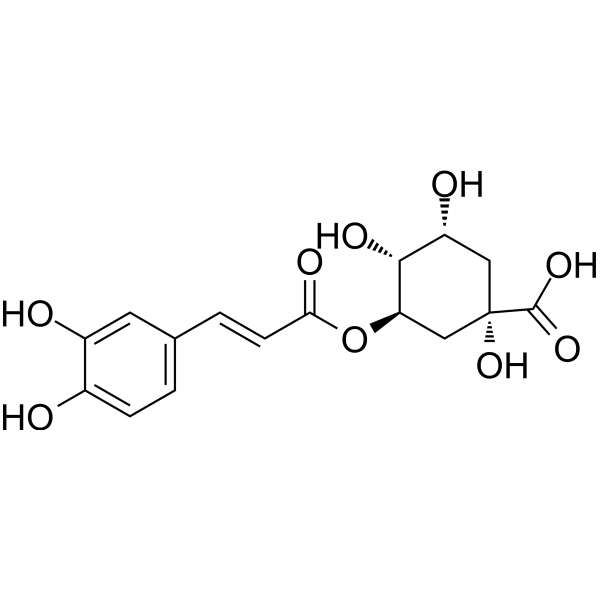
HY-N0055
Chlorogenic acid -
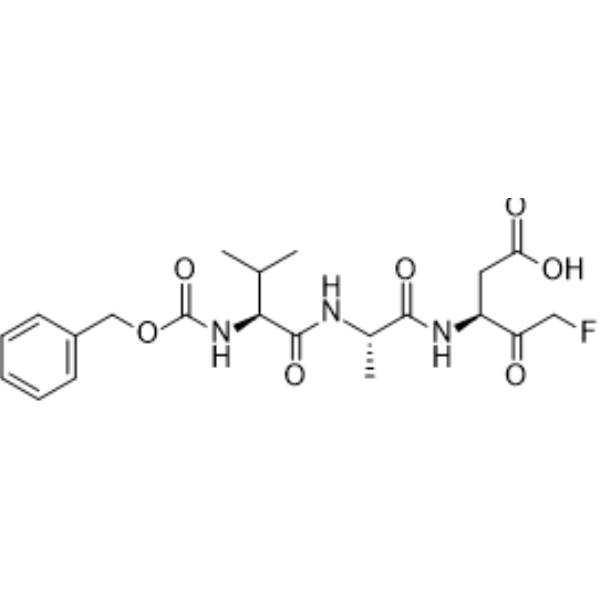
HY-16658B
Z-VAD-FMK
Publications Citing Use of MedChemExpress (MCE) Aminoguanidine hydrochloride
More- Nat Microbiol. 2025 Nov;10(11):2949-2965. [Abstract]
- Nat Commun. 2025 Nov 11;16(1):9923. [Abstract]
- Adv Sci (Weinh). 2025 Dec 19:e12424. [Abstract]
- Environ Sci Technol. 2025 Oct 21;59(41):21898-21909. [Abstract]
- Clin Immunol. 2026 Jun:285:110705. [Abstract]
- Skelet Muscle. 2025 Jan 13;15(1):2. [Abstract]
- Microb Pathog. 2024 Dec:197:107046. [Abstract]
- SSRN. 2024 May 22.
- Biomed Pharmacother. 2022 May 17;151:113109. [Abstract]
- Biomed Pharmacother. 2019 Dec:120:109527. [Abstract]
 Customer Validation & Images

-
WB
-
Cell Proliferation/Viability Assay
-
IF
-
IHC
-
WB


Biological Activity
Description
Cellular Effect
|
Cell Line

|
Type | Value | Description | References |
|---|---|---|---|---|
| RAW264.7 | IC50 |
26.2 μM
Compound: AG
|
Antiinflammatory activity against mouse RAW264.7 cells assessed as inhibition of LPS-induced NO production pretreated for 30 mins followed by LPS stimulation measured after 24 hrs by Griess reagent based assay
Antiinflammatory activity against mouse RAW264.7 cells assessed as inhibition of LPS-induced NO production pretreated for 30 mins followed by LPS stimulation measured after 24 hrs by Griess reagent based assay
|
[PMID: 29924604] |
In Vitro
Aminoguanidine (100, 200, 500, 1000 μM, 24 h) hydrochloride can reduce DOX-induced DNA damage and apoptosis in A549 cells [1].
Aminoguanidine (100 μM, 30 min) hydrochloride can induce ERK activation in AR42J cells and promote cell proliferation [2].
MedChemExpress (MCE) has not independently confirmed the accuracy of these methods. They are for reference only.
-
Cell Line:A549
-
Concentration:100-1000 μM
-
Incubation Time:24 h
-
Result:Showed protective effect on DOX-induced DNA damage and decreased DOX-induced apoptosis.
-
Cell Line:AR42J
-
Concentration:100 μM
-
Incubation Time:24-96 h
-
Result:Showed a significant increase in cell proliferation after incubation for 48 h.
In Vivo
Aminoguanidine (200 mg/kg, Single dose intraperitoneal injection) hydrochloride is protective against cyclophosphamide (CP) (HY-17420)-induced oxidative stress and kidney damage in rats[4].br/>
MedChemExpress (MCE) has not independently confirmed the accuracy of these methods. They are for reference only.
-
Animal Model:Male Swiss albino mice[3]
-
Dosage:50 mg/kg
-
Administration:Intraperitoneally 30 min before the administration of CCl4
-
Result:Inhibited the serum AST level and protected hepatotoxin-induced lipid peroxidation.
-
Animal Model:Adult male Wistar rats[4]
-
Dosage:200 mg/kg
-
Administration:Intraperitoneally 1 hour before the administration of CP and killed 16 hours after CP injection.
-
Result:Attenuated CP-induced MDA elevation and prevented CP-induced protein oxidation.
Restored the GSH levels and attenuated CP-induced increase in MPO activity.


Chemical Information
-
CAS No. 1937-19-5
-
Appearance Solid
-
Molecular Weight 110.55
-
Formula CH7ClN4
-
Color White to off-white
-
SMILES
NNC(N)=N.Cl
-
Synonyms
Pimagedine hydrochloride; GER-11; Aminoguanidinium hydrochloride
-
Shipping
Room temperature in continental US; may vary elsewhere.
-
Storage
4°C, sealed storage, away from moisture
* In solvent : -80°C, 6 months; -20°C, 1 month (sealed storage, away from moisture)


Publications (10)
-
Journal Impact Factor
-
Most Recent
-
Nat Microbiol
Mycobacterium tuberculosis-derived linoleic acid increases regulatory T cell function to promote bacterial survival within macrophages. [Abstract]2025 Nov;10(11):2949-2965. PMID: 41073667 -
Nat Commun
Targeting polyamine metabolism and ferroptosis enhances the efficacy of KRAS-targeted therapy depending on KEAP1 status. [Abstract]2025 Nov 11;16(1):9923. PMID: 41219185 -
Adv Sci (Weinh)
Activating the Osteoblastic USP26 Pathway Alleviates Multi-Organ Fibrosis by Decreasing Insulin Resistance. [Abstract]2025 Dec 19:e12424. PMID: 41417635 -
Environ Sci Technol
Revealing Ferroptosis Induction by Bisphenol A and Bisphenol S through Distinct Protein Targets. [Abstract]2025 Oct 21;59(41):21898-21909. PMID: 41068997
Aminoguanidine hydrochloride purchased from MedChemExpress. Usage Cited in: Environ Sci Technol. 2025 Oct 21;59(41):21898-21909. [Abstract]
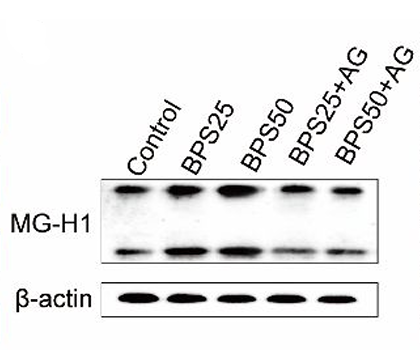
Western blot analysis of intracellular levels of the MG-H1 following 24-hour treatment with: 0.5% DMSO (control), 25 μM BPS, 50 μM BPS, 400 μM aminoguanidine + 25 μM BPS, and 400 μM aminoguanidine hydrochloride + 50 μM BPS.
-
Clin Immunol
PLK2 facilitates Mycobacterium tuberculosis clearance via p38 MAPK-mediated ROS production. [Abstract]2026 Jun:285:110705. PMID: 41962814 -
Skelet Muscle
Aminoguanidine hemisulfate improves mitochondrial autophagy, oxidative stress, and muscle force in Duchenne muscular dystrophy via the AKT/FOXO1 pathway in mdx mice. [Abstract]2025 Jan 13;15(1):2. PMID: 39806512 -
Microb Pathog
2024 Dec:197:107046. PMID: 39433139
Aminoguanidine hydrochloride purchased from MedChemExpress. Usage Cited in: Microb Pathog. 2024 Dec:197:107046. [Abstract]
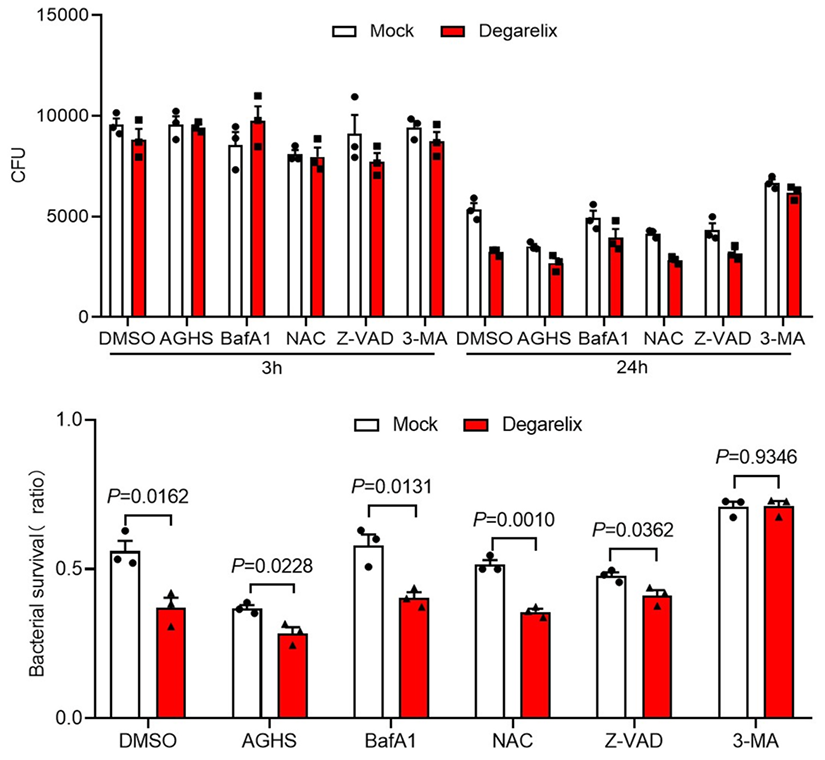
BMDMs pretreated with degarelix (1 μM), aminoguanidine hydrochloride (AGHS, 100 μM), BafA1 (100 nM), NAC (5 mM), Z-VAD (20 μM), or 3-MA (5 mM) were infected with H37Rv (MOI = 2). At different time points after infection, bacterial survival was calculated by dividing the CFU at 24 h by the CFU at 3 h.
-
-
Biomed Pharmacother
Inhibition of Gli1 suppressed hyperglycemia-induced meibomian gland dysfunction by promoting pparγ expression. [Abstract]2022 May 17;151:113109. PMID: 35594713
Aminoguanidine hydrochloride purchased from MedChemExpress. Usage Cited in: Biomed Pharmacother. 2022 May 17;151:113109. [Abstract]
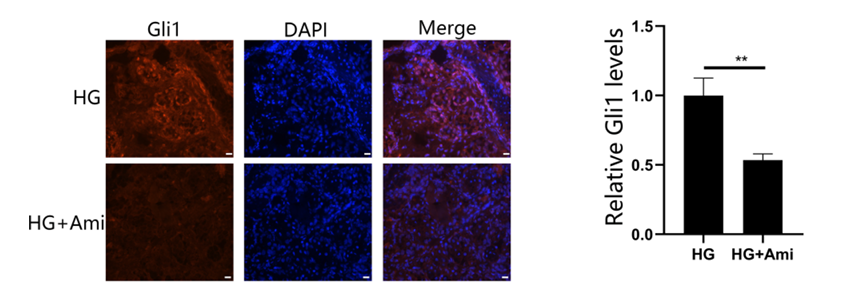
Immunofluorescence analysis showed that the expression of Gli1 protein differed between the high glucose group and the high glucose plus Aminoguanidine (Ami, 500 μM, 24 h) group in organotypic cultured mouse MGs.
-
Biomed Pharmacother
AGEs impair Kv channel-mediated vasodilation of coronary arteries by activating the NF-κB signaling pathway in ZDF rats. [Abstract]2019 Dec:120:109527. PMID: 31629953
Aminoguanidine hydrochloride purchased from MedChemExpress. Usage Cited in: Biomed Pharmacother. 2019 Dec:120:109527. [Abstract]
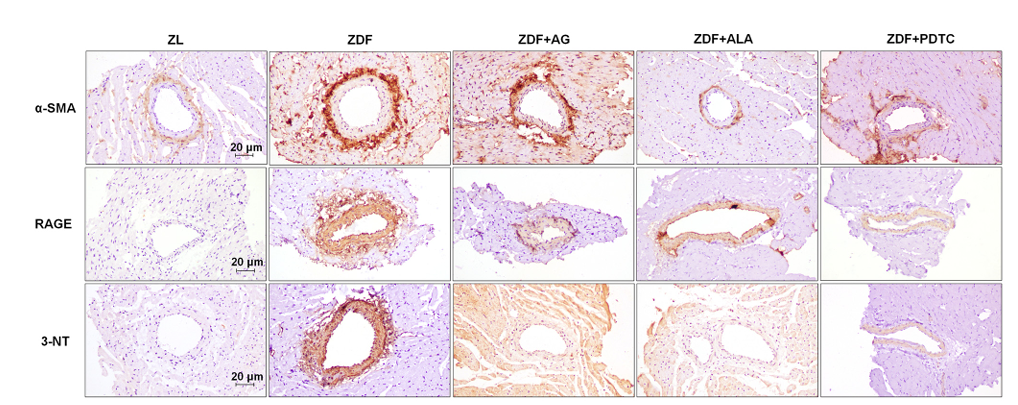
Treatment with aminoguanidine hydrochloride (AG, 100 mg/kg/d, dissolved in drinking water for 10 weeks), ALA , or PDTC (150 mg/kg/d, dissolved in drinking water for 10 weeks) significantly reduced the RAGE and 3‑NT levels in ZDF rats.
Aminoguanidine hydrochloride purchased from MedChemExpress. Usage Cited in: Biomed Pharmacother. 2019 Dec:120:109527. [Abstract]
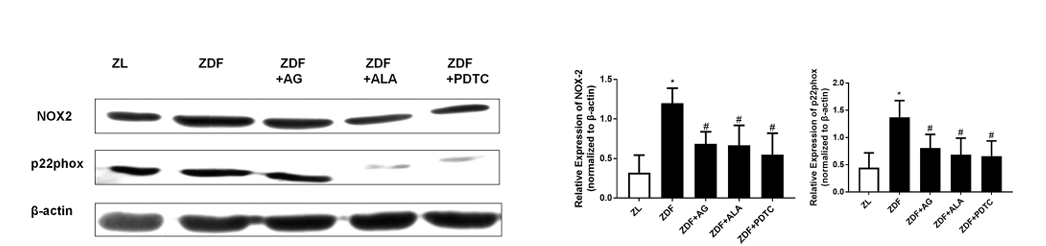
The protein expression of the NADPH oxidase subunits NOX2 and p22phox was significantly increased in the ZDF rats, while treatment with aminoguanidine hydrochloride (AG, 100 mg/kg/d, dissolved in drinking water for 10 weeks) or PDTC (150 mg/kg/d, dissolved in drinking water for 10 weeks) specifically reduced the NOX2 and p22phox levels in the ZDF rats.


Solvent & Solubility
In Vitro:
H2O : ≥ 100 mg/mL (904.57 mM)
DMSO : 100 mg/mL (904.57 mM; Need ultrasonic; Hygroscopic DMSO has a significant impact on the solubility of product, please use newly opened DMSO)
* "≥" means soluble, but saturation unknown.
Please refer to the solubility information to select the appropriate solvent. Once prepared, please aliquot and store the solution to prevent product inactivation from repeated freeze-thaw cycles.
Storage method and period of stock solution: -80°C, 6 months; -20°C, 1 month (sealed storage, away from moisture). When stored at -80°C, please use it within 6 months. When stored at -20°C, please use it within 1 month.
* Note: If you choose water as the stock solution, please dilute it to the working solution, then filter and sterilize it with a 0.22 μm filter before use.
Please refer to the solubility information to select the appropriate solvent. Once prepared, please aliquot and store the solution to prevent product inactivation from repeated freeze-thaw cycles.
Storage method and period of stock solution: -80°C, 6 months; -20°C, 1 month (sealed storage, away from moisture). When stored at -80°C, please use it within 6 months. When stored at -20°C, please use it within 1 month.
* Note: If you choose water as the stock solution, please dilute it to the working solution, then filter and sterilize it with a 0.22 μm filter before use.
Concentration (start) × Volume (start) = Concentration (final) × Volume (final)
In Vivo:
Select the appropriate dissolution method based on your experimental animal and administration route.
- For the following dissolution methods, please ensure to first prepare a clear stock solution using an In Vitro approach and then sequentially add co-solvents:
- To ensure reliable experimental results, the clarified stock solution can be appropriately stored based on storage conditions. As for the working solution for In Vivo experiments, it is recommended to prepare freshly and use it on the same day.
- The percentages shown for the solvents indicate their volumetric ratio in the final prepared solution. If precipitation or phase separation occurs during preparation, heat and/or sonication can be used to aid dissolution.
Add each solvent one by one: 10% DMSO 40% PEG300 5% Tween-80 45% Saline
Solubility: ≥ 2.5 mg/mL (22.61 mM); Clear solution
This protocol yields a clear solution of ≥ 2.5 mg/mL (saturation unknown).
Taking 1 mL working solution as an example, add 100 μL DMSO stock solution (25.0 mg/mL) to 400 μL PEG300, and mix evenly; then add 50 μL Tween-80 and mix evenly; then add 450 μL Saline to adjust the volume to 1 mL.
Preparation of Saline: Dissolve 0.9 g sodium chloride in ddH₂O and dilute to 100 mL to obtain a clear Saline solution.
Add each solvent one by one: 10% DMSO 90% (20% SBE-β-CD in Saline)
Solubility: ≥ 2.5 mg/mL (22.61 mM); Clear solution
This protocol yields a clear solution of ≥ 2.5 mg/mL (saturation unknown).
Taking 1 mL working solution as an example, add 100 μL DMSO stock solution (25.0 mg/mL) to 900 μL 20% SBE-β-CD in Saline, and mix evenly.
Preparation of 20% SBE-β-CD in Saline (4°C, storage for one week): 2 g SBE-β-CD powder is dissolved in 10 mL Saline, completely dissolve until clear.
For the following dissolution methods, please prepare the working solution directly:
It is recommended to prepare fresh solutions and use them promptly within a short period of time.
The percentages shown for the solvents indicate their volumetric ratio in the final prepared solution. If precipitation or phase separation occurs during preparation, heat and/or sonication can be used to aid dissolution.
Add each solvent one by one: PBS
Solubility: 100 mg/mL (904.57 mM); Clear solution; Need ultrasonic
In Vivo Dissolution Calculator
Please enter the basic information of animal experiments:
-
-
-
-
Recommended: Prepare an additional quantity of animals to account for potential losses during experiments.
Working solution concentration: 0.22 mg/mL
This product has good water solubility, please refer to the measured solubility data in water/PBS/Saline for details.


Purity & Documentation
-
Data Sheet (277 KB)
-
SDS (393 KB)
- English - EN (393 KB)
- Français - FR (393 KB)
- Deutsch - DE (393 KB)
- Norwegian - NO (393 KB)
- Español - ES (393 KB)
- Swedish - SV (393 KB)
- Italian - IT (393 KB)
- Korean - KR (393 KB)
- Portuguese - PT (393 KB)
-
Handling Instructions (2659 KB)
References
[1]. Sabuncuoglu S. Antiapoptotic effect of aminoguanidine on doxorubicin-induced apoptosis. Mol Cell Biochem. 2014 Sep;394(1-2):129-35. [Content Brief]
[2]. Chowdhury P. Aminoguanidine (AG) Induces Induced both Pro- and Antioxidant Effect in AR42J Cells, a Rat Pancreatic Tumor Cell Line. Ann Clin Lab Sci. 2017 Sep;47(5):572-580. PMID: 29066484. [Content Brief]
[3]. Al-Shabanah OA, et al. Protective effect of aminoguanidine, a nitric oxide synthase inhibitor, against carbon tetrachloride induced hepatotoxicity in mice. Life Sci. 2000;66(3):265-70. [Content Brief]
[4]. Abraham P, et al. Protective effect of aminoguanidine against cyclophosphamide-induced oxidative stress and renal damage in rats. Redox Rep. 2011;16(1):8-14. [Content Brief]
[5]. Zou Z, et al. Inhibition of Gli1 suppressed hyperglycemia-induced meibomian gland dysfunction by promoting pparγ expression. Biomed Pharmacother. 2022 Jul;151:113109. [Content Brief]


Complete Stock Solution Preparation Table
Please refer to the solubility information to select the appropriate solvent. Once prepared, please aliquot and store the solution to prevent product inactivation from repeated freeze-thaw cycles.
Storage method and period of stock solution: -80°C, 6 months; -20°C, 1 month (sealed storage, away from moisture). When stored at -80°C, please use it within 6 months. When stored at -20°C, please use it within 1 month.
| Optional Solvent | Concentration Solvent Mass | 1 mg | 5 mg | 10 mg | 25 mg |
|---|---|---|---|---|---|
| H2O / DMSO | 1 mM | 9.0457 mL | 45.2284 mL | 90.4568 mL | 226.1420 mL |
| 5 mM | 1.8091 mL | 9.0457 mL | 18.0914 mL | 45.2284 mL | |
| 10 mM | 0.9046 mL | 4.5228 mL | 9.0457 mL | 22.6142 mL | |
| 15 mM | 0.6030 mL | 3.0152 mL | 6.0305 mL | 15.0761 mL | |
| 20 mM | 0.4523 mL | 2.2614 mL | 4.5228 mL | 11.3071 mL | |
| 25 mM | 0.3618 mL | 1.8091 mL | 3.6183 mL | 9.0457 mL | |
| 30 mM | 0.3015 mL | 1.5076 mL | 3.0152 mL | 7.5381 mL | |
| 40 mM | 0.2261 mL | 1.1307 mL | 2.2614 mL | 5.6536 mL | |
| 50 mM | 0.1809 mL | 0.9046 mL | 1.8091 mL | 4.5228 mL | |
| 60 mM | 0.1508 mL | 0.7538 mL | 1.5076 mL | 3.7690 mL | |
| 80 mM | 0.1131 mL | 0.5654 mL | 1.1307 mL | 2.8268 mL | |
| 100 mM | 0.0905 mL | 0.4523 mL | 0.9046 mL | 2.2614 mL |
* Note: If you choose water as the stock solution, please dilute it to the working solution, then filter and sterilize it with a 0.22 μm filter before use.


Aminoguanidine hydrochloride Related Classifications
HY-B1041 Related Classifications
 Powered by Bioz