Search Result
Results for "
Alternaria alternata ATCC 6663
" in MedChemExpress (MCE) Product Catalog:
1
Biochemical Assay Reagents
8
Isotope-Labeled Compounds
| Cat. No. |
Product Name |
Target |
Research Areas |
Chemical Structure |
-
- HY-119976
-
|
|
Environmental Pollutants
Apoptosis
Fungal
Mitochondrial Metabolism
Succinate Dehydrogenase
|
Infection
|
|
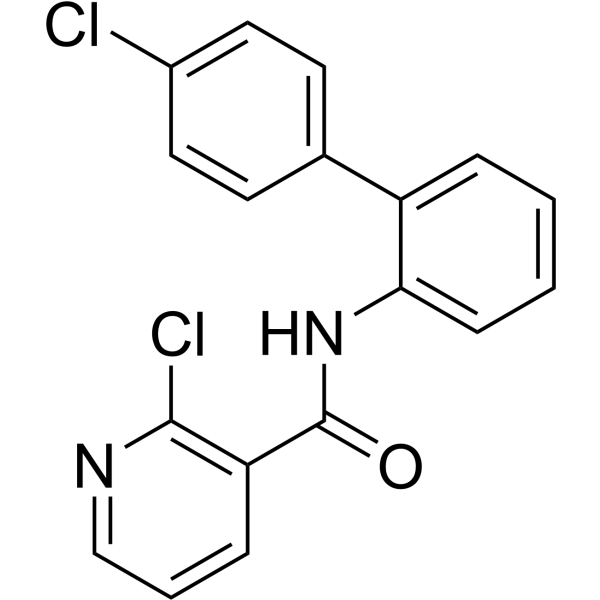
Boscalid is a succinate dehydrogenase (SDHI) inhibitor with antifungal activity. Boscalid binds to the ubiquinone-binding site of fungal mitochondrial complex II, blocks ATP production and aerobic respiration, exhibits good control efficacy against a variety of plant fungal diseases including gray mold, sclerotinia rot and powdery mildew, and is widely used for disease control in agriculture. Boscalid induces apoptosis, altered lipid metabolism, mitochondrial dysfunction, respiratory impairment, oxidative stress, ROS accumulation and neurodevelopmental disorders in zebrafish. Boscalid reduces foraging ability, shortens median death time and causes chronic toxicity in exposed honeybees. Boscalid also possesses genotoxicity, cytotoxicity, elevated mitochondrial superoxide levels and early-stage apoptosis .
|
-
-
- HY-P1940
-
|
Cyclo(Tyr-Pro)
|
Endogenous Metabolite
Bacterial
Fungal
|
Infection
Cancer
|
|
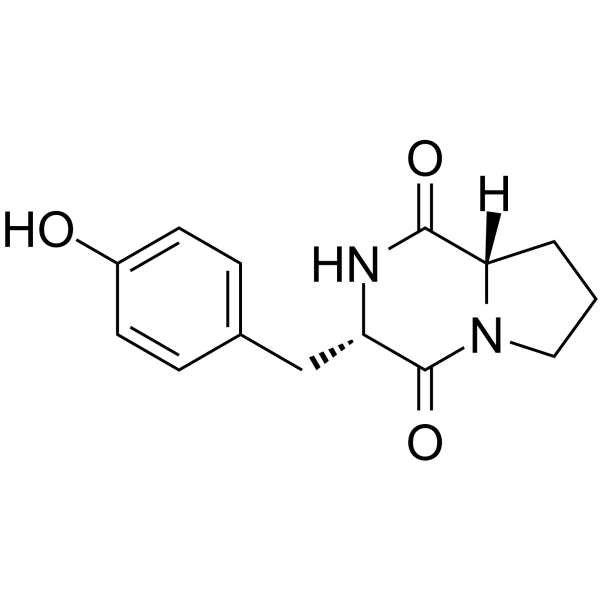
Maculosin (Cyclo (Tyr-Pro)) is a host-specific phytotoxin for spotted knapweed from Alternaria alternata. Maculosin is a quorum-sensing molecule involved in cell-cell communication. Maculosin also acts as a signaling molecule regulating virulence gene expression. Maculosin shows antimicrobial, antifungal, antioxidant and anti-cancer properties .Maculosin (Cyclo (Tyr-Pro)) is a host-specific phytotoxin for spotted knapweed from Alternaria alternata. Maculosin is a quorum-sensing molecule involved in cell-cell communication. Maculosin also acts as a signaling molecule regulating virulence gene expression. Maculosin shows antimicrobial, antifungal, antioxidant and anti-cancer properties .
|
-
-
- HY-119459
-
-
-
- HY-W004263
-
|
Arachidyl alcohol
|
Environmental Pollutants
Fungal
|
Infection
|
|
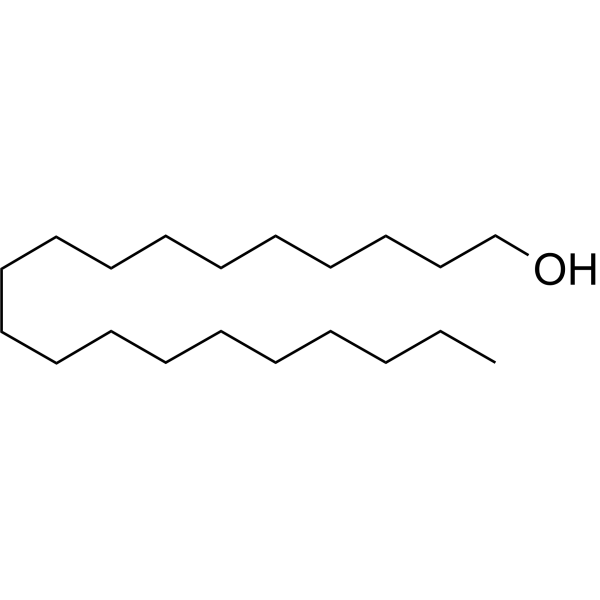
1-Eicosanol (Arachidyl alcohol) is a long-chain fatty alcohol and volatile organic compound that can be isolated from the leaves of Leea indica and produced by Bacillus velezensis ZJ1. 1-Eicosanol inhibits mycelial growth of Alternaria solani and Botrytis cinerea. 1-Eicosanol is applicable to research related to tomato early blight and tomato gray mold .
|
-
-
- HY-23155
-
|
2-PE ITC
|
Fungal
|
Infection
|
|
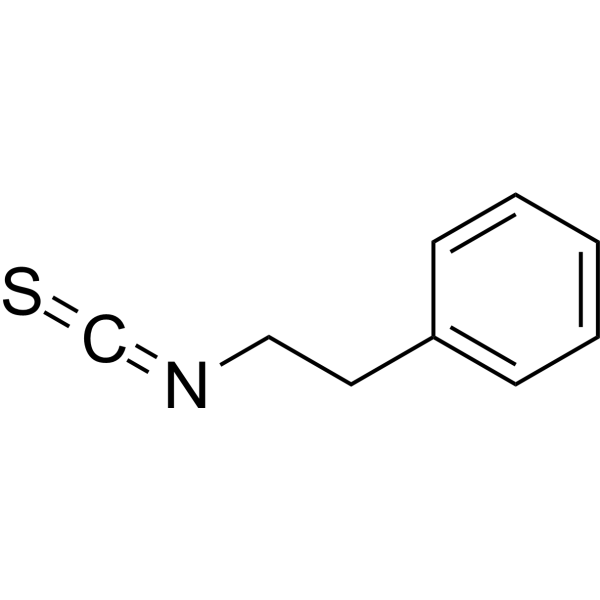
2-Phenylethyl isothiocyanate is a potent antifungal agent. 2-Phenylethyl isothiocyanate significantly inhibited spore germination and mycelial growth of Alternaria alternata, with a MIC (minimum inhibitory concentration) of 1.22 mM. The antifungal effect of 2-Phenylethyl isothiocyanate against Alternaria alternate might be via reduction in toxin content and breakdown of cell membrane integrity .
|
-
-
- HY-17520
-
|
MTF-753
|
Environmental Pollutants
Fungal
|
Infection
|
|
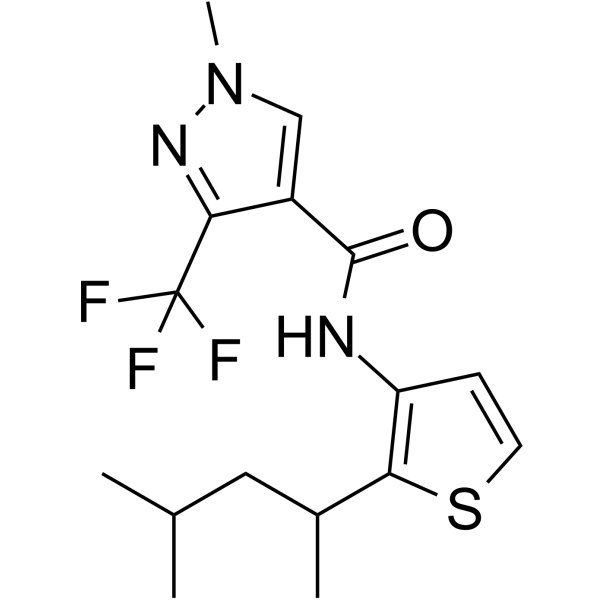
Penthiopyrad (MTF-753) is a carboxamide Fungicide. Penthiopyrad inhibits SDH. Penthiopyrad exhibits broad-spectrum antifungal activity, being effective not only against Basidiomycetes, but also against Ascomycetes and Deuteromycetes. Penthiopyrad inhibits the mycelial growth of Alternaria mali, Botrytis cinerea, Monilinia mali, Rhizoctonia solani and Sclerotinia sclerotiorum on PDA medium, with EC50 values ranging from <0.4 ppm to 0.34 ppm and MIC values ranging from 6.6 ppm to 47.9 ppm .
|
-
-
- HY-N6714
-
|
|
Topoisomerase
Androgen Receptor
Estrogen Receptor/ERR
Apoptosis
|
Infection
Cancer
|
|
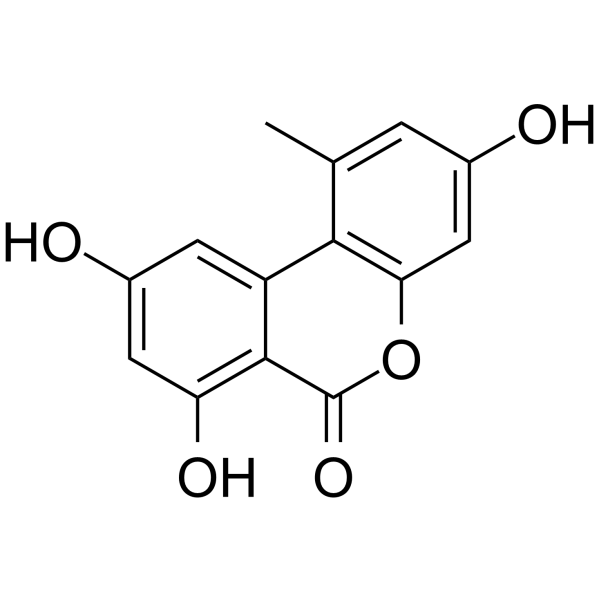
Alternariol is an orally ingested mycotoxin produced by Alternaria, capable of inhibiting the activity of topoisomerase I and II (topoisomerase I, topoisomerase II). Alternariol has weak estrogenic (Estrogen Receptor/ERR) and androgen/antiandrogen (Androgen Receptor) effects. Alternariol can induce apoptosis, trigger cell cycle arrest, suppress innate immune responses, and exhibit anti-tumor activity. Alternariol has genotoxic, mutagenic, and endocrine-disrupting effects .
|
-
-
- HY-N1434
-
|
Methyl 4-hydroxycinnamate
|
Fungal
|
Infection
Cancer
|
|
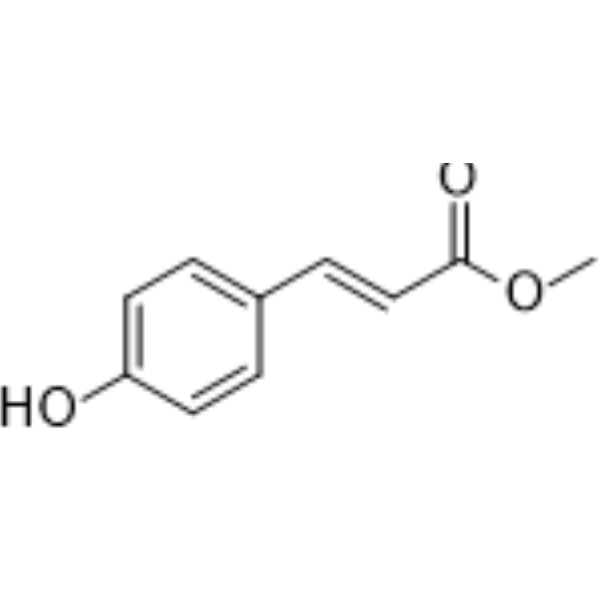
Methyl p-coumarate (Methyl 4-hydroxycinnamate), an orally active esterified derivative of p-Coumaric acid (pCA), can be isolated from the flower of Trixis michuacana var longifolia. Methyl p-coumarate could inhibit the melanin formation in B16 mouse melanoma cells. Methyl p-coumarate also has strong in vitro inhibitory effect on A. alternata and other pathogens .
|
-
-
- HY-N6724
-
|
Dihydroalterperylenol
|
Others
|
Metabolic Disease
|
|
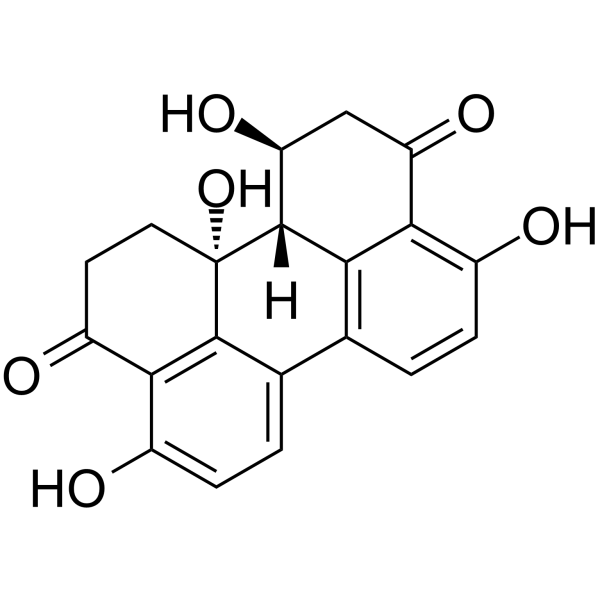
Altertoxin I (Dihydroalterperylenol) is a quinone-type mycotoxin produced by Alternaria alternata fungi, which is mutagenic and cytotoxic, and can weakly disrupts metabolic communication .
|
-
-
- HY-N0902
-
|
13,14-Dihydrosanguinarine
|
Fungal
Bacterial
Interleukin Related
|
Infection
Inflammation/Immunology
|
|
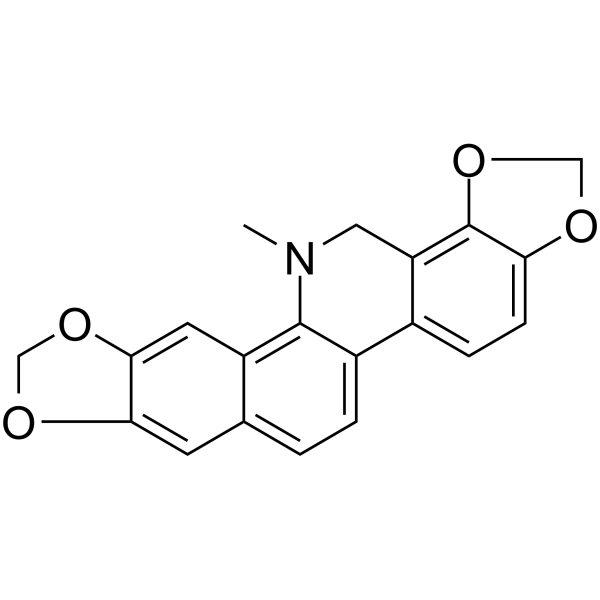
Dihydrosanguinarine (13,14-Dihydrosanguinarine) is an alkaloid with antibacterial and anti-inflammatory activities, and also an important precursor of Sanguinarine (HY-N0052). Dihydrosanguinarine targets and regulates the TNF/IL-17/PI3K signaling pathway, downregulates the levels of pro-inflammatory factors such as IL-17A, TNF-α and IL-6, upregulates the expression of TGF-β, inhibits myeloperoxidase activity, and regulates the transcription of multiple inflammation-related genes. Dihydrosanguinarine exhibits antibacterial activity against a variety of oral microorganisms. Dihydrosanguinarine can be used in research related to liver inflammation and oral flora dysbiosis .
|
-
-
- HY-123077
-
|
|
Fungal
|
Infection
|
|
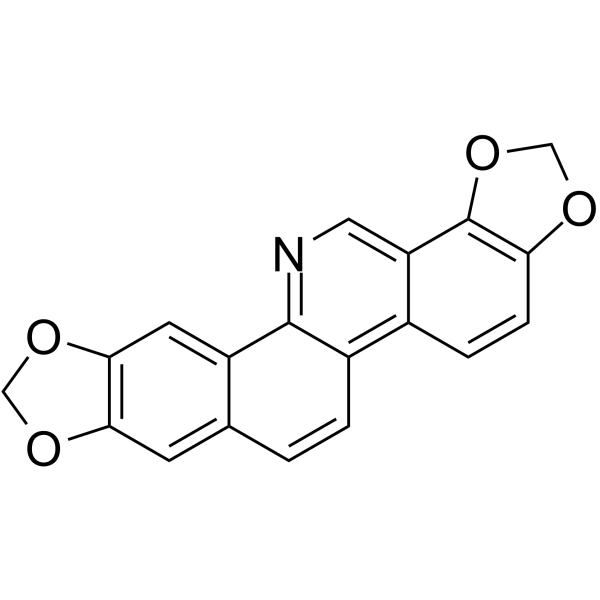
Norsanguinarine, an alkaloid, has antifungal activity against Alternaria brassicicola, Curvularia maculans at 1000 ppm .
|
-
-
- HY-N6717
-
|
|
Herbicide
|
Infection
|
|
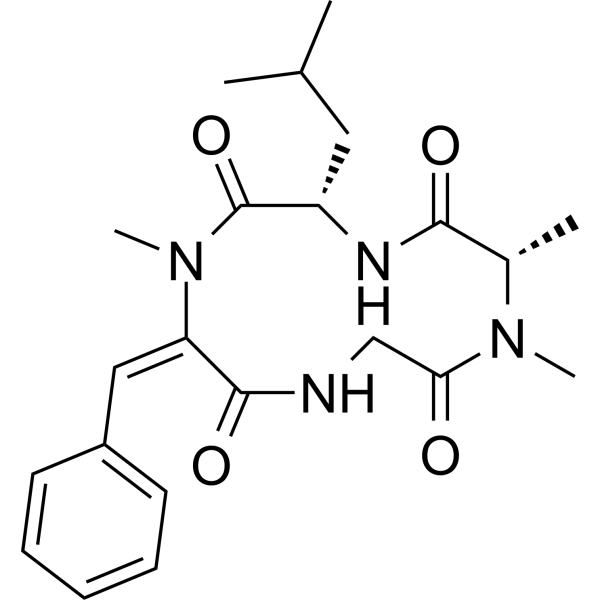
Tentoxin is a cyclic tetrapeptide isolated from Alternaria tenuis, acts as a herbicide, causes seedling chlorosis, inhibits cyclic photophosphorylation and functions as an energy transfer inhibitor .
|
-
-
- HY-119459R
-
|
|
Reference Standards
Succinate Dehydrogenase
Fungal
Parasite
Constitutive Androstane Receptor
Caspase
NF-κB
|
Infection
Cancer
|
|
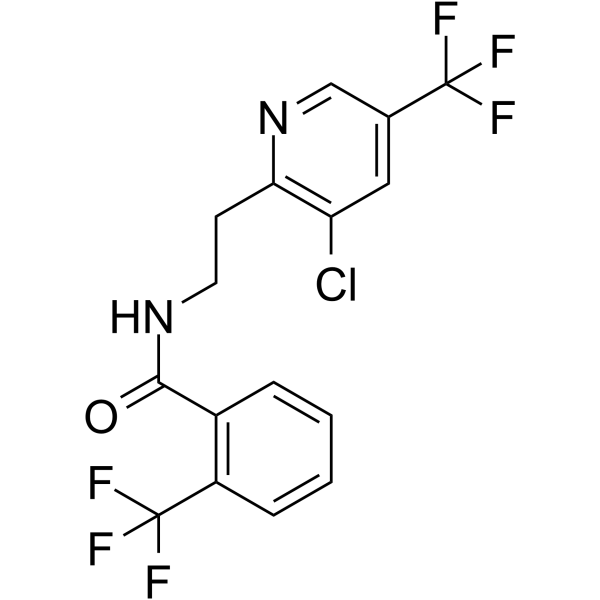
Fluopyram (Standard) is the analytical standard of Fluopyram (HY-119459). This product is intended for research and analytical applications. Fluopyram is an orally active succinate dehydrogenase inhibitor, antifungal and nematicide. Fluopyram inhibits succinate dehydrogenase activity, activates CAR/PXR nuclear receptors, and increases caspase-3, TNF-α and NF-κB. Fluopyram inhibits the growth of F. virguliforme, Botrytis cinerea and Alternaria solani with EC50 values of 3.35, 5.389 and 0.244 µg/mL, respectively. Fluopyram induces liver and thyroid tumor formation. Fluopyram is nephrotoxic and embryotoxic .
|
-

-
- HY-N6783
-
|
|
Fungal
Antibiotic
|
Infection
|
|
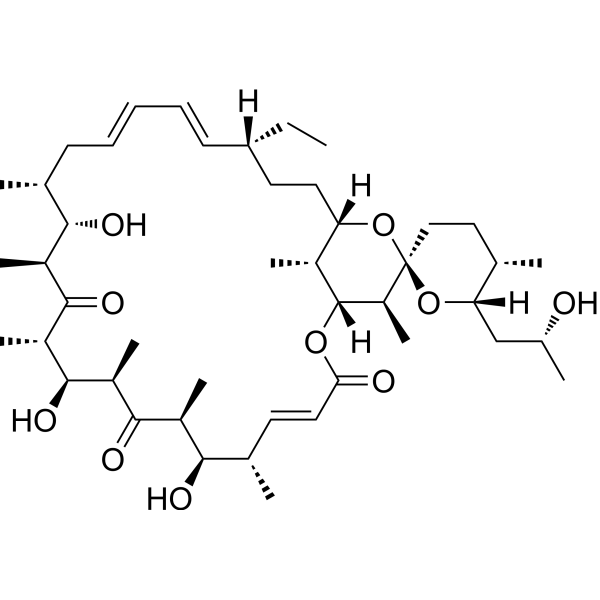
Oligomycin C is a macrolide antibiotic produced by Streptomyces strains. Oligomycin C exhibits a strong activity against Aspergillus niger, Alternaria alternata, Botrytis cinerea and Phytophthora capsici but no activity toward bacteria .
|
-
-
- HY-W653894
-
|
|
Isotope-Labeled Compounds
|
Others
|
|
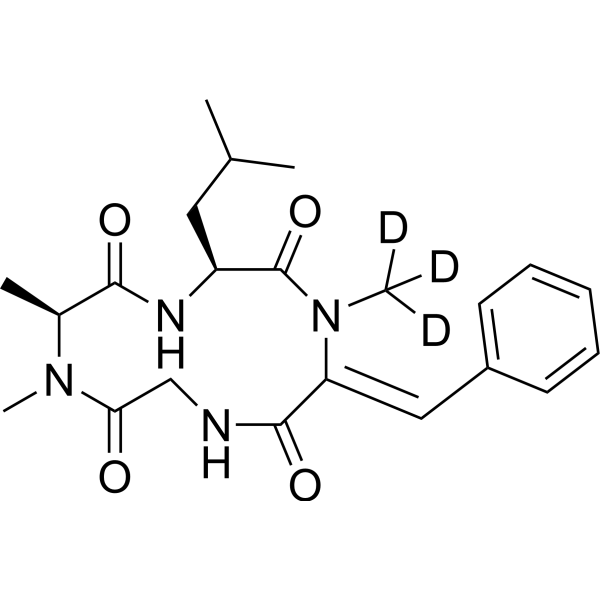
Tentoxin-d3 is the deuterium-labeled Tentoxin (HY-N6717). Tentoxin-d3 is a cyclic tetrapeptide isolated from Alternaria tenuis, acts as a herbicide, causes seedling chlorosis, inhibits cyclic photophosphorylation and functions as an energy transfer inhibitor .
|
-
-
- HY-N6625S
-
|
|
Fungal
|
Inflammation/Immunology
|
|
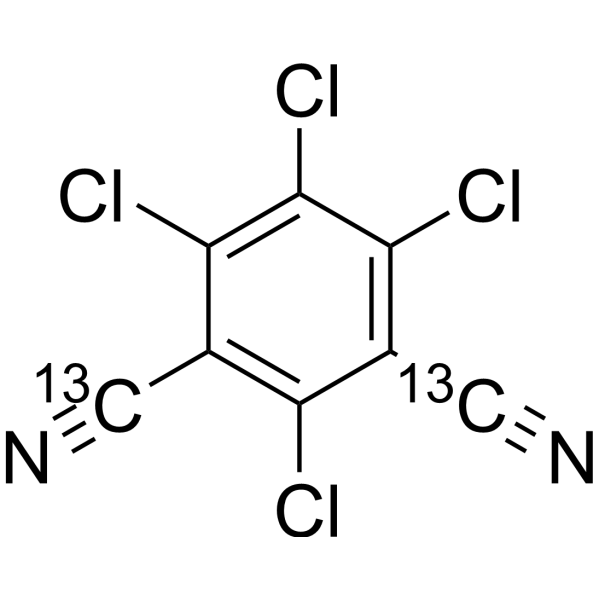
Chlorothalonil- 13C2 is the 13C-labeled Chlorothalonil. Chlorothalonil is a broad spectrum fungicide and is effective in protecting plants against fungal diseases caused mainly by Phytophthora infestans and Alternaria solani. Chlorothalonil is used for controlling of fungal foliar diseases of vegetables and crops .
|
-
-
- HY-100513
-
|
|
DNA/RNA Synthesis
Apoptosis
Antibiotic
|
Cancer
|
|
(±)-Dehydroaltenusin, an antibiotic, is a selective eukaryotic DNA polymerase α (pol α) inhibitor with an IC50 of 0.68 μM. (±)-Dehydroaltenusin can be isolated from fungus Alternaria tenuis. (±)-Dehydroaltenusin competitively inhibits the DNA template primer (Ki: 0.23 μM) and non-competitively suppresses the 2'-deoxyribonucleoside 5'-triphosphate substrate (Ki: 0.18 μM). (±)-Dehydroaltenusin induces the cancer cell S-phase cycle arrest and apoptosis. (±)-Dehydroaltenusin can be used for cancers like human adenocarcinoma research .
|
-

-
- HY-W047478
-
|
NSC 10154
|
Fungal
Interleukin Related
|
Infection
Inflammation/Immunology
Cancer
|
|
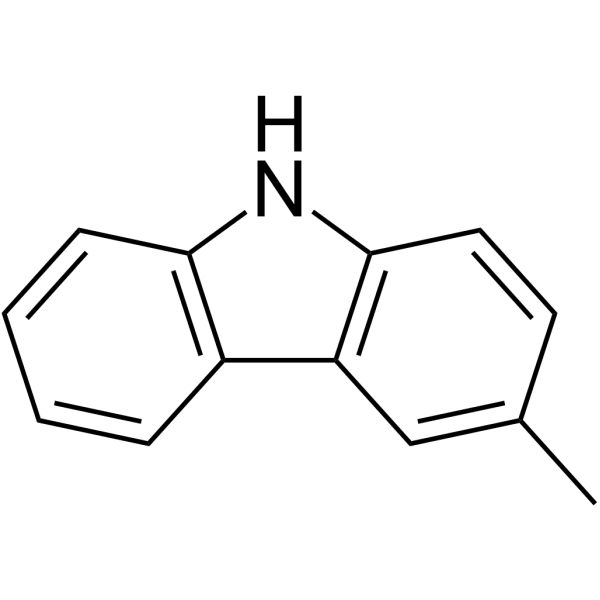
3-Methylcarbazole (NSC 10154) is a carbazole alkaloid with an IC50 of 25 μg/mL against human fibrosarcoma cells. 3-Methylcarbazole inhibits mycelial growth and conidial germination of a variety of phytopathogenic fungi. 3-Methylcarbazole exhibits anti-inflammatory and antitumor activities. 3-Methylcarbazole can be used in studies related to fibrosarcoma, phytopathogenic fungal infections and inflammatory diseases .
|
-
-
- HY-23155S
-
|
2-PE ITC-d5
|
Fungal
|
Infection
|
|
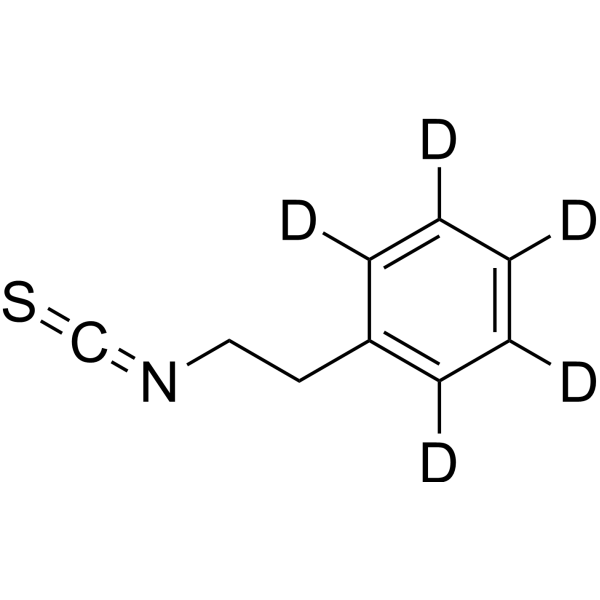
2-Phenylethyl isothiocyanate-d5 isothiocyanate-d5 is the deuterium labeled 2-Phenylethyl isothiocyanate[1]. 2-Phenylethyl isothiocyanate is a potent antifungal agent. 2-Phenylethyl isothiocyanate significantly inhibited spore germination and mycelial growth of Alternaria alternata, with a MIC (minimum inhibitory concentration) of 1.22 mM. The antifungal effect of 2-Phenylethyl isothiocyanate against Alternaria alternata might be via reduction in toxin content and breakdown of cell membrane integrity[2][3].
|
-
-
- HY-W007980
-
|
|
Fungal
|
Infection
|
|
Antifungal agent 98 (compound 2) is an antifungal agent. Antifungal agent 98 (100 μg/mL) shows insecticidal activity against Bipolaris sorokinianum, Fusarium oxysporium f. sp.vasinfectum, Pyricularia oryzae, Alternaria
Brassicae and Alternaria alternata with a death rate of 41.5%, 40.0%, 23.4, 36.8%, and 35.0% .
|
-

-
- HY-W150903
-
|
p-Oxybenzoesaureheptylester
|
Fungal
Bacterial
|
Infection
|
|
N-Heptyl 4-hydroxybenzoate (p-Oxybenzoesaureheptylester) is an antimicrobial agent that inhibits S. aureus with MIC of 12.5 μg/mL. N-Heptyl 4-hydroxybenzoate also against plant pathogenic fungi, such as Alternaria brassicicola, F. solani, C. dematium and C. acutatum .
|
-

-
- HY-W017611
-
|
|
Environmental Pollutants
Reactive Oxygen Species (ROS)
Fungal
DNA/RNA Synthesis
|
Infection
|
|
4-Propylphenol is a plant-derived phenolic compound. 4-Propylphenol causes an increase in ROS within the Fusarium graminearum cells, leading to damage to the DNA and cell membranes of the mycelia, effectively inhibiting the growth of the mycelia. 4-Propylphenol also has a growth inhibitory effect on walnut pathogenic fungi (C. gloeosporioides, C. siamense, A. alternata), with its EC50 ranging from 29.11 to 31.89 mg/L, and it also inhibits spore germination, with EC50 being 55.04-71.85 mg/L. 4-Propylphenol can be used in the research of fungal diseases in walnuts and wheat Fusarium head blight .
|
-

-
- HY-23155R
-
|
2-PE ITC (Standard)
|
Fungal
Reference Standards
|
Infection
|
|
2-Phenylethyl isothiocyanate (Standard) is the analytical standard of 2-Phenylethyl isothiocyanate. This product is intended for research and analytical applications. 2-Phenylethyl isothiocyanate is a potent antifungal agent. 2-Phenylethyl isothiocyanate significantly inhibited spore germination and mycelial growth of Alternaria alternata, with a MIC (minimum inhibitory concentration) of 1.22 mM. The antifungal effect of 2-Phenylethyl isothiocyanate against Alternaria alternate might be via reduction in toxin content and breakdown of cell membrane integrity .
|
-

-
- HY-N9714
-
|
|
Others
|
Others
|
|
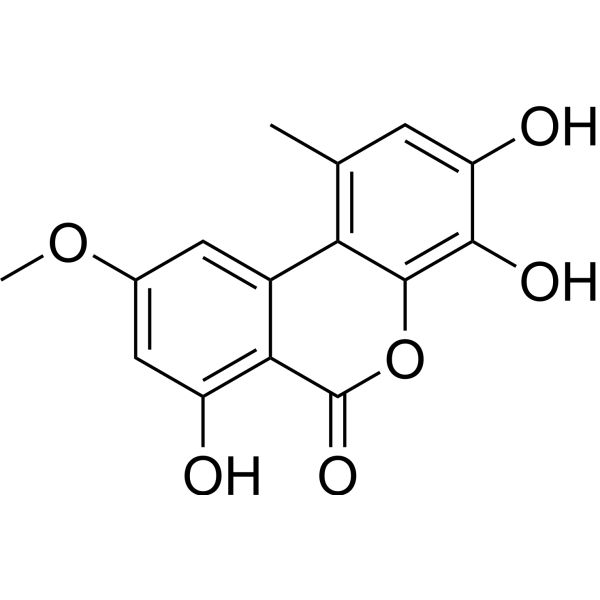
4-Hydroxyalternariol-9-methyl ether can be isolated from an endolichenic fungal strain Nigrospora sphaerica (No.83-1-1-2), endolichenic fungal strains Alternaria alternata (No.58-8-4-1) and Phialophora sp. (No.96-1-8-1) .
|
-
-
- HY-142912
-
|
|
Fungal
|
Others
|
|
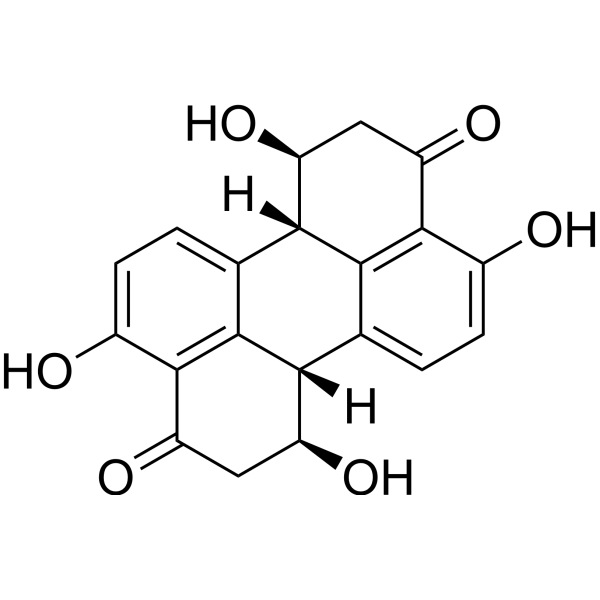
Stemphyperylenol displays a potent antifungal activity against the plant pathogen Alternaria solani with MIC of 1.57 μM.
|
-
-
- HY-W150903S
-
|
p-Oxybenzoesaureheptylester [German]-d4
|
Isotope-Labeled Compounds
Fungal
Bacterial
|
Infection
|
|
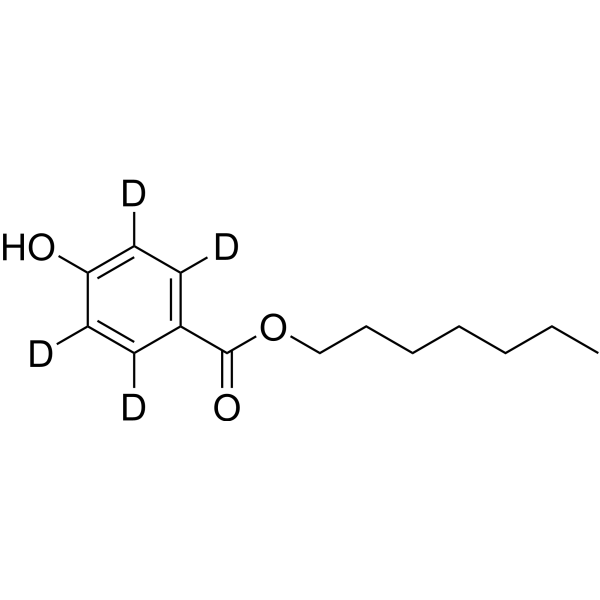
N-Heptyl 4-hydroxybenzoate-d4 is the deuterium labeled N-Heptyl 4-hydroxybenzoate (HY-W150903) . N-Heptyl 4-hydroxybenzoate (p-Oxybenzoesaureheptylester) is an antimicrobial agent that inhibits S. aureus with MIC of 12.5 μg/mL. N-Heptyl 4-hydroxybenzoate also against plant pathogenic fungi, such as Alternaria brassicicola, F. solani, C. dematium and C. acutatum .
|
-
-
- HY-W653896
-
|
|
Isotope-Labeled Compounds
Androgen Receptor
Apoptosis
Topoisomerase
Estrogen Receptor/ERR
|
Infection
|
|
Alternariol-d2 is deuterium labeled Alternariol. Alternariol is an orally ingested mycotoxin produced by Alternaria, capable of inhibiting the activity of topoisomerase I and II (topoisomerase I, topoisomerase II). Alternariol has weak estrogenic (Estrogen Receptor/ERR) and androgen/antiandrogen (Androgen Receptor) effects. Alternariol can induce apoptosis, trigger cell cycle arrest, suppress innate immune responses, and exhibit anti-tumor activity. Alternariol has genotoxic, mutagenic, and endocrine-disrupting effects .
|
-

-
- HY-124002
-
-
-
- HY-129509
-
|
|
Endogenous Metabolite
|
Others
|
|
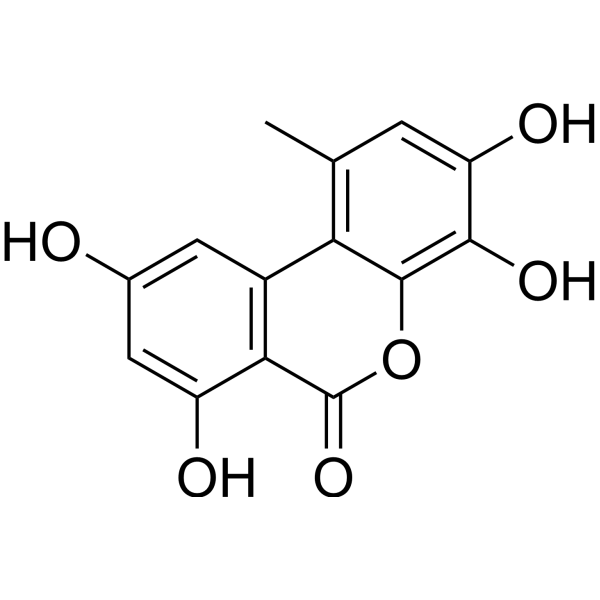
Alterporriol B is a red pigment, which can be isolated from Alternaria porri. Alternaria porri is the cause of black spot disease in alliums .
|
-

-
- HY-N10444
-
|
|
Others
|
Cancer
|
|
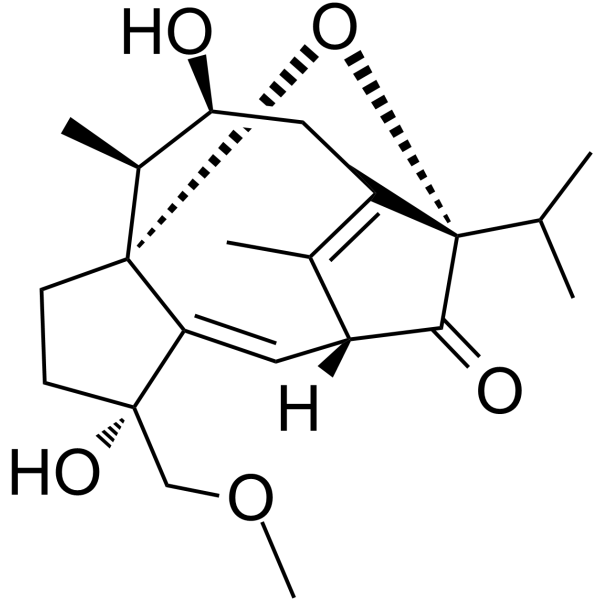
Alterbrassicene B is an anticancer agent, can be isolated from Alternaria brassicicola .
|
-
-
- HY-168470
-
|
|
Fungal
|
Infection
|
|
Antifungal agent 125 (compound 4H) is a potent inhibitor of succinate dehydrogenase (SDH), with the IC50 of 3.59 μg/mL. Antifungal agent 125 exhibits fungicidal activity against Alternaria alternata .
|
-

-
- HY-122191
-
|
|
Others
|
Infection
|
|
AK-Toxin II is a phytotoxic metabolite that can be isolated from culture broth of alternaria alternata Japanese pear pathotype. AK-Toxin II induces characteristic veinal necrosis and rapid K + loss on susceptible pear leaves .
|
-

-
- HY-N8443
-
|
|
Bacterial
|
Infection
|
|
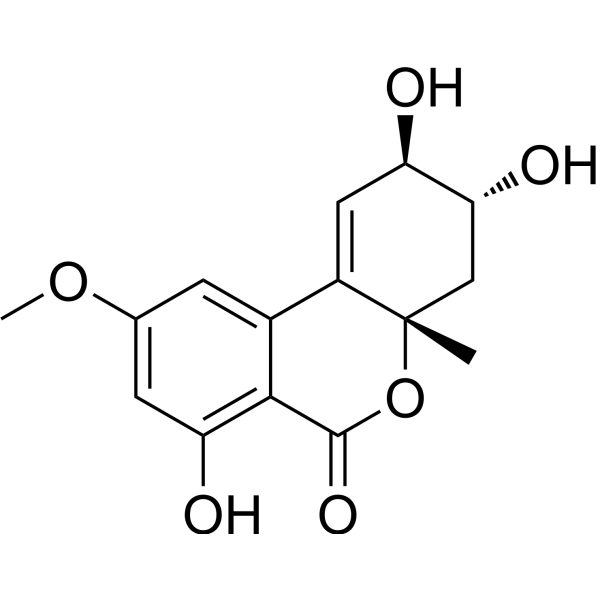
Isoaltenuene is an anti-bacterial agent with moderate activity against Staphylococcus aureus. Isoaltenuene can be isolated from fungus Alternaria alternate cib-137 .
|
-
-
- HY-N10289
-
|
|
Fungal
|
Infection
|
|
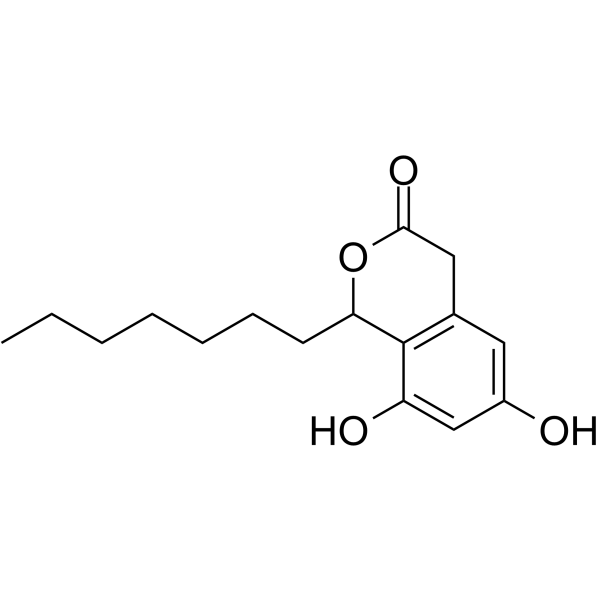
Cytosporone C is an antifungal metabolite from the Melia azedarach-Associated Fungus Diaporthe eucalyptorum. Cytosporone C exhibits antifungal activities against Alternaria solani .
|
-
-
- HY-N15402
-
|
|
EBV
|
Infection
|
|
Porritoxin (compound 1 ) is a metabolite of Alternaria porri. Porritoxin shows the inhibitory effect on Epstein-Barr virus early antigen (EBV-EA) activation induced by TPA (HY-18739) .
|
-

-
- HY-N12033
-
|
|
Others
|
Cancer
|
|
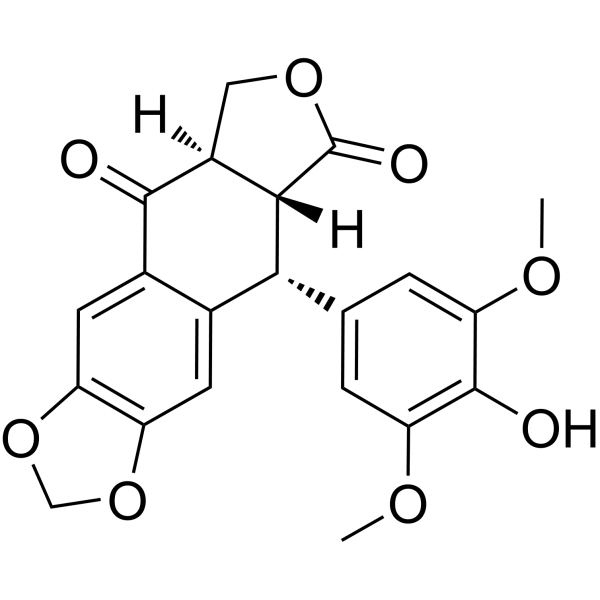
4'-Demethylpodophyllotoxone is an intermediate product of the biotransformation of Alternaria alternata S-f6. After 4'-Demethylpodophyllotoxone is modified with 4-(2,3,5,6-tetramethylpyrazine-1) (4-TMP), the resulting novel compound can strongly inhibit the growth of human gastric cancer cell line (BGC-823) .
|
-
-
- HY-W164451
-
|
|
Fungal
|
Infection
|
|
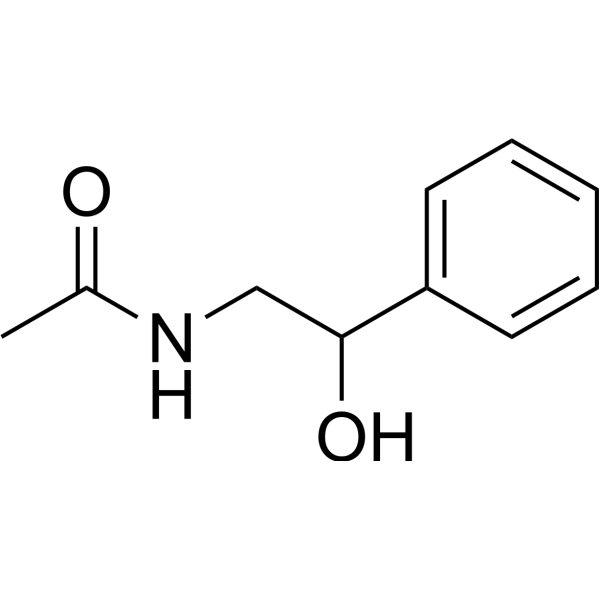
N-(2-hydroxy-2-phenylethyl)acetamide is isolated from the solid rice cultures of the endophytic fungus Diaporthe eucalyptorum KY-9. N-(2-hydroxy-2-phenylethyl)acetamide exhibits antifungal activities against Alternaria solani .
|
-
-
- HY-N10126
-
|
|
Others
|
Others
|
|
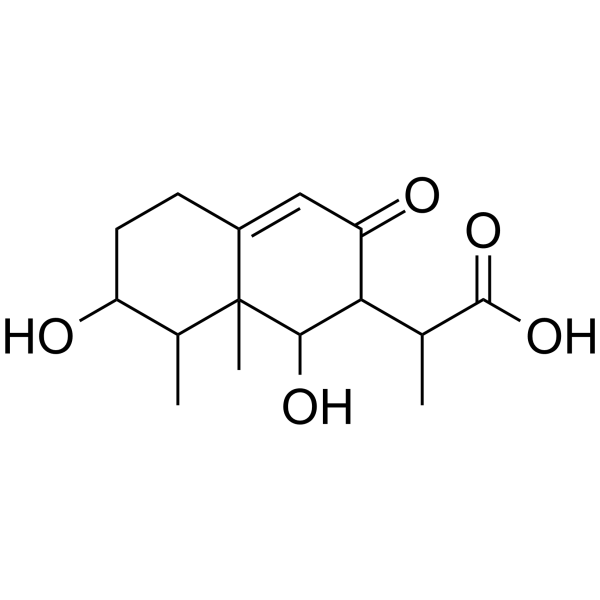
(3ξ,4ξ,5ξ,6ξ,7ξ,11ξ)-3,6-Dihydroxy-8-oxo-9-eremophilene-12-oic acid is a new phytotoxin of Alternaria alternata ssp. tenuissima isolates associated with fruit spots on apple.
|
-
-
- HY-174388
-
|
|
Fungal
Herbicide
Reactive Oxygen Species (ROS)
|
Infection
|
|
Antifungal agent 134 (Compound B13) is an antifungal agent with EC50s of 3.24, 1.89, 1.70, 0.36, 4.27, and 1.50 μg/mL for Botrytis cinerea, Alternaria solani, Fusarium graminearum, Rhizoctonia solani, Colletotrichum orbiculare, and Alternaria alternata, respectively. Antifungal agent 134 can disrupt the cell membrane and mitochondria of the hyphae, leading to significant ROS accumulation. Antifungal agent 134 also has significant herbicidal activities against field weeds, such as Amaranthus retroflexus L and Abutilon theophrasti Medicus. Antifungal agent 134 can be used for crop diseases and field weeds research .
|
-

-
- HY-N9553
-
|
|
Endogenous Metabolite
|
Others
|
|
Alternarian acid is a polyketide compound found in the endophytic fungus Alternaria alternata MT-47, an endophytic fungus isolated from the medicinal plant of Huperzia serrata. Alternarian acid shows little inhibitory activity against thrombin-activated platelets, acetylcholinesterase, or butyrylcholinesterase .
|
-

-
- HY-N10288
-
-
-
- HY-N14363
-
-

-
- HY-N15309
-
|
Torvoside K
|
Fungal
|
Infection
|
|
Torvoside C (Torvoside K) is a compound found in Solanum torvum with antifungal activity. The ZOIs and MIC values of Torvoside C against the tested fungi (Alternaria brassicicola, Alternaria geophila, Aspergillus flavus, etc.) range from 33.4% to 87.4% and 31.25 to 250 μg/mL, respectively. Additionally, it exhibits a dose-dependent inhibitory effect on the production of mycotoxins aflatoxin B1 and fumonisin B1, which are produced by A. flavus and F. verticillioides, respectively. Torvoside C can be used for research in the field of antifungal infection .
|
-

-
- HY-N11528
-
|
7-Noreugenitin
|
Others
|
Infection
|
|
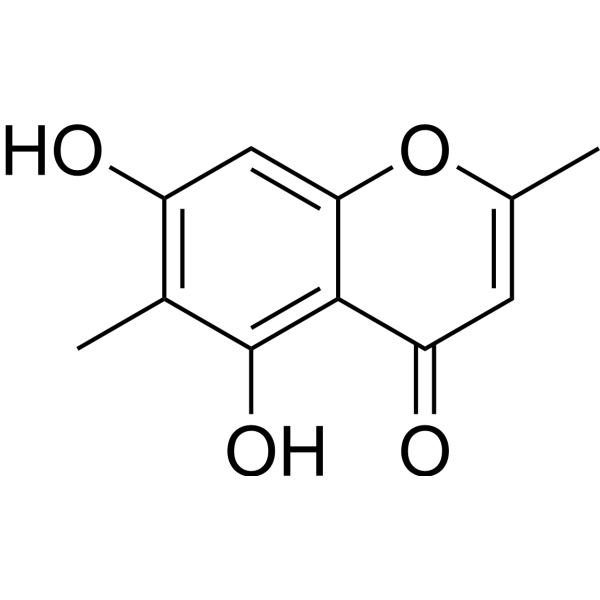
Eugenitol (Compound 3) is an antifungal metabolite isolated and purified from Diaporthe eucalyptorum. Eugenitol has inhibitory effect on four plant pathogenic fungi (Alternaria solani, Botrytis cinerea, Fusarium solani and Gibberella saubinettii) .
|
-
-
- HY-N10292
-
|
|
Fungal
Endogenous Metabolite
|
Infection
|
|
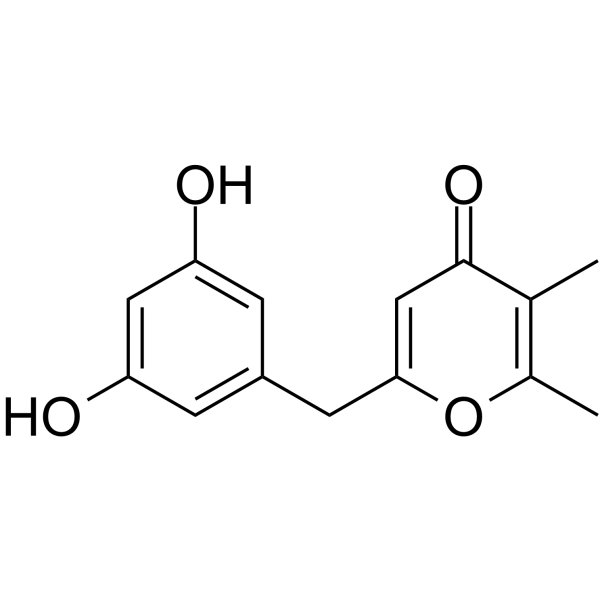
Chaetosemin J, an antifungal metabolite, exhibits inhibitory activity against plant pathogenic fungi Botrytis cinerea, Alternaria solani, Magnaporthe oryzae, and Gibberella saubinettii, with MIC values ranging from 12.5-25 μM .
|
-
-
- HY-N8443S
-
|
|
Isotope-Labeled Compounds
Bacterial
|
Infection
|
|
Isoaltenuene-d6 is deuterium labeled Isoaltenuene. Isoaltenuene is an anti-bacterial agent with moderate activity against Staphylococcus aureus. Isoaltenuene can be isolated from fungus Alternaria alternate cib-137 .
|
-

-
- HY-N16445
-
|
(-)-Strevertene A
|
Endogenous Metabolite
Antibiotic
Fungal
|
Infection
|
|
Strevertene A ((-)-Strevertene A) (Compound 1), a pentaene macrolide, is a microbial secondary metabolite. Strevertene A is an antibiotic and has a potent antifungal activity. Strevertene A significantly inhibits the mycelial growth of phytopathogenic fungi (such as Alternaria mali, Aspergillus oryzae and Cylindrocarpon destructans) with IC50s of 4-16 μg/mL. Strevertenes A can strongly prevent Fusarium wilt development on tomato plants .
|
-

-
- HY-N6714R
-
|
|
Reference Standards
Topoisomerase
Androgen Receptor
Estrogen Receptor/ERR
Apoptosis
|
Infection
Cancer
|
|
Alternariol (Standard) is the analytical standard of Alternariol. This product is intended for research and analytical applications. Alternariol is an orally ingested mycotoxin produced by Alternaria, capable of inhibiting the activity of topoisomerase I and II (topoisomerase I, topoisomerase II). Alternariol has weak estrogenic (Estrogen Receptor/ERR) and androgen/antiandrogen (Androgen Receptor) effects. Alternariol can induce apoptosis, trigger cell cycle arrest, suppress innate immune responses, and exhibit anti-tumor activity. Alternariol has genotoxic, mutagenic, and endocrine-disrupting effects .
|
-

-
- HY-W017611S
-
|
|
Isotope-Labeled Compounds
Fungal
Reactive Oxygen Species (ROS)
DNA/RNA Synthesis
|
Infection
|
|
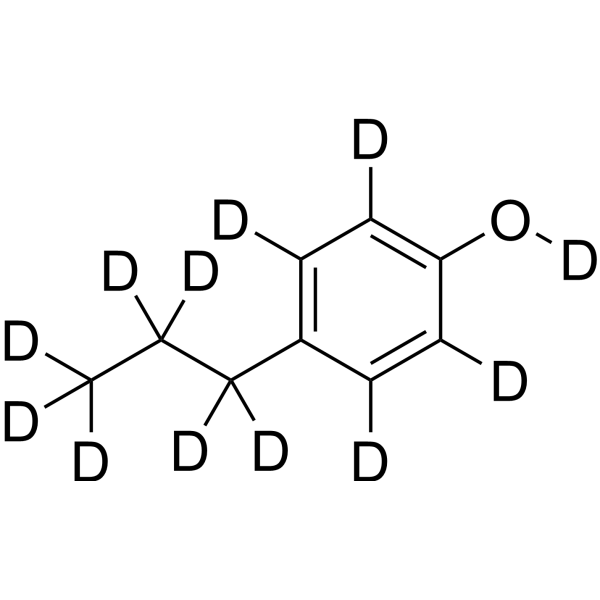
4-Propylphenol-d12 is the deuterium labeled 4-Propylphenol. 4-Propylphenol is a plant-derived phenolic compound. 4-Propylphenol causes an increase in ROS within the Fusarium graminearum cells, leading to damage to the DNA and cell membranes of the mycelia, effectively inhibiting the growth of the mycelia. 4-Propylphenol also has a growth inhibitory effect on walnut pathogenic fungi (C. gloeosporioides, C. siamense, A. alternata), with its EC50 ranging from 29.11 to 31.89 mg/L, and it also inhibits spore germination, with EC50 being 55.04-71.85 mg/L. 4-Propylphenol can be used in the research of fungal diseases in walnuts and wheat Fusarium head blight.
|
-
-
- HY-N15454
-
|
Altertenuol
|
Herbicide
Bacterial
|
Infection
|
|
Altenuisol is a compound that can be found in the pathogenic fungus of the genus Alternaria in Xanthium italicum. It has herbicidal activity. At a low concentration of Altenuisol (10 μg/mL), it promotes the root growth of Pennisetum alopecuroides and Medicago sativa by 75.2% and 51.0% respectively. At a high concentration of Altenuisol (1000 μg/mL), the inhibition rates of root growth of Pennisetum alopecuroides and Medicago sativa are 52.0% and 42.0% respectively. In addition, Altenuisol is cytotoxic to HeLa cells and also exhibits antibacterial and antioxidant activities. Altenuisol is expected to be used in research in fields such as agricultural weeding, anti - tumor, and anti - infection .
|
-

- HY-176552
-
|
|
Fungal
Microtubule/Tubulin
|
Infection
|
|
Tubulin polymerization-IN-83 (Compound A23) is a flavonol derivative. Tubulin polymerization-IN-83 exhibits antifungal activity against various phytopathogenic fungi, with an EC50 of 0.338 μg/mL against Botrytis cinerea. Tubulin polymerization-IN-83 exerts its effects by targeting β-tubulin, disrupting mycelial morphology, and increasing cell membrane permeability, with relatively low ecological and environmental risks .
|
-

- HY-N15755
-
|
|
Bacterial
Fungal
|
Infection
|
|
Sepiumol A is a polyphenolic compound that can be isolated from the bark of Periploca sepium Bunge. Sepiumol A has antibacterial and antifungal activities. Sepiumol A can be added to e-cigarette liquid to exert antibacterial effects and reduce the sweetness and greasiness during smoking .
|
-

- HY-N7519
-
|
|
Fungal
|
Infection
|
|
5-(12Z-Heptadecenyl)-resorcinol (Compound 1a) serves as the main component of Antifungal mixtures. 5-(12Z-Heptadecenyl)-resorcinol can be isolated from mango peels. Antifungal mixtures composed of 5-(12Z-Heptadecenyl)-resorcinol exhibit activity against Alternaria alternata. 5-(12Z-Heptadecenyl)-resorcinol can be used in studies related to mango fruit black spot disease .
|
-

- HY-N1117
-
|
|
Phosphatase
NO Synthase
|
Infection
Metabolic Disease
Cancer
|
|
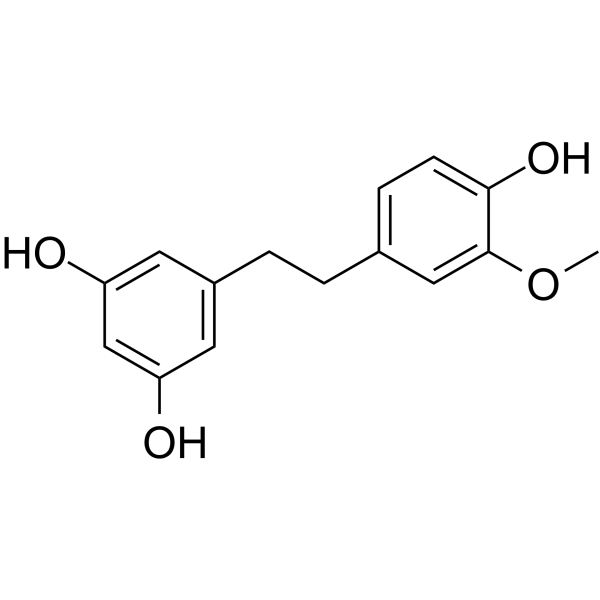
Tristin is a PTP1B inhibitor (IC50=21.2 μM) with antioxidant and antifungal activities. Tristin inhibits lipid peroxidation and NO production in LPS-stimulated macrophages, and also exhibits activity against a variety of phytopathogenic fungi. Tristin is also able to inhibit cancer cell proliferation. Tristin can be used in the research of diseases associated with phytopathogenic fungal infection, leukemia, type 2 diabetes and inflammatory responses .
|
-
- HY-N8482
-
|
|
Others
|
Others
|
|
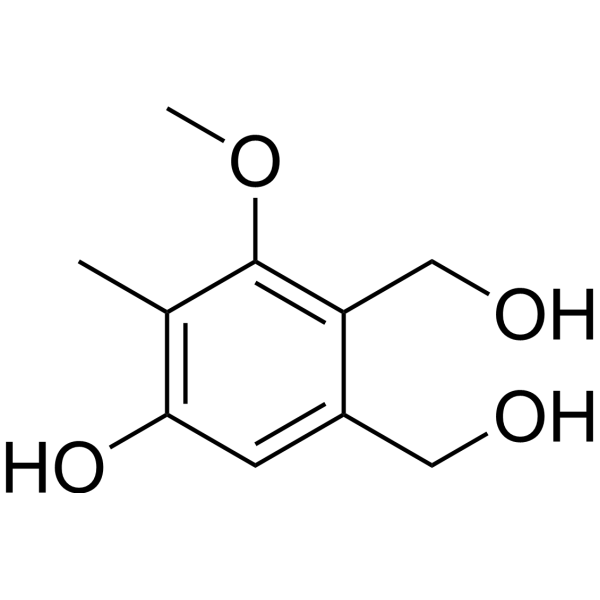
Zinnol (compound 5) is a zinniol-related compound with phytotoxicity which can be extracted from Alternaria cichorii .
|
-
- HY-N16428
-
|
NSC 356436
|
Endogenous Metabolite
Fungal
Bacterial
|
Infection
Cancer
|
|
Neoaspergillic acid (NSC 356436) (Compound 2) is a microbial secondary metabolite. Neoaspergillic acid can be isolated from the endophytic fungus Aspergillus sp. SPH2. Neoaspergillic acid has potent antifungal activity against Alternaria alternata, Botrytis cinerea and Fusarium oxysporum. Neoaspergillic acid appears during the exponential phase of fungal growth. Neoaspergillic acid also antitumor and antibacterial effects .
|
-

- HY-N18128
-
|
|
Fungal
|
Infection
|
|
Hunnemanine is a protoberberine-type isoquinoline alkaloid with significant antifungal activity. At a concentration of 1000 ppm, Hunnemanine completely inhibits spore germination of a variety of phytopathogenic fungi, including Alternaria brassicae, Helminthosporium pennisetti, and Fusarium lini. Hunnemanine can be applied to studies on the infection mechanisms of phytopathogenic fungi and related control strategies .
|
-

- HY-181346
-
|
|
Fungal
Succinate Dehydrogenase
|
Infection
|
|
SDH-IN-44 is a succinate dehydrogenase (SDH) inhibitor with an IC50 of 12.5 μg/mL against Alternaria solani. SDH-IN-44 exhibits antifungal activity and inhibits fungal mycelial growth. SDH-IN-44 is applicable to research related to fungal infections .
|
-

- HY-183295
-
|
|
Fungal
Reactive Oxygen Species (ROS)
|
Infection
|
|
Antifungal agent 160 is a cytochrome bc1 complex inhibitor with activity against Alternaria solani, Gibberella zeae, Colletotrichum gloeosporioides, and Fusarium oxysporum f. sp. melonis. Antifungal agent 160 impairs ATP synthesis, suppresses ATPase activity, induces ROS bursts, compromises plasma membrane integrity, and suppresses fungal growth. Antifungal agent 160 can be used for the research of fungal infection .
|
-

- HY-N15620
-
-

- HY-W844141
-
|
|
Others
|
Others
|
|
2,5-Dimethylchroman-4-one is a Phenols product that can be isolated from the metabolites of Alternaria brassicicola ML-P08. .
|
-

- HY-W012475
-
|
|
Fungal
|
Infection
|
|
cis-3-Hexenyl benzoate is a volatile organic compound with a grassy aroma, widely used in the fragrance and cosmetic industries. It exhibits weak antifungal activity. cis-3-Hexenyl benzoate shows no significant risks in genotoxicity, reproductive toxicity, or environmental toxicity, and its skin sensitization potential is controllable within defined concentration limits .
|
-

- HY-N6717S1
-
|
|
Isotope-Labeled Compounds
|
Infection
|
|
Tentoxin- 13C22 is the 13C-labeled Tentoxin (HY-N6717). Tentoxin is a cyclic tetrapeptide isolated from Alternaria tenuis, acts as a herbicide, causes seedling chlorosis, inhibits cyclic photophosphorylation and functions as an energy transfer inhibitor .
|
-

- HY-N9715
-
|
|
Herbicide
|
Others
|
|
4-Chloropinselin is a chlorine-containing xanthone herbicide that can be isolated from Alternaria sonchi. 4-Chloropinselin is a biosynthetic precursor or degradation product of chloromonilicin and exhibits phytotoxic and antimicrobial activity. 4-Chloropinselin can inhibit the growth of weeds such as field sowthistle and suppress the proliferation of certain microorganisms .
|
-

- HY-183792
-
|
|
Bacterial
Reactive Oxygen Species (ROS)
|
Infection
|
|
Antibacterial agent 347 (Compound 4d) is an Antibacterial agent. Antibacterial agent 347 exhibits selective antibacterial activity against Streptococcus mutans. Antibacterial agent 347 shows moderate ABTS• + free radical scavenging activity .
|
-

- HY-W158616
-
|
|
Fungal
|
Infection
|
|
3-Methyl-1-hexanol, a volatile organic compound, is a microbial antagonist that can be isolated from Aureobasidium pullulans. 3-Methyl-1-hexanol has antifungal activities against Alternaria alternate and Botrytis cinerea. 3-Methyl-1-hexanol can be used for microbial infections research .
|
-

- HY-183091
-
|
|
Fungal
|
Infection
|
|
Antifungal agent 159 is an antifungal agent with broad-spectrum activity against phytopathogenic fungi. Antifungal agent 159 binds tightly to the active sites of exo-β-(1,3)-glucanase, topoisomerase II-DNA-nucleotide, dihydrofolate reductase, sterol 14-α demethylase and chitin synthase. Antifungal agent 159 can be used in studies related to phytopathogenic fungal infections .
|
-

| Cat. No. |
Product Name |
Type |
-
- HY-119976
-
|
|
Biochemical Assay Reagents
|
|
Boscalid is a succinate dehydrogenase (SDHI) inhibitor with antifungal activity. Boscalid binds to the ubiquinone-binding site of fungal mitochondrial complex II, blocks ATP production and aerobic respiration, exhibits good control efficacy against a variety of plant fungal diseases including gray mold, sclerotinia rot and powdery mildew, and is widely used for disease control in agriculture. Boscalid induces apoptosis, altered lipid metabolism, mitochondrial dysfunction, respiratory impairment, oxidative stress, ROS accumulation and neurodevelopmental disorders in zebrafish. Boscalid reduces foraging ability, shortens median death time and causes chronic toxicity in exposed honeybees. Boscalid also possesses genotoxicity, cytotoxicity, elevated mitochondrial superoxide levels and early-stage apoptosis .
|
| Cat. No. |
Product Name |
Target |
Research Area |
-
- HY-P1940
-
|
Cyclo(Tyr-Pro)
|
Endogenous Metabolite
Bacterial
Fungal
|
Infection
Cancer
|
|
Maculosin (Cyclo (Tyr-Pro)) is a host-specific phytotoxin for spotted knapweed from Alternaria alternata. Maculosin is a quorum-sensing molecule involved in cell-cell communication. Maculosin also acts as a signaling molecule regulating virulence gene expression. Maculosin shows antimicrobial, antifungal, antioxidant and anti-cancer properties .Maculosin (Cyclo (Tyr-Pro)) is a host-specific phytotoxin for spotted knapweed from Alternaria alternata. Maculosin is a quorum-sensing molecule involved in cell-cell communication. Maculosin also acts as a signaling molecule regulating virulence gene expression. Maculosin shows antimicrobial, antifungal, antioxidant and anti-cancer properties .
|
| Cat. No. |
Product Name |
Category |
Target |
Chemical Structure |
-
- HY-P1940
-
|
Cyclo(Tyr-Pro)
|
Alkaloids
Monophenols
Microorganisms
Pyrrole Alkaloids
Phenols
Disease Research Fields
Source Classification
Cancer
|
Endogenous Metabolite
Bacterial
Fungal
|
|
Maculosin (Cyclo (Tyr-Pro)) is a host-specific phytotoxin for spotted knapweed from Alternaria alternata. Maculosin is a quorum-sensing molecule involved in cell-cell communication. Maculosin also acts as a signaling molecule regulating virulence gene expression. Maculosin shows antimicrobial, antifungal, antioxidant and anti-cancer properties .Maculosin (Cyclo (Tyr-Pro)) is a host-specific phytotoxin for spotted knapweed from Alternaria alternata. Maculosin is a quorum-sensing molecule involved in cell-cell communication. Maculosin also acts as a signaling molecule regulating virulence gene expression. Maculosin shows antimicrobial, antifungal, antioxidant and anti-cancer properties .
|
-
-
- HY-W004263
-
-
-
- HY-N6714
-
-
-
- HY-N1434
-
-
-
- HY-N6724
-
-
-
- HY-N0902
-
-
-
- HY-123077
-
-
-
- HY-N6717
-
-
-
- HY-N6783
-
-
-
- HY-100513
-
|
|
Structural Classification
Microorganisms
Antibiotics
Source Classification
|
DNA/RNA Synthesis
Apoptosis
Antibiotic
|
|
(±)-Dehydroaltenusin, an antibiotic, is a selective eukaryotic DNA polymerase α (pol α) inhibitor with an IC50 of 0.68 μM. (±)-Dehydroaltenusin can be isolated from fungus Alternaria tenuis. (±)-Dehydroaltenusin competitively inhibits the DNA template primer (Ki: 0.23 μM) and non-competitively suppresses the 2'-deoxyribonucleoside 5'-triphosphate substrate (Ki: 0.18 μM). (±)-Dehydroaltenusin induces the cancer cell S-phase cycle arrest and apoptosis. (±)-Dehydroaltenusin can be used for cancers like human adenocarcinoma research .
|
-
-
- HY-W047478
-
-
-
- HY-N9714
-
-
-
- HY-129509
-
-
-
- HY-N10444
-
-
-
- HY-122191
-
-
-
- HY-N8443
-
-
-
- HY-N10289
-
-
-
- HY-N15402
-
-
-
- HY-N12033
-
-
-
- HY-W164451
-
-
-
- HY-N10126
-
-
-
- HY-N9553
-
-
-
- HY-N10288
-
-
-
- HY-N14363
-
-
-
- HY-N15309
-
|
Torvoside K
|
Structural Classification
Solanum torvum Swartz
Solanaceae
Plants
Steroids
Source Classification
|
Fungal
|
|
Torvoside C (Torvoside K) is a compound found in Solanum torvum with antifungal activity. The ZOIs and MIC values of Torvoside C against the tested fungi (Alternaria brassicicola, Alternaria geophila, Aspergillus flavus, etc.) range from 33.4% to 87.4% and 31.25 to 250 μg/mL, respectively. Additionally, it exhibits a dose-dependent inhibitory effect on the production of mycotoxins aflatoxin B1 and fumonisin B1, which are produced by A. flavus and F. verticillioides, respectively. Torvoside C can be used for research in the field of antifungal infection .
|
-
-
- HY-N11528
-
|
7-Noreugenitin
|
Natural Products
Microorganisms
Source Classification
|
Others
|
|
Eugenitol (Compound 3) is an antifungal metabolite isolated and purified from Diaporthe eucalyptorum. Eugenitol has inhibitory effect on four plant pathogenic fungi (Alternaria solani, Botrytis cinerea, Fusarium solani and Gibberella saubinettii) .
|
-
-
- HY-N10292
-
-
-
- HY-N16445
-
-
-
- HY-N6714R
-
-
-
- HY-N15454
-
|
Altertenuol
|
Microorganisms
Phenols
Polyphenols
Source Classification
|
Herbicide
Bacterial
|
|
Altenuisol is a compound that can be found in the pathogenic fungus of the genus Alternaria in Xanthium italicum. It has herbicidal activity. At a low concentration of Altenuisol (10 μg/mL), it promotes the root growth of Pennisetum alopecuroides and Medicago sativa by 75.2% and 51.0% respectively. At a high concentration of Altenuisol (1000 μg/mL), the inhibition rates of root growth of Pennisetum alopecuroides and Medicago sativa are 52.0% and 42.0% respectively. In addition, Altenuisol is cytotoxic to HeLa cells and also exhibits antibacterial and antioxidant activities. Altenuisol is expected to be used in research in fields such as agricultural weeding, anti - tumor, and anti - infection .
|
-
-
- HY-N15755
-
-
-
- HY-N7519
-
-
-
- HY-N1117
-
-
-
- HY-N8482
-
-
-
- HY-N16428
-
|
NSC 356436
|
Natural Products
Microorganisms
Source Classification
|
Endogenous Metabolite
Fungal
Bacterial
|
|
Neoaspergillic acid (NSC 356436) (Compound 2) is a microbial secondary metabolite. Neoaspergillic acid can be isolated from the endophytic fungus Aspergillus sp. SPH2. Neoaspergillic acid has potent antifungal activity against Alternaria alternata, Botrytis cinerea and Fusarium oxysporum. Neoaspergillic acid appears during the exponential phase of fungal growth. Neoaspergillic acid also antitumor and antibacterial effects .
|
-
-
- HY-N18128
-
-
-
- HY-N15620
-
-
-
- HY-W844141
-
-
-
- HY-N9715
-
|
|
Structural Classification
Microorganisms
Ketones, Aldehydes, Acids
Source Classification
|
Herbicide
|
|
4-Chloropinselin is a chlorine-containing xanthone herbicide that can be isolated from Alternaria sonchi. 4-Chloropinselin is a biosynthetic precursor or degradation product of chloromonilicin and exhibits phytotoxic and antimicrobial activity. 4-Chloropinselin can inhibit the growth of weeds such as field sowthistle and suppress the proliferation of certain microorganisms .
|
-
-
- HY-W158616
-
-
| Cat. No. |
Product Name |
Chemical Structure |
-
- HY-W653894
-
|
|
|
Tentoxin-d3 is the deuterium-labeled Tentoxin (HY-N6717). Tentoxin-d3 is a cyclic tetrapeptide isolated from Alternaria tenuis, acts as a herbicide, causes seedling chlorosis, inhibits cyclic photophosphorylation and functions as an energy transfer inhibitor .
|
-
-
- HY-N6625S
-
|
|
|
Chlorothalonil- 13C2 is the 13C-labeled Chlorothalonil. Chlorothalonil is a broad spectrum fungicide and is effective in protecting plants against fungal diseases caused mainly by Phytophthora infestans and Alternaria solani. Chlorothalonil is used for controlling of fungal foliar diseases of vegetables and crops .
|
-
-
- HY-23155S
-
|
|
|
2-Phenylethyl isothiocyanate-d5 isothiocyanate-d5 is the deuterium labeled 2-Phenylethyl isothiocyanate[1]. 2-Phenylethyl isothiocyanate is a potent antifungal agent. 2-Phenylethyl isothiocyanate significantly inhibited spore germination and mycelial growth of Alternaria alternata, with a MIC (minimum inhibitory concentration) of 1.22 mM. The antifungal effect of 2-Phenylethyl isothiocyanate against Alternaria alternata might be via reduction in toxin content and breakdown of cell membrane integrity[2][3].
|
-
-
- HY-W150903S
-
|
|
|
N-Heptyl 4-hydroxybenzoate-d4 is the deuterium labeled N-Heptyl 4-hydroxybenzoate (HY-W150903) . N-Heptyl 4-hydroxybenzoate (p-Oxybenzoesaureheptylester) is an antimicrobial agent that inhibits S. aureus with MIC of 12.5 μg/mL. N-Heptyl 4-hydroxybenzoate also against plant pathogenic fungi, such as Alternaria brassicicola, F. solani, C. dematium and C. acutatum .
|
-
-
- HY-W653896
-
|
|
|
Alternariol-d2 is deuterium labeled Alternariol. Alternariol is an orally ingested mycotoxin produced by Alternaria, capable of inhibiting the activity of topoisomerase I and II (topoisomerase I, topoisomerase II). Alternariol has weak estrogenic (Estrogen Receptor/ERR) and androgen/antiandrogen (Androgen Receptor) effects. Alternariol can induce apoptosis, trigger cell cycle arrest, suppress innate immune responses, and exhibit anti-tumor activity. Alternariol has genotoxic, mutagenic, and endocrine-disrupting effects .
|
-
-
- HY-N8443S
-
|
|
|
Isoaltenuene-d6 is deuterium labeled Isoaltenuene. Isoaltenuene is an anti-bacterial agent with moderate activity against Staphylococcus aureus. Isoaltenuene can be isolated from fungus Alternaria alternate cib-137 .
|
-
-
- HY-W017611S
-
|
|
|
4-Propylphenol-d12 is the deuterium labeled 4-Propylphenol. 4-Propylphenol is a plant-derived phenolic compound. 4-Propylphenol causes an increase in ROS within the Fusarium graminearum cells, leading to damage to the DNA and cell membranes of the mycelia, effectively inhibiting the growth of the mycelia. 4-Propylphenol also has a growth inhibitory effect on walnut pathogenic fungi (C. gloeosporioides, C. siamense, A. alternata), with its EC50 ranging from 29.11 to 31.89 mg/L, and it also inhibits spore germination, with EC50 being 55.04-71.85 mg/L. 4-Propylphenol can be used in the research of fungal diseases in walnuts and wheat Fusarium head blight.
|
-
-
- HY-N6717S1
-
|
|
|
Tentoxin- 13C22 is the 13C-labeled Tentoxin (HY-N6717). Tentoxin is a cyclic tetrapeptide isolated from Alternaria tenuis, acts as a herbicide, causes seedling chlorosis, inhibits cyclic photophosphorylation and functions as an energy transfer inhibitor .
|
-
Your information is safe with us. * Required Fields.
Inquiry Information
- Product Name:
- Cat. No.:
- Quantity:
- MCE Japan Authorized Agent:








