1. Search Result
Search Result
Results for "

CDK inhibitor II

" in MedChemExpress (MCE) Product Catalog:

55

Inhibitors & Agonists

1

Biochemical Assay Reagents

2

Natural
Products

1

Oligonucleotides

Targets Recommended:
Cat. No. Product Name Target Research Areas Chemical Structure
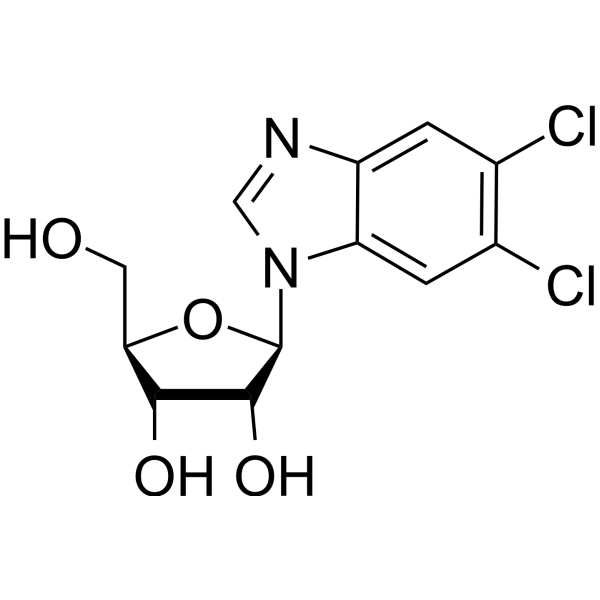
  • HY-14392

    DRB

    CDK Apoptosis Cancer
    5,6-Dichlorobenzimidazole riboside (DRB) is a nucleoside analog that inhibits several carboxyl-terminal domain kinases, including casein kinase II and cell cycle-dependent kinases (CDK). 5, 6-dichlorobenzimidazole riboside has antitumor activity. 5, 6-dichlorobenzimidazole riboside can induce apoptosis .
    5,6-Dichlorobenzimidazole riboside
  • HY-103248
    Toyocamycin
    5+ Cited Publications

    Vengicide

    IRE1 Fungal Antibiotic Apoptosis CDK Infection Cancer
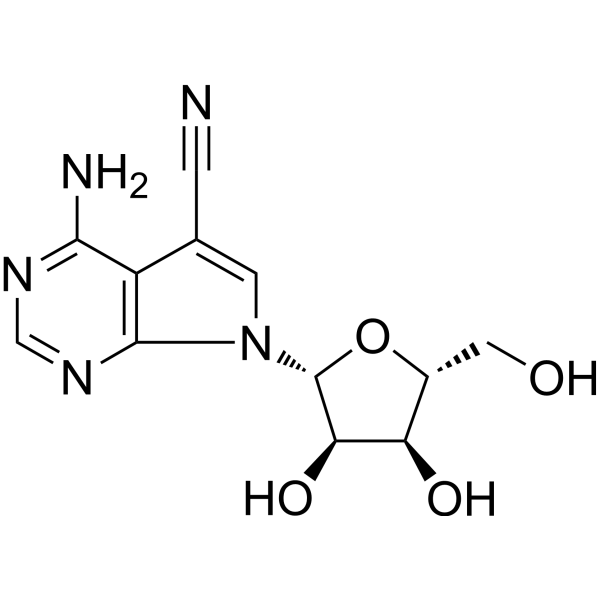
    Toyocamycin (Vengicide) is an adenosine analog produced by Streptomyces diastatochromogenes, acts as an XBP1 inhibitor. Toyocamycin blocks RNA synthesis and ribosome function, and induces apoptosis. Toyocamycin affects IRE1α-XBP1 pathway, and inhibits XBP1 mRNA cleavage with an IC50 value of 80 nM with affecting IRE1α auto-phosphorylation. Toyocamycin specifically inhibits CDK9 with an IC50 value of 79 nM .
    Toyocamycin
  • HY-101257
    YKL-5-124
    Maximum Cited Publications
    17 Publications Verification

    CDK Cancer
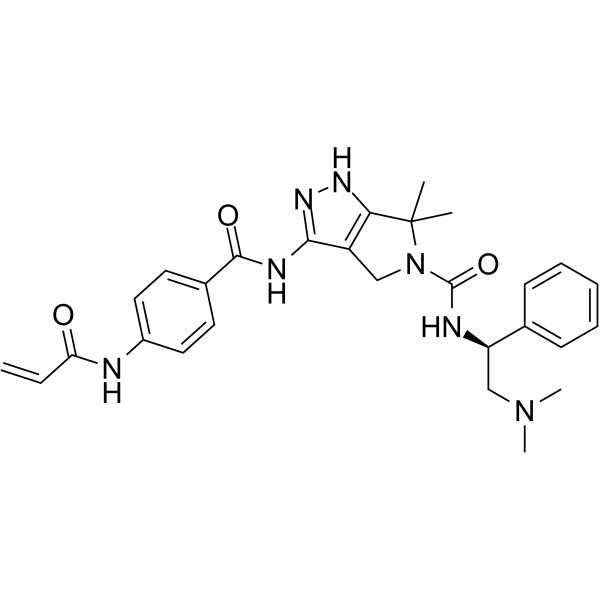
    YKL-5-124 is a potent, selective, irreversible and covalent CDK7 inhibitor with IC50s of 53.5 nM and 9.7 nM for CDK7 and CDK7/Mat1/CycH, respectively. YKL-5-124 is >100-fold greater selective for CDK7 than CDK9 and CDK2, and inactive against CDK12 and CDK13. YKL-5-124 induces a strong cell-cycle arrest, inhibits E2F-driven gene expression, and exhibits little effect on RNA polymerase II phosphorylation status .
    YKL-5-124
  • HY-X0009
    Tambiciclib
    1 Publications Verification

    GFH009; JSH-009; SLS009

    CDK DYRK Apoptosis Bcl-2 Family c-Myc Caspase PARP DNA/RNA Synthesis Metabolic Disease Inflammation/Immunology Cancer
    Tambiciclib (GFH009, JSH-009) is an orally active, highly potent and selective CDK9 inhibitor (IC50 = 1 nM), demonstrating >200-fold selectivity over other CDKs, >100-fold selectivity over DYRK1A/B, and excellent selectivity over 468 kinases/mutants. Tambiciclib demonstrates potent in vitro and in vivo antileukemic efficacy in acute myeloid leukemia (AML) mouse models by inhibiting RNA Pol II phosphorylation, downregulating MCL1 and MYC, and inducing apoptosis. Tambiciclib can be used for AML research .
    Tambiciclib
  • HY-11012
    TDZD-8
    10+ Cited Publications

    GSK-3β inhibitor I; NP 01139

    GSK-3 Cancer
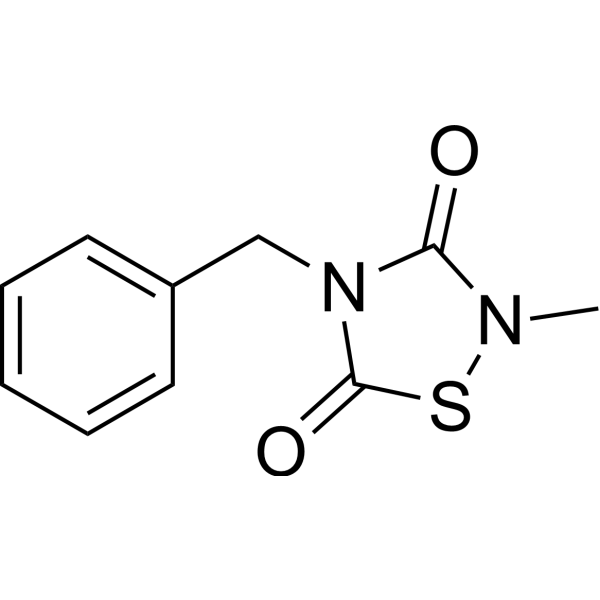
    TDZD-8 is an inhibitor of GSK-3β, with an IC50 of 2 μM; TDZD-8 shows less potent activities against Cdk-1/cyclin B, CK-II, PKA, and PKC, with all IC50s of >100 μM.
    TDZD-8
  • HY-103019
    Enitociclib
    2 Publications Verification

    (+)-BAY-1251152; (+)-VIP152; (S)-Enitociclib

    Drug Isomer CDK Apoptosis DNA/RNA Synthesis Inflammation/Immunology Cancer
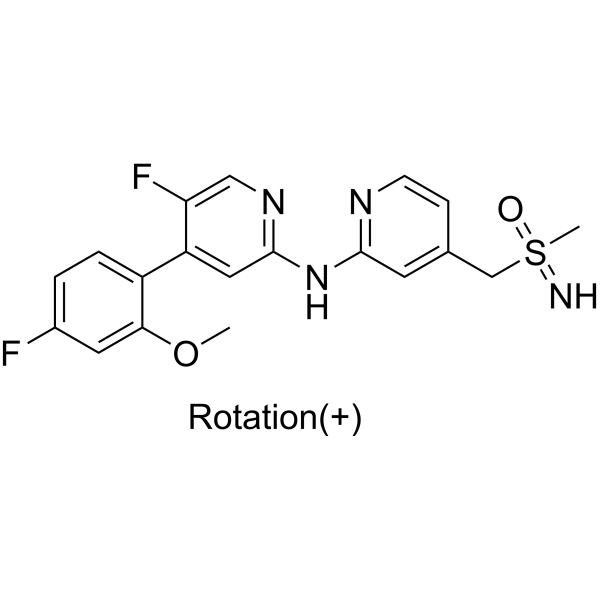
    Enitociclib ((+)-BAY-1251152; (+)-VIP152) is a selective CDK9 inhibitor (IC50=3 nM) that inhibits transcriptional elongation by blocking Ser2/Ser5 phosphorylation of RNA polymerase II. Enitociclib specifically depletes key short-lived proteins such as c-MYC, MCL-1 and induces tumor cell apoptosis. Enitociclib also interferes with the production of enhancer RNAs (eRNA) and enhancer-promoter interactions, and downregulates oncogene expression at the epigenetic level. Enitociclib exerts synergistic effects with agents including Bortezomib (HY-10227), Lenalidomide (HY-A0003), Pomalidomide (HY-10984), Venetoclax (HY-15531) and Paclitaxel (HY-B0015), and even reverses paclitaxel resistance. Enitociclib serves as a vital research tool for various malignancies such as double-hit diffuse large B-cell lymphoma, multiple myeloma and pancreatic ductal adenocarcinoma .
    Enitociclib
  • HY-103019A

    (±)-BAY-1251152; (±)-VIP152

    CDK Apoptosis DNA/RNA Synthesis Cancer
    (±)-Enitociclib ((±)-BAY-1251152) is the racemic mixture of Enitociclib (HY-103019E). Enitociclib is a selective CDK9 inhibitor and apoptosis inducer. Enitociclib inhibits CDK9 activity and reduces the phosphorylation of Ser2 in the carboxyl-terminal domain (CTD) of RNA polymerase Pol II, thereby downregulating the transcription of key oncogenes such as MYC and MCL1. Enitociclib has anti-proliferative activity targeting MYC + lymphoma and multiple myeloma (MM) cells, and has synergistic effects with Bortezomib (HY-10227) and Lenalidomide (HY-A0003), and can be used in the research of hematological malignancies .
    (±)-Enitociclib
  • HY-15004
    AUZ 454
    5+ Cited Publications

    K03861

    CDK Cancer
    AUZ 454 (K03861) is a type II CDK2 inhibitor with Kd of 8.2 nM. AUZ 454 (K03861) inhibits CDK2 activity by competing with binding of activating cyclins.
    AUZ 454
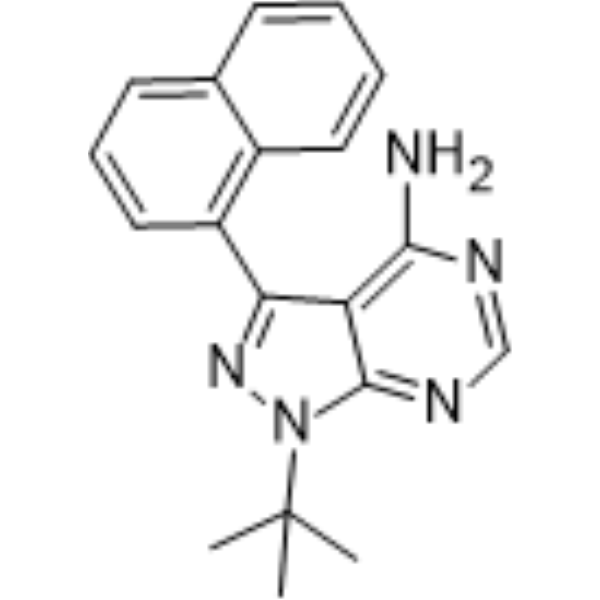
  • HY-13941
    1-Naphthyl PP1
    3 Publications Verification

    1-NA-PP 1

    Src PKD Neurological Disease Inflammation/Immunology Cancer
    1-Naphthyl PP1 (1-NA-PP 1) is a selective inhibitor of src family kinases and Protein Kinase D. 1-Naphthyl PP1 inhibits v-Src and c-Fyn, c-Abl, CDK2 and CAMK II with IC50s of 1.0, 0.6, 0.6, 18 and 22 μM, respectively .
    1-Naphthyl PP1
  • HY-13033
    CDK-IN-2
    1 Publications Verification

    CDK inhibitor II

    CDK Endocrinology
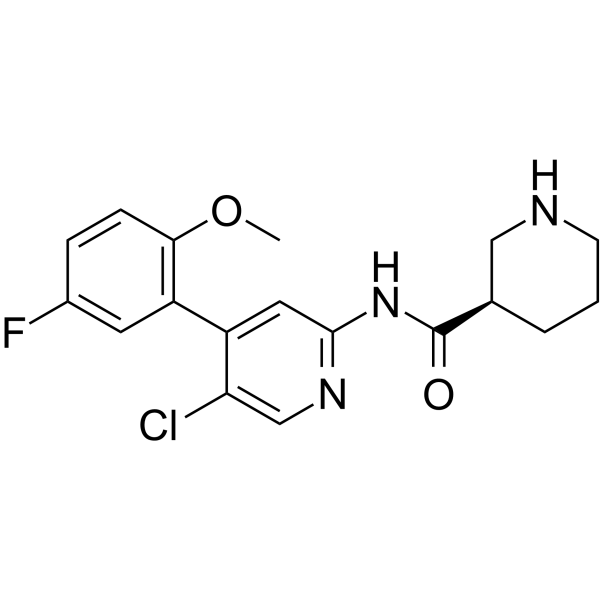
    CDK-IN-2 is a specific CDK9 inhibitor with an IC50 of less than 8 nM. CDK-IN-2 reduces the phosphorylation level of H3S10. CDK-IN-2 decreases the transition rate of spermatocytes from prophase to metaphase I .
    CDK-IN-2
  • HY-112626
    CDK12-IN-2
    1 Publications Verification

    CDK Cancer
    CDK12-IN-2 is a potent, selective and nanomolar CDK12 inhibitor (IC50=52 nM) with good physicochemical properties. CDK12-IN-2 is also a strong CDK13 inhibitor due to CDK13 is the closest homologue of CDK12. CDK12-IN-2 shows excellent kinase selectivity for CDK12 over CDK2, 9, 8, and 7. CDK12-IN-2 inhibits the phosphorylation of Ser2 in the C-terminal domain of RNA polymerase II. CDK12-IN-2 can be used an excellent chemical probe for functional studies of CDK12 .
    CDK12-IN-2
  • HY-162919

    CDK Apoptosis c-Myc Cancer
    YK-2168 is a potent and selective CDK9 inhibitor with an IC50 of 5.9 nM. YK-2168 inhibits phosphorylation of the CDK9 substrate pS2-RNA Pol II C-terminal domain. YK-2168 induces apoptosis in tumor cells, suppresses expression of CDK9-regulated genes including MYC and Mcl1, and inhibits tumor growth in CDX mice models. YK-2168 can be used for the research of cancer, such as leukemia .
    YK-2168
  • HY-143584

    CDK Apoptosis Cancer
    AZ5576 is a potent and highly selective CDK9 inhibitor (IC50: <5 nM). AZ5576 inhibits the phosphorylation of RNA polymerase II at Ser2, thereby inhibiting transcriptional elongation. AZ5576 can be used for hematological Malignancy research .
    AZ5576
  • HY-163944

    DNA/RNA Synthesis Molecular Glues CDK Apoptosis RAD51 ATM/ATR PARP Cancer
    LL-K12-18 is a CDK12 kinase inhibitor and a dual-site molecular glue. LL-K12-18 inhibits human CDK12 with an IC50 value of 283.9 nM, and selectively degrades cyclin K via the ubiquitin-proteasome system by stabilizing the CDK12-DDB1 complex. LL-K12-18 downregulates DNA damage response genes, reduces the phosphorylation level of CTD Ser2 in RNA polymerase II, and modulates biomarkers such as ATM, RAD51, γ-H2AX and cleaved PARP, thereby effectively inducing apoptosis and inhibiting proliferation of breast cancer cells. LL-K12-18 exhibits high target selectivity and serves as a research tool for studies on triple-negative breast cancer .
    LL-K12-18
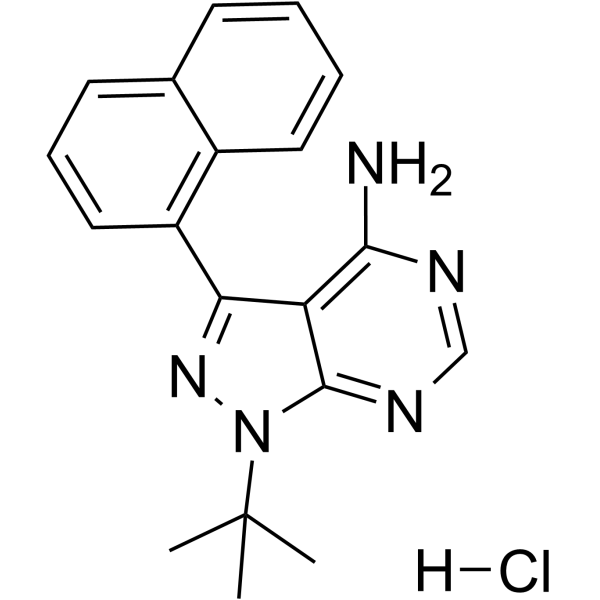
  • HY-13941B
    1-Naphthyl PP1 hydrochloride
    3 Publications Verification

    1-NA-PP 1 hydrochloride

    Src PKD Neurological Disease Inflammation/Immunology Cancer
    1-Naphthyl PP1 hydrochloride (1-NA-PP 1 hydrochloride) is a selective inhibitor of src family kinases and Protein Kinase D. 1-Naphthyl PP1 hydrochloride inhibits v-Src and c-Fyn, c-Abl, CDK2 and CAMK II with IC50s of 1.0, 0.6, 0.6, 18 and 22 μM, respectively .
    1-Naphthyl PP1 hydrochloride
  • HY-B1817A

    Zinc(II) acetate, 99.99% trace metals basis

    CDK Heme Oxygenase (HO) Apoptosis Others
    Zinc (Zinc (II)) acetate, 99.99% trace metals basis is a heme oxygenase 1 (HO-1) activator and apoptosis inducer with cytotoxic and anticancer activities. Zinc acetate, 99.99% trace metals basis enhances HO-1 expression, alters the microRNA profile, and increases the level of caspase-cleaved cytokeratin 18. Zinc acetate, 99.99% trace metals basis also regulates the expression of Cdk2/cyclin E and interferes with cell cycle progression. Zinc acetate, 99.99% trace metals basis effectively inhibits cancer cell proliferation and induces their rapid death, with no significant cytotoxicity to non-tumor tissues. Zinc acetate, 99.99% trace metals basis has been widely used in studies related to hepatocellular carcinoma, prostate cancer, and other conditions .
    Zinc acetate, 99.99% trace metals basis
  • HY-145072

    CDK Cancer
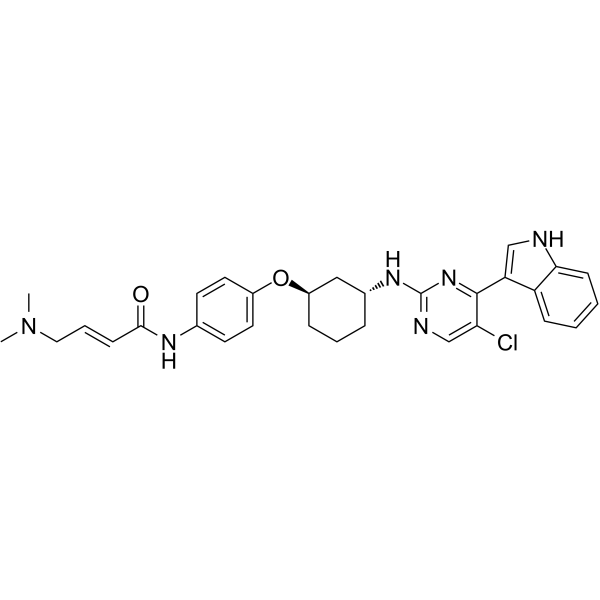
    BSJ-01-175 is a potent and selective CDK12/13 covalent inhibitor. BSJ-01-175 demonstrates exquisite selectivity, potent inhibition of RNA polymerase II phosphorylation, and downregulation of CDK12-targeted genes in cancer cells .
    BSJ-01-175
  • HY-103019B
    (-)-Enitociclib
    2 Publications Verification

    (R)-Enitociclib; (-)-BAY-1251152; (-)-VIP152

    Drug Isomer CDK Apoptosis DNA/RNA Synthesis Cancer
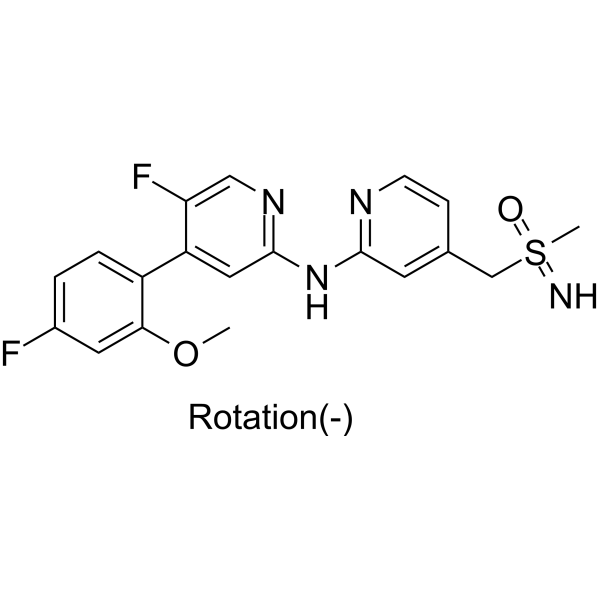
    (-)-Enitociclib ((R)-Enitociclib) is an enantiomer of Enitociclib (HY-103019E) with an optical rotation of (-). Enitociclib is a selective CDK9 inhibitor and apoptosis inducer. Enitociclib inhibits CDK9 activity and reduces the phosphorylation of Ser2 in the carboxyl-terminal domain (CTD) of RNA polymerase Pol II, thereby downregulating the transcription of key oncogenes such as MYC and MCL1. Enitociclib has anti-proliferative activity targeting MYC + lymphoma and multiple myeloma (MM) cells, and has synergistic effects with Bortezomib (HY-10227) and Lenalidomide (HY-A0003), and can be used in the research of hematological malignancies .
    (-)-Enitociclib
  • HY-100600

    K03859

    CDK Others
    BGG463 (K03859) is an orally active type II CDK2 inhibitor .
    BGG463
  • HY-153244
    MFH290
    1 Publications Verification

    CDK Cancer
    MFH290 is a potent and highly selective cyclin-dependent kinase 12/13 (CDK12/13) covalent inhibitor. MFH290 forms a covalent bond with Cys-1039 of CDK12 and exhibits excellent kinome selectivity and inhibits the phosphorylation of serine-2 in the C-terminal domain (CTD) of RNA-polymerase II (Pol II). MFH290 is used for cancer research .
    MFH290
  • HY-101257B
    YKL-5-124 TFA
    Maximum Cited Publications
    17 Publications Verification

    CDK Cancer
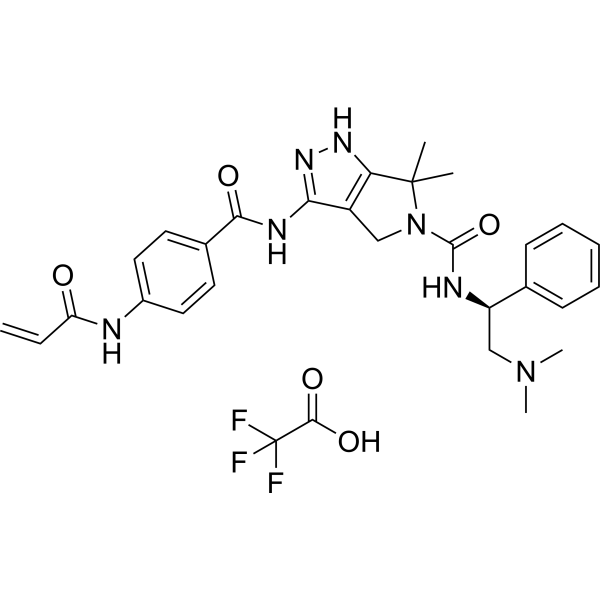
    YKL-5-124 TFA is a potent, selective, irreversible and covalent CDK7 inhibitor with IC50s of 53.5 nM and 9.7 nM for CDK7 and CDK7/Mat1/CycH, respectively. YKL-5-124 TFA is >100-fold greater selective for CDK7 than CDK9 and CDK2, and inactive against CDK12 and CDK13. YKL-5-124 TFA induces a strong cell-cycle arrest, inhibits E2F-driven gene expression, and exhibits little effect on RNA polymerase II phosphorylation status .
    YKL-5-124 TFA
  • HY-163856

    Apoptosis DNA/RNA Synthesis CDK Cancer
    CDK7-IN-30 (Compound 22) is a CDK7 inhibitor (IC50 = 7.21 nM) that effectively inhibits the phosphorylation of RNA Polymerase II and CDK2. CDK7-IN-30 CDK7-IN-30 can induce cell apoptosis and has anti-cancer activity and can be used in cancer research .
    CDK7-IN-30
  • HY-173059

    CDK Cancer
    CDK12/13-IN-3 (Compound 12b) is the orally active inhibitor for CDK that inhibits CDK12 and CDK13 with IC50 of 107.4 nM and 79.4 nM. CDK12/13-IN-3 inhibits the phosphorylation of Ser2 on the CTD of RNA polymerase II, induces DNA damage, and downregulates the gene expression of DNA damage response (DDR). CDK12/13-IN-3 exhibits antiproliferative activity against multiple cancer cells with IC50 of nanomolar levels. CDK12/13-IN-3 exhibits antitumor effect in mouse models, exhibits good pharmacokinetic properties with an oral bioavailability of 53.6% .
    CDK12/13-IN-3
  • HY-112450

    CDK Cancer
    Olomoucine II is a potent CDK inhibitor with IC50 values of 0.06, 0.1, 0.45, 7.6, 19.8 µM for CDK9/cyclin T, CDK2/cyclin E, CDK7/cyclin H, CDK1/cyclin B, CDK4/cyclin D1, respectively. Olomoucine II shows antiproliferative activity .
    Olomoucine II
  • HY-150641

    CDK Apoptosis DNA/RNA Synthesis Molecular Glues Cancer
    CDK-IN-9 (compound 24) is a potent CDK inhibitor, also as a molecular glue inducing an interaction between CDK12 and DDB1, with an IC50 values of 4 nM for CDK2/E. CDK-IN-9 leads to polyubiquitination of cyclin K and its subsequent degradation. CDK-IN-9 induce apoptosis through dephosphorylation of retinoblastoma protein and RNA polymerase II .
    CDK-IN-9
  • HY-177743

    Molecular Glues CDK DNA/RNA Synthesis Cancer
    TR-213 is a potent molecular glue degrader that targets Cyclin K (CDK). TR-213 induces 91% and 56% decrease in CDK12 and Cyclin at 1 μM. TR-213 can inhibit RNA polymerase II activity and regulates alternative polyadenylation (APA) activity. TR-213 can be used for the research of cancer .
    TR-213
  • HY-162530

    CDK Cancer
    CDK4/6-IN-20 (Compound II-5) is a CDK4/CDK6 inhibitor with IC50 values ​​of 1.9, 14.2 nM, respectively. CDK4/6-IN-20 also inhibits cell proliferation and can be used in cancer research .
    CDK4/6-IN-20
  • HY-176484

    CDK Apoptosis Cancer
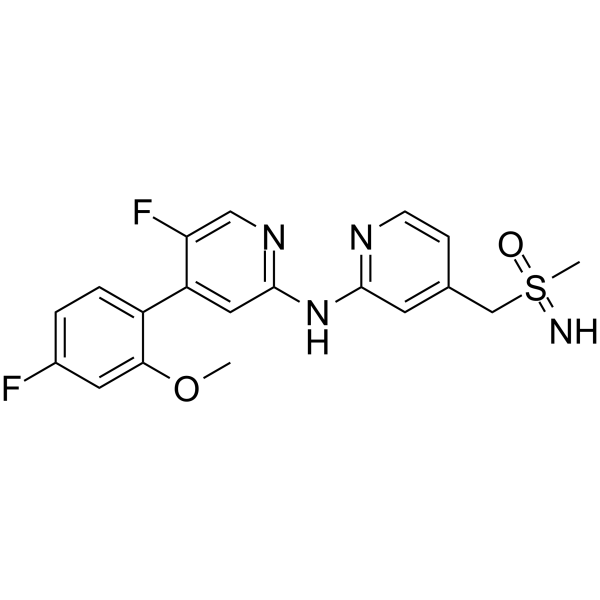
    CDK9-IN-39 (1-7a-B1) is an orally active cyclin-dependent kinase 9 (CDK9) inhibitor with an IC50 of 6.51 nM. CDK9-IN-39 induces cell apoptosis by inhibiting the phosphorylation of RNA polymerase II at Ser2 and can be used for study of colorectal cancer .
    CDK9-IN-39
  • HY-161595

    CDK GSK-3 Cancer
    CDK5-IN-4 (compound 4) is a potent multikinase type-II inhibitor targeting CDK5, with an IC50 of 9.8 μM. CDK5-IN-4 also inhibits GSK-3α, GSK-3β, CDK9, and CDK2, with IC50 values of 0.98, 4.00, 1.76, and 6.24 μM, respectively. CDK5-IN-4 can be used for glioblastoma research .
    CDK5-IN-4
  • HY-171786

    CDK Cancer
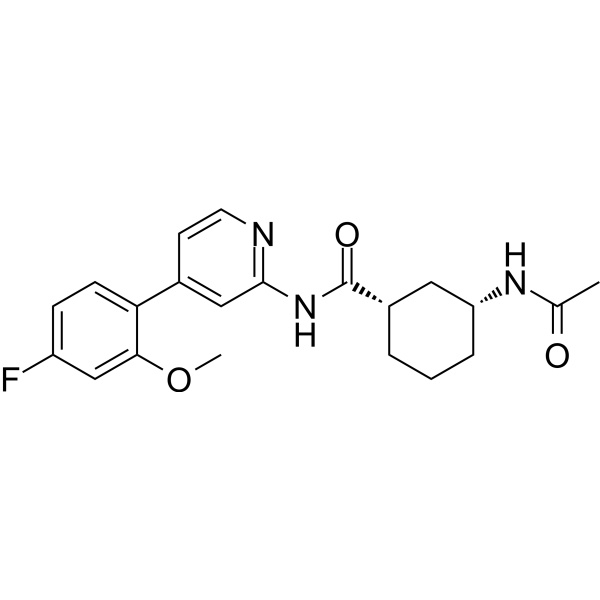
    CDK12-IN-8 (Compound Cpd143) is an orally active and highly selective inhibitor of cyclin-dependent kinase 12 (CDK12). CDK12-IN-8 inhibits CDK12-mediated phosphorylation of the C-terminal domain (CTD) serine 2 of RNA polymerase II, interfering with gene transcription elongation and DNA damage repair pathways. CDK12-IN-8 is promising for research of cancers with high CDK12 expression such as small cell lung cancer and triple-negative breast cancer .
    CDK12-IN-8
  • HY-156296

    CDK Apoptosis Cancer
    CDK9-Cyclin T1 PPI-IN-1 (Compound B19) is a selective CDK9-Cyclin T1 protein-protein interaction (PPI) inhibitor. CDK9-Cyclin T1 PPI-IN-1 inhibits cell proliferation in TNBC MDA-MB-231 cells (IC50: 0.044 μM), and induces apoptosis. CDK9-Cyclin T1 PPI-IN-1 inhibits CDK9 transcription activity, reduces the phosphorylation of RNA Pol II CTD ser2. CDK9-Cyclin T1 PPI-IN-1 inhibits tumor growth in a TNBC 4T1 mouse model .
    CDK9-Cyclin T1 PPI-IN-1
  • HY-177786

    Molecular Glues CDK Cancer
    CDK12 ligand-3 is a molecular glucose degrading agent that targets the CDK12 protein (DC50 = 35 nM). CDK12 ligand-3 degrades CDK12, CDK13 and their regulatory subunit Cyclin K in a concentration dependent manner, and inhibits RNA polymerase II CTD (Ser2) phosphorylation. CDK12 ligand-3 exhibits potent anti proliferative activity against Jurkat cells. CDK12 ligand-3 can be used for research on cancers such as leukemia .
    CDK12 ligand-3
  • HY-173273

    CDK Apoptosis DNA/RNA Synthesis Akt Cancer
    YJZ5118 is a selective CDK12/CDK13 inhibitor with IC50 values of 39.5 nM and 26.4 nM. YJZ5118 suppresses transcription of DNA damage response genes and induces DNA damage in tumor cells. YJZ5118 inhibits proliferation and triggers apoptosis. YJZ5118 inhibits RNA polymerase II Ser2 phosphorylation and increases Akt pathway activity. YJZ5118 exhibits synergistic effects with Akt inhibitors. YJZ5118 can be used for the research of cancer, such as prostate cancer .
    YJZ5118
  • HY-150570

    Carbonic Anhydrase CDK Cancer
    Carbonic anhydrase inhibitor 14 (Compound 8b) is a carbonic anhydrase (CA) inhibitor with Ki values of 1203, 99.7, 9.4 and 27.7 nM against hCA I, hCA II, hCA IX and hCA XII, respectively. Carbonic anhydrase inhibitor 14 can also inhibit CDK2 with an IC50 of 20.3 μM. Carbonic anhydrase inhibitor 14 shows antitumor activity .
    Carbonic anhydrase inhibitor 14
  • HY-X0009A
    Tambiciclib dimaleate
    1 Publications Verification

    GFH009 dimaleate; JSH-009 dimaleate; SLS009 dimaleate

    CDK DYRK Apoptosis Bcl-2 Family c-Myc Caspase PARP DNA/RNA Synthesis Cancer
    Tambiciclib (GFH009, JSH-009) dimaleate is an orally active, highly potent and selective CDK9 inhibitor (IC50 = 1 nM), demonstrating >200-fold selectivity over other CDKs, >100-fold selectivity over DYRK1A/B, and excellent selectivity over 468 kinases/mutants. Tambiciclib dimaleate demonstrates potent in vitro and in vivo antileukemic efficacy in acute myeloid leukemia (AML) mouse models by inhibiting RNA Pol II phosphorylation, downregulating MCL1 and MYC, and inducing apoptosis. Tambiciclib dimaleate can be used for AML research .
    Tambiciclib dimaleate
  • HY-162529

    CDK Cancer
    CDK4/6-IN-19 (Compound II-7) is a CDK4/CDK6 inhibitor with IC50 values ​​of 0.2, 5.0 nM, respectively. CDK4/6-IN-19 also inhibits cell proliferation and can be used in cancer research .
    CDK4/6-IN-19
  • HY-151255

    CDK Cancer
    CDK8-IN-9 (compound 22) is a potent type II CDK8 inhibitor with an IC50 value of 48.6 nM. CDK8-IN-9 can inhibit tumor growth and is used in colorectal cancer studies .
    CDK8-IN-9
  • HY-P3731

    CDK Cancer
    Cdk2/Cyclin Inhibitory Peptide II (Tat-LDL), a CDK2 inhibitor, kills U2OS osteosarcoma cells in a dose-dependent manner .
    Cdk2/Cyclin Inhibitory Peptide II
  • HY-150573

    CDK Carbonic Anhydrase Cancer
    CDK2-IN-12 (compound 10b) is a potent CDK2 inhibitor, with an IC50 of 11.6 μM. CDK2-IN-12 inhibits hCA (carbonic anhydrase) isoforms I, II, IX and XII, with KI values of 3534, 638.4, 44.3, and 48.8 nM. CDK2-IN-12 shows anticancer activity .
    CDK2-IN-12
  • HY-150572

    CDK Carbonic Anhydrase Cancer
    CDK2-IN-11 (compound 9d) is a potent CDK2 inhibitor with an IC50 of 6.4 μM, and KI values of 23.4 nM, 56.3 nM and 44.3 nM for hCA II, hCA IX and hCA XII, respectively. CDK2-IN-11 can be used for researching anticancer .
    CDK2-IN-11
  • HY-143587

    CDK Cancer
    CDK7-IN-2 is a potent inhibitor of CDK7. CDK7 is implicated in both temporal control of the cell cycle and transcriptional activity. CDK7 is implicated in the transcriptional initiation process by phosphorylation of Rbpl subunit of RNA Polymerase II (RNAPII). CDK7 has the potential for the research of cancer disease, in particular aggressive and hard- to-treat cancers (extracted from patent WO2019099298A1, compound 1) .
    CDK7-IN-2
  • HY-173481

    CDK Cancer
    CDK9-IN-37 (Compound 24) is a CDK9 inhibitor (EC50: 5.5 nM) with weak inhibition on other CDK isoforms, showing high selectivity. CDK9-IN-37 has significant antiproliferative activity against acute myeloid leukemia MOLM-13 cells (IC50: 0.034 μM). CDK9-IN-37 inhibits the CDK9 signaling pathway, reduces the phosphorylation level of RNAP II CTD (Ser2), downregulates the anti-apoptotic protein McI-1, induces cell apoptosis, and arrests the cell cycle at the G2/M phase. CDK9-IN-37 can be used in the study of acute myeloid leukemia (AML) .
    CDK9-IN-37
  • HY-123034

    CDK Bcl-2 Family Apoptosis Cancer
    CDKI-83 is a potent CDK9 and CDK1 inhibitor with Ki values of 21 nM and 72 nM for CDK9/T1 and CDK1/B, respectively. CDKI-83 demonstrates effective anti-proliferative activity in human tumour cell lines with a GI50<1 μM. CDKI-83 effectively induces apoptosis in A2780 human ovarian cancer cells. CDKI-83 reduces phosphorylation at Ser-2 of RNA polymerase II (RNAPII) by inhibiting cellular CDK9 activity, and down-regulates Mcl-1 and Bcl-2. CDKI-83 has the potential for anti-cancer research .
    CDKI-83
  • HY-11012R

    GSK-3β inhibitor I (Standard); NP 01139 (Standard)

    GSK-3 Reference Standards Cancer
    TDZD-8 (Standard) is the analytical standard of TDZD-8. This product is intended for research and analytical applications. TDZD-8 is an inhibitor of GSK-3β, with an IC50 of 2 μM; TDZD-8 shows less potent activities against Cdk-1/cyclin B, CK-II, PKA, and PKC, with all IC50s of >100 μM.
    TDZD-8 (Standard)
  • HY-145867

    Topoisomerase EGFR CDK Apoptosis Cancer
    EGFR-IN-45 is a potent epidermal growth factor receptor (EGFR) pan inhibitor, with IC50s of 0.4 µM and 1.6 µM for EGFR and CDK2, respectively. EGFR-IN-45 also inhibit Topo I and Topo II. EGFR-IN-45 arrests cancer cells in the pre-G1 phase and induces apoptosis .
    EGFR-IN-45
  • HY-103248R

    Vengicide (Standard)

    Reference Standards IRE1 Fungal Antibiotic Apoptosis CDK Infection Cancer
    DL-Aspartic acid (Standard) is the analytical standard of DL-Aspartic acid. This product is intended for research and analytical applications. DL-Aspartic acid (DL-Asp-OH) is a kind of biological materials or organic compounds that are widely used in life science research .
    Toyocamycin (Standard)
  • HY-183710

    CDK Androgen Receptor c-Myc Apoptosis DNA/RNA Synthesis Cancer
    CDK9-IN-50 is a selective and orally active CDK9 inhibitor with an IC50 of 2.2 nM. CDK9-IN-50 targets a distinct CDK9-specific subpocket to disrupt RNA polymerase II Ser2 phosphorylation and downregulate short-lived oncoproteins, including AR-V7 and Myc. CDK9-IN-50 exhibits antiproliferative activity against cancer cells, induces apoptosis and induces tumor growth inhibition in CRPC orthotopic mice models. CDK9-IN-50 can be used for the research of cancer, such as prostate cancer .
    CDK9-IN-50
  • HY-180355

    CDK Ser/Thr Kinase c-Myc Apoptosis Cancer
    SY-5102 is a potent, selective and orally active cyclin-dependent kinase (CDK7) inhibitor with a Kd of 0.03 nM. SY-5102 shows anti-proliferative activity against HCC70 cells with an EC50 of 9 nM. SY-5102 can inhibit CDK7-mediated CAK function (downregulate CDK2 Thr160 phosphorylation) and TFIIH transcription function (downregulate RNA polymerase II Ser5 phosphorylation). SY-5102 can induce G2/M cell cycle arrest, downregulate the expression of the oncogene c-Myc, and ultimately trigger cancer cell apoptosis. SY-5102 can be used for the research of triple-negative breast cancer (TNBC) .
    SY-5102
  • HY-182986

    CDK Apoptosis DNA/RNA Synthesis Aurora Kinase Cancer
    LS-Q2 is a highly selective CDK4/9 inhibitor with IC50 values of 1.4 nM and 6.2 nM. LS-Q2 inhibits cancer cells proliferation, induces G2/M phase arrest, apoptosis and reduces pSer2 RNA polymerase II expression. LS-Q2 interacts synergistically with BET and Bcl-2 inhibitors to drive antitumor activity. LS-Q2 can be used for the research of cancer, such as malignant solid tumors .
    LS-Q2
  • HY-179633

    CDK Apoptosis DNA/RNA Synthesis Bcl-2 Family IAP Cancer
    ZLMT-72 is an orally active dual CDK2 and CDK9 inhibitor with IC50s of 0.741 nM and 1.03 nM, respectively. ZLMT-72 shows good selectivity in kinase profiling andcholinesterase inhibition activity. ZLMT-72 has strong antiproliferative effects in the colorectal cancer (CRC) cell line HCT116 (GI50 < 0.1 nM). ZLMT-72 induces apoptosis by inhibiting thephosphorylation of retinoblastoma and RNA polymerase II, resulting in downregulation of antiapoptotic proteins (Mcl-1 and XIAP). ZLMT-72 can be used for the study of colorectal cancer (CRC) .
    ZLMT-72

Inquiry Online

Your information is safe with us. * Required Fields.

Salutation


Country or Region *

Applicant Name *


Organization Name *

Department *


Email Address *


Product Name *

Cat. No.


Requested quantity *

Phone Number *


Remarks

Inquiry Online

Inquiry Information

Product Name:
Cat. No.:
Quantity:
MCE Japan Authorized Agent:

