Search Result
Results for "
DYRK kinases
" in MedChemExpress (MCE) Product Catalog:
1
Biochemical Assay Reagents
1
Isotope-Labeled Compounds
| Cat. No. |
Product Name |
Target |
Research Areas |
Chemical Structure |
-
- HY-N0737A
-
-
-
- HY-X0009
-
|
GFH009; JSH-009; SLS009
|
CDK
DYRK
Apoptosis
Bcl-2 Family
c-Myc
Caspase
PARP
DNA/RNA Synthesis
|
Metabolic Disease
Inflammation/Immunology
Cancer
|
|
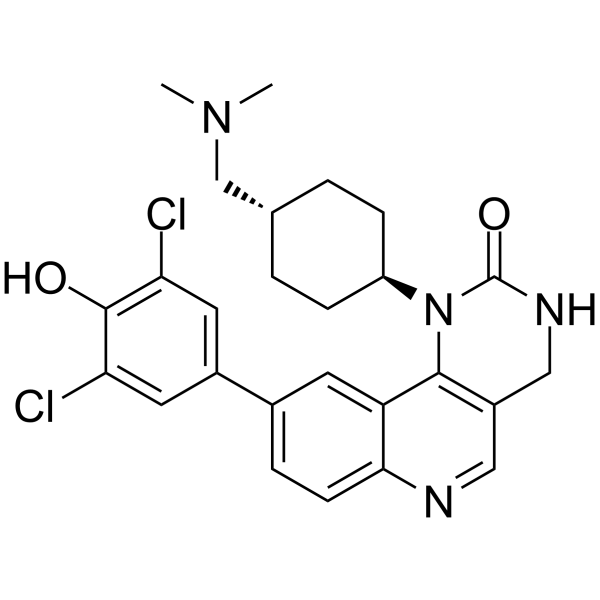
Tambiciclib (GFH009, JSH-009) is an orally active, highly potent and selective CDK9 inhibitor (IC50 = 1 nM), demonstrating >200-fold selectivity over other CDKs, >100-fold selectivity over DYRK1A/B, and excellent selectivity over 468 kinases/mutants. Tambiciclib demonstrates potent in vitro and in vivo antileukemic efficacy in acute myeloid leukemia (AML) mouse models by inhibiting RNA Pol II phosphorylation, downregulating MCL1 and MYC, and inducing apoptosis. Tambiciclib can be used for AML research .
|
-
-
- HY-112296
-
T025
4 Publications Verification
|
CDK
Apoptosis
DYRK
|
Cancer
|
|
T025 is an orally active and highly potent inhibitor of Cdc2-like kinase (CLKs), with Kd values of 4.8, 0.096, 6.5, 0.61, 0.074, 1.5 and 32 nM for CLK1, CLK2, CLK3, CLK4, DYRK1A, DYRK1B and DYRK2, respectively. T025 induces caspase-3/7-mediated cell apoptosis. T025 reduces CLK-dependent phosphorylation. T025 exerts anti-proliferative activities in both hematological and solid cancer cell lines (IC50 values: 30-300 nM). T025 has an anti-tumor efficiency, mainly for MYC-driven disease research .
|
-
-
- HY-13455
-
|
|
Haspin Kinase
DYRK
|
Cancer
|
|
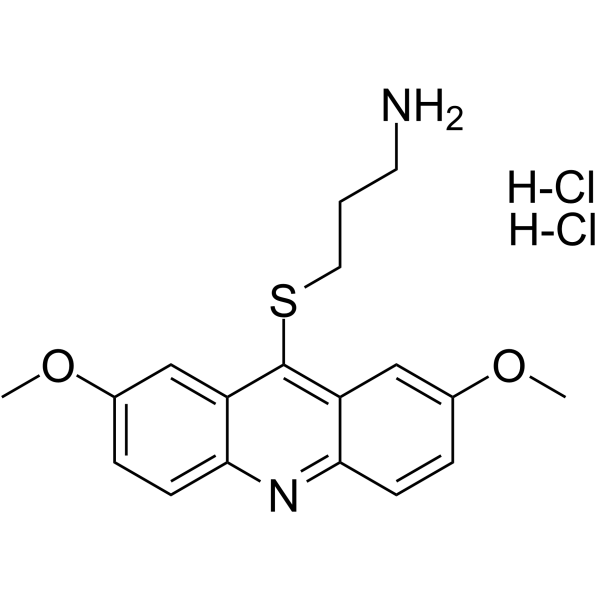
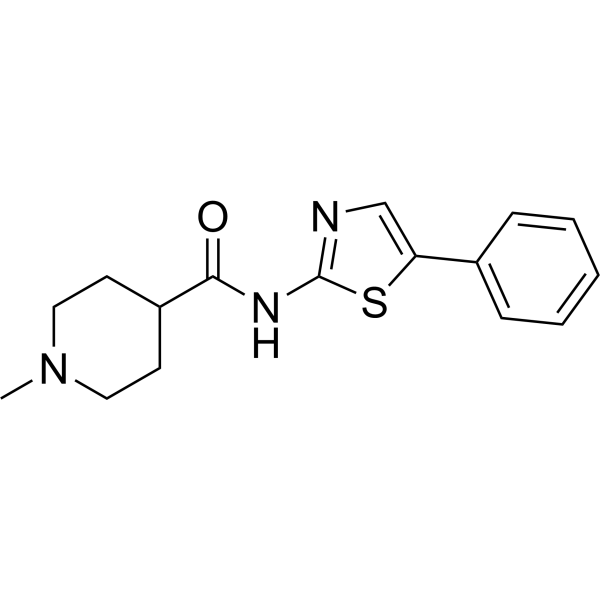
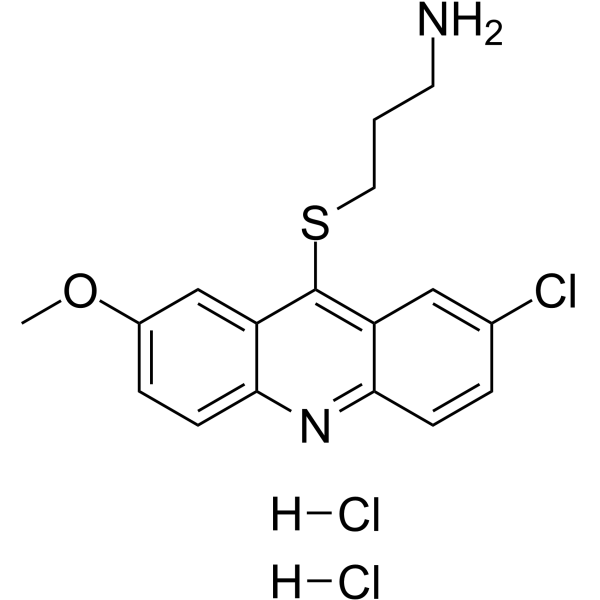
LDN-192960 is an inhibitor of Haspin and Dual-specificity Tyrosine-regulated Kinase 2 (DYRK2) with IC50s of 10 nM and 48 nM, respectively .
|
-
-
- HY-117049
-
|
|
DYRK
CDK
GSK-3
Apoptosis
Reactive Oxygen Species (ROS)
|
Neurological Disease
Metabolic Disease
|
|
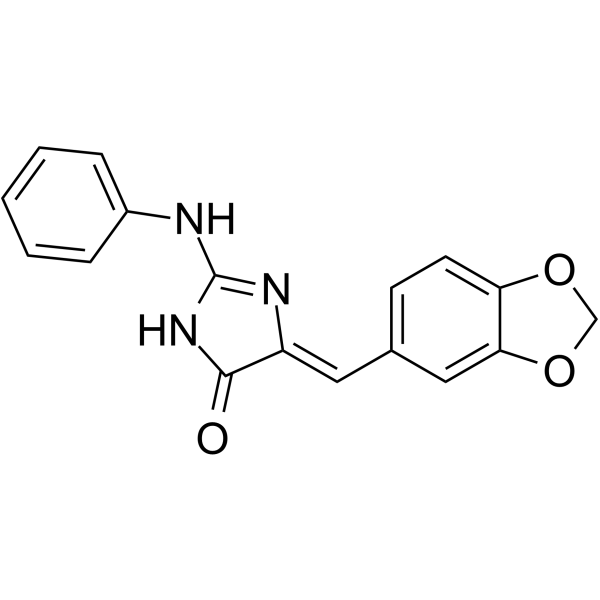
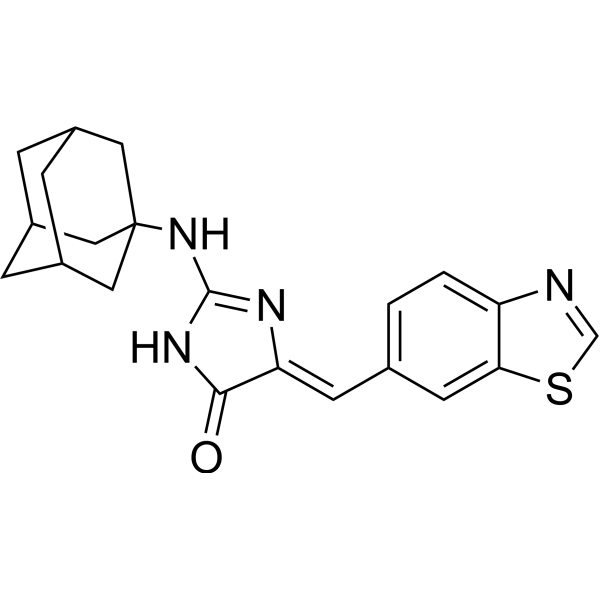
Leucettine L41 is a potent inhibitor of dual-specificity tyrosine phosphorylation-regulated kinases (DYRKs) and CDC-like kinases (CLKs). Leucettine L41 can also inhibit GSK-3 singnaling. Leucettine L41 can inhibit cell apoptosis and ROS production. Leucettine L41 can promote β-cell cell cycle progression, cell proliferation and increase insulin secretion. Leucettine L41 can be used for the researches of neurological disease and metabolic disease, such as Alzheimer’s disease (AD) and diabetes .
|
-
-
- HY-15838
-
ID-8
5 Publications Verification
|
DYRK
|
Cancer
|
|
ID-8 is an inhibitor of dual-specificity tyrosine phosphorylation-regulated kinase (DYRK). ID-8 sustains embryonic stem cell (ESC) self-renewal and pluripotency. ID-8 enhances Wnt-mediated hESC survival and proliferation via inhibition of DYRKs .
|
-
-
- HY-155723
-
|
|
CDK
DYRK
|
Others
|
|
Leucettinib-92 (compound 92) is an inhibitor of DYRK/CLK kinase, The IC50s are 147 nM (CLK1), 39 nM (CLK2), 5.2 nM (CLK4), 0.8 μM (CLK3), 124 nM (DYRK1A), 204 nM (DYRK1B), 0.16 μM (DYRK2), respectively. 1.0 μM (DYRK3), 0.52 μM (DYRK4), 2.78 μM (GSK3) .
|
-
-
- HY-15951
-
|
CID44968231; NCGC00188654
|
CDK
DYRK
|
Cancer
|
|
ML167 is a highly selective Cdc2-like kinase 4 (Clk4) inhibitor with IC50 of 136 nM, >10-fold selectivity for closely related kinases Clk1, Clk2, Clk3 and Dyrk1A/1B .
|
-
-
- HY-101029
-
|
|
NEKs
Apoptosis
|
Cancer
|
|
MBM-55 is a potent NIMA-related kinase 2 (Nek2) inhibitor with an IC50 of 1 nM. MBM-55 shows a 20-fold or greater selectivity in most kinases with the exception of RSK1 (IC50=5.4 nM) and DYRK1a (IC50=6.5 nM). MBM-55 effectively inhibits the proliferation of cancer cells by inducing cell cycle arrest and apoptosis. MBM-55 shows antitumor activities, and no obvious toxicity to mice .
|
-
-
- HY-148105
-
|
|
MNK
Eukaryotic Initiation Factor (eIF)
Apoptosis
FLT3
DYRK
|
Cancer
|
|
DS12881479 is a selective non-ATP-competitive MNK1 inhibitor with an IC50 value of 387 nM. DS12881479 stabilizes MNK1 in its autoinhibited DFD-out conformation, blocks eIF4E phosphorylation, suppresses tumor cell proliferation and induces weak apoptosis. DS12881479 also inhibits FLT3 and DYRK1a kinase activity at high concentrations. DS12881479 can be used for the research of cancer, such as leukemia .
|
-
-
- HY-117391
-
-
-
- HY-110052
-
TBCA
1 Publications Verification
|
Casein Kinase
|
Cancer
|
|
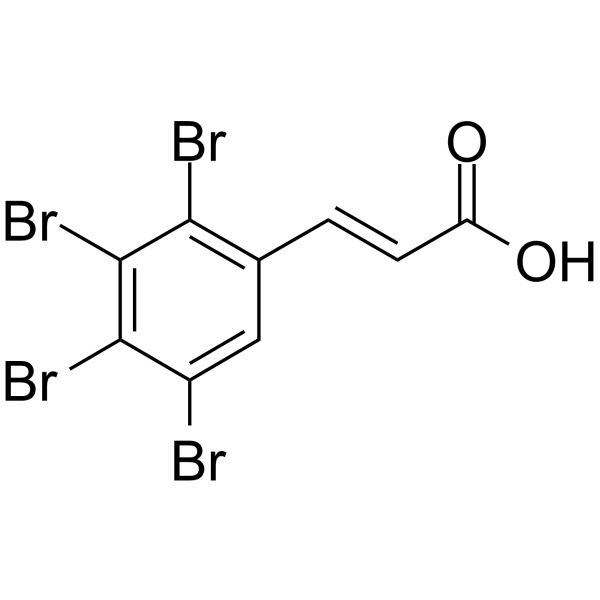
TBCA is a highly selective CK2 (casein kinase II) inhibitor with an IC50 of 110 nM and a Ki of 77 nM. TBCA shows selectivity for CK2 over CK1, DYRK1A and a panel of 27 other kinases .
|
-
-
- HY-110320
-
|
|
Haspin Kinase
DYRK
|
Cancer
|
|
LDN-209929 dihydrochloride is a potent and selective haspin kinase inhibitor (IC50=55 nM) with180-fold selectivity verses DYRK2 (IC50=9.9 μM). LDN-209929 is a optimized analogue of LDN-192960 (HY-13455) .
|
-
-
- HY-156816
-
|
|
Casein Kinase
DYRK
|
Cancer
|
|
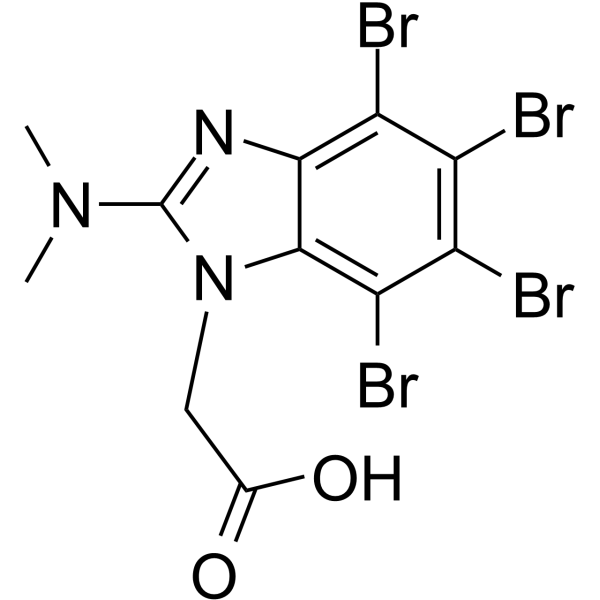
ON 108600 is a inhibitor for CK2 (Casein Kinase2)/TNIK/DYRK1 , with the IC50s for DYRK1A/DYRKB, DYRK2, CK2α1/CK2α2, and TNIK of 0.016 μm/0.007 μM, 0.028 μM, 0.05 μM/0.005 μM, and 0.005 μM, respectively. ON 108600 has antitumor activity .
|
-
-
- HY-111379
-
|
|
DYRK
CDK
GSK-3
|
Neurological Disease
Metabolic Disease
Cancer
|
|
EHT 5372 is a highly potent and selective inhibitor of DYRK's family kinases with IC50s of 0.22, 0.28, 10.8, 93.2, 22.8, 88.8, 59.0, 7.44, and 221 nM for DYRK1A, DYRK1B, DYRK2, DYRK3, CLK1, CLK2, CLK4, GSK-3α, and GSK-3β, respectively .
|
-
-
- HY-13455A
-
|
|
Haspin Kinase
DYRK
|
Cancer
|
|
LDN-192960 hydrochloride is an inhibitor of Haspin and Dual-specificity Tyrosine-regulated Kinase 2 (DYRK2) with IC50s of 10 nM and 48 nM, respectively .
|
-
-
- HY-144290
-
|
|
GSK-3
DYRK
|
Neurological Disease
|
|
ARN25068 is a sub-micromolar inhibitor of the three protein kinases, GSK-3β, FYN and DYRK1A to tackle tau hyperphosphorylation .
|
-
-
- HY-177416
-
|
|
DYRK
|
Cancer
|
|
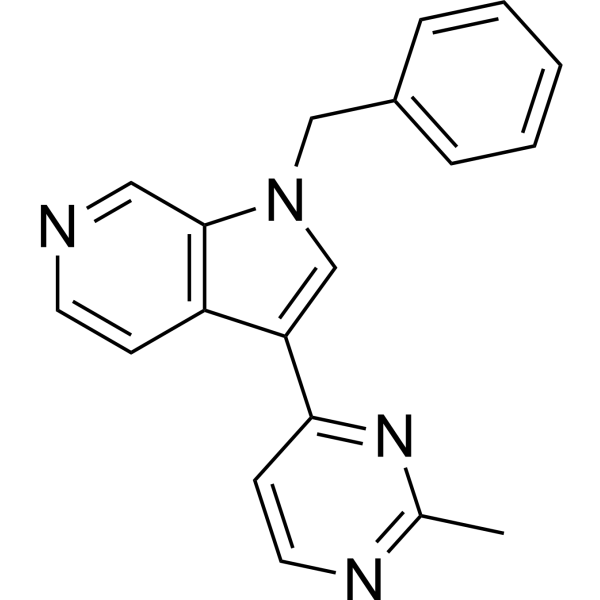
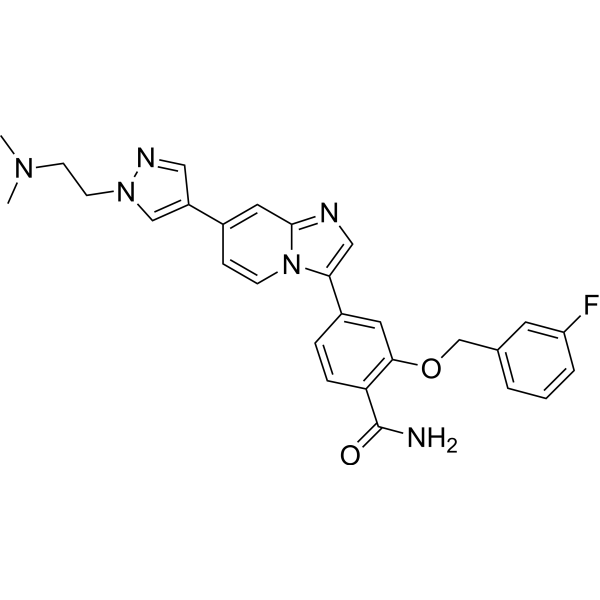
MU1787 is a highly selective homeodomain-interacting protein kinase (HIPK) inhibitor with a furopyridine core, and shows improved selectivity against CLKs, with inactivity against DYRK1B, DYRK2, and MLK2/3 in in vitro cellular assays. MU1787 can be used for the research of malignancies .
|
-
-
- HY-122665
-
|
|
MELK
DYRK
Pim
mTOR
CDK
GSK-3
RIP kinase
|
Cancer
|
|
HTH-01-091 is a potent and selective maternal embryonic leucine zipper kinase (MELK) inhibitor, with an IC50 of 10.5 nM. HTH-01-091 also inhibits PIM1/2/3, RIPK2, DYRK3, smMLCK and CLK2. HTH-01-091 can be uesd for breast cancer research .
|
-
-
- HY-135906
-
|
|
Casein Kinase
ERK
Pim
DYRK
Apoptosis
|
Cancer
|
|
CK2/ERK8-IN-1 is a dual casein kinase 2 (CK2) (Ki of 0.25 µM) and ERK8 (MAPK15, ERK7) inhibitor with IC50s of 0.50 μM. CK2/ERK8-IN-1 also binds to PIM1, HIPK2 (homeodomain-interacting protein kinase 2), and DYRK1A with Kis of 8.65 µM, 15.25 µM, and 11.9 µM, respectively. CK2/ERK8-IN-1 has pro-apoptotic efficacy .
|
-
-
- HY-128758A
-
|
|
DYRK
|
Cancer
|
|
DYRKs-IN-1 hydrochloride is a potent DYRKs (Dual-specificity tyrosine-phosphorylation-regulated kinases) inhibitor with IC50s of 5 nM and 8 nM for DYRK1A and DYRK1B, respectively. DYRKs-IN-1 hydrochloride has antitumor activity .
|
-
-
- HY-147060
-
|
|
DYRK
|
Neurological Disease
|
|
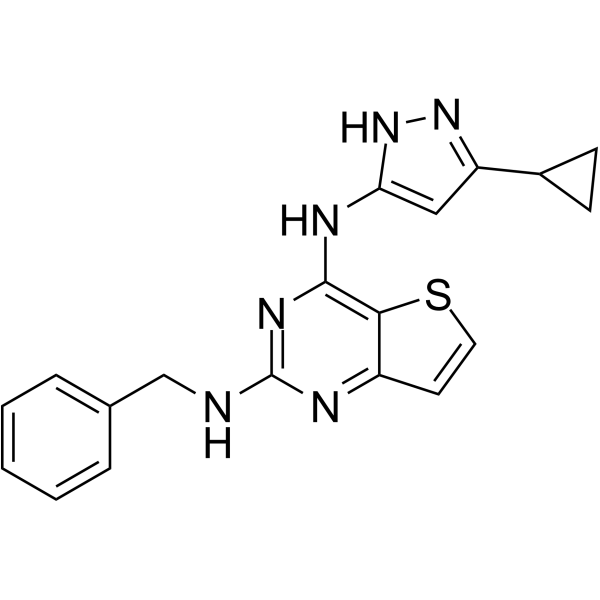
Dyrk1A-IN-3 (Compound 8b), a highly selective dual-specificity tyrosine-regulated kinase 1A (DYRK1A) inhibitor, maintains high levels of DYRK1A binding affinity (IC50=76 nM). Dyrk1A-IN-3 can be used for the research of neurodegenerative disorders such as Alzheimer’s Disease, Huntington’s Disease, and Parkinson’s Disease .
|
-
-
- HY-P5430
-
|
|
DYRK
|
Others
|
|
DYRKtide is a biological active peptide. (Dyrktide is designed as the optimal substrate sequence efficiently phosphorylated by DYRK1A, which is a dual-specificity protein kinase that is thought to be involved in brain development.)
|
-
-
- HY-125290
-
|
|
CDK
DYRK
|
Cancer
|
|
MU1210 (compound 12f), a chemical probe, is an inhibitor of CDC-like kinases Clk1, Clk2, and Clk4 (with IC50 values of 8, 20, and 12 nM respectively), with IC50 for HIPK1 and DYRK2 are 187 and 1309 nM. MU1210 also has favorable pharmacokinetic characteristics (in mice, 10 mg/kg, intraperitoneal injection: Cmax=1.24 μM, T1/2=58 minutes; no acute toxicity observed) .
|
-
-
- HY-176723
-
|
|
DYRK
|
Neurological Disease
|
|
RD0392 (Compound 5) is a competitive tyrosine phosphorylation-regulated kinase 1A (DYRK1A) inhibitor (IC50=1.3 nM). RD0392 is promising for research of neurodegenerative diseases like Alzheimer’s .
|
-
-
- HY-N0737AR
-
|
Telepathine (Standard)
|
Reference Standards
DYRK
5-HT Receptor
|
Neurological Disease
Cancer
|
|
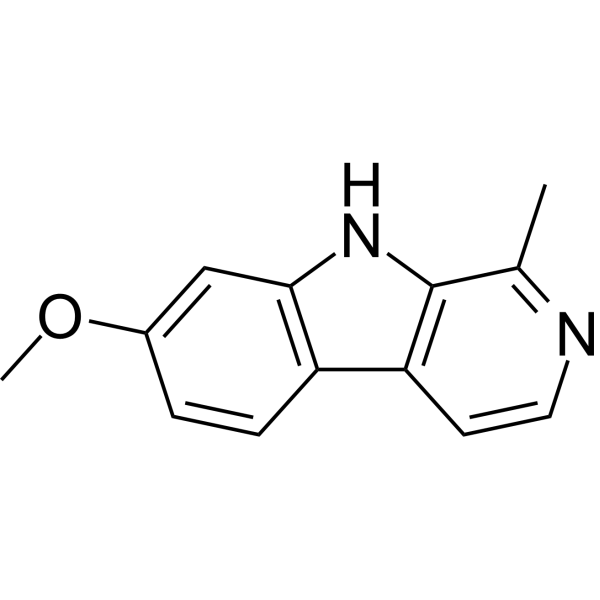
Harmine (Standard) is the analytical standard of Harmine. This product is intended for research and analytical applications. Harmine is a natural dual-specificity tyrosine phosphorylation-regulated kinase (DYRK) inhibitor with anticancer and anti-inflammatory activities. Harmine has a high affinity of 5-HT2A serotonin receptor, with an Ki of 397 nM .
|
-
-
- HY-N0737AG
-
|
Telepathine
|
DYRK
5-HT Receptor
|
Neurological Disease
Inflammation/Immunology
Cancer
|
|
Harmine (GMP) (Telepathine (GMP)) is Harmine (HY-N0737A) produced by using GMP guidelines. GMP small molecules works appropriately as an auxiliary reagent for cell therapy manufacture. Harmine is a natural dual-specificity tyrosine phosphorylation-regulated kinase (DYRK) inhibitor with anticancer and anti-inflammatory activities. Harmine has a high affinity of 5-HT2A serotonin receptor, with an Ki of 397 nM .
|
-
-
- HY-179177
-
|
|
DYRK
CDK
Tau Protein
Amyloid-β
|
Neurological Disease
|
|
AO-365/43472821 is a selective, brain-penetrant Dual-specificity tyrosine phosphorylation-regulated kinase 1A (DYRK1A) inhibitor (IC50 = 0.29 μM) and shows a significant inhibitory effect on (CDC-like kinase 1) CLK1 (IC50 = 0.08 μM). AO-365/43472821 could protect the human neuroblastoma cell line SH-SY5Y from Okadaic acid (HY-N6785) (OA)-induced injury. AO-365/43472821 decreased tau (pSer396)/tau and Aβ1-42 protein expression. AO-365/43472821 can be used for the study of Alzheimer's disease .
|
-
-
- HY-139830
-
|
|
DYRK
|
Neurological Disease
|
|
Dyrk1A-IN-1 is a triple inhibitor of Dyrk1A kinase activity (IC50 = 119 nM) and the aggregation of tau and α-syn oligomers.
|
-
-
- HY-77324S
-
|
4-Aminobenzotrifluoride-d4
|
DYRK
|
Cancer
|
|
4-(Trifluoromethyl)aniline-d4 (4-Aminobenzotrifluoride-d4) is deuterium labeled 4-(Trifluoromethyl)aniline. 4-(Trifluoromethyl)aniline is a DYRK1A and DYRK1B kinase inhibitor with IC50s of 54.84 nM and 186.40 nM, respectively .
|
-
-
- HY-122665A
-
|
|
MELK
DYRK
Pim
mTOR
CDK
GSK-3
RIP kinase
|
Cancer
|
|
HTH-01-091 TFA is a potent and selective maternal embryonic leucine zipper kinase (MELK) inhibitor, with an IC50 of 10.5 nM. HTH-01-091 TFA also inhibits PIM1/2/3, RIPK2, DYRK3, smMLCK and CLK2. HTH-01-091 TFA can be uesd for breast cancer research .
|
-
-
- HY-P3812
-
|
|
DYRK
|
Neurological Disease
|
|
Woodtide is a substrate for the DYRK (DYRK) family of kinases whose sequence is based on that around the DYRK phosphorylation site in FKHR .
|
-
-
- HY-128758
-
|
|
DYRK
|
Cancer
|
|
DYRKs-IN-1 is a potent DYRKs (Dual-specificity tyrosine-phosphorylation-regulated kinases) inhibitor with IC50s of 5 nM and 8 nM for DYRK1A and DYRK1B, respectively. DYRKs-IN-1 has antitumor activity .
|
-
-
- HY-122989
-
|
|
DYRK
|
Inflammation/Immunology
|
|
Aristolactam BIII is a potent DYRK1A inhibitor and inhibits the kinase activity of DYRK1A in vitro (IC50= 9.67 nM. Aristolactam BIII rescues the proliferative defects of DYRK1A transgenic (TG) mouse-derived fibroblasts and neurological and phenotypic defects of DS-like Drosophila models .
|
-
-
- HY-135002
-
|
|
Haspin Kinase
|
Cancer
|
|
LDN-209929 is a potent haspin kinase inhibitor, with IC50 values of 55 nM and 9.9 μM for Haspin and DYRK2, respectively .
|
-
-
- HY-N12625
-
|
|
CDK
DYRK
GSK-3
|
Cancer
|
|
(R)-(+)-O-Demethylbuchenavianine is an inhibitor for Cyclin-dependent kinases (CDK). (R)-(+)-O-Demethylbuchenavianine inhibits CDK1, CDK5, glycogen synthase kinase-3 (GSK3), cdc2-like kinase (CLK1) and dual specificity tyrosine-phosphorylation-regulated kinase 1A (DYRK1A), with IC50s of 1.1, 0.95, >10, >10 and >10 μM, respectively .
|
-
-
- HY-125202
-
|
|
CDK
DYRK
|
Cancer
|
|
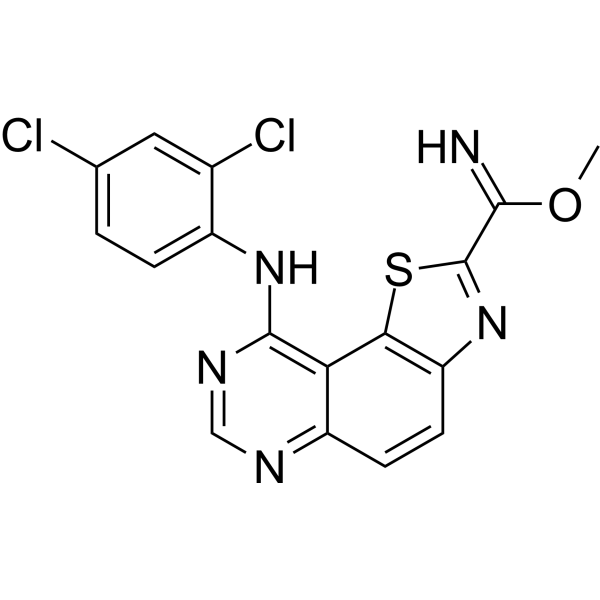
KuWal151 is a CLK1, CLK2 and CLK4 inhibitor with a high selectivity margin towards DYRK kinases. KuWal151 has potent antiproliferative activity in an array of cultured cancer cell lines .
|
-
-
- HY-X0009A
-
|
GFH009 dimaleate; JSH-009 dimaleate; SLS009 dimaleate
|
CDK
DYRK
Apoptosis
Bcl-2 Family
c-Myc
Caspase
PARP
DNA/RNA Synthesis
|
Cancer
|
|
Tambiciclib (GFH009, JSH-009) dimaleate is an orally active, highly potent and selective CDK9 inhibitor (IC50 = 1 nM), demonstrating >200-fold selectivity over other CDKs, >100-fold selectivity over DYRK1A/B, and excellent selectivity over 468 kinases/mutants. Tambiciclib dimaleate demonstrates potent in vitro and in vivo antileukemic efficacy in acute myeloid leukemia (AML) mouse models by inhibiting RNA Pol II phosphorylation, downregulating MCL1 and MYC, and inducing apoptosis. Tambiciclib dimaleate can be used for AML research .
|
-
-
- HY-175477
-
|
|
DAPK
DYRK
PDGFR
IPK Superfamily
|
Cancer
|
|
UNC9750 is an inositol phosphate multikinase (IPMK) inhibitor with IC50 values of 31.6 and 374 nM for IPMK and IP6K2, respectively.. UNC9750 inhibits cellular accumulation of InsP5, the direct product of IPMK kinase activity, while having no effect on either InsP6 or InsP7 levels. UNC9750 has ≥ 75% inhibition of four kinases (DAPK1, DYRK1B, PDGFR, and KDR). UNC9750 can be used for the study of glioblastoma .
|
-
-
- HY-101029A
-
|
|
NEKs
Ribosomal S6 Kinase (RSK)
DYRK
Apoptosis
|
Cancer
|
|
MBM-55S is a potent NIMA-related kinase 2 (Nek2) inhibitor with an IC50 of 1 nM. MBM-55S shows a 20-fold or greater selectivity in most kinases with the exception of RSK1 (IC50=5.4 nM) and DYRK1a (IC50=6.5 nM). MBM-55S effectively inhibits the proliferation of cancer cells by inducing cell cycle arrest and apoptosis. MBM-55S shows antitumor activities, and no obvious toxicity to mice .
|
-
-
- HY-150537
-
|
|
Cholinesterase (ChE)
GSK-3
Microtubule/Tubulin
ROS Kinase
|
Neurological Disease
|
|
AChE/GSK-3β-IN-1 (compound GT15) is a potent, dual AChE/GSK-3β inhibitor with IC50 values of 1.2, 149.8 and 22.4 nM for hAChE , hBChE and hGSK-3β, respectively. AChE/GSK-3β-IN-1 penetrates the blood-brain barrier (BBB). AChE/GSK-3β-IN-1 has high kinase selectivity profiles for the CMGC kinase family. AChE/GSK-3β-IN-1 occupies the ATP binding site of DYRK1A. AChE/GSK-3β-IN-1 inhibits ROS expression and reduces oxidative stress. AChE/GSK-3β-IN-1 can be used for Alzheimer’s disease research .
|
-
-
- HY-157995
-
|
|
DYRK
|
Metabolic Disease
Inflammation/Immunology
Cancer
|
|
Dyrk1a-in-7 (Compound 29) is a selective DYRK1A kinase inhibitor, and has good kinase selectivity for CLK1 kinase. The IC50 value of DYRK1A is 28 nM. For CLK2, Kd is 17.5 nM. Dyrk1a-in-7 can be used in the research of cancer, type Ⅱ diabetes and neurological diseases .
|
-
-
- HY-170940
-
|
|
DYRK
Enterovirus
|
Infection
|
|
Dyrk1A-IN-12 (compound S43) is a Dyrk (Dual specificity tyrosine phosphorylation regulated kinase 1A inhibitor. Dyrk1A-IN-12 inhibits Dyrk1A with a IC50 of 95 nM. Dyrk1A-IN-12 shows anti-EV-A71 activity with an EC50 of 4.4 μM, CC50 of 12.8 μM and SI of 2.9. Dyrk1A-IN-12 shows potent inhibition against herpes simplex virus (HSV) .
|
-
-
- HY-179599
-
|
|
DYRK
EGFR
|
Neurological Disease
Cancer
|
|
Dyrk1A-IN-15 is a selective, brain-penetrant and ATP-competitive Dyrk1A inhibitor with a IC50 of 19 nM. Dyrk1A-IN-15 displays high selectivity across a broad kinase panel (specific for DYRK kinases) with nanomolar potency. Dyrk1A-IN-15 impairs neurosphere self-renewal, cell invasion, and EGFR stability in vitro. Dyrk1A-IN-15 inhibits tumor growth and prolongs survival in vivo. Dyrk1A-IN-15 has potential for glioblastoma (GBM) research .
|
-
-
- HY-179600
-
|
|
DYRK
EGFR
|
Neurological Disease
Cancer
|
|
Dyrk1A-IN-16 is a selective, brain-penetrant and ATP-competitive Dyrk1A inhibitor with a IC50 of 53 nM. Dyrk1A-IN-16 displays high selectivity across a broad kinase panel (specific for DYRK kinases) with nanomolar potency. Dyrk1A-IN-16 impairs neurosphere self-renewal, cell invasion, and EGFR stability in vitro. Dyrk1A-IN-16 inhibits tumor growth and prolongs survival in vivo. Dyrk1A-IN-16 has potential for glioblastoma (GBM) research .
|
-
-
- HY-183955
-
|
|
DYRK
GSK-3
|
Metabolic Disease
Inflammation/Immunology
|
|
GNF7156 is a DYRK1A/GSK3B inhibitor, IC50 values of 100 nM for DYRK1A and 40 nM for GSK3B. GNF7156 inhibits DYRK1A and GSK3B kinase activity and induces NFAT nuclear retention. GNF7156 stimulates beta-cell cycle entry and division and maintains insulin secretory capacity. GNF7156 can be used for the research of type 1 diabetes, and type 2 diabetes .
|
-
-
- HY-181046
-
|
|
α-synuclein
Bcr-Abl
GSK-3
DYRK
LRRK2
Microtubule/Tubulin
|
Neurological Disease
|
|
Multi-kinase-IN-14 is an orally active and blood-brain barrier-permeable multi-kinase inhibitor. Multi-kinase-IN-14 reduces the excessive phosphorylation of α-synuclein by inhibiting four kinases (ABL1, DYRK1A, GSK3β, and LRRK2) and stabilizing microtubules. Multi-kinase-IN-14 is applicable for research on neurodegenerative diseases such as Parkinson’s disease and Alzheimer’s disease .
|
-
-
- HY-N17356
-
|
|
DYRK
|
Neurological Disease
|
|
Atalaphyllidine is a natural product. Atalaphyllidine can be isolated from the stem bark of Glycosmis chlorosperma. Atalaphyllidine inhibits DYRK1A kinase activity with an IC50 of 2.2 μM. Atalaphyllidine can be used in the research of neurodegenerative diseases .
|
-
-
- HY-180574
-
|
|
DYRK
|
Cancer
|
TSL2109 is an orally active and selective DYRK2 and CDK4/6 inhibitor with an IC50 value of 22 nM for DYRK2. TSL2109 exhibits high kinase selectivity over 93%. TSL2109 arrests cell cycle and induces apoptosis in virto. TSL2109 effectively overcomes Enzalutamide (HY-70002) resistance by suppressing tumor growth in vivo and virto. TSL2109 also shows CDK4/6 inhibitor resistance.TSL2109 demonstrates safety profile. TSL2109 can be used for prostate cancer research and breast cancer [1][2].
|
-
-
- HY-183584
-
|
|
GSK-3
Src
DYRK
Tau Protein
Microtubule/Tubulin
|
Neurological Disease
|
|
ARN25699 is a kinase inhibitor with an IC50 of 5.5 nM against GSK-3β, 2.2 nM against FYN-α, and 242.3 nM against DYRK1A, and it exhibits oral bioavailability. ARN25699 reduces hyperphosphorylation of tau protein and promotes microtubule bundle formation. ARN25699 has a broader kinome inhibitory profile and targets kinases associated with the pathogenic mechanisms linked to Alzheimer's disease. ARN25699 can be used in the research of Alzheimer's disease and related tauopathies .
|
-
- HY-183831
-
|
|
MDM-2/p53
PARP
Caspase
Apoptosis
|
Cancer
|
|
GPS167 is a CLK kinase inhibitor that potently and selectively inhibits recombinant human CLK1, CLK2 and CLK4. By inhibiting CLK-mediated phosphorylation of SRSF10, GPS167 upregulates the protein-binding ability of CLK1 and CLK4 with SRSF10, downregulates oncogenic BCLAF1-L and upregulates tumor-suppressive BCLAF1-S, regulates alternative splicing of genes such as MDM2 and MDM4, stabilizes p53 protein and induces DNA damage, ultimately triggering tumor cell apoptosis. GPS167 can block the epithelial-mesenchymal transition process of tumors, activate intracellular double-stranded RNA-mediated antiviral immune responses, and produce synergistic cytotoxicity when combined with microtubule-targeting drugs. GPS167 can be used in research related to various cancers including colorectal cancer .
|
-
- HY-101029R
-
|
|
NEKs
Apoptosis
Reference Standards
|
Cancer
|
|
MBM-55 (Standard) is the analytical standard of MBM-55 (HY-101029). This product is intended for research and analytical applications. MBM-55 is a potent NIMA-related kinase 2 (Nek2) inhibitor with an IC50 of 1 nM. MBM-55 shows a 20-fold or greater selectivity in most kinases with the exception of RSK1 (IC50=5.4 nM) and DYRK1a (IC50=6.5 nM). MBM-55 effectively inhibits the proliferation of cancer cells by inducing cell cycle arrest and apoptosis. MBM-55 shows antitumor activities, and no obvious toxicity to mice .
|
-
- HY-122670
-
|
|
Pim
Apoptosis
AMPK
DYRK
STAT
MDM-2/p53
|
Cancer
|
|
VS-II-173 is a pan-Pim kinase inhibitor with IC50 values of 0.07 μM and 0.02 μM for Pim1 and Pim3, respectively, and a residual activity of 46% for Pim2 at 1 μM. VS-II-173 also inhibits kinases such as HIPK2, PRK2, RSK1, DYRK1a and AMPKα1, selectively inhibiting acute myeloid leukemia (AML) cells with significantly lower toxicity to non-malignant cells (EC50 > 30 μM). VS-II-173 weakens the phosphorylation of substrates such as Stat5 (Y694), MDM2 (S166), Bad (S112), and 4E-BP1 (T37/46) by inhibiting Pim kinase-mediated signaling pathways, blocking pro-survival signals in AML cells and inducing apoptosis. VS-II-173 synergistically enhances anti-AML activity when combined with Daunorubicin (HY-13062A). VS-II-173 can be used in AML research, especially for AML with FLT3-ITD mutations and NPM1 mutations .
|
-
| Cat. No. |
Product Name |
Type |
-
- HY-N0737AG
-
|
Telepathine
|
Fluorescent Dyes
|
|
Harmine (GMP) (Telepathine (GMP)) is Harmine (HY-N0737A) produced by using GMP guidelines. GMP small molecules works appropriately as an auxiliary reagent for cell therapy manufacture. Harmine is a natural dual-specificity tyrosine phosphorylation-regulated kinase (DYRK) inhibitor with anticancer and anti-inflammatory activities. Harmine has a high affinity of 5-HT2A serotonin receptor, with an Ki of 397 nM .
|
| Cat. No. |
Product Name |
Type |
-
- HY-N0737AG
-
|
Telepathine
|
Biochemical Assay Reagents
|
|
Harmine (GMP) (Telepathine (GMP)) is Harmine (HY-N0737A) produced by using GMP guidelines. GMP small molecules works appropriately as an auxiliary reagent for cell therapy manufacture. Harmine is a natural dual-specificity tyrosine phosphorylation-regulated kinase (DYRK) inhibitor with anticancer and anti-inflammatory activities. Harmine has a high affinity of 5-HT2A serotonin receptor, with an Ki of 397 nM .
|
| Cat. No. |
Product Name |
Target |
Research Area |
-
- HY-P5430
-
|
|
DYRK
|
Others
|
|
DYRKtide is a biological active peptide. (Dyrktide is designed as the optimal substrate sequence efficiently phosphorylated by DYRK1A, which is a dual-specificity protein kinase that is thought to be involved in brain development.)
|
-
- HY-P3812
-
|
|
DYRK
|
Neurological Disease
|
|
Woodtide is a substrate for the DYRK (DYRK) family of kinases whose sequence is based on that around the DYRK phosphorylation site in FKHR .
|
| Cat. No. |
Product Name |
Category |
Target |
Chemical Structure |
| Cat. No. |
Product Name |
Chemical Structure |
-
- HY-77324S
-
|
|
|
4-(Trifluoromethyl)aniline-d4 (4-Aminobenzotrifluoride-d4) is deuterium labeled 4-(Trifluoromethyl)aniline. 4-(Trifluoromethyl)aniline is a DYRK1A and DYRK1B kinase inhibitor with IC50s of 54.84 nM and 186.40 nM, respectively .
|
-
| Cat. No. |
Product Name |
Target |
Research Areas |
Chemical Structure |
-
- HY-N0737AG
-
|
Telepathine
|
DYRK
5-HT Receptor
|
Neurological Disease
Inflammation/Immunology
Cancer
|
|
Harmine (GMP) (Telepathine (GMP)) is Harmine (HY-N0737A) produced by using GMP guidelines. GMP small molecules works appropriately as an auxiliary reagent for cell therapy manufacture. Harmine is a natural dual-specificity tyrosine phosphorylation-regulated kinase (DYRK) inhibitor with anticancer and anti-inflammatory activities. Harmine has a high affinity of 5-HT2A serotonin receptor, with an Ki of 397 nM .
|
-
Your information is safe with us. * Required Fields.
Inquiry Information
- Product Name:
- Cat. No.:
- Quantity:
- MCE Japan Authorized Agent:

