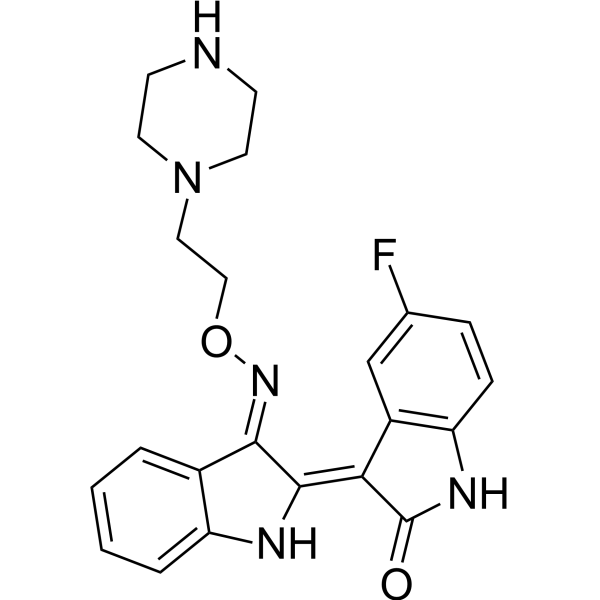
1. Search Result
Search Result
Pathways Recommended: MAPK/ERK Pathway
Results for "

ERK+pathway

" in MedChemExpress (MCE) Product Catalog:

41

Inhibitors & Agonists

1

Screening Libraries

2

Peptides

10

Natural
Products

3

Isotope-Labeled Compounds

Cat. No. Product Name Target Research Areas Chemical Structure
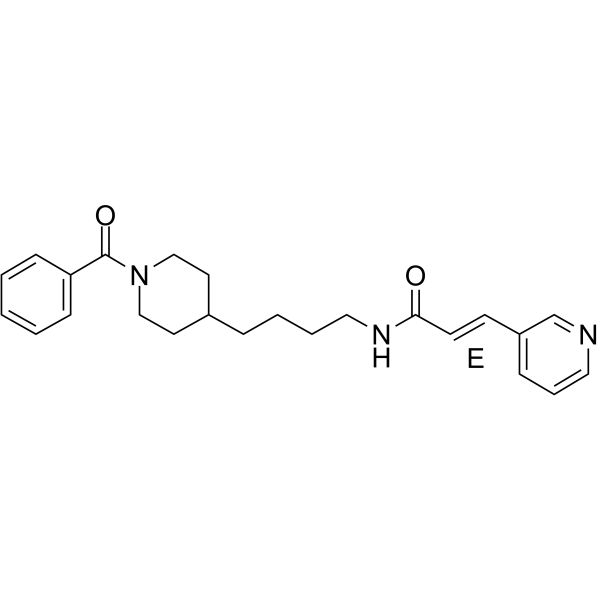
  • HY-50876
    Daporinad
    Maximum Cited Publications
    64 Publications Verification

    FK866; APO866

    NAMPT Autophagy Apoptosis mTOR p38 MAPK ERK Cancer
    Daporinad (FK866) is a non-competitive inhibitor of nicotinamide phosphoribosyltransferase (Nampt), with a Ki value of 0.3 nM. Daporinad depletes NAD+ and ATP levels, inhibits mTORC1 and MAPK/ERK pathways, and activates TFEB to induce autophagy. Daporinad causes the depletion of the endoplasmic reticulum Ca²⁺ pool, ultimately weakening the mitogen-induced Ca²⁺ signal and the activation and function of T cells. Daporinad induces cell cycle arrest and apoptosis, and inhibits cell proliferation. Daporinad can be used for the study of myeloma, liver cancer, and immunosuppression .
    Daporinad
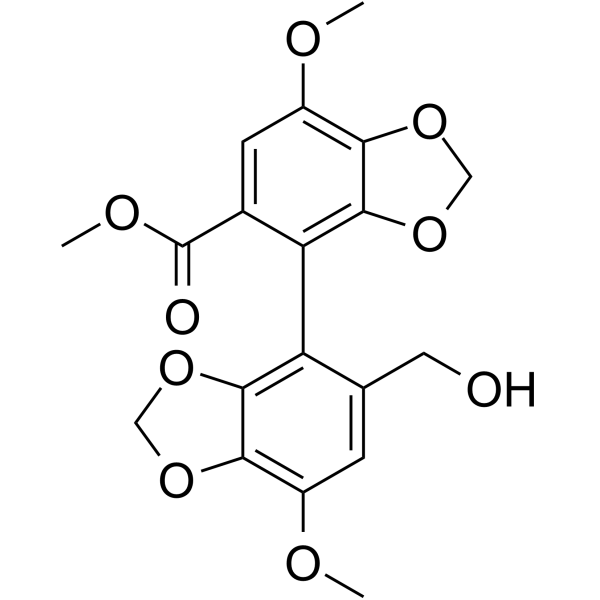
  • HY-B0766

    SY801

    Autophagy Apoptosis HBV HCV HSP Reactive Oxygen Species (ROS) Bcl-2 Family Glutathione S-transferase p38 MAPK NF-κB Microtubule/Tubulin ERK JNK TNF Receptor Interleukin Related CDK Cyclin G-associated Kinase (GAK) mTOR P-glycoprotein Ferroptosis Infection Inflammation/Immunology Cancer
    Bicyclol (SY801) is an orally active derivative of the traditional Chinese medicine Schisandra chinensis, which has antiviral, anti-inflammatory, immunomodulatory, antioxidant, anti-steatosis, anti-fibrotic and anti-tumor activities. Bicyclol regulates the expression of heat shock proteins and plays an anti-apoptosis role in hepatocytes. Bicyclol reduces the activation of NF-κB and the levels of inflammatory factors in hepatocytes infected with hepatitis C virus (HCV) by inhibiting the activation of the ROS-MAPK-NF-κB pathway, and prevents ferroptosis in acute liver injury. Bicyclol can change the expression of Mdr-1, GSH/GST and Bcl-2, increase the intracellular concentration of anticancer drugs, and sensitize drug-resistant cells to anticancer drugs. Bicyclol inhibits the proliferation of human malignant hepatoma cells by regulating the PI3K/AKT pathway and the Ras/Raf/MEK/ERK pathway. Bicyclol can be used in the study of chronic hepatitis, acute liver injury, nonalcoholic fatty liver disease, liver fibrosis and hepatocellular carcinoma .
    Bicyclol
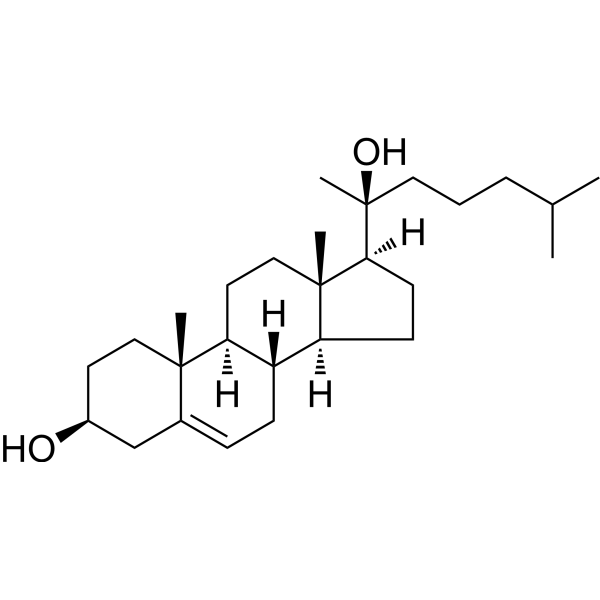
  • HY-12316
    20(S)-Hydroxycholesterol
    3 Publications Verification

    20α-Hydroxycholesterol

    Smo Endogenous Metabolite Cardiovascular Disease Metabolic Disease Cancer
    20(S)-Hydroxycholesterol (20α-Hydroxycholesterol) is an allosteric activator that selectively targets the Smoothened (Smo) of the Hedgehog pathway with an EC50 of ~30 μM (Hedgehog). 20(S)-Hydroxycholesterol binds to the extracellular cysteine-rich domain (CRD) of Smo in a stereoselective manner, activating downstream Gli transcription factors (without inducing transcription of receptor genes in the Wnt pathway). 20(S)-Hydroxycholesterol enhances osteogenic differentiation of bone marrow stromal cells and synergistically activates the Raf/MEK/ERK pathway with Simvastatin (HY-17502) to promote bone regeneration. 20(S)-Hydroxycholesterol can be used to study the mechanisms of developmental biology, oncology, bone, and angiogenesis .
    20(S)-Hydroxycholesterol
  • HY-117037
    FR900359
    4 Publications Verification

    Apoptosis ERK Cardiovascular Disease Cancer
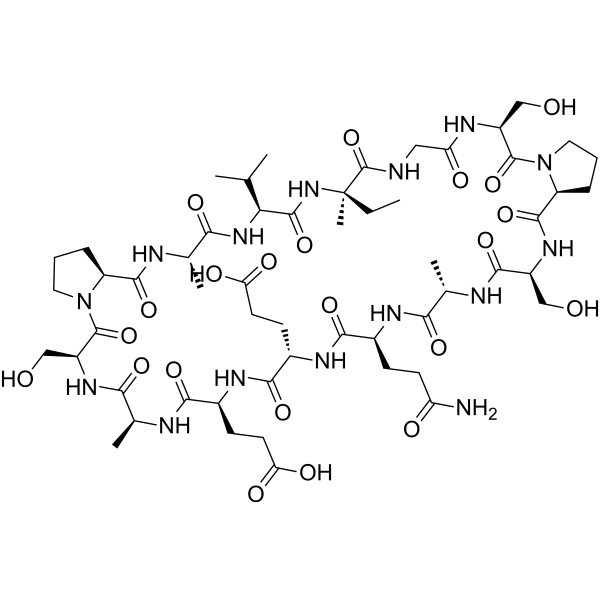
    FR900359 is a depsipeptide selective inhibitor of q/11/14 in mammalia, can inhibits ERK pathway. FR900359 suppresses the proliferation of melanoma cells and decreases of blood pressure. FR900359 also protected against airway hyperreactivity in murine models of allergen sensitization in Ovalbumin, low endotoxin (HY-W250978A)-induced sensitization model of asthma. FR900359 can be used for cancer and cardiovascular disease research .
    FR900359
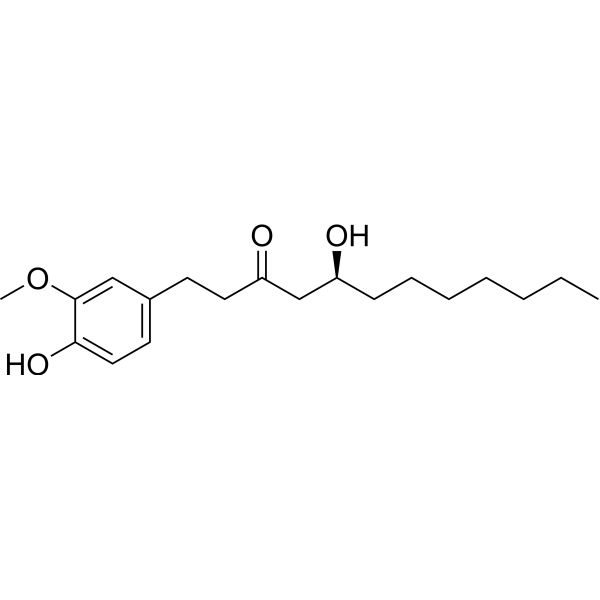
  • HY-N0447
    8-Gingerol
    5 Publications Verification

    TRP Channel Bacterial Apoptosis Autophagy STAT PERK EGFR PI3K Akt mTOR Caspase MMP Infection Cardiovascular Disease Inflammation/Immunology Cancer
    8-Gingerol can be found in the rhizome of ginger (Z. officinale) and has oral bioactivity. It activates TRPV1, with an EC50 value of 5.0 µM. 8-Gingerol inhibits COX-2 and also suppresses the growth of H. pylori in vitro. Additionally, 8-Gingerol exhibits anticancer, antioxidant, and anti-inflammatory properties by inhibiting the epidermal growth factor receptor (EGFR) and modulating its downstream STAT3/ERK pathway to suppress the proliferation, migration, and invasion of colorectal cancer cells. 8-Gingerol also exerts immunosuppressive effects by inhibiting oxidative stress, inducing cell cycle arrest, promoting apoptosis, and regulating autophagy. Furthermore, 8-Gingerol has cardioprotective effects. 8-Gingerol is promising for research in the fields of cancer, infection, immunosuppression, and cardiovascular diseases.
    8-Gingerol
  • HY-N0660

    Apoptosis PARP Caspase AMPK Autophagy VEGFR Keap1-Nrf2 STING 11β-HSD Ferroptosis PI3K Akt p38 MAPK ERK Neurological Disease Metabolic Disease Inflammation/Immunology Cancer
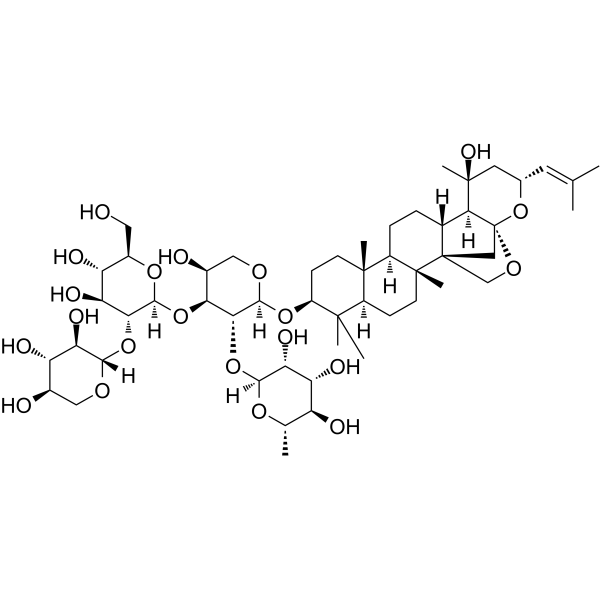
    Jujuboside B is a bioactive saponin component isolated from Ziziphi Spinosae Semen (sour jujube seed), with oral efficacy and blood-brain barrier permeability. Jujuboside B induces acute leukemia cell death and drives necroptosis apoptosis by activating the RIPK1/RIPK3/MLKL pathway. Jujuboside B upregulates the expression of NOXA, PARP and caspase-3, activates AMPK, inhibits the proliferation of breast cancer cells, and induces cell apoptosis and autophagy. Jujuboside B inhibits angiogenesis and tumor growth by blocking the VEGFR-2 signaling pathway. Jujuboside B alleviates liver injury in mice by regulating the Nrf2-STING signaling pathway . Jujuboside B alleviates liver injury by regulating anti-inflammatory responses and downregulating the expression of 11β-HSD2. Jujuboside B induces ferroptosis and overcomes radioresistance in non-small cell lung cancer via the PPARγ-ATF3-Gpx4 signaling pathway. Jujuboside B exerts inhibitory effects on platelet aggregation. Jujuboside B inhibits febrile seizures by suppressing the activity of AMPA receptors. Jujuboside B reverses chronic unpredictable mild stress-promoted tumor progression by blocking the PI3K/Akt and MAPK/ERK pathways and dephosphorylating CREB signaling. Jujuboside B is applicable to related studies on acute leukemia, breast cancer, PM2.5-induced lung injury, hepatotoxicity, liver injury, colorectal cancer, non-small cell lung cancer, thromboembolic diseases, cardiovascular diseases associated with high platelet aggregation, febrile seizures, and depressive-like phenotypes .
    Jujuboside B
  • HY-B0380A

    Opioid Receptor Toll-like Receptor (TLR) Calcium Channel Potassium Channel IRAK ERK JNK NF-κB Akt Apoptosis Neurological Disease Metabolic Disease Inflammation/Immunology Cancer
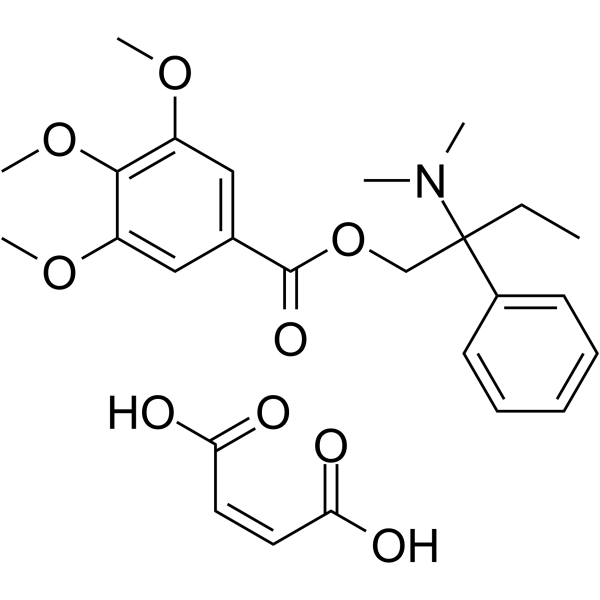
    Trimebutine maleate is a multi-target inhibitor and opioid receptor agonist with antimuscarinic activity. Trimebutine maleate inhibits L-type Ca 2+ channels and large-conductance calcium-activated potassium channels (BKCa channels), thereby inhibiting extracellular calcium influx and potassium ion efflux. Trimebutine maleate also targets Toll-like receptors, inhibits Toll-like receptor 2/4/7/8/9 signals, and inhibits LPS-induced IRAK1 activation, as well as ERK1/2, JNK and NF-κB activation, thereby exerting anti-inflammatory effects. Trimebutine maleate also induces tumor cell apoptosis by inhibiting the AKT/ERK pathway. Trimebutine maleate also inhibits excessive contraction of smooth muscle and can be used in the study of gastrointestinal disorders such as irritable bowel syndrome (IBS) .
    Trimebutine maleate
  • HY-B0380

    Opioid Receptor Toll-like Receptor (TLR) Calcium Channel Potassium Channel IRAK ERK JNK NF-κB Akt Apoptosis Neurological Disease Metabolic Disease Inflammation/Immunology Cancer
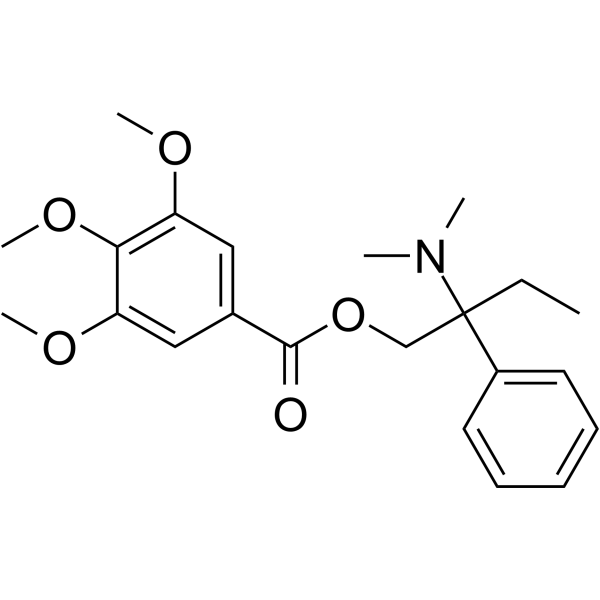
    Trimebutine is a multi-target inhibitor and opioid receptor agonist with antimuscarinic activity. Trimebutine inhibits L-type Ca 2+ channels and large-conductance calcium-activated potassium channels (BKCa channels), thereby inhibiting extracellular calcium influx and potassium ion efflux. Trimebutine also targets Toll-like receptors, inhibits Toll-like receptor 2/4/7/8/9 signals, and inhibits LPS-induced IRAK1 activation, as well as ERK1/2, JNK and NF-κB activation, thereby exerting anti-inflammatory effects. Trimebutine also induces tumor cell apoptosis by inhibiting the AKT/ERK pathway. Trimebutine also inhibits excessive contraction of smooth muscle and can be used in the study of gastrointestinal disorders such as irritable bowel syndrome (IBS) .
    Trimebutine
  • HY-132242

    SFN-NAC

    HDAC Apoptosis Drug Metabolite Cancer
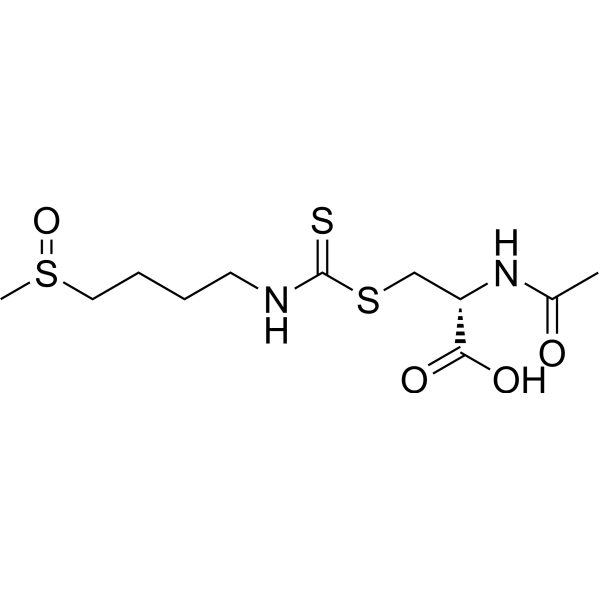
    DL-Sulforaphane N-acetyl-L-cysteine (SFN-NAC) is an orally active HDAC inhibitor and metabolite of sulforaphane (HY-13755) with longer half-life and better blood-brain barrier permeability. DL-Sulforaphane N-acetyl-L-cysteine activates autophagy-mediated downregulation of α-tubulin expression through the ERK pathway and can be used in cancer research .
    DL-Sulforaphane N-acetyl-L-cysteine
  • HY-101446

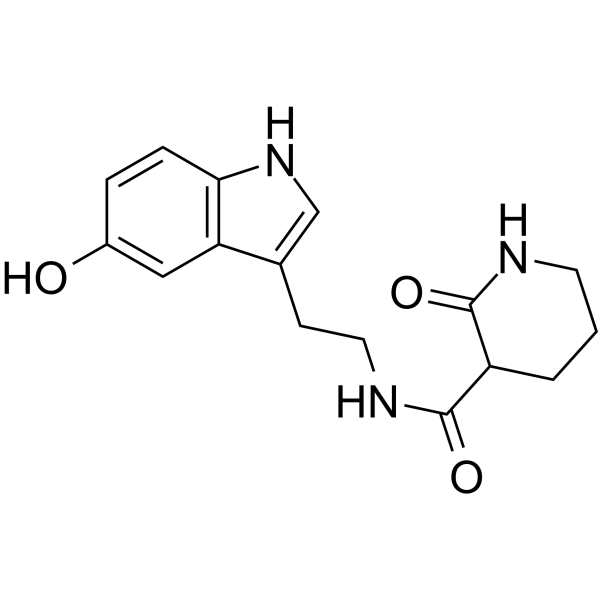
    Trk Receptor ERK Apoptosis Neurological Disease
    HIOC is a potent and selective activator of TrkB (tropomyosin related kinase B) receptor. HIOC can pass the blood-brain and blood-retinal barriers.HIOC activates TrkB/ERK pathway and decreases neuronal cell apoptosis. HIOC attenuates early brain injury after SAH (subarachnoid hemorrhage). HIOC shows protective activity in an animal model for light-induced retinal degeneration .
    HIOC
  • HY-Y1322

    Environmental Pollutants Mitophagy Apoptosis NF-κB p38 MAPK ERK JNK PI3K Akt Monoamine Oxidase Reactive Oxygen Species (ROS) PPAR Indoleamine 2,3-Dioxygenase (IDO) Cardiovascular Disease Neurological Disease Metabolic Disease Inflammation/Immunology Endocrinology
    Triphenyl phosphate is an orally active, blood-brain barrier-permeable aryl organophosphate flame retardant and endocrine disruptor. Triphenyl phosphate disrupts mitochondrial dynamic balance through oxidative stress, induces excessive mitophagy and apoptosis, and ultimately leads to myocardial fibrosis. In the brain, Triphenyl phosphate activates the NF-κB inflammatory pathway by disrupting the gut microbiota, alters tryptophan metabolism and elevates neurotoxins, thereby inducing anxiety- and depression-like behaviors. In the skeletal and reproductive systems, Triphenyl phosphate inhibits osteoblast differentiation and induces germ cell apoptosis by suppressing the MAPK/ERK pathway and activating the JNK signal, respectively. In adipose and placental tissues, Triphenyl phosphate promotes lipid accumulation by activating the PI3K/AKT-PPARγ axis, and disrupts placental metabolism via the MAOA/ROS/NF-κB cascade, impairing neurodevelopment of offspring .
    Triphenyl phosphate
  • HY-W015515

    (S)-3,7-Dimethyloct-6-en-1-ol

    Environmental Pollutants TNF Receptor Beta-secretase γ-secretase ERK Cholinesterase (ChE) Neurological Disease Inflammation/Immunology
    L-Citronellol ((S)-3,7-Dimethyloct-6-en-1-ol) is a natural product with anti-allergic and neuroprotective effects. L-Citronellol inhibits mast cell activation and the release of inflammatory factors by inhibiting the ERK pathway. L-Citronellol inhibits BACE1/PSEN1 and AChE, reduces TNF-α expression and lipid peroxidation, demonstrating the potential of multi-target anti-Alzheimer's disease (AD) .
    L-Citronellol
  • HY-50055

    ERK Cancer
    EtDO-P4 is a nanomolar inhibitor of glycosphingolipid (GSL) synthesis. EtDO-P4 suppresses activation of the EGFR-induced ERK pathway and various receptor tyrosine kinases (RTKs). EtDO-P4 can be used for various types of cancer, including Burkitt’s lymphoma .
    EtDO-P4
  • HY-N1930

    Hinesol

    Apoptosis Cancer
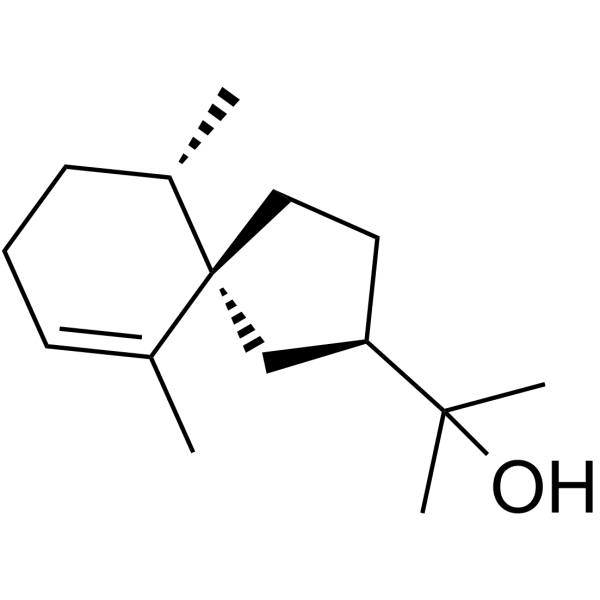
    (-)-Hinesol (Hinesol) is a potent anticancer agent. (-)-Hinesol induces apoptosis and cell cycle arrest at G0/G1 phase. (-)-Hinesol downregulates MEK/ERK pathway and NF-κB pathway and mediates theexpression of cyclin D1, Bax and Bcl-2. (-)-Hinesol has the potential for the research of non–small cell lung cancer .
    (-)-Hinesol
  • HY-W130965

    Influenza Virus Akt Infection
    1-Formyl-beta-carboline is an alkaloid with inhibitory activity against Newcastle disease virus (NDV). 1-Formyl-beta-carboline can effectively inhibit different genotypes of NDV with IC50 values within 10 μM, and its inhibition rate is more than 90% at a concentration of 20 μM. 1-Formyl-beta-carboline mainly exerts its effects by inhibiting the adsorption and entry processes in the NDV life cycle. 1-Formyl-beta-carboline has been identified as a novel HN inhibitor that can directly interact with the NDV HN protein and affect the adsorption of NDV. 1-Formyl-beta-carboline also inhibits the entry of NDV by inhibiting the PI3K/Akt signaling pathway rather than the ERK pathway .
    1-Formyl-beta-carboline
  • HY-169212

    PI3K Annexin A ERK VEGFR STAT Raf FAK Akt Ras Cancer
    I194496 is a potent cystathionine γ-lyase (CSE) inhibitor, with an IC50 of 0.79 mM. I194496 can inhibit the growth of human TNBC cells via the dual targeting PI3K/Akt and Ras/Raf/ERK pathway and suppress the metastasis of human TNBC cells via down-regulating Anxa2/STAT3 and VEGF/FAK/Paxillin signaling pathways .
    I194496
  • HY-W015515R

    (S)-3,7-Dimethyloct-6-en-1-ol (Standard)

    Reference Standards ERK Beta-secretase γ-secretase Cholinesterase (ChE) TNF Receptor Neurological Disease Inflammation/Immunology
    L-Citronellol ((S)-3,7-Dimethyloct-6-en-1-ol) is an analytical standard for L-Citronellol (HY-W015515). This product is intended for research and analytical applications. L-Citronellol is a natural product with anti-allergic and neuroprotective effects. L-Citronellol inhibits mast cell activation and the release of inflammatory factors by inhibiting the ERK pathway. L-Citronellol inhibits BACE1/PSEN1 and AChE, reduces TNF-α expression and lipid peroxidation, demonstrating the potential of multi-target anti-Alzheimer's disease (AD).
    L-Citronellol (Standard)
  • HY-Y1322S

    Celluflex TPP-d15; DHPF 005-d15; Disflamol TP-d15; Disflamoll TP-d15; NSC 57868-d15; Phenyl phosphate ((PhO)3PO)-d15; Phoscon FR 903N-d15

    Isotope-Labeled Compounds Environmental Pollutants ERK Indoleamine 2,3-Dioxygenase (IDO) p38 MAPK NF-κB Akt Monoamine Oxidase Mitophagy Reactive Oxygen Species (ROS) JNK PI3K PPAR Apoptosis Cardiovascular Disease Neurological Disease Metabolic Disease Inflammation/Immunology Endocrinology
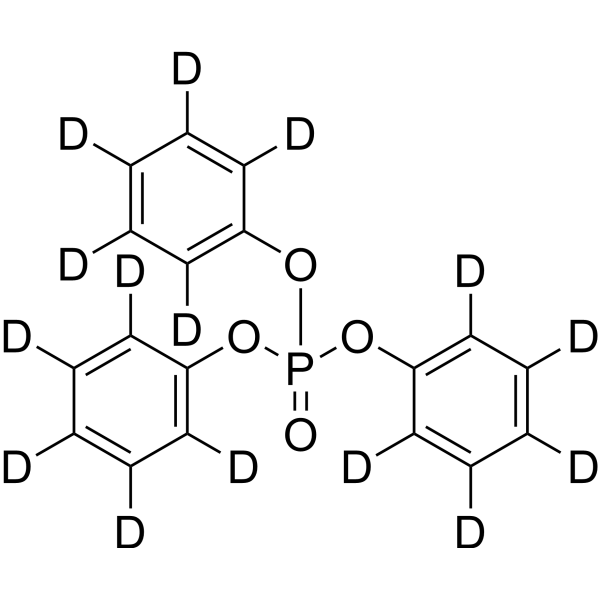
    Triphenyl phosphate-d15 is the deuterium labeled Triphenyl phosphate. Triphenyl phosphate is an orally active, blood-brain barrier-permeable aryl organophosphate flame retardant and endocrine disruptor. Triphenyl phosphate disrupts mitochondrial dynamic balance through oxidative stress, induces excessive mitophagy and apoptosis, and ultimately leads to myocardial fibrosis. In the brain, Triphenyl phosphate activates the NF-κB inflammatory pathway by disrupting the gut microbiota, alters tryptophan metabolism and elevates neurotoxins, thereby inducing anxiety- and depression-like behaviors. In the skeletal and reproductive systems, Triphenyl phosphate inhibits osteoblast differentiation and induces germ cell apoptosis by suppressing the MAPK/ERK pathway and activating the JNK signal, respectively. In adipose and placental tissues, Triphenyl phosphate promotes lipid accumulation by activating the PI3K/AKT-PPARγ axis, and disrupts placental metabolism via the MAOA/ROS/NF-κB cascade, impairing neurodevelopment of offspring.
    Triphenyl phosphate-d15
  • HY-N2051

    Apoptosis Cancer
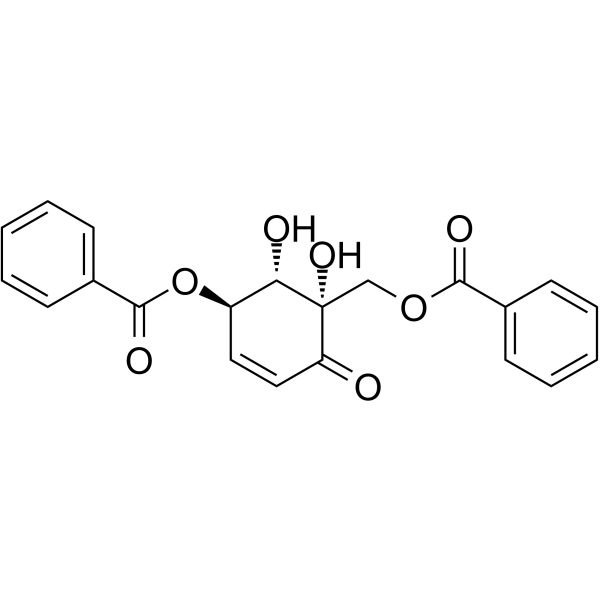
    Zeylenone, a naturally occurring cyclohexene oxide, inhibits proliferation and induces apoptosis in cervical carcinoma cells via PI3K/AKT/mTOR and MAPK/ERK pathways .
    Zeylenone
  • HY-117404

    MEK ERK Cancer
    LLS30 is an anticancer agent. LLS30 suppresses MEK/ERK pathway. LLS30 has anti-cancer effects against ovarian cancer, prostate cancer, and malignant peripheral nerve sheath tumors. LLS30 shows synergistic anti-cancer effect with Enzalutamide (HY-70002) or Docetaxel (HY-B0011) .
    LLS30
  • HY-E70684

    CDK Neurological Disease Cancer
    CDK5 can be mapped to chromosome 7q36 and its expression is upregulated by the transcription factors Fos and CREB through the MEK/ERK pathway and by δFosB. CDK5 plays a vital role in the central nervous system but has functions in other cell types. CDK5 has recently been implicated in diseases, including the development and progression of cancer and neurodegenerative diseases. CDK5/p25NCK Recombinant Human Active Protein Kinase is an ortholog of CDK5 .
    CDK5/p25NCK Recombinant Human Active Protein Kinase
  • HY-E70685

    CDK Neurological Disease Cancer
    CDK5 can be mapped to chromosome 7q36 and its expression is upregulated by the transcription factors Fos and CREB through the MEK/ERK pathway and by δFosB. CDK5 plays a vital role in the central nervous system but has functions in other cell types. CDK5 has recently been implicated in diseases, including the development and progression of cancer and neurodegenerative diseases. CDK5/p35NCK Recombinant Human Active Protein Kinase is an ortholog of CDK5 .
    CDK5/p35NCK Recombinant Human Active Protein Kinase
  • HY-168637

    SOS1 PROTACs Ras Cancer
    SIAIS562055 is a potent cereblon-based SOS1 PROTAC with a Kd of 95.9 nM. SIAIS562055 exhibits sustained degradation of SOS1 and inhibition of downstream ERK pathways. SIAIS562055 effectively blocked the binding of KRAS G12C or KRAS G12D to SOS1, with the IC50 values of 95.7 nM and 134.5 nM, respectively. SIAIS562055 exhibits potent anticancer activity. (Pink: SOS1 ligand (HY-168638); Black: linker (HY-W539874); Blue: E3 ligase ligand (HY-W076696)) .
    SIAIS562055
  • HY-177270

    EGFR Drug Derivative Cancer
    CHNQD-01281, a derivative of Brefeldin A (HY-16592), is a EGFR modulator. CHNQD-01281 has strong antiproliferative activities against cancer cells (IC50: 0.079 and 0.081 μM for T24 and J82 cells, respectively). CHNQD-01281 regulates both EGFR/PI3K/AKT and EGFR/ERK pathways and mediates the chemotactic effect of chemokines on immune effector cells. CHNQD-01281 remarkably inhibits tumor growth in T24 xenograft mice model and prolongs the survival time in MB49 allogeneic mice model via inducing infiltration of cytotoxic T cells .
    CHNQD-01281
  • HY-B0380S1

    Isotope-Labeled Compounds Opioid Receptor Toll-like Receptor (TLR) Calcium Channel Potassium Channel IRAK ERK JNK NF-κB Akt Apoptosis Neurological Disease Metabolic Disease Inflammation/Immunology Cancer
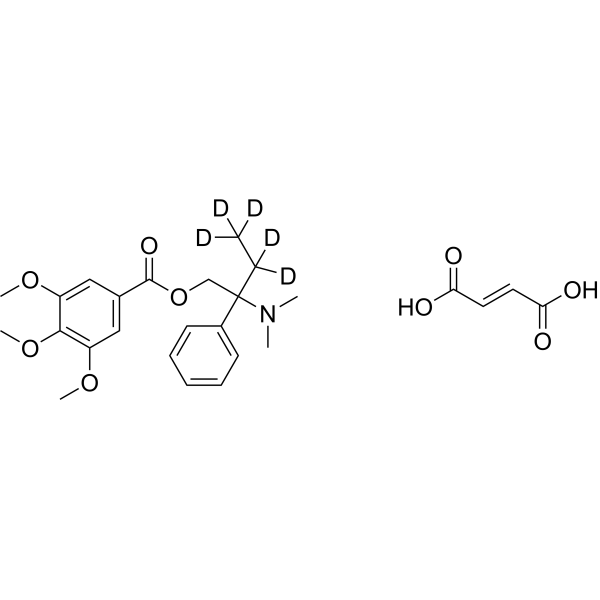
    Trimebutine-d5 fumarate is deuterium labeled Trimebutine fumarate. Trimebutine fumarate is a multi-target inhibitor and opioid receptor agonist with antimuscarinic activity. Trimebutine fumarate inhibits L-type Ca 2+ channels and large-conductance calcium-activated potassium channels (BKCa channels), thereby inhibiting extracellular calcium influx and potassium ion efflux. Trimebutine fumarate also targets Toll-like receptors, inhibits Toll-like receptor 2/4/7/8/9 signals, and inhibits LPS-induced IRAK1 activation, as well as ERK1/2, JNK and NF-κB activation, thereby exerting anti-inflammatory effects. Trimebutine fumarate also induces tumor cell apoptosis by inhibiting the AKT/ERK pathway. Trimebutine fumarate also inhibits excessive contraction of smooth muscle and can be used in the study of gastrointestinal disorders such as irritable bowel syndrome (IBS) .
    Trimebutine-d5 fumarate
  • HY-B0380AR

    Reference Standards Opioid Receptor Apoptosis Potassium Channel NF-κB Akt IRAK JNK Toll-like Receptor (TLR) ERK Calcium Channel Neurological Disease Metabolic Disease Inflammation/Immunology Cancer
    Trimebutine maleate (Standard) is the analytical standard of Trimebutine maleate (HY-B0380A). This product is intended for research and analytical applications. Trimebutine maleate is a multi-target inhibitor and opioid receptor agonist with antimuscarinic activity. Trimebutine maleate inhibits L-type Ca 2+ channels and large-conductance calcium-activated potassium channels (BKCa channels), thereby inhibiting extracellular calcium influx and potassium ion efflux. Trimebutine maleate also targets Toll-like receptors, inhibits Toll-like receptor 2/4/7/8/9 signals, and inhibits LPS-induced IRAK1 activation, as well as ERK1/2, JNK and NF-κB activation, thereby exerting anti-inflammatory effects. Trimebutine maleate also induces tumor cell apoptosis by inhibiting the AKT/ERK pathway. Trimebutine maleate also inhibits excessive contraction of smooth muscle and can be used in the study of gastrointestinal disorders such as irritable bowel syndrome (IBS) .
    Trimebutine maleate (Standard)
  • HY-122019

    NF-κB ERK Apoptosis Others
    ABD56 is a compound that induces osteoclast apoptosis and has the activity of inhibiting osteoclast formation and inducing apoptosis. ABD56 can inhibit osteoclast formation and induce apoptosis, and its mechanism is related to the inhibition of NFκB and ERK pathways.
    ABD56
  • HY-151934

    Apoptosis Cancer
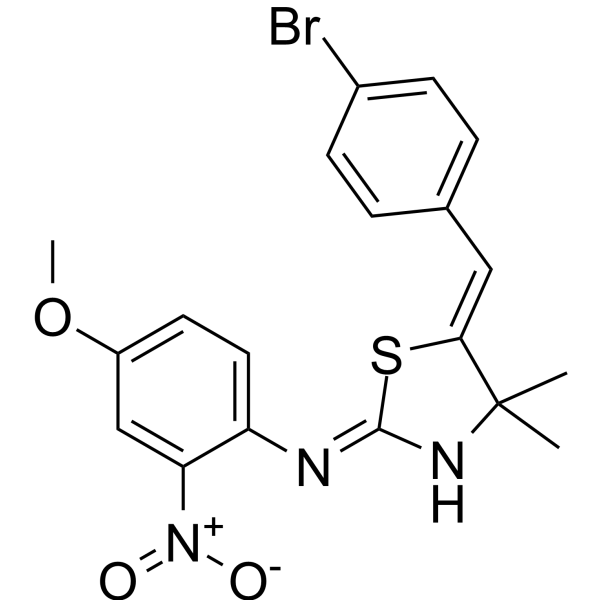
    ERK-IN-6 (compound 6g) is an potent anti-proliferation agent against esophageal squamous cell carcinoma (ESCC). ERK-IN-6 induces cell apoptosis via ERK pathway. ERK-IN-6 can be used for the research of ESCC .
    ERK-IN-6
  • HY-E70789

    RET Others
    BCR-RET Recombinant Human Active Protein Kinase is a BCR-RET fusion protein in hematopoietic malignancies. BCR-RET overactivates the Ras-ERK pathway, in addition to JAK/STAT3 and PI3K/AKT pathways .
    BCR-RET Recombinant Human Active Protein Kinase
  • HY-149205

    PI3K ERK Inflammation/Immunology
    CXJ-2 is a cyclic peptide, and exhibits moderate affinity toward elastin derived peptides (EDPs). CXJ-2 exhibits potent activities to inhibit the PI3K/ERK pathway and decrease hepatic stellate cell proliferation and migration. CXJ-2 possesses potent antifibrotic efficacy .
    CXJ-2
  • HY-164489

    EGFR Akt ERK Apoptosis Cancer
    KU004 is a potent dual EGFR/HER2 inhibitor with anticancer effects. KU004 inhibits the proliferation of human breast cancer SKBR3 cells by inducing G1 phase arrest. KU004 blocks the activation of HER2, EGFR and downstream Akt and Erk pathways and induces cell Apoptosis mainly via the extrinsic pathway. KU004 is a quinazoline derivative .
    KU004
  • HY-149539

    FLT3 RET Cancer
    PLM-101 is an orally available anticancer agent targeting FLT3 and RET with inhibitory activity against acute myeloid leukemia cells. PLM-101 inhibits RET, thereby inducing autophagic degradation of FLT3; and it inhibits the PI3K and Ras/ERK pathways, resulting in anti-leukemia activity. PLM-101 has anti-tumor efficacy in a mouse MV4-11 flank xenograft model (dose: 3, 10 mg/kg; po) and an allogeneic xenograft mouse model (dose: 40 mg/kg; po) .
    PLM-101
  • HY-B0380S2

    Isotope-Labeled Compounds Opioid Receptor Toll-like Receptor (TLR) Calcium Channel Potassium Channel IRAK ERK JNK NF-κB Akt Apoptosis Neurological Disease Metabolic Disease Inflammation/Immunology Cancer
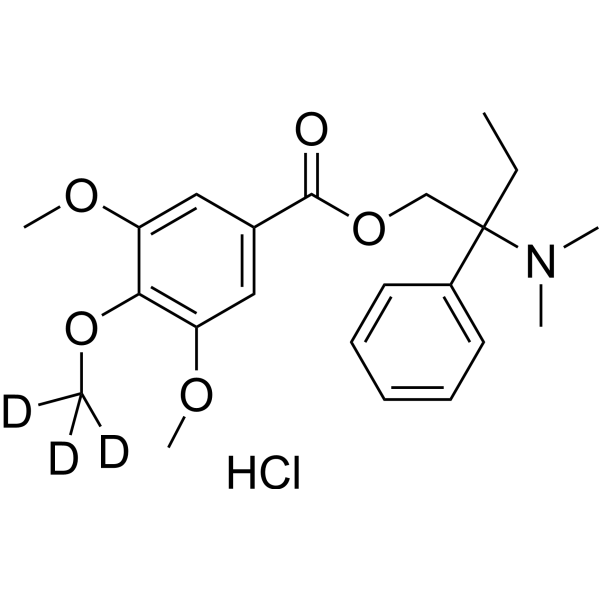
    Trimebutine-d3 hydrochloride is deuterium labeled Trimebutine hydrochloride. Trimebutine hydrochloride is a multi-target inhibitor and opioid receptor agonist with antimuscarinic activity. Trimebutine hydrochloride inhibits L-type Ca 2+ channels and large-conductance calcium-activated potassium channels (BKCa channels), thereby inhibiting extracellular calcium influx and potassium ion efflux. Trimebutine hydrochloride also targets Toll-like receptors, inhibits Toll-like receptor 2/4/7/8/9 signals, and inhibits LPS-induced IRAK1 activation, as well as ERK1/2, JNK and NF-κB activation, thereby exerting anti-inflammatory effects. Trimebutine hydrochloride also induces tumor cell apoptosis by inhibiting the AKT/ERK pathway. Trimebutine hydrochloride also inhibits excessive contraction of smooth muscle and can be used in the study of gastrointestinal disorders such as irritable bowel syndrome (IBS) .
    Trimebutine-d3 hydrochloride
  • HY-175547

    PROTACs MAP4K ERK Interleukin Related IFNAR Inflammation/Immunology Cancer
    PROTAC HPK1 Degrader-5 is a potent and orally active HPK1 PROTAC degrader (DC50 = 5.0 nM; Dmax ≥ 99%). PROTAC HPK1 Degrader-5 significantly inhibits SLP76 phosphorylation and enhanced ERK pathway activation through degrading HPK1, thereby stimulating IL-2 and IFN-γ release. PROTAC HPK1 Degrader-5 exhibits the ability to overcome the immunosuppressive effects imposed by PGE2, NECA or TGF-β. PROTAC HPK1 Degrader-5 alone efficaciously inhibits tumor growth in an MC38 syngeneic mouse model. PROTAC HPK1 Degrader-5 can be used for the study of tumor (such as colorectal cancer) immunotherapy (Pink: Target protein ligand (HY-175549); Blue: E3 ligand (HY-W023573); Black: Linker; E3 ligand + Linker (HY-175551)) .
    PROTAC HPK1 Degrader-5
  • HY-B0380R

    Opioid Receptor Toll-like Receptor (TLR) Calcium Channel Potassium Channel IRAK ERK JNK NF-κB Akt Apoptosis Reference Standards Neurological Disease Metabolic Disease Inflammation/Immunology Cancer
    Trimebutine (Standard) is the analytical standard of Trimebutine (HY-B0380). This product is intended for research and analytical applications. Trimebutine is a multi-target inhibitor and opioid receptor agonist with antimuscarinic activity. Trimebutine inhibits L-type Ca 2+ channels and large-conductance calcium-activated potassium channels (BKCa channels), thereby inhibiting extracellular calcium influx and potassium ion efflux. Trimebutine also targets Toll-like receptors, inhibits Toll-like receptor 2/4/7/8/9 signals, and inhibits LPS-induced IRAK1 activation, as well as ERK1/2, JNK and NF-κB activation, thereby exerting anti-inflammatory effects. Trimebutine also induces tumor cell apoptosis by inhibiting the AKT/ERK pathway. Trimebutine also inhibits excessive contraction of smooth muscle and can be used in the study of gastrointestinal disorders such as irritable bowel syndrome (IBS) .
    Trimebutine (Standard)
  • HY-P10521

    VEGFR Cancer
    Apolipoprotein KV domain (67-77) is an 11-amino acid peptide identified from the KV domain of human apolipoprotein a (ApoA) with antiangiogenic and antitumor activities. Apolipoprotein KV domain (67-77) targets the angiogenic c-Src/ERK pathway by blocking activation signals received from vascular endothelial growth factor (VEGF). Apolipoprotein KV domain (67-77) can be used in cancer research .
    Apolipoprotein KV domain (67-77)
  • HY-50876A

    FK866 hydrochloride; APO866 hydrochloride

    NAMPT Autophagy Apoptosis mTOR p38 MAPK ERK Inflammation/Immunology Cancer
    Daporinad (FK866) hydrochloride is a non-competitive inhibitor of nicotinamide phosphoribosyltransferase (Nampt), with a Ki value of 0.3 nM. Daporinad hydrochloride depletes NAD+ and ATP levels, inhibits mTORC1 and MAPK/ERK pathways, and activates TFEB to induce autophagy. Daporinad hydrochloride causes the depletion of the endoplasmic reticulum Ca²⁺ pool, ultimately weakening the mitogen-induced Ca²⁺ signal and the activation and function of T cells. Daporinad hydrochloride induces cell cycle arrest and apoptosis, and inhibits cell proliferation. Daporinad hydrochloride can be used for the study of myeloma, liver cancer, and immunosuppression .
    Daporinad hydrochloride
  • HY-181963

    DNA Methyltransferase PI3K Akt p38 MAPK ERK Cancer
    ZINC-1000507824 is a non-covalent reversible RNA cytosine-5 methyltransferase NSUN2 inhibitor. ZINC-1000507824 targets the SAM cofactor binding pocket of NSUN2 and forms stable NSUN2-ligand complexes. ZINC-1000507824 destabilizes oncogenic mRNAs encoding PI3K/AKT and MAPK/ERK pathway components, attenuates growth signals, reduces proliferative drive, and restores therapy sensitivity in cancer cells. ZINC-1000507824 can be used for the research of NSUN2-driven malignancies .
    ZINC-1000507824
  • HY-182614

    Src Cathepsin PI3K Akt Ras Raf ERK MMP Cancer
    BJ-2302 is a Src kinase inhibitor with an IC50 of 3.23 μM, and inhibits cathepsin S (CTSS) activity .BJ-2302 binds to Src, suppresses PI3K/AKT and Ras/Raf/ERK pathways, and reduces CTSS and MMP-9 expression .BJ-2302 inhibits cancer cell invasion, metastasis, proliferation, and tumor growth .BJ-2302 does not induce cytotoxicity in normal breast epithelial cells .BJ-2302 can be used for the research of breast cancer and triple-negative breast cancer .
    BJ-2302
  • HY-181284

    G-quadruplex DNA/RNA Synthesis Ras PI3K Akt ERK Caspase Apoptosis Cancer
    BYBC‑1 is a selective G4‑RNA‑targeting ligand with high affinity forKRAS and NRAS G4‑RNAs (Kd = 0.05-0.28 μM). BYBC‑1 stabilizes G4‑RNA structures in KRAS and NRAS mRNA, blocks thePI3K/AKT and MAPK/ERK pathways, activates the DNA damage response (DDR), suppresses energy metabolism, and induces S‑phase arrest and apoptosis. BYBC‑1 exhibits high selectivity over non‑malignant fibroblasts and significantly inhibits the growth of HCT‑116 xenograft tumors in vivo. BYBC‑1 can be used for the study of colorectal cancer .
    BYBC-1
  • HY-N0660R

    Reference Standards ERK p38 MAPK Akt PI3K 11β-HSD STING VEGFR Ferroptosis Autophagy Apoptosis Keap1-Nrf2 Caspase PARP AMPK Neurological Disease Metabolic Disease Inflammation/Immunology Cancer
    Jujuboside B (Standard) is the analytical standard of Jujuboside B. This product is intended for research and analytical applications. Jujuboside B is a bioactive saponin component isolated from Ziziphi Spinosae Semen (sour jujube seed), with oral efficacy and blood-brain barrier permeability. Jujuboside B induces acute leukemia cell death and drives necroptosis apoptosis by activating the RIPK1/RIPK3/MLKL pathway. Jujuboside B upregulates the expression of NOXA, PARP and caspase-3, activates AMPK, inhibits the proliferation of breast cancer cells, and induces cell apoptosis and autophagy. Jujuboside B inhibits angiogenesis and tumor growth by blocking the VEGFR-2 signaling pathway. Jujuboside B alleviates liver injury in mice by regulating the Nrf2-STING signaling pathway . Jujuboside B alleviates liver injury by regulating anti-inflammatory responses and downregulating the expression of 11β-HSD2. Jujuboside B induces ferroptosis and overcomes radioresistance in non-small cell lung cancer via the PPARγ-ATF3-Gpx4 signaling pathway. Jujuboside B exerts inhibitory effects on platelet aggregation. Jujuboside B inhibits febrile seizures by suppressing the activity of AMPA receptors. Jujuboside B reverses chronic unpredictable mild stress-promoted tumor progression by blocking the PI3K/Akt and MAPK/ERK pathways and dephosphorylating CREB signaling. Jujuboside B is applicable to related studies on acute leukemia, breast cancer, PM2.5-induced lung injury, hepatotoxicity, liver injury, colorectal cancer, non-small cell lung cancer, thromboembolic diseases, cardiovascular diseases associated with high platelet aggregation, febrile seizures, and depressive-like phenotypes.
    Jujuboside B (Standard)

Inquiry Online

Your information is safe with us. * Required Fields.

Salutation


Country or Region *

Applicant Name *


Organization Name *

Department *


Email Address *


Product Name *

Cat. No.


Requested quantity *

Phone Number *


Remarks

Inquiry Online

Inquiry Information

Product Name:
Cat. No.:
Quantity:
MCE Japan Authorized Agent: