1. Search Result
Search Result
Results for "

LS

" in MedChemExpress (MCE) Product Catalog:

50

Inhibitors & Agonists

1

Biochemical Assay Reagents

4

Peptides

6

Inhibitory Antibodies

8

Natural
Products

3

Recombinant Proteins

4

Isotope-Labeled Compounds

2

Antibodies

3

Oligonucleotides

Cat. No. Product Name Target Research Areas Chemical Structure
  • HY-135844
    LS-102
    Maximum Cited Publications
    6 Publications Verification

    E1/E2/E3 Enzyme Inflammation/Immunology
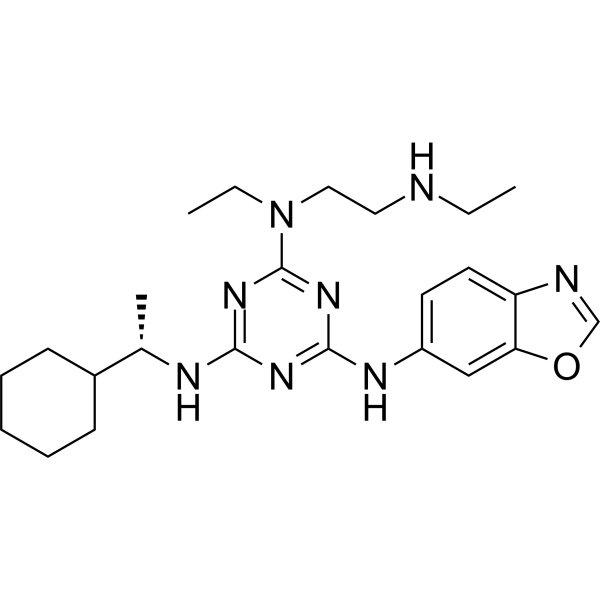
    LS-102 is a selective E3 ubiquitin ligase synoviolin (Syvn1) inhibitor. LS-102 inhibits the autoubiquitination of synoviolin with an IC50 of 35 μM. LS-102 has the potential for rheumatoid arthritis treatment .
    LS-102
  • HY-I1060
    L-Alloisoleucine
    1 Publications Verification

    (3R)-LS-Isoleucine

    Endogenous Metabolite Metabolic Disease
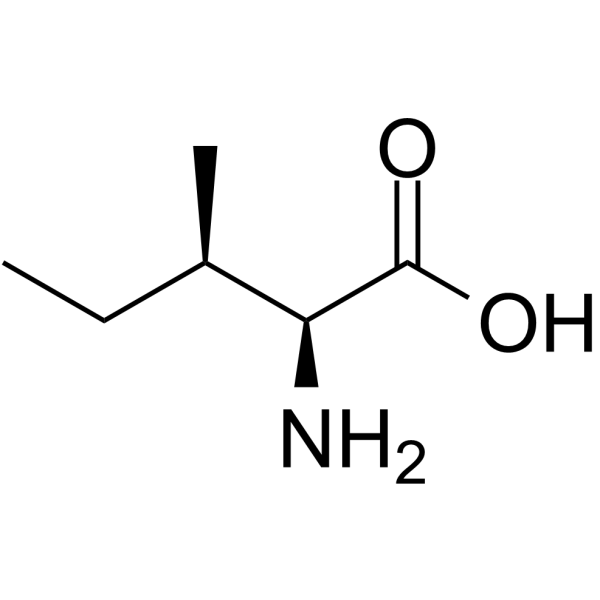
    L-Alloisoleucine is a stereoisomer of L-isoleucine. L-Alloisoleucine can be used in skeletal muscle research .
    L-Alloisoleucine
  • HY-12445
    Asnuciclib
    2 Publications Verification

    CDKI-73; LS-007

    CDK Apoptosis Inflammation/Immunology Cancer
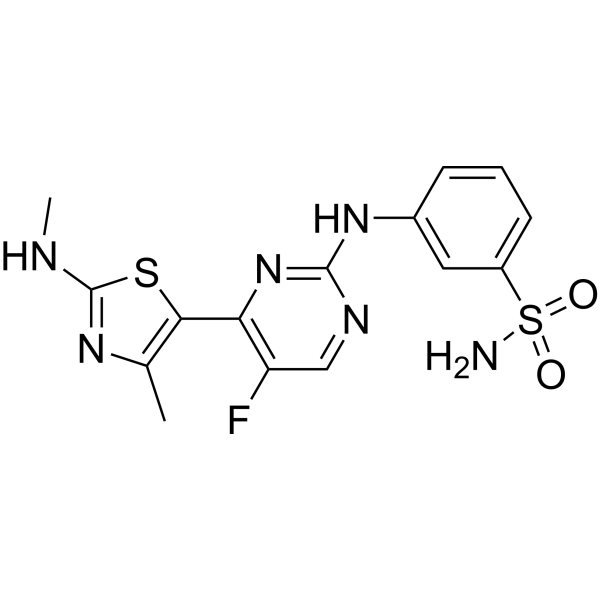
    Asnuciclib (CDKI-73; LS-007) is an orally active and highly efficacious CDK9 inhibitor, with Ki values of 4 nM, 4 nM and 3 nM for CDK9, CDK1 and CDK2, respectively. Asnuciclib down-regulates the RNAPII phosphorylation. Asnuciclib is also a novel pharmacological inhibitor of Rab11 cargo delivery and innate immune secretion .
    Asnuciclib
  • HY-17037
    Pirenzepine dihydrochloride
    5 Publications Verification

    LS 519; Pirenzepin dihydrochloride; Gastrozepin dihydrochloride

    mAChR Metabolic Disease Cancer
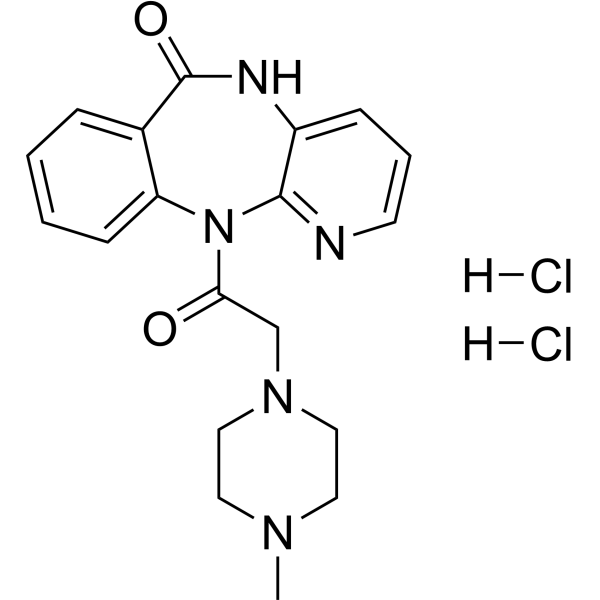
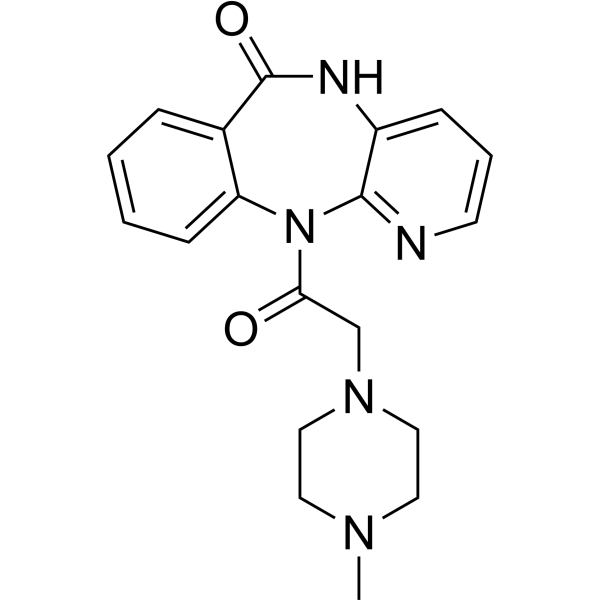
    Pirenzepine (LS 519) dihydrochloride is a selective M1 mAChR (muscarinic acetylcholine receptor) antagonist, with poor penetration of the blood-brain barrier. Pirenzepine dihydrochloride reduces gastric acid secretion and reduces muscle spasm, can be used in peptic ulcers research. Pirenzepine dihydrochloride shows anti-proliferative activity to cancer cells .
    Pirenzepine dihydrochloride
  • HY-136420

    PROTACs Raf Apoptosis Inflammation/Immunology Cancer
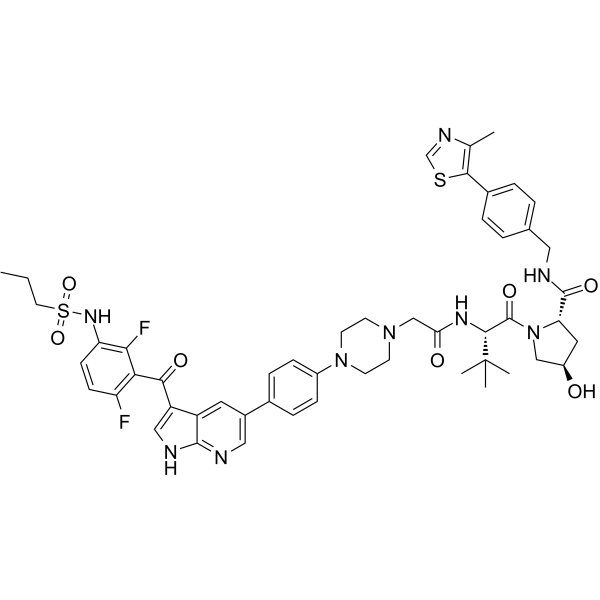
    SJF-0628 is a RAF PROTAC degrader. SJF-0628 induces targeted degradation of BRAF in various cancer cell lines (colorectal cancer cell lines (Colo-205, LS-411N, HT-29, RKO) and triple-negative breast cancer cell line DU-4475). SJF-0628 decreases pMEK and pErk levels in DU-4475 cells. SJF-0628 has anti-tumor activity. SJF-0628 can be used for research of colorectal cancer and triple-negative breast cancer. (Pink: RAF ligand (HY-12057), Blue: VHL Ligand ( HY-125845), Black: Linker (HY-B0912)) .
    SJF-0628
  • HY-P99564

    3BNC117-LS; GS-5423

    HIV Infection Inflammation/Immunology
    Teropavimab (3BNC117-LS) is an antibody. Teropavimab can be used for the research of HIV infection .
    Teropavimab
  • HY-17037A
    Pirenzepine
    5 Publications Verification

    LS 519 free base; Pirenzepin; Gastrozepin

    mAChR Metabolic Disease Cancer
    Pirenzepine (LS 519 free base) is a selective M1 mAChR (muscarinic acetylcholine receptor) antagonist, with poor penetration of the blood-brain barrier. Pirenzepine reduces gastric acid secretion and reduces muscle spasm, can be used in peptic ulcers research. Pirenzepine shows anti-proliferative activity to cancer cells .
    Pirenzepine
  • HY-113493

    Endogenous Metabolite Metabolic Disease
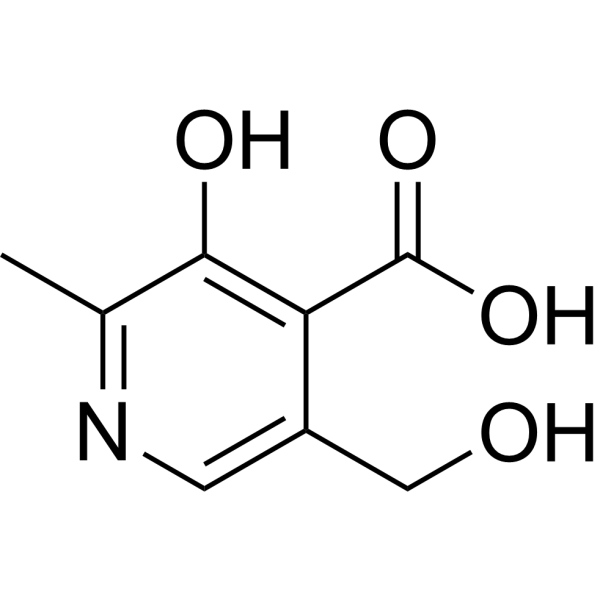
    4-Pyridoxic acid is an endogenous substrate of renal organic anion transporters (OAT1/3) and a catabolite of vitamin B6. 4-Pyridoxic acid is excreted through OAT1/3-mediated tubular active secretion, which can reflect OAT1/3 activity. Elevated plasma concentrations of 4-Pyridoxic acid are associated with decreased OAT1/3 activity in chronic kidney disease (CKD) and can be used as a biomarker to reflect the severity of knee osteoarthritis (KOA) and lumbar spondylosis (LS) .
    4-Pyridoxic acid
  • HY-N10633

    LS-tetrasaccharide c

    Others Infection Cancer
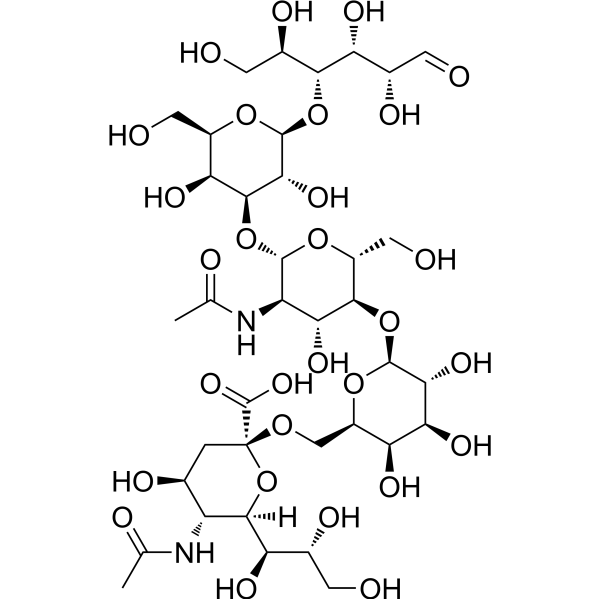
    LSTc (LS-tetrasaccharide c) is a human lactooligosaccharide presents on glycoproteins and glycolipids. LSTc is also a specific human JC polyomavirus (JCV) recognition motif. LSTc has good potential for the study of progressive multifocal leukoencephalopathy (PML) .
    LSTc
  • HY-W590549

    DODAC

    Liposome Cancer
    Dioleyldimethylammonium chloride (DODAC) is a positively charged lipid promoter with membrane-disrupting activity, which is often formulated into cationic liposomes with dioleoylphosphatidylethanolamine. Dioleyldimethylammonium chloride is used in gene transfection research; through electrostatic interactions, it effectively promotes the binding of programmable fusion vesicles to cells and induces membrane disruption. Dioleyldimethylammonium chloride is also applied in studies on L1210 leukemia and LS180 human colon cancer .
    Dioleyldimethylammonium chloride
  • HY-N3872

    Others Others
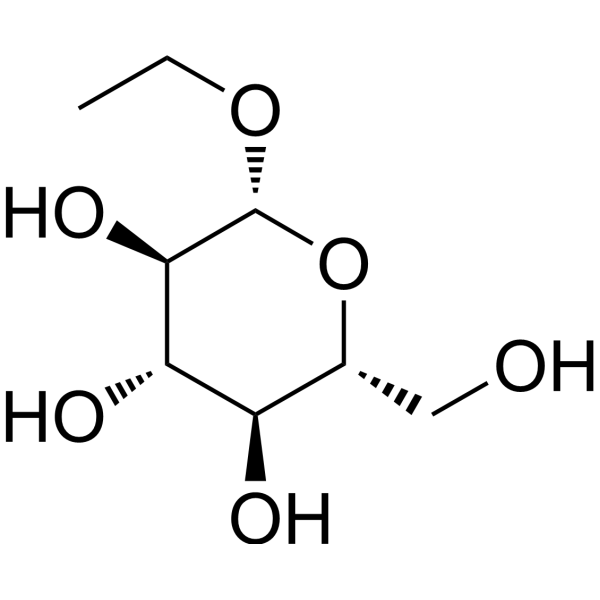
    Ethyl β-D-glucopyranoside (compound 10) is an ethyl derivative. Ethyl β-D-glucopyranoside can be isolated from ethanolic extract of Scabiosa stellata LS.
    Ethyl β-D-glucopyranoside
  • HY-153090

    Transketolase Infection Cancer
    Transketolase-IN-4 is a potent inhibitor of transketolase with an IC50 value of 3.9 μM. Transketolase-IN-4 inhibits the proliferation of tumor cells including SW620, LS174T and MIA PaCa-2. Transketolase-IN-4 can be used for tumor research .
    Transketolase-IN-4
  • HY-160007

    DNA/RNA Synthesis Cancer
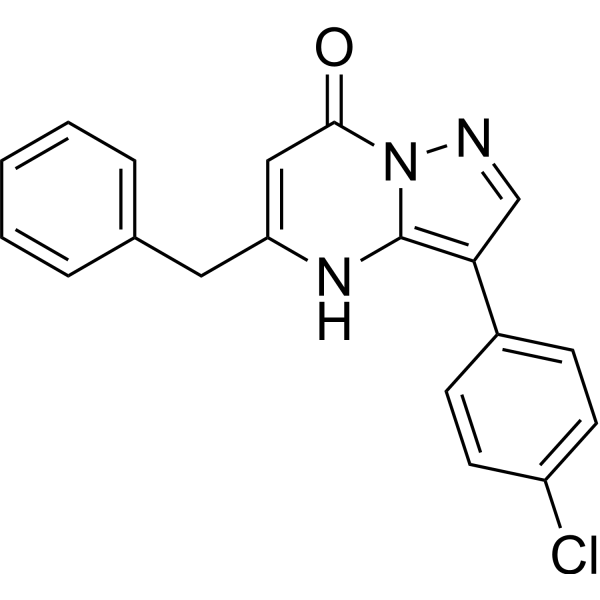
    DHX9-IN-3 (Compound 621) is an inhibitor of ATP-dependent RNA helicase A (DHX9). DHX9-IN-3 has an IC50 of 8.7 nM for anti-proliferation in LS411N cells. DHX9-IN-3 can be used in the study of cancer .
    DHX9-IN-3
  • HY-P991246

    Virus Protease HIV Infection
    VRC01LS is a humanized monoclonal antibody inhibitor targeting the CD4-binding site of HIV-1 envelope glycoprotein (Env). VRC01LS blocks the binding of HIV-1 to host cell CD4 receptor, inhibiting viral entry. VRC01LS is promising for research of HIV-1 infection .
    VRC01LS
  • HY-101332
    EGLU
    1 Publications Verification

    (2S)-α-Ethylglutamic acid; (2S)-α-EGLU

    mGluR Neurological Disease
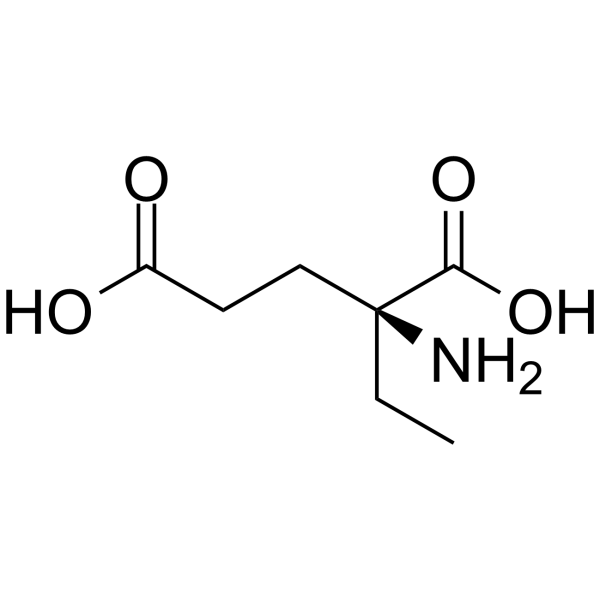
    EGLU ((2S)-α-Ethylglutamic acid; (2S)-α-EGLU) is a potent and competitive mGluR-2 receptor antagonist. EGLU interacts with (lS,3S)-ACPD-sensitive site with a Kd value of 66 μM. EGLU is an antidepressant agent .
    EGLU
  • HY-W002291

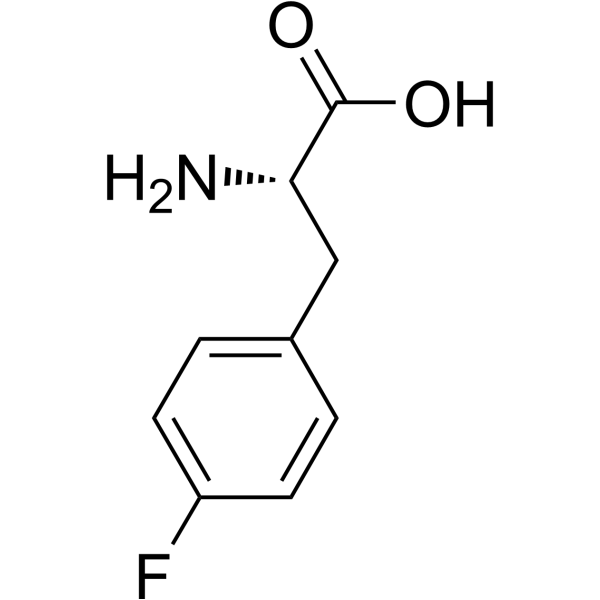
    4-Fluoro-L-phenylalanine

    Drug Derivative Infection
    p-Fluoro-L-phenylalanine (4-Fluoro-L-phenylalanine) is a fluorinated derivative of L-phenylalanine (HY-N0215). p-Fluoro-L-phenylalanine specifically binds to the L-leucine-specific receptor of Escherichia coli, with a Kd value of 0.26 μM .
    p-Fluoro-L-phenylalanine
  • HY-18717
    Mutant IDH1-IN-2
    2 Publications Verification

    Isocitrate Dehydrogenase (IDH) Cancer
    Mutant IDH1-IN-2 is a inhibitor of mutant Isocitrate dehydrogenase (IDH) proteins, with IC50 of in LS-MS biochemical assay, IC50 of 16.6 nM in Fluorescence biochemical assay.
    Mutant IDH1-IN-2
  • HY-W156961

    PARP Neurological Disease
    LS-75 is a PARP-1 inhibitor with blood-brain permeability and IC50 value of 18 μM. LS-75 has neuroprotective activity .
    LS-75
  • HY-107684

    3-Br-cytisine

    nAChR Neurological Disease
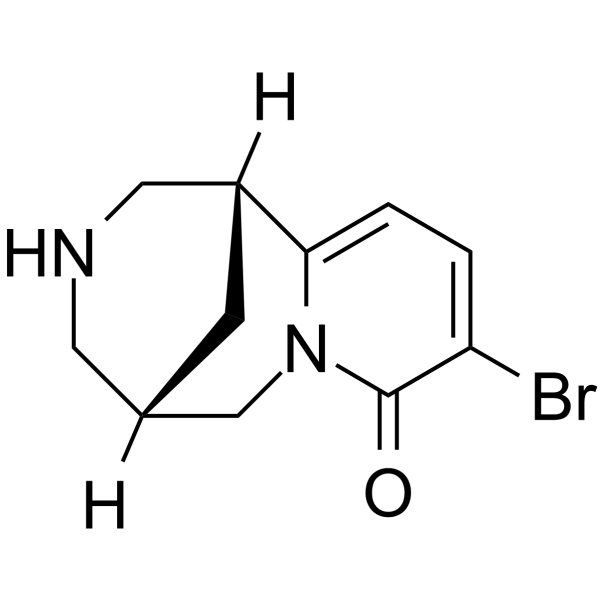
    3-Bromocytisine (3-Br-cytisine) is a potent nACh receptors agonist, with IC50s are 0.28, 0.30 and 31.6 nM for hα4β4, hα4β2, and hα7-nACh, respectively. 3-Bromocytisine (3-Br-cytisine) shows different effects on high (HS) and low (LS) ACh sensitivity α4β2 nAChRs with EC50s are 8 and 50 nM, respectively .
    3-Bromocytisine
  • HY-P3350

    Bacterial Infection
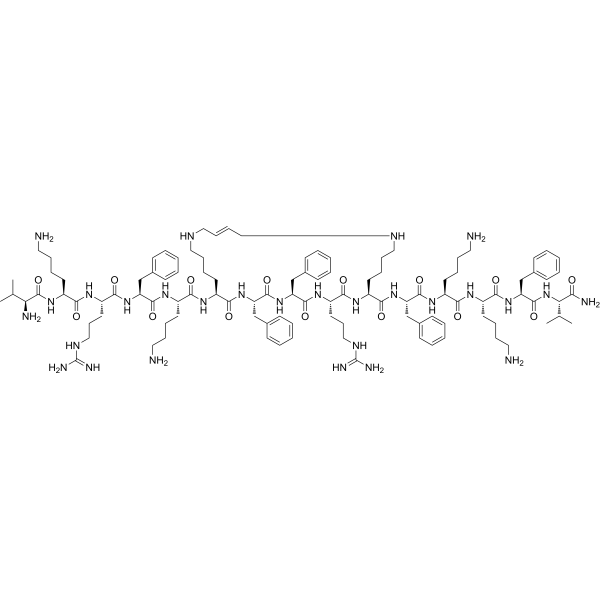
    LS-BF1 is a stable and low toxic cationic antimicrobial peptide. LS-BF1 displays broad spectrum of antibacterial activity, including the challenging ESKAPE pathogens, by cell membrane disruptive mechanism. LS-BF1 shows good in vivo efficacy for elimination of bacteria in a mouse infection model[1].
    LS-BF1
  • HY-P11236

    LS301

    Biochemical Assay Reagents Others
    Cronexitide lanocianine is a diagnostic imaging agent.
    Cronexitide lanocianine
  • HY-RS16259

    Small Interfering RNA (siRNA) Others

    Lias Mouse Pre-designed siRNA Set A contains three designed siRNAs for Lias gene (Mouse), as well as a negative control, a positive control, and a FAM-labeled negative control.

    Lias Mouse Pre-designed siRNA Set A
    Lias Mouse Pre-designed siRNA Set A
  • HY-145641

    BMS-986413; C-144-LS

    SARS-CoV Infection
    Crexavibart (BMS-986413; C-144-LS) is an IgG1λ2 antibody that targets the SARS-CoV2 spike (S) glycoprotein receptor-binding domain .
    Crexavibart
  • HY-P10760

    Peptide-Drug Conjugates (PDCs) Cancer
    PhAc-ALGP-Dox, a peptide-drug conjugate, is a novel anticancer prodrug, with IC50 values ranged from 311 nM to 34.25 μM for TNBC (E0771), normal murine epithelium (HC-11), human TNBC (MDA-MB-231 and MDA-MB-468), human CrC (LS 174T), normal human epithelium (HME-1) cells .
    PhAc-ALGP-Dox
  • HY-164490

    EGFR Apoptosis Cancer
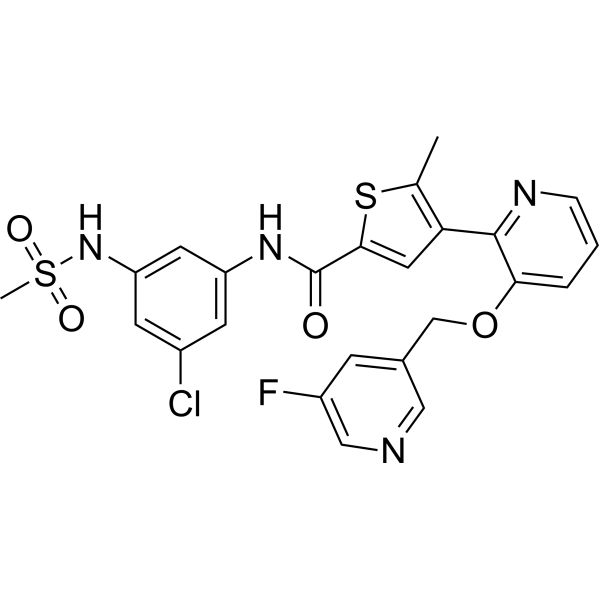
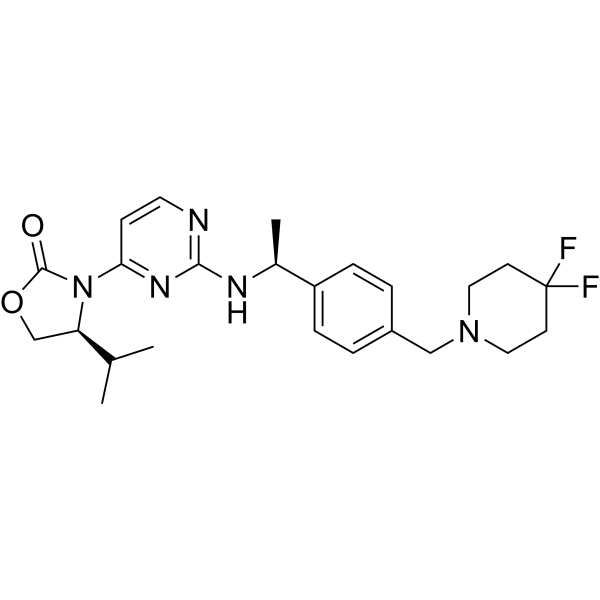
    LS-106 is an orally active and potent inhibitor against epidermal growth factor receptor (EGFR) . LS-106 exhibits antitumor activities both in vitro and in vivo. LS-106 inhibits the kinase activities of EGFR 19del/T790M/C797S and EGFR L858R/T790M/C797S with IC50 values of 2.4 nmol/L and 3.1 nmol/L, respectively, which is more potent than Osimertinib (HY-15772). LS-106 induces Apoptosis, suppresses cell proliferation of tumor cells harboring EGFR 19del/T790M/C797S and leas to significant tumor regression in a C797S-mutant xenograft model .
    LS-106
  • HY-118084

    Tyrene CR-4

    JAK Bcr-Abl FLT3 Apoptosis Cardiovascular Disease Inflammation/Immunology Cancer
    LS-104 (Tyrene CR-4) is a non-ATP-competitive kinase inhibitor against JAK2, Bcr-Abl and FLT3. LS-104 potently induces apoptosis in JAK2V617F-positive cells and inhibits JAK2 autophosphorylation and downstream signal transduction. LS-104 also inhibits proliferation and induces potent cytotoxic effects in FLT3 expressing leukemic cells. LS-104 is a hydroxystyryl-acrylonitrile compound, which is promising for research of myeloproliferative disorders and refractory/relapsed hematologic malignancies .
    LS-104
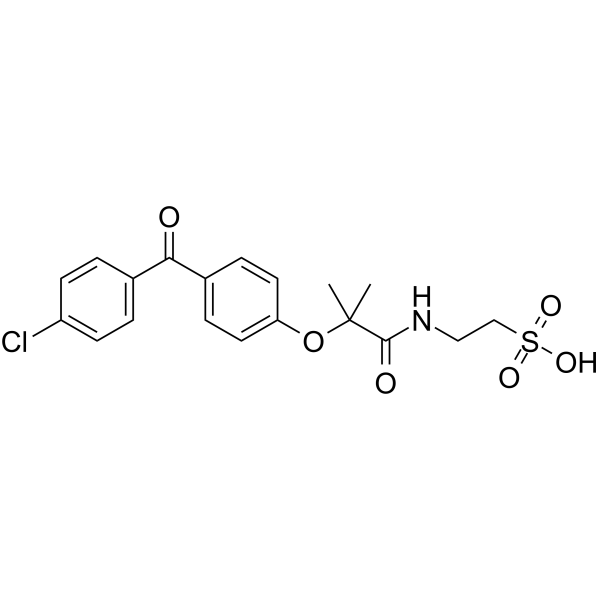
  • HY-100189

    PPAR Cytochrome P450 Autophagy Metabolic Disease
    LS2265 is a taurine derivative of fenofibrate and can induce proliferation of peroxisomes in liver cells of rats.
    LS2265
  • HY-145644

    C-135-LS; BMS-986414

    SARS-CoV Infection Cancer
    Ogalvibart (C-135-LS) is a human anti-SARS-CoV-2 monoclonal antibody (IgG1 type). Ogalvibart binds to the spike (S) glycoprotein receptor-binding domain (RBD) of SARS-CoV-2. Ogalvibart in combination with C144LS (1:1 ratio) shows good preventive activity and can effectively block the development of COVID19 in a rhesus monkey disease model .
    Ogalvibart
  • HY-P10983

    Biochemical Assay Reagents Cancer
    LS10 can specifically bind to NG2 protein and is a functional ligand for targeted drug delivery to glioma. NG2 proteins are widely overexpressed in the glioma cells and restricted in normal tissue .
    LS10
  • HY-17037AS

    LS 519 free base-d11; Pirenzepin-d11; Gastrozepin-d11

    Isotope-Labeled Compounds mAChR Cancer
    Pirenzepine-d11 (LS 519 (free base)-d11; Pirenzepin-d11; Gastrozepin-d11) is the deuterium labeled Pirenzepine (HY-17037A). Pirenzepine (LS 519 free base) is a selective M1 mAChR (muscarinic acetylcholine receptor) antagonist. Pirenzepine reduces gastric acid secretion and reduces muscle spasm, can be used in peptic ulcers research. Pirenzepine shows anti-proliferative activity to cancer cells .
    Pirenzepine-d11
  • HY-17037R

    LS 519 (Standard); Pirenzepin dihydrochloride (Standard); Gastrozepin dihydrochloride (Standard)

    Reference Standards mAChR Metabolic Disease Cancer
    Pirenzepine (dihydrochloride) (Standard) is the analytical standard of Pirenzepine (dihydrochloride). This product is intended for research and analytical applications. Pirenzepine (LS 519) dihydrochloride is a selective M1 mAChR (muscarinic acetylcholine receptor) antagonist. Pirenzepine dihydrochloride reduces gastric acid secretion and reduces muscle spasm, can be used in peptic ulcers research. Pirenzepine dihydrochloride shows anti-proliferative activity to cancer cells .
    Pirenzepine dihydrochloride (Standard)
  • HY-17037AR

    LS 519 free base (Standard); Pirenzepin (Standard); Gastrozepin (Standard)

    mAChR Reference Standards Metabolic Disease Cancer
    Pirenzepine (Standard) is the analytical standard of Pirenzepine. This product is intended for research and analytical applications. Pirenzepine (LS 519 free base) is a selective M1 mAChR (muscarinic acetylcholine receptor) antagonist. Pirenzepine reduces gastric acid secretion and reduces muscle spasm, can be used in peptic ulcers research. Pirenzepine shows anti-proliferative activity to cancer cells .
    Pirenzepine (Standard)
  • HY-17037S1

    LS 519-d8 dihydrochloride; Pirenzepin-d8 dihydrochloride; Gastrozepin-d8 dihydrochloride

    Isotope-Labeled Compounds mAChR Cancer
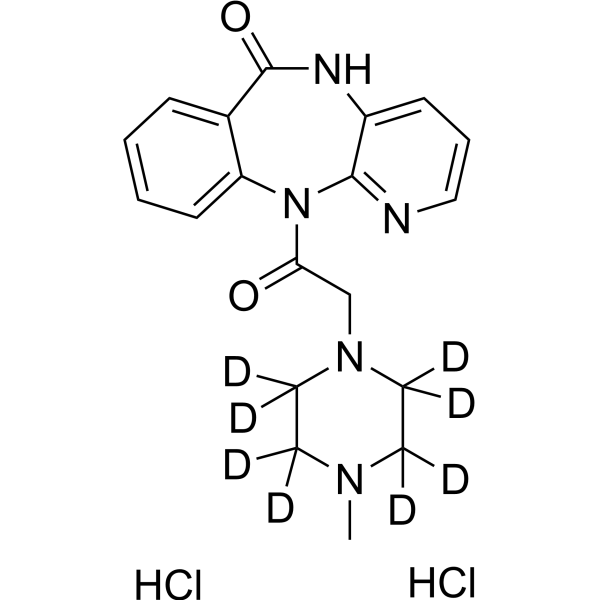
    Pirenzepine-d8 (LS 519-d8; Pirenzepin-d8) dihydrochloride is a deuterium labeled Pirenzepine (dihydrochloride) (HY-17037). Pirenzepine (LS 519) dihydrochloride is a selective M1 mAChR (muscarinic acetylcholine receptor) antagonist. Pirenzepine dihydrochloride reduces gastric acid secretion and reduces muscle spasm, can be used in peptic ulcers research. Pirenzepine dihydrochloride shows anti-proliferative activity to cancer cells .
    Pirenzepine-d8 dihydrochloride
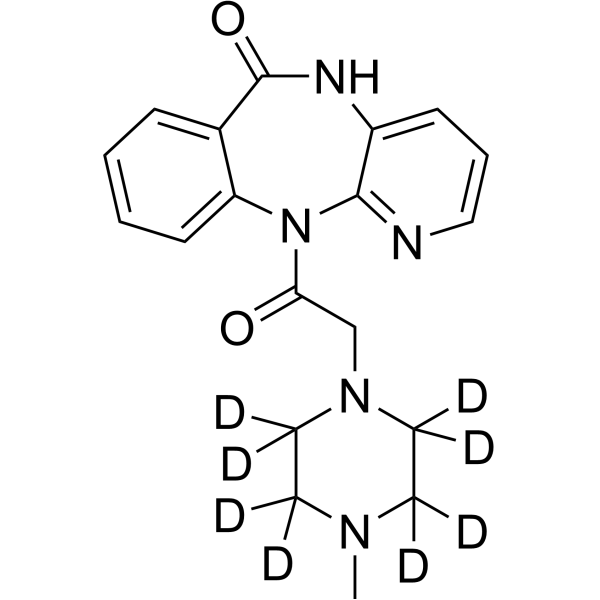
  • HY-17037S

    LS 519-d8 free base; Pirenzepin-d8; Gastrozepin-d8

    Isotope-Labeled Compounds mAChR Neurological Disease Inflammation/Immunology
    Pirenzepine-d8 is the deuterium labeled Pirenzepine dihydrochloride. Pirenzepine dihydrochloride (LS519) is a selective M1 muscarinic receptor antagonist.
    Pirenzepine-d8
  • HY-N14163

    Bacterial Infection Cancer
    Diperamycin has activity against Gram-positive bacteria, including Enterococcus seriolicida and MRSA (MICs of 0.10-0.20 μg/mL). Diperamycin also strongly inhibits the activity of L1210, P388, LS-180, KB, HeLaS3, Meth A and B16-BL6 (IC50s of 0.009-0.098 μg/mL) .
    Diperamycin
  • HY-RS07639

    Small Interfering RNA (siRNA) Others

    LIAS Human Pre-designed siRNA Set A contains three designed siRNAs for LIAS gene (Human), as well as a negative control, a positive control, and a FAM-labeled negative control.

    LIAS Human Pre-designed siRNA Set A
    LIAS Human Pre-designed siRNA Set A
  • HY-137632

    PKA Cancer
    Sp-8-Cl-cAMPS is an analog of cAMP (HY-B1511) and a derivative of Sp-8-Cl-cAMP. Sp-8-Cl-cAMPS inhibits the growth of human leukemia cell HL-60 and colon cancer cell LS-174T, with IC50 of 8-100 μM. Sp-8-Cl-cAMPS activates the protein kinases cAKI and cAKII, with Ka of 0.25 and 3.2 μM .
    Sp-8-Cl-cAMPS
  • HY-I1060R

    (3R)-LS-Isoleucine (Standard)

    Endogenous Metabolite Reference Standards Metabolic Disease
    L-Alloisoleucine (Standard) is the analytical standard of L-Alloisoleucine. This product is intended for research and analytical applications. L-Alloisoleucine is a stereoisomer of L-isoleucine. L-Alloisoleucine can be used in skeletal muscle research .
    L-Alloisoleucine (Standard)
  • HY-117361

    Nucleoside Antimetabolite/Analog Cancer
    LY207702 is a difluorinated purine nucleoside with antitumor activity and cardiotoxicity. LY207702 is cytotoxic to CEA-positive LS174T cells (IC50=0.302 μg/mL). LY207702 can be used in the study of colon cancer .
    LY207702
  • HY-178038

    Microtubule/Tubulin Reactive Oxygen Species (ROS) Cancer
    Tubulin-IN-56 is a tubulin inhibitor. Tubulin-IN-56 exerts cytotoxic effects against colon cancer cell lines (LS180, HCT116, SW620, LoVo). Tubulin-IN-56 downregulates βIII-tubulin and upregulates βIVa-tubulin in colon cancer cell lines. Tubulin-IN-56 inhibits cell invasiveness and elevates intracellular ROS levels in colon cancer cell lines. Tubulin-IN-56 can be used for the study of colon cancer .
    Tubulin-IN-56
  • HY-181065

    Epigenetic Reader Domain Cancer
    LS-170 is a YEATS2 YEATS domain inhibitor with an IC50 of 0.14 μM. LS-170 displays selectivity for the YEATS2 YEATS domain over other YEATS domain family members and other epigenetic 'reader' and 'eraser' proteins. LS-170 reduces chromatin occupancy of the Ada-two-A-containing (ATAC) complex, decreases ATAC-dependent histone acetylation levels, and downregulates expression of ATAC-governed genes. LS-170 suppresses tumor growth in a lung cancer mouse model. LS-170 can be used for the research of non-small cell lung cancer .
    LS-170
  • HY-182986

    CDK Apoptosis DNA/RNA Synthesis Aurora Kinase Cancer
    LS-Q2 is a highly selective CDK4/9 inhibitor with IC50 values of 1.4 nM and 6.2 nM. LS-Q2 inhibits cancer cells proliferation, induces G2/M phase arrest, apoptosis and reduces pSer2 RNA polymerase II expression. LS-Q2 interacts synergistically with BET and Bcl-2 inhibitors to drive antitumor activity. LS-Q2 can be used for the research of cancer, such as malignant solid tumors .
    LS-Q2
  • HY-129308

    Herbicide Others
    LS 82-556 is a light and oxygen-dependent herbicide, which leads to degradation of fatty acids, deals structural damage at the cellular membrane level, and results in the bleaching, wilting, and desiccation of leaves and stems. LS 82-556 exhibits herbicidal activity with the presence of chloroplastic pigments .
    LS 82-556
  • HY-181482

    DAGL Neurological Disease
    A1480LS is a peripherally restricted, orally active covalent and irreversible inhibitor of DAGLα and DAGLβ, with IC50 values of 6 nM and 4 nM against human targets, respectively, and IC50 values ≤15 nM across mouse, rat, dog, monkey and human systems. A1480LS reduces the levels of 2-arachidonoylglycerol, arachidonic acid, and cyclooxygenase- and lipoxygenase-derived eicosanoids. A1480LS inhibits injury-induced production of 2-arachidonoylglycerol and arachidonic acid in the peripheral sciatic nerve, and suppresses the responses of high-threshold and wide-dynamic-range-like dorsal horn neurons to mechanical stimulation. A1480LS alleviates pain behaviors in rat models of inflammatory pain, neuropathic pain and chemotherapy-induced peripheral neuropathy .
    A1480LS
  • HY-N19832

    Topoisomerase Parasite Infection
    Icariside E3 is a Leishmania donovani DNA Topoisomerase IB (LdTOP1LS) inhibitor. Icariside E3 can be used for the research of leishmaniasis .
    Icariside E3
  • HY-N3872R

    Others Reference Standards Others
    Ethyl β-D-glucopyranoside (compound 10) is a kind of phenolic compound. Ethyl β-D-glucopyranoside can be isolated from ethanolic extract of Scabiosa stellata LS
    Ethyl β-D-glucopyranoside (Standard)
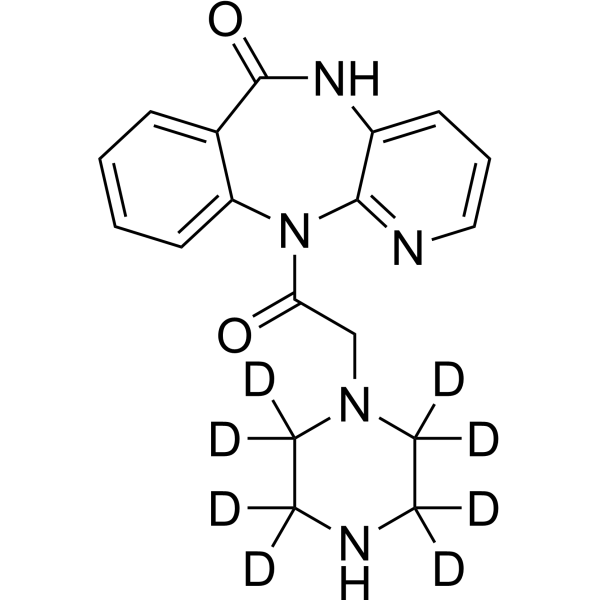
  • HY-118601S

    LS 822-d8

    Isotope-Labeled Compounds Others
    N-Desmethyl Pirenzepine-d8 is the deuterium labeled N-Desmethyl Pirenzepine .
    N-Desmethyl Pirenzepine-d8
  • HY-179322

    DNA/RNA Synthesis Cancer
    DHX9-IN-21 (Compound 635) is a DHX9 inhibitor with an IC50 of 2 nM; its EC50 at the cellular level is 19.1 nM. DHX9-IN-21 exhibits antiproliferative activity against LS411N (CRC-MSI-H), with an IC50 value of 79.2 nM. DHX9-IN-21 can be used for the research of microsatellite unstable colorectal cancer .
    DHX9-IN-21
  • HY-P992482

    Drug Derivative Influenza Virus Fc Receptor (FcR) Complement System Infection
    VIR-2482 is a monoclonal antibody targeting influenza A hemagglutinin (HA). VIR-2482 is generated by introducing LS mutations (M428L/N434S) into the Fc region of MEDI8852 (HY-P991446). VIR-2482 binds to the conserved HA stem epitope across all 18 influenza A HA subtypes, neutralizes a broad spectrum of H1N1 and H3N2 strains, binds to FcγRIIIa, FcγRIIa and C1q, and induces antibody-dependent cellular cytotoxicity and complement-dependent cytotoxicity. VIR-2482 reduces morbidity and mortality caused by seasonal influenza A strains and provides prophylactic protection in mice. VIR-2482 can be used in research related to influenza A disease .
    VIR-2482
  • HY-P991980

    H2Mab-141, H2Mab-19

    EGFR Cancer
    H2Mab-139 (H2Mab-141;H2Mab-19) is an anti-HER2 monoclonal antibody. H2Mab-139 specifically binds to HER2 on various cancer cells. H2Mab-139 can detect HER2 overexpression in colorectal cancer via flow cytometry and immunohistochemical analysis. H2Mab-139 exhibits anti-tumor activity in mouse oral cancer and breast cancer xenografts. H2Mab-139 is applicable to research related to multiple cancers including colon cancer, oral cancer, and breast cancer .
    H2Mab-139

Inquiry Online

Your information is safe with us. * Required Fields.

Salutation


Country or Region *

Applicant Name *


Organization Name *

Department *


Email Address *


Product Name *

Cat. No.


Requested quantity *

Phone Number *


Remarks

Inquiry Online

Inquiry Information

Product Name:
Cat. No.:
Quantity:
MCE Japan Authorized Agent: