Search Result
Results for "
P. aeruginosa infections
" in MedChemExpress (MCE) Product Catalog:
1
Isotope-Labeled Compounds
| Cat. No. |
Product Name |
Target |
Research Areas |
Chemical Structure |
-
- HY-B1369A
-
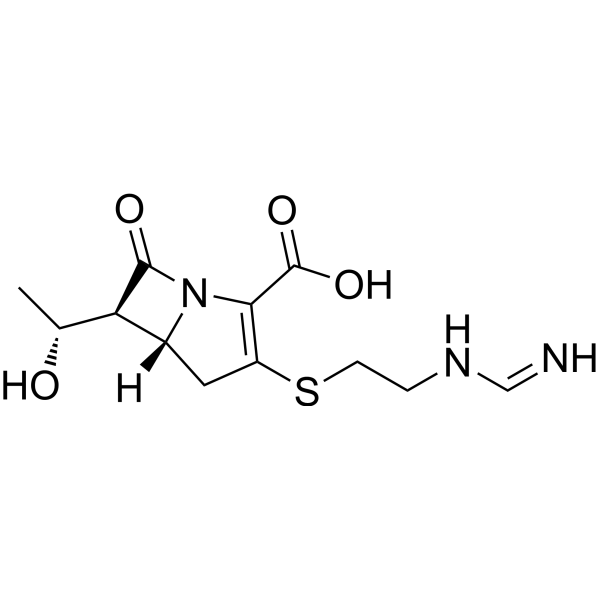
Imipenem
Maximum Cited Publications
35 Publications Verification
N-Formimidoyl thienamycin; MK0787
|
Antibiotic
Bacterial
|
Infection
|
|
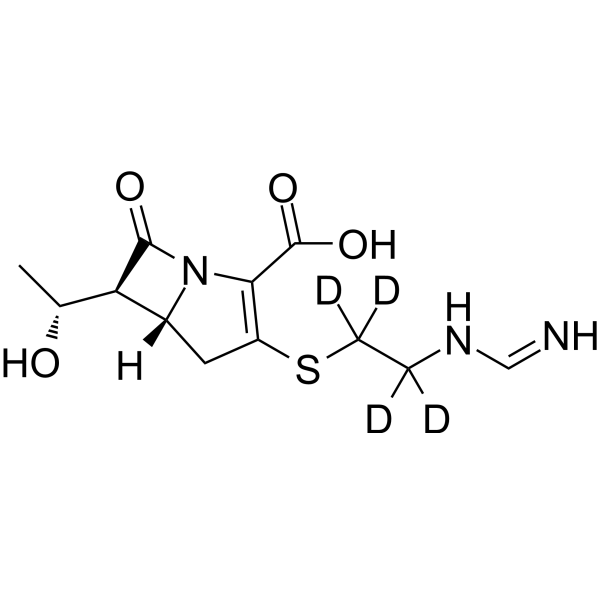
Imipenem (MK0787), a stable crystalline derivative of thienamycin, is an antibiotic and has the excellent activity against a broad range of gram-positive and gram-negative aerobic and anaerobic bacteria. Imipenem can be used for the research of carbapenem-nonsusceptible and P. aeruginosa biofilm infections .
|
-
-
- HY-B1369
-
|
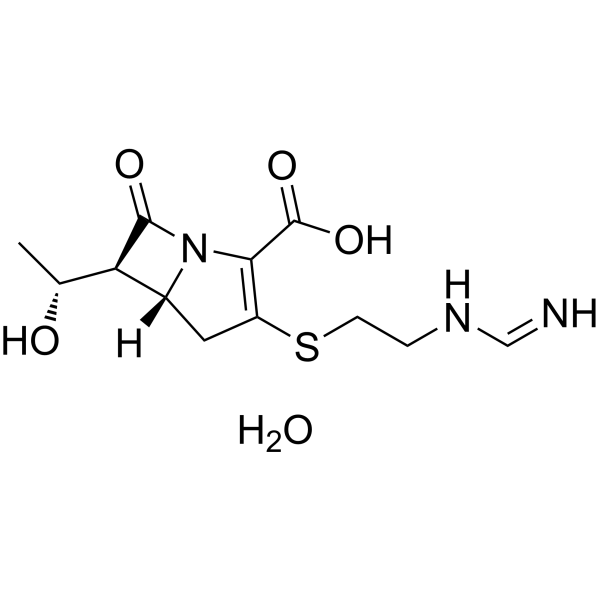
N-Formimidoyl thienamycin monohydrate; MK0787 monohydrate
|
Antibiotic
Bacterial
|
Infection
|
|
Imipenem monohydrate, a stable crystalline derivative of thienamycin, is an antibiotic and has the excellent activity against a broad range of gram-positive and gram-negative aerobic and anaerobic bacteria. Imipenem monohydrate can be used for the research of carbapenem-nonsusceptible and P. aeruginosa biofilm infections .
|
-
-
- HY-P1633
-
|
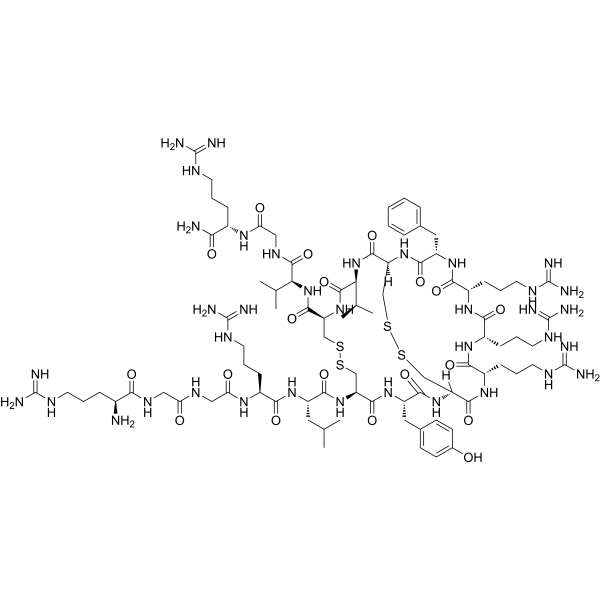
PG1
|
Bacterial
ERK
COX
NF-κB
Apoptosis
NO Synthase
Dengue Virus
|
Infection
Inflammation/Immunology
|
|
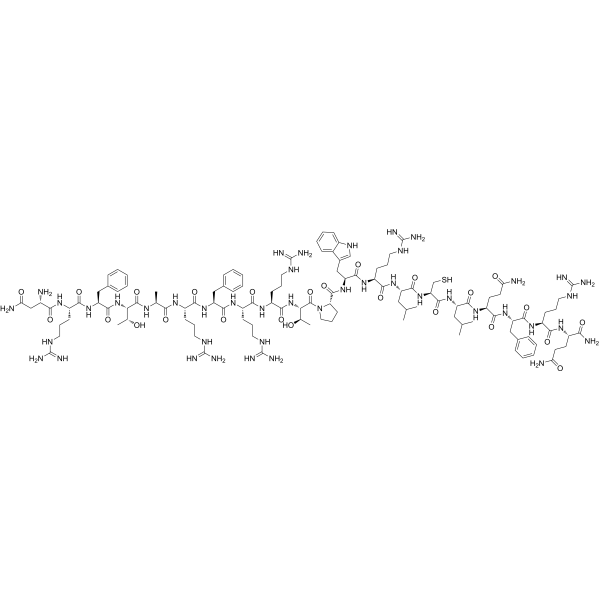
Protegrin-1 is an orally active antibacterial peptide. Protegrin-1 activates ERK, COX2, NFκB, inhibits Apoptosis, and NO production. Protegrin-1 has antibacterial activity against S. aureus, E. faecium, E. coli, P. aeruginosa and K. Pneumoniae, with MBC values between 10 and 20 µM. Protegrin-1 has antiviral activity against dengue NS2B-NS3. Protegrin-1 has anti-inflammatory activity. Protegrin-1 is used in the study of inflammatory diseases and infections .
|
-
-
- HY-121362
-
|
|
Bacterial
Endogenous Metabolite
TrxR
|
Infection
Neurological Disease
Inflammation/Immunology
Cancer
|
|
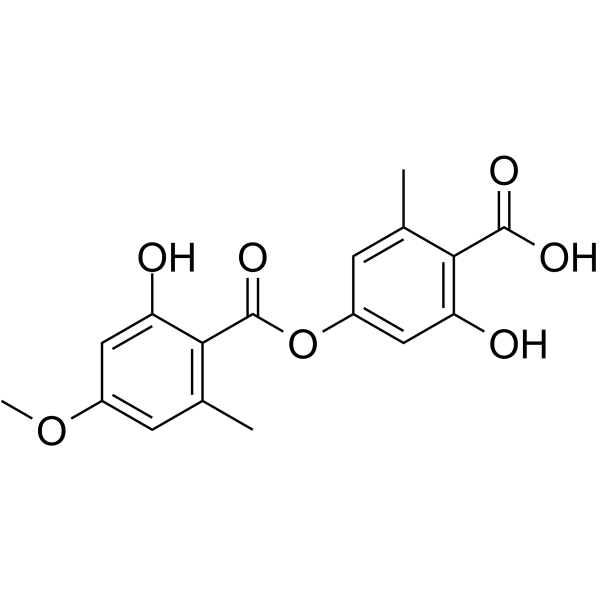
Evernic Acid is an orally active thioredoxin reductase 1 (TrxR1) inhibitor and antiproliferative agent. Evernic Acid inhibits the proliferation and migration of human breast cancer cells. Evernic Acid blocks the NF-κB pathway by inhibiting p65 nuclear translocation and IκBα phosphorylation, thereby suppressing downstream inflammatory mediators. Evernic Acid acts as an antioxidant, anti-inflammatory agent and neuroprotective agent, protects neurons from cell death, mitochondrial dysfunction and oxidative stress damage, reduces astrocyte activation, and ameliorates dopaminergic neuron loss and neuroinflammation. Evernic Acid inhibits enoyl reductases FabI and FabZ of Plasmodium falciparum. Evernic Acid downregulates the expression of lasB and rhlA genes in Pseudomonas aeruginosa, inhibits quorum sensing and biofilm formation, and exerts antibacterial activity against Gram-positive bacteria, Gram-negative bacteria and fungi. Evernic Acid is applicable to research related to breast cancer, Parkinson's disease, bacterial infections and fungal infections .
|
-
-
- HY-N2036
-
|
|
TNF Receptor
Enterovirus
Bacterial
|
Infection
|
|
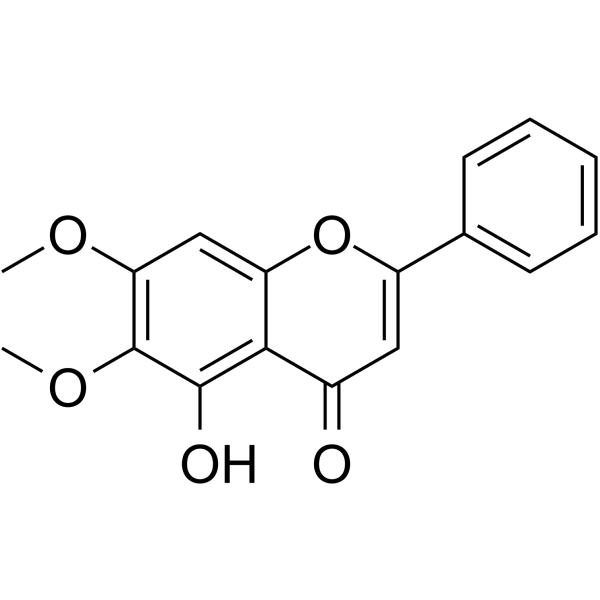
Mosloflavone is a flavonoid isolated from Scutellaria baicalensis Georgi with ?anti-EV71 activity. Mosloflavone? inhibits VP2 virus replication and protein expression during the initial stage of virus infection and inhibits viral VP2 capsid protein synthesis. Mosloflavone is a promising biocide and inhibits P. aeruginosa virulence and biofilm formation.
|
-
-
- HY-B0724A
-
|
T-3762; Pazufloxacin methanesulfonate; Pazufloxacin mesilate
|
Bacterial
DNA/RNA Synthesis
|
Infection
|
|
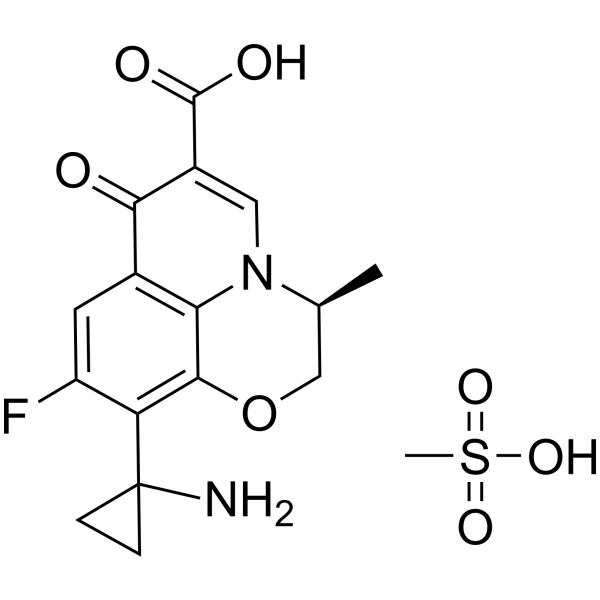
Pazufloxacin mesylate is an orally active fluoroquinolone antimicrobial agent. Pazufloxacin mesylate inhibits DNA gyrase with IC50 values of 0.88 μg/mL (E. coli) and 1.9 μg/mL (P. aeruginosa). Pazufloxacin mesylate exhibits broad-spectrum antimicrobial activity, with MIC90 values ranging from 0.025 to 100 μg/mL against Gram-positive and Gram-negative bacteria, non-fermenting bacteria, Legionella spp., and anaerobic bacteria. Pazufloxacin mesylate is indicated for research on systemic infections, lung infections, urinary tract infections, and Legionella pneumonia .
|
-
-
- HY-W041988
-
|
|
Bacterial
|
Infection
|
|
Fmoc-Glu-OMe is a glutamic acid derivative. Fmoc-Glu-OMe exhibits significant antibacterial activity and excellent gelation properties in silver nitrate (AgNO3) solution. Fmoc-Glu-OMe promotes wound healing in rat models and eliminates bacteria in MRSA-infected rat wound models. Fmoc-Glu-OMe can be used in studies related to wound infections and MRSA-infected wounds .
|
-
-
- HY-B1369R
-
|
N-Formimidoyl thienamycin monohydrate (Standard); MK0787 monohydrate (Standard)
|
Reference Standards
Antibiotic
Bacterial
|
Infection
|
|
Imipenem (monohydrate) (Standard) is the analytical standard of Imipenem (monohydrate). This product is intended for research and analytical applications. Imipenem monohydrate, a stable crystalline derivative of thienamycin, is an antibiotic and has the excellent activity against a broad range of gram-positive and gram-negative aerobic and anaerobic bacteria. Imipenem monohydrate can be used for the research of carbapenem-nonsusceptible and P. aeruginosa biofilm infections .
|
-
-
- HY-I0501
-
|
o-aminoacetophenone
|
Bacterial
Apoptosis
Atg8/LC3
p62
Autophagy
|
Infection
Inflammation/Immunology
|
|
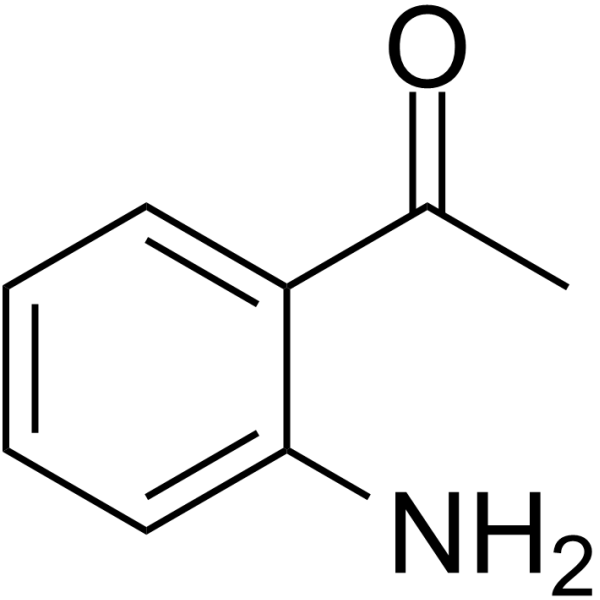
2'-Aminoacetophenone is an orally active inducer of apoptosis and respiratory biomarker. 2'-Aminoacetophenone can be used to detect Pseudomonas aeruginosa infections in the lungs of cystic fibrosis patients. 2'-Aminoacetophenone can inhibit the protein levels of LC3BII and p62 in macrophages infected with pqsA or mvfR and regulate autophagy. 2'-Aminoacetophenone can disrupt mitochondrial function by inducing oxidative stress and apoptosis signaling, leading to dysfunction in mouse skeletal muscle .
|
-
-
- HY-19936A
-
|
|
Bacterial
|
Infection
|
|
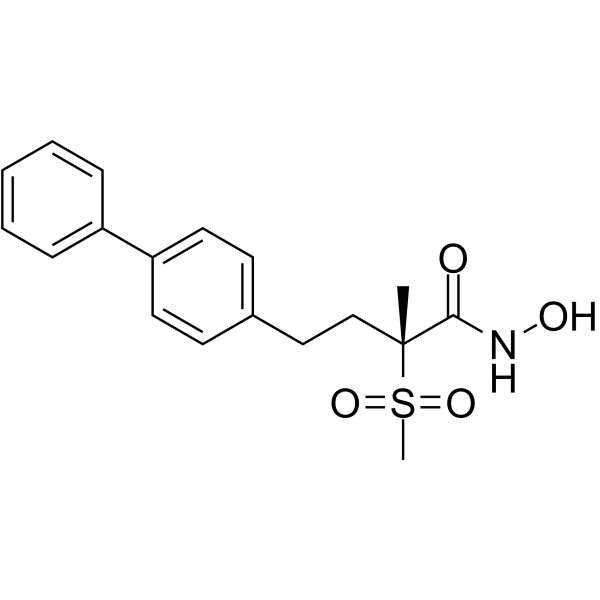
ACHN-975 TFA is a selective LpxC inhibitor and exhibits a subnanomolar LpxC inhibitory activity. ACHN-975 TFA is against a wide range of gram-negative bacterias with low MIC values (≤1 μg/mL) .
|
-
-
- HY-W037825
-
|
|
Bacterial
|
Infection
Cancer
|
|
Pterin is a Pteridine with antibacterial activity, which is found in C. croceus. Pterin reduces the proliferation and biofilm production in E. coli, P. aeruginosa, and S. mutans. Pterin is promising for research of cancers and infections .
|
-
-
- HY-P11085
-
|
|
Bacterial
|
Infection
|
|
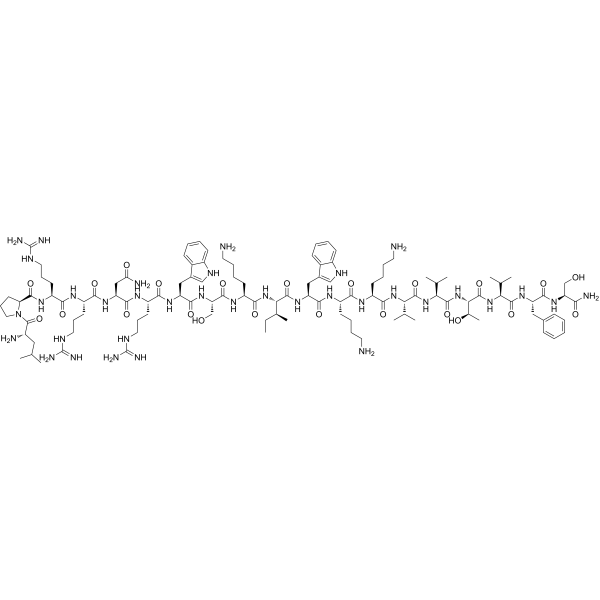
WLBU2 is a engineered cationic antimicrobial peptide (eCAP) that overcomes the environmental sensitivity of natural antimicrobial peptides (AMPs). WLBU2 exhibits rapid bactericidal effect, with the MIC values of ≤ 10 μM against both Gram-negative and Gram-positive bacteria including MRSA, vancomycin-resistant enterococci, K. pneumoniae, E.aerogenes, E. cloacae, Escherichia coli, et, al. WLBU2 prevents P. aeruginosa biofilm growth and retains its activity in an environment rich in mucus, low pH and high salt concentrations without negative effects on human airway epithelial cells. WLBU2 can be used for the studies of cystic fibrosis (CF) and Pseudomonas aeruginosa infections .
|
-
-
- HY-B1387
-
|
|
Antibiotic
Bacterial
|
Inflammation/Immunology
|
|
Sulfamethoxypyridazine is an orally active and brain-penetrant sulfonamide antibiotic. Sulfamethoxypyridazine exhibits antibacterial activity and inhibits growth of susceptible bacterial strains. Sulfamethoxypyridazine can be used for the research of pyelonephritis, urinary tract infections, and dermatitis herpetiformis .
|
-
-
- HY-I0501R
-
|
o-aminoacetophenone (Standard)
|
Reference Standards
Bacterial
Apoptosis
Atg8/LC3
p62
Autophagy
|
Infection
Inflammation/Immunology
|
|
2'-Aminoacetophenone (Standard) is the analytical standard of 2'-Aminoacetophenone. This product is intended for research and analytical applications. 2'-Aminoacetophenone is an orally active inducer of apoptosis and respiratory biomarker. 2'-Aminoacetophenone can be used to detect Pseudomonas aeruginosa infections in the lungs of cystic fibrosis patients. 2'-Aminoacetophenone can inhibit the protein levels of LC3BII and p62 in macrophages infected with pqsA or mvfR and regulate autophagy. 2'-Aminoacetophenone can disrupt mitochondrial function by inducing oxidative stress and apoptosis signaling, leading to dysfunction in mouse skeletal muscle .
|
-
-
- HY-P5545
-
|
|
Bacterial
|
Infection
|
|
Lynronne-1 is an antimicrobial peptide. Lynronne-1 is active against Gram-positive bacterials, including MDR strains (MIC: 8-32 μg/mL for methicillin-resistant MRSA strains). Lynronne-1 reduces the bacterial load in MRSA infected wound murine model. Lynronne-1 is also effective against P. aeruginosa infection .
|
-
-
- HY-B0724B
-
|
T3761
|
Bacterial
DNA/RNA Synthesis
|
Infection
|
|
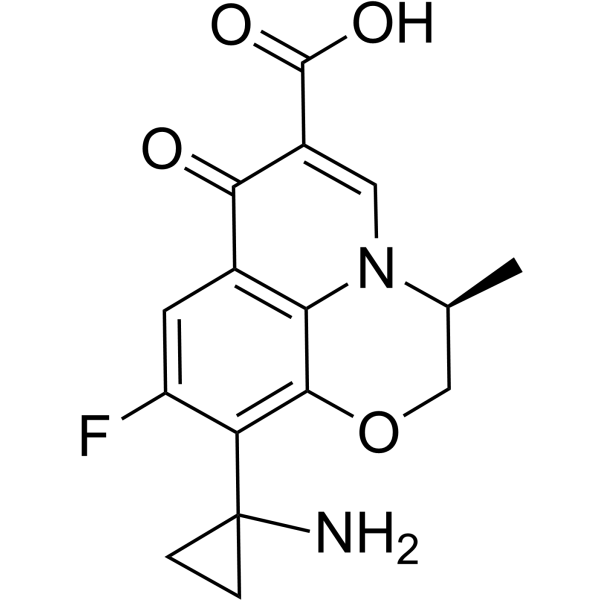
Pazufloxacin is an orally active fluoroquinolone antimicrobial agent. Pazufloxacin inhibits DNA gyrase with IC50 values of 0.88 μg/mL (E. coli) and 1.9 μg/mL (P. aeruginosa). Pazufloxacin exhibits broad-spectrum antimicrobial activity, with MIC90 values ranging from 0.025 to 100 μg/mL against Gram-positive and Gram-negative bacteria, non-fermenting bacteria, Legionella spp., and anaerobic bacteria. Pazufloxacin is indicated for research on systemic infections, lung infections, urinary tract infections, and Legionella pneumonia .
|
-
-
- HY-P5547
-
|
|
Bacterial
|
Infection
|
|
Lynronne-3 is an antimicrobial peptide. Lynronne-1 is active against Gram-positive bacterials, including
MDR strains (MIC: 32-128 μg/mL for methicillin-resistant MRSA strains). Lynronne-3 is also effective against P. aeruginosa infection
|
-
-
- HY-101444
-
|
|
Bacterial
|
Infection
|
|
MC-207110 is a broad-spectrum efflux pump inhibitor. MC-207110 is active against all three known Mex efflux pumps from P. aeruginosa and their close Escherichia coli efflux pump homolog (AcrAB-TolC). MC-207110 can decrease the intrinsic resistance of P. aeruginosa to fluoroquinolones. MC-207110 can be used for the research of infection .
|
-
-
- HY-125789
-
|
|
Bacterial
|
Infection
|
|
PF-04753299 is a potent and selective UDP-3-O-(R-3-hydroxymyristol)-N-acetylglucosamine deacetylase (LpxC) inhibitor. PF-04753299 is bactericidal for the gonococcal isolates. PF-04753299 inhibits E. coli, P. aeruginosa and K. pneumoniae strains with MIC90 values of 2 μg/ml, 4 μg/ml and 16 μg/ml, respectively. PF-04753299 is used for the study of gram-negative bacteria infection .
|
-
-
- HY-P11091
-
|
|
Bacterial
|
Infection
|
|
PA2-GNU7 is an antimicrobial peptide (AMP). PA2-GNU7 exhibits potent antimicrobial activity with minimal inhibitory concentration (MIC) against P. aeruginosa, E. coli, S. typhimurium, S. aureus, and C. albicans are 2 μM, 1 μM, 2 μM, 2 μM, and 8 μM, respectively. PA2-GNU7 rapidly and selectively kills Pseudomonas aeruginosa without affecting other commensal bacteria. PA2-GNU7 significantly improves survival of mice infected with P. aeruginosa. PA2-GNU7 can be used for the research and development of therapeutic agents against MDR Pseudomonas aeruginosa infections .
|
-
-
- HY-179389
-
|
|
Bacterial
Glutathione S-transferase
Elastase
|
Infection
|
|
XDS-23 is a selective biofilm inhibitor with an IC50 of 1.26 µM against Pseudomonas aeruginosa. XDS-23 exerts a dual inhibitory effect on the LasI/LasR System (las) and Pseudomonas Quinolone Signal System (pqs). XDS-23 suppress the production of key virulence factors including elastase, pyocyanin, and extracellular polysaccharides. XDS-23 exhibits synergistic antibacterial activity and can enhance the efficacy of multiple antibiotics in both in vitro and in vivo models, while maintaining a favorable safety profile. XDS-23 can be employed for research in combating biofilm-mediated drug-resistant P. aeruginosa infections .
|
-
-
- HY-B0724BS
-
|
T3761-d4
|
Isotope-Labeled Compounds
Bacterial
DNA/RNA Synthesis
|
Infection
|
|
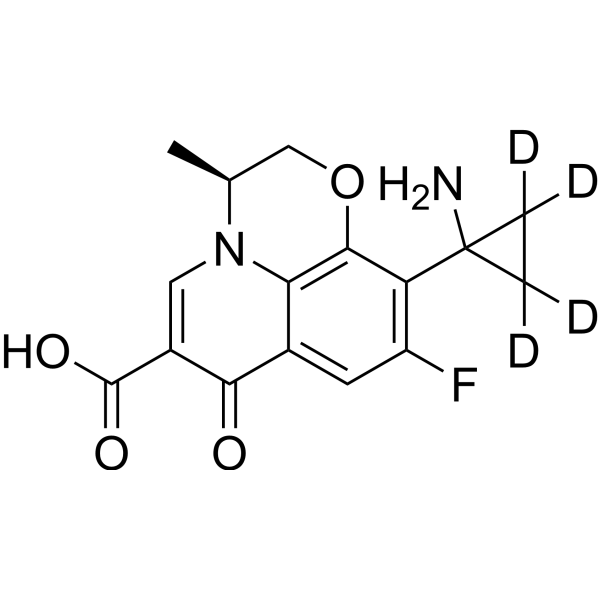
Pazufloxacin-d4 is deuterium labeled Pazufloxacin (HY-B0724B). Pazufloxacin is an orally active fluoroquinolone antimicrobial agent. Pazufloxacin inhibits DNA gyrase with IC50 values of 0.88 μg/mL (E. coli) and 1.9 μg/mL (P. aeruginosa). Pazufloxacin exhibits broad-spectrum antimicrobial activity, with MIC90 values ranging from 0.025 to 100 μg/mL against Gram-positive and Gram-negative bacteria, non-fermenting bacteria, Legionella spp., and anaerobic bacteria. Pazufloxacin is indicated for research on systemic infections, lung infections, urinary tract infections, and Legionella pneumonia .
|
-
-
- HY-W016758
-
|
1-Butyl-3-methylimidazolium chloride
|
Bacterial
|
Infection
|
|
[BMIM]Cl (1-butyl-3-methylimidazolium chloride) is an alkyl-imidazolium chloride compound and a persistent aquatic pollutant. [BMIM]Cl exhibits antimicrobial activity against S. aureus (MIC = 25 mM), E. coli (MIC = 50 mM), and P. aeruginosa (MIC = 100 mM). It possesses moderate membrane permeability and cytotoxicity, directly affecting microorganisms and mammalian cells at high concentrations, but can inhibit the function of complex ecosystems (e.g., anaerobic digestion) even at environmentally relevant low concentrations by disrupting microbial community structures. [BMIM]Cl can be used in research related to bacterial infections .
|
-
-
- HY-P5546
-
|
|
Bacterial
|
Infection
|
|
Lynronne-2 is an antimicrobial peptide. Lynronne-1 is active against Gram-positive bacterials, including
MDR strains (MIC: 32-256 μg/mL for methicillin-resistant MRSA strains). Lynronne-2 is also effective against P. aeruginosa infection
|
-
-
- HY-173270
-
|
|
Bacterial
|
Infection
|
|
Antibacterial synergist 3 is a dual-acting inhibitor of biofilm (IC50 of PAO1: 0.40 μM and IC50 of PA14: 1.45 μM). Antibacterial synergist 3 reduces virulence production by inhibiting the quorum sensing (QS) system and induces iron deficiency in P. aeruginosa PAO1. Antibacterial synergist 3 enhances the efficacy of Tobramycin (HY-B0441) and Ciprofloxacin (HY-B0356) in a mouse wound infection model. Antibacterial synergist 3 can be used for the research of P. aeruginosa infections .
|
-
-
- HY-163030
-
|
|
Elastase
NF-κB
p38 MAPK
Bacterial
|
Infection
Inflammation/Immunology
|
|
LasB-IN-1 (compound 5f) is a potent and orally active inhibitor of LasB (IC50 = 8.7 μM). LasB-IN-1 effectively attenuates elastase production and biofilm formation by P. aeruginosa while alleviating the inflammatory response through downregulating MAPK and NF-κB pathways. LasB-IN-1 is potential to be a novel anti-infective candidate against drug-resistant infections .
|
-
-
- HY-172895
-
|
|
Bacterial
|
Infection
Inflammation/Immunology
|
|
Quorum sensing-IN-10 (10p), an antibacterial synergist, shows significant inhibition of P. aeruginosa virulence, biofilm, and motility, with low toxicity. Quorum sensing-IN-10 (10p) can be used in the research for drug-resistant Pseudomonas aeruginosa infections .
|
-
-
- HY-174263
-
|
|
Bacterial
|
Infection
|
|
PaFabV-IN-1 (Compound 3e) is a selective Pseudomonas aeruginosa enoyl-acyl carrier protein reductase (PaFabV) inhibitor with an IC50 value of 0.25 μM. PaFabV-IN-1 is promising for research of infections caused by P. aeruginosa and other Gram-negative bacteria .
|
-
-
- HY-117736
-
|
|
Penicillin-binding protein (PBP)
Bacterial
|
Infection
Inflammation/Immunology
|
|
Ro 09-1428 is a broad-spectrum parenteral cephalosporin. Ro 09-1428 has potent antibacterial activities against Pseudomonas aeruginosa and Acinetobacter caloaceticus, with MIC90s of 0.39 and 6.25 μg/mL, respectively, better than Ceftazidime (HY-B0593). Additionally, Ro 09-1428 shows high activity against Escherichia coli, Kkbsielia pneumoniae, Proteus mirabilis, P. aeruginosa, staphylococci, and more. Ro 09-1428 preferentially attacks PBP 3 for target in E. coli and P. aeruginosa, which is promising for research of septicemias and serious P. aeruginosa infections .
|
-
-
- HY-159960
-
|
|
Antibiotic
Bacterial
Carbonic Anhydrase
|
Infection
|
|
Carbonic anhydrase inhibitor 28 (Compound 11) is a Pseudomonas aeruginosa carbonic anhydrase inhibitor. Carbonic anhydrase inhibitor 28 exhibits antimicrobial activity, with a MIC of 0.5 μg/mL and a MBC of 1 μg/mL against P. aeruginosa. Carbonic anhydrase inhibitor 28 can be used in anti-infection research .
|
-
-
- HY-151164
-
|
|
Bacterial
|
Infection
|
|
LasR-IN-2 is a LasR inhibitor that forms H-bonding with TRY-56 residue. LasR-IN-2 can be used in the research of bacterial infection, neutropenia, severe burns and chronic lung disease in cystic fibrosis (CF) .
|
-
-
- HY-161404
-
|
|
Bacterial
|
Infection
|
|
Antibacterial agent 202 (compound 45c) is a low cytotoxicity bacterial inhibitor with good activity against Gram-negative bacteria, including Escherichia coli, Klebsiella pneumonia, especially Pseudomonas aeruginosa, (MIC (minimum inhibitory concentration)=7.8-31.25 μM). Antibacterial agent 202 can exert antibacterial activity by destroying the integrity of cell membranes and can be used in the research of bacterial infections .
|
-
-
- HY-142695
-
|
|
Bacterial
|
Infection
|
|
Antibacterial synergist 1 (compound 20P) is a bacterial biofilm inhibitor. Antibacterial synergist 1 inhibits the production of pyocyanin and biofilm formation with IC50s of 8.6 and 4.5 μM, respectively. Antibacterial synergist 1 has the potential for the research of P. aeruginosa infections .
|
-
-
- HY-P5924A
-
|
|
Bacterial
|
Infection
|
|
D-K6L9 shows antimicrobial and antibiofilm activities against P. aeruginosa from cystic fibrosis patients. D-K6L9 is stable and resistant to degradation by cystic fibrosis sputum proteases and will not induce bacterial resistance .
|
-
-
- HY-P5924
-
|
|
Bacterial
|
Infection
|
|
L-K6L9 shows antimicrobial and antibiofilm activities against P. aeruginosa from cystic fibrosis patients. L-K6L9 is stable and resistant to degradation by cystic fibrosis sputum proteases and will not induce bacterial resistance .
|
-
-
- HY-175254
-
|
|
Bacterial
|
Infection
|
|
Antibiofilm agent-17 is a dual-action biofilm inhibitor against Pseudomonas aeruginosa (IC50 = 0.33 μM). Antibiofilm agent-17 inhibits biofilm growth by reducing quorum sensing-mediated virulence production and iron ion acquisition. Antibiofilm agent-17 exhibits synergistic antimicrobial effects in a mouse wound infection model. Antibiofilm agent-17 can be used in research on combating Pseudomonas aeruginosa infections .
|
-
-
- HY-N14354
-
|
|
Antibiotic
Bacterial
|
Infection
|
|
Ferrocin B is an iron-containing cyclic decapeptide antibiotic found in the bacterium Pseudomonas fluorescens YK-310, exhibiting strong antibacterial activity primarily against Gram-negative bacteria, with particularly potent inhibitory effects on Pseudomonas aeruginosa. In a mouse infection model, Ferrocin B shows a half effective dose (ED50) of 0.593 mg/kg against P. aeruginosa. Ferrocin B holds potential for research in the field of anti-infective therapies .
|
-
-
- HY-131337
-
|
|
Bacterial
|
Infection
|
|
RhlR antagonist 1 is a potent RhlR antagonist with an IC50 of 26 μM. RhlR antagonist 1 displays selective RhlR antagonism over LasR and PqsR, strong inhibition of biofilm formation in static and dynamic settings, and reduces production of virulence factors such as rhamnolipid and pyocyanin in P. aeruginosa. RhlR antagonist 1 can be utilized for developing QS-modulating molecules in the control of P. aeruginosa infections . RhlR antagonist 1 is a click chemistry reagent, it contains an Alkyne group and can undergo copper-catalyzed azide-alkyne cycloaddition (CuAAc) with molecules containing Azide groups.
|
-
-
- HY-N8296
-
|
|
Bacterial
|
Infection
|
|
Saccharocarcin A is an antibiotic originally isolated from S. aerocolonigenes subsp. antibiotica. It is active against M. luteus, S. aureus, E. coli, P. aeruginosa, and C. albicans in a disc assay. Saccharocarcin A inhibits C. trachomatis infection by 88% without inducing cytotoxicity in McCoy cells when used at a concentration of 0.5 μg/mL.
|
-
-
- HY-149881
-
|
|
Bacterial
|
Infection
|
|
Quorum sensing-IN-2 (compound 23e) is a quorum sensing inhibitor, which can reduce the pathogenicity of bacteria without affecting bacterial growth. Quorum sensing-IN-2 inhibits bacterial infections with little hemolytic activity. Quorum sensing-IN-2 shows synergistic effect with Ciprofloxacin (HY-B0356) in the bacteremia model infected with P. aeruginosa PAO1 .
|
-
-
- HY-121365
-
|
|
Bacterial
|
Infection
|
|
Forphenicinol is an immunomodulator and a derivative of the bacterial metabolite forphenicine. It increases the phagocytosis of yeast by peritoneal macrophages isolated from thioglycolate-stimulated mice. Forphenicinol (100 μg/animal) prevents cyclophosphamide-induced suppression of delayed-type hypersensitivity (DTH), as well as enhances DTH in response to the hapten oxazolone or sheep red blood cells in mice. It enhances the bactericidal activity of macrophages against P. aeruginosa in mice when administered at a dose of 0.5 mg/kg.2 Forphenicinol (15.6-1,000 μg/animal) increases survival in a mouse model of P. aeruginosa infection. It also inhibits tumor growth in S180 sarcoma and IMC carcinoma mouse xenograft models when administered at doses ranging from 0.05 to 5 mg/kg per day.
|
-
-
- HY-B0724AR
-
|
T-3762 (Standard); Pazufloxacin methanesulfonate (Standard); Pazufloxacin mesilate (Standard)
|
Reference Standards
Bacterial
DNA/RNA Synthesis
|
Infection
|
|
Pazufloxacin (mesylate) (Standard) is the analytical standard of Pazufloxacin mesylate (HY-B0724A). This product is intended for research and analytical applications. Pazufloxacin mesylate is an orally active fluoroquinolone antimicrobial agent. Pazufloxacin mesylate inhibits DNA gyrase with IC50 values of 0.88 μg/mL (E. coli) and 1.9 μg/mL (P. aeruginosa). Pazufloxacin mesylate exhibits broad-spectrum antimicrobial activity, with MIC90 values ranging from 0.025 to 100 μg/mL against Gram-positive and Gram-negative bacteria, non-fermenting bacteria, Legionella spp., and anaerobic bacteria. Pazufloxacin mesylate is indicated for research on systemic infections, lung infections, urinary tract infections, and Legionella pneumonia .
|
-
-
- HY-19127
-
|
|
Bacterial
|
Infection
|
|
FK-518 is a potent AmpC β-lactamase inhibitor. FK-518 demonstrates strong antimicrobial activity against P. aeruginosa strains overexpressing AmpC β-lactamase. FK-518 is promising for research of P. aeruginosa infections .
|
-
-
- HY-180998
-
|
|
Bacterial
|
Infection
|
|
Antibiofilm agent-18, a tetrahydropyrid derivative is a biofilm inhibitor. Antibiofilm agent-18 can disrupts S. aureus and P. aeruginosa biofilms and has low cytotoxicity. Antibiofilm agent-18 can be used for the research of bacterial infection .
|
-
-
- HY-180115
-
|
|
Bacterial
MMP
|
Infection
|
|
LP07 is an antibacterial agent targeting Pseudomonas aeruginosa with MIC values for both wild-type and efflux pump-deficient P. aeruginosa PA14 of both 8 μg/mL. LP07 exerts its antibacterial effect by directly disrupting the structural integrity of the bacterial cell membrane. LP07 moderately inhibits MMP-17 and MMP-19, but has no significant inhibitory effect on other MMP subtypes. LP07 does not inhibit the activity of LpxC enzyme. LP07 can be used for research on Pseudomonas aeruginosa infections .
|
-
-
- HY-109135
-
|
BisEDT; MBN-101
|
Bacterial
|
Infection
|
|
Pravibismane (BisEDT; MBN-101) is a broad-spectrum topical anti-infective and anti-biofilm agent. Pravibismane disrupts bacterial bioenergetics by reducing bacterial concentrations of ATP in both planktonic and biofilm phenotypes and exhibits potent anti-biofilm activity against diabetic foot infections (DFI)-relevant pathogens, such as S. aureus and P. aeruginosa. Pravibismane can be used for the study of diabetic foot infections .
|
-
-
- HY-106946
-
|
|
Bacterial
|
|
|
E 5065 is an orally active antibacterial agent. E 5065 exhibits potent in vitro activity against Gram-negative microorganisms, Gram-positive cocci, and anaerobes. E 5065 exhibits an MIC90 of 0.5 μg/mL against Clostridium spp. E 5065 provides protection against experimental infections caused by P. aeruginosa .
|
-
-
- HY-P11085A
-
|
|
Bacterial
|
Infection
|
|
WLBU2 acetate is a engineered cationic antimicrobial peptide (eCAP) that overcomes the environmental sensitivity of natural antimicrobial peptides (AMPs). WLBU2 acetate exhibits rapid bactericidal effect, with the MIC values of ≤ 10 μM against both Gram-negative and Gram-positive bacteria including MRSA, vancomycin-resistant enterococci, K. pneumoniae, E.aerogenes, E. cloacae, Escherichia coli, et, al. WLBU2 acetate prevents P. aeruginosa biofilm growth and retains its activity in an environment rich in mucus, low pH and high salt concentrations without negative effects on human airway epithelial cells. WLBU2 acetate can be used for the studies of cystic fibrosis (CF) and Pseudomonas aeruginosa infections .
|
-
| Cat. No. |
Product Name |
Target |
Research Area |
-
- HY-P1633
-
|
PG1
|
Bacterial
ERK
COX
NF-κB
Apoptosis
NO Synthase
Dengue Virus
|
Infection
Inflammation/Immunology
|
|
Protegrin-1 is an orally active antibacterial peptide. Protegrin-1 activates ERK, COX2, NFκB, inhibits Apoptosis, and NO production. Protegrin-1 has antibacterial activity against S. aureus, E. faecium, E. coli, P. aeruginosa and K. Pneumoniae, with MBC values between 10 and 20 µM. Protegrin-1 has antiviral activity against dengue NS2B-NS3. Protegrin-1 has anti-inflammatory activity. Protegrin-1 is used in the study of inflammatory diseases and infections .
|
-
- HY-W041988
-
|
|
Bacterial
|
Infection
|
|
Fmoc-Glu-OMe is a glutamic acid derivative. Fmoc-Glu-OMe exhibits significant antibacterial activity and excellent gelation properties in silver nitrate (AgNO3) solution. Fmoc-Glu-OMe promotes wound healing in rat models and eliminates bacteria in MRSA-infected rat wound models. Fmoc-Glu-OMe can be used in studies related to wound infections and MRSA-infected wounds .
|
-
- HY-P11085
-
|
|
Bacterial
|
Infection
|
|
WLBU2 is a engineered cationic antimicrobial peptide (eCAP) that overcomes the environmental sensitivity of natural antimicrobial peptides (AMPs). WLBU2 exhibits rapid bactericidal effect, with the MIC values of ≤ 10 μM against both Gram-negative and Gram-positive bacteria including MRSA, vancomycin-resistant enterococci, K. pneumoniae, E.aerogenes, E. cloacae, Escherichia coli, et, al. WLBU2 prevents P. aeruginosa biofilm growth and retains its activity in an environment rich in mucus, low pH and high salt concentrations without negative effects on human airway epithelial cells. WLBU2 can be used for the studies of cystic fibrosis (CF) and Pseudomonas aeruginosa infections .
|
-
- HY-P5545
-
|
|
Bacterial
|
Infection
|
|
Lynronne-1 is an antimicrobial peptide. Lynronne-1 is active against Gram-positive bacterials, including MDR strains (MIC: 8-32 μg/mL for methicillin-resistant MRSA strains). Lynronne-1 reduces the bacterial load in MRSA infected wound murine model. Lynronne-1 is also effective against P. aeruginosa infection .
|
-
- HY-P5547
-
|
|
Bacterial
|
Infection
|
|
Lynronne-3 is an antimicrobial peptide. Lynronne-1 is active against Gram-positive bacterials, including
MDR strains (MIC: 32-128 μg/mL for methicillin-resistant MRSA strains). Lynronne-3 is also effective against P. aeruginosa infection
|
-
- HY-P11091
-
|
|
Bacterial
|
Infection
|
|
PA2-GNU7 is an antimicrobial peptide (AMP). PA2-GNU7 exhibits potent antimicrobial activity with minimal inhibitory concentration (MIC) against P. aeruginosa, E. coli, S. typhimurium, S. aureus, and C. albicans are 2 μM, 1 μM, 2 μM, 2 μM, and 8 μM, respectively. PA2-GNU7 rapidly and selectively kills Pseudomonas aeruginosa without affecting other commensal bacteria. PA2-GNU7 significantly improves survival of mice infected with P. aeruginosa. PA2-GNU7 can be used for the research and development of therapeutic agents against MDR Pseudomonas aeruginosa infections .
|
-
- HY-P5546
-
|
|
Bacterial
|
Infection
|
|
Lynronne-2 is an antimicrobial peptide. Lynronne-1 is active against Gram-positive bacterials, including
MDR strains (MIC: 32-256 μg/mL for methicillin-resistant MRSA strains). Lynronne-2 is also effective against P. aeruginosa infection
|
-
- HY-P5924A
-
|
|
Bacterial
|
Infection
|
|
D-K6L9 shows antimicrobial and antibiofilm activities against P. aeruginosa from cystic fibrosis patients. D-K6L9 is stable and resistant to degradation by cystic fibrosis sputum proteases and will not induce bacterial resistance .
|
-
- HY-P5924
-
|
|
Bacterial
|
Infection
|
|
L-K6L9 shows antimicrobial and antibiofilm activities against P. aeruginosa from cystic fibrosis patients. L-K6L9 is stable and resistant to degradation by cystic fibrosis sputum proteases and will not induce bacterial resistance .
|
-
- HY-P11085A
-
|
|
Bacterial
|
Infection
|
|
WLBU2 acetate is a engineered cationic antimicrobial peptide (eCAP) that overcomes the environmental sensitivity of natural antimicrobial peptides (AMPs). WLBU2 acetate exhibits rapid bactericidal effect, with the MIC values of ≤ 10 μM against both Gram-negative and Gram-positive bacteria including MRSA, vancomycin-resistant enterococci, K. pneumoniae, E.aerogenes, E. cloacae, Escherichia coli, et, al. WLBU2 acetate prevents P. aeruginosa biofilm growth and retains its activity in an environment rich in mucus, low pH and high salt concentrations without negative effects on human airway epithelial cells. WLBU2 acetate can be used for the studies of cystic fibrosis (CF) and Pseudomonas aeruginosa infections .
|
| Cat. No. |
Product Name |
Category |
Target |
Chemical Structure |
-
- HY-B1369
-
-
-
- HY-121362
-
|
|
Structural Classification
other families
Classification of Application Fields
Ketones, Aldehydes, Acids
Plants
Inflammation/Immunology
Disease Research Fields
Source Classification
|
Bacterial
Endogenous Metabolite
TrxR
|
|
Evernic Acid is an orally active thioredoxin reductase 1 (TrxR1) inhibitor and antiproliferative agent. Evernic Acid inhibits the proliferation and migration of human breast cancer cells. Evernic Acid blocks the NF-κB pathway by inhibiting p65 nuclear translocation and IκBα phosphorylation, thereby suppressing downstream inflammatory mediators. Evernic Acid acts as an antioxidant, anti-inflammatory agent and neuroprotective agent, protects neurons from cell death, mitochondrial dysfunction and oxidative stress damage, reduces astrocyte activation, and ameliorates dopaminergic neuron loss and neuroinflammation. Evernic Acid inhibits enoyl reductases FabI and FabZ of Plasmodium falciparum. Evernic Acid downregulates the expression of lasB and rhlA genes in Pseudomonas aeruginosa, inhibits quorum sensing and biofilm formation, and exerts antibacterial activity against Gram-positive bacteria, Gram-negative bacteria and fungi. Evernic Acid is applicable to research related to breast cancer, Parkinson's disease, bacterial infections and fungal infections .
|
-
-
- HY-N2036
-
-
-
- HY-B1369R
-
-
-
- HY-I0501
-
-
-
- HY-I0501R
-
|
o-aminoacetophenone (Standard)
|
Microorganisms
Ketones, Aldehydes, Acids
Source Classification
|
Reference Standards
Bacterial
Apoptosis
Atg8/LC3
p62
Autophagy
|
|
2'-Aminoacetophenone (Standard) is the analytical standard of 2'-Aminoacetophenone. This product is intended for research and analytical applications. 2'-Aminoacetophenone is an orally active inducer of apoptosis and respiratory biomarker. 2'-Aminoacetophenone can be used to detect Pseudomonas aeruginosa infections in the lungs of cystic fibrosis patients. 2'-Aminoacetophenone can inhibit the protein levels of LC3BII and p62 in macrophages infected with pqsA or mvfR and regulate autophagy. 2'-Aminoacetophenone can disrupt mitochondrial function by inducing oxidative stress and apoptosis signaling, leading to dysfunction in mouse skeletal muscle .
|
-
-
- HY-N14354
-
|
|
Natural Products
Microorganisms
Source Classification
|
Antibiotic
Bacterial
|
|
Ferrocin B is an iron-containing cyclic decapeptide antibiotic found in the bacterium Pseudomonas fluorescens YK-310, exhibiting strong antibacterial activity primarily against Gram-negative bacteria, with particularly potent inhibitory effects on Pseudomonas aeruginosa. In a mouse infection model, Ferrocin B shows a half effective dose (ED50) of 0.593 mg/kg against P. aeruginosa. Ferrocin B holds potential for research in the field of anti-infective therapies .
|
-
| Cat. No. |
Product Name |
Chemical Structure |
-
- HY-B0724BS
-
|
|
|
Pazufloxacin-d4 is deuterium labeled Pazufloxacin (HY-B0724B). Pazufloxacin is an orally active fluoroquinolone antimicrobial agent. Pazufloxacin inhibits DNA gyrase with IC50 values of 0.88 μg/mL (E. coli) and 1.9 μg/mL (P. aeruginosa). Pazufloxacin exhibits broad-spectrum antimicrobial activity, with MIC90 values ranging from 0.025 to 100 μg/mL against Gram-positive and Gram-negative bacteria, non-fermenting bacteria, Legionella spp., and anaerobic bacteria. Pazufloxacin is indicated for research on systemic infections, lung infections, urinary tract infections, and Legionella pneumonia .
|
-
Your information is safe with us. * Required Fields.
Inquiry Information
- Product Name:
- Cat. No.:
- Quantity:
- MCE Japan Authorized Agent:

