Search Result
Results for "
Phytophthora
" in MedChemExpress (MCE) Product Catalog:
-
- HY-W015551
-
|
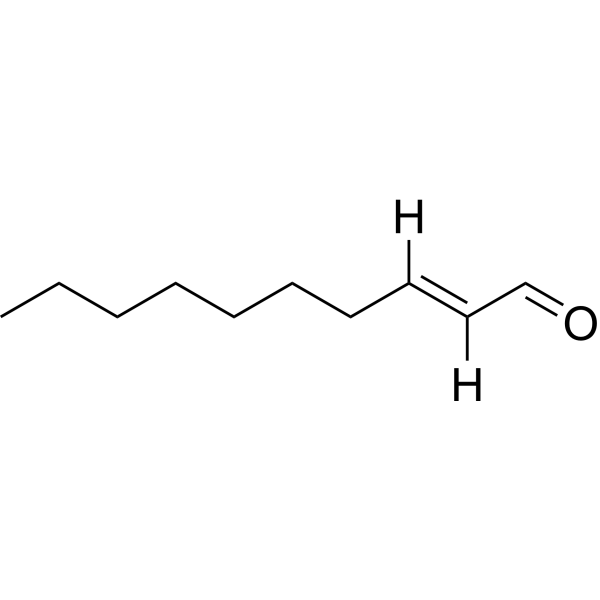
(E)-Dec-2-enal
|
Bacterial
Reactive Oxygen Species (ROS)
|
Infection
|
|
trans-2-Decenal ((E)-Dec-2-enal) acts as a urease inhibitor and antibacterial agent against Helicobacter pylori, with an IC50 of 9.484 μg/mL against Helicobacter pylori urease. trans-2-Decenal reduces the urease activity of Helicobacter pylori, and possesses antibacterial, bactericidal, anti-biofilm and anti-migratory activities. It alters the morphology of Helicobacter pylori, induces bacterial rupture, inhibits biofilm formation, reduces the number of mature biofilms and impairs the migratory capacity of Helicobacter pylori. trans-2-Decenal disrupts the cell wall integrity of Phytophthora capsici, damages membrane integrity and permeability, triggers intracellular reactive oxygen species (ROS) accumulation, decreases glutathione levels and disrupts the mitochondrial membrane potential of Phytophthora capsici. trans-2-Decenal is applicable to studies related to Helicobacter pylori and plant diseases induced by and Phytophthora capsici .
|
-
-
- HY-B0843
-
|
|
Environmental Pollutants
Fungal
|
Infection
|
|
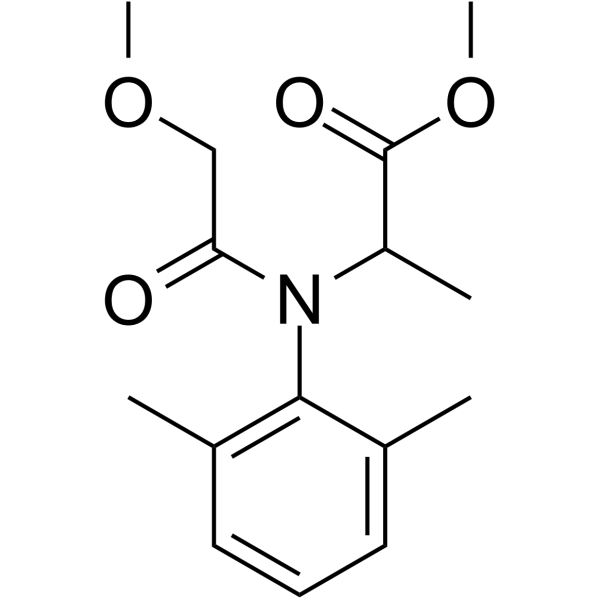
Metalaxyl is a fungicide agent that inhibits the protein synthesis in fungi. Metalaxyl against downy mildews and soil-borne diseases by Phytium ssp. and Phytophthora ssp. .
|
-
-
- HY-112176
-
|
|
Fungal
Bacterial
Antibiotic
|
Infection
|
|
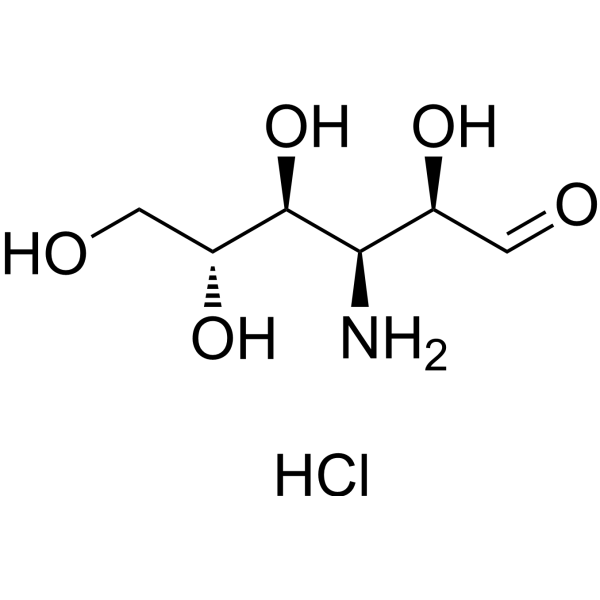
Kanosamine hydrochloride is an antibiotic which inhibits the growth of plant-pathogenic oomycetes, certain fungi and a few bacterial species. Kanosamine inhibits Phytophthora medicaginis M2913 and Aphanomyces euteiches WI-98 with MICs of 25 and 60 μg/mL, respectively.
|
-
-
- HY-148423
-
|
|
Fungal
Parasite
|
Infection
|
|
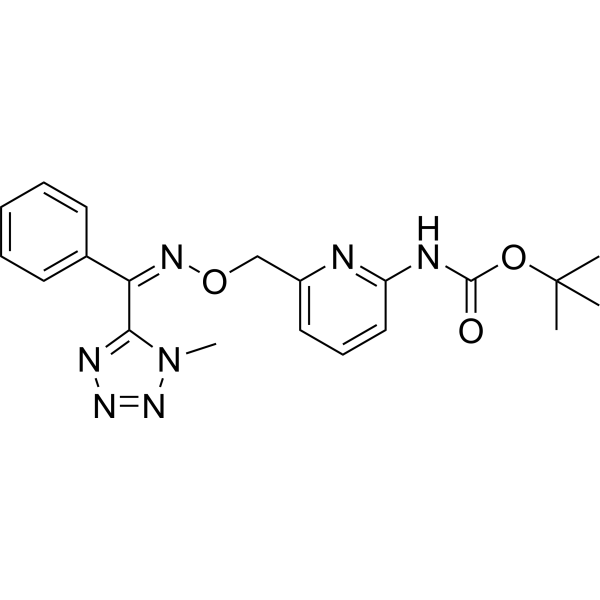
Picarbutrazox is a potent pesticide and fungicide. Picarbutrazox can be used for corn and soybean to control Pythium and Phytophthora. Picarbutrazox can be used in agricultural production and control .
|
-
-
- HY-B2067
-
-
-
- HY-B0843R
-
|
|
Reference Standards
Fungal
|
Infection
|
|
Metalaxyl (Standard) is the analytical standard of Metalaxyl. This product is intended for research and analytical applications. Metalaxyl is a fungicide agent that inhibits the protein synthesis in fungi. Metalaxyl against downy mildews and soil-borne diseases by Phytium ssp. and Phytophthora ssp. .
|
-

-
- HY-17518
-
|
IR5885; Valiphenal
|
Environmental Pollutants
Bacterial
Fungal
|
Infection
|
|
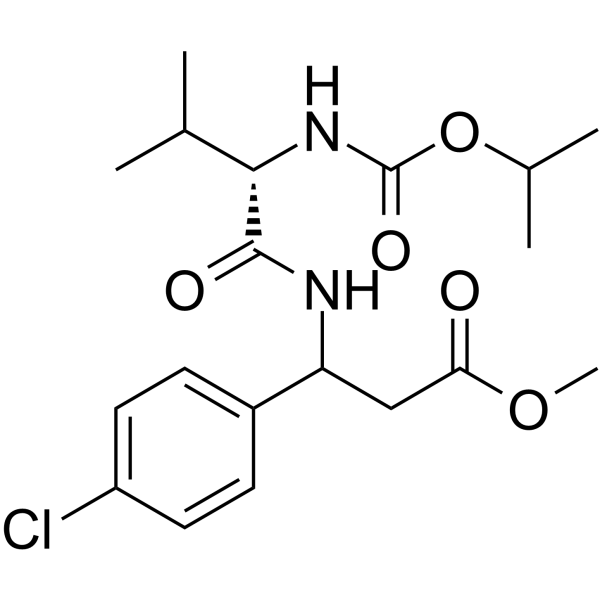
Valifenalate (IR5885; Valiphenal) is an insecticide agent and fungicide, which is approved for application on high-value crops such as grapes, tomatoes and other vegetables. Valifenalate interferes with cell-wall synthesisValifenalate is effective against various types of mildew. Valifenalate can be used against crown rot of rose cuased by Phytophthora citrophthora. Valifenalate induces non-adverse thyroid changes via adaptive induction of uridine 5’-diphosphoglucuronosyltransferase (UGT) in the liver of dogs and rats .
|
-
-
- HY-B2053
-
|
|
Fungal
|
Infection
|
|
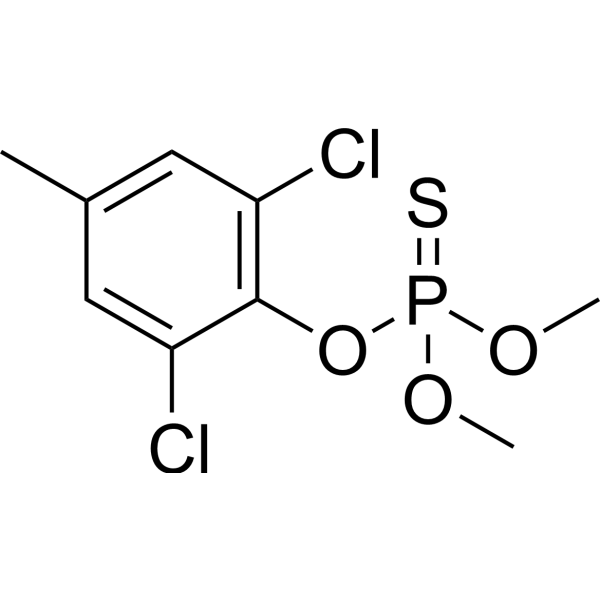
Tolclofos-methyl is an organophosphorus fungicide. Tolclofos-methyl undergoes photoinduced oxidative degradation to form oxo-analog derivatives. Tolclofos-methyl inhibits spore division in fungi and oomycetes, induces cytoplasmic leakage, and interferes with flagellar movement. Tolclofos-methyl is rapidly metabolized and excreted in rodents. Tolclofos-methyl can be used in studies related to fungal infections .
|
-
-
- HY-17521
-
|
SYP-L190
|
Fungal
|
Infection
|
|
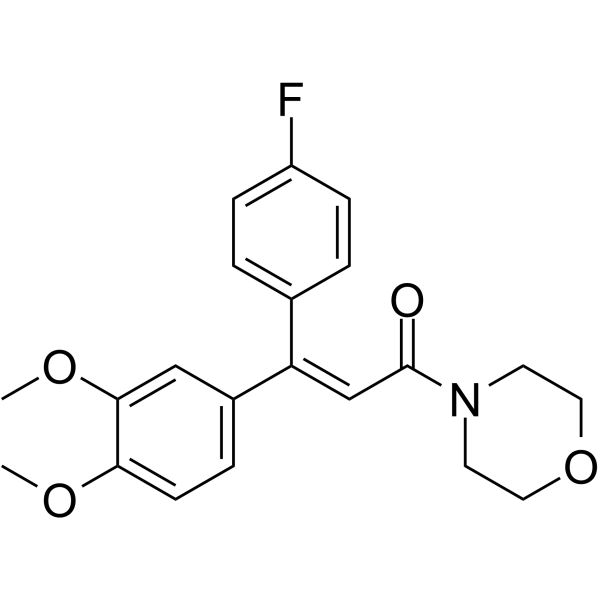
Flumorph (SYP-L190) is a carboxylic acid amide fungicide. Flumorph inhibits the polar growth of Phytophthora melonis by disrupting the arrangement of filamentous actin. Flumorph can be used to study Phytophthora melonis infection .
|
-
-
- HY-136425
-
|
Fosetyl-Al
|
Fungal
|
Infection
|
|
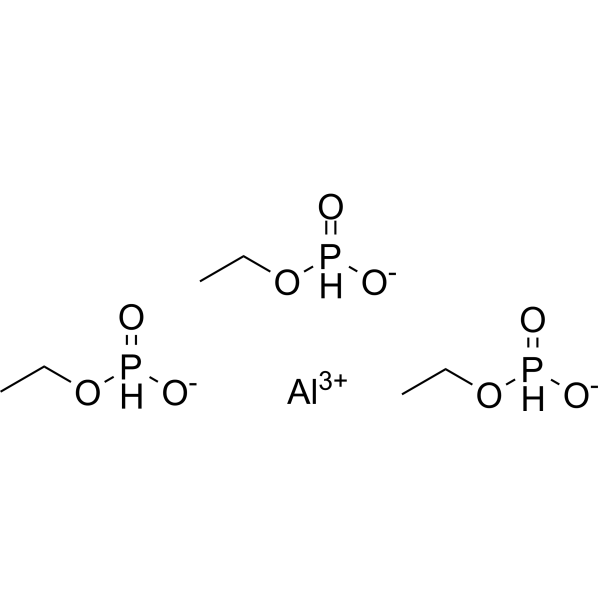
Fosetyl-aluminum (Fosetyl-Al) is an active ingredient in many fungicides against downy mildew. Fosetyl-aluminum is used to control many diseases caused by Phytophthora spp. on agricultural and horticultural crops .
|
-
-
- HY-N6783
-
|
|
Fungal
Antibiotic
|
Infection
|
|
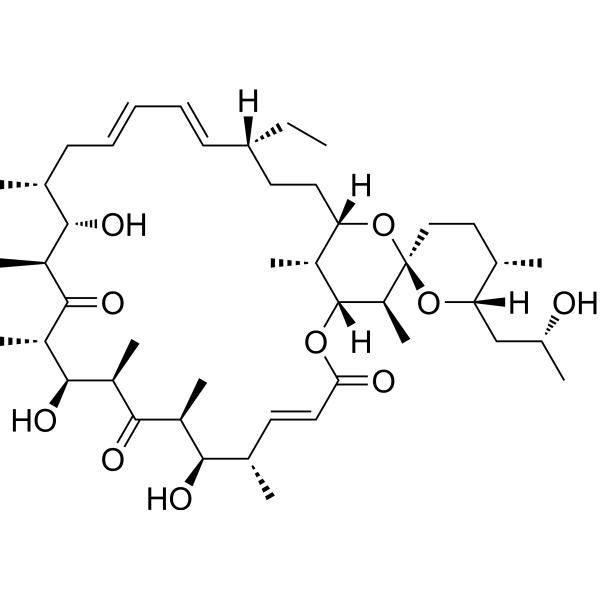
Oligomycin C is a macrolide antibiotic produced by Streptomyces strains. Oligomycin C exhibits a strong activity against Aspergillus niger, Alternaria alternata, Botrytis cinerea and Phytophthora capsici but no activity toward bacteria .
|
-
-
- HY-N6625S
-
|
|
Fungal
|
Inflammation/Immunology
|
|
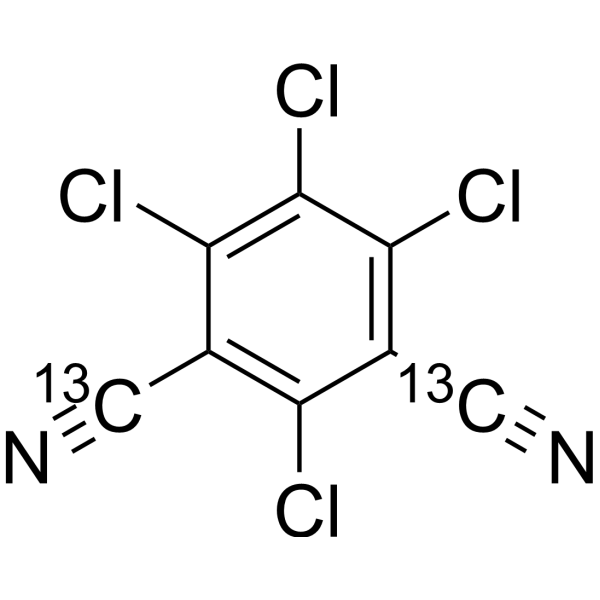
Chlorothalonil- 13C2 is the 13C-labeled Chlorothalonil. Chlorothalonil is a broad spectrum fungicide and is effective in protecting plants against fungal diseases caused mainly by Phytophthora infestans and Alternaria solani. Chlorothalonil is used for controlling of fungal foliar diseases of vegetables and crops .
|
-
-
- HY-B2067S
-
|
|
Isotope-Labeled Compounds
Fungal
DNA/RNA Synthesis
|
Infection
|
|
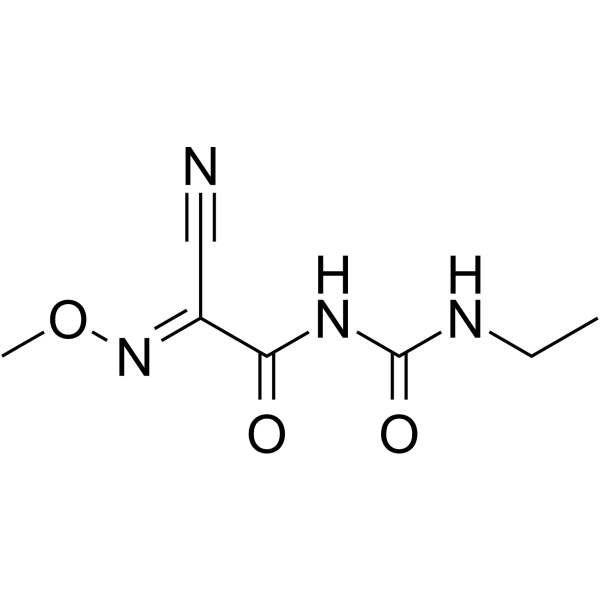
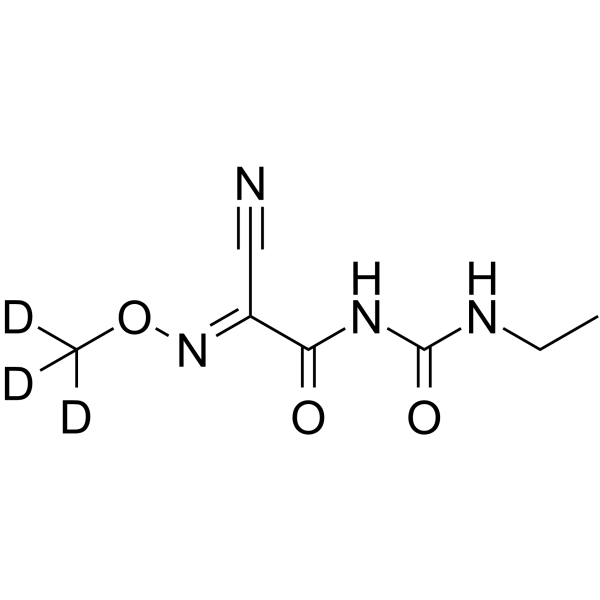
Cymoxanil-d3 is the deuterium labeled Cymoxanil (HY-B2067). Cymoxanil is a fungicidal cyanooxime against plant diseases caused by fungi belonging to the Perenosporales. Cymoxanil affects growth, DNA and RNA synthesis in Phytophthora .
|
-
-
- HY-B2067R
-
|
|
Reference Standards
Fungal
DNA/RNA Synthesis
|
Infection
|
|
Cymoxanil (Standard) is the analytical standard of Cymoxanil (HY-B2067). This product is intended for research and analytical applications. Cymoxanil is a fungicidal cyanooxime against plant diseases caused by fungi belonging to the Perenosporales. Cymoxanil affects growth, DNA and RNA synthesis in Phytophthora.
|
-

-
- HY-118401
-
|
|
Fungal
Bacterial
Herbicide
|
Infection
|
|
Mansonone E (Compound 5) is a pesticide. Mansonone E can be isolated from heartwood of Mansonia gagei. Mansonone E has significant antifungal activity against Cladosporium cucumerinum, Candida albicans and Phytophthora parasitica. Mansonone E has potent antibacterial activity with MIC50s of both 7.8 μg/mL for Xanthomonas oryzae pv. oryzae and X. oryzae pv. Oryzicola. Mansonone E also has antifeedant and herbicidal activities .
|
-

-
- HY-122955
-
|
|
Antibiotic
Fungal
Bacterial
|
Infection
|
|
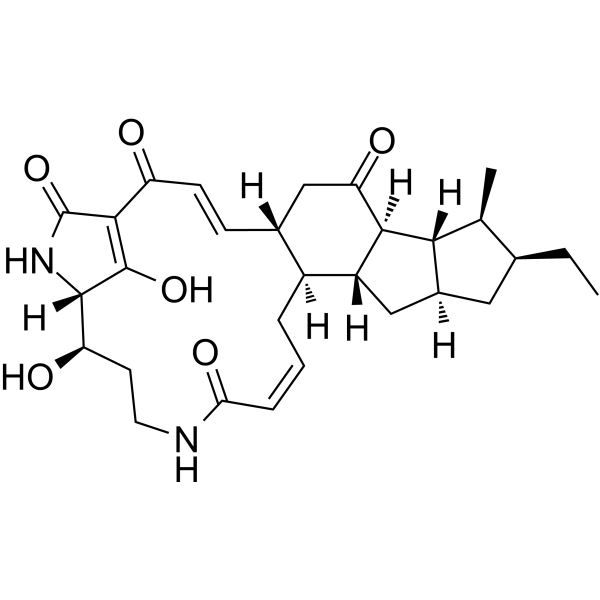
Xanthobaccin A is a potent antibiotic that can be isolated from the culture fluid of Stenotrophomonas sp. strain SB-K88. Xanthobaccin A exhibits activity against fungi and G+ bacteria, induces zoospore immobilization and lysis, inhibits mycelial growth. Xanthobaccin A can be used for the research of beet damping-off disease, bacterial and fungal infection .
|
-
-
- HY-120921
-
|
RH-7281
|
Fungal
Microtubule/Tubulin
|
Infection
|
|
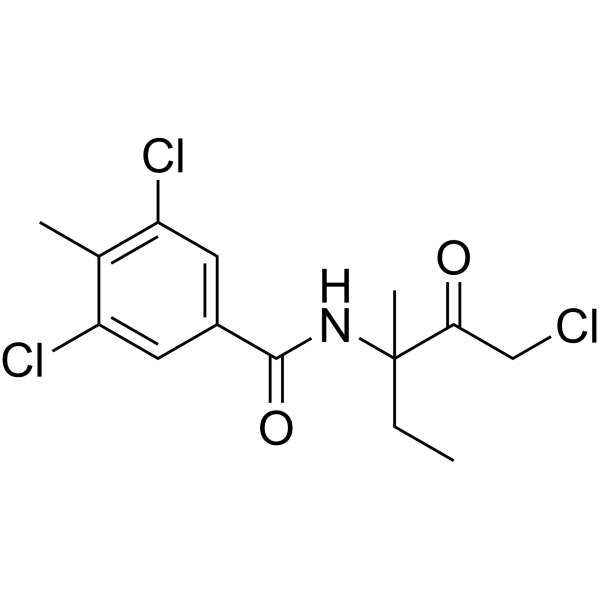
Zoxamide (RH-7281) is an oomycete Fungicide and covalent β-tubulin inhibitor. RH-7281 inhibits the assembly of tubulin into microtubules in vitro. Zoxamide binds covalently to β-tubulin, disrupting microtubule assembly and the cytoskeleton. Zoxamide blocks nuclear division in germinated hyphae of Phytophthora capsici and inhibits hyphal growth of Phytophthora capsici .
|
-
-
- HY-131134S
-
|
Fosetyl-Al-d15
|
Fungal
Isotope-Labeled Compounds
|
Infection
|
|
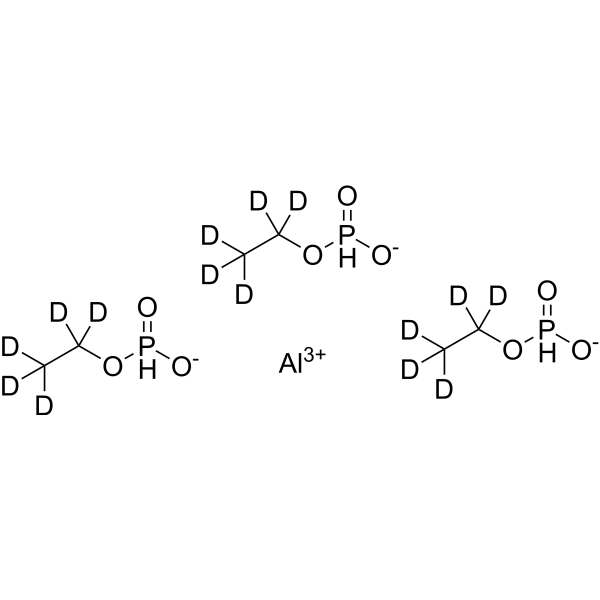
Fosetyl-aluminum-d15 (Fosetyl-Al-d15) is the deuterium labeled Fosetyl-aluminum. Fosetyl-aluminum (Fosetyl-Al) is an active ingredient in many fungicides against downy mildew. Fosetyl-aluminum is used to control many diseases caused by Phytophthora spp. on agricultural and horticultural crops .
|
-
-
- HY-175038
-
|
|
Fungal
|
Infection
|
|
Oomycete-IN-1 (Compound X4) is a selective inhibitor targeting the PH domain of PcORP1 in Phytophthora species. Oomycete-IN-1 shows EC50 values ranging from 1 to 4 μg/mL against six oomycetes. Oomycete-IN-1 disrupts lipid transport and metabolism, leading to mycelium hyperplasia and cell membrane ruffling in P. capsici. Oomycete-IN-1 can be used in the research of preventing and controlling oomycete diseases (such as P. capsici infection) .
|
-

-
- HY-N14220
-
|
|
Antibiotic
Fungal
|
Infection
|
|
Epoformin, is a fungal cyclohexene epoxide that can be isolated from Diplodia quercivora. Epoformin is an antibiotic and exhibits weak inhibitory activity against rye seedling sheath growth. Epoformin exhibits antifungal activity, inhibits Phytophthora cinnamomi and Phytophthora plurivora .
|
-

-
- HY-111067
-
|
|
Fungal
|
Infection
|
|
(4S)-(+)-Ascochin is an antifungal agent against Microbotryum violaceum, Phytophthora infestans and Septoria tritici. (4S)-(+)-Ascochin also exhibits antialgal activity against Chlorella fusca .
|
-

-
- HY-136425R
-
|
Fosetyl-Al (Standard)
|
Reference Standards
Fungal
|
Infection
|
|
Fosetyl-aluminum (Standard) is the analytical standard of Fosetyl-aluminum. This product is intended for research and analytical applications. Fosetyl-aluminum (Fosetyl-Al) is an active ingredient in many fungicides against downy mildew. Fosetyl-aluminum is used to control many diseases caused by Phytophthora spp. on agricultural and horticultural crops .
|
-

-
- HY-155131
-
|
|
Fungal
|
Infection
|
|
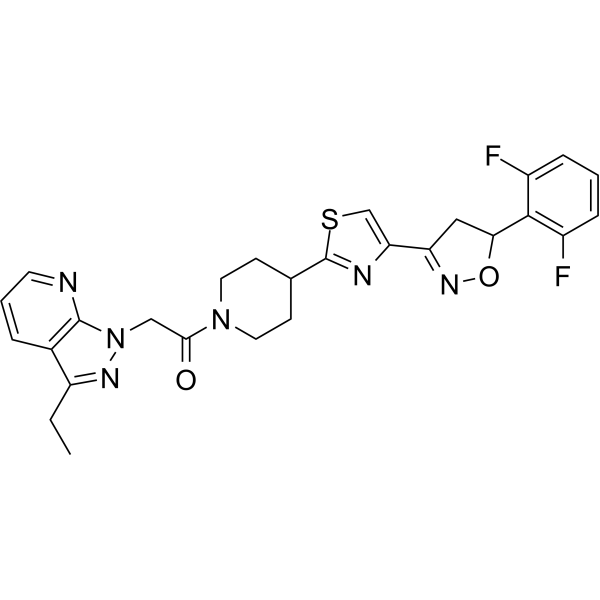
Y18501 is a oxysterol-binding protein (OSBPI) inhibitor with a similar structure to Oxathiapiprolin. Y18501 shows strong inhibitory activities against Phytophthora spp. and Pseudoperonospora cubensis, with EC50 ranging from 0.0005 to 0.0046 μg/mL. Y18501 shows excellent protective and curative activities against P. cubensis. Y18501 in combination with Chlorothalonil (HY-N6625) can significantly promote the inhibition of P. cubensis .
|
-
-
- HY-122451
-
|
Milfuram; RE 20615
|
Fungal
|
Infection
|
|
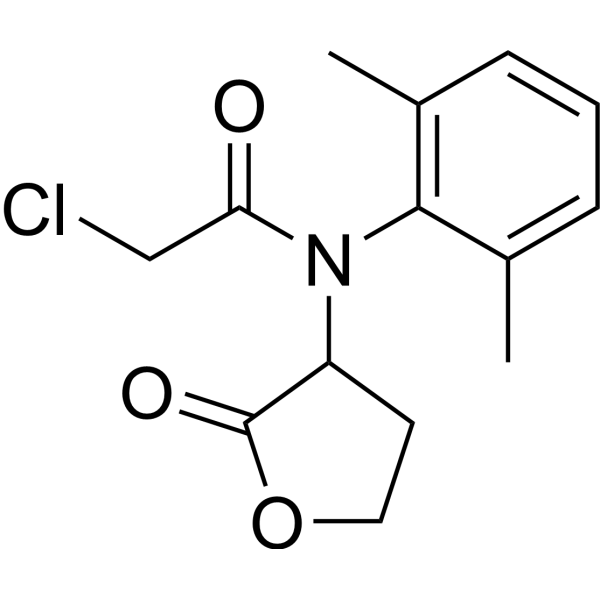
Ofurace is a fungicide that is extremely active against Pythium ultima, Phytophthora tabacum and Phytophthora palmi. Ofurace has a greater effect on sporangia formation than on mycelium growth .
|
-
-
- HY-122451R
-
|
Milfuram (Standard); RE 20615 (Standard)
|
Reference Standards
Fungal
|
Infection
|
|
Ofurace (Standard) is the analytical standard of Ofurace. This product is intended for research and analytical applications. Ofurace is a fungicide that is extremely active against Pythium ultima, Phytophthora tabacum and Phytophthora palmi. Ofurace has a greater effect on sporangia formation than on mycelium growth .
|
-

-
- HY-178051
-
|
|
Succinate Dehydrogenase
Fungal
|
Infection
|
|
Antifungal agent 135 (Compound C2), an antifungal agent, is a Succinate dehydrogenase (SDH) inhibitor with an IC50 of 1.99 μM. Antifungal agent 135 has potent antifungal activities against Valsa mali, Sclerotinia sclerotiorum and Phytophthora capsici with EC50 s of 0.280, 1.11 and 0.130 mg/L, respectively. Antifungal agent 135 shows protective and curative activities against Phytophthora capsici and Valsa mali by effectively disrupting hyphal structural integrity and inhibiting mycelial growth .
|
-

-
- HY-132968
-
|
|
Fungal
|
Infection
|
|
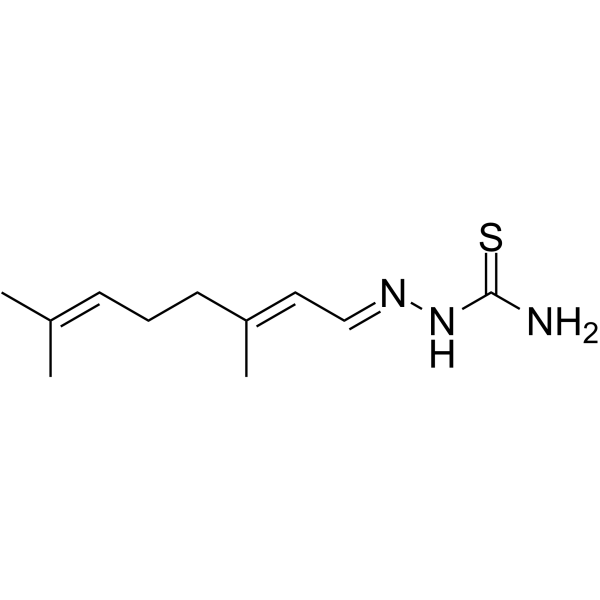
Antifungal agent 20 exhibits remarkable antifungal activity against Colletotrichum gloeosprioides, Rhizoctonia solani, Phytophthora nicotianae var. nicotianae, Diplodia pinea, Colletotrichum acutatum, and Fusarium oxysporum f. sp. niveum.
|
-
-
- HY-120921R
-
|
RH-7281 (Standard)
|
Fungal
Reference Standards
|
Infection
|
|
Zoxamide (Standard) is the analytical standard of Zoxamide. This product is intended for research and analytical applications. Zoxamide (RH-7281) is an oomycete fungicide. Zoxamide arrests nuclear division in Phytophthora capsici germlings and destroyed the microtubule cytoskeleton .
|
-

-
- HY-151556
-
|
|
Fungal
|
Infection
|
|
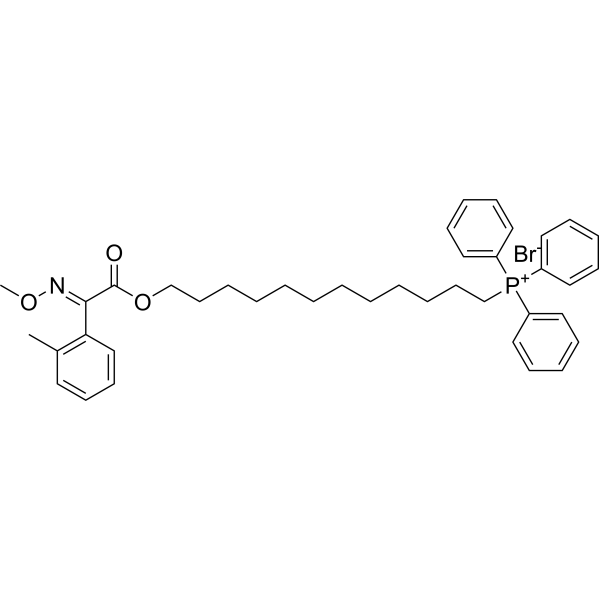
Antifungal agent 45 is with fungicidal activities. Antifungal agent 45 shows excellent characteristics superior to Kresoxim-methyl (HY-125776), in which the activity enhancement against Phytophthora capsici was the most remarkable, with an EC50 value of about 5 μM .
|
-
-
- HY-121801
-
|
|
Fungal
Microtubule/Tubulin
Mitosis
|
Infection
|
|
Zarilamid is a fungicide which is active against a broad spectrum of Oomycete fungi. Zarilamid inhibits nuclear division in germinating zoospore cysts of Phytophthora capsici. Zarilamide inhibits growth of tobacco roots and causes swelling of the root tips, destructs microtubule cytoskeleton and inhibits mitosis .
|
-

-
- HY-N14195
-
|
|
Fungal
|
Infection
|
|
Mathemycin A has an inhibitory effect on pathogenic fungi. Mathemycin A inhibits the Phytophthora infestans JO8 in vitro (MIC is 7.8 μg/mL), and it inhibits JO8 in greenhouse (LD50 is 42 X 10 -6, LC90 is 500 X 10 -6) .
|
-

-
- HY-W015551R
-
|
(E)-Dec-2-enal (Standard)
|
Biochemical Assay Reagents
Reference Standards
|
Infection
|
|
trans-2-Decenal ((E)-Dec-2-enal)) Standard is the analytical standard of trans-2-Decenal (HY-W015551). This product is intended for research and analytical applications. trans-2-Decenal ((E)-Dec-2-enal) acts as a urease inhibitor and antibacterial agent against Helicobacter pylori, with an IC50 of 9.484 μg/mL against Helicobacter pylori urease. trans-2-Decenal reduces the urease activity of Helicobacter pylori, and possesses antibacterial, bactericidal, anti-biofilm and anti-migratory activities. It alters the morphology of Helicobacter pylori, induces bacterial rupture, inhibits biofilm formation, reduces the number of mature biofilms and impairs the migratory capacity of Helicobacter pylori. trans-2-Decenal disrupts the cell wall integrity of Phytophthora capsici, damages membrane integrity and permeability, triggers intracellular reactive oxygen species (ROS) accumulation, decreases glutathione levels and disrupts the mitochondrial membrane potential of Phytophthora capsici. trans-2-Decenal is applicable to studies related to Helicobacter pylori and plant diseases induced by and Phytophthora capsici.
|
-

-
- HY-W015551S
-
|
(E)-Dec-2-enal-d2
|
Biochemical Assay Reagents
Isotope-Labeled Compounds
|
Infection
|
|
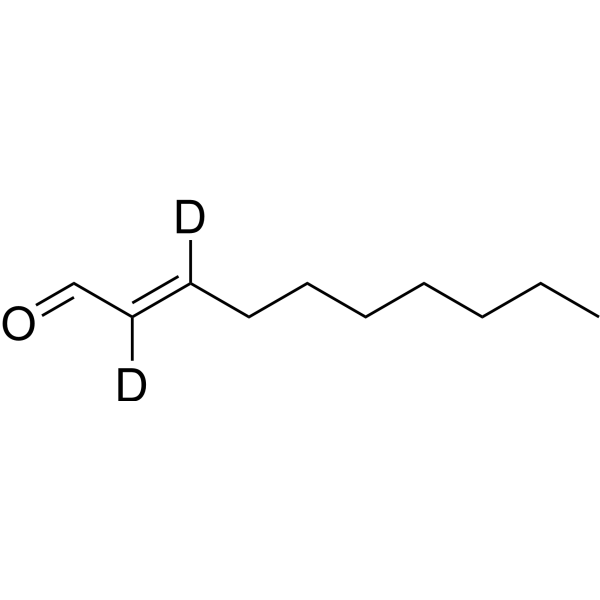
trans-2-Decenal-d2 ((E)-Dec-2-enal-d2) is deuterated labeled trans-2-Decenal (HY-W015551). trans-2-Decenal ((E)-Dec-2-enal) acts as a urease inhibitor and antibacterial agent against Helicobacter pylori, with an IC50 of 9.484 μg/mL against Helicobacter pylori urease. trans-2-Decenal reduces the urease activity of Helicobacter pylori, and possesses antibacterial, bactericidal, anti-biofilm and anti-migratory activities. It alters the morphology of Helicobacter pylori, induces bacterial rupture, inhibits biofilm formation, reduces the number of mature biofilms and impairs the migratory capacity of Helicobacter pylori. trans-2-Decenal disrupts the cell wall integrity of Phytophthora capsici, damages membrane integrity and permeability, triggers intracellular reactive oxygen species (ROS) accumulation, decreases glutathione levels and disrupts the mitochondrial membrane potential of Phytophthora capsici. trans-2-Decenal is applicable to studies related to Helicobacter pylori and plant diseases induced by and Phytophthora capsici .
|
-
-
- HY-151555
-
|
|
Fungal
|
Infection
|
|
Antifungal agent 44 (compound 2A-5) is an antifungal agent, and shows excellent fungicidal activity superior to Kresoxim-methyl (HY-125776). Antifungal agent 44 shows fungicidal activity against Phytophthora capsici most remarkably, with an EC50 value of about 5 μM .
|
-
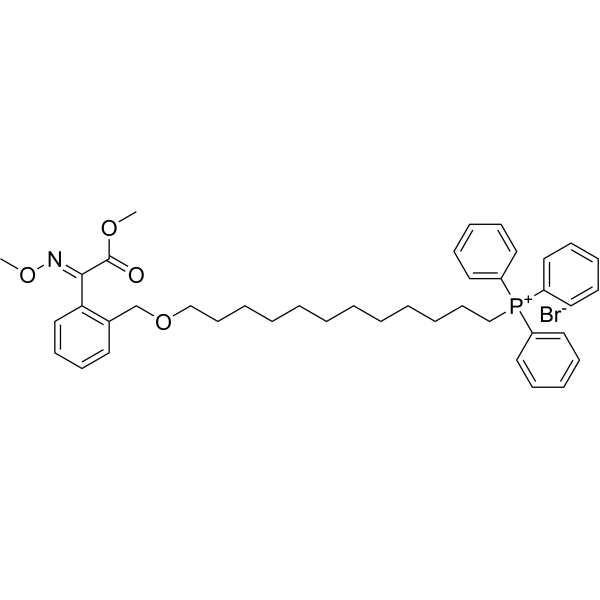
-
- HY-178457
-
-

-
- HY-N10269
-
|
|
Fungal
Endogenous Metabolite
|
Infection
|
|
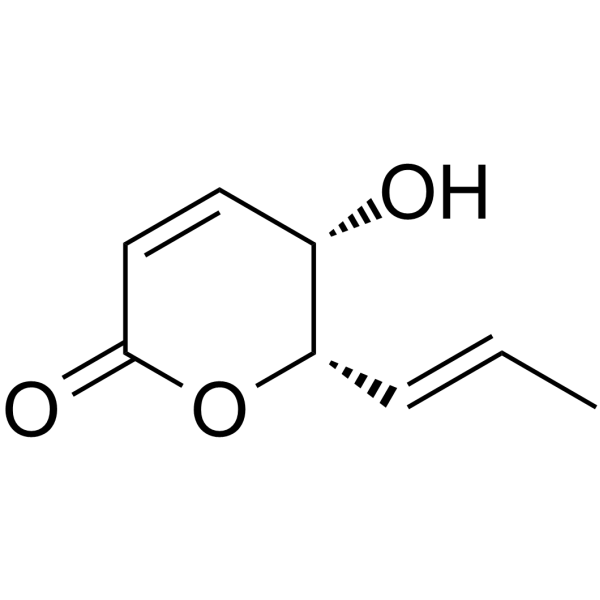
Phomalactone, produced by the fungus Nigrospora sphaerica, specifically inhibits the mycelial growth of Phytophthora infestans, with an MIC value of 2.5 mg/L . Phomalactone is phytotoxic to Z. elegans and other plant species by inhibition of seedling growth and by causing electrolyte leakage from photosynthetic tissues of both Z. elegans leaves and cucumber cotyledons .
|
-
-
- HY-N14548
-
|
|
Antibiotic
Bacterial
|
Infection
|
|
Cryptosporiopsin can be isolated from the strain of Cryptosporiopsis sp. and Sporormia affinis. Cryptosporiopsin has antibacterial activity to many kinds of basidiomycetes, algal fungi, ascomycetes and hemiplegia fungi that cause wood rot, and can inhibit spore germination of Phytophthora potatoes. Cryptosporiopsin also has certain activity against gram-positive bacteria and negative bacteria .
|
-

-
- HY-17518R
-
|
IR5885 (Standard); Valiphenal (Standard)
|
Reference Standards
Bacterial
Fungal
|
Infection
|
|
Valifenalate (Standard) is the analytical standard of Valifenalate. This product is intended for research and analytical applications. Valifenalate (IR5885; Valiphenal) is an insecticide agent and fungicide, which is approved for application on high-value crops such as grapes, tomatoes and other vegetables. Valifenalate interferes with cell-wall synthesisValifenalate is effective against various types of mildew. Valifenalate can be used against crown rot of rose cuased by Phytophthora citrophthora. Valifenalate induces non-adverse thyroid changes via adaptive induction of uridine 5’-diphosphoglucuronosyltransferase (UGT) in the liver of dogs and rats .
|
-

-
- HY-N1117
-
|
|
Phosphatase
NO Synthase
|
Infection
Metabolic Disease
Cancer
|
|
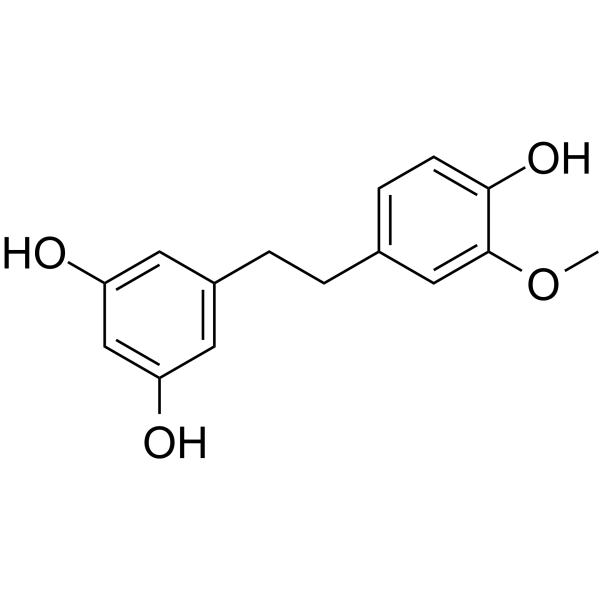
Tristin is a PTP1B inhibitor (IC50=21.2 μM) with antioxidant and antifungal activities. Tristin inhibits lipid peroxidation and NO production in LPS-stimulated macrophages, and also exhibits activity against a variety of phytopathogenic fungi. Tristin is also able to inhibit cancer cell proliferation. Tristin can be used in the research of diseases associated with phytopathogenic fungal infection, leukemia, type 2 diabetes and inflammatory responses .
|
-
-
- HY-183975
-
|
|
Fungal
|
Infection
|
|
V-ATPase-IN-2 is an inhibitor targeting the a-c subunits of vacuolar H +-ATPase (V-ATPase), with an EC50 of 8.449 μg/mL against Phytophthora capsici. V-ATPase-IN-2 causes significant vacuolar enlargement and ultrastructural damage in Phytophthora capsici cells, and also inhibits sporangium formation, zoospore release, and cyst germination of this pathogen. V-ATPase-IN-2 can be used in studies related to Phytophthora capsici infection .
|
-

-
- HY-W583753
-
|
|
Bacterial
|
Infection
|
|
Dipotassium phosphite is a phosphite salt and is an antibacterial agent. Dipotassium phosphite directly and indirectly affects development of Phytophthora infestans.Dipotassium phosphite reduces late blight severity in field-grown tomato plants and increases productivity of field-grown tomato plants. Dipotassium phosphite can be used for the research of late blight .
|
-

-
- HY-133087
-
|
|
Fungal
|
Infection
|
|
Oxathiapiprolin is an anti-phytopathogenic oomycete agent. Oxathiapiprolin inhibits mycelial growth, sporangium production, zoospore release and zoospore motility in specific oomycetes. Oxathiapiprolin exhibits both protective and therapeutic activities against Phytophthora capsici infection in pepper plants. Oxathiapiprolin can be used in studies related to plant diseases .
|
-

-
- HY-N18032
-
|
|
Others
|
Infection
|
|
Glyceollin II is a glyceollin found in soybean cotyledons (CY. Harosoy 63) inoculated with Phytophthora megaspenna f.sp. glycinea race 1. Glyceollin II inhibits the radial mycelial growth of P. megasperma f.sp. gbcinea race 1. Glyceollin II inhbiits zoospore germination (ED50 = 7 μg/mL) and causes zoospores to burst. Glyceollin II can be used for the research of Phytophthora megasperma f.sp. glycinea infection in soybeans .
|
-

-
- HY-183705
-
|
|
Fungal
Mitochondrial Metabolism
ATP Synthase
|
Infection
|
|
Antimicrobial agent-50 is an anti-oomycete and Fungicidal agent. Antimicrobial agent-50 inhibits the activity of Mitochondrial respiratory chain complex III with an IC50 of 6.05 mg/L. Antimicrobial agent-50 inhibits ATP synthesis. Antimicrobial agent-50 exhibits protective activity against Phytophthora capsici in vivo. Antimicrobial agent-50 potently inhibits mycelial growth of Gaeumannomyces graminis, Rhizoctonia solani and Phytophthora capsici, with EC50 values of 2.97 mg/L, 1.86 mg/L and 0.74 mg/L, respectively .
|
-

-
- HY-183966
-
|
|
Bacterial
Fungal
|
Infection
|
|
Antibacterial agent 348 is an antimicrobial agent containing piperazine-isopropanolamine bifunctional groups. Antibacterial agent 348 suppresses virulence factor expression in plant pathogens. Antibacterial agent 348 compromises bacterial membrane integrity, leading to cytoplasmic leakage. Antibacterial agent 348 inhibits cellular proliferation of plant pathogens, diminishes colonization and infectivity of plant pathogens in host plants. Antibacterial agent 348 can be used for the research of rice bacterial leaf blight, pepper phytophthora blight .
|
-

-
- HY-N9994
-
|
|
Others
|
Others
|
|
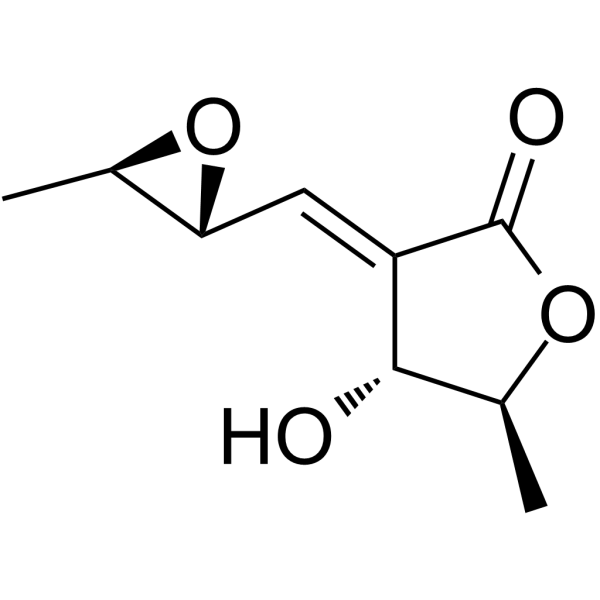
Pinofuranoxin A completely inhibits the growth of Athelia rolfsii and Phytophthora cambivora.
|
-
-
- HY-N13282
-
|
|
Bacterial
Fungal
|
Infection
|
|
Glyceocarpin is a phytoalexin and antibacterial agent naturally occurring in Glycine max, with weak antifungal activity. Glyceocarpin serves as the biosynthetic precursor of Glyceollins II (HY-N18032) and Glyceollins III. Glyceocarpin can be biosynthesized by the prenyltransferase and subsequent modification by cytochrome P450 enzymes. Glyceocarpin can be used for the study of soybean root and stem rot caused by Phytophthora sojae .
|
-

-
- HY-N14199
-
|
|
Fungal
|
Infection
|
|
Mathemycin B has an inhibitory effect on pathogenic fungi. Mathemycin B inhibits the Phytophthora infestans JO8 in vitro (MIC is 7.8 μg/mL) .
|
-

-
- HY-W021008
-
|
Dimethylhydroxyfuranone
|
Fungal
|
Infection
|
|
Sotolone (Dimethylhydroxyfuranone) is an activator of the human olfactory receptor OR8D1. Sotolone activates the human olfactory receptor OR8D1, with EC50 values of 84.98 μM and 167.2 μM for its S-enantiomer and R-enantiomer, respectively. Sotolone has unique aroma profiles: (R)-sotolone exhibits smoky, burnt, herbal and grassy notes; (S)-sotolone presents sweet, milky, sour and nutty notes. Sotolone also acts as an antifungal agent, showing moderate inhibitory activity against Magnaporthe oryzae in vitro .
|
-

-
- HY-N19663
-
|
|
Fungal
|
Infection
Others
|
|
12-O-Methyl chebulic acid is an antifungal agent, methylated chebulic acid derivative and probable isolation artifact from Terminalia dhofarica leaves. 12-O-Methyl chebulic acid inhibits growth of several plant pathogens. 12-O-Methyl chebulic acid can be used for the research of phytopathogenic fungal infection and phytopathogenic oomycete infection .
|
-

- HY-W043791
-
|
|
Fungal
|
Infection
|
|
4-Dodecyl-2,6-dimethylmorpholine is a morpholine fungicide and plant-growth regulator. 4-Dodecyl-2,6-dimethylmorpholine targets phytopathogenic fungi including Oomycetes, Ascomycetes and Basidiomycetes. 4-Dodecyl-2,6-dimethylmorpholine acts synergistically with acylalanine fungicides to enhance antifungal efficacy and regulate plant growth. 4-Dodecyl-2,6-dimethylmorpholine can be applied to the study of plant fungal diseases and phytopathogenic fungal infections .
|
-

- HY-N19785
-
|
|
Fungal
|
Infection
|
|
11,12-Dimethyl chebulate is a phenolic acid chebulate derivative that can be found in Acer saccharum fall leaves and Terminalia dhofarica leaf extracts. 11,12-Dimethyl exhibits antifungal activity and DPPH scavenging activity.11,12-Dimethyl chebulate can be used for the research of fungal infection .
|
-

- HY-121443
-
|
|
Fungal
|
Infection
|
|
Cyflufenamid is an oxime amide fungicide. Cyflufenamid inhibits the formation of haustoria, colonies and spores of Blumeria graminis f. sp. tritici, and prevents germ tube elongation of Monilinia fructicola. Cyflufenamid is applicable to research related to powdery mildew and brown rot .
|
-

- HY-N19784
-
|
|
Fungal
|
Infection
|
|
12,13-Dimethyl chebulate is a methylated chebulic acid derivative that can be found in sugar maple fall leaves and Terminalia dhofarica leaves. 12,13-Dimethyl chebulate exhibits antifungal activity and DPPH scavenging activity. 12,13-Dimethyl chebulate can be used for the research of fungal infection .
|
-

-
- HY-W015551
-
|
(E)-Dec-2-enal
|
生化学アッセイ試薬
|
|
trans-2-Decenal ((E)-Dec-2-enal) acts as a urease inhibitor and antibacterial agent against Helicobacter pylori, with an IC50 of 9.484 μg/mL against Helicobacter pylori urease. trans-2-Decenal reduces the urease activity of Helicobacter pylori, and possesses antibacterial, bactericidal, anti-biofilm and anti-migratory activities. It alters the morphology of Helicobacter pylori, induces bacterial rupture, inhibits biofilm formation, reduces the number of mature biofilms and impairs the migratory capacity of Helicobacter pylori. trans-2-Decenal disrupts the cell wall integrity of Phytophthora capsici, damages membrane integrity and permeability, triggers intracellular reactive oxygen species (ROS) accumulation, decreases glutathione levels and disrupts the mitochondrial membrane potential of Phytophthora capsici. trans-2-Decenal is applicable to studies related to Helicobacter pylori and plant diseases induced by and Phytophthora capsici .
|
-
- HY-W015551R
-
|
(E)-Dec-2-enal (Standard)
|
生化学アッセイ試薬
|
|
trans-2-Decenal ((E)-Dec-2-enal)) Standard is the analytical standard of trans-2-Decenal (HY-W015551). This product is intended for research and analytical applications. trans-2-Decenal ((E)-Dec-2-enal) acts as a urease inhibitor and antibacterial agent against Helicobacter pylori, with an IC50 of 9.484 μg/mL against Helicobacter pylori urease. trans-2-Decenal reduces the urease activity of Helicobacter pylori, and possesses antibacterial, bactericidal, anti-biofilm and anti-migratory activities. It alters the morphology of Helicobacter pylori, induces bacterial rupture, inhibits biofilm formation, reduces the number of mature biofilms and impairs the migratory capacity of Helicobacter pylori. trans-2-Decenal disrupts the cell wall integrity of Phytophthora capsici, damages membrane integrity and permeability, triggers intracellular reactive oxygen species (ROS) accumulation, decreases glutathione levels and disrupts the mitochondrial membrane potential of Phytophthora capsici. trans-2-Decenal is applicable to studies related to Helicobacter pylori and plant diseases induced by and Phytophthora capsici.
|
| 製品番号 |
製品名 |
Category |
Target |
構造式 |
-
- HY-W015551
-
|
(E)-Dec-2-enal
|
Structural Classification
天然物
Vaccinium vitis-idaea L.
Ericaceae
Plants
Source Classification
|
Bacterial
Reactive Oxygen Species (ROS)
|
|
trans-2-Decenal ((E)-Dec-2-enal) acts as a urease inhibitor and antibacterial agent against Helicobacter pylori, with an IC50 of 9.484 μg/mL against Helicobacter pylori urease. trans-2-Decenal reduces the urease activity of Helicobacter pylori, and possesses antibacterial, bactericidal, anti-biofilm and anti-migratory activities. It alters the morphology of Helicobacter pylori, induces bacterial rupture, inhibits biofilm formation, reduces the number of mature biofilms and impairs the migratory capacity of Helicobacter pylori. trans-2-Decenal disrupts the cell wall integrity of Phytophthora capsici, damages membrane integrity and permeability, triggers intracellular reactive oxygen species (ROS) accumulation, decreases glutathione levels and disrupts the mitochondrial membrane potential of Phytophthora capsici. trans-2-Decenal is applicable to studies related to Helicobacter pylori and plant diseases induced by and Phytophthora capsici .
|
-
-
- HY-N6783
-
-
-
- HY-118401
-
-
-
- HY-122955
-
-
-
- HY-N14220
-
-
-
- HY-111067
-
-
-
- HY-N14195
-
|
|
天然物
Microorganisms
Source Classification
|
Fungal
|
|
Mathemycin A has an inhibitory effect on pathogenic fungi. Mathemycin A inhibits the Phytophthora infestans JO8 in vitro (MIC is 7.8 μg/mL), and it inhibits JO8 in greenhouse (LD50 is 42 X 10 -6, LC90 is 500 X 10 -6) .
|
-
-
- HY-W015551R
-
|
(E)-Dec-2-enal (Standard)
|
Structural Classification
天然物
Vaccinium vitis-idaea L.
Ericaceae
Plants
Source Classification
|
Biochemical Assay Reagents
Reference Standards
|
|
trans-2-Decenal ((E)-Dec-2-enal)) Standard is the analytical standard of trans-2-Decenal (HY-W015551). This product is intended for research and analytical applications. trans-2-Decenal ((E)-Dec-2-enal) acts as a urease inhibitor and antibacterial agent against Helicobacter pylori, with an IC50 of 9.484 μg/mL against Helicobacter pylori urease. trans-2-Decenal reduces the urease activity of Helicobacter pylori, and possesses antibacterial, bactericidal, anti-biofilm and anti-migratory activities. It alters the morphology of Helicobacter pylori, induces bacterial rupture, inhibits biofilm formation, reduces the number of mature biofilms and impairs the migratory capacity of Helicobacter pylori. trans-2-Decenal disrupts the cell wall integrity of Phytophthora capsici, damages membrane integrity and permeability, triggers intracellular reactive oxygen species (ROS) accumulation, decreases glutathione levels and disrupts the mitochondrial membrane potential of Phytophthora capsici. trans-2-Decenal is applicable to studies related to Helicobacter pylori and plant diseases induced by and Phytophthora capsici.
|
-
-
- HY-N10269
-
-
-
- HY-N14548
-
|
|
天然物
Microorganisms
Source Classification
|
Antibiotic
Bacterial
|
|
Cryptosporiopsin can be isolated from the strain of Cryptosporiopsis sp. and Sporormia affinis. Cryptosporiopsin has antibacterial activity to many kinds of basidiomycetes, algal fungi, ascomycetes and hemiplegia fungi that cause wood rot, and can inhibit spore germination of Phytophthora potatoes. Cryptosporiopsin also has certain activity against gram-positive bacteria and negative bacteria .
|
-
-
- HY-N1117
-
-
-
- HY-N18032
-
|
|
Structural Classification
Monophenols
Leguminosae
Glycine max (L.) merr
Phenols
Plants
Source Classification
|
Others
|
|
Glyceollin II is a glyceollin found in soybean cotyledons (CY. Harosoy 63) inoculated with Phytophthora megaspenna f.sp. glycinea race 1. Glyceollin II inhibits the radial mycelial growth of P. megasperma f.sp. gbcinea race 1. Glyceollin II inhbiits zoospore germination (ED50 = 7 μg/mL) and causes zoospores to burst. Glyceollin II can be used for the research of Phytophthora megasperma f.sp. glycinea infection in soybeans .
|
-
-
- HY-N9994
-
-
-
- HY-N13282
-
-
-
- HY-N14199
-
-
-
- HY-W021008
-
|
Dimethylhydroxyfuranone
|
Structural Classification
天然物
Grona styracifolia (Osbeck) H. Ohashi & K. Ohashi
Plants
Fabaceae
Source Classification
|
Fungal
|
|
Sotolone (Dimethylhydroxyfuranone) is an activator of the human olfactory receptor OR8D1. Sotolone activates the human olfactory receptor OR8D1, with EC50 values of 84.98 μM and 167.2 μM for its S-enantiomer and R-enantiomer, respectively. Sotolone has unique aroma profiles: (R)-sotolone exhibits smoky, burnt, herbal and grassy notes; (S)-sotolone presents sweet, milky, sour and nutty notes. Sotolone also acts as an antifungal agent, showing moderate inhibitory activity against Magnaporthe oryzae in vitro .
|
-
-
- HY-N19663
-
-
-
- HY-N19785
-
-
-
- HY-N19784
-
-
-
- HY-N6625S
-
|
|
|
Chlorothalonil- 13C2 is the 13C-labeled Chlorothalonil. Chlorothalonil is a broad spectrum fungicide and is effective in protecting plants against fungal diseases caused mainly by Phytophthora infestans and Alternaria solani. Chlorothalonil is used for controlling of fungal foliar diseases of vegetables and crops .
|
-
-
- HY-B2067S
-
|
|
|
Cymoxanil-d3 is the deuterium labeled Cymoxanil (HY-B2067). Cymoxanil is a fungicidal cyanooxime against plant diseases caused by fungi belonging to the Perenosporales. Cymoxanil affects growth, DNA and RNA synthesis in Phytophthora .
|
-
-
- HY-131134S
-
|
|
|
Fosetyl-aluminum-d15 (Fosetyl-Al-d15) is the deuterium labeled Fosetyl-aluminum. Fosetyl-aluminum (Fosetyl-Al) is an active ingredient in many fungicides against downy mildew. Fosetyl-aluminum is used to control many diseases caused by Phytophthora spp. on agricultural and horticultural crops .
|
-
-
- HY-W015551S
-
|
|
|
trans-2-Decenal-d2 ((E)-Dec-2-enal-d2) is deuterated labeled trans-2-Decenal (HY-W015551). trans-2-Decenal ((E)-Dec-2-enal) acts as a urease inhibitor and antibacterial agent against Helicobacter pylori, with an IC50 of 9.484 μg/mL against Helicobacter pylori urease. trans-2-Decenal reduces the urease activity of Helicobacter pylori, and possesses antibacterial, bactericidal, anti-biofilm and anti-migratory activities. It alters the morphology of Helicobacter pylori, induces bacterial rupture, inhibits biofilm formation, reduces the number of mature biofilms and impairs the migratory capacity of Helicobacter pylori. trans-2-Decenal disrupts the cell wall integrity of Phytophthora capsici, damages membrane integrity and permeability, triggers intracellular reactive oxygen species (ROS) accumulation, decreases glutathione levels and disrupts the mitochondrial membrane potential of Phytophthora capsici. trans-2-Decenal is applicable to studies related to Helicobacter pylori and plant diseases induced by and Phytophthora capsici .
|
-
入力情報は安全に管理されます. ※ 必須入力項目.
Inquiry Information
- 製品名:
- 製品番号:
- 数量:
- MCE 日本正規代理店:





