Search Result
Results for "
Raf kinases
" in MedChemExpress (MCE) Product Catalog:
1
Biochemical Assay Reagents
3
Isotope-Labeled Compounds
| Cat. No. |
Product Name |
Target |
Research Areas |
Chemical Structure |
-
- HY-10201
-
Sorafenib
Maximum Cited Publications
283 Publications Verification
Bay 43-9006
|
Raf
VEGFR
FLT3
Autophagy
Apoptosis
STAT
Akt
MMP
Cadherin
p38 MAPK
ERK
MEK
PI3K
PARP
Bcl-2 Family
|
Infection
Neurological Disease
Metabolic Disease
Inflammation/Immunology
Cancer
|
|
Sorafenib (Bay 43-9006) is a potent oral active multikinase inhibitor. Sorafenib blocks autophosphorylation and activity of receptor tyrosine kinases (VEGFR-2, VEGFR-3) and RAF family kinases, thereby suppressing the RAF/MEK/ERK and PI3K/Akt pathways, inhibiting STAT3 phosphorylation, and selectively inhibiting the MAPK pathway in cancer cells. Sorafenib induces cell cycle arrest, autophagy, apoptosis, and PARP cleavage, reduces Bcl-2, Bcl-XL, cyclin D1 levels, and activates Bak and Bax. Sorafenib inhibits tumor growth and metastasis in mouse and rat models. Sorafenib can be used for cancer research, such as colon, breast, non-small-cell lung cancer (NSCLC), ovarian, pancreatic, melanoma, colorectal and hepatocellular carcinoma .
|
-

-
- HY-10331
-
|
BAY 73-4506
|
VEGFR
Autophagy
PDGFR
Raf
RET
c-Kit
FGFR
Tie
|
Cancer
|
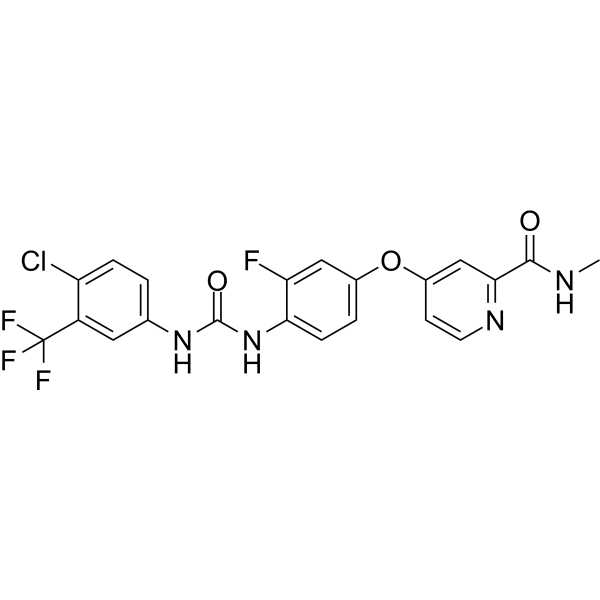
|
Regorafenib (BAY 73-4506) is an orally active and potent multi-targeted receptor tyrosine kinase inhibitor, with IC50 values of 13/4.2/46, 22, 7, 1.5 and 2.5 nM for VEGFR1/2/3, PDGFRβ, Kit, RET and Raf-1, respectively. Regorafenib shows very robust antitumor and antiangiogenic activity .
|
-
-
- HY-12057
-
|
PLX4032; RG7204; RO5185426
|
Raf
Autophagy
|
Cancer
|
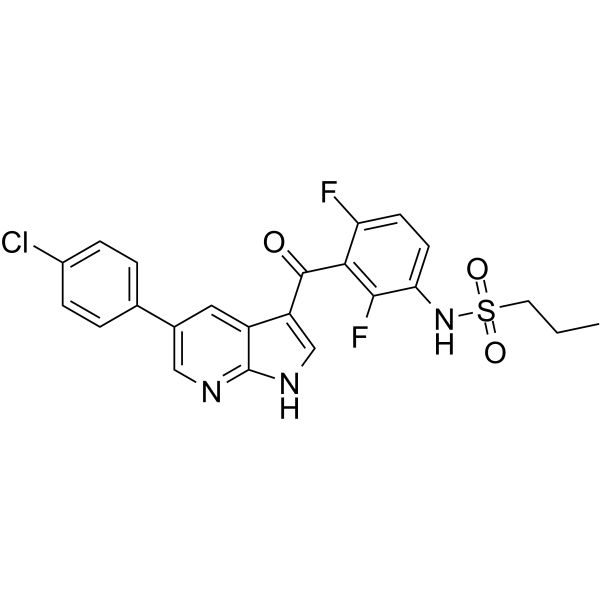
|
Vemurafenib (PLX4032) is a first-in-class, selective, potent inhibitor of B-RAF kinase, with IC50s of 31 and 48 nM for RAF V600E and c-RAF-1, respectively . Vemurafenib induces cell autophagy .
|
-
-
- HY-10320
-
|
BIRB 796
|
p38 MAPK
Raf
Autophagy
|
Inflammation/Immunology
Cancer
|
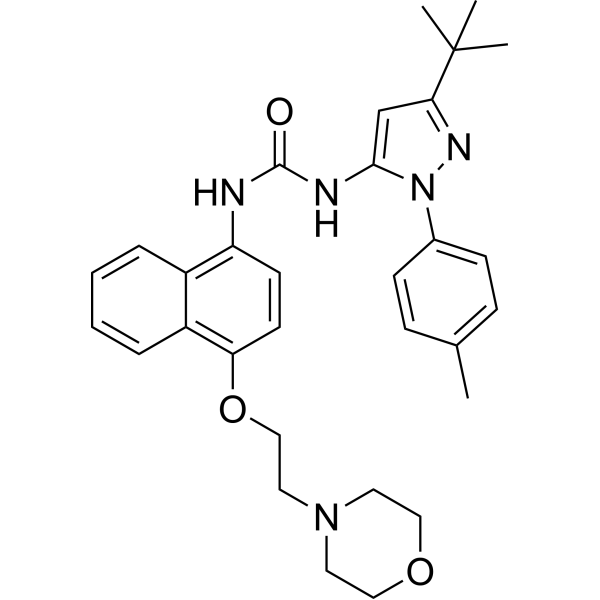
|
Doramapimod (BIRB 796) is an orally active, highly potent p38 MAPK inhibitor, which has an IC50 for p38α=38 nM, for p38β=65 nM, for p38γ=200 nM, and for p38δ=520 nM. Doramapimod has picomolar affinity for p38 kinase (Kd=0.1 nM). Doramapimod also inhibits B-Raf with an IC50 of 83 nM .
|
-
-
- HY-15246
-
|
TAK-580; MLN 2480; BIIB-024
|
Raf
|
Cancer
|
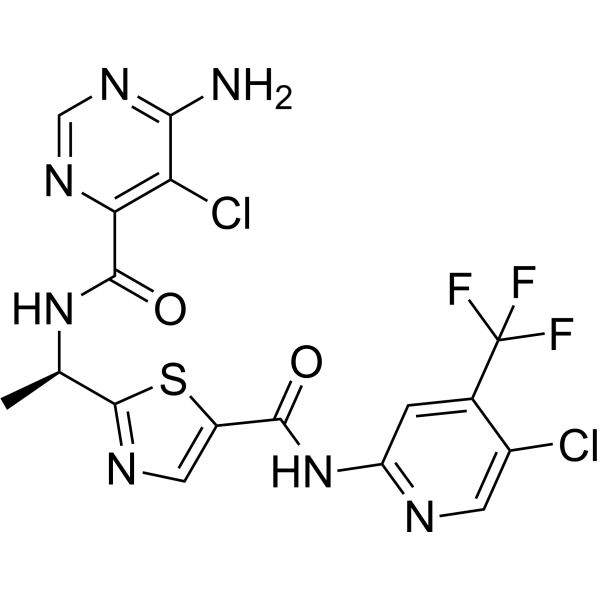
|
Tovorafenib (TAK-580, MLN 2480) is an orally active and selective inhibitor of pan-Raf kinase. Tovorafenib can be used for the study of glioma .
|
-
-
- HY-10966
-
|
|
Raf
Apoptosis
|
Neurological Disease
Metabolic Disease
Cancer
|
|
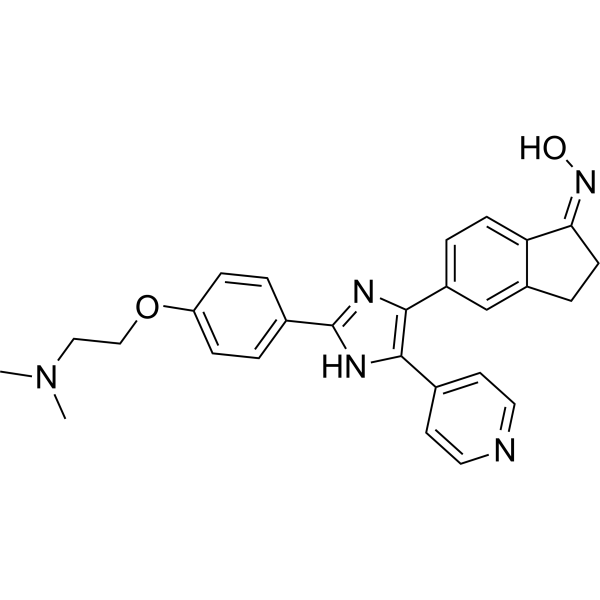
SB-590885 is a BRAF/c-Raf kinase inhibitor that selectively targets B-Raf, and it amplifies the ERK/MAPK signaling pathway in RAS-activated cells. SB-590885 effectively inhibits the malignant proliferation, transformation and tumorigenicity of oncogenic B-Raf cells; it also induces the proliferation of erythroid progenitor cells, delays their differentiation and promotes hemoglobin synthesis, thereby improving ineffective erythropoiesis and reducing apoptosis. SB-590885 exerts a synergistic effect with TGF-β inhibitors and glucocorticoids, significantly promoting the formation of erythroid colonies in cells from patients with Diamond-Blackfan anemia (DBA). SB-590885 is mainly used in relevant studies on DBA, cisplatin-induced myelosuppression-related anemia, and pan-cancers such as melanoma and colorectal cancer .
|
-
-
- HY-10201A
-
|
Bay 43-9006 tosylate
|
Raf
VEGFR
FLT3
Autophagy
Apoptosis
STAT
Akt
MMP
Cadherin
p38 MAPK
ERK
MEK
PI3K
PARP
Bcl-2 Family
|
Infection
Neurological Disease
Metabolic Disease
Inflammation/Immunology
Cancer
|
|
Sorafenib (Bay 43-9006) tosylate is a potent oral active multikinase inhibitor. Sorafenib blocks autophosphorylation and activity of receptor tyrosine kinases (VEGFR-2, VEGFR-3) and RAF family kinases, thereby suppressing the RAF/MEK/ERK and PI3K/Akt pathways, inhibiting STAT3 phosphorylation, and selectively inhibiting the MAPK pathway in cancer cells. Sorafenib tosylate induces cell cycle arrest, autophagy, apoptosis, and PARP cleavage, reduces Bcl-2, Bcl-XL, cyclin D1 levels, and activates Bak and Bax. Sorafenib tosylate inhibits tumor growth and metastasis in mouse and rat models. Sorafenib tosylate can be used for cancer research, such as colon, breast, non-small-cell lung cancer (NSCLC), ovarian, pancreatic, melanoma, colorectal and hepatocellular carcinoma .
|
-

-
- HY-14660A
-
|
GSK2118436 Mesylate; GSK 2118436B
|
Raf
|
Cancer
|
|
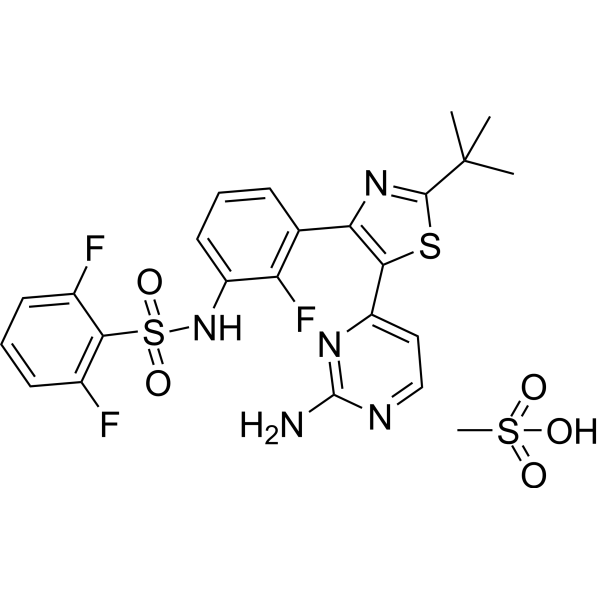
Dabrafenib Mesylate is a potent and selective Raf kinase inhibitor with IC50s of 0.6 and 5.0 nM for Raf V600E and c-Raf, respectively.
|
-
-
- HY-128574
-
|
DS11252927
|
GLUT
PI3K
Akt
|
Metabolic Disease
|
|
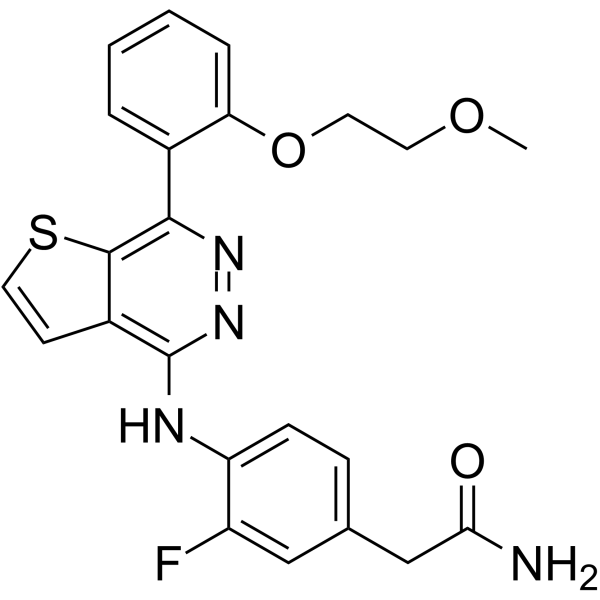
D927 (DS11252927) is an orally active glucose transporter type 4 (GLUT4) translocation activator with an EC50 of 0.14 μM. D927 enhances the binding affinity of PI3Kα catalytic subunit p110α to canonical RAS proteins (KRAS4A, KRAS4B) and RRAS, RRAS2, MRAS. D927 activates the PI3Kα-AKT pathway (increasing phosphorylation of AKT, p70S6 kinase) without affecting the RAF-ERK1/2 pathway. D927 improves hyperglycemia in type 1 and type 2 diabetes mice model. D927 can be used for the study of glucose homeostasis disorders and diabetes .
|
-
-
- HY-18832
-
|
|
Ephrin Receptor
|
Cancer
|
|
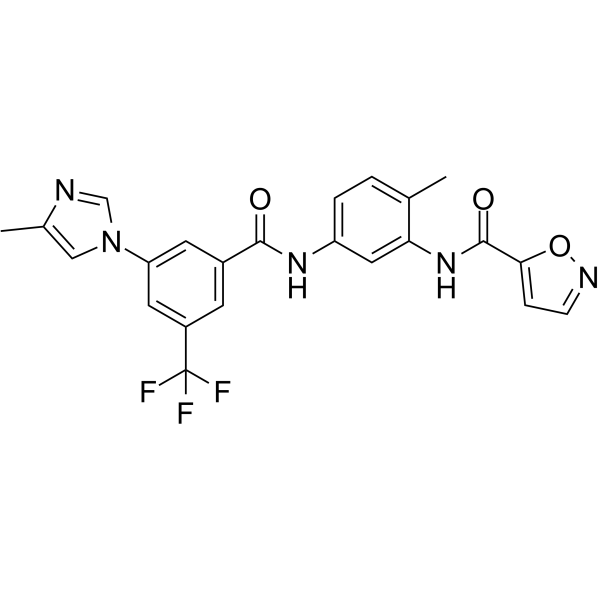
AWL-II-38.3 is a potent ephrin-A receptor (EphA3) kinase inhibitor. AWL-II-38.3 does not exhibit significant cellular activity against Src-family kinases nor against b-raf .
|
-
-
- HY-112780
-
|
|
MDM-2/p53
Apoptosis
|
Cancer
|
|
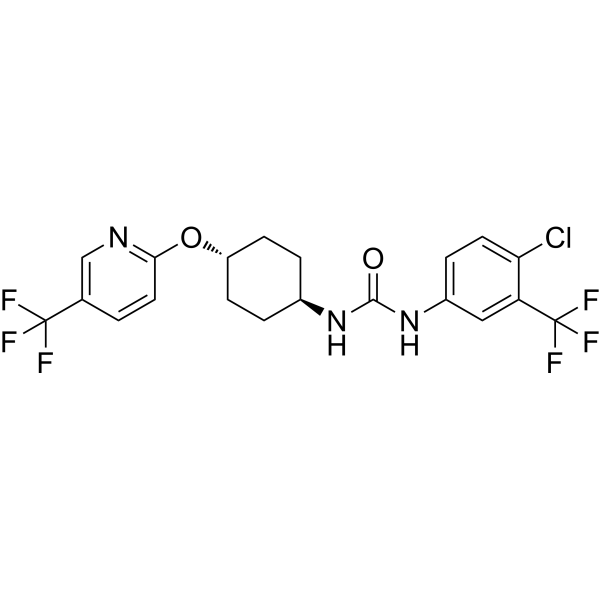
UC2288 is a potent and orally active p21 attenuator (relatively selective activity for p21), which is synthesized based Sorafenib (HY-10201). UC2288 potently inhibits cancer cell growth by inducing apoptosis. UC2288 has no inhibition of VEGFR2 and Raf kinases even at 10 μM .
|
-
-
- HY-N6670
-
|
|
Antibiotic
Raf
ERK
Ras
MEK
Bacterial
|
Infection
|
|
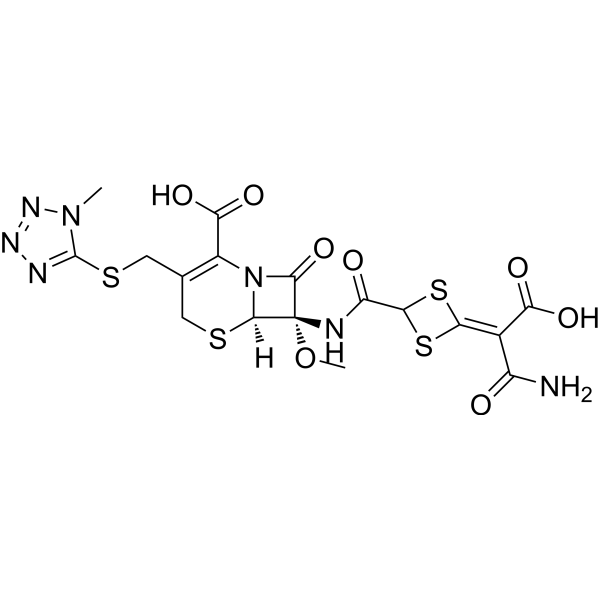
Cefotetan is a binding agent that targets human Raf1 kinase inhibitor protein (hRKIP). Cefotetan binds to hRKIP, reduces the binding space between hRKIP and Raf1 kinase, relieves hRKIP's inhibition of the Ras/Raf1/MEK/ERK signaling pathway, and enhances ERK phosphorylation. Cefotetan can be used to study diseases associated with dysregulated Ras/Raf1/MEK/ERK signaling pathways. Cefotetan is also a broad-spectrum antibacterial agent that disrupts cell wall synthesis by binding to bacterial penicillin-binding proteins (PBPs). It is used to study bacterial infections such as bone, skin, urinary tract, and lower respiratory tract .
|
-
-
- HY-18957
-
|
BGB-283
|
EGFR
Raf
|
Cancer
|
|
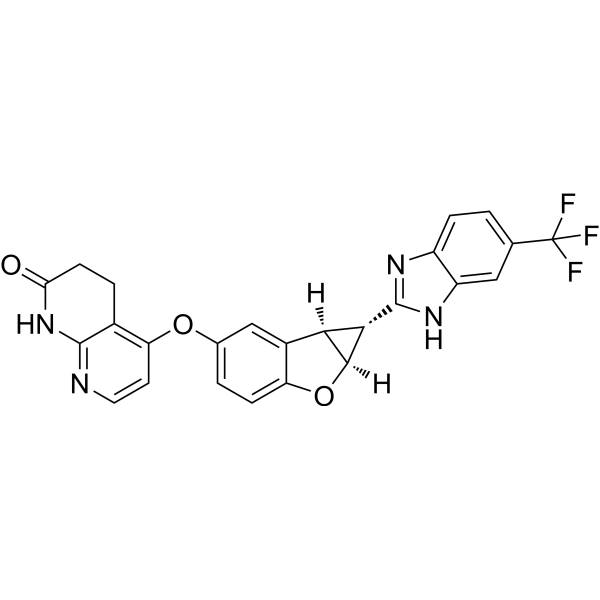
Lifirafenib (BGB-283) is a novel and potent Raf Kinase and EGFR inhibitor with IC50 values of 23 and 29 nM for recombinant BRaf V600E and EGFR, respectively.
|
-
-
- HY-10331A
-
|
BAY 73-4506 monohydrate
|
VEGFR
Autophagy
PDGFR
Raf
RET
FGFR
c-Kit
Tie
|
Cancer
|
|
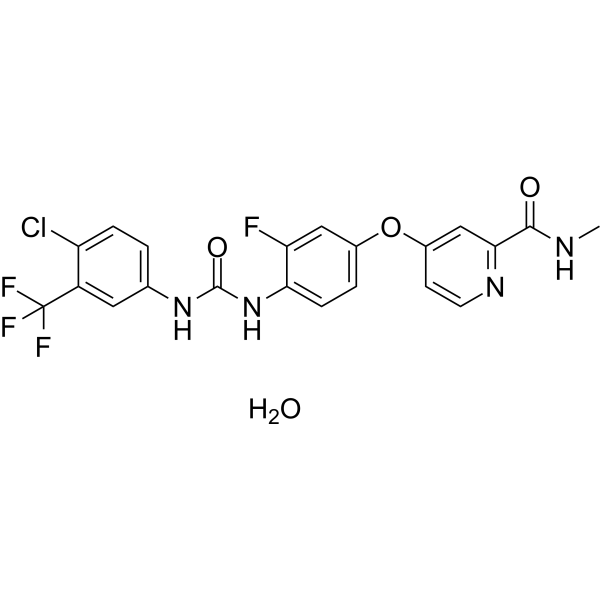
Regorafenib (BAY 73-4506) monohydrate is an orally active and potent multi-targeted receptor tyrosine kinase inhibitor, with IC50 values of 13/4.2/46, 22, 7, 1.5 and 2.5 nM for VEGFR1/2/3, PDGFRβ, Kit, RET and Raf-1, respectively. Regorafenib monohydrate shows very robust antitumor and antiangiogenic activity .
|
-
-
- HY-11004
-
|
|
Raf
Apoptosis
|
Cancer
|
|
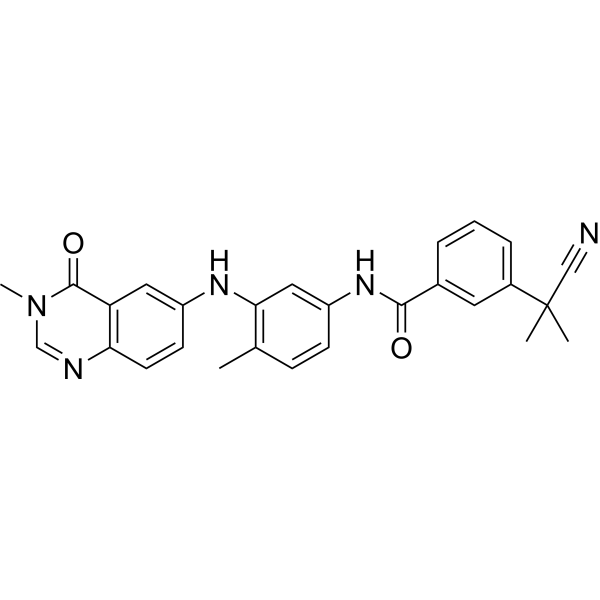
AZ 628 is a pan-Raf kinase inhibitor with IC50s of 105, 34 and 29 nM for B-Raf, B-RafV600E, and c-Raf-1, respectively.
|
-
-
- HY-11010
-
|
|
JNK
|
Neurological Disease
Inflammation/Immunology
Cancer
|
|
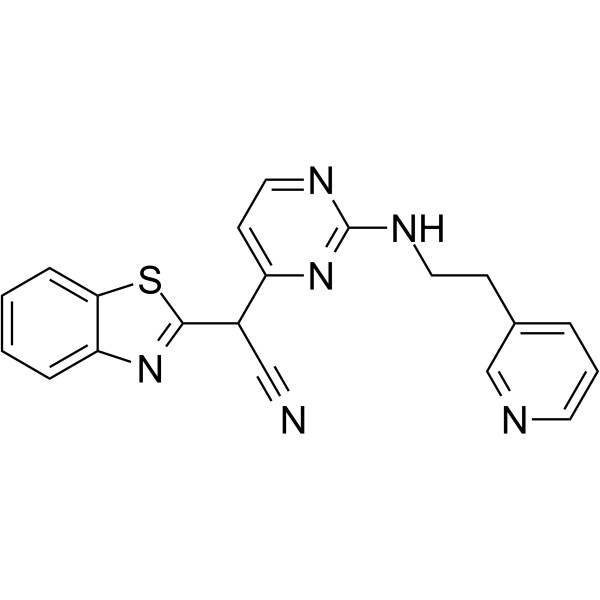
AS601245 is an orally active, selective, ATP competitive JNK (c-Jun NH2-terminal protein kinase) inhibitor with IC50s of 150, 220, and 70 nM for three JNK human isoforms (hJNK1, hJNK2, and hJNK3), respectively. AS601245 exhibits 10- to 20-fold selectivity over c-src, CDK2, and c-Raf and more than 50- to 100-fold selectivity over a range of Ser/Thr- and Tyr-protein kinases. Neuroprotective properties .
|
-
-
- HY-14177
-
|
|
Raf
|
Cancer
|
|
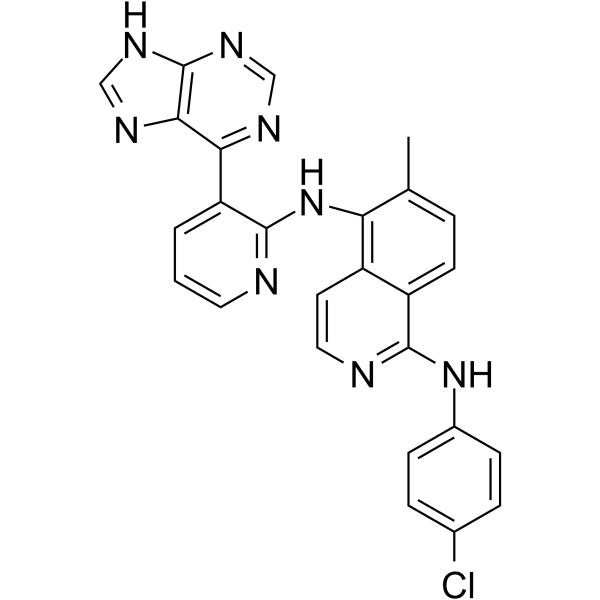
Raf inhibitor 1 is a potent Raf kinase inhibitor with Kis of 1 nM, 1 nM, and 0.3 nM for B-Raf WT, B-Raf V600E, and C-Raf, respectively.
|
-
-
- HY-13343
-
|
|
Raf
Apoptosis
|
Cancer
|
|
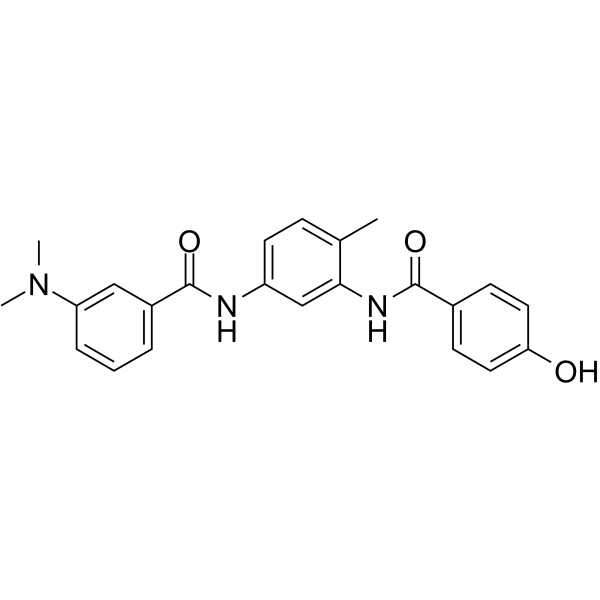
ZM 336372 is a potent inhibitor of the protein kinase c-Raf. The IC50 value is 0.07 μM in the standard assay, which contains 0.1 mM ATP.
|
-
-
- HY-107779
-
|
|
Raf
|
Cancer
|
|
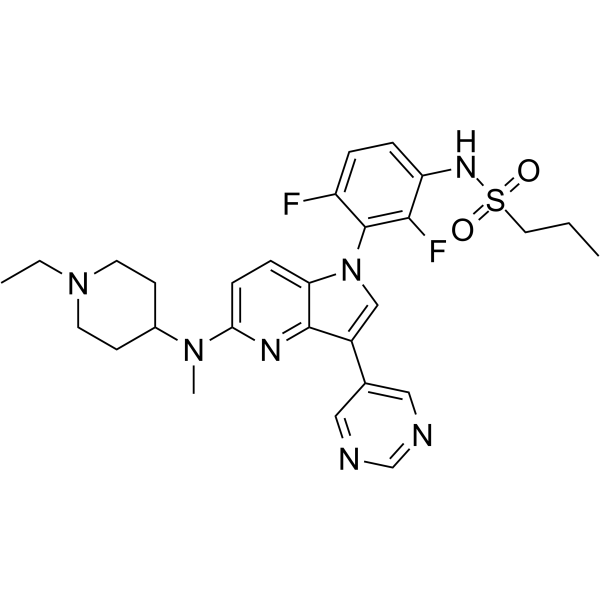
BI-882370 is a potent and selective RAF kinase inhibitor that binds to the ATP binding site of the kinase positioned in the DFG-out (inactive) conformation of the BRAF kinase. BI-882370 (BI 882370) inhibits the oncogenic BRAF V600E-mutant, the WT BRAF and CRAF kinases with IC50s of 0.4, 0.8, and 0.6 nM, respectively. BI-882370 also inhibits SRC family kinases .
|
-
-
- HY-12787
-
|
|
Raf
Autophagy
|
Cancer
|
|
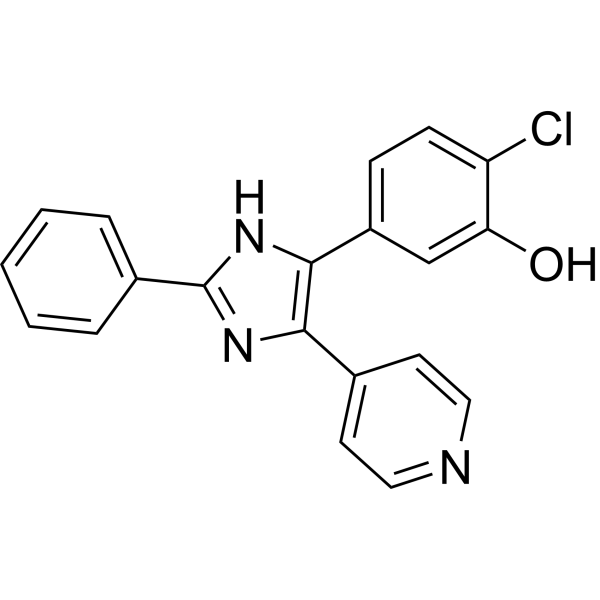
L-779450 is a potent and selective B-Raf kinase inhibitor with a Kd of 2.4 nM.
|
-
-
- HY-12291
-
|
HMSL 10017-101-1
|
Raf
Apoptosis
|
Cancer
|
|
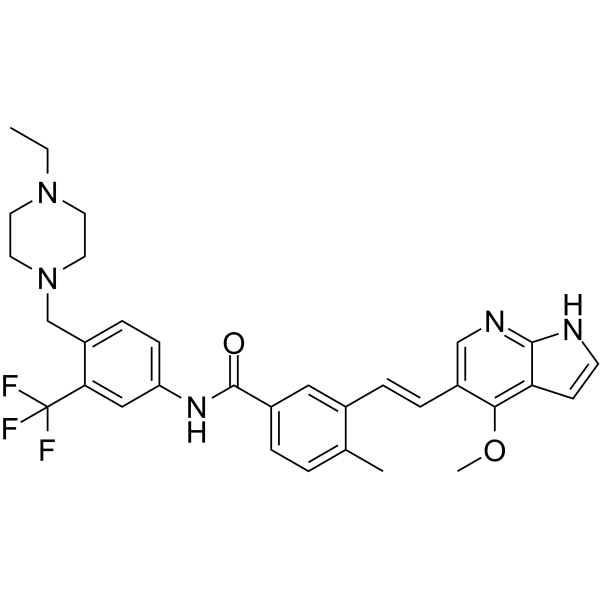
HG6-64-1 (HMSL 10017-101-1) is a B-raf kinase modulator.HG6-64-1 modulates B-raf kinase activity, including the V600E mutant form and the drug-resistant gatekeeper mutation T529I. HG6-64-1 is a germinal center kinase inhibitor. HG6-64-1 induces cell cycle arrest and apoptosis. HG6-64-1 can be used for the research of diffuse large B-cell lymphoma (DLBCL) .
|
-
-
- HY-P1039A
-
|
PHCVPRDLSWLDLEANMCLP TFA
|
Raf
|
Cancer
|
|
R18 TFA is a peptide antagonists of 14-3-3, with a KD of 70-90 nM. R18 efficiently blocks the binding of 14-3-3 to the kinase Raf-1, a physiological ligand of 14-3-3, and effectively abolished the protective role of 14-3-3 against phosphatase-induced inactivation of Raf-1 .
|
-

-
- HY-77113
-
|
|
Raf
|
Cancer
|
|
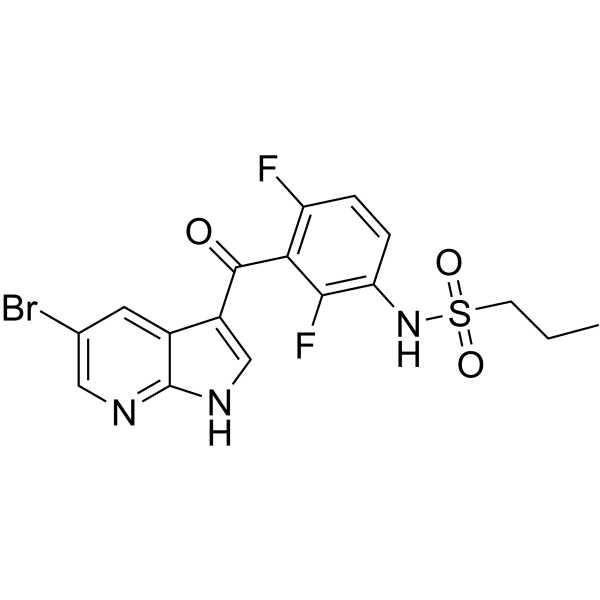
B-Raf IN 11 is a B-Raf V600E mutant kinase inhibitor with an IC50 of 76 nM, and exhibits an IC50 of 238 nM against wild-type B-Raf kinase. B-Raf IN 11 inhibits the kinase activities of B-Raf V600E mutant and wild-type B-Raf kinase. B-Raf IN 11 is applicable to relevant research on colorectal cancer .
|
-
-
- HY-18227
-
|
|
Raf
|
Cancer
|
|
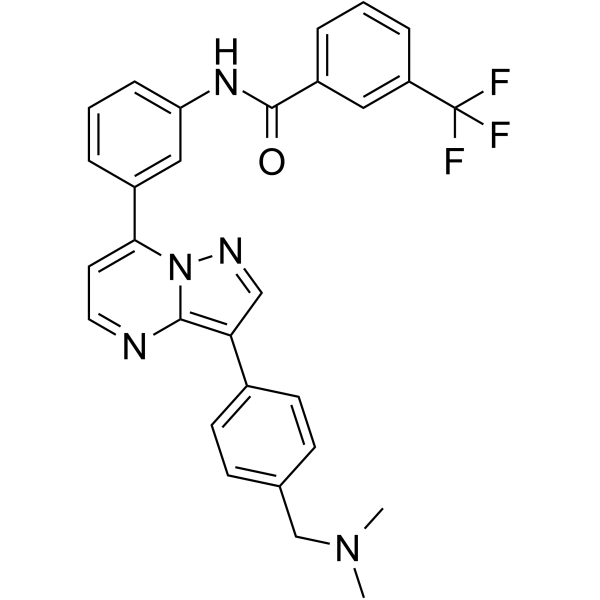
B-Raf IN 1 is a potent and selective B-Raf kinase inhibitor with an IC50 of 24 nM.
|
-
-
- HY-109574
-
|
|
Raf
|
Cancer
|
|
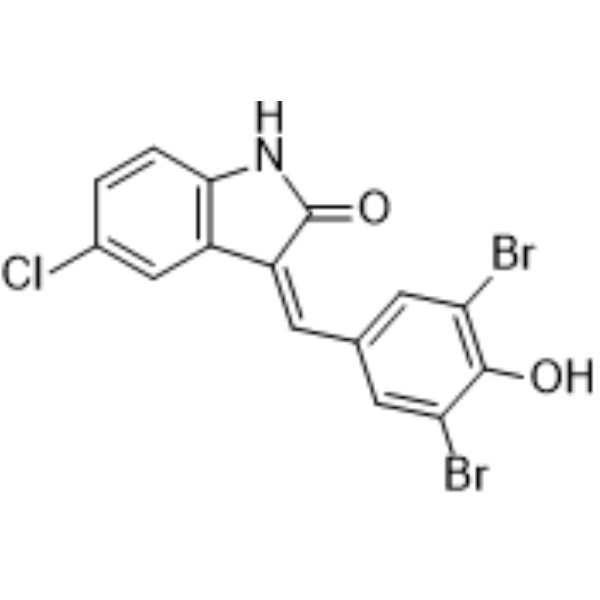
Raf inhibitor 2 is a potent raf kinase (IC50<1.0 μM) inhibitor, compound 32, extracted from patent EP1003721B1. Raf inhibitor 2 can be used for cancer research .
|
-
-
- HY-W013411A
-
|
UIC-1005
|
Raf
G Protein-coupled Receptor Kinase (GRK)
|
Cancer
|
|
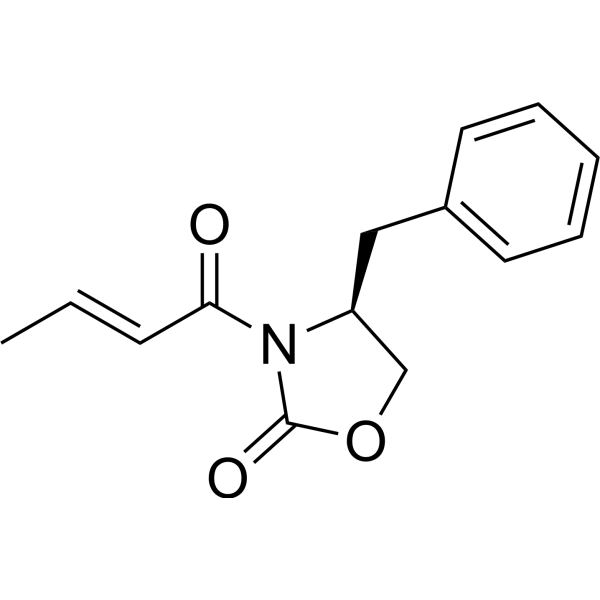
Locostatin (UIC-1005) is a potent RKIP inhibitor. Locostatin binds Raf kinase inhibitor RKIP protein and disrupts the interaction of RKIP with Raf-1 kinase and G protein-coupled receptor kinase 2. Locostatin inhibits cell proliferation and migration. Locostatin can be used to synthesize chemical probes toward PEBP-proteins. Locostatin aggravates thioacetamide (HY-Y0698)-induced acute liver failure in mice .
|
-
-
- HY-136567
-
|
|
Raf
|
Cancer
|
|
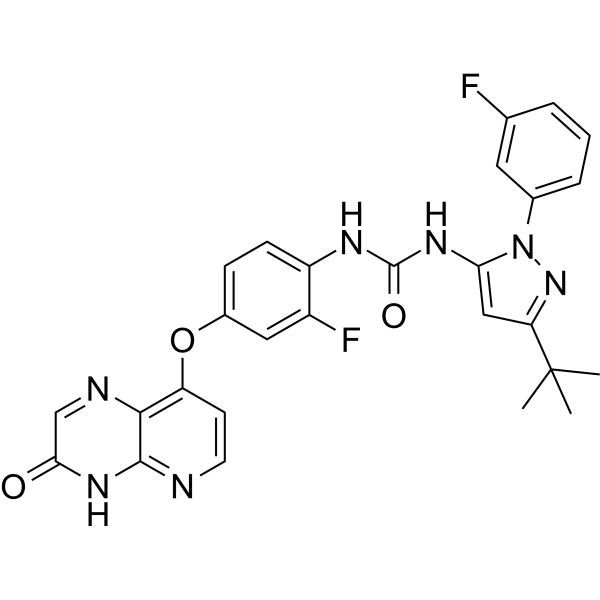
TBAP-001 (Synthesis 13), extracted from patent WO2015075483A1, is a pan-RAF kinase inhibitor, with an IC50 of 62 nM in BRAF V600E kinase assay .
|
-
-
- HY-P10438
-
|
|
Raf
|
Cancer
|
|
TAT-Braftide is a peptide inhibitor designed to block the dimerization of BRAF, thereby inhibiting its kinase activity. The destruction of BRAF dimer by TAT-Braftide makes BRAF protein more susceptible to proteasome degradation, directly inhibits the activity of BRAF kinase, and reduces the activation of MAPK signaling pathway. Tat-braftide can be used for the role of RAF kinase in MAPK signaling pathway and for the study of BRAF mutant cancers .
|
-

-
- HY-159534
-
|
FlezuRafenib
|
Raf
|
Cancer
|
|
Flezurafenibum (Flezurafenib) is a rapidly accelerated fibrosarcoma (Raf) kinase inhibitor, with antineoplastic effect .
|
-

-
- HY-117658
-
|
|
MAP3K
|
Cardiovascular Disease
|
|
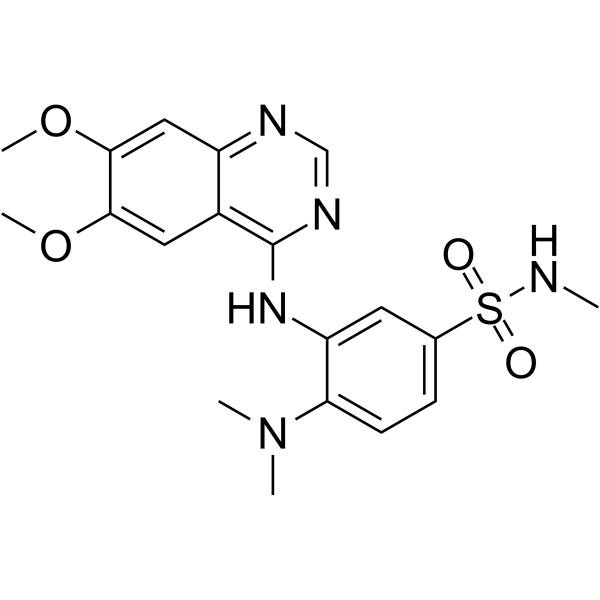
GSK-114 is a highly selective, orally active TNNI3K inhibitor (IC50= 25 nM). GSK-114 shows a 40-fold selectivity for TNNI3K over B-Raf kinase (IC50= 1 μM). Cardiac troponin I-interacting kinase (TNNI3K or CARK) is a member of the tyrosine-like kinase family that is selectively expressed in heart tissue .
|
-
-
- HY-126298
-
|
|
Raf
|
Cancer
|
|
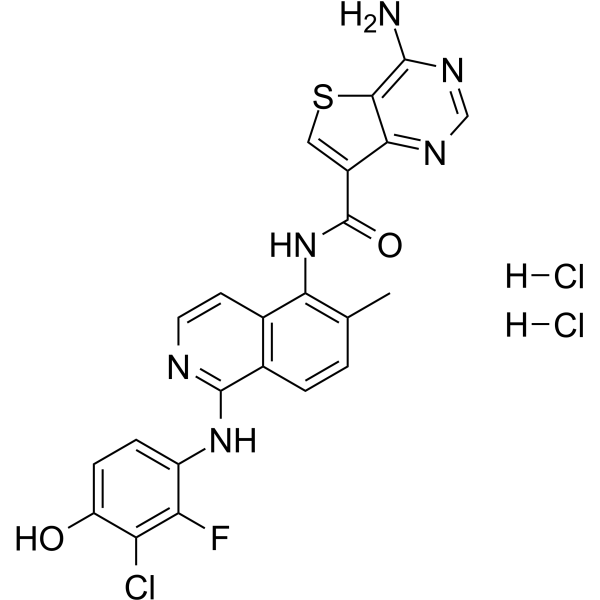
RAF mutant-IN-1 is a RAF kinase inhibitor, extracted from patent WO2019107987A1, with IC50 values of 21 nM, 30 nM and 392 nM for C-RAF 340D/Y341D, B-RAF V600E and B-RAF WT, respectively .
|
-
-
- HY-P1039
-
|
PHCVPRDLSWLDLEANMCLP
|
Raf
|
Cancer
|
|
R18 is a peptide antagonists of 14-3-3, with a KD of 70-90 nM. R18 efficiently blocks the binding of 14-3-3 to the kinase Raf-1, a physiological ligand of 14-3-3, and effectively abolished the protective role of 14-3-3 against phosphatase-induced inactivation of Raf-1 .
|
-

-
- HY-159508
-
|
|
Raf
|
Cancer
|
|
Brimarafenib is a rapidly accelerated fibrosarcoma (Raf) kinase inhibitor wtih antineoplastic effect .
|
-

-
- HY-147125
-
|
|
HSP
Akt
CDK
Raf
Apoptosis
|
Cancer
|
|
DDO-6600 is a covalent Hsp90 inhibitor. DDO-6600 disrupts the interaction between Hsp90 and its co-chaperone protein Cdc37, thereby inducing the degradation of kinase client proteins (such as AKT, CDK4, c-Raf). DDO-6600 has inhibitory activity against various cancer cells. DDO-6600 inhibits the migration and invasion of HCT-116 cells, and induces cell cycle arrest and apoptosis. DDO-6600 significantly inhibits tumor growth in the HCT-116 xenograft tumor model. DDO-6600 can be used for research on colorectal cancer .
|
-

-
- HY-14177A
-
|
|
Raf
|
Cancer
|
|
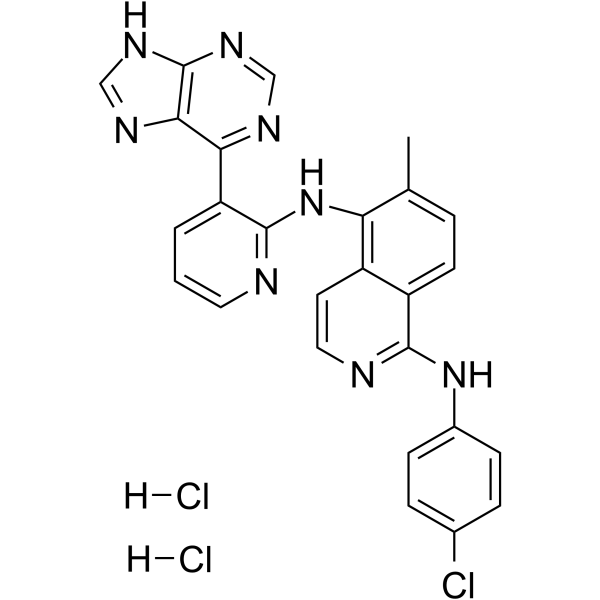
B-Raf inhibitor 1 dihydrochloride is a potent Raf kinase inhibitor with Kis of 1 nM, 1 nM, and 0.3 nM for B-Raf WT, B-Raf V600E, and C-Raf, respectively.
|
-
-
- HY-W013411
-
|
(E/Z)-UIC-1005
|
Raf
|
Cancer
|
|
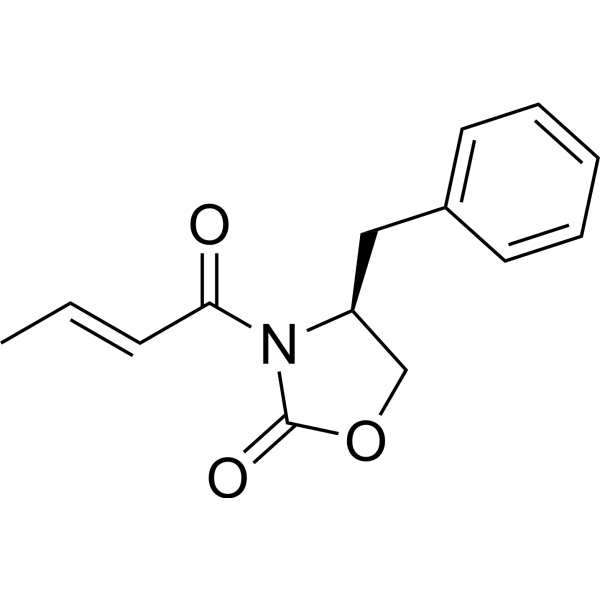
(E/Z)-Locostatin ((E/Z)-UIC-1005) is a racemic of Locostatin. Locostatin (UIC-1005) is a potent RKIP inhibitor. Locostatin binds Raf kinase inhibitor RKIP protein and disrupts the interaction of RKIP with Raf-1 kinase and G protein-coupled receptor kinase 2. Locostatin inhibits cell proliferation and migration. Locostatin aggravates thioacetamide (HY-Y0698)-induced acute liver failure in mice .
|
-
-
- HY-19343
-
|
BMS-908662
|
Raf
|
Cancer
|
|
XL-281 (BMS-908662) is an orally active inhibitor for RAF kinase, with IC50s of 2.6, 4.5 and 6 nM, for CRAF, B-RAF, and B-RAFV600E, respectively. XL-281 exhibits antitumor activity .
|
-

-
- HY-10331B
-
|
BAY 73-4506 mesylate
|
VEGFR
PDGFR
RET
Raf
c-Kit
FGFR
Autophagy
Tie
|
Cancer
|
|
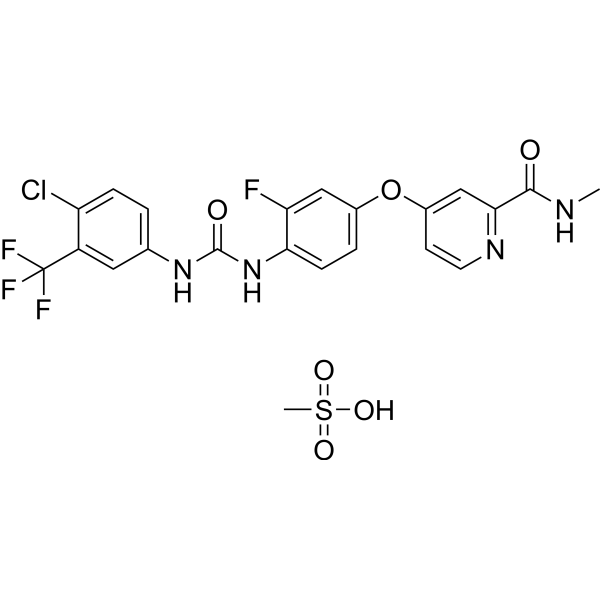
Regorafenib (BAY 73-4506) mesylate is an orally active and potent multi-targeted receptor tyrosine kinase inhibitor, with IC50 values of 13/4.2/46, 22, 7, 1.5 and 2.5 nM for VEGFR1/2/3, PDGFRβ, Kit, RET and Raf-1, respectively. Regorafenib mesylate shows very robust antitumor and antiangiogenic activity .
|
-
-
- HY-10331S1
-
|
BAY 73-4506-13C,d3
|
VEGFR
Autophagy
PDGFR
Raf
RET
|
Cancer
|
|
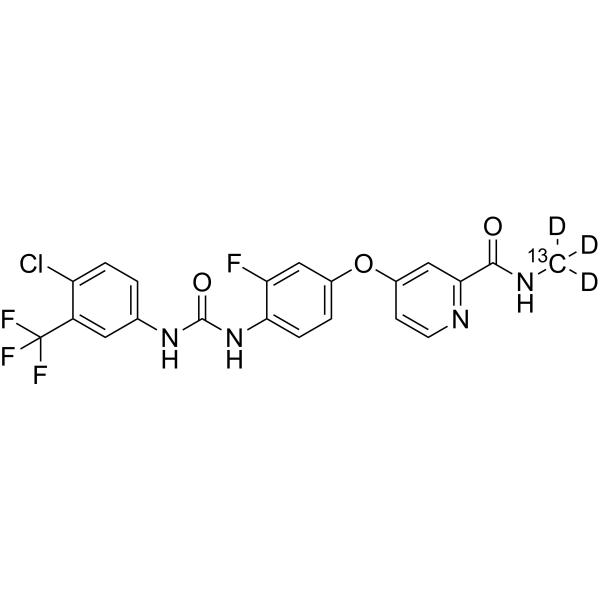
Regorafenib- 13C,d3 is the 13C- and deuterium labeled Regorafenib. Regorafenib (BAY 73-4506) is a multi-targeted receptor tyrosine kinase inhibitor with IC50s of 13/4.2/46, 22, 7, 1.5 and 2.5 nM for VEGFR1/2/3, PDGFRβ, Kit, RET and Raf-1, respectively.
|
-
-
- HY-18652A
-
|
Ro 5126766 potassium; CH5126766 potassium
|
Raf
MEK
|
Cancer
|
|
Avutometinib (CH5126766) (potassium) is a RAF/MEK clamp that potently inhibits RAF/MEK kinase activity and induces dominant negative RAF-MEK complexes preventing phosphorylation of MEK by ARAF, BRAF and CRAF. Avutometinib (potassium) shows anti-proliferative potency across tumor cell lines carrying KRAS mutations including PDAC cell lines. Avutometinib (potassium) induces tumor inhibition and increases survival in a KRAS/p53 pancreatic cancer mouse model. Avutometinib (potassium) is promising for research of low-grade-serous-ovarian-carcinoma (LGSOC), ovarian cancer and pancreatic ductal adenocarcinoma (PDAC) .
|
-

-
- HY-E70649
-
|
|
Raf
|
Cancer
|
|
BRAF is a member of the Raf kinase family of growth signal transduction protein kinases. BRAF has multiple mutants. BRAF V600E is commonly found in melanoma. BRAF V600E Recombinant Human Active Protein Kinase is a recombinant BRAF V600E protein that can be used to study BRAF V600E-related functions .
|
-

-
- HY-E70746
-
|
|
MEK
|
Cancer
|
|
MEK1 is the MAP/ERK kinase. The MEK1 kinase directly phosphorylates ERK2, after the activation loop of MEK1 is itself phosphorylated by Raf. MEK1 SESE is a mutant of MEK1. MEK1 SESE Recombinant Human Active Protein Kinase is a recombinant MEK1 SESE protein that can be used to study MEK1 SESE-related functions .
|
-

-
- HY-10331R
-
|
BAY 73-4506 (Standard)
|
Reference Standards
VEGFR
Autophagy
PDGFR
Raf
RET
c-Kit
FGFR
Tie
|
Cancer
|
|
Regorafenib (Standard) is the analytical standard of Regorafenib. This product is intended for research and analytical applications. Regorafenib (BAY 73-4506) is an orally active and potent multi-targeted receptor tyrosine kinase inhibitor, with IC50 values of 13/4.2/46, 22, 7, 1.5 and 2.5 nM for VEGFR1/2/3, PDGFRβ, Kit, RET and Raf-1, respectively. Regorafenib shows very robust antitumor and antiangiogenic activity .
|
-

-
- HY-10331AR
-
|
BAY 73-4506 monohydrate (Standard)
|
Reference Standards
VEGFR
Autophagy
PDGFR
Raf
RET
FGFR
c-Kit
Tie
|
Cancer
|
|
Regorafenib (monohydrate) (Standard) is the analytical standard of Regorafenib (monohydrate). This product is intended for research and analytical applications. Regorafenib (BAY 73-4506) monohydrate is an orally active and potent multi-targeted receptor tyrosine kinase inhibitor, with IC50 values of 13/4.2/46, 22, 7, 1.5 and 2.5 nM for VEGFR1/2/3, PDGFRβ, Kit, RET and Raf-1, respectively. Regorafenib monohydrate shows very robust antitumor and antiangiogenic activity .
|
-

-
- HY-179098
-
|
|
Raf
c-Met/HGFR
Pim
EGFR
VEGFR
Apoptosis
|
Cancer
|
|
Multi-target kinase-IN-8 (3d) is an anti-cancer agent. Multi-target kinase-IN-8 exhibits inhibitory activity against various protein kinases (B-Raf V600E (IC50 = 0.078 µg/mL), c-Met (IC50 = 0.405 µg/mL), Pim-1 (IC50 = 1.053 µg/mL), EGFR WT (IC50 = 0.177 µg/mL), VEGFR-2 (IC50 = 0.275 µg/mL)). Multi-target kinase-IN-8 can induce cell cycle arrest and promote early and late apoptosis. Multi-target kinase-IN-8 is commonly used in cancer research .
|
-

-
- HY-N3634
-
|
|
EGFR
TAM Receptor
Tie
|
Cancer
|
|
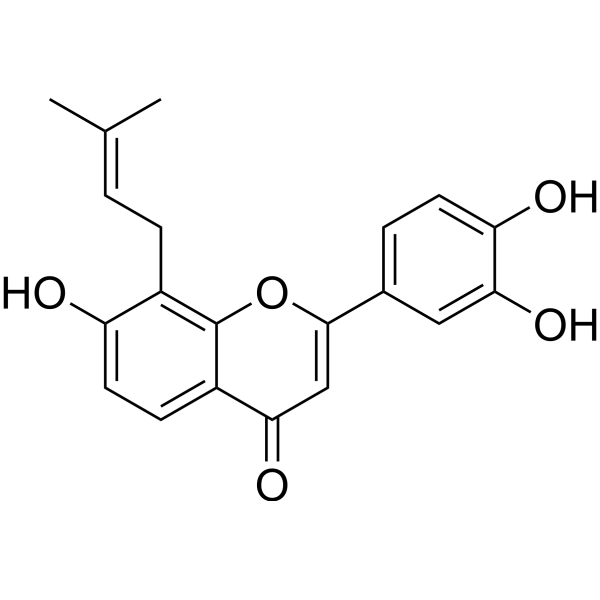
Corylifol C is a potent protein kinase inhibitor with IC50 valueS of 8.7, 3.0, 2.1, 6.4, 4.5, 6.2, 2.3, 1.2, 5.1 μg/ml for ARK5, Aurora-A, Aurora-B, AXL, B-RAF-VE, CDK4/CycD1, TIE2, EGF-R, EPHB4, respectively .
|
-
-
- HY-E70842
-
|
|
MEK
|
Cancer
|
|
MAP2K1 (also known as MEK1) is downstream of the RAF family and activation results in ERK1/2 activation. Activating mutations in MAP2K1 have been reported almost exclusively in exons 1 and 2 in both hematologic malignancies. MAP2K1 L115P is a mutant of MAP2K1. MAP2K1 L115P Recombinant Human Active Protein Kinase is a recombinant MAP2K1 L115P protein that can be used to study MAP2K1 L115P-related functions .
|
-

-
- HY-146303
-
|
|
Raf
|
Cancer
|
|
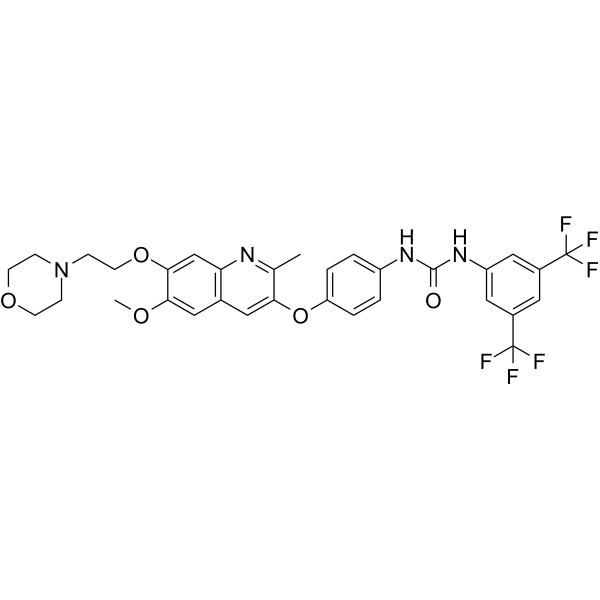
C-RAF kinase-IN-1 (compound 1l) is a potent inhibitor of C-RAF kinase with an IC50 of 0.193 μM. C-RAF kinase-IN-1 is a quinoline derivative. C-RAF kinase-IN-1 has the potential for the research of cancer diseases .
|
-
-
- HY-142452
-
|
|
Raf
|
Cancer
|
|
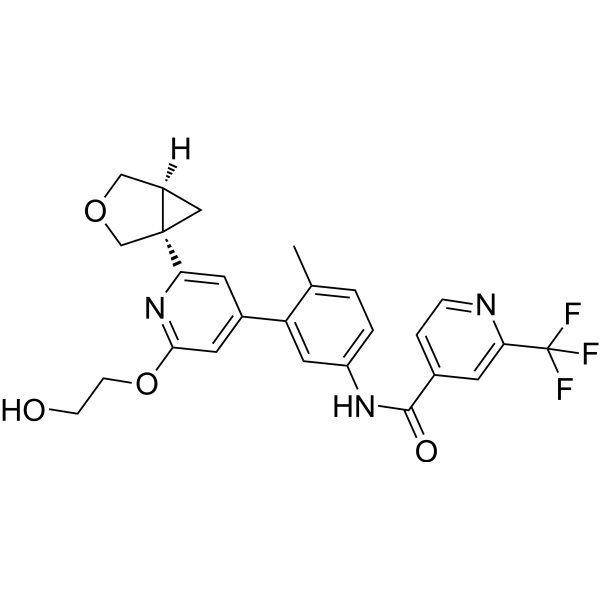
Pan-RAF kinase inhibitor 1 is a potent inhibitor of Pan-RAF kinase. Pan-RAF kinase inhibitor 1 regulates MAPK signaling by inhibiting RAF kinase, thereby exerting an effect on the proliferation of RAS-mutant tumor cells. Pan-RAF kinase inhibitor 1 has the potential for the research of cancer diseases (extracted from patent WO2021110141A1, compound 16B) .
|
-
-
- HY-E70765
-
|
|
Raf
|
Cancer
|
|
Ras-associated factor -1 (RAF1) belongs to the RAF protein kinases family, also known as C-Raf. RAF1 participates in Ras-RAF-MEK-ERk signaling pathway (MAPK signaling pathway), and transmits extracellular signals into the nucleus through cell membrane receptors, thereby mediating the expression of intracellular specific proteins and participating in the regulation of cell proliferation, differentiation, apoptosis, autophagy and other functions. RAF1 YDYD is a mutant of RAF1. RAF1 YDYD Recombinant Human Active Protein Kinase is a recombinant RAF1 YDYD protein that can be used to study RAF1 YDYD-related functions .
|
-

- HY-N15264
-
|
(-)-Azaspirene
|
VEGFR
Raf
|
Cancer
|
|
Azaspirene ((-)-Azaspirene) is an angiogenesis and Raf-1 activation inhibitor isolated from the fungus Neosartorya sp. Azaspirene inhibits vascular endothelial growth factor (VEGF)-induced human umbilical vein endothelial cell (HUVEC) migration and Raf-1 activation, but has no effect on the activation of kinase insert domain-containing receptor/fetal liver kinase 1 (VEGF receptor 2) .
|
-

- HY-141868
-
|
|
Raf
|
Others
|
|
SB-682330A is a Raf kinase inhibitor.
|
-
- HY-142820
-
|
|
Raf
|
Cancer
|
|
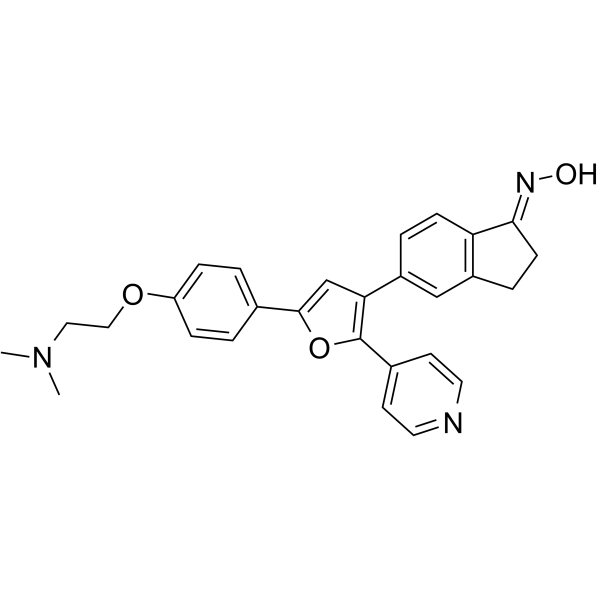
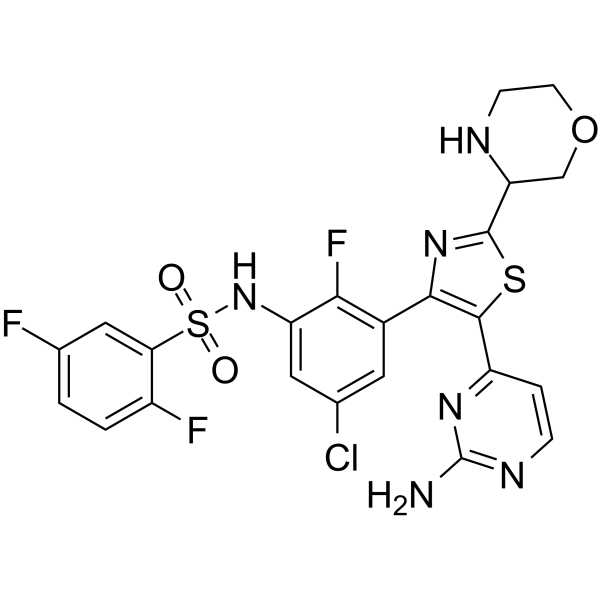
B-Raf IN 5 (compound 3b) is a potent inhibitor of protein kinase B-Raf with an IC50 of 2.0 nM. B-Raf IN 5 is devoid of binding to the secondary target PXR and resists rapid metabolism. B-Raf IN 6 has the potential for the research of cancer disease .
|
-
- HY-142830
-
|
|
Raf
|
Cancer
|
|
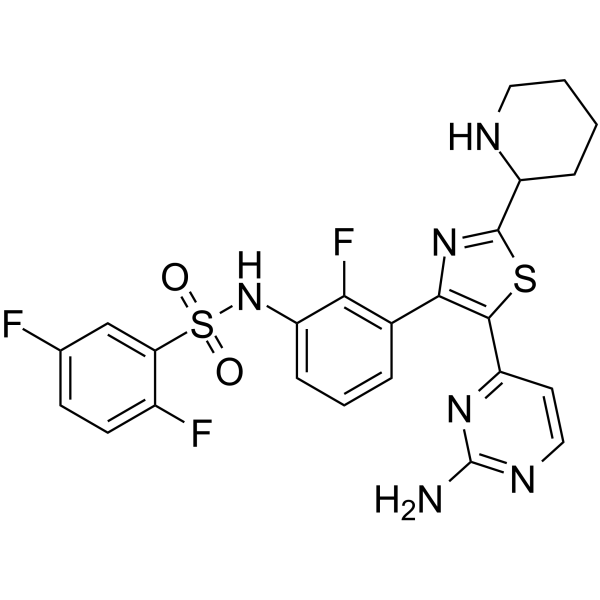
B-Raf IN 6 (compound 2c) is a potent inhibitor of protein kinase B-Raf with an IC50 of 1.7 nM. B-Raf IN 6 is devoid of binding to the secondary target PXR and resists rapid metabolism. B-Raf IN 6 has the potential for the research of cancer disease .
|
-
- HY-18817
-
|
|
Bcr-Abl
FGFR
Raf
RET
VEGFR
|
Cancer
|
|
AFG210 is a potent multi-target kinase inhibitor that primarily inhibits Abl kinase (IC50=330 nM), and also has inhibitory effects on other kinases such as B-Raf, C-Raf, FGFR-1, RET and VEGF receptors. AFG210 can be used to study chronic myeloid leukemia and other diseases with abnormal activation of Abl kinase .
|
-

- HY-E70747
-
|
|
MEK
|
Cancer
|
|
MEK5 Recombinant Human Active Protein Kinase is a MAP/ERK kinase. MEK5 is thought to lie in an uncharacterized MAP kinase pathway, because MEK5 does not phosphorylate the ERK/MAP kinase family members ERK1, ERK2, ERK3, JNK/SAPK, or p38/HOG1, nor will Raf-1, c-Mos, or MEKK1 highly phosphorylate it .
|
-

- HY-14660AR
-
|
GSK2118436 Mesylate (Standard); GSK 2118436B (Standard)
|
Raf
Reference Standards
|
Cancer
|
|
Dabrafenib (Mesylate) (Standard) is the analytical standard of Dabrafenib (Mesylate). This product is intended for research and analytical applications. Dabrafenib Mesylate is a potent and selective Raf kinase inhibitor with IC50s of 0.6 and 5.0 nM for RafV600E and c-Raf, respectively.
|
-

- HY-12057R
-
|
PLX4032 (Standard); RG7204 (Standard); RO5185426 (Standard)
|
Reference Standards
Raf
Autophagy
|
Cancer
|
|
Vemurafenib (Standard) is the analytical standard of Vemurafenib. This product is intended for research and analytical applications. Vemurafenib (PLX4032) is a first-in-class, selective, potent inhibitor of B-RAF kinase, with IC50s of 31 and 48 nM for RAF V600E and c-RAF-1, respectively . Vemurafenib induces cell autophagy .
|
-

- HY-158027
-
|
|
Raf
VEGFR
FGFR
|
Cancer
|
B-Raf IN 17 (Compound 8e) is a potent and orally active type II multi-kinase inhibitor. B-Raf IN 17 exhibits potent cellular-level suppression of BRAFWT, VEGFR-2, and FGFR-1 in A375 cell line, with IC50 values of 0.02, 0.18 and 1.65 μM, respectively. B-Raf IN 17 can be used for the research of cancer .
|
-
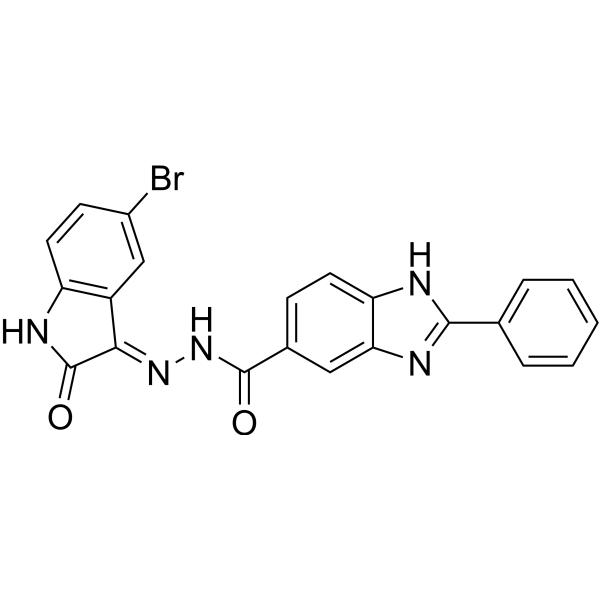
- HY-18957A
-
|
rel-BGB-283
|
Raf
EGFR
|
Cancer
|
|
rel-Lifirafenib (rel-BGB-283) is the relative configuration of Lifirafenib (HY-18957). Lifirafenib is a potent Raf Kinase and EGFR inhibitor .
|
-
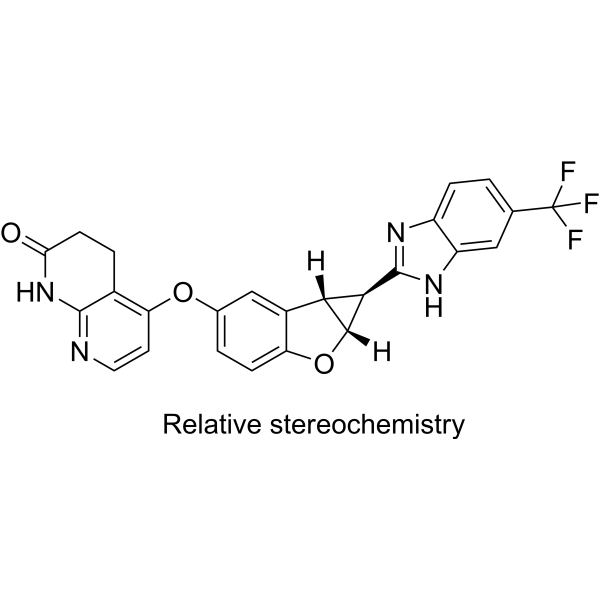
- HY-12057S1
-
|
PLX4032-d7; RG7204-d7; RO5185426-d7
|
Isotope-Labeled Compounds
Raf
Autophagy
|
Cancer
|
|
Vemurafenib-d7 is deuterium labeled Vemurafenib. Vemurafenib (PLX4032) is a first-in-class, selective, potent inhibitor of B-RAF kinase, with IC50s of 31 and 48 nM for RAFV600E and c-RAF-1, respectively . Vemurafenib induces cell autophagy .
|
-
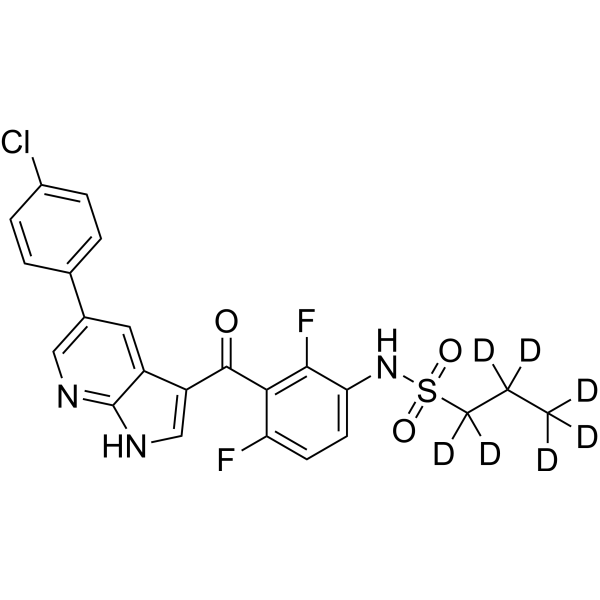
- HY-12057S
-
|
|
Isotope-Labeled Compounds
Raf
Autophagy
|
Cancer
|
|
Vemurafenib-d5 is the deuterium labeled Vemurafenib. Vemurafenib (PLX4032) is a first-in-class, selective, potent inhibitor of B-RAF kinase, with IC50s of 31 and 48 nM for RAFV600E and c-RAF-1, respectively . Vemurafenib induces cell autophagy .
|
-
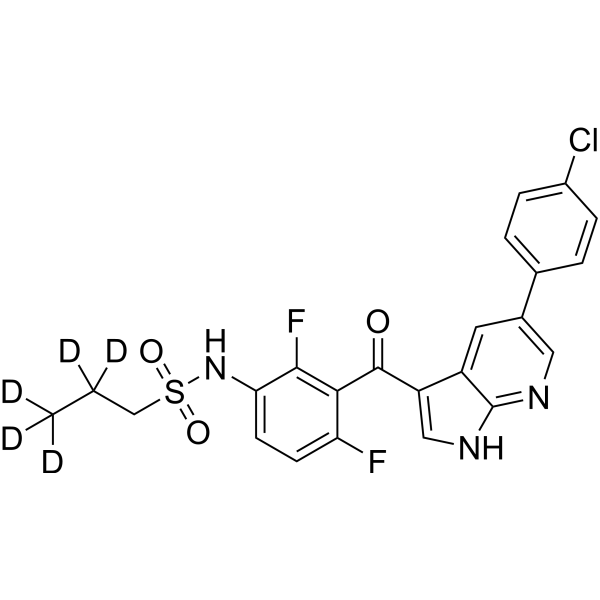
- HY-18957B
-
|
BGB-283 maleate
|
EGFR
Raf
|
Others
Cancer
|
|
Lifirafenib (BGB-283) maleate is a novel and potent Raf Kinase and EGFR inhibitor with IC50 values of 23 and 29 nM for recombinant BRaf V600E and EGFR, respectively .
|
-
- HY-164530
-
|
|
Src
VEGFR
Raf
p38 MAPK
|
Cancer
|
|
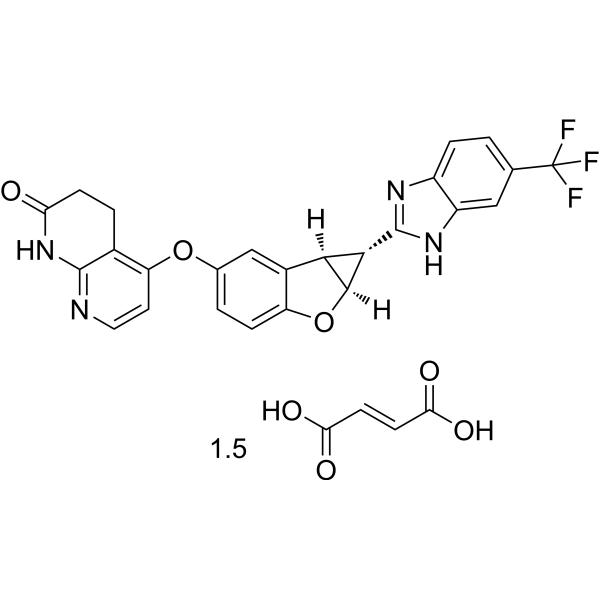
SKLB646 is an orally active multi-target kinase inhibitor. SKLB646 shows significant inhibitory effects on SRC and VEGFR2 with IC50 values ??of 0.002 μmol/L and 0.012 μmol/L, respectively. SKLB646 also shows significant inhibitory effects on B-Raf and C-Raf with IC50 values ??of 0.022 μmol/L and 0.019 μmol/L, respectively. SKLB646 inhibits the activation of the SRC signaling pathway and blocks the MAPK signaling pathway by inhibiting Raf kinase. In addition, SKLB646 can inhibit the proliferation, migration and invasion of human umbilical vein endothelial cells (HUVEC) to inhibit tumor-induced angiopoietic formation. SKLB646 shows significant anti-proliferative and anti-survival activities against triple-negative breast cancer (TNBC) cell lines .
|
-

- HY-E70744
-
|
|
MEK
|
Cancer
|
|
MEK1 is the MAP/ERK kinase. The MEK1 kinase directly phosphorylates ERK2, after the activation loop of MEK1 is itself phosphorylated by Raf. MEK1 F53L is a mutant of MEK1. MEK1 F53L Recombinant Human Active Protein Kinase is a recombinant MEK1 F53L protein that can be used to study MEK1 F53L-related functions .
|
-

- HY-E70745
-
|
|
MEK
|
Cancer
|
|
MEK1 is the MAP/ERK kinase. The MEK1 kinase directly phosphorylates ERK2, after the activation loop of MEK1 is itself phosphorylated by Raf. MEK1 P124L is a mutant of MEK1. MEK1 P124L Recombinant Human Active Protein Kinase is a recombinant MEK1 P124L protein that can be used to study MEK1 P124L-related functions .
|
-

- HY-14716
-
|
|
DNA/RNA Synthesis
Raf
|
Cancer
|
|
CCT239065 is an orally available, effective inhibitor of the mutant protein kinase V600EBRAF (RAF) with anti-tumor activity. CCT239065 inhibits downstream signaling of V600EBRAF in cancer cells, blocking DNA synthesis and suppressing proliferation .
|
-

- HY-116664
-
|
|
Apoptosis
Ras
Raf
Caspase
|
Cancer
|
|
DPQZ is an anti-tubulin agent that inhibits cell separation and induces cell cycle arrest at the G2/M phase. In addition, DPQZ induces caspase-dependent apoptosis of HSC-3 cells by inhibiting Ras/Raf and activating MAP kinase. DPQZ can be used in the study of oral cancer .
|
-

- HY-10966R
-
|
|
Reference Standards
Raf
Apoptosis
|
Cancer
|
|
SB-590885 (Standard) is the analytical standard of SB-590885 (HY-10966). This product is intended for research and analytical applications. SB-590885 is a BRAF/c-Raf kinase inhibitor that selectively targets B-Raf, and it amplifies the ERK/MAPK signaling pathway in RAS-activated cells. SB-590885 effectively inhibits the malignant proliferation, transformation and tumorigenicity of oncogenic B-Raf cells; it also induces the proliferation of erythroid progenitor cells, delays their differentiation and promotes hemoglobin synthesis, thereby improving ineffective erythropoiesis and reducing apoptosis. SB-590885 exerts a synergistic effect with TGF-β inhibitors and glucocorticoids, significantly promoting the formation of erythroid colonies in cells from patients with Diamond-Blackfan anemia (DBA). SB-590885 is mainly used in relevant studies on DBA, cisplatin-induced myelosuppression-related anemia, and pan-cancers such as melanoma and colorectal cancer .
|
-

- HY-135216
-
|
|
Src
VEGFR
Raf
EGFR
|
Cancer
|
|
Antiproliferative agent-54 (Compound 6z) is the inhibitor for multiple kinases, such as ABL WT, B-RAF, EGFR, HCK, LYN A and SRC with IC50 of 6-50 nM. Antiproliferative agent-54 inhibits proliferation of several cancer cell, inhibits HUVEC and HepG2, with EC50 of 34 and 38 nM. Antiproliferative agent-54 exhibits good pharmacokinetic characteristics in rats .
|
-

- HY-10320R
-
|
BIRB 796 (Standard)
|
Reference Standards
p38 MAPK
Raf
Autophagy
|
Inflammation/Immunology
Cancer
|
|
Doramapimod (Standard) is the analytical standard of Doramapimod. This product is intended for research and analytical applications. Doramapimod (BIRB 796) is an orally active, highly potent p38 MAPK inhibitor, which has an IC50 for p38α=38 nM, for p38β=65 nM, for p38γ=200 nM, and for p38δ=520 nM. Doramapimod has picomolar affinity for p38 kinase (Kd=0.1 nM). Doramapimod also inhibits B-Raf with an IC50 of 83 nM .
|
-

- HY-177946
-
|
|
Raf
|
Cancer
|
|
RAF-IN-4 (Compound 120) is a Raf Kinase inhibitor. RAF-IN-4 shows IC50 values of 134.3, 118.6 and 276.7 nM for B-Raf, B-Raf (V600E) and C-Raf. RAF-IN-4 can inhibit the proliferation of cancer cells by blocking the Raf signaling pathway. RAF-IN-4 can be used for research of cancer, such as lung cancer and breast cancer .
|
-

- HY-180161
-
|
|
Raf
|
Cancer
|
|
B-Raf-IN-20 (Compound Z-001) is a B-RAF inhibitor with an IC50 value of 37.80 nM. B-Raf-IN-20 binds to DFG-out/C-helix-in conformation in the B-RAF kinase. B-Raf-IN-20 has anti-cancer activity against non-small cell lung cancer .
|
-

- HY-107779R
-
|
|
Reference Standards
Raf
|
Cancer
|
|
BI-882370 (Standard) is the analytical standard of BI-882370 (HY-107779). This product is intended for research and analytical applications. BI-882370 is a potent and selective RAF Kinase inhibitor that binds to the ATP binding site of the Kinase positioned in the DFG-out (inactive) conformation of the BRAF Kinase. BI-882370 (BI 882370) inhibits the oncogenic BRAFV600E-mutant, the WT BRAF and CRAF Kinases with IC50s of 0.4, 0.8, and 0.6 nM, respectively. BI-882370 also inhibits SRC family Kinases .
|
-

- HY-10966G
-
|
|
Raf
Apoptosis
|
Cardiovascular Disease
Cancer
|
|
SB-590885 GMP is SB-590885 (HY-10966) produced by using GMP guidelines. GMP small molecules works appropriately as an auxiliary reagent for cell therapy manufacture. SB-590885 is a BRAF/c-Raf kinase inhibitor that selectively targets B-Raf, and it amplifies the ERK/MAPK signaling pathway in RAS-activated cells. SB-590885 effectively inhibits the malignant proliferation, transformation and tumorigenicity of oncogenic B-Raf cells; it also induces the proliferation of erythroid progenitor cells, delays their differentiation and promotes hemoglobin synthesis, thereby improving ineffective erythropoiesis and reducing apoptosis. SB-590885 exerts a synergistic effect with TGF-β inhibitors and glucocorticoids, significantly promoting the formation of erythroid colonies in cells from patients with Diamond-Blackfan anemia (DBA). SB-590885 is mainly used in relevant studies on DBA, cisplatin-induced myelosuppression-related anemia, and pan-cancers such as melanoma and colorectal cancer .
|
-

- HY-11010A
-
|
|
JNK
|
Neurological Disease
Inflammation/Immunology
Cancer
|
|
AS601245 TFA is an orally active, selective, ATP competitive JNK (c-Jun NH2-terminal protein kinase) inhibitor with IC50s of 150, 220, and 70 nM for three JNK human isoforms (hJNK1, hJNK2, and hJNK3), respectively. AS601245 TFA exhibits 10- to 20-fold selectivity over c-src, CDK2, and c-Raf and more than 50- to 100-fold selectivity over a range of Ser/Thr- and Tyr-protein kinases. Neuroprotective properties .
|
-

- HY-182614
-
|
|
Src
Cathepsin
PI3K
Akt
Ras
Raf
ERK
MMP
|
Cancer
|
|
BJ-2302 is a Src kinase inhibitor with an IC50 of 3.23 μM, and inhibits cathepsin S (CTSS) activity .BJ-2302 binds to Src, suppresses PI3K/AKT and Ras/Raf/ERK pathways, and reduces CTSS and MMP-9 expression .BJ-2302 inhibits cancer cell invasion, metastasis, proliferation, and tumor growth .BJ-2302 does not induce cytotoxicity in normal breast epithelial cells .BJ-2302 can be used for the research of breast cancer and triple-negative breast cancer .
|
-

-
-
HY-L196
-
|
|
4,400 compounds
|
|
Protein Kinases (PTKs) are a class of phosphotransferases that phosphorylate proteins. Protein kinases participate in many signal transduction pathways including those involved with growth, differentiation, and cell division. Protein kinase not only plays an important role in the process of cell activation, but also its abnormal expression is closely related to the pathogenesis of many diseases. So far, the protein kinase family has become one of the most important drug targets. The most common drug targets include ALK, B-Raf, BCR-Abl, EGFR, and VEGFR.
MCE designs a unique collection of 4,400 bioactive compounds targeting protein kinases, which is an important tool for the development of drug targeting protein kinases.
|
| Cat. No. |
Product Name |
Type |
-
- HY-10966G
-
|
|
Fluorescent Dyes
|
|
SB-590885 GMP is SB-590885 (HY-10966) produced by using GMP guidelines. GMP small molecules works appropriately as an auxiliary reagent for cell therapy manufacture. SB-590885 is a BRAF/c-Raf kinase inhibitor that selectively targets B-Raf, and it amplifies the ERK/MAPK signaling pathway in RAS-activated cells. SB-590885 effectively inhibits the malignant proliferation, transformation and tumorigenicity of oncogenic B-Raf cells; it also induces the proliferation of erythroid progenitor cells, delays their differentiation and promotes hemoglobin synthesis, thereby improving ineffective erythropoiesis and reducing apoptosis. SB-590885 exerts a synergistic effect with TGF-β inhibitors and glucocorticoids, significantly promoting the formation of erythroid colonies in cells from patients with Diamond-Blackfan anemia (DBA). SB-590885 is mainly used in relevant studies on DBA, cisplatin-induced myelosuppression-related anemia, and pan-cancers such as melanoma and colorectal cancer .
|
| Cat. No. |
Product Name |
Type |
-
- HY-10966G
-
|
|
Biochemical Assay Reagents
|
|
SB-590885 GMP is SB-590885 (HY-10966) produced by using GMP guidelines. GMP small molecules works appropriately as an auxiliary reagent for cell therapy manufacture. SB-590885 is a BRAF/c-Raf kinase inhibitor that selectively targets B-Raf, and it amplifies the ERK/MAPK signaling pathway in RAS-activated cells. SB-590885 effectively inhibits the malignant proliferation, transformation and tumorigenicity of oncogenic B-Raf cells; it also induces the proliferation of erythroid progenitor cells, delays their differentiation and promotes hemoglobin synthesis, thereby improving ineffective erythropoiesis and reducing apoptosis. SB-590885 exerts a synergistic effect with TGF-β inhibitors and glucocorticoids, significantly promoting the formation of erythroid colonies in cells from patients with Diamond-Blackfan anemia (DBA). SB-590885 is mainly used in relevant studies on DBA, cisplatin-induced myelosuppression-related anemia, and pan-cancers such as melanoma and colorectal cancer .
|
| Cat. No. |
Product Name |
Target |
Research Area |
-
- HY-P1039A
-
|
PHCVPRDLSWLDLEANMCLP TFA
|
Raf
|
Cancer
|
|
R18 TFA is a peptide antagonists of 14-3-3, with a KD of 70-90 nM. R18 efficiently blocks the binding of 14-3-3 to the kinase Raf-1, a physiological ligand of 14-3-3, and effectively abolished the protective role of 14-3-3 against phosphatase-induced inactivation of Raf-1 .
|
-
- HY-P10438
-
|
|
Raf
|
Cancer
|
|
TAT-Braftide is a peptide inhibitor designed to block the dimerization of BRAF, thereby inhibiting its kinase activity. The destruction of BRAF dimer by TAT-Braftide makes BRAF protein more susceptible to proteasome degradation, directly inhibits the activity of BRAF kinase, and reduces the activation of MAPK signaling pathway. Tat-braftide can be used for the role of RAF kinase in MAPK signaling pathway and for the study of BRAF mutant cancers .
|
-
- HY-P1039
-
|
PHCVPRDLSWLDLEANMCLP
|
Raf
|
Cancer
|
|
R18 is a peptide antagonists of 14-3-3, with a KD of 70-90 nM. R18 efficiently blocks the binding of 14-3-3 to the kinase Raf-1, a physiological ligand of 14-3-3, and effectively abolished the protective role of 14-3-3 against phosphatase-induced inactivation of Raf-1 .
|
| Cat. No. |
Product Name |
Category |
Target |
Chemical Structure |
-
- HY-N3634
-
|
|
Leguminosae
Phenols
Polyphenols
Psoralea corylifolia L.
Plants
Source Classification
|
EGFR
TAM Receptor
Tie
|
|
Corylifol C is a potent protein kinase inhibitor with IC50 valueS of 8.7, 3.0, 2.1, 6.4, 4.5, 6.2, 2.3, 1.2, 5.1 μg/ml for ARK5, Aurora-A, Aurora-B, AXL, B-RAF-VE, CDK4/CycD1, TIE2, EGF-R, EPHB4, respectively .
|
-
-
- HY-N15264
-
|
(-)-Azaspirene
|
Natural Products
Microorganisms
Source Classification
|
VEGFR
Raf
|
|
Azaspirene ((-)-Azaspirene) is an angiogenesis and Raf-1 activation inhibitor isolated from the fungus Neosartorya sp. Azaspirene inhibits vascular endothelial growth factor (VEGF)-induced human umbilical vein endothelial cell (HUVEC) migration and Raf-1 activation, but has no effect on the activation of kinase insert domain-containing receptor/fetal liver kinase 1 (VEGF receptor 2) .
|
-
| Cat. No. |
Product Name |
Chemical Structure |
-
- HY-10331S1
-
|
|
|
Regorafenib- 13C,d3 is the 13C- and deuterium labeled Regorafenib. Regorafenib (BAY 73-4506) is a multi-targeted receptor tyrosine kinase inhibitor with IC50s of 13/4.2/46, 22, 7, 1.5 and 2.5 nM for VEGFR1/2/3, PDGFRβ, Kit, RET and Raf-1, respectively.
|
-
-
- HY-12057S1
-
|
|
|
Vemurafenib-d7 is deuterium labeled Vemurafenib. Vemurafenib (PLX4032) is a first-in-class, selective, potent inhibitor of B-RAF kinase, with IC50s of 31 and 48 nM for RAFV600E and c-RAF-1, respectively . Vemurafenib induces cell autophagy .
|
-
-
- HY-12057S
-
|
|
|
Vemurafenib-d5 is the deuterium labeled Vemurafenib. Vemurafenib (PLX4032) is a first-in-class, selective, potent inhibitor of B-RAF kinase, with IC50s of 31 and 48 nM for RAFV600E and c-RAF-1, respectively . Vemurafenib induces cell autophagy .
|
-
| Cat. No. |
Product Name |
Target |
Research Areas |
Chemical Structure |
-
- HY-10966G
-
|
|
Raf
Apoptosis
|
Cardiovascular Disease
Cancer
|
|
SB-590885 GMP is SB-590885 (HY-10966) produced by using GMP guidelines. GMP small molecules works appropriately as an auxiliary reagent for cell therapy manufacture. SB-590885 is a BRAF/c-Raf kinase inhibitor that selectively targets B-Raf, and it amplifies the ERK/MAPK signaling pathway in RAS-activated cells. SB-590885 effectively inhibits the malignant proliferation, transformation and tumorigenicity of oncogenic B-Raf cells; it also induces the proliferation of erythroid progenitor cells, delays their differentiation and promotes hemoglobin synthesis, thereby improving ineffective erythropoiesis and reducing apoptosis. SB-590885 exerts a synergistic effect with TGF-β inhibitors and glucocorticoids, significantly promoting the formation of erythroid colonies in cells from patients with Diamond-Blackfan anemia (DBA). SB-590885 is mainly used in relevant studies on DBA, cisplatin-induced myelosuppression-related anemia, and pan-cancers such as melanoma and colorectal cancer .
|
-
Your information is safe with us. * Required Fields.
Inquiry Information
- Product Name:
- Cat. No.:
- Quantity:
- MCE Japan Authorized Agent:








