Search Result
Results for "
cyclic adenosine monophosphate
" in MedChemExpress (MCE) Product Catalog:
2
Biochemical Assay Reagents
5
Isotope-Labeled Compounds
| Cat. No. |
Product Name |
Target |
Research Areas |
Chemical Structure |
-
- HY-B0764
-
|
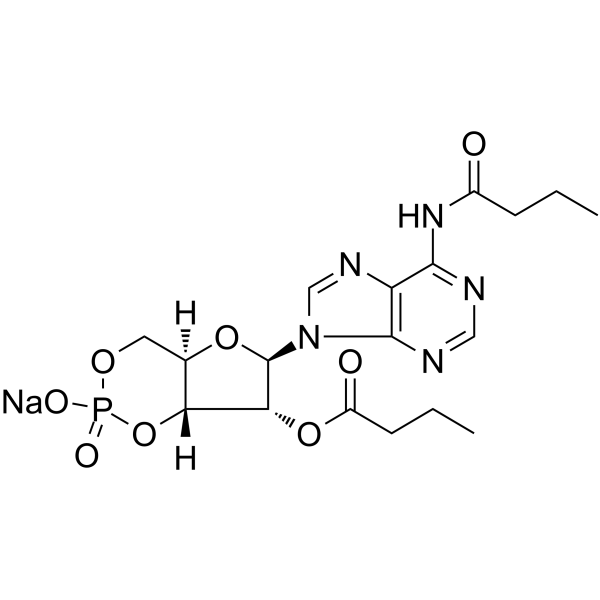
Dibutyryl cAMP sodium; DBcAMP sodium
|
PKA
Reactive Oxygen Species (ROS)
Apoptosis
|
Neurological Disease
Inflammation/Immunology
Cancer
|
|
Bucladesine (Dibutyryl cAMP; DBcAMP) sodium is a membrane-permeable 3′, 5′-cyclic adenosine monophosphate (cAMP) analog. Bucladesine selectively activates cAMP dependent protein kinase (PKA) by increasing the intracellular level of cAMP. Bucladesine significantly attenuates MDMA-induced increases in hippocampal mitochondrial ROS formation, mitochondrial outer membrane damage, cytochrome c release, and hippocampal ADP/ATP ratio, thereby improving spatial learning and memory impairments. Bucladesine exhibit anti-nociceptive and anti-inflammation effect. Bucladesine can inhibit cancer cells proliferation, induce apoptosis. Bucladesine can be used for the researches of neurological disease, cancer, inflammation .
|
-
-
- HY-B1511
-
Cyclic AMP
Maximum Cited Publications
25 Publications Verification
cyclic adenosine monophosphate; adenosine cyclic 3', 5'-monophosphate; cAMP
|
Endogenous Metabolite
|
Neurological Disease
Metabolic Disease
Cancer
|
|
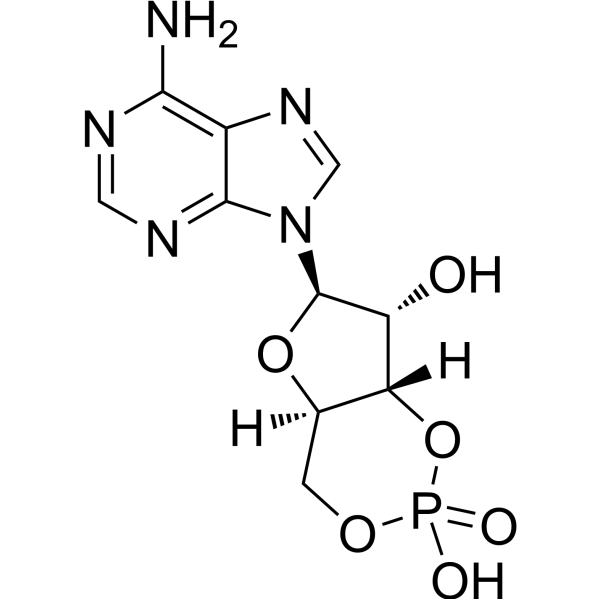
Cyclic AMP (Cyclic adenosine monophosphate), adenosine triphosphate derivative, is an intracellular signaling molecule responsible for directing cellular responses to extracellular signals. Cyclic AMP is an important second messenger in many biological processes .
|
-
-
- HY-B1511A
-
|
cyclic adenosine monophosphate sodium; adenosine cyclic 3', 5'-monophosphate sodium; cAMP sodium
|
Biochemical Assay Reagents
|
Neurological Disease
Metabolic Disease
Cancer
|
|
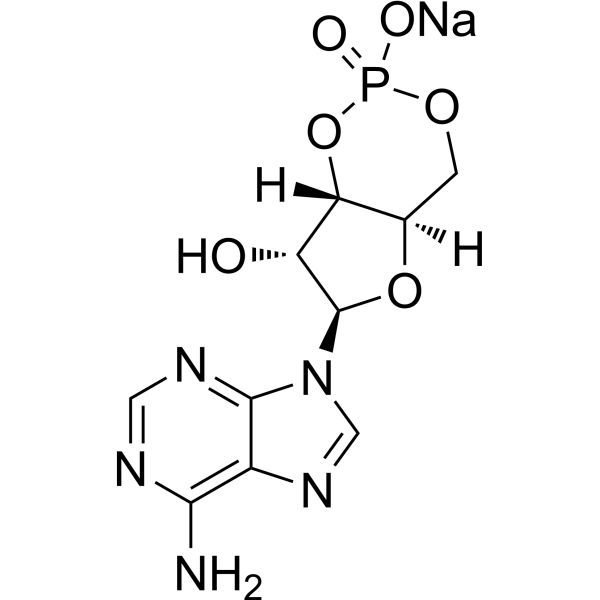
Cyclic AMP (Cyclic adenosine monophosphate) sodium, adenosine triphosphate derivative, is an intracellular signaling molecule responsible for directing cellular responses to extracellular signals. Cyclic AMP sodium is an important second messenger in many biological processes .
|
-
-
- HY-131454
-
|
|
STING
|
Inflammation/Immunology
Cancer
|
|
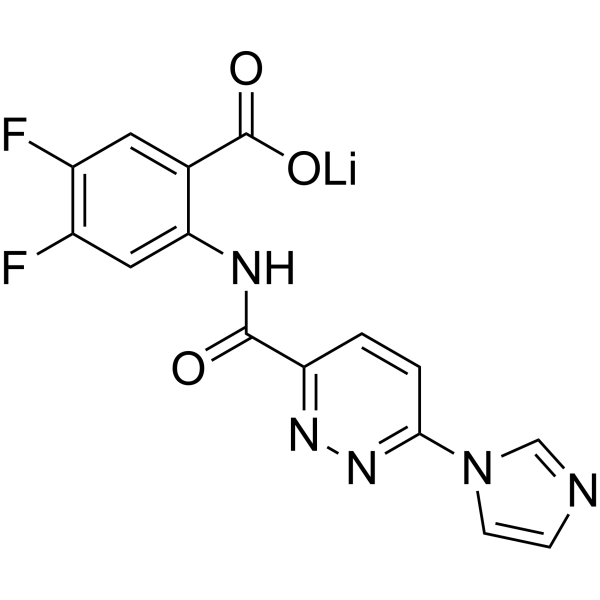
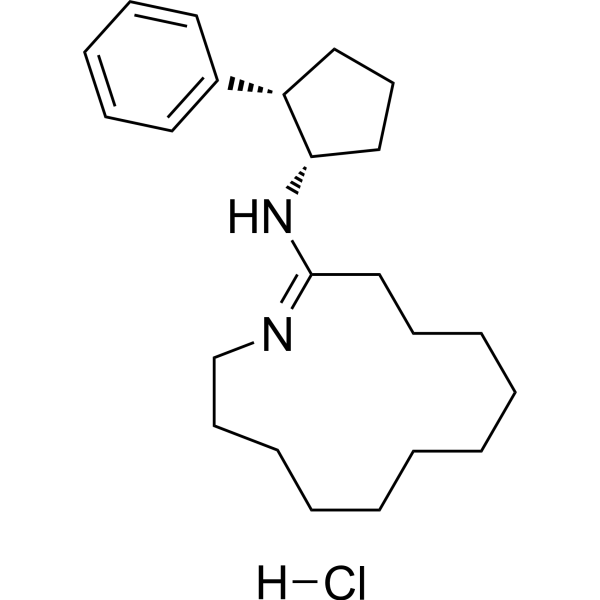
SR-717 is a non-nucleotide STING agonist with EC50s of 2.1 μM and 2.2 μM in ISG-THP1 (WT) and ISG-THP1 cGAS KO (cGAS KO) cell lines, respectively. SR-717 is a stable cyclic guanosine monophosphate-adenosine monophosphate (cGAMP) mimetic. Antitumor activity .
|
-
-
- HY-119708
-
|
RPL-554
|
Phosphodiesterase (PDE)
|
Infection
Neurological Disease
Inflammation/Immunology
Cancer
|
|
Ensifentrine (RPL-554) is an inhaled dual inhibitor of PDE3 and PDE4 with IC50s of 0.4 nM and 1479 nM, respectively. Ensifentrine blocks PDE3 and PDE4 enzymes, thereby increasing the levels of cyclic adenosine monophosphate (cAMP) and cyclic guanosine monophosphate (cGMP) in lung cells, dilating the bronchi, and inhibiting the activation and migration of inflammatory cells. Ensifentrine can be used in the research of chronic obstructive pulmonary disease (COPD) .
|
-
-
- HY-B0764A
-
|
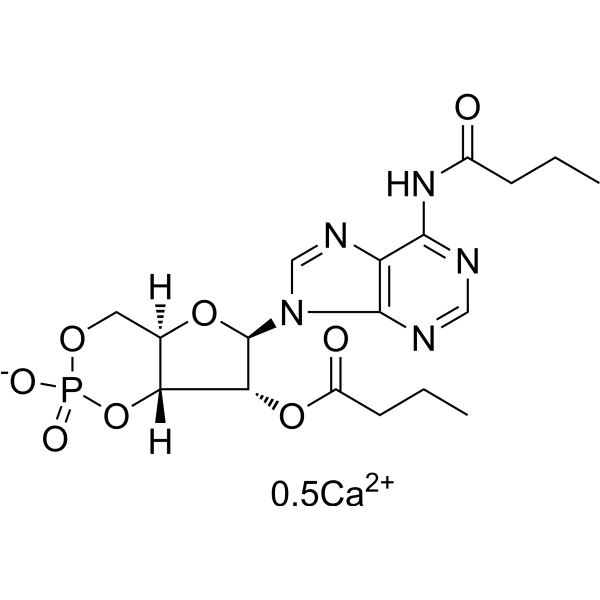
Dibutyryl cAMP hemicalcium; DBcAMP hemicalcium
|
PKA
Apoptosis
Reactive Oxygen Species (ROS)
|
Neurological Disease
Cancer
|
|
Bucladesine (Dibutyryl cAMP; DBcAMP) hemicalcium is a membrane-permeable 3′, 5′-cyclic adenosine monophosphate (cAMP) analog. Bucladesine selectively activates cAMP dependent protein kinase (PKA) by increasing the intracellular level of cAMP. Bucladesine significantly attenuates MDMA-induced increases in hippocampal mitochondrial ROS formation, mitochondrial outer membrane damage, cytochrome c release, and hippocampal ADP/ATP ratio, thereby improving spatial learning and memory impairments. Bucladesine exhibit anti-nociceptive and anti-inflammation effect. Bucladesine can inhibit cancer cells proliferation, induce apoptosis. Bucladesine can be used for the researches of neurological disease, cancer, inflammation .
|
-
-
- HY-103192
-
|
RMI12330A
|
Adenylate Cyclase
Potassium Channel
|
Neurological Disease
Cancer
|
|
MDL12330A (RMI12330A) is an adenylyl cyclases inhibitor. MDL12330A can inhibit KV channels, increases insulin secretion and Ca 2+ levels. MDL12330A accentuates contractions in uterine rings and inhibits cardiac functions. MDL12330A can be used for the research of endocrinology, metabolic and cardiovascular disease .
|
-
-
- HY-N0113
-
-
-
- HY-B1294
-
|
Inamrinone
|
Phosphodiesterase (PDE)
|
Cardiovascular Disease
|
|
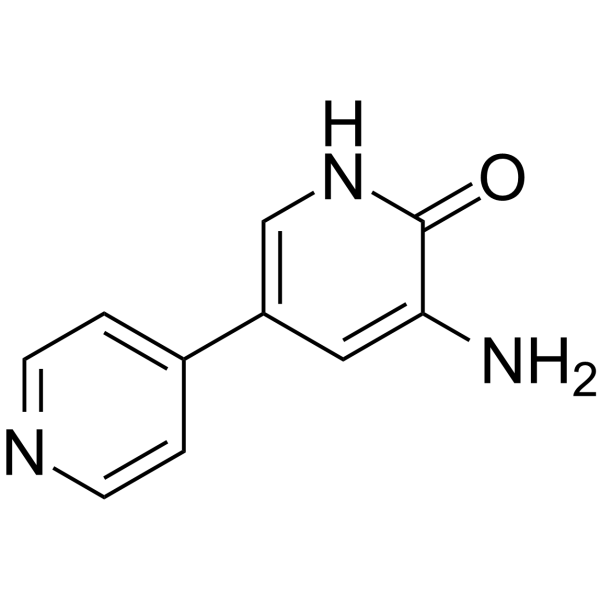
Amrinone (Inamrinone) is a positive inotropic-vasodilator agent. Amrinone is a selective phosphodiesterase III inhibitor that increases cyclic adenosine monophosphate by preventing its breakdown. Amrinone is also an orally active, non-glycosidic and non-catecholamine cardiotonic agent .
|
-
-
- HY-B0549A
-
|
Rec-7-0040; DW61
|
Calcium Channel
Adenosine Receptor
mAChR
Dopamine Receptor
Adrenergic Receptor
|
Cardiovascular Disease
Infection
Neurological Disease
Cancer
|
|
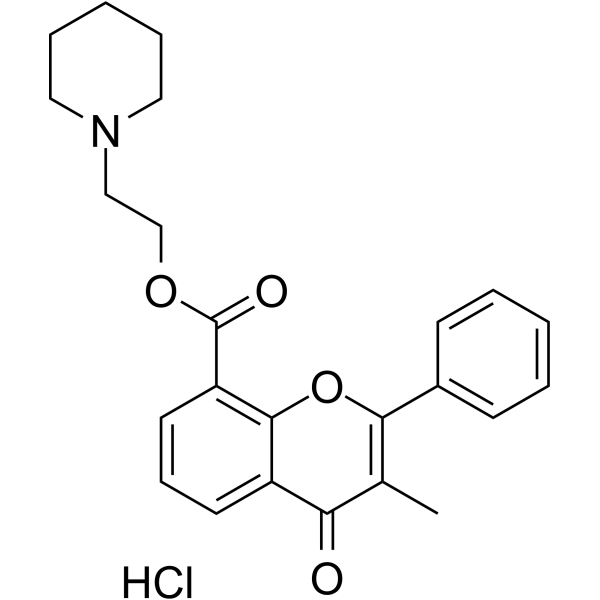
Flavoxate hydrochloride (Rec-7-0040; DW61) is an orally active L-type Ca 2+ channel inhibitor and antispasmodic. Flavoxate hydrochloride inhibits cyclic adenosine monophosphate production by blocking voltage-dependent inward Ba 2+ currents, regulating the brainstem micturition center, and stimulating G protein-coupled receptors. Consequently, Flavoxate hydrochloride induces relaxation of bladder smooth muscle and inhibits isovolumetric rhythmic contractions. Flavoxate hydrochloride effectively increases bladder capacity and alleviates symptoms of urgent urination frequency and pollakiuria caused by overactive bladder. Flavoxate hydrochloride can be used in research on overactive bladder and related voiding dysfunctions .
|
-
-
- HY-B1511S
-
|
cyclic adenosine monophosphate-13C5; adenosine cyclic 3', 5'-monophosphate-13C5; cAMP-13C5
|
Isotope-Labeled Compounds
|
Others
|
|
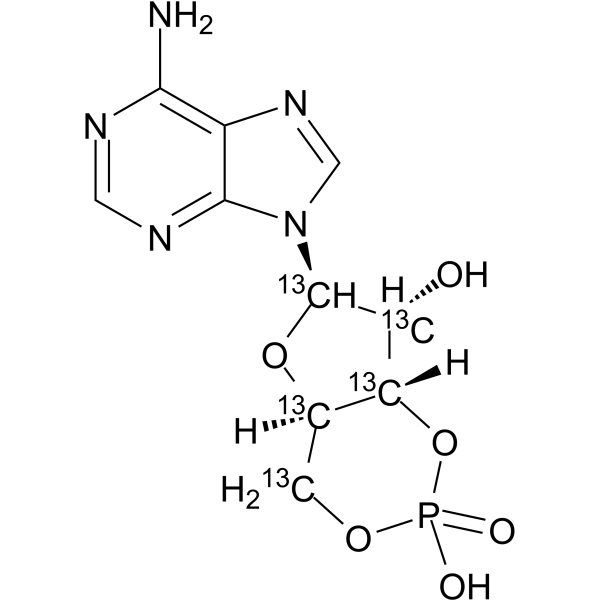
Cyclic AMP- 13C5 is a deuterated cyclic AMP.
|
-
-
- HY-N0126
-
|
|
Environmental Pollutants
Calcium Channel
Monoamine Oxidase
|
Cardiovascular Disease
Neurological Disease
|
|
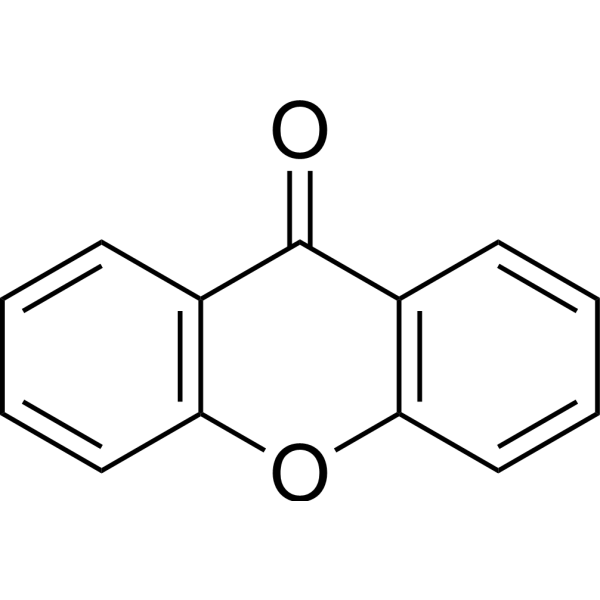
Xanthone is a monoamine oxidase A (MAO-A) inhibitor with an IC50 of 0.84 µM. Xanthon inhibits Norepinephrine (HY-13715) and high-K +-induced vasoconstriction with IC50 values of 60.26 μM and 82.9 μM, respectively. Xanthon increases intracellular cyclic adenosine 3′,5′-monophosphate (cAMP) content and blocks Ca 2+ channels. Xanthone is the scaffold of several pharmacologically active compounds .
|
-
-
- HY-B1209
-
|
7-(β-Hydroxyethyl)theophylline
|
Phosphodiesterase (PDE)
|
Cardiovascular Disease
Inflammation/Immunology
|
|
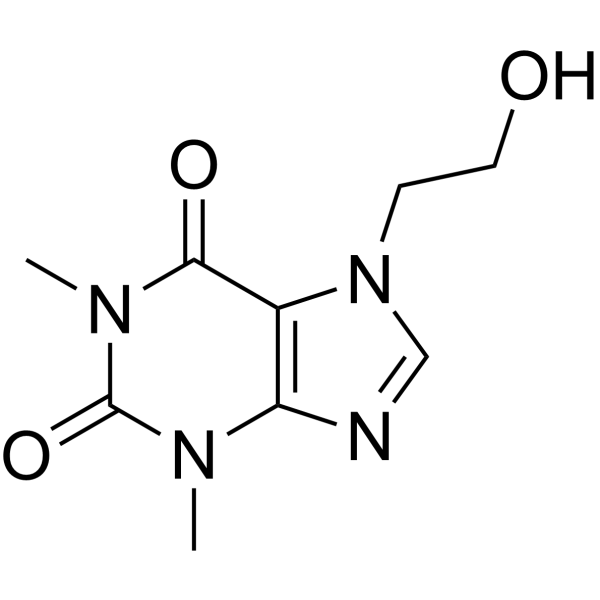
Etofylline (7-(β-Hydroxyethyl) theophylline) is an oral bronchodilator with anti-inflammatory effects. Etofylline inhibits phosphodiesterase and prevents the degradation of cAMP (cyclic adenosine monophosphate), leading to smooth muscle relaxation, reducing inflammatory responses and improving respiratory function. Etofylline affects the development of zebrafish embryos .
|
-
-
- HY-W587488
-
|
3′-AMP
|
Nucleoside Antimetabolite/Analog
Cyclic GMP-AMP Synthase
|
Cancer
|
|
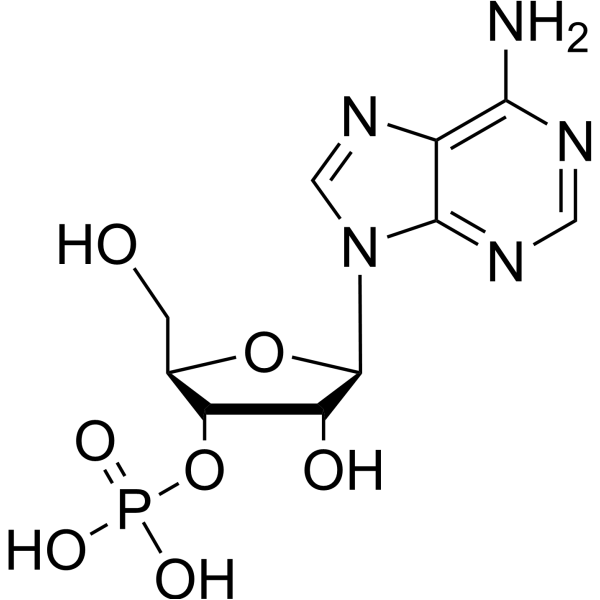
Adenosine 3’-monophosphate (3’-AMP) is a nucleotide. Adenosine 3’-monophosphate is a cyclic AMP production agonist. Adenosine 3’-monophosphate increases cyclic AMP levels concentration-dependently in NG108-15 cells. Adenosine 3’-monophosphate can be used in the determination of acid phosphatase activity of human serum, which is estabilished as a laboratory procedure in the diagnosis of prostate cancer, metastatic mammary cancer and Gaucher’s disease. Adenosine 3’-monophosphate inhibits human aortic and coronary vascular smooth muscle cell proliferation via A2B receptors .
|
-
-
- HY-108974
-
|
|
Phosphodiesterase (PDE)
Calcium Channel
|
Neurological Disease
|
|
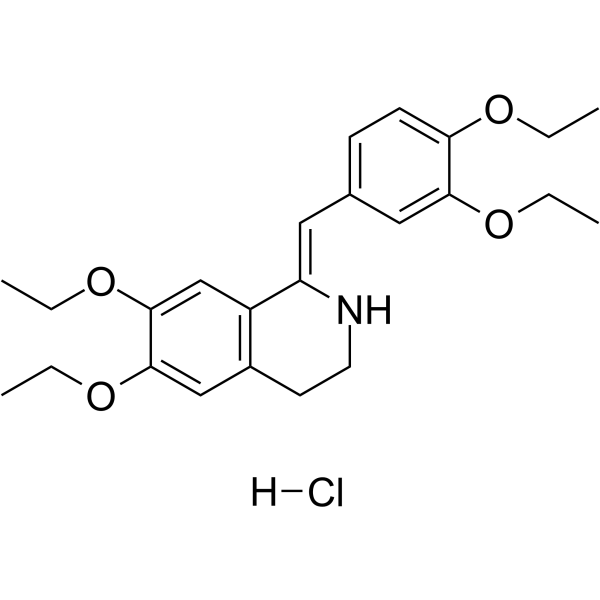
Drotaverine hydrochloride is a type 4 cyclic nucleotide phosphodiesterase (PDE4) inhibitor and an L-type voltage-dependent calcium channel (L-VDCC) blocker, blocks the degradation of 3',5'-cyclic adenosine monophosphate. Drotaverine (hydrochloride) exhibits in vivo antispasmodic efficacy without anticholinergic effects.
|
-
-
- HY-131454A
-
|
|
STING
|
Inflammation/Immunology
Cancer
|
|
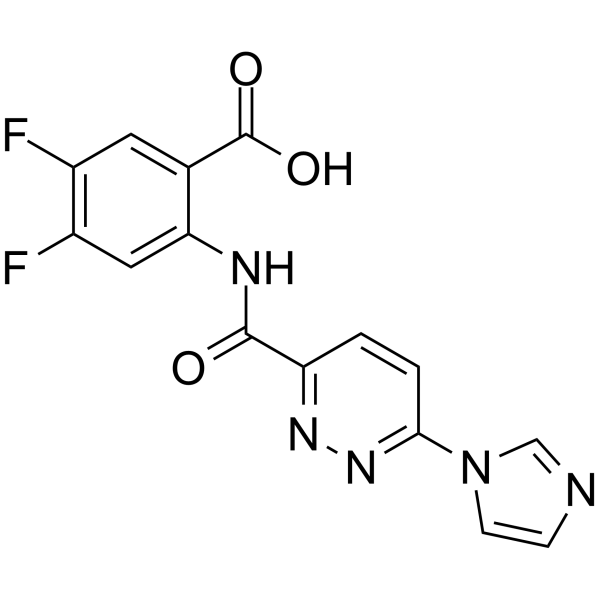
SR-717 free acid is a non-nucleotide STING agonist with EC50s of 2.1 μM and 2.2 μM in ISG-THP1 (WT) and ISG-THP1 cGAS KO (cGAS KO) cell lines, respectively. SR-717 free acid is a stable cyclic guanosine monophosphate-adenosine monophosphate (cGAMP) mimetic. Antitumor activity .
|
-
-
- HY-103322
-
|
|
PKA
Potassium Channel
|
Metabolic Disease
Cancer
|
|
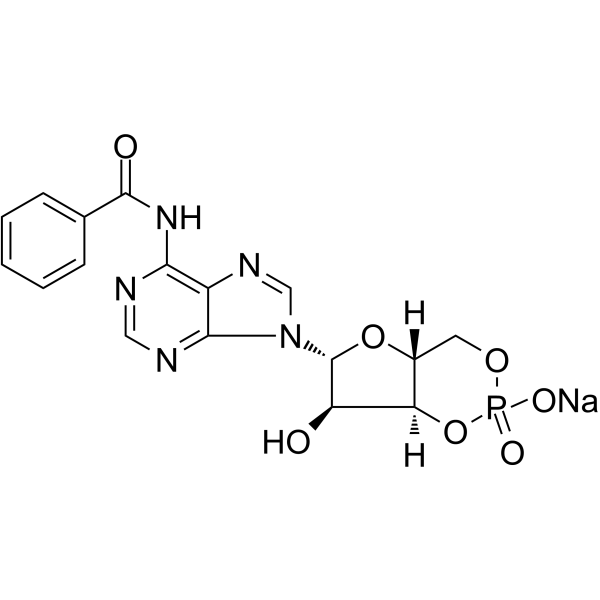
6-Bnz-cAMP sodium, a derivative of cyclic adenosine monophosphate (cAMP), is a selective PKA activator with inhibitory activity against the bTREK-1 K + channel. 6-Bnz-cAMP sodium does not activate the Epac signaling pathway. It inhibits the bTREK-1 K + channel via a voltage-independent, ATP-dependent mechanism that is independent of the PKA/Epac/calmodulin kinase/MAP kinase pathway. 6-Bnz-cAMP sodium activates CREB phosphorylation to regulate osteoblast-specific gene expression, induces osteoblast differentiation, promotes extracellular matrix mineralization, supports osteoblast proliferation, and shows no cytotoxicity toward osteoblasts. It can be used in studies related to bone tissue repair and regeneration .
|
-
-
- HY-B1511R
-
|
cyclic adenosine monophosphate (Standard); adenosine cyclic 3', 5'-monophosphate (Standard); cAMP (Standard)
|
Endogenous Metabolite
Reference Standards
|
Cancer
|
|
Cyclic AMP (Standard) is the analytical standard of Cyclic AMP. Cyclic AMP (Cyclic adenosine monophosphate), adenosine triphosphate derivative, is an intracellular signaling molecule responsible for directing cellular responses to extracellular signals. Cyclic AMP is an important second messenger in many biological processes .
|
-
-
- HY-120511
-
KNT-127
1 Publications Verification
|
Opioid Receptor
|
Neurological Disease
|
|
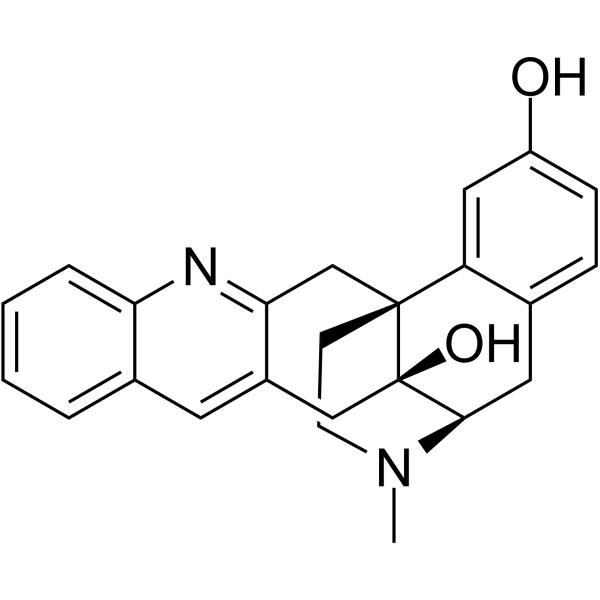
KNT-127 is a selective and BBB-penetrant δ-opioid receptor (DOR) agonist (Ki = 0.16 nM). KNT-127 is highly selective to the δ receptor, with Ki values of 0.16, 21.3 and 153 nM for δ, μ and κ receptors, respectively. KNT-127 acts as a biased ligand that mainly activates cyclic adenosine monophosphate (cAMP) signaling with lower beta-arrestin signaling activation. KNT-127 increases the release of dopamine and L-glutamate in the striatum, nucleus accumbens, and prefrontal cortex. KNT-127 exhibits antidepressant- and anxiolytic-like effects. KNT-127 can be studied in research on neurological diseases .
|
-
-
- HY-B0764B
-
|
Dibutyryl cAMP; DBcAMP
|
PKA
Reactive Oxygen Species (ROS)
Apoptosis
|
Neurological Disease
Inflammation/Immunology
Cancer
|
|
Bucladesine (Dibutyryl cAMP; DBcAMP) is a membrane-permeable 3′, 5′-cyclic adenosine monophosphate (cAMP) analog. Bucladesine selectively activates cAMP dependent protein kinase (PKA) by increasing the intracellular level of cAMP. Bucladesine significantly attenuates MDMA-induced increases in hippocampal mitochondrial ROS formation, mitochondrial outer membrane damage, cytochrome c release, and hippocampal ADP/ATP ratio, thereby improving spatial learning and memory impairments. Bucladesine exhibit anti-nociceptive and anti-inflammation effect. Bucladesine can inhibit cancer cells proliferation, induce apoptosis. Bucladesine can be used for the researches of neurological disease, cancer, inflammation .
|
-
-
- HY-173178
-
|
|
Estrogen Receptor/ERR
|
Cancer
|
|
LNS8801 is an orally active agonist of the G protein-coupled estrogen receptor (GPER). By activating GPER, LNS8801 mediates downstream signaling pathways, such as promoting the production of cyclic adenosine monophosphate (cAMP) and activating the cAMP response element-binding protein (CREB) signaling, thereby exerting anti-tumor activities including inhibiting tumor cell proliferation, inducing cell differentiation, and enhancing tumor immunogenicity. LNS8801 can be used in the research of various cancers (e.g., melanoma, pancreatic cancer, colorectal cancer, lung cancer, etc.) and relevant studies exploring the roles of GPER in normal physiological and pathological processes .
|
-
-
- HY-146356
-
|
|
Adenylate Cyclase
|
Inflammation/Immunology
|
|
Adenylyl cyclase type 2 agonist-1 (Compound 73) is a potent agonist of adenylyl cyclase type 2 (AC2) with the EC50 of 90 nM. Adenylyl cyclase type 2 agonist-1 inhibits expression of Interleukin-6, making it a potential lead compound against respiratory diseases .
|
-
-
- HY-B0764G
-
|
Dibutyryl cAMP sodium; DBcAMP sodium
|
PKA
Reactive Oxygen Species (ROS)
Apoptosis
|
Neurological Disease
Inflammation/Immunology
Cancer
|
|
Bucladesine (Dibutyryl cAMP; DBcAMP) sodium (GMP) is a Bucladesine sodium (HY-B0764) produced by using GMP guidelines. Bucladesine (Dibutyryl cAMP; DBcAMP) is a membrane-permeable 3′, 5′-cyclic adenosine monophosphate (cAMP) analog. Bucladesine selectively activates cAMP dependent protein kinase (PKA) by increasing the intracellular level of cAMP. Bucladesine significantly attenuates MDMA-induced increases in hippocampal mitochondrial ROS formation, mitochondrial outer membrane damage, cytochrome c release, and hippocampal ADP/ATP ratio, thereby improving spatial learning and memory impairments. Bucladesine exhibit anti-nociceptive and anti-inflammation effect. Bucladesine can inhibit cancer cells proliferation, induce apoptosis. Bucladesine can be used for the researches of neurological disease, cancer, inflammation .
|
-
-
- HY-12463A
-
|
|
Adrenergic Receptor
|
Inflammation/Immunology
|
|
Carmoterol is a highly potent and selective long-acting β2-adrenergic receptor agonist with a pEC50 of 10.19. Carmoterol shows 53-fold higher affinity for β2-adrenergic receptors than for β1-adrenergic receptors. Carmoterol stimulates cyclic adenosine monophosphate accumulation, induces airway smooth muscle relaxation, inhibits bronchoconstriction, reduces thromboxane B2 release, and prolongs survival time. Carmoterol can be used in research related to asthma and chronic obstructive pulmonary disease (COPD) .
|
-
-
- HY-134375
-
|
cyclic adenosine-Inosine monophosphate
|
NF-κB
IFNAR
|
Inflammation/Immunology
|
|
cAIMP (Cyclic Adenosine-Inosine Monophosphate) is an effective synthetic cyclic dinucleotide. cAIMP activates IRF and NF-κB in the THP1 human monocyte reporter cell line (THP1-Dual). cAIMP induces the secretion of IFNs and pro-inflammatory cytokines in vitro in human blood, with an EC50 of 6.4 μmol/L .
|
-
-
- HY-N0113B
-
|
Ordenina hydrochloride; Peyocactine hydrochloride
|
Bacterial
|
Infection
|
|
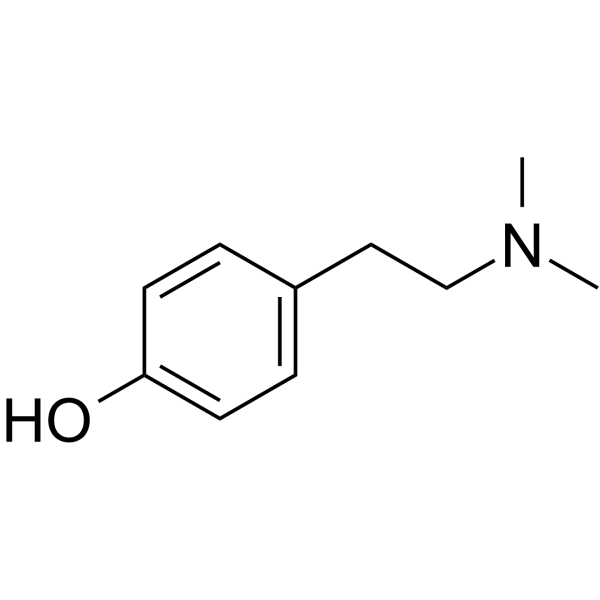
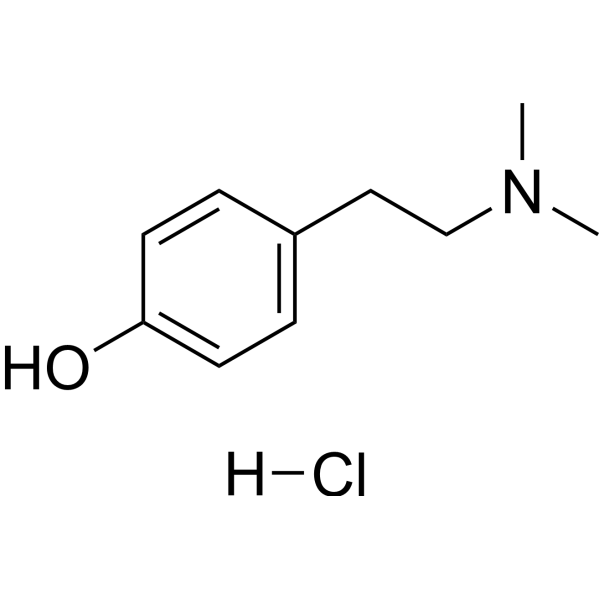
Hordenine (hydrochloride), an alkaloid found in plants, inhibits melanogenesis by suppression of cyclic adenosine monophosphate (cAMP) production .
|
-
-
- HY-P2867
-
|
3′-Exonuclease
|
Phosphodiesterase (PDE)
|
Neurological Disease
|
|
Phosphodiesterase II (EC 3.1.16.1), namely phosphodiesterase 2, is mainly involved in the hydrolysis of the important second messengers cyclic adenosine monophosphate (cAMP) and cyclic guanosine monophosphate (cGMP), and is often used in biochemical research. Phosphodiesterase II is expressed in a variety of tissues, such as the adrenal medulla, brain, heart, platelets, macrophages and endothelial cells, and is involved in the regulation of many different intracellular processes .
|
-
-
- HY-N0113S
-
-
-
- HY-B0764R
-
|
Dibutyryl cAMP sodium (Standard); DBcAMP sodium (Standard)
|
Reference Standards
PKA
Reactive Oxygen Species (ROS)
Apoptosis
|
Neurological Disease
Inflammation/Immunology
Cancer
|
|
Bucladesine (Dibutyryl cAMP; DBcAMP) sodium (Standard) is the analytical standard of Bucladesine sodiumn (HY-B0764). This product is intended for research and analytical applications. Bucladesine is a membrane-permeable 3′, 5′-cyclic adenosine monophosphate (cAMP) analog. Bucladesine selectively activates cAMP dependent protein kinase (PKA) by increasing the intracellular level of cAMP. Bucladesine significantly attenuates MDMA-induced increases in hippocampal mitochondrial ROS formation, mitochondrial outer membrane damage, cytochrome c release, and hippocampal ADP/ATP ratio, thereby improving spatial learning and memory impairments. Bucladesine exhibit anti-nociceptive and anti-inflammation effect. Bucladesine can inhibit cancer cells proliferation, induce apoptosis. Bucladesine can be used for the researches of neurological disease, cancer, inflammation .
|
-
-
- HY-114727
-
|
|
Phosphodiesterase (PDE)
|
Inflammation/Immunology
|
|
PDE7-IN-4 is a phosphodiesterase 7 (PDE7) inhibitor with activity that increases intracellular cyclic adenosine monophosphate (cAMP) levels. PDE7-IN-4 shows potential inhibitory effects in neurotransmission and anti-inflammatory applications. PDE7-IN-4 exerts its biological activity by acting on the cAMP/cAMP response element binding protein (CREB) pathway. The development of PDE7-IN-4 aims to improve its pharmacokinetic characteristics to more effectively target neurodegenerative diseases and other inflammation-related diseases .
|
-
-
- HY-P4520
-
-
-
- HY-159857
-
|
Gp(2′-5′)Ap(3′) sodium; 2'5'-GpAp sodium; Guanylyl-(2′→5′)-3′-adenylic acid sodium
|
Nucleoside Antimetabolite/Analog
|
|
|
Gp(2′-5′)Ap sodium is a linear dinucleotide analog after hydrolysis of cyclic guanosine monophosphate- adenosine monophosphate (2’3’-cGAMP) by phosphodiesterases. Due to its linear conformation, 2’5’GpAp is intended to serve as a negative control for 2’3’-cGAMP in type I IFN induction assays.
|
-
-
- HY-B0549
-
|
Rec-7-0040 free base; DW61 free base
|
mAChR
Calcium Channel
Adrenergic Receptor
Adenosine Receptor
Dopamine Receptor
|
Neurological Disease
|
|
Flavoxate (Rec-7-0040 free base; DW61 free base) is an orally active L-type Ca 2+ channel inhibitor and antispasmodic. Flavoxate inhibits cyclic adenosine monophosphate production by blocking voltage-dependent inward Ba 2+ currents, regulating the brainstem micturition center, and stimulating G protein-coupled receptors. Consequently, Flavoxate induces relaxation of bladder smooth muscle and inhibits isovolumetric rhythmic contractions. Flavoxate effectively increases bladder capacity and alleviates symptoms of urgent urination frequency and pollakiuria caused by overactive bladder. Flavoxate can be used in research on overactive bladder and related voiding dysfunctions .
|
-
-
- HY-B0549AR
-
|
Rec-7-0040 (Standard); DW61 (Standard)
|
Reference Standards
mAChR
Calcium Channel
Adrenergic Receptor
Adenosine Receptor
Dopamine Receptor
|
Neurological Disease
|
|
Flavoxate (hydrochloride) (Standard) is the analytical standard of Flavoxate (hydrochloride). This product is intended for research and analytical applications. Flavoxate hydrochloride (Rec-7-0040; DW61) is an orally active L-type Ca 2+ channel inhibitor and antispasmodic. Flavoxate hydrochloride inhibits cyclic adenosine monophosphate production by blocking voltage-dependent inward Ba 2+ currents, regulating the brainstem micturition center, and stimulating G protein-coupled receptors. Consequently, Flavoxate hydrochloride induces relaxation of bladder smooth muscle and inhibits isovolumetric rhythmic contractions. Flavoxate hydrochloride effectively increases bladder capacity and alleviates symptoms of urgent urination frequency and pollakiuria caused by overactive bladder. Flavoxate hydrochloride can be used in research on overactive bladder and related voiding dysfunctions .
|
-
-
- HY-P2781
-
-
-
- HY-115269
-
|
|
Phosphodiesterase (PDE)
|
Cardiovascular Disease
|
|
CK-2289 is an inhibitor of type III cyclic 3'5'-adenosine monophosphate phosphodiesterase (PDE). CK-2289 can inhibit platelet aggregation and decreases mean arterial blood pressure. CK-2289 can be used for the research of cardiovascular disease, such as congestive heart failure .
|
-
-
- HY-174986
-
|
|
CGRP Receptor
|
Cardiovascular Disease
|
|
CGRP antagonist 7 is a potent calcitonin gene-related peptide receptor (CGRP) antagonist with a Ki of 0.029 nM. CGRP antagonist 7 Inhibit the production of cyclic adenosine monophosphate (cAMP) with an IC50 of 1.5 nM. CGRP antagonist 7 can be used for the study of migraine .
|
-
-
- HY-130629
-
|
|
Adenylate Cyclase
|
Neurological Disease
|
|
VHC-7 is a potent and selective adenylyl cyclase type 8 (AC8) agonist, with an EC50 value of 105.2 nM. VHC-7 increases cyclic adenosine monophosphate (cAMP) levels. VHC-7 can be used for the study of central nervous system disorders and heart diseases .
|
-
-
- HY-134263
-
|
|
PKA
Ras
|
Cardiovascular Disease
|
|
8-Br-cAMP-AM is a cyclic adenosine monophosphate (cAMP) analog that activates two major signal transduction pathways in the heart by mimicking the effects of cAMP: protein kinase A (PKA) and guanosine nucleotide exchange factor (Epac), which is directly activated by cAMP. 8-Br-cAMP-AM can be used to study cardiac ischemia and reperfusion injury .
|
-
-
- HY-N0126R
-
|
|
Reference Standards
Monoamine Oxidase
Calcium Channel
|
Cardiovascular Disease
Neurological Disease
|
|
Xanthone (Standard) is the analytical standard of Xanthone (HY-N0126). This product is intended for research and analytical applications. Xanthone is a monoamine oxidase A (MAO-A) inhibitor with an IC50 of 0.84 µM. Xanthon inhibits Norepinephrine (HY-13715) and high-K +-induced vasoconstriction with IC50 values of 60.26 μM and 82.9 μM, respectively. Xanthon increases intracellular cyclic adenosine 3′,5′-monophosphate (cAMP) content and blocks Ca 2+ channels. Xanthone is the scaffold of several pharmacologically active compounds .
|
-
-
- HY-168481
-
|
|
GLP Receptor
|
Metabolic Disease
|
|
GLP-1R agonist 27 (compound 21) is a potent and orally active GLP-1R agonist. GLP-1R agonist 27 promots cyclic adenosine monophosphate (cAMP) accumulation. GLP-1R agonist 27 reduces blood glucose levels and food intake. GLP-1R agonist 27 has the potential for the research of obesity and type 2 diabetes mellitus (T2DM) .
|
-
-
- HY-14132
-
|
|
CRFR
|
Neurological Disease
|
|
BMS-665053 is a corticotropin-releasing factor-1 (CRF1) receptor antagonist (IC50 = 1.0 nM). BMS-665053)11 is a potent inhibitor of CRF-stimulated cyclic adenosine monophosphate (cAMP) production in human Y-79 retinoblastoma cells (IC50 = 4.9 nM) .
|
-
-
- HY-B1511G
-
|
cyclic adenosine monophosphate; adenosine cyclic 3', 5'-monophosphate; cAMP
|
Endogenous Metabolite
|
Neurological Disease
Metabolic Disease
Cancer
|
|
Cyclic AMP (GMP) (Cyclic adenosine monophosphate (GMP)) is Cyclic AMP (HY-B1511) produced by using GMP guidelines. GMP small molecules works appropriately as an auxiliary reagent for cell therapy manufacture. Cyclic AMP (Cyclic adenosine monophosphate), adenosine triphosphate derivative, is an intracellular signaling molecule responsible for directing cellular responses to extracellular signals. Cyclic AMP is an important second messenger in many biological processes .
|
-
-
- HY-134283
-
|
|
PKA
Apoptosis
|
Others
|
|
8-Benzylthio-cAMP is a derivative of cyclic adenosine monophosphate (cAMP). 8-Bn-cAMP is a site-selective activator of cAMP-dependent protein kinases. Compared with cyclic adenosine monophosphate, it is more stable to phosphodiesterase (PDE) hydrolysis and has higher membrane permeability. 8-Bn-cAMP can be used to study the role of cAMP in regulating cell proliferation, differentiation and apoptosis .
|
-
-
- HY-116850
-
|
EG626; Phthalazinol; SC-32840
|
Phosphodiesterase (PDE)
|
Neurological Disease
|
|
Oxagrelate is a specific inhibitor of cyclic adenosine monophosphate phosphodiesterase and exhibits concentration-dependent inhibition of collagen- and ADP-induced platelet aggregation in vitro .
|
-
-
- HY-N14662
-
|
7′-Desoxygriseolic acid
|
Phosphodiesterase (PDE)
|
Neurological Disease
|
|
Griseolic acid B (7′-Desoxygriseolic acid) has the activity of inhibiting cyclic adenosine monophosphate (cAMP) phosphodiesterase [EC 3.1.4.17] with an IC50 of 0.16 μM .
|
-
-
- HY-129210
-
|
|
Phosphodiesterase (PDE)
Potassium Channel
|
Cardiovascular Disease
|
|
KMUP-4, as a xanthine derivative with cGMP-enhancing activity, induces aortic relaxation through endothelium-dependent and independent mechanisms. KMUP-4 increases cytoplasmic cyclic guanosine monophosphate (cGMP) and cyclic adenosine monophosphate (cAMP) levels by inhibiting phosphodiesterases (PDEs) and activating K + channels. KMUP-4 can be used in the study of cardiovascular diseases .
|
-
-
- HY-N0113R
-
|
Ordenina (Standard); Peyocactine (Standard)
|
Reference Standards
Bacterial
Antibiotic
|
Infection
Cardiovascular Disease
|
|
Hordenine (Standard) is the analytical standard of Hordenine. This product is intended for research and analytical applications. Hordenine, an alkaloid found in plants, inhibits melanogenesis by suppression of cyclic adenosine monophosphate (cAMP) production .
|
-
-
- HY-131823
-
|
|
Phosphodiesterase (PDE)
|
Others
|
|
5,6-DCl-cBIMP, a cyclic adenosine monophosphate analog, can act as an agonist of PDE2 and significantly enhance the cAMP and cGMP hydrolytic activities of PDE2 .
|
-
-
- HY-N0113BR
-
|
Ordenina hydrochloride (Standard); Peyocactine hydrochloride (Standard)
|
Reference Standards
Bacterial
|
Infection
|
|
Hordenine (hydrochloride) (Standard) is the analytical standard of Hordenine (hydrochloride). This product is intended for research and analytical applications. Hordenine (hydrochloride), an alkaloid found in plants, inhibits melanogenesis by suppression of cyclic adenosine monophosphate (cAMP) production[1].
|
-
- HY-108974S
-
|
|
Isotope-Labeled Compounds
Phosphodiesterase (PDE)
Calcium Channel
|
Neurological Disease
|
|
Drotaverine-d10 (hydrochloride) is the deuterium labeled Drotaverine hydrochloride. Drotaverine hydrochloride is a type 4 cyclic nucleotide phosphodiesterase (PDE4) inhibitor and an L-type voltage-dependent calcium channel (L-VDCC) blocker, blocks the degradation of 3',5'-cyclic adenosine monophosphate. Drotaverine hydrochloride exhibits in vivo antispasmodic efficacy without anticholinergic effects .
|
-
- HY-108974R
-
|
|
Phosphodiesterase (PDE)
Calcium Channel
Reference Standards
|
Neurological Disease
|
|
Drotaverine (hydrochloride) (Standard) is the analytical standard of Drotaverine (hydrochloride). This product is intended for research and analytical applications. Drotaverine hydrochloride is a type 4 cyclic nucleotide phosphodiesterase (PDE4) inhibitor and an L-type voltage-dependent calcium channel (L-VDCC) blocker, blocks the degradation of 3',5'-cyclic adenosine monophosphate. Drotaverine (hydrochloride) exhibits in vivo antispasmodic efficacy without anticholinergic effects.
|
-
- HY-134325
-
|
8-Hydroxy-cAMP
|
PKA
|
Cardiovascular Disease
Metabolic Disease
|
|
8-OH-cAMP (8-Hydroxy-cAMP) is a polar, membrane-impermeable cyclic adenosine monophosphate analog that is resistant to mammalian cyclic nucleotide-dependent phosphodiesterases. As a polar PKA agonist, 8-OH-cAMP is used to study the role of cAMP in the development and progression of cardiovascular and metabolic diseases .
|
-
- HY-117715
-
|
|
Phosphodiesterase (PDE)
|
Cardiovascular Disease
|
|
CK-3197 is a weak inhibitor of Peak lll cyclic 3'5'-adenosine monophosphate phosphodiesterase
(CAMP PDEl). CK-3197 has hemodynamic and myocardial energetic effects in vivo. CK-3197 is an imidazolone derivative used as a selective positive inotropic agent for congestive heart failure .
|
-
- HY-16256
-
|
|
Phosphodiesterase (PDE)
|
Cardiovascular Disease
|
|
Amrinone lactate is a positive inotropic-vasodilator agent. Amrinone lactate is a selective phosphodiesterase III inhibitor that increases cyclic adenosine monophosphate by preventing its breakdown. Amrinone lactate is also an orally active, non-glycosidic and non-catecholamine cardiotonic agent .
|
-
- HY-120241
-
|
K 251-1
|
Phosphodiesterase (PDE)
|
Cancer
|
|
Reticulol (K 251-1) is an inhibitor of cyclic adenosine 3', 5'-monophosphate phosphodiesterase. Reticulol shows antitumor activity independent with cell cycle arrest or apoptosis. Reticulol inhibits cell growth of murine melanoma cells and human lung tumor cells. Reticulol protects its lung metastasis via the bloodstream by inhibiting the growth of B16F10 melanoma .
|
-
- HY-147946
-
|
|
Phosphodiesterase (PDE)
Calcium Channel
|
Inflammation/Immunology
|
|
PDE1-IN-4 (compound 2g) is a potent and selective PDE1 (phosphodiesterase-1) inhibitor, with IC50 values of 10, 145, and 354 nM for PDE1C, PDE1A, and PDE1B, respectively. PDE1-IN-4 inhibits myofibroblast differentiation of human lung fibroblasts induced by TGF-β1. PDE1-IN-4 shows anti-fibrosis effects through the regulation of cAMP (3′,5′-cyclic adenosine monophosphate) and cGMP (3′,5′-cyclic guanosine monophosphate). PDE1-IN-4 can be used for idiopathic pulmonary fibrosis (IPF) research .
|
-
- HY-N14663
-
|
Dihydrodeoxygriseolic acid
|
Bacterial
|
Infection
|
|
Griseolic acid C (Dihydrodeoxygriseolic acid) is an antibiotic. Griseolic acid C can be found in Streptomyces griseoaurantiacus SANK43894. Griseolic acid C has the activity of inhibiting cyclic adenosine monophosphate (cAMP) phosphodiesterase [EC 3.1.4.17] with an IC50 of 0.12 μM (extracted from rat brain) .
|
-
- HY-B1294R
-
|
Inamrinone (Standard)
|
Reference Standards
Phosphodiesterase (PDE)
|
Cardiovascular Disease
|
|
Amrinone (Standard) is the analytical standard of Amrinone. This product is intended for research and analytical applications. Amrinone (Inamrinone) is a positive inotropic-vasodilator agent. Amrinone is a selective phosphodiesterase III inhibitor that increases cyclic adenosine monophosphate by preventing its breakdown. Amrinone is also an orally active, non-glycosidic and non-catecholamine cardiotonic agent .
|
-
- HY-173360
-
|
|
Phosphodiesterase (PDE)
|
Cardiovascular Disease
|
|
PDE10A-IN-5 (Compound A30) is an inhibitor of phosphodiesterase 10A (PDE10A) with oral activity, and its IC50 value is 3.5 nM. PDE10A-IN-5 exerts the activity of inhibiting pulmonary vascular remodeling by inhibiting PDE10A and activating the cyclic adenosine monophosphate (cAMP)-associated signaling pathway, and can be used for research in the field of pulmonary arterial hypertension .
|
-
- HY-117181
-
|
|
Phosphodiesterase (PDE)
Adrenergic Receptor
|
Cardiovascular Disease
|
|
UK-1745 is a cardiotonic agent with vasodilating and antiarrhythmic properties. It increases intracellular levels of cyclic adenosine monophosphate (cAMP) in cardiomyocytes by inhibiting phosphodiesterase III, thereby enhancing myocardial contractility. Additionally, UK-1745 exhibits β-adrenergic receptor blocking activity, which helps reduce the oxygen consumption of the heart and prevent calcium overload. These characteristics make UK-1745 a promising candidate for research in congestive heart failure .
|
-
- HY-176520
-
|
|
Phosphodiesterase (PDE)
|
Inflammation/Immunology
|
|
PDE4-IN-29 (Compound 55) is an orally active and selective PDE4 inhibitor (including subtypes such as PDE4A1, PDE4B2, PDE4D3) with IC50s of <5 nM against PDE4D3. PDE4-IN-29 inhibits the degradation of cyclic adenosine monophosphate (cAMP), increases intracellular cAMP levels, suppressing the release of inflammatory factors such as TNF-α. PDE4-IN-29 is promising for research of inflammatory diseases including psoriasis, atopic dermatitis, and chronic obstructive pulmonary disease .
|
-
- HY-B0549S
-
|
|
Isotope-Labeled Compounds
mAChR
Calcium Channel
Adrenergic Receptor
Adenosine Receptor
Dopamine Receptor
|
Others
|
|
Flavoxate-d5 is deuterium labeled Flavoxate. Flavoxate hydrochloride (Rec-7-0040; DW61) is an orally active L-type Ca 2+ channel inhibitor and antispasmodic. Flavoxate hydrochloride inhibits cyclic adenosine monophosphate production by blocking voltage-dependent inward Ba 2+ currents, regulating the brainstem micturition center, and stimulating G protein-coupled receptors. Consequently, Flavoxate hydrochloride induces relaxation of bladder smooth muscle and inhibits isovolumetric rhythmic contractions. Flavoxate hydrochloride effectively increases bladder capacity and alleviates symptoms of urgent urination frequency and pollakiuria caused by overactive bladder. Flavoxate hydrochloride can be used in research on overactive bladder and related voiding dysfunctions .
|
-
- HY-137381
-
|
N6-Benzoyl-cAMP
|
PKA
Potassium Channel
|
Metabolic Disease
|
|
6-Bnz-cAMP, a derivative of cyclic adenosine monophosphate (cAMP), is a selective PKA activator with inhibitory activity against the bTREK-1 K + channel. 6-Bnz-cAMP does not activate the Epac signaling pathway. 6-Bnz-cAMP inhibits the bTREK-1 K + channel via a voltage-independent, ATP-dependent mechanism that is independent of the PKA/Epac/calmodulin kinase/MAP kinase pathway. 6-Bnz-cAMP activates CREB phosphorylation to regulate osteoblast-specific gene expression, induces osteoblast differentiation, promotes extracellular matrix mineralization, supports osteoblast proliferation, and shows no cytotoxicity toward osteoblasts. 6-Bnz-cAMP can be used in studies related to bone tissue repair and regeneration .
|
-
- HY-B0549AS
-
|
|
Isotope-Labeled Compounds
mAChR
Calcium Channel
Adrenergic Receptor
Adenosine Receptor
Dopamine Receptor
|
Neurological Disease
|
|
Flavoxate-d4 hydrochloride (Rec-7-0040-d4) is the deuterium labeled Flavoxate hydrochloride. Flavoxate hydrochloride (Rec-7-0040; DW61) is an orally active L-type Ca 2+ channel inhibitor and antispasmodic. Flavoxate hydrochloride inhibits cyclic adenosine monophosphate production by blocking voltage-dependent inward Ba 2+ currents, regulating the brainstem micturition center, and stimulating G protein-coupled receptors. Consequently, Flavoxate hydrochloride induces relaxation of bladder smooth muscle and inhibits isovolumetric rhythmic contractions. Flavoxate hydrochloride effectively increases bladder capacity and alleviates symptoms of urgent urination frequency and pollakiuria caused by overactive bladder. Flavoxate hydrochloride can be used in research on overactive bladder and related voiding dysfunctions .
|
-
- HY-113822
-
|
RS-82856 hydrogensulfate
|
Phosphodiesterase (PDE)
|
Cardiovascular Disease
Endocrinology
|
|
Lixazinone (RS-82856) hydrogensulfate is a selective inhibitor of cGMP-inhibited phosphodiesterase (PDE3) with an IC50 value of 22 nM. Lixazinone hydrogensulfate exhibits positive inotropic effects, afterload reduction and antithrombotic properties. Lixazinone hydrogensulfate increases cyclic adenosine monophosphate (cAMP) levels in human platelets, inhibits thrombin-induced aggregation of human platelets, and blocks the photolabeling of PDE3 active sites by [ 32P]cGMP. Lixazinone hydrogensulfate can be used in the research of polycystic kidney disease and congestive heart failure .
|
-
- HY-125646
-
|
|
GPR119
|
Metabolic Disease
|
|
YH18968 is an orally active GPR119 agonist with an EC50 of 2.8 nM for inducing cAMP accumulation. YH18968 activates GPR119, elevates intracellular cyclic adenosine monophosphate levels, stimulates glucagon-like peptide-1 secretion from intestinal L cells, and triggers glucose-dependent insulin secretion from pancreatic β cells. YH18968 improves glucose tolerance in normal mice and diet-induced obese mice. YH18968 can be used for the research of type 2 diabetes .
|
-
- HY-117232
-
|
|
Calmodulin
|
Cancer
|
|
KS 501 is a potent and selective calmodulin inhibitor. KS 501 inhibits the activation of calmodulin kinase I and II, but has less effect against cyclic adenosine 3’,5’-monophosphate (cyclic AMP)-sensitive kinase. KS 501 inhibits the enzyme through interfering with calmodulin activation rather than through a direct effect on the enzyme. KS 501 can be used for the study of leukemia .
|
-
- HY-182714
-
|
N6-Cyclopentyl-9-methyladenine
|
Adenosine Receptor
|
Cardiovascular Disease
Neurological Disease
|
|
N 0840 is a neutral antagonist of adenosine A1 receptor (A1AR), with a Ki value of 279 nM in rats and 1185 nM in humans. N 0840 modulates adenosine A1 receptor to increase forskolin-induced cyclic 3′,5′-adenosine monophosphate production, with a GTP shift value close to 1. N 0840 can be used in studies of neuroprotection, cardiovascular/renal function[1].
|
-
- HY-119708A
-
|
RPL-554 tosylate
|
Phosphodiesterase (PDE)
|
Inflammation/Immunology
|
|
Ensifentrine (RPL-554) tosylate is an inhaled dual inhibitor of PDE3 and PDE4 with IC50s of 0.4 nM and 1479 nM, respectively. Ensifentrine tosylate blocks PDE3 and PDE4 enzymes, thereby increasing the levels of cyclic adenosine monophosphate (cAMP) and cyclic guanosine monophosphate (cGMP) in lung cells, dilating the bronchi, and inhibiting the activation and migration of inflammatory cells. Ensifentrine tosylate can be used in the research of chronic obstructive pulmonary disease (COPD) .
|
-
- HY-106483
-
|
TVX 2706
|
Phosphodiesterase (PDE)
|
Neurological Disease
Inflammation/Immunology
|
|
Nitraquazone (TVX 2706) is an anti-inflammatory and analgesic agent, belonging to the derivatives of Phenylbutazone (HY-B0230). Nitraquazone inhibits phosphodiesterase and enhances the elevation of intracellular cyclic adenosine monophosphate levels. Nitraquazone can be used in research related to anti-inflammation and analgesia .
|
-
- HY-147129
-
|
|
Guanylate Cyclase
Adenylate Cyclase
CXCR
NF-κB
|
Inflammation/Immunology
|
|
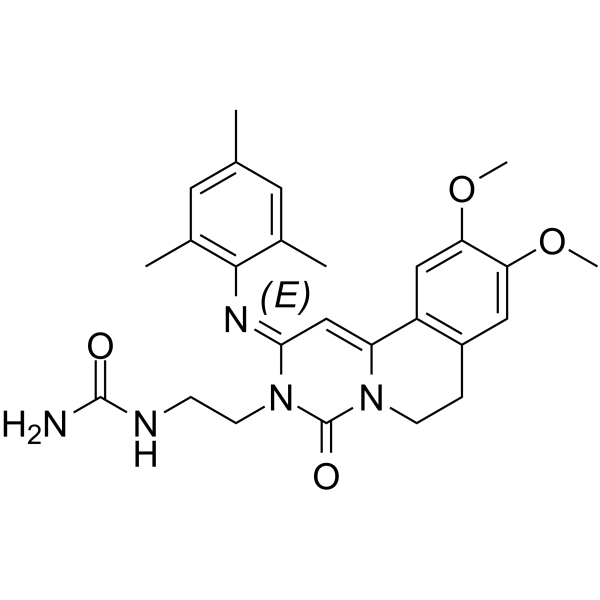
cGAS-IN-9 is a cyclic guanosine monophosphate-adenosine monophosphate synthase (cGAS) inhibitor, with IC50 values of 27.5 nM and 5.15 μM against human and murine cGAS, respectively. cGAS-IN-9 shows weak inhibitory activity against human soluble adenylate cyclase, with an IC50 of 26.4 μM. cGAS-IN-9 inhibits dsDNA-induced expression of IFNB1 and CXCL10, as well as activation of the NF-κB pathway, in human immune cells. cGAS-IN-9 can be used in research related to cGAS-dependent inflammatory diseases .
|
-
- HY-105931
-
|
RS-82856
|
Phosphodiesterase (PDE)
|
Cardiovascular Disease
Endocrinology
|
|
Lixazinone (RS-82856) is a selective inhibitor of cGMP-inhibited phosphodiesterase (PDE3) with an IC50 value of 22 nM. Lixazinone exhibits positive inotropic effects, afterload reduction and antithrombotic properties. Lixazinone increases cyclic adenosine monophosphate (cAMP) levels in human platelets, inhibits thrombin-induced aggregation of human platelets, and blocks the photolabeling of PDE3 active sites by [ 32P]cGMP. Lixazinone can be used in the research of polycystic kidney disease and congestive heart failure .
|
-
- HY-180142
-
|
|
Vasopressin Receptor
|
Endocrinology
|
|
XYDC2050 (Compound 29) is a selective vasopressin V2 receptor (V2R) antagonist with an IC50 of 27 nM and a Ki of 2.8 nM. XYDC2050 shows a Ki of 420.7 nM (SI = 162 fold) for V1R. XYDC2050 can inhibit Vasopressin (HY-B1811)-induced intracellular cyclic adenosine monophosphate (cAMP) accumulation with an IC50 of 12 nM. XYDC2050 can inhibit the growth of renal cysts, reduce the ratio of kidney weight to body weight and decrease the area of cysts and the cystic index. XYDC2050 can be used for the research of autosomal dominant polycystic kidney disease (ADPKD) .
|
-
- HY-179724
-
|
|
5-HT Receptor
Dopamine Receptor
MMP
Cytochrome P450
|
Neurological Disease
|
|
PZ-1657 (Compound 57) is an orally active, blood-brain barrier permeable, highly selective, and metabolically stable 5-HT7 receptor inverse agonist with a Ki value of 5 nM. PZ-1657 inhibits constitutive cyclic adenosine monophosphate (cAMP) production mediated by the Gs signaling pathway (EC50 value of 2.93 nM). PZ-1657 inhibits CYP3A4 P450 (IC50 = 12.2 μM) and hERG channels. PZ-1657 reduces 5-HT7 receptor-mediated MMP-9 activity. PZ-1657 reverses Phencyclidine-induced cognitive impairment. PZ-1657 possesses antidepressant properties .
|
-
- HY-182060
-
|
|
Phosphodiesterase (PDE)
Bcl-2 Family
NO Synthase
Apoptosis
|
Inflammation/Immunology
|
|
PDE4B/D-IN-5 (Compound P32) is a peripherally restricted, oral active inhibitor of PDE4B and PDE4D with extremely low blood-brain barrier penetration, with IC50 values of 3.4 nM and 2.2 nM, respectively. PDE4B-IN-8 inhibits the production of TNF-α. PDE4B/D-IN-5 significantly reduces the Bax/Bcl2 ratio, and alleviates oxidative stress by decreasing MPO activity and NO levels. PDE4B/D-IN-5 exhibits anti-inflammatory, antioxidant, and anti-apoptotic activities. PDE4B/D-IN-5 can be used for the research of acute lung injury .
|
-
- HY-182295
-
|
|
Reactive Oxygen Species (ROS)
Apoptosis
MMP
Bacterial
Parasite
|
Cardiovascular Disease
Infection
Neurological Disease
|
|
Negundoside is an iridoid glycoside compound. Negundoside exhibits hepatoprotective effects, reduces ROS, lipid peroxidation and intracellular calcium ion levels, and prevents the decrease of mitochondrial membrane potential (MMP) and apoptosis (apoptosis). Negundoside has neuroprotective effects, improves behavioral deficits, alleviates oxidative damage, and ameliorates cerebral infarction. Negundoside also possesses antibacterial and antiparasitic activities .
|
-
| Cat. No. |
Product Name |
Type |
-
- HY-B1511G
-
|
cyclic adenosine monophosphate; adenosine cyclic 3', 5'-monophosphate; cAMP
|
Fluorescent Dyes
|
|
Cyclic AMP (GMP) (Cyclic adenosine monophosphate (GMP)) is Cyclic AMP (HY-B1511) produced by using GMP guidelines. GMP small molecules works appropriately as an auxiliary reagent for cell therapy manufacture. Cyclic AMP (Cyclic adenosine monophosphate), adenosine triphosphate derivative, is an intracellular signaling molecule responsible for directing cellular responses to extracellular signals. Cyclic AMP is an important second messenger in many biological processes .
|
| Cat. No. |
Product Name |
Type |
-
- HY-B1511A
-
|
cyclic adenosine monophosphate sodium; adenosine cyclic 3', 5'-monophosphate sodium; cAMP sodium
|
Biochemical Assay Reagents
|
|
Cyclic AMP (Cyclic adenosine monophosphate) sodium, adenosine triphosphate derivative, is an intracellular signaling molecule responsible for directing cellular responses to extracellular signals. Cyclic AMP sodium is an important second messenger in many biological processes .
|
-
- HY-B1511G
-
|
cyclic adenosine monophosphate; adenosine cyclic 3', 5'-monophosphate; cAMP
|
Biochemical Assay Reagents
|
|
Cyclic AMP (GMP) (Cyclic adenosine monophosphate (GMP)) is Cyclic AMP (HY-B1511) produced by using GMP guidelines. GMP small molecules works appropriately as an auxiliary reagent for cell therapy manufacture. Cyclic AMP (Cyclic adenosine monophosphate), adenosine triphosphate derivative, is an intracellular signaling molecule responsible for directing cellular responses to extracellular signals. Cyclic AMP is an important second messenger in many biological processes .
|
| Cat. No. |
Product Name |
Target |
Research Area |
| Cat. No. |
Product Name |
Category |
Target |
Chemical Structure |
| Cat. No. |
Product Name |
Chemical Structure |
-
- HY-B1511S
-
|
|
|
Cyclic AMP- 13C5 is a deuterated cyclic AMP.
|
-
-
- HY-N0113S
-
|
|
|
Hordenine-d6 (Ordenina-d6) is the deuterium labeled Hordenine. Hordenine, an alkaloid found in plants, inhibits melanogenesis by suppression of cyclic adenosine monophosphate (cAMP) production .
|
-
-
- HY-108974S
-
|
|
|
Drotaverine-d10 (hydrochloride) is the deuterium labeled Drotaverine hydrochloride. Drotaverine hydrochloride is a type 4 cyclic nucleotide phosphodiesterase (PDE4) inhibitor and an L-type voltage-dependent calcium channel (L-VDCC) blocker, blocks the degradation of 3',5'-cyclic adenosine monophosphate. Drotaverine hydrochloride exhibits in vivo antispasmodic efficacy without anticholinergic effects .
|
-
-
- HY-B0549S
-
|
|
|
Flavoxate-d5 is deuterium labeled Flavoxate. Flavoxate hydrochloride (Rec-7-0040; DW61) is an orally active L-type Ca 2+ channel inhibitor and antispasmodic. Flavoxate hydrochloride inhibits cyclic adenosine monophosphate production by blocking voltage-dependent inward Ba 2+ currents, regulating the brainstem micturition center, and stimulating G protein-coupled receptors. Consequently, Flavoxate hydrochloride induces relaxation of bladder smooth muscle and inhibits isovolumetric rhythmic contractions. Flavoxate hydrochloride effectively increases bladder capacity and alleviates symptoms of urgent urination frequency and pollakiuria caused by overactive bladder. Flavoxate hydrochloride can be used in research on overactive bladder and related voiding dysfunctions .
|
-
-
- HY-B0549AS
-
|
|
|
Flavoxate-d4 hydrochloride (Rec-7-0040-d4) is the deuterium labeled Flavoxate hydrochloride. Flavoxate hydrochloride (Rec-7-0040; DW61) is an orally active L-type Ca 2+ channel inhibitor and antispasmodic. Flavoxate hydrochloride inhibits cyclic adenosine monophosphate production by blocking voltage-dependent inward Ba 2+ currents, regulating the brainstem micturition center, and stimulating G protein-coupled receptors. Consequently, Flavoxate hydrochloride induces relaxation of bladder smooth muscle and inhibits isovolumetric rhythmic contractions. Flavoxate hydrochloride effectively increases bladder capacity and alleviates symptoms of urgent urination frequency and pollakiuria caused by overactive bladder. Flavoxate hydrochloride can be used in research on overactive bladder and related voiding dysfunctions .
|
-
| Cat. No. |
Product Name |
|
Classification |
-
- HY-W587488
-
|
3′-AMP
|
|
Nucleotide Analogs
Adenine Nucleotide
|
|
Adenosine 3’-monophosphate (3’-AMP) is a nucleotide. Adenosine 3’-monophosphate is a cyclic AMP production agonist. Adenosine 3’-monophosphate increases cyclic AMP levels concentration-dependently in NG108-15 cells. Adenosine 3’-monophosphate can be used in the determination of acid phosphatase activity of human serum, which is estabilished as a laboratory procedure in the diagnosis of prostate cancer, metastatic mammary cancer and Gaucher’s disease. Adenosine 3’-monophosphate inhibits human aortic and coronary vascular smooth muscle cell proliferation via A2B receptors .
|
-
- HY-159857
-
|
Gp(2′-5′)Ap(3′) sodium; 2'5'-GpAp sodium; Guanylyl-(2′→5′)-3′-adenylic acid sodium
|
|
Nucleotide Analogs
|
|
Gp(2′-5′)Ap sodium is a linear dinucleotide analog after hydrolysis of cyclic guanosine monophosphate- adenosine monophosphate (2’3’-cGAMP) by phosphodiesterases. Due to its linear conformation, 2’5’GpAp is intended to serve as a negative control for 2’3’-cGAMP in type I IFN induction assays.
|
| Cat. No. |
Product Name |
Target |
Research Areas |
Chemical Structure |
-
- HY-B1511G
-
|
cyclic adenosine monophosphate; adenosine cyclic 3', 5'-monophosphate; cAMP
|
Endogenous Metabolite
|
Neurological Disease
Metabolic Disease
Cancer
|
|
Cyclic AMP (GMP) (Cyclic adenosine monophosphate (GMP)) is Cyclic AMP (HY-B1511) produced by using GMP guidelines. GMP small molecules works appropriately as an auxiliary reagent for cell therapy manufacture. Cyclic AMP (Cyclic adenosine monophosphate), adenosine triphosphate derivative, is an intracellular signaling molecule responsible for directing cellular responses to extracellular signals. Cyclic AMP is an important second messenger in many biological processes .
|
-
-
- HY-B0764G
-
|
Dibutyryl cAMP sodium; DBcAMP sodium
|
PKA
Reactive Oxygen Species (ROS)
Apoptosis
|
Neurological Disease
Inflammation/Immunology
Cancer
|
|
Bucladesine (Dibutyryl cAMP; DBcAMP) sodium (GMP) is a Bucladesine sodium (HY-B0764) produced by using GMP guidelines. Bucladesine (Dibutyryl cAMP; DBcAMP) is a membrane-permeable 3′, 5′-cyclic adenosine monophosphate (cAMP) analog. Bucladesine selectively activates cAMP dependent protein kinase (PKA) by increasing the intracellular level of cAMP. Bucladesine significantly attenuates MDMA-induced increases in hippocampal mitochondrial ROS formation, mitochondrial outer membrane damage, cytochrome c release, and hippocampal ADP/ATP ratio, thereby improving spatial learning and memory impairments. Bucladesine exhibit anti-nociceptive and anti-inflammation effect. Bucladesine can inhibit cancer cells proliferation, induce apoptosis. Bucladesine can be used for the researches of neurological disease, cancer, inflammation .
|
-
Your information is safe with us. * Required Fields.
Inquiry Information
- Product Name:
- Cat. No.:
- Quantity:
- MCE Japan Authorized Agent:

