Search Result
Results for "
cytosols
" in MedChemExpress (MCE) Product Catalog:
10
Biochemical Assay Reagents
2
Isotope-Labeled Compounds
| Cat. No. |
Product Name |
Target |
Research Areas |
Chemical Structure |
-
- HY-18749
-
SC79
Maximum Cited Publications
308 Publications Verification
|
Akt
|
Neurological Disease
Inflammation/Immunology
Cancer
|
|
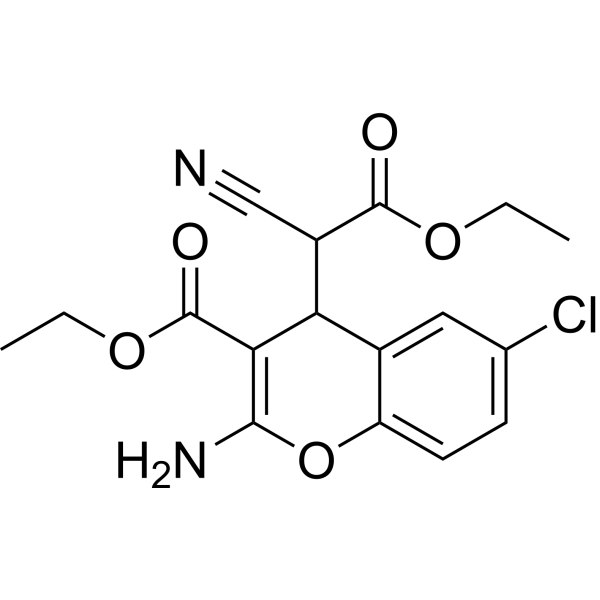
SC79, a unique specific and BBB permeable Akt activator, activates Akt in the cytosol and inhibits Akt membrane translocation. SC79 specifically binds to the PH domain of Akt .
|
-
-
- HY-15695
-
-
-
- HY-E70069
-
|
|
Others
|
Others
|
|
Endo-β-N-acetylglucosaminidase (Endo S2) is a key enzyme involved in the processing of free oligosaccharides in the cytosol. Endo-β-N-acetylglucosaminidase catalyzes hydrolysis of N-linked oligosaccharides .
|
-
-
- HY-13676
-
|
|
Progesterone Receptor
Autophagy
HIV
|
Endocrinology
Cancer
|
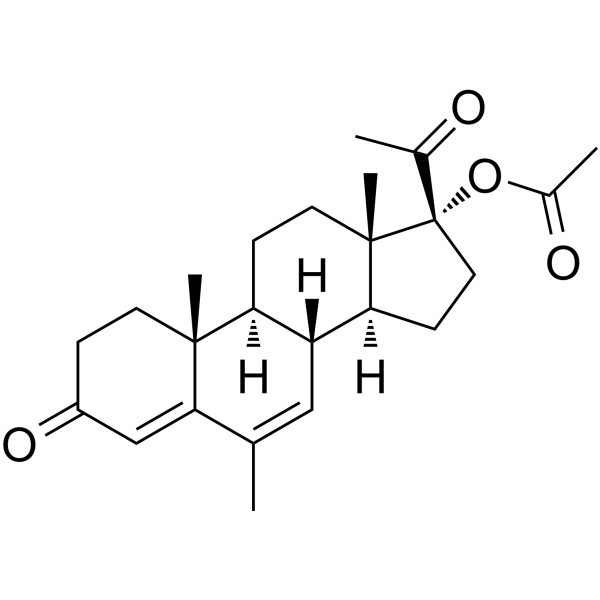
Megestrol acetate is a synthetic and orally active progesteronal agent. Megestrol acetate is effective as an appetite stimulant for wasting syndromes such as cachexia. Megestrol acetate decreases nuclear and cytosol androgen receptors human BPH tissue. Megestrol acetate has the potential for HIV study and downregulates autophagic catabolic pathway .
|
-
-
- HY-P1928
-
|
|
Bcl-2 Family
|
Neurological Disease
Endocrinology
|
Humanin, an anti-apoptotic peptide of 24 amino acids, is a Bax inhibitor. Humanin prevents the translocation of Bax from cytosol to mitochondria, blocks Bax from the inactive to active conformation. Humanin is a mitochondria-associated peptide with a neuroprotective effect against AD-related neurotoxicity. Humanin also improves overall insulin sensitivity in animal. Humanin are related to aging .
Humanin analogue, in which the serine at position 14 is replaced by glycine, names HNG .
|
-

-
- HY-N4067
-
|
isoCDCA
|
FXR
Endogenous Metabolite
|
Metabolic Disease
|
|
Isochenodeoxycholic acid (isoCDCA) is a FXR agonist. Isochenodeoxycholic acid activates the activity of FXR and induces the mRNA expression of FXR target genes (Ostβ and Kng1). Isochenodeoxycholic acid serves as a substrate for the liver class I ADH γγ isozyme-mediated 3β-dehydrogenation reaction .
|
-

-
- HY-N5072
-
|
4',6,7-Trihydroxyisoflavone
|
CDK
PI3K
PKC
|
Cancer
|
|
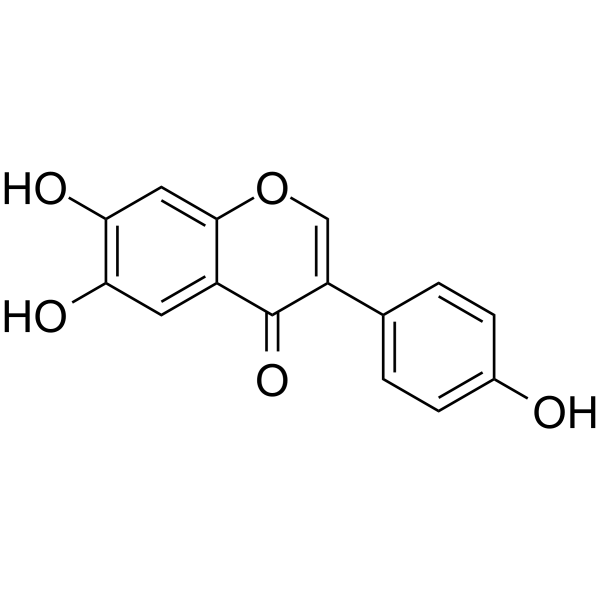
Desmethylglycitein (4',6,7-Trihydroxyisoflavone), a metabolite of daidzein, sourced from Glycine max with antioxidant, and anti-cancer activities.
Desmethylglycitein binds directly to CDK1 and CDK2 in vivo, resulting in the suppresses CDK1 and CDK2 activity . Desmethylglycitein is a direct inhibitor of protein kinase C (PKC)α, against solar UV (sUV)-induced matrix matrix metalloproteinase 1 (MMP1) . Desmethylglycitein binds to PI3K in an ATP competitive manner in the cytosol, where it inhibits the activity of PI3K and downstream signaling cascades, leading to the suppression of adipogenesis in 3T3-L1 preadipocytes .
|
-
-
- HY-B1095
-
|
|
Progesterone Receptor
Androgen Receptor
Glucocorticoid Receptor
GABA Receptor
|
Neurological Disease
Metabolic Disease
|
|
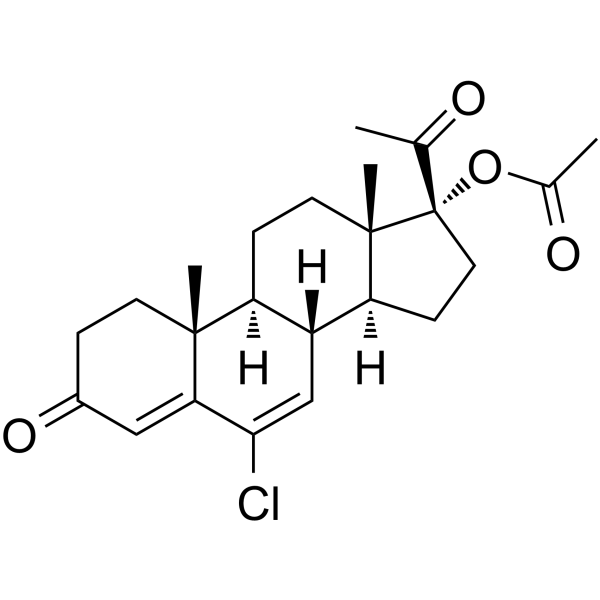
Chlormadinone acetate is a progestogen with potent progestogenic activity and antiandrogenic effects. Chlormadinone acetate acts on glucocorticoid receptor, progesterone receptor, androgen receptor, and GABAA receptor. Chlormadinone acetate induces endometrial proliferation in estrogen-pretreated rabbits, inhibits testosterone-stimulated growth of the prostate and seminal vesicles in castrated rats, and reduces the thymus and adrenal weights in juvenile rats. Chlormadinone acetate is applicable to research related to diseases such as depression and reproductive metabolic disorders .
|
-
-
- HY-49116
-
-
-
- HY-P2740
-
|
EC 1.1.1.1
|
Endogenous Metabolite
|
Metabolic Disease
|
|
Alcohol dehydrogenase, Saccharomyces cerevisiae is a dimeric protein in the cytosol of cells. Alcohol dehydrogenase, the key enzyme for alcohol consumption in the body, is the highest expressed in the liver and participates in the detoxification mechanism of environmental alcohol .
|
-

-
- HY-139109
-
IR-783
2 Publications Verification
ADS 780WS
|
Fluorescent Dye
Apoptosis
Mitochondrial Metabolism
ATP Synthase
Cytochrome P450
Dynamin
|
Cancer
|
|
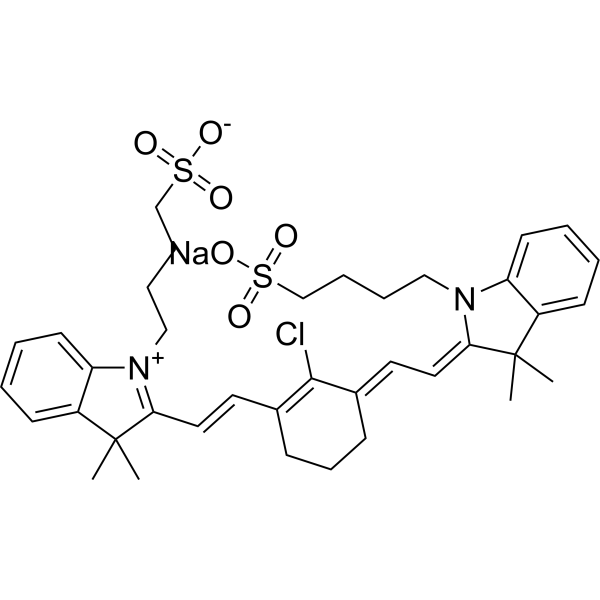
IR-783 (ADS 780WS) is a heptamethine cyanine dye. IR-783 induces Mitochondrial membrane potential loss, ATP depletion, mitochondrial permeability transition pore opening, Cytochrome c release and Apoptosis in breast cancer cells. IR-783 promotes the translocation of Drp1 from the cytosol to mitochondria. IR-783 increases the expression of mitochondrial fission proteins such as MFF and Fission-1. IR-783 possesses imaging, cancer-targeting and anticancer properties. IR-783 exerts anticancer effects against breast cancer. IR-783 can be used in breast cancer-related research .
|
-
-
- HY-G0007
-
|
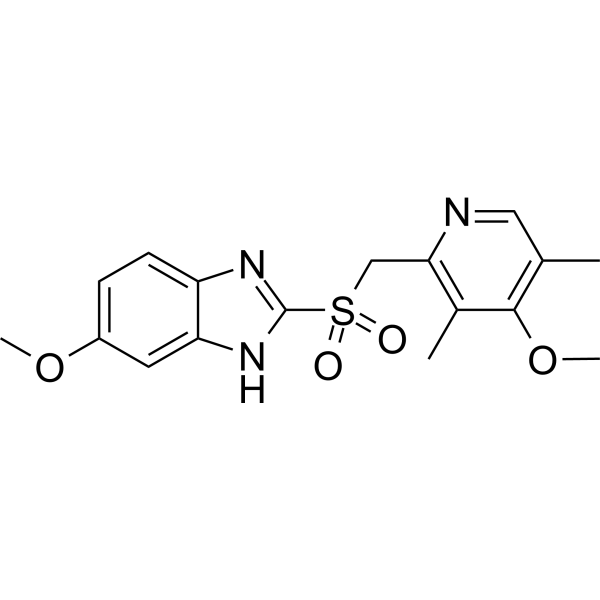
Omeprazole sulphone
|
Drug Metabolite
Cytochrome P450
Aryl Hydrocarbon Receptor
|
Inflammation/Immunology
|
|
Omeprazole sulfone (Omeprazole sulphone) is one of the major circulating metabolites of Omeprazole (HY-B0113) in vivo, and belongs to class 4 non-mutagenic impurities. Omeprazole sulfone does not bind to the aryl hydrocarbon receptor (AhR), nor does it induce the expression of CYP1A1 or CYP1A2. However, Omeprazole sulfone promotes the migration of gastric epithelial cells under basal conditions and reverses the inhibitory effect of Indomethacin (HY-14397) on cell migration. Omeprazole sulfone does not promote cell proliferation, nor does it upregulate COX-2 expression or activate signaling pathways such as ERK, P38 MAPK and PI3K. Omeprazole sulfone maintains basal ulcer healing under non-acid-dependent conditions and can be used in studies related to gastric ulcer repair .
|
-
-
- HY-117078
-
|
|
Apoptosis
|
Cancer
|
|
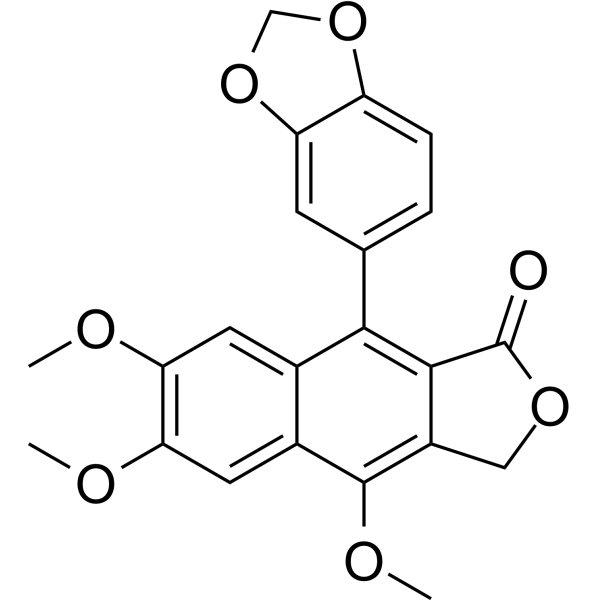
justicidin A is a nature product that could be isolated form Justicia procumbens. justicidin A decreases the level of Ku70 leading to translocation of Bax from the cytosol to mitochondria to induce apoptosis. justicidin A can be used in research of cancer .
|
-
-
- HY-13676R
-
|
|
Reference Standards
Progesterone Receptor
Autophagy
HIV
|
Endocrinology
Cancer
|
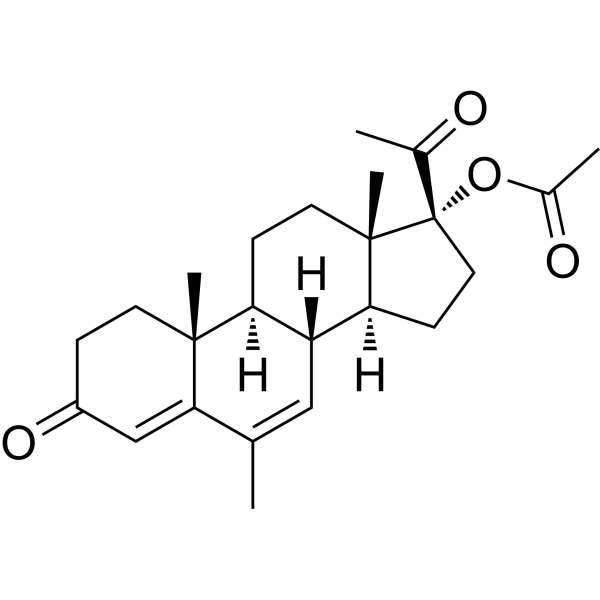
Megestrol acetate (Standard) is the analytical standard of Megestrol acetate. This product is intended for research and analytical applications. Megestrol acetate is a synthetic and orally active progesteronal agent. Megestrol acetate is effective as an appetite stimulant for wasting syndromes such as cachexia. Megestrol acetate decreases nuclear and cytosol androgen receptors human BPH tissue. Megestrol acetate has the potential for HIV study and downregulates autophagic catabolic pathway .
|
-
-
- HY-P4122
-
|
|
HIV
|
Others
|
|
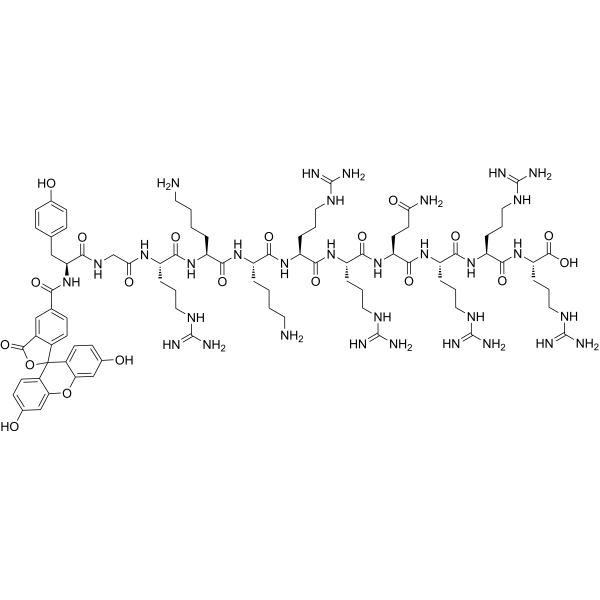
TAT (47-57), FAM-labeled is a 5(6)-Carboxyfluorescein (HY-15940)-labeled TAT (HY-P0281). TAT (YGRKKRRQRRR) is derived from the transactivator of transcription (TAT) of human immunodeficiency virus-1 (HIV-1) and is a cell-penetrating peptide .
|
-
-
- HY-P4118
-
|
Penetrating analog
|
Amino Acid Derivatives
Peptide-Drug Conjugates (PDCs)
|
Others
|
|
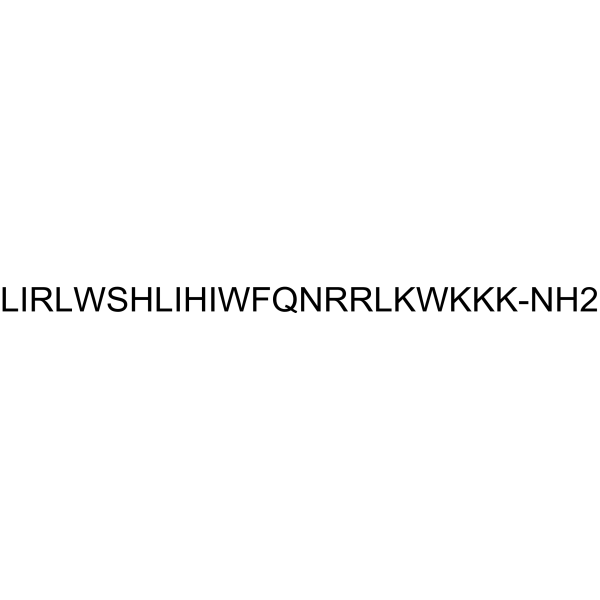
EB1 peptide (Penetrating analog) is an endosomolytic agent and siRNA delivery agent. EB1 peptide forms an amphipathic alpha helix upon protonation in early-late endosomes, drives endosomal membrane permeabilization, and enables endocytosed siRNA escape into the cytosol. EB1 peptide facilitates biologically active siRNA cellular uptake and targeted gene silencing. EB1 peptide forms complexes with siRNA. EB1 peptide can be used for drug delivery research .
|
-
-
- HY-126789
-
|
|
Biochemical Assay Reagents
|
Metabolic Disease
|
|
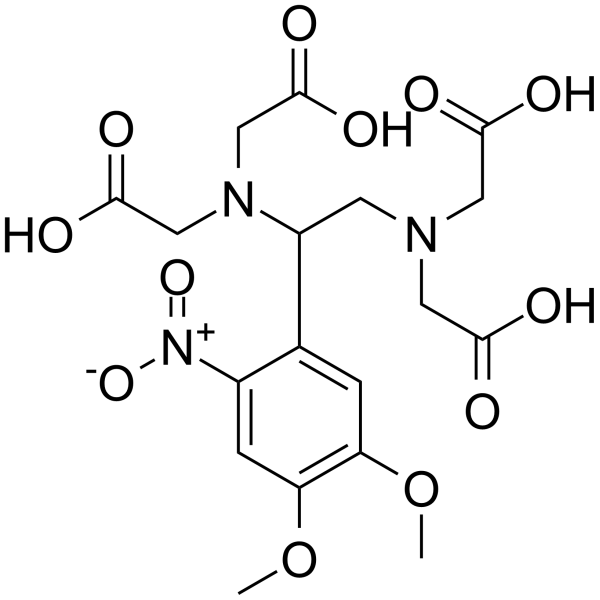
DM-Nitrophen is a photolabile caged calcium compound that acts as a calcium releaser. DM-Nitrophen binds Ca 2+ with high affinity and Mg 2+ with considerable affinity before photolysis. DM-Nitrophen releases Ca 2+ into the cytosol upon ultraviolet light irradiation. DM-Nitrophen induces calcium concentration pulses, triggers cytosolic calcium transients, promotes calcium-dependent exocytosis. DM-Nitrophen can be used for the research of calcium-dependent cellular processes .
|
-
-
- HY-P2500
-
|
|
Fluorescent Dye
|
Others
|
|
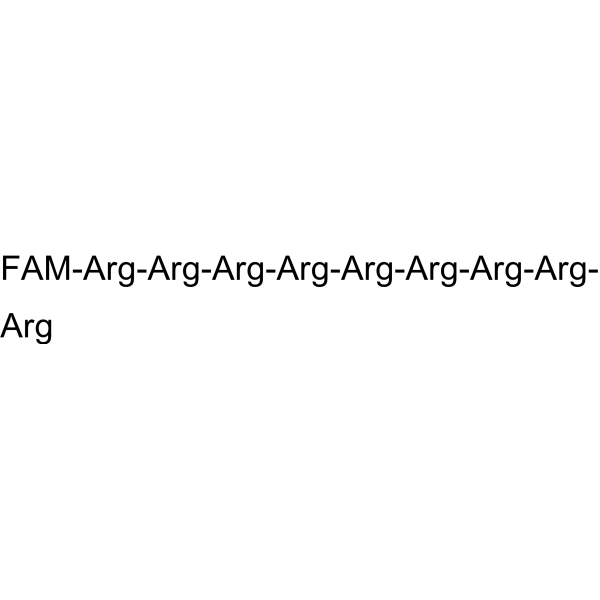
(Arg)9, FAM-labeled, a cell-penetrating peptide (CPP), is a nona-arginine (ARG) with FAM label. CPPs have emerged as powerful tools for delivering bioactive cargoes into the cytosol of intact cells .
|
-
-
- HY-118438
-
|
|
Aryl Hydrocarbon Receptor
|
Inflammation/Immunology
|
|
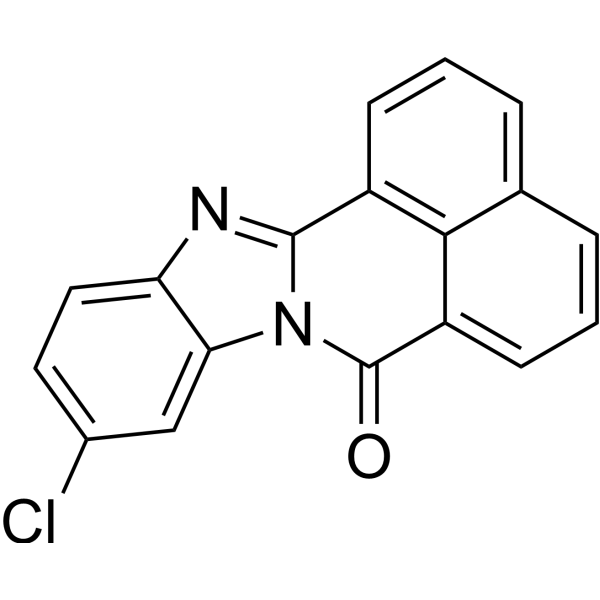
10-Cl-BBQ is a high affinity AhR ligand with immunosuppressive activity. 10-Cl-BBQ promotes cytosol to nuclear translocation of AhR and activates the AhR-regulated reporter gene at nanomolar concentrations .
|
-
-
- HY-125857B
-
|
|
Biochemical Assay Reagents
Apoptosis
Caspase
|
Metabolic Disease
|
|
Cytochrome C (Saccharomyces cerevisiae) is a type C cytochrome located in the intermembrane space of the mitochondria. As an electron carrier, Cytochrome C (Saccharomyces cerevisiae) transfers electrons between complex III (cytochrome c reductase) and complex IV (cytochrome c oxidase, CIV) of the respiratory chain. Cytochrome C (Saccharomyces cerevisiae) can play a crucial role in triggering apoptosis by being released from the mitochondria into the cytosol .
|
-

-
- HY-146127
-
|
|
MEK
|
Cancer
|
|
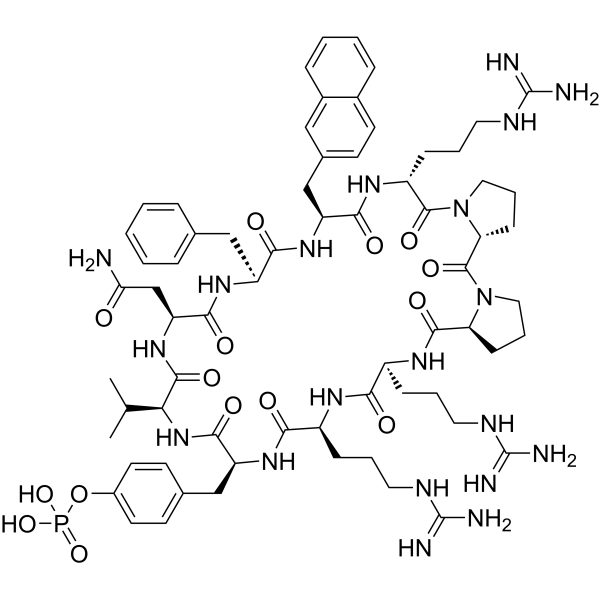
Grb2 SH2 domain inhibitor 1 is an inhibitor of the Grb2 SH2 domain with an IC50 of 0.40 μM. Grb2 SH2 domain inhibitor 1 is also a cell-permeable cyclic peptide that can enter the cytosol of mammalian cells. Grb2 SH2 domain inhibitor 1 downregulates the expression level of p-MEK. Grb2 SH2 domain inhibitor 1 can be used in the research of breast cancer .
|
-
-
- HY-E70069GL
-
|
|
Biochemical Assay Reagents
|
Infection
|
|
Endo S2, Streptococcus pyogenes (GMP Like) is Endo S2, Streptococcus pyogenes (HY-E70069) produced by using GMP like guidelines. Endo-β-N-acetylglucosaminidase (Endo S2) is a key enzyme involved in the processing of free oligosaccharides in the cytosol. Endo-β-N-acetylglucosaminidase catalyzes hydrolysis of N-linked oligosaccharides .
|
-

-
- HY-167012
-
|
|
Liposome
|
Others
|
|
306Oi9-cis2 is an ionizable lipid. The ability of ionizable lipids to form unstable non-bilayer structures at acidic pH is key for endosomal escape and cytosolic delivery of RNA. 306Oi9-cis2 can be used in the preparation of liposomes .
|
-

-
- HY-167015
-
|
|
Liposome
|
Others
|
|
1O14 is an ionizable lipid. The ability of ionizable lipids to form unstable non-bilayer structures at acidic pH is key for endosomal escape and cytosolic delivery of RNA. 1O14 can be used in the preparation of liposomes .
|
-

-
- HY-W1005067
-
|
|
Molecular Glues
Hippo (MST)
Estrogen Receptor/ERR
|
Others
|
|
EN171 is a covalent ligand that covalently targets both C38 and C96 on 14-3-3 to enhance 14-3-3 interactions with ERα, YAP and TAZ, leading to impaired estrogen receptor and Hippo pathway transcriptional activity. EN171 can not only be used as a molecular glue to enhance native protein interactions but can also be used as a covalent 14-3-3 recruiter in heterobifunctional molecules to sequester nuclear neo-substrates such as BRD4 and BLC6 into the cytosol .
|
-

-
- HY-126789A
-
|
|
Biochemical Assay Reagents
|
Metabolic Disease
|
|
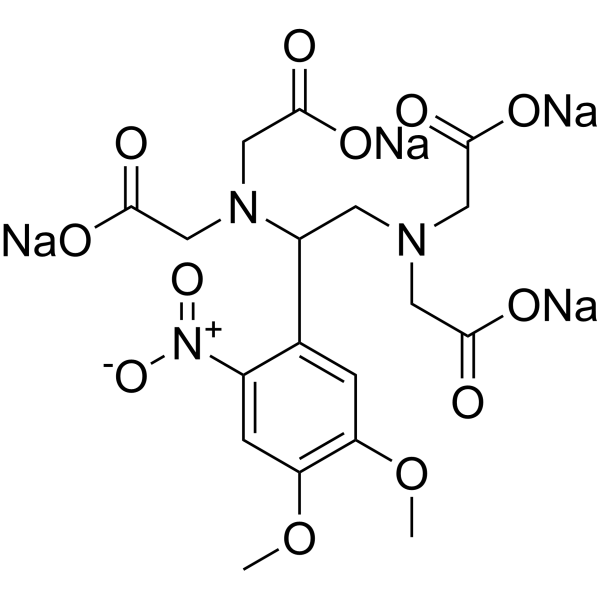
DM-Nitrophen tertasodium is a photolabile caged calcium compound that acts as a calcium releaser. DM-Nitrophen tertasodium binds Ca 2+ with high affinity and Mg 2+ with considerable affinity before photolysis. DM-Nitrophen tertasodium releases Ca 2+ into the cytosol upon ultraviolet light irradiation. DM-Nitrophen tertasodium induces calcium concentration pulses, triggers cytosolic calcium transients, promotes calcium-dependent exocytosis. DM-Nitrophen tertasodium can be used for the research of calcium-dependent cellular processes .
|
-
-
- HY-P5325A
-
|
|
Bcl-2 Family
|
Others
|
|
Bid BH3 (80-99) acetate is a biological active peptide. (BID is a pro-apoptotic member of the 'BH3-only' (BOPS) subset of the BCL-2 family of proteins that constitute a critical control point in apoptosis. Bid is the first of the BOPs reported to bind and activate Bcl-2, Bax, and Bak. Bid serves as a death-inducing ligand that moves from the cytosol to the mitochondrial membrane to inactivate Bcl-2 or to activate Bax.Pyroglutamyl (pGlu) peptides may spontaneously form when either Glutamine (Q) or Glutamic acid (E) is located at the sequence N-terminus. The conversion of Q or E to pGlu is a natural occurrence and in general it is believed that the hydrophobic γ-lactam ring of pGlu may play a role in peptide stability against gastrointestinal proteases. Pyroglutamyl peptides are therefore considered a normal subset of such peptides and are included as part of the peptide purity during HPLC analysis.)
|
-

-
- HY-P5325
-
|
|
Bcl-2 Family
|
Others
|
|
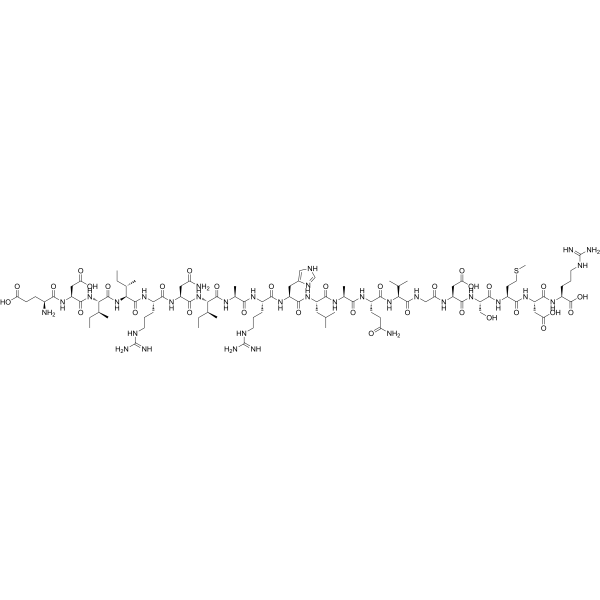
Bid BH3 (80-99) is a biological active peptide. (BID is a pro-apoptotic member of the 'BH3-only' (BOPS) subset of the BCL-2 family of proteins that constitute a critical control point in apoptosis. Bid is the first of the BOPs reported to bind and activate Bcl-2, Bax, and Bak. Bid serves as a death-inducing ligand that moves from the cytosol to the mitochondrial membrane to inactivate Bcl-2 or to activate Bax.Pyroglutamyl (pGlu) peptides may spontaneously form when either Glutamine (Q) or Glutamic acid (E) is located at the sequence N-terminus. The conversion of Q or E to pGlu is a natural occurrence and in general it is believed that the hydrophobic γ-lactam ring of pGlu may play a role in peptide stability against gastrointestinal proteases. Pyroglutamyl peptides are therefore considered a normal subset of such peptides and are included as part of the peptide purity during HPLC analysis.)
|
-
-
- HY-13676S
-
|
|
Isotope-Labeled Compounds
Progesterone Receptor
Autophagy
HIV
|
Endocrinology
Cancer
|
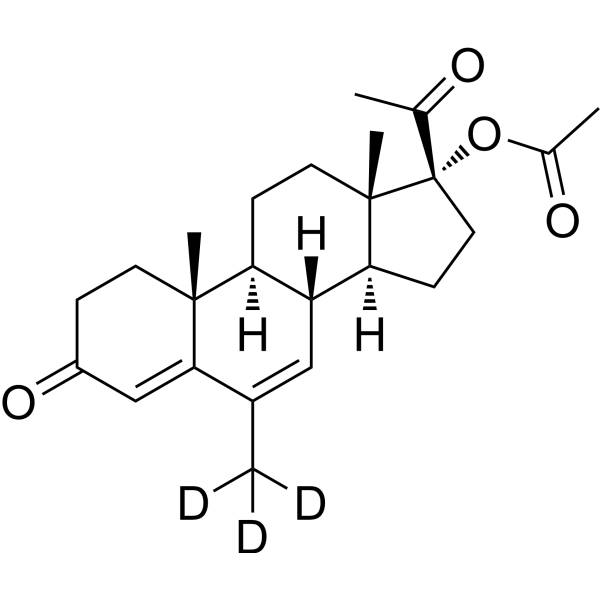
Megestrol acetate-d3 is the deuterium labeled Megestrol acetate. Megestrol acetate is a synthetic and orally active progesteronal agent. Megestrol acetate is effective as an appetite stimulant for wasting syndromes such as cachexia. Megestrol acetate decreases nuclear and cytosol androgen receptors human BPH tissue. Megestrol acetate has the potential for HIV study and downregulates autophagic catabolic pathway .
|
-
-
- HY-N5072R
-
|
4',6,7-Trihydroxyisoflavone (Standard)
|
Reference Standards
CDK
PI3K
PKC
|
Cancer
|
|
Desmethylglycitein (4',6,7-Trihydroxyisoflavone), a metabolite of daidzein, sourced from Glycine max with antioxidant, and anti-cancer activities.
Desmethylglycitein binds directly to CDK1 and CDK2 in vivo, resulting in the suppresses CDK1 and CDK2 activity . Desmethylglycitein is a direct inhibitor of protein kinase C (PKC)α, against solar UV (sUV)-induced matrix matrix metalloproteinase 1 (MMP1) . Desmethylglycitein binds to PI3K in an ATP competitive manner in the cytosol, where it inhibits the activity of PI3K and downstream signaling cascades, leading to the suppression of adipogenesis in 3T3-L1 preadipocytes .
|
-

-
- HY-P6011
-
|
|
Bacterial
|
Others
|
|
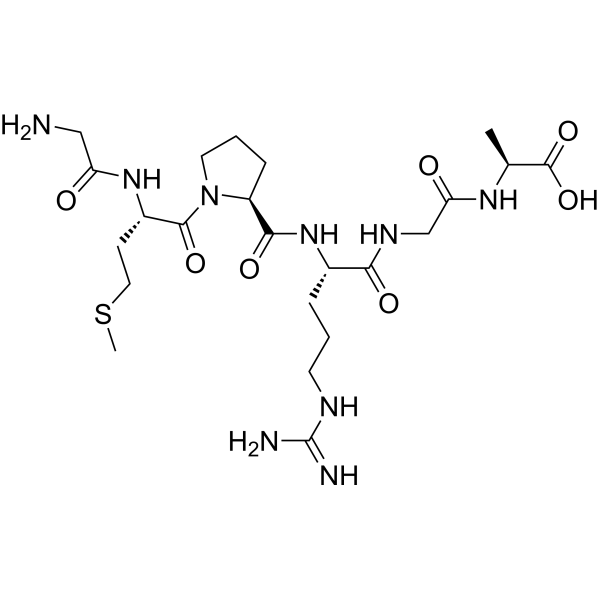
GMPRGA, derived from the phages Spbeta, can recognize spAimR in the bacterial cytosol to induce lysogeny .
|
-
-
- HY-P6012
-
|
|
Bacterial
|
Others
|
|
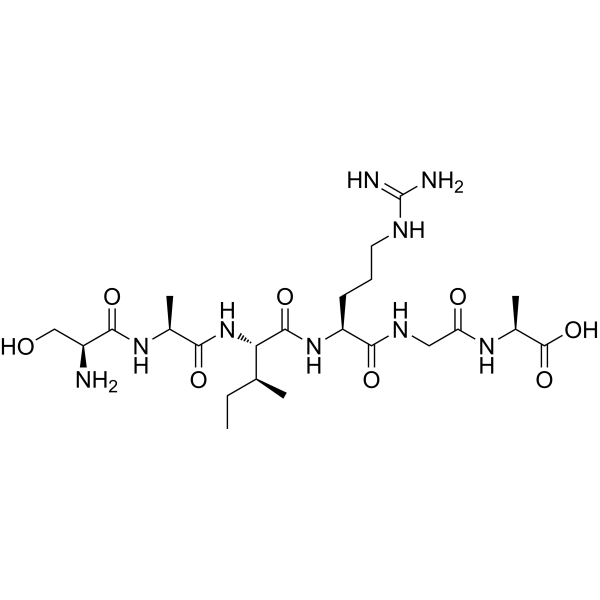
SAIRGA, derived from the phages phi3T, can recognize phAimR in the bacterial cytosol to induce lysogeny .
|
-
-
- HY-P6012A
-
|
|
Bacterial
|
Others
|
|
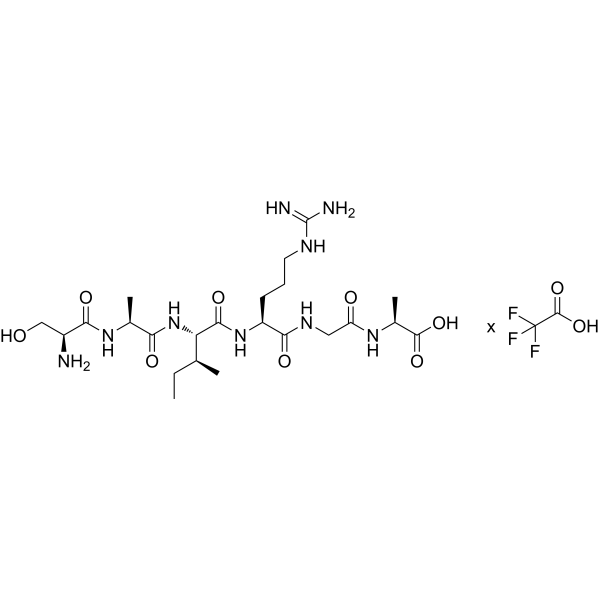
SAIRGA (TFA), derived from the phages phi3T, can recognize phAimR in the bacterial cytosol to induce lysogeny .
|
-
-
- HY-P6011A
-
|
|
Bacterial
|
Others
|
|
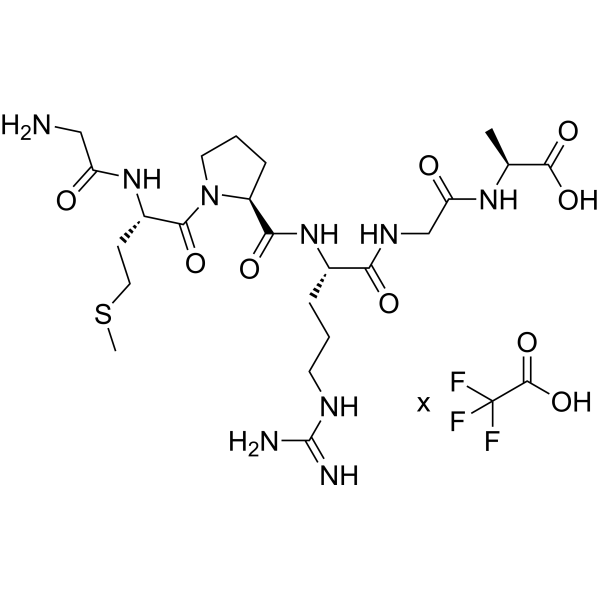
GMPRGA (TFA) is the TFA form of GMPRGA (HY-P6011). GMPRGA (TFA) can recognize spAimR in the bacterial cytosol to induce lysogeny .
|
-
-
- HY-W011640
-
|
|
Biochemical Assay Reagents
|
Cancer
|
|
7,8,9,10-Tetrahydrobenzo[a]pyren-7-ol is a benzopyrene derivative that is activated by hepatic cytosol into electrophilic sulfuric acid esters , which are capable of forming covalent DNA adducts and inducing mutations .
|
-
![7,8,9,10-Tetrahydrobenzo[pqr]tetraphen-7-ol](//file.medchemexpress.com/product_pic/hy-w011640.gif)
-
- HY-133797
-
|
|
Drug Metabolite
|
Neurological Disease
|
|
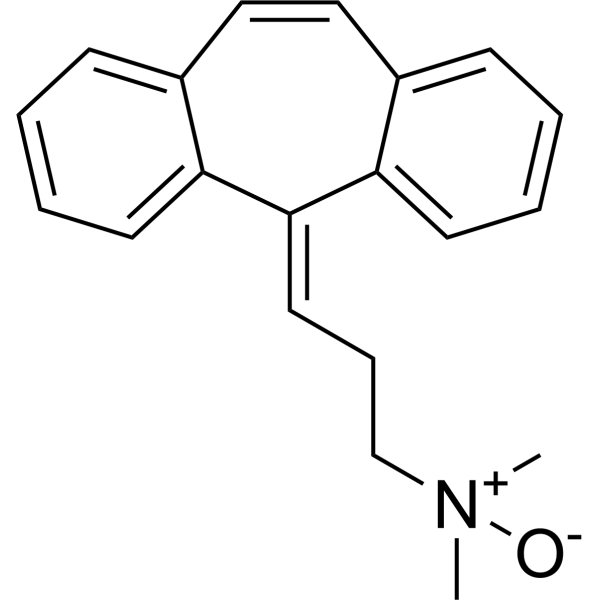
Cyclobenzaprine N-oxide is the tertiary amine metabolite of Cyclobenzaprine (HY-B0740) in liver particles. Cyclobenzaprine is a skeletal muscle relaxant and is active on the central nervous system. The liver cytosol from liver particles has reductase activity that can reduce Cyclobenzaprine N-oxide to the corresponding amine .
|
-
-
- HY-100125
-
|
SR1368
|
COX
|
Inflammation/Immunology
|
|
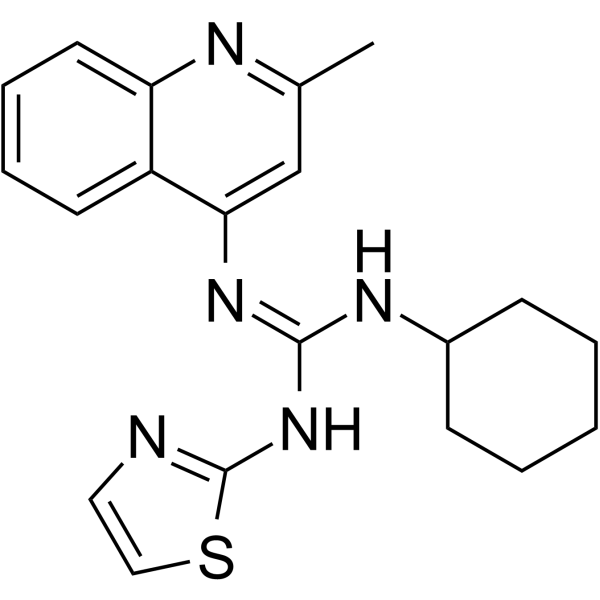
Timegadine, a new antiinflammatory agent, is found to be a potent, competitive inhibitor of cyclo-oxygenase (COX) and lipo-oxygenase, with IC50s ranging from 5 nM (washed rabbit platelets) to 20 μM (rat brain) for COX and 100 μM for lipo-oxygenase both in the cytosol fraction of horse platelet homogenates, and in washed rabbit platelets.
|
-
-
- HY-13676S1
-
|
|
Isotope-Labeled Compounds
Progesterone Receptor
Autophagy
HIV
|
Endocrinology
Cancer
|
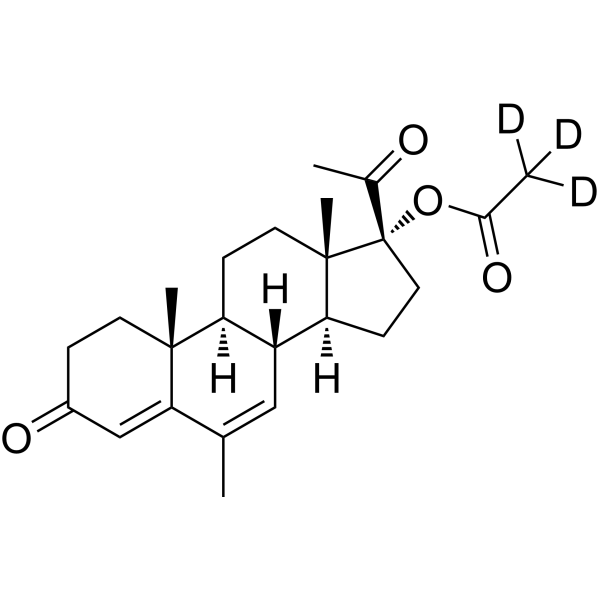
Megestrol acetate-d3-1 is deuterium labeled Megestrol acetate. Megestrol acetate is a synthetic and orally active progesteronal agent. Megestrol acetate is effective as an appetite stimulant for wasting syndromes such as cachexia. Megestrol acetate decreases nuclear and cytosol androgen receptors human BPH tissue. Megestrol acetate has the potential for HIV study and downregulates autophagic catabolic pathway .
|
-
-
- HY-167004A
-
|
|
Liposome
|
Others
|
|
IAJD249 is an ionizable lipid. The ability of ionizable lipids to form unstable non-bilayer structures at acidic pH is key for endosomal escape and cytosolic delivery of RNA. IAJD249 can be used in the preparation of liposomes .
|
-

-
- HY-167004
-
|
|
Liposome
|
Others
|
|
IAJD93 is an ionizable lipid. The ability of ionizable lipids to form unstable non-bilayer structures at acidic pH is key for endosomal escape and cytosolic delivery of RNA. IAJD93 can be used in the preparation of liposomes .
|
-

-
- HY-167011
-
|
|
Liposome
|
Others
|
|
Al-28 is an ionizable lipid. The ability of ionizable lipids to form unstable non-bilayer structures at acidic pH is key for endosomal escape and cytosolic delivery of RNA. Al-28 can be used in the preparation of liposomes .
|
-

-
- HY-167003
-
|
|
Liposome
|
Others
|
|
L16 is an ionizable lipid. The ability of ionizable lipids to form unstable non-bilayer structures at acidic pH is key for endosomal escape and cytosolic delivery of RNA. L16 can be used in the preparation of liposomes .
|
-

-
- HY-15695R
-
|
NSC 3056 (Standard)
|
Reference Standards
Bacterial
Apoptosis
Dipeptidyl Peptidase
Aminopeptidase
Antibiotic
|
Cancer
|
|
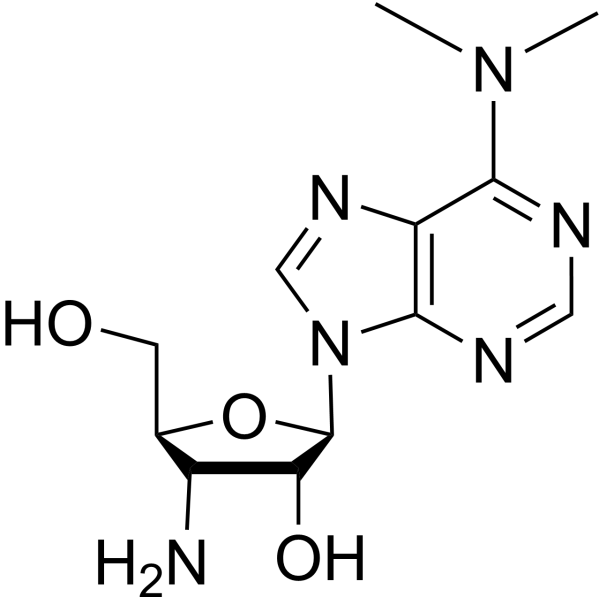
Puromycin aminonucleoside (Standard) is the analytical standard of Puromycin aminonucleoside. This product is intended for research and analytical applications. Puromycin aminonucleoside (NSC 3056) is the aminonucleoside portion of the antibiotic puromycin, and used in nephrosis animal models[1]. Puromycin aminonucleoside induces apoptosis[2]. Puromycin aminonucleoside is a reversible inhibitor of dipeptidyl peptidase II and cytosol alanyl aminopeptidase[3]. Puromycin aminonucleoside induces secretion of cell migrasome[4].
|
-

-
- HY-176775
-
|
|
Oxidative Phosphorylation
Mitochondrial Metabolism
Apoptosis
|
Neurological Disease
|
|
TPP-IOA is a cytochrome c peroxidase inhibitor. TPP-IOA inhibits apoptosis by preventing cardiolipin oxidation and cytochrome c release to the cytosol. TPP-IOA disrupts oxidative phosphorylation in isolated mitochondria. TPP-IOA inhibits cell death in SH-SY5Y cells grown in glucose, but not galactose. TPP-IOA causes mitochondrial depolarization and network fragmentation. TPP-lOA mitigates radiation induced death in mice .
|
-

-
- HY-P99803
-
|
VAL-1221
|
Glycosidase
|
Others
|
|
Clervonafusp alfa (VAL-1221) is a fusion protein targeting both cytosolic and lysosomal glycogen. Clervonafusp alfa is comprised of the Fab portion of a cell-penetrating antibody and recombinant human acid alpha glucosidase (rhGAA), the former utilizing the nucleoside transporter ENT-2 to gain access to the cytosol, and the latter enters lysosomes via mannose-6-phosphate receptors (M6PRs). Clervonafusp alfa can be used for late-onset Pompe disease research .
|
-

-
- HY-N8617
-
|
|
DNA/RNA Synthesis
Caspase
PARP
Bcl-2 Family
Mitochondrial Metabolism
Apoptosis
|
Cancer
|
|
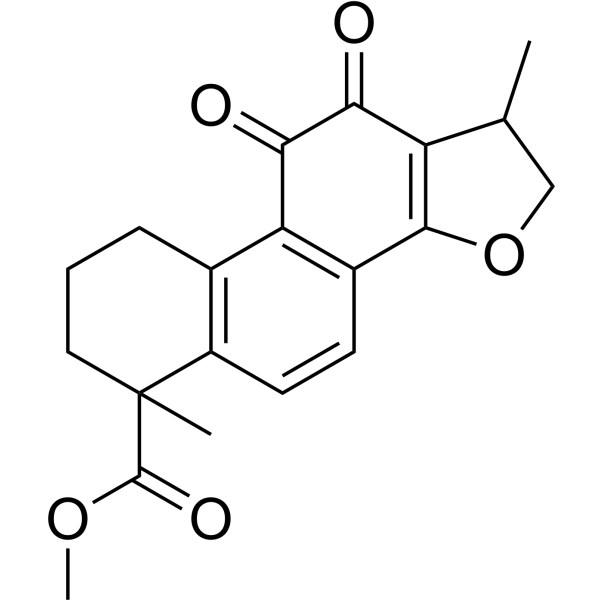
Trijuganone C is a tanshinone-type diterpenoid compound. Trijuganone C can be isolated from the roots of Salvia miltiorrhiza Bunge. Trijuganone C induces chromatin condensation, DNA fragmentation, activation of Caspase-3, -8 and -9, as well as cleavage of PARP. Trijuganone C activates Bid and Bax, leading to loss of mitochondrial membrane potential and inducing the release of cytochrome c from mitochondria into the cytosol. Trijuganone C exerts antiproliferative effects through Apoptosis induction mediated by Mitochondrial dysfunction and Caspase activation. Trijuganone C exhibits significant antiproliferative activity against leukemia cells and colon cancer cells .
|
-
-
- HY-175392
-
|
|
PROTACs
Epoxide Hydrolase
|
Metabolic Disease
Inflammation/Immunology
|
|
PROTAC sEH-degrader-3 (Compound 1a) is a targeted sEH PROTAC degrader that can selectively degrade sEH in the cytosol without affecting sEH in peroxisomes. PROTAC sEH-degrader-3 degrades sEH through a CRBN-dependent lysosomal pathway rather than the proteasome, with an IC50 of 0.8 nM against hsEH. PROTAC sEH-degrader-3 can inhibit endoplasmic reticulum stress and can be used in the research of inflammation, metabolic diseases, and other diseases related to endoplasmic reticulum stress. (Pink: sEH inhibitor (HY-114266); Black: Linker (HY-W008352); Blue: E3 Ligase Ligand (HY-14658)) .
|
-

-
- HY-D2758
-
|
|
Fluorescent Dye
|
Others
|
|
TAMRA DBCO, 5-isomer is a derivative of TAMRA fluorescent isomer with a DBCO functional group. TAMRA DBCO, 5-isomer undergoes strain-promoted azide-alkyne cycloaddition (SPAAC) under copper-free catalytic conditions. TAMRA DBCO, 5-isomer serves as a FRET acceptor for FAM fluorophores. TAMRA DBCO, 5-isomer can label proteins, peptides, nucleic acids and all azide-modified biomolecules, and is suitable for fluorescence imaging and flow cytometry to quantify intracellular SPAAC reactions .
|
-

-
- HY-W587743
-
|
AMK hydrochloride
|
Prostaglandin Receptor
PGE synthase
COX
Reactive Oxygen Species (ROS)
|
Neurological Disease
Metabolic Disease
|
|
N1-Acetyl-5-methoxykynuramine (AMK) hydrochloride is an active metabolite of the neurohormone melatonin (HY-B0075). N1-Acetyl-5-methoxykynuramine hydrochloride (200 µM) effectively scavenges singlet oxygen (ROS).1 It also inhibits the production of prostaglandin E2 (PGE2) and prostaglandin D2 (PGD2) induced by epinephrine and arachidonic acid in a concentration- and time-dependent manner, and suppresses the increase in COX-2 levels induced by LPS (HY-D1056) in RAW 264.7 macrophages at a concentration of 500 µM. In a mouse model of Parkinson's disease induced by MPTP (HY-15608), N1-Acetyl-5-methoxykynuramine hydrochloride (20 mg/kg) reduces the increase in lipid peroxidation in the cytosol and mitochondria of the substantia nigra and striatum. N1-Acetyl-5-methoxykynuramine hydrochloride can be used in research on metabolic and neurological diseases
|
-

-
- HY-101812
-
|
|
Apolipoprotein
LDLR
Cytochrome P450
|
Metabolic Disease
|
|
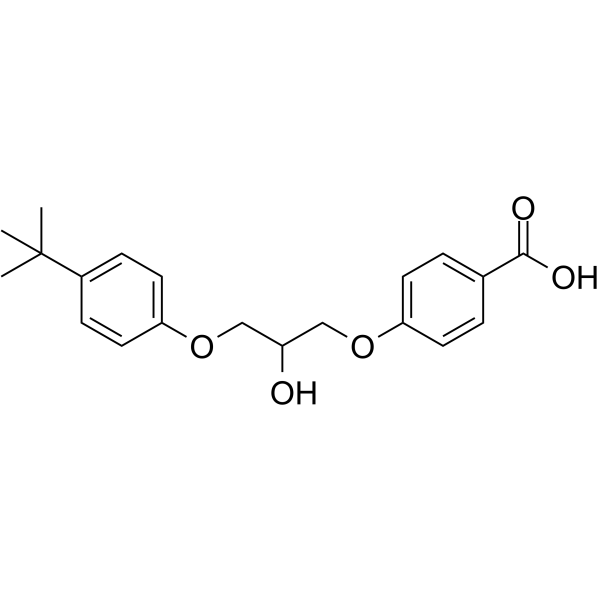
Terbufibrol is an orally active lipid-lowering agent. Terbufibrol inhibits hepatic Cholesterol 7 alpha-hydroxylase. Terbufibrol blocks a step between Acetate and HMG-CoA in the hepatic cholesterol synthesis process. Terbufibrol reduces serum total cholesterol, HDL, LDL, lipoprotein levels, and the cholesterol/phospholipid ratio, with dose- and sex-dependent changes in lipoprotein components. Terbufibrol exerts sustained cholesterol-lowering activity in baboons and rats. Terbufibrol can be used in research related to hypercholesterolemia .
|
-
- HY-167255
-
|
|
Fluorescent Dye
|
Others
|
|
JC-10 is a lipophilic mitochondrial membrane potential indicator and is a fluorescent dye. JC-10 accumulates and aggregates in healthy mitochondria to emit red fluorescence; exists as a monomer emitting green fluorescence in the cytosol or apoptotic cells with collapsed mitochondrial membrane potential, enabling measurement of mitochondrial depolarization via the green/red fluorescence ratio .
|
-

- HY-E71227
-
|
|
Biochemical Assay Reagents
|
Others
|
|
α-Factor-transporting ATPase (EC 7.4.2.7) is a plasma membrane ATP-binding cassette (ABC) transporter that actively exports the farnesylated lipopeptide mating pheromone a-factor from the cytosol of MATa haploid cells.
|
-

- HY-182452
-
|
|
Phosphodiesterase (PDE)
Phospholipase
|
Cardiovascular Disease
|
|
U 84569 is a potent low-Km cAMP-dependent Phosphodiesterase inhibitor, with an IC50 value of 300 nM in platelet cytosol. By inhibiting phosphodiesterase and elevating cAMP levels, U 84569 indirectly blocks receptor-mediated Phospholipase C activation, thereby inhibiting platelet aggregation .
|
-

- HY-179316
-
|
|
Biochemical Assay Reagents
|
Others
|
|
4-Phosphonooxy-tempo is an anionic nitroxide spin probe. 4-Phosphonooxy-tempo can be transported by a band 3 protein to permeate the membrane and then react with reductants contained in cytosol. 4-Phosphonooxy-tempo can be used as biomembrane anion channel functional probe .
|
-

- HY-W1130452
-
|
|
Liposome
|
Cancer
|
|
Lipid C16-C is an ionizable cationic lipid that can be used to prepare lipid nanoparticles (LNPs) for mRNA delivery. Lipid C16-C mediates ApoE-independent macropinocytosis-based mRNA delivery to macrophages, with endosomal acidification enabling endosomal escape and release of mRNA cargo into the cytosol .
|
-

- HY-116219
-
|
|
Androgen Receptor
|
Endocrinology
Cancer
|
|
WB2838 is a non-steroidal androgen-receptor antagonist (IC50: 0.8 μM for partially purified rat prostate cytosol receptor). WB2838 exhibits anti-cancer activity against androgen-responsive breast cancer. WB2838 also shows the inhibitory activity against the growth of the ventral prostate induced by Testosterone propionate .
|
-

- HY-167002
-
|
|
Liposome
|
Others
|
|
RM 137-15 is an ionizable lipid. The ability of ionizable lipids to form unstable non-bilayer structures at acidic pH is key for endosomal escape and cytosolic delivery of RNA. RM 137-15 can be used in the preparation of liposomes .
|
-

- HY-177092
-
|
|
Antifolate
SHMT
Apoptosis
mTOR
Reactive Oxygen Species (ROS)
Mitochondrial Metabolism
|
Cancer
|
|
AGF347 is a potent and multi-targeted antifolate that targets serine hydroxymethyltransferase (SHMT)2 in the mitochondria and SHMT1 in the cytosol, and inhibits de novo purine biosynthesis. AGF347 induces apoptosis, inhibits mTOR signaling, decreases GSH pools, and increases ROS. AGF347 inhibits proliferation of Cisplatin (HY-17394) sensitive and resistant epithelial ovarian cancer (EOC) cells. AGF347 exhibits antitumor efficacy in SKOV3 EOC xenograft mouse models. AGF347 can be used for ovarian cancer research .
|
-

- HY-P11792
-
|
|
E1/E2/E3 Enzyme
|
Cancer
|
|
CP2-CPP is a conjugate of p27 Analogue CP2 (HY-P11020) and Antennapedia Peptide (HY-P0307). CP2-CPP crosses cell membranes and localizes to live cell cytosol. CP2-CPP blocks SCF Skp2/Cks1-p27 interaction to inhibit p27 ubiquitination and degradation, restoring p27 levels and inhibiting cell proliferation. CP2-CPP can be used for the research of cancer, such as breast cancer .
|
-

- HY-183530
-
|
|
p38 MAPK
PKC
Bacterial
|
Infection
Inflammation/Immunology
|
|
p38 MAPK-IN-11 is a CSBP (p38 MAPK) kinase inhibitor with IC50 values of 0.15 μM (binding activity) and 0.21 μM (inhibitory activity). p38 MAPK-IN-11 shows weak inhibitory activity against PKCα kinase, with an IC50 of 7.6 μM. p38 MAPK-IN-11 inhibits the production of IL-1. p38 MAPK-IN-11 also acts as a β-lactam antibiotic potentiator, but has no antibacterial activity itself .
|
-

- HY-D3196
-
|
|
Fluorescent Dye
|
Cancer
|
|
AG2 is a glucose uptake tracer and two-photon fluorescent probe. AG2 is taken up by cells via glucose-specific transport systems, rather than passive diffusion; it preferentially accumulates in cancer cells and colon cancer tissues compared with normal cells and tissues; it mainly localizes to mitochondria, with a small amount also distributed in the cytoplasm and cell membrane. AG2 can be used for colon cancer research .
|
-

- HY-183623
-
|
|
ADC Payload
Apoptosis
|
Cancer
|
|
ProAlk01 is a protein alkylating agent that serves as a toxin payload for ADCs. ProAlk01 localizes to the cytoplasm and exerts cytotoxic effects mainly by alkylating cytoplasmic proteins rather than binding to DNA. ProAlk01 induces cell cycle arrest, apoptosis, and immunogenic cell death. ProAlk01 can be used in the research of solid tumors .
|
-

| Cat. No. |
Product Name |
Type |
-
- HY-E70069GL
-
|
|
Fluorescent Dyes
|
|
Endo S2, Streptococcus pyogenes (GMP Like) is Endo S2, Streptococcus pyogenes (HY-E70069) produced by using GMP like guidelines. Endo-β-N-acetylglucosaminidase (Endo S2) is a key enzyme involved in the processing of free oligosaccharides in the cytosol. Endo-β-N-acetylglucosaminidase catalyzes hydrolysis of N-linked oligosaccharides .
|
-
- HY-D2758
-
|
|
Fluorescent Dyes
|
|
TAMRA DBCO, 5-isomer is a derivative of TAMRA fluorescent isomer with a DBCO functional group. TAMRA DBCO, 5-isomer undergoes strain-promoted azide-alkyne cycloaddition (SPAAC) under copper-free catalytic conditions. TAMRA DBCO, 5-isomer serves as a FRET acceptor for FAM fluorophores. TAMRA DBCO, 5-isomer can label proteins, peptides, nucleic acids and all azide-modified biomolecules, and is suitable for fluorescence imaging and flow cytometry to quantify intracellular SPAAC reactions .
|
-
- HY-167255
-
|
|
Fluorescent Dyes
|
|
JC-10 is a lipophilic mitochondrial membrane potential indicator and is a fluorescent dye. JC-10 accumulates and aggregates in healthy mitochondria to emit red fluorescence; exists as a monomer emitting green fluorescence in the cytosol or apoptotic cells with collapsed mitochondrial membrane potential, enabling measurement of mitochondrial depolarization via the green/red fluorescence ratio .
|
-
- HY-D3196
-
|
|
Fluorescent Dyes
|
|
AG2 is a glucose uptake tracer and two-photon fluorescent probe. AG2 is taken up by cells via glucose-specific transport systems, rather than passive diffusion; it preferentially accumulates in cancer cells and colon cancer tissues compared with normal cells and tissues; it mainly localizes to mitochondria, with a small amount also distributed in the cytoplasm and cell membrane. AG2 can be used for colon cancer research .
|
| Cat. No. |
Product Name |
Type |
-
- HY-139109
-
IR-783
2 Publications Verification
ADS 780WS
|
Biochemical Assay Reagents
|
|
IR-783 (ADS 780WS) is a heptamethine cyanine dye. IR-783 induces Mitochondrial membrane potential loss, ATP depletion, mitochondrial permeability transition pore opening, Cytochrome c release and Apoptosis in breast cancer cells. IR-783 promotes the translocation of Drp1 from the cytosol to mitochondria. IR-783 increases the expression of mitochondrial fission proteins such as MFF and Fission-1. IR-783 possesses imaging, cancer-targeting and anticancer properties. IR-783 exerts anticancer effects against breast cancer. IR-783 can be used in breast cancer-related research .
|
-
- HY-125857B
-
|
|
Biochemical Assay Reagents
|
|
Cytochrome C (Saccharomyces cerevisiae) is a type C cytochrome located in the intermembrane space of the mitochondria. As an electron carrier, Cytochrome C (Saccharomyces cerevisiae) transfers electrons between complex III (cytochrome c reductase) and complex IV (cytochrome c oxidase, CIV) of the respiratory chain. Cytochrome C (Saccharomyces cerevisiae) can play a crucial role in triggering apoptosis by being released from the mitochondria into the cytosol .
|
-
- HY-E70069GL
-
|
|
Biochemical Assay Reagents
|
|
Endo S2, Streptococcus pyogenes (GMP Like) is Endo S2, Streptococcus pyogenes (HY-E70069) produced by using GMP like guidelines. Endo-β-N-acetylglucosaminidase (Endo S2) is a key enzyme involved in the processing of free oligosaccharides in the cytosol. Endo-β-N-acetylglucosaminidase catalyzes hydrolysis of N-linked oligosaccharides .
|
-
- HY-167012
-
|
|
Biochemical Assay Reagents
|
|
306Oi9-cis2 is an ionizable lipid. The ability of ionizable lipids to form unstable non-bilayer structures at acidic pH is key for endosomal escape and cytosolic delivery of RNA. 306Oi9-cis2 can be used in the preparation of liposomes .
|
-
- HY-167015
-
|
|
Biochemical Assay Reagents
|
|
1O14 is an ionizable lipid. The ability of ionizable lipids to form unstable non-bilayer structures at acidic pH is key for endosomal escape and cytosolic delivery of RNA. 1O14 can be used in the preparation of liposomes .
|
-
- HY-167004A
-
|
|
Biochemical Assay Reagents
|
|
IAJD249 is an ionizable lipid. The ability of ionizable lipids to form unstable non-bilayer structures at acidic pH is key for endosomal escape and cytosolic delivery of RNA. IAJD249 can be used in the preparation of liposomes .
|
-
- HY-167004
-
|
|
Biochemical Assay Reagents
|
|
IAJD93 is an ionizable lipid. The ability of ionizable lipids to form unstable non-bilayer structures at acidic pH is key for endosomal escape and cytosolic delivery of RNA. IAJD93 can be used in the preparation of liposomes .
|
-
- HY-167011
-
|
|
Biochemical Assay Reagents
|
|
Al-28 is an ionizable lipid. The ability of ionizable lipids to form unstable non-bilayer structures at acidic pH is key for endosomal escape and cytosolic delivery of RNA. Al-28 can be used in the preparation of liposomes .
|
-
- HY-167003
-
|
|
Biochemical Assay Reagents
|
|
L16 is an ionizable lipid. The ability of ionizable lipids to form unstable non-bilayer structures at acidic pH is key for endosomal escape and cytosolic delivery of RNA. L16 can be used in the preparation of liposomes .
|
-
- HY-167002
-
|
|
Biochemical Assay Reagents
|
|
RM 137-15 is an ionizable lipid. The ability of ionizable lipids to form unstable non-bilayer structures at acidic pH is key for endosomal escape and cytosolic delivery of RNA. RM 137-15 can be used in the preparation of liposomes .
|
| Cat. No. |
Product Name |
Target |
Research Area |
-
- HY-P1928
-
|
|
Bcl-2 Family
|
Neurological Disease
Endocrinology
|
Humanin, an anti-apoptotic peptide of 24 amino acids, is a Bax inhibitor. Humanin prevents the translocation of Bax from cytosol to mitochondria, blocks Bax from the inactive to active conformation. Humanin is a mitochondria-associated peptide with a neuroprotective effect against AD-related neurotoxicity. Humanin also improves overall insulin sensitivity in animal. Humanin are related to aging .
Humanin analogue, in which the serine at position 14 is replaced by glycine, names HNG .
|
-
- HY-P4122
-
|
|
HIV
|
Others
|
|
TAT (47-57), FAM-labeled is a 5(6)-Carboxyfluorescein (HY-15940)-labeled TAT (HY-P0281). TAT (YGRKKRRQRRR) is derived from the transactivator of transcription (TAT) of human immunodeficiency virus-1 (HIV-1) and is a cell-penetrating peptide .
|
-
- HY-P4118
-
|
Penetrating analog
|
Amino Acid Derivatives
Peptide-Drug Conjugates (PDCs)
|
Others
|
|
EB1 peptide (Penetrating analog) is an endosomolytic agent and siRNA delivery agent. EB1 peptide forms an amphipathic alpha helix upon protonation in early-late endosomes, drives endosomal membrane permeabilization, and enables endocytosed siRNA escape into the cytosol. EB1 peptide facilitates biologically active siRNA cellular uptake and targeted gene silencing. EB1 peptide forms complexes with siRNA. EB1 peptide can be used for drug delivery research .
|
-
- HY-P2500
-
|
|
Fluorescent Dye
|
Others
|
|
(Arg)9, FAM-labeled, a cell-penetrating peptide (CPP), is a nona-arginine (ARG) with FAM label. CPPs have emerged as powerful tools for delivering bioactive cargoes into the cytosol of intact cells .
|
-
- HY-P10153
-
|
|
Peptides
|
Others
|
|
gH625 is a cell-penetrating viral peptide which is a part of glycoprotein H of Herpes simplex virus type I. gH625 is able to cross the cell membrane and to transport many conjugated cargoes into the cytosol. gH625 is permeable to the blood-brain barrier (BBB) and can enter the rat brain in vivo without toxic effects. gH625 can be used for siRNA delivery research .
|
-
- HY-146127
-
|
|
MEK
|
Cancer
|
|
Grb2 SH2 domain inhibitor 1 is an inhibitor of the Grb2 SH2 domain with an IC50 of 0.40 μM. Grb2 SH2 domain inhibitor 1 is also a cell-permeable cyclic peptide that can enter the cytosol of mammalian cells. Grb2 SH2 domain inhibitor 1 downregulates the expression level of p-MEK. Grb2 SH2 domain inhibitor 1 can be used in the research of breast cancer .
|
-
- HY-P5325A
-
|
|
Bcl-2 Family
|
Others
|
|
Bid BH3 (80-99) acetate is a biological active peptide. (BID is a pro-apoptotic member of the 'BH3-only' (BOPS) subset of the BCL-2 family of proteins that constitute a critical control point in apoptosis. Bid is the first of the BOPs reported to bind and activate Bcl-2, Bax, and Bak. Bid serves as a death-inducing ligand that moves from the cytosol to the mitochondrial membrane to inactivate Bcl-2 or to activate Bax.Pyroglutamyl (pGlu) peptides may spontaneously form when either Glutamine (Q) or Glutamic acid (E) is located at the sequence N-terminus. The conversion of Q or E to pGlu is a natural occurrence and in general it is believed that the hydrophobic γ-lactam ring of pGlu may play a role in peptide stability against gastrointestinal proteases. Pyroglutamyl peptides are therefore considered a normal subset of such peptides and are included as part of the peptide purity during HPLC analysis.)
|
-
- HY-P5325
-
|
|
Bcl-2 Family
|
Others
|
|
Bid BH3 (80-99) is a biological active peptide. (BID is a pro-apoptotic member of the 'BH3-only' (BOPS) subset of the BCL-2 family of proteins that constitute a critical control point in apoptosis. Bid is the first of the BOPs reported to bind and activate Bcl-2, Bax, and Bak. Bid serves as a death-inducing ligand that moves from the cytosol to the mitochondrial membrane to inactivate Bcl-2 or to activate Bax.Pyroglutamyl (pGlu) peptides may spontaneously form when either Glutamine (Q) or Glutamic acid (E) is located at the sequence N-terminus. The conversion of Q or E to pGlu is a natural occurrence and in general it is believed that the hydrophobic γ-lactam ring of pGlu may play a role in peptide stability against gastrointestinal proteases. Pyroglutamyl peptides are therefore considered a normal subset of such peptides and are included as part of the peptide purity during HPLC analysis.)
|
-
- HY-P6011
-
|
|
Bacterial
|
Others
|
|
GMPRGA, derived from the phages Spbeta, can recognize spAimR in the bacterial cytosol to induce lysogeny .
|
-
- HY-P6012
-
|
|
Bacterial
|
Others
|
|
SAIRGA, derived from the phages phi3T, can recognize phAimR in the bacterial cytosol to induce lysogeny .
|
-
- HY-P6012A
-
|
|
Bacterial
|
Others
|
|
SAIRGA (TFA), derived from the phages phi3T, can recognize phAimR in the bacterial cytosol to induce lysogeny .
|
-
- HY-P6011A
-
|
|
Bacterial
|
Others
|
|
GMPRGA (TFA) is the TFA form of GMPRGA (HY-P6011). GMPRGA (TFA) can recognize spAimR in the bacterial cytosol to induce lysogeny .
|
-
- HY-P11792
-
|
|
E1/E2/E3 Enzyme
|
Cancer
|
|
CP2-CPP is a conjugate of p27 Analogue CP2 (HY-P11020) and Antennapedia Peptide (HY-P0307). CP2-CPP crosses cell membranes and localizes to live cell cytosol. CP2-CPP blocks SCF Skp2/Cks1-p27 interaction to inhibit p27 ubiquitination and degradation, restoring p27 levels and inhibiting cell proliferation. CP2-CPP can be used for the research of cancer, such as breast cancer .
|
| Cat. No. |
Product Name |
Target |
Research Area |
Image |
-
- HY-P99803
-
|
VAL-1221
|
Glycosidase
|
Others
|
|
Clervonafusp alfa (VAL-1221) is a fusion protein targeting both cytosolic and lysosomal glycogen. Clervonafusp alfa is comprised of the Fab portion of a cell-penetrating antibody and recombinant human acid alpha glucosidase (rhGAA), the former utilizing the nucleoside transporter ENT-2 to gain access to the cytosol, and the latter enters lysosomes via mannose-6-phosphate receptors (M6PRs). Clervonafusp alfa can be used for late-onset Pompe disease research .
|
-

(5)
| Cat. No. |
Product Name |
Category |
Target |
Chemical Structure |
-
- HY-N4067
-
|
isoCDCA
|
Source Classification
|
FXR
Endogenous Metabolite
|
|
Isochenodeoxycholic acid (isoCDCA) is a FXR agonist. Isochenodeoxycholic acid activates the activity of FXR and induces the mRNA expression of FXR target genes (Ostβ and Kng1). Isochenodeoxycholic acid serves as a substrate for the liver class I ADH γγ isozyme-mediated 3β-dehydrogenation reaction .
|
-
-
- HY-N5072
-
|
4',6,7-Trihydroxyisoflavone
|
Flavonoids
Classification of Application Fields
Leguminosae
Glycine max (L.) merr
Phenols
Polyphenols
Plants
Disease Research Fields
Isoflavones
Source Classification
Cancer
|
CDK
PI3K
PKC
|
|
Desmethylglycitein (4',6,7-Trihydroxyisoflavone), a metabolite of daidzein, sourced from Glycine max with antioxidant, and anti-cancer activities.
Desmethylglycitein binds directly to CDK1 and CDK2 in vivo, resulting in the suppresses CDK1 and CDK2 activity . Desmethylglycitein is a direct inhibitor of protein kinase C (PKC)α, against solar UV (sUV)-induced matrix matrix metalloproteinase 1 (MMP1) . Desmethylglycitein binds to PI3K in an ATP competitive manner in the cytosol, where it inhibits the activity of PI3K and downstream signaling cascades, leading to the suppression of adipogenesis in 3T3-L1 preadipocytes .
|
-
-
- HY-N5072R
-
|
4',6,7-Trihydroxyisoflavone (Standard)
|
Structural Classification
Flavonoids
Leguminosae
Glycine max (L.) merr
Phenols
Polyphenols
Plants
Isoflavones
Source Classification
|
Reference Standards
CDK
PI3K
PKC
|
|
Desmethylglycitein (4',6,7-Trihydroxyisoflavone), a metabolite of daidzein, sourced from Glycine max with antioxidant, and anti-cancer activities.
Desmethylglycitein binds directly to CDK1 and CDK2 in vivo, resulting in the suppresses CDK1 and CDK2 activity . Desmethylglycitein is a direct inhibitor of protein kinase C (PKC)α, against solar UV (sUV)-induced matrix matrix metalloproteinase 1 (MMP1) . Desmethylglycitein binds to PI3K in an ATP competitive manner in the cytosol, where it inhibits the activity of PI3K and downstream signaling cascades, leading to the suppression of adipogenesis in 3T3-L1 preadipocytes .
|
-
-
- HY-N8617
-
-
| Cat. No. |
Product Name |
Chemical Structure |
-
- HY-13676S
-
|
|
Megestrol acetate-d3 is the deuterium labeled Megestrol acetate. Megestrol acetate is a synthetic and orally active progesteronal agent. Megestrol acetate is effective as an appetite stimulant for wasting syndromes such as cachexia. Megestrol acetate decreases nuclear and cytosol androgen receptors human BPH tissue. Megestrol acetate has the potential for HIV study and downregulates autophagic catabolic pathway .
|
-
-
- HY-13676S1
-
|
|
Megestrol acetate-d3-1 is deuterium labeled Megestrol acetate. Megestrol acetate is a synthetic and orally active progesteronal agent. Megestrol acetate is effective as an appetite stimulant for wasting syndromes such as cachexia. Megestrol acetate decreases nuclear and cytosol androgen receptors human BPH tissue. Megestrol acetate has the potential for HIV study and downregulates autophagic catabolic pathway .
|
-
| Cat. No. |
Product Name |
|
Classification |
-
- HY-D2758
-
|
|
|
DBCO
|
|
TAMRA DBCO, 5-isomer is a derivative of TAMRA fluorescent isomer with a DBCO functional group. TAMRA DBCO, 5-isomer undergoes strain-promoted azide-alkyne cycloaddition (SPAAC) under copper-free catalytic conditions. TAMRA DBCO, 5-isomer serves as a FRET acceptor for FAM fluorophores. TAMRA DBCO, 5-isomer can label proteins, peptides, nucleic acids and all azide-modified biomolecules, and is suitable for fluorescence imaging and flow cytometry to quantify intracellular SPAAC reactions .
|
| Cat. No. |
Product Name |
|
Classification |
-
- HY-167012
-
|
|
|
Cationic Lipids
|
|
306Oi9-cis2 is an ionizable lipid. The ability of ionizable lipids to form unstable non-bilayer structures at acidic pH is key for endosomal escape and cytosolic delivery of RNA. 306Oi9-cis2 can be used in the preparation of liposomes .
|
-
- HY-167015
-
|
|
|
Cationic Lipids
|
|
1O14 is an ionizable lipid. The ability of ionizable lipids to form unstable non-bilayer structures at acidic pH is key for endosomal escape and cytosolic delivery of RNA. 1O14 can be used in the preparation of liposomes .
|
-
- HY-167004A
-
|
|
|
Cationic Lipids
|
|
IAJD249 is an ionizable lipid. The ability of ionizable lipids to form unstable non-bilayer structures at acidic pH is key for endosomal escape and cytosolic delivery of RNA. IAJD249 can be used in the preparation of liposomes .
|
-
- HY-167004
-
|
|
|
Cationic Lipids
|
|
IAJD93 is an ionizable lipid. The ability of ionizable lipids to form unstable non-bilayer structures at acidic pH is key for endosomal escape and cytosolic delivery of RNA. IAJD93 can be used in the preparation of liposomes .
|
-
- HY-167011
-
|
|
|
Cationic Lipids
|
|
Al-28 is an ionizable lipid. The ability of ionizable lipids to form unstable non-bilayer structures at acidic pH is key for endosomal escape and cytosolic delivery of RNA. Al-28 can be used in the preparation of liposomes .
|
-
- HY-167003
-
|
|
|
Cationic Lipids
|
|
L16 is an ionizable lipid. The ability of ionizable lipids to form unstable non-bilayer structures at acidic pH is key for endosomal escape and cytosolic delivery of RNA. L16 can be used in the preparation of liposomes .
|
-
- HY-167002
-
|
|
|
Cationic Lipids
|
|
RM 137-15 is an ionizable lipid. The ability of ionizable lipids to form unstable non-bilayer structures at acidic pH is key for endosomal escape and cytosolic delivery of RNA. RM 137-15 can be used in the preparation of liposomes .
|
| Cat. No. |
Product Name |
Target |
Research Areas |
Chemical Structure |
-
- HY-E70069GL
-
|
|
Biochemical Assay Reagents
|
Infection
|
|
Endo S2, Streptococcus pyogenes (GMP Like) is Endo S2, Streptococcus pyogenes (HY-E70069) produced by using GMP like guidelines. Endo-β-N-acetylglucosaminidase (Endo S2) is a key enzyme involved in the processing of free oligosaccharides in the cytosol. Endo-β-N-acetylglucosaminidase catalyzes hydrolysis of N-linked oligosaccharides .
|
-
Your information is safe with us. * Required Fields.
Inquiry Information
- Product Name:
- Cat. No.:
- Quantity:
- MCE Japan Authorized Agent:





![7,8,9,10-Tetrahydrobenzo[pqr]tetraphen-7-ol](http://file.medchemexpress.com/product_pic/hy-w011640.gif)





