Search Result
Results for "
dopaminergic receptors
" in MedChemExpress (MCE) Product Catalog:
1
Biochemical Assay Reagents
19
Isotope-Labeled Compounds
| Cat. No. |
Product Name |
Target |
Research Areas |
Chemical Structure |
-
- HY-B0282
-
|
ACh chloride
|
nAChR
Calcium Channel
Endogenous Metabolite
|
Infection
Neurological Disease
Cancer
|
|
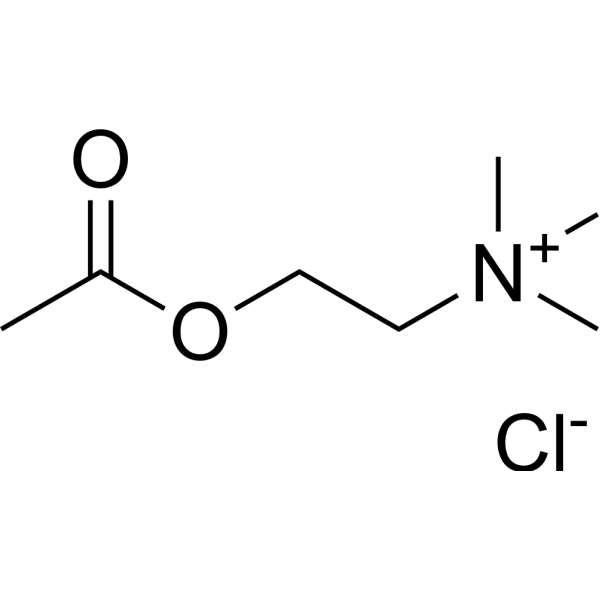
Acetylcholine chloride (ACh chloride), a neurotransmitter, is a potent and BBB-permeable cholinergic agonist. Acetylcholine chloride is a modulator of the activity of dopaminergic (DAergic) neurons through the stimulation of nicotinic acetylcholine receptors (nAChRs) . Acetylcholine chloride inhibits p53 mutant peptide aggregation in vitro .
|
-
-
- HY-14608
-
|
|
Environmental Pollutants
Endogenous Metabolite
iGluR
Ferroptosis
Apoptosis
|
Neurological Disease
|
|
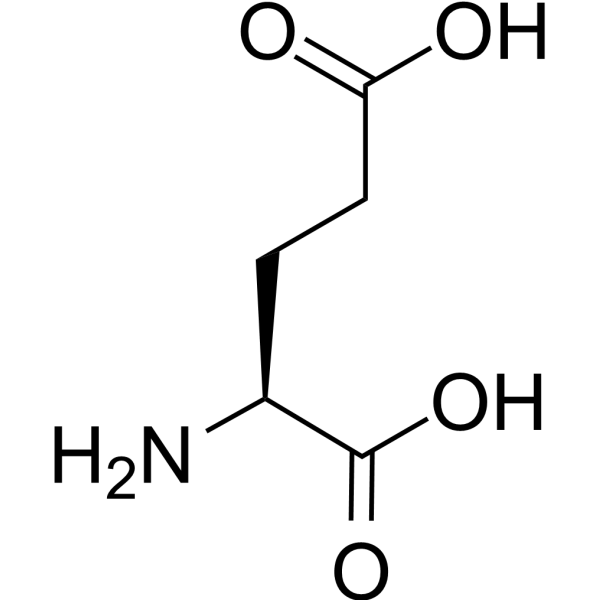
L-Glutamic acid is an excitatory amino acid neurotransmitter that acts as an agonist for all subtypes of glutamate receptors (metabolic rhodophylline, NMDA, and AMPA). L-Glutamic acid has an agonist effect on the release of DA from dopaminergic nerve endings. L-Glutamic acid can be used in the study of neurological diseases. L-Glutamic acid acts at ionotropic and metabotropic glutamate receptors .
|
-
-
- HY-14608A
-
|
|
Environmental Pollutants
iGluR
Apoptosis
Ferroptosis
Endogenous Metabolite
|
Neurological Disease
|
|
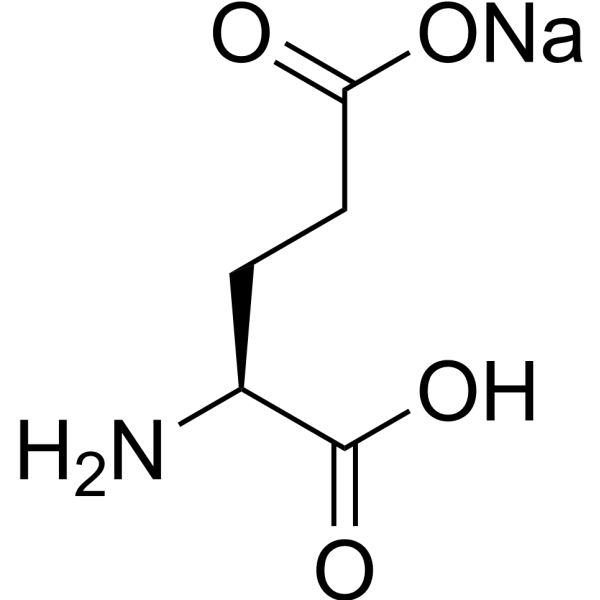
L-Glutamic acid monosodium salt is an excitatory amino acid neurotransmitter that acts as an agonist for all subtypes of glutamate receptors (metabolic rhodophylline, NMDA, and AMPA). L-Glutamic acid monosodium salt has an agonist effect on the release of DA from dopaminergic nerve endings. L-Glutamic acid monosodium salt can be used in the study of neurological diseases. L-Glutamic acid monosodium salt acts at ionotropic and metabotropic glutamate receptors .
|
-
-
- HY-W016498
-
-
-
- HY-103414
-
|
|
Dopamine Receptor
|
Neurological Disease
|
|
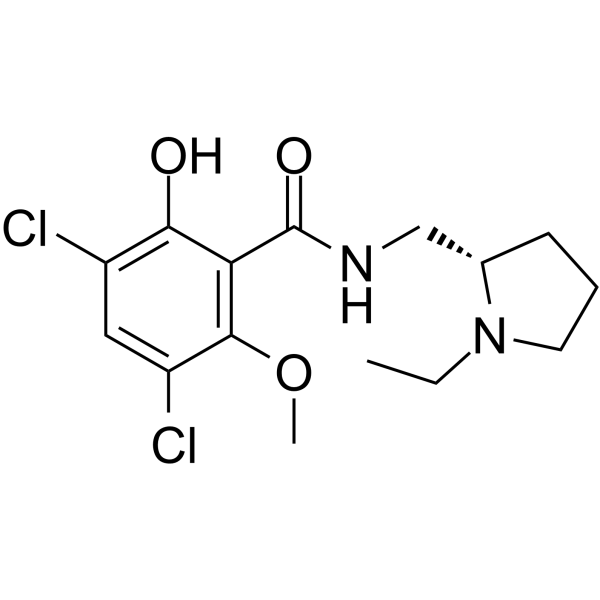
Raclopride is a dopamine D2/D3 receptor antagonist with potential antipsychotic effects. Raclopride binds to D2 and D3 receptors with Kis of 1.8 nM and 3.5 nM, respectively .
|
-
-
- HY-14608S5
-
|
|
Endogenous Metabolite
iGluR
Ferroptosis
Apoptosis
|
Neurological Disease
|
|
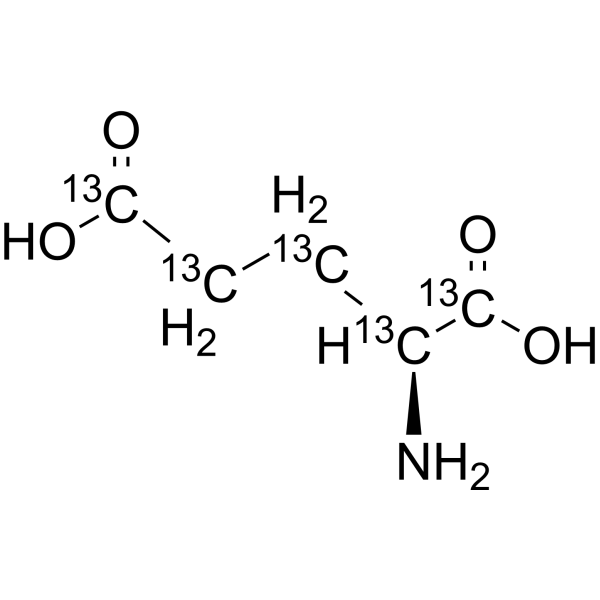
L-Glutamic acid- 13C5 is the 13C-labeled L-Glutamic acid. L-Glutamic acid acts as an excitatory transmitter and an agonist at all subtypes of glutamate receptors (metabotropic, kainate, NMDA, and AMPA). L-Glutamic acid shows a direct activating effect on the release of DA from dopaminergic terminals.
|
-
-
- HY-13409
-
|
|
5-HT Receptor
|
Neurological Disease
Metabolic Disease
|
|
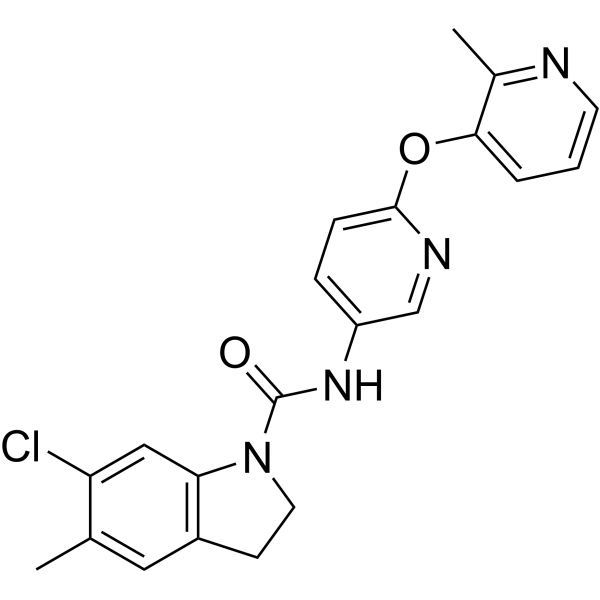
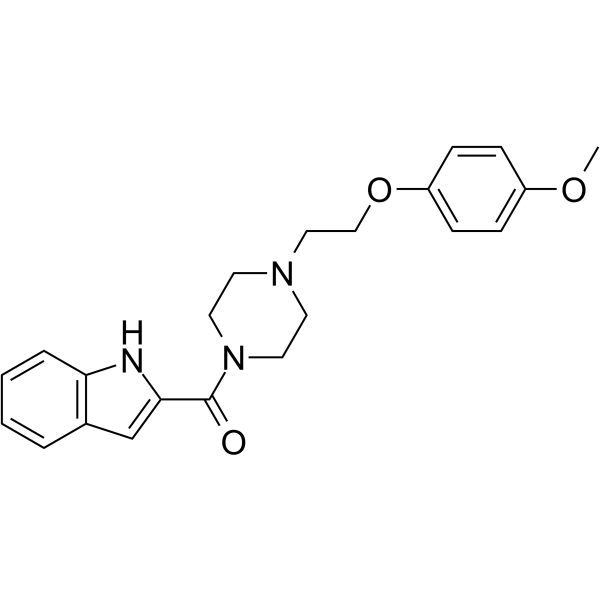
SB 242084 is a selective, competitive and high-affinity (pKi=9.0) 5-HT2C receptor antagonist (crosses the blood-brain barrier). SB 242084 increases basal activity of dopaminergic neurons in the ventral tegmental area (VTA) of the midbrain and dopamine release in the vomeronasal nucleus. SB 242084 also increases mitochondrial gene expression and oxidative metabolism via 5-HT2A receptor. SB 242084 has good research potential in the negative symptoms of anxiety, depression and schizophrenia, as well as in acute organ damage .
|
-
-
- HY-12583
-
|
|
Histone Methyltransferase
Epigenetic Reader Domain
|
Cancer
|
|
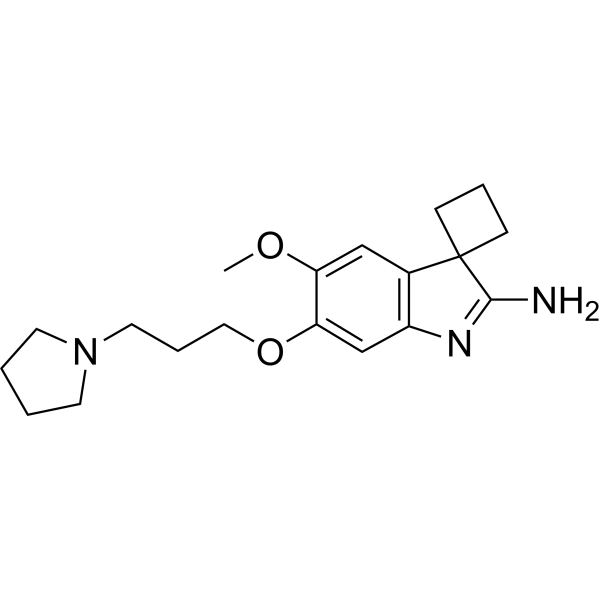
A-366, a chemical probe, is a potent, highly selective, peptide-competitive histone methyltransferase G9a inhibitor with IC50s of 3.3 and 38 nM for G9a and GLP (EHMT1), respectively. A-366 shows >1000-fold selectivity over 21 other methyltransferases. A-366 is also a potent, nanomolar inhibitor of the Spindlin1-H3K4me3-interaction (IC50=182.6 nM). A-366 displays high affinity at human histamine H3 receptor (Ki=17 nM) and shows subtype selectivity among subsets of the histaminergic and dopaminergic receptor families .
|
-
-
- HY-14608S7
-
|
|
Endogenous Metabolite
iGluR
Ferroptosis
Apoptosis
|
Neurological Disease
|
|
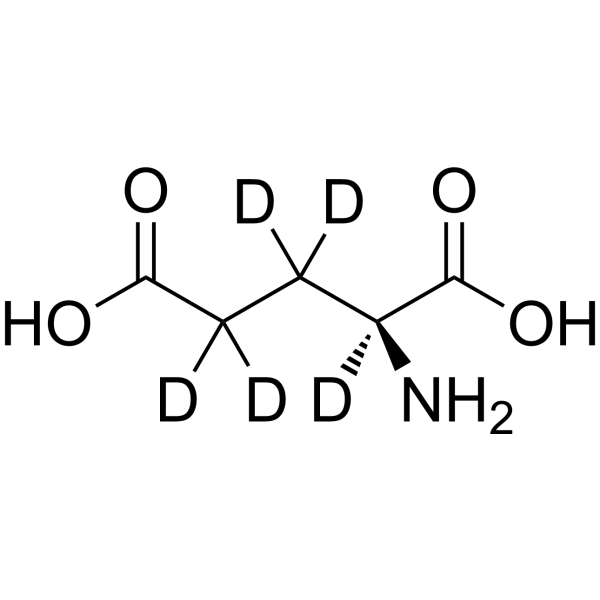
L-Glutamic acid-d5 is the deuterium labeled L-Glutamic acid. L-Glutamic acid acts as an excitatory transmitter and an agonist at all subtypes of glutamate receptors (metabotropic, kainate, NMDA, and AMPA). L-Glutamic acid shows a direct activating effect on the release of DA from dopaminergic terminals.
|
-
-
- HY-B0282S
-
|
ACh-d4 chloride
|
nAChR
Calcium Channel
Endogenous Metabolite
|
Neurological Disease
Cancer
|
|
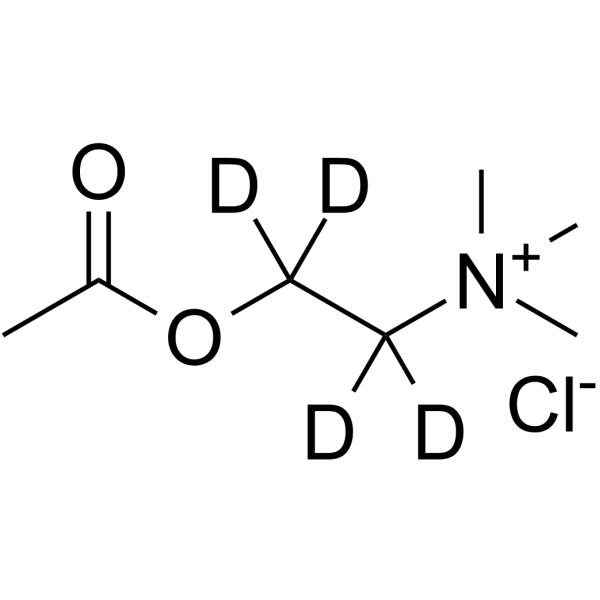
Acetylcholine-d4 (chloride) is the deuterium labeled Acetylcholine chloride. Acetylcholine chloride (ACh chloride), a neurotransmitter, is a potent and BBB-permeable cholinergic agonist. Acetylcholine chloride is a modulator of the activity of dopaminergic (DAergic) neurons through the stimulation of nicotinic acetylcholine receptors (nAChRs) . Acetylcholine chloride inhibits p53 mutant peptide aggregation in vitro .
|
-
-
- HY-110080
-
|
|
Dopamine Receptor
|
Neurological Disease
|
|
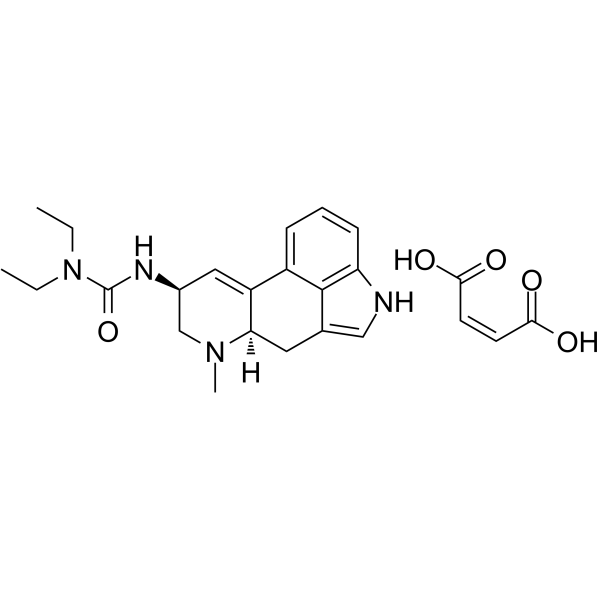
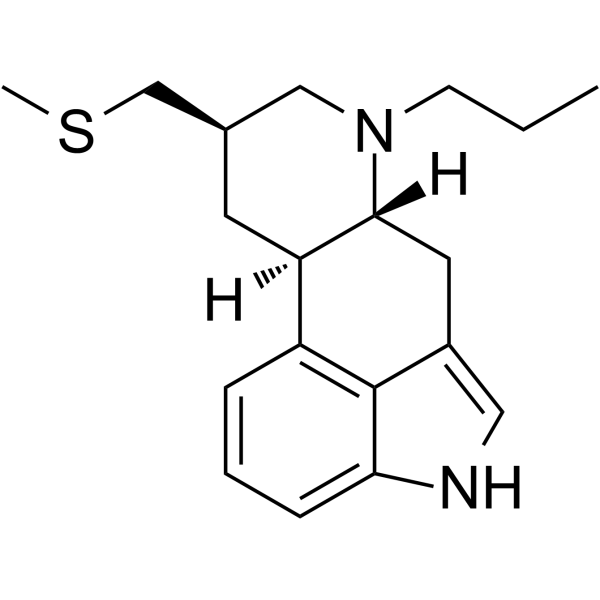
Lisuride (maleate) is a potent agonist of dopamine with a probably direct action on dopaminergic receptors. Lisuride (maleate) is an ergot derivative. Lisuride (maleate) releases the premenstrual mastalgia without significant side effects .
|
-
-
- HY-14608S8
-
|
|
Endogenous Metabolite
iGluR
Ferroptosis
Apoptosis
|
Neurological Disease
|
|
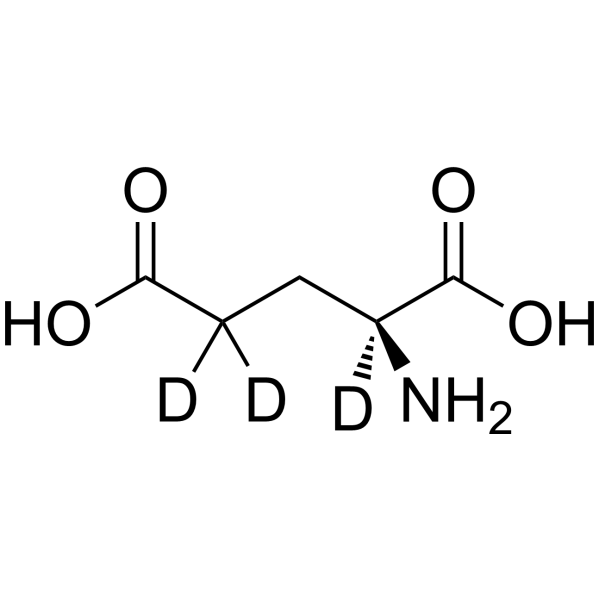
L-Glutamic acid-d3 is the deuterium labeled L-Glutamic acid. L-Glutamic acid acts as an excitatory transmitter and an agonist at all subtypes of glutamate receptors (metabotropic, kainate, NMDA, and AMPA). L-Glutamic acid shows a direct activating effect on the release of DA from dopaminergic terminals.
|
-
-
- HY-14608S3
-
-
-
- HY-14608R
-
|
|
Reference Standards
Endogenous Metabolite
iGluR
Ferroptosis
Apoptosis
|
Neurological Disease
|
L-Glutamic acid (Standard) is the analytical standard of L-Glutamic acid. This product is intended for research and analytical applications. L-Glutamic acid is an excitatory amino acid neurotransmitter that acts as an agonist for all subtypes of glutamate receptors (metabolic rhodophylline, NMDA, and AMPA). L-Glutamic acid has an agonist effect on the release of DA from dopaminergic nerve endings. L-Glutamic acid can be used in the study of neurological diseases .
IC50 & Target:DA .
In Vitro: L-Glutamic acid (120, 500, 750, 1000 mg/dL) can reduce the harmful effect of lithium on the embryonic development of Xenopus Xenopus .
L-Glutamic acid (2, 5, 10, 20 mM, 24-48 h) can induce neuroexcitotoxicity in neuroblastoma .
In Vivo: L-Glutamic acid (3 g/kg, subcutaneous injection) can promote excitotoxic degeneration of retinal ganglion cells in mice .
L-Glutamic acid (750 mg/kg, intraperitoneal injection) can reduce and inhibit oxidative stress induced by chlorpyrifos (CPF) in rats .
|
-

-
- HY-B0799
-
|
Ergoloid mesylates
|
GABA Receptor
Chloride Channel
Adrenergic Receptor
Dopamine Receptor
Phosphodiesterase (PDE)
|
Cardiovascular Disease
Neurological Disease
|
|
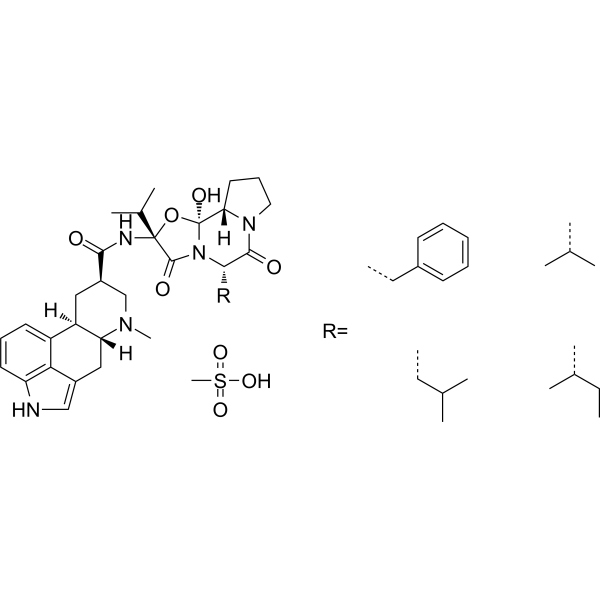
Dihydroergotoxine mesylate (Ergoloid mesylates) is an α-adrenergic blocking agent. Dihydroergotoxine mesylate binds with high affinity to the GABAA receptor associated Cl - channel. Dihydroergotoxine mesylate also interacts with central dopaminergic and serotonergic receptors. Dihydroergotoxine mesylate displays antiproliferative, antihypertensive and neuroprotective activity .Dihydroergotoxine mesylate (Ergoloid mesylates) is an α-adrenergic blocking agent. Dihydroergotoxine mesylate binds with high affinity to the GABAA receptor associated Cl - channel. Dihydroergotoxine mesylate also interacts with central dopaminergic and serotonergic receptors. Dihydroergotoxine mesylate displays antiproliferative, antihypertensive and neuroprotective activity .
|
-
-
- HY-W419700
-
|
|
Endogenous Metabolite
iGluR
Ferroptosis
Apoptosis
|
Neurological Disease
|
|
L-Glutamic acid ammonium is an excitatory amino acid neurotransmitter that acts as an agonist for all subtypes of glutamate receptors (metabolic rhodophylline, NMDA, and AMPA). L-Glutamic acid ammonium has an agonist effect on the release of DA from dopaminergic nerve endings. L-Glutamic acid can be used in the study of neurological diseases. L-Glutamic acid ammonium acts at ionotropic and?metabotropic glutamate receptors .
|
-

-
- HY-159829
-
|
NBI-1117568; HTL-0016878
|
mAChR
|
Neurological Disease
|
|
Direclidine (NBI-1117568, HTL-0016878) is a selective orthosteric agonist targeting the muscarinic acetylcholine M4 receptor, exhibiting very low affinity for M1, M2, M3, and M5 receptors. It binds to the orthosteric site of the M4 receptor in a non-covalent, competitive manner. Direclidine specifically activates the M4 receptor, inhibiting the release of acetylcholine from striatal cholinergic interneurons, thereby regulating the balance of the dopaminergic system and reducing psychiatric symptoms associated with excessive dopamine release. Direclidine can improve symptoms associated with neuropsychiatric disorders and is used in research on schizophrenia and other neuropsychiatric disorders .
|
-

-
- HY-136390
-
ML417
1 Publications Verification
|
Dopamine Receptor
|
Neurological Disease
|
|
ML417 is a selective and brain penetrant D3 dopamine receptor (D3R) agonist, with an EC50 of 38 nM. ML417 potently promotes D3R-mediated β-arrestin translocation, G protein mediated signaling, and pERK phosphorylation with minimal effects on other GPCR-mediated signaling. ML417 exhibits neuroprotection against toxin-induced neurodegeneration of dopaminergic neurons .
|
-
-
- HY-13409A
-
|
|
5-HT Receptor
|
Neurological Disease
Metabolic Disease
|
|
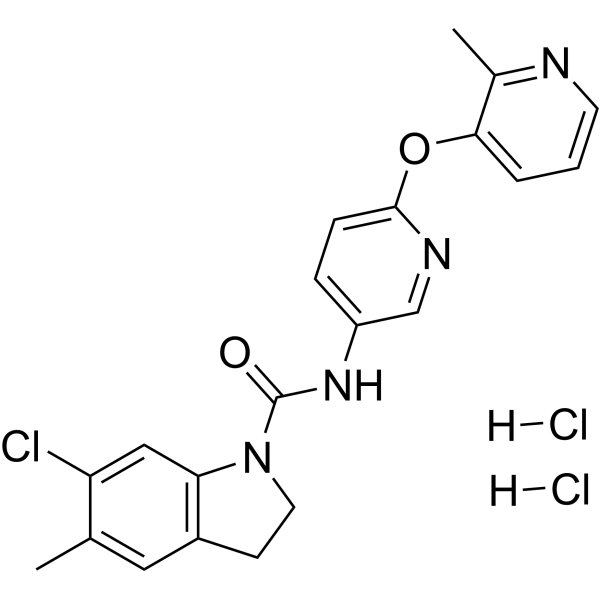
SB 242084 dihydrochloride is a selective, competitive and high-affinity (pKi=9.0) 5-HT2C receptor antagonist (crosses the blood-brain barrier). SB 242084 dihydrochloride increases basal activity of dopaminergic neurons in the ventral tegmental area (VTA) of the midbrain and dopamine release in the vomeronasal nucleus. SB 242084 dihydrochloride also increases mitochondrial gene expression and oxidative metabolism via 5-HT2A receptor. SB 242084 dihydrochloride has good research potential in the negative symptoms of anxiety, depression and schizophrenia, as well as in acute organ damage .
|
-
-
- HY-13720
-
-
-
- HY-14608S
-
|
|
Endogenous Metabolite
iGluR
Ferroptosis
Apoptosis
|
Neurological Disease
|
|
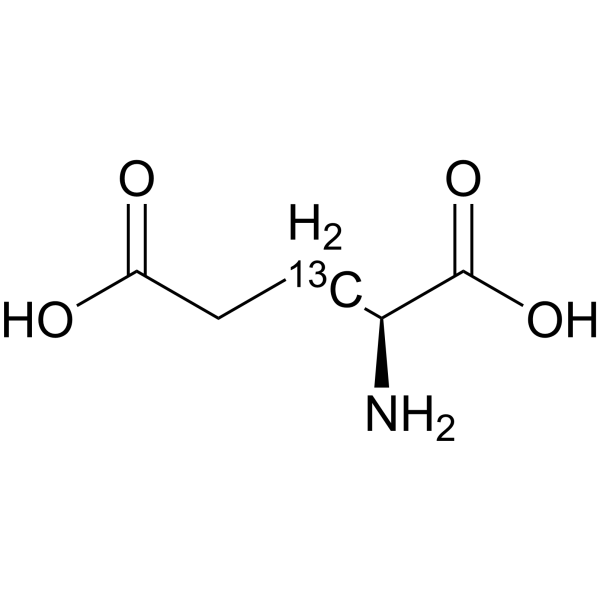
L-Glutamic acid- 13C is the 13C-labeled L-Glutamic acid. L-Glutamic acid acts as an excitatory transmitter and an agonist at all subtypes of glutamate receptors (metabotropic, kainate, NMDA, and AMPA). L-Glutamic acid shows a direct activating effect on the release of DA from dopaminergic terminals.
|
-
-
- HY-B0282S1
-
|
ACh-d9 chloride
|
nAChR
Calcium Channel
Endogenous Metabolite
|
Neurological Disease
Cancer
|
|
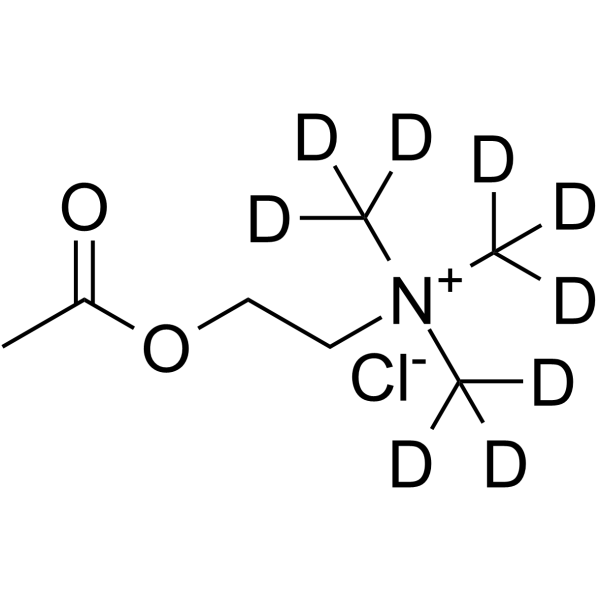
Acetylcholine-d9 (chloride) is the deuterium labeled Acetylcholine chloride. Acetylcholine chloride (ACh chloride), a neurotransmitter, is a potent and BBB-permeable cholinergic agonist. Acetylcholine chloride is a modulator of the activity of dopaminergic (DAergic) neurons through the stimulation of nicotinic acetylcholine receptors (nAChRs) . Acetylcholine chloride inhibits p53 mutant peptide aggregation in vitro .
|
-
-
- HY-W016145
-
|
|
Endogenous Metabolite
iGluR
Ferroptosis
Apoptosis
|
Neurological Disease
Metabolic Disease
Inflammation/Immunology
Cancer
|
|
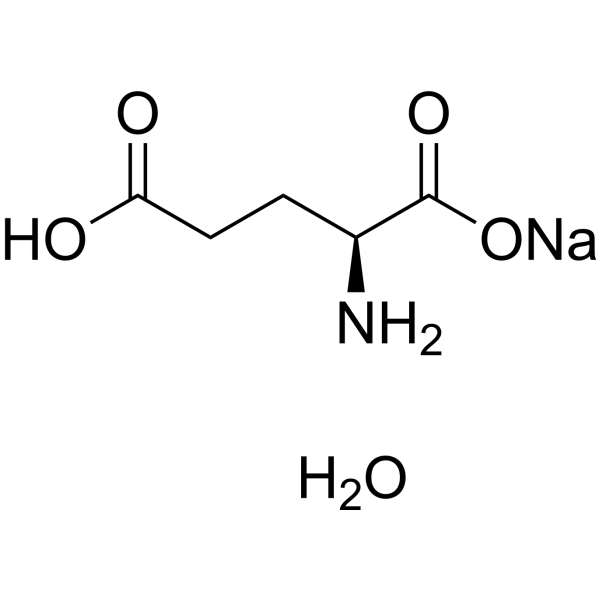
L-Glutamic acid monosodium hydrate is an excitatory amino acid neurotransmitter that acts as an agonist for all subtypes of glutamate receptors (metabolic rhodophylline, NMDA, and AMPA). L-Glutamic acid monosodium hydrate has an agonist effect on the release of DA from dopaminergic nerve endings. L-Glutamic acid monosodium hydrate can be used in the study of neurological diseases. L-Glutamic acid monosodium hydrate acts at ionotropic and?metabotropic glutamate receptors .
|
-
-
- HY-100991
-
|
ZK 39106; LSU-65
|
GABA Receptor
|
Neurological Disease
|
|
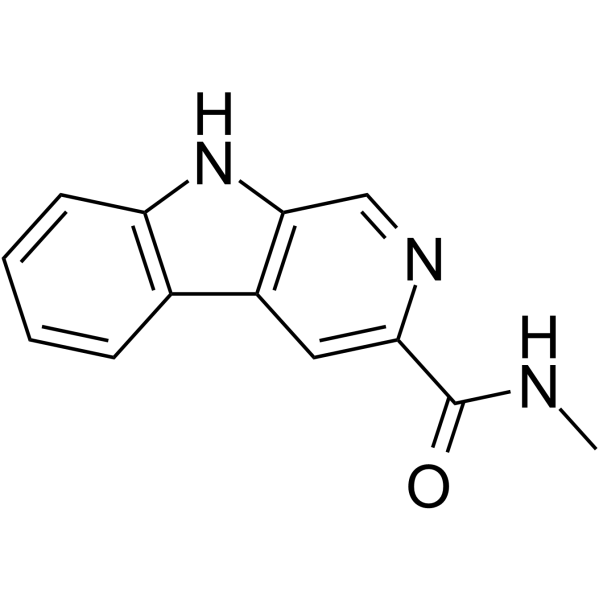
FG 7142 (ZK 39106; LSU-65), a non-selectively benzodiazepine inverse agonist, has high affinity for the α1 subunit-containing GABAA receptor (Ki=91 nM). FG 7142 (ZK 39106; LSU-65) also modulates GABA-induced chloride flux at GABAA receptors expressing the α1 subunit (EC50= 137 nM). FG 7142 (ZK 39106; LSU-65) can increase tyrosine hydroxylation and cause upregulation of β-adrenoceptors in mouse cerebral cortex .
|
-
-
- HY-100658
-
|
|
5-HT Receptor
Dopamine Receptor
|
Neurological Disease
|
|
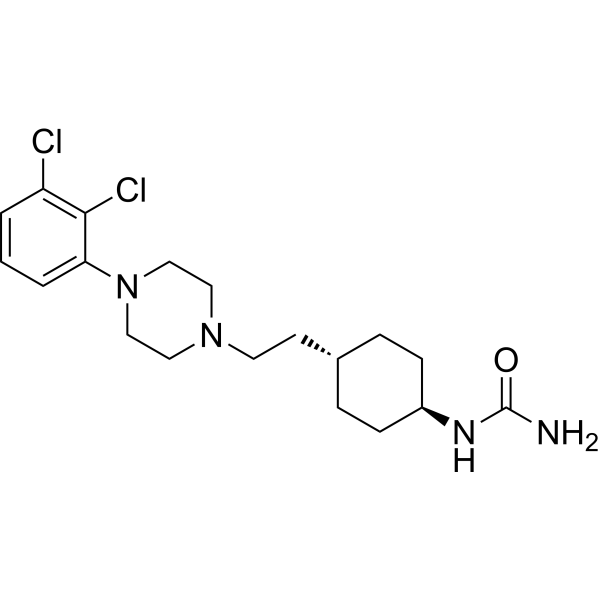
Didesmethyl cariprazine is an orally active, BBB-permeable metabolite of Cariprazine (HY-14763). Didesmethyl cariprazine is a partial agonist at the D2 and D3 receptors, full agonist at the 5-HT1A receptor, and antagonist at the human 5-HT2B receptor (Ki: 1.41 nM (human D2L), 0.056 nM (human D3), 1.7 nM (human 5-HT1A), 0.52 nM (human 5-HT2B)). Didesmethyl cariprazine dose-dependently inhibits the spontaneous activity of rat midbrain dopaminergic neurons .
|
-
-
- HY-B1225
-
|
Romtiazin hydrochloride; Ampazine hydrochloride; Berophen hydrochloride
|
Dopamine Receptor
|
Neurological Disease
|
|
Promazine (Romtiazin) hydrochloride is an antipsychotic and a dopamine receptor D2 antagonist. Promazine hydrochloride inhibits dopaminergic neurotransmission .
|
-

-
- HY-128975
-
-
-
- HY-W016498S1
-
-
-
- HY-14608S2
-
|
|
Endogenous Metabolite
iGluR
Ferroptosis
Apoptosis
|
Neurological Disease
|
|
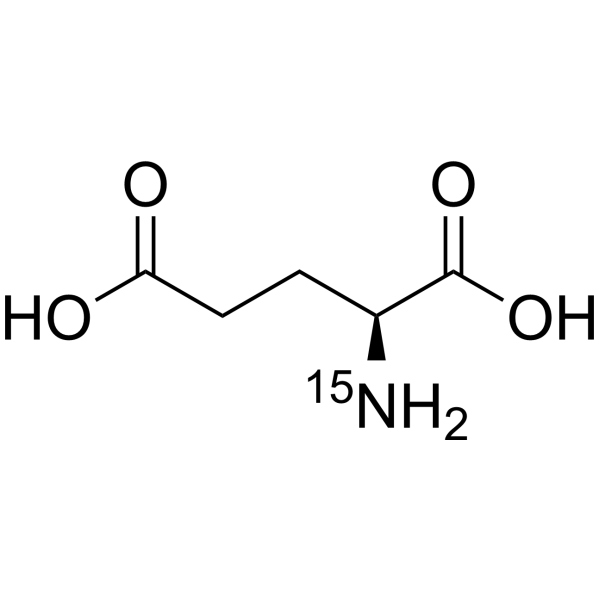
L-Glutamic acid- 15N is the 15N-labeled L-Glutamic acid. L-Glutamic acid acts as an excitatory transmitter and an agonist at all subtypes of glutamate receptors (metabotropic, kainate, NMDA, and AMPA). L-Glutamic acid shows a direct activating effect on the release of DA from dopaminergic terminals .
|
-
-
- HY-14608S1
-
|
|
Endogenous Metabolite
iGluR
Ferroptosis
Apoptosis
|
Neurological Disease
|
|
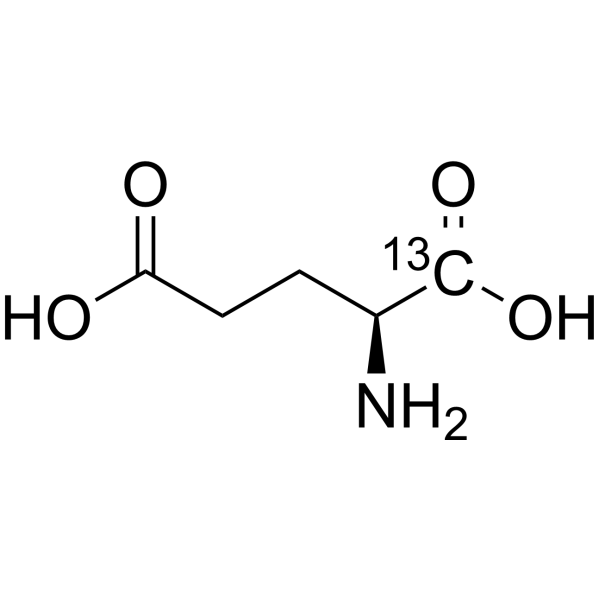
L-Glutamic acid-1- 13C is the 13C-labeled L-Glutamic acid. L-Glutamic acid acts as an excitatory transmitter and an agonist at all subtypes of glutamate receptors (metabotropic, kainate, NMDA, and AMPA). L-Glutamic acid shows a direct activating effect on the release of DA from dopaminergic terminals.
|
-
-
- HY-B0282R
-
|
ACh chloride (Standard)
|
Reference Standards
nAChR
Calcium Channel
Endogenous Metabolite
|
Neurological Disease
Cancer
|
|
Acetylcholine (chloride) (Standard) is the analytical standard of Acetylcholine (chloride). This product is intended for research and analytical applications. Acetylcholine chloride (ACh chloride), a neurotransmitter, is a potent and BBB-permeable cholinergic agonist. Acetylcholine chloride is a modulator of the activity of dopaminergic (DAergic) neurons through the stimulation of nicotinic acetylcholine receptors (nAChRs) . Acetylcholine chloride inhibits p53 mutant peptide aggregation in vitro .
|
-

-
- HY-160959
-
|
|
nAChR
|
Neurological Disease
|
|
AN317 is a selective agonist for α6β2-containing nicotinic acetylcholine receptor (nAChR) with Ki of 6.2 nM and 4.1 nM, for α6/α3β2β3 receptor and α4β2 receptor, respectively. AN317 induces dopamine release in the synaptosomes of the rat striatum, enhances dopaminergic neuronal activity in substantia nigra, and exhibits protective efficacy to rat neurons against dopamine neurotoxin MPP +. AN317 exhibits good pharmacokinetic characteristics in rats. AN317 penetrates the blood-brain barrier (BB) .
|
-

-
- HY-147319
-
|
|
Trace Amine-associated Receptor (TAAR)
|
Neurological Disease
|
|
RTI-7470-44 is a potent, selective and blood-brain barrier (BBB) penetrant human trace amine-associated receptor subtype 1 (hTAAR1) antagonist with an IC50 value of 8.4 nM and a Ki value of 0.3 nM. RTI-7470-44 has moderate metabolic stability, and a favorable preliminary off-target profile. RTI-7470-44 can increase the spontaneous firing rate of mouse ventral tegmental area (VTA) dopaminergic neurons. RTI-7470-44 can be used for researching schizophrenia, agent addiction, and Parkinson’s disease (PD) .
|
-
-
- HY-W016498S
-
-
-
- HY-W016498R
-
-

-
- HY-W152604
-
|
Cyclo(leu-gly)
|
Dopamine Receptor
|
Neurological Disease
|
|
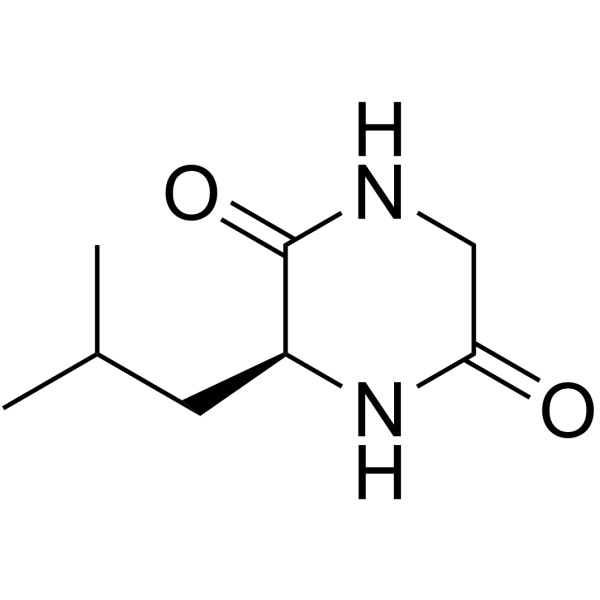
Cyclo(glycyl-L-leucyl) (Cyclo(leu-gly)), a neuropeptide, down-regulates dopamine (DA) receptors and attenuates dopaminergic supersensitivity. Cyclo(glycyl-L-leucyl) inhibits the development of Morphine induced pain relief as well as dopamine receptor supersensitivity in rats. Cyclo(glycyl-L-leucyl) has the potential for the prevention of tardive and/or L-DOPA (HY-N0304)-induced dyskinesias .
|
-
-
- HY-W004425
-
|
3,7-Dimethyl-1-propargylxanthine
|
Adenosine Receptor
|
Neurological Disease
|
|
DMPX (3,7-Dimethyl-1-propargylxanthine) is a selective A2A adenosine receptor (A2A AR) antagonist that crosses the blood-brain barrier, with a Ki of 11 μM for rat A2 adenosine receptor and a Ki of 45 μM for rat A1 adenosine receptor. By blocking A2A receptors in specific brain regions, DMPX protects dopaminergic and GABAergic neurons from mitochondrial dysfunction. DMPX is applicable to research related to depression, Parkinson's disease and Huntington's disease .
|
-

-
- HY-14608S6
-
-
-
- HY-108976
-
|
|
Dopamine Receptor
|
Neurological Disease
|
|
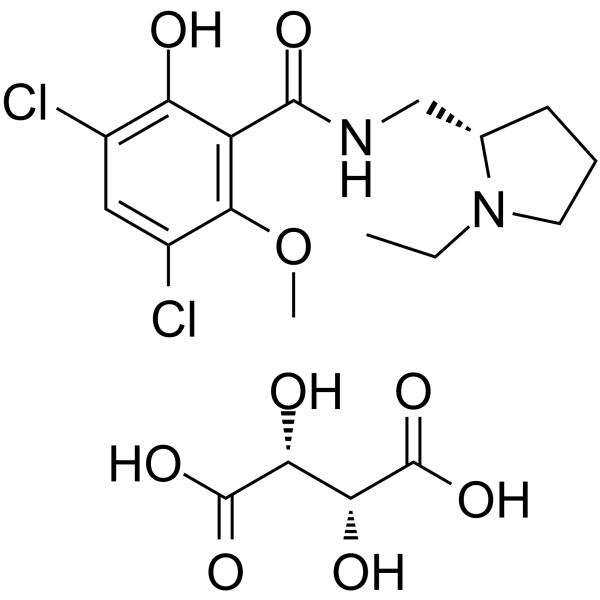
Raclopride tartrate is a selective dopamine D2/D3 receptor antagonist with potential antipsychotic effects. Raclopride tartrate binds to D2 and D3 receptors with Kis of 1.8 nM and 3.5 nM, respectively .
|
-
-
- HY-14608S4
-
-
-
- HY-N7503
-
|
|
Drug Intermediate
Bacterial
|
Infection
Cancer
|
|
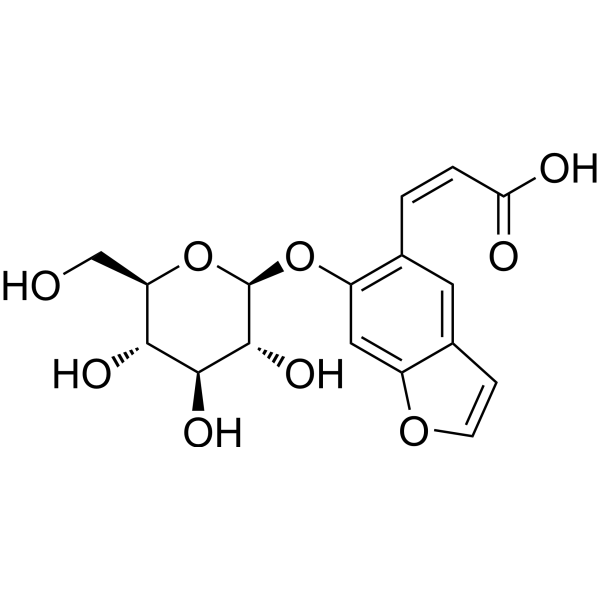
Psoralenoside is an orally active benzofuran glycoside. Psoralenoside is isolated from the fruits of Psoralea corylifolia. As a metabolite precursor, Psoralenoside undergoes deglycosylation by intestinal flora to form Psoralen (HY-N0053). Psoralenoside is applicable to research related to cancer and bacterial infections .
|
-
-
- HY-14608S10
-
|
|
Apoptosis
iGluR
Ferroptosis
Endogenous Metabolite
|
Neurological Disease
|
|
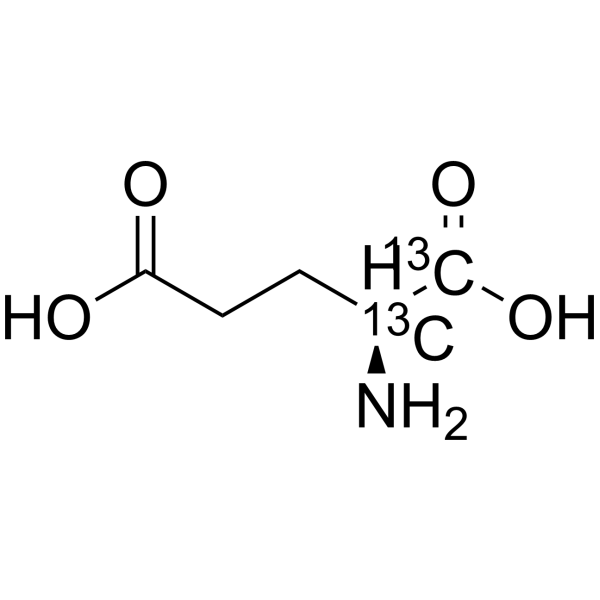
L-Glutamic acid- 13C2 is the 13C labeled L-Glutamic acid . L-Glutamic acid acts as an excitatory transmitter and an agonist at all subtypes of glutamate receptors (metabotropic, kainate, NMDA, and AMPA). L-Glutamic acid shows a direct activating effect on the release of DA from dopaminergic terminals .
|
-
-
- HY-B1225A
-
|
Romtiazin; Ampazine; Berophen
|
Dopamine Receptor
|
Neurological Disease
|
|
Promazine (Romtiazin) is an antipsychotic and a dopamine receptor D2 antagonist. Promazine inhibits dopaminergic neurotransmission .
|
-

-
- HY-112072
-
|
SB 7505 hydrochloride; SKF 100168 hydrochloride
|
Dopamine Receptor
Adrenergic Receptor
|
Cardiovascular Disease
|
|
Ibopamine (SB 7505) hydrochloride is an orally active dopamine derivative. Ibopamine hydrochloride exerts agonistic effects on α, β adrenergic receptors and dopaminergic receptors. Ibopamine hydrochloride can be hydrolyzed to produce the active metabolite Epinine. Ibopamine hydrochloride possesses positive inotropic and vasodilatory effects, which can improve hemodynamics and renal function in heart failure models. Ibopamine hydrochloride has good safety profile and can be used in the research of diseases such as congestive heart failure .
|
-

-
- HY-103405A
-
|
|
Dopamine Receptor
|
Neurological Disease
|
|
NGD 94-1 (dimaleate) is a potent and selective dopamine D4 receptor antagonist. NGD 94-1 (dimaleate) shows high affinity for the cloned human D4.2 receptor (Ki = 3.6 nM). NGD 94-1 (dimaleate) modulates the cognitive functions of the frontostriatal system and regulates dopaminergic transmission in Phencyclidine (PCP)-induced monkeys. NGD 94-1 (dimaleate) can be used for neurological disease research [1][2].
|
-

-
- HY-121311
-
|
|
Serotonin Transporter
Adrenergic Receptor
|
Cardiovascular Disease
|
|
Metrenperone is an inhibitor for 5-HT2 receptor. Metrenperone exhibits α1 and α2 antagonist activity as well as anti-H1 and anti-dopaminergic efficacy. Metrenperone can lower the blood pressure, enhances bradycardia in peripheral ischemia, inhibits serotonin-induced platelet aggregation, and antagonizes serotonin-mediated vasoconstriction. Metrenperone promotes the repair of acutely damaged collagen tissue .
|
-

-
- HY-14608AR
-
|
|
Reference Standards
iGluR
Apoptosis
Ferroptosis
Endogenous Metabolite
|
Neurological Disease
|
|
L-Glutamic acid (monosodium salt) (Standard) is the analytical standard of L-Glutamic acid (monosodium salt). This product is intended for research and analytical applications. L-Glutamic acid monosodium salt is an excitatory amino acid neurotransmitter that acts as an agonist for all subtypes of glutamate receptors (metabolic rhodophylline, NMDA, and AMPA). L-Glutamic acid monosodium salt has an agonist effect on the release of DA from dopaminergic nerve endings. L-Glutamic acid monosodium salt can be used in the study of neurological diseases .
|
-

-
- HY-160997
-
-

-
- HY-113356
-
-
-
- HY-19489S1
-
-
- HY-B1225R
-
|
Romtiazin hydrochloride (Standard); Ampazine hydrochloride (Standard); Berophen hydrochloride (Standard)
|
Reference Standards
Dopamine Receptor
|
Neurological Disease
|
|
Promazine (hydrochloride) (Standard) is the analytical standard of Promazine (hydrochloride). This product is intended for research and analytical applications. Promazine (Romtiazin) hydrochloride is an antipsychotic and a dopamine receptor D2 antagonist. Promazine hydrochloride inhibits dopaminergic neurotransmission .
|
-

- HY-125602
-
|
|
Adenosine Receptor
|
Neurological Disease
|
|
MNI-444 is a BBB-penetrable ligand of adenosine 2A receptor (A2AR). A2AR is a potential non-dopaminergic target for the research of Parkinson’s disease .
|
-

- HY-105903
-
|
Ro 22-1319
|
Dopamine Receptor
|
Neurological Disease
|
|
Piquindone (Ro 22-1319) is a potent antipsychotic agent. Piquindone binds to a D2 dopaminergic receptor subtype in a sodium-dependent manner. Piquindone can be used in the research of schizophrenia .
|
-

- HY-128975R
-
|
|
Endogenous Metabolite
Reference Standards
|
Neurological Disease
|
|
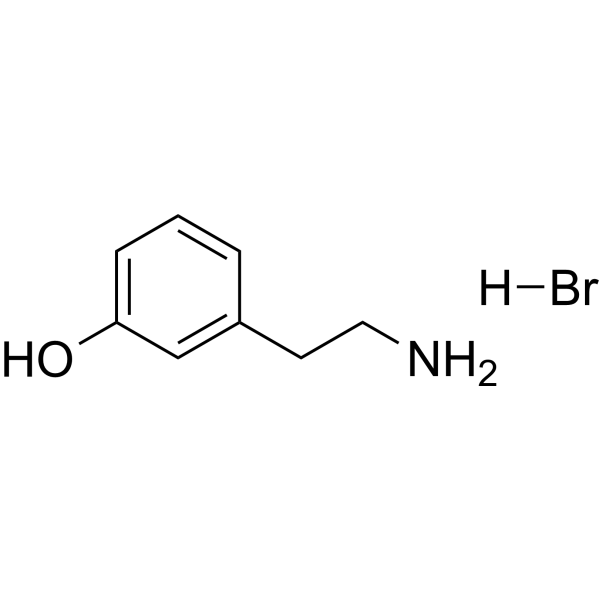
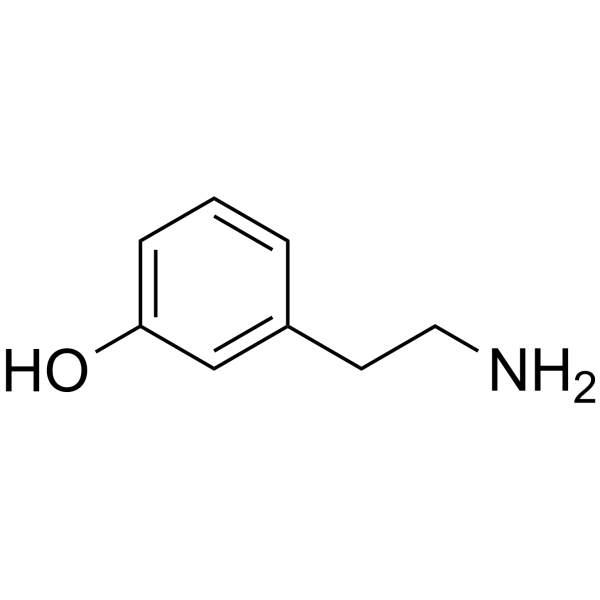
m-Tyramine (hydrobromide) (Standard) is the analytical standard of m-Tyramine (hydrobromide). This product is intended for research and analytical applications. m-Tyramine hydrobromide is an endogenous trace amine neuromodulator. m-Tyramine hydrobromide has effects on the adrenergic and dopaminergic receptor[1, 2].
|
-

- HY-155206
-
|
|
5-HT Receptor
|
Neurological Disease
|
|
(+)-OSU6162 is an stabilizer on dopaminergic and serotonergic brain signaling. (+)-OSU6162 is a partial agonist of 5-HT2A receptor. (+)-OSU6162 can be used for neurological research .
|
-
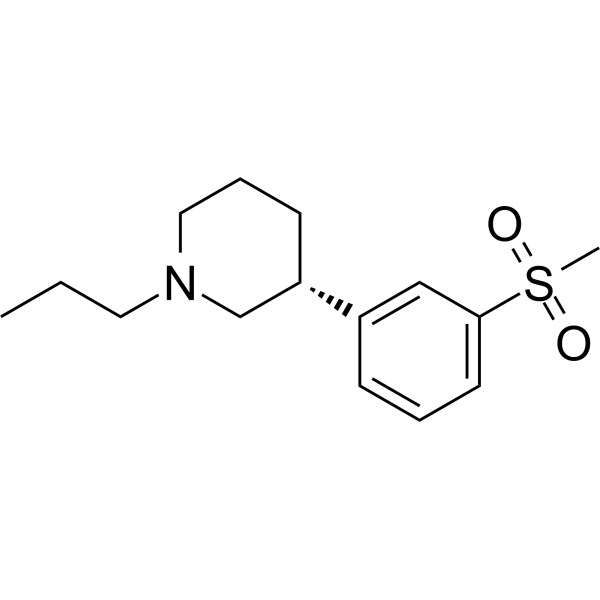
- HY-B1225S
-
|
Romtiazin-d6 hydrochloride; Ampazine-d6 hydrochloride
|
Isotope-Labeled Compounds
Dopamine Receptor
|
Neurological Disease
|
|
Promazine-d6 (hydrochloride) (Romtiazin-d6 (hydrochloride)) is deuterium labeled Promazine (hydrochloride). Promazine (Romtiazin) hydrochloride is an antipsychotic and a dopamine receptor D2 antagonist. Promazine hydrochloride inhibits dopaminergic neurotransmission .
|
-

- HY-103414R
-
|
|
Reference Standards
Dopamine Receptor
|
Neurological Disease
|
|
Raclopride (Standard) is the analytical standard of Raclopride. This product is intended for research and analytical applications. Raclopride is a dopamine D2/D3 receptor antagonist with potential antipsychotic effects. Raclopride binds to D2 and D3 receptors with Kis of 1.8 nM and 3.5 nM, respectively .
|
-

- HY-106973A
-
|
CHF 1035
|
Dopamine Receptor
Adrenergic Receptor
|
Cardiovascular Disease
|
|
Nolomirole (CHF 1035) hydrochloride is an orally active and selective DA2 dopaminergic receptor/α2-adrenoceptor agonist. Nolomirole attenuates the heart failure signs in the Monocrotaline (HY-N0750)-induced congestive heart failure model. Nolomirole increases cardiac output .
|
-

- HY-106973
-
|
CHF 1035 free base
|
Dopamine Receptor
Adrenergic Receptor
|
Cardiovascular Disease
|
|
Nolomirole (CHF 1035) is an orally active and selective DA2 dopaminergic receptor/α2-adrenoceptor agonist. Nolomirole attenuates the heart failure signs in the Monocrotaline (HY-N0750)-induced congestive heart failure model. Nolomirole increases cardiac output .
|
-

- HY-14608S9
-
-
- HY-19225A
-
|
KA-672; Anseculin
|
iGluR
5-HT Receptor
Adrenergic Receptor
Dopamine Receptor
|
Neurological Disease
|
|
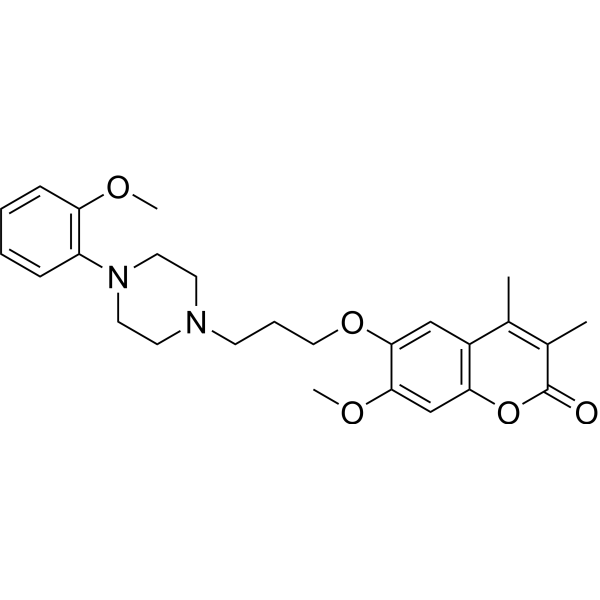
Ensaculin free base (KA-672) is a NMDA antagonist and have high affinities to serotonergic 5-HT1A and 5-HT7 receptors, adrenergic α1, and dopaminergic D2 and D3 receptors. Ensaculin free base is a memory-enhancing agent. Ensaculin free base has the potential as an antidementia agent acting on various transmitter systems .
|
-
- HY-W016145S
-
|
|
Isotope-Labeled Compounds
Endogenous Metabolite
iGluR
Ferroptosis
Apoptosis
|
Neurological Disease
Metabolic Disease
Inflammation/Immunology
Cancer
|
|
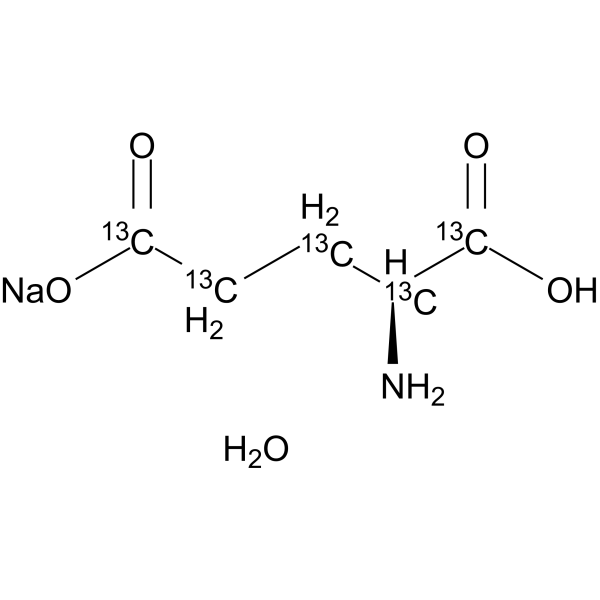
L-Glutamic acid- 13C5 hydrate salt is the 13C labeled L-Glutamic acid hydrate salt. L-Glutamic acid monosodium hydrate is an excitatory amino acid neurotransmitter that acts as an agonist for all subtypes of glutamate receptors (metabolic rhodophylline, NMDA, and AMPA). L-Glutamic acid monosodium hydrate has an agonist effect on the release of DA from dopaminergic nerve endings. L-Glutamic acid monosodium hydrate can be used in the study of neurological diseases. L-Glutamic acid monosodium hydrate acts at ionotropic and?metabotropic glutamate receptors.
|
-
- HY-103405
-
|
|
Dopamine Receptor
|
Neurological Disease
|
|
NGD94-1 is a potent and selective dopamine D4 receptor antagonist. NGD94-1 shows high affinity for the cloned human D4.2 receptor (Ki = 3.6 nM). NGD94-1 modulates the cognitive functions of the frontostriatal system and regulates dopaminergic transmission in Phencyclidine (PCP)-induced monkeys. NGD94-1 can be used for neurological disease research [1][2].
|
-
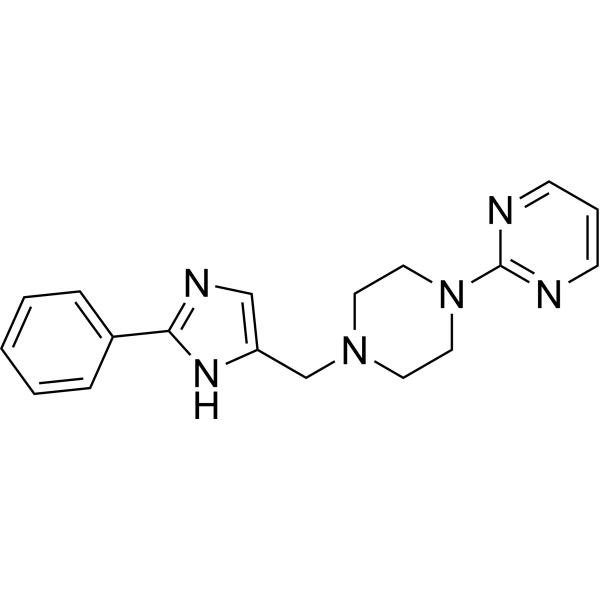
- HY-14608S12
-
|
L-Glutamic acid-14C
|
iGluR
Ferroptosis
Apoptosis
|
Neurological Disease
|
|
L-Glutamic acid-14C is L-Glutamic acid (HY-14608) labeled with the radioactive isotope carbon-14. L-Glutamic acid is an excitatory amino acid neurotransmitter and an agonist for all subtypes of glutamate receptors (metabotropic, NMDA, and AMPA). L-Glutamic acid acts as an agonist in the release of DA from dopaminergic nerve terminals and can be used in the study of neurological diseases .
|
-

- HY-W424918
-
|
|
Dopamine Receptor
|
Neurological Disease
|
|
Opromazine hydrochloride is an antipsychotic medication that exhibits sedative and antiemetic pharmacological effects, making it effective for treating psychiatric disorders such as schizophrenia and psychosis. Opromazine hydrochloride functions by reducing dopaminergic activity through the blockade of dopamine receptors in the brain. Opromazine hydrochloride has been analyzed for its metabolites in various microsomal enzymes, revealing differences in formation rates that underscore the variability of drug-metabolizing enzymes in human liver and placenta microsomes.
|
-

- HY-100991R
-
|
ZK 39106 (Standard); LSU-65 (Standard)
|
Reference Standards
GABA Receptor
|
Neurological Disease
|
|
FG 7142 (Standard) is the analytical standard of FG 7142. This product is intended for research and analytical applications. FG 7142 (ZK 39106; LSU-65), a non-selectively benzodiazepine inverse agonist, has high affinity for the α1 subunit-containing GABAA receptor (Ki=91 nM). FG 7142 (ZK 39106; LSU-65) also modulates GABA-induced chloride flux at GABAA receptors expressing the α1 subunit (EC50= 137 nM). FG 7142 (ZK 39106; LSU-65) can increase tyrosine hydroxylation and cause upregulation of?β-adrenoceptors in mouse cerebral cortex .
|
-

- HY-13409B
-
|
|
5-HT Receptor
|
Neurological Disease
Metabolic Disease
|
|
SB 242084 monohydrochloride is a selective, competitive and high-affinity (pKi=9.0) 5-HT2C receptor antagonist (crosses the blood-brain barrier). SB 242084 monohydrochloride increases basal activity of dopaminergic neurons in the ventral tegmental area (VTA) of the midbrain and dopamine release in the vomeronasal nucleus. SB 242084 also increases mitochondrial gene expression and oxidative metabolism via 5-HT2A receptor. SB 242084 monohydrochloride has good research potential in the negative symptoms of anxiety, depression and schizophrenia, as well as in acute organ damage .
|
-

- HY-13409AR
-
|
|
5-HT Receptor
|
Neurological Disease
Metabolic Disease
|
|
SB 242084 (dihydrochloride) (Standard) is the analytical standard of SB 242084 (dihydrochloride). This product is intended for research and analytical applications. SB 242084 dihydrochloride is a selective, competitive and high-affinity (pKi=9.0) 5-HT2C receptor antagonist (crosses the blood-brain barrier). SB 242084 dihydrochloride increases basal activity of dopaminergic neurons in the ventral tegmental area (VTA) of the midbrain and dopamine release in the vomeronasal nucleus. SB 242084 dihydrochloride also increases mitochondrial gene expression and oxidative metabolism via 5-HT2A receptor. SB 242084 dihydrochloride has good research potential in the negative symptoms of anxiety, depression and schizophrenia, as well as in acute organ damage .
|
-

- HY-13409R
-
|
|
5-HT Receptor
|
Neurological Disease
Metabolic Disease
|
|
SB 242084 (Standard) is the analytical standard of SB 242084. This product is intended for research and analytical applications. SB 242084 is a selective, competitive and high-affinity (pKi=9.0) 5-HT2C receptor antagonist (crosses the blood-brain barrier). SB 242084 increases basal activity of dopaminergic neurons in the ventral tegmental area (VTA) of the midbrain and dopamine release in the vomeronasal nucleus. SB 242084 also increases mitochondrial gene expression and oxidative metabolism via 5-HT2A receptor. SB 242084 has good research potential in the negative symptoms of anxiety, depression and schizophrenia, as well as in acute organ damage .
|
-

- HY-182423
-
|
|
Neurokinin Receptor
|
Neurological Disease
|
|
RO5328673 is an orally active, blood-brain barrier permeable neurokinin receptor antagonist that effectively targets human NK3 receptors (Ki=0.4 nM, Ka=0.1 nM), human NK2 receptors (Ki=1.1 nM, Ka=0.9 nM), and guinea pig NK3 receptors (Ka=0.1 nM and 0.13 nM). RO5328673 acts as an insurmountable antagonist of NK3 receptors with a slow dissociation rate, while it shows rapid association and dissociation rates at human NK2 receptors. RO5328673 potently inhibits senktide (HY-P0187)-induced enhancement of spontaneous activity in dopaminergic neurons and reverses senktide-induced changes in motor activity of gerbils. RO5328673 is widely applicable to research related to schizophrenia .
|
-

- HY-181425
-
-

- HY-100926
-
|
|
5-HT Receptor
|
Others
|
|
MDL 72832 (hydrochloride) is a 2,3-dihydro-1,4-benzodioxane derivative and a 5-HT1a receptor ligand with high affinity for the 5-HT1a receptor.
|
-

- HY-100658S
-
|
|
Isotope-Labeled Compounds
5-HT Receptor
Dopamine Receptor
|
Neurological Disease
|
|
Didesmethyl cariprazine-d8 is the deuterium labeled Didesmethyl cariprazine (HY-100658). Didesmethyl cariprazine is an orally active, BBB-permeable metabolite of Cariprazine (HY-14763). Didesmethyl cariprazine is a partial agonist at the D2 and D3 receptors, full agonist at the 5-HT1A receptor, and antagonist at the human 5-HT2B receptor (Ki: 1.41 nM (human D2L), 0.056 nM (human D3), 1.7 nM (human 5-HT1A), 0.52 nM (human 5-HT2B)). Didesmethyl cariprazine dose-dependently inhibits the spontaneous activity of rat midbrain dopaminergic neurons.
|
-

- HY-100658R
-
|
|
5-HT Receptor
Reference Standards
Dopamine Receptor
|
Neurological Disease
|
|
Didesmethyl cariprazine (Standard) is the analytical standard of Didesmethyl cariprazine (HY-100658). This product is intended for research and analytical applications. Didesmethyl cariprazine is an orally active, BBB-permeable metabolite of Cariprazine (HY-14763). Didesmethyl cariprazine is a partial agonist at the D2 and D3 receptors, full agonist at the 5-HT1A receptor, and antagonist at the human 5-HT2B receptor (Ki: 1.41 nM (human D2L), 0.056 nM (human D3), 1.7 nM (human 5-HT1A), 0.52 nM (human 5-HT2B)). Didesmethyl cariprazine dose-dependently inhibits the spontaneous activity of rat midbrain dopaminergic neurons .
|
-

- HY-183136
-
|
BMY 25801
|
5-HT Receptor
|
Cancer
|
|
Batanopride (BMY 25801) is a selective 5-HT3 receptor antagonist. Batanopride inhibits chemotherapy-induced emesis, and prevents Cisplatin (HY-17394)-, Cyclophosphamide (HY-17420)-, Doxorubicin (HY-15142A)-, and total body irradiation-induced emesis .
|
-

- HY-186105A
-
|
|
Opioid Receptor
Apoptosis
|
Neurological Disease
|
|
(-)-P7C3-S243 is an orally active, blood-brain barrier permeable neuroprotective agent. (-)-P7C3-S243 binds to μ-opioid Receptor and TSPO. (-)-P7C3-S243 inhibits the premature apoptosis death of newborn hippocampal neurons, protects mature nigral dopaminergic neurons, promotes neuronal survival and prevents cognitive impairment. (-)-P7C3-S243 ameliorates depression-like behaviors in rat models. (-)-P7C3-S243 is applicable to research related to Parkinson's disease and Alzheimer's disease .
|
-

- HY-107413G
-
|
|
RAR/RXR
Tyrosine Hydroxylase
|
Neurological Disease
Inflammation/Immunology
|
|
SR11237 GMP is SR11237 (HY-107413) produced by using GMP guidelines. GMP small molecules works appropriately as an auxiliary reagent for cell therapy manufacture. SR11237 is a RXR activator and lipid metabolism regulator that promotes the differentiation of induced neural stem cells into dopaminergic (TH-positive) neurons. SR11237 induces transcriptional regulation of lipogenic genes and cholesterol transporters, increases glycosaminoglycan release, and elevates total cellular triglyceride levels. SR11237 promotes heterodimerization of RXR with Nurr1, thereby enhancing tyrosine hydroxylase expression and facilitating dopamine release. SR11237 produces a synergistic effect when used in combination with bFGF/EGF. SR11237 is mainly used in studies related to osteoarthritis and Parkinson's disease .
|
-

| Cat. No. |
Product Name |
Type |
-
- HY-107413G
-
|
|
Fluorescent Dyes
|
|
SR11237 GMP is SR11237 (HY-107413) produced by using GMP guidelines. GMP small molecules works appropriately as an auxiliary reagent for cell therapy manufacture. SR11237 is a RXR activator and lipid metabolism regulator that promotes the differentiation of induced neural stem cells into dopaminergic (TH-positive) neurons. SR11237 induces transcriptional regulation of lipogenic genes and cholesterol transporters, increases glycosaminoglycan release, and elevates total cellular triglyceride levels. SR11237 promotes heterodimerization of RXR with Nurr1, thereby enhancing tyrosine hydroxylase expression and facilitating dopamine release. SR11237 produces a synergistic effect when used in combination with bFGF/EGF. SR11237 is mainly used in studies related to osteoarthritis and Parkinson's disease .
|
| Cat. No. |
Product Name |
Type |
-
- HY-107413G
-
|
|
Biochemical Assay Reagents
|
|
SR11237 GMP is SR11237 (HY-107413) produced by using GMP guidelines. GMP small molecules works appropriately as an auxiliary reagent for cell therapy manufacture. SR11237 is a RXR activator and lipid metabolism regulator that promotes the differentiation of induced neural stem cells into dopaminergic (TH-positive) neurons. SR11237 induces transcriptional regulation of lipogenic genes and cholesterol transporters, increases glycosaminoglycan release, and elevates total cellular triglyceride levels. SR11237 promotes heterodimerization of RXR with Nurr1, thereby enhancing tyrosine hydroxylase expression and facilitating dopamine release. SR11237 produces a synergistic effect when used in combination with bFGF/EGF. SR11237 is mainly used in studies related to osteoarthritis and Parkinson's disease .
|
| Cat. No. |
Product Name |
Target |
Research Area |
-
- HY-W152604
-
|
Cyclo(leu-gly)
|
Dopamine Receptor
|
Neurological Disease
|
|
Cyclo(glycyl-L-leucyl) (Cyclo(leu-gly)), a neuropeptide, down-regulates dopamine (DA) receptors and attenuates dopaminergic supersensitivity. Cyclo(glycyl-L-leucyl) inhibits the development of Morphine induced pain relief as well as dopamine receptor supersensitivity in rats. Cyclo(glycyl-L-leucyl) has the potential for the prevention of tardive and/or L-DOPA (HY-N0304)-induced dyskinesias .
|
| Cat. No. |
Product Name |
Category |
Target |
Chemical Structure |
-
- HY-B0282
-
-
-
- HY-14608
-
-
-
- HY-14608A
-
-
-
- HY-W016498
-
-
-
- HY-14608R
-
|
|
Structural Classification
Microorganisms
Disease markers
Endocrine diseases
Amino acids
Nervous System Disorder
Endogenous metabolite
Cardiovascular System Disorder
Cancer
Source Classification
|
Reference Standards
Endogenous Metabolite
iGluR
Ferroptosis
Apoptosis
|
L-Glutamic acid (Standard) is the analytical standard of L-Glutamic acid. This product is intended for research and analytical applications. L-Glutamic acid is an excitatory amino acid neurotransmitter that acts as an agonist for all subtypes of glutamate receptors (metabolic rhodophylline, NMDA, and AMPA). L-Glutamic acid has an agonist effect on the release of DA from dopaminergic nerve endings. L-Glutamic acid can be used in the study of neurological diseases .
IC50 & Target:DA .
In Vitro: L-Glutamic acid (120, 500, 750, 1000 mg/dL) can reduce the harmful effect of lithium on the embryonic development of Xenopus Xenopus .
L-Glutamic acid (2, 5, 10, 20 mM, 24-48 h) can induce neuroexcitotoxicity in neuroblastoma .
In Vivo: L-Glutamic acid (3 g/kg, subcutaneous injection) can promote excitotoxic degeneration of retinal ganglion cells in mice .
L-Glutamic acid (750 mg/kg, intraperitoneal injection) can reduce and inhibit oxidative stress induced by chlorpyrifos (CPF) in rats .
|
-
-
- HY-128975
-
-
-
- HY-B0282R
-
-
-
- HY-W016498R
-
-
-
- HY-N7503
-
-
-
- HY-14608AR
-
-
-
- HY-113356
-
-
-
- HY-128975R
-
-
| Cat. No. |
Product Name |
Chemical Structure |
-
- HY-14608S5
-
1 Publications Verification
|
|
L-Glutamic acid- 13C5 is the 13C-labeled L-Glutamic acid. L-Glutamic acid acts as an excitatory transmitter and an agonist at all subtypes of glutamate receptors (metabotropic, kainate, NMDA, and AMPA). L-Glutamic acid shows a direct activating effect on the release of DA from dopaminergic terminals.
|
-
-
- HY-14608S7
-
|
|
|
L-Glutamic acid-d5 is the deuterium labeled L-Glutamic acid. L-Glutamic acid acts as an excitatory transmitter and an agonist at all subtypes of glutamate receptors (metabotropic, kainate, NMDA, and AMPA). L-Glutamic acid shows a direct activating effect on the release of DA from dopaminergic terminals.
|
-
-
- HY-B0282S
-
|
|
|
Acetylcholine-d4 (chloride) is the deuterium labeled Acetylcholine chloride. Acetylcholine chloride (ACh chloride), a neurotransmitter, is a potent and BBB-permeable cholinergic agonist. Acetylcholine chloride is a modulator of the activity of dopaminergic (DAergic) neurons through the stimulation of nicotinic acetylcholine receptors (nAChRs) . Acetylcholine chloride inhibits p53 mutant peptide aggregation in vitro .
|
-
-
- HY-14608S8
-
|
|
|
L-Glutamic acid-d3 is the deuterium labeled L-Glutamic acid. L-Glutamic acid acts as an excitatory transmitter and an agonist at all subtypes of glutamate receptors (metabotropic, kainate, NMDA, and AMPA). L-Glutamic acid shows a direct activating effect on the release of DA from dopaminergic terminals.
|
-
-
- HY-14608S3
-
|
|
|
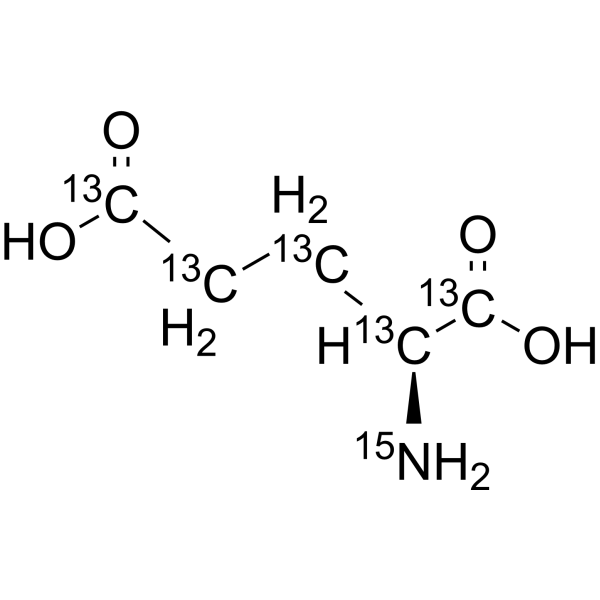
L-Glutamic acid- 13C5, 15N is the 13C- and 15N-labeled L-Glutamic acid. L-Glutamic acid acts as an excitatory transmitter and an agonist at all subtypes of glutamate receptors (metabotropic, kainate, NMDA, and AMPA). L-Glutamic acid shows a direct activating effect on the release of DA from dopaminergic terminals.
|
-
-
- HY-14608S
-
|
|
|
L-Glutamic acid- 13C is the 13C-labeled L-Glutamic acid. L-Glutamic acid acts as an excitatory transmitter and an agonist at all subtypes of glutamate receptors (metabotropic, kainate, NMDA, and AMPA). L-Glutamic acid shows a direct activating effect on the release of DA from dopaminergic terminals.
|
-
-
- HY-B0282S1
-
|
|
|
Acetylcholine-d9 (chloride) is the deuterium labeled Acetylcholine chloride. Acetylcholine chloride (ACh chloride), a neurotransmitter, is a potent and BBB-permeable cholinergic agonist. Acetylcholine chloride is a modulator of the activity of dopaminergic (DAergic) neurons through the stimulation of nicotinic acetylcholine receptors (nAChRs) . Acetylcholine chloride inhibits p53 mutant peptide aggregation in vitro .
|
-
-
- HY-W016498S1
-
|
|
|
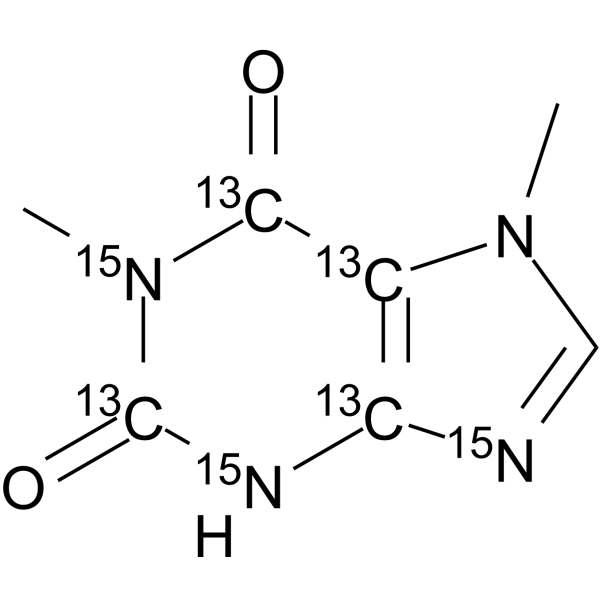
Paraxanthine- 13C4, 15N3 is the 13C-labeled and 15N-labeled Paraxanthine. Paraxanthine, a caffeine metabolite, provides protection against Dopaminergic cell death via stimulation of Ryanodine Receptor Channels.
|
-
-
- HY-14608S2
-
|
|
|
L-Glutamic acid- 15N is the 15N-labeled L-Glutamic acid. L-Glutamic acid acts as an excitatory transmitter and an agonist at all subtypes of glutamate receptors (metabotropic, kainate, NMDA, and AMPA). L-Glutamic acid shows a direct activating effect on the release of DA from dopaminergic terminals .
|
-
-
- HY-14608S1
-
|
|
|
L-Glutamic acid-1- 13C is the 13C-labeled L-Glutamic acid. L-Glutamic acid acts as an excitatory transmitter and an agonist at all subtypes of glutamate receptors (metabotropic, kainate, NMDA, and AMPA). L-Glutamic acid shows a direct activating effect on the release of DA from dopaminergic terminals.
|
-
-
- HY-W016498S
-
|
|
|
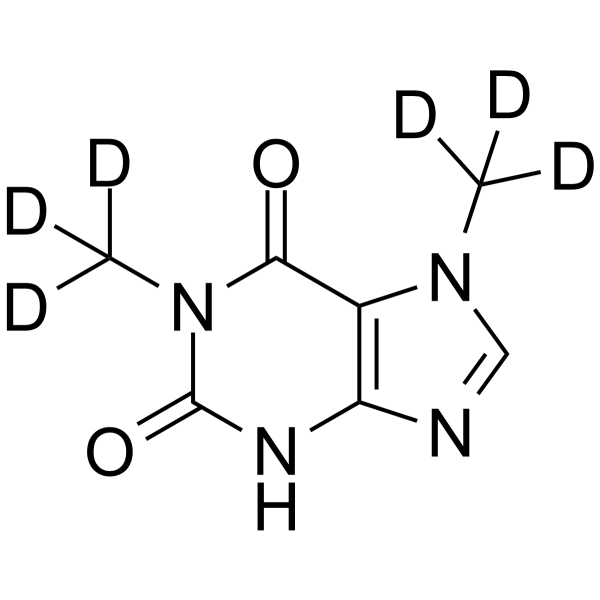
Paraxanthine-d6 is the deuterium labeled Paraxanthine. Paraxanthine, a caffeine metabolite, provides protection against Dopaminergic cell death via stimulation of Ryanodine Receptor Channels.
|
-
-
- HY-14608S6
-
|
|
|
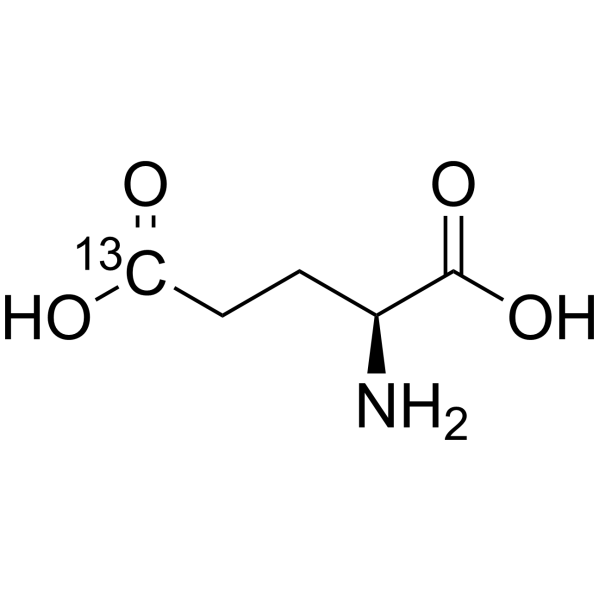
L-Glutamic acid-5- 13C is the 13C-labeled L-Glutamic acid. L-Glutamic acid acts as an excitatory transmitter and an agonist at all subtypes of glutamate receptors (metabotropic, kainate, NMDA, and AMPA). L-Glutamic acid shows a direct activating effect on the release of DA from dopaminergic terminals.
|
-
-
- HY-14608S4
-
|
|
|
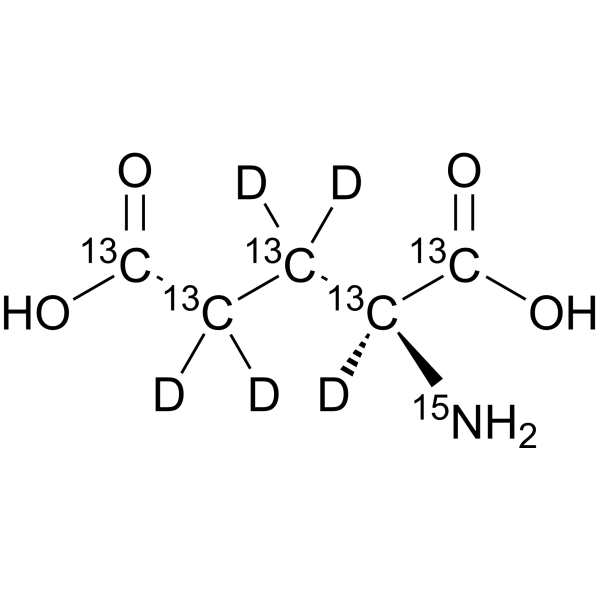
L-Glutamic acid- 13C5, 15N,d5 is the deuterium, 13C-, and 15-labeled L-Glutamic acid. L-Glutamic acid acts as an excitatory transmitter and an agonist at all subtypes of glutamate receptors (metabotropic, kainate, NMDA, and AMPA). L-Glutamic acid shows a direct activating effect on the release of DA from dopaminergic terminals.
|
-
-
- HY-14608S10
-
|
|
|
L-Glutamic acid- 13C2 is the 13C labeled L-Glutamic acid . L-Glutamic acid acts as an excitatory transmitter and an agonist at all subtypes of glutamate receptors (metabotropic, kainate, NMDA, and AMPA). L-Glutamic acid shows a direct activating effect on the release of DA from dopaminergic terminals .
|
-
-
- HY-19489S1
-
|
|
|
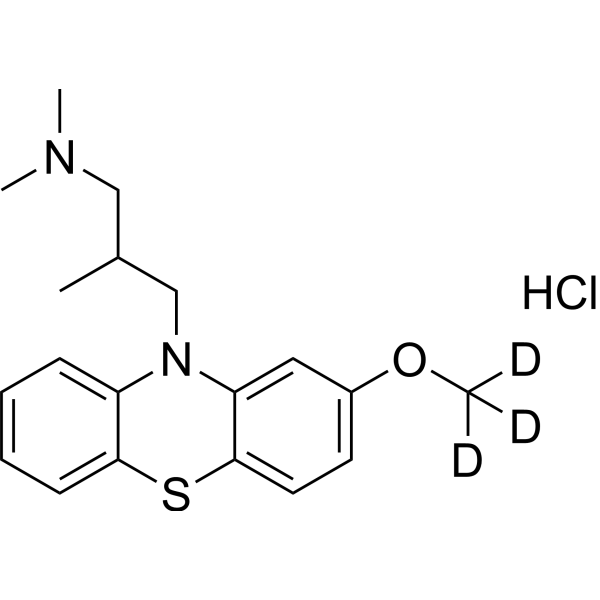
(Rac)-Levomepromazine-d3 (hydrochloride) is a labelled racemic Methotrimeprazine, which is a phenothiazine which has antagonist actions at multiple neurotransmitter receptor sites, including dopaminergic, cholinergic, serotonin and histamine receptors .
|
-
-
- HY-B1225S
-
|
|
|
Promazine-d6 (hydrochloride) (Romtiazin-d6 (hydrochloride)) is deuterium labeled Promazine (hydrochloride). Promazine (Romtiazin) hydrochloride is an antipsychotic and a dopamine receptor D2 antagonist. Promazine hydrochloride inhibits dopaminergic neurotransmission .
|
-
-
- HY-14608S9
-
|
|
|
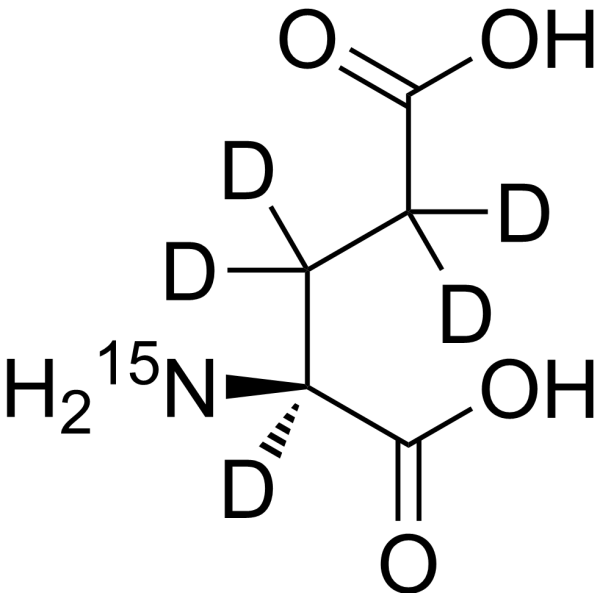
L-Glutamic acid- 15N,d5 is the deuterium and 15N-labeled L-Glutamic acid. L-Glutamic acid acts as an excitatory transmitter and an agonist at all subtypes of glutamate receptors (metabotropic, kainate, NMDA, and AMPA). L-Glutamic acid shows a direct activating effect on the release of DA from dopaminergic terminals.
|
-
-
- HY-W016145S
-
|
|
|
L-Glutamic acid- 13C5 hydrate salt is the 13C labeled L-Glutamic acid hydrate salt. L-Glutamic acid monosodium hydrate is an excitatory amino acid neurotransmitter that acts as an agonist for all subtypes of glutamate receptors (metabolic rhodophylline, NMDA, and AMPA). L-Glutamic acid monosodium hydrate has an agonist effect on the release of DA from dopaminergic nerve endings. L-Glutamic acid monosodium hydrate can be used in the study of neurological diseases. L-Glutamic acid monosodium hydrate acts at ionotropic and?metabotropic glutamate receptors.
|
-
-
- HY-100658S
-
|
|
|
Didesmethyl cariprazine-d8 is the deuterium labeled Didesmethyl cariprazine (HY-100658). Didesmethyl cariprazine is an orally active, BBB-permeable metabolite of Cariprazine (HY-14763). Didesmethyl cariprazine is a partial agonist at the D2 and D3 receptors, full agonist at the 5-HT1A receptor, and antagonist at the human 5-HT2B receptor (Ki: 1.41 nM (human D2L), 0.056 nM (human D3), 1.7 nM (human 5-HT1A), 0.52 nM (human 5-HT2B)). Didesmethyl cariprazine dose-dependently inhibits the spontaneous activity of rat midbrain dopaminergic neurons.
|
-
| Cat. No. |
Product Name |
Target |
Research Areas |
Chemical Structure |
-
- HY-107413G
-
|
|
RAR/RXR
Tyrosine Hydroxylase
|
Neurological Disease
Inflammation/Immunology
|
|
SR11237 GMP is SR11237 (HY-107413) produced by using GMP guidelines. GMP small molecules works appropriately as an auxiliary reagent for cell therapy manufacture. SR11237 is a RXR activator and lipid metabolism regulator that promotes the differentiation of induced neural stem cells into dopaminergic (TH-positive) neurons. SR11237 induces transcriptional regulation of lipogenic genes and cholesterol transporters, increases glycosaminoglycan release, and elevates total cellular triglyceride levels. SR11237 promotes heterodimerization of RXR with Nurr1, thereby enhancing tyrosine hydroxylase expression and facilitating dopamine release. SR11237 produces a synergistic effect when used in combination with bFGF/EGF. SR11237 is mainly used in studies related to osteoarthritis and Parkinson's disease .
|
-
Your information is safe with us. * Required Fields.
Inquiry Information
- Product Name:
- Cat. No.:
- Quantity:
- MCE Japan Authorized Agent:








