1. Search Result
Search Result
Pathways Recommended: Membrane Transporter/Ion Channel
Results for "

hERG channel blocker

" in MedChemExpress (MCE) Product Catalog:

60

Inhibitors & Agonists

1

Screening Libraries

3

Peptides

6

Natural
Products

7

Isotope-Labeled Compounds

Cat. No. Product Name Target Research Areas Chemical Structure
  • HY-12708
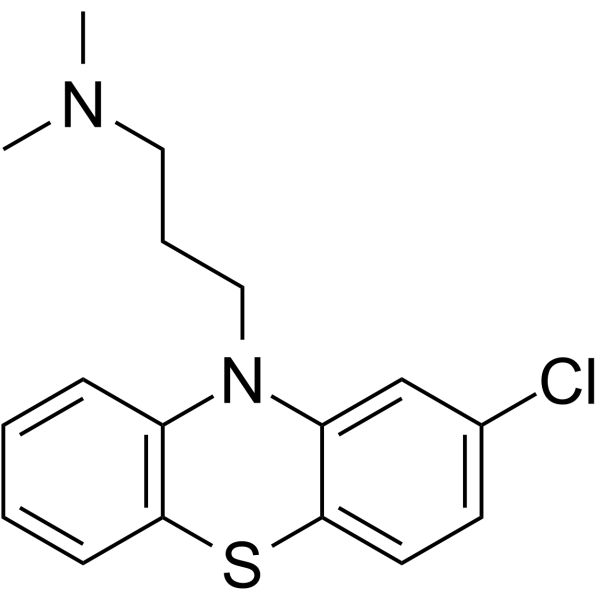
    Chlorpromazine
    Maximum Cited Publications
    128 Publications Verification

    Dopamine Receptor Cytochrome P450 Autophagy 5-HT Receptor Cardiovascular Disease Neurological Disease Cancer
    Chlorpromazine is an orally active, blood-brain barrier-transparent antipsychotic agent that effectively antagonises D2 dopamine receptors and 5-HT2A, which is widely used in schizophrenia and other psychiatric disorders. Chlorpromazine exerts anti-cancer activity through a variety of pathways, including anti-proliferation, induction of autophagy and cycle arrest (G2-M phase), inhibition of cytochrome c oxidase (CcO), inhibition of tumour growth and metastasis, and inhibition of tumour immune escape. Chlorpromazine also blocks hNav1.7 channels (IC50=25.9 μM; concentration-dependent) and HERG potassium channels (IC50=21.6 μM), which has potential for analgesic and cardiac arrhythmic studies. Chlorpromazine also can inhibit clathrin-mediated endocytosis .
    Chlorpromazine
  • HY-B0407A
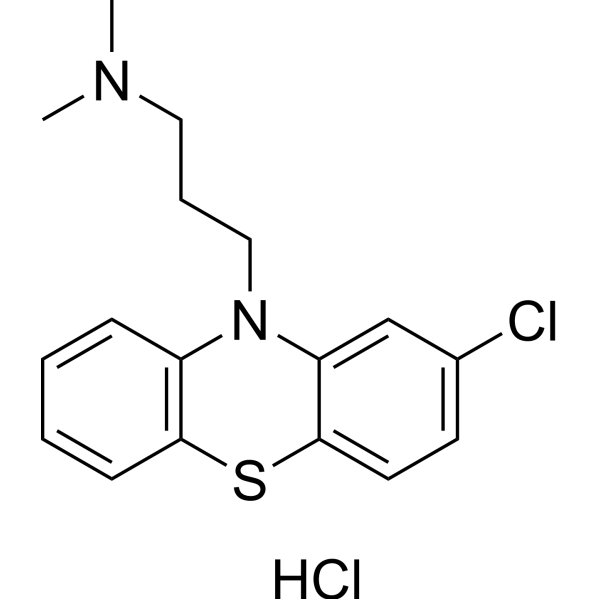
    Chlorpromazine hydrochloride
    Maximum Cited Publications
    128 Publications Verification

    Dopamine Receptor Autophagy Cytochrome P450 5-HT Receptor Cardiovascular Disease Neurological Disease Cancer
    Chlorpromazine hydrochloride is an orally active, blood-brain barrier-transparent antipsychotic agent that effectively antagonises D2 dopamine receptors and 5-HT2A, which is widely used in schizophrenia and other psychiatric disorders. Chlorpromazine hydrochloride exerts anti-cancer activity through a variety of pathways, including anti-proliferation, induction of autophagy and cycle arrest (G2-M phase), inhibition of cytochrome c oxidase (CcO), inhibition of tumour growth and metastasis, and inhibition of tumour immune escape. Chlorpromazine hydrochloride also blocks hNav1.7 channels (IC50=25.9 μM; concentration-dependent) and HERG potassium channels (IC50=21.6 μM), which has potential for analgesic and cardiac arrhythmic studies. Chlorpromazine hydrochloride also can inhibit clathrin-mediated endocytosis .
    Chlorpromazine hydrochloride
  • HY-B2136
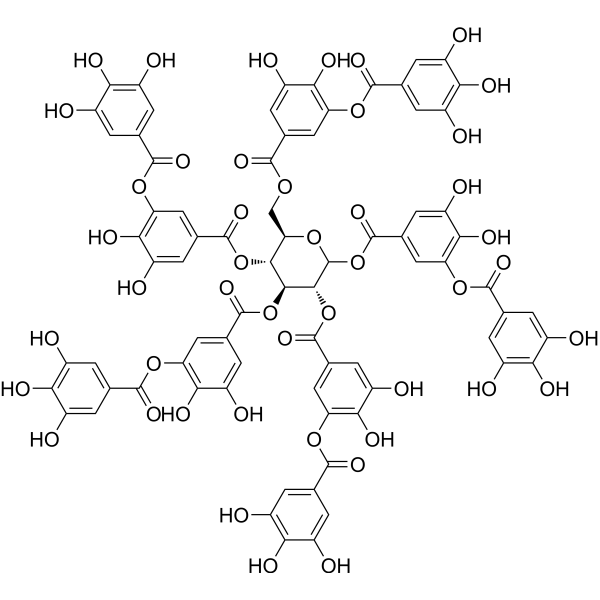
    Tannic acid
    5+ Cited Publications

    Environmental Pollutants Potassium Channel Inflammation/Immunology Cancer
    Tannic acid is a novel hERG channel blocker with IC50 of 3.4 μM.
    Tannic acid
  • HY-15551
    E-4031
    5+ Cited Publications

    Potassium Channel Cardiovascular Disease
    E-4031 is a selective hERG potassium channel blocker for use in class III anti-arrhythmic studies .
    E-4031
  • HY-B1193
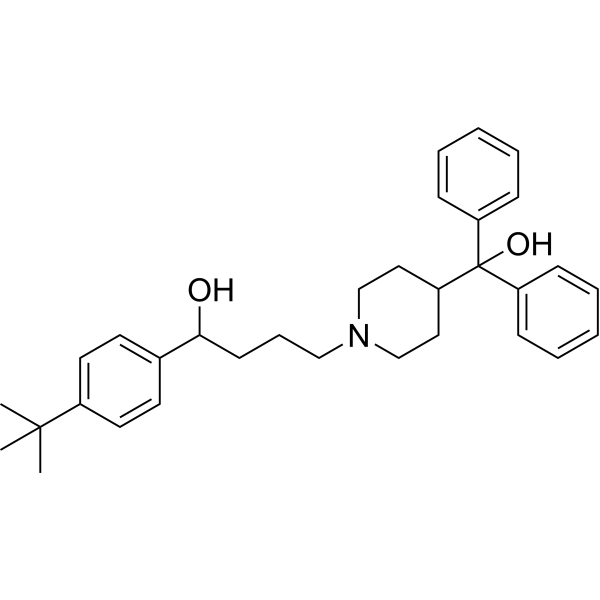
    Terfenadine
    4 Publications Verification

    (±)-Terfenadine; MDL-991

    Potassium Channel Histamine Receptor Na+/Ca2+ Exchanger Caspase Apoptosis Inflammation/Immunology Endocrinology Cancer
    Terfenadine ((±)-Terfenadine) is a potent open-channel blocker of hERG with an IC50 of 204 nM . Terfenadine, an H1 histamine receptor antagonist, acts as a potent apoptosis inducer in melanoma cells through modulation of Ca 2+ homeostasis. Terfenadine induces ROS-dependent apoptosis, simultaneously activates Caspase-4, -2, -9 .
    Terfenadine
  • HY-B0527A
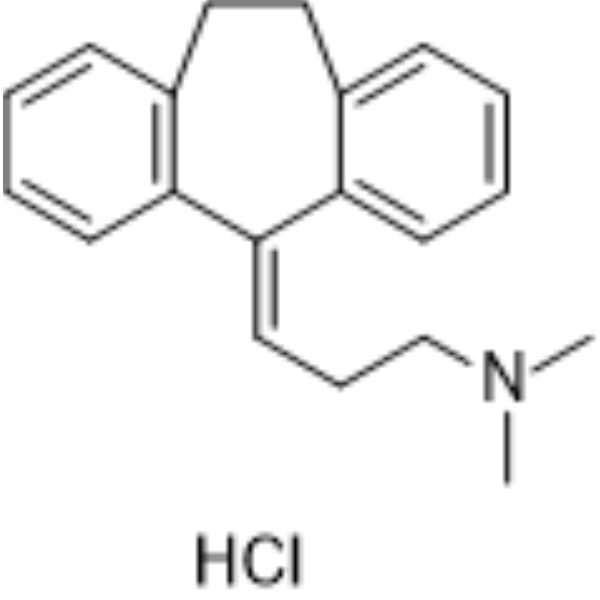
    Amitriptyline hydrochloride
    5+ Cited Publications

    Serotonin Transporter 5-HT Receptor mAChR Histamine Receptor Adrenergic Receptor Trk Receptor Sodium Channel Potassium Channel Dopamine Transporter Apoptosis Neurological Disease Inflammation/Immunology Endocrinology
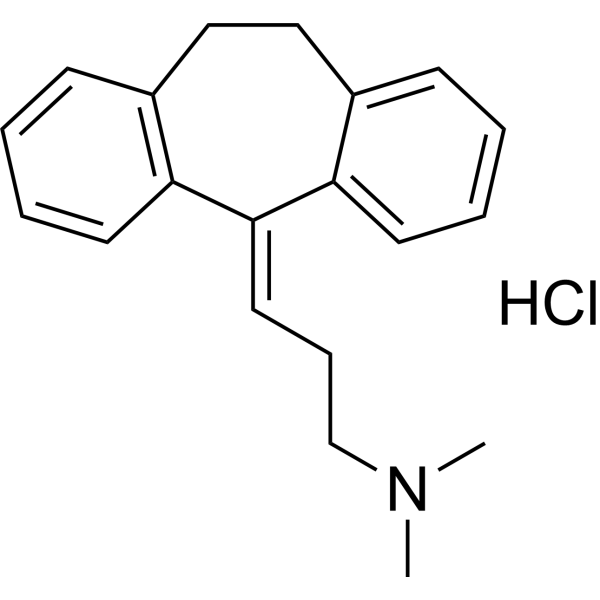
    Amitriptyline hydrochloride is an orally active tricyclic antidepressant (TCA). Amitriptyline hydrochloride mainly exerts its antidepressant effect by blocking SERT (Ki = 3.45 nM) and NET (Ki = 13.3 nM), thereby increasing the concentrations of 5-hydroxytryptamine (5-HT) and norepinephrine (NE) in the synaptic cleft. Amitriptyline hydrochloride is also an agonist at α2A and TrkA/TrkB receptors, thereby exerting analgesic and neurotrophic activities (inhibiting cell apoptosis). Amitriptyline hydrochloride can reduce inflammation, angiogenesis and fibrosis. Amitriptyline hydrochloride binds to DAT (with Ki = 2.58 μM). Amitriptyline hydrochloride has high affinity for a series of receptors and can antagonize muscarinic cholinergic receptors (M1/M2/M3/M4/M5 receptors) (Ki = 11-24 nM), H1 receptors (Ki = 0.5-1.1 nM), adrenergic α1 receptors (Ki = 4.4 nM), etc., resulting in a series of side effects. Amitriptyline hydrochloride can block sodium channels and hERG potassium channel (IC50 = 4.78 μM) and it has cardiotoxicity .
    Amitriptyline hydrochloride
  • HY-B0527
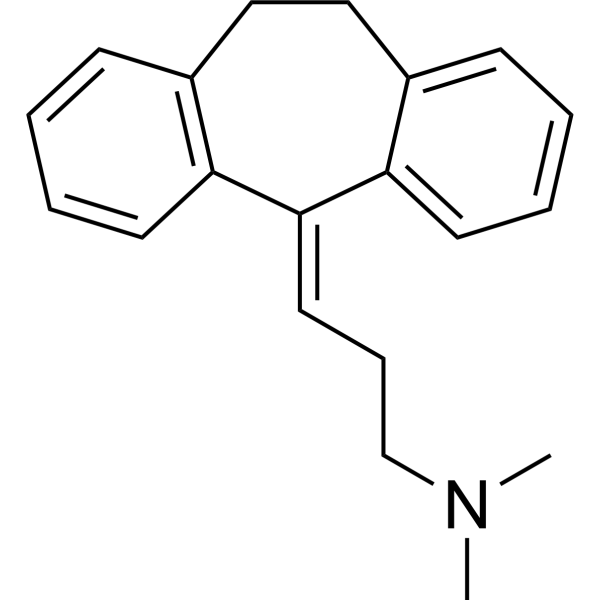
    Amitriptyline
    5+ Cited Publications

    Serotonin Transporter Trk Receptor Sodium Channel 5-HT Receptor Histamine Receptor Adrenergic Receptor mAChR Potassium Channel Dopamine Transporter Apoptosis Neurological Disease Inflammation/Immunology Endocrinology
    Amitriptyline is an orally active tricyclic antidepressant (TCA). Amitriptyline mainly exerts its antidepressant effect by blocking SERT (Ki = 3.45 nM) and NET (Ki = 13.3 nM), thereby increasing the concentrations of 5-hydroxytryptamine (5-HT) and norepinephrine (NE) in the synaptic cleft. Amitriptyline is also an agonist at α2A and TrkA/TrkB receptors, thereby exerting analgesic and neurotrophic activities (inhibiting cell apoptosis). Amitriptyline can reduce inflammation, angiogenesis and fibrosis. Amitriptyline binds to DAT (with Ki = 2.58 μM). Amitriptyline has high affinity for a series of receptors and can antagonize muscarinic cholinergic receptors (M1/M2/M3/M4/M5 receptors) (Ki = 11-24 nM), H1 receptors (Ki = 0.5-1.1 nM), adrenergic α1 receptors (Ki = 4.4 nM), etc., resulting in a series of side effects. Amitriptyline can block sodium channels and hERG potassium channel (IC50 = 4.78 μM) and it has cardiotoxicity .
    Amitriptyline
  • HY-12532
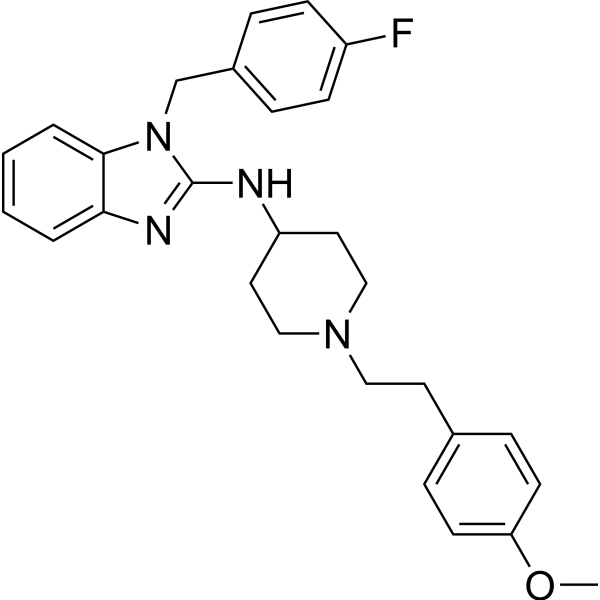
    Astemizole
    5+ Cited Publications

    R 43512

    Histamine Receptor Potassium Channel Inflammation/Immunology Endocrinology
    Astemizole (R 43512), a second-generation antihistamine agent to diminish allergic symptoms with a long duration of action, is a histamine H1-receptor antagonist, with an IC50 of 4 nM. Astemizole also shows potent hERG K + channel blocking activity with an IC50 of 0.9 nM. Astemizole has antipruritic effects .
    Astemizole
  • HY-N1934

    Potassium Channel HSP Cardiovascular Disease Inflammation/Immunology Cancer
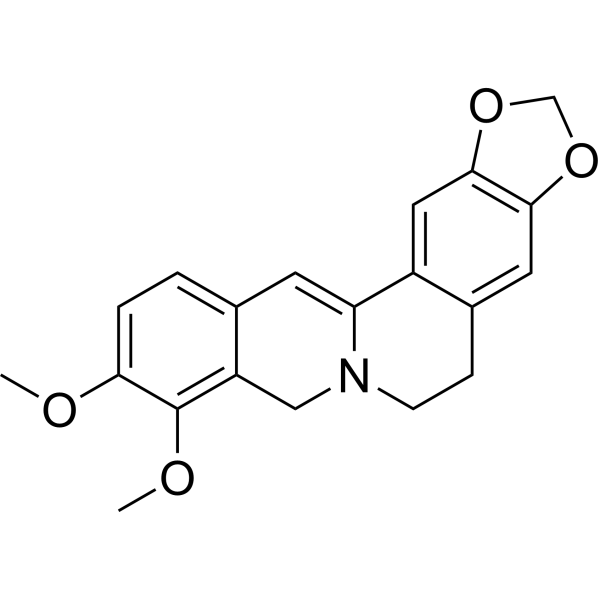
    Dihydroberberine is a naturally occurring isoquinoline alkaloid with anti-inflammatory, anti-atherosclerotic, hypolipidemic and anti-tumor activities. Dihydroberberine inhibits the human ether-related gene (hERG) channel and significantly reduces the expression of heat shock protein 90 (Hsp90) and its interaction with hERG. Dihydroberberine also blocks the TLR4/MyD88/NF-κB signaling pathway to reduce pro-inflammatory cytokines and immunoglobulins, and has inhibitory effects on DSS (HY-116282C)-induced experimental colitis. Dihydroberberine also increases the sensitivity of lung cancer to sunitinib (HY-10255A), with synergistic efficacy .
    Dihydroberberine
  • HY-B0480
    Brompheniramine maleate
    2 Publications Verification

    (±)-Brompheniramine maleate

    Histamine Receptor mAChR Potassium Channel Sodium Channel Calcium Channel Neurological Disease Inflammation/Immunology Endocrinology
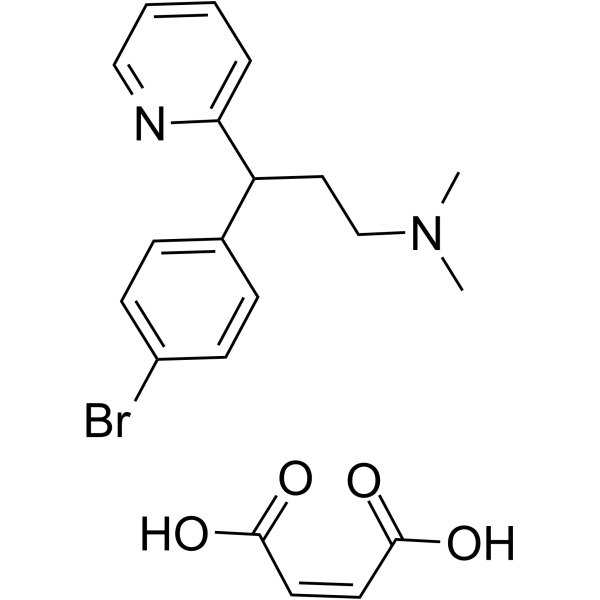
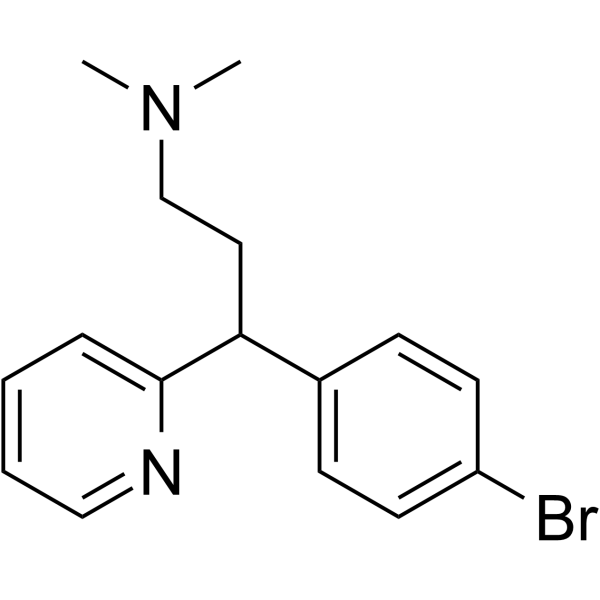
    Brompheniramine ((±)-Brompheniramine) maleate is a potent and orally active antihistamine of the alkylamine class. Brompheniramine maleate is a selective histamine H1 receptor antagonist with a Kd of 6.06 nM. Brompheniramine maleate can block the hERG channels, calcium channels, and sodium channels with IC50s of 0.90 μM, 16.12 μM and 21.26 μM, respectively. Brompheniramine maleate has anticholinergic, antidepressant and anesthetic properties and can be used for allergic rhinitis research .
    Brompheniramine maleate
  • HY-B1167

    Cardiorythmine; (+)-Ajmaline

    Sodium Channel Cardiovascular Disease
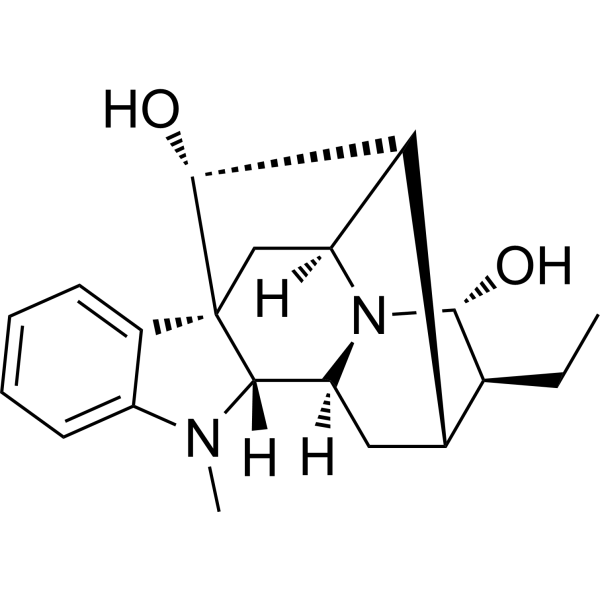
    Ajmaline (Cardiorythmine) is a sodium channel blocking, class 1A anti-arrhythmic agent. Ajmaline blocks HERG currents with an IC50 of 1 μM in HEK cells and 42.3 μM in Xenopus oocytes. Ajmaline can be used for the research of the ventricular tachyarrhythmia .
    Ajmaline
  • HY-12533
    Disopyramide
    2 Publications Verification

    Dicorantil; SC-7031

    Sodium Channel Potassium Channel Cardiovascular Disease
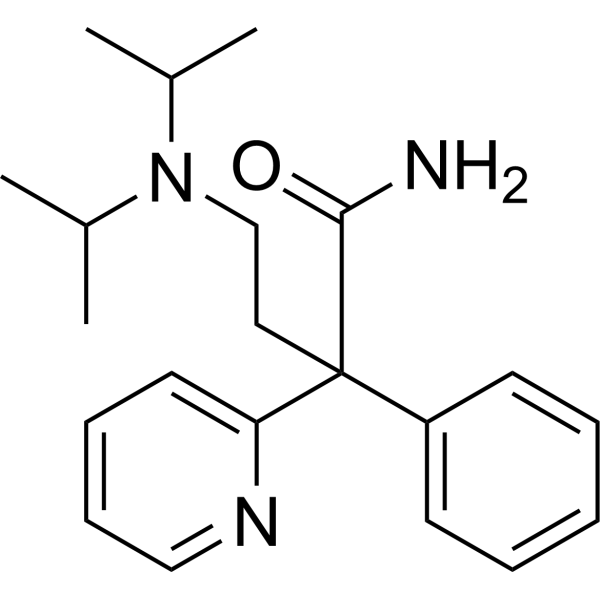
    Disopyramide (Dicorantil) is a class IA antiarrhythmic agent with efficacy in ventricular and atrial arrhythmias. Disopyramide blocks the fast inward sodium current of cardiac muscle and prolongs the duration of cardiac action potentials. Disopyramide inhibits HERG encoded potassium channels. Disopyramide also exhibits complex protein binding, and has a potent negative inotropic action .
    Disopyramide
  • HY-112075

    Potassium Channel Calcium Channel Cardiovascular Disease
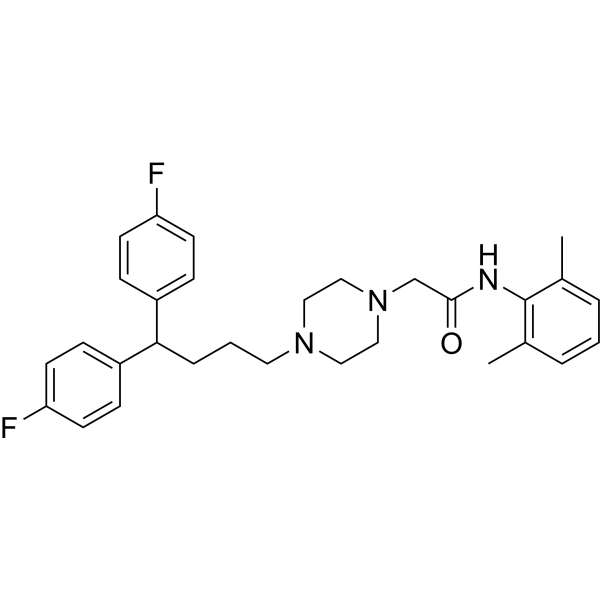
    Lidoflazine is a high affinity blocker of the HERG (human ether-a-go-go-related gene) K + channel. Lidoflazine is an antianginal calcium channel blocker that carries a significant risk of QT interval prolongation and ventricular arrhythmia .
    Lidoflazine
  • HY-12533A
    Disopyramide phosphate
    2 Publications Verification

    Dicorantil phosphate; SC-7031 phosphate

    Potassium Channel Sodium Channel Cardiovascular Disease
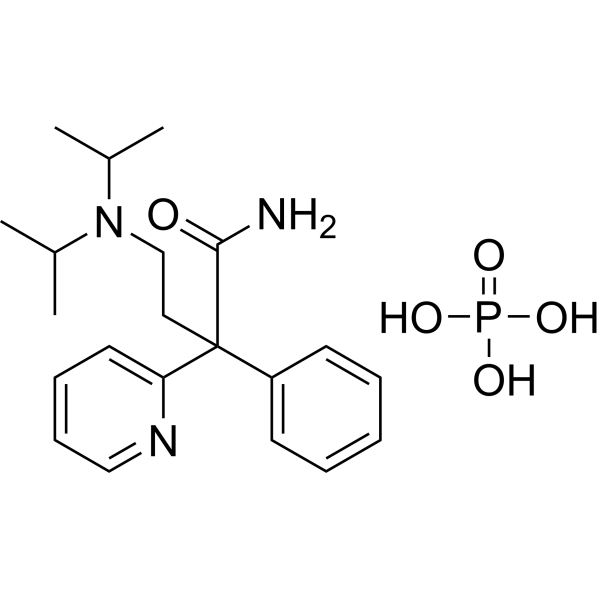
    Disopyramide phosphate is a class IA antiarrhythmic agent with efficacy in ventricular and atrial arrhythmias. Disopyramide phosphate blocks the fast inward sodium current of cardiac muscle and prolongs the duration of cardiac action potentials. Disopyramide phosphate inhibits HERG encoded potassium channels. Disopyramide phosphate also exhibits complex protein binding, and has a potent negative inotropic action .
    Disopyramide phosphate
  • HY-136832

    Serotonin Transporter Potassium Channel Arrestin Opioid Receptor Cardiovascular Disease Neurological Disease
    Noribogaine hydrochloride is an orally active, blood-brain barrier permeable SERT inhibitor (IC50=50-300 nM) and hERG channel blocker. Noribogaine hydrochloride enhances serotonergic transmission, activates the κ-opioid receptor (OPRK) G protein signaling pathway and inhibits β-arrestin recruitment. Meanwhile, Noribogaine hydrochloride blocks the μ-opioid receptor (OPRM) signaling pathway as well as ion channels associated with cardiac repolarization. Noribogaine hydrochloride induces neuritogenesis, upregulates GDNF mRNA expression, and modulates opioid tolerance. Noribogaine hydrochloride reduces alcohol-seeking behavior in experimental animals, and is widely used in studies related to depression, addiction, alcoholism, and cardiotoxicity .
    Noribogaine hydrochloride
  • HY-B1482A

    TPS-23

    Potassium Channel Neurological Disease
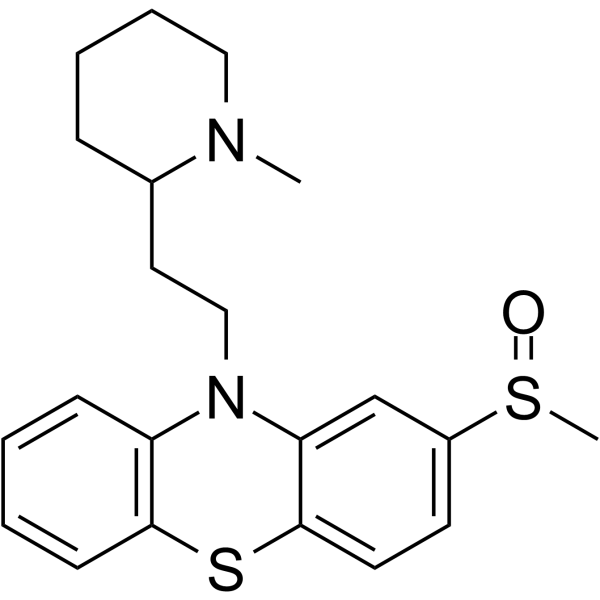
    Mesoridazine (TPS-23) , a metabolite of Thioridazine (HY-B0965A), acts as an orally active phenothiazine antipsychotic agent. Mesoridazine is a potent and rapid open-channel blocker of human ether-a-go-go related gene (hERG) channels and blocks hERG currents with an IC50 of 550 nM (at 0 mV) in human embryonic kidney 293 cells .Mesoridazine can be used for the research of schizophrenia, as well as certain other psychiatric disorders .
    Mesoridazine
  • HY-18600A
    Azimilide dihydrochloride
    2 Publications Verification

    NE-10064 dihydrochloride

    Potassium Channel Calcium Channel Sodium Channel Cardiovascular Disease
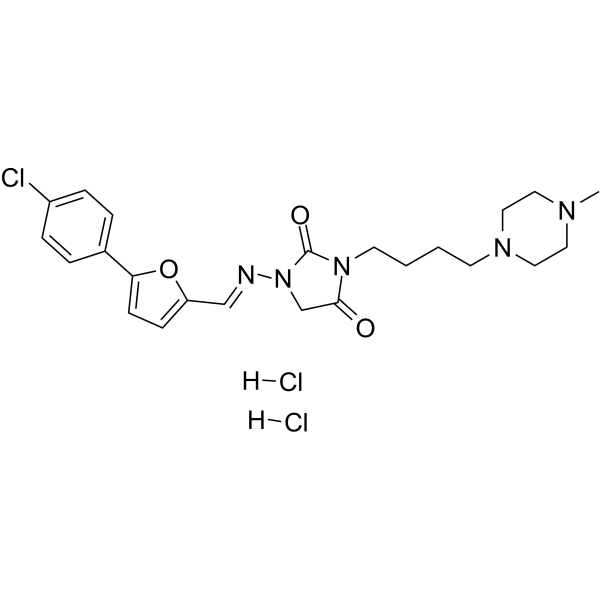
    Azimilide (NE-10064) dihydrochloride is a class III antiarrhythmic agent, which works by blocking potassium channels in the heart. Azimilide dihydrochloride is a dual blocker of IKs (IC50 = 2.6 μM (2mM [K⁺]ₑ)) and IKr (IC50 = 1 μM (4 mM [K⁺])). Azimilide dihydrochloride blocked HERG channel at 0.1 and 1 Hz with IC50s of 1.4 μM and 5.2 μM respectively. Azimilide dihydrochloride also inhibits L-type calcium current (ICa) (IC50 = 17.8 μM) and sodium current (INa) (IC50 = 19 μM). Azimilide dihydrochloride can be used for the study of atrial fibrillation and ventricular fibrillation .
    Azimilide dihydrochloride
  • HY-B0480A
    Brompheniramine
    2 Publications Verification

    (±)-Brompheniramine

    Histamine Receptor mAChR Potassium Channel Sodium Channel Calcium Channel Neurological Disease Inflammation/Immunology Endocrinology
    Brompheniramine ((±)-Brompheniramine) is a potent and orally active antihistamine of the alkylamine class. Brompheniramine is a selective histamine H1 receptor antagonist with a Kd of 6.06 nM. Brompheniramine can block the hERG channels, calcium channels, and sodium channels with IC50s of 0.90 μM, 16.12 μM and 21.26 μM, respectively. Brompheniramine has anticholinergic, antidepressant and anesthetic properties and can be used for allergic rhinitis research .
    Brompheniramine
  • HY-18600
    Azimilide
    2 Publications Verification

    NE-10064

    Potassium Channel Calcium Channel Sodium Channel Cardiovascular Disease
    Azimilide (NE-10064) is a class III antiarrhythmic agent, which works by blocking potassium channels in the heart. Azimilide is a dual blocker of IKs (IC50 = 2.6 μM (2mM [K⁺]ₑ)) and IKr (IC50 = 1 μM (4 mM [K⁺])). Azimilide blocked HERG channel at 0.1 and 1 Hz with IC50s of 1.4 μM and 5.2 μM respectively. Azimilide also inhibits L-type calcium current (ICa) (IC50 = 17.8 μM) and sodium current (INa) (IC50 = 19 μM). Azimilide can be used for the study of atrial fibrillation and ventricular fibrillation .
    Azimilide
  • HY-B1193R

    (±)-Terfenadine (Standard); MDL-991 (Standard)

    Reference Standards Potassium Channel Histamine Receptor Na+/Ca2+ Exchanger Caspase Apoptosis Inflammation/Immunology Endocrinology Cancer
    Terfenadine (Standard) is the analytical standard of Terfenadine. This product is intended for research and analytical applications. Terfenadine ((±)-Terfenadine) is a potent open-channel blocker of hERG with an IC50 of 204 nM . Terfenadine, an H1 histamine receptor antagonist, acts as a potent apoptosis inducer in melanoma cells through modulation of Ca2+ homeostasis. Terfenadine induces ROS-dependent apoptosis, simultaneously activates Caspase-4, -2, -9 .
    Terfenadine (Standard)
  • HY-B0527AR
    Amitriptyline hydrochloride (Standard)
    4 Publications Verification

    Reference Standards Serotonin Transporter 5-HT Receptor Histamine Receptor mAChR Adrenergic Receptor Trk Receptor Sodium Channel Potassium Channel Dopamine Transporter Apoptosis Neurological Disease Inflammation/Immunology Endocrinology
    Amitriptyline hydrochloride (Standard) is the analytical standard of Amitriptyline hydrochloride (HY-B0527A). This product is intended for research and analytical applications. Amitriptyline hydrochloride is an orally active tricyclic antidepressant (TCA). Amitriptyline hydrochloride mainly exerts its antidepressant effect by blocking SERT (Ki = 3.45 nM) and NET (Ki = 13.3 nM), thereby increasing the concentrations of 5-hydroxytryptamine (5-HT) and norepinephrine (NE) in the synaptic cleft. Amitriptyline hydrochloride is also an agonist at α2A and TrkA/TrkB receptors, thereby exerting analgesic and neurotrophic activities (inhibiting cell apoptosis). Amitriptyline hydrochloride can reduce inflammation, angiogenesis and fibrosis. Amitriptyline hydrochloride binds to DAT (with Ki = 2.58 μM). Amitriptyline hydrochloride has high affinity for a series of receptors and can antagonize muscarinic cholinergic receptors (M1/M2/M3/M4/M5 receptors) (Ki = 11-24 nM), H1 receptors (Ki = 0.5-1.1 nM), adrenergic α1 receptors (Ki = 4.4 nM), etc., resulting in a series of side effects. Amitriptyline hydrochloride can block sodium channels and hERG potassium channel (IC50 = 4.78 μM) and it has cardiotoxicity.
    Amitriptyline hydrochloride (Standard)
  • HY-W516880

    O-Demethylastemizole

    Drug Metabolite Parasite Histamine Receptor Potassium Channel Infection Cardiovascular Disease
    Desmethylastemizole (O-Demethylastemizole) , a metabolite of Astemizole (HY-12532), is a β-hematin (βH) inhibitor. Desmethylastemizole has an antiplasmodium activity against P. falciparum with IC50 of 0.12, 0.11 and 0.06  μM for Pf3D7, PfDd2, and PfItG strains, respectively. Desmethylastemizole is also a Histamine H1 receptor antagonist. Desmethylastemizole significantly blocks hERG K + channels and also inhibits histone-lysine N-methyltransferase EZH2 activity. Desmethylastemizole can be used for long QT syndrome and malaria research .
    Desmethylastemizole
  • HY-106912A

    MK 499 free base

    Potassium Channel Cardiovascular Disease
    L-706000 (MK 499) free base is a potent hERG channel blocker with an IC50 of 32 nM. L-706000 free base is a class III antiarrhythmic agent that can be used for the study of malignant ventricular tachyarrhythmias .
    L-706000 free base
  • HY-B0527AS

    Isotope-Labeled Compounds Serotonin Transporter 5-HT Receptor Histamine Receptor mAChR Adrenergic Receptor Trk Receptor Sodium Channel Potassium Channel Dopamine Transporter Apoptosis Neurological Disease Inflammation/Immunology Endocrinology
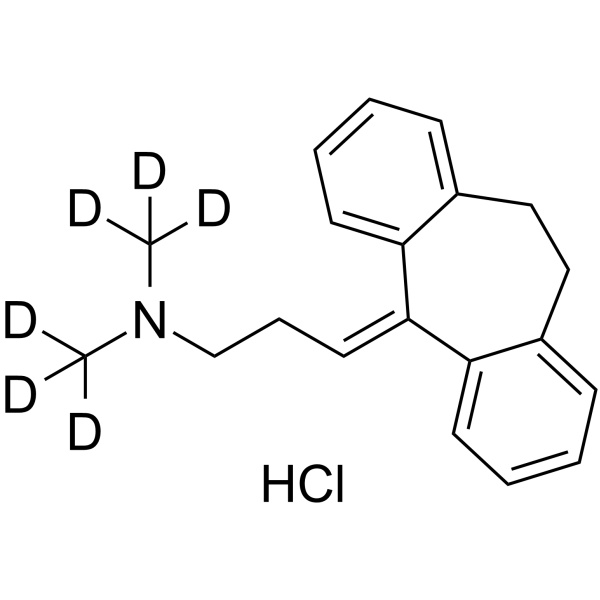
    Amitriptyline-d6 hydrochloride is the deuterium labeled Amitriptyline hydrochloride (HY-B0527A). Amitriptyline hydrochloride is an orally active tricyclic antidepressant (TCA). Amitriptyline hydrochloride mainly exerts its antidepressant effect by blocking SERT (Ki = 3.45 nM) and NET (Ki = 13.3 nM), thereby increasing the concentrations of 5-hydroxytryptamine (5-HT) and norepinephrine (NE) in the synaptic cleft. Amitriptyline hydrochloride is also an agonist at α2A and TrkA/TrkB receptors, thereby exerting analgesic and neurotrophic activities (inhibiting cell apoptosis). Amitriptyline hydrochloride can reduce inflammation, angiogenesis and fibrosis. Amitriptyline hydrochloride binds to DAT (with Ki = 2.58 μM). Amitriptyline hydrochloride has high affinity for a series of receptors and can antagonize muscarinic cholinergic receptors (M1/M2/M3/M4/M5 receptors) (Ki = 11-24 nM), H1 receptors (Ki = 0.5-1.1 nM), adrenergic α1 receptors (Ki = 4.4 nM), etc., resulting in a series of side effects. Amitriptyline hydrochloride can block sodium channels and hERG potassium channel (IC50 = 4.78 μM) and it has cardiotoxicity.
    Amitriptyline-d6 hydrochloride
  • HY-15551R

    Potassium Channel Reference Standards Cardiovascular Disease
    E-4031 (Standard) is the analytical standard of E-4031. This product is intended for research and analytical applications. E-4031 is a selective hERG potassium channel blocker for use in class III anti-arrhythmic studies .
    E-4031 (Standard)
  • HY-12532S

    Isotope-Labeled Compounds Histamine Receptor Potassium Channel Inflammation/Immunology Endocrinology
    Astemizole-d3 is the deuterium labeled Astemizole. Astemizole (R 43512), a second-generation antihistamine drug to diminish allergic symptoms with a long duration of action, is a histamine H1-receptor antagonist, with an IC50 of 4 nM. Astemizole also shows potent hERG K+ channel blocking activity with an IC50 of 0.9 nM. Astemizole has antipruritic effects .
    Astemizole-d3
  • HY-N1934R

    Reference Standards Potassium Channel HSP Cardiovascular Disease Inflammation/Immunology Cancer
    Dihydroberberine (Standard) is the analytical standard of Dihydroberberine. This product is intended for research and analytical applications. Dihydroberberine is a naturally occurring isoquinoline alkaloid with anti-inflammatory, anti-atherosclerotic, hypolipidemic and anti-tumor activities. Dihydroberberine inhibits the human ether-related gene (hERG) channel and significantly reduces the expression of heat shock protein 90 (Hsp90) and its interaction with hERG. Dihydroberberine also blocks the TLR4/MyD88/NF-κB signaling pathway to reduce pro-inflammatory cytokines and immunoglobulins, and has inhibitory effects on DSS (HY-116282C)-induced experimental colitis. Dihydroberberine also increases the sensitivity of lung cancer to sunitinib (HY-10255A), with synergistic efficacy .
    Dihydroberberine (Standard)
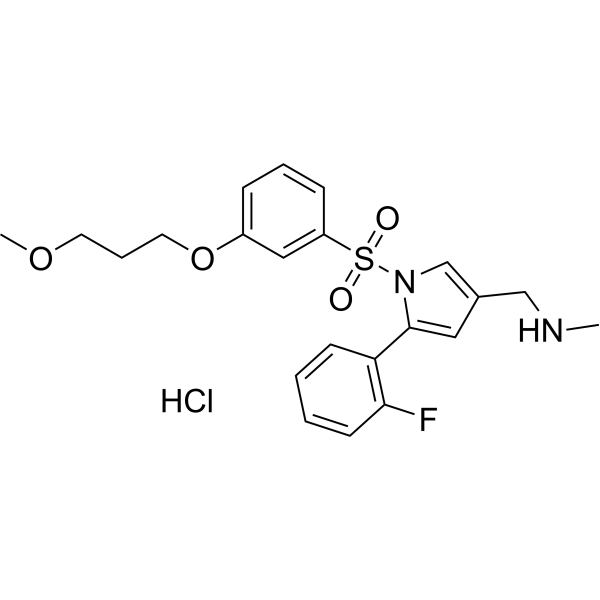
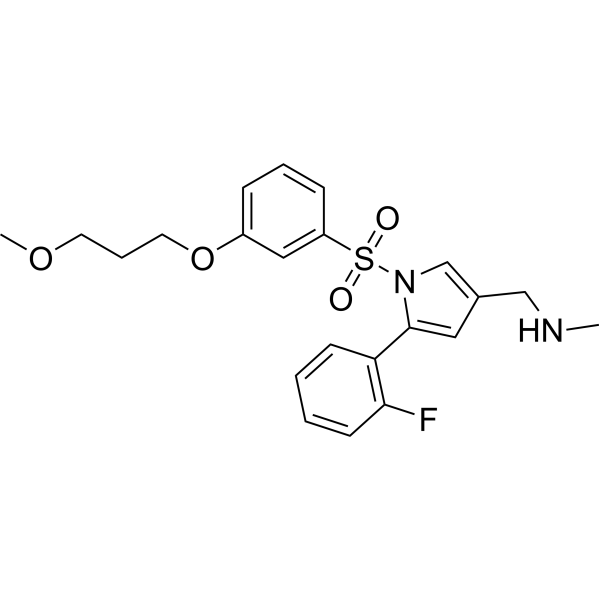
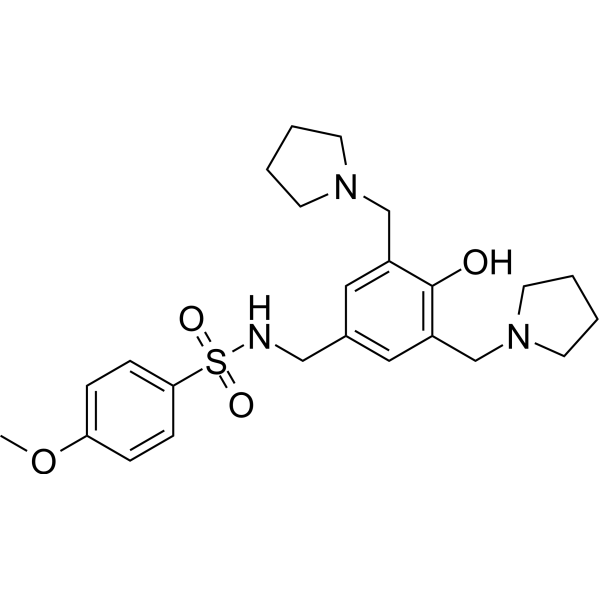
  • HY-175289

    Potassium Channel Sodium Channel Adrenergic Receptor Neurological Disease
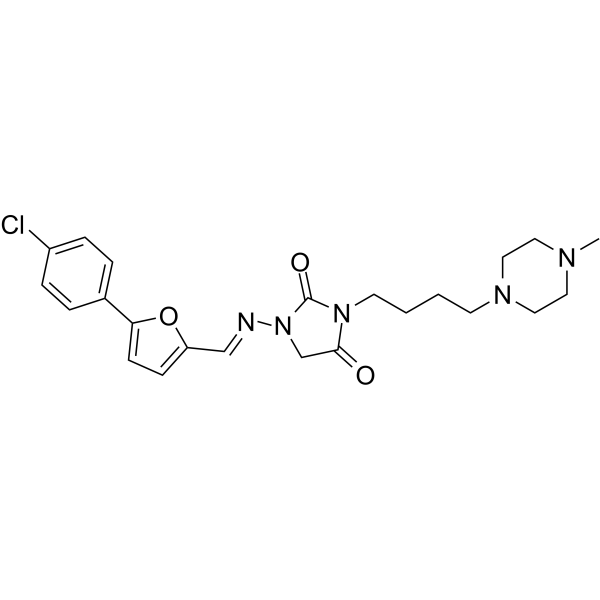
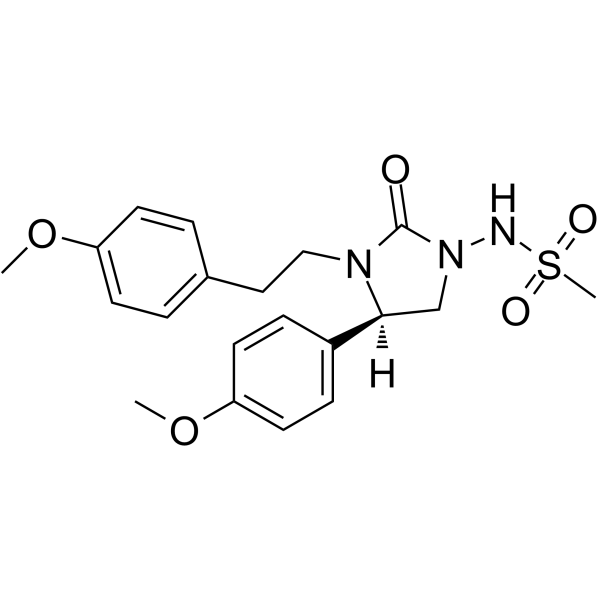
    hERG-IN-3 is an orally active hERG blocker with an IC50 of 44.5 nM. hERG-IN-3 exhibits a Ki for β2-adrenergic receptor of 14 nM. hERG-IN-3 exhibits the skeletal muscle Nav1.4 and sodium channel-blocking activities (IC50 = 4.4 μM, 3-fold increasement than hNav1.5). hERG-IN-3 displays a potent antimyotonic activity in an animal model. hERG-IN-3 can be used for the study of Myotonia Congenita .
    hERG-IN-3
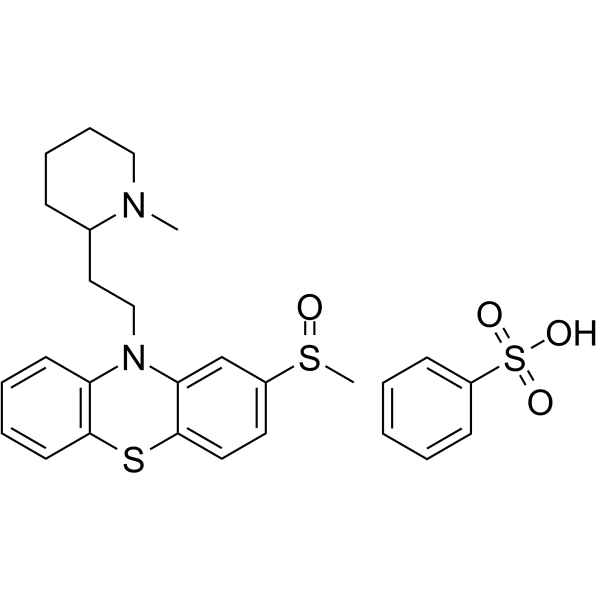
  • HY-B1482

    TPS-23 benzenesulfonate

    Potassium Channel Neurological Disease
    Mesoridazine (TPS-23) benzenesulfonate, a metabolite of Thioridazine (HY-B0965A), acts as an orally active phenothiazine antipsychotic agent. Mesoridazine benzenesulfonate is a potent and rapid open-channel blocker of human ether-a-go-go related gene (hERG) channels and blocks hERG currents with an IC50 of 550 nM (at 0 mV) in human embryonic kidney 293 cells .Mesoridazine benzenesulfonate can be used for the research of schizophrenia, as well as certain other psychiatric disorders .
    Mesoridazine benzenesulfonate
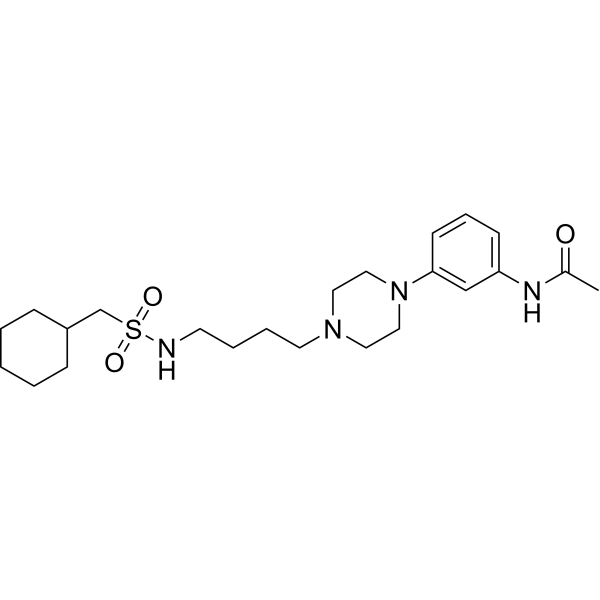
  • HY-14848

    PRX 00023

    5-HT Receptor Potassium Channel Neurological Disease
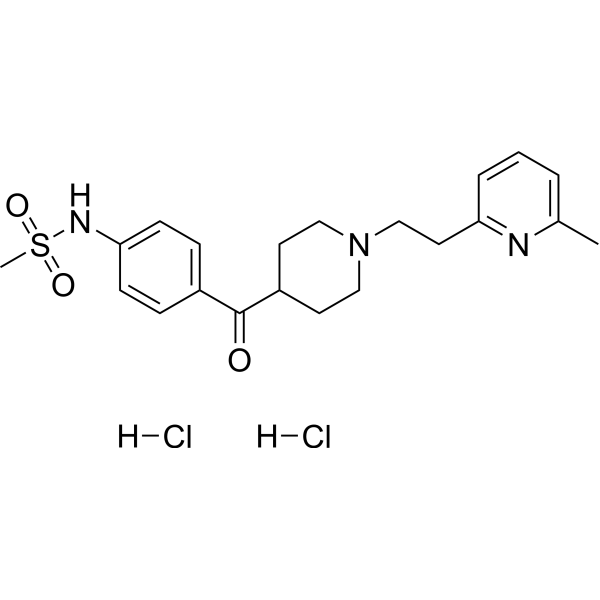
    Naluzotan is a novel, potent, and selective amidosulfonamide 5-HT1A agonist with IC50 and Ki of appr 20 nM and 5.1 nM, used for the treatment of anxiety and depression; Also a weak hERG K + channel blocker, with IC50 of 3800 nM.
    Naluzotan
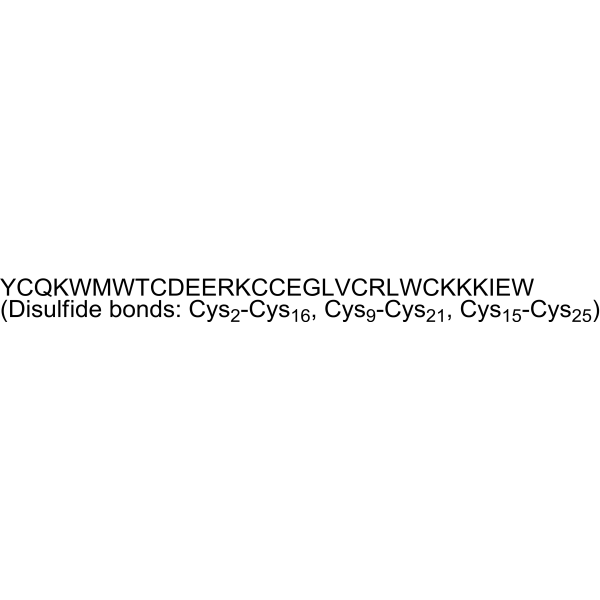
  • HY-P5795

    Sodium Channel Potassium Channel Neurological Disease
    GsAF-I is a potent Nav and hERG1 channels blocker with IC50s of 0.36, 0.6, 1.28, 0.33, 1.2, 0.04 and 4.8 μM against Nav1.1, Nav1.2, Nav1.3, Nav1.4, Nav1.6, Nav1.7 and hERG1, respectively .
    GsAF-I
  • HY-172903

    Sodium Channel Neurological Disease Inflammation/Immunology
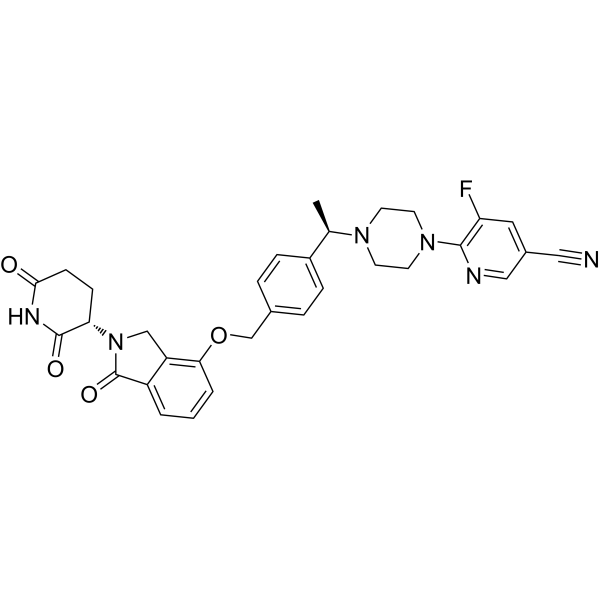
    Nav1.8-IN-16 (Compound (R)-40) is an orally active and selective hNaV 1.8 inhibitor (IC50: 5.9 nM). Nav1.8-IN-16 exerts analgesic effects by blocking NaV1.8 channels without significantly affecting other NaV subtypes or hERG channels. Nav1.8-IN-16 exhibits dose-dependent analgesic effects in postoperative pain and inflammatory pain models and can be used in pain-related research .
    Nav1.8-IN-16
  • HY-12532R

    R 43512 (Standard)

    Reference Standards Histamine Receptor Potassium Channel Inflammation/Immunology Endocrinology
    Astemizole (Standard) is the analytical standard of Astemizole. This product is intended for research and analytical applications. Astemizole (R 43512), a second-generation antihistamine agent to diminish allergic symptoms with a long duration of action, is a histamine H1-receptor antagonist, with an IC50 of 4 nM. Astemizole also shows potent hERG K + channel blocking activity with an IC50 of 0.9 nM. Astemizole has antipruritic effects .
    Astemizole (Standard)
  • HY-B0407AR

    Reference Standards Dopamine Receptor Autophagy Cytochrome P450 5-HT Receptor Cardiovascular Disease Neurological Disease Cancer
    Chlorpromazine (hydrochloride) (Standard) is the analytical standard of Chlorpromazine (hydrochloride). This product is intended for research and analytical applications. Chlorpromazine hydrochloride is an orally active, blood-brain barrier-transparent antipsychotic agent that effectively antagonises D2 dopamine receptors and 5-HT2A, which is widely used in schizophrenia and other psychiatric disorders. Chlorpromazine hydrochloride exerts anti-cancer activity through a variety of pathways, including anti-proliferation, induction of autophagy and cycle arrest (G2-M phase), inhibition of cytochrome c oxidase (CcO), inhibition of tumour growth and metastasis, and inhibition of tumour immune escape. Chlorpromazine hydrochloride also blocks hNav1.7 channels (IC50=25.9 μM; concentration-dependent) and HERG potassium channels (IC50=21.6 μM), which has potential for analgesic and cardiac arrhythmic studies. Chlorpromazine hydrochloride also can inhibit clathrin-mediated endocytosis .
    Chlorpromazine hydrochloride (Standard)
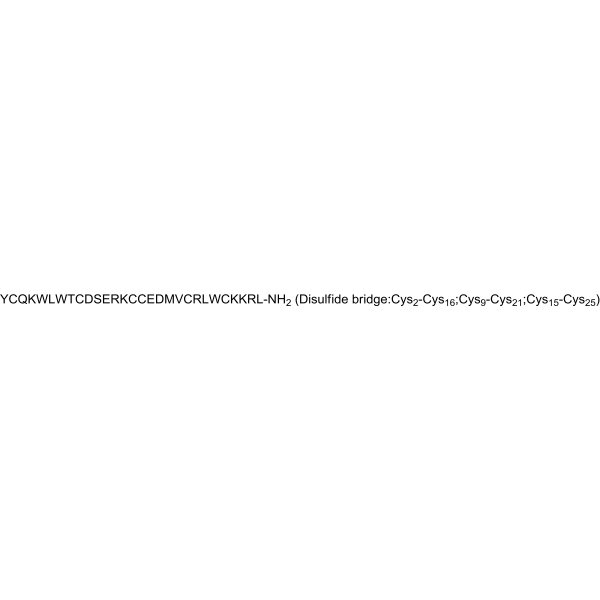
  • HY-P5177

    Sodium Channel Potassium Channel Neurological Disease
    GsAF-II is a peptide toxin that blocks hERG1 subtype potassium channels in a voltage-dependent manner. GsAF-II blocks Nav1.x subtype sodium channels .
    GsAF-II
  • HY-15551A

    Potassium Channel Cardiovascular Disease
    E-4031 free base is a selective hERG potassium channel blocker for use in class III anti-arrhythmic studies .
    E-4031 free base
  • HY-156976A

    Calcium Channel Sodium Channel Cardiovascular Disease
    Sulcardine hydrochloride is a multi-ion channel blocker that can reduce INa and ICa with IC50 values of 26.9 µM and 69.2 µM, respectively. Sulcardine hydrochloride is a potent hNav1.5 channel blocker with a mild inhibitory effect on hERG channels. Sulcardine hydrochloride has anti-arrhythmic effects .
    Sulcardine hydrochloride
  • HY-156976

    Calcium Channel Sodium Channel Cardiovascular Disease
    Sulcardine is a multi-ion channel blocker that can reduce INa and ICa with IC50 values of 26.9 µM and 69.2 µM, respectively. Sulcardine is a potent hNav1.5 channel blocker with a mild inhibitory effect on hERG channels. Sulcardine has anti-arrhythmic effects .
    Sulcardine
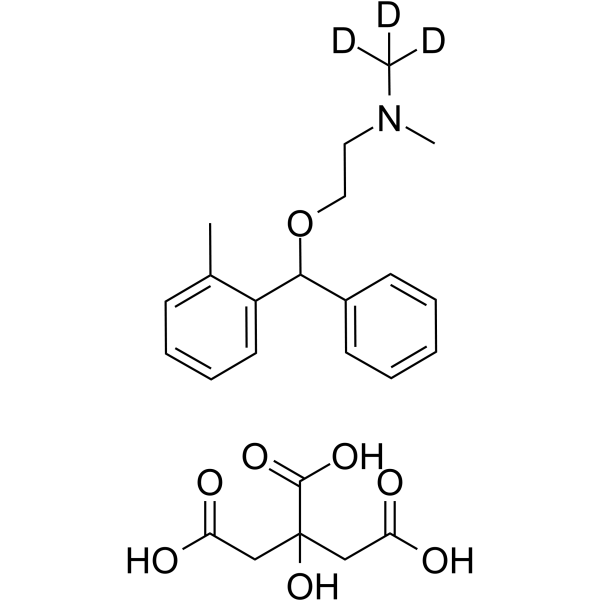
  • HY-B0369AS

    Isotope-Labeled Compounds iGluR Neurological Disease
    Orphenadrine-d3 (citrate) is the deuterium labeled Orphenadrine citrate. Orphenadrine citrate is a NMDA receptor antagonist with Ki of 6.0 +/- 0.7 μM, HERG potassium channel blocker.
    Orphenadrine-d3 citrate
  • HY-B1482AS

    Isotope-Labeled Compounds Potassium Channel Neurological Disease
    Mesoridazine-d3 is the deuterium labeled Mesoridazine (HY-B1482A). Mesoridazine (TPS-23) , a metabolite of Thioridazine (HY-B0965A), acts as an orally active phenothiazine antipsychotic agent. Mesoridazine is a potent and rapid open-channel blocker of human ether-a-go-go related gene (hERG) channels and blocks hERG currents with an IC50 of 550 nM (at 0 mV) in human embryonic kidney 293 cells .Mesoridazine can be used for the research of schizophrenia, as well as certain other psychiatric disorders .
    Mesoridazine-d3
  • HY-14848A

    PRX 00023 hydrochloride

    5-HT Receptor Potassium Channel Neurological Disease
    Naluzotan hydrochloride is a novel, potent, and selective amidosulfonamide 5-HT1A agonist with IC50 and Ki of appr 20 nM and 5.1 nM, used for the treatment of anxiety and depression; Also a weak hERG K + channel blocker, with IC50 of 3800 nM.
    Naluzotan hydrochloride
  • HY-P1440A

    Potassium Channel Neurological Disease
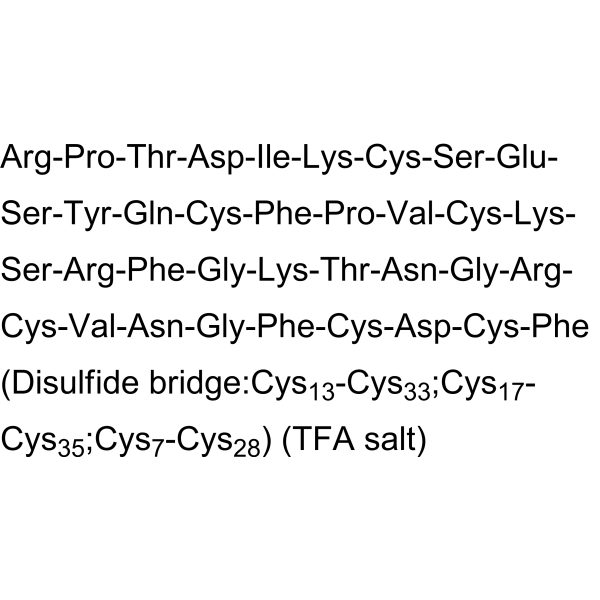
    BeKm-1 TFA is a potent and selective KV11.1 (hERG) channel blocker. BeKm-1 TFA is selective for KV11.1 over a panel of 14 other potassium channels. BeKm-1 TFA dose-dependently prolongs QTc interval in isolated rabbit heart.
    BeKm-1 TFA
  • HY-B1167R

    Cardiorythmine (Standard); (+)-Ajmaline (Standard)

    Reference Standards Sodium Channel Cardiovascular Disease
    Ajmaline (Standard) is the analytical standard of Ajmaline. This product is intended for research and analytical applications. Ajmaline (Cardiorythmine) is a sodium channel blocking, class 1A anti-arrhythmic agent. Ajmaline blocks HERG currents with an IC50 of 1 μM in HEK cells and 42.3 μM in Xenopus oocytes. Ajmaline can be used for the research of the ventricular tachyarrhythmia .
    Ajmaline (Standard)
  • HY-14186

    WYE-160020

    Potassium Channel Cardiovascular Disease
    KVI-020 is an orally active, potent and selective blocker of the atrial potassium channel Kv1.5, with an IC50 of 480 nM. KVI-020 can inhibits hERG, with an IC50 of 15100 nM. KVI-020 is a potent antiarrhythmic agent, and can be used for atrial fibrillation (AF) research .
    KVI-020
  • HY-19117

    Potassium Channel Cardiovascular Disease
    BRL-32872 is a potent human ether-a-go-go-related gene (hERG) potassium channel blocker (IC50=241 nM in isolated cardiomyocytes; 19.8 nM in HEK293 cells). BRL-32872 is promising for research of cardiac arrhythmias (e.g., atrial/ventricular rhythms) .
    BRL-32872
  • HY-B0480AR

    (±)-Brompheniramine (Standard)

    Reference Standards Histamine Receptor mAChR Potassium Channel Sodium Channel Calcium Channel Neurological Disease Inflammation/Immunology Endocrinology
    Brompheniramine (Standard) is the analytical standard of Brompheniramine. This product is intended for research and analytical applications. Brompheniramine ((±)-Brompheniramine) is a potent and orally active antihistamine of the alkylamine class. Brompheniramine is a selective histamine H1 receptor antagonist with a Kd of 6.06 nM. Brompheniramine can block the hERG channels, calcium channels, and sodium channels with IC50s of 0.90 μM, 16.12 μM and 21.26 μM, respectively. Brompheniramine has anticholinergic, antidepressant and anesthetic properties and can be used for allergic rhinitis research [4].
    Brompheniramine (Standard)
  • HY-B0480R

    (±)-Brompheniramine maleate (Standard)

    Reference Standards Histamine Receptor mAChR Potassium Channel Sodium Channel Calcium Channel Neurological Disease Inflammation/Immunology Endocrinology
    Brompheniramine (maleate) (Standard) is the analytical standard of Brompheniramine (maleate). This product is intended for research and analytical applications. Brompheniramine ((±)-Brompheniramine) maleate is a potent and orally active antihistamine of the alkylamine class. Brompheniramine maleate is a selective histamine H1 receptor antagonist with a Kd of 6.06 nM. Brompheniramine maleate can block the hERG channels, calcium channels, and sodium channels with IC50s of 0.90 μM, 16.12 μM and 21.26 μM, respectively. Brompheniramine maleate has anticholinergic, antidepressant and anesthetic properties and can be used for allergic rhinitis research .
    Brompheniramine maleate (Standard)
  • HY-12533B

    Dicorantil hydrochloride; SC-7031 hydrochloride

    Sodium Channel Potassium Channel Cardiovascular Disease
    Disopyramide hydrochloride is a class IA antiarrhythmic agent with efficacy in ventricular and atrial arrhythmias. Disopyramide hydrochloride blocks the fast inward sodium current of cardiac muscle and prolongs the duration of cardiac action potentials. Disopyramide hydrochloride inhibits HERG encoded potassium channels. Disopyramide hydrochloride also exhibits complex protein binding, and has a potent negative inotropic action .
    Disopyramide hydrochloride
  • HY-153952

    TNF Receptor Interleukin Related Potassium Channel Inflammation/Immunology Cancer
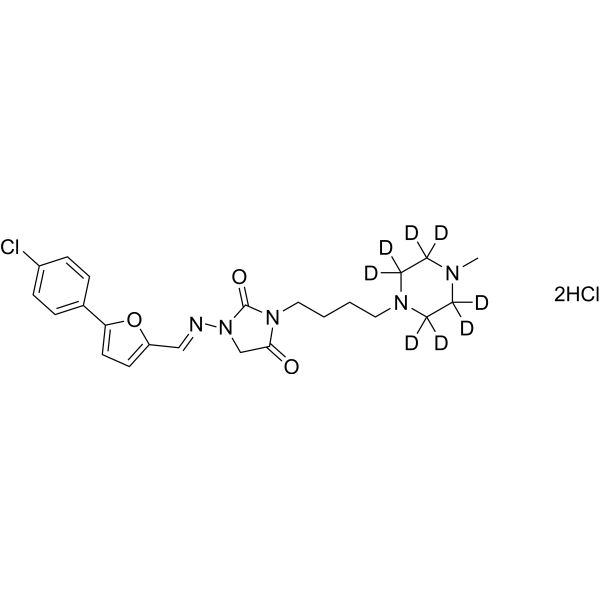
    Immuno modulator-1 (compound 22) inhibits TNFα and IL-2 secretion in human peripheral blood mononuclear cells (hPBMC), with IC50 values of 4.7 and 26 nM, respectively. Immuno modulator-1 shows hERG potassium channel blocking effect, with Inhibitory percentage of 20% at 3 μM .
    Immuno modulator-1
  • HY-18600AS

    NE-10064-d8 dihydrochloride

    Isotope-Labeled Compounds Potassium Channel Calcium Channel Sodium Channel Cardiovascular Disease
    Azimilide-d8 (NE-10064-d8) dihydrochloride is the deuterium labeled Azimilide dihydrochloride (HY-18600A). Azimilide dihydrochloride is a class III antiarrhythmic agent, which works by blocking potassium channels in the heart. Azimilide dihydrochloride is a dual blocker of IKs (IC50 = 2.6 μM (2mM [K⁺]ₑ)) and IKr (IC50 = 1 μM (4 mM [K⁺])). Azimilide dihydrochloride blocked HERG channel at 0.1 and 1 Hz with IC50s of 1.4 μM and 5.2 μM respectively. Azimilide dihydrochloride also inhibits L-type calcium current (ICa) (IC50 = 17.8 μM) and sodium current (INa) (IC50 = 19 μM). Azimilide dihydrochloride can be used for the study of atrial fibrillation and ventricular fibrillation .
    Azimilide-d8 dihydrochloride

Inquiry Online

Your information is safe with us. * Required Fields.

Salutation


Country or Region *

Applicant Name *


Organization Name *

Department *


Email Address *


Product Name *

Cat. No.


Requested quantity *

Phone Number *


Remarks

Inquiry Online

Inquiry Information

Product Name:
Cat. No.:
Quantity:
MCE Japan Authorized Agent: