Search Result
Results for "
lactic+acid+bacteria
" in MedChemExpress (MCE) Product Catalog:
1
Biochemical Assay Reagents
4
Isotope-Labeled Compounds
| Cat. No. |
Product Name |
Target |
Research Areas |
Chemical Structure |
-
- HY-P0014
-
-

-
- HY-P3462
-
|
|
CGRP Receptor
|
Metabolic Disease
|
|
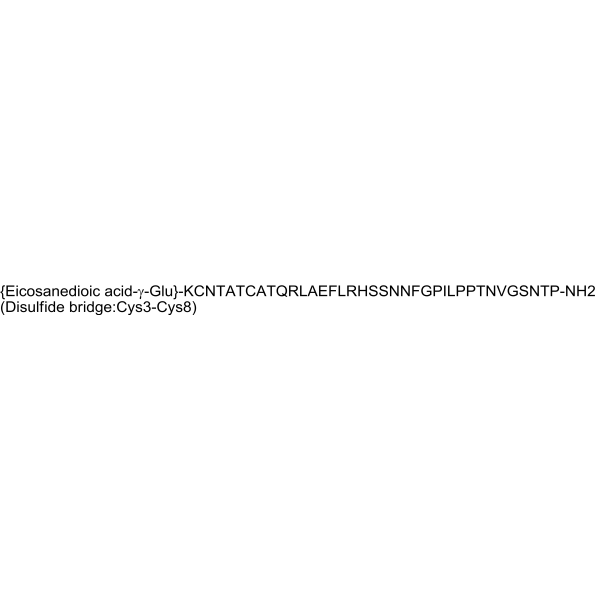
Cagrilintide is an investigational novel long-acting acylated amylin analogue, acts as nonselective amylin receptors (AMYR) and calcitonin G protein-coupled receptor (CTR) agonist. Cagrilintide induces significant weight loss and reduces food intake. Cagrilintide has the potential for the research of obesity .
|
-

-
- HY-N7075
-
Inulin
4 Publications Verification
|
Endogenous Metabolite
|
Infection
Neurological Disease
Metabolic Disease
Cancer
|
|
Inulin is an orally active prebiotic targeting the intestinal microbiota, selectively promoting the proliferation and activity of beneficial bacteria such as bifidobacteria and lactic acid bacteria, and playing a role in regulating the intestinal microecology. The functions of Inulin include: Fermentation by probiotics in the colon to produce short-chain fatty acids (such as butyrate and propionate), lowering the intestinal pH and inhibiting the overgrowth of harmful bacteria; Enhancing the intestinal barrier function and reducing endotoxin translocation; Directly scavenging free radicals (such as superoxide free radicals, hydroxyl free radicals) and activating antioxidant enzymes (SOD, CAT) to reduce oxidative stress. Inulin can also be used in the study of intestinal diseases (constipation, IBD), metabolic syndrome (diabetes, obesity) and liver damage by regulating glucose and lipid metabolism (such as reducing triglycerides, improving insulin sensitivity) and immune response (enhancing NK cell activity, inhibiting inflammatory factors)[1][2][3][4].
|
-

-
- HY-P3462A
-
|
|
CGRP Receptor
|
Metabolic Disease
|
|
Cagrilintide acetate is a non-selective AMYR/CTR agonist and long-acting acylated amylase analogue. Cagrilintide acetate causes a reduction in food intake and significant weight loss in a dose-dependent manner. Cagrilintide acetate can be used in obesity studies .
|
-
-
- HY-P10272
-
|
PTG-300
|
Ferroportin
|
Others
|
|
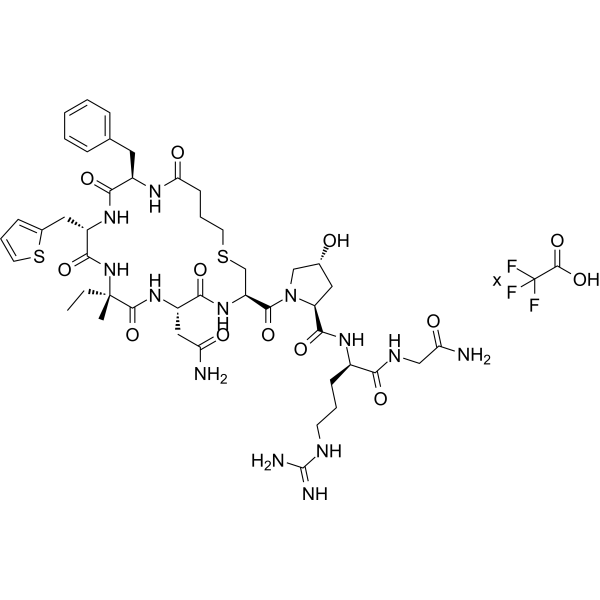
Rusfertide is a peptide mimetic of natural hepcidin, which targets and degrades ferroportin, reduces serum iron and transferrin-saturation, and thus regulates the production of red blood cells. Rusfertide ameliorates the polycythemia vera, β-thalassemia and hereditary hemochromatosis .
|
-

-
- HY-W005288
-
|
4-Hydroxystyrene
|
Apoptosis
Endogenous Metabolite
|
Cancer
|
|
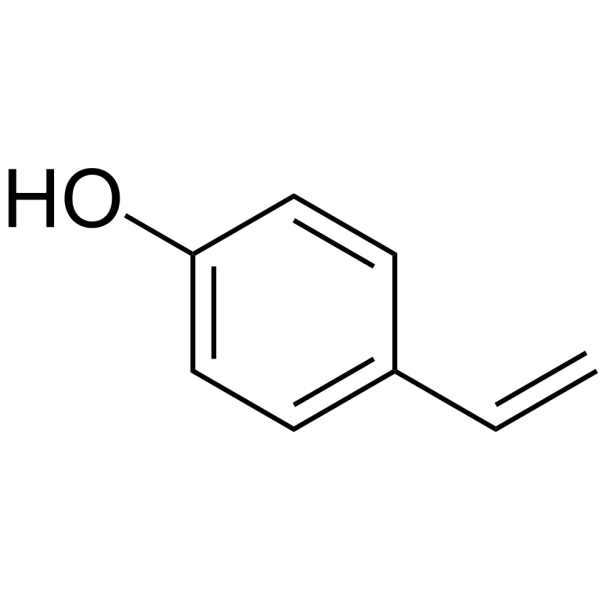
4-Vinylphenol is found in the medicinal herb Hedyotis diffusa Willd, wild rice and is also the metabolite of p-coumaric and ferulic acid by lactic acid bacteria in wine. 4-Vinylphenol induces apoptosis and inhibits blood vessels formation and suppresses invasive breast tumor growth in vivo .
|
-
-
- HY-P2231
-
|
MEDI0382
|
GCGR
|
Metabolic Disease
|
|
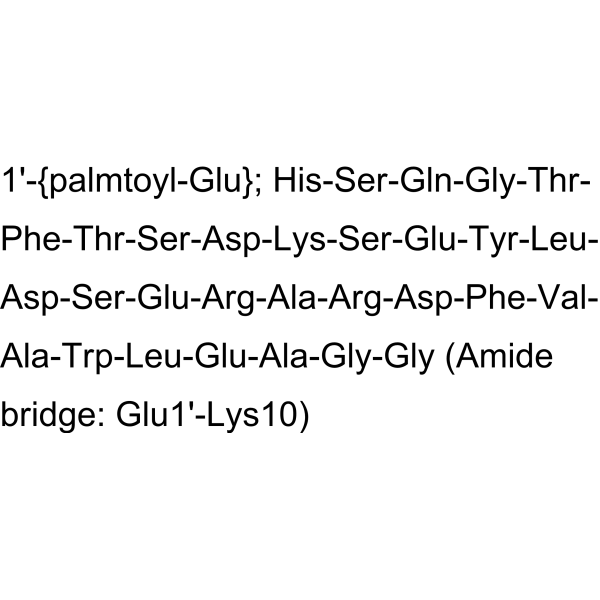
Cotadutide (MEDI0382) is a potent dual agonist of glucagon-like peptide-1 (GLP-1) and GCGR with EC50 values of 6.9 pM and 10.2 pM, respectively. Cotadutide exhibits ability to facilitate both weight loss and glycaemic control, and alleviate fibrosis. Cotadutide can be used in the research of obesity and type 2 diabetes (T2D) .
|
-
-
- HY-P2231A
-
|
MEDI0382 acetate
|
GCGR
|
Metabolic Disease
|
|
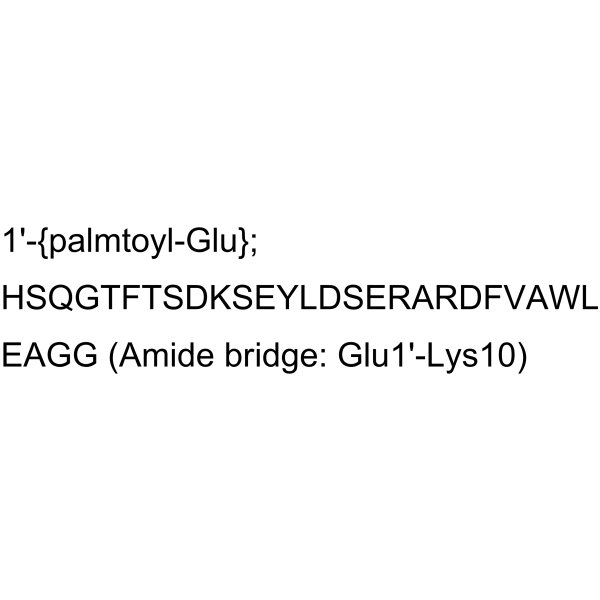
Cotadutide (MEDI0382) acetate is a potent dual agonist of glucagon-like peptide-1 (GLP-1) and GCGR with EC50 values of 6.9 pM and 10.2 pM, respectively. Cotadutide acetate exhibits ability to facilitate both weight loss and glycaemic control, and alleviate fibrosis. Cotadutide acetate can be used in the research of obesity and type 2 diabetes (T2D) .
|
-
-
- HY-112624O
-
|
Dextran 100; Dextran D100; Dextran T100(MW 90000-110000)
|
Biochemical Assay Reagents
|
Others
|
|
Dextran T100 (MW 100,000) (Dextran 100; Dextran D100) is a dehydrated glucose polymer with an average molecular weight of 100,000. Dextran T100 (MW 100,000) has an α-(1→6)-linked D-glucose backbone and α-(1→4)-, α-(1→3)- or α-(1→2)-linked D-glucose side chains, and it is synthesized by lactic acid bacteria or their enzymes. Dextran T100 (MW 100,000) possesses favorable biodegradability and biocompatibility, and it can be used in the fields of food, pharmaceuticals, cosmetics and research .
|
-

-
- HY-P3291
-
|
ZP7570
|
GCGR
|
Metabolic Disease
|
|
Dapiglutide (ZP7570) is a long-acting glucagon-like peptide-1 receptor 1R (GLP-1R)/Glucagon-like peptide-2 receptor (GLP-2R) dual agonist. Dapiglutide alleviates intestinal dysfunction in a mouse short bowel model and has anti-obesity effects .
|
-

-
- HY-113133
-
|
|
Glycosidase
|
Infection
Metabolic Disease
Inflammation/Immunology
|
|
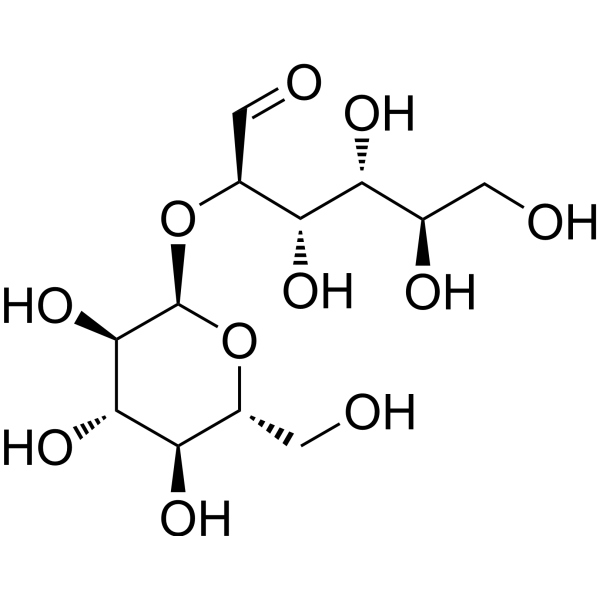
Kojibiose, an orally active prebiotic disaccharide, can specifically inhibit the activity of α-glucosidase I. kojibiose is a proliferation factor for Bifidobacterium, lactic acid bacteria, and eubacteria. kojibiose is a low-calorie sweetener capable of increasing the absorption of iron. Kojibiose exhibits antitoxic activity. Kojibiose reduces hepatic expression of inflammatory markers in vivo .
|
-
-
- HY-P10218
-
|
|
MARCKS
PKC
|
Inflammation/Immunology
Cancer
|
|
MANS peptide is an inhibitor for myristoylated alanine-rich C kinase substrate (MARCKS), which competes with MARCKS in cells for membrane binding, and thus inhibits the stimulation of mucin secretion and tumor metastasis .
|
-

-
- HY-P0014S1
-
|
|
Isotope-Labeled Compounds
GLP Receptor
GCGR
|
Others
|
|
Liraglutide- 13C6, 15 tetraTFA is the 13C and 15N labeled Liraglutide (HY-P0014) . Liraglutide is a glucagon-like peptide-1 (GLP-1) receptor agonist used for the study of type 2 diabetes mellitus .
|
-

-
- HY-P10271
-
|
NNC0090-2746; MAR709; RO6811135
|
GLP Receptor
|
Metabolic Disease
|
|
RG7697 is a dual agonist for glucagon-like peptide receptor (GLP Receptor) and glucosedependent insulinotropic polypeptide receptor (GIPR), with EC50 of 5 and 3 pM, respectively. RG7697 exhibits antihyperglycemic property .
|
-

-
- HY-P10031
-
|
|
GLP Receptor
GCGR
|
Metabolic Disease
|
|
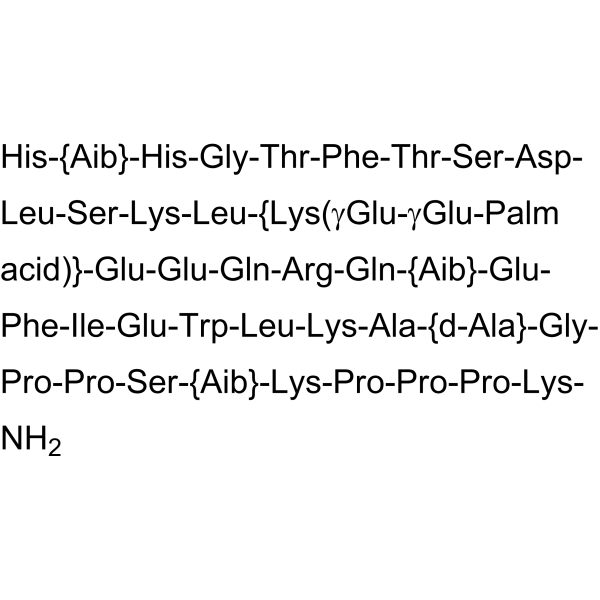
SAR441255 is a GLP-1R/GCGR/GIPR agonist, with human EC50 values of 1.03 pM, 1.01 pM, and 0.73 pM, respectively. SAR441255 stimulates receptor activity and drives cAMP accumulation. SAR441255 can be used for the research of type 2 diabetes, obesity .
|
-
-
- HY-165772
-
|
|
Drug Derivative
|
Metabolic Disease
|
|
10-Hydroxy-12(Z)-octadecenoic acid is a hydroxy-unsaturated fatty acid that can be found in microorganisms such as lactic acid bacteria.
|
-

-
- HY-N8139
-
|
|
Bacterial
Fungal
|
Metabolic Disease
|
|
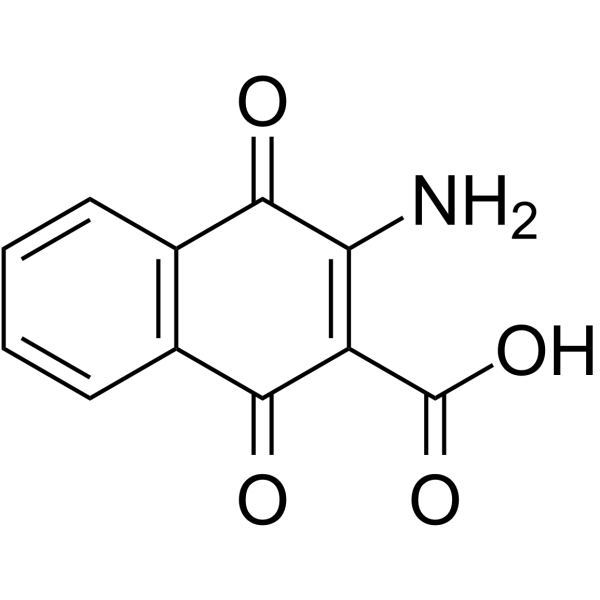
2-Amino-3-carboxy-1,4-naphthoquinone is the electron transfer mediator. 2-Amino-3-carboxy-1,4-naphthoquinone changes glucose metabolism of the homofermentative lactic acid bacteria .
|
-
-
- HY-P10218A
-
|
|
MARCKS
PKC
|
Inflammation/Immunology
Cancer
|
|
MANS peptide TFA is the TFA salt form of MANS peptide (HY-P10218). MANS peptide TFA is an inhibitor for myristoylated alanine-rich C kinase substrate (MARCKS), which competes with MARCKS in cells for membrane binding, and thus inhibits the stimulation of mucin secretion and tumor metastasis .
|
-

-
- HY-P0014B
-
|
|
GLP Receptor
|
Metabolic Disease
|
|
Liraglutide (TFA) is an agonist of glucagon-like peptide 1 receptor (GLP-1). Liraglutide (TFA) can activate GLP-1, leading to the release of insulin in the presence of increased glucose concentration. Liraglutide (TFA) also reduces glucagon secretion in a glucose-dependent manner. Liraglutide (TFA) can be studied in research on type 2 diabetes .
|
-

-
- HY-P3143
-
|
|
PD-1/PD-L1
|
Cancer
|
|
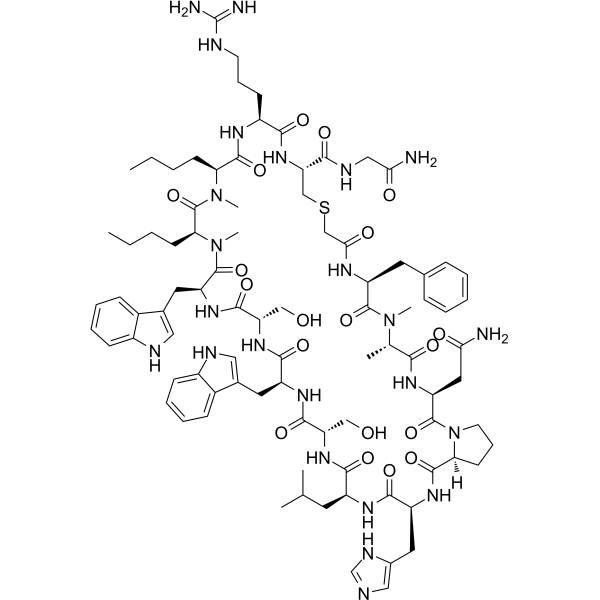
BMSpep-57 is a potent and competitive macrocyclic peptide inhibitor of PD-1/PD-L1 interaction with an IC50 of 7.68 nM. BMSpep-57 binds to PD-L1 with Kds of 19 nM and 19.88 nM in MST and SPR assays, respectively. BMSpep-57 facilitates T cell function by in creasing IL-2 production in PBMCs .
|
-
-
- HY-P11273
-
-

-
- HY-153476A
-
|
|
GLP Receptor
GCGR
|
Inflammation/Immunology
|
|
GIP/GLP-1 dual receptor agonist-1 sodium is a GIP/GLP-1 dual receptor agonist. GIP/GLP-1 dual receptor agonist-1 sodium is used in the research of metabolic disorders and fatty liver diseases, including non-alcoholic steatohepatitis (NASH) and non-alcoholic fatty liver disease (NAFLD) .
|
-

-
- HY-153476
-
|
|
GCGR
GLP Receptor
|
Inflammation/Immunology
|
|
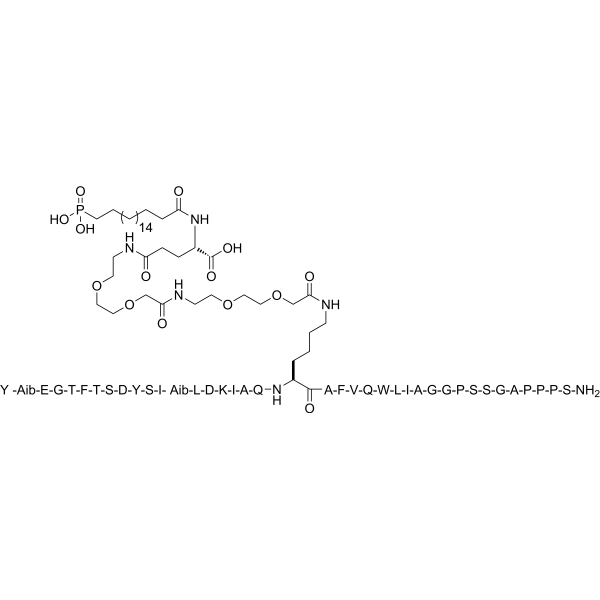
GIP/GLP-1 dual receptor agonist-1 is a GIP/GLP-1 dual receptor agonist. GIP/GLP-1 dual receptor agonist-1 is used in the research of metabolic disorders and fatty liver diseases, including non-alcoholic steatohepatitis (NASH) and non-alcoholic fatty liver disease (NAFLD) .
|
-
-
- HY-P11290
-
-

-
- HY-W005288S
-
|
4-Hydroxystyrene-d4
|
Apoptosis
Endogenous Metabolite
Isotope-Labeled Compounds
|
Cancer
|
|
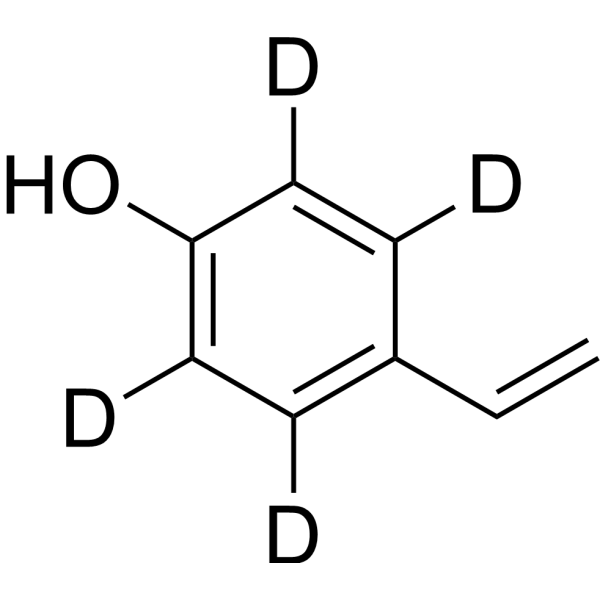
4-Vinylphenol-d4 is deuterated labeled 4-Vinylphenol (HY-W005288). 4-Vinylphenol is found in the medicinal herb Hedyotis diffusa Willd, wild rice and is also the metabolite of p-coumaric and ferulic acid by lactic acid bacteria in wine. 4-Vinylphenol induces apoptosis and inhibits blood vessels formation and suppresses invasive breast tumor growth in vivo .
|
-
-
- HY-P10341
-
|
|
GCGR
|
Metabolic Disease
|
|
ZP3022 is a dual agonist of glucagon-like peptide-1 (GLP-1) and gastrin that has the ability to sustainably improve glycemic control. Additionally, ZP3022 can effectively increase β-cell mass, promote β-cell proliferation, and enhance the function of pancreatic islets. ZP3022 can be used in anti-diabetic research .
|
-

-
- HY-169089
-
|
|
Drug Derivative
|
Cancer
|
|
RP-182-PEG3-K palmitic acid-NH2 (Compound 1a) is a fatty acid derivative of the immunomodulatory peptide RP-182. RP-182-PEG3-K palmitic acid-NH2 inhibits CD206 high M2-like macrophage (IC50 of 3.2 μM) and induces phagocytosis. RP-182-PEG3-K palmitic acid-NH2 exhibits antitumor efficacy in mouse B16 melanoma allografts .
|
-

-
- HY-P10563
-
|
BHV-1100
|
CD38
|
Cancer
|
|
Noraramtide (BHV-1100) is an antibody recruitment molecule. Noraramtide can specifically bind to CD38 molecules to recruit natural killer (NK) cells. Noraramtide enhances the ability of NK cells to kill tumor cells through antibody-dependent cellular cytotoxicity (ADCC). This mechanism allows NK cells to more effectively recognize and eliminate tumor cells while avoiding mutual killing between NK cells. Noraramtide can be used for the study of autologous cancer immunity .
|
-

-
- HY-P11233
-
|
|
GLP Receptor
|
Metabolic Disease
|
|
Acmopatide (Compound E-153) is a dual-acting GIP/GLP-1 receptor agonist. Acmopatide is used in anti-diabetic research .
|
-

-
- HY-P0014AS
-
-

-
- HY-P10031A
-
|
|
GLP Receptor
GCGR
|
Metabolic Disease
|
|
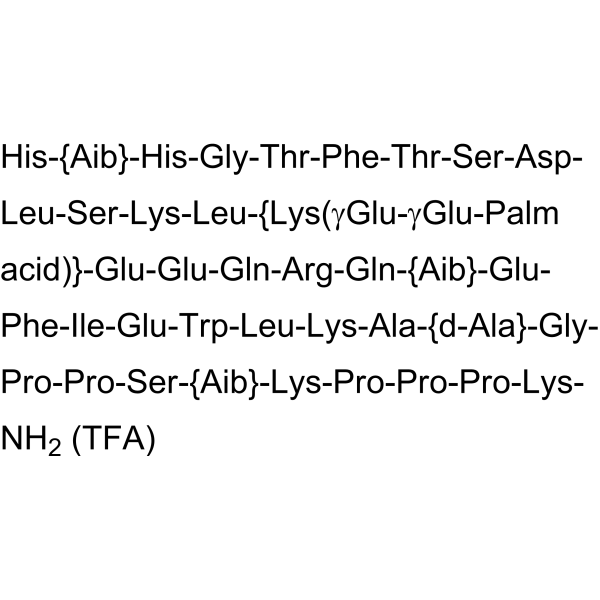
SAR441255 TFA is a GLP-1R/GCGR/GIPR agonist, with human EC50 values of 1.03 pM, 1.01 pM, and 0.73 pM, respectively. SAR441255 TFA stimulates receptor activity and drives cAMP accumulation. SAR441255 TFA can be used for the research of type 2 diabetes, obesity .
|
-
-
- HY-169089A
-
|
|
Drug Derivative
|
Cancer
|
|
RP-182-PEG3-K(palmitic acid)-NH2 (Compound 1a) TFA is a fatty acid derivative of the immunomodulatory peptide RP-182. RP-182-PEG3-K(palmitic acid)-NH2 TFA inhibits CD206 high M2-like macrophage (IC50 of 3.2 μM) and induces phagocytosis. RP-182-PEG3-K(palmitic acid)-NH2 TFA exhibits antitumor efficacy in mouse B16 melanoma allografts .
|
-

-
- HY-P0014A
-
|
|
GLP Receptor
|
Metabolic Disease
|
|
Liraglutide acetate is the acetate form of Liraglutide (HY-P0014), a glucagon-like peptide-1 (GLP-1) receptor agonist studied in type 2 diabetes .
|
-

-
- HY-P10318
-
|
|
GLP Receptor
|
Endocrinology
|
|
SHR-2042 is a selective agonist of the GLP-1 receptor.SHR-2042 improves glycemic control by activating the GLP-1 receptor, enhancing insulin secretion and inhibiting glucagon secretion. SHR-2042 combined with sodium N-(8-[2-hydroxybenzoyl] amino) caprylate (SNAC) promotes monomerization through the formation of micelles and improves oral absorption efficiency .
|
-

-
- HY-P1614
-
-

-
- HY-P0041A
-
-
-
- HY-P0014S2
-
|
|
Isotope-Labeled Compounds
|
Others
|
|
Liraglutide- 13C6, 15 TFA is the 13C and 15N labeledLiraglutide(HY-P0014). Liraglutide is a glucagon-like peptide-1 (GLP-1) receptor agonist used for the study of type 2 diabetes mellitus .
|
-

-
- HY-P3143A
-
|
|
PD-1/PD-L1
|
Cancer
|
|
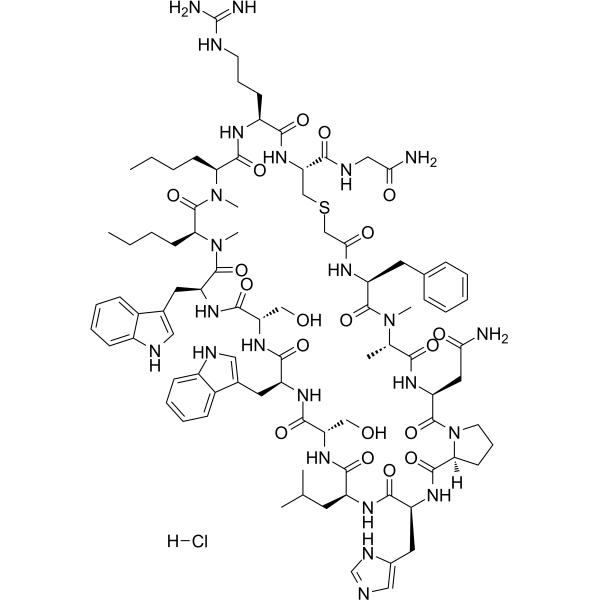
BMSpep-57 hydrochloride is a potent and competitive macrocyclic peptide inhibitor of PD-1/PD-L1 interaction with an IC50 of 7.68 nM. BMSpep-57 hydrochloride binds to PD-L1 with Kds of 19 nM and 19.88 nM in MST and SPR assays, respectively. BMSpep-57 hydrochloride facilitates T cell function by in creasing IL-2 production in PBMCs .
|
-
-
- HY-113560
-
-

-
- HY-P1162
-
-
-
- HY-P10910
-
|
|
GLP Receptor
|
Metabolic Disease
|
|
Vensemaglutide is the agonist for glucagon-like peptide 1 (GLP-1) receptor. Vensemaglutide can be used in research of diabetes or other metabolic disorders .
|
-

-
- HY-P11243
-
|
|
Ephrin Receptor
|
Neurological Disease
|
|
EphA4 agonist compound 23 is a novel EphA4 agonist peptide mimic. EphA4 agonist compound 23 exhibits high affinity, high selectivity, and significant receptor activation ability. EphA4 agonist compound 23 is commonly used in the study of neurodegenerative diseases .
|
-

-
- HY-113133R
-
|
|
Reference Standards
Glycosidase
|
Infection
Metabolic Disease
Inflammation/Immunology
|
|
Kojibiose (Standard) is the analytical standard of Kojibiose. This product is intended for research and analytical applications. Kojibiose, an orally active prebiotic disaccharide, can specifically inhibit the activity of α-glucosidase I. kojibiose is a proliferation factor for Bifidobacterium, lactic acid bacteria, and eubacteria. kojibiose is a low-calorie sweetener capable of increasing the absorption of iron. Kojibiose exhibits antitoxic activity. Kojibiose reduces hepatic expression of inflammatory markers in vivo[1][2].
|
-

-
- HY-117247
-
|
|
DNA/RNA Synthesis
|
Infection
|
|
5,6,7,8-Tetrahydro-8-deazahomofolic acid is a potential thymidylate synthase (TS) inhibitor with inhibitory activity against other folate-related enzymes. 5,6,7,8-Tetrahydro-8-deazahomofolic acid showed mild growth inhibition against enterococci, lactic acid bacteria, and L1210 cells in culture. 5,6,7,8-Tetrahydro-8-deazahomofolic acid also showed weak inhibition against thymidylate synthase, dihydrofolate reductase, glycyl-ribonucleoside aminotransferase, and aminoimidazole-carboxyacyl-ribonucleoside aminotransferase. 5,6,7,8-Tetrahydro-8-deazahomofolic acid showed low substrate activity for thymidylate synthase .
|
-

-
- HY-P10876
-
|
|
Amyloid-β
|
Neurological Disease
|
|
mcK6A1 is an inhibitor for the aggregation of amyloid-β (Aβ), that selectively binds to the 16KLVFFA21 segment of Aβ42, forms an extended β-folded structure, and inhibits the formation of Aβ42 oligomers. mcK6A1 can be used in research of Alzheimer's disease and other amyloid-related diseases .
|
-

-
- HY-P10869
-
dCNP
1 Publications Verification
|
Natriuretic Peptide Receptor (NPR)
|
Inflammation/Immunology
Cancer
|
|
dCNP binds to NPR-B/C receptor, activates cGMP signaling pathway, and regulates vascular function. dCNP exhibits anti-hypoxia property through downregulation of hypoxia-related genes expressions like HIF1α and HIF2α. dCNP inhibits the induction of tumor stroma and exhibits anti-fibrosis activity. dCNP upregulates CTLs, NK cells, and conventional type 1 dendritic cells in tumors, and activates immune responses .
|
-

-
- HY-P10200
-
|
|
Bacterial
|
Infection
|
|
CP7-FP13-2 is a peptide with antivirulence factor and antibacterial activity. CP7-FP13-2 inhibits the formation of Staphylococcus aureus biofilm and has good antibacterial efficacy in mice .
|
-

-
- HY-P0041
-
-
-
- HY-P5161
-
-

-
- HY-109166
-
-

- HY-P5161A
-
-

- HY-P11279
-
|
|
GLP Receptor
GCGR
Neuropeptide Y Receptor
|
Metabolic Disease
|
TC2 is an efficient GIPR-preferring monomeric quadruple agonist that can respectively activate GIPR, GLP-1R, GcgR, and Y2R with IC50 values of 0.47, 2.1, 30, and 55 nM respectively. TC2 exhibits a significant GLP-1R preference, with a significant reduction in β-inhibitory protein 2 (βArr2) recruitment, while maintaining a strong cAMP signal. TC2 can be used for research on obesity and diabetes .
|
-

- HY-P4519
-
|
|
Carboxypeptidase
|
Others
|
|
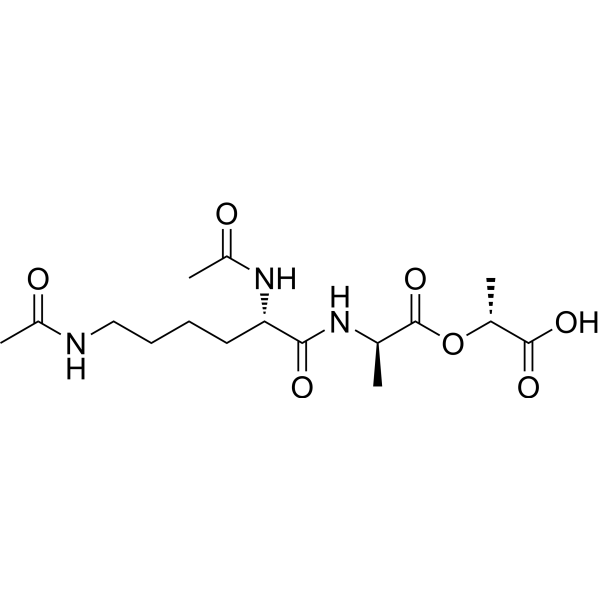
Ac-Lys(Ac)-D-Ala-D-Lactic acid is a depsipeptide substrate for penicillin-sensitive D-alanine carboxypeptidases (DD-carboxypeptidases) .
|
-
- HY-P2595
-
|
|
Endogenous Metabolite
|
Cardiovascular Disease
|
|
SKF 103784 is an vasopressin antagonist with activity against vasopressin. SKF 103784 inhibits the physiological response caused by antidiuretic and is therefore used to study biological processes related to water and salt balance. SKF 103784 can also be used to explore pathological mechanisms related to cardiovascular diseases and endocrine dysfunction .
|
-

- HY-P10881
-
-

- HY-P11759
-
|
|
Drug Derivative
|
Cancer
|
|
Myr-transportan-Cys is a derivative of the cell-penetrating peptide Transportan (HY-P1732), and its conjugated myristoyl group (Myr) enhances the interaction between the peptide and cell membranes. Myr-transportan-Cys integrates three key delivery functions: nucleic acid condensation, cell penetration, and endosomal escape. Myr-transportan-Cys can form immunostimulatory tandem peptide nanocomplexes (iTPNCs) for encapsulating and delivering immunostimulatory oligonucleotide cargos to tumors .
|
-

- HY-N17580
-
|
|
Renin
|
Cardiovascular Disease
|
|
Lyciumin D acts as an angiotensin-converting enzyme inhibitor and renin inhibitor. Lyciumin D can be used for the research of hypertension .
|
-

- HY-P11604
-
|
|
Phosphatase
|
Inflammation/Immunology
|
|
C16 acid-I-{Lys (C10 diacid)}-KQELRRIGDEF is a cell-permeable and internalizable PTPN1/2 inhibitor, with IC50 values of 107.6 nM and 3375 nM, respectively. C16 acid-I-{Lys (C10 diacid)}-KQELRRIGDEF restores insulin signaling in HepG2 cells. C16 acid-I-{Lys (C10 diacid)}-KQELRRIGDEF achieves glycemic control in db/db diabetic mice. C16 acid-I-{Lys (C10 diacid)}-KQELRRIGDEF can be used in the research of type 2 diabetes .
|
-

- HY-P11586
-
|
|
Amylin Receptor
|
Metabolic Disease
|
|
San45 is a nonselective dual amylin and calcitonin receptor agonist (DACRA) with nonselective potency relative to calcitonin receptor (CTR) and amylin 1 receptor (AMY₁R), and acts as a stabilizer of receptor-ligand complex and prolonged activator of cAMP signaling. San45 carries a conjugated lipid modification that can be used for the research of obesity .
|
-

- HY-P11625
-
|
|
RXFP Receptor
|
Cardiovascular Disease
|
|
R9-13 is a fatty acid-conjugated relaxin and an agonist of LGR7 (RXFP1). R9-13 induces sustained pubic symphysis elongation in estrogen-pretreated mice. R9-13 exhibits long-acting pharmacokinetic profiles in rodents, with in vivo activity lasting up to one week after administration. R9-13 can be used in studies related to acute heart failure .
|
-

- HY-P3987A
-
|
|
Sec61
|
Cancer
|
|
Cotransin TFA is a cyclic ester peptide and a Sec61 translocator binder with signal sequence-selective activity to inhibit co-translational protein translocation. Cotransin TFA inhibits the biogenesis of a subset of secretory and membrane proteins in a signal peptide-dependent manner. Cotransin TFA is applicable for cancer-related research .
|
-

| Cat. No. |
Product Name |
Type |
-
- HY-112624O
-
|
Dextran 100; Dextran D100; Dextran T100(MW 90000-110000)
|
Biochemical Assay Reagents
|
|
Dextran T100 (MW 100,000) (Dextran 100; Dextran D100) is a dehydrated glucose polymer with an average molecular weight of 100,000. Dextran T100 (MW 100,000) has an α-(1→6)-linked D-glucose backbone and α-(1→4)-, α-(1→3)- or α-(1→2)-linked D-glucose side chains, and it is synthesized by lactic acid bacteria or their enzymes. Dextran T100 (MW 100,000) possesses favorable biodegradability and biocompatibility, and it can be used in the fields of food, pharmaceuticals, cosmetics and research .
|
| Cat. No. |
Product Name |
Target |
Research Area |
-
- HY-P0014
-
-
- HY-P3462
-
|
|
CGRP Receptor
|
Metabolic Disease
|
|
Cagrilintide is an investigational novel long-acting acylated amylin analogue, acts as nonselective amylin receptors (AMYR) and calcitonin G protein-coupled receptor (CTR) agonist. Cagrilintide induces significant weight loss and reduces food intake. Cagrilintide has the potential for the research of obesity .
|
-
- HY-P3462A
-
|
|
CGRP Receptor
|
Metabolic Disease
|
|
Cagrilintide acetate is a non-selective AMYR/CTR agonist and long-acting acylated amylase analogue. Cagrilintide acetate causes a reduction in food intake and significant weight loss in a dose-dependent manner. Cagrilintide acetate can be used in obesity studies .
|
-
- HY-P10272
-
|
PTG-300
|
Ferroportin
|
Others
|
|
Rusfertide is a peptide mimetic of natural hepcidin, which targets and degrades ferroportin, reduces serum iron and transferrin-saturation, and thus regulates the production of red blood cells. Rusfertide ameliorates the polycythemia vera, β-thalassemia and hereditary hemochromatosis .
|
-
- HY-P2231
-
|
MEDI0382
|
GCGR
|
Metabolic Disease
|
|
Cotadutide (MEDI0382) is a potent dual agonist of glucagon-like peptide-1 (GLP-1) and GCGR with EC50 values of 6.9 pM and 10.2 pM, respectively. Cotadutide exhibits ability to facilitate both weight loss and glycaemic control, and alleviate fibrosis. Cotadutide can be used in the research of obesity and type 2 diabetes (T2D) .
|
-
- HY-P2231A
-
|
MEDI0382 acetate
|
GCGR
|
Metabolic Disease
|
|
Cotadutide (MEDI0382) acetate is a potent dual agonist of glucagon-like peptide-1 (GLP-1) and GCGR with EC50 values of 6.9 pM and 10.2 pM, respectively. Cotadutide acetate exhibits ability to facilitate both weight loss and glycaemic control, and alleviate fibrosis. Cotadutide acetate can be used in the research of obesity and type 2 diabetes (T2D) .
|
-
- HY-P3291
-
|
ZP7570
|
GCGR
|
Metabolic Disease
|
|
Dapiglutide (ZP7570) is a long-acting glucagon-like peptide-1 receptor 1R (GLP-1R)/Glucagon-like peptide-2 receptor (GLP-2R) dual agonist. Dapiglutide alleviates intestinal dysfunction in a mouse short bowel model and has anti-obesity effects .
|
-
- HY-P10218
-
|
|
MARCKS
PKC
|
Inflammation/Immunology
Cancer
|
|
MANS peptide is an inhibitor for myristoylated alanine-rich C kinase substrate (MARCKS), which competes with MARCKS in cells for membrane binding, and thus inhibits the stimulation of mucin secretion and tumor metastasis .
|
-
- HY-P0014S1
-
|
|
Isotope-Labeled Compounds
GLP Receptor
GCGR
|
Others
|
|
Liraglutide- 13C6, 15 tetraTFA is the 13C and 15N labeled Liraglutide (HY-P0014) . Liraglutide is a glucagon-like peptide-1 (GLP-1) receptor agonist used for the study of type 2 diabetes mellitus .
|
-
- HY-P10271
-
|
NNC0090-2746; MAR709; RO6811135
|
GLP Receptor
|
Metabolic Disease
|
|
RG7697 is a dual agonist for glucagon-like peptide receptor (GLP Receptor) and glucosedependent insulinotropic polypeptide receptor (GIPR), with EC50 of 5 and 3 pM, respectively. RG7697 exhibits antihyperglycemic property .
|
-
- HY-P10031
-
|
|
GLP Receptor
GCGR
|
Metabolic Disease
|
|
SAR441255 is a GLP-1R/GCGR/GIPR agonist, with human EC50 values of 1.03 pM, 1.01 pM, and 0.73 pM, respectively. SAR441255 stimulates receptor activity and drives cAMP accumulation. SAR441255 can be used for the research of type 2 diabetes, obesity .
|
-
- HY-P10218A
-
|
|
MARCKS
PKC
|
Inflammation/Immunology
Cancer
|
|
MANS peptide TFA is the TFA salt form of MANS peptide (HY-P10218). MANS peptide TFA is an inhibitor for myristoylated alanine-rich C kinase substrate (MARCKS), which competes with MARCKS in cells for membrane binding, and thus inhibits the stimulation of mucin secretion and tumor metastasis .
|
-
- HY-P0014B
-
|
|
GLP Receptor
|
Metabolic Disease
|
|
Liraglutide (TFA) is an agonist of glucagon-like peptide 1 receptor (GLP-1). Liraglutide (TFA) can activate GLP-1, leading to the release of insulin in the presence of increased glucose concentration. Liraglutide (TFA) also reduces glucagon secretion in a glucose-dependent manner. Liraglutide (TFA) can be studied in research on type 2 diabetes .
|
-
- HY-P3143
-
|
|
PD-1/PD-L1
|
Cancer
|
|
BMSpep-57 is a potent and competitive macrocyclic peptide inhibitor of PD-1/PD-L1 interaction with an IC50 of 7.68 nM. BMSpep-57 binds to PD-L1 with Kds of 19 nM and 19.88 nM in MST and SPR assays, respectively. BMSpep-57 facilitates T cell function by in creasing IL-2 production in PBMCs .
|
-
- HY-P11273
-
-
- HY-153476A
-
|
|
GLP Receptor
GCGR
|
Inflammation/Immunology
|
|
GIP/GLP-1 dual receptor agonist-1 sodium is a GIP/GLP-1 dual receptor agonist. GIP/GLP-1 dual receptor agonist-1 sodium is used in the research of metabolic disorders and fatty liver diseases, including non-alcoholic steatohepatitis (NASH) and non-alcoholic fatty liver disease (NAFLD) .
|
-
- HY-153476
-
|
|
GCGR
GLP Receptor
|
Inflammation/Immunology
|
|
GIP/GLP-1 dual receptor agonist-1 is a GIP/GLP-1 dual receptor agonist. GIP/GLP-1 dual receptor agonist-1 is used in the research of metabolic disorders and fatty liver diseases, including non-alcoholic steatohepatitis (NASH) and non-alcoholic fatty liver disease (NAFLD) .
|
-
- HY-P11290
-
-
- HY-P10341
-
|
|
GCGR
|
Metabolic Disease
|
|
ZP3022 is a dual agonist of glucagon-like peptide-1 (GLP-1) and gastrin that has the ability to sustainably improve glycemic control. Additionally, ZP3022 can effectively increase β-cell mass, promote β-cell proliferation, and enhance the function of pancreatic islets. ZP3022 can be used in anti-diabetic research .
|
-
- HY-169089
-
|
|
Drug Derivative
|
Cancer
|
|
RP-182-PEG3-K palmitic acid-NH2 (Compound 1a) is a fatty acid derivative of the immunomodulatory peptide RP-182. RP-182-PEG3-K palmitic acid-NH2 inhibits CD206 high M2-like macrophage (IC50 of 3.2 μM) and induces phagocytosis. RP-182-PEG3-K palmitic acid-NH2 exhibits antitumor efficacy in mouse B16 melanoma allografts .
|
-
- HY-P10563
-
|
BHV-1100
|
CD38
|
Cancer
|
|
Noraramtide (BHV-1100) is an antibody recruitment molecule. Noraramtide can specifically bind to CD38 molecules to recruit natural killer (NK) cells. Noraramtide enhances the ability of NK cells to kill tumor cells through antibody-dependent cellular cytotoxicity (ADCC). This mechanism allows NK cells to more effectively recognize and eliminate tumor cells while avoiding mutual killing between NK cells. Noraramtide can be used for the study of autologous cancer immunity .
|
-
- HY-P11233
-
|
|
GLP Receptor
|
Metabolic Disease
|
|
Acmopatide (Compound E-153) is a dual-acting GIP/GLP-1 receptor agonist. Acmopatide is used in anti-diabetic research .
|
-
- HY-P0014AS
-
-
- HY-P10031A
-
|
|
GLP Receptor
GCGR
|
Metabolic Disease
|
|
SAR441255 TFA is a GLP-1R/GCGR/GIPR agonist, with human EC50 values of 1.03 pM, 1.01 pM, and 0.73 pM, respectively. SAR441255 TFA stimulates receptor activity and drives cAMP accumulation. SAR441255 TFA can be used for the research of type 2 diabetes, obesity .
|
-
- HY-169089A
-
|
|
Drug Derivative
|
Cancer
|
|
RP-182-PEG3-K(palmitic acid)-NH2 (Compound 1a) TFA is a fatty acid derivative of the immunomodulatory peptide RP-182. RP-182-PEG3-K(palmitic acid)-NH2 TFA inhibits CD206 high M2-like macrophage (IC50 of 3.2 μM) and induces phagocytosis. RP-182-PEG3-K(palmitic acid)-NH2 TFA exhibits antitumor efficacy in mouse B16 melanoma allografts .
|
-
- HY-P0014A
-
|
|
GLP Receptor
|
Metabolic Disease
|
|
Liraglutide acetate is the acetate form of Liraglutide (HY-P0014), a glucagon-like peptide-1 (GLP-1) receptor agonist studied in type 2 diabetes .
|
-
- HY-P10318
-
|
|
GLP Receptor
|
Endocrinology
|
|
SHR-2042 is a selective agonist of the GLP-1 receptor.SHR-2042 improves glycemic control by activating the GLP-1 receptor, enhancing insulin secretion and inhibiting glucagon secretion. SHR-2042 combined with sodium N-(8-[2-hydroxybenzoyl] amino) caprylate (SNAC) promotes monomerization through the formation of micelles and improves oral absorption efficiency .
|
-
- HY-P1614
-
-
- HY-P0041A
-
-
- HY-P0014S2
-
|
|
Isotope-Labeled Compounds
|
Others
|
|
Liraglutide- 13C6, 15 TFA is the 13C and 15N labeledLiraglutide(HY-P0014). Liraglutide is a glucagon-like peptide-1 (GLP-1) receptor agonist used for the study of type 2 diabetes mellitus .
|
-
- HY-P3143A
-
|
|
PD-1/PD-L1
|
Cancer
|
|
BMSpep-57 hydrochloride is a potent and competitive macrocyclic peptide inhibitor of PD-1/PD-L1 interaction with an IC50 of 7.68 nM. BMSpep-57 hydrochloride binds to PD-L1 with Kds of 19 nM and 19.88 nM in MST and SPR assays, respectively. BMSpep-57 hydrochloride facilitates T cell function by in creasing IL-2 production in PBMCs .
|
-
- HY-113560
-
-
- HY-P1162
-
-
- HY-P10910
-
|
|
GLP Receptor
|
Metabolic Disease
|
|
Vensemaglutide is the agonist for glucagon-like peptide 1 (GLP-1) receptor. Vensemaglutide can be used in research of diabetes or other metabolic disorders .
|
-
- HY-P11243
-
|
|
Ephrin Receptor
|
Neurological Disease
|
|
EphA4 agonist compound 23 is a novel EphA4 agonist peptide mimic. EphA4 agonist compound 23 exhibits high affinity, high selectivity, and significant receptor activation ability. EphA4 agonist compound 23 is commonly used in the study of neurodegenerative diseases .
|
-
- HY-P10876
-
|
|
Amyloid-β
|
Neurological Disease
|
|
mcK6A1 is an inhibitor for the aggregation of amyloid-β (Aβ), that selectively binds to the 16KLVFFA21 segment of Aβ42, forms an extended β-folded structure, and inhibits the formation of Aβ42 oligomers. mcK6A1 can be used in research of Alzheimer's disease and other amyloid-related diseases .
|
-
- HY-P10869
-
dCNP
1 Publications Verification
|
Natriuretic Peptide Receptor (NPR)
|
Inflammation/Immunology
Cancer
|
|
dCNP binds to NPR-B/C receptor, activates cGMP signaling pathway, and regulates vascular function. dCNP exhibits anti-hypoxia property through downregulation of hypoxia-related genes expressions like HIF1α and HIF2α. dCNP inhibits the induction of tumor stroma and exhibits anti-fibrosis activity. dCNP upregulates CTLs, NK cells, and conventional type 1 dendritic cells in tumors, and activates immune responses .
|
-
- HY-P4837
-
|
|
Peptides
|
Others
|
|
Ac-Lys-D-Ala-D-lactic acid is a polypeptide that can be found by peptide screening. Peptide screening is a research tool that pools active peptides primarily by immunoassay. Peptide screening can be used for protein interaction, functional analysis, epitope screening, especially in the field of agent research and development .
|
-
- HY-P10200
-
|
|
Bacterial
|
Infection
|
|
CP7-FP13-2 is a peptide with antivirulence factor and antibacterial activity. CP7-FP13-2 inhibits the formation of Staphylococcus aureus biofilm and has good antibacterial efficacy in mice .
|
-
- HY-P0041
-
-
- HY-P5161
-
-
- HY-109166
-
-
- HY-P5161A
-
-
- HY-P11279
-
|
|
GLP Receptor
GCGR
Neuropeptide Y Receptor
|
Metabolic Disease
|
TC2 is an efficient GIPR-preferring monomeric quadruple agonist that can respectively activate GIPR, GLP-1R, GcgR, and Y2R with IC50 values of 0.47, 2.1, 30, and 55 nM respectively. TC2 exhibits a significant GLP-1R preference, with a significant reduction in β-inhibitory protein 2 (βArr2) recruitment, while maintaining a strong cAMP signal. TC2 can be used for research on obesity and diabetes .
|
-
- HY-P4519
-
|
|
Carboxypeptidase
|
Others
|
|
Ac-Lys(Ac)-D-Ala-D-Lactic acid is a depsipeptide substrate for penicillin-sensitive D-alanine carboxypeptidases (DD-carboxypeptidases) .
|
-
- HY-P10381
-
|
|
Peptides
|
Others
|
|
palm11-TTDS-PrRP31 is a strong agonist of GPR10 (EC50: 84 pM). palm11-TTDS-PrRP31 has long-lasting anorexigenic effects .
|
-
- HY-P2595
-
|
|
Endogenous Metabolite
|
Cardiovascular Disease
|
|
SKF 103784 is an vasopressin antagonist with activity against vasopressin. SKF 103784 inhibits the physiological response caused by antidiuretic and is therefore used to study biological processes related to water and salt balance. SKF 103784 can also be used to explore pathological mechanisms related to cardiovascular diseases and endocrine dysfunction .
|
-
- HY-P10881
-
-
- HY-P11759
-
|
|
Drug Derivative
|
Cancer
|
|
Myr-transportan-Cys is a derivative of the cell-penetrating peptide Transportan (HY-P1732), and its conjugated myristoyl group (Myr) enhances the interaction between the peptide and cell membranes. Myr-transportan-Cys integrates three key delivery functions: nucleic acid condensation, cell penetration, and endosomal escape. Myr-transportan-Cys can form immunostimulatory tandem peptide nanocomplexes (iTPNCs) for encapsulating and delivering immunostimulatory oligonucleotide cargos to tumors .
|
-
- HY-N17580
-
|
|
Renin
|
Cardiovascular Disease
|
|
Lyciumin D acts as an angiotensin-converting enzyme inhibitor and renin inhibitor. Lyciumin D can be used for the research of hypertension .
|
- HY-P11604
-
|
|
Phosphatase
|
Inflammation/Immunology
|
|
C16 acid-I-{Lys (C10 diacid)}-KQELRRIGDEF is a cell-permeable and internalizable PTPN1/2 inhibitor, with IC50 values of 107.6 nM and 3375 nM, respectively. C16 acid-I-{Lys (C10 diacid)}-KQELRRIGDEF restores insulin signaling in HepG2 cells. C16 acid-I-{Lys (C10 diacid)}-KQELRRIGDEF achieves glycemic control in db/db diabetic mice. C16 acid-I-{Lys (C10 diacid)}-KQELRRIGDEF can be used in the research of type 2 diabetes .
|
- HY-P11586
-
|
|
Amylin Receptor
|
Metabolic Disease
|
|
San45 is a nonselective dual amylin and calcitonin receptor agonist (DACRA) with nonselective potency relative to calcitonin receptor (CTR) and amylin 1 receptor (AMY₁R), and acts as a stabilizer of receptor-ligand complex and prolonged activator of cAMP signaling. San45 carries a conjugated lipid modification that can be used for the research of obesity .
|
- HY-P11625
-
|
|
RXFP Receptor
|
Cardiovascular Disease
|
|
R9-13 is a fatty acid-conjugated relaxin and an agonist of LGR7 (RXFP1). R9-13 induces sustained pubic symphysis elongation in estrogen-pretreated mice. R9-13 exhibits long-acting pharmacokinetic profiles in rodents, with in vivo activity lasting up to one week after administration. R9-13 can be used in studies related to acute heart failure .
|
- HY-P3987A
-
|
|
Sec61
|
Cancer
|
|
Cotransin TFA is a cyclic ester peptide and a Sec61 translocator binder with signal sequence-selective activity to inhibit co-translational protein translocation. Cotransin TFA inhibits the biogenesis of a subset of secretory and membrane proteins in a signal peptide-dependent manner. Cotransin TFA is applicable for cancer-related research .
|
| Cat. No. |
Product Name |
Category |
Target |
Chemical Structure |
-
- HY-N7075
-
Inulin
4 Publications Verification
|
Structural Classification
Human Gut Microbiota Metabolites
Polysaccharides
Classification of Application Fields
Metabolic Disease
Plants
Compositae
Endogenous metabolite
Disease Research Fields
Saccharides
Sophora tomentosa L.
Source Classification
|
Endogenous Metabolite
|
|
Inulin is an orally active prebiotic targeting the intestinal microbiota, selectively promoting the proliferation and activity of beneficial bacteria such as bifidobacteria and lactic acid bacteria, and playing a role in regulating the intestinal microecology. The functions of Inulin include: Fermentation by probiotics in the colon to produce short-chain fatty acids (such as butyrate and propionate), lowering the intestinal pH and inhibiting the overgrowth of harmful bacteria; Enhancing the intestinal barrier function and reducing endotoxin translocation; Directly scavenging free radicals (such as superoxide free radicals, hydroxyl free radicals) and activating antioxidant enzymes (SOD, CAT) to reduce oxidative stress. Inulin can also be used in the study of intestinal diseases (constipation, IBD), metabolic syndrome (diabetes, obesity) and liver damage by regulating glucose and lipid metabolism (such as reducing triglycerides, improving insulin sensitivity) and immune response (enhancing NK cell activity, inhibiting inflammatory factors)[1][2][3][4].
|
-
-
- HY-W005288
-
-
-
- HY-113133
-
|
|
Microorganisms
Source Classification
|
Glycosidase
|
|
Kojibiose, an orally active prebiotic disaccharide, can specifically inhibit the activity of α-glucosidase I. kojibiose is a proliferation factor for Bifidobacterium, lactic acid bacteria, and eubacteria. kojibiose is a low-calorie sweetener capable of increasing the absorption of iron. Kojibiose exhibits antitoxic activity. Kojibiose reduces hepatic expression of inflammatory markers in vivo .
|
-
-
- HY-N8139
-
-
-
- HY-113133R
-
|
|
Microorganisms
Source Classification
|
Reference Standards
Glycosidase
|
|
Kojibiose (Standard) is the analytical standard of Kojibiose. This product is intended for research and analytical applications. Kojibiose, an orally active prebiotic disaccharide, can specifically inhibit the activity of α-glucosidase I. kojibiose is a proliferation factor for Bifidobacterium, lactic acid bacteria, and eubacteria. kojibiose is a low-calorie sweetener capable of increasing the absorption of iron. Kojibiose exhibits antitoxic activity. Kojibiose reduces hepatic expression of inflammatory markers in vivo[1][2].
|
-
-
- HY-N17580
-
-
| Cat. No. |
Product Name |
Chemical Structure |
-
- HY-P0014S1
-
|
|
|
Liraglutide- 13C6, 15 tetraTFA is the 13C and 15N labeled Liraglutide (HY-P0014) . Liraglutide is a glucagon-like peptide-1 (GLP-1) receptor agonist used for the study of type 2 diabetes mellitus .
|
-
-
- HY-W005288S
-
|
|
|
4-Vinylphenol-d4 is deuterated labeled 4-Vinylphenol (HY-W005288). 4-Vinylphenol is found in the medicinal herb Hedyotis diffusa Willd, wild rice and is also the metabolite of p-coumaric and ferulic acid by lactic acid bacteria in wine. 4-Vinylphenol induces apoptosis and inhibits blood vessels formation and suppresses invasive breast tumor growth in vivo .
|
-
-
- HY-P0014AS
-
|
|
|
Liraglutide-d8 tetraTFA is deuterium labeled Liraglutide (HY-P0014). Liraglutide is a glucagon-like peptide-1 (GLP-1) receptor agonist used for the study of type 2 diabetes mellitus .
|
-
-
- HY-P0014S2
-
|
|
|
Liraglutide- 13C6, 15 TFA is the 13C and 15N labeledLiraglutide(HY-P0014). Liraglutide is a glucagon-like peptide-1 (GLP-1) receptor agonist used for the study of type 2 diabetes mellitus .
|
-
Your information is safe with us. * Required Fields.
Inquiry Information
- Product Name:
- Cat. No.:
- Quantity:
- MCE Japan Authorized Agent:








