Search Result
Results for "
mice with high fat diet
" in MedChemExpress (MCE) Product Catalog:
1
Biochemical Assay Reagents
| Cat. No. |
Product Name |
Target |
Research Areas |
Chemical Structure |
-
- HY-N8518
-
|
|
Phospholipase
p38 MAPK
Apoptosis
NF-κB
|
Metabolic Disease
Inflammation/Immunology
Cancer
|
|
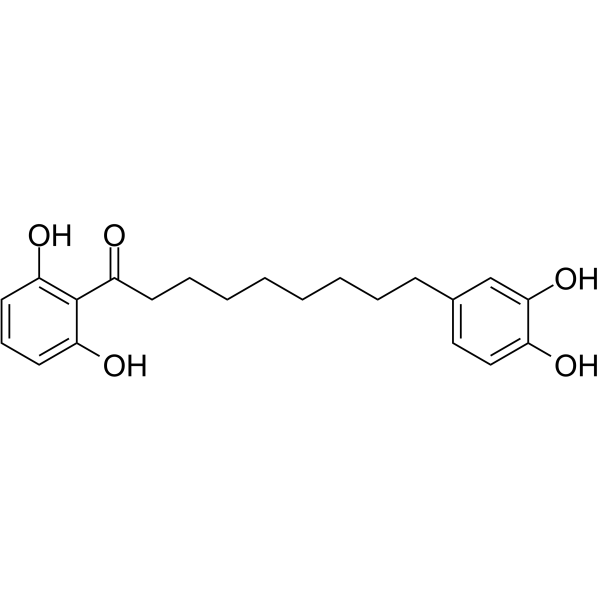
Malabaricone C is an orally active and noncompetitive sphingomyelin synthase (SMS) inhibitor with IC50 values of 3 μM and 1.5 μM for SMS 1 and SMS 2, respectively. Malabaricone C reduces body weight gain, improves glucose tolerance, and decreases lipid accumulation in the liver, showing significant prevention of high fat diet-induced fatty liver in mice. Malabaricone C has anti-inflammatory effects, which is found in the fruits of Myristica cinnamomea King. Malabaricone C is promising for research of obesity and immunological disorders caused due to hyper-activation of T-cells .
|
-
-
- HY-12756A
-
|
|
Toll-like Receptor (TLR)
Stearoyl-CoA Desaturase (SCD)
|
Metabolic Disease
Inflammation/Immunology
|
|
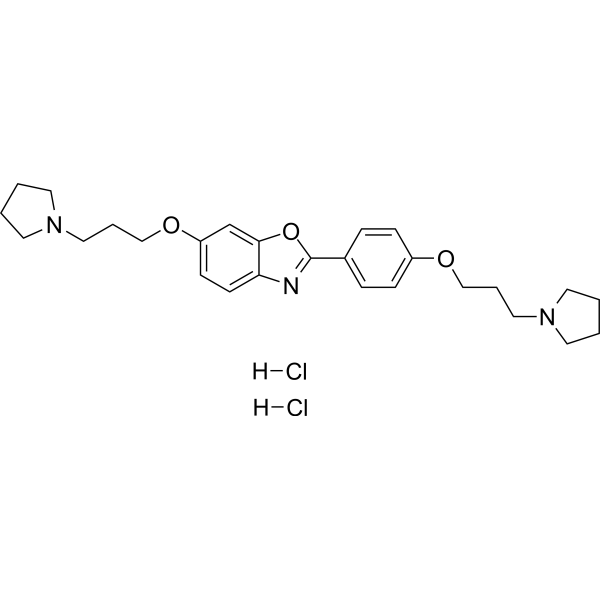
E6446 dihydrochloride is a potent and orally acitve TLR7 and TLR9 antagonist, used in the research of deleterious inflammatory responses. E6446 dihydrochloride is also a potent SCD1 inhibitor (KD: 4.61 μM), significantly inhibiting adipogenic differentiation and hepatic lipogenesis through SCD1-ATF3 signaling. E6446 dihydrochloride also improves liver pathology in high-fat diet (HFD)-fed mice and may be useful in the study of non-alcoholic fatty liver disease (NAFLD) .
|
-
-
- HY-N0515
-
|
|
PPAR
NF-κB
Calcium Channel
Reactive Oxygen Species (ROS)
ERK
|
Cardiovascular Disease
Metabolic Disease
Inflammation/Immunology
|
|
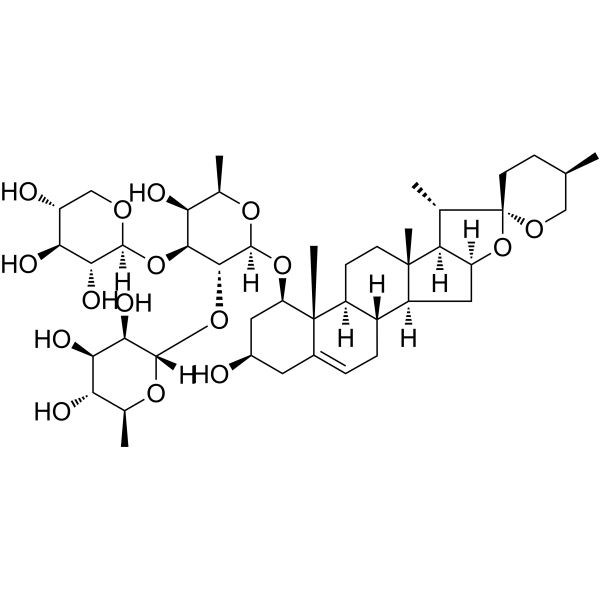
Ophiopogonin D can be isolated from the tubers of Ophiopogon japonicus, is a rare naturally occurring C29 steroidal glycoside. Ophiopogonin D is a CYP2J3 inducer that significantly inhibits Ang II induced NF-κB nuclear translocation, IκBα down-regulation, intracellular Ca 2+ overload and activation of pro-inflammatory cytokines by increasing the expression of CYP2J2/EETs and PPARα in human umbilical vein endothelial cells (HUVECs). Ophiopogonin D can inhibit isteoclastic differentiation in RAW264.7 cells. Ophiopogonin D has protective effect as an antioxidant in H2O2-induced endothelial injury. Ophiopogonin D blocks ERK signaling cascades. Ophiopogonin D alleviates high-fat diet-induced metabolic syndrome and changes the structure of gut microbiota in mice. Ophiopogonin D has been used against inflammatory, metabolic and cardiovascular diseases .
|
-
-
- HY-N15721
-
|
Trp-CA
|
Orphan GPCR
GLP Receptor
|
Metabolic Disease
|
|
Tryptophan-cholic acid (Trp-CA) is a microbial amino acid-conjugated bile acid that acts as an endogenous ligand and agonist (EC50=9.6 μM) for the orphan G protein-coupled receptor (GPCR) MRGPRE (Mas-related G protein-coupled receptor family member E). Tryptophan-cholic acid is orally effective but has poor oral absorption and does not cross the blood-brain barrier. Tryptophan-cholic acid promotes the secretion of glucagon-like peptide GLP-1, thereby improving glucose tolerance in diabetic mice. Tryptophan-cholic acid improves glucose tolerance, promotes insulin secretion, and alleviates high-fat diet-induced hepatic steatosis without causing pruritus side effects. Tryptophan-cholic acid is primarily used in research on type 2 diabetes (T2D) .
|
-
-
- HY-124529
-
|
|
11β-HSD
Endogenous Metabolite
|
Metabolic Disease
Inflammation/Immunology
Cancer
|
|
Lunularin is an inhibitor of 11β-hydroxysteroid dehydrogenase 1, with an IC50 of 45.44 μM and a Ki of 35.8 μM against human 11β-HSD1, and an IC50 of 17.39 μM and a Ki of 10.31 μM against rat 11β-HSD1. Lunularin upregulates the transcription levels of Sirt1 and Hmox1 genes in the liver. Lunularin reduces food intake and body weight gain, and decreases blood glucose levels in mice fed a high-fat diet. Lunularin inhibits LPS-induced TLR4-mediated NF-κB pathway activation and nitric oxide production. Lunularin inhibits the proliferation and colony formation of renal cancer and colon cancer cells, and exhibits cancer cell-specific cytotoxicity. Lunularin binds to the steroid-binding site of human 11β-HSD1 and the steroid/NADPH-binding region of rat 11β-HSD1, but does not inhibit 11β-HSD2 or mouse 11β-HSD1. Lunularin can be used in research related to diet-induced obesity, renal cancer, colorectal cancer, inflammatory diseases and metabolic syndrome .
|
-
-
- HY-B1245
-
|
Salicylsalicylic acid; Disalicylic acid
|
Reactive Oxygen Species (ROS)
|
Inflammation/Immunology
Cancer
|
|
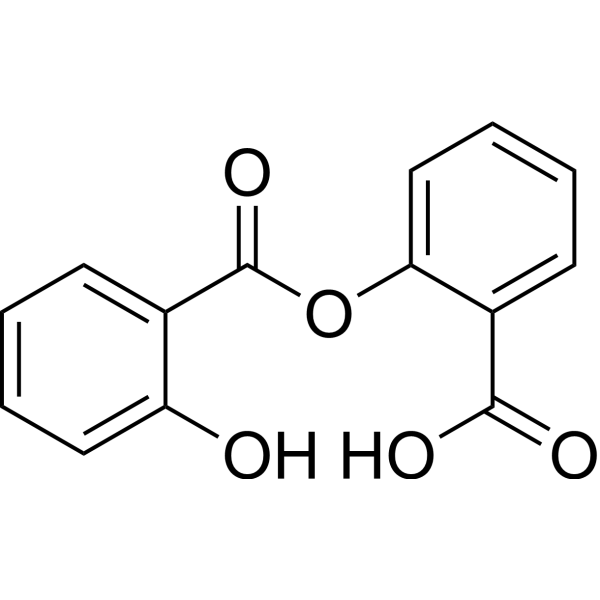
Salsalate is a potent antirheumatic drug with oral activity that reduces irritation during gastric absorption and avoids direct inhibition of cyclooxygenase. Salsalate not only has significant anti-inflammatory effects, but also reduces blood sugar levels, improves insulin resistance, and reduces the expression of cytokines. Salsalate can protect mice from metabolic disorders caused by high-fat diet and effectively improve the symptoms of type 2 diabetes, atherosclerosis and non-alcoholic steatohepatitis [2 ] .
|
-
-
- HY-W012974
-
|
β-Aminoisobutyric acid; BAIBA
|
Endogenous Metabolite
|
Cardiovascular Disease
Metabolic Disease
|
|
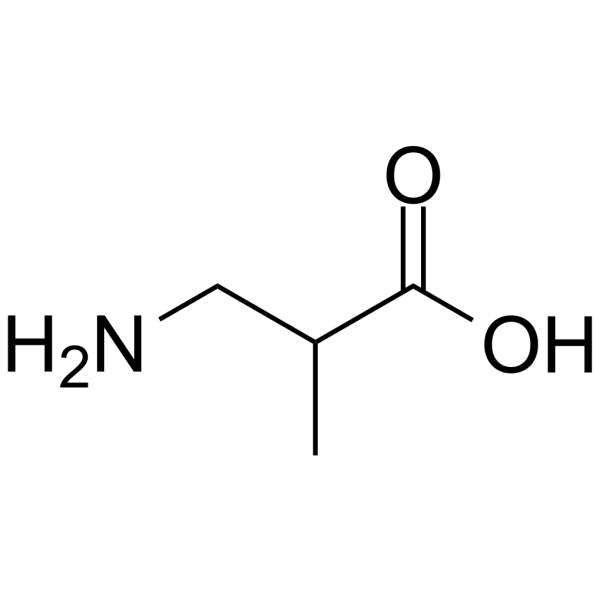
3-Aminoisobutyric acid (β-Aminoisobutyric acid) has anti-inflammatory and antioxidant effects. 3-Aminoisobutyric acid increases the expression of brown adipocyte-specific genes in white adipose tissue and fatty acid β-oxidation in hepatocytes. 3-Aminoisobutyric acid attenuates insulin resistance and inflammation induced by palmitate or a high fat diet via an AMPK-PPARδ-dependent pathway in mice. 3-Aminoisobutyric acid is a catabolic metabolite of thymine and valine in skeletal muscle .
|
-
-
- HY-W018791
-
|
DDB
|
HBV
Autophagy
Cytochrome P450
Atg8/LC3
p62
P-glycoprotein
|
Infection
Cardiovascular Disease
Cancer
|
|
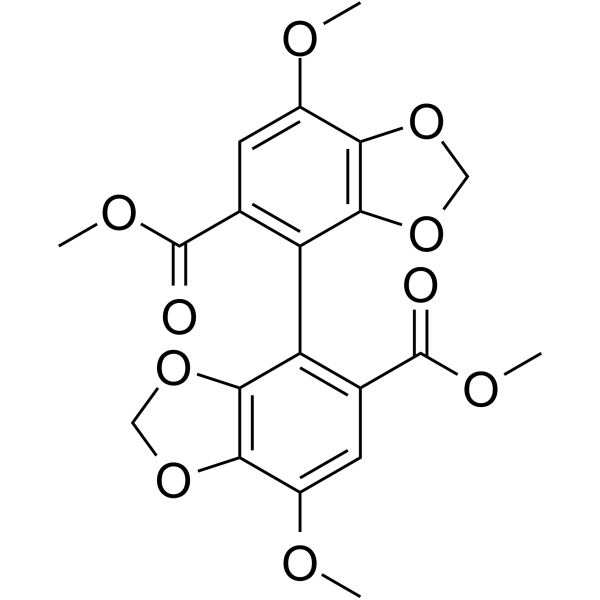
Bifendate (DDB), extracted from Schisandrae chinensis, is an orally active anti-HBV agent against chronic hepatitis B. Bifendate inhibits ATG5-dependent autophagy and attenuates oleic acid-induced lipid accumulation with anti-oxidant properties in vitro. Bifendate can decrease alanine transaminase (ALT) level in mice. Bifendate attenuates hepatic steatosis in cholesterol/bile salt- and high-fat diet-induced hypercholesterolemia in mice. Bifendate potently increases the activity of cytochrome proteins (CYPs) and reverse P-gp-mediated multi-drug resistance (MDR) .
|
-
-
- HY-12756
-
E6446
Maximum Cited Publications
9 Publications Verification
|
Toll-like Receptor (TLR)
Stearoyl-CoA Desaturase (SCD)
|
Metabolic Disease
Inflammation/Immunology
|
|
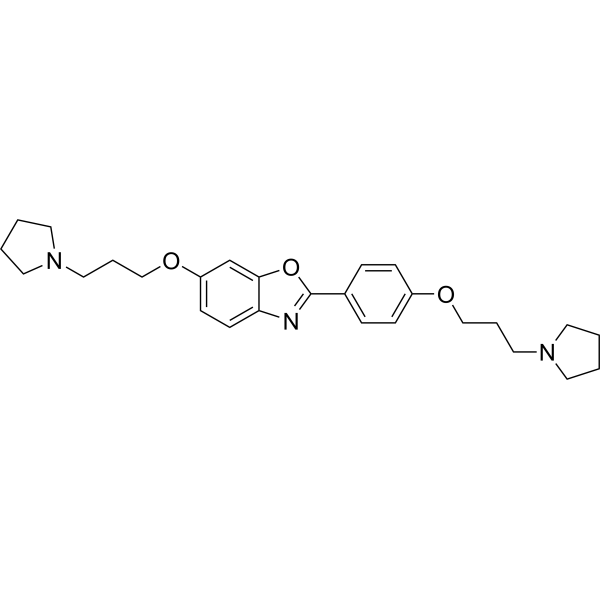
E6446 is a potent and orally acitve TLR7 and TLR9 antagonist, used in the research of deleterious inflammatory responses. E6446 is also a potent SCD1 inhibitor (KD: 4.61 μM), significantly inhibiting adipogenic differentiation and hepatic lipogenesis through SCD1-ATF3 signaling. E6446 also improves liver pathology in high-fat diet (HFD)-fed mice and may be useful in the study of non-alcoholic fatty liver disease (NAFLD) .
|
-
-
- HY-114360
-
|
|
Endogenous Metabolite
COX
Interleukin Related
Glutathione Peroxidase
TNF Receptor
|
Neurological Disease
Metabolic Disease
Inflammation/Immunology
Cancer
|
|
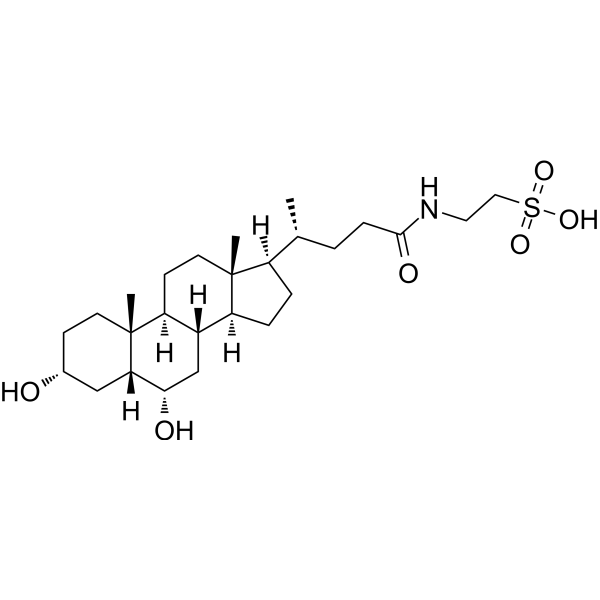
Taurohyodeoxycholic acid is an orally active 6 alpha-hydroxylated bile acid. Taurohyodeoxycholic acid decreases colonic MPO activity, TNF-α, lL-6 serum levels and the expression of COX-2. Taurohyodeoxycholic acid alleviates trinitrobenzene sulfonic acid induced ulcerative colitis via regulating Th1/Th2 and Th17/Treg cells balance. Taurohyodeoxycholic acid ameliorates high-fat diet-induced nonalcoholic fatty liver disease in mice. Taurohyodeoxycholic acid prevents Taurochenodeoxycholic acid (HY-N2027)-induced hepatotoxicity in bile fistula rats. Taurohyodeoxycholic acid can be used for the study of nonalcoholic fatty liver disease (NAFLD), colitis and biliary fistula .
|
-
-
- HY-N7515
-
|
2',4',6'-Trihydroxychalcone
|
Bacterial
AMPK
|
Infection
Metabolic Disease
Inflammation/Immunology
|
|
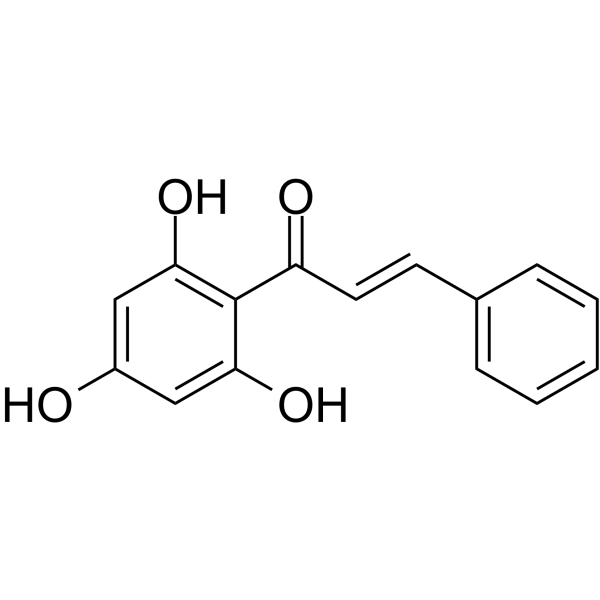
Pinocembrin chalcone (2',4',6'-Trihydroxychalcone) is an antibacterial compound from Helichrysum Trilineatum. Pinocembrin chalcone facilitates AMP-activated protein kinase (AMPK) activation, improves glucose tolerance, increases muscle FAO and reduces fat accumulation in the liver and skeletal muscles in high-fat diet-induced (HFD) diabetic mice. Pinocembrin chalcone is promising for research of gastric ulcers and diabetes .
|
-
-
- HY-160004
-
|
|
AMPK
|
Cardiovascular Disease
Neurological Disease
Metabolic Disease
Inflammation/Immunology
Cancer
|
|
PXL770 is an orally active, direct allosteric AMP-activated protein kinase (AMPK) activator. PXL770 decreases C26:0 levels, improves mitochondrial respiration, reduces expression of proinflammatory genes and induces expression of compensatory transporters (ABCD2/3) in ALD fibroblasts/lymphocytes. PXL770 normalizes plasma VLCFA levels, significantly reduces elevated VLCFA levels in brain and spinal cord in Abcd1 KO mice. PXL770 improves glycemia, dyslipidemia, and insulin resistance in ob/ob and high-fat diet (HFD)-fed mice. PXL770 can be used for the study of X-linked adrenoleukodystrophy (ALD), autosomal dominant polycystic kidney disease and nonalcoholic steatohepatitis (NASH) .
|
-
-
- HY-168894
-
|
|
Ferroptosis
JAK
STAT
p38 MAPK
AMPK
GSK-3
Apoptosis
HSP
TNF Receptor
|
Cardiovascular Disease
Neurological Disease
Metabolic Disease
Cancer
|
|
CT-1 is a secreted protein belonging to the IL-6 cytokine family. Overexpression of CT-1 enhances cell proliferation, migration and angiogenesis via the ADMA/DDAH pathway. CT-1 inhibits the growth of triple-negative breast cancer cells by simultaneously inducing Ferroptosis in N2-type tumor-associated neutrophils and cancer cells. CT-1 activates the Jak/STAT-3, p42/p44 MAPK and AMPK pathways, and inhibits GSK-3β activity through phosphorylation to induce cardiomyocyte hypertrophy. CT-1 enhances the viability of cardiomyocytes and neurons, reduces cell Apoptosis, induces the expression of heat shock proteins (HSP) and BNP, and inhibits TNF levels. CT-1 exerts anti-tumor activity in mouse models of triple-negative breast cancer. CT-1 improves cognitive impairment in mice. CT-1 is applicable to the research of ischemic heart disease, triple-negative breast cancer, myocardial hypertrophy, Parkinson's disease, hypertensive heart disease, myocardial infarction, acute Chagas cardiomyopathy, high-fat diet-induced cognitive impairment and diabetes-related cognitive impairment .
|
-
-
- HY-18555
-
TMPA
3 Publications Verification
|
Nuclear Hormone Receptor 4A/NR4A
AMPK
|
Metabolic Disease
Inflammation/Immunology
Cancer
|
|
TMPA is a high-affinity Nur77 antagonist that binds to Nur77 leading to the release and shuttling of LKB1 in the cytoplasm to activate AMPKα. TMPA effectively lowers blood glucose and attenuates insulin resistance in type II db/db, high-fat diet and streptozotocin-induced diabetic mice. TMPA reduces RICD (restimulation-induced cell death) in human T cells, can also be used in studies of cancer and T-cell apoptosis dysregulation .
|
-
-
- HY-112812
-
|
|
Stearoyl-CoA Desaturase (SCD)
|
Metabolic Disease
|
|
SCD1 inhibitor-1 (Compound 48) is an orally active and liver-selective inhibitor of stearoyl-CoA desaturase 1 (SCD1) with an IC50 of 8.8 nM for recombinant human SCD1 enzyme. SCD1 inhibitor-1 can be used in the study of diseases such as diabetes, hepatic steatosis and obesity .
|
-
-
- HY-W012865
-
|
|
Carnitine Palmitoyltransferase (CPT)
Endogenous Metabolite
FABP
PPAR
|
Metabolic Disease
|
|
Tartronic acid, a dicarboxylic acid derive, is an inhibitor of the transformation of carbohydrates into fat under fat-deficient diet conditions. Tartronic acid promotes 3T3-L1 adipocyte differentiation by increasing the protein expression of FABP-4, PPARγ and SREBP-1. Tartronic acid promotes de novo lipogenesis and inhibits CPT-1β by upregulating acetyl-CoA and malonyl-CoA. Tartronic acid promotes weight gain and induces adipocyte hypertrophy in epididymal white adipose tissue and lipid accumulation in the livers of high-fat diet induced obese mice. Tartronic acid can be used for lipid metabolic disease research .
|
-
-
- HY-117912
-
|
|
Endogenous Metabolite
|
Cardiovascular Disease
|
|
TRC210258 is a TGR5 agonist with activity to improve diabetes-associated hyperglycemia and dyslipidemia. TRC210258 promotes energy expenditure by enhancing the release of glucagon-like peptide-1. TRC210258 is able to improve glucose metabolic control in high-fat diet-induced obese mice. TRC210258 also showed improvement in lipid parameters in high-fat-fed hamsters, including reductions in plasma triglyceride and low-density lipoprotein cholesterol levels. TRC210258 improved emerging lipid-related cardiovascular risk parameters including remnant cholesterol and triglyceride clearance .
|
-
-
- HY-130437
-
|
|
MDM-2/p53
TGF-β Receptor
Caspase
|
Infection
Metabolic Disease
|
|
p-nitro-Pifithrin-α, a cell-permeable analog of pifithrin-α, is a potent p53 inhibitor. p-nitro-Pifithrin-α suppresses p53-mediated TGF-β1 expression in HK-2 cells. p-nitro-Pifithrin-α inhibits the activation of caspase-3 by Zika virus (ZIKV) strains. p-nitro-Pifithrin-α attenuates steatosis and liver injury in mice fed a high-fat diet [4].
non-alcoholic fatty liver disease .
|
-
-
- HY-N0515R
-
|
|
Reference Standards
PPAR
NF-κB
Calcium Channel
ERK
Reactive Oxygen Species (ROS)
|
Cardiovascular Disease
Metabolic Disease
Inflammation/Immunology
|
|
Ophiopogonin D (Standard) is the analytical standard of Ophiopogonin D. This product is intended for research and analytical applications. Ophiopogonin D can be isolated from the tubers of Ophiopogon japonicus, is a rare naturally occurring C29 steroidal glycoside. Ophiopogonin D is a CYP2J3 inducer that significantly inhibits Ang II induced NF-κB nuclear translocation, IκBα down-regulation, intracellular Ca2+ overload and activation of pro-inflammatory cytokines by increasing the expression of CYP2J2/EETs and PPARα in human umbilical vein endothelial cells (HUVECs). Ophiopogonin D can inhibit isteoclastic differentiation in RAW264.7 cells. Ophiopogonin D has protective effect as an antioxidant in H2O2-induced endothelial injury. Ophiopogonin D blocks ERK signaling cascades. Ophiopogonin D alleviates high-fat diet-induced metabolic syndrome and changes the structure of gut microbiota in mice. Ophiopogonin D has been used against inflammatory, metabolic and cardiovascular diseases .
|
-
-
- HY-124557
-
-
-
- HY-W201317
-
|
|
PPAR
|
Metabolic Disease
|
|
E17241 is an inducer of the expression of ABCA1 that increases the protein levels of ABCA1 in RAW 264.7 macrophages. E17241 is also an agonist of peroxisome proliferator-activated receptors (PPARs ). E17241 decreases plasma glucose levels and body weight in KKAy diabetic mice fed a high-fat and high-glucose (HFHG) diet .
|
-
-
- HY-123115
-
|
5-O-α-D-Glucopyranosyl-D-fructose
|
JAK
STAT
TNF Receptor
Interleukin Related
|
Metabolic Disease
Inflammation/Immunology
|
|
Leucrose (5-O-α-D-Glucopyranosyl-D-fructose) is an orally active Sucrose (HY-B1779) isomer naturally found in pollen and honey. Leucrose promotes phosphorylation of JAK1 and STAT6, reduces pro-inflammatory mediators and cytokinesas (TNFα, and IL-1β), increases M2 macrophage polarization and suppresses DSS (HY-116282C)-induced colitis. Leucrose suppresses hepatic triglyceride accumulation, improves fasting blood glucose levels, and regulates hepatic lipogenesis and fatty acid β-oxidation in high-fat diet-induced obese mice. Leucrose is slowly hydrolyzed into glucose and fructose by α-glucosidase and acts as as a sugar substitute in diet .
|
-
-
- HY-101699A
-
|
|
MCHR1 (GPR24)
|
Metabolic Disease
|
|
AMG-076 is an orally bioavailable and selective MCHR1 antagonist. AMG-076 results in significant reduction in body weight gain in nonobese mice fed a high-fat diet and in high-fat diet-induced obese (DIO) mice .
|
-
-
- HY-101699
-
|
|
MCHR1 (GPR24)
|
Metabolic Disease
|
|
AMG-076 free base is an orally bioavailable and selective MCHR1 antagonist. AMG-076 free base results in significant reduction in body weight gain in nonobese mice fed a high-fat diet and in high-fat diet-induced obese (DIO) mice .
|
-
-
- HY-152199
-
|
|
Adenosine Deaminase
|
Metabolic Disease
|
|
AMPD2 inhibitor 2 (compound 21) is a potent AMP deaminase 2 (AMPD2) inhibitor with IC50s of 0.1 μM and 0.28μM for hAMPD2 and mAMPD2, respectively. AMPD2 inhibitor 2 has the potential for evaluating the physiological role of AMPD2 in mice maintained on a high fat diet .
|
-
-
- HY-177297
-
|
NVP-LCZ960
|
Glucokinase
|
Metabolic Disease
|
|
LCZ960 is an orally active glucokinase (GK) activator. LCZ960 stimulates GK activity in hepatocytes in vitro and stimulates glucose uptake in vivo through hepatic GK activation. LCZ960 lowers blood glucose in mice with diet-induced obesity (DIO). LCZ960 maintains normoglycemia and improves glucose tolerance in DIO mice and rats. LCZ960 stimulates glycogen synthase flux and increases hepatic glycogen turnover in rats. LCZ960 induces increased hepatic glycogen recycling. LCZ960 can be used to study high-fat diet-induced obesity and type 2 diabetes .
|
-
-
- HY-W018791R
-
|
DDB (Standard)
|
Reference Standards
HBV
Autophagy
Cytochrome P450
Atg8/LC3
p62
P-glycoprotein
|
Infection
Cardiovascular Disease
Cancer
|
|
Bifendate (DDB), extracted from Schisandrae chinensis, is an orally active anti-HBV agent against chronic hepatitis B. Bifendate inhibits ATG5-dependent autophagy and attenuates oleic acid-induced lipid accumulation with anti-oxidant properties in vitro. Bifendate can decrease alanine transaminase (ALT) level in mice. Bifendate attenuates hepatic steatosis in cholesterol/bile salt- and high-fat diet-induced hypercholesterolemia in mice. Bifendate potently increases the activity of cytochrome proteins (CYPs) and reverse P-gp-mediated multi-drug resistance (MDR) .
|
-
-
- HY-139994
-
-
-
- HY-12191
-
|
|
Histamine Receptor
|
Metabolic Disease
|
|
A-331440 is a potent and selective histamine H3 receptor antagonist that regulates neurotransmitter release by inhibiting presynaptic H3 receptors. In preclinical studies involving mice on a high-fat diet, A-331440 demonstrated dose-dependent effects on weight reduction and fat loss. At 5 mg/kg, it effectively decreased body weight comparable to dexfenfluramine, while at 15 mg/kg, it significantly reduced body fat and improved insulin tolerance, similar to mice on a low-fat diet. These findings suggest that A-331440 holds promise as an antiobesity agent by modulating histaminergic pathways involved in food intake and metabolic regulation .
|
-
-
- HY-133180
-
|
|
Wnt
β-catenin
|
Metabolic Disease
|
|
YW1128 (compound 3a) is a potent Wnt/β-Catenin inhibitor. YW1128 induces the proteasome degradation of β-catenin and subsequent inhibits the Wnt/β-catenin signaling in cells. YW1128 significantly decreases hepatic lipid accumulation. YW1128 improves glucose tolerance of high fat diet-fed mice without noticeable toxicity. YW1128 down regulates the genes involved in the glucose and fatty acid anabolism .
|
-
-
- HY-W012974R
-
|
β-Aminoisobutyric acid (Standard); BAIBA (Standard)
|
Reference Standards
Endogenous Metabolite
AMPK
PPAR
|
Cardiovascular Disease
Metabolic Disease
|
|
3-Aminoisobutyric acid (Standard) is the analytical standard of 3-Aminoisobutyric acid. This product is used for research and analytical applications. 3-Aminoisobutyric acid (β-Aminoisobutyric acid) exhibits anti-inflammatory and antioxidant effects. It increases the expression of brown fat cell-specific genes in white adipose tissue and enhances fatty acid β-oxidation in hepatocytes. 3-Aminoisobutyric acid alleviates insulin resistance and inflammation induced by palmitic acid or a high-fat diet in mice via the AMPK–PPARδ-dependent pathway. 3-Aminoisobutyric acid is a catabolite of thymine and valine in skeletal muscle .
|
-
-
- HY-162703
-
|
|
AMPK
|
Metabolic Disease
|
|
Lipid-lowering agent-2 (Compound 14d) is an orally active lipid-lowering agent with an EC50 of 0.06 μM. Lipid-lowering agent-2 inhibits the lipid synthesis, activates the AMPK signaling pathway, and exhibits anti-obesity effect. Lipid-lowering agent-2 inhibits food intake, improves the glucose metabolism, and reduces the body weight and adipose tissue in high-fat diet (HFD)-induced obese mice .
|
-
-
- HY-165098
-
|
β-Aminoisobutyric acid sodium salt; BAIBA sodium salt
|
Endogenous Metabolite
|
Cardiovascular Disease
Metabolic Disease
|
|
3-Aminoisobutyric acid (β-Aminoisobutyric acid) sodium salt has anti-inflammatory and antioxidant effects. 3-Aminoisobutyric acid sodium salt increases the expression of brown adipocyte-specific genes in white adipose tissue and fatty acid β-oxidation in hepatocytes. 3-Aminoisobutyric acid sodium salt attenuates insulin resistance and inflammation induced by palmitate or a high fat diet via an AMPK–PPARδ-dependent pathway in mice. 3-Aminoisobutyric acid sodium salt is a catabolic metabolite of thymine and valine in skeletal muscle .
|
-
-
- HY-N8518R
-
|
|
Reference Standards
Phospholipase
p38 MAPK
Apoptosis
NF-κB
|
Metabolic Disease
Inflammation/Immunology
Cancer
|
|
Malabaricone C is an orally active and noncompetitive sphingomyelin synthase (SMS) inhibitor with IC50 values of 3 μM and 1.5 μM for SMS 1 and SMS 2, respectively. Malabaricone C reduces body weight gain, improves glucose tolerance, and decreases lipid accumulation in the liver, showing significant prevention of high fat diet-induced fatty liver in mice. Malabaricone C has anti-inflammatory effects, which is found in the fruits of Myristica cinnamomea King. Malabaricone C is promising for research of obesity and immunological disorders caused due to hyper-activation of T-cells .
|
-
-
- HY-12756AR
-
|
|
Toll-like Receptor (TLR)
Stearoyl-CoA Desaturase (SCD)
|
Metabolic Disease
Inflammation/Immunology
|
|
E6446 (dihydrochloride) (Standard) is the analytical standard of E6446 (dihydrochloride). This product is intended for research and analytical applications. E6446 dihydrochloride is a potent and orally acitve TLR7 and TLR9 antagonist, used in the research of deleterious inflammatory responses. E6446 dihydrochloride is also a potent SCD1 inhibitor (KD: 4.61 μM), significantly inhibiting adipogenic differentiation and hepatic lipogenesis through SCD1-ATF3 signaling. E6446 dihydrochloride also improves liver pathology in high-fat diet (HFD)-fed mice and may be useful in the study of non-alcoholic fatty liver disease (NAFLD) .
|
-
-
- HY-180221
-
|
|
FXR
|
Metabolic Disease
|
|
FXR agonist 14 (Compound V15) is a partial, selective, orally active FXR agonist with an EC50 of 0.67 nM. FXR agonist 14 ameliorates pathological features in high-fat and high-sugar diet-induced MASH mice. FXR agonist 14 shows significant anti-cholestatic liver disease effects .
|
-
-
- HY-134998
-
-
-
- HY-N8250
-
|
|
Topoisomerase
PEPCK
|
Metabolic Disease
|
|
cis-THSG is a selective and orally active DNA topoisomerase II inhibitor with no activity against DNA topoisomerase I. cis-THSG suppresses transcription of PEPCK. cis-THSG reduces blood glucose levels, ameliorates glucose intolerance, and alleviates insulin resistance in high fat diet-induced diabetic male CF-1 mice. cis-THSG can be used for the research of type 2 diabetes mellitus .
|
-
-
- HY-160156
-
|
|
Somatostatin Receptor
|
Metabolic Disease
|
|
SSTR5 antagonist 4 (compound 1) is a potent, selective and orally active somatostatin subtype 5 (SSTR5) antagonist (hSSTR5 IC50 = 1.3 nM, mSSTR5 IC50 = 1.0 nM). SSTR5 antagonist 4 shows efficacy in mouse oral glucose tolerance test (OGTT) in high fat diet (HFD)-mice. SSTR5 antagonist 4 can be used for type 2 diabetes research .
|
-
-
- HY-B2185
-
|
|
Dopamine Receptor
Potassium Channel
AMPK
|
Neurological Disease
Metabolic Disease
Inflammation/Immunology
|
|
Tipepidine citrate is a non-narcotic antitussive agent. Tipepidine citrate reversibly inhibits dopamine D2 receptor-mediated GIRK current (IDA(GIRK)), thereby activating VTA dopamine neurons, with an IC50 of 7.0 μM for IDA(GIRK). Tipepidine activates AMPK. Tipepidine citrate has antidepressant-like effects. Tipepidine citrate enhances the analgesic effect of Carbamazepine (HY-B0246). Tipepidine citrate improves adipose tissue fibrosis and glucose intolerance in high-fat diet-induced obese mice .
|
-
-
- HY-N18066
-
|
|
Drug Derivative
Acyltransferase
NF-κB
PPAR
Fatty Acid Synthase (FASN)
Keap1-Nrf2
|
Cardiovascular Disease
Metabolic Disease
Inflammation/Immunology
|
|
Esculeogenin A is the sapogenol of tomato saponin Esculeoside A (HY-N18067). Esculeogenin A is an orally active hepatoprotective, hypolipidemic, and antioxidant agent. Esculeogenin A regulates molecular targets like PPARα, SREBP1, Nrf2, NF-κB, ACAT1/ACAT2 to promote hepatic fatty acid oxidation, suppress de novo lipogenesis, enhance antioxidant defense, and inhibit inflammation. Esculeogenin A improves liver function, alleviates hyperlipidemia, and inhibits hepatic steatosis and foam cell formation, preventing nonalcoholic fatty liver disease in high-fat-diet-fed rats and reducing atherosclerotic lesions in apoE-deficient mice. Esculeogenin A can be used for the research of nonalcoholic fatty liver disease, atherosclerosis, and hyperlipidemia .
|
-
| Cat. No. |
Product Name |
Type |
-
- HY-123115
-
|
5-O-α-D-Glucopyranosyl-D-fructose
|
Biochemical Assay Reagents
|
|
Leucrose (5-O-α-D-Glucopyranosyl-D-fructose) is an orally active Sucrose (HY-B1779) isomer naturally found in pollen and honey. Leucrose promotes phosphorylation of JAK1 and STAT6, reduces pro-inflammatory mediators and cytokinesas (TNFα, and IL-1β), increases M2 macrophage polarization and suppresses DSS (HY-116282C)-induced colitis. Leucrose suppresses hepatic triglyceride accumulation, improves fasting blood glucose levels, and regulates hepatic lipogenesis and fatty acid β-oxidation in high-fat diet-induced obese mice. Leucrose is slowly hydrolyzed into glucose and fructose by α-glucosidase and acts as as a sugar substitute in diet .
|
| Cat. No. |
Product Name |
Category |
Target |
Chemical Structure |
-
- HY-N8518
-
-
-
- HY-N0515
-
-
-
- HY-N15721
-
|
Trp-CA
|
Triterpenes
Structural Classification
Terpenoids
Endogenous metabolite
Source Classification
|
Orphan GPCR
GLP Receptor
|
|
Tryptophan-cholic acid (Trp-CA) is a microbial amino acid-conjugated bile acid that acts as an endogenous ligand and agonist (EC50=9.6 μM) for the orphan G protein-coupled receptor (GPCR) MRGPRE (Mas-related G protein-coupled receptor family member E). Tryptophan-cholic acid is orally effective but has poor oral absorption and does not cross the blood-brain barrier. Tryptophan-cholic acid promotes the secretion of glucagon-like peptide GLP-1, thereby improving glucose tolerance in diabetic mice. Tryptophan-cholic acid improves glucose tolerance, promotes insulin secretion, and alleviates high-fat diet-induced hepatic steatosis without causing pruritus side effects. Tryptophan-cholic acid is primarily used in research on type 2 diabetes (T2D) .
|
-
-
- HY-124529
-
|
|
Structural Classification
Human Gut Microbiota Metabolites
other families
Conocephalum conicum (L.) Dumort.
Phenols
Polyphenols
Plants
Endogenous metabolite
Source Classification
|
11β-HSD
Endogenous Metabolite
|
|
Lunularin is an inhibitor of 11β-hydroxysteroid dehydrogenase 1, with an IC50 of 45.44 μM and a Ki of 35.8 μM against human 11β-HSD1, and an IC50 of 17.39 μM and a Ki of 10.31 μM against rat 11β-HSD1. Lunularin upregulates the transcription levels of Sirt1 and Hmox1 genes in the liver. Lunularin reduces food intake and body weight gain, and decreases blood glucose levels in mice fed a high-fat diet. Lunularin inhibits LPS-induced TLR4-mediated NF-κB pathway activation and nitric oxide production. Lunularin inhibits the proliferation and colony formation of renal cancer and colon cancer cells, and exhibits cancer cell-specific cytotoxicity. Lunularin binds to the steroid-binding site of human 11β-HSD1 and the steroid/NADPH-binding region of rat 11β-HSD1, but does not inhibit 11β-HSD2 or mouse 11β-HSD1. Lunularin can be used in research related to diet-induced obesity, renal cancer, colorectal cancer, inflammatory diseases and metabolic syndrome .
|
-
-
- HY-W012974
-
-
-
- HY-114360
-
-
-
- HY-N7515
-
-
-
- HY-N0515R
-
|
|
Ophiopogon japonicus (L. f.) Ker-Gawl.
Liliaceae
Plants
Steroids
Source Classification
|
Reference Standards
PPAR
NF-κB
Calcium Channel
ERK
Reactive Oxygen Species (ROS)
|
|
Ophiopogonin D (Standard) is the analytical standard of Ophiopogonin D. This product is intended for research and analytical applications. Ophiopogonin D can be isolated from the tubers of Ophiopogon japonicus, is a rare naturally occurring C29 steroidal glycoside. Ophiopogonin D is a CYP2J3 inducer that significantly inhibits Ang II induced NF-κB nuclear translocation, IκBα down-regulation, intracellular Ca2+ overload and activation of pro-inflammatory cytokines by increasing the expression of CYP2J2/EETs and PPARα in human umbilical vein endothelial cells (HUVECs). Ophiopogonin D can inhibit isteoclastic differentiation in RAW264.7 cells. Ophiopogonin D has protective effect as an antioxidant in H2O2-induced endothelial injury. Ophiopogonin D blocks ERK signaling cascades. Ophiopogonin D alleviates high-fat diet-induced metabolic syndrome and changes the structure of gut microbiota in mice. Ophiopogonin D has been used against inflammatory, metabolic and cardiovascular diseases .
|
-
-
- HY-124557
-
-
-
- HY-N8518R
-
-
-
- HY-N8250
-
-
-
- HY-N18066
-
|
|
Structural Classification
Solanum lycopersicum L.
Solanaceae
Plants
Steroids
Source Classification
|
Drug Derivative
Acyltransferase
NF-κB
PPAR
Fatty Acid Synthase (FASN)
Keap1-Nrf2
|
|
Esculeogenin A is the sapogenol of tomato saponin Esculeoside A (HY-N18067). Esculeogenin A is an orally active hepatoprotective, hypolipidemic, and antioxidant agent. Esculeogenin A regulates molecular targets like PPARα, SREBP1, Nrf2, NF-κB, ACAT1/ACAT2 to promote hepatic fatty acid oxidation, suppress de novo lipogenesis, enhance antioxidant defense, and inhibit inflammation. Esculeogenin A improves liver function, alleviates hyperlipidemia, and inhibits hepatic steatosis and foam cell formation, preventing nonalcoholic fatty liver disease in high-fat-diet-fed rats and reducing atherosclerotic lesions in apoE-deficient mice. Esculeogenin A can be used for the research of nonalcoholic fatty liver disease, atherosclerosis, and hyperlipidemia .
|
-
Your information is safe with us. * Required Fields.
Inquiry Information
- Product Name:
- Cat. No.:
- Quantity:
- MCE Japan Authorized Agent:

