1. Search Result
Search Result
Results for "

prostaglandin B

" in MedChemExpress (MCE) Product Catalog:

94

Inhibitors & Agonists

1

Biochemical Assay Reagents

2

Peptides

15

Natural
Products

7

Isotope-Labeled Compounds

2

Antibodies

Cat. No. Product Name Target Research Areas Chemical Structure
  • HY-106950

    Diphosphofructose; Esafosfan; FDP

    Toll-like Receptor (TLR) COX Cardiovascular Disease Neurological Disease Metabolic Disease
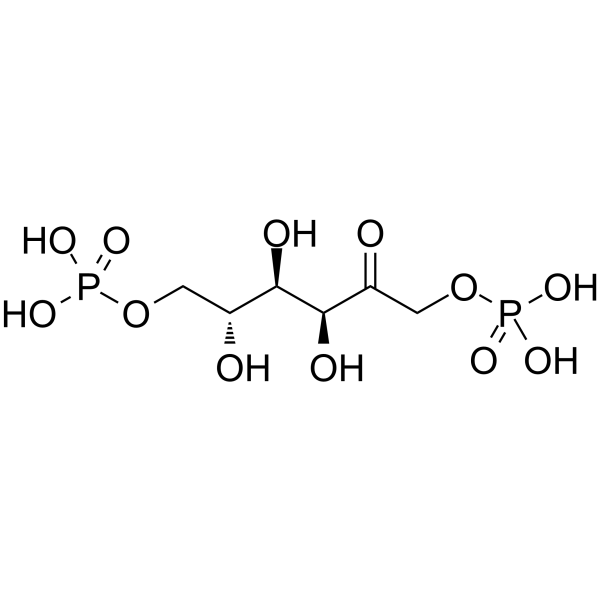
    Fosfructose is an orally active cyclooxygenase-2 inhibitor and Toll-like receptor 4 modulator. Fosfructose reduces the expression of cyclooxygenase-2, thereby decreasing prostaglandin production. By inhibiting the Toll-like receptor 4 signaling pathway, Fosfructose downregulates LPS-induced adhesion molecule expression. Fosfructose is applicable to research related to ischemic stroke, epilepsy, sepsis, myocardial injury, osteoporosis, and ultraviolet B-induced skin damage .
    Fosfructose
  • HY-N0353
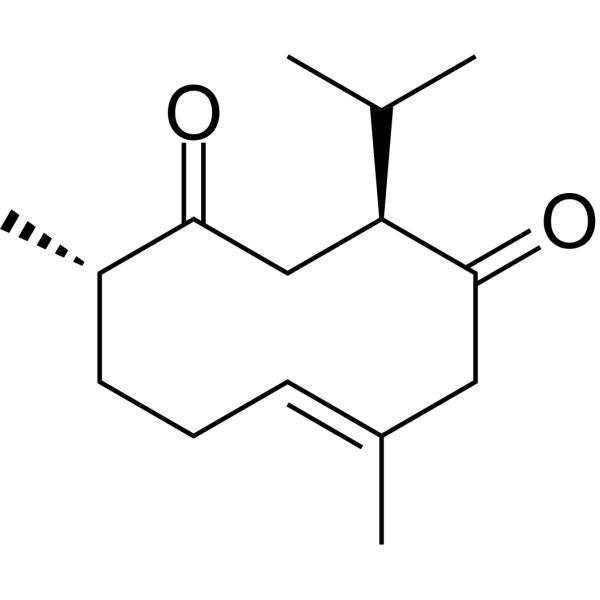
    Curdione
    2 Publications Verification

    (+)-Curdione

    Ferroptosis Apoptosis Reactive Oxygen Species (ROS) Autophagy Glutathione Peroxidase Keap1-Nrf2 Heme Oxygenase (HO) TGF-β Receptor Indoleamine 2,3-Dioxygenase (IDO) Cardiovascular Disease Neurological Disease Cancer
    Curdione ((+)-Curdione) is an orally active sesquiterpenoid. Curdione inhibits platelet aggregation. Curdione induces ferroptosis in colorectal cancer via m6A methylation mediated by METTL14 and YTHDF2. Curdione inhibits ferroptosis in Isoproterenol (HY-B0468)-induced myocardial infarction by regulating the Keap1/Trx1/GPX4 signaling pathway, suppressing oxidative stress (ROS) and apoptosis. Curdione ameliorates Doxorubicin (HY-15142)-induced cardiotoxicity by inhibiting oxidative stress (ROS) and activating the Nrf2/HO-1 pathway. Curdione ameliorates sepsis-induced lung injury by inhibiting platelet-mediated neutrophil extracellular trap formation. Curdione ameliorates Bleomycin (HY-17565A)-induced pulmonary fibrosis by inhibiting TGF-β-induced fibroblast-to-myofibroblast differentiation. Curdione exhibits neuroprotective effects against focal cerebral ischemia-reperfusion injury in rats. Curdione exerts antiproliferative effects against human uterine leiomyosarcoma by targeting IDO1. Curdione protects vascular endothelial cells and atherosclerosis by regulating DNMT1-mediated ERBB4 promoter methylation. Curdione inhibits inducible prostaglandin E2 production (IC50 = 1.1 μM) and cyclooxygenase 2 expression .
    Curdione
  • HY-N3617
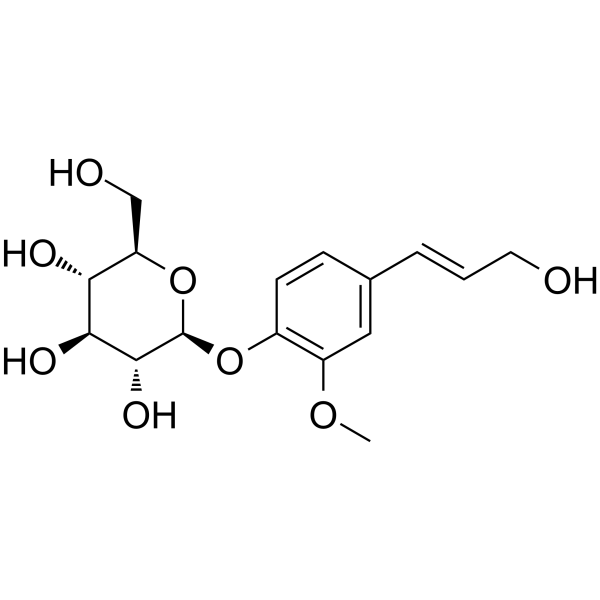
    Coniferin
    2 Publications Verification

    Laricin

    Fungal Prostaglandin Receptor Infection Cardiovascular Disease
    Coniferin (Laricin) is a glucoside of coniferyl alcohol. Coniferin inhibits fungal melanization. Coniferin inhibits the release of certain hormones from cells, including Prostaglandin E2 and Thromboxane B2 .
    Coniferin
  • HY-B1311
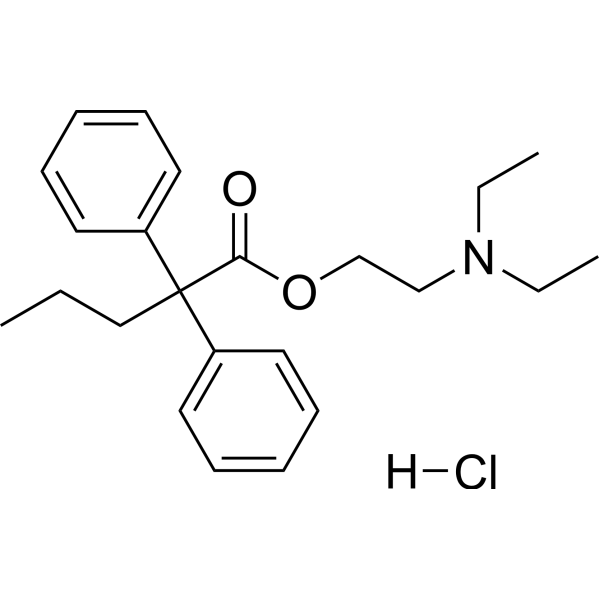
    Proadifen hydrochloride
    1 Publications Verification

    SKF-525A; U-5446; RP-5171

    Cytochrome P450 Monoamine Oxidase Bcl-2 Family Survivin PARP Neurological Disease Inflammation/Immunology Cancer
    Proadifen (SKF-525A) hydrochloride is a non-competitive Cytochrome P450 inhibitor with an IC50 value of 19 μM. Proadifen hydrochloride reduces monoamine oxidase A (MAO-A) activity and reverses the antidepressantlike behavioral effect of Imipramine (HY-B1490A) and Desipramine (HY-B1272A) in rats. Proadifen hydrochloride also reduces N, N-dimethyltryptamine (DMT) metabolism in liver microsomes and inhibits N-demethylationand Acridone (HY-W007771) formation. Proadifen hydrochloride augments Lipopolysaccharide (LPS) (HY-D1056)-induced fever and exacerbates Prostaglandin E2 (PGE2) (HY-101952) levels in the rat. Proadifen hydrochloride is promising for research of metabolism-related deseases, ovarian carcinoma, inflammation and dopamine neurons-related deseases .
    Proadifen hydrochloride
  • HY-N2391

    Endogenous Metabolite Prostaglandin Receptor Endocrinology
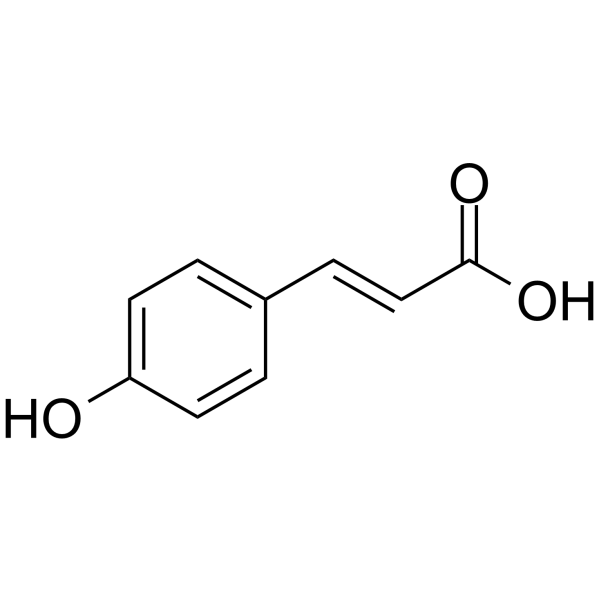
    p-Hydroxycinnamic acid, a common dietary phenol, could inhibit platelet activity, with IC50s of 371 μM, 126 μM for thromboxane B2 production and lipopolysaccharide-induced prostaglandin E2 generation, respectively.
    p-Hydroxycinnamic acid
  • HY-19518

    NCX116; LBN

    Prostaglandin Receptor Neurological Disease
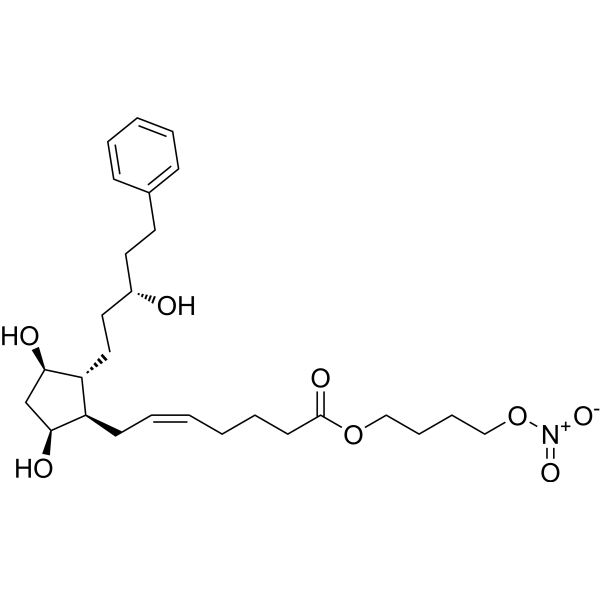
    Latanoprostene bunod (NCX116; LBN) is a nitric oxide-releasing prostaglandin F2α analog. Latanoprostene bunod is a prodrug that, upon instillation into the eye, is hydrolyzed by corneal esterases into two active metabolites: Latanoprost (HY-B0577) and NO. Latanoprost activates the prostaglandin FP receptor to increase the outflow of aqueous humor through the uveoscleral pathway. NO increases aqueous humor drainage through the trabecular meshwork pathway, achieving synergistic enhancement targeting the dual pathways of aqueous humor outflow. Latanoprostene bunod can be used in research related to open-angle glaucoma and ocular hypertension .
    Latanoprostene bunod
  • HY-B0890

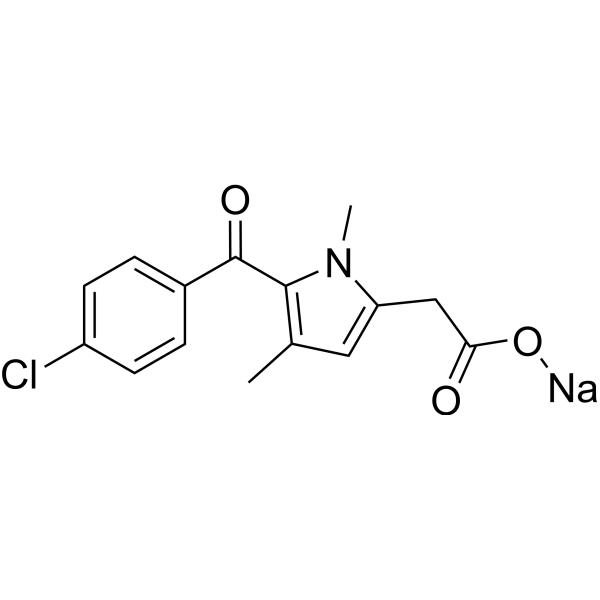
    McN-2783-21-98

    PGE synthase Neurological Disease Inflammation/Immunology
    Zomepirac sodium salt (McN-2783-21-98) is an orally active prostaglandin synthetase inhibitor. Zomepirac sodium salt blocks prostaglandin synthesis and inhibits Collagen (HY-P72147)- or Epinephrine (HY-B0447)-induced platelet aggregation. Zomepirac sodium salt can be used for the research of postoperative pain and osteoarthritis .
    Zomepirac sodium salt
  • HY-113331
    Thromboxane B2
    1 Publications Verification

    Prostaglandin Receptor Cardiovascular Disease Inflammation/Immunology
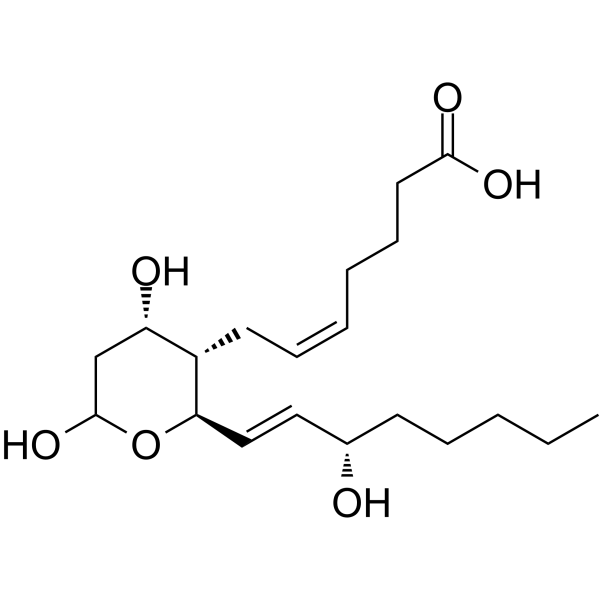
    Thromboxane B2 is a prostaglandin derivative that is released during anaphylaxis. Thromboxane B2 induces arterial contraction and platelet aggregation. Thromboxane B2 is a biological inactive product and circulating catabolite of thromboxane A2. Thromboxane B2 levels in peripheral venous blood and coronary sinus blood can be used as a diagnostic marker for angina. Thromboxane B2 level in serum is also associated with inhibition of COX-1 activity inhibition in platelets. Thromboxane B2 is a major product of prostaglandin endoperoxide metabolism. Thromboxane B2 produces dose-related decreases in airflow rate, tidal volume and dynamic lung compliance, whilst simultaneously increasing pulmonary airway resistance in dog model. Thromboxane B2 appears to be a naturally occurring bronchoactive metabolite in the bioconversion of arachidonic acid .
    Thromboxane B2
  • HY-N2106
    Dehydroevodiamine
    2 Publications Verification

    NF-κB COX PGE synthase NO Synthase Inflammation/Immunology
    Dehydroevodiamine is a major bioactive quinazoline alkaloid isolated from Evodiae Fructus, has an antiarrhythmic effect in guinea-pig ventricular myocytes . Dehydroevodiamine inhibits LPS-induced iNOS, COX-2, prostaglandin E2 (PGE2) and nuclear factor-kappa B (NF-κB) expression in murine macrophage cells .
    Dehydroevodiamine
  • HY-13219

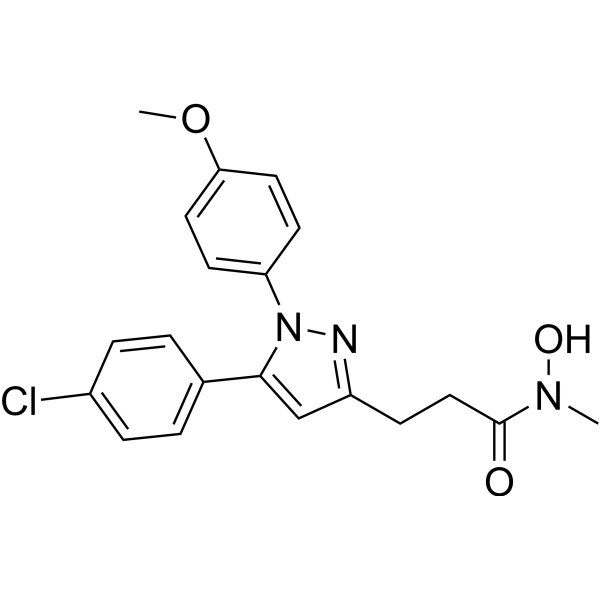
    COX Lipoxygenase Reactive Oxygen Species (ROS) NF-κB Neurological Disease Inflammation/Immunology
    Tepoxalin is an orally active dual inhibitor of Cyclooxygenase/Lipoxygenase, with IC50 values of 4.6 μM (sheep cyclooxygenase), 2.85 μM (rat cyclooxygenase), 0.15 μM (rat 5-lipoxygenase), and 3.0 μM (h12-lipoxygenase), respectively. Tepoxalin inhibits ROS production and NF-κB activation. Tepoxalin suppresses the production of thromboxane B2, leukotriene B4, prostaglandins and cytokines, and blocks platelet aggregation. Tepoxalin exhibits potent anti-inflammatory activity in rats with adjuvant-induced arthritis. Tepoxalin possesses analgesic activity. Tepoxalin shows no ulcerogenic activity within the anti-inflammatory dose range. Tepoxalin can be used in studies related to adjuvant-induced arthritis, skin inflammation and Alzheimer's disease .
    Tepoxalin
  • HY-109532

    Ganirest

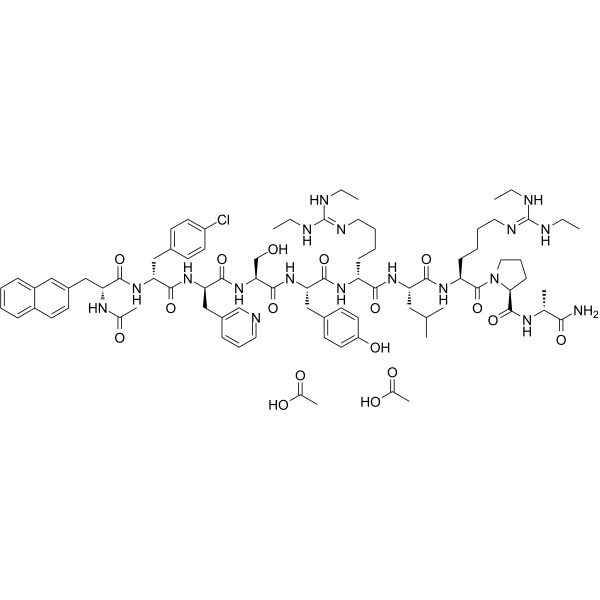
    GnRH Receptor Metabolic Disease
    Ganirelix acetate (Ganirest) is a competitive and selective gonadotropin-releasing hormone (GnRH) antagonist. Ganirelix acetate blocks endogenous GnRH-induced release of luteinizing hormone (LH) and follicle-stimulating hormone. Ganirelix acetate antagonizes Prostaglandin E2 (HY-101952)-induced detrusor overactivity and enhances Carbachol (HY-B1208)-induced detrusor contraction. Ganirelix acetate is applicable to research related to female infertility and detrusor overactivity .
    Ganirelix acetate
  • HY-P4406
    Abz-AGLA-Nba
    1 Publications Verification

    Fluorescent Dye Others
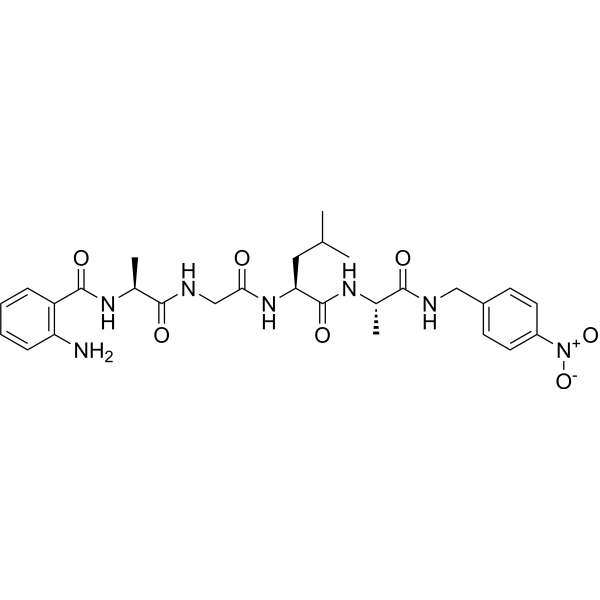
    Abz-AGLA-Nba is a fluorogenic substrate for the determination of protease activity. Abz-AGLA-Nba is hydrolyzed to release aminoacyl benzimide (Abz-AGLA) and 2-naphthylaminoacyl (Nba). The product Abz-AGLA produced by this hydrolysis reaction is fluorescent under ultraviolet light and can emit a fluorescent signal .
    Abz-AGLA-Nba
  • HY-162387

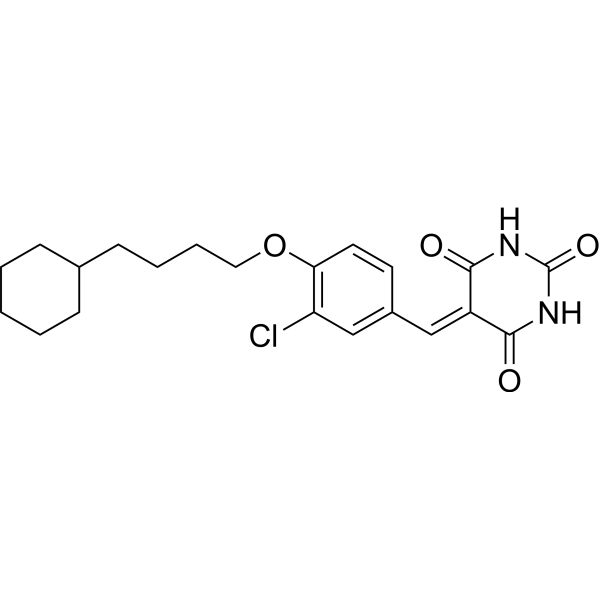
    PGE synthase Cardiovascular Disease Inflammation/Immunology Cancer
    UK4b is a highly selective microsomal prostaglandin E2 synthase-1 (mPGES-1) inhibitor. UK4b possesses anti-inflammatory and analgesic effects. UK4b can block the growth of abdominal aortic aneurysms in mice .
    UK4b
  • HY-113042

    Endogenous Metabolite Cardiovascular Disease Endocrinology
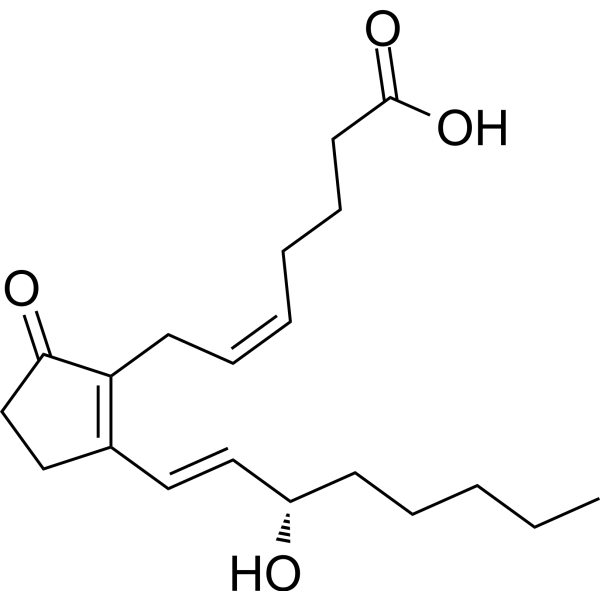
    Prostaglandin B2 is a prostaglandin. Prostaglandin B2 is the main substance in cord blood mesenchymal stem cells, to inhibit DC-T Cell proliferation. Prostaglandin B2 also induces cutaneous vasoconstriction of the canine hind paw .
    Prostaglandin B2
  • HY-B2121

    6-MNA; Naproxen impurity O

    Drug Metabolite COX Neurological Disease Inflammation/Immunology
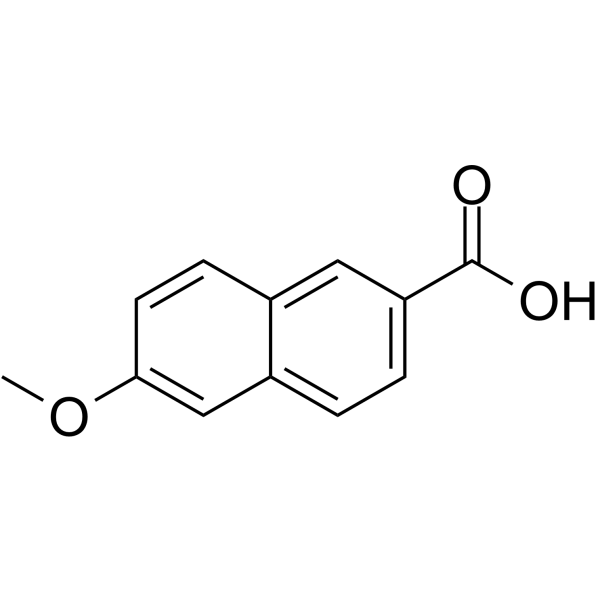
    6-Methoxy-2-naphthoic acid (6-MNA) is the active metabolite of Nabumetone (HY-B0559). 6-Methoxy-2-naphthoic acid is also an inhibitor of COX-1 and COX-2. 6-Methoxy-2-naphthoic acid can inhibit the synthesis of gastric mucosal prostaglandin E2. 6-Methoxy-2-naphthoic acid can be used in the research of inflammation and pain-related diseases. In addition, 6-Methoxy-2-naphthoic acid is an impurity in Naproxen (HY-15030) and can also be used in the synthesis of other active compounds .
    6-Methoxy-2-naphthoic acid
  • HY-120665

    PGB1

    Prostaglandin Receptor Endocrinology
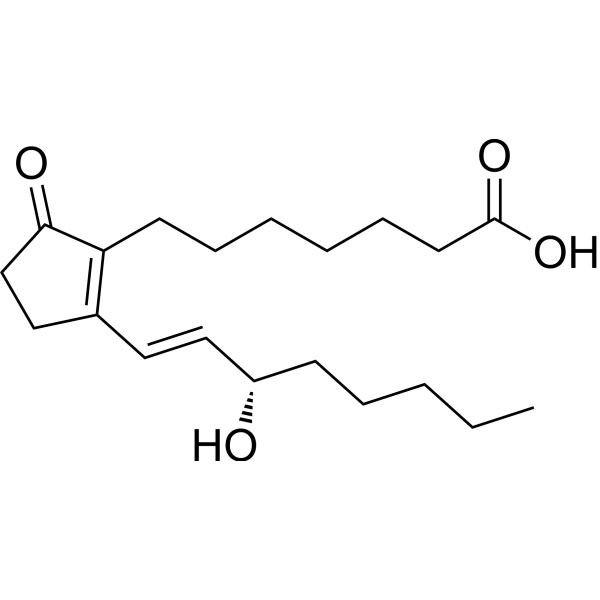
    Prostaglandin B1 (PGB1) is a metabolite of Prostaglandin E1 (HY-B0131). Prostaglandin E1 is a prostanoid receptor ligand .
    Prostaglandin B1
  • HY-125774

    17-Phenyl trinor PGF2α

    Prostaglandin Receptor Others
    Bimatoprost acid (17-Phenyl trinor PGF2α), the acid hydrolysis product of Bimatoprost (HY-B0191), is a potent agonist of prostaglandin FP receptor .
    Bimatoprost acid
  • HY-113445

    COX Endogenous Metabolite Endocrinology
    Thromboxane B3 is a prostaglandin analog derived from arachidonic acid (AA) in the cyclooxygenase (COX) metabolic pathway. Thromboxane B3 is generated from arachidonic acid (AA) in platelets and vascular endothelial cells through the catalysis of cyclooxygenase (COX) and thromboxane synthase (TXS). Thromboxane B3 has been reported to be formed by human platelets upon ingestion of eicosapentaenoic acid (C20: 5ω3) .
    Thromboxane B3
  • HY-116096

    15(R)-prostaglandin E1; 15-Epiprostaglandin E1

    15-PGDH Others
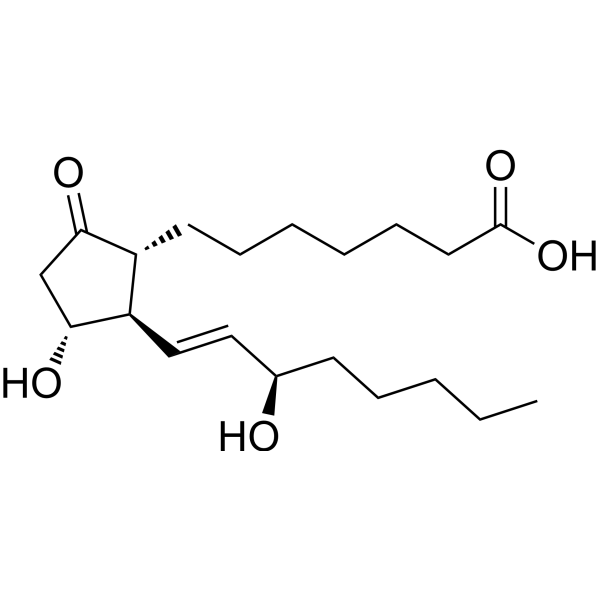
    15-epi-PGE1 (15R-Prostaglandin E1; 15-Epiprostaglandin E1) is a stereoisomer of PGE1 (HY-B0131) but with less biological activity . 15-epi-PGE1 is a non-competitive inhibitor for human placental 15-Hydroxyprostaglandin dehydrogenase (15-PGDH) with an IC50 of 170 μM .
    15-epi-PGE1
  • HY-148400

    TXC hydrochloride

    Ser/Thr Protease Drug Derivative Metabolic Disease
    Cetyl tranexamate (TXC) hydrochloride is an ester derivative of Tranexamic acid (HY-B0149). Cetyl tranexamate hydrochloride is an inhibitor of fibrinogen activation and can reduce the production of fibrinogen in keratinocytes induced by ultraviolet rays or damage, indirectly inhibiting the melanin production pathway. Cetyl tranexamate hydrochloride also targets melanin (dark spots) and hemoglobin (red spots), reducing vascular dilation and pigmentation by inhibiting inflammatory mediators (such as prostaglandins, platelet activating factors). Cetyl tranexamate hydrochloride can be used as a cosmetic ingredient and is suitable for epidermal pigment disorders such as photoaging, post-inflammatory hyperpigmentation (PIH), and melasma .
    Cetyl tranexamate hydrochloride
  • HY-125782

    15(R)-15-Methyl PGD2

    Prostaglandin Receptor Metabolic Disease
    15(R)-15-Methyl prostaglandin D2 (15(R)-15-methyl PGD2) is a metabolically stable synthetic analog of PGD2. The physiological actions of PGD2 include regulation of sleep, lowering of body temperature, inhibition of platelet aggregation and relaxation of vascular smooth muscle. PGD2 mediates its effects by 2 distinct G-protein-coupled receptors, DP1and CRTH2/DP2. 15(R)-15-Methyl prostaglandin D2 is a potent, selective agonist for the CRTH2/DP2 receptor. The EC50 values for eosinophil CD11b expression, actin polymerization, and chemotaxis are 1.4, 3.8, and 1.7 nM, respectively, each of which is approximately 3-5 fold lower than those for PGD2. In contrast the EC50 for the DP1-mediated increase in platelet cAMP by 15(R)-15-methyl PGD2 is >10 μM.
    15(R)​-​15-​Methyl prostaglandin D2
  • HY-N7833

    Biochemical Assay Reagents Others
    Heneicosapentaenoic Acid (HPA) is a 21:5 omega-3 fatty acid found in trace amounts in the green alga B. pennata and in fish oils. Its chemical composition is similar to eicosapentaenoic acid (EPA), except that a carbon is extended at the carboxy terminus, placing the first double bond at the δ6 position. HPA can be used to study the importance of double bond position in omega-3 fatty acids. It incorporates phospholipids and triacylglycerols in vivo with the same efficiency as EPA and docosahexaenoic acid, and exhibits a strong inhibitory effect on the synthesis of arachidonic acid from linoleic acid. HPA is a poor substrate for prostaglandin H synthase (PGHS) (cyclooxygenase) and 5-lipoxygenase, but retains the ability to rapidly inactivate PGHS.
    Heneicosapentaenoic acid
  • HY-130046

    16-epi-Estriol; 16β,17β-Estriol

    UGT Bacterial Infection Inflammation/Immunology
    16-Epiestriol (16-epi-Estriol; 16β,17β-Estriol) is a natural stereoisomer of estriol and an anti-inflammatory agent that targets UGT. The Ki values of 16-Epiestriol against human UGT1A10 and UGT2B7 are 98.1 μM and 162 μM, respectively. As a glucuronidation substrate, 16-Epiestriol can be modified at the 3-OH, 16-OH and 17-OH sites by various UGT enzymes; in liver microsomes, the modification mainly occurs at the 16-OH and 17-OH sites, while reactions take place at all three sites in intestinal microsomes. 16-Epiestriol acts on the phase II inflammatory process by blocking edema mediated by prostaglandins and leukocyte infiltration. It lacks glycogenic activity or any effect on blood glucose levels, and serves as an important candidate molecule in the research of inflammatory diseases .
    16-Epiestriol
  • HY-137584

    1a,1b-Dihomo PGE1

    Prostaglandin Receptor Cardiovascular Disease
    1a,1b-Dihomo prostaglandin E1 (1a,1b-Dihomo PGE1) is an E1-type prostaglandin. 1a,1b-Dihomo prostaglandin E1 can be used for research on platelet aggregation .
    1a,1b-Dihomo prostaglandin E1
  • HY-117431

    PGB3

    PPAR Endogenous Metabolite Metabolic Disease
    Prostaglandin B3 (PGB3) is a member of the class of prostaglandins B and a secondary alcohol. PGB3 exhibits a rather low affinity to human PPARγ with a Ki value greater than 1 mM compared with Ki values of 26.28 ± 8.7 μM for PGB1 and 77 ± 37.7 μM for PGB2 .
    Prostaglandin B3
  • HY-113331S1

    Isotope-Labeled Compounds Prostaglandin Receptor Inflammation/Immunology
    Thromboxane B2-d9 is deuterium labeled Thromboxane B2. Thromboxane B2 is a prostaglandin derivative that is released during anaphylaxis. Thromboxane B2 induces arterial contraction and platelet aggregation .
    Thromboxane B2-d9
  • HY-113331S

    Isotope-Labeled Compounds Inflammation/Immunology
    Thromboxane B2-D4 is the deuterium labeled Thromboxane B2. Thromboxane B2 is a prostaglandin derivative that is released during anaphylaxis. Thromboxane B2 induces arterial contraction and platelet aggregation .
    Thromboxane B2-d4
  • HY-P4406A

    Fluorescent Dye Others
    Abz-AGLA-Nba TFA is a fluorogenic substrate for the determination of protease activity. Abz-AGLA-Nba TFA is hydrolyzed to release aminoacyl benzimide (Abz-AGLA) and 2-naphthylaminoacyl (Nba). The product Abz-AGLA produced by this hydrolysis reaction is fluorescent under ultraviolet light and can emit a fluorescent signal .
    Abz-AGLA-Nba TFA
  • HY-B0191A

    5,6-trans-AGN 192024

    Prostaglandin Receptor Endocrinology Cancer
    5,6-trans-Bimatoprost is the isomer of Bimatoprost (HY-B0191), and can be used as an experimental control. Bimatoprost is a prostaglandin analogue that can be used in studies of ocular hypertension and glaucoma and also has anti-fat formation effects.
    5,6-trans-Bimatoprost
  • HY-B1398R
    Ampyrone (Standard)
    1 Publications Verification

    4-Aminophenazone (Standard)

    Reference Standards COX Drug Metabolite Neurological Disease Inflammation/Immunology Cancer
    Ampyrone (4-Aminophenazone) (Standard) is the analytical standard of Ampyrone (HY-B1398). This product is intended for research and analytical applications. Ampyrone (4-Aminophenazone; 4-Aminoantipyrine) is a reversible and low-damage optical clearing agent and non-selective COX inhibitor based on UV absorption properties. Ampyrone can improve the optical transmittance of mouse skin and other tissues. Ampyrone can induce tissue refractive index matching by enhancing UV absorption, reduce light scattering, and achieve tissue transparency in vivo. Ampyrone reduces the synthesis of prostaglandin PGE2, thereby exerting anti-inflammatory, analgesic and antipyretic effects. Ampyrone inhibits DNA damage, cell apoptosis and immune cell phagocytosis induced by Doxorubicin (HY-15142A) and Cisplatin (HY-17394), etc., and participates in the regulation of toxicity in tumor chemotherapy .
    Ampyrone (Standard)
  • HY-100516

    UR-8880

    COX Cytochrome P450 Inflammation/Immunology
    Cimicoxib (UR-8880) is an orally active, blood-brain barrier-permeable COX-2 inhibitor that also exerts targeted inhibition on CYP2D15. It has an IC50 of 66 nM against hCOX-2, an IC50 of 1.6 μM against canine CYP2D15, and an IC50 of 0.056 μM against feline CYP2D15. By inhibiting the COX-2 pathway to reduce the production of thromboxane B2 and prostaglandin E2, Cimicoxib exerts antipyretic, anti-inflammatory and analgesic effects. Cimicoxib is metabolized by CYP2D15 to form demethyl-cimicoxib, undergoes glucuronidation via UDP-glucuronosyltransferases, and exhibits biphasic elimination kinetics in beagle dogs. Cimicoxib is widely used in studies of inflammatory diseases, osteoarthritis, and perioperative pain associated with orthopedic or soft tissue surgeries .
    Cimicoxib
  • HY-106534

    Preglandin; SC-37681

    Prostaglandin Receptor Endocrinology
    Gemeprost (Preglandin), a Prostaglandin E1 (HY-B0131) analogue, is a potent antiprogestogen drug. Gemeprost has the potential for second trimester abortion research .
    Gemeprost
  • HY-19518R

    NCX116 (Standard); LBN (Standard)

    Reference Standards Prostaglandin Receptor Neurological Disease
    Latanoprostene bunod (NCX116; LBN) (Standard) is the analytical standard of Latanoprostene bunod. This product is intended for research and analytical applications. Latanoprostene bunod is a nitric oxide-releasing prostaglandin F2α analog. Latanoprostene bunod is a prodrug that, upon instillation into the eye, is hydrolyzed by corneal esterases into two active metabolites: Latanoprost (HY-B0577) and NO. Latanoprost activates the prostaglandin FP receptor to increase the outflow of aqueous humor through the uveoscleral pathway. NO increases aqueous humor drainage through the trabecular meshwork pathway, achieving synergistic enhancement targeting the dual pathways of aqueous humor outflow. Latanoprostene bunod can be used in research related to open-angle glaucoma and ocular hypertension.
    Latanoprostene bunod (Standard)
  • HY-127110

    Phospholipase Others Neurological Disease Inflammation/Immunology
    AK106-001616 is a potent and selective inhibitor of cytosolic phospholipase A2 (cPLA2) (IC50=3.8 nmol/L). AK106-001616 is able to reduce the production of prostaglandins (PG) E2 and leukotrienes (LT) B4 by stimulated cells. AK106-001616 can be used in the study of inflammatory diseases, neuropathic pain and pulmonary fibrosis .
    AK106-001616
  • HY-124852

    PF 5212372

    Phospholipase Prostaglandin Receptor Leukotriene Receptor Inflammation/Immunology
    ZPL-5212372 (PF 5212372) is a cPLA2α inhibitor (IC50 = 7 nM). ZPL-5212372 inhibits the release of prostaglandin D2 (PGD2), cysteyl leukotrienes, leukotriene B4, thromboxane A2, and PGD2 from human lung cells. ZPL-5212372 inhibits delayed bronchoconstriction and airway hyperresponsiveness in a sheep allergic inflammation model. ZPL-5212372 may be used in asthma research .
    ZPL-5212372
  • HY-B0885R

    (±)-Econazol (Standard)

    Reference Standards Fungal Bacterial Calcium Channel Cytochrome P450 Infection Metabolic Disease
    Econazole (Standard) ((±)-Econazol (Standard)) is the analytical standard of Econazole (HY-B0885). This product is intended for research and analytical applications. Econazole ((±)-Econazol) is an orally active imidazole antifungal agent, as well as a cytochrome P-450 inhibitor and a blocker of calcium and manganese ion uptake. Econazole is active against a variety of fungi and some Gram-positive bacteria, but has no significant activity against Gram-negative bacteria. Econazole can inhibit the synthesis of prostaglandins and can also induce liver damage .
    Econazole (Standard)
  • HY-113042S

    Isotope-Labeled Compounds Others
    Prostaglandin B2-d4 is the deuterium labeled Prostaglandin B2 .
    Prostaglandin B2-d4
  • HY-131632

    1a,1b-Dihomo-PGF2α

    Endogenous Metabolite Others
    1a,1b-Dihomo prostaglandin F2α (1a,1b-Dihomo-PGF2α) is the derivative of Prostaglandin F2α (HY-12956) .
    1a,1b-Dihomo prostaglandin F2α
  • HY-128043

    AY-23578; Doproston B; 11-Deoxy-PGE1

    Prostaglandin Receptor Inflammation/Immunology
    11-Deoxy prostaglandin E1 (AY-23578; Doproston B) is an analog of prostaglandin E1 (PGE1) with bronchodilator activity. 11-Deoxy prostaglandin E1 inhibits histamine-induced bronchoconstriction and causes relaxation of tracheal strips in isolated guinea pigs .
    11-Deoxy prostaglandin E1
  • HY-131626

    1a,1b-Dihomo PGE2

    COX Metabolic Disease
    1a,1b-Dihomo Prostaglandin E2 (PGE2) is a rare polyunsaturated fatty acid first identified in extracts of sheep vesicular gland microsomes, known to contain COX, incubated with adrenic acid. 1a,1b-Dihomo PGE2 has also been identified in conditioned media of RAW 264.7 macrophages stimulated with endotoxin and arachidonic acid. This product is thought to be produced by elongation of AA to adrenic acid, which is then metabolized sequentially by COX and PGE synthase.
    1a,1b-Dihomo prostaglandin E2
  • HY-138206

    PGE1 isopropyl ester

    Prostaglandin Receptor Cardiovascular Disease
    Prostaglandin E1 isopropyl ester is an isopropyl ester form of prostaglandin E1 (HY-B0131). Prostaglandin E1 isopropyl ester exhibits a faster penetration flux than prostaglandin E1 .
    Prostaglandin E1 isopropyl ester
  • HY-114942

    prostaglandin E1 Et ester; PGE1-EE

    Prostaglandin Receptor Cardiovascular Disease
    Prostaglandin E1 ethyl ester (Prostaglandin E1 Et ester) is the esterified form of Prostaglandin E1 (PGE1; HY-B0131). Prostaglandin E1 (Alprostadil) is a prostaglandin receptor ligand that induces vasodilation and inhibits platelet aggregation .
    Prostaglandin E1 ethyl ester
  • HY-168397

    Prostaglandin Receptor Endocrinology
    tetranor-Prostaglandin E1 is metabolite of Prostaglandin E1 (HY-B0131) and Prostaglandin E2 (HY-101952) that is formed by β-oxidation .
    tetranor-Prostaglandin E1
  • HY-N10226

    Prostaglandin Receptor Cardiovascular Disease Endocrinology
    Thielavin B is an inhibitor of prostaglandin biosynthesis produced by Thielavia terricola. Thielavin B effectively influences the prostaglandin E2 synthesis from the endoperoxide. Thielavin B is significantly effective on carrageenan-induced oedema of rats when administered intravenously .
    Thielavin B
  • HY-130226

    11β-prostaglandin E1

    Endogenous Metabolite Prostaglandin Receptor Cardiovascular Disease Endocrinology Cancer
    11-epi-PGE1 (11β-Prostaglandin E1) is a less potent isomer of Prostaglandin E1 (HY-B0131). Prostaglandin E1 is a prostanoid receptor ligand .
    11-epi-PGE1
  • HY-157976

    dinor-PGE1

    Endogenous Metabolite Prostaglandin Receptor Others
    Dinorprostaglandin E1 (dinor-PGE1) is the hepatocyte metabolite of prostaglandin E1 and prostaglandin E. Prostaglandin E1 and prostaglandin E inhibit glucagon, epinephrine, isoproterenol (beta-adrenergic agonist), or epinephrine-stimulated glycogenolysis when co-treated with Isoproterenol (HY-B0468) .
    Dinorprostaglandin E1
  • HY-176011

    17-Phenyl trinor PGF2α glycinamide methyl ester

    Prostaglandin Receptor Endocrinology
    17-Phenyl trinor prostaglandin F2α glycinamide methyl ester is a derivative of Bimatoprost (HY-B0191) and a prostaglandin analog. 17-Phenyl trinor prostaglandin F2α glycinamide methyl ester is a human prostaglandin FP receptor agonist. 17-Phenyl trinor prostaglandin F2α glycinamide methyl ester has an ocular hypotensive effect and can be used in the study of ocular hypertension and glaucoma .
    17-Phenyl trinor prostaglandin F2α glycinamide methyl ester
  • HY-118599

    Prostaglandin Receptor Others
    Prostaglandin F2α ethyl amide is an analog of Prostaglandin F2α (HY-12956). Prostaglandin F2α ethyl amide is supposed to be potent lowering intraocular pressure (IOP) for its N-ethyl amide group, like Bimatoprost (HY-B0191) .
    Prostaglandin F2α ethyl amide
  • HY-172634

    8-Iso-17-phenyl PGF2β

    Biochemical Assay Reagents Drug Isomer Others
    8-Iso-17-phenyl trinor prostaglandin F2β is an isomer of Bimatoprost (HY-B0191). Bimatoprost is a prostaglandin analog. Bimatoprost lowers intraocular pressure by regulating scleral and trabecular outflow.
    8-Iso-17-phenyl trinor prostaglandin F2β
  • HY-156101

    Prostaglandin Receptor Cardiovascular Disease
    Latanoprost amide is a derivative of the F-prostaglandin (FP) receptor agonist Latanoprost (HY-B0577) .
    Latanoprost amide

Inquiry Online

Your information is safe with us. * Required Fields.

Salutation


Country or Region *

Applicant Name *


Organization Name *

Department *


Email Address *


Product Name *

Cat. No.


Requested quantity *

Phone Number *


Remarks

Inquiry Online

Inquiry Information

Product Name:
Cat. No.:
Quantity:
MCE Japan Authorized Agent:

